
Protocols: An Operating Manual for the Human Body
Independent study notes on Andrew Huberman's Protocols (2026): what the book recommends for sleep, exercise, stress, nutrition, light, focus and personal growth, and why. A summary of a book for general education, not medical advice.
353 cards8 lessonsFree
Already have FlashFeed?Open this pack
Get this pack on your phone
Scan with your phone's camera.
flashfeedlearningapp.com/packs/protocols
Part of the Habits & Mindset collection.
8 lessons.
Each lesson has a study guide to read and objectives you can test yourself on. Its cards and games show up in your feed. Try one of its cards right here.
-
 Pexels · Taha İlter Özzengin · Pexels License ↗01
Lesson 1: Sleep: Light, Timing and Temperature
Part 1: Light and Your Body Clock · Part 2: Sleep Timing and Temperature
Lesson 1 · 10 cardsPexels · Taha İlter Özzengin · Pexels License ↗Your eyes tell your body clock the time of day
Light is the main signal that sets your master clock, the suprachiasmatic nucleus (SCN), which coordinates the body's cells and organs into a rhythm of about twenty-four hours. That light arrives through the eyes: cells in the retina called ipRGCs respond to light on their own and report the time of day to the SCN. They respond best to sustained, very bright light that contrasts blue-green with yellow-orange, the mix a low sun sends at sunrise and sunset.
 Unsplash · MomentBild · Unsplash License ↗
Go outside soon after waking for morning sunlight
Get morning sunlight: go outside soon after waking, within the first half hour to hour, and look toward the sun without staring at it. The duller the sky, the longer to stay out, and overcast days make the protocol matter even more, since dense clouds cut brightness and filter out longer wavelengths. Never stare at the sun or force your eyes open. People with an eye condition such as macular degeneration should take particular care with midday sun and, if very sensitive to sunlight, may want to consult an eye doctor first.
 Unsplash · Timur Can Şentürk · Unsplash License ↗
Sunglasses, glass and indoor lights fall short of open sky
Sunglasses and brimmed hats get in the way of morning sunlight, while eyeglasses and contact lenses are fine. A window or windshield is far less effective, though better than nothing, because glass filters out light, especially shorter wavelengths. If you wake before sunrise, switch on as many bright indoor lights as possible, then go outside once the sun rises: indoor lighting cannot replace sunlight, since in the morning the eyes need more bright light than screens or home lighting provide.
 Pierre Blaché from Paris, France · CC0 ↗
Morning sunlight lifts energy in at least three ways
Morning sunlight is, in Huberman's view, the best way to raise morning and daytime energy, ahead of food or caffeine. It suppresses leftover melatonin, a hormone that helps promote sleepiness, and helps reduce adenosine, a chemical that adds to sleepiness. After a short night, leftover adenosine can push the clock later each day, and morning light counters that drift. It also boosts cortisol, described as mostly a wakefulness-promoting hormone rather than a stress hormone.
 Pexels · Jakob Andersson · Pexels License ↗
Afternoon sunlight is the second bookend for your clock
Go outdoors in the late afternoon or early evening, facing west if possible, under the same rules as the morning; seeing the sunset isn't required. The SCN holds two rhythm generators that work like bookends: morning light shifts the clock earlier, afternoon light shifts it later, and together they keep the schedule steady. Afternoon light also lowers the eyes' sensitivity to artificial light at night, a partial "inoculation."
 Shixart1985 · CC BY 2.0 ↗
Dim the lights after sundown, favoring amber or red
Dim the lights for several evening hours, not only the final hour before bed: after sundown, or from around 8 or 9 p.m. for a typical sleeper, using soft amber or red bulbs, or candlelight that is put out before sleep. Amber and red bulbs spike cortisol and suppress melatonin less than many bright white LEDs, which emit more short-wavelength light, though any light bright enough will still shift the clock. The timing is anchored to the temperature minimum, the lowest point of body temperature, about two hours before you usually wake.
 Unsplash · Susan Wilkinson · Unsplash License ↗
Build your sleep schedule around your chronotype
Your chronotype is the genetically determined preference for when you sleep and wake; build your schedule around it. Most people fall between the extremes, sleeping between about 10 p.m. and midnight and waking between 6 and 8 a.m., and can pick a schedule that suits them as long as it allows at least six to eight hours of sleep. Timing matters almost as much as length: sleeping in sync with your chronotype brings more growth hormone release and more deep and REM sleep, so you may need less sleep overall.
 ShardsOfBlue (Openverse) · by-sa 2.0 ↗
A one-week experiment can reveal when you sleep best
People not fully happy with their sleep can run a one-week experiment: bed by about 8:30 to 9 p.m., a screen-free activity if you aren't yet tired, and lights out by about 9 to 9:30 (10 at the latest). Many people wake more refreshed, but if sleep won't come after several nights, you may simply be wired for a later bedtime, since true night owls exist. Late caffeine and eating near bedtime can spoil the test. Once you know your times, keep them within about thirty minutes, six to seven nights a week.
1 / 10Priya wakes to a heavily overcast sky. How should she handle her morning sunlight?
Dense clouds cut brightness, so the protocol matters even more on overcast days, and the time outdoors is extended as the sky gets duller. Skipping it, or keeping or shortening the time, gets that backward.
Lesson 1 has 43 cards. Keep going in the free app.
Question -
 Unsplash · Adrian Swancar · Unsplash License ↗02
Lesson 2: Sleep: Naps, Rest and What to Avoid
Part 1: Naps and Non-Sleep Deep Rest · Part 2: Caffeine, Alcohol, Cannabis and Screens · Part 3: Jet Lag
Lesson 2 · 10 cards Pexels · Andrea Piacquadio · Pexels License ↗
Match nap length to the goal: energy or heavy emotions
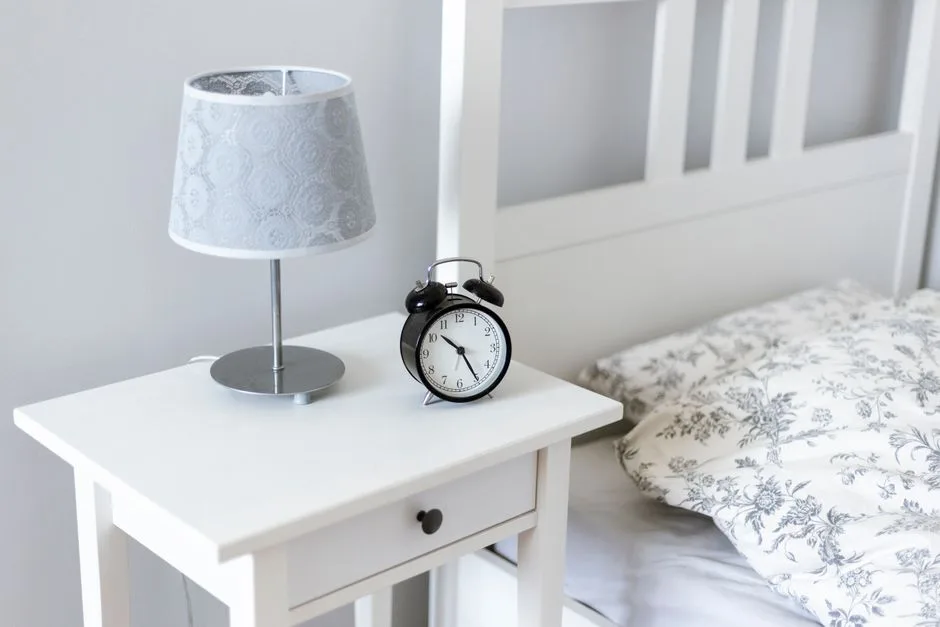
For energy and focus, a nap of 15 to 20 minutes is suggested for a boost lasting the rest of the day, while 5 to 10 minutes gives only a mild, short-lived lift. After a loss, a fight or a rejection, try a longer nap of up to 90 minutes, linked to REM sleep, the stage said to process emotions. REM begins about 60 to 70 minutes into a sleep cycle. A nap cut off near 45 minutes may leave you groggy.
 Pexels · Justyna Grochowska · Pexels License ↗
Use an alarm for short naps; when short of sleep, 30 to 90 minutes is fine
Set an alarm for 15 to 20 minutes, with at most one 5-minute snooze. A nap that short stays within the lighter stages, N1 and N2, so it shouldn't cause sleep inertia, the grogginess of waking from deeper non-REM sleep. When you are short of sleep, naps of 30, 60 or even 90 minutes are fine, but longer ones can split your circadian rhythm, the body's 24-hour cycle, into two separate sleeps.
 Pexels · cottonbro studio · Pexels License ↗
A nap clears some sleep pressure, so skip it if you lie awake at night
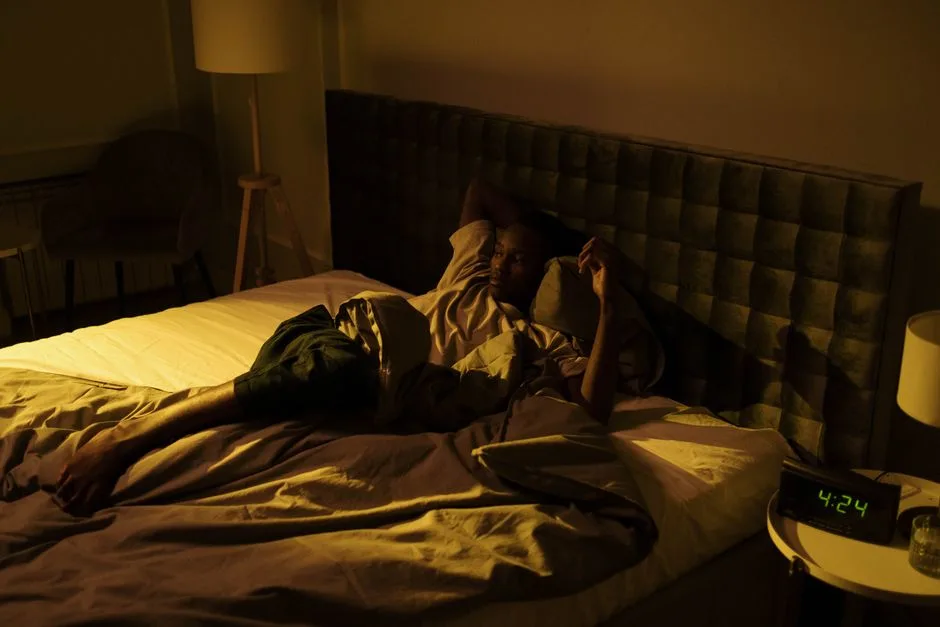
Adenosine builds up between brain cells the longer you are awake and the more you do, and the more of it there is, the stronger your sleep pressure, or need to sleep. A nap clears some adenosine, though less than a full night does. So anyone who struggles to fall asleep at night should skip naps and try non-sleep deep rest (NSDR) instead, and people with insomnia should usually pass on naps too. For chronic insomnia that persists after trying these protocols, see a physician who specializes in sleep.
 Unsplash · LUNA ACTIVE FITNESS · Unsplash License ↗
Use NSDR to recharge, or when sleep won't come
Try NSDR when you're worn out and want to recharge, especially right after waking following a short night, and at night when you can't fall asleep or drift back off, which beats tossing and fretting. Sessions can be as short as 10 minutes, with 20 to 30 suggested when time allows, and dozing off during a daytime session is fine. It is not traditional meditation, breathwork or a nap, and the research on it is small but growing.
 Shixart1985 · CC BY 2.0 · cropped ↗
Stop caffeine 8 to 10 hours before bed; waiting after waking may help
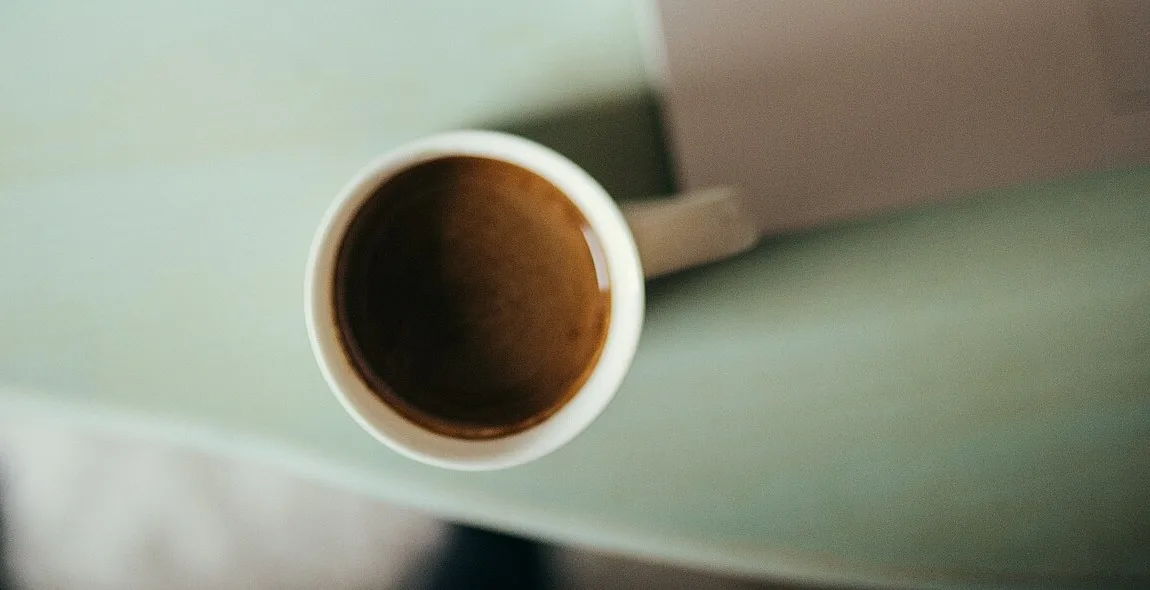
Caffeine is a stimulant whose effects last a long time, so stop having it 8 to 10 hours before bedtime. Regular users adapt and can still fall asleep, but they are likely not sleeping as well as they could, and sleep may suffer for anyone who has caffeine after noon. For an afternoon slump despite good sleep, try waiting 30 to 90 minutes after waking for the first caffeine. The reasoning is that adenosine keeps falling in the first hour or two without it, though this is only a suggestion, with no known clinical trial behind it.
 Pexels · Pixabay · Pexels License ↗
Caffeine blocks the tired signal, and the crash comes later
Caffeine is an adenosine antagonist: it parks in adenosine's receptors and blocks its tiredness signal, so the brain misjudges how fatigued it is. When it wears off, the stored-up adenosine suddenly takes effect: the "caffeine crash". The extra activity caffeine drives is said to make still more adenosine, so the crash hits harder. Caffeine also lengthens sleep latency (how long it takes to drift off), increases night waking and can cut REM sleep.
 Unsplash · Patrick Fore · Unsplash License ↗
Alcohol can speed sleep, but it cuts REM and deep sleep
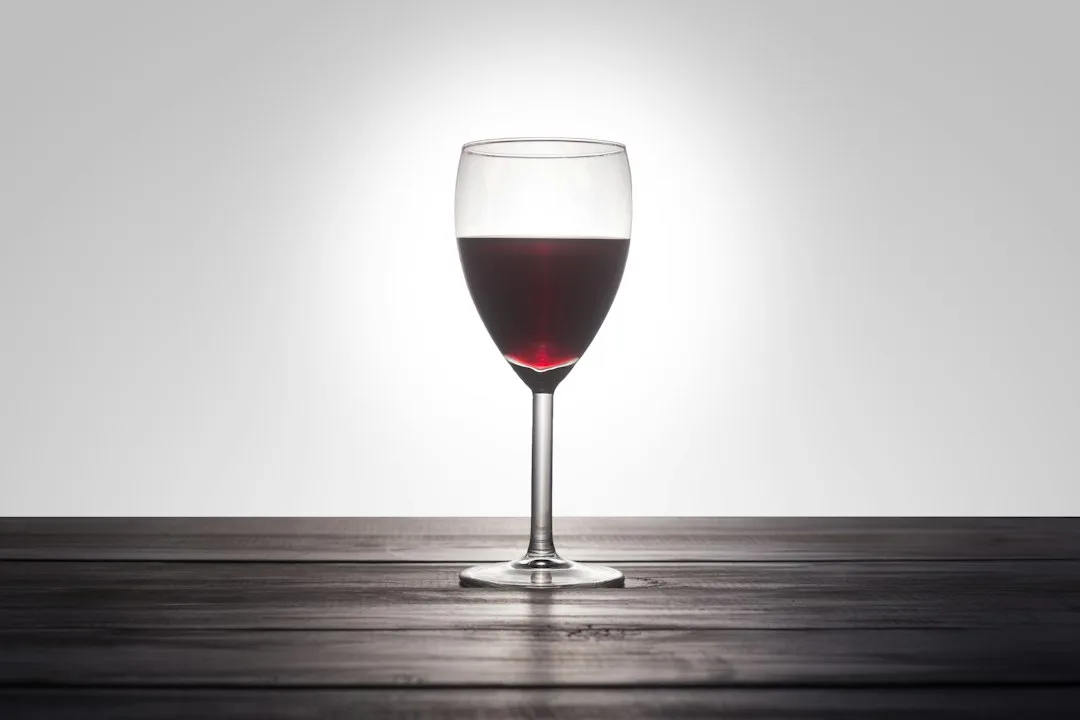
Alcohol is a sedative and can speed falling asleep, but it suppresses REM sleep early in the night and cuts both deep sleep and REM overall. Don't treat it as a sleep aid, and avoid it for 8 hours before sleep, so less remains in the body at bedtime. Abstaining, in Huberman's view, beats drinking any amount, whatever the drink. He adds that an occasional drink near bedtime, about monthly or less, is unlikely to cause lasting problems unless the night is excessive, while drinking that way weekly or more often disrupts sleep.
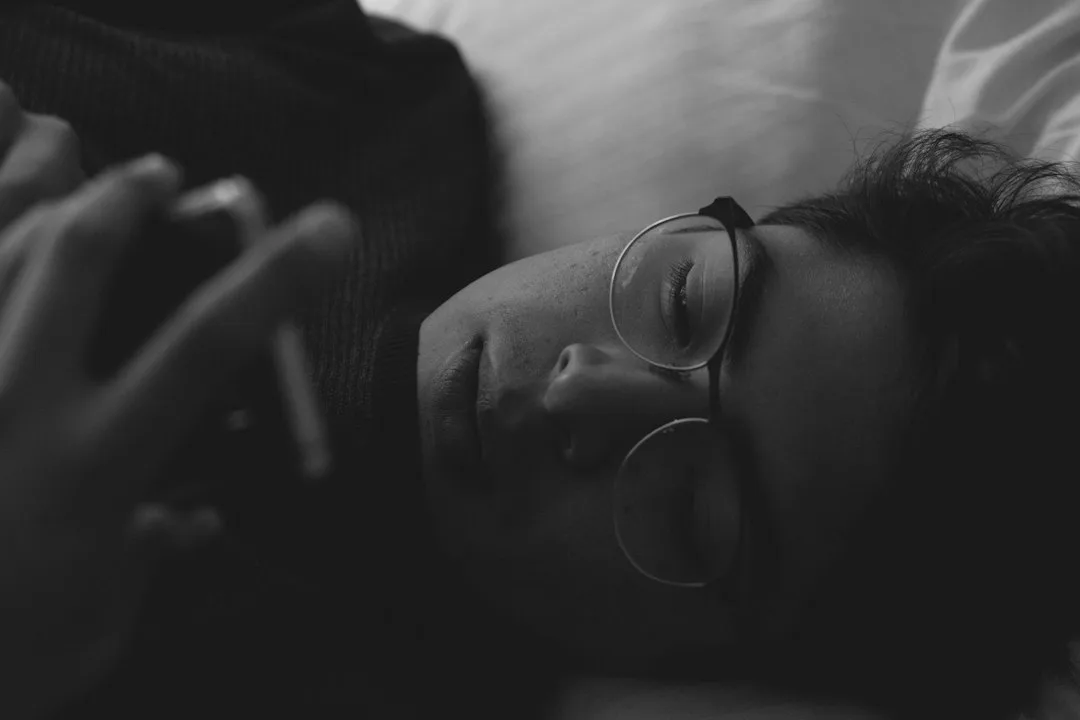 Unsplash · Sayo Garcia · Unsplash License ↗
Keep screens out of the bedroom and off for the last hour
Keep phones, laptops, tablets and TVs out of the bedroom overnight, and avoid information on any device for at least the last hour before bed. Screens use LEDs, which disrupt the circadian clock, and evidence suggests LED light can interrupt the body's production of melatonin, its sleep hormone. In a 2014 Harvard Medical School report, people reading on an e-book under a dim light fell asleep more slowly and were less alert the next morning than people reading a printed book. The problem isn't only light: interactive content stimulates the brain.
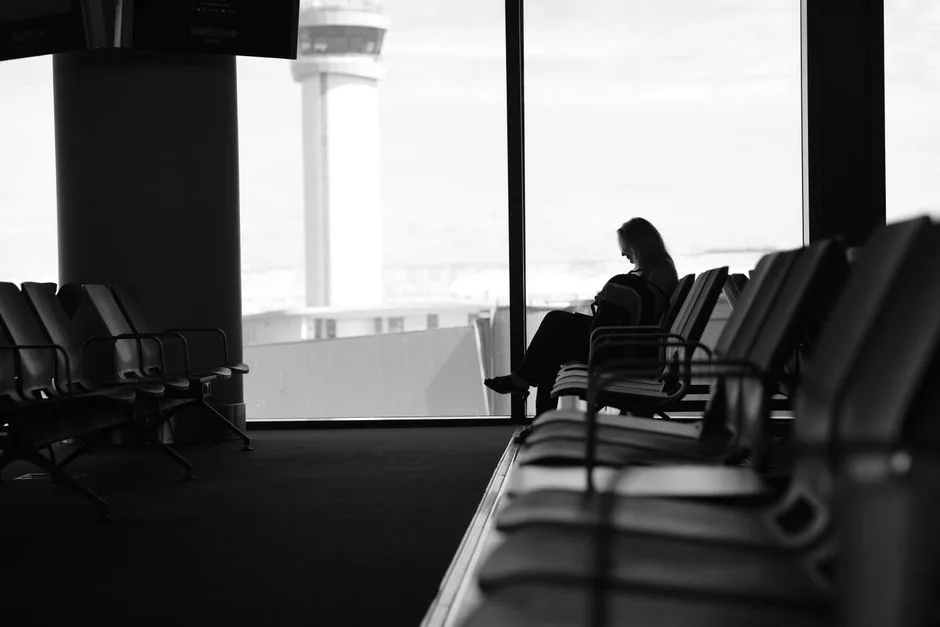 Pexels · Berk Aktas · Pexels License ↗
Jet lag happens because your body clock stays on its old time
After a long flight, adopting local time is hard because your SCN, the brain's master clock, stays set to wherever you spent the previous week or so. For example, after a flight from California to London that lands at 5:00 p.m., the sunset looks like morning light to the traveler's clock and wakes them up. Five factors can shift your clock to a new time zone, ranked by Huberman from most to least influential: light, temperature, meal times, exercise and social factors.
1 / 10Lee wakes at 3 a.m. and can't drift back to sleep. Which of these is suggested for Lee?
NSDR is suggested at night when you can't fall asleep or drift back off, and it beats tossing and fretting. It is not traditional meditation or breathwork.
Lesson 2 has 47 cards. Keep going in the free app.
Question -
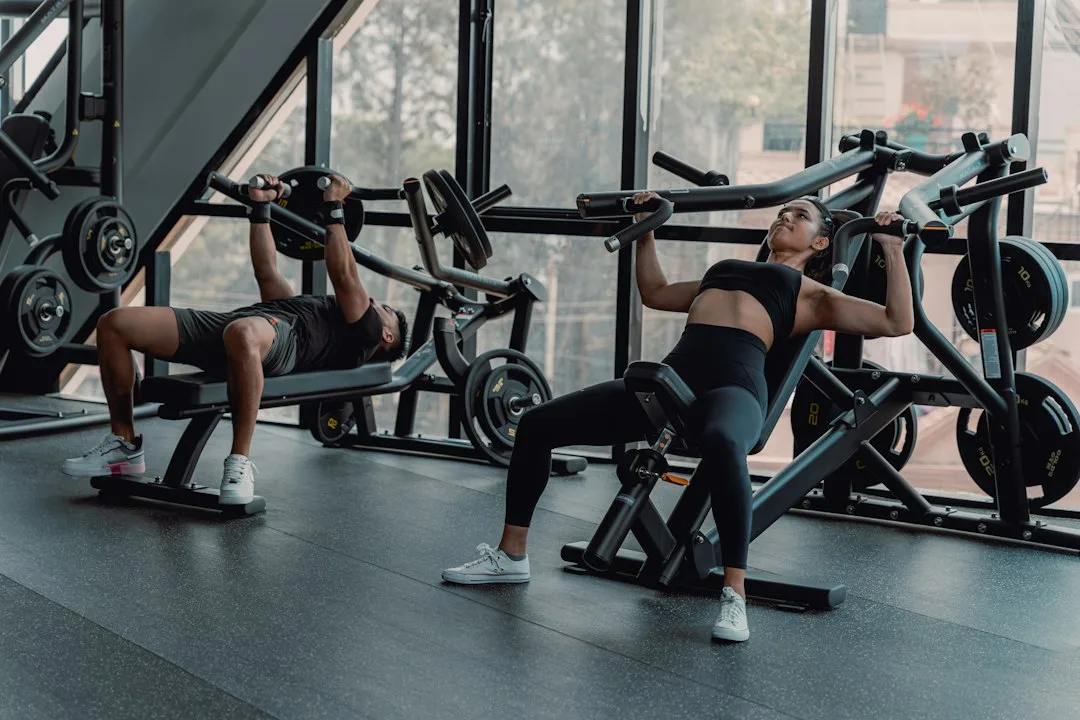 Unsplash · Gold's Gym Nepal · Unsplash License ↗03
Lesson 3: Exercise
Part 1: Walking and Resistance Training · Part 2: Cardio, Mobility and Flexibility
Lesson 3 · 10 cardsUnsplash · Gold's Gym Nepal · Unsplash License ↗A workout is a stress; the body's changes are the payoff
A workout is a deliberate stress, and the lasting changes your body makes in answer to it, called adaptations, are the real payoff. There is no single best way to exercise, but Huberman believes there is a best way to structure a program: daily walking, resistance training, cardio and brief mobility work.
 Biel Morro bielmb · CC0 ↗
Walking is the bedrock of a healthy lifestyle
Walking is, Huberman says, the bedrock of a healthy lifestyle, not a workout or an add-on, much as morning sunlight underlies good sleep. Aim for 7,000 steps a day, roughly an hour of walking that can be spread out, with 10,000 better; a 5 to 10 minute walk after meals; and at least 5 minutes of walking or pacing for every 30 minutes of sitting or standing. In one study, people taking at least 7,000 steps a day had a lower risk of dying over the next decade.
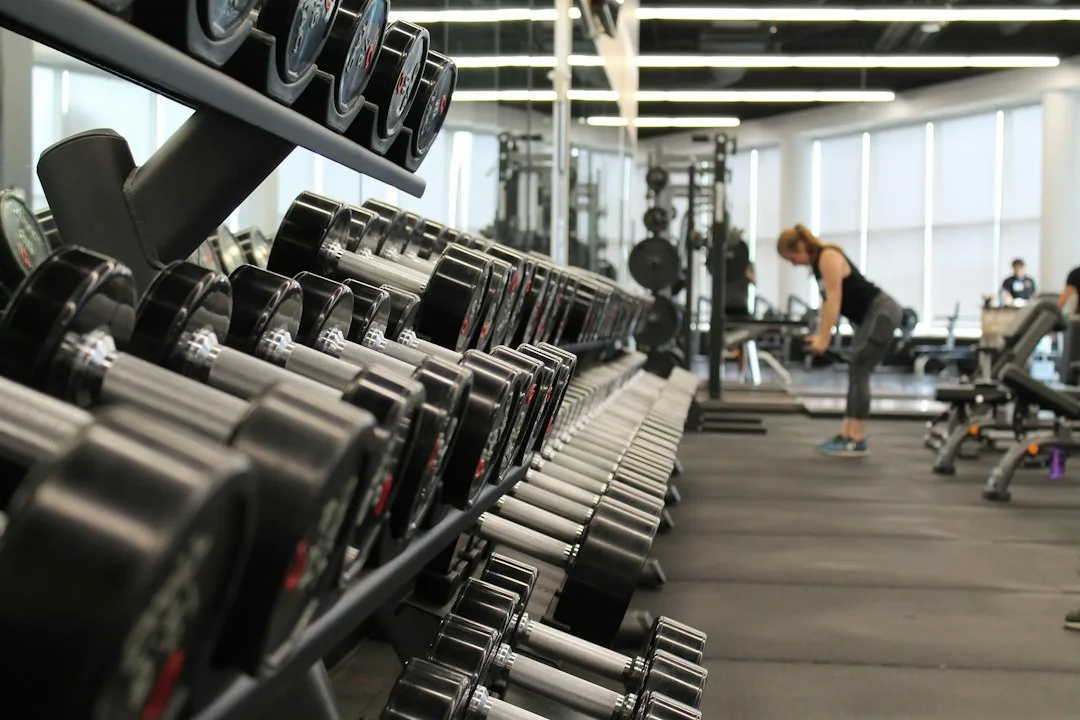 Unsplash · Danielle Cerullo · Unsplash License ↗
A lifting week: three sessions, each major muscle group trained once
Resistance training means working your muscles against weight, and it strengthens bones and maintains or builds muscle mass. The template is three sessions a week of about an hour, training each major muscle group directly once: lower body; torso (chest, back, abdominals and core); and shoulders and arms. Each group gets two or three exercises, with at least one compound exercise (multi-joint, like a squat) and one isolation exercise (single-joint, like a leg extension), and usually two work sets (the hard sets after warm-up) per exercise.
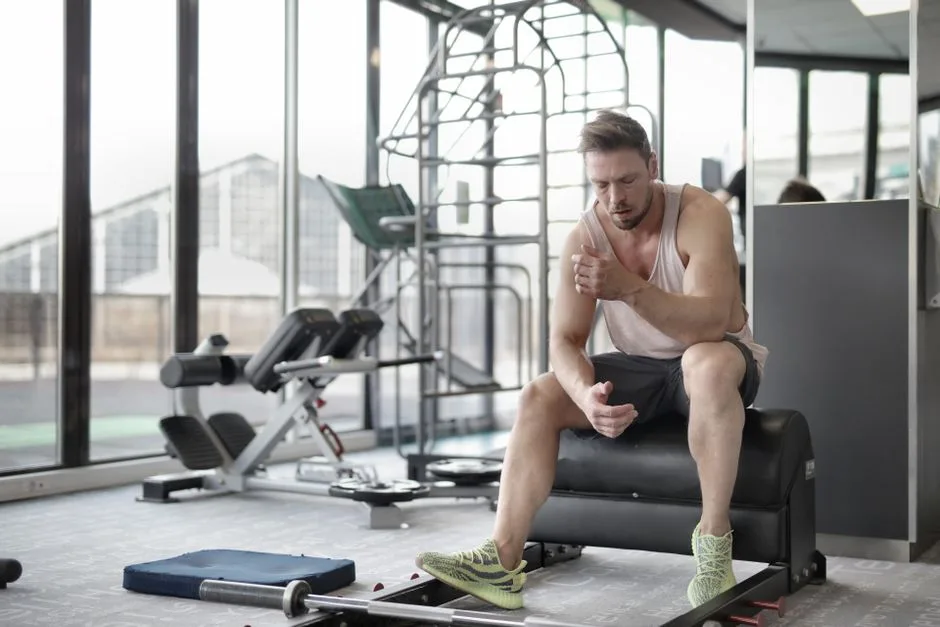 Pexels · Andrea Piacquadio · Pexels License ↗
Work sets go to failure, and progress comes from adding weight or reps
A typical session pushes every work set to failure, the point where you cannot lift the weight again in good form; with so few sets, every one must be hard. Going past failure (assisted reps or quick weight drops) taxes the nervous system, so it is for two or three sets a workout at most and not for stressed days. Progress needs progressive overload, adding weight or repetitions in good form over time, and tracking sets, reps and weights gives each session a number to beat. Soreness is not the goal; the real changes arrive over the two to four days after training, mostly during sleep.
 Pexels · Tima Miroshnichenko · Pexels License ↗
A warm-up and a spotter make lifting safer; most should skip one-rep max lifts
A whole-body warm-up of about five minutes helps avoid injury, and newcomers can spend one to three weeks learning the movements with light weights. On a lift like the bench press, a spotter who can lift the bar off you, a rack with safety pins, dumbbells or machines reduce the danger of being stuck under the bar. Huberman says joint pain means the form or the exercise is wrong, and most people should skip one-repetition-maximum lifts, the most you can lift once. Check with your doctor first, especially if you have a heart condition or another health condition.
 Pexels · Nikita Nikitin · Pexels License ↗
Cardio: three sessions a week, the longer the session the easier it is
Cardio keeps your heart rate raised for a sustained stretch. The plan calls for three sessions a week, each aimed at a different adaptation: one long, one medium and one brief, with intensity scaled opposite to length. The long easy session comes the day before the leg workout, the moderate one three days after and the brief hard one four days after, about two hours a week in all. Any activity works if you can sustain it for the session's length and intensity and it is safe for your joints, spares your injuries, suits your skill level and can be done in safe conditions.
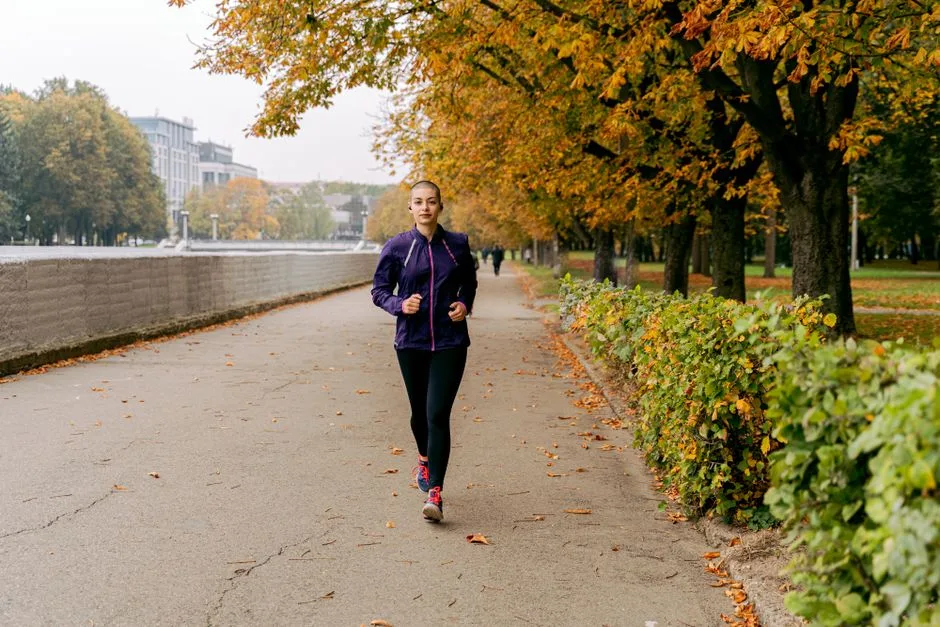 Pexels · Antoni Shkraba · Pexels License ↗
The long session is easy: conversation pace, breathing through the nose
The long session is steady, continuous effort for 45 to 75 minutes at a pace where you could only just hold a conversation. A second gauge is breathing through the nose alone, since gasping through the mouth means pushing too hard. Its main aim is a bigger stroke volume, the blood the heart pumps per beat, so the heart needs fewer beats at rest. The challenge is duration, not intensity, and people out of shape may want to begin much shorter.
 Unsplash · Michael Pointner · Unsplash License ↗
A moderate session tends to energize; the brief one is hard but short
After an easy warm-up, the moderate session is 25 to 30 minutes at a moderately fast pace, breathing fairly hard without gasping or stopping; it tends to leave people energized and focused for hours. The brief, hard session never keeps you near all-out effort for long; options include HIIT, the Cooper test (most distance in a set time) and the Norwegian 4×4 (four hard bouts with recovery between). Intervals call for truly hard work periods and rests long enough to repeat that. Check with your doctor first, especially if you have a heart condition or another health condition.
 Unsplash · Oktay Yildiz · Unsplash License ↗
The mix of all three kinds typically best improves VO2 max
All three kinds improve the heart's efficiency at delivering blood and build metabolic flexibility, the ability to run on different fuel sources. They work in synergy, and the mix typically best improves VO2 max, a measure of fitness and endurance. Two studies found that mortality risk fell as fitness rose, one reporting roughly five times lower mortality in the fittest than the least fit.
1 / 10Dana likes to walk on her lunch break. Which timing did a review find lowers blood sugar more?
Walking within 30 minutes of eating lowered glucose more than walking beforehand. Glucose tends to rise after meals, and walking switches on AMPK, an enzyme that helps muscle cells take it up.
Lesson 3 has 45 cards. Keep going in the free app.
Question -
 Pexels · kaboompics.com · Pexels License ↗04
Lesson 4: Stress Control
Part 1: The Physiological Sigh and Deliberate Cold · Part 2: Rest, Meditation and the Morning Peak
Lesson 4 · 10 cardsPexels · kaboompics.com · Pexels License ↗The five-minute micro meditation, ideally in bed
The micro meditation is a five-minute daily practice. Any time of day can help, but ideally fit it in while still in bed: focus on your breathing, notice where your mind goes, and return to the breath when it wanders, which is completely normal. The goal isn't to clear your mind.
 Pexels · Mikhail Nilov · Pexels License ↗
The physiological sigh: two inhales, one long exhale
The physiological sigh is two inhales through the nose in a row, a deep one that expands the belly and a sharp top-up that fills the lungs, then one slow exhale through the mouth until the lungs are empty. Do one to three sighs for fast stress relief, often just one. In a randomized trial by Huberman's lab and David Spiegel, five minutes a day of repeated sighing raised positive mood significantly more than mindfulness meditation; two other breathing groups scored higher, but not significantly. The study notes the groups were too small to compare breathing methods with each other.
 Pexels · Pixabay · Pexels License ↗
Deliberate cold: uncomfortable, yet safe to stay in
Deliberate cold exposure aims to raise your stress threshold, starting with short exposures and a cold shower (very long ones are dangerous). The water should be uncomfortably cold: cold enough to make you want out and quicken your breathing, yet safe to stay in, and probably too cold if it burns or brings on a headache. Instead of a set time, you can use mental "walls": each urge to quit that you stay through is one, with the number set in advance. The idea is to watch your thinking shift from wanting out to "I've got this" rather than grinding through.
 Pexels · Olavi Anttila · Pexels License ↗
Cold gives a jolt, then hours of calm alertness
Entering the cold tilts the seesaw toward the sympathetic end within seconds, and afterward you tend to stay alert but calm for many hours. Cold raises the catecholamines (adrenaline, norepinephrine and dopamine), and dopamine stays elevated long after you warm up. These can lift mood, energy and alertness and raise your stress threshold. Stress you choose, control and understand can switch from harmful to health-promoting, which is why the practice is called "deliberate."
 Unsplash · Enis Yavuz · Unsplash License ↗
Cold water safety: no hyperventilating, no jumping in
Never combine cold water with deliberate hyperventilation (rapid overbreathing), before or during: it lowers carbon dioxide, which delays the urge to breathe, so a person can black out in the water and drown. Never jump or dive in; lower yourself in, holding something stable. Avoid cold or frozen outdoor water unless an expert is present, you know the spot well and real safety measures exist, and skip cold exposure when sick with a respiratory illness or, if concerned, when pregnant. Check with your doctor first, especially if you have a heart condition or another health condition.
 Unsplash · Vitaly Gariev · Unsplash License ↗
Meditation can stir up anxiety for some people
Mindfulness-based meditation can buffer against stress, and Richard Davidson said his lab saw anxiety rise in the first week of regular practice. A 2020 review of 83 studies found negative effects in about 8 percent of participants, mainly anxiety and depression, which may occur in people with no history of mental-health problems. NIH's NCCIH says not to replace conventional care with meditation or put off seeing a provider about a medical problem. Qualified help exists: teachers in one study said psychotherapists, not meditation teachers, are trained for psychological disorders.
 Pexels · Kampus Production · Pexels License ↗
Cortisol fuels your day: high in the morning, low at night
Cortisol's main job is to keep enough blood sugar available as energy for whatever the day demands. If he could share just one health tip, Huberman says, it would be to push cortisol up early in the day and keep it low at night. It normally peaks soon after waking and falls to a low a few hours into sleep. A flattened curve, with a weak morning rise or a slow evening decline, is linked to chronic stress and poorer sleep.
 Unsplash · Kun Liu · Unsplash License ↗
Stack morning triggers to boost the cortisol peak
Under the CAR anticipation hypothesis, a big morning peak prepares you for stressors later in the day. A morning stack calls for three or four triggers: bright light, ideally sunlight, soon after waking (never stare at the sun); water plus caffeine within two hours of waking; exercise within two to three hours of waking, or failing that a brief walk or light calisthenics; and cold exposure before, not after, resistance training. One trigger beats none and two beat one; sunlight, exercise and caffeine are the big levers, and order matters little.
1 / 10Priya starts deliberate cold in her shower. How cold should the water be?
The water should be uncomfortably cold: enough to make you want out and quicken your breathing, yet safe to stay in. Water that burns or brings on a headache is probably too cold.
Lesson 4 has 44 cards. Keep going in the free app.
Question -
 Pexels · Đặng Thanh Tú · Pexels License ↗05
Lesson 5: Nutrition
Part 1: Whole Foods, Water and Protein · Part 2: Carbohydrates, Fats, Fermented Foods and Fish
Lesson 5 · 10 cardsPexels · Đặng Thanh Tú · Pexels License ↗Most of what you eat should be unprocessed or minimally processed
Aim for at least 90 percent of what you eat to be unprocessed or minimally processed: single-ingredient items such as meat, fish, eggs, fruit, vegetables, rice, beans and olive oil. Baking or boiling something like rice or potatoes is "preparation," not processing. The kind to avoid is highly or ultra-processed food: packaged, multi-ingredient products that are ready to eat or only need heating. Most packaged sauces and condiments usually carry added sugar, which is a reason to read labels.
 Unsplash · NordWood Themes · Unsplash License ↗
Sugar can drive the urge to eat more, but whole foods soon taste better
Gut cells signal the brain along the gut-brain axis. Sugar especially, but also fatty acids and amino acids, activates them and triggers a release of dopamine, which can drive the urge to eat more of that food. This helps explain why manufacturers add sugar even to foods that do not seem sweet, such as chips and pasta sauce. Gut and brain cells can rewire fairly quickly, so whole foods begin to taste better, and a one-week break from sugar is suggested for cravings.
 Shixart1985 · CC BY 2.0 ↗
Hydration starts with water after waking, before coffee or food
Hydration is, Huberman says, the most overlooked protocol, one that can quickly improve energy and focus. The aims are 18 to 24 ounces of water after waking, before coffee or food, and about 80 ounces across the day's first ten hours, usually without large amounts of water in the hours before bed. For workouts, the Galpin Equation takes your weight in pounds, divides it by 30, and gives the ounces to drink every 15 to 20 minutes. These amounts are general guidelines, not precise rules.
 Unsplash · Janosch Lino · Unsplash License ↗
Early water suits the kidneys, and you can be dehydrated without thirst
Spreading water across the day's first ten hours is explained partly by the kidneys, which tend to filter fluid best by day, peaking in midafternoon and running slowest around midnight under the control of the body's circadian clock. Drinking early can also cut nighttime bathroom trips, a common cause of disturbed sleep. Even mild dehydration can dull concentration, alertness and short-term memory, and you can be dehydrated without feeling thirsty. Urine color and the skin-pinch test can be unreliable guides; the best approach is simply to drink enough.
 PattayaPatrol · CC BY-SA 4.0 ↗
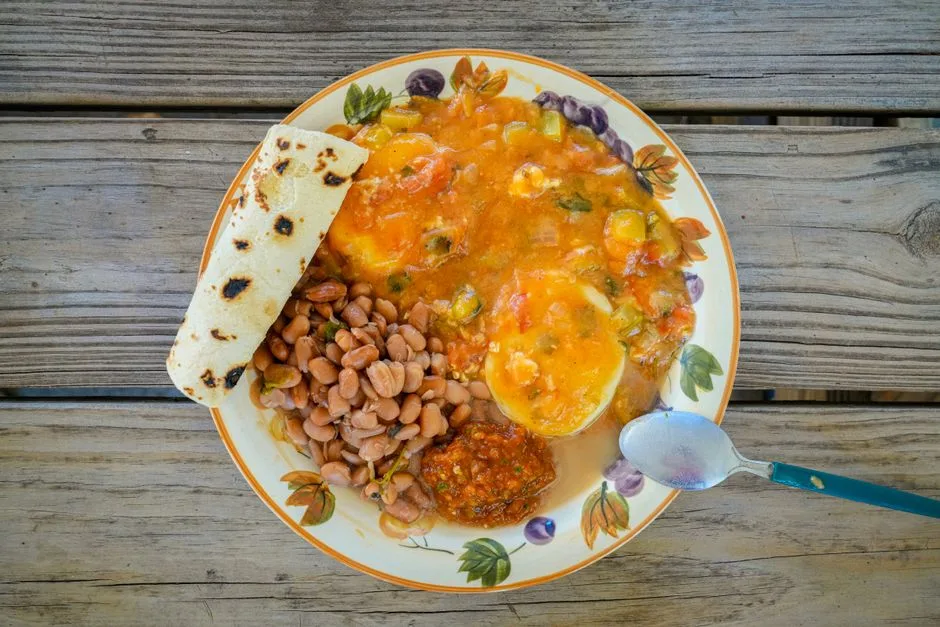
Protein is ranked by complete protein per calorie, the CP:C ratio
The body needs twenty amino acids but cannot make nine, so these essential amino acids must come from food, and foods supplying all nine are complete proteins. Poultry, lean red meat, fish and shellfish rate high on the CP:C ratio (complete protein per calorie) and beans with rice rate low, since they must supply over four times the calories of chicken to deliver the same protein. Most cheeses, nuts and nut butters are not high-quality protein sources. Vegans who diligently combine plant foods can still get all nine across a day if they stay mindful of total calories.
 Pexels · Eddie O. · Pexels License ↗
Protein is the diet's cornerstone and makes overeating less likely
High-ratio protein is the cornerstone of your diet, and 30 to 50 grams per meal or snack is suggested. The body uses complete protein for immune function, certain hormones and muscle. Satiety, the feeling of fullness, is strongly tied to getting enough essential amino acids, so enough protein makes overeating less likely. People who tend to overeat can try eating protein first, then starches such as rice and potatoes, then fibrous vegetables.
 Pexels · Polina Tankilevitch · Pexels License ↗
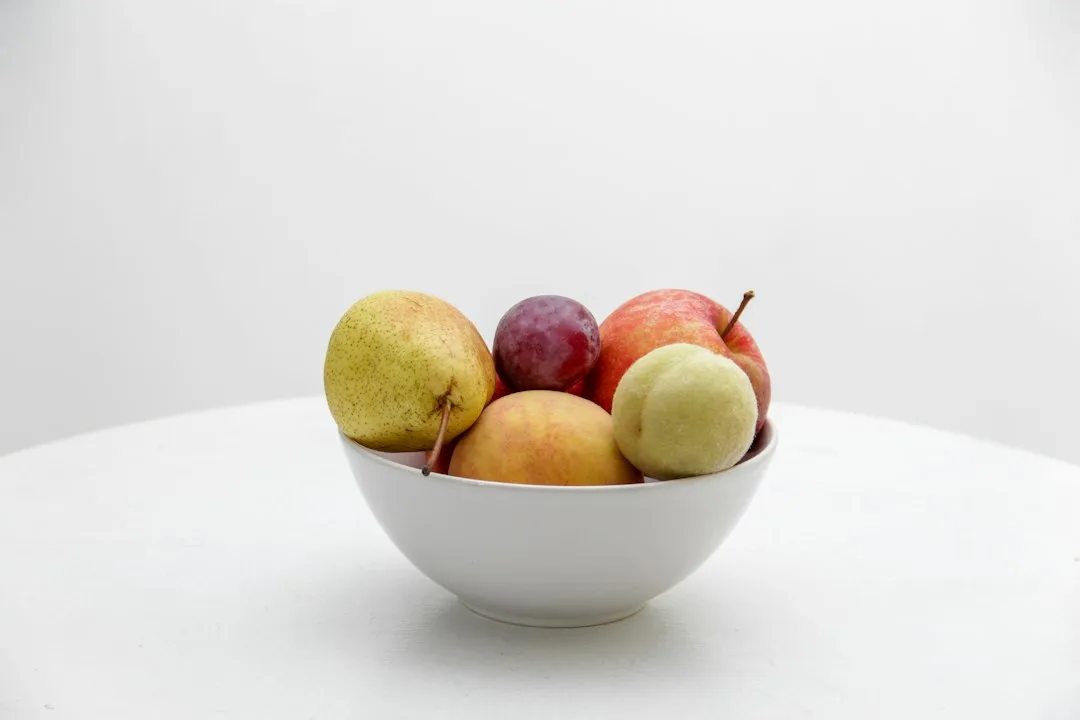
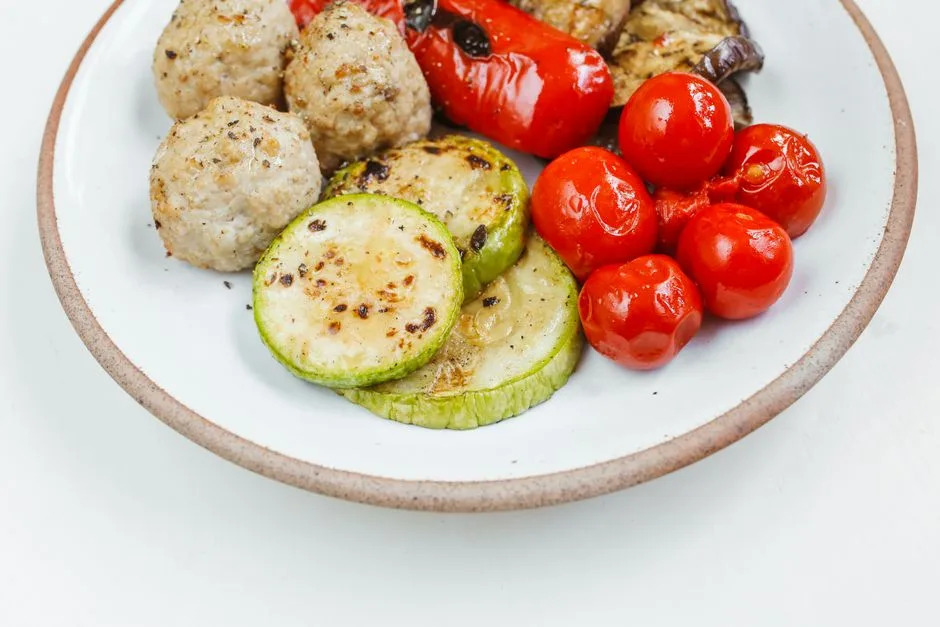
Fibrous vegetables and some fruit should be your main carbohydrates
Aim to make fibrous vegetables and some fruit your main sources of carbohydrates, ideally filling half your lunch or dinner plate with vegetables. Vegetables are, in Huberman's view, the second major brick in a diet's foundation, after protein, and fruit is the third. Vegetables and fruit also supply vitamins, minerals and other micronutrients, plus fiber. Most people should probably eat no more than three servings of fruit a day, because too much can stimulate hunger.
 Unsplash · Elena Pechenkina · Unsplash License ↗
Fiber comes in three kinds: insoluble, soluble and prebiotic
Fiber is the part of plants we cannot digest, and it comes in three kinds. Insoluble fiber, which does not dissolve in water, helps form stool and comes from root vegetables and fruits with edible seeds; soluble fiber, which dissolves in water, collects waste on its way out and is found in avocados, carrots and Brussels sprouts. Prebiotic fiber, in apples, onions and garlic, feeds the beneficial gut bacteria. Fiber also helps you feel full, and at least 35 grams a day is suggested for men and at least 25 for women.
 Wikimedia Commons · Poyraz 72 · CC BY-SA 4.0 ↗
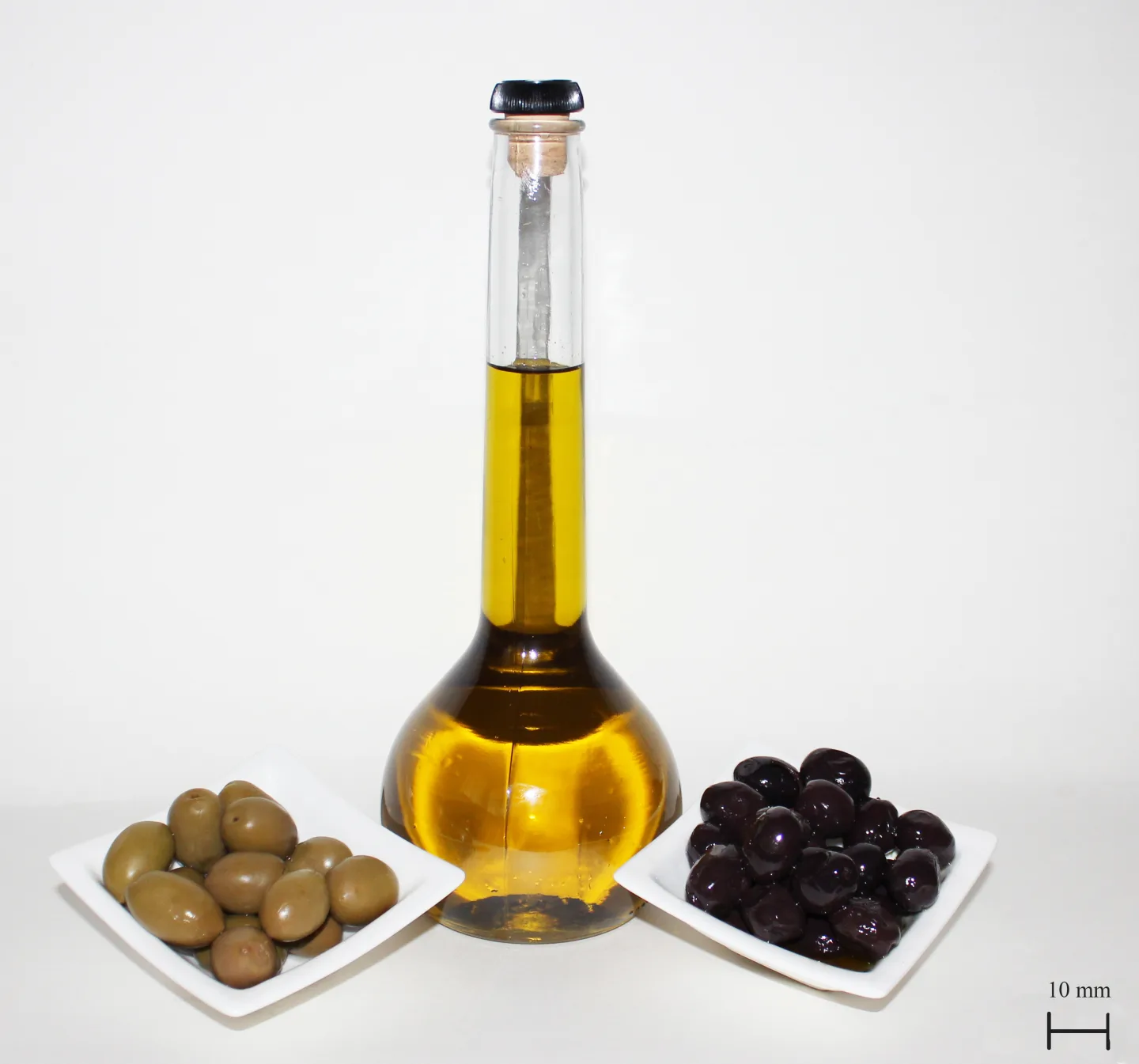
Most of your fat should be unsaturated, as in olives and avocados
Try to get most of your fat from unsaturated fats, the usually liquid kind found in olives, avocados and their oils: olive oil for cooking and salad dressing, avocado oil for high-heat cooking. Fat slows the rise of blood sugar and increases fullness between meals. Saturated fats, generally solid at room temperature, can raise certain forms of cholesterol and be hard to digest, yet Huberman believes a little satisfying saturated fat beats replacing it with ultra-processed foods. Industrially made trans fats harm heart and metabolic health.
1 / 10Lena wants a high CP:C ratio protein for dinner. Which of these rates high?
Poultry, lean red meat, fish and shellfish rate high. Beans with rice rate low, and most cheeses, nuts and nut butters are not high-quality protein sources.
Lesson 5 has 45 cards. Keep going in the free app.
Question - Take the lessons with you. Free, no account.Download on the App Store ↗Get it on Google Play ↗
-
 Pexels · Tapas Das · Pexels License ↗06
Lesson 6: Light
Part 1: Morning and Evening Light · Part 2: Sunlight on Skin and Red Light
Lesson 6 · 10 cardsPexels · Tapas Das · Pexels License ↗Morning light is timed from when you wake, not the clock
For morning light, count from your own waking time, not the clock: the first hour after you get up is what matters, even if that is noon. The rest of the day is counted from waking too, because schedules vary. Never stare at the sun or any bright light, which can damage the eyes.
 Pexels · David Kanigan · Pexels License ↗
In the first hour, bright light can push cortisol past its brake
Cortisol, the hormone that shifts brain and body from sleep toward readiness, surges after waking but normally brakes itself through a negative feedback loop. For about an hour after waking there is a critical window: given bright light, the SCN (the brain's master clock) can override that brake and push cortisol higher still, partly through a separate route called the morning-light-induced cortisol (MLIC) pathway. A missed window is gone until tomorrow, and the morning boost also helps keep nighttime cortisol low, per Huberman.
 Pexels · Gonzalo Carlos Novillo Lapeyra · Pexels License ↗
Bright artificial light tips the melatonin and cortisol seesaw
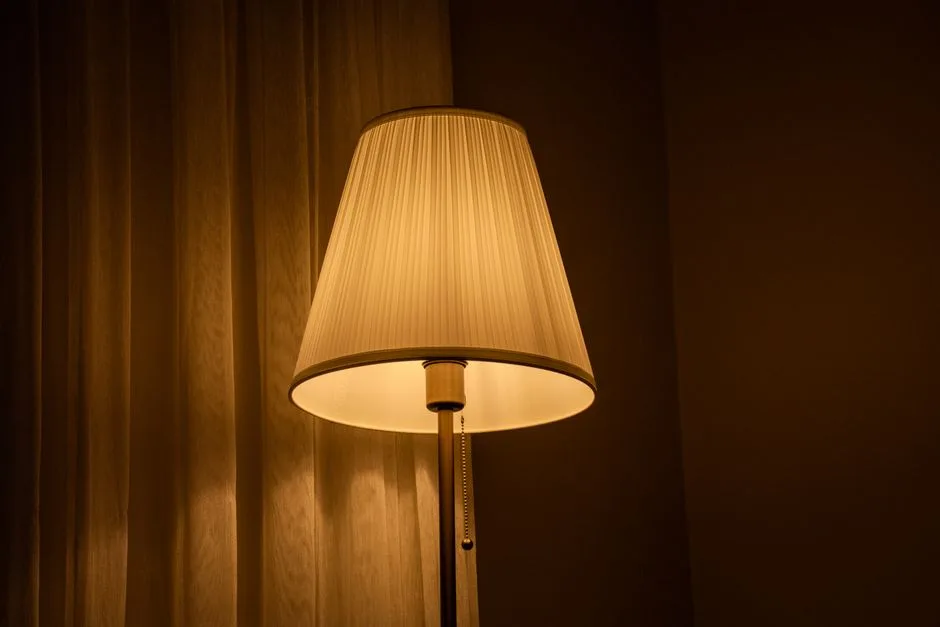
Melatonin, the body's own sleepiness hormone, climbs through the evening and runs opposite to cortisol, like a seesaw. Bright light suppresses melatonin and releases cortisol, and light rich in short wavelengths (blue, green and violet), such as LEDs and screens, is especially potent. In the late afternoon or early evening, face the setting sun (never staring at it), and don't swap in a very bright artificial light, whose brightness and wavelengths can disrupt the sleep-wake cycle.
 Pexels · Oguzcan Culla · Pexels License ↗
The day runs in four light phases, ending in dim light
Count the day in four phases from waking: plenty of bright light in the first hour, late-afternoon or early-evening sunlight 6 to 10 hours after waking, dimmer lights 10 to 14 hours after waking, then sleep. In the hour before bed and through the night, keep artificial light to what safety requires. It takes a great deal of bright light to trigger cortisol in the morning but very little in the day's last hour, and bright light blunts melatonin at any hour. Low lamps beat overhead lights where possible, since the eye cells that signal daytime watch the upper visual field.
 Pexels · Mathias Reding · Pexels License ↗
Brighter nights and dimmer days were linked to higher risk of death
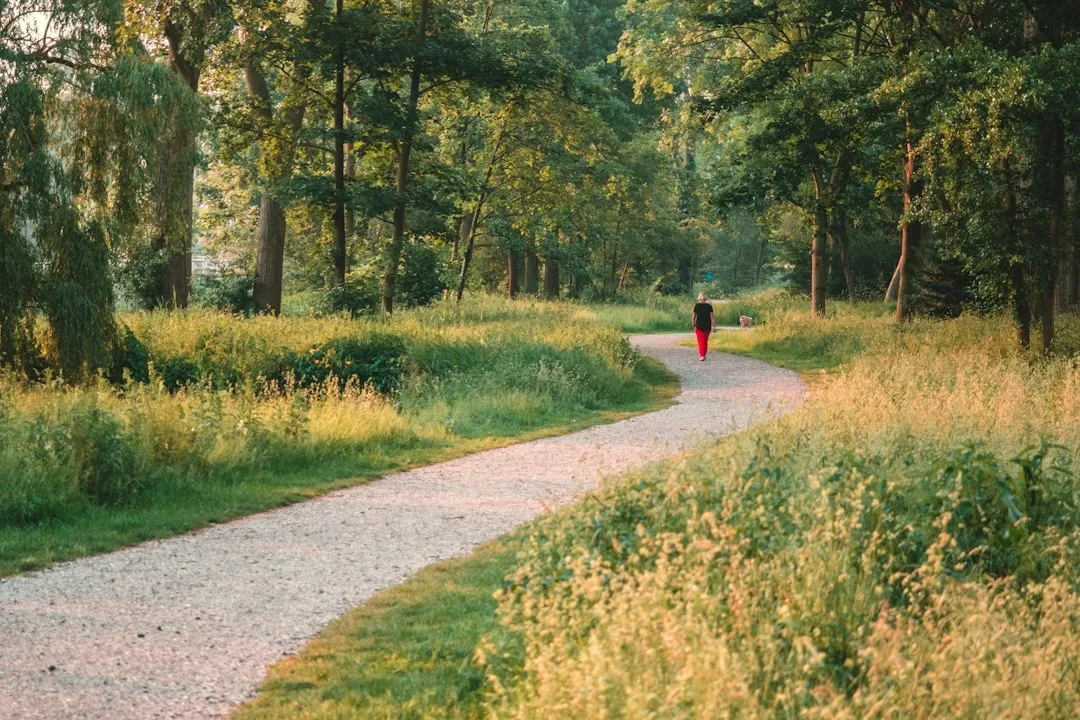
In a study of about 89,000 people whose light exposure was tracked for a week, brighter nights and dimmer days went with a higher risk of death over about eight years. The light tracking was relatively brief, but about 3,000 participants repeated it with the same light patterns.
 Unsplash · Frank Holleman · Unsplash License ↗
Sunlight on your skin, at least three times a week
Get outdoor sunlight on the skin of the upper and lower body at least three times a week, ideally daily. Wear the least clothing that is comfortable and suitable, and no hat, while avoiding sunburn. Bright indoor lighting can fill in on dim days, but relying on it daily is like living on add-ons instead of real food. In gloomy places or seasons, time outdoors is still essential, since even a cold, cloudy day beats indoor light.
 Pexels · Marina Ryazantseva · Pexels License ↗
Sunlight's UV triggers vitamin D production in the skin
Sunlight's invisible, shorter-wavelength ultraviolet (UV) light triggers vitamin D production in the skin, which Huberman calls critical for absorbing calcium and for bone and immune health. A Swedish study of nearly 30,000 women found almost double the risk of death over twenty years among those with the least sun exposure, though fresh air, movement and company likely play a part.
 PattayaPatrol · CC BY-SA 4.0 ↗
Steer clear of sunburn, and cover up when the UV index is high
Excess ultraviolet (UV) light causes sunburn, ages skin faster and damages skin-cell DNA in ways that raise the risk of certain skin cancers. Risk varies with skin tone and inherited susceptibility, and dermatologists agree that any sunburn is bad, so the bottom line is to steer clear of sunburn at all costs. When the UV index is high, cover up with a hat and long sleeves or use a mineral-based sunscreen; tanning beds, which use UV, are not recommended.
 Unsplash · Sergej ***** · Unsplash License ↗
Regular red and infrared light, on as much skin as practical
Aim for regular exposure to long wavelength light, meaning red light and the invisible near-infrared and infrared light beyond it, reaching as much skin, face and head as practical. Red light therapy, now a popular trend, has genuine scientific support behind it, in Huberman's view. Sunlight is the top source and the cheapest, with UV a smaller worry when the sun sits low; never stare at the sun. Shorter wavelengths carry more energy, so comparatively little UV can burn while a lot of red or infrared light does not.
1 / 10Elena works nights and gets up at noon. Which hour matters most for her morning light?
Morning light is counted from your own waking time, not the clock, so what matters for Elena is the first hour after she gets up, even at noon. Sunrise, clock hours and the end of her shift are not the basis.
Lesson 6 has 38 cards. Keep going in the free app.
Question -
 nenad53 (Openverse) · by 2.0 ↗07
Lesson 7: Focus, Motivation and Learning
Part 1: Alertness, Focus and Urgency · Part 2: Errors, Sleep, Micro Rests and Rehearsal
Lesson 7 · 10 cards Pexels · Mikhail Nilov · Pexels License ↗
Rehearsal: reflecting and testing yourself after a bout
Spend one to five minutes after a bout reflecting on what you read or did and testing yourself on what you remember and understand; this is SDAP's final step, repeating. For information this can be informal, or formal with a friend or an AI tool quizzing you on the same material. For motor skills, think about where you struggled and made errors.
nenad53 (Openverse) · by 2.0 ↗Learning on purpose starts alert but calm
A process for learning on purpose, self-directed adaptive plasticity (SDAP), runs in a fixed order: get alert, get and stay focused, maintain urgency, embrace errors, rest, then repeat. Step one is raised sympathetic tone, the alerting side of the autonomic nervous system, without stress: alert but calm. Studies Huberman cites find that even a phone in a bag in the room reduces focus on mental tasks or raises the effort they take, so the phone belongs in another room.
 Pexels · Andy Barbour · Pexels License ↗
Learning takes effortful focus; flow suits skills you have mastered
A deliberate session spent trying to learn something is a learning bout, and focus during one is hard: a small study found attention on a work task wavering about every 3.5 minutes. The mild agitation of effortful focus, informally called limbic friction, is normal and worth seeking out. Focus differs from a flow state, where a task's difficulty matches your skill and you lose yourself in it. Flow, in Huberman's view, suits performing skills you have already mastered: the circuits exist, so nothing rewires and nothing is learned.
 Unsplash · Vitaly Gariev · Unsplash License ↗
Get the basics right, then train focus by returning attention
The foundational tools are, in Huberman's view, the bedrock: sleep, NSDR (non-sleep deep rest), stress control, and good hydration with steady blood sugar. Without them, the other tools work far less well. Among the behavioral tools, meditation involves returning attention, again and again, to the spot between the eyes or the breath, and the returning is what trains focus. A study found thirteen minutes a day improved focus; a suggested start is ten slow breaths on waking.
 Pexels · kaboompics.com · Pexels License ↗
Aim for urgency, and build it by contrasting goal and obstacles
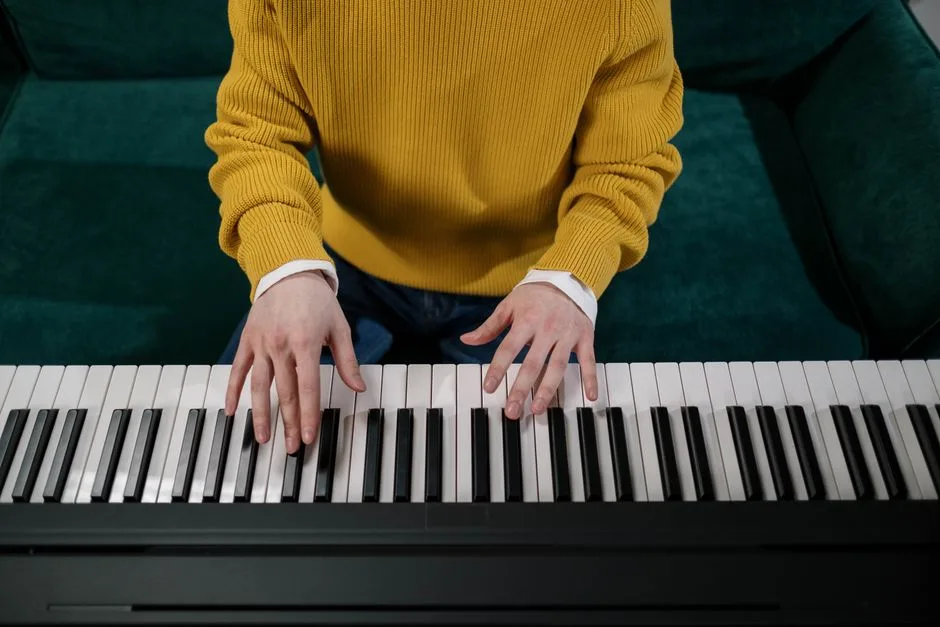
Rather than vague, fleeting 'motivation,' aim for a state of urgency: persistent motivation that needs no clear 'why' in advance and releases catecholamines (adrenaline, norepinephrine and dopamine) that sharpen focus. Mental contrasting, Huberman's most reliable method, comes from Gabriele Oettingen's research: positive thinking and visualization alone can sap motivation, while contrasting a picture of the goal with the obstacles in its way gave more energy and a better chance of starting and persisting. Its step-by-step form, WOOP, works best with recorded answers.
 Pexels · cottonbro studio · Pexels License ↗
Errors are the signal that triggers plasticity
Errors made in genuine attempts to learn are the signal that triggers plasticity; in Huberman's view, deliberate mistakes don't have the same effect. Someone who can already do a task has no reason to rewire, so the gap between current ability and the goal is what prompts change. Work just beyond your current level, where studies point to errors on roughly 15 to 30 percent of attempts, though even 15 percent is approximate, not a number to obsess over.
 Unsplash · Jp Valery · Unsplash License ↗
Plasticity occurs in the sleep after a learning bout
Get enough sleep on the night after a learning bout, since that is when plasticity actually occurs: the brain replays the day's learning, and disrupting that replay hurts learning. After a poor night, don't fret over lost learning: do NSDR (non-sleep deep rest) the next morning, then get back to your normal sleep schedule that night. Ten to thirty minutes of NSDR after a bout is also suggested to enhance plasticity.
1 / 10Leo loses himself for hours in a game of chess. What makes an activity a flow state?
Flow is a state where a task's difficulty matches your skill and you lose yourself in it. It suits performing skills you have already mastered, not learning new ones, so a brand-new task is the wrong fit.
Lesson 7 has 45 cards. Keep going in the free app.
Question -
 Unsplash · The Crown Choice · Unsplash License ↗08
Lesson 8: Personal Growth
Part 1: Present-Tethered Awareness and Your Best Life · Part 2: Expressive Writing and Grief
Lesson 8 · 10 cards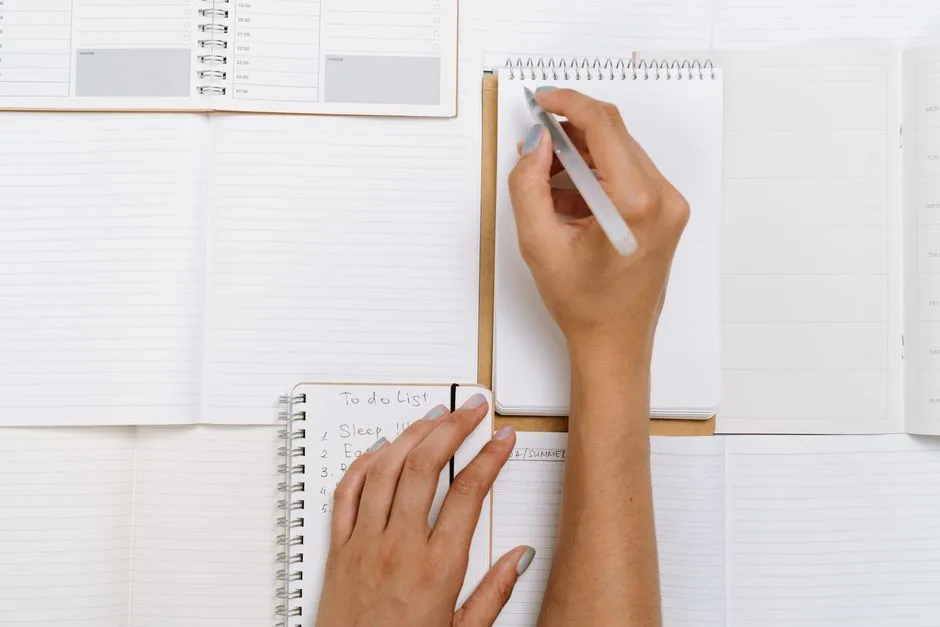 Pexels · cottonbro studio · Pexels License ↗
Scrolling can become mind wandering; sort concerns from what you control
Social media in moderation can be fine, but scrolling can, in Huberman's view, become mood-lowering mind wandering. Ask yourself whether you are numbing out or being drawn into things you can't influence. An exercise Andy Stumpf wrote about takes five minutes at most: list your concerns on one side and what you control on the other.
Unsplash · The Crown Choice · Unsplash License ↗Present-tethered awareness: notice the drift, then pull back
Present-tethered awareness means keeping your thoughts anchored to what you are doing and where you are right now. It targets mind wandering: thoughts about times, places and things unrelated to what you are doing. Now and then, ask yourself honestly whether your mind is on the present or on the past or future. If it has drifted, pull it back with questions only the present can answer, such as how warm the room is or what it smells like, and return to the task when you can, without self-criticism.
 Pexels · dilara irem · Pexels License ↗
Minds wander for nearly half of waking life, and it can cost mood
A 2010 study used an app to question thousands of people at random moments. Their minds were elsewhere for nearly half of waking life, and they were happier when focused on what they were doing, even when it was dull. Mind wandering hurt mood more than the activity did, though the study has limits, starting with its reliance on self-reports. Later studies found that daydreaming during familiar tasks that need little attention generally supports well-being, but wandering during emotionally or physically challenging experiences hurts mood.
 Pexels · Atlantic Ambience · Pexels License ↗
To quiet the default mode network, focus outside yourself
The default mode network (DMN) is a brain network that switches on when you do nothing in particular. It is overactive in people who ruminate (loop on the same thoughts) and in people with depression, and you can't switch it off without engaging a competing network by focusing outside yourself. Clinical major depression deserves professional support.
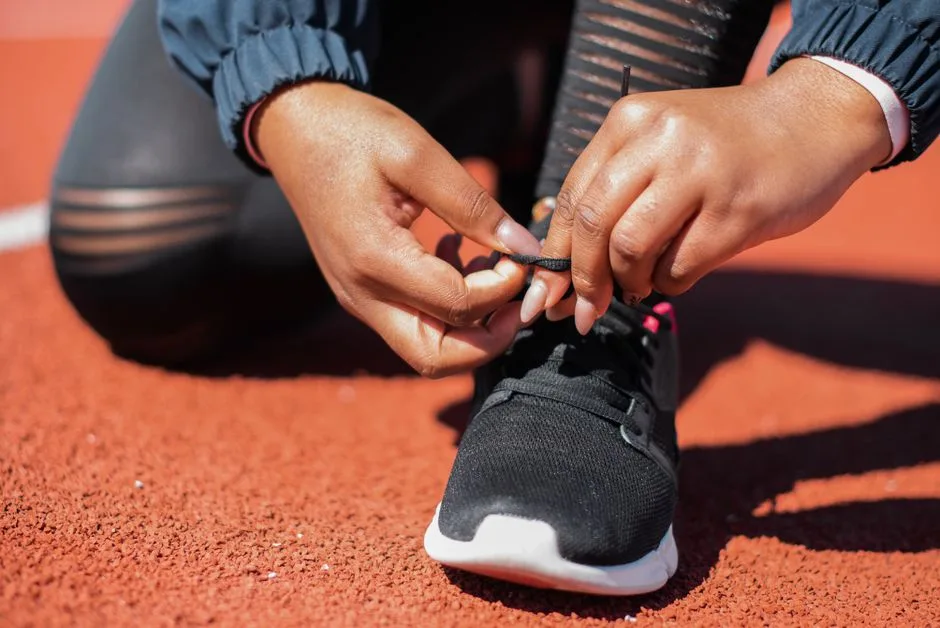 Pexels · Mikhail Nilov · Pexels License ↗
Hollis's morning motto: Shut Up. Suit Up. Show Up.
Psychologist James Hollis's guide addresses a common tension: performing outward roles at school, at work and in relationships versus being true to yourself. When the two conflict, you second-guess yourself and feel more tired. His first daily practice is a motto he recites each morning and through the day: Shut Up. Suit Up. Show Up. Shut Up means replacing complaining with a gratitude practice, Suit Up means arriving prepared (try a short ritual; studies favor physical actions over mantras), and Show Up means holding yourself accountable for every role you take on.
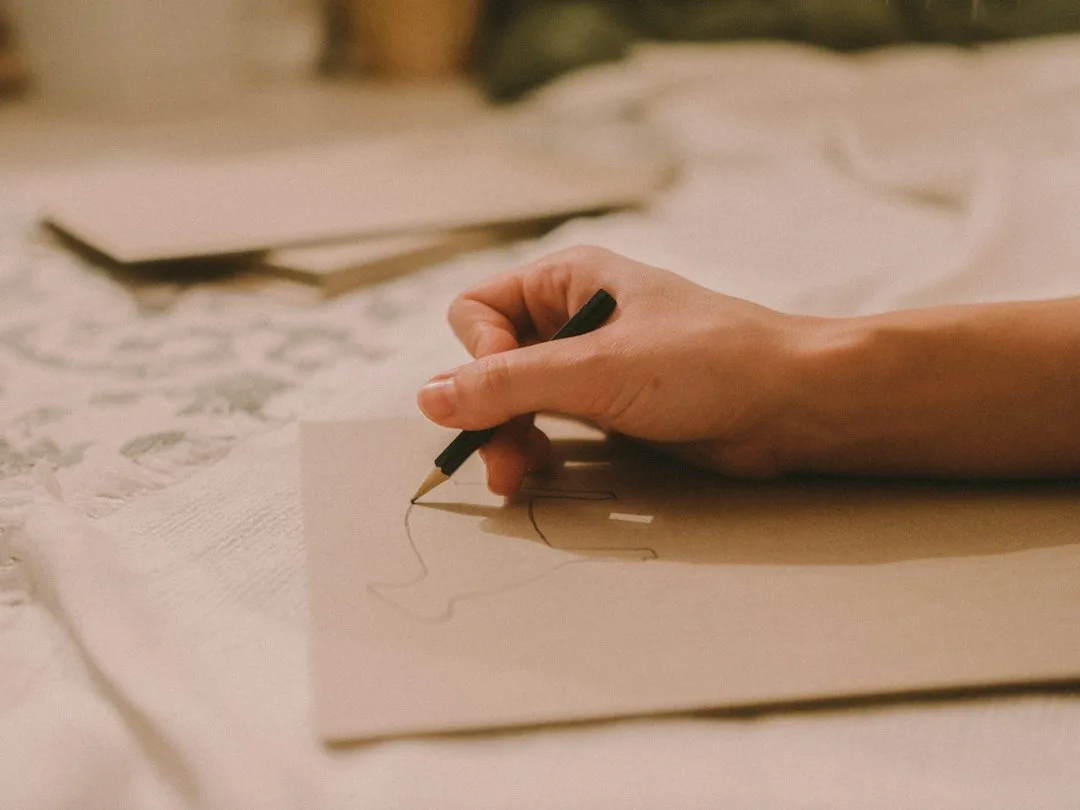 Unsplash · Andrey Novik · Unsplash License ↗
Hollis's second practice: step out of stimulus-response mode
Hollis's second practice is to let your internal maps update by leaving stimulus-response mode, the reactive state your outward roles require. The pause lets you separate what you think others think of you from what you actually know to be true. One way is time on something unrelated to your roles or ambitions that involves no one else and no social media, such as drawing; another is closing your eyes and noticing how you feel and what brings joy or discomfort. Even ten minutes of the first can make a meaningful difference.
 PxHere · CC0 ↗
Expressive writing: what to write, how long and how often
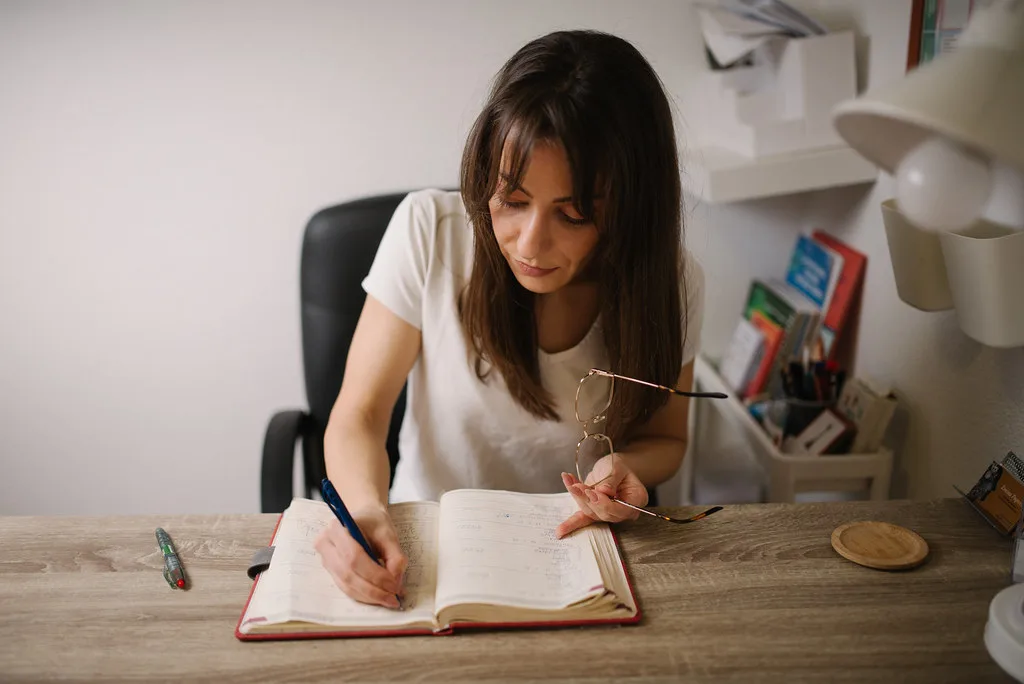
Expressive writing is specific, repeated written recall of a troubling experience, not an ordinary journal entry or poem. The practice is to write for fifteen to twenty minutes a day, four days in a row, about a difficult experience that affected your life: what happened, how you felt then and feel now, and any lasting effects, honestly. Use a timer, stop at twenty minutes even if you could go on, and don't worry about quality, since no one else will read it. Four days allows deeper reflection without open-ended rumination.
 Unsplash · Quilia · Unsplash License ↗
Expressive writing is for old wounds, and it isn't necessarily comfortable
Expressive writing is meant for old wounds rather than current conflicts, and it isn't necessarily comfortable: its aim is a better relationship with the past, not short-term relief. It is not a cure, and for now only a formal assessment by a qualified psychologist or psychiatrist can tell you whether you have trauma. James Pennebaker's own advice is to stop if it doesn't work for you; if you feel no better, therapy or other help is often needed. If you're struggling, talk to a mental health professional, and in a crisis contact local emergency services.
 Unsplash · jason hu · Unsplash License ↗
Writing hurt mood at first, yet students visited the health center less
In Pennebaker's first study, students who wrote about traumatic events on four consecutive days had lower mood and higher blood pressure right afterward, yet fewer visits to the university health center over the next six months. A later study led the researchers to conclude that such writing improved immune function and eased stress. Studies suggest the most powerful mechanism lies in the prefrontal cortex: building an honest, cohesive account of a painful event appears to stimulate it, whereas the amygdala, tied to stress, fear and anxiety, is likely not engaged.
1 / 10Dev ruminates for hours. What does it take to switch off the default mode network?
You can't switch the default mode network off without engaging a competing network by focusing outside yourself. Doing nothing in particular is what switches it on, so lying still is the tempting wrong answer.
Lesson 8 has 46 cards. Keep going in the free app.
Question


What you'll be able to do 17 objectives, from the pack's lessons
- Explain how light sets the body clock, and what morning, afternoon and evening light each do.
- Describe how to find your own sleep times, what the sleep stages do, what short sleep is linked to, and how to cool down and warm up.
- Explain how to match a nap to your goal, when to skip naps, and what NSDR is and when to use it.
- Explain how caffeine and cannabis disrupt sleep, why to avoid alcohol before bed, how to time caffeine, and what to do about screens at night.
- Explain why jet lag happens, which direction of travel is usually harder, and how to time light after arriving.
- Explain how daily walking and a lifting week work: what to do, why it helps, how to progress, and what joint pain means.
- Describe the three kinds of cardio, why the mix works, what the mobility movements are for, and the recovery that keeps hard sessions safe.
- Explain how the physiological sigh calms you fast, and how deliberate cold raises your stress threshold and can be done safely.
- Compare NSDR with mindfulness meditation, describe the five-minute micro meditation, and shape a high-morning, low-evening cortisol rhythm.
- Explain what counts as ultra-processed food, why sugar drives eating, why thirst can mislead, and what a high CP:C ratio protein is.
- Describe the roles of vegetables, fiber and unsaturated fats, what a gut microbiome is, how to spot real fermented food, and which fish carry too much mercury.
- Explain how to time light from waking, what happens if the first-hour cortisol window is missed, and why bright light late in the day disrupts sleep.
- Recognize how to get sunlight on skin safely, why UV and red light differ, how red light may work, and what cautions apply.
- Explain why learning needs alert-but-calm arousal, how to protect focus (phone away, effort not flow), and how mental contrasting (WOOP) builds urgency.
- Explain how working just beyond your level, sleeping after a bout, micro rests and self-testing help you learn and remember.
- Explain how present-tethered awareness counters mind wandering, and describe the practices in James Hollis's guide to creating your best life.
- Describe expressive writing, what it is for and what its first study found; recognize grief as longing, and explain why what-if thinking can prolong suffering.
Built from 4 sources.
7 of its 353 cards cite a source. These are the sources it cites.
Hover over a photo, or tap its i, to see where it came from. All 11:
- Lesson 1: Pexels · Taha İlter Özzengin · Pexels License ↗
- Lesson 2: Unsplash · Adrian Swancar · Unsplash License ↗
- Lesson 2: Pexels · Andrea Piacquadio · Pexels License ↗
- Lesson 3: Unsplash · Gold's Gym Nepal · Unsplash License ↗
- Lesson 4: Pexels · kaboompics.com · Pexels License ↗
- Lesson 5: Pexels · Đặng Thanh Tú · Pexels License ↗
- Lesson 6: Pexels · Tapas Das · Pexels License ↗
- Lesson 7: nenad53 (Openverse) · by 2.0 ↗
- Lesson 7: Pexels · Mikhail Nilov · Pexels License ↗
- Lesson 8: Unsplash · The Crown Choice · Unsplash License ↗
- Lesson 8: Pexels · cottonbro studio · Pexels License ↗
- Protocols by Andrew D. Huberman · on Amazon ↗
These are affiliate links: if you buy a book through one, FlashFeed may earn a small commission at no extra cost to you. The commission helps pay for FlashFeed's servers.
As an Amazon Associate we earn from qualifying purchases.
Independent study notes, not affiliated with the author or publisher.
- Cards
- 353
- Lessons
- 8
- Version
- 1.3.1
- Language
- English
The whole pack is one file. Read the pack file ↗
FlashFeed is on the App Store and Google Play.
FlashFeed is free on iPhone and Android, and needs no account.