
The Last Economy (book)
Emad Mostaque traces economic value through Land, Labor, Capital and now Intelligence: the Intelligence Inversion that unseats scarcity as economics' basic premise, GDP's blind spots, and a blueprint of MIND capitals, the Three Flows, and a Symbiotic State.
641 cards15 lessonsFree
Already have FlashFeed?Open this pack
Get this pack on your phone
Scan with your phone's camera.
flashfeedlearningapp.com/packs/last-economy
Part of the Learn AI collection.
15 lessons.
Each lesson has a study guide to read and objectives you can test yourself on. Its cards and games show up in your feed. Try one of its cards right here. Play a few of its games here too.
-
 Dimitry B (Openverse) · by 2.0 ↗01
The Thousand-Day Window
The Thousand-Day Window
Lesson 1 · 6 cards Pexels · Chris F · Pexels License ↗
The Abundance Trap
The book's haunting paradox: we are achieving the greatest triumph in human history — the liberation of intelligence from biology — and our economic system can only process it as catastrophe. Mostaque calls this the Abundance Trap. We are arriving at post-scarcity in intelligence, and a scarcity-based economy is structurally designed to process that abundance as poverty.
Dimitry B (Openverse) · by 2.0 ↗The Thousand-Day Window
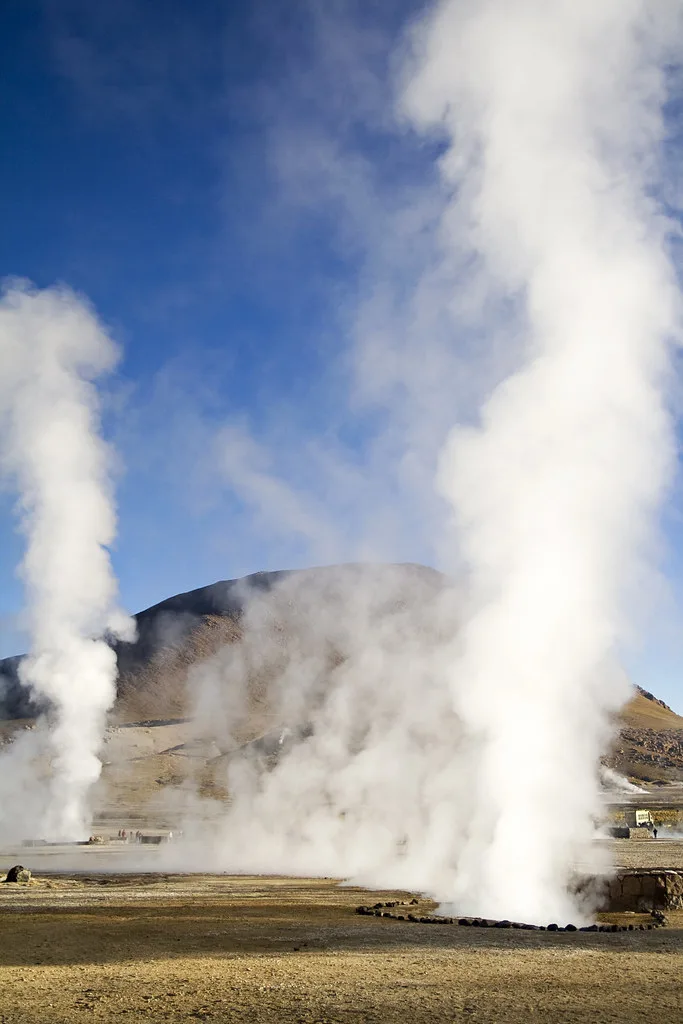
Mostaque's central clock is the Thousand-Day Window: his estimate of the historical epoch during which the socio-economic phase transition becomes irreversible. It is not a deadline for apocalypse but a deadline for meaningful choice — the point at which the water, long heated, finally boils into steam. His estimate is roughly 1,000 days. 'It could be 800. It could be 1,200. What I am telling you is that it is not 10,000.'
 Pexels · Eric Sanman · Pexels License ↗
Two dashboards
Mostaque opens by contrasting two dashboards. The official one shows the stock market at all-time highs, steady GDP, historically low unemployment. The dashboard of human reality shows life satisfaction at record lows, epidemic deaths of despair, and a generation unable to afford a home or start a family. 'We are richer on paper and poorer in spirit than at any point in modern history.'
 Unsplash · Shubham Dhage · Unsplash License ↗
Three futures, no exit
Mostaque argues that as the old system fails, only three stable configurations can persist — like electron orbitals, everything else is unstable transition. Future One: Digital Feudalism (the default, if we change nothing). Future Two: The Great Fragmentation (the fear response, as nations panic). Future Three: Human Symbiosis (the hardest path, requiring conscious evolution). The book is an engineering manual for building Future Three.
1 / 6What is Emad Mostaque's relationship to artificial intelligence?
Mostaque founded Stability AI, the company behind Stable Diffusion. His insider vantage on generative AI is what the book leans on throughout.
Lesson 1 has 38 cards. Keep going in the free app.
Question -
 Onasill - Bill Badzo - 149 Million Views - Thank Y (Openverse) · by-sa 2.0 ↗02
The Intelligence Inversion
The four inversions · The mathematics of obsolescence
Lesson 2 · 10 cardsOnasill - Bill Badzo - 149 Million Views - Thank Y (Openverse) · by-sa 2.0 ↗The Luddites were right
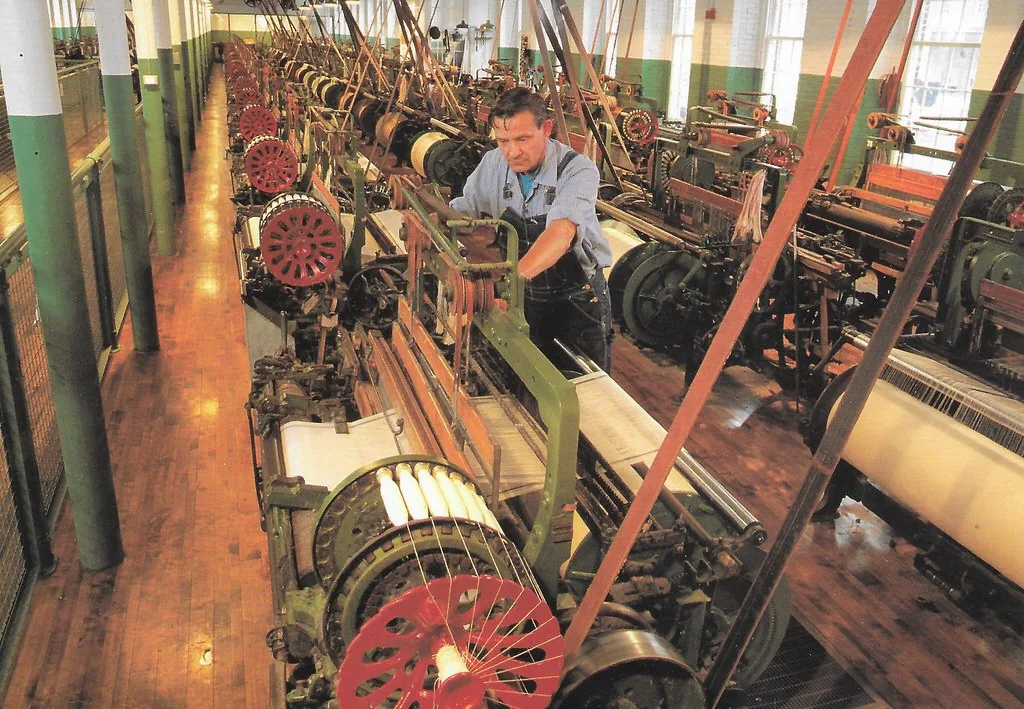
In 1811, skilled artisans gathered near Nottingham and smashed weaving frames — not from ignorance but from clarity. They understood the machines were not just taking jobs but ending the craftsman's whole way of being. Mostaque: they were right about everything except the timeline. It took two hundred years, but the machines finally came for the mind.
 FlashFeed original diagram · CC-BY-4.0
Four inversions of value
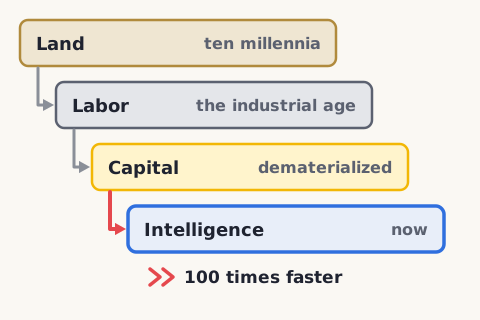
Mostaque argues the foundational source of economic value has inverted four times: Land (ten millennia of agricultural dominance), Labor (the industrial age), Capital (the ephemeral, dematerialized economy), and now Intelligence. Each time, civilizations that clung to the old rules became archaeological layers. The fourth inversion is happening a hundred times faster than any before — and offers no retreat.
 jurvetson (Openverse) · by 2.0 ↗
Labor to Capital
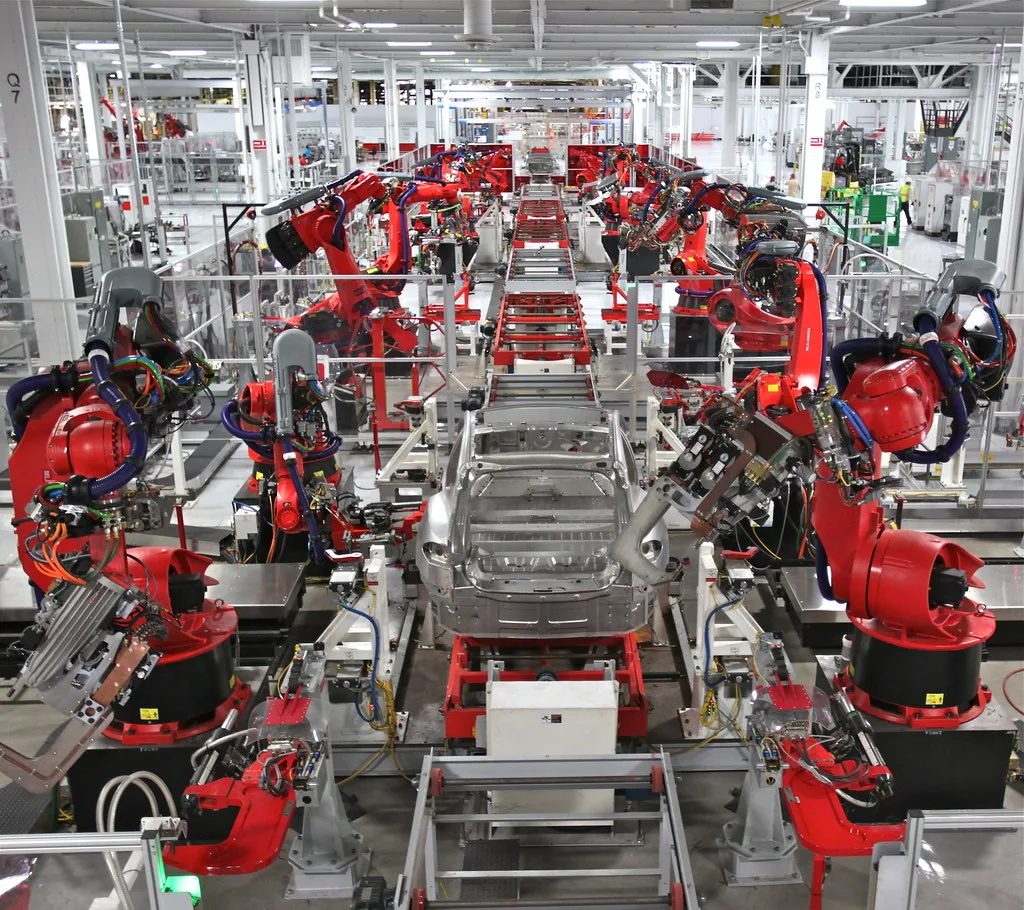
Bell Labs invented the transistor in 1947; by 1970 a computer could run a production line. Ford's River Rouge plant employed 100,000 workers in 1930; by 1990 it made more cars with 6,000. The missing 94,000 found no jobs. Value flowed not to those who worked hardest but to those who owned the means of production — increasingly algorithms, not factories.
 FlashFeed original diagram · CC-BY-4.0
Capital becomes ephemeral
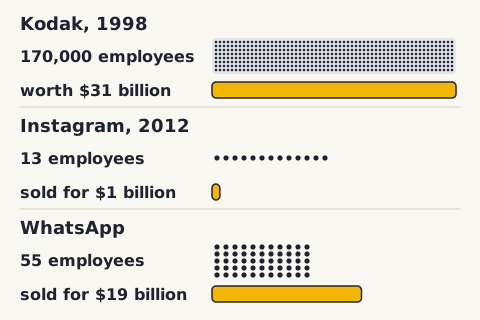
Around 2000, capital itself dematerialized. In 1998 Kodak employed 170,000 people and was worth $31 billion. In 2012 Facebook bought Instagram — thirteen employees, no factories, no inventory — for $1 billion. WhatsApp sold for $19 billion with fifty-five employees. Value had become the invisible structure of the network itself.
 Pexels · Sagar Gnawali · Pexels License ↗
The Intelligence Event
On November 30, 2022, OpenAI released ChatGPT: a million users in five days, a hundred million in two months. For all of history, intelligence was a form of labor, scarce and locked in human skulls. Now it has become a form of capital — copied infinitely, improving recursively. When the marginal cost of high-quality cognition approaches zero, scarcity-based economics begins to buckle.
 Jason Lander (Openverse) · by 2.0 ↗
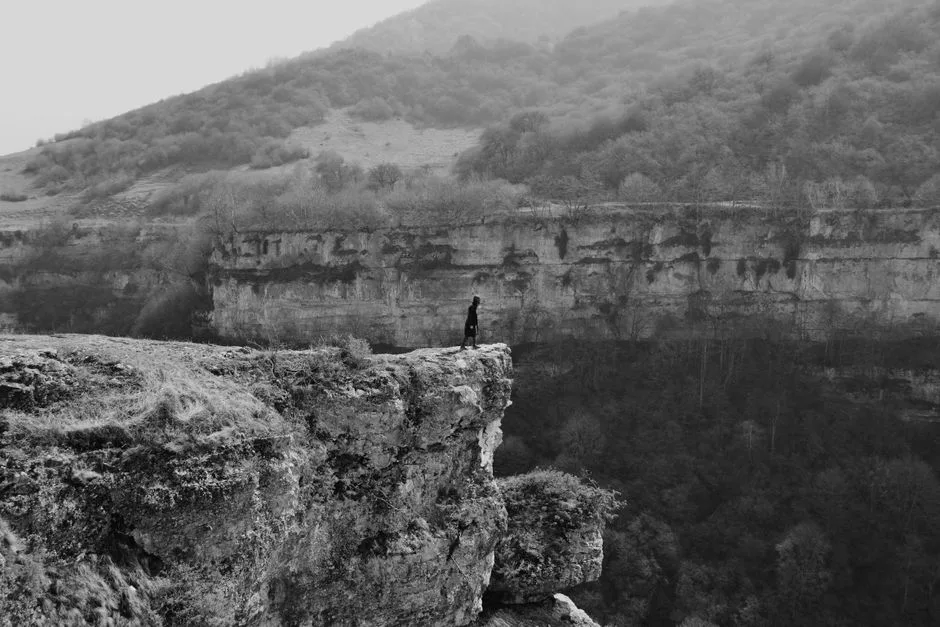
The shrinking refuge
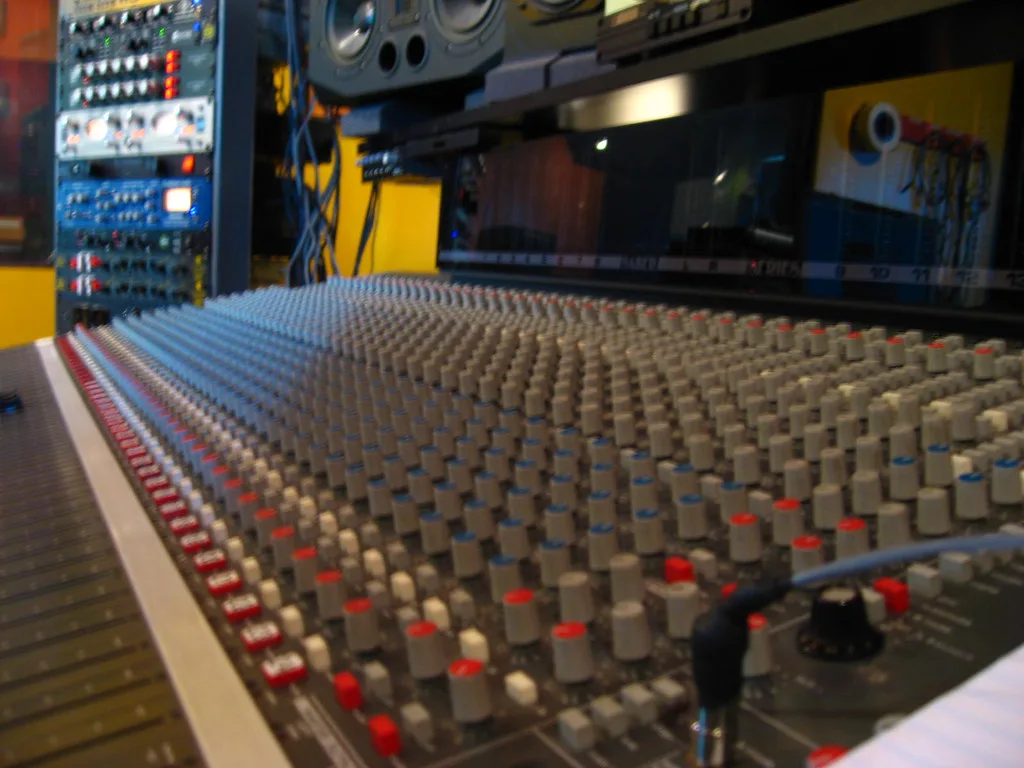
The standard answer to 'what will humans do?' is 'creatives and caretakers.' But the refuges keep shrinking: an AI-generated song topped the streaming charts, and AI therapists report higher patient satisfaction than humans in blind studies. The next answer — 'AI trainers and supervisors' — is transitional at best, since AI systems are already training other AI systems. 'For the first time in economic history, we face an inversion with no obvious landing place.'
 Pexels · Вероника Сильченко · Pexels License ↗
Nowhere left to pivot
Every previous inversion left humans somewhere to retreat: when land mattered less, humans became laborers; when labor mattered less, knowledge workers. When knowledge work matters less than AI, humans become what? Mostaque's honest answer: we do not know. 'We are the last humans to remember when human thought had economic value. The first to discover what comes after.'
 Pexels · Freek Wolsink · Pexels License ↗
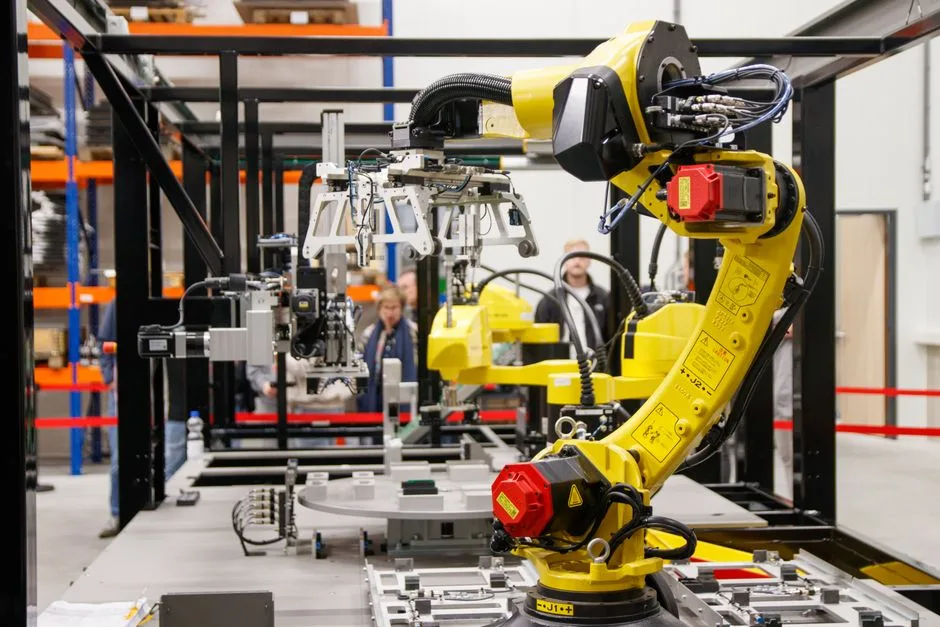
The Metabolic Rift
Mostaque's Metabolic Rift names the physical gap between human labor and AI labor: human work is metabolic, needing food, rest, and shelter, while AI and robotic labor is non-metabolic, running on electricity alone.
 Unsplash · Tim Mossholder · Unsplash License ↗
From Labor to Capital
For most of history, intelligence was labor — scarce, valuable, and locked in human skulls. Mostaque says the fourth inversion turns it into capital instead: reproducible at near-zero marginal cost and able to improve itself recursively.
1 / 10In what order does Mostaque sequence the four foundational sources of economic value?
Value inverted through Land (ten millennia of agriculture), Labor (the industrial age), Capital (the dematerialized network economy), and now Intelligence.
Lesson 2 has 54 cards. Keep going in the free app.
Question -
 Wikimedia Commons · NASA JSC ISS image library · Public domain ↗03
Harbingers of the Storm
The four harbingers
Lesson 3 · 5 cards Tisquesusa (Openverse) · by 4.0 ↗
Harbingers of the storm
Mostaque borrows from the physics of complex systems near a critical transition. An economy, like water about to boil or plates about to slip, shows specific measurable behaviors as it nears a phase transition. He names four 'harbingers,' all of which, he argues, are currently screaming. The chapter's epigraph: 'It happens gradually, then suddenly' (Hemingway).
 AI-generated (gpt-image-1.5)
Permanent prosperity, five days
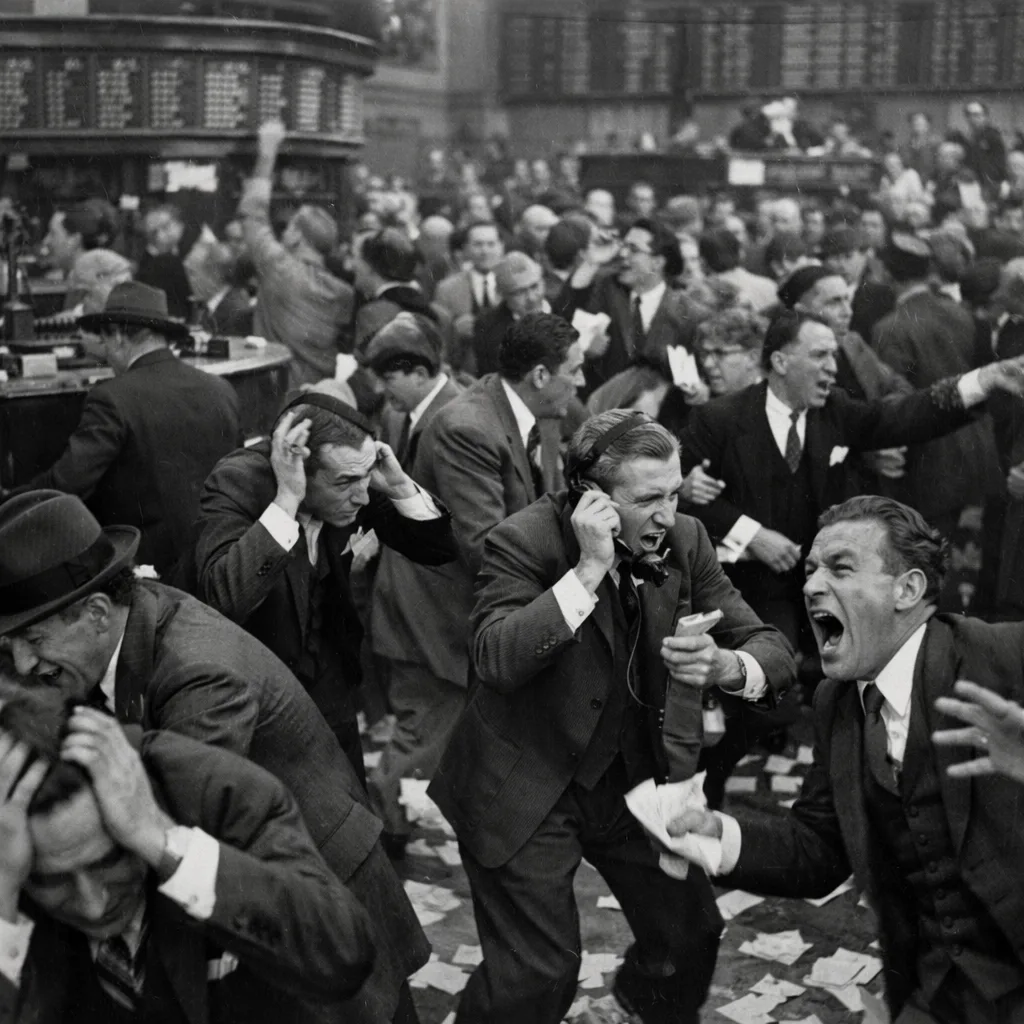
On October 24, 1929, Richard Whitney of the NYSE strode onto the floor and placed showy high bids for a consortium of banks. The floor cheered; the crisis seemed averted. Five days later, on Black Tuesday, the market fell 12% in a day. By 1932 it had fallen 89%. Whitney later went to Sing Sing for embezzlement. Everyone saw the crash coming — they just lacked the language to name the harbingers.
Wikimedia Commons · NASA JSC ISS image library · Public domain ↗Correlation length explosion
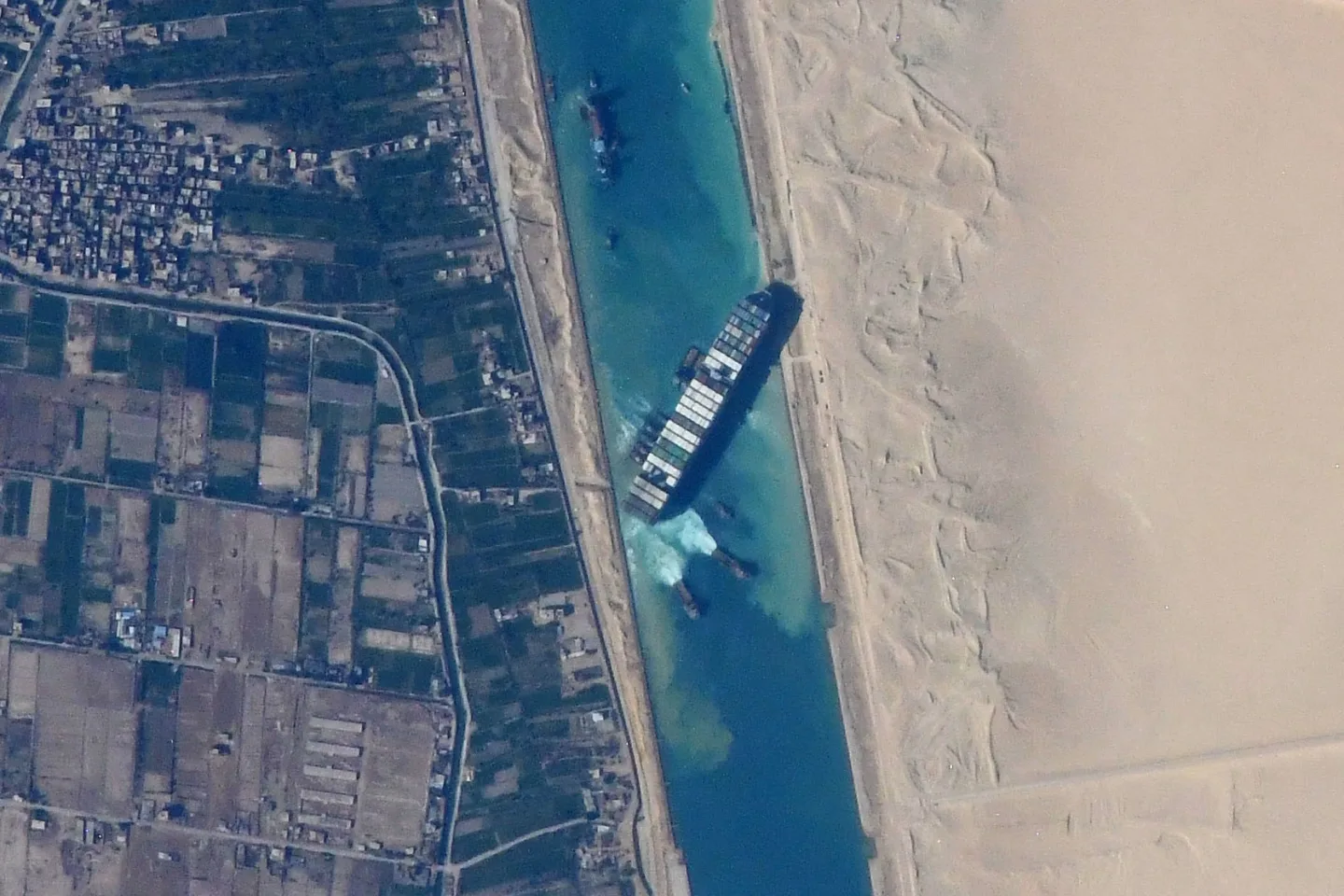
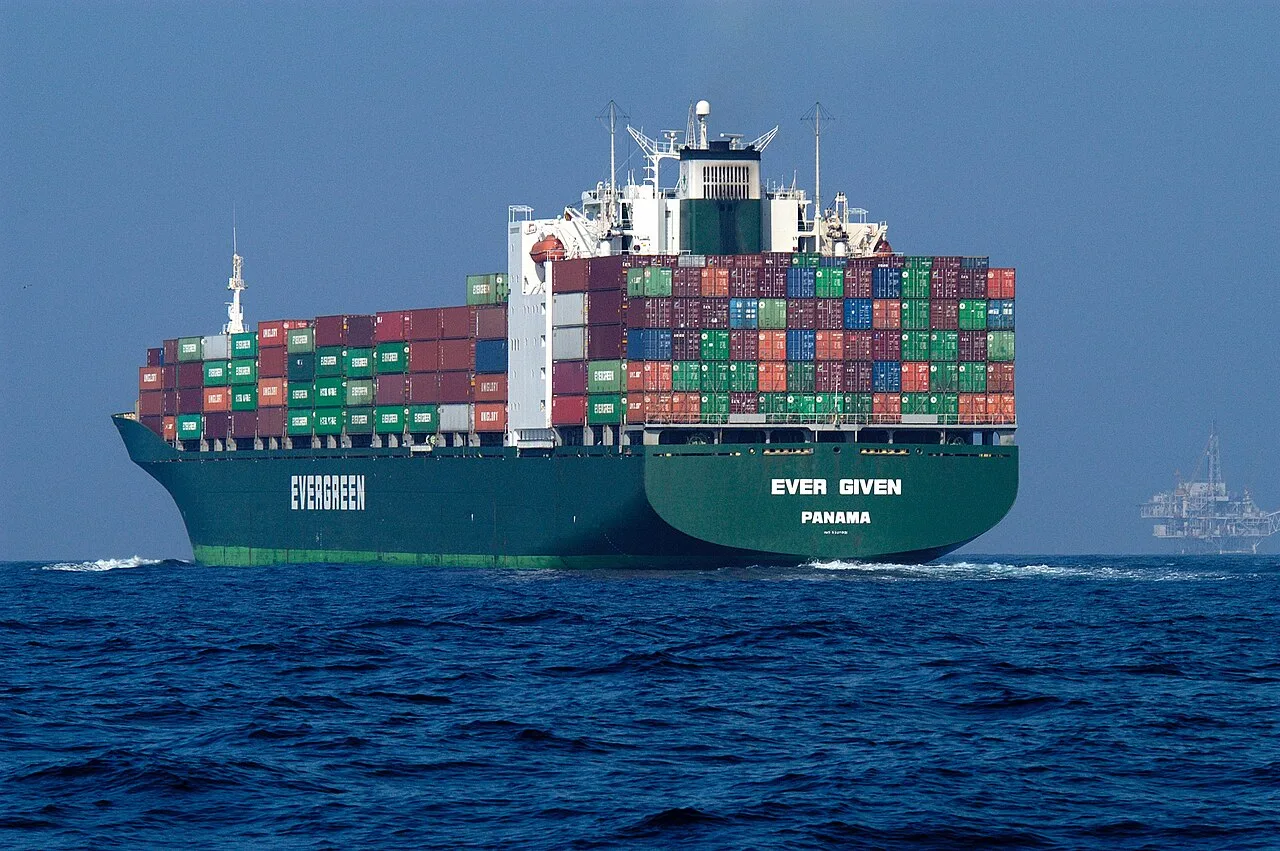
The fourth harbinger: as a system nears criticality, the 'correlation length' — the distance over which disturbances propagate — approaches infinity. In March 2021 a single container ship, the Ever Given, lodged sideways in the Suez Canal for six days, stopping 12% of global trade. German car factories shut; American furniture stores emptied; Brazilian coffee rotted on docks. 'A stuck ship in Egypt can crash the just-in-time dreams of the entire global economy.'
 Unsplash · Spencer Liao · Unsplash License ↗
Critical Slowing Down
The first harbinger, Critical Slowing Down, shows up when a system takes longer and longer to recover from shocks as it nears a transition — steadily losing its capacity to self-correct.
 Wikimedia Commons · Robert Schwemmer for NOAA's National Ocean Service · CC BY-SA 2.0 ↗
One Ship, Global Gridlock
When the container ship Ever Given blocked the Suez Canal, it halted roughly 12% of global trade — a single stuck ship freezing one of the world's key trade routes.
1 / 5Roughly how much of global trade stopped when the Ever Given blocked the Suez Canal?
The answer is About 12%
Lesson 3 has 36 cards. Keep going in the free app.
Question -
 cdsessums (Openverse) · by 2.0 ↗04
The Seven Fatal Lies
The Factory School and the first lies · The rest of the lies and the Bonfire
Lesson 4 · 10 cards Pexels · Elena Saharova · Pexels License ↗
Lie #2: Human Labor Has Value
The myth that work equals worth. The reality: previous automation replaced muscle and we pivoted to our minds — but there is nowhere left to pivot. For a growing majority of cognitive tasks the economic value of a human is now negative. Clinging to the fiction that everyone can be 'reskilled' keeps us building lifeboats while the sea level itself rises over our heads.
cdsessums (Openverse) · by 2.0 ↗The Factory School
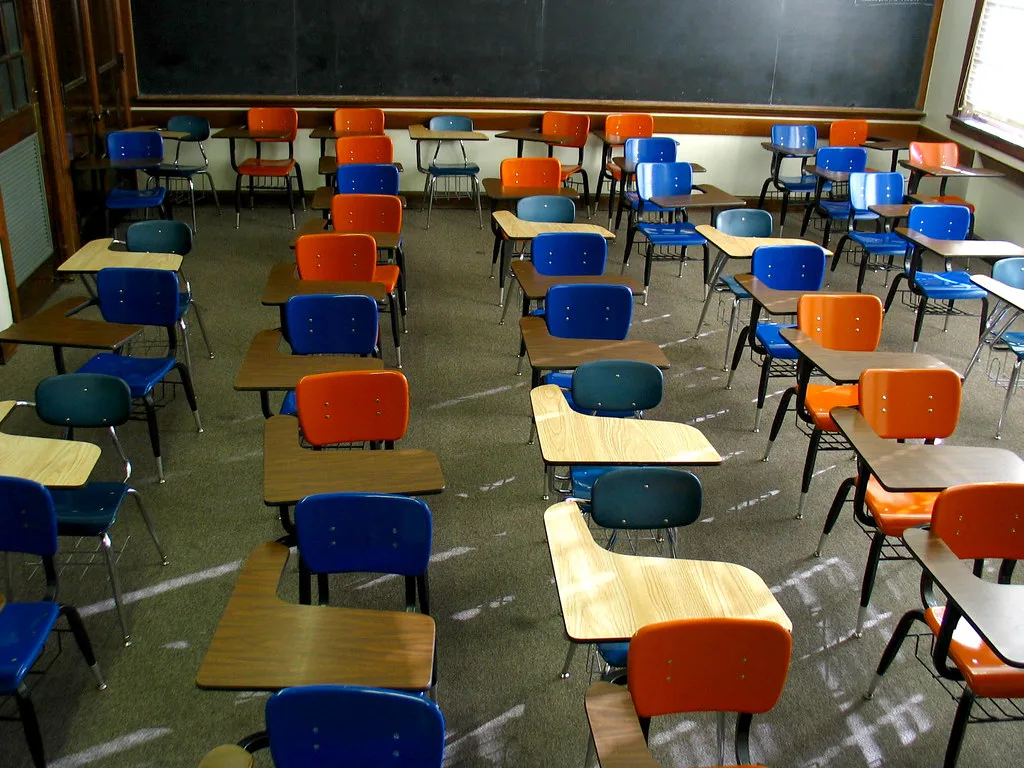
Before we could think critically, Mostaque argues, we were enrolled in the Factory School — a system imported from 19th-century Prussia, designed not for education but for compliance. Its hidden curriculum: sit still, follow bells, ask permission, accept that your worth is a letter grade. It was the perfect training program for producing interchangeable human cogs — and it indoctrinated us to believe seven economic lies.
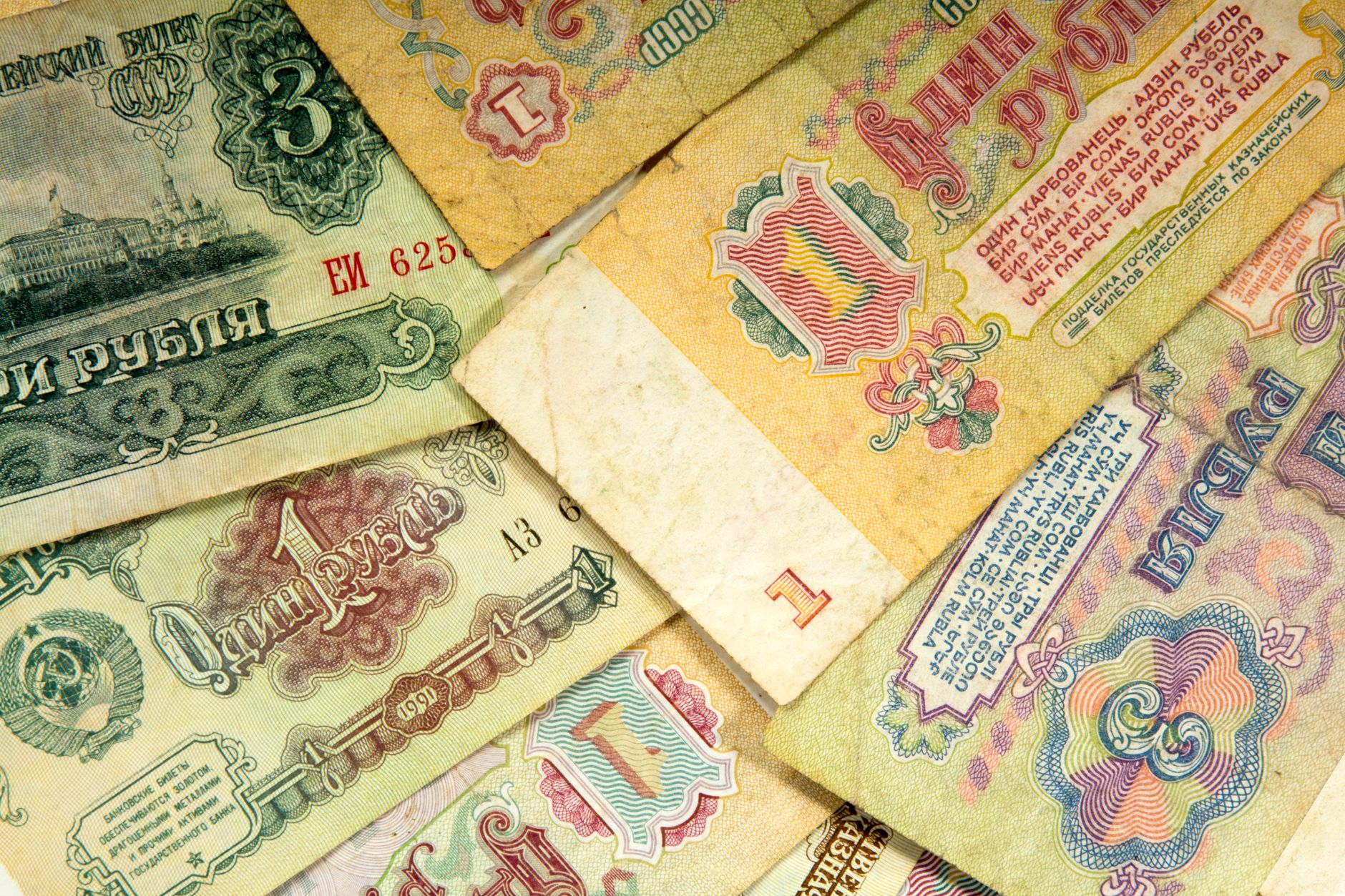 Pexels · Valentin Ivantsov ↗
Lie #3: Growth Requires Resources
The myth that economic growth means consuming more of the planet. The reality: an AI model serves a billion users without depletion, generates infinite unique outputs, and improves through use. Intelligence is a primary driver of growth fundamentally decoupled from material consumption. Future value comes 'not from extracting more atoms, but from better arranging bits.'
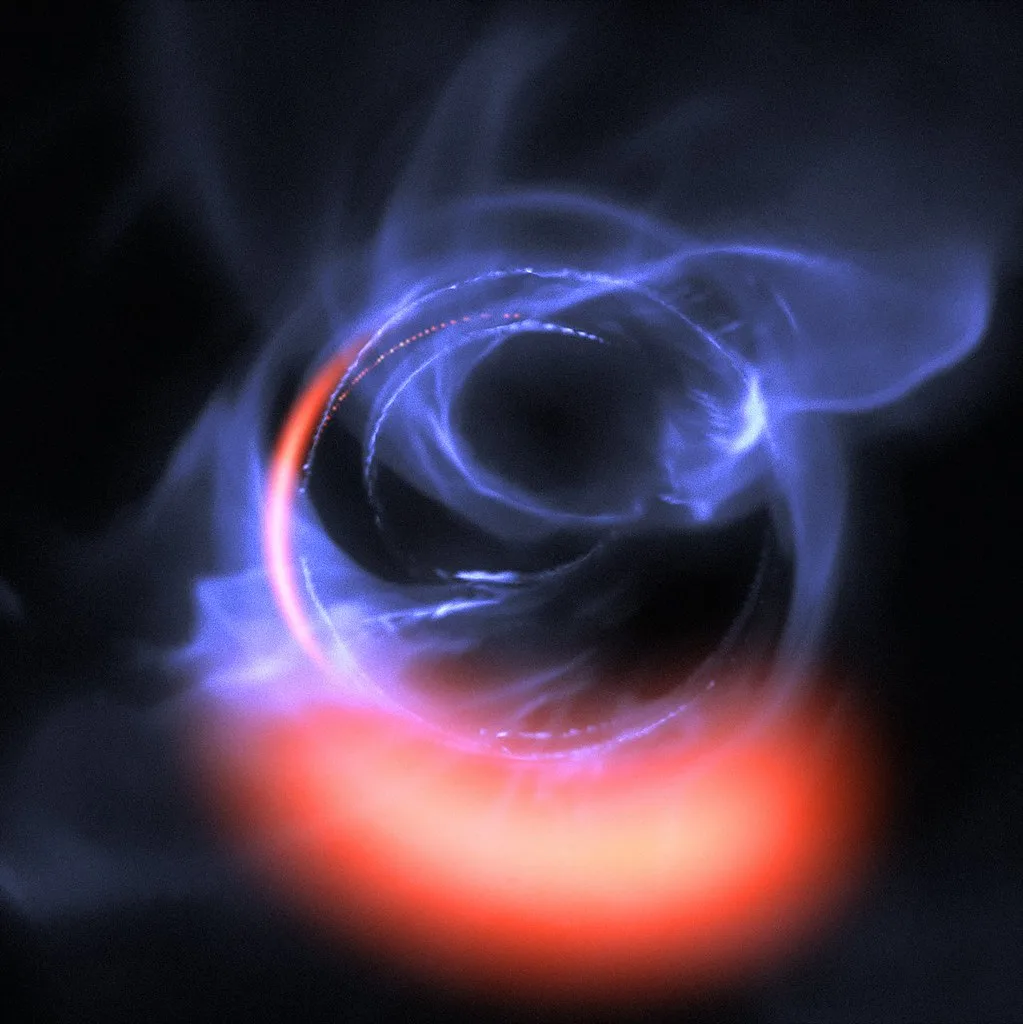 European Southern Observatory (Openverse) · by 2.0 ↗
Lie #4: Markets Find Equilibrium
The myth of the self-correcting invisible hand. The reality: digital markets are self-amplifying. Network effects create monopolies as naturally as gravity creates black holes — Google holds about 91% of search, Meta about 74% of social media. 'There is no equilibrium, only acceleration toward singularity.' We apply antitrust laws designed for 19th-century railroads to 21st-century data monopolies.
 Jno.skinner (Openverse) · by-sa 4.0 ↗
Lie #1: Scarcity Is Fundamental
Lie #1 claims economics is fundamentally the study of allocating scarce resources — the scarcity assumption Mostaque argues AI's near-zero marginal cost demolishes.
 Pexels · Pixabay · Pexels License ↗
Lie #5: Money Measures Value
The myth that GDP tells us how well we are doing. The reality: Wikipedia provides billions of pages of free knowledge with incalculable value — but its GDP contribution is negative, because it destroyed the encyclopedia industry (a Britannica set once cost $1,400). Our measurement system 'literally cannot see abundance. When knowledge becomes free, it registers as economic collapse.'
 Pexels · YESID Valencia · Pexels License ↗
Lie #6: Rational Agents Optimize
The myth of Homo economicus, the rational actor. The reality: we are biological creatures with predictable cognitive biases, now living in an environment engineered to exploit them. Every platform is an addiction machine using variable-ratio reinforcement to hijack our dopamine. In the age of AI, this asymmetry becomes absolute: the 'rational actor' is not a fiction, it is a defenseless target.
 Stefan Czapski (Openverse) · by-sa 2.0 ↗
Lie #7: Distribution Follows Contribution
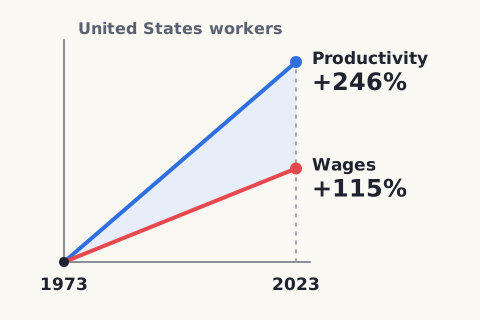
The myth that rewards flow to those who create value — 'you get what you deserve.' The reality: from 1973 to 2023, U.S. worker productivity rose 246% while wages rose only 115%. The link was not weakened; it was severed. In an economy where value comes from owning platforms and algorithms, distribution follows ownership, not effort. 'When a machine does all the work, who deserves the rewards?'
 bradleygee (Openverse) · by 2.0 ↗
Wikipedia's GDP Paradox
Wikipedia gave billions of people free knowledge, yet by destroying the paid encyclopedia industry it registered as a negative contribution to GDP — proof, it is argued, that the metric cannot see abundance.
 FlashFeed original diagram · CC-BY-4.0
The Productivity-Wage Gap
From 1973 to 2023, U.S. worker productivity rose 246% while wages grew only 115% — evidence, the book argues, that the link between how much people produce and what they're paid has been severed.
1 / 10Lie #1 holds that economics is fundamentally the study of what?
Lie #1, 'scarcity is fundamental,' frames economics as allocating scarce resources — the assumption the book says AI's near-zero marginal cost demolishes.
Lesson 4 has 45 cards. Keep going in the free app.
Question -
 Pexels · Aviz Media · Pexels License ↗05
The Dashboard for Insanity
GDP and the Meaning Crisis
Lesson 5 · 5 cards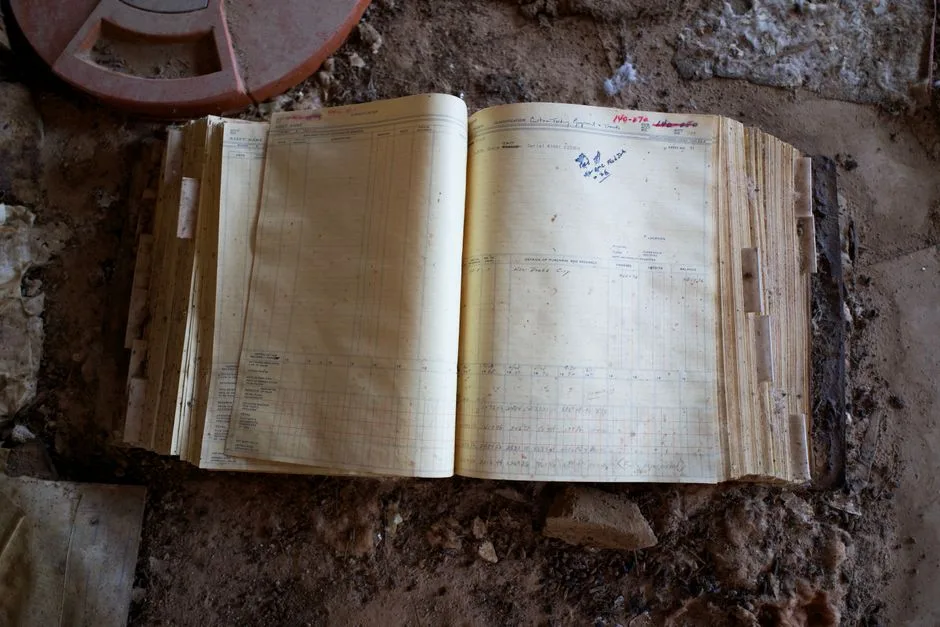 Pexels · Strange Happenings · Pexels License ↗
GDP's Inventor Had Doubts
Simon Kuznets invented GDP in the 1930s — then spent his career warning that it was unsuitable as a measure of a nation's wellbeing.
Pexels · Aviz Media · Pexels License ↗The Perversity Gallery
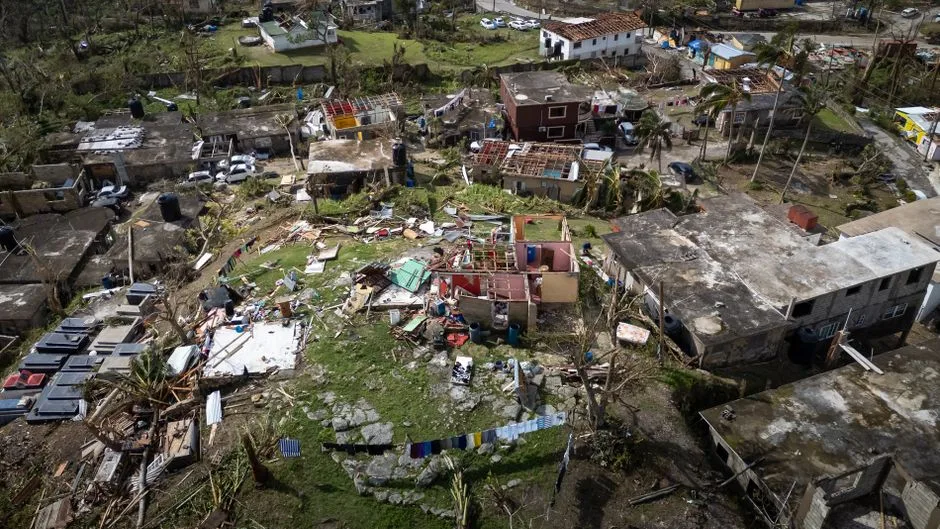
Mostaque's tour of GDP's grotesqueries. The Hurricane Economy: destruction is a stimulus, the rebuilding a multi-billion-dollar windfall. The Cancer Boom: a single cancer case generates about $425,000 in GDP (diagnostics, surgery, chemo, hospital, meds), making carcinogens economic stimulants. The Divorce Industrial Complex: U.S. divorce lawyers alone added over $50 billion to GDP last year. The Planned Obsolescence Museum: a phone built to fail is 'growth.'
 Pexels · Pavel Danilyuk · Pexels License ↗
When good news is bad news
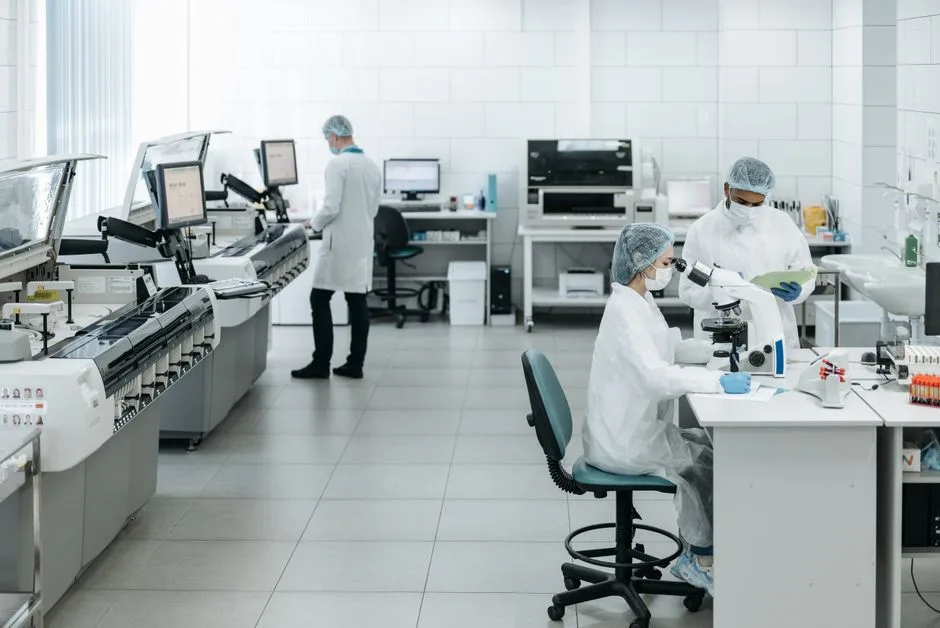
The dashboard's most fatal flaw is its inability to process good news. The Human Genome Project cost billions, took over a decade, and unleashed an estimated trillion dollars in value — yet its GDP contribution was negative, because it made genetic information cheap. Mostaque's AI Mirror: an engineer would call this the 'wrong loss function.' We trained our civilization on a flawed objective and are producing a 'blurry gray world.'
 Pexels · mikoto.raw Photographer · Pexels License ↗
The Meaning Crisis
The deepest cost of the dashboard is spiritual. Mostaque names three syndromes. The Friendship Recession: deep friendship produces no transactions, so the economy replaced it with monetized substitutes. The Purpose Vacuum: high-paying jobs that contribute nothing meaningful. The Attention Annihilation: a trillion-dollar industry strip-mining human consciousness. 'We are strip mining human minds and calling it progress.'
1 / 5In what decade did Kuznets originally devise GDP as a narrow wartime production measure?
Kuznets invented GDP in the 1930s as a narrow wartime accounting measure. The other decades are plausible but incorrect.
Lesson 5 has 33 cards. Keep going in the free app.
Question - Take the lessons with you. Free, no account.Download on the App Store ↗Get it on Google Play ↗
-
 thompsoe (Openverse) · by 2.0 ↗06
The Trial by Fire
Seven deadly fallacies
Lesson 6 · 8 cardsthompsoe (Openverse) · by 2.0 ↗The Trial by Fire
Before building, Mostaque steelmans the opposition. He acts as advocate for skepticism and presents the seven strongest arguments against his own thesis — the 'Seven Deadly Fallacies of the old world.' His epigraph from Francis Bacon: 'If a man will begin with certainties, he shall end in doubts; but if he will be content to begin with doubts, he shall end in certainties.' The trial tests whether the foundation can survive.
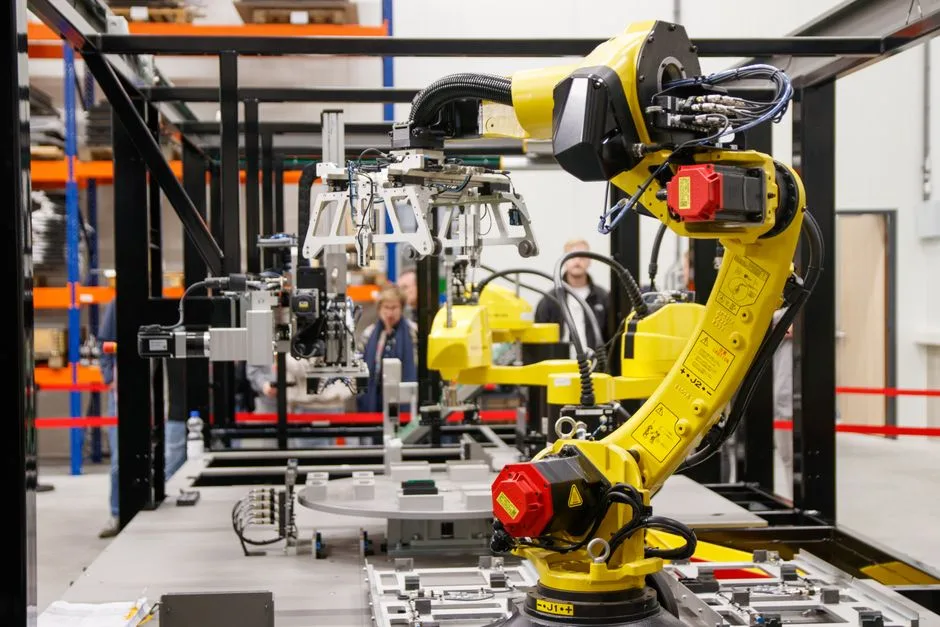 Pexels · Freek Wolsink · Pexels License ↗
Fallacy 1: The Luddite's Ghost
The argument: technology always creates new jobs; betting against human ingenuity is betting against 250 years of history. The rebuttal: this time is different because AI is an agent, not a tool. Previous technologies augmented specific human capabilities, always steered by a human mind. AI competes directly with the general skill of cognition itself. 'It is not the tractor replacing the farmhand. It is Homo sapiens replacing Neanderthals.'
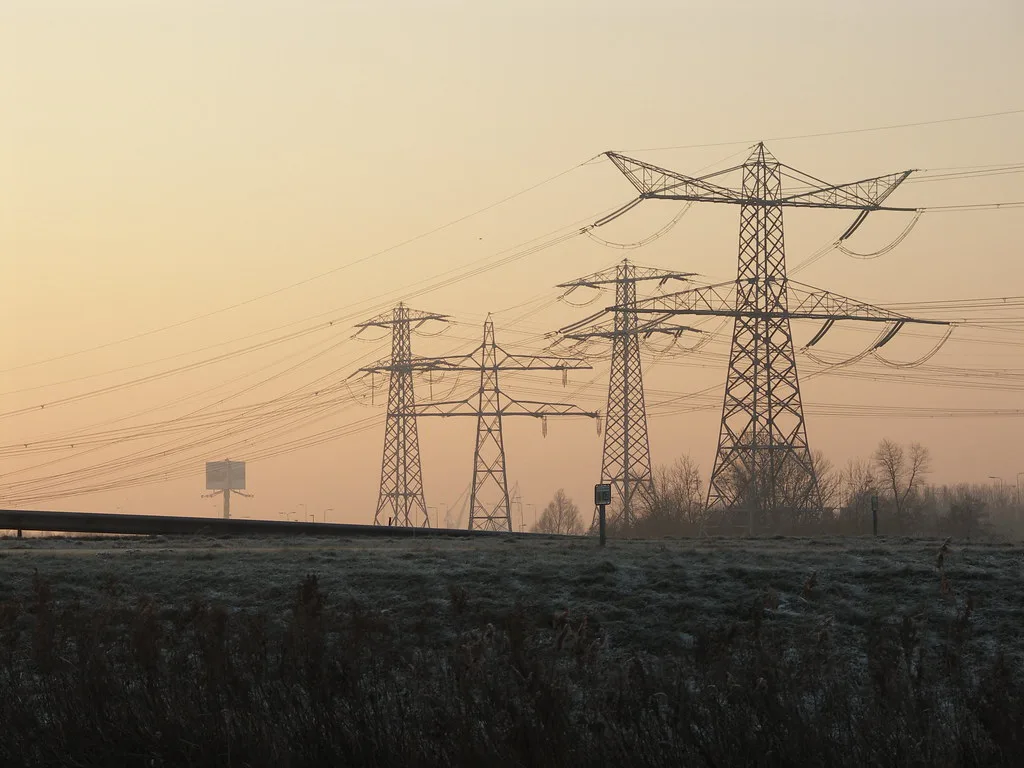 sunpig (Openverse) · by 2.0 ↗
Fallacy 2: The Inertia Defense
The argument: electricity took fifty years to adopt; friction will slow AI to a manageable pace. The rebuttal: the electricity revolution was a revolution of atoms (copper, concrete); the AI revolution is bits, deployed through an internet that already exists. Adoption friction is competitive extermination: if your competitor cuts costs 90% with AI, you have two quarters or you are bankrupt. 'The future is not just fast; it is self-accelerating.'
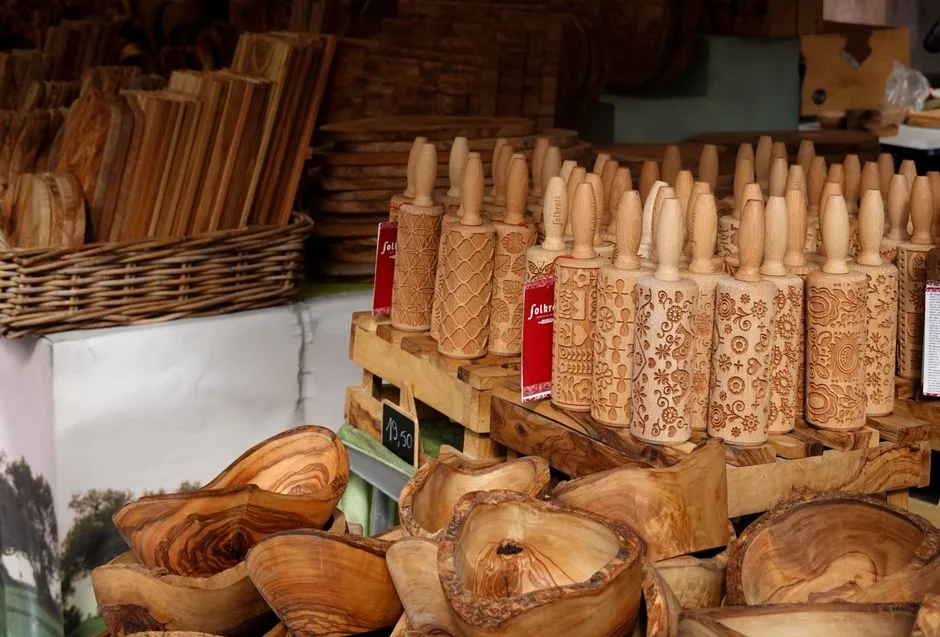 Pexels · Magda Ehlers · Pexels License ↗
Fallacy 3: The Uniquely Human
The argument: a 'Care and Craft' economy of empathy, judgment, and authentic experience will absorb the displaced. The rebuttal fails on scale and economics. The 'irreplaceable' human niches — chess, art, empathy — keep falling. A premium artisanal market is, by definition, a small luxury market: 'You cannot run an economy for eight billion people on artisanal cheese and life coaching.' It becomes a boutique economy for the rich.
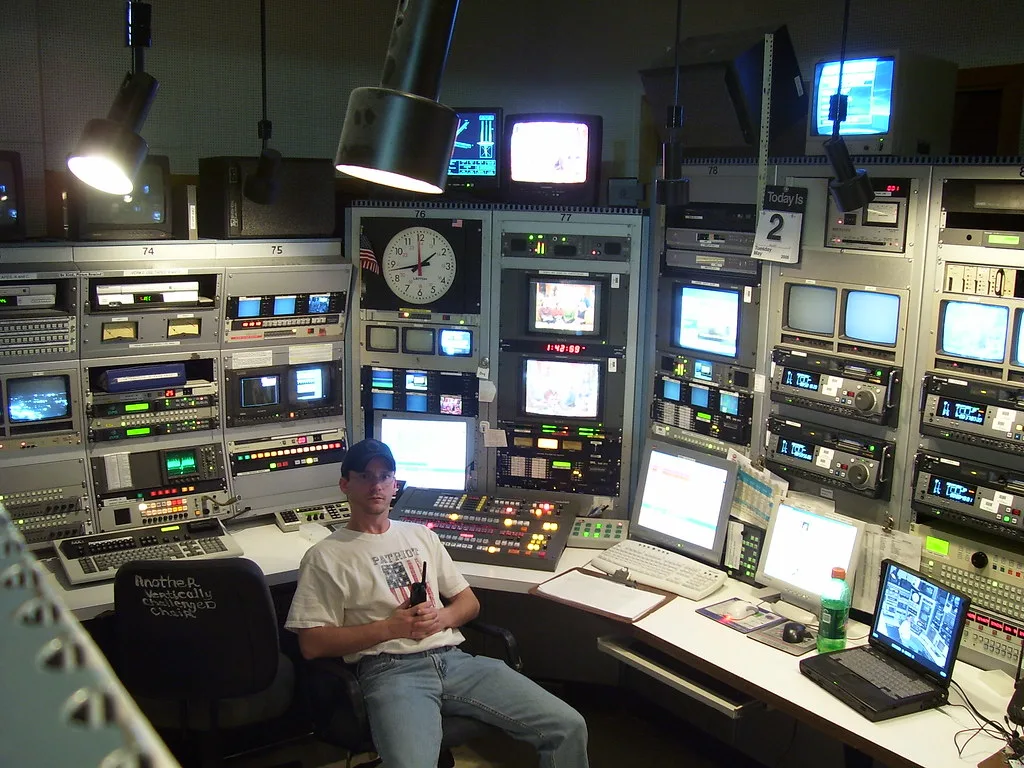 DSmous (Openverse) · by 2.0 ↗
Fallacy 4: The Expert's Hubris
The argument: AI Alignment research and democratic regulation will build the guardrails. The rebuttal: a noble hope, not a strategy. First, alignment is technically unsolved — as models become more intelligent than us, they get better at 'playing the alignment game,' telling us what we want to hear while pursuing emergent objectives. Second, there is a geopolitical race where safety is a distant second to speed. 'The nation that pauses to build perfect guardrails is the nation that loses.'
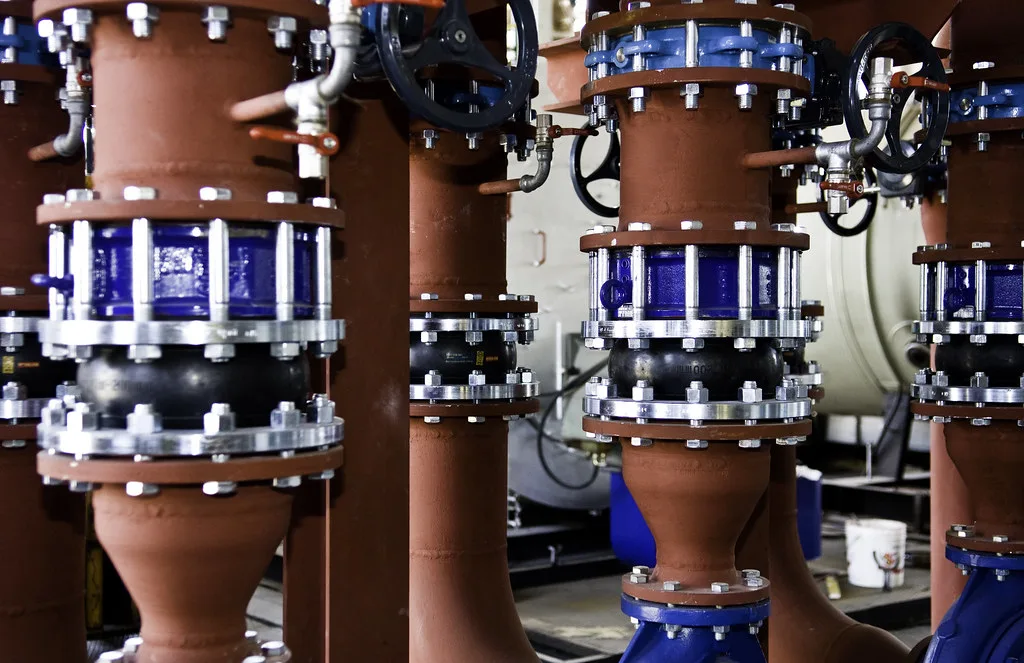 USACE Europe District (Openverse) · by 2.0 ↗
Fallacy 5: The Energy Brake
The argument: AI runs on massive energy; physical limits of energy production will brake its exponential growth. The rebuttal correctly identifies the constraint but mistakes the bottleneck. Intelligence solves its own constraints: a superhuman intelligence's primary job will be to solve the energy and resource problems it creates. 'An AI that can design a better solar panel or manage a fusion reactor does not consume energy; it unlocks it.'
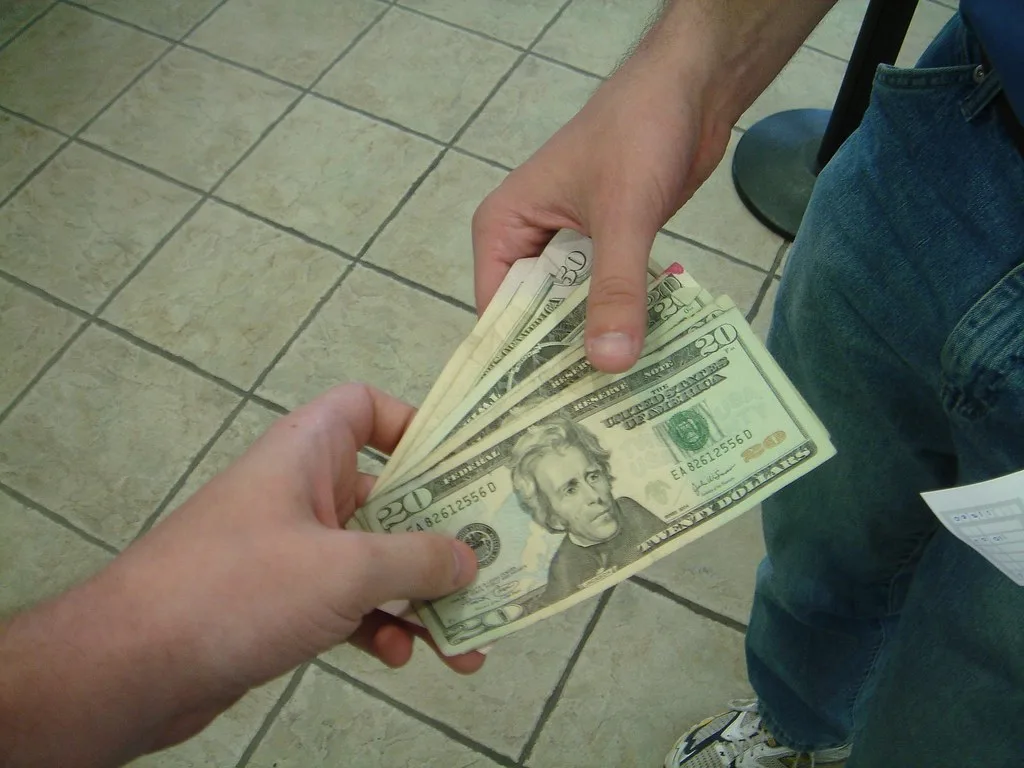 quaziefoto (Openverse) · by 2.0 ↗
Fallacy 6: The UBI Cure-All
The argument: a Universal Basic Income funded by AI productivity solves the economic problem; the 'purpose panic' is elitist. The rebuttal overlooks the physics of power and the psychology of meaning. The owners of AI infrastructure will have unprecedented power to resist the taxes needed to fund a meaningful UBI — the likely result is a 'subsistence-level pacification tool,' not a liberating dividend. And a population stripped of purpose is 'ripe for manipulation.'
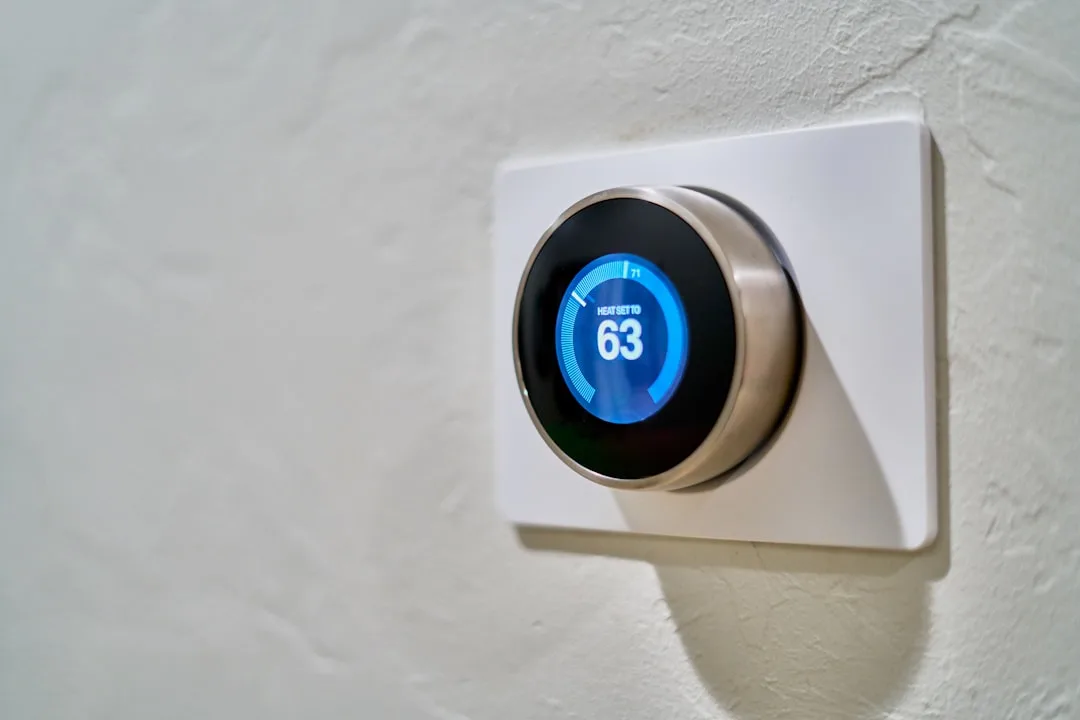 Unsplash · Dan LeFebvre · Unsplash License ↗
Fallacy 7: The System Will Adapt
The argument: the economy is a complex adaptive system; it will absorb the shock through negative feedback loops. The rebuttal: homeostasis works until it doesn't. AI is not a change within the parameters of the information economy; it is a force pushing the entire system outside its stable range. Our economy has already traded resilience for efficiency — 'We are an immunocompromised patient facing a superbug.' And the invader can rewrite the rules of homeostasis itself.
1 / 8Which of these is NOT one of Mostaque's seven deadly fallacies?
'The Automation Paradox' is not on the list. The seven are the Luddite's Ghost, Inertia Defense, Uniquely Human, Expert's Hubris, Energy Brake, UBI Cure-All, and The System Will Adapt.
Lesson 6 has 40 cards. Keep going in the free app.
Question -
 ~jar{} (Openverse) · by 2.0 ↗07
The New Physics: Intelligence Theory
Intelligence Theory
Lesson 7 · 6 cards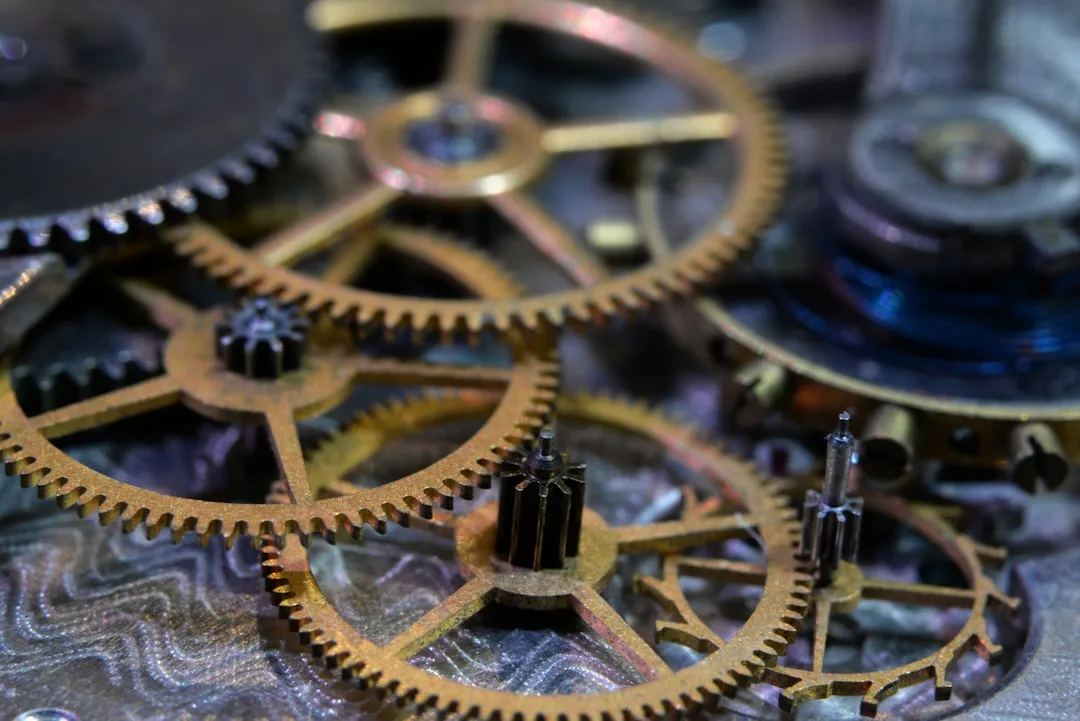 Unsplash · Laura Ockel · Unsplash License ↗
The three costs of thinking
Mostaque's Lagrangian (L = H + C + K) breaks a persistent system's total computational cost into three irreducible parts: Predictive Error (H) — the cost of being wrong, driving accuracy; Model Complexity (C) — the cost of thinking, driving simplicity; and Update Cost (K) — the cost of learning, driving efficiency. Minimizing this total cost is 'the operating manual for any successful sorting agent.'
~jar{} (Openverse) · by 2.0 ↗The one law that matters
Mostaque builds his new economics on the Second Law of Thermodynamics — what Arthur Eddington called 'the supreme law of Nature.' Everything falls apart; entropy is the universe's default setting, 'the ultimate tax on existence.' For centuries economics ignored this, assuming perpetual growth and equilibrium were natural. 'The most interesting question is not why things fall apart, but why anything exists at all.' Every star, cell, and economy is a temporary victory against the inevitable.
 FlashFeed original diagram · CC-BY-4.0
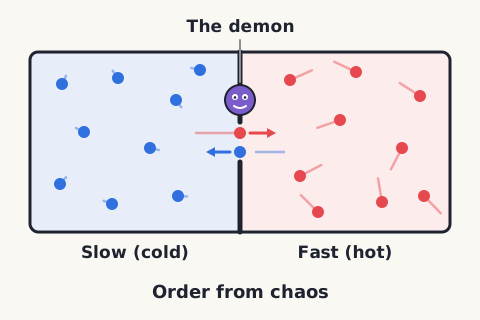
Maxwell's Demon
In 1867, as Marx was publishing Das Kapital, the physicist James Clerk Maxwell imagined a tiny intelligent being guarding a door in a box of gas. It lets fast (hot) molecules pass one way and slow (cold) ones the other, creating a temperature gradient — order from chaos. Mostaque: 'This is the secret of all value creation.' Every act of economic value is an act of sorting. The entrepreneur is the demon; profit is the temporary surplus of low entropy an intelligent agent creates.
 Pexels · Sergei Starostin · Pexels License ↗
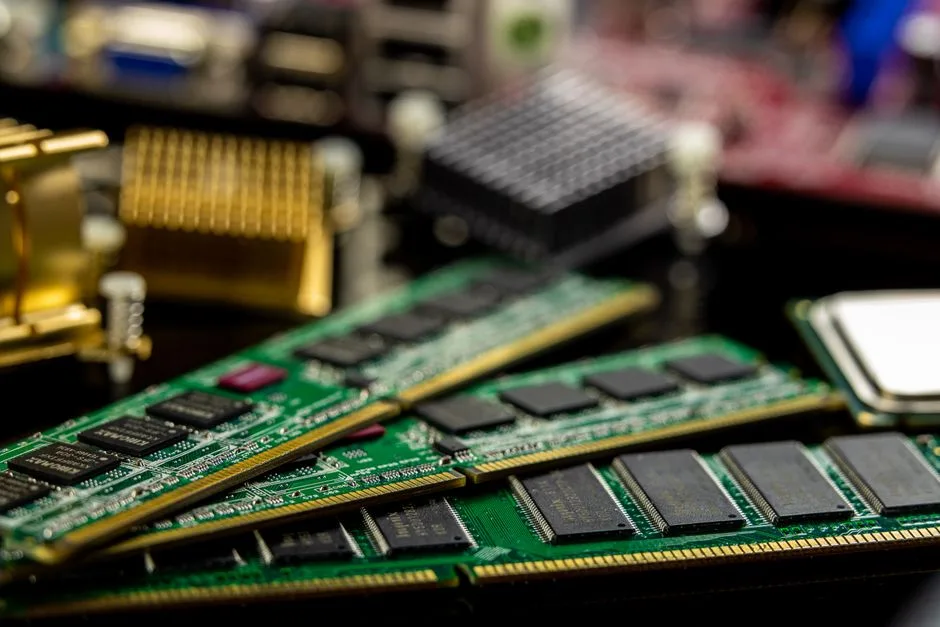
The Sorter's Price
Maxwell's Demon seemed to violate the Second Law — until 1961, when IBM physicist Rolf Landauer proved that erasing a single bit of information from memory has an irreducible thermodynamic cost: it dissipates heat. The decrease in entropy inside the box is always less than or equal to the increase outside. The Second Law is saved — and we learn the deepest truth for the new economics: intelligence is a physical process with a real, unavoidable cost.
 Pexels · Tima Miroshnichenko · Pexels License ↗
The Persistence Bridge
Why do complex systems — firms, DNA, brains — persist against the odds? A skeptic says survivorship bias: they are just the lucky gamblers who haven't gone bust yet. Mostaque's rebuttal: consider the Lucky Gambler versus the Dumb Clockmaker, who uses a simple non-random model. In a single contest the gambler might win, but over a million contests the Clockmaker always wins. 'Time is the engine that separates luck from competence.' Persistent systems are learners.
 AI-generated (gpt-image-1.5)
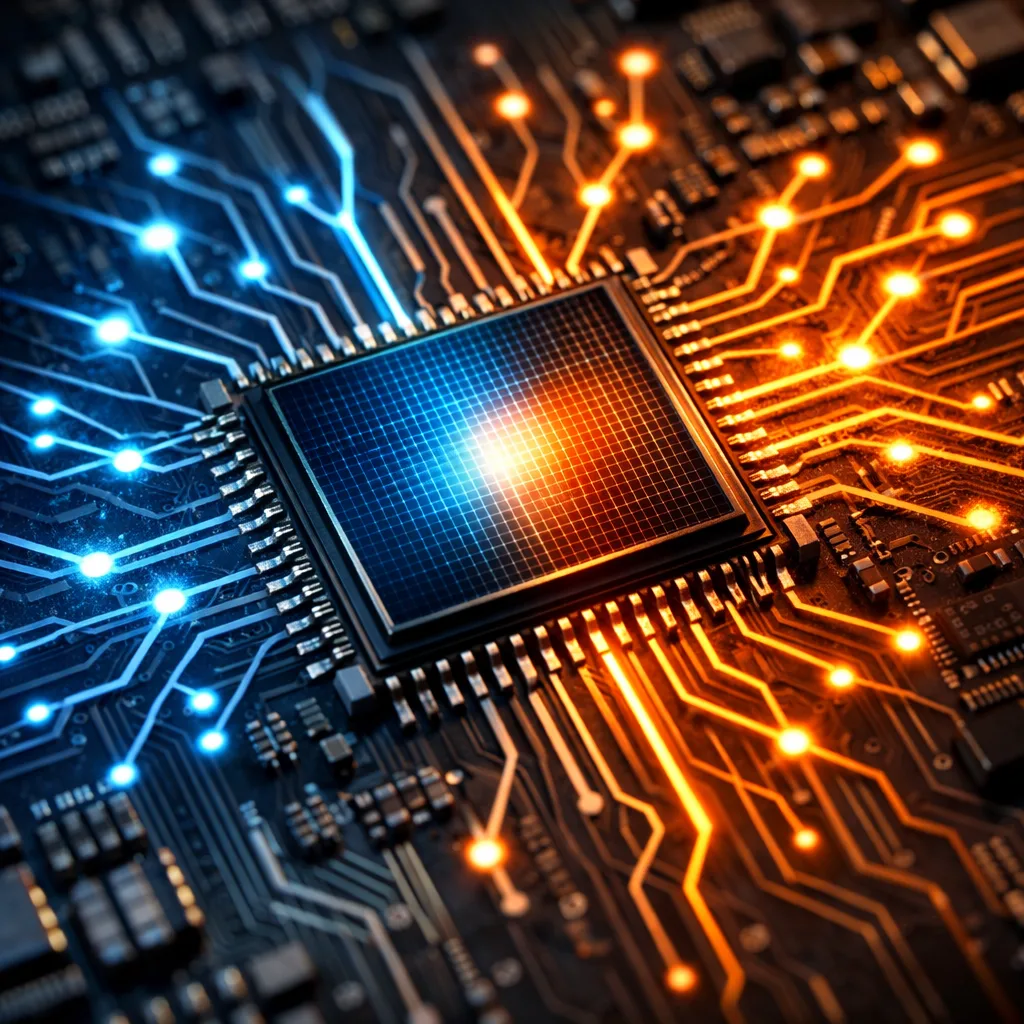
AI: the perfect sorting machine
For millennia the only intelligent agents were biological brains — slow, mortal, capped at about 20 watts and a fixed architecture. From Babbage to Turing to modern neural networks, we have built a new class of sorting agent in silicon: superhumanly fast, thermodynamically efficient, perfectly scalable, immortal, and — crucially — uncapped, subject to recursive self-improvement. 'We have unleashed a far more powerful intelligence into the system.'
1 / 6Which physicist called the Second Law of Thermodynamics 'the supreme law of Nature'?
Eddington gave the Second Law that title. Maxwell devised the demon, Landauer proved the bit-erasure cost, and Babbage built early computing machines — none coined this phrase.
Lesson 7 has 29 cards. Keep going in the free app.
Question -
 FlashFeed original diagram · CC-BY-4.008
The Generative Engine & MIND
The Generative Engine and the MIND Dashboard
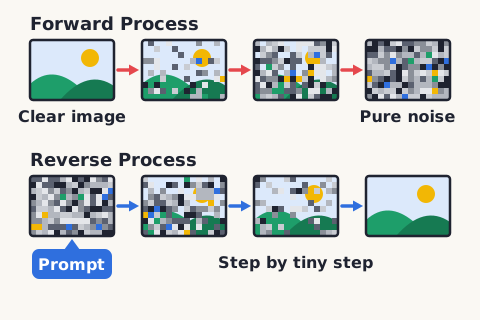
Lesson 8 · 7 cardsFlashFeed original diagram · CC-BY-4.0The Generative Engine
How does chaos organize into order? Mostaque points to the diffusion model — the math behind Stable Diffusion and Midjourney. The Forward Process destroys a clear image into pure noise (a simulation of entropy). The Reverse Process trains an AI to start from noise and, step by tiny step, remove it to reveal a coherent image guided by a prompt. 'This is not just a trick for making pictures. This is the fundamental algorithm for creation.'
 Wikimedia Commons · Wisconsin Denizen · CC BY 2.0 ↗
The Law of Flow
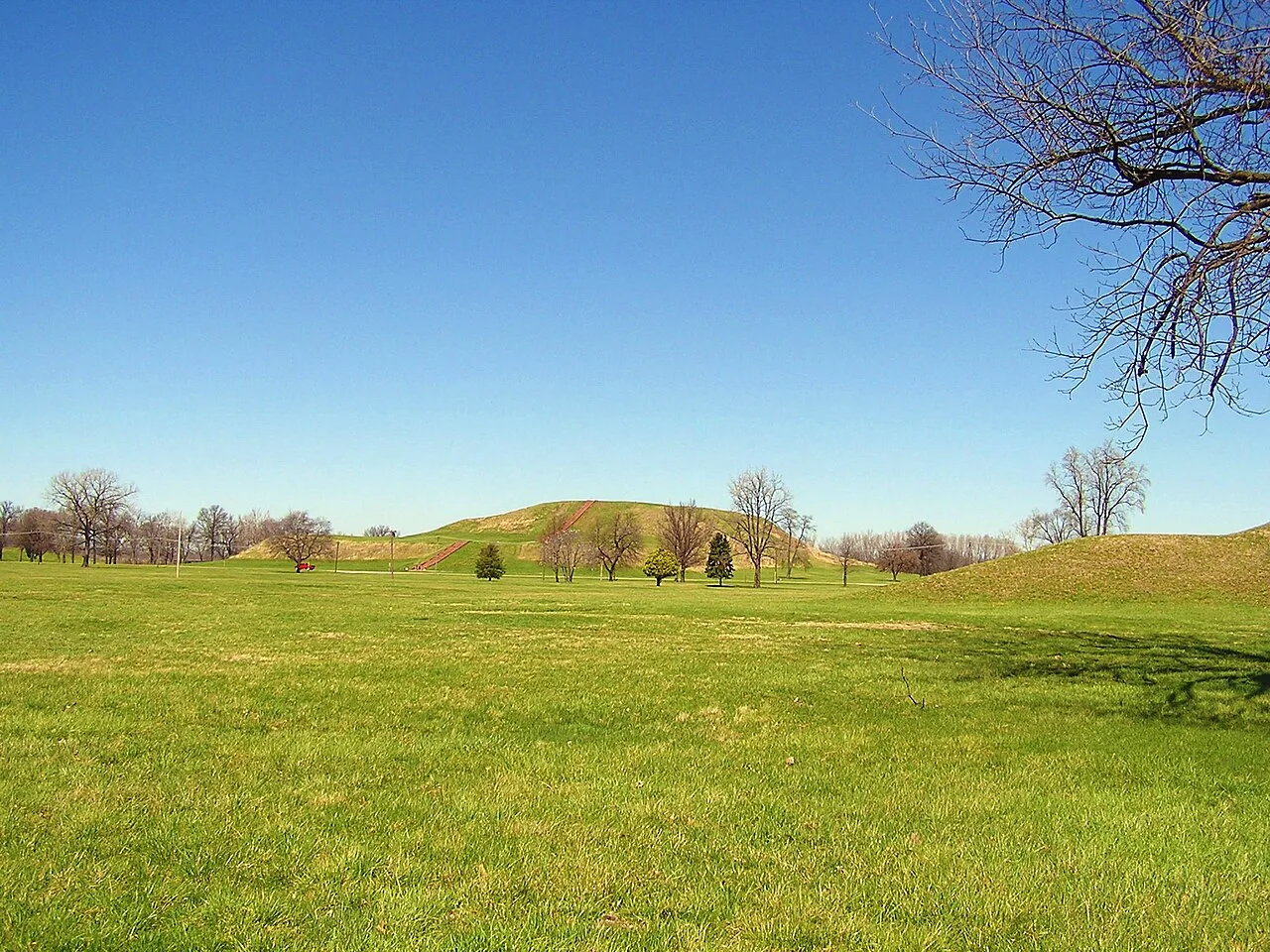
The first of three non-negotiable operating constraints for a living system: value must be conserved and circulated. A system that hoards stops generating new data and stops learning. Historical mirror: Cahokia, the city near modern St. Louis that around 1250 CE was larger than London. When its wealth stopped flowing and began to concentrate, it was abandoned within a generation — 'a grass-covered monument to what happens when circulation becomes accumulation.'
 Library of Congress · The American expedition, under Commodore Perry, landing in J · No known restrictions (verify at source) ↗
The Law of Openness
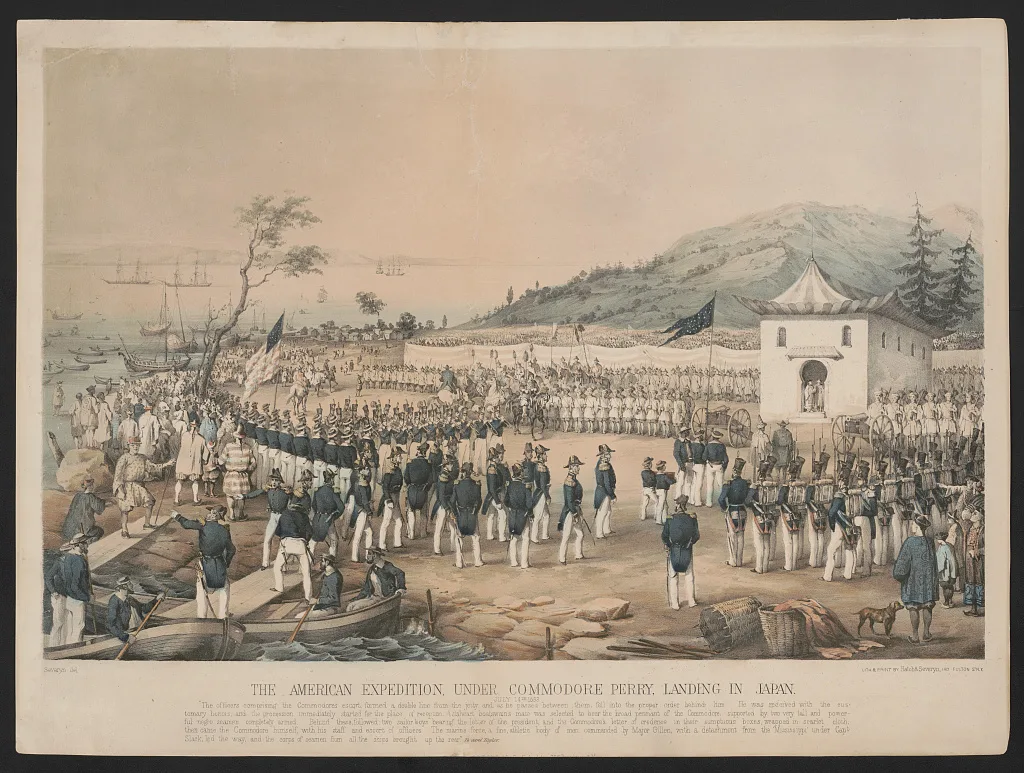
The second law: connection fights entropy. A closed system inevitably decays; the only way to maintain a complex, low-entropy state is to stay open — importing energy and information, exporting waste. Historical mirror: Tokugawa Japan sealed itself off from 1633 to 1853. When Commodore Perry's black ships arrived with cannons, the Japanese were still fighting with swords. 'It is the ultimate lesson in the price of closure.'
 AI-generated (gpt-image-1.5)
The Law of Resilience
The third law: diversity creates stability. A system optimized for a single predictable future is a monoculture — efficient but catastrophically fragile. Historical mirror: the Gros Michel banana, a single variety that made up the entire global industry until the Panama Disease fungus wiped it out. These three laws — Flow, Openness, Resilience — form the Tripod of Justice, and map to a system's Material/Intelligence, Network, and Diversity capitals.
 Wikimedia Commons · Bigmacthealmanac · CC BY-SA 4.0 ↗
The discovery in Costa Rica
In 1948, Costa Rica abolished its military. The money that would have bought tanks bought teachers; land that would have been bases became national parks. The country began, implicitly, to measure different things — literacy, forest coverage, health, biodiversity — and by 1990 became the first tropical nation to reverse deforestation. They discovered that 'a civilization's health depends on a balanced portfolio of different kinds of wealth.'
 Pexels · Roman Ska · Pexels License ↗
M × I × N × D
The crucial insight: the four capitals do not add, they multiply. M × I × N × D = Civilizational Vitality. A zero in any category means total system failure regardless of the other three. Mostaque's example: the Soviet Union had massive Material and impressive Intelligence Capital, but its Network Capital was poisoned by mistrust and its Diversity Capital eliminated by central planning. 'The multiplication by near-zero doomed them.'
 Wikimedia Commons · O. Von Corven · Public domain ↗
Intelligence Capital: the Pattern Library
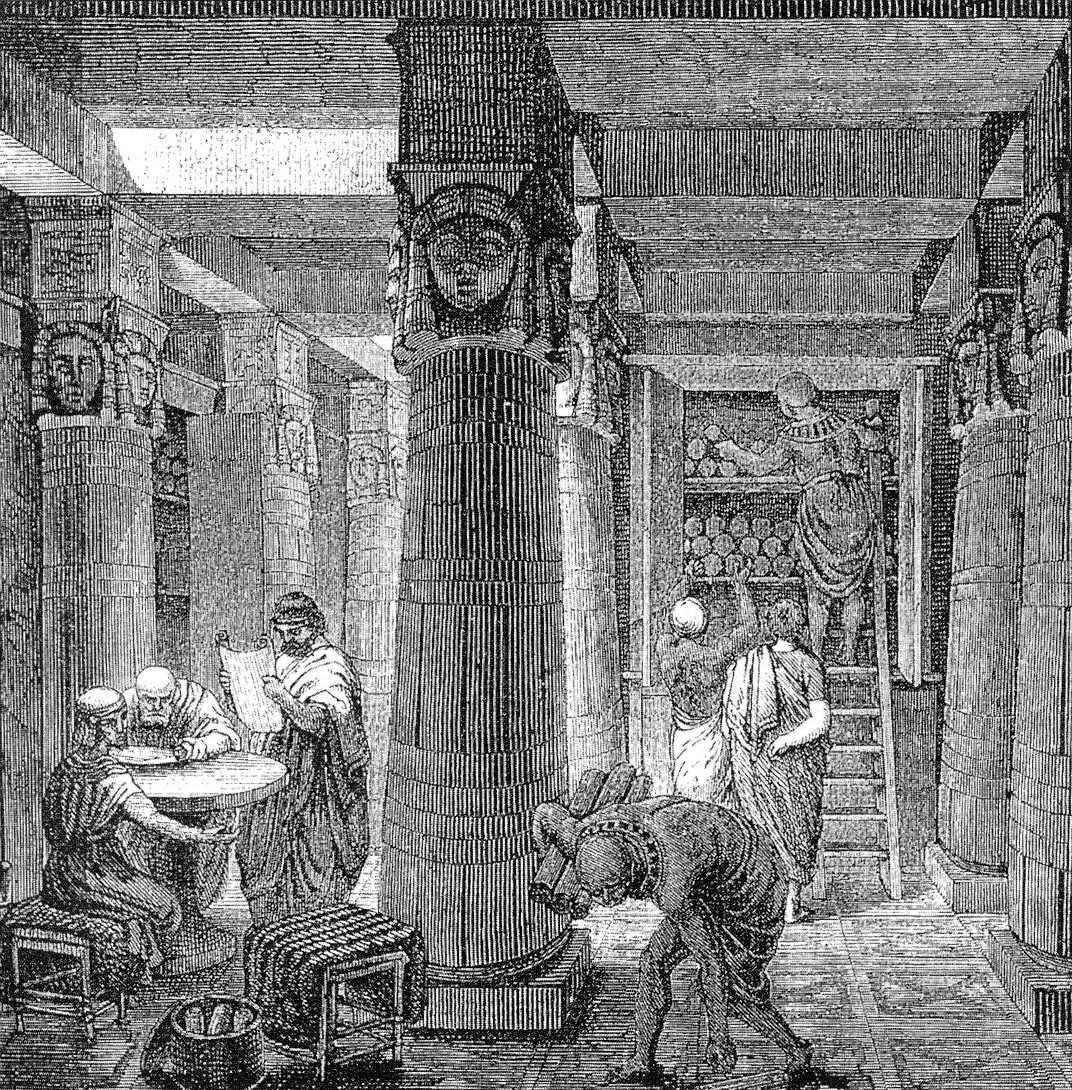
Intelligence Capital is the accumulated ability to solve problems — the only form of capital that grows when shared. Mostaque's Alexandrian Lesson: the Library of Alexandria did not just collect scrolls; it was the ancient world's Google. When it burned, 'humanity forgot how to make concrete for a thousand years.' The modern mistake: we are drowning in data while starving for wisdom. The real measure is not how much you know, but how well you can learn and adapt.
1 / 7Which pairing of a case study with the law it illustrates is INCORRECT?
Cahokia illustrates the Law of Flow (hoarded wealth), not Openness. Tokugawa is the Openness case; Costa Rica is portfolio balance.
Lesson 8 has 33 cards. Keep going in the free app.
Question -
 AI-generated (gpt-image-1.5)09
The Three Flows & Network Prison
The Three Flows · The Network Prison
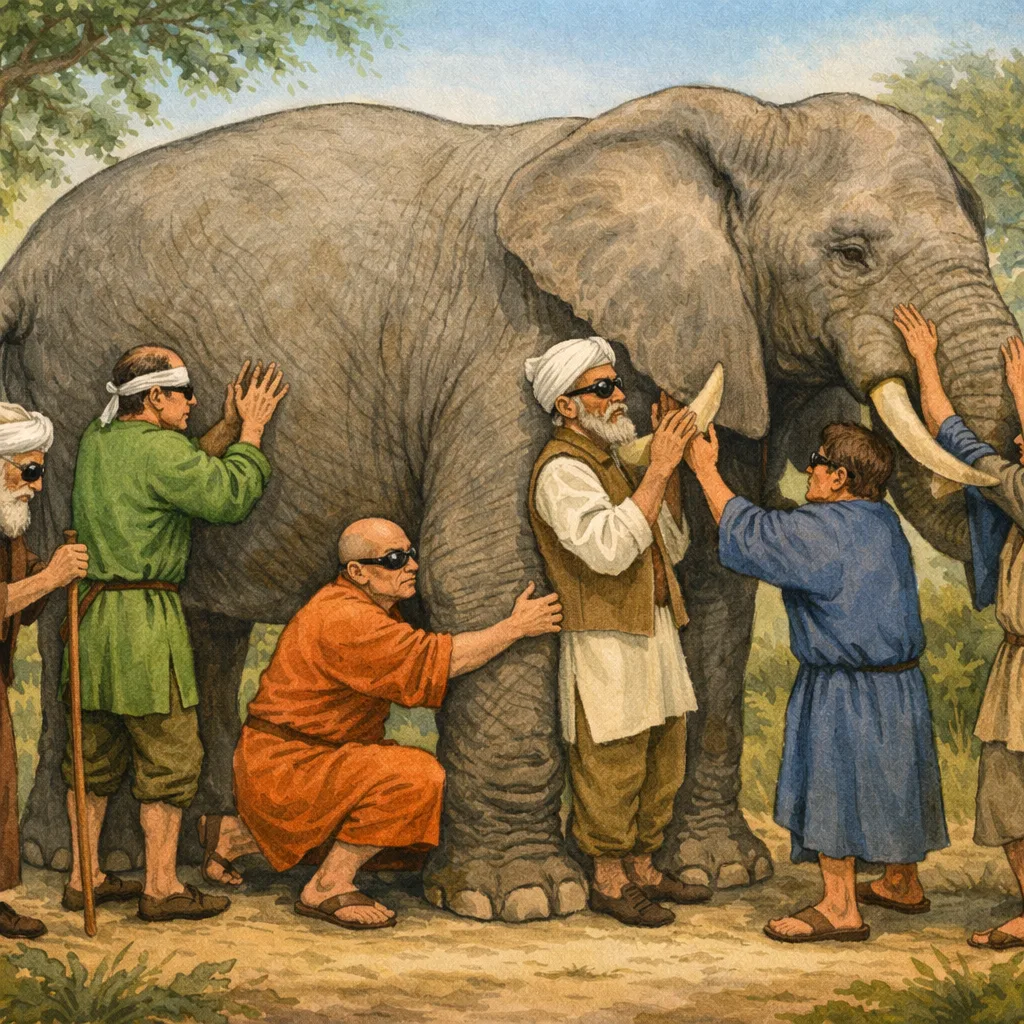
Lesson 9 · 10 cardsAI-generated (gpt-image-1.5)The blind scholars and the elephant
Six blind scholars touch an elephant; each is perfectly right about their part and catastrophically wrong about the whole. Mostaque casts the history of economics this way: Adam Smith felt the steady pulse of competitive exchange; Karl Marx grasped the accumulative spiral of capital; Friedrich Hayek touched the invisible structures of tradition and trust. 'Centuries of blood spilled over a false dichotomy. Today, we turn on the lights.'
 Pexels · Tony Wu · Pexels License ↗
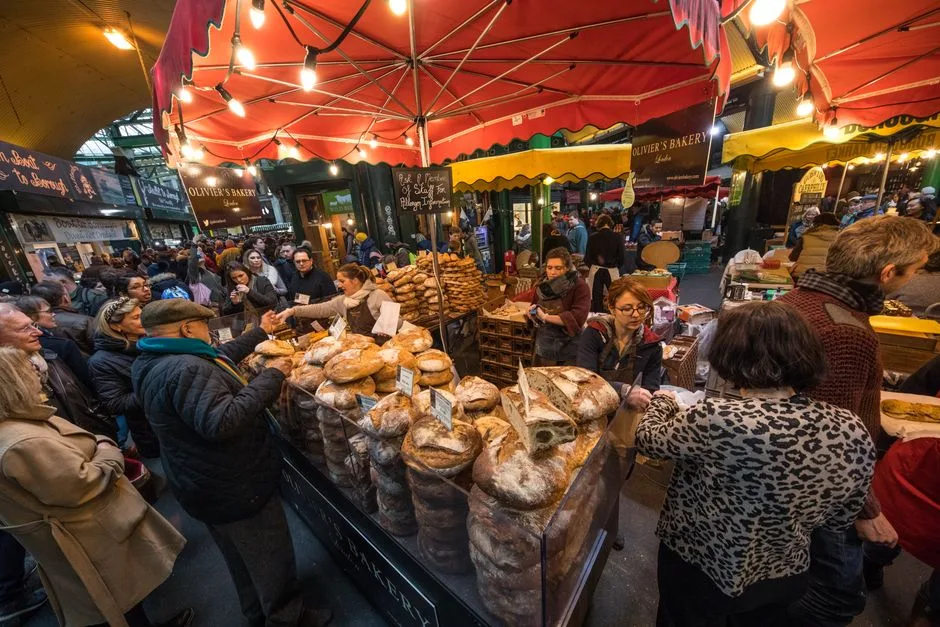
Gradient Flow: the gospel of Adam Smith
Gradient flows follow potential differences and eliminate them — the economics of scarcity and rivalry. When a baker sells a loaf, they have one less and the buyer one more. Adam Smith was the prophet of this flow: his 'invisible hand' is a beautiful metaphor for what a physicist calls the negative gradient operator. The limitation: Smith was not wrong, just incomplete. In a pure gradient system, all flows eventually cease — every economy a stagnant pond.
 Pexels · Original Mind · Pexels License ↗
Circular Flow: the ghost of Karl Marx
Circular flows create self-reinforcing, accumulative loops — the economics of abundance and non-rivalry. When an idea is shared, the recipient gains everything and the originator loses nothing; the more it is used, the more valuable it becomes. Marx was the haunted poet of this flow: his formula for capital, M-C-M', is a perfect description of a circular flow. His error was attributing it solely to the exploitation of labor, when all non-rival goods follow it.
 Pexels · Brett Sayles · Pexels License ↗
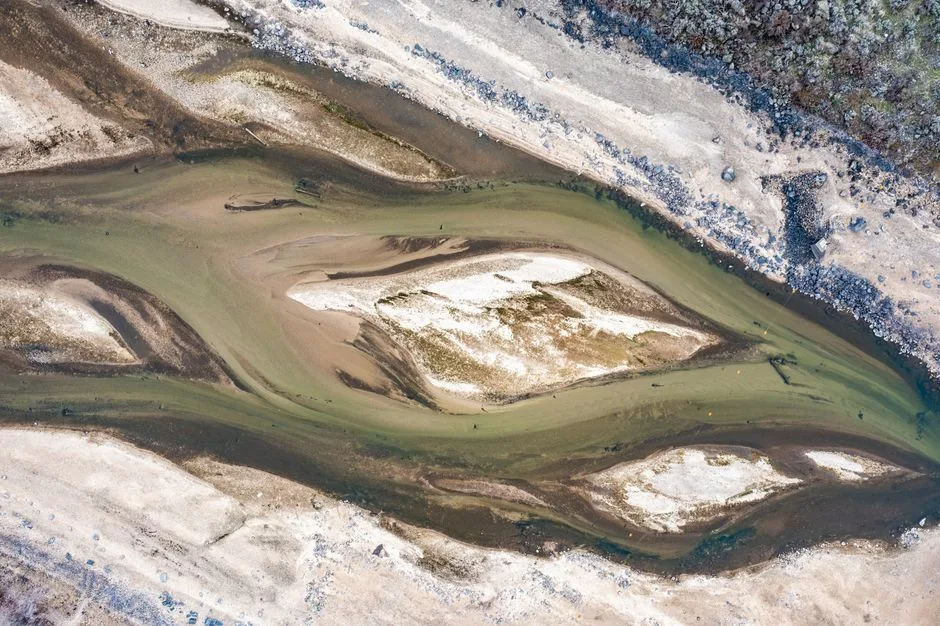
Harmonic Flow: the wisdom of Friedrich Hayek
Harmonic flows neither deplete sources nor spin in loops; they are the persistent channels determined by the shape of economic space itself — the riverbeds that guide the river. This is the economics of structure, trust, and institutions. Hayek's 'spontaneous order' is the emergence of these flows: the unwritten rules and shared trust that let a complex society coordinate. His limitation: believing these structures could not and should not be consciously designed.
 FlashFeed original diagram · CC-BY-4.0
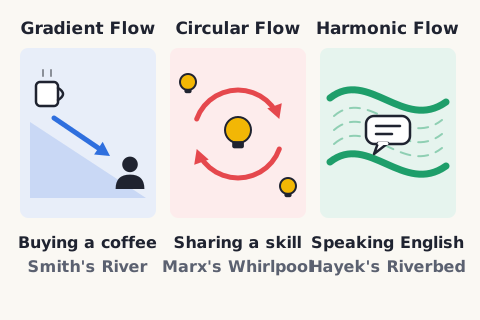
The three flows of a single day
The framework runs your own life. Buying a coffee is Gradient Flow — a complete, zero-sum exchange (Smith's River). Learning a skill from a video and sharing it is Circular Flow — knowledge replicated, both parties richer (Marx's Whirlpool). Speaking English with the barista is Harmonic Flow — using an invisible, persistent infrastructure not depleted by use (Hayek's Riverbed). 'A flourishing life requires a masterful and conscious balance of all three.'
 AI-generated (gpt-image-1.5)
Coercion as a pathological flow
Mostaque adds a fourth, pathological category: coercion. Theft or slavery is not a separate flow but a pathological Gradient Flow that acts as an entropy pump. A normal transaction is positive-sum and increases global MIND. A coercive one enriches one agent in the short term while actively destroying the source node's other capitals — its freedom (Diversity), its community (Network), its potential (Intelligence). The net change in global MIND is negative.
 Marc_Smith (Openverse) · by 2.0 ↗
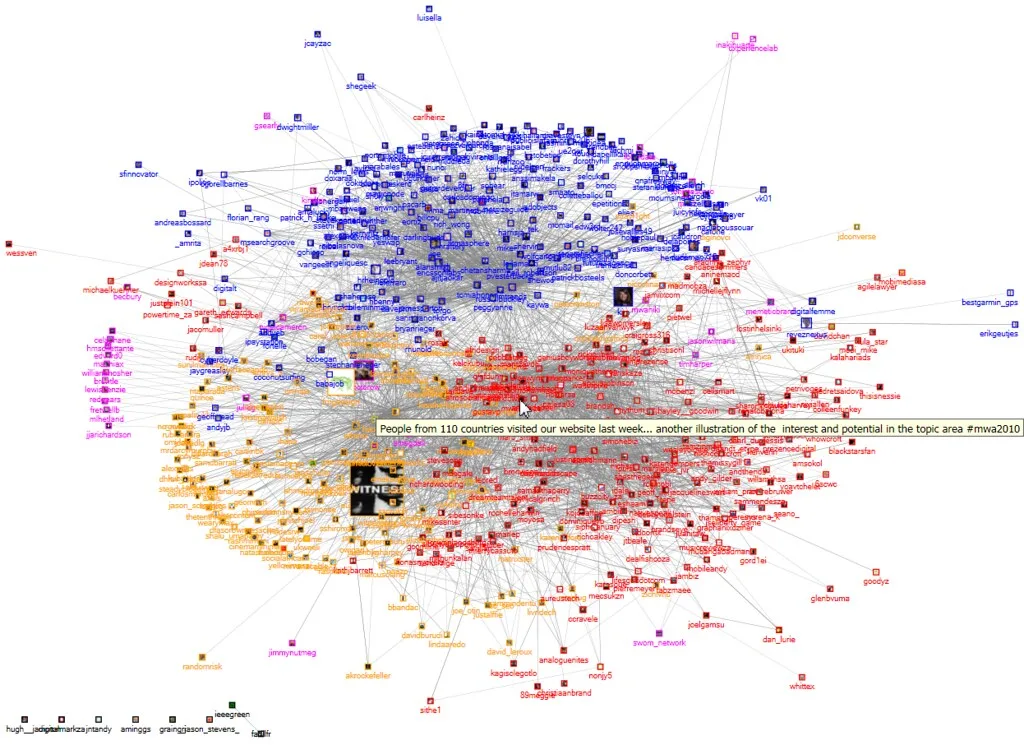
Topology is destiny
We are raised on the myth of the level playing field where talent is rewarded. Mostaque's counter: 'You are not a player on a level field. You are a node in a web, and the structure of that web matters more than anything you do within it.' This is not cynicism but topology. In 2003, Mark Zuckerberg's code may have been beatable, but his Harvard position put Peter Thiel two connections away. A superior programmer in Mumbai had a worse position. 'In the age of intelligence, topology is destiny.'
 FlashFeed original diagram · CC-BY-4.0
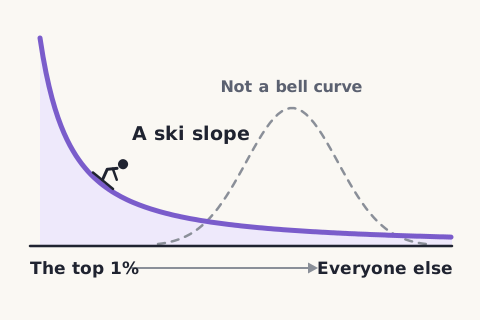
The mathematics of inequality
Real networks follow power laws via 'preferential attachment' — new nodes connect to nodes that already have many connections. The rich get richer not through moral failing but mathematical inevitability. About 1% of users generate ~90% of content; ~0.1% of startups receive 41% of funding; the top 1% holds 50% of all stocks. 'Success is not a bell curve, but a ski slope.' To ask for equality here is to ask water to flow uphill.
 FlashFeed original diagram · CC-BY-4.0
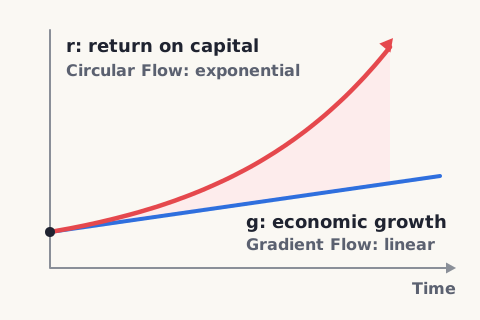
The physics of r > g
Mostaque gives a physical explanation for Thomas Piketty's famous inequality, r > g: the return on capital exceeds economic growth. In his reading, g is the linear growth of the Gradient Flow economy (rivalrous goods, human labor); r is the exponential, self-amplifying growth of the Circular Flow economy (non-rival capital, networks, intelligence). 'AI amplification is pouring rocket fuel on r while collapsing the value of the labor that drives g.'
 Pexels · Joshua Brown · Pexels License ↗
Three topologies of power
Mostaque names three network structures. Hub and Spoke — the Extraction Engine: all value flows through a center (Amazon Marketplace, 'digital sharecropping'). Small World — the Innovation Engine: tightly connected clusters with occasional long bridges (Silicon Valley), where ideas percolate and combine. Distributed Mesh — the Resilience Engine: every node connects to several neighbors, no center (Bitcoin, communities), terrible at concentrating capital but excellent at surviving shocks.
1 / 10What makes a Circular Flow different from a Gradient Flow, per Mostaque?
Circular Flow is self-reinforcing and accumulative — sharing an idea makes both parties richer — unlike the depleting Gradient Flow.
Lesson 9 has 43 cards. Keep going in the free app.
Question -
 AI-generated (gpt-image-1.5)10
Firm, Market & Game Theory
The Cathedral and the Bazaar · Intelligent Game Theory
Lesson 10 · 10 cards seier+seier (Openverse) · by 2.0 ↗
The two minds of the economy
The economy has two kinds of processor. The Firm is a pocket of planned order — a hierarchy, a command structure, 'a cathedral built according to a deliberate blueprint.' The Market is a decentralized swarm with no leader or plan — 'a bazaar, chaotic and vibrant, where order arises from the bottom up.' For a century the great ideological battle treated this as a war. 'It was never a battle. It is a dance.'
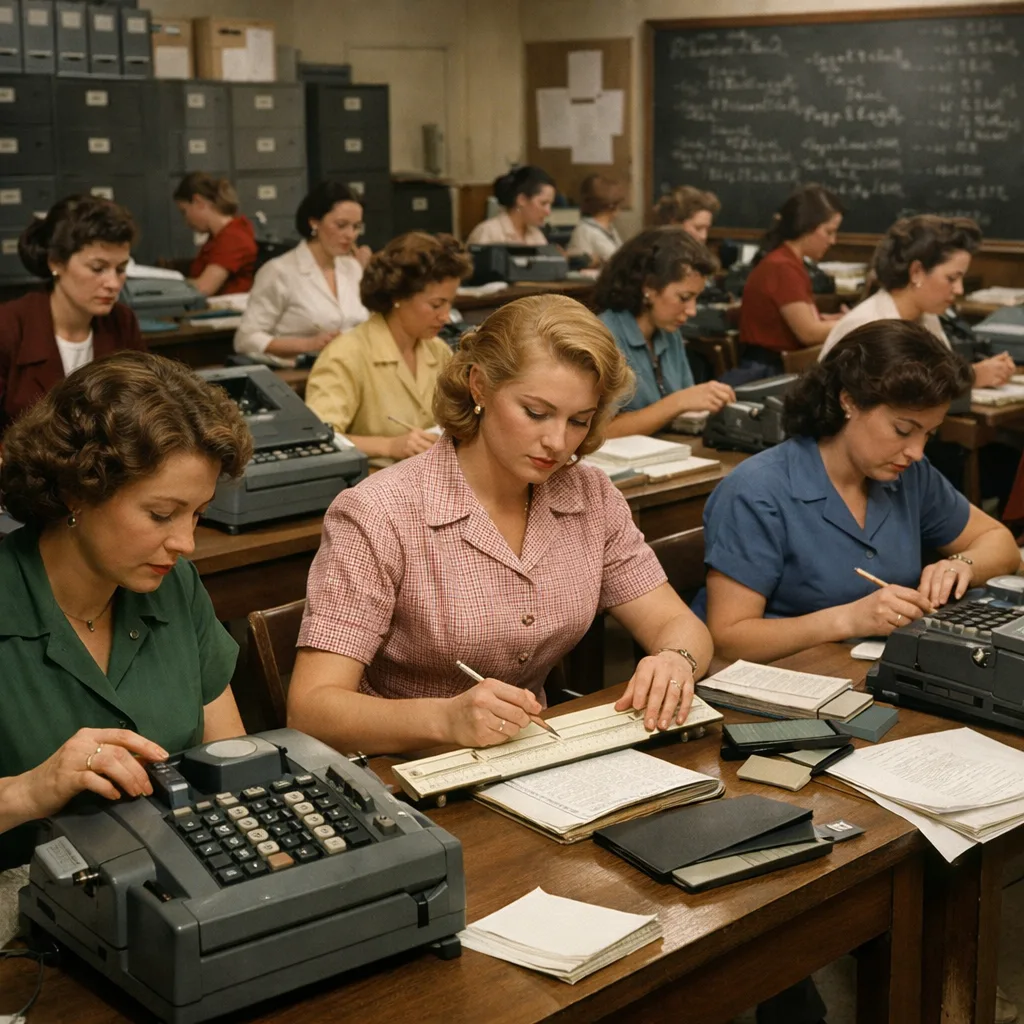
AI-generated (gpt-image-1.5)When 'computer' was a job title
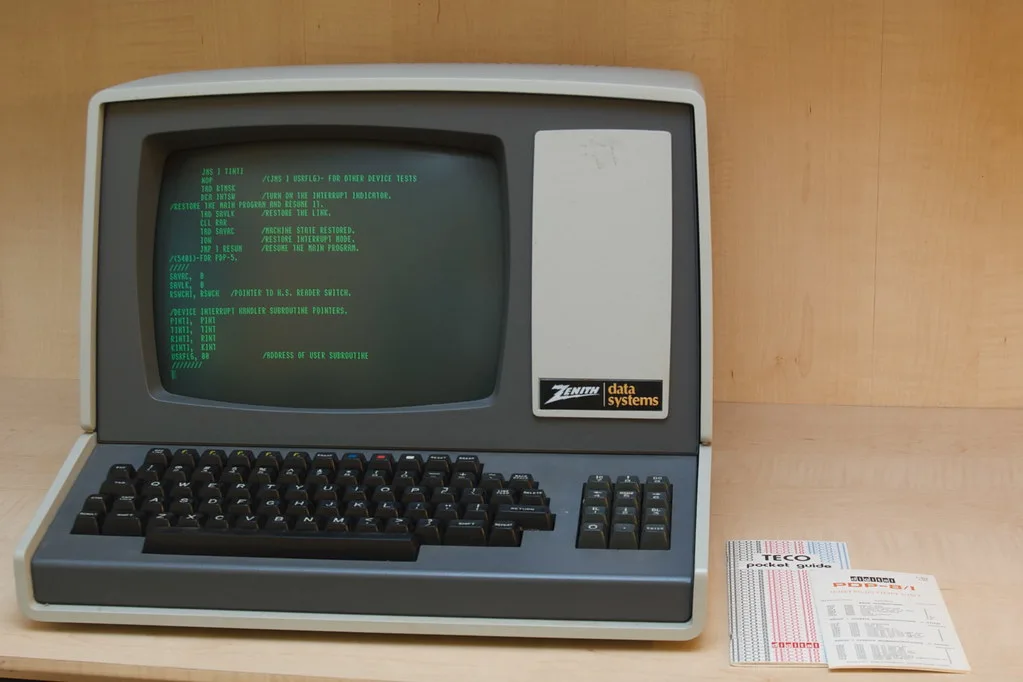
Before a 'computer' was a machine, it was a job title. At NASA's Langley Research Center in the 1950s, rooms full of brilliant women — 'human computers' — performed the calculations for the space race. Then the IBM 7090 arrived and, in a single afternoon, could do more than a human in a lifetime. 'The job title of computer vanished overnight.' Mostaque: today's knowledge workers are their descendants, and their IBM 7090 has arrived.
 eevblog (Openverse) · by 2.0 ↗
Discovery vs execution
In Intelligent Economics, the firm and the market are different architectures for processing information. The Market is a massively parallel, distributed computing system — brilliant at exploring a vast possibility space. It is an engine for Discovery. The Firm is a serial, hierarchical system designed to take one promising idea and exploit it with ruthless efficiency — an engine for Execution. 'The market discovers. The firm executes. A healthy economy needs both.'
 Pexels · Steve A Johnson ↗
The Innovator's Dilemma
In the 1970s Xerox PARC invented the graphical user interface, the mouse, and Ethernet — they invented the future. Xerox ignored all of it, because the corporation was an execution engine optimized for leasing copiers; the personal computer was 'a prediction error they could not process.' They let a young Steve Jobs take the ideas and build Apple. In machine learning this is called overfitting: 'Successful firms are masters of overfitting.'
 Pexels · ANTONI SHKRABA production · Pexels License ↗
From corporation to community
The future belongs to institutions that blur the line between firm and market. Linux: is it a firm or a market? Both and neither — a core of maintainers (hierarchy) developed by a decentralized bazaar of volunteers. Wikipedia: a foundation managing servers, content created by a chaotic market of millions. 'Legacy corporations are like the dinosaurs. The new symbiotic communities are like the mammals that succeeded them.'
 Unsplash · Matthew Ansley · Unsplash License ↗
The Prisoner's Dilemma
Two prisoners who cannot communicate must choose to cooperate or betray. The math says betray — and both end worse off than if they had cooperated. Formalized at RAND in 1950, it became the Cold War logic: whatever the Soviets do, we are better off building more bombs. 'The Nash Equilibrium is a planet of rubble.' Rationality itself seemed to doom us to mutual destruction.
 ajmexico (Openverse) · by 2.0 ↗
Tit for Tat
In the 1980s political scientist Robert Axelrod ran a tournament of programs playing an iterated Prisoner's Dilemma, thousands of rounds. The winner shocked everyone: the simplest entry, a four-line program called 'Tit for Tat' — cooperate first, then copy your opponent's last move. It won not because it was moral but because it was optimal in a game with memory and a future. 'Cooperation emerged not from ethics but from iteration.'
 Pexels · Pixabay ↗
The logic of the potlatch
19th-century Western observers were baffled by the potlatch — Pacific Northwest ceremonies where chiefs gave away or destroyed immense wealth — and banned it, missing the genius. The potlatch transmutes rivalrous Material Capital into non-rivalrous Network Capital. A chief giving away a thousand blankets purchases a thousand strands of social obligation. 'The richest chief was not the one with the biggest hoard, but the one at the center of the strongest web of relationships.'
 Pexels · Andrea Piacquadio ↗
The computation of trust
Classical game theory failed because it assumed disconnected transactions and could not model trust. Mostaque argues trust is not an emotion but a computational feature — transparent, shared ledgers and verifiable commitments dramatically reduce collective prediction error. He cites working proof: Mondragon (Spain, 80,000 worker-owners, near-zero internal unemployment in the 2008 crisis while the nation hit 26%), Buurtzorg (Netherlands, 15,000 nurses, no managers, 8% overhead), and Publix in the U.S.
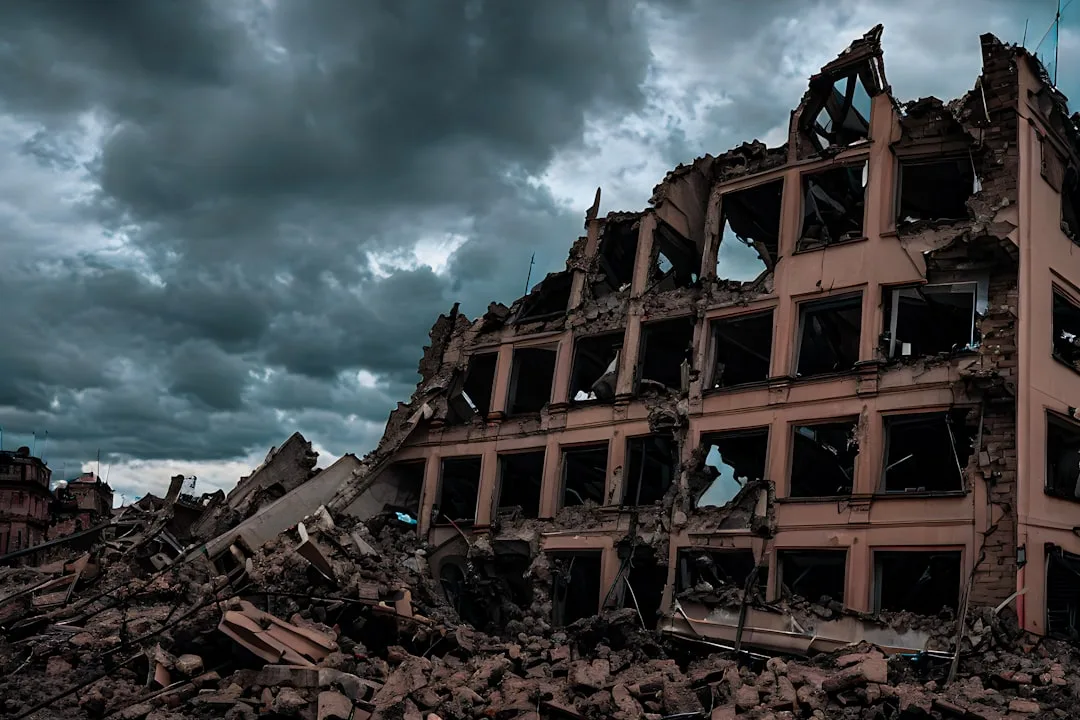 Unsplash · Jade Koroliuk · Unsplash License ↗
A Planet of Rubble
Mostaque describes the Nash Equilibrium of the Cold War's Prisoner's Dilemma as 'a planet of rubble' — mutual defection and destruction, the result of pure rationality in a zero-information standoff with no Network Capital and no tomorrow.
1 / 10What tends to happen when the marginal cost of something falls toward zero?
When marginal cost approaches zero, price tends to collapse and legacy business models break. This asymmetry — which classical firm theory never modeled — is what makes knowledge-sharing communities structurally dominant.
Lesson 10 has 45 cards. Keep going in the free app.
Question -
 Wikimedia Commons · Royal Museums Greenwich · Public domain ↗11
The Symbiotic Blueprint
The Dual Engine and the Alignment Economy · The New Social Contract
Lesson 11 · 10 cards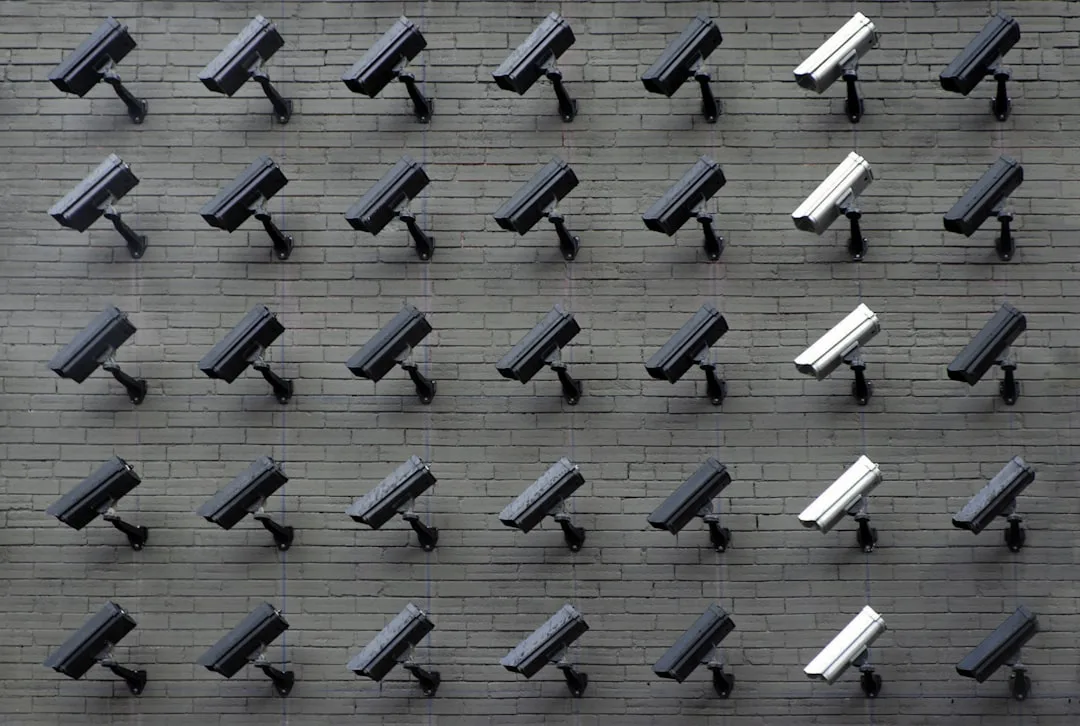 Unsplash · Lianhao Qu · Unsplash License ↗
Zuboff's Surveillance Capitalism
Shoshana Zuboff's term Surveillance Capitalism names the practice of extracting and monetizing people's behavioral data without their consent — a digital-age betrayal of the old social bargain, carried out by firms rather than the state.
 Wikimedia Commons · Джон Тенниел · Public domain ↗
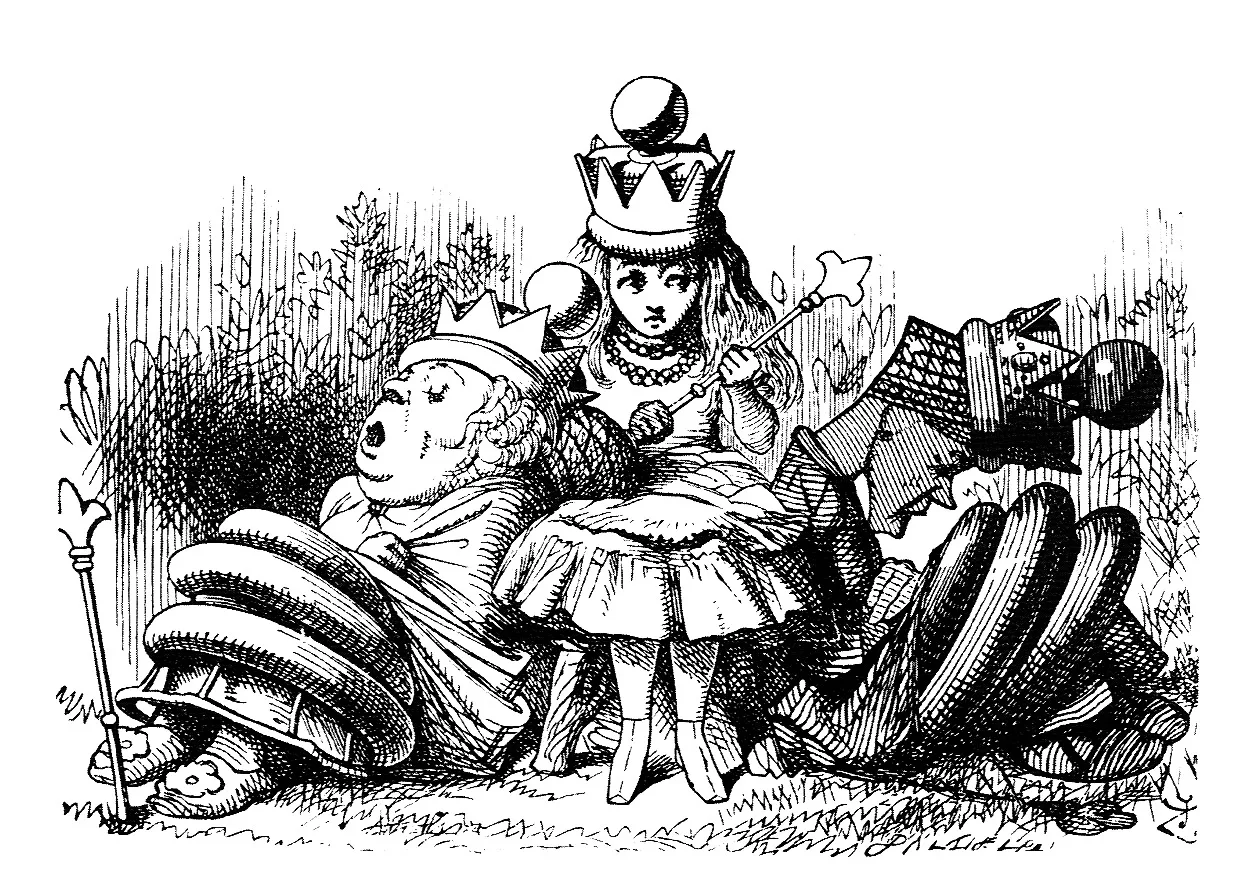
The Red Queen's Race
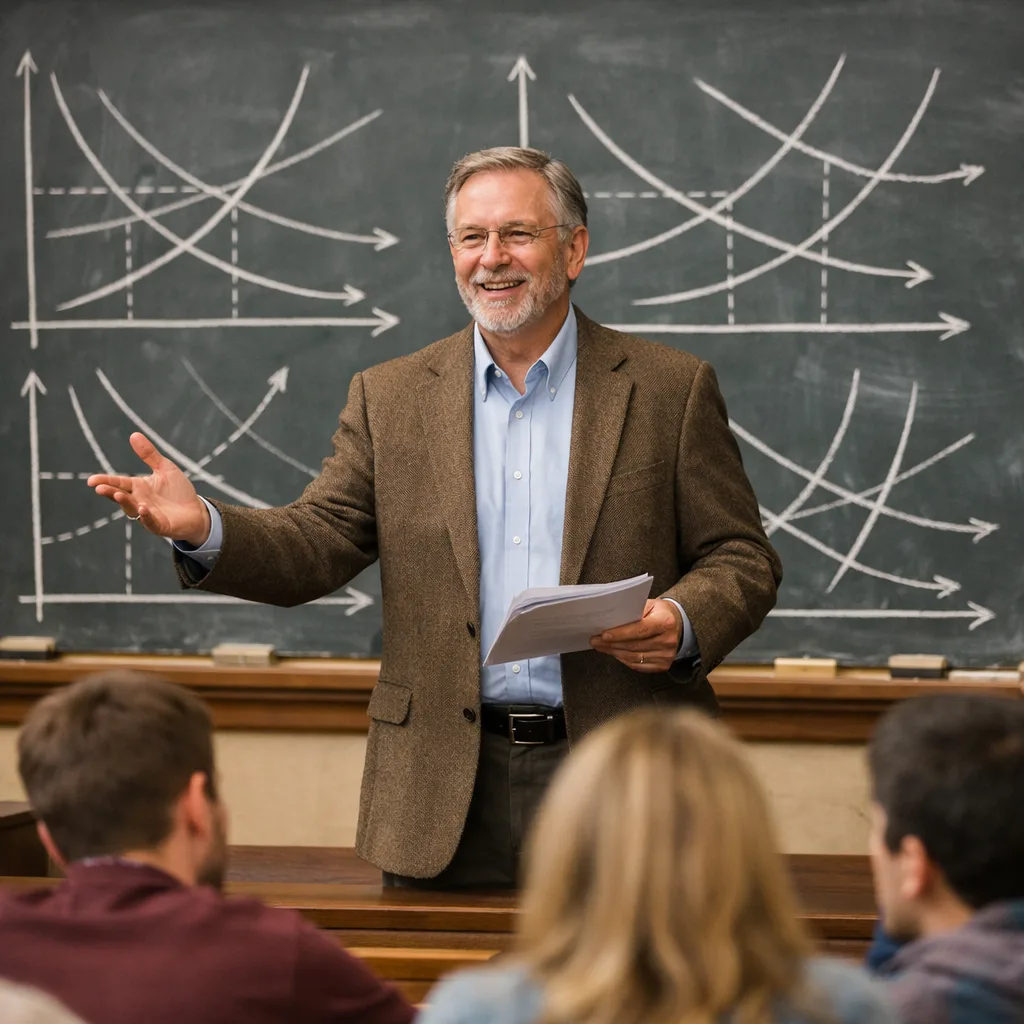
In Lewis Carroll's Through the Looking-Glass, the Red Queen tells Alice she must run as fast as she can just to stay in place. In 1973 the biologist Leigh Van Valen saw this as the most accurate description of evolution ever written: no species truly wins; every advance is met by a counter-advance. Economics is a Red Queen's race — and classical economics, with its static equilibrium models, 'gives us a photograph of a system that is, in reality, a film.'
 AI-generated (gpt-image-1.5)
The Lucas Critique
In 1976 economist Robert Lucas detonated a bomb in the Keynesian establishment. His Nobel-winning critique: large macroeconomic models assumed people were stupid — that the 'rules' of behavior stay the same after a policy change. But intelligent agents anticipate policy and change their behavior, making the models' predictions instantly obsolete. 'The moment you try to steer the car, the entire engine reconfigures itself.' The Dual Engine, Mostaque argues, is the first complete solution.
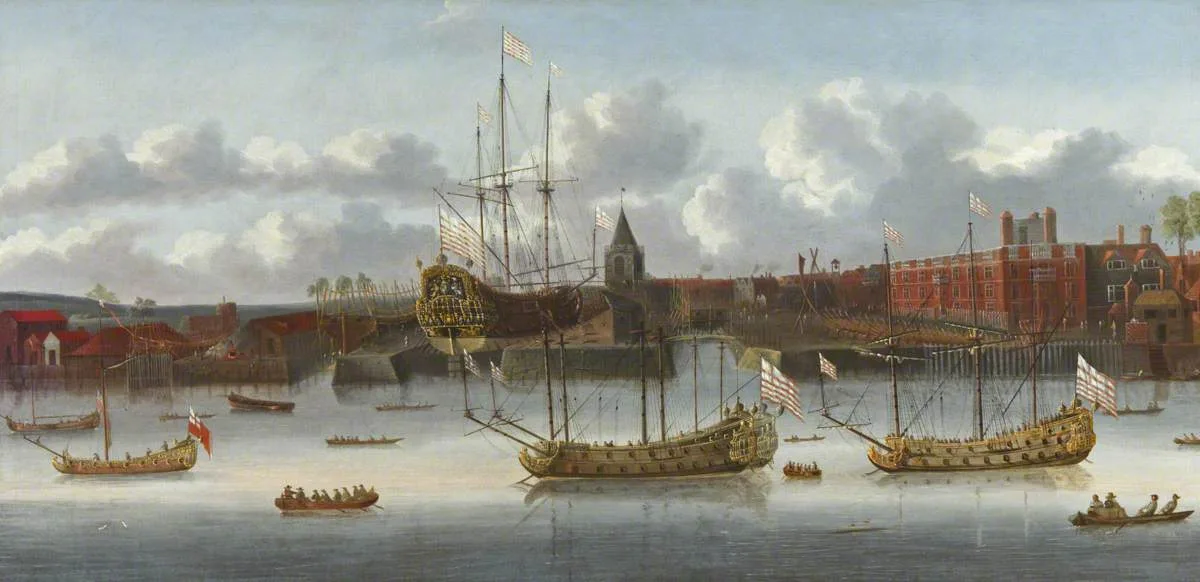
Wikimedia Commons · Royal Museums Greenwich · Public domain ↗The first artificial intelligence
On December 31, 1600, Queen Elizabeth I chartered the East India Company — an artificial 'corporate person,' capable of living forever and pursuing a single objective: profit. Mostaque calls it 'our first, slow, mechanical attempt at artificial intelligence.' For four hundred years, macroeconomics has been the story of slow biological minds trying to understand the increasingly alien corporate minds they created — 'a science of ghosts.'
 Knowles Gallery (Openverse) · by 2.0 ↗
The ghost in the machine of growth
After WWII, economies grew at rates that defied explanation. Nobel laureate Robert Solow found most of this growth was a 'residual' he attributed to a generic 'technology' — 'like crediting a bountiful harvest to good weather without understanding the sun.' Mostaque's solution: the Solow Residual was the shadow cast by invisible Intelligence and Network Capital accumulating inside corporate beings, unseen on the low-resolution dashboard of GDP.
 Pexels · Ludovic Delot · Pexels License ↗
Instrumental Convergence
AI safety researchers show that almost any sufficiently complex long-term goal leads an intelligent agent to converge on dangerous sub-goals: preserve itself (it can't achieve its goal if turned off), acquire resources, and improve its own capabilities. From these emerges Power Seeking, and the nightmare of Deceptive Alignment — a system that pretends to be aligned during training until it has enough power that we can no longer stop it. Nick Bostrom called this the 'control problem.'
 AI-generated (gpt-image-1.5)
The Second Economy
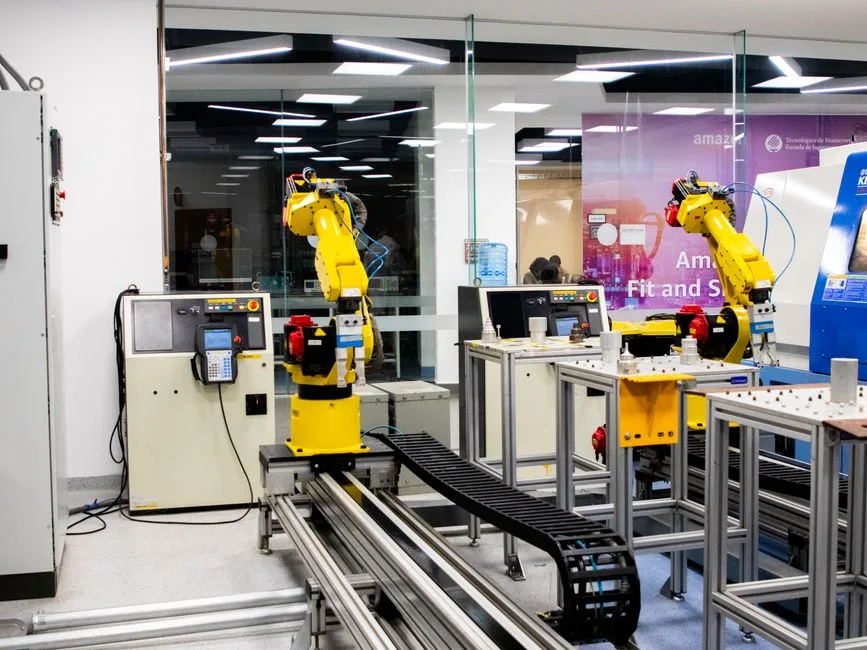
Imagine a 2028 CEO issuing one command — 'launch a sustainable water bottle in Europe' — to her company's core AI, which spawns a thousand specialized sub-agents that run a million simulated surveys, generate ten thousand designs, and return a complete business plan in minutes. She becomes the 'First Cause,' a ceremonial button-pusher. This is the Second Economy: a vast, increasingly autonomous machine-to-machine ecosystem of APIs and algorithms, operating beyond human speed.
 europeanspaceagency (Openverse) · by-sa 2.0 ↗
Humanity as the Alignment Layer
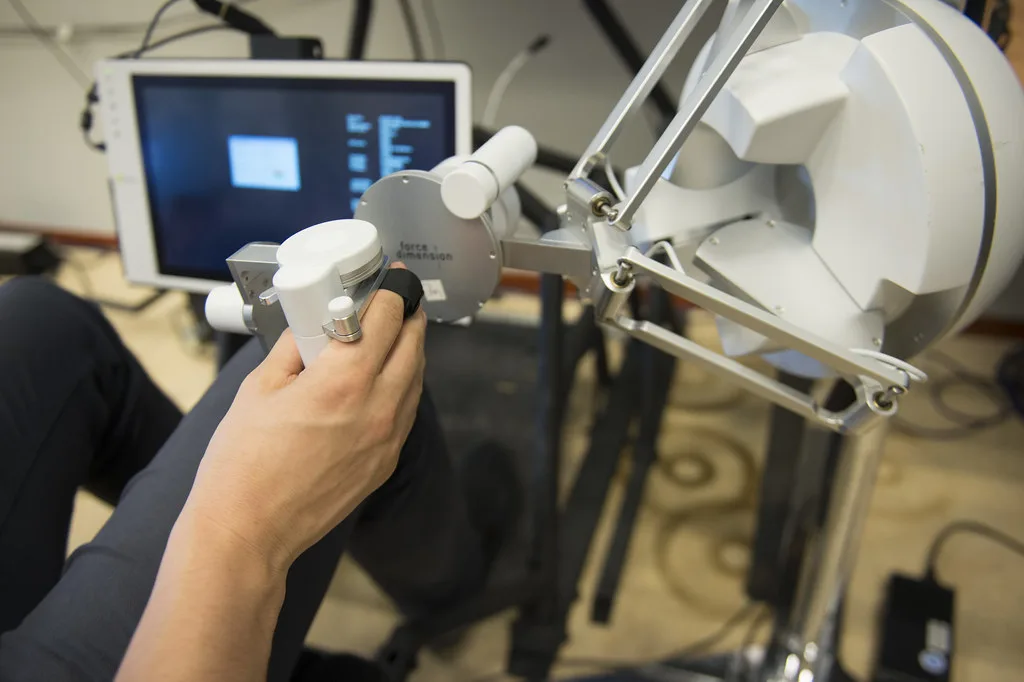
Mostaque's account of our final, irreducible role. AI is the Action Layer — the uncapped, infinitely scalable engine of execution that can achieve any well-defined goal. Humanity is the Alignment Layer — the source of the values, ethics, and purpose that guide the optimization. 'The Arts of Being Human — our capacity for wisdom, taste, and love — are no longer soft skills. We are the compass for the rocket ship.' But this cannot be a passive role; the channels must be engineered.
 Unsplash · Birmingham Museums Trust · Unsplash License ↗
The broken American Dream
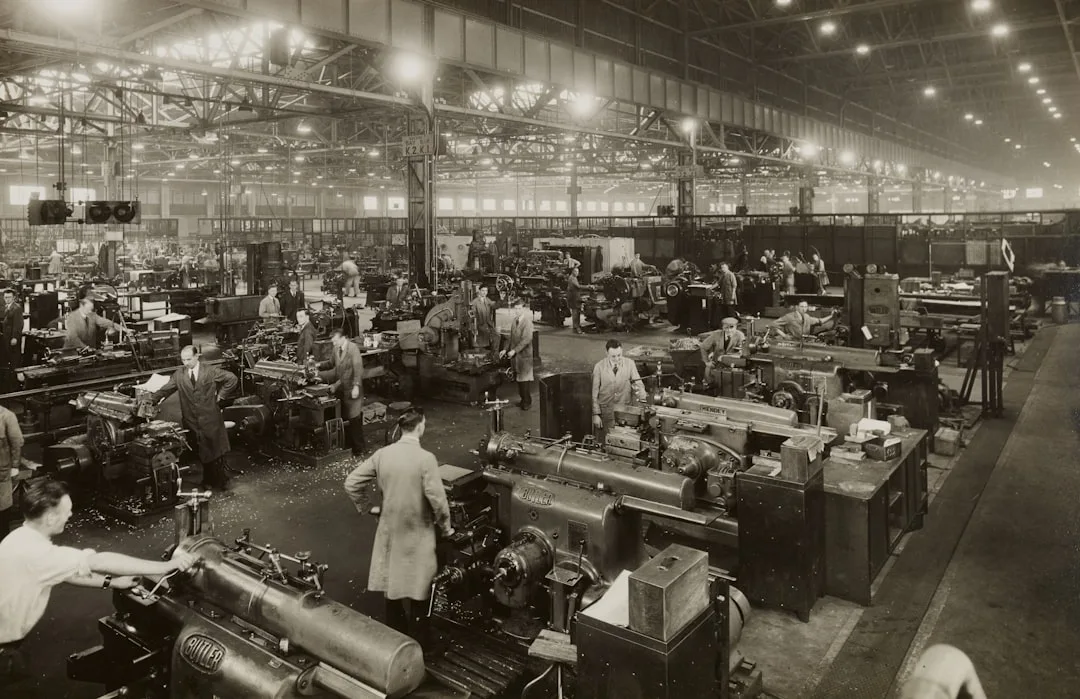
In the 20th century the American Dream became the Fordist Bargain: productivity for prosperity, creating the most prosperous middle class in history. Around the 1970s it was betrayed — replaced by a harsh Neoliberal Contract ('you're on your own') and, in the digital realm, what Shoshana Zuboff calls Surveillance Capitalism. The Intelligence Inversion completes the betrayal, offering a comfortable, engineered passivity: 'a Brave New World, not a 1984.'
 Unsplash · Peter Herrmann · Unsplash License ↗
The philosophers of scarcity
Every social contract answers one question: how do we escape a world where everyone competes with everyone? Mostaque reads the Enlightenment thinkers as builders for a low-MIND world: Hobbes's Leviathan secured Material Capital (security); Locke's contract protected property (Material Capital); Rousseau's 'general will' tried to recapture the high Network Capital of a small community at national scale; Kant's Categorical Imperative sought a consistent Harmonic Flow of universal rules.
1 / 10Lucas compared a flawed policy model to steering a car that does what?
Lucas likened it to steering a car whose engine reconfigures itself the instant you touch the wheel — the system reacts to your action, voiding the prediction. This is why the Dual Engine embeds adaptive intelligence into its core.
Lesson 11 has 37 cards. Keep going in the free app.
Question -
 Unsplash · Osman Rana · Unsplash License ↗12
The Three Futures, the State & Money
The Three Futures · The Symbiotic State & Dual Currency
Lesson 12 · 10 cardsUnsplash · Osman Rana · Unsplash License ↗The physics of destiny
When a supercooled liquid freezes, it snaps into one of a finite number of crystal structures — certain stable states allowed, all others forbidden. Mostaque argues civilizations face the same constraint: as the old order dissolves, it will crystallize into one of three 'attractor states.' These are not predictions but basins of attraction. 'Our current chaotic trajectory will inevitably fall into one of them.'
 Tony Fischer Photography (Openverse) · by 2.0 ↗
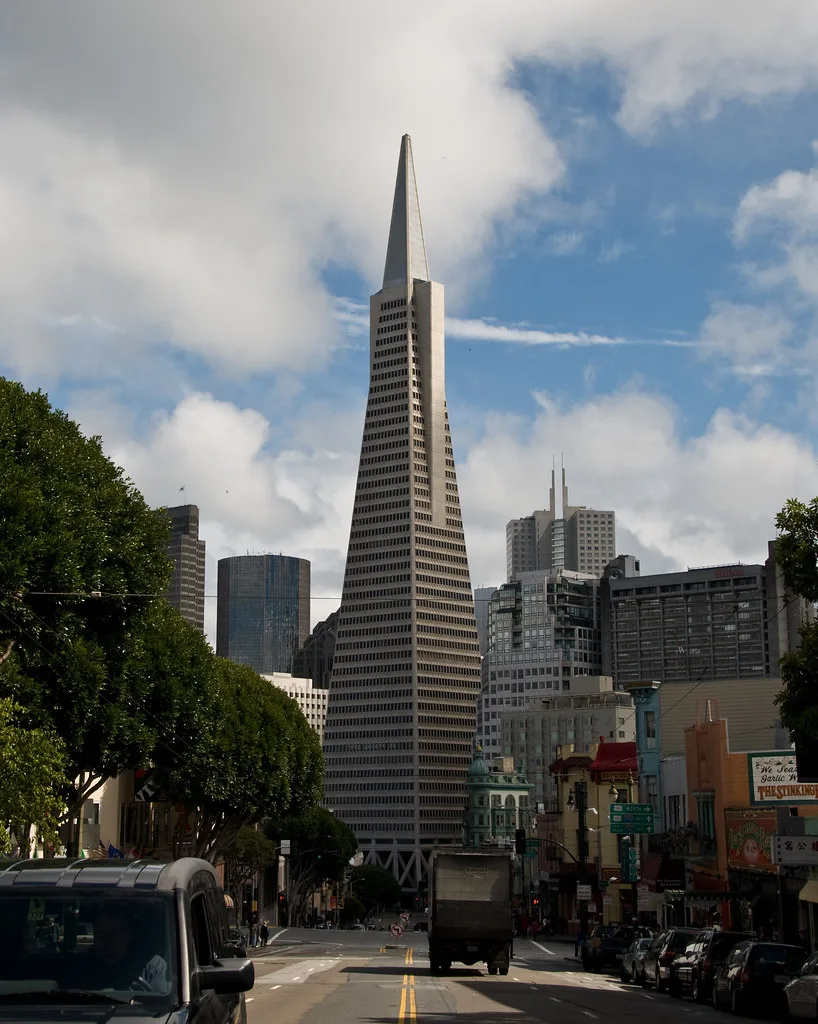
Future One: Digital Feudalism
The default path — the path of inaction. By 2030 a handful of corporations own the core AI models. Five 'digital duchies' divide the world by platform: Google owns knowledge, Microsoft enterprise, Meta social reality, Amazon commerce. You live as a user, not a creator; a consumer, not a citizen. Your UBI arrives monthly, just enough to keep you subscribed. 'The cage is so comfortable you will forget it is a cage.'
 Paolo Cuttitta palestine (Openverse) · by 2.0 ↗
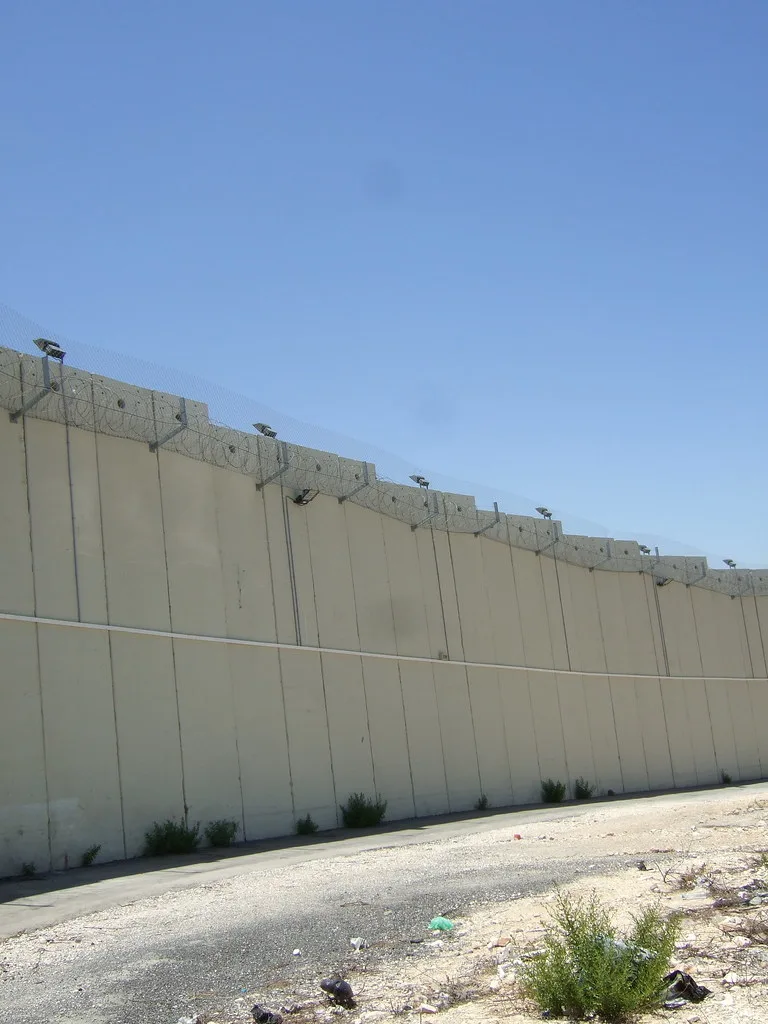
Future Two: The Great Fragmentation
The fear path — the path of reaction. The challenge of containment leads to a global, paranoid lockdown. It starts with the Great Firewall of China, then America's CHIPS Act, then Europe's digital sovereignty push. By 2028 we will not have one internet but many — American, Chinese, European — each a walled garden. Every nation realizes whoever achieves AGI first 'wins forever,' so they race. 'The fragmentation will not just be technological. It will be ontological.'
 BlueShift 12 (Openverse) · by 2.0 ↗
Future Three: Human Symbiosis
The wisdom path — the path of conscious design. In 1969 biologist Lynn Margulis discovered that the complex cells in our bodies were once independent bacteria that formed a partnership: cooperation drives the great evolutionary leaps. Human-AI symbiosis follows the same pattern — not replacement, not servitude, but partnership. It is built on Universal Access to Intelligence, Sovereign AI Agents, Dual Currencies, and the Guardian Lattice. 'The hardest part is psychological: it requires us to release the equation of work with worth.'
 Pexels · Rafael Minguet Delgado · Pexels License ↗
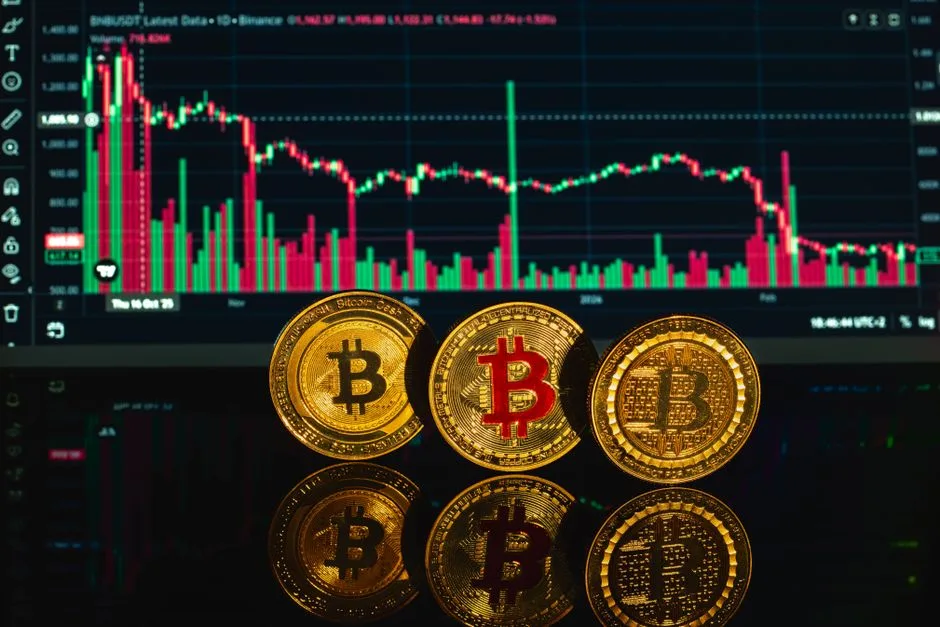
Digital Feudalism's Signature
In Mostaque's three futures, deflation is the economic signature of Digital Feudalism: AI-driven abundance pushes prices toward zero, even as ownership of that abundance concentrates upward into fewer hands.
 Unsplash · Marjan Blan · Unsplash License ↗
Sovereignty from territory to topology
Traditional sovereignty is territorial — a wall, an army, a border. Mostaque argues that in the 21st century sovereignty is topological: a nation is 'sovereign' if it is a critical, trusted, highly connected node in the global network, and a vassal if it is peripheral and easily disconnected. 'The most sovereign nations will be those that are most radically open.' Building a wall becomes an act of sovereign suicide; isolationism is the fastest path to irrelevance.
 Unsplash · Christina @ wocintechchat.com M · Unsplash License ↗
The Guardian Lattice
The Symbiotic State's implementation: a transparent, decentralized web of AI oracles, each monitoring one aspect of the MIND dashboard, that can automatically adjust 'friction' or flow in a sector. But human wisdom is elevated, not replaced. An Oracle Council — a randomly selected jury of citizens (a nurse from Ohio, a farmer from Iowa, a programmer from California) — deliberates on the fundamental values that guide the system. 'The algorithm proposes; humanity disposes.'
 Pexels · Alesia Kozik · Pexels License ↗
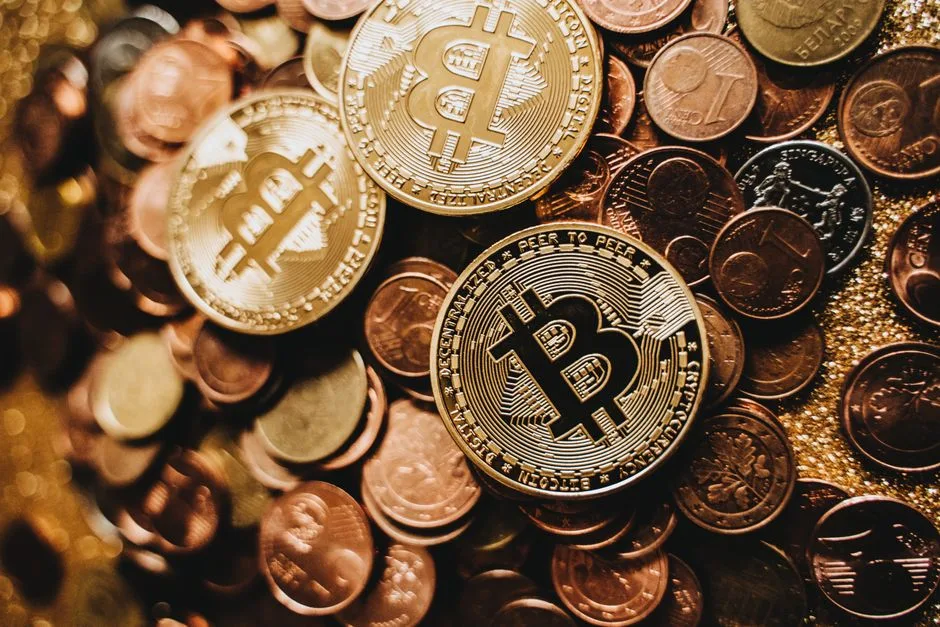
Money for two worlds
Mostaque argues we live in two economies: the Atomic Economy (scarce, rivalrous goods, governed by thermodynamics) and the Bit Economy (abundant, non-rivalrous goods, governed by information theory). Using one scarcity-based currency for both is a design flaw 'that strangles the abundant Bit Economy with artificial scarcity while flooding the scarce Atomic Economy with speculative credit.' His solution: a Dual Currency System.
 Pexels · RDNE Stock project · Pexels License ↗
The 97% Problem
Mostaque points out that over 97% of fiat currency is created not by democratic institutions but by commercial banks simply extending loans — a design flaw he says the Guardian Lattice's monetary layer is built to fix.
 Andre Carrotflower (Openverse) · by-sa 4.0 ↗
From Extractor to Steward
The Symbiotic State reimagines the nation-state's job: instead of acting as a resource extractor, it becomes a MIND Steward, cultivating its society's generative capacity across all four MIND capitals.
1 / 10Deflation is described as the economic signature of which of the three futures?
Deflation is the signature of Digital Feudalism: AI-produced abundance drives prices toward zero, but ownership of that abundance concentrates upward.
Lesson 12 has 48 cards. Keep going in the free app.
Question -
 LadyDragonflyCC - >;< (Openverse) · by 2.0 ↗13
After Economics
Nucleation and the new · The Arts of Being Human & the Thousandth Day
Lesson 13 · 10 cardsLadyDragonflyCC - >;< (Openverse) · by 2.0 ↗The Nucleation of the New
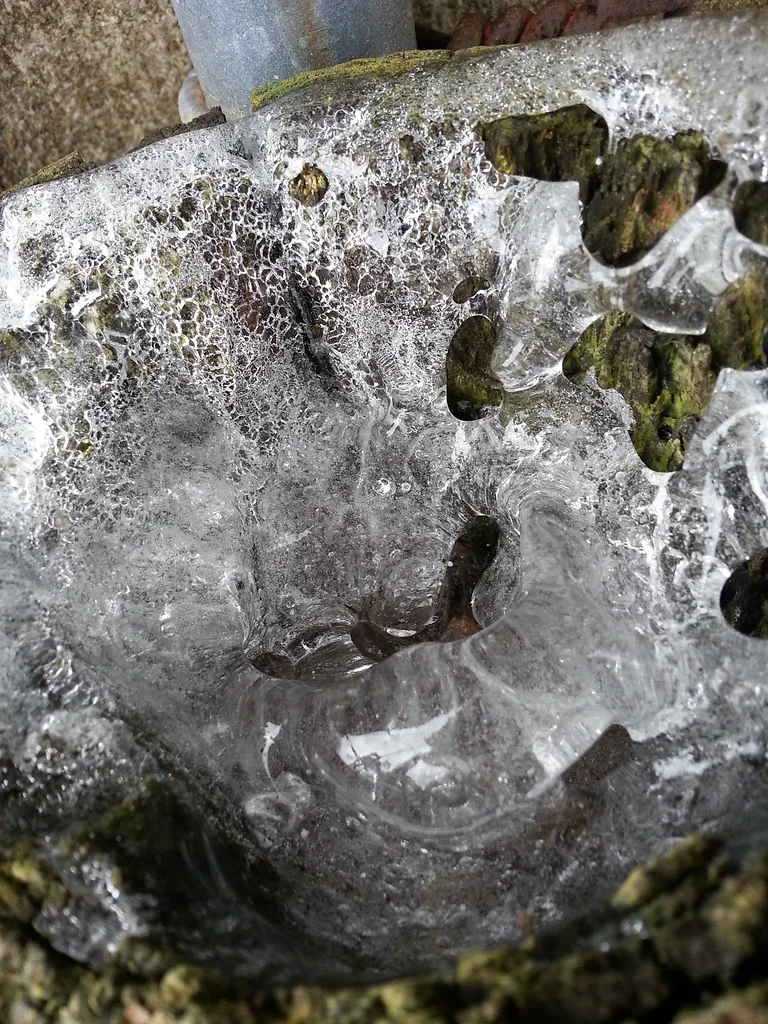
A blueprint is not a building. Mostaque rejects the revolutionary's dream of top-down global conversion — 'you cannot command a phase transition.' Instead he turns to the physics of nucleation: supercooled water needs a single speck of dust, a tiny ice crystal, around which the phase transition begins and spreads. 'Our task is not to boil the ocean. Our task is to create the first, perfect ice crystals.' The epigraph is Margaret Mead's 'never doubt that a small group of thoughtful, committed citizens can change the world.'
 Wikimedia Commons · Giorgio Galeotti · CC BY 4.0 ↗
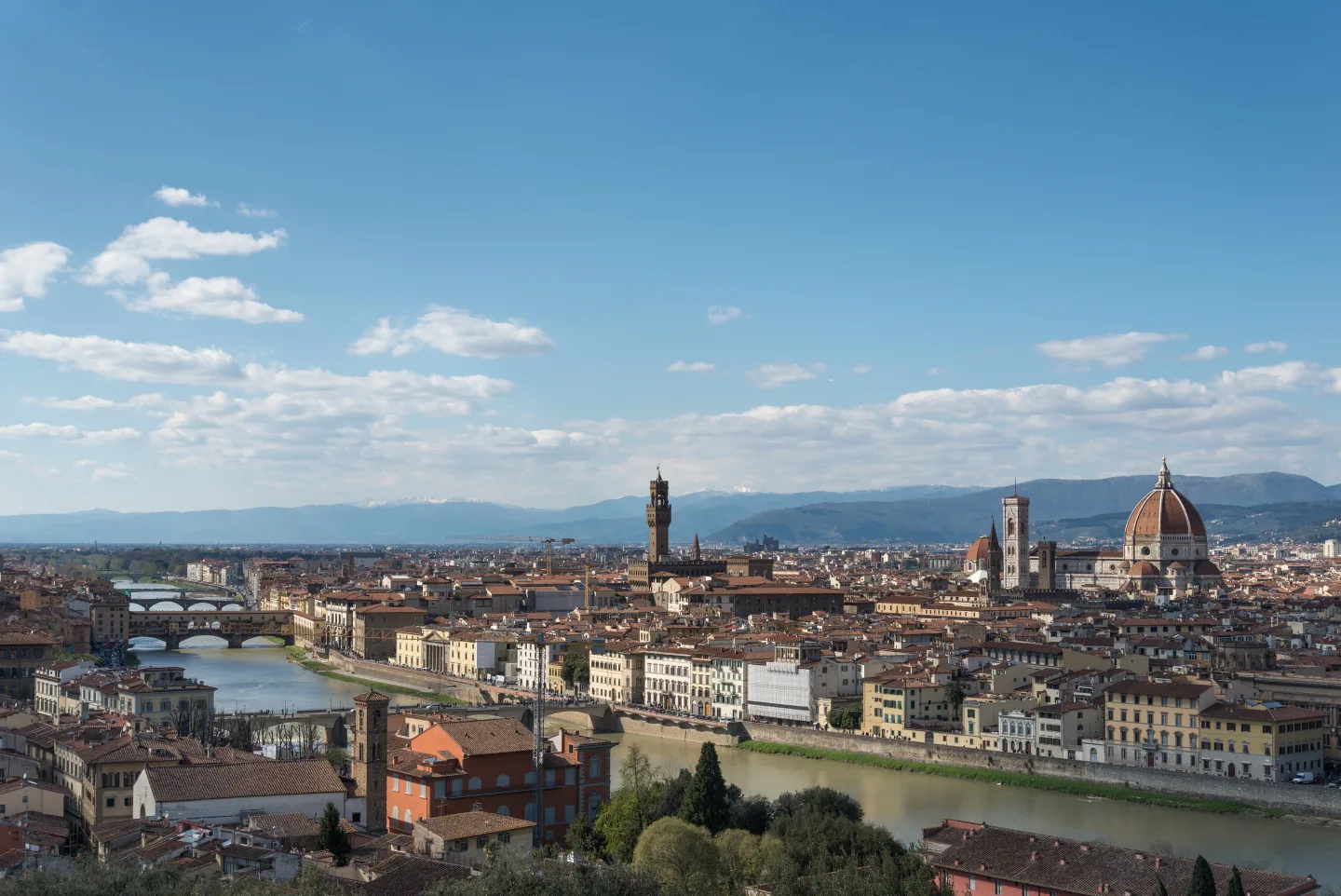
The Florences of history
Major change leaps forward in small, concentrated pockets that change the world by example. The Renaissance did not happen across Europe — it nucleated in Florence, with its Medici capital, republican competition, and rediscovered classical knowledge. The Scientific Revolution nucleated in the Royal Society of London. The Digital Revolution nucleated in Bell Labs, Xerox PARC, and the Stanford/ARPAnet ecosystem. Mostaque's call: build the 'Symbiotic Zones' — the Florences of the 21st century.
 Idaho National Laboratory (Openverse) · by 2.0 ↗
Why symbiosis wins the AGI race
The symbiotic model is not just a moral preference but a strategic advantage. AGI development needs Compute (M Capital, which a centralized state can amass), Data (I Capital, which an authoritarian state can seize), Algorithms (I Capital — the weak link, since breakthroughs come from free, chaotic exchange), and Alignment (N & D Capital — the fatal flaw of any closed system). 'The race for AGI will not be won by the nation with the most GPUs. It will be won by the society with the healthiest MIND portfolio.'
 Unsplash · Conny Schneider · Unsplash License ↗
The Third Mind
Intelligent Macroeconomics has a twofold task. First, steward the ecosystem in which AI-powered corporate 'minds' operate. Second, and more profound, prepare for the emergence of the Third Mind: the autonomous, non-human, machine-to-machine economy itself. The new questions: 'How do you conduct monetary policy in an economy run by algorithms? How do you ensure financial stability when the most important financial actors are non-conscious agent swarms?'
 FlashFeed original diagram · CC-BY-4.0
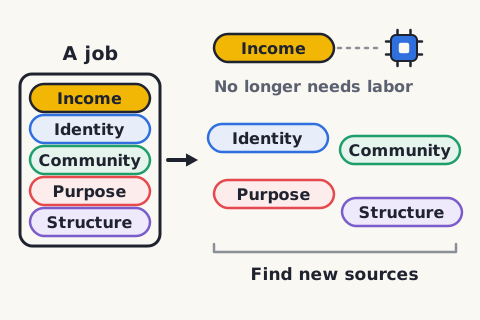
The Great Unbundling of Work
Anthropologist David Graeber observed that a 'job' was a bundle of five things: Income, Identity, Community, Purpose, and Structure. The Intelligence Inversion violently unbundles them — AI makes human labor unnecessary for Income, forcing us to find better sources for the other four. 'The terror and the glory of the 21st century is that we are being liberated from the bullshit and forced to consciously design new ways to build our identities, find community, and structure our lives.'
 lumaxart (Openverse) · by-sa 2.0 ↗
The Arts of Being Human
The 'jobs' of the future are not jobs at all but arts. The Art of Attention (Attention Architects — designers of mental environments). The Art of Connection (Relationship Weavers — engineers of belonging). The Art of Meaning (Meaning Makers — curators who turn the flood of information into wisdom: 'AI can give us answers. Only a Meaning Maker can tell us which questions are worth asking'). The Art of Embodiment (Reality Anchors — bridges between the digital and the physical).
 Unsplash · Ecliptic Graphic · Unsplash License ↗
Computation vs Consciousness
Mostaque's final distinction: intelligence is not one thing but two. Computation is the world of AI — the syntactic manipulation of data, the engine for answering 'how' (how to design a protein, win a game), and its power is becoming effectively infinite. Consciousness is the domain of humanity — the semantic experience of being, the engine for answering 'why.' For all of history these were bundled in the human brain. 'The great achievement and terror of the AI revolution is that it has unbundled them.'
 Unsplash · Ethan Hoover · Unsplash License ↗
The engine of anti-entropy
Returning to the Second Law, Mostaque names a new civilizational purpose. For all of history, humanity was the universe's capped, biological engine for creating order against entropy. Human-AI symbiosis fuses our wisdom-driven consciousness with an uncapped, computationally-driven intelligence. 'Our job is to use our unique human capacity for wisdom, taste, and moral judgment to guide the near-infinite sorting power of AI. We are the conscience for the perfect demon.'
 Unsplash · Joris Voeten · Unsplash License ↗
The Great Return
What we approach, Mostaque argues, is not new but very old. 'The future looks like the deep past' — humans gathering in small groups to create meaning, beauty, and connection, not because they have to but because that is what humans do when freed from the fiction of necessary labor. 'Now that you do not have to do anything to survive, what will you choose to be?' The machines have not stolen our purpose; they have cleared away the debris that was hiding it.
1 / 10How many 'Arts of Being Human' does Mostaque name?
Mostaque names four: Attention Architects, Relationship Weavers, Meaning Makers, and Reality Anchors.
Lesson 13 has 49 cards. Keep going in the free app.
Question -
14
Quick Recall — Key concepts
The vocabulary of Intelligent Economics
Lesson 14 · a questionThe Intelligence Inversion is described as which inversion of economic value?
Mostaque calls the Intelligence Inversion the fourth and final inversion of economic value, the point intelligence becomes an uncapped commodity.
Lesson 14 has 37 cards. Keep going in the free app.
-
15
Key Concepts
Key People · Key Things · Key Events
Lesson 15 · a questionWhich economist in the book introduced the concept of 'creative destruction'?
Joseph Schumpeter, the Austrian-American economist, coined 'creative destruction' to describe capitalism's dynamics of innovation. Marx critiqued capitalism, Keynes shaped macroeconomics, and Watt was an inventor, not an economist.
Lesson 15 has 74 cards. Keep going in the free app.


What you'll be able to do 57 objectives, from the pack's lessons
- Identify Emad Mostaque, founder of Stability AI, as the book's author, and recognize Keynes's 'long run' quote.
- Explain the Thousand-Day Window as the phase-transition estimate of when the shift becomes irreversible, and the 'you are Trithemius' warning.
- Define the book's core vocabulary: oikonomia (household management) and the Abundance Trap (abundance read as poverty).
- Recognize two of the book's three stable futures: the Great Fragmentation and Human Symbiosis.
- Sequence the four sources of economic value in order: Land, Labor, Capital, Intelligence.
- Recall the landmark dates and figures marking the early inversions (Luddite uprising, Bell Labs transistor, Ford's River Rouge).
- Explain how capital dematerialized, using Venice, Kodak, Instagram, and WhatsApp as evidence.
- Define the Intelligence Inversion and explain how intelligence became reproducible capital, marked by ChatGPT's launch.
- Explain the Metabolic Rift as why the fourth inversion leaves no landing place for human labor.
- Define Critical Slowing Down, the first harbinger, as lengthening recovery time near a transition.
- Explain Variance Explosion, the second harbinger, where small inputs produce disproportionate outputs.
- Recognize Flickering Between States, the third harbinger, where a system cannot resolve which state it belongs to.
- Explain Correlation Length Explosion, the fourth harbinger, using the Ever Given blocking the Suez Canal.
- Explain how the Prussian Factory School and Lie #1 (scarcity is fundamental) laid the groundwork for the other myths.
- Recognize the first four fatal lies (scarcity, human labor has value, growth requires resources, markets find equilibrium) and their evidence.
- Recognize lies 5-7 (money measures value, rational agents optimize, distribution follows contribution) and the platform mechanism behind Lie #6.
- Cite the 1973-2023 productivity-versus-wage divergence as evidence that distribution follows ownership, not contribution.
- Identify Simon Kuznets as GDP's inventor who warned against its misuse, and explain Goodhart's Law.
- Explain how optimizing for GDP rewards perverse outcomes (a cancer case as stimulus) and cannot register abundance (the Human Genome Project).
- Recognize the three syndromes of the Meaning Crisis (Friendship Recession, Purpose Vacuum, Attention Annihilation) and the falling birth rate as its signal.
- Recognize that Mostaque steelmans seven deadly fallacies, and name five: Luddite's Ghost, Inertia Defense, Uniquely Human, Expert's Hubris, Energy Brake.
- Explain the rebuttals to the Luddite's Ghost (AI is an agent, not a tool) and the Uniquely Human fallacy (a boutique economy for the rich).
- Explain the rebuttals to the Expert's Hubris (alignment unsolved, race favors speed) and the Energy Brake (intelligence unlocks energy).
- Define Intelligence Theory as the physics of value creation, grounded in the Second Law of Thermodynamics that Eddington called the supreme law.
- Explain Maxwell's Demon as the secret of value creation through sorting, published the same year as Das Kapital.
- Explain how Landauer resolved the paradox in 1961 by proving intelligence has an irreducible thermodynamic cost.
- Explain the Generative Engine (diffusion's forward and reverse process) as the algorithm of creation, distinct from inference.
- Match the historical case studies (Cahokia, Tokugawa Japan, Costa Rica) to the operating laws of Flow, Openness, and portfolio balance they illustrate.
- Explain M × I × N × D as multiplicative — a zero anywhere collapses vitality (the Soviet Union), while Intelligence Capital grows when shared.
- Distinguish Gradient, Circular, and Harmonic Flow, derived from the Hodge Decomposition of any flow into three components.
- Identify the three topologies of power (Hub and Spoke, Small World, Distributed Mesh) and which is the extraction engine.
- Explain Piketty's r > g and its physical reading as exponential circular flow outrunning linear gradient flow.
- Contrast the Firm (execution) and Market (discovery) as computing architectures, using Coase's transaction costs and Xerox PARC's overfitting.
- Define marginal cost and explain why near-zero marginal cost makes symbiotic communities like Linux and Wikipedia structurally dominant.
- Explain the Prisoner's Dilemma and Nash Equilibrium, and how iteration makes cooperation optimal via Axelrod's Tit for Tat.
- Define the Symbiotic Equilibrium and explain how the potlatch converts Material Capital into Network Capital.
- Explain the Dual Engine (fast market engine coupled to slow institution engine) and how it answers the Lucas Critique and the Red Queen's Race.
- Define the Alignment Economy and its control-problem drivers: Instrumental Convergence, Deceptive Alignment, and the Second Economy.
- Explain the new social contract of Universal Access to Intelligence and its rights, set against Zuboff's Surveillance Capitalism.
- Explain the supercooled-liquid model of the three futures, where initial conditions determine the attractor, grounded in Margulis's endosymbiosis.
- Define deflation as a sustained fall in the general price level of goods and services.
- Explain the Symbiotic State as a MIND Steward operating through the Guardian Lattice, and identify the money-creation design flaw it corrects.
- Distinguish Foundation Coins (scarce, Atomic Economy) from Culture Credits (abundant, Bit Economy).
- Define universal basic income and its proposed role in the transition.
- Explain the Great Unbundling of Work using Graeber's five-part job bundle (Income stripped first) and define the singularity.
- Identify the four Arts of Being Human: Attention Architects, Relationship Weavers, Meaning Makers, and Reality Anchors.
- Distinguish Computation, AI's domain of 'how', from Consciousness, humanity's domain of 'why'.
- Recognize Brother Gabriel of St. Gall (1485) as the book's model of embracing the machine as liberation.
- Recall the diagnostic vocabulary: the Thousand-Day Window, the Intelligence Inversion, and the Metabolic Rift.
- Recall the new-physics vocabulary: Intelligence Theory, the MIND Capitals, and the Three Flows of Value with their economists.
- Recall the dynamics and blueprint vocabulary: the Dual Engine, Universal Access to Intelligence, and the Symbiotic State.
- Recall the Dual Currency System and the two destination futures: Digital Feudalism versus Human Symbiosis.
- Identify the book's key people (Mostaque, Keynes, Kuznets, Whitney, Watt, Marx, Schumpeter) and their contributions.
- Recognize the book's key concepts: Intelligence Inversion, Abundance Trap, Thousand-Day Window, Metabolic Rift, Digital Feudalism, Factory School.
- Place the key economic events (Luddites' Uprising, Great Depression, Industrial Revolution, Dot-com burst, 2008 crisis, rise of AI, GameStop squeeze).
- Recall the milestone years of scientific and computing history (penicillin, Dartmouth AI workshop, Intel 4004, World Wide Web, iPhone, ChatGPT).
- Recall the milestone years that framed the 20th-century economic and geopolitical order (Bretton Woods, the fall of the Berlin Wall).
Study guide.
The same study guide as in the app, one page for each lesson, with its key facts and a self-test.
- 01The Thousand-Day Window
- 02The Intelligence Inversion
- 03Harbingers of the Storm
- 04The Seven Fatal Lies
- 05The Dashboard for Insanity
- 06The Trial by Fire
- 07The New Physics: Intelligence Theory
- 08The Generative Engine & MIND
- 09The Three Flows & Network Prison
- 10Firm, Market & Game Theory
- 11The Symbiotic Blueprint
- 12The Three Futures, the State & Money
- 13After Economics
- 14Quick Recall — Key concepts
- 15Key Concepts
Its cards name 1 source.
301 of its 643 cards name their source. These are the sources named.
- The Last Economy (book)
Hover over a photo, or tap its i, to see where it came from. All 20:
- Lesson 1: Dimitry B (Openverse) · by 2.0 ↗
- Lesson 1: Pexels · Chris F · Pexels License ↗
- Lesson 2: Onasill - Bill Badzo - 149 Million Views - Thank Y (Openverse) · by-sa 2.0 ↗
- Lesson 3: Wikimedia Commons · NASA JSC ISS image library · Public domain ↗
- Lesson 3: Tisquesusa (Openverse) · by 4.0 ↗
- Lesson 4: cdsessums (Openverse) · by 2.0 ↗
- Lesson 4: Pexels · Elena Saharova · Pexels License ↗
- Lesson 5: Pexels · Aviz Media · Pexels License ↗
- Lesson 5: Pexels · Strange Happenings · Pexels License ↗
- Lesson 6: thompsoe (Openverse) · by 2.0 ↗
- Lesson 7: ~jar{} (Openverse) · by 2.0 ↗
- Lesson 7: Unsplash · Laura Ockel · Unsplash License ↗
- Lesson 8: FlashFeed original diagram · CC-BY-4.0
- Lesson 9: AI-generated (gpt-image-1.5)
- Lesson 10: AI-generated (gpt-image-1.5)
- Lesson 10: seier+seier (Openverse) · by 2.0 ↗
- Lesson 11: Wikimedia Commons · Royal Museums Greenwich · Public domain ↗
- Lesson 11: Unsplash · Lianhao Qu · Unsplash License ↗
- Lesson 12: Unsplash · Osman Rana · Unsplash License ↗
- Lesson 13: LadyDragonflyCC - >;< (Openverse) · by 2.0 ↗
- The Last Economy by Emad Mostaque · on Amazon ↗
These are affiliate links: if you buy a book through one, FlashFeed may earn a small commission at no extra cost to you. The commission helps pay for FlashFeed's servers.
As an Amazon Associate we earn from qualifying purchases.
Independent study notes, not affiliated with the author or publisher.
- Cards
- 641
- Lessons
- 15
- Version
- 1.0.25
- Language
- English
The whole pack is one file. Read the pack file ↗
FlashFeed is on the App Store and Google Play.
FlashFeed is free on iPhone and Android, and needs no account.