
Mythology: Greek, Norse & Egyptian
Learn how Greek, Norse, and Egyptian mythic traditions survive in sources, organize gods and worlds, frame heroes and obligations, and imagine death and renewal—while keeping variants and historical context visible.
558 cards15 lessonsFree
Already have FlashFeed?Open this pack
Get this pack on your phone
Scan with your phone's camera.
flashfeedlearningapp.com/packs/mythology
Part of the Curious Minds collection.
Part of the History Trivia collection.
15 lessons.
Each lesson has a study guide to read and objectives you can test yourself on. Its cards and games show up in your feed. Try one of its cards right here. Play a few of its games here too.
-
01
How Myth Survives
Myth, Tradition, and the Evidence of Versions · Comparison Without Flattening
Lesson 1 · 9 cards1 / 9What is a manuscript, in the study of myth?
A manuscript is a historical witness to a text at one stage, not a transparent recording of the story's first telling.
Lesson 1 has 34 cards. Keep going in the free app.
Question -
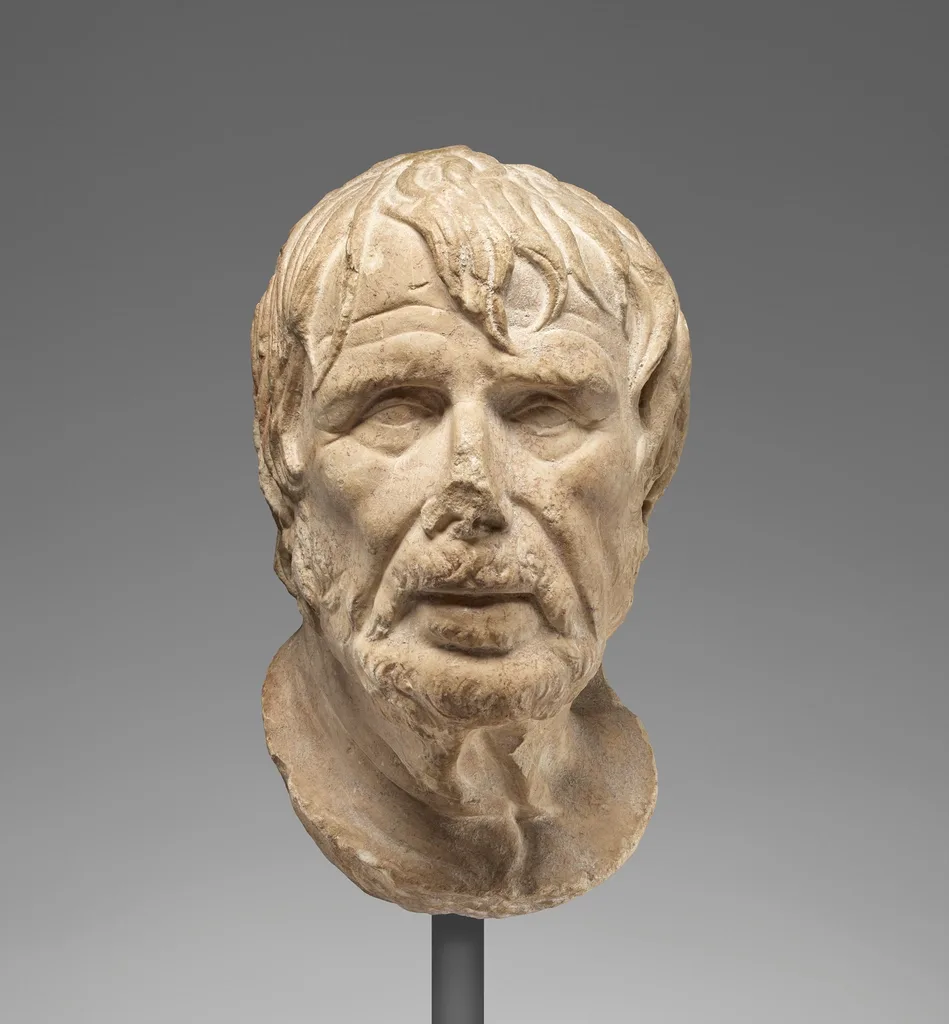 thegetty (Openverse) · cc0 1.0 ↗02
Greek Sources and Divine Succession
Many Tellings, Many Media · Cosmic Genealogy and Divine Succession
Lesson 2 · 9 cardsthegetty (Openverse) · cc0 1.0 ↗Hesiod’s First Beings
In Hesiod’s Theogony, Chaos comes first, followed by Gaia, Tartarus, and Eros.
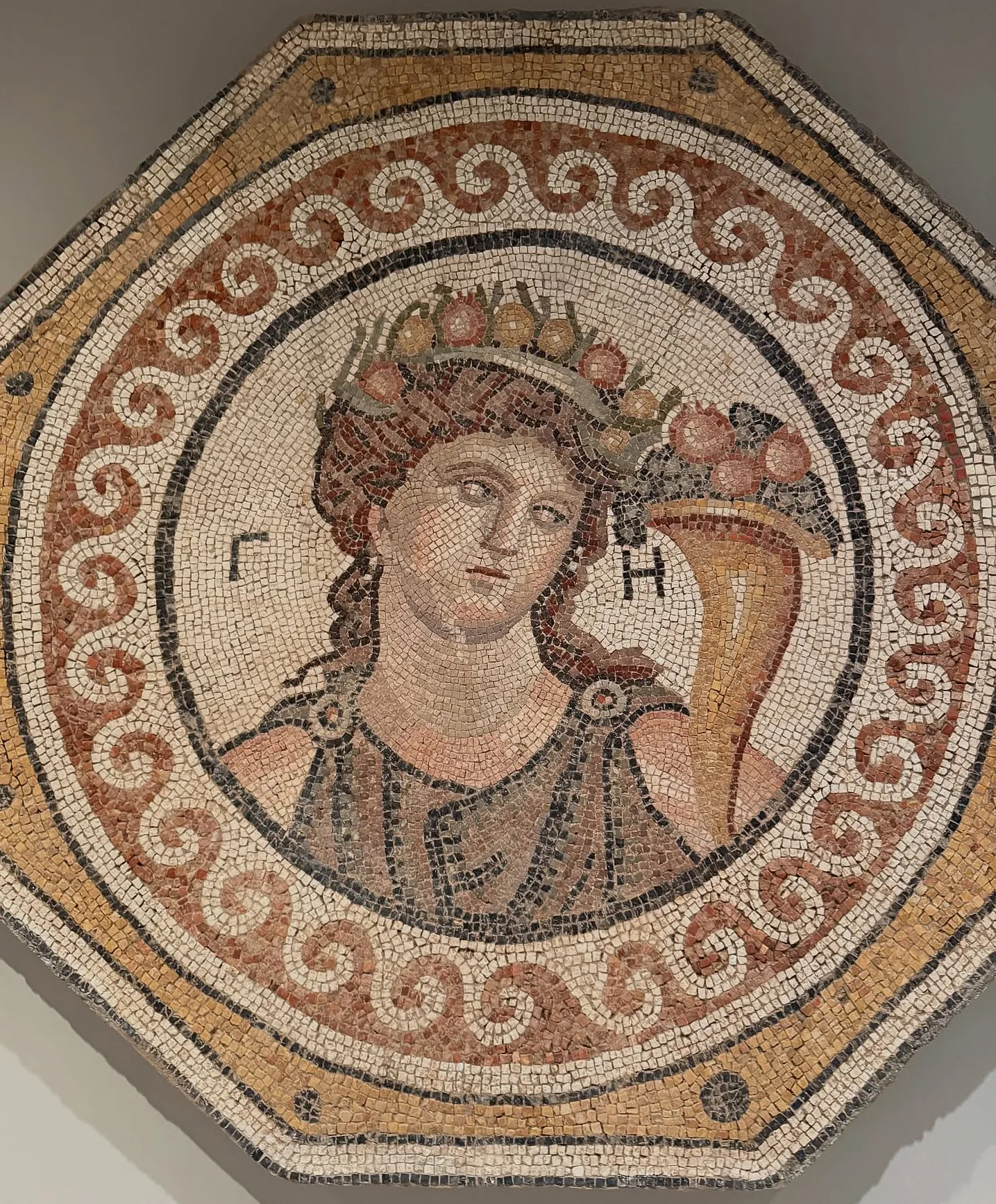 Sglbl · CC BY-SA 4.0 ↗
Gaia’s Cosmic Family
Gaia produces Sky, Mountains, and Sea and, with Uranus, the Titans, Cyclopes, and Hundred-Handers.
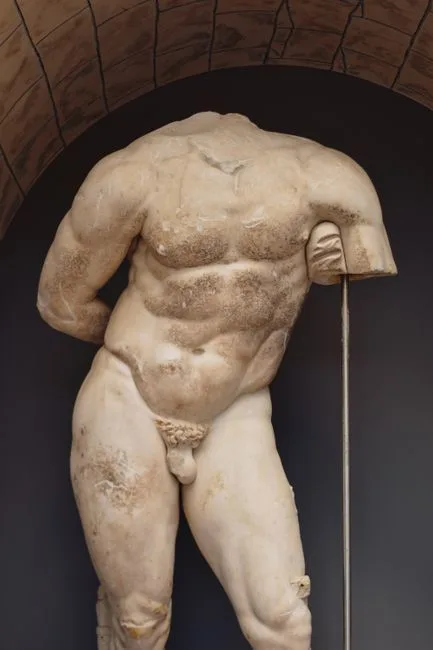 Pexels · Headless marble sculpture depicting ancient Greek artistry at Kocaeli Museum, Turkey. ↗
What “Titan” Means
“Titan” names a divine generation in this account, not a generic synonym for monster.
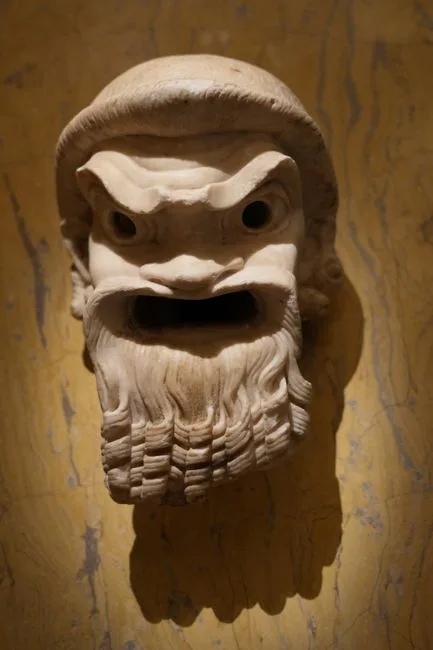 Pexels · Close-up of an ancient Greek theatrical mask sculpture displayed on a textured wall. ↗
Resistance to Uranus
Gaia and Cronus resist Uranus after he suppresses their children, beginning a violent succession pattern.
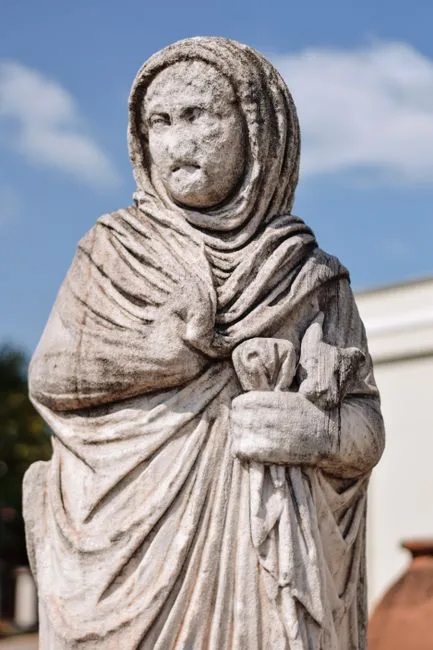 Pexels · A detailed view of an ancient marble sculpture exhibited in Kocaeli Museum, Turkey. ↗
Cronus Fears His Successor
Cronus swallows Rhea’s children because he fears the prophecy that a child will overthrow him; Rhea saves Zeus with a wrapped stone.
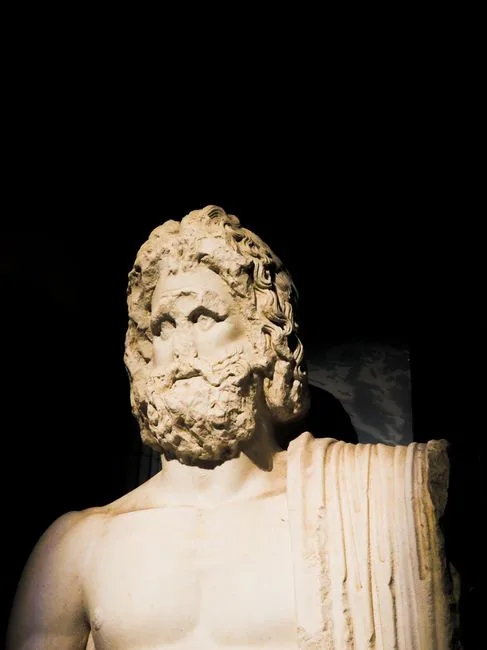 Pexels · A striking portrait of a classic Greek marble sculpture of Zeus, showcasing intricate details under dramatic lighting. ↗
Zeus Builds a Coalition
Zeus frees his siblings, allies with other divine forces, defeats the Titans, and receives kingship.
1 / 9What is the most accurate relationship between the surviving Homeric epics and Greek myth?
The Iliad and Odyssey survive from a much wider network of Trojan, Theban, Argonautic, and other cycles.
Lesson 2 has 43 cards. Keep going in the free app.
Question -
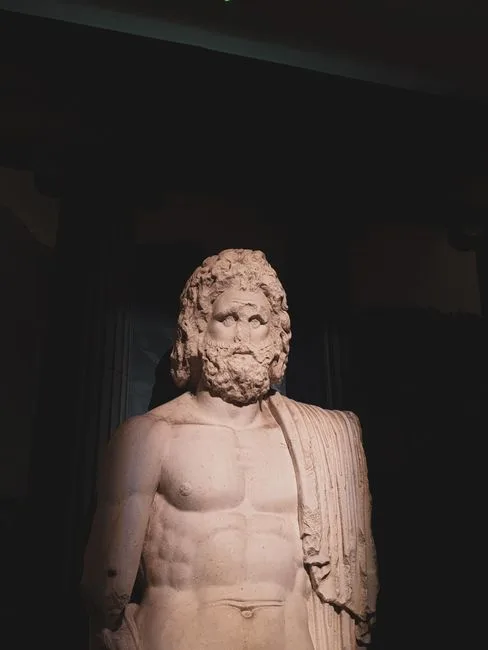 Pexels · Ancient marble statue of Zeus in a classical style, offering a glimpse into Greek mythology. ↗03
Olympians and the Human World
A Network of Powers, Roles, and Attributes · Sanctuary, Altar, Offering, Festival
Lesson 3 · 9 cardsPexels · Ancient marble statue of Zeus in a classical style, offering a glimpse into Greek mythology. ↗Olympian Power Is Relational
Olympian authority is expressed through kinship, marriage, offspring, alliances, and rivalry rather than a simple organizational chart.
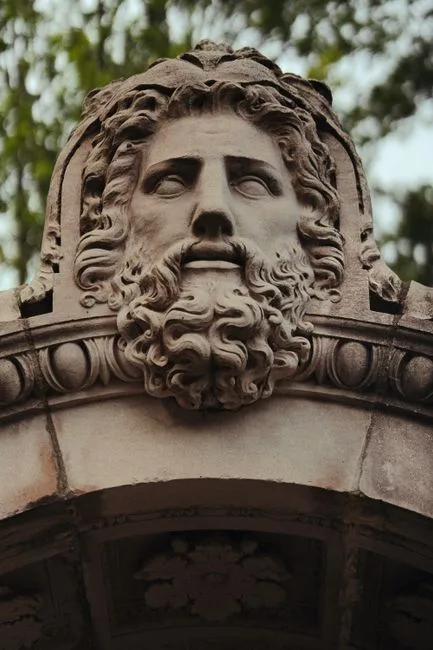 Pexels · Detailed close-up of an ancient Greek-style stone sculpture in Toronto, emphasizing classical art. ↗
The Twelve Could Vary
Groups of twelve gods had historical cult expression, but the membership of “the Twelve” was not one immutable universal roster.
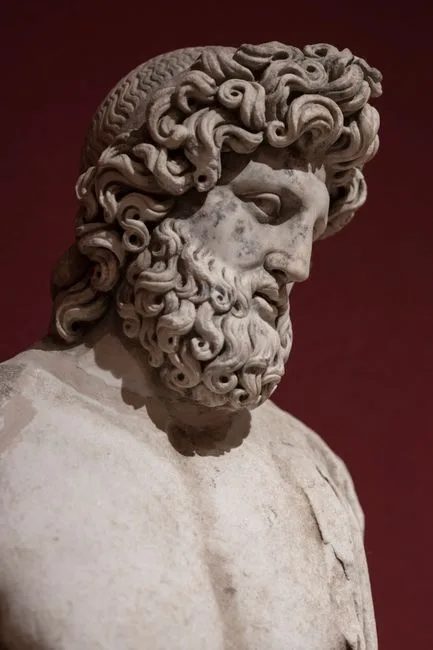 Pexels · Close-up of an ancient marble statue depicting a Greek god with intricate details. ↗
Greek and Roman Are Not Identical
Greek and Roman names can be paired for orientation, but parallel names do not make cults, stories, and meanings identical.
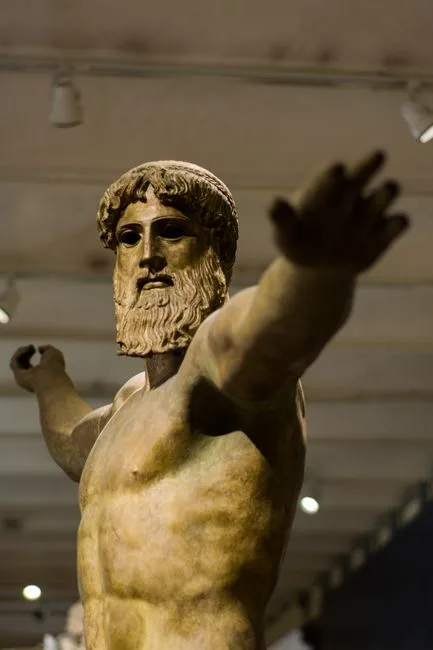 Pexels · Statue of Poseidon or Zeus in the National Archaeological Museum, Athens. ↗
Attributes Help Identify Gods
Greek art often identifies deities through recurring attributes such as Zeus’s thunderbolt, Poseidon’s trident, and Athena’s armor.
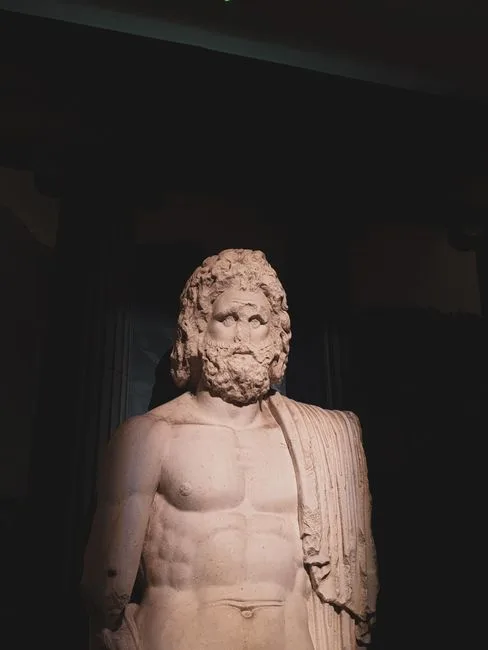 Pexels · Ancient marble statue of Zeus in a classical style, offering a glimpse into Greek mythology. ↗
More Than “God of X”
A deity’s role cannot be reduced to one “god of X” label; Zeus, for example, connects sky and thunder with justice, oaths, and local aspects.
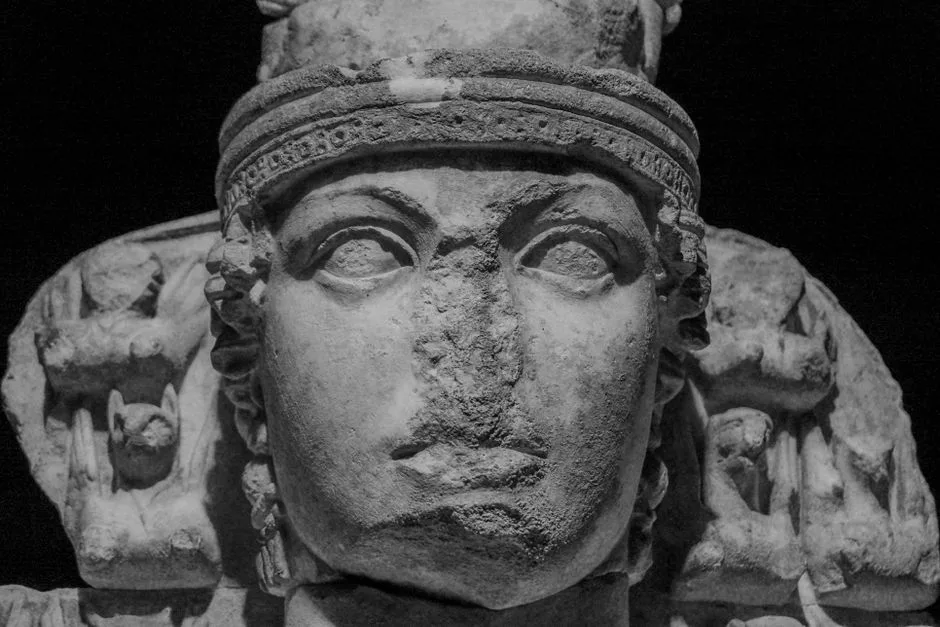 Pexels · Close-up of an ancient Greek goddess sculpture, highlighting detailed carving. ↗
Aphrodite’s Power Has Limits
The Homeric Hymn to Aphrodite defines her power relationally and names Athena, Artemis, and Hestia as exceptions in that poem.
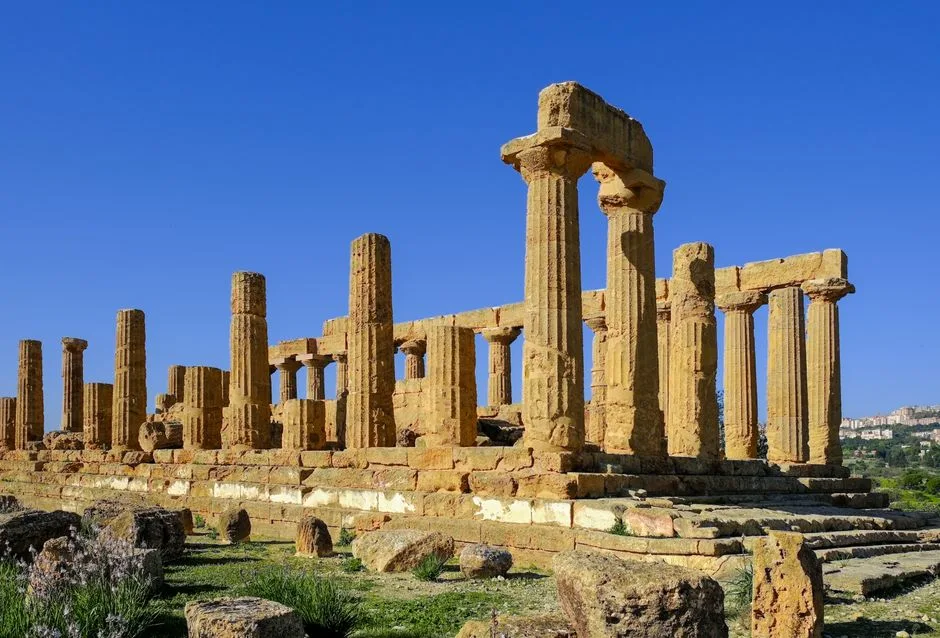 Pexels · Explore the ancient Greek temple ruins at the Valley of the Temples, Sicily. ↗
Temple and Altar Had Different Roles
Greek temples housed divine images, while communal ritual generally centered on outdoor altars.
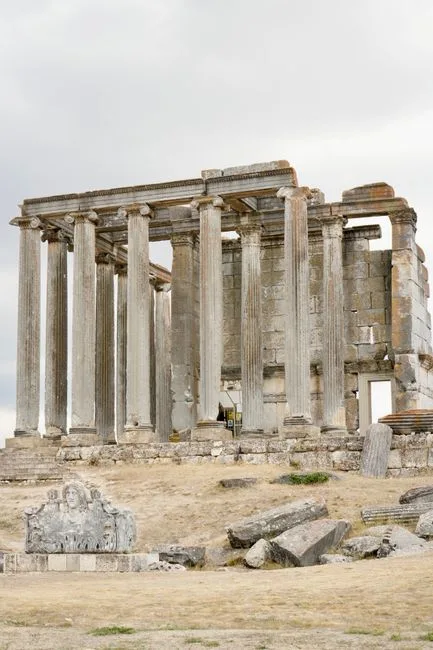 Pexels · Historic ancient Greek temple ruins featuring classic stone columns. ↗
Offerings Took Several Forms
Animal sacrifice with shared consumption and liquid libations were important offerings, alongside votives and other gifts.
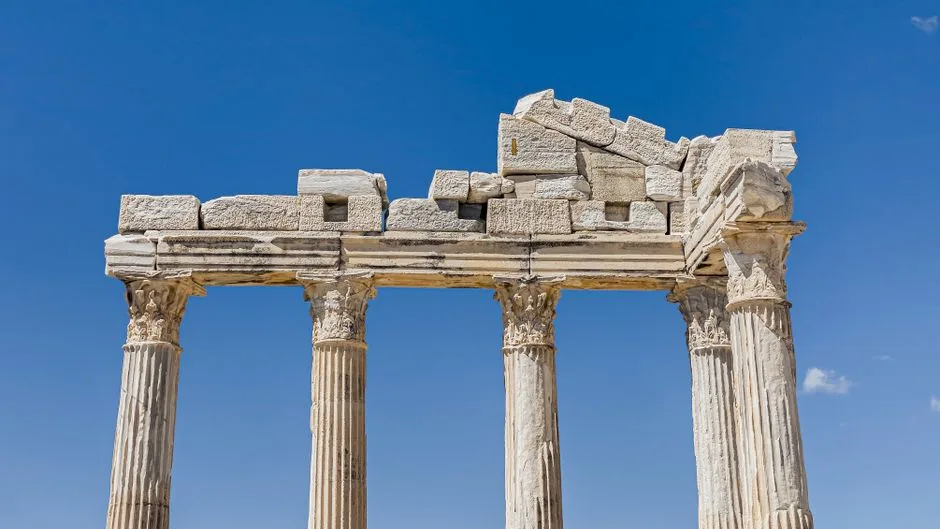 Pexels · Majestic ancient Greek temple ruins with intricate columns against a clear blue sky. ↗
Festival Practice Was Plural
Greek religious life combined Panhellenic and local festivals, while restricted mysteries such as Eleusis cannot be reconstructed from one hymn alone.
1 / 9What best explains Olympian authority in the approved evidence?
Olympian authority is relational, not a simple organizational chart.
Lesson 3 has 35 cards. Keep going in the free app.
Question -
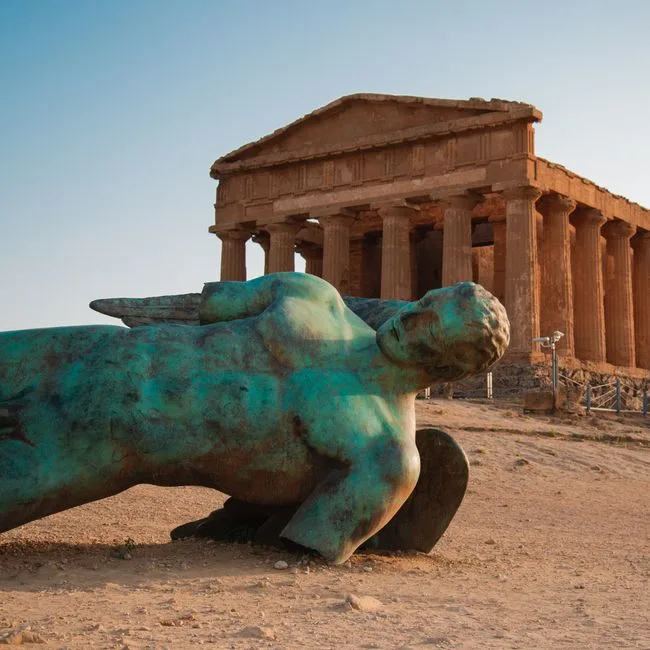 Pexels · View of ancient Greek temple and bronze statue in Agrigento, Sicily. ↗04
Heroes, Quests, and Monsters
Heroes Are Not Moral Superheroes · Perseus, Heracles, Theseus, and the Argonauts
Lesson 4 · 9 cardsPexels · View of ancient Greek temple and bronze statue in Agrigento, Sicily. ↗Hero Does Not Mean Perfect
Greek heroic status does not guarantee moral perfection; Heracles combines immense achievement with family killing, service, purification, and consequence.
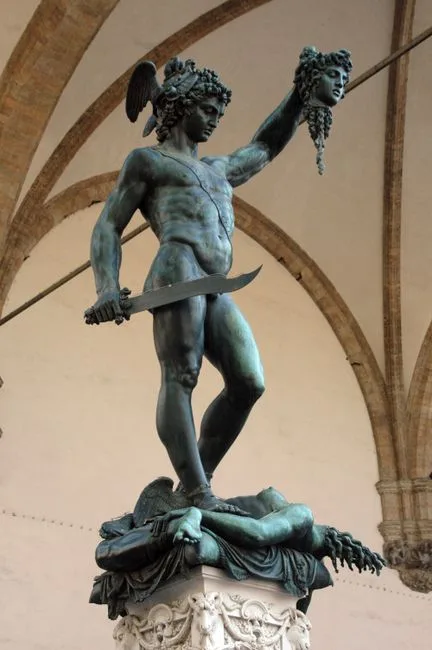 Pexels · Bronze statue of Perseus by Benvenuto Cellini, depicting him holding Medusa’s head. ↗
Perseus Needs Help
Perseus succeeds through divine helpers and special equipment rather than through invulnerability or solitary strength.
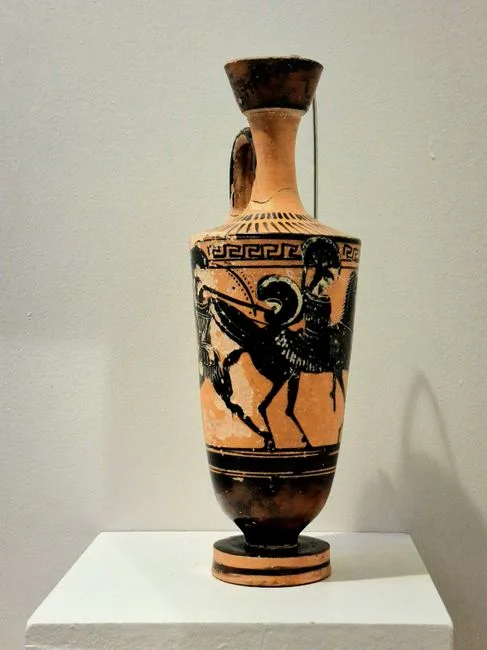 Pexels · Ancient Greek black-figure vase showcasing warrior and chariot scene. ↗
Medea Makes the Fleece Possible
Jason reaches the Golden Fleece only because Medea supplies essential knowledge and magical help.
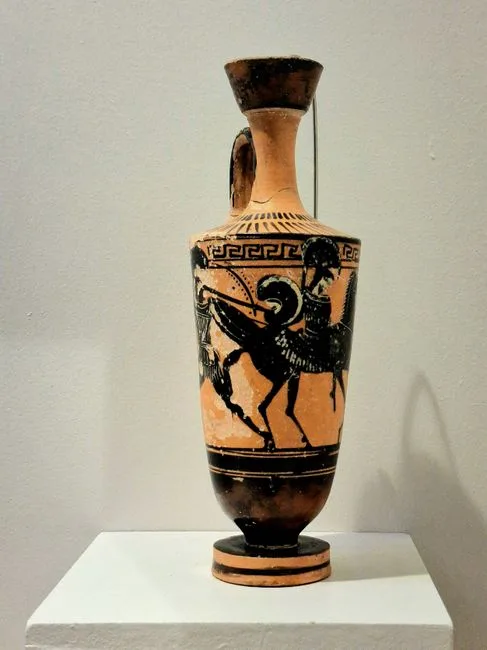 Pexels · Ancient Greek black-figure vase showcasing warrior and chariot scene. ↗
Victory Does Not End Consequence
Quest victory does not cancel consequence: Heracles continues to suffer and serve, Aegeus dies after Theseus’s failed signal, and the Argonautic escape produces further exile and violence.
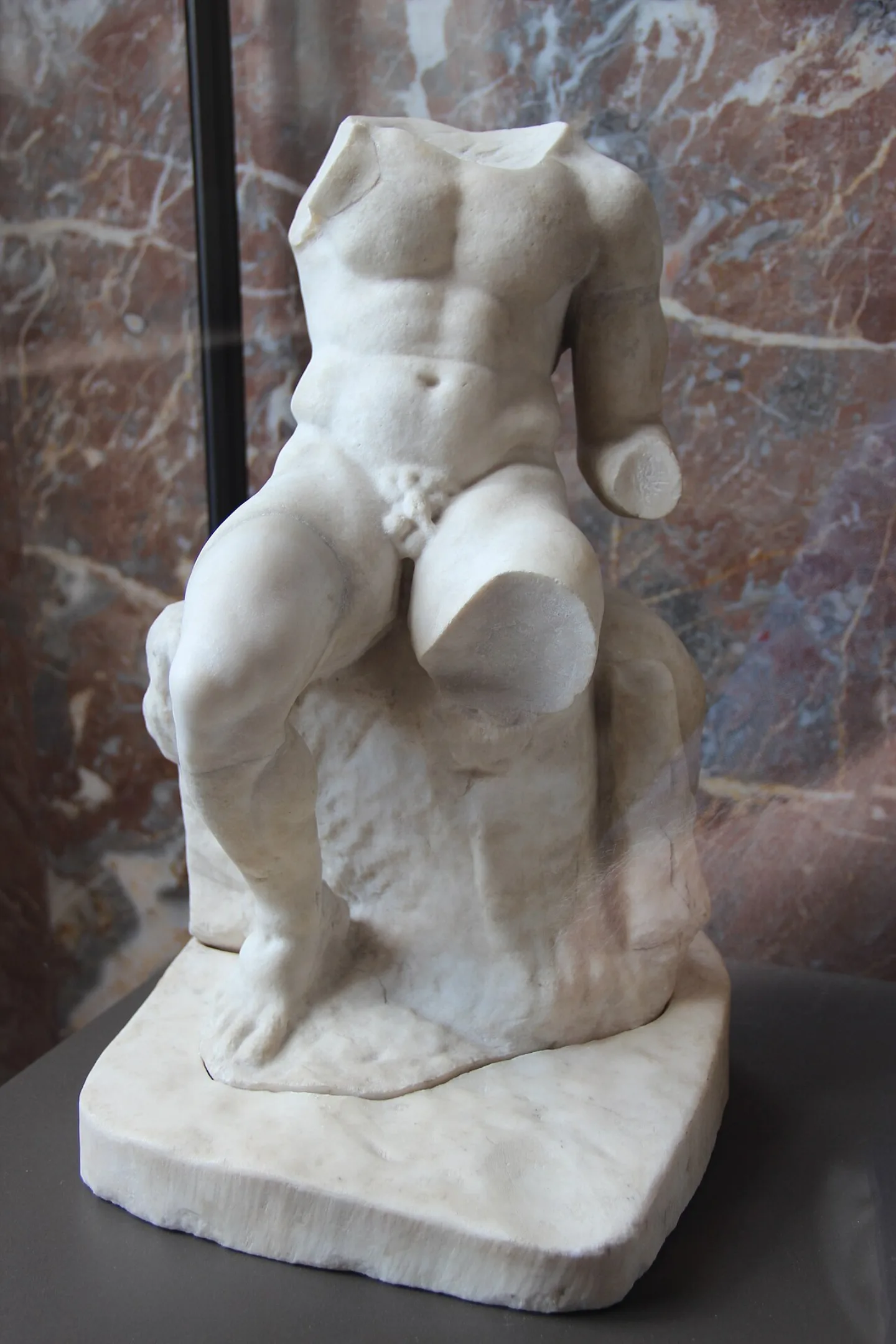 Wikimedia Commons · Gary Todd from Xinzheng, China · CC0 ↗
The Labors Have a Larger Context
Heracles’s labors arise within a larger sequence of family catastrophe, purification, imposed service, and later consequences.
 Wikimedia Commons · Sailko · CC BY 3.0 ↗
Ariadne Makes Escape Possible
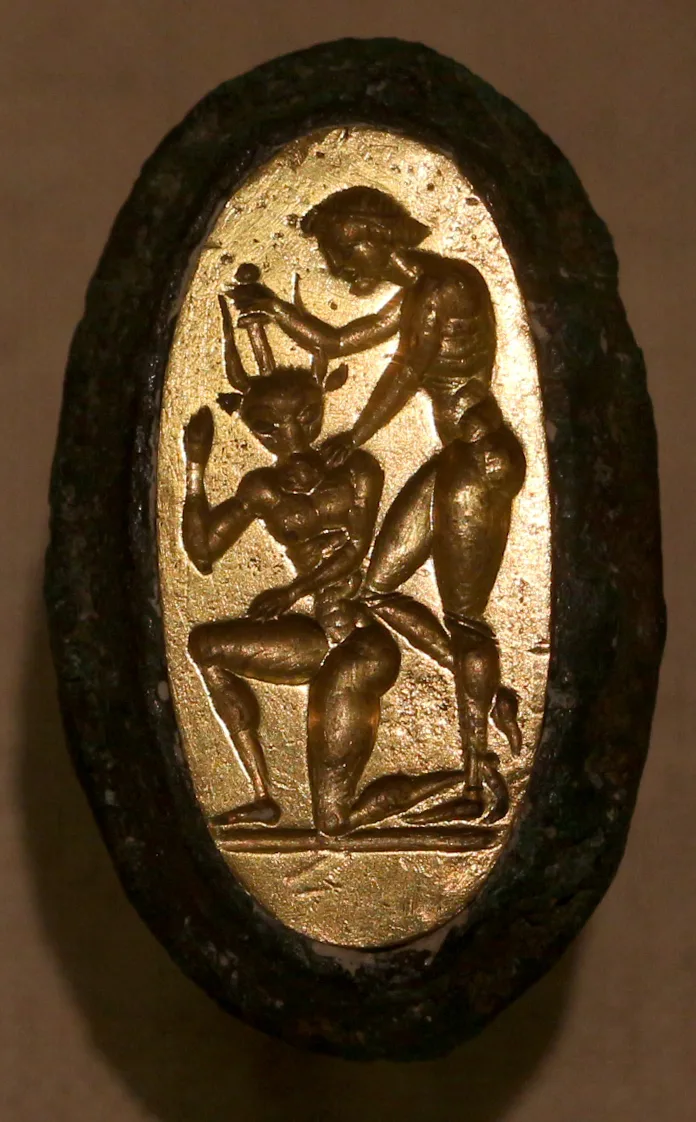
Theseus kills the Minotaur and escapes the labyrinth through Ariadne’s help; ancient sources vary on the tribute and aftermath.
1 / 9How does the oracle function in Acrisius’s part of the Perseus story?
The oracle creates a dilemma: Acrisius’s effort to evade the prediction helps cause the story’s action.
Lesson 4 has 34 cards. Keep going in the free app.
Question -
 Wikimedia Commons · Tipografia e libreria dell'Oratorio di San Francesco di Sales · Public domain ↗05
Troy, Anger, and Homecoming
The Iliad: War, Anger, Honor, and Grief · Nostos, Xenia, and a Restored Household
Lesson 5 · 9 cardsWikimedia Commons · Tipografia e libreria dell'Oratorio di San Francesco di Sales · Public domain ↗The Iliad Begins Midwar
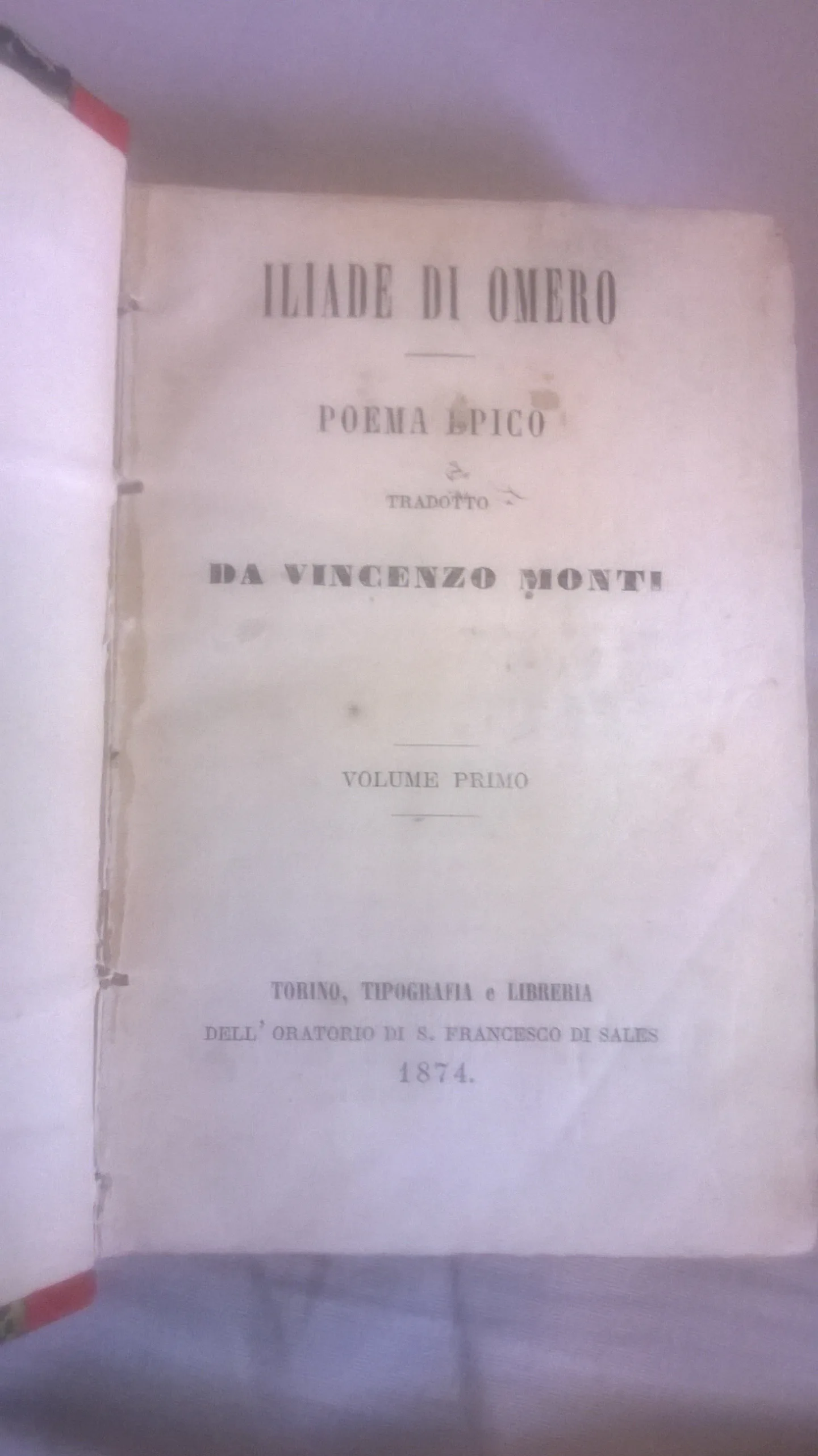
The Iliad begins inside an already-running war and announces Achilles’s anger and quarrel with Agamemnon as its subject.
 Wikimedia Commons · Published by Guillaume Rouille (1518?-1589) · Public domain ↗
Hector’s Funeral Closes the Poem
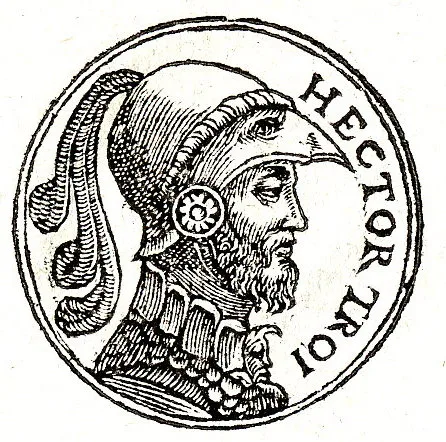
The Iliad ends with Hector’s ransom, lament, cremation, and burial—not the Trojan Horse or the city’s fall.
 Wikimedia Commons · Unknown author · Public domain ↗
Briseis Is a Captive
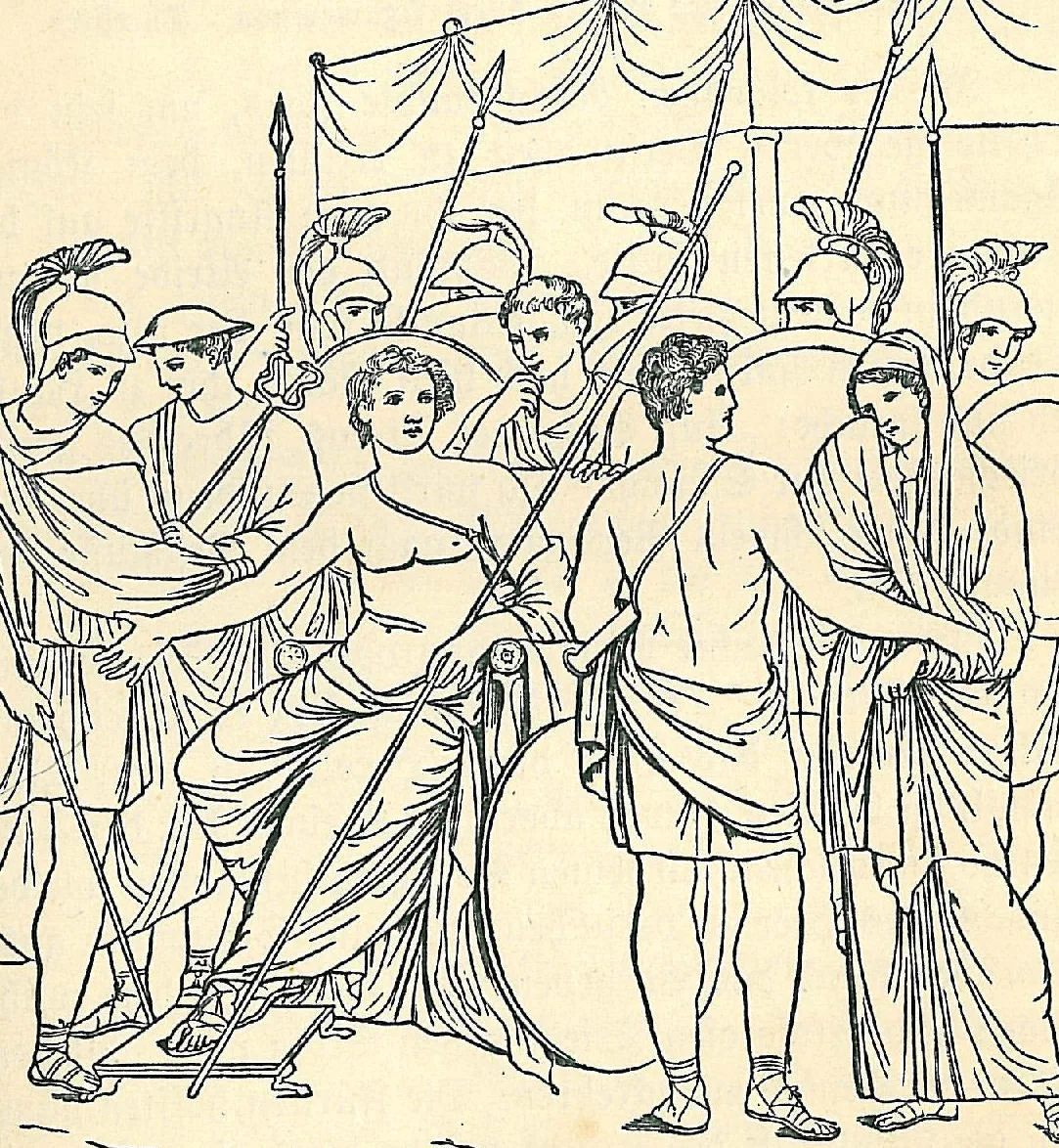
In Iliad 1, Agamemnon asserts his rank by taking Briseis from Achilles; the poem presents her as a captive allocated among the Greek leaders, not as a freely choosing romantic partner.
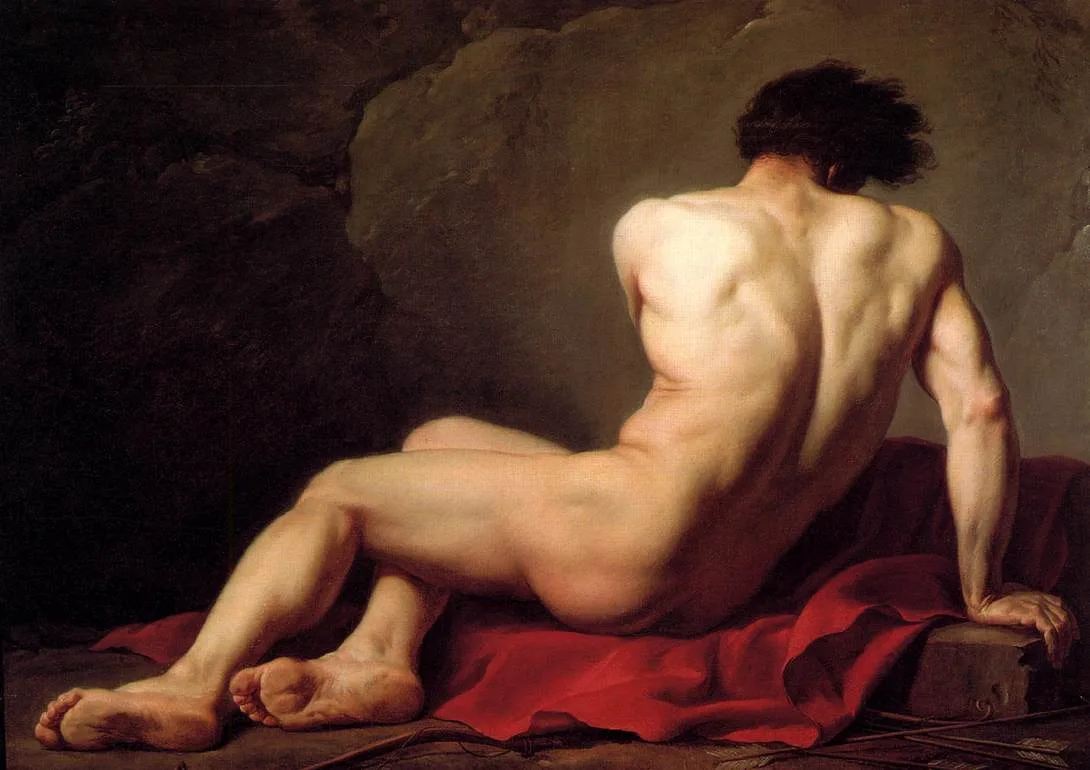 Wikimedia Commons · Jacques-Louis David · Public domain ↗
Patroclus Redirects Achilles’s Anger
Patroclus’s death after divine and human interventions redirects Achilles’s anger toward Hector and vengeance.
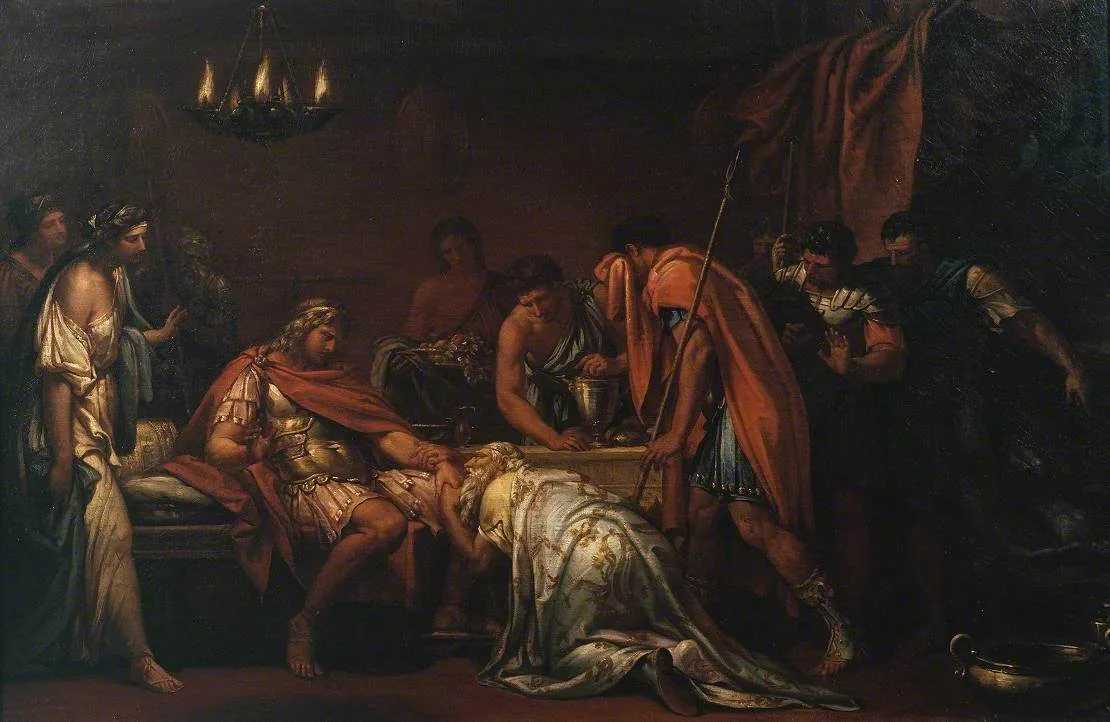 Gavin Hamilton (Tate) · public domain ↗
Priam Establishes a Limit
Priam’s appeal moves Achilles through shared grief; returning Hector’s body creates a ritual limit without ending the war.
 Pexels · Aerial view of a classic sailing ship in the deep blue Aegean Sea near Greece. ↗
Home Is in Crisis
The Odyssey begins with Odysseus absent and his household in crisis; books 13–23 narrate his return, recognition, and restoration of authority at home.
 Pexels · Aerial view of a grand tall ship sailing in the clear blue waters of the Aegean Sea. ↗
The Cyclops Rejects Guest Obligations
In Odyssey 9, Odysseus invokes customary treatment of strangers and asks for a guest gift; Polyphemus rejects divine accountability and consumes his guests.
 Pexels · A traditional wooden ship sails through the deep blue sea off the coast of Greece, viewed from above. ↗
A Name Prolongs the Journey
The “Nobody” deception enables escape, but Odysseus’s later name disclosure allows Polyphemus to invoke Poseidon and prolong the journey.
1 / 9What subject does the Iliad announce at its opening?
The poem enters an already-running war and focuses on Achilles’s anger.
Lesson 5 has 40 cards. Keep going in the free app.
Question - Take the lessons with you. Free, no account.Download on the App Store ↗Get it on Google Play ↗
-
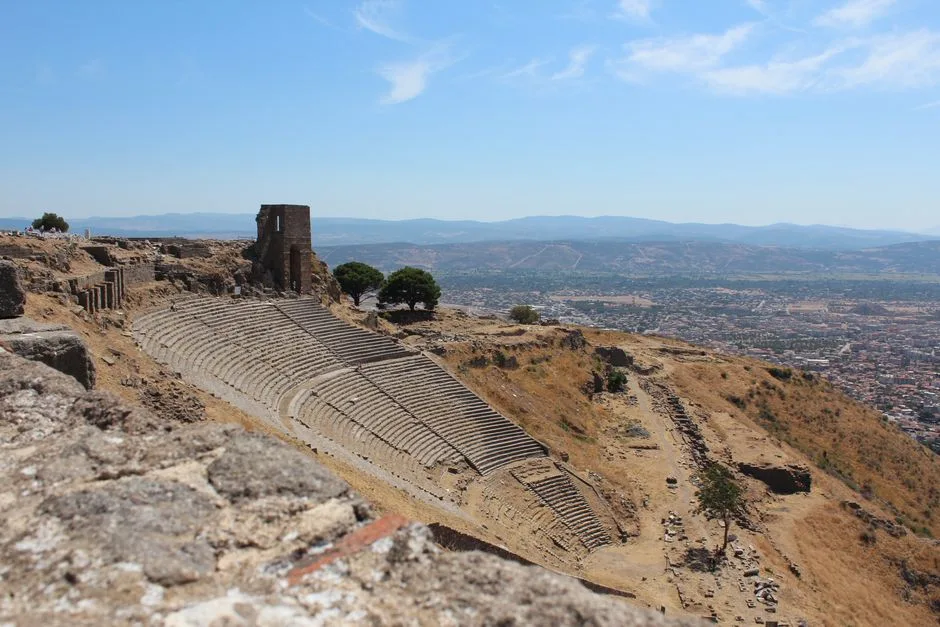 Pexels · Explore the ancient Greek theatre ruins of Pergamon, nestled in the scenic hills of İzmir, Türkiye. ↗06
Thebes, Fate, and the Dead
Theban Tragedy: Inquiry, Fate, and Competing Duties · Hades, Shades, and Funeral Obligation
Lesson 6 · 8 cardsPexels · Explore the ancient Greek theatre ruins of Pergamon, nestled in the scenic hills of İzmir, Türkiye. ↗Creon Divides the Brothers in Death
Creon honors Eteocles but forbids burial and mourning for Polyneices; Antigone chooses to perform rites anyway.
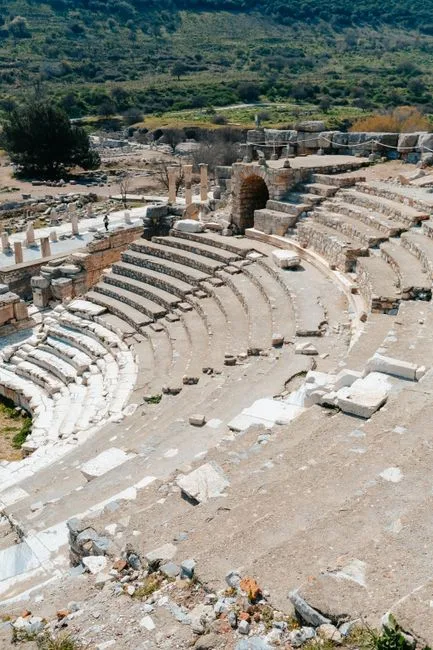 Pexels · Explore the ruins of an ancient Greek amphitheater, a historical travel destination. ↗
Two Claims to Authority
Antigone appeals to enduring divine obligation while Creon asserts civic authority.
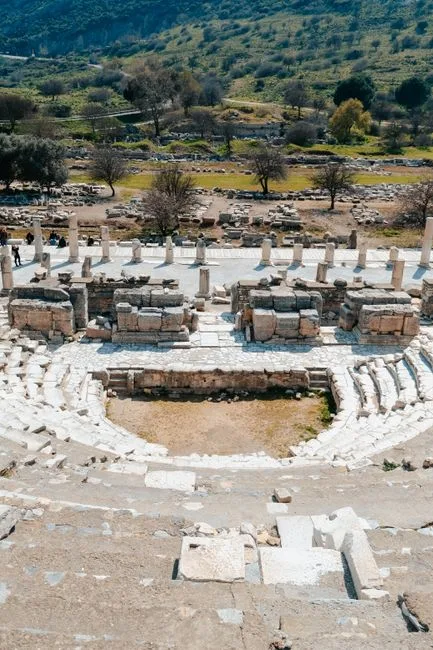 Pexels · High-angle view of ancient Greek stone theatre ruins amid lush greenery. ↗
Delayed Reversal Deepens Disaster
The catastrophe grows through stubborn decisions and delayed reversal rather than through fate alone.
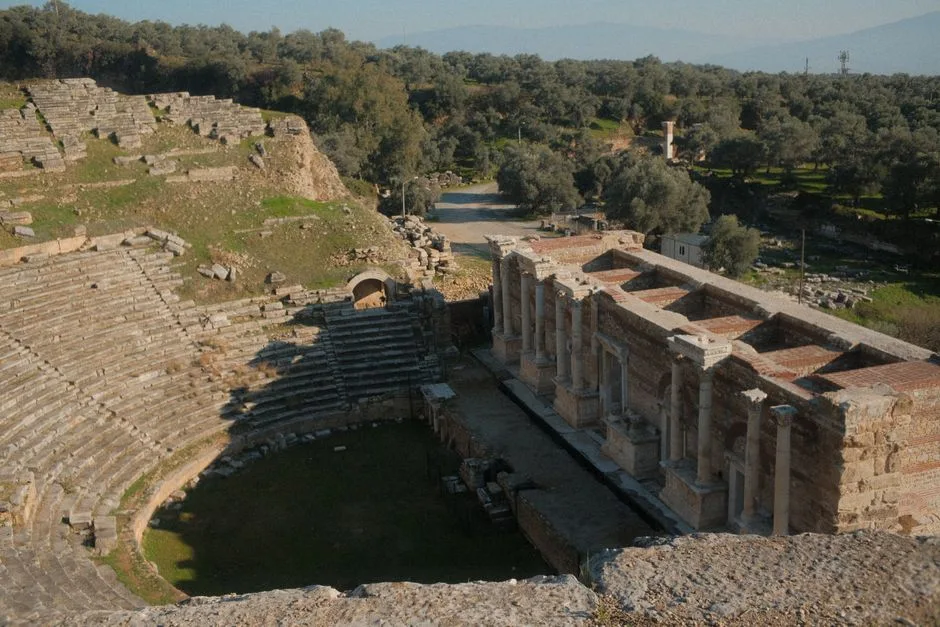 Pexels · Explore the captivating ancient ruins of the Aphrodisias theatre in Aydın, Türkiye, showcasing Greek architectural heritage. ↗
Thebes Opens in Crisis
Sophocles opens with Thebes in plague and Apollo’s instruction to identify and punish Laius’s killer.
 Pexels · High-angle view of ancient Greek stone theatre ruins amid lush greenery. ↗
The Curse Turns Back on Oedipus
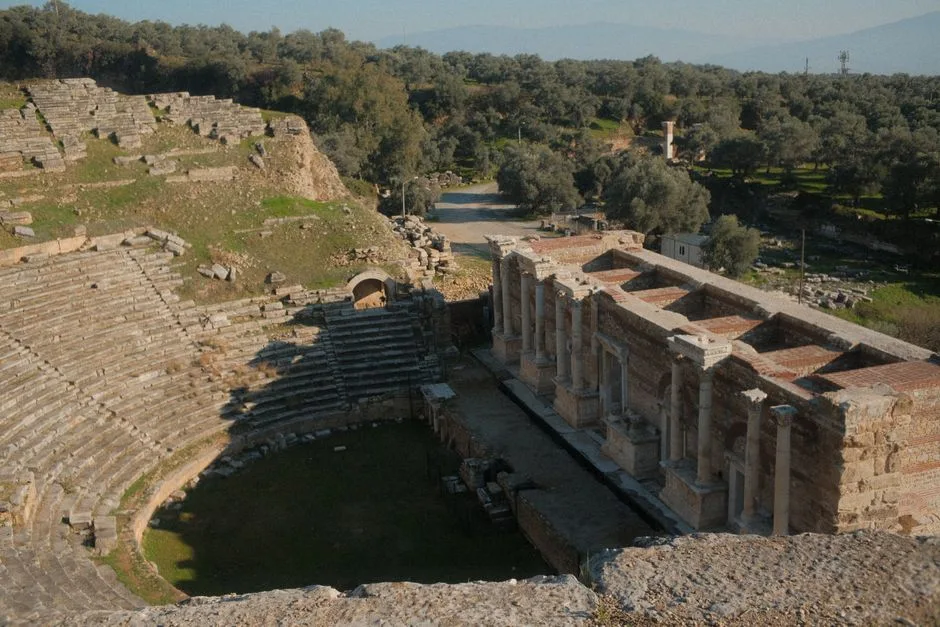
Oedipus curses and excludes the unknown killer before discovering that his own past is the investigation’s object.
 Pexels · Explore the captivating ancient ruins of the Aphrodisias theatre in Aydın, Türkiye, showcasing Greek architectural heritage. ↗
Truth Emerges Through Inquiry
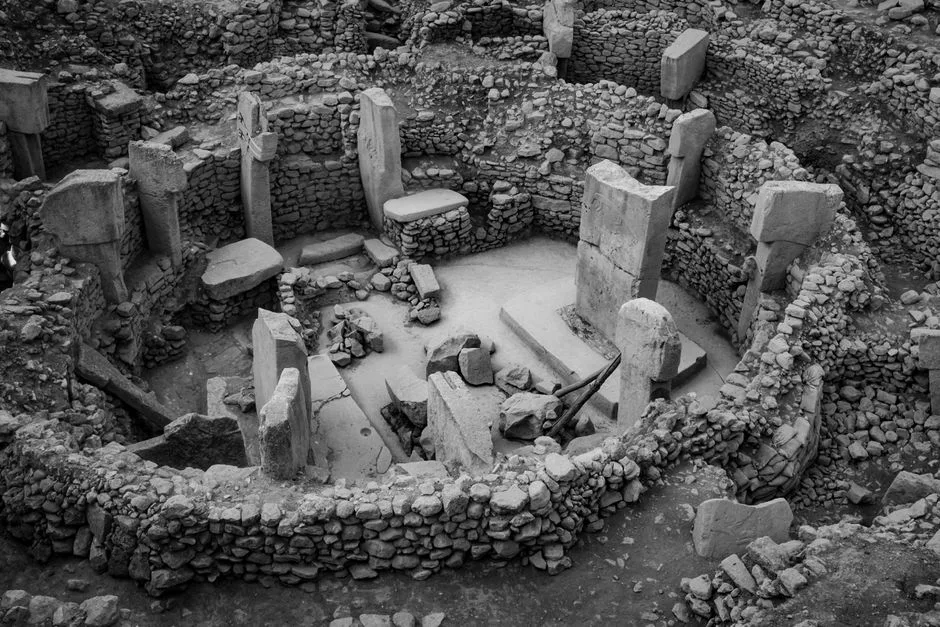
The play portrays attempts to avoid the oracle and then follows Oedipus’s investigation, accusations, testimony, and reaction as the truth emerges.
 Pexels · Aerial view of Gobekli Tepe's ancient stone circle with monolithic pillars. ↗
Hades Is Not Christian Hell
Hades is both a deity and the name of the realm of the dead; neither is simply the Greek equivalent of Satan or Christian Hell.
 Pexels · Person kneeling in ancient church ruins, surrounded by candles and stone arches. ↗
Grief, Grain, Return, and Burial
The Hymn to Demeter links Demeter’s grief and crop-withholding to Persephone’s recurring partial-year division, while the Iliad and Antigone show burial as binding social and religious work.
1 / 8What does Apollo’s instruction require at the opening of Oedipus Tyrannus?
The plague crisis becomes an investigation into the former king’s killing.
Lesson 6 has 38 cards. Keep going in the free app.
Question -
07
Norse Sources and Their Transmission
From Oral Tradition to Eddic, Skaldic, and Snorrian Sources · Reading with Source Criticism
Lesson 7 · 9 cards1 / 9Which description of the Poetic Edda is best supported?
The label is modern, and Codex Regius is a late medieval witness rather than an authored pagan Bible.
Lesson 7 has 40 cards. Keep going in the free app.
Question -
 Pexels · Close-up of tree roots intertwined with soil in a forest, showing texture and organic forms. ↗08
A Relational Norse Cosmos
World-Making and the Relational Cosmos · Æsir, Vanir, Jötnar, and Unstable Boundaries
Lesson 8 · 9 cardsPexels · Close-up of tree roots intertwined with soil in a forest, showing texture and organic forms. ↗A World Made from Ymir
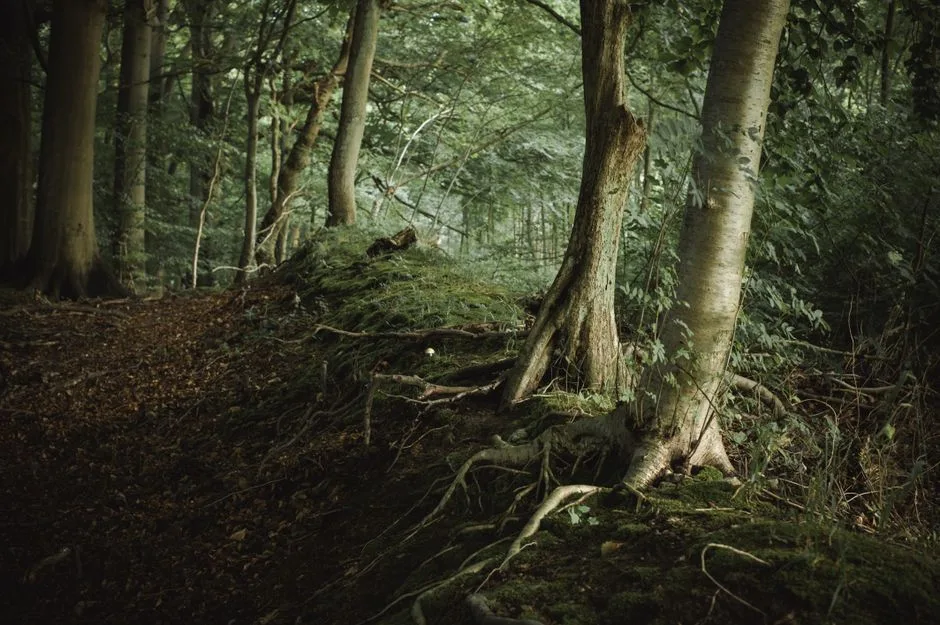
Norse poems describe earth, mountains, sea, and sky as made from the primordial being Ymir. Creation transforms an existing being rather than beginning from nothing.
 Pexels · Serene forest scene in Denmark featuring moss-covered tree roots and lush greenery. ↗
Ask and Embla Receive Life
In Völuspá, three gods give Ask and Embla capacities needed for human life. Snorri tells a related version, but the divine names and gifts differ.
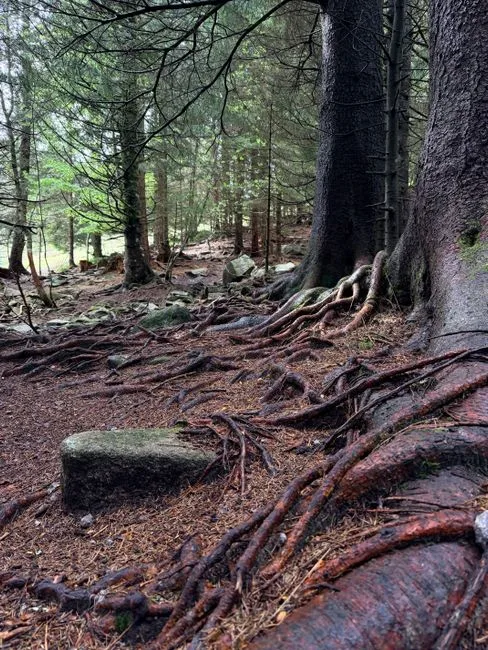 Pexels · Tangled tree roots spread across a forest floor covered with pine needles, surrounded by thick evergreen trees. ↗
Miðgarðr Is an Enclosure
Miðgarðr is the protected human enclosure within an ordered but vulnerable cosmos. Its boundaries matter because beings and threats can cross them.
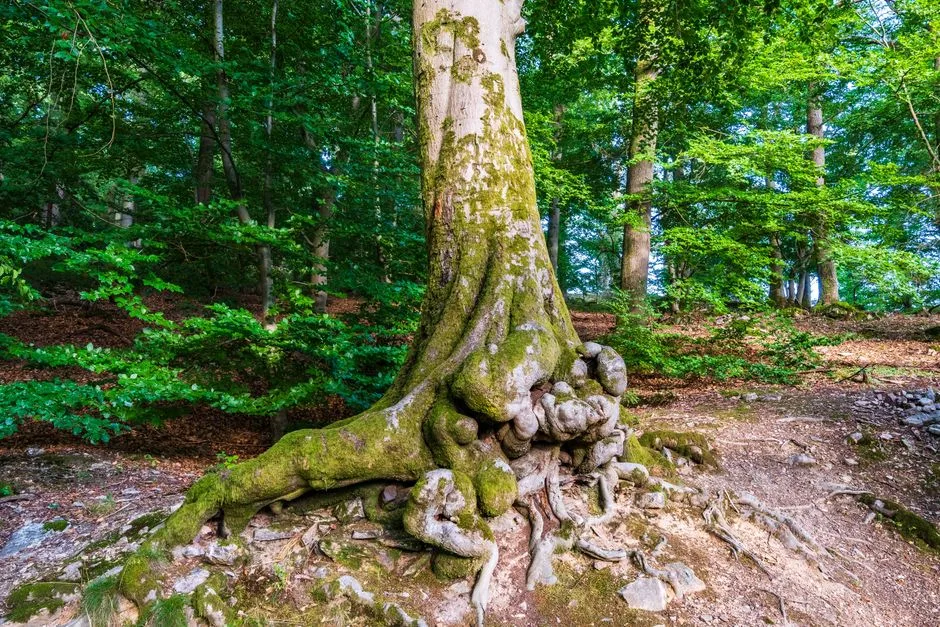 Pexels · Massive tree trunk with gnarled roots in verdant forest setting, showcasing nature's beauty. ↗
Yggdrasil as a Network
Yggdrasil connects wells, divine assembly, regions, creatures, continuing damage, and continuing care. It is better understood through relationships than as a stack of sealed planets.
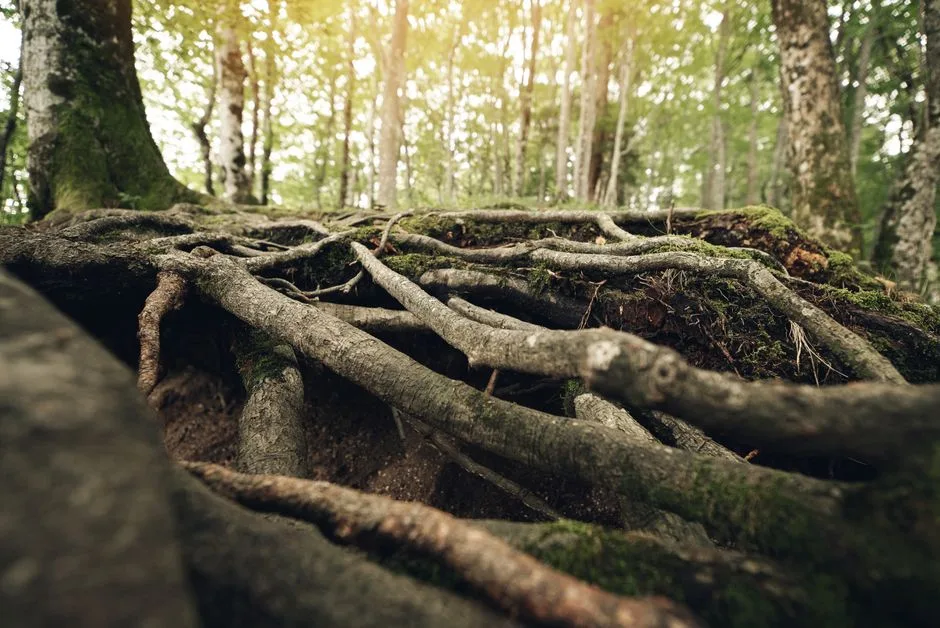 Pexels · Close-up of tree roots in a sunlit forest, showcasing natural textures and greenery. ↗
Nine Worlds, No Canonical Map
Poems mention nine worlds, but no surviving source gives a definitive list or geometric arrangement. A neat modern chart is a reconstruction, not an ancient master map.
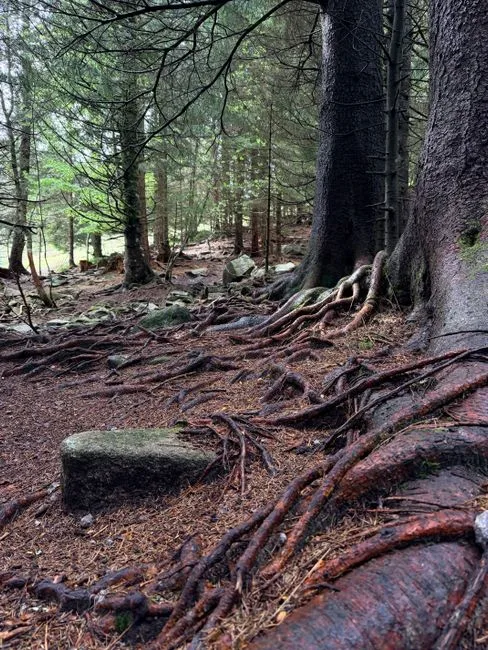 Pexels · Tangled tree roots spread across a forest floor covered with pine needles, surrounded by thick evergreen trees. ↗
Places Are Not Interchangeable
The corpus names halls, fields, rivers, roads, wells, and regions whose relationships vary. Even three-root schemes differ between a poem and Snorri.
 Wikimedia Commons · Unknown author · Public domain ↗
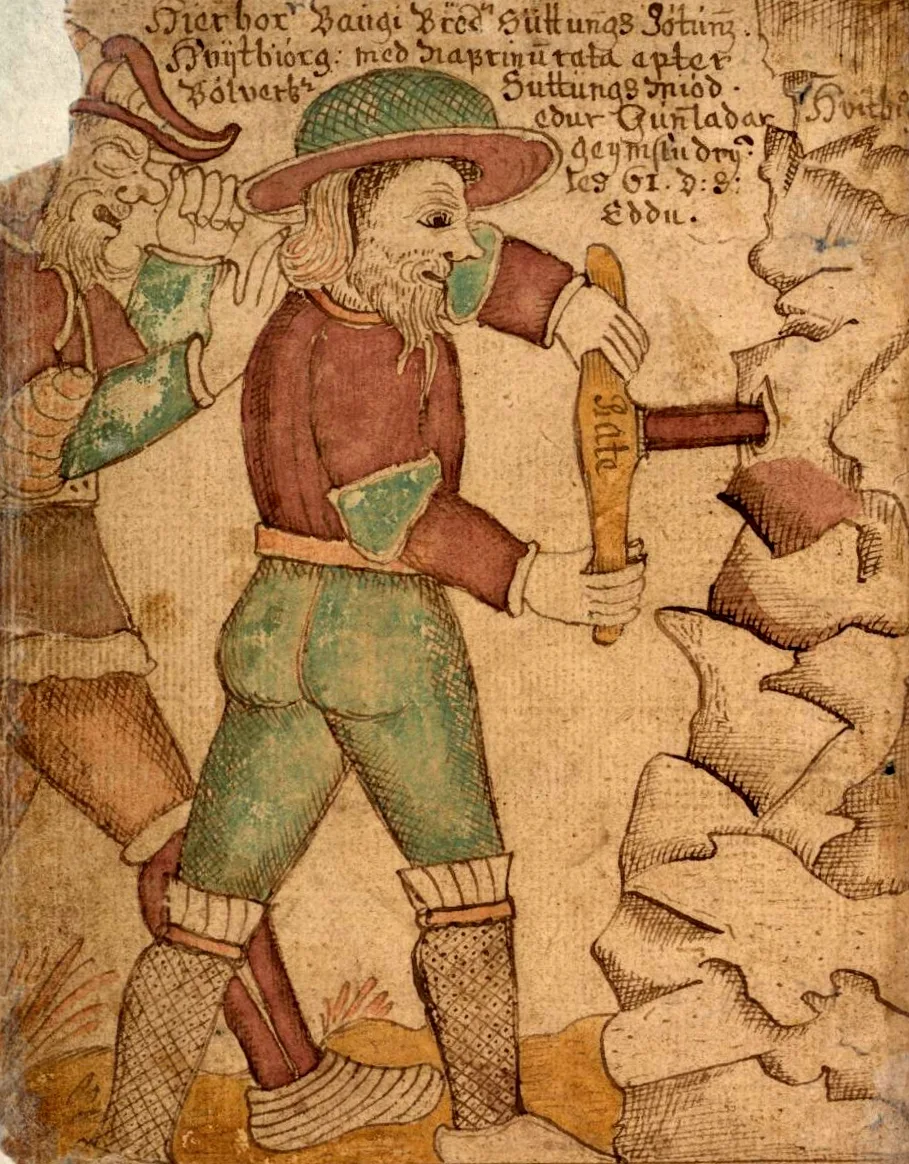
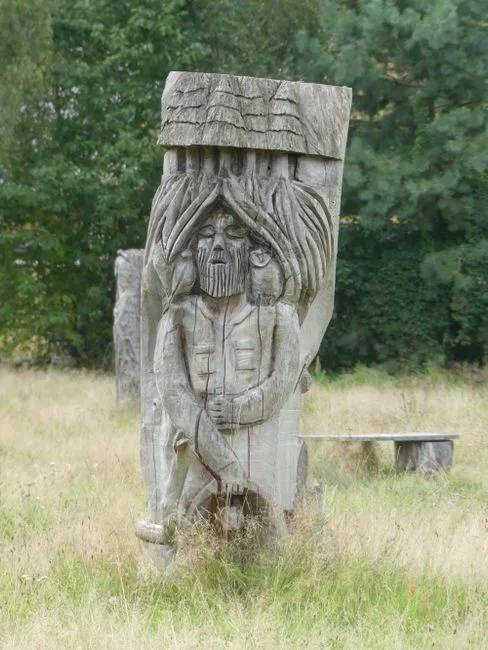
Jötnar Are More Than Monsters
Jötnar can be opponents, kin, spouses, wisdom holders, and resource owners. The English word “giant” is an imperfect gloss and does not define every role or size.
 Pexels · A carved wooden sculpture depicting a historical figure in a grassy outdoor setting. ↗
Conflict Does Not Make a Race War
The poetic Æsir–Vanir war and truce are compressed and difficult. Major deities also have overlapping roles rather than one tidy portfolio each.
1 / 9How do Norse poems describe the origin of earth, mountains, sea, and sky?
Poems describe the ordered world as transformed from Ymir's body, not created from nothing, hatched from an egg, or reshaped from Miðgarðr — ideas absent from the sources.
Lesson 8 has 35 cards. Keep going in the free app.
Question -
 Pexels · Ancient runestone with Norse engravings standing in a lush green park in Uppsala, Sweden. ↗09
Wisdom, Thor, Loki, Baldr, and Ragnarök
Knowledge, Thor, Loki, and Boundary Crises · Baldr, Ragnarök, and Renewal
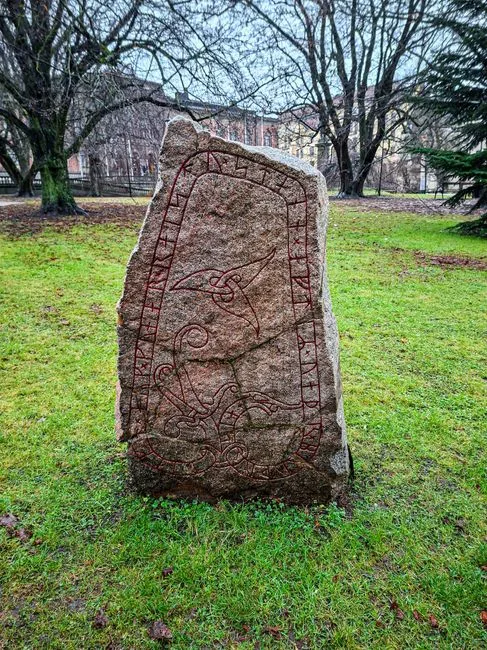
Lesson 9 · 9 cardsPexels · Ancient runestone with Norse engravings standing in a lush green park in Uppsala, Sweden. ↗The Hammer Theft Is a Security Crisis
In Þrymskviða, Thor's stolen hammer creates a comic but serious threat to divine security. Recovery requires Loki's cooperation, not strength alone.
 Pexels · Ancient runestone with Norse engravings standing in a lush green park in Uppsala, Sweden. ↗
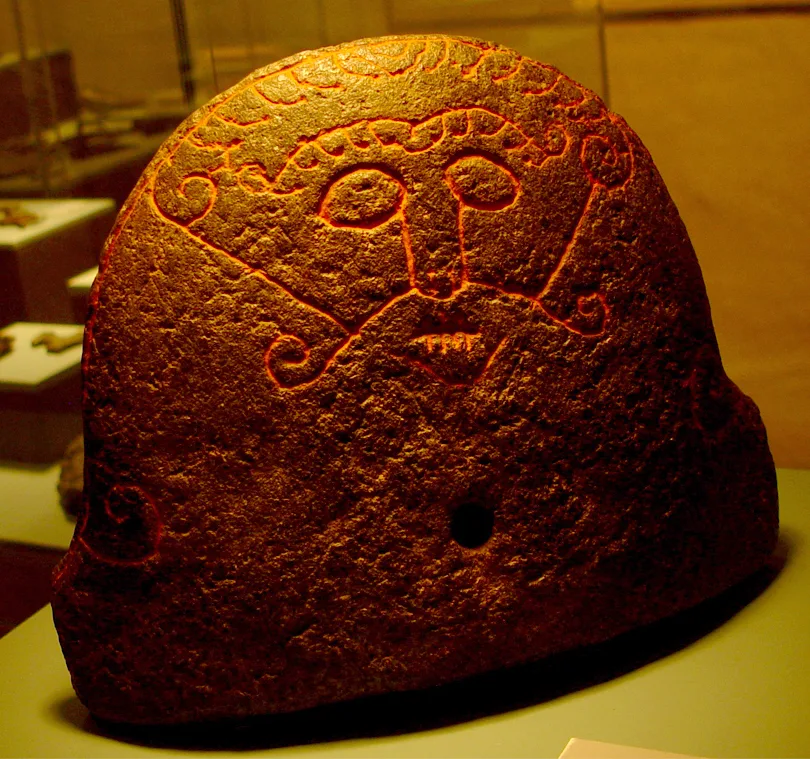
Thor Fishes for the Serpent
Thor's fishing encounter with the world-serpent anticipates their Ragnarök enmity. Surviving versions differ about the immediate outcome.
 Bloodofox · public domain ↗
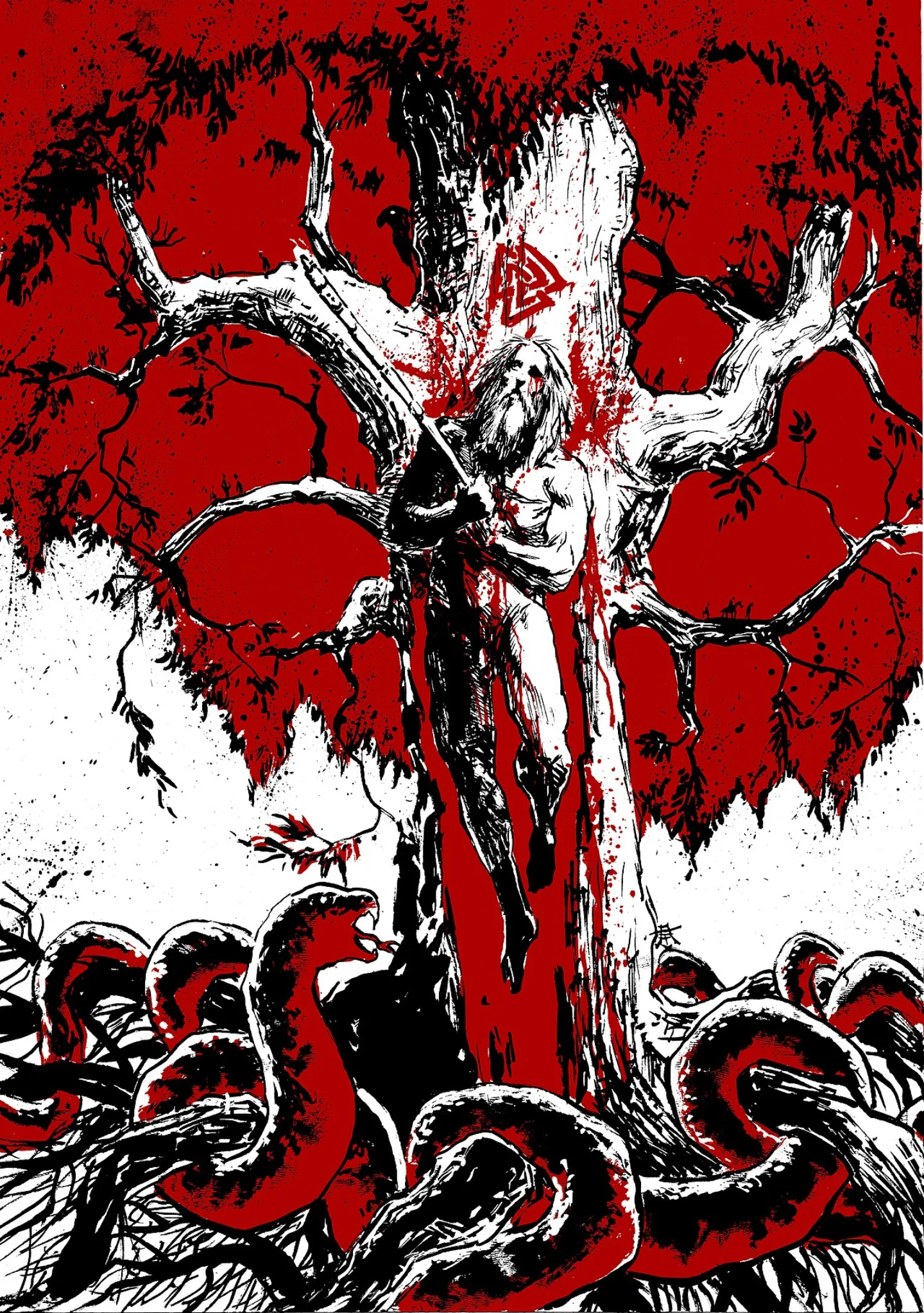
Loki Changes Roles
Loki appears as companion, solver, instigator, accuser, and opponent. No single label such as devil or fire god fits the whole corpus.
 Wikimedia Commons · Kim Diaz Holm · CC BY 4.0 ↗
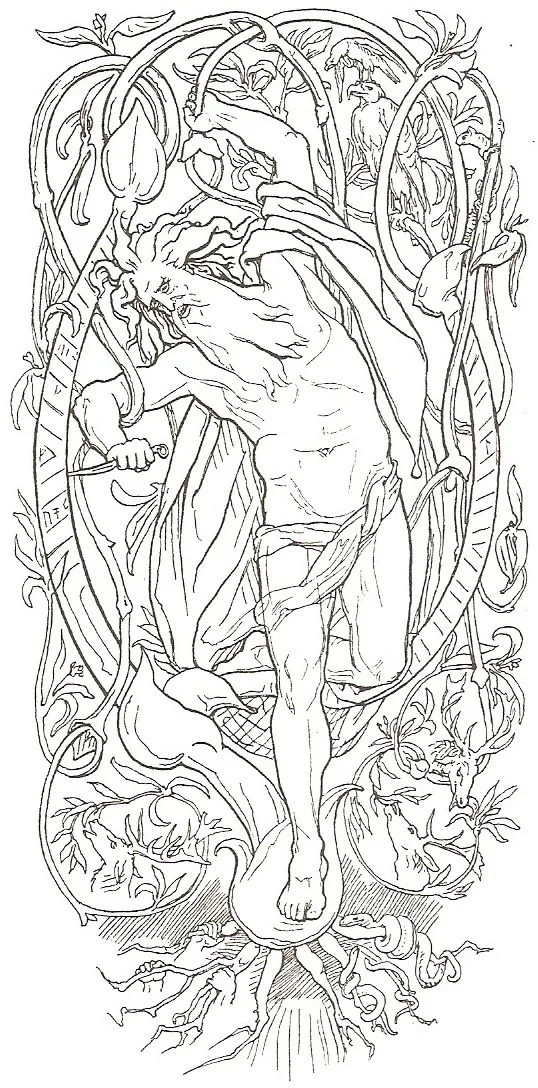
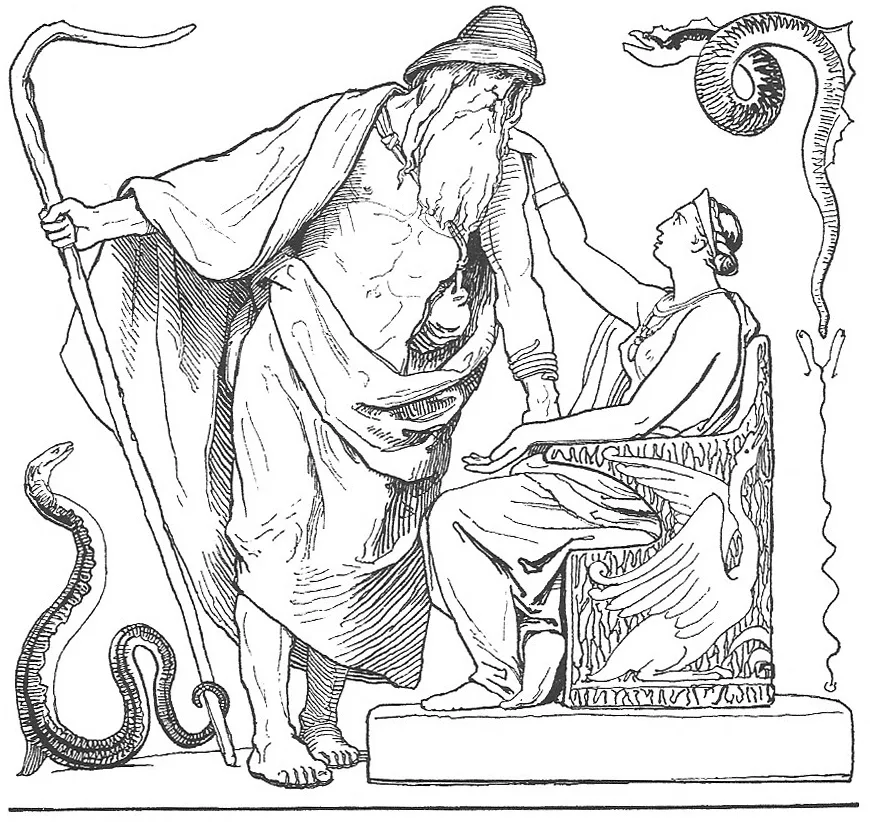
Knowledge Is Costly
Odin's pursuit of knowledge repeatedly involves risk, deception, or sacrifice. His authority does not rest on effortless omniscience.
 Wikimedia Commons · Lorenz Frølich · Public domain ↗
Nine Nights for Runes
Hávamál depicts Odin hanging for nine nights, wounded and offered to himself, before taking up runes.
 Wikimedia Commons · Lorenz Frølich · Public domain ↗
Wisdom Beyond the Æsir
In Vafþrúðnismál, the jötunn Vafþrúðnir possesses formidable cosmic knowledge, showing that such wisdom is not exclusive to the Æsir.
 Pexels · Captivating winter sunset casting golden hues over a foggy forest landscape. ↗
Baldr's Story Has Source Layers
Völuspá links Baldr's death with mistletoe and Höðr. Snorri expands the causal sequence and Loki's role into a fuller prose narrative.
 Pexels · Stunning aerial shot of a snow-covered forest in Finland, showcasing winter's serene beauty. ↗
Foreknown Doom, Several Readings
Baldr's story supports readings about killing within a family and foreknown doom, but no single interpretation exhausts the source variants.
 Pexels · A serene winter dawn over a snow-covered forest in Ylläsjärvi, Lapland, Finland. ↗
Ragnarök Includes Renewal
Ragnarök combines social collapse, divine deaths, and cosmic violence with a returning earth, successor gods, and renewed human life.
1 / 9What does Vafþrúðnir's role show?
The wisdom contest places formidable knowledge in a jötunn's possession.
Lesson 9 has 40 cards. Keep going in the free app.
Question -
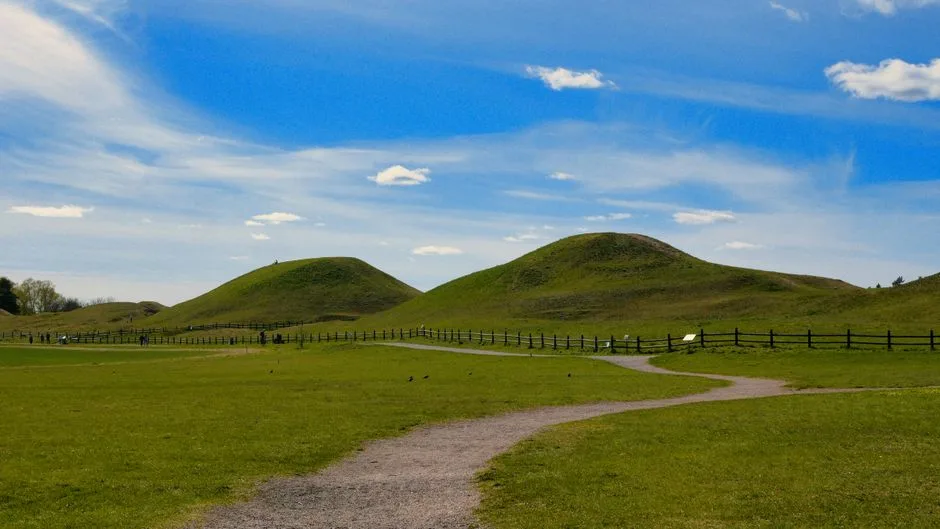 Pexels · Tushar Mahajan · Pexels License ↗10
Worship, Fate, and Plural Afterlives
Ritual, Fate, Oaths, and Social Order · Valhöll, Fólkvangr, and Hel
Lesson 10 · 9 cardsPexels · Tushar Mahajan · Pexels License ↗The Norns Mark Destinies
In Völuspá, three norns establish laws and destinies. Other source presentations do not reduce all fate to exactly three universal figures.
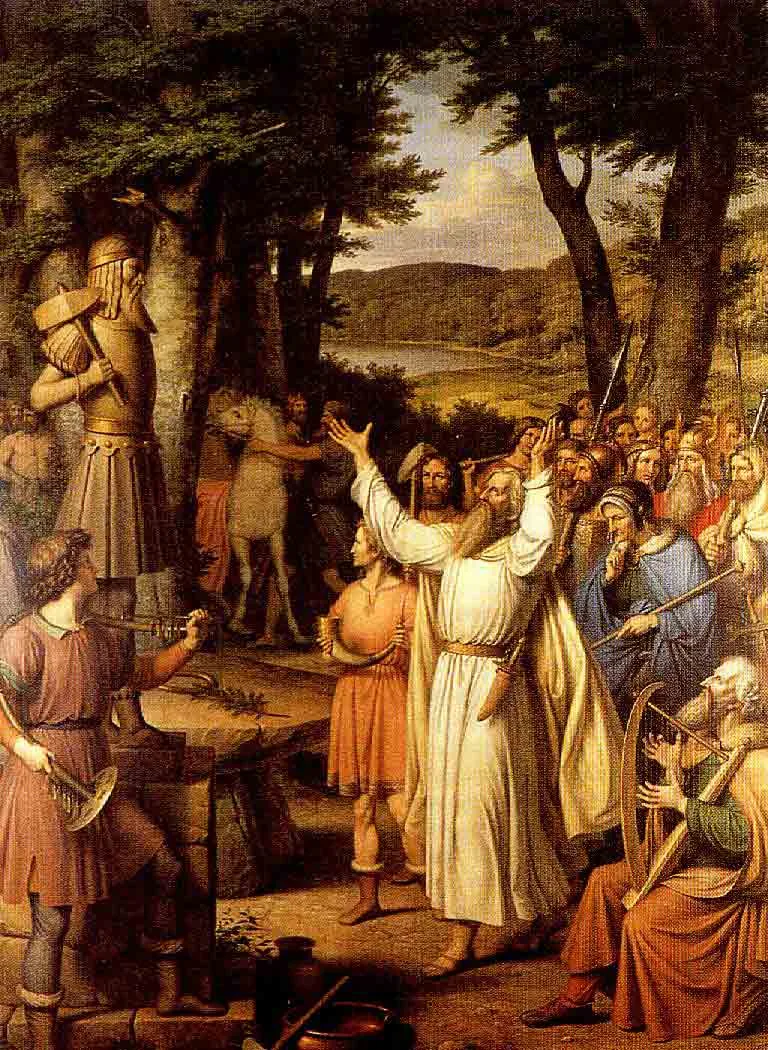 Wikimedia Commons · Johan Ludwig Lund · Public domain ↗
Blót as Reciprocal Offering
Blót involved offerings and reciprocal relationships among people, gods, fertility, peace, and authority. Later descriptions do not define all blót everywhere.
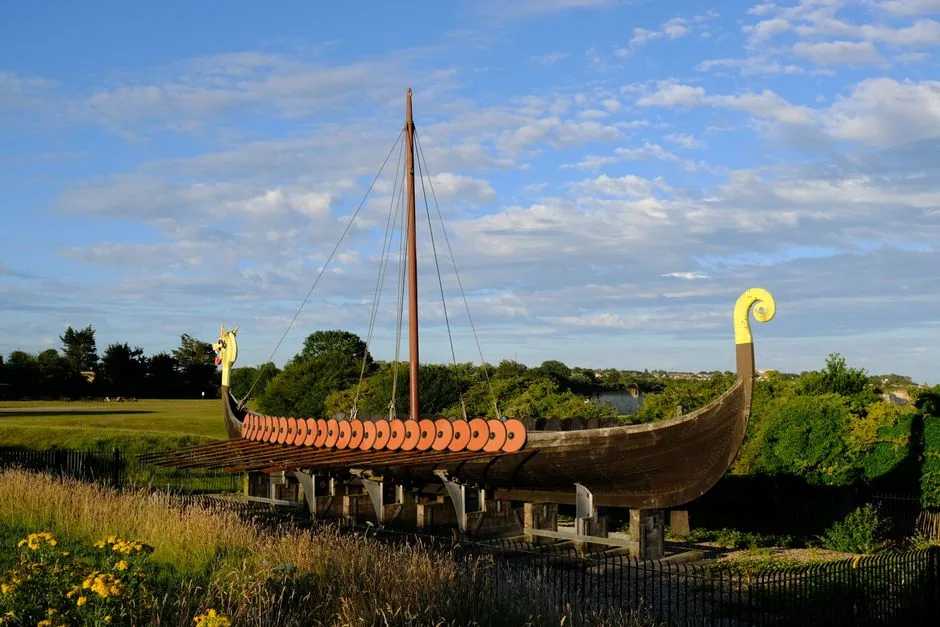 Pexels · A detailed Viking longship replica set in a green outdoor landscape under clear blue skies. ↗
No Single Afterlife System
The surviving sources do not preserve one systematic Norse afterlife doctrine. Images and destinations vary by genre, date, and narrative purpose.
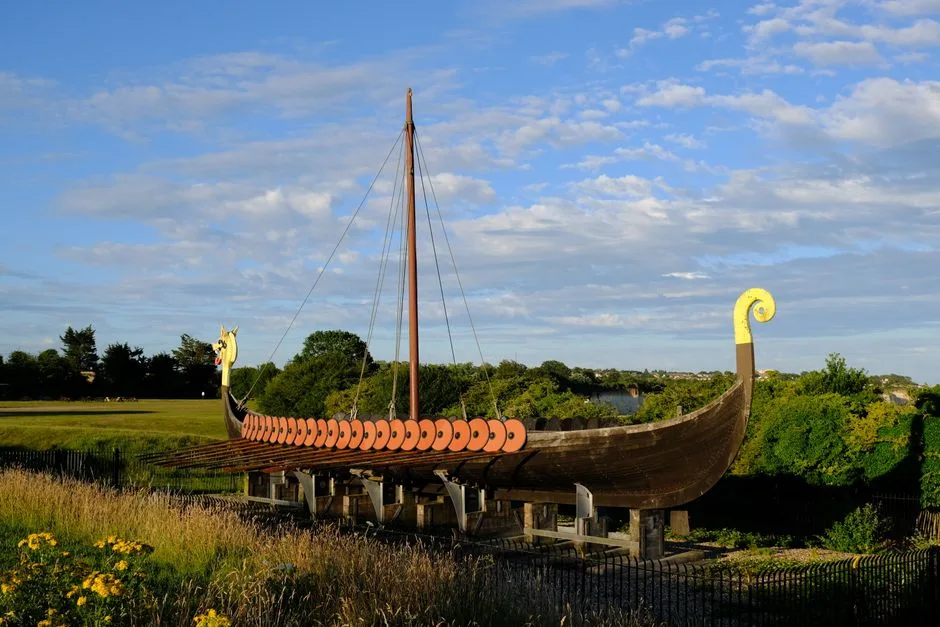 Pexels · A detailed Viking longship replica set in a green outdoor landscape under clear blue skies. ↗
Valhöll Is Not Universal
Grímnismál presents Valhöll for selected battle-slain warriors and says Freyja receives half the battle-slain in Fólkvangr. The passage does not send every dead person to Valhöll.
1 / 9Which evidence strategy is most responsible for studying Norse ritual?
Texts and archaeology illuminate different aspects and must be compared without overstating either.
Lesson 10 has 34 cards. Keep going in the free app.
Question -
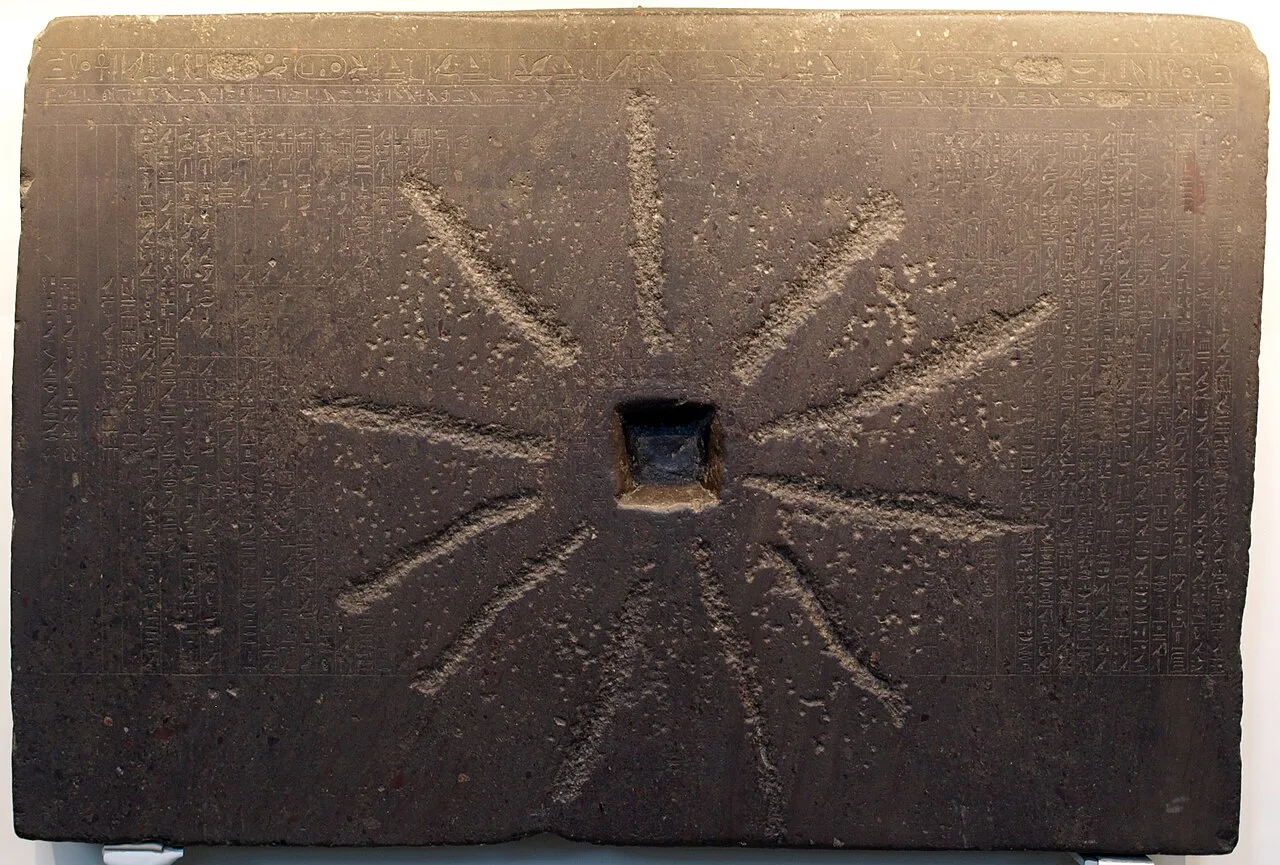 CaptMondo · CC BY 2.5 ↗11
Egyptian Creation and Maat
Many Beginnings and Uneven Evidence · Maat and the Work of Order
Lesson 11 · 9 cardsCaptMondo · CC BY 2.5 ↗Ptah and the Shabaka Stone
Memphite theology presents Ptah creating through the heart and tongue, but the surviving Shabaka Stone is Dynasty 25 and claims of a much earlier text remain disputed.
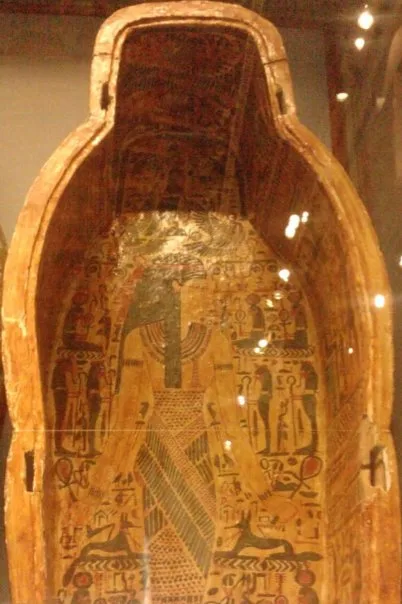 Wikimedia Commons · Nitko · CC BY 3.0 ↗
Maat Resists One-Word Translation
Maat can mean truth, justice, balance, and cosmic or social right order, and it can also be personified; no single English word is exact.
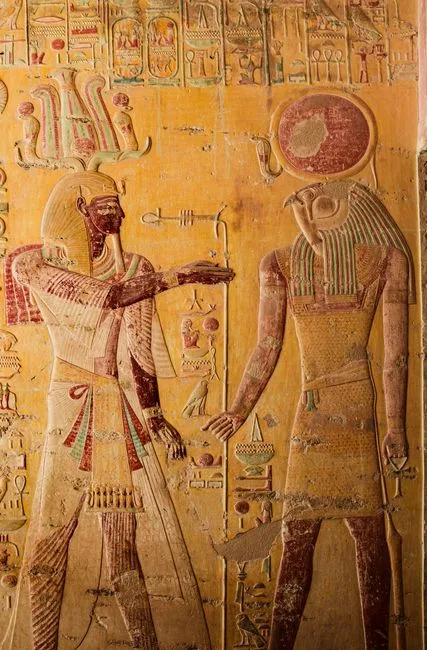 Pexels · Detailed Egyptian relief depicting gods with hieroglyphs, highlighting ancient art. ↗
Order Through the Solar Cycle
The recurrence of Re's solar cycle presents maat as cosmic order that must be maintained and renewed rather than secured once for all.
1 / 9What is the safest conclusion when a belief is absent from surviving Egyptian evidence?
The surviving record is uneven and favors particular regions and elite, royal, temple, and funerary settings.
Lesson 11 has 34 cards. Keep going in the free app.
Question -
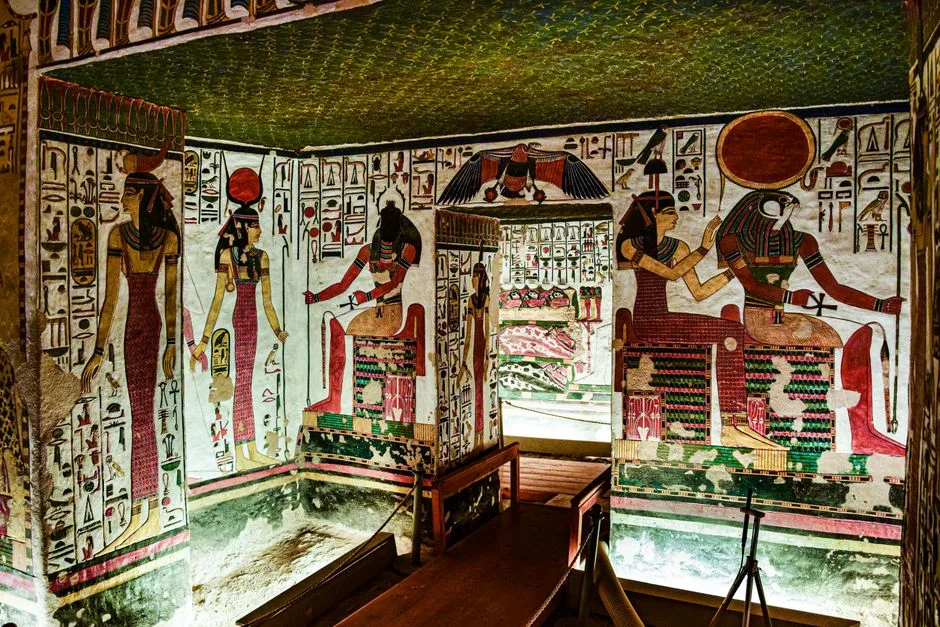 Pexels · Colorful Egyptian murals depicting gods found inside an ancient tomb, rich in history. ↗12
Fluid Gods and Lived Cult
Reading Images and Changing Divine Roles · Cult Image, Temple Service, and Wider Practice
Lesson 12 · 9 cardsPexels · Colorful Egyptian murals depicting gods found inside an ancient tomb, rich in history. ↗Roles Can Combine
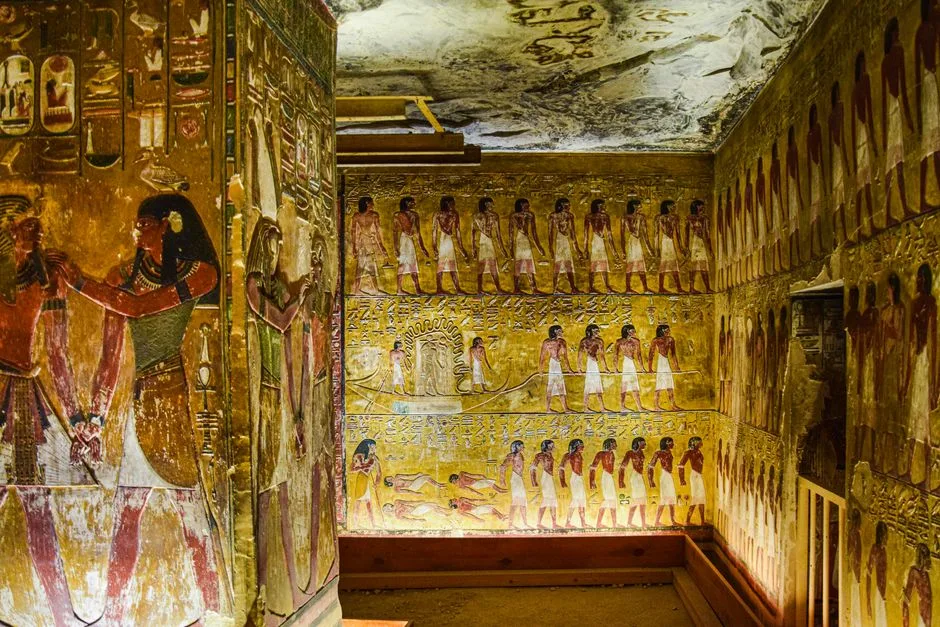
Egyptian gods can share roles, merge, and take on one another's attributes; Amun-Re expresses a theological relationship rather than simple replacement.
 Pexels · Colorful ancient Egyptian frescoes depicting historic scenes inside a tomb. ↗
Continuity and Change
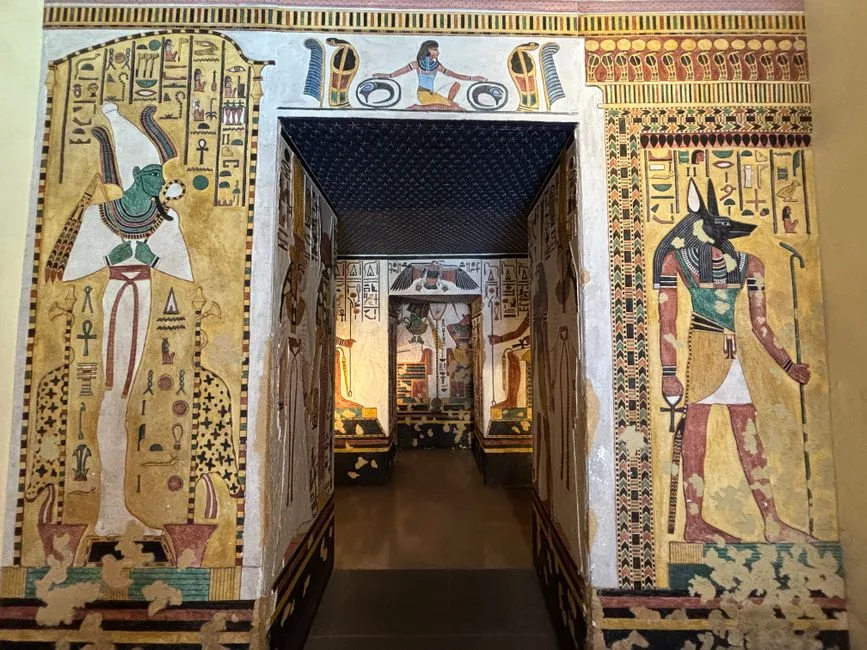
Divine identities changed across roughly three millennia and varied along the Nile while retaining many durable names and relationships.
 Pexels · Intricately decorated ancient Egyptian tomb with colorful hieroglyphs and deities. ↗
Seth Is Not Villain Only
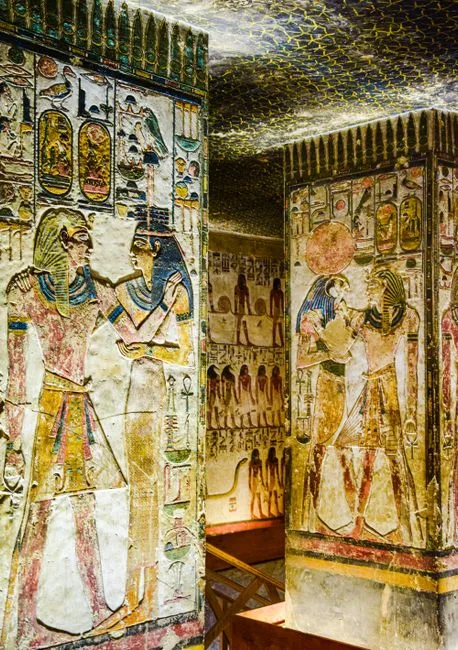
Seth can be a rival of Osiris and Horus and also a defender of solar order, so a villain-only label is incomplete.
 Pexels · Detailed hieroglyphic and artistic depiction inside an ancient Egyptian tomb. ↗
Divine Forms Are Visual Language
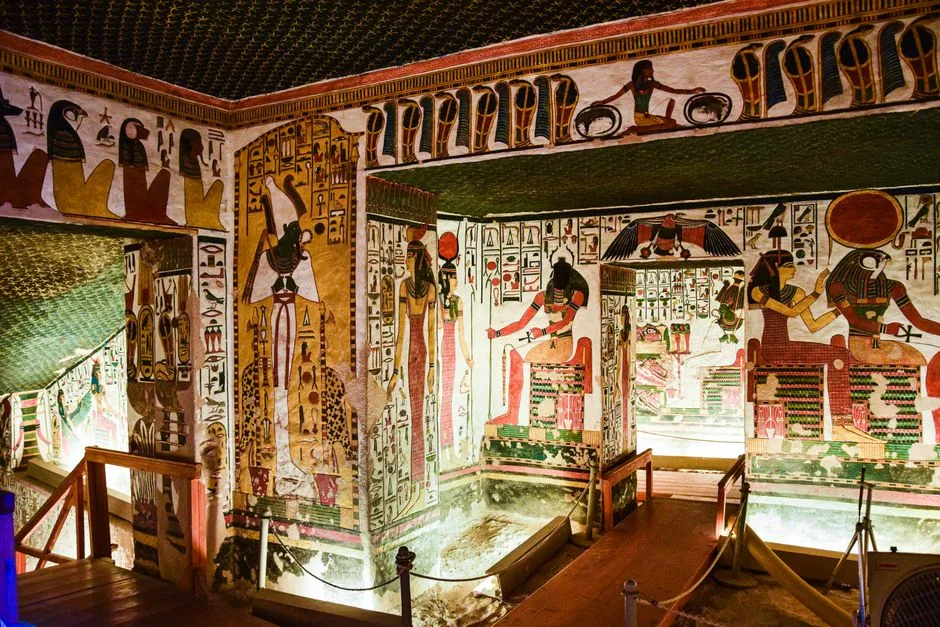
Egyptian deities can appear in human, animal, hybrid, or composite forms; the iconography is not a literal biological description.
 Pexels · Explore the vivid ancient Egyptian tomb artistry in Valley of the Queens, showcasing historic Egyptian culture. ↗
Read Cues Together
Crowns, posture, emblems, and objects help identify a deity and the role emphasized in an image, but individual cues can be shared.
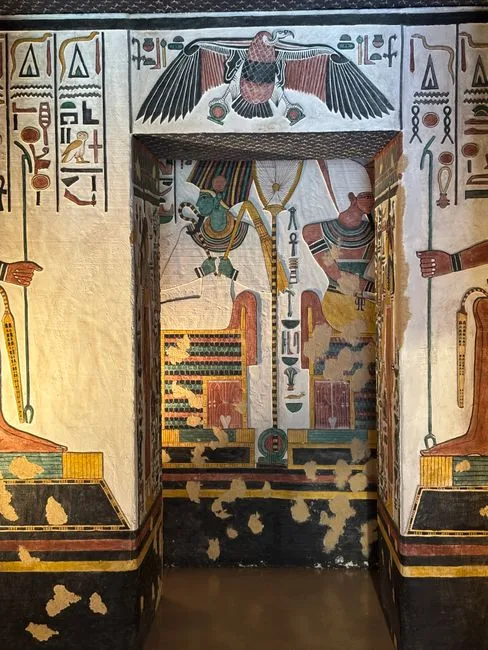 Pexels · Colorful hieroglyphs and deities in an ancient Egyptian tomb chamber. ↗
What an Epithet Does
An epithet can describe a deity's character, appearance, place, relationship, or activity without necessarily naming a separate god.
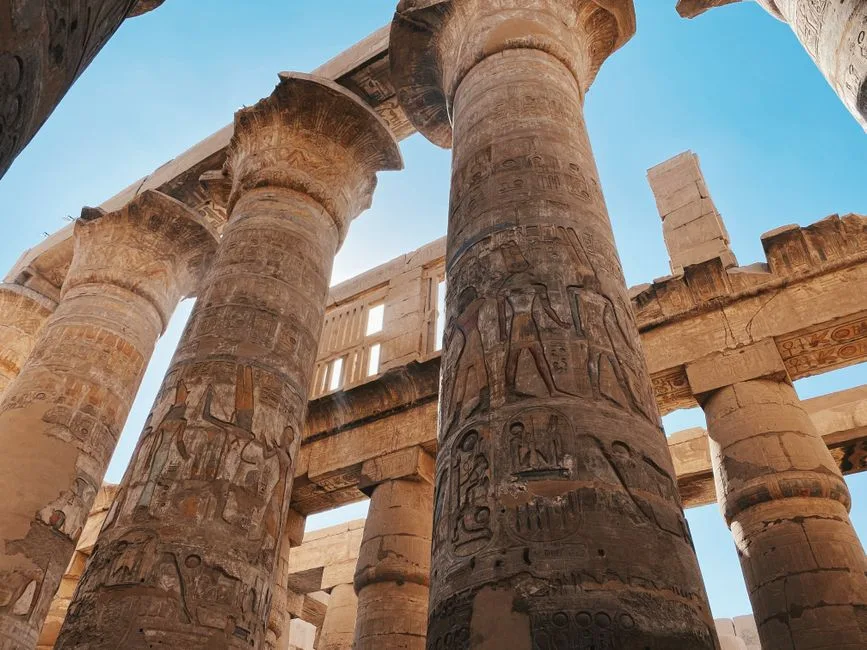 Pexels · Impressive ancient Egyptian temple columns with hieroglyphics under a clear blue sky. ↗
A Locus of Divine Presence
A consecrated cult image was a locus for divine presence and human service, not a portrait identical to the totality of a god.
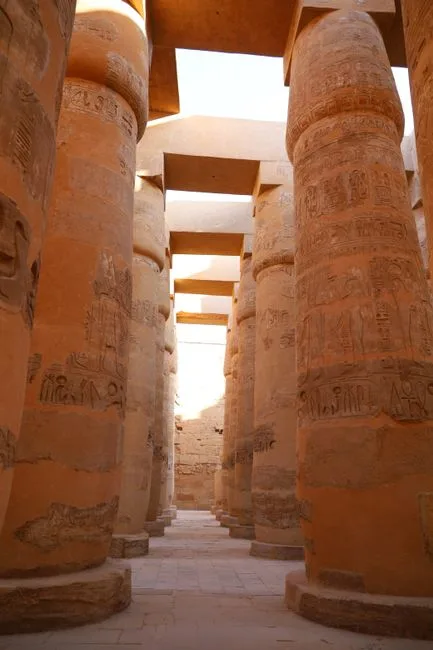 Pexels · Explore the historic architecture of Karnak Temple with towering columns and intricate carvings. ↗
Daily Temple Service
Surviving daily temple sequences include opening, adoration, incense, clothing, offerings, purification, resealing, and withdrawal.
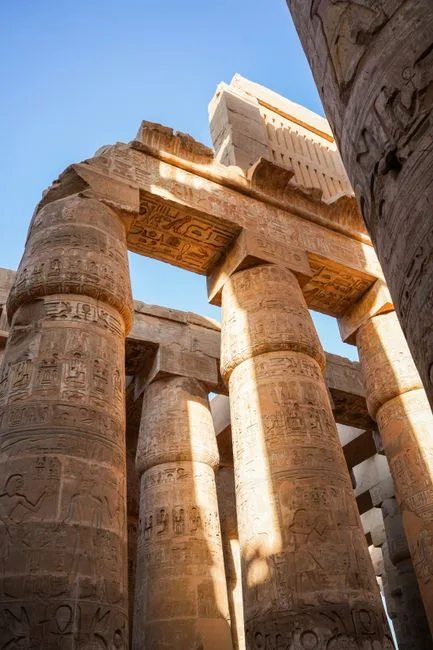 Pexels · Ancient stone columns with hieroglyphics in the Karnak Temple, Luxor, Egypt. ↗
Beyond Monumental Royal Images
Monumental art centers the king, but priests acted as delegates and nonroyal people used offerings, votives, festivals, household protection, and private devotion.
1 / 9What does the compound form Amun-Re best demonstrate?
Amun-Re expresses combination and relationship, not the simple replacement of one deity by another.
Lesson 12 has 35 cards. Keep going in the free app.
Question -
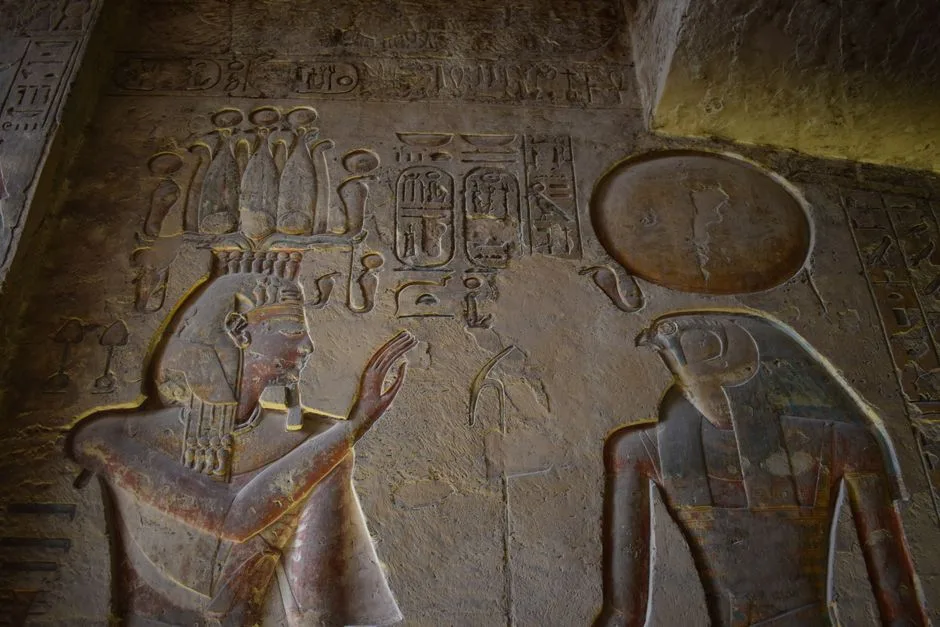 Pexels · Detailed ancient Egyptian relief carvings of gods in a historic temple setting. ↗13
Osiris, Kingship, and the Solar Cycle
Osiris, Succession, and Kingship · The Sun Through Day and Night
Lesson 13 · 9 cardsPexels · Detailed ancient Egyptian relief carvings of gods in a historic temple setting. ↗More Than One Duel
The Contendings of Horus and Seth presents succession through councils, argument, trickery, contests, and violence rather than one clean duel.
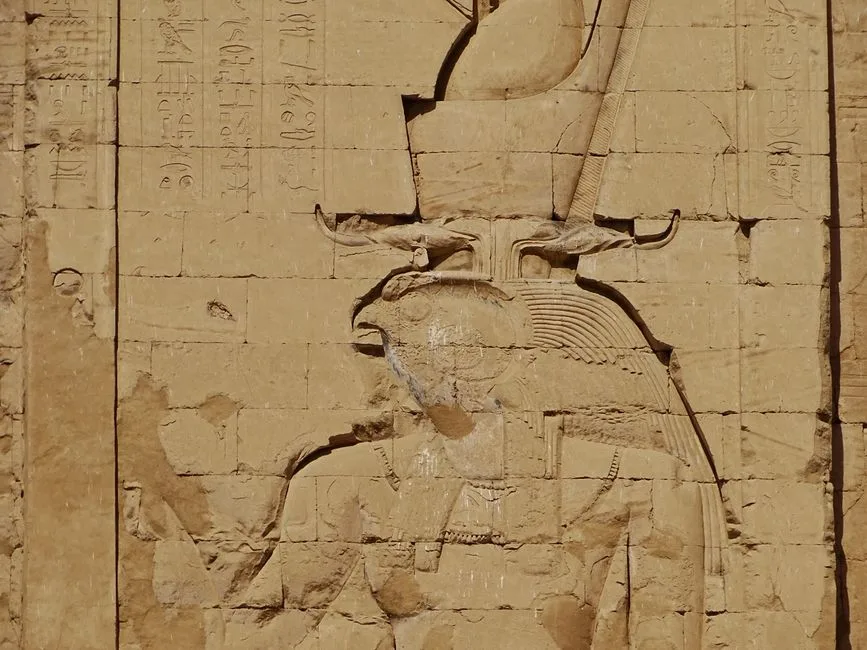 Pexels · Intricate relief depicting Egyptian deity, showcasing ancient art in Edfu Temple, Aswan. ↗
A Narrative Developed Over Time
Horus and Seth appear as opposites early, while the connected family narrative visible in later sources developed across long periods.
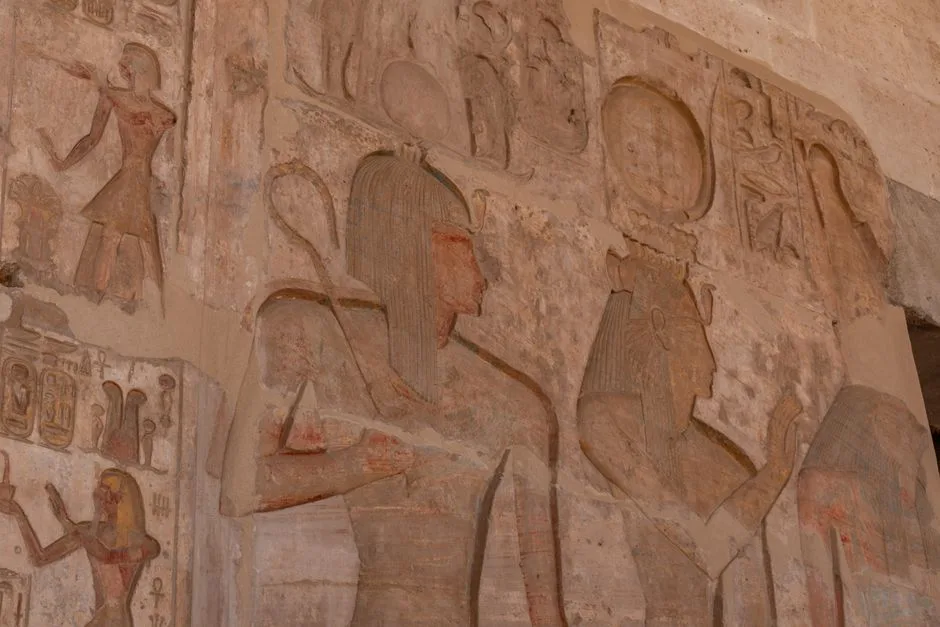 Pexels · Detailed view of ancient Egyptian relief carvings depicting deities at Luxor Temple. ↗
Kingship and Divine Association
Royal ideology links the living king with Horus and the dead king with Osiris, but the mortal officeholder is not simply identical to a god.
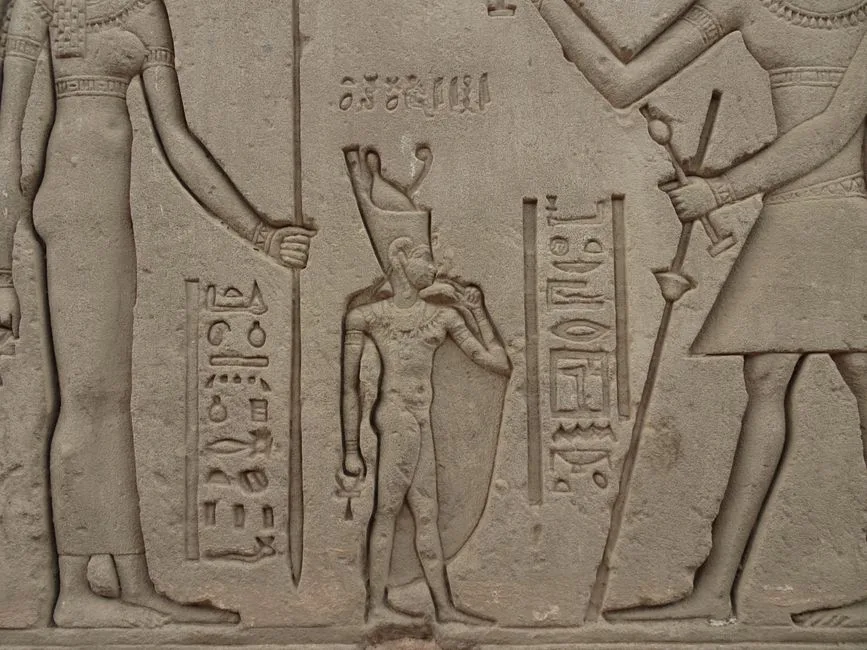 Pexels · Intricate stone relief of ancient Egyptian figures and hieroglyphs. ↗
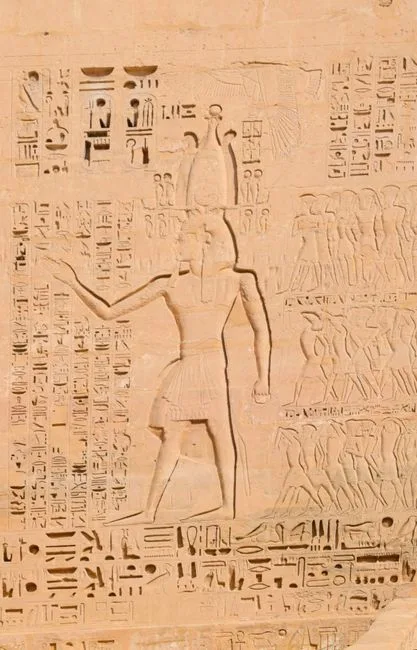
The Osiris Complex
A widespread Osiris complex makes Seth the killer and dismemberer, Isis and Nephthys restorers, Anubis a funerary helper, Horus the successor, and Osiris ruler among the dead.
 Pexels · Carved hieroglyphics and figures depicting ancient Egyptian history on a stone surface. ↗
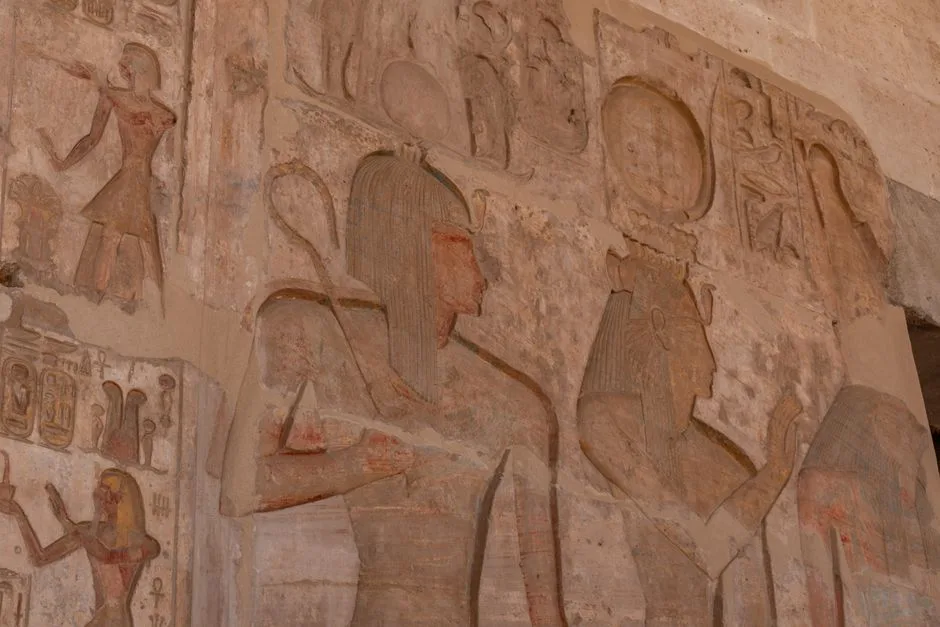
Bodily and Social Restoration
Osiris models overcoming death through restoration of bodily integrity and social standing, not merely a generic resurrection trope.
 Pexels · Detailed view of ancient Egyptian relief carvings depicting deities at Luxor Temple. ↗
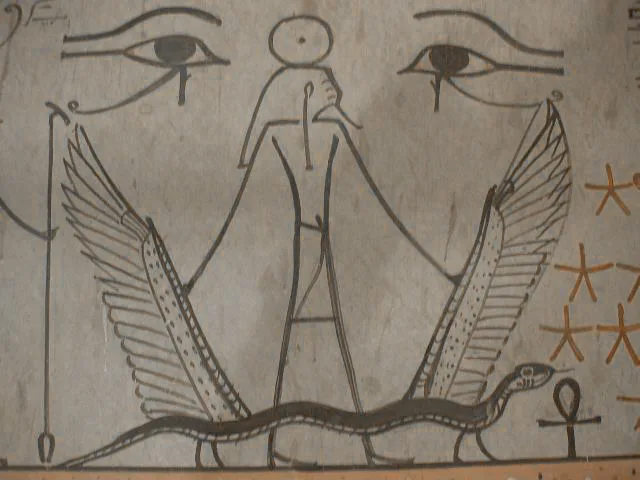
An Osirian Aspect
Deceased people could acquire an Osirian aspect and join Osiris's following without becoming literally identical to him.
 Hajor · CC BY-SA 3.0 ↗
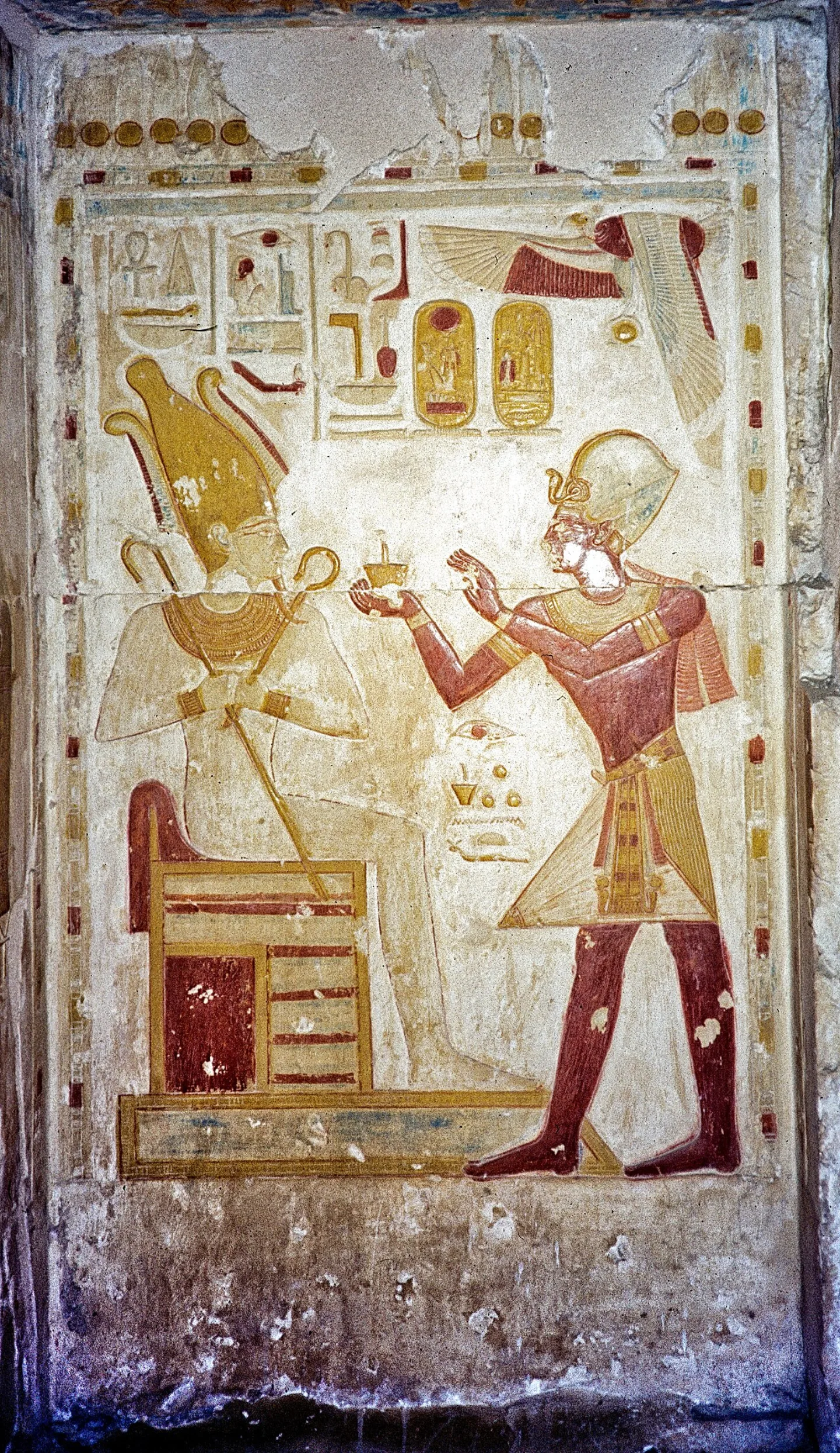
The Amduat's Twelve Hours
The Amduat describes a twelve-hour night journey first known from New Kingdom royal tombs and later adapted for nonroyal elites; it is not the Book of the Dead.
 Wikimedia Commons · H. Grobe · CC BY 3.0 ↗
Re, Osiris, and Apophis
In the Amduat, Re joins with Osiris before renewal, while the hostile serpent Apophis is opposed during the solar passage.
1 / 9In the widespread Osiris complex, which two goddesses act as restorers?
Isis and Nephthys act as restorers in the widespread Osiris complex; Hathor and Sekhmet do not hold that role there.
Lesson 13 has 40 cards. Keep going in the free app.
Question -
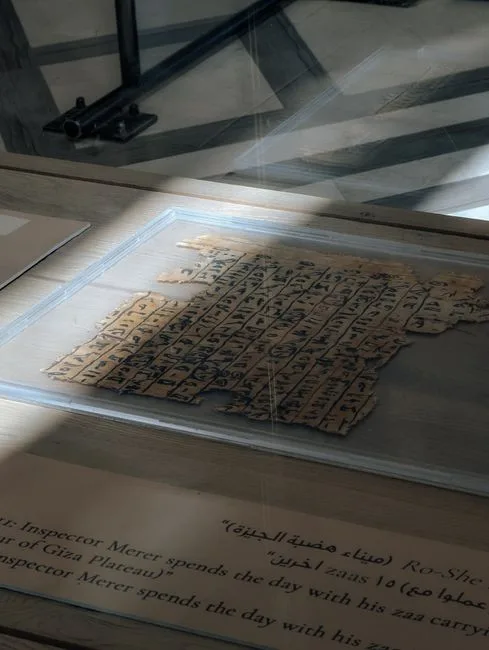 Pexels · A piece of ancient Egyptian papyrus on display in a Giza museum, illuminated by soft natural light. ↗14
Death, Judgment, and Renewal
Personhood Across Changing Funerary Corpora · Judgment and Renewed Life
Lesson 14 · 9 cardsPexels · A piece of ancient Egyptian papyrus on display in a Giza museum, illuminated by soft natural light. ↗More Than One Soul
Egyptian mortuary thought treats body, name, heart, shadow, ka, and ba as interdependent components; translating them all as soul erases distinctions.
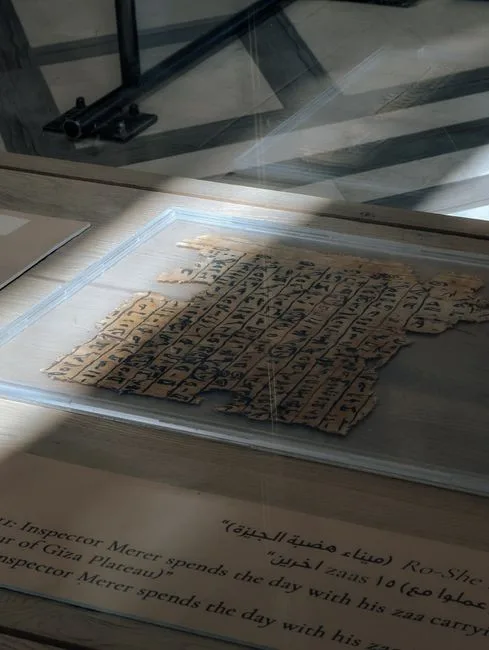 Pexels · A piece of ancient Egyptian papyrus on display in a Giza museum, illuminated by soft natural light. ↗
Ka and Ba Are Distinct
Ka is a cautious teaching gloss for a life-sustaining force linked to nourishment and offerings, while ba involves individuality, power, mobility, and movement between realms.
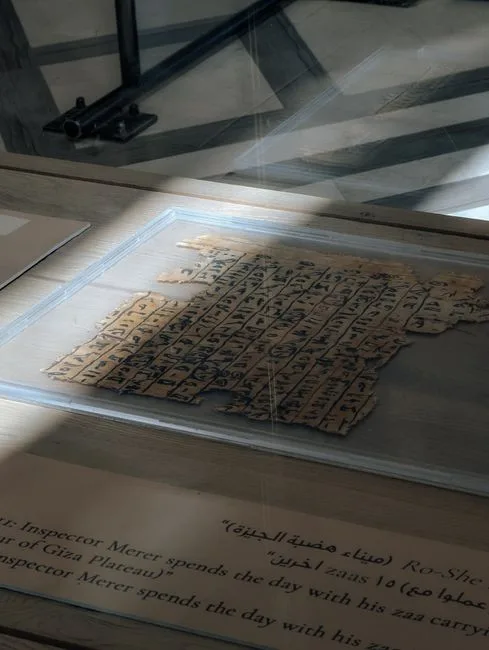 Pexels · A piece of ancient Egyptian papyrus on display in a Giza museum, illuminated by soft natural light. ↗
Akh Is Not a Formula
Akh can describe a transfigured or efficacious dead being; it is not simply the result of adding ka and ba together.
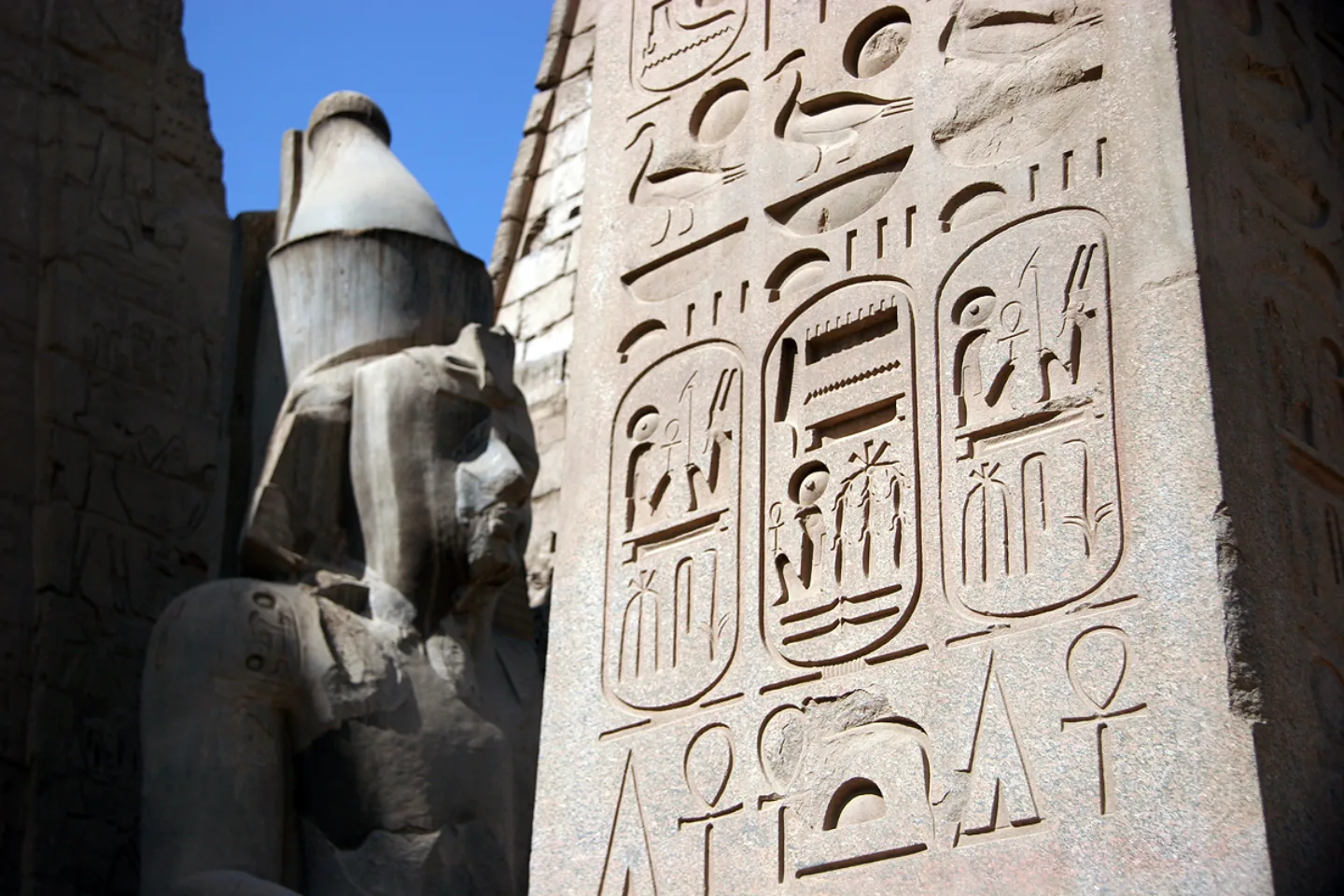 Asta · Public domain ↗
Pyramid Texts
Pyramid Texts is a modern label for formulae first surviving on the walls of late Old Kingdom royal pyramids.
 Jon Bodsworth · copyrighted free use ↗
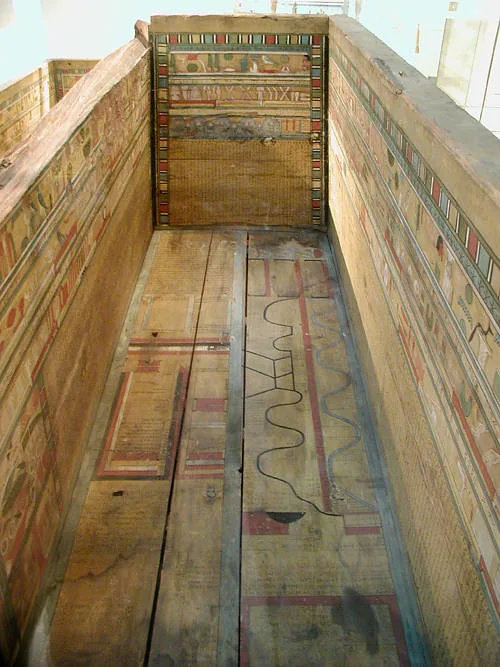
Coffin Texts
Coffin Texts is a modern label for Middle Kingdom funerary compositions found especially on coffins and burial chambers, including reused and transmitted material.
 British Museum · public domain ↗
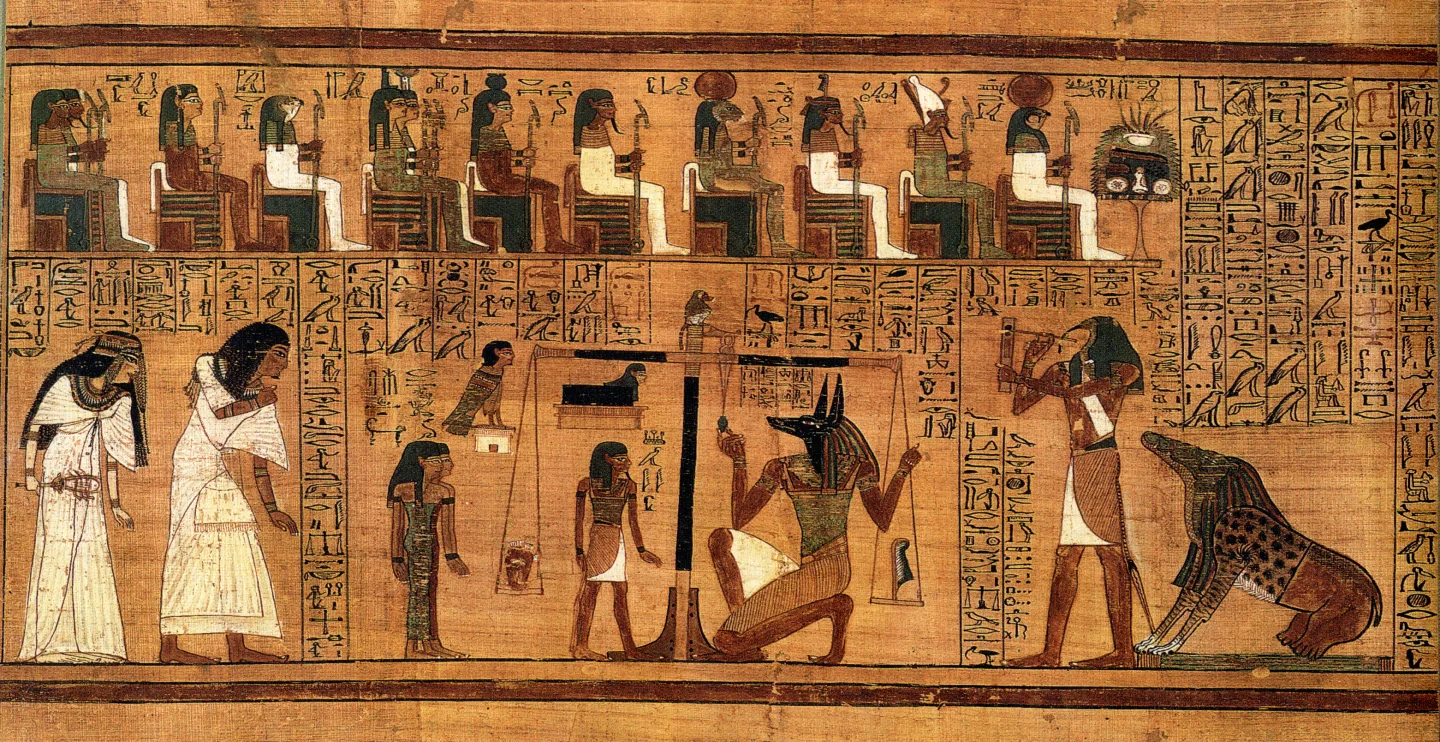
Book of the Dead
Book of the Dead is a modern label for a variable repertoire selected for individual manuscripts; the three corpora overlap but are not successive editions of one book.
 Pexels · Sarcophagus with Egyptian god Anubis relief, highlighting ancient art and mythology. ↗
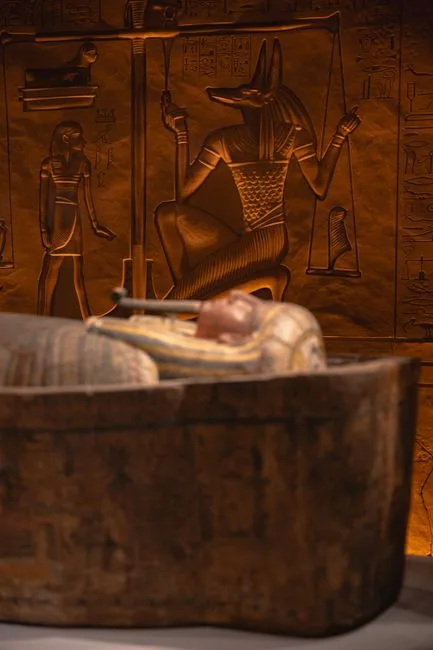
The Familiar Weighing Scene
The heart, linked with thought, memory, and character, is assessed against maat; Anubis tends the balance, Thoth records, and Osiris presides in familiar examples.
 Pexels · Close-up of traditional Egyptian papyrus art featuring a cat in a gallery setting. ↗
Renewal, Not Eternal Torture
Failure can mean exclusion or second death rather than eternal torture in a Christian hell, while success enables renewed social, bodily, and ritual existence.
1 / 9Why is soul an inadequate translation for all Egyptian person-components?
Body, name, heart, shadow, ka, and ba have distinct but interdependent roles.
Lesson 14 has 36 cards. Keep going in the free app.
Question -
15
Comparing Without Collapsing
Order, Power, Obligation, and Agency · Death, Renewal, and What Later Ages Added
Lesson 15 · 9 cards1 / 9What word names the Greek guest-host obligation?
Xenia is the Greek term for guest-host obligation; maat, agency, and reception are other pack concepts, not this one.
Lesson 15 has 40 cards. Keep going in the free app.
Question


What you'll be able to do 30 objectives, from the pack's lessons
- Explain myth as a contested traditional category, then distinguish oral performance, manuscript witness, translation, visual evidence, and later synthesis.
- Compare shared questions while keeping chronology, transmission, function, and possible contact visible.
- Distinguish epic, hymn, tragedy, art, and mythography and explain why oral performance produces variants.
- Trace Hesiod’s beginning while distinguishing personified cosmic relationships from modern science. Explain succession through fear, family violence, coalition,
- Orient major Olympians through generation and relationship while keeping the Twelve variable. Recognize deities through combined roles, stories, relationships,
- Distinguish narrative mythology from historically attested ritual and local religious practice.
- Explain extraordinary capacity, divine aid, pollution, service, and moral ambiguity.
- Anchor three cycles to a problem, helpers, creature, and consequence without pretending the versions are fixed. Show why quests depend on networks and why succe
- Identify what Homer’s poem covers and what belongs to the wider cycle. Trace anger through Patroclus, Hector, and Priam while keeping captive people visible.
- Explain return as the recovery of identity and relationships, not a random monster tour.
- Follow plague, oracle, inquiry, and recognition while distinguishing intent, pollution, and responsibility. Explain burial conflict without reducing tragedy to
- Compare source-specific afterlife images and explain why burial matters.
- Trace a variable oral tradition into post-conversion Icelandic manuscripts. Distinguish the major textual windows by form, purpose, and evidentiary use.
- Triangulate manuscripts, poems, archaeology, images, names, and later reports.
- Explain creation as transformation and gifted capacity while noting variants. Use the tree as a network while refusing an unsupported canonical nine-world map.
- Interpret beings through kinship, exchange, alliance, and conflict rather than moral species boxes.
- Interpret Thor's fishing trip and Loki's shifting roles as crises of theft, bargaining, disguise, and unstable alliance.
- Separate poetic compression from Snorri’s expansion and see catastrophe alongside survival.
- Identify what archaeology and later texts can jointly support without manufacturing a standard liturgy. Explain foreknowledge alongside meaningful action, recip
- Compare plural afterlife images by source and genre instead of building a mapped bureaucracy.
- Distinguish primordial waters, Heliopolitan generations, and Memphite speech while explaining coexistence. Use period, region, corpus, and preservation bias to
- Explain cosmic/social rightness as something maintained through solar cycle, kingship, and ritual.
- Identify gods through combined form, headdress, emblem, epithet, and context. Explain compound forms, shared powers, and local or chronological shifts.
- Compare formal daily service with nonroyal offerings and private devotion.
- Explain Osiris's bodily and social restoration, then connect Horus-Seth succession traditions to kingship while keeping source periods distinct.
- Explain Re’s repeating journey, the Amduat’s specific corpus, Osirian renewal, and Apophis.
- Distinguish Egyptian models of personhood and compare Pyramid Texts, Coffin Texts, and Book of the Dead by period, medium, reuse, and variation.
- Interpret heart-weighing and justification without importing Christian heaven/hell.
- Compare succession, boundaries, maat, and recurring maintenance without declaring equivalents. Compare heroes, kings, fate, hospitality, oaths, cult, and ritual
- Compare plural afterlives and teach ancient evidence separately from medieval and modern reception.
Study guide.
The same study guide as in the app, one page for each lesson, with its key facts and a self-test.
- 01How Myth Survives
- 02Greek Sources and Divine Succession
- 03Olympians and the Human World
- 04Heroes, Quests, and Monsters
- 05Troy, Anger, and Homecoming
- 06Thebes, Fate, and the Dead
- 07Norse Sources and Their Transmission
- 08A Relational Norse Cosmos
- 09Wisdom, Thor, Loki, Baldr, and Ragnarök
- 10Worship, Fate, and Plural Afterlives
- 11Egyptian Creation and Maat
- 12Fluid Gods and Lived Cult
- 13Osiris, Kingship, and the Solar Cycle
- 14Death, Judgment, and Renewal
- 15Comparing Without Collapsing
Built from 49 sources.
378 of its 558 cards cite a source. These are the eight it cites most.
- The Codex Regius of the Poetic Edda: GKS 2365 4to, Electronic Edition ↗
- Divine Egypt: Inside the Exhibition ↗
- Library and Epitome ↗
- Theogony ↗
- Iliad ↗
- Greek Gods and Religious Practices ↗
- Odyssey ↗
- The Challenge of “Mythology” ↗
See all 49 sources
- The Codex Regius of the Poetic Edda: GKS 2365 4to, Electronic Edition ↗
- Divine Egypt: Inside the Exhibition ↗
- Library and Epitome ↗
- Theogony ↗
- Iliad ↗
- Greek Gods and Religious Practices ↗
- Odyssey ↗
- The Challenge of “Mythology” ↗
- Gods and goddesses in Ancient Egypt: creation ↗
- Cult: making offerings ↗
- Transforming the Dead ↗
- Antigone ↗
- Oedipus Tyrannus ↗
- Prologue and Gylfaginning ↗
- Old Norse religion ↗
- Cosmogony (Late to Ptolemaic and Roman Periods) ↗
- Daily Offering Ritual in ancient Egyptian temples ↗
- Ymir, Baldr, and the Grand Narrative Arc of Mythological History ↗
- The Cambridge Guide to Homer ↗
- Gods and goddesses of the Greek and Roman pantheon ↗
- Kings and Queens of Egypt ↗
- Mythology ↗
- Amduat Papyrus of Henettawy ↗
- Description of a Hieratic Papyrus with a Mythological Story ↗
- Greek Art from Prehistoric to Classical: A Resource for Educators ↗
- Judgment after Death (Negative Confession) ↗
- Old Norse Mythology ↗
- The Viking blót sacrifices ↗
- Book of the Dead FAQ ↗
- Gylfaginning and Early Medieval Conversion Theory ↗
- The Cambridge Guide to Homer ↗
- Limestone ostracon EA29509 ↗
- Myth and Method ↗
- Vafþrúðnismál, from Parchment to Print: Stability and Change in the Transmission of Eddic Poetry ↗
- Akh ↗
- Aphrodite and the Gods of Love: Mythology ↗
- Ba ↗
- Jǫtnar in War and Peace ↗
- Osiris and the Deceased ↗
- The (De)Construction of Mythic Ethnography II: Hrímþurs and Cosmogony ↗
- The Shabako Stone ↗
- Homer and Greek Myth ↗
- Homeric Hymn 2 to Demeter ↗
- Homeric Hymn 5 to Aphrodite ↗
- Recapturing a Homeric Legacy: Images and Insights from the Venetus A Manuscript of the Iliad ↗
- Religious Texts: funerary literature ↗
- Representations of the Pagan Afterlife in Medieval Scandinavian Literature ↗
- Skaldic Poetry of the Scandinavian Middle Ages: A New Edition ↗
- Skáldskaparmál ↗
Hover over a photo, or tap its i, to see where it came from. All 12:
- Lesson 2: thegetty (Openverse) · cc0 1.0 ↗
- Lesson 3: Pexels · Ancient marble statue of Zeus in a classical style, offering a glimpse into Greek mythology. ↗
- Lesson 4: Pexels · View of ancient Greek temple and bronze statue in Agrigento, Sicily. ↗
- Lesson 5: Wikimedia Commons · Tipografia e libreria dell'Oratorio di San Francesco di Sales · Public domain ↗
- Lesson 6: Pexels · Explore the ancient Greek theatre ruins of Pergamon, nestled in the scenic hills of İzmir, Türkiye. ↗
- Lesson 8: Pexels · Close-up of tree roots intertwined with soil in a forest, showing texture and organic forms. ↗
- Lesson 9: Pexels · Ancient runestone with Norse engravings standing in a lush green park in Uppsala, Sweden. ↗
- Lesson 10: Pexels · Tushar Mahajan · Pexels License ↗
- Lesson 11: CaptMondo · CC BY 2.5 ↗
- Lesson 12: Pexels · Colorful Egyptian murals depicting gods found inside an ancient tomb, rich in history. ↗
- Lesson 13: Pexels · Detailed ancient Egyptian relief carvings of gods in a historic temple setting. ↗
- Lesson 14: Pexels · A piece of ancient Egyptian papyrus on display in a Giza museum, illuminated by soft natural light. ↗
- Cards
- 558
- Lessons
- 15
- Version
- 1.1.10
- Language
- English
The whole pack is one file. Read the pack file ↗
FlashFeed is on the App Store and Google Play.
FlashFeed is free on iPhone and Android, and needs no account.