
Mythology: Greek, Norse & Egyptian study guide · Lesson 2 of 15
Greek Sources and Divine Succession
Many Tellings, Many Media · Cosmic Genealogy and Divine Succession
This is the lesson's study guide from the FlashFeed app, plus its key facts and a self-test.
What you'll be able to do
- Distinguish epic, hymn, tragedy, art, and mythography and explain why oral performance produces variants.
- Trace Hesiod’s beginning while distinguishing personified cosmic relationships from modern science. Explain succession through fear, family violence, coalition,
Many Tellings, Many Media
Many Tellings, Many Media
Greek mythology does not come from one book or one authorized list of stories. The Iliad and Odyssey grew within a long oral-performance tradition: singers worked with inherited language, characters, and episodes before the poems took the fixed forms that survive. That helps explain why variation is normal. A myth could remain recognizable while its emphasis, sequence, or details changed with the teller, occasion, or medium.
The two Homeric epics are also only a small surviving part of a much wider field. Ancient story cycles concerned Troy, Thebes, the Argonauts, and many other figures. Some works survive substantially; others are known indirectly. “Homer says” therefore cannot stand in for “Greek mythology says.” Even an early surviving poem does not automatically preserve the oldest form of every story it mentions.
Source type matters. Hesiodic genealogy arranges divine generations; Homeric epic follows heroic action; a hymn addresses and narrates a deity; tragedy reshapes inherited material for drama; vase painting tells through selected images; and later mythography gathers and organizes stories. Each is a witness with its own purpose. A responsible learner asks, “Which source gives this version?” instead of blending every witness into an imaginary universal edition.
Those purposes affect what can safely be inferred. A genealogy is especially useful for relationships and succession, while an epic may mention the same god only where that figure matters to a hero’s action. Tragedy can build an entire drama around one crisis in an inherited story. An image must select a moment that viewers can recognize without narrating every event before and after it. Different emphases do not automatically mean that one witness is defective; they show that traditional material could do different work in different forms.
This makes variation evidence rather than clutter. When two sources disagree, the first task is not to force them into agreement. It is to name each witness, identify what kind of source it is, and describe the difference precisely. A later mythographer may preserve material absent from a surviving early poem, but “later” does not by itself mean useless, just as “earlier” does not guarantee an original version. Source-aware reading leaves room for both continuity and change while keeping conclusions proportional to what survives.
Cosmic Genealogy and Divine Succession
One influential beginning appears in Hesiod’s Theogony, a poem about the origins and relationships of gods. In this account, Chaos comes first, followed by Gaia (Earth), Tartarus, and Eros. Chaos here should not be reduced to the everyday idea of a messy room. It belongs to Hesiod’s own sequence of primordial realities.
Gaia then produces Uranus (Sky), the Mountains, and Sea. With Uranus she produces several groups of children, including the Titans, Cyclopes, and Hundred-Handers. The genealogy makes features of the cosmos into persons and family relationships. It is a poetic account of order and descent, not a scientific explanation of how the physical universe formed.
The category “Titan” is also more precise than modern usage often suggests. In Hesiod’s account, the Titans are a divine generation. “Titan” is not a generic word for every huge or frightening creature: the Cyclopes and Hundred-Handers are related beings, but they are not simply additional Titans. This distinction matters because the family structure prepares the poem’s central political question: which divine generation will rule, and how will that rule be established?
This is Hesiod’s genealogy, not a universal family tree accepted in identical form by every Greek community and author. A diagram can help learners follow this version, but its label should name the source rather than imply that all ancient evidence fits one chart.
That family structure immediately becomes a political story. Genealogy establishes who can inherit, challenge, ally, and rule; succession shows those relationships under pressure.
Hesiod’s story of divine succession begins with suppression inside a family. Uranus prevents his children from flourishing. Gaia devises resistance, and Cronus acts against his father. The episode includes severe family violence, but its larger pattern is clear: a ruler’s fear and mistreatment of the next generation help bring about his own removal.
Cronus then repeats the fear of displacement. Warned that one of Rhea’s children will overthrow him, he swallows each child. Rhea saves Zeus by presenting Cronus with a wrapped stone instead. When Zeus matures, he frees his siblings. His rise does not amount to creating the universe from nothing; Gaia, the Titans, and other divine forces already exist.
Nor does Zeus win by solitary strength. He forms alliances with other divine powers, defeats the Titans, and receives kingship. Succession means the transfer of rule from one generation to another, and Hesiod presents that transfer through prophecy, resistance, coalition, and conflict. The resulting order is political as well as genealogical.
It is tempting to make this a simple contest between evil Titans and good Olympians. The poem is less tidy. The generations belong to one extended divine family, and Zeus’s victory depends on allies beyond a narrow Olympian roster. The useful pattern is not “monsters lose to heroes,” but “power built on suppression provokes resistance, while new rule emerges through relationships and negotiated support.” That conclusion remains source-specific: it explains the architecture of Hesiod’s poem without claiming that every Greek telling used precisely the same sequence.
Sources
Key terms
- oral-performance tradition
- An inherited body of stories and poetic language shaped through live performance before surviving in fixed texts.
- Titan
- A member of a particular divine generation in Hesiod’s account, not a generic name for every monster.
- succession
- The transfer of divine rule from one generation to another through conflict, alliance, and the granting of kingship.
Key facts
Poems Shaped in Performance
The Iliad and Odyssey grew through a long oral-performance tradition rather than beginning as fixed authored scripts.
More Than Two Epics
Those two epics survive from a wider network of Trojan, Theban, Argonautic, and other story cycles.
Keep the Witnesses Distinct
Hesiodic genealogy, Homeric epic, hymns, tragedy, vase imagery, and later mythography must be cited as different witnesses, not fused into a universal version.
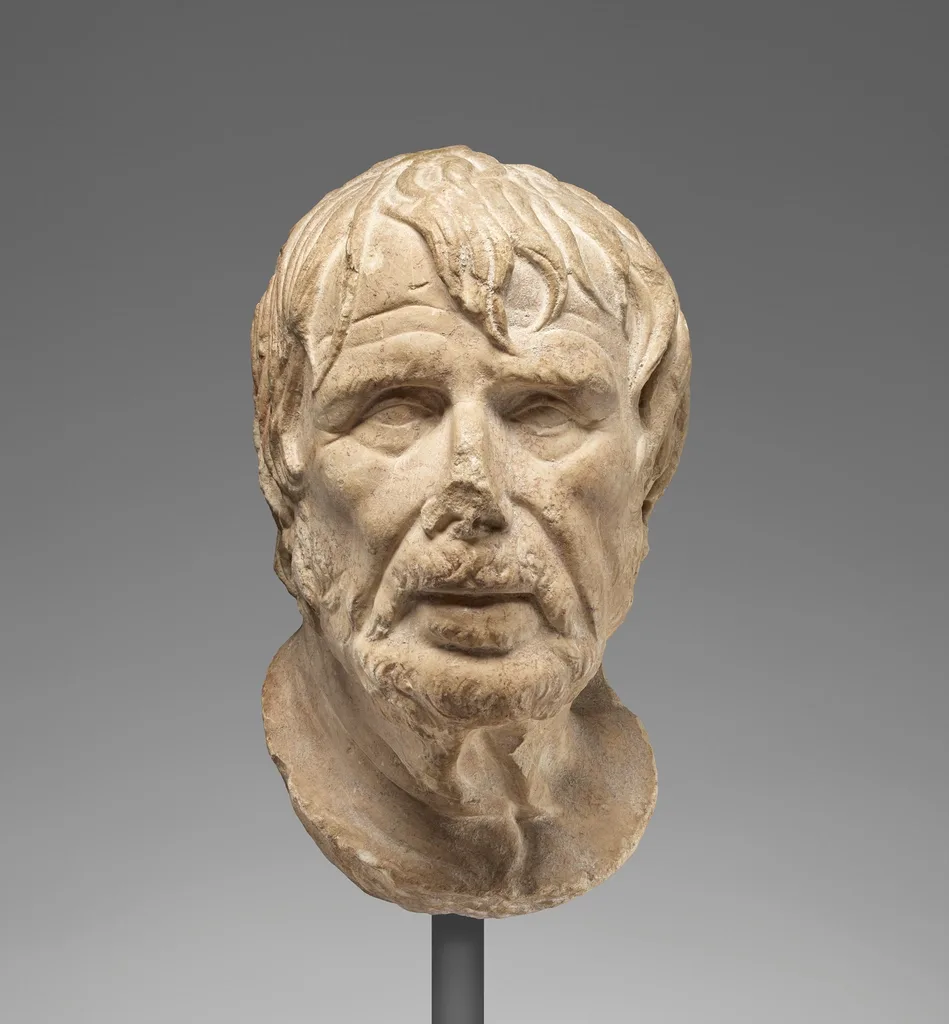
Hesiod’s First Beings
In Hesiod’s Theogony, Chaos comes first, followed by Gaia, Tartarus, and Eros.
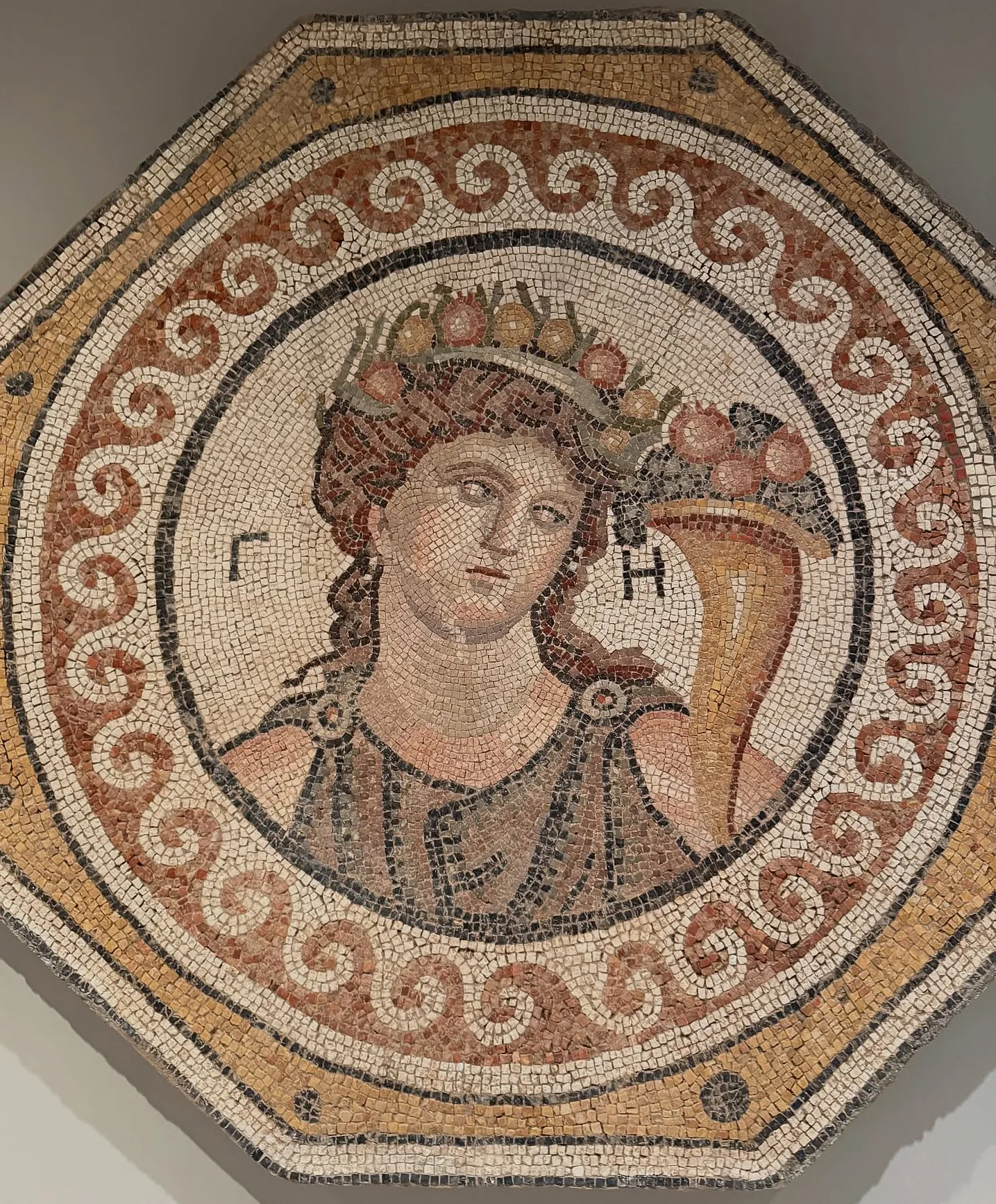
Gaia’s Cosmic Family
Gaia produces Sky, Mountains, and Sea and, with Uranus, the Titans, Cyclopes, and Hundred-Handers.
What “Titan” Means
“Titan” names a divine generation in this account, not a generic synonym for monster.
Resistance to Uranus
Gaia and Cronus resist Uranus after he suppresses their children, beginning a violent succession pattern.
Cronus Fears His Successor
Cronus swallows Rhea’s children because he fears the prophecy that a child will overthrow him; Rhea saves Zeus with a wrapped stone.
Zeus Builds a Coalition
Zeus frees his siblings, allies with other divine forces, defeats the Titans, and receives kingship.
Matched pairs
Each item on the left goes with the one on the right.
- Different source genres
- Distinct witnesses, not one universal version
- Titans
- A divine generation in Hesiod’s account
- Zeus’s rise
- Freed siblings, divine allies, victory, and kingship
Step by step
Order the Hesiodic succession from Uranus's suppression to Zeus's kingship
- Uranus suppresses the children born with Gaia.
- Gaia and Cronus resist Uranus.
- Cronus later swallows Rhea's children after hearing the overthrow prophecy.
- Rhea saves Zeus by substituting a wrapped stone.
- Zeus survives and grows beyond Cronus's control.
- Zeus frees his swallowed siblings.
- Zeus and his allies defeat the Titans.
- Zeus receives kingship among the gods.
This is a source-specific Hesiodic sequence, not a universal Greek canon.
Self-test
Answer each question from memory, then check your work against the answer key.
1. What is the most accurate relationship between the surviving Homeric epics and Greek myth?
- AThey were written as one continuous sacred book.
- BThey are two survivors from a wider network of story cycles.
- CThey contain every ancient Greek myth in final form.
- DThey replaced all Theban and Argonautic traditions.
2. Which type of source is described as addressing and narrating a deity?
- AGenealogy
- BTragedy
- CMythography
- DHymn
3. Which of these is NOT one of the source types for studying Greek myth?
- AMythography
- BHymn
- CAutobiography
- DTragedy
4. Which source type is described as building an entire drama around one crisis in an inherited story?
- ATragedy
- BHymn
- CVase painting
- DGenealogy
5. What best explains why the same Greek myth could vary between tellings?
- AMythographers created new gods
- BOne official version fixed by law
- CShaped by oral performance first
- DVase painters invented the plots
6. Which Greek source type addresses and narrates a deity directly?
- AVase painting
- BHymn
- CTragedy
- DMythography
7. What does tragedy do with inherited mythic material?
- AOrganizes it into a later reference collection
- BRecords it exactly as oral poets sang it
- CSelects one image for religious dedication
- DReshapes it for dramatic performance
8. Among Greek sources for myth, what is mythography?
- AA later practice of organizing stories
- BAn oral epic performance tradition
- CA hymn addressed directly to a deity
- DA painted vase scene depicting myth
9. How does vase painting convey myth compared to hymn or tragedy?
- AThrough a chronological catalog of variants
- BThrough sung praise addressed directly to a god
- CThrough staged dialogue reshaping the story
- DThrough selected images without full narration
10. Which sequence begins Hesiod’s Theogony?
- AZeus, then Hera, Poseidon, and Hades
- BUranus, then Cronus, Rhea, and Zeus
- CChaos, then Gaia, Tartarus, and Eros
- DGaia, then Athena, Apollo, and Artemis
11. Why does Cronus swallow Rhea’s children in Hesiod’s account?
- AHe fears a prophecy that a child will overthrow him.
- BHe is preparing the children to fight beside the Titans.
- CHe mistakes each newborn child for the wrapped stone.
- DHe wants to conceal the children permanently from Uranus.
12. In Hesiod's account, what does the term "Titan" refer to?
- AA category of sea creatures
- BA divine generation
- CA group of mortal heroes
- DAny frightening monster
13. Which of these is NOT among the children Gaia produces with Uranus, per Hesiod's Theogony?
- ACyclopes
- BTitans
- CHundred-Handers
- DOlympians
14. Which pattern best describes the succession from Uranus to Cronus to Zeus, according to Hesiod?
- ASuppression breeds resistance
- BPower passes by birth order alone
- CTitans keep permanent control
- DZeus creates the universe alone
15. How does the lesson characterize Hesiod's genealogy of the gods?
- AA literal scientific description of planetary formation
- BA historical record of ancient astronomy
- CA poetic account of order and descent
- DA modern cosmological theory restated in verse
16. What does personifying cosmic elements like Gaia and Uranus accomplish in Hesiod's account?
- AIt proves the universe formed through family strife
- BIt turns cosmic features into persons and family ties
- CIt replaces scientific explanation with astronomy
- DIt converts poetry into verified natural law
17. What pattern does Hesiod's succession story show about Uranus and Cronus?
- AFamily ties play no role in who eventually rules
- BRulers keep power forever once they gain it
- CA ruler's fear of heirs invites his own downfall
- DSuccession always happens through peaceful abdication
18. How does Zeus ultimately secure kingship after Cronus, per Hesiod?
- ABy forming alliances and defeating the Titans
- BBy swallowing his own children as Cronus did
- CBy creating the universe from nothing
- DBy acting entirely alone without allies
Go deeper
Answer key
- 1. B They are two survivors from a wider network of story cycles.The Iliad and Odyssey survive from a much wider network of Trojan, Theban, Argonautic, and other cycles.
- 2. D HymnA hymn addresses and narrates a deity; tragedy reshapes material for drama and mythography gathers stories later.
- 3. C AutobiographyEpic, hymn, tragedy, vase painting, genealogy, and mythography are named as witnesses; autobiography is not.
- 4. A TragedyTragedy reshapes inherited material and can build a whole drama around a single crisis in the story.
- 5. C Shaped by oral performance firstEpics grew through oral performance before taking fixed form, so emphasis and detail could shift with the teller or occasion.
- 6. B HymnA hymn is a source type that addresses and narrates a deity.
- 7. D Reshapes it for dramatic performanceTragedy reshapes inherited material for dramatic performance.
- 8. A A later practice of organizing storiesMythography is a later practice that gathers and organizes stories.
- 9. D Through selected images without full narrationVase painting tells through selected images that viewers can recognize without narrating the whole story.
- 10. C Chaos, then Gaia, Tartarus, and ErosIn this specific poem, Chaos comes first, followed by Gaia, Tartarus, and Eros.
- 11. A He fears a prophecy that a child will overthrow him.Cronus acts from fear of displacement; Rhea saves Zeus by substituting a wrapped stone.
- 12. B A divine generation"Titan" names a specific divine generation in Hesiod's genealogy, not a generic word for monsters.
- 13. D OlympiansGaia and Uranus produce the Titans, Cyclopes, and Hundred-Handers; the Olympians arise later, from Cronus and Rhea's line.
- 14. A Suppression breeds resistanceEach ruler's fear and suppression of the next generation helps bring about that ruler's own removal from power.
- 15. C A poetic account of order and descentThe genealogy is a poetic account of order and descent, not a scientific explanation of the universe.
- 16. B It turns cosmic features into persons and family tiesPersonification makes features of the cosmos into persons and family relationships within the poem.
- 17. C A ruler's fear of heirs invites his own downfallA ruler's fear and mistreatment of the next generation helps bring about his own removal.
- 18. A By forming alliances and defeating the TitansZeus forms alliances with other divine powers, defeats the Titans, and receives kingship.
Sources
- Introduction — The Cambridge Guide to Homer — www.cambridge.org/core/books/cambridge-guide-to-homer/introduction/A758931C64C54C11EE43039C00C011D5
- Epic Traditions — The Cambridge Guide to Homer — www.cambridge.org/core/books/cambridge-guide-to-homer/epic-traditions/676DCE17FA78793D709E33E8477A87E1
- Homer and Greek Myth — www.cambridge.org/core/books/cambridge-companion-to-greek-mythology/homer-and-greek-myth/5171E37B64B90389B9E3E4FA647356A4
- Theogony — www.perseus.tufts.edu/hopper/text?doc=Perseus%3Atext%3A1999.01.0130
Image credits
- Hesiod’s First Beings: thegetty (Openverse) · cc0 1.0 — www.rawpixel.com/image/14262554/head-man-pseudo-senecahesiod-type
- Gaia’s Cosmic Family: Sglbl · CC BY-SA 4.0 — commons.wikimedia.org/wiki/File:Gaia_mosaic_antioch.png
