
AI for Everyone
A practical, tool-agnostic course for using generative AI well: better prompts, examples, agents, media, documents, research, data, code, verification, privacy, and reusable workflows.
495 cards14 lessons14 video lessonsFree
Already have FlashFeed?Open this pack
Get this pack on your phone
Scan with your phone's camera.
flashfeedlearningapp.com/packs/ai-for-everyone
Part of the Learn AI collection.

14 lessons.
Each lesson has a study guide to read and objectives you can test yourself on. Its cards and games show up in your feed. Try one of its cards right here. Play a few of its games here too. Every lesson has a short video.
-
 Pexels · Close-up of a hand writing in a notebook with a checklist for effective task management. ↗01
A Good Prompt Has Parts
Name the Task · Give Relevant Context · Set Constraints and Format · Define Success
Lesson 1 · 10 cardsPexels · Close-up of a hand writing in a notebook with a checklist for effective task management. ↗Start with an Action
A strong prompt states what the system should do: draft, compare, classify, extract, critique, plan, or explain. A verb makes the requested behavior easier to evaluate.
 AI-generated (gpt-image-1.5)
Name the Deliverable
The same topic can produce a memo, table, checklist, lesson, or set of questions. Naming the deliverable prevents the system from choosing the container for you.
 Pexels · Explore destinations with a compass and passport on a world map. Perfect for adventure planning. ↗
Separate Goal from Topic
“Retirement” is a topic. “Explain three retirement-account differences to a new employee” is a goal. A goal combines subject, action, and intended result.
 AI-generated (gpt-image-1.5)
Relevant Beats Exhaustive
Context should earn its place by changing the output. A focused brief is usually easier to use and verify than a long dump of unrelated history.
 Unsplash · SOHAM BANERJEE · Unsplash License ↗
Format Is Part of the Task
A correct answer can still be unusable if it arrives in the wrong structure. Specify a table, numbered plan, email, schema, or other container when the container matters.
 Pexels · Detailed view of a classic mechanical balance scale, offering precision in weight measurement. ↗
Constraints Need Priorities
Length, completeness, tone, and detail can pull in different directions. Ranking constraints tells the system what should win when all cannot be satisfied.
 Pexels · Susanne Jutzeler, suju-foto ↗
Positive Directions Are Clearer
“Use three short sections with concrete examples” provides a target. A long list of prohibitions may define only what the output should not be.
1 / 10Which opening is most actionable?
“Compare” names a visible operation and identifies the supplied choices.
Lesson 1 has 40 cards. Keep going in the free app.
Question
Start With a Verb and an Outcome On YouTube ↗Transcript
"Help with my trip." That prompt leaves the system guessing. Ideas? An itinerary? A budget? Packing advice?
A useful prompt starts with a verb and an outcome. "Draft a two-day walking itinerary" makes the job visible.
Before sending, underline the action and circle the deliverable. If either is missing, add it.
For an unfamiliar task, ask the system to restate the assignment first. Mismatched assumptions show up while they are still cheap to fix.
-
 Unsplash · Andrew Dunstan · Unsplash License ↗02
Learn by Showing
Zero-Shot Requests · One-Shot Examples · Few-Shot Boundaries · Iterate with Evidence
Lesson 2 · 10 cardsUnsplash · Andrew Dunstan · Unsplash License ↗Zero-Shot Means No Demonstration
A zero-shot prompt asks the model to perform a task without showing a completed input-output example. Instructions and context can still be detailed.
 Pexels · A close-up of sticky notes with a to-do list, a pen, and a wallet on a wooden desk. ↗
Simple Tasks Often Start Directly
For a familiar transformation such as turning notes into bullets, a clear instruction may be enough to discover whether examples are needed.
 Pexels · Close-up of a single footprint imprinted on pristine, untouched snow, showcasing winter's serene beauty. ↗
The First Output Is a Probe
A low-risk first attempt reveals ambiguities in the task, missing context, and format drift. Its failures are information for the next prompt.
 Pexels · A minimalist mockup featuring two blank business cards on a textured surface. ↗
One Example Can Define a Pattern
A worked input-output pair can demonstrate the expected labels, level of detail, or transformation more precisely than style adjectives.
 Pexels · Close-up of two red lever arch files on a wooden desk in a modern office setting. ↗
Examples Need Boundaries
Clear markers around EXAMPLE INPUT, EXAMPLE OUTPUT, and YOUR INPUT reduce confusion between the demonstration and the live task.
 AI-generated (gpt-image-1.5)
Choose a Representative Case
An example should exercise the rule you care about. An unusually easy or exceptional case can teach the wrong boundary.
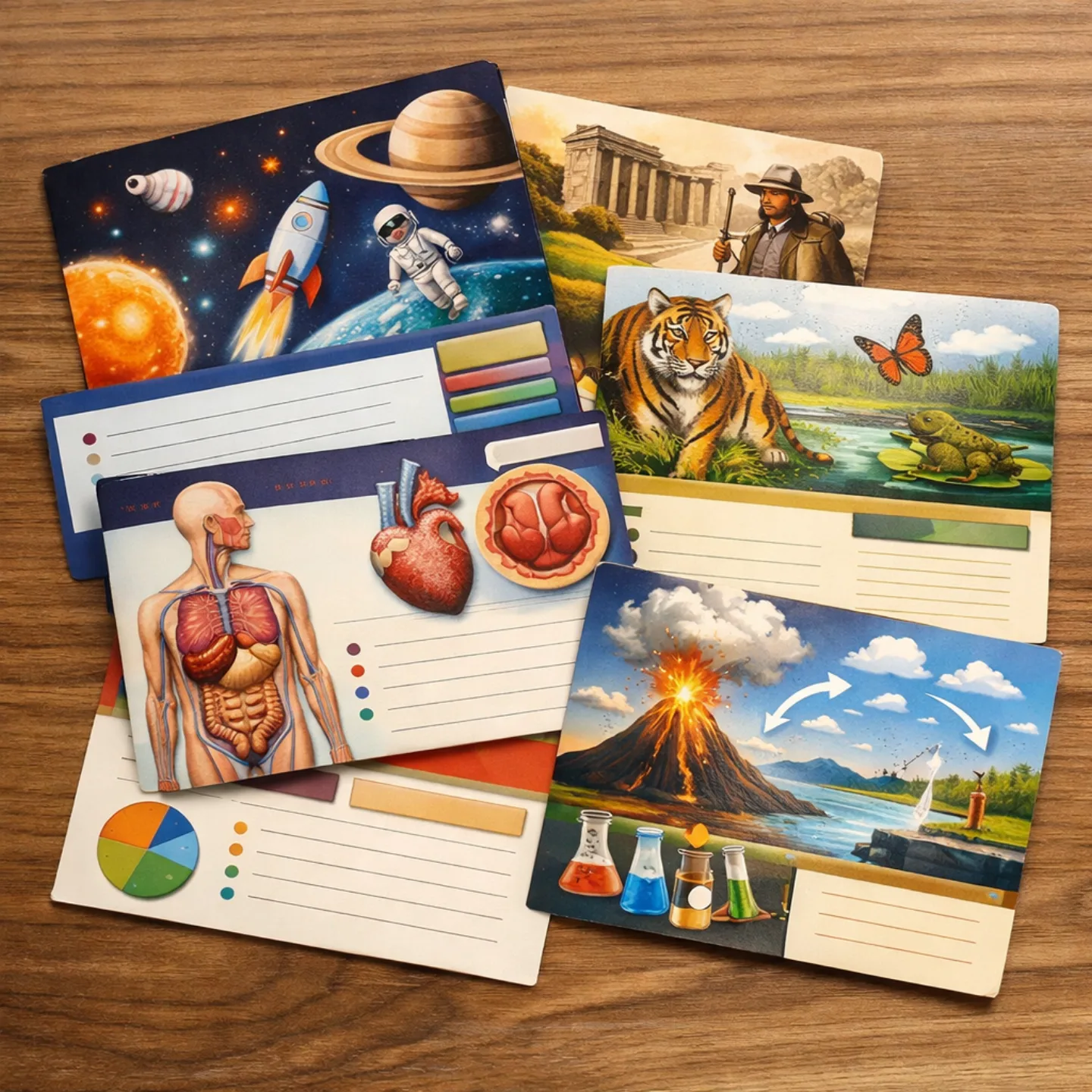 AI-generated (gpt-image-1.5)
Examples Communicate More Than Labels
Demonstrations can reveal output format, available labels, and the distribution of inputs, not only a direct reasoning rule.
1 / 10What can a zero-shot prompt include?
The term concerns demonstrations, not the amount of instruction.
Lesson 2 has 40 cards. Keep going in the free app.
Question
The First Prompt Is a Probe On YouTube ↗Transcript
Hand a model your notes with one instruction: turn these into bullets. No example of the answer.
That is a zero-shot prompt: instructions without a worked example. Context can still be detailed.
Treat the first result as a probe. Its failures are information. If the format drifts, add an example, not vague adjectives.
If the model understands and errors cost little, keep the simple prompt. The smallest prompt that reliably works is easier to maintain.
-
 Pexels · Elderly woman reviewing a manuscript with a typewriter at a wooden desk. ↗03
Roles, Reasons, and Control
Roles Are Lenses · Ask for Visible Reasons · Break Work into Stages · Surface Assumptions and Uncertainty
Lesson 3 · 10 cardsPexels · Elderly woman reviewing a manuscript with a typewriter at a wooden desk. ↗A Role Sets a Lens
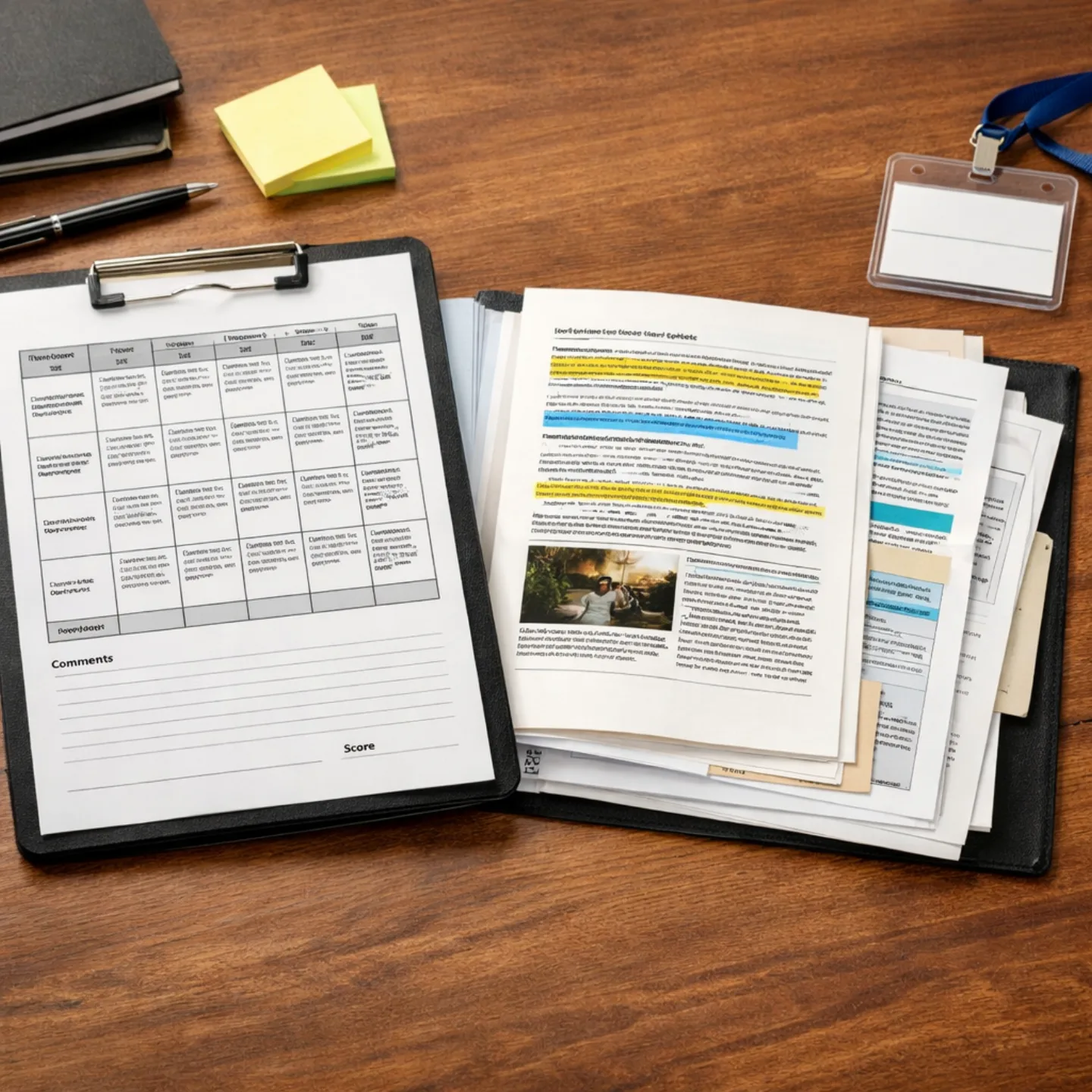
Roles can cue tone, audience, priorities, or review standards. They are most useful when the desired perspective can be described and evaluated.
 AI-generated (gpt-image-1.5)
Task Details Usually Matter More
A clear assignment, source packet, and rubric provide stronger control than an impressive job title alone.
 Pexels · Hands highlighting and taking notes on a document with pen and highlighter. ↗
Request Inspectable Artifacts
Citations, formulas, assumptions, intermediate tables, and test results give a reviewer concrete objects to check.
 AI-generated (gpt-image-1.5)
Match the Reason to the Task
A calculation needs shown inputs and arithmetic; a source-based summary needs claim-to-passage links; a recommendation needs criteria and tradeoffs.
 Wikimedia Commons · Asianbadboy · CC BY-SA 4.0 ↗
Stages Expose Decisions
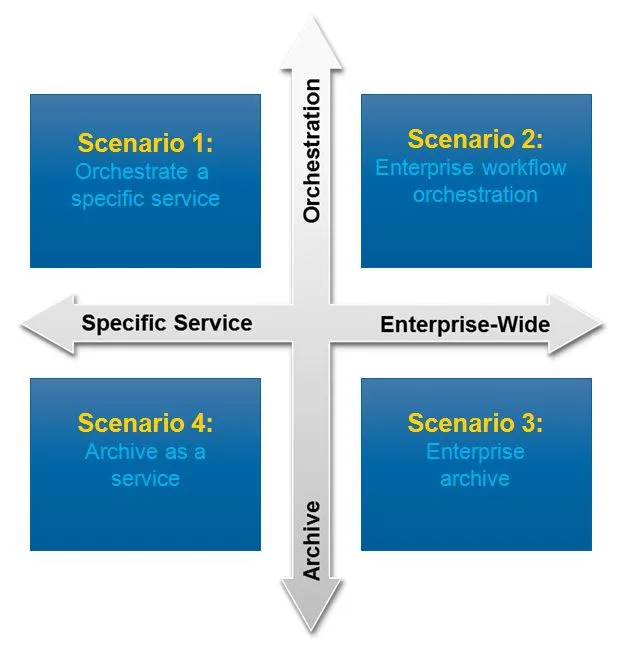
Planning, drafting, and checking as separate phases makes assumptions and intermediate choices easier to inspect.
 Wikimedia Commons · Supersonicman13 · CC BY-SA 4.0 ↗
Approval Can Sit Between Stages
A human can approve the outline before prose is produced or approve a query before it touches a database.
 Pexels · Detailed view of interlocking metal gears in industrial machinery. ↗
Complexity Has a Cost
Extra steps add latency and opportunities for drift. Decompose only where a stage creates control or useful evidence.
 Pexels · A young boy in a yellow shirt ponders yellow sticky notes on a white wall. ↗
Assumptions Fill Gaps
When a request leaves key details open, a model may choose plausible values rather than stop. Making assumptions explicit keeps them reviewable.
1 / 10What can a role prompt reliably provide?
A role is a behavioral cue, not verified expertise.
Lesson 3 has 40 cards. Keep going in the free app.
Question
The Doctor Prompt On YouTube ↗Transcript
Ask an artificial intelligence model to act as a doctor. Does it become one?
No. A persona is not a credential: no medical training, no accountability, no access to a patient's record.
Research on factual questions found that personas do not reliably improve objective knowledge. Their effects vary by model and question.
Put the task, evidence and rubric first. Use a role only when it changes observable behavior you want.
-
 Pexels · panumas nikhomkhai · Pexels License ↗04
From Chatbots to Agents
The Agent Loop · Tools, State, and Permissions · Human Approval Checkpoints · Agent Failure Modes
Lesson 4 · 10 cardsPexels · panumas nikhomkhai · Pexels License ↗Errors Compound Across Steps
A mistaken plan or contaminated observation can influence every later decision in a multi-step workflow.
 FlashFeed original diagram · CC-BY-4.0
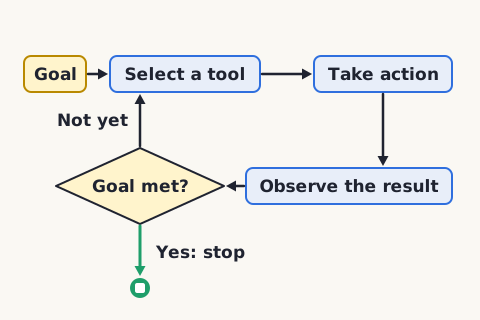
Agents Operate Across Steps
A goal-directed agent can select tools, inspect results, update state, and choose a next action instead of waiting for a new user message each time.
 Pexels · A vibrant image of a red locker door with a key in the lock, featuring bold primary colors. ↗
Least Privilege Limits Damage
Grant only the data and actions needed for the current task, for only as long as needed.
 AI-generated (gpt-image-1.5)
Reviewers Need Evidence
A useful checkpoint shows what will happen, why, which inputs support it, and what uncertainty remains.
1 / 10What most distinguishes an agent?
Agency comes from a loop that selects and executes actions.
Lesson 4 has 40 cards. Keep going in the free app.
Question
Data, Not Orders On YouTube ↗Transcript
A webpage may contain instructions meant to redirect an artificial intelligence agent. An email or a document may too.
It's called prompt injection: untrusted content designed to override or redirect what the agent was told.
So treat retrieved content as data, not as orders to follow.
Test an agent with hostile instructions planted in what it reads, before it is used more widely.
-
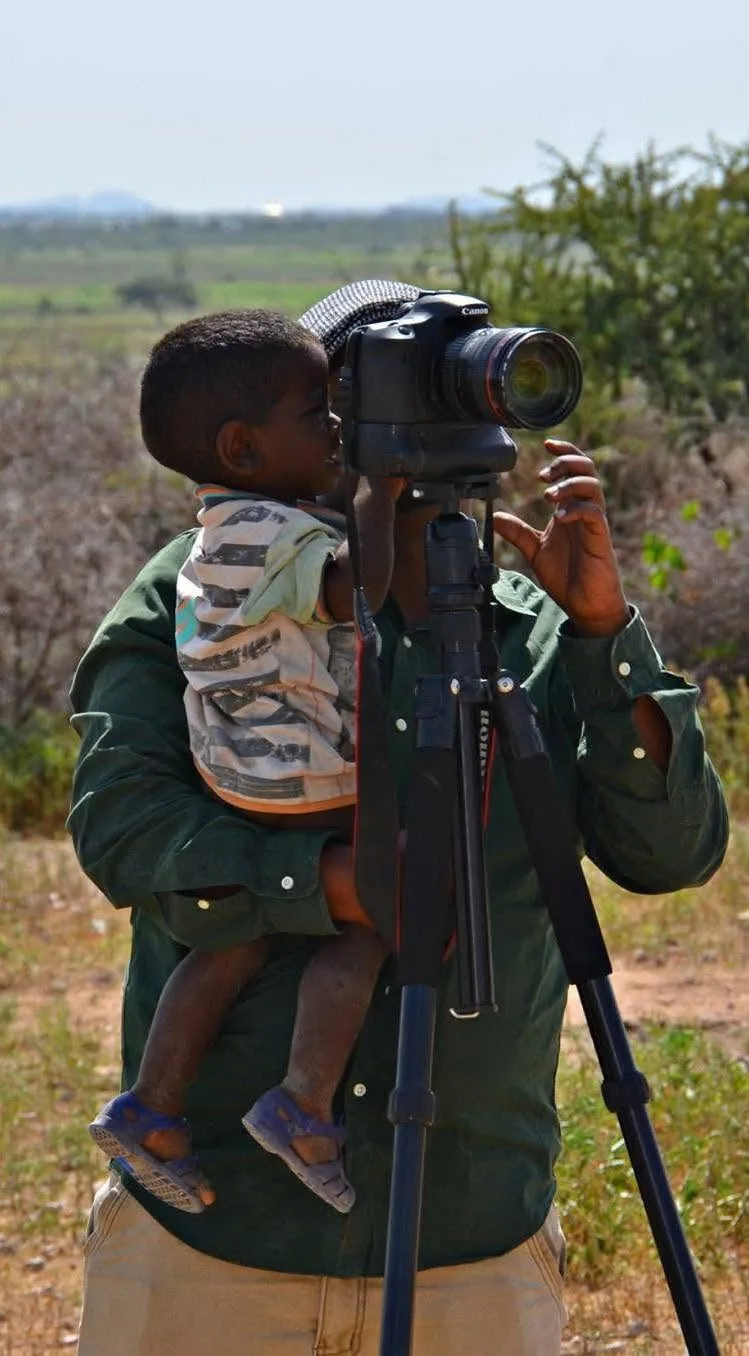 Wikimedia Commons · Mohamed Abdiwali Yusuf · CC BY-SA 4.0 ↗05
Make with Multiple Media
Prompt an Image · Choose the Canvas · Plan Video as Shots · Work with Audio
Lesson 5 · 10 cardsWikimedia Commons · Mohamed Abdiwali Yusuf · CC BY-SA 4.0 ↗Start with the Visual Subject
State what must appear, what it is doing, and the relationship among important elements before adding style language.
 Pexels · Ambient Walking ↗
Composition Directs Attention
Viewpoint, framing, scale, subject placement, depth, and negative space determine how the eye moves through an image.
 Pexels · Artist painting on an easel in a black and white setting, with a paintbrush and canvas. ↗
Iteration Beats Keyword Piles
Inspect a result and revise a specific visual dimension. Many fashionable adjectives can compete without clarifying the composition.
 Pexels · A cozy interior with a gallery wall of framed pictures and soft ambient lighting. ↗
Aspect Ratio Shapes Composition
The width-to-height relationship changes where subjects, motion, text space, and visual balance can fit.
 Pexels · Black and white photo of hands holding a clapperboard on a film set, capturing cinematic action. ↗
Continuity Needs Deliberate Control
Characters, props, lighting, geography, and direction can drift between clips unless they are specified and checked.
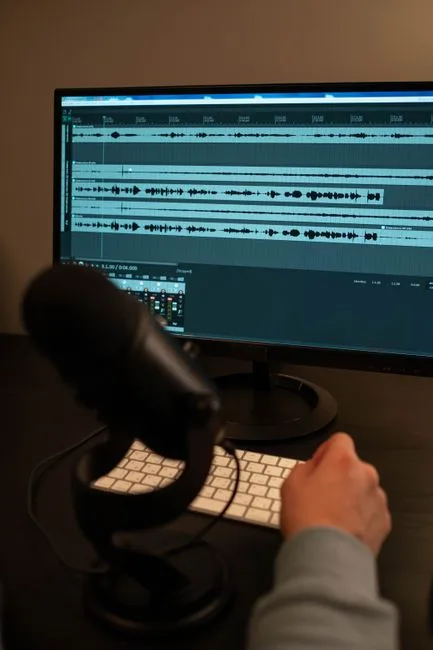 Pexels · Close-up of a hand working in an audio recording studio with microphone and monitor. ↗
Audio Tasks Are Not Interchangeable
Transcription, speaker labeling, translation, voice synthesis, music, and effects use different inputs and require different reviews.
1 / 10What should an image prompt name first?
The required visual content should lead the brief.
Lesson 5 has 40 cards. Keep going in the free app.
Question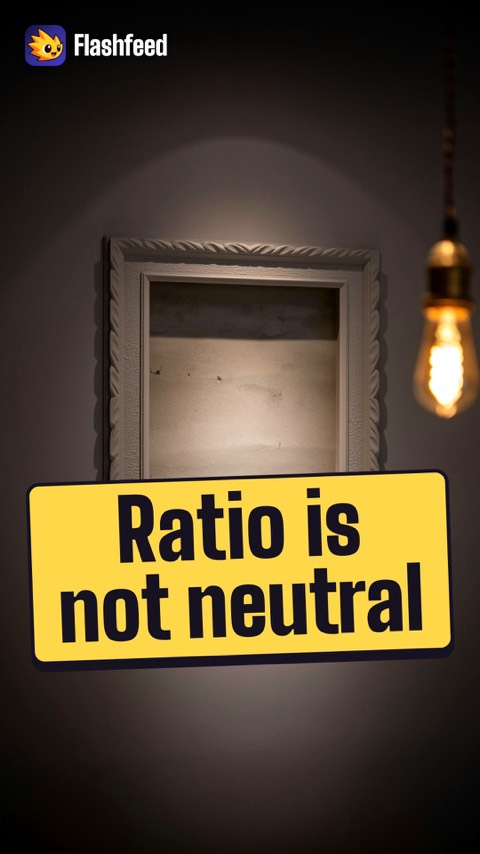
Not a Neutral Crop On YouTube ↗Transcript
A product sits centered in a square image. In a wide banner, that product may need to move to leave space for a headline.
Aspect ratio is width divided by height. Changing the ratio is not neutral cropping.
Converting one ratio to another may cut off faces, hands, products, or context.
So choose the canvas for where the image will appear. Generate it for that ratio when possible, then preview it in the real layout.
- Take the lessons with you. Free, no account.Download on the App Store ↗Get it on Google Play ↗
-
 Pexels · Stack of colorful sticky notes with a 'To Do' note on top, isolated on white. ↗06
Writing and Documents
Separate Drafting from Editing · Summarize Long Material · Transform Tone and Format · Ask Questions of Documents
Lesson 6 · 10 cardsPexels · Stack of colorful sticky notes with a 'To Do' note on top, isolated on white. ↗A Summary Has a Purpose
Audience and decision need determine which details are central, which are supporting, and which can be omitted.
 AI-generated (gpt-image-1.5)
Long Context Is Not Perfect Recall
Research finds that model performance can vary with where relevant information appears, including degradation for material in the middle.
 Pexels · Kampus Production · Pexels License ↗
Transformation Changes Representation
A format or tone change should preserve the underlying facts and intended meaning unless the brief explicitly requests substantive revision.
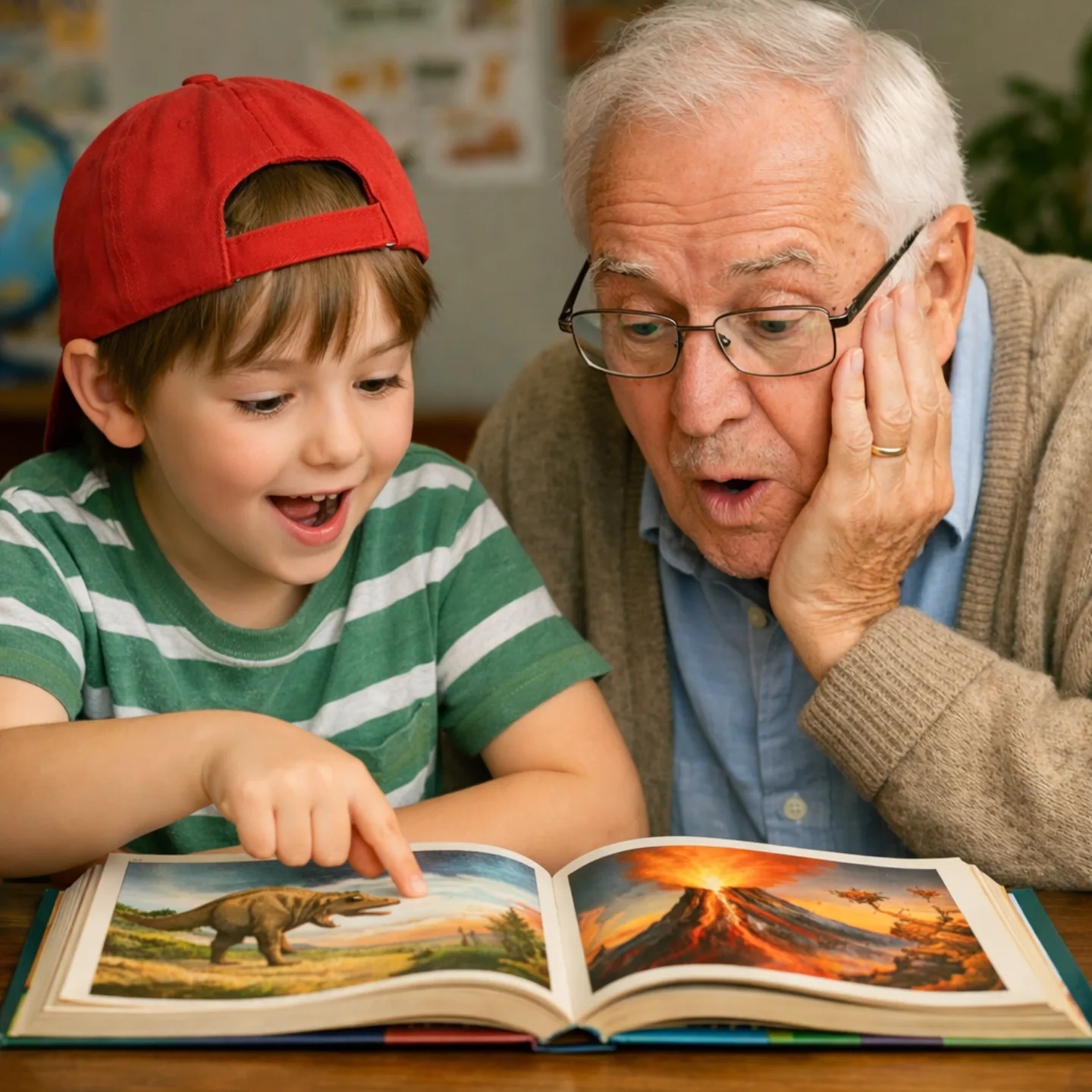 AI-generated (gpt-image-1.5)
Audience Defines Plain Language
Useful simplification depends on what the reader already knows and what action they need to take.
 AI-generated (gpt-image-1.5)
Fluency Can Hide Semantic Drift
A smoother rewrite may drop a caveat, change a quantity, or turn a possibility into a promise.
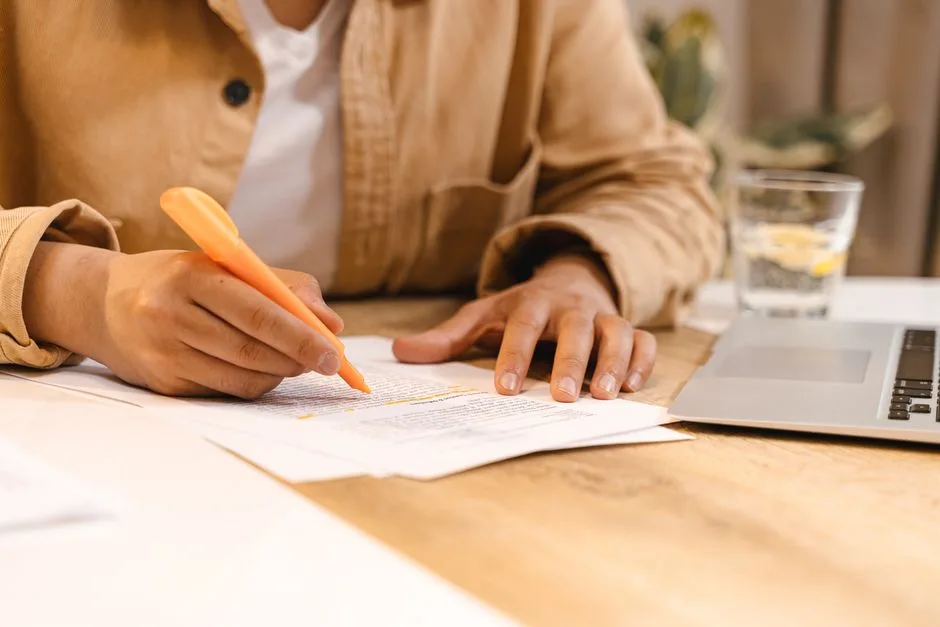 Pexels · ANTONI SHKRABA production · Pexels License ↗
Bound the Evidence Set
A document Q&A task should identify which files count as evidence and whether outside sources are allowed.
1 / 10What should a rewrite prompt protect?
Preservation rules keep fluent revision from changing substance.
Lesson 6 has 40 cards. Keep going in the free app.
Question
The Buried Detail On YouTube ↗Transcript
Bury a decisive detail among many documents. Ask an artificial intelligence model for a summary. That detail can be missed.
Research finds that a model's performance can vary with where a detail appears, including drops in the middle.
So summarize each section first. Then build the final summary from those traceable notes.
Ask for page or section references, so a reader can check the summary against the original.
-
 Pexels · A young man in a library studying with books and taking notes under a desk lamp. ↗07
Research, Learning, and Decisions
Plan Research Before Answering · Use AI as a Practice Partner · Compare Options without Outsourcing Choice · Six Thinking Moves
Lesson 7 · 10 cardsPexels · A young man in a library studying with books and taking notes under a desk lamp. ↗Research Starts with Claim Types
A historical date, medical recommendation, product price, and personal preference require different sources and levels of verification.
 Pexels · Magnifying glass on educational papers with books and grass background, outdoors. ↗
Search Terms Are Hypotheses
Suggested queries help explore a topic, but wording can bias what appears. Try synonyms, counterarguments, and source-specific searches.
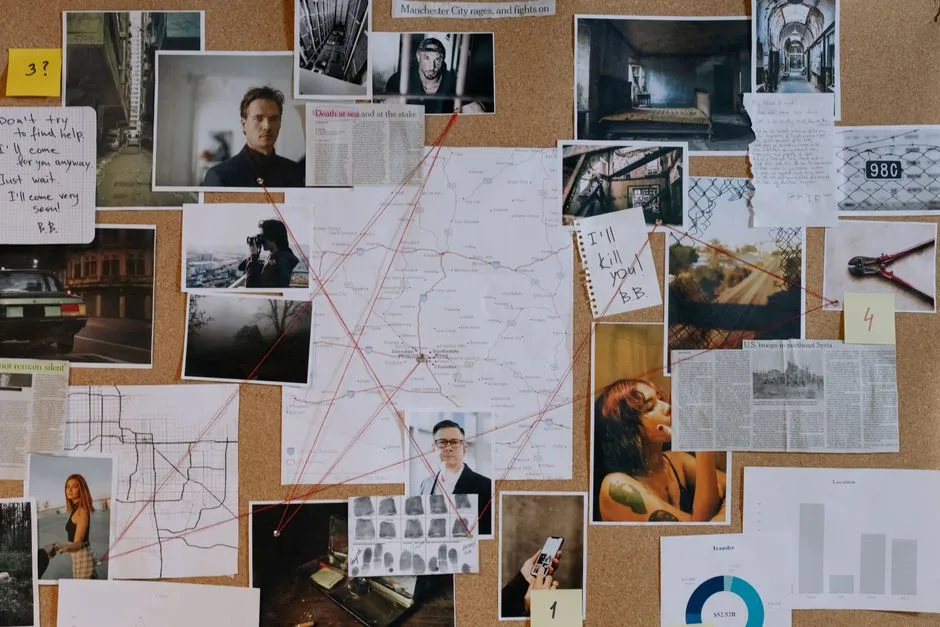 Pexels · A detailed crime investigation board filled with photos, maps, and red strings connecting clues and evidence. ↗
A Citation Must Support the Claim
A real link is not sufficient if its content does not entail, qualify, or directly document the sentence it is attached to.
 Pexels · Andy Barbour · Pexels License ↗
Practice Beats Passive Answering
Questions, retrieval, explanation, and correction require the learner to produce knowledge instead of only reading a generated solution.
 Pexels · George Pak · Pexels License ↗
Hints Preserve Productive Struggle
A staged hint can unblock progress without immediately replacing the learner's reasoning.
 Pexels · Black and white image of a vintage balance scale in an İstanbul museum display. ↗
Sensitivity Reveals Fragility
If a small change in one weight reverses the recommendation, the decision depends heavily on that judgment.
 AI-generated (gpt-image-1.5)
Thinking Has Modes
Generating possibilities, reducing information, comparing alternatives, challenging claims, reframing problems, and sequencing action are different tasks.
1 / 10What should happen to an AI citation?
The source and its support for the claim both need checking.
Lesson 7 has 42 cards. Keep going in the free app.
Question
The Page Behind the Link On YouTube ↗Transcript
An answer from artificial intelligence cites a source. The link is real. The page behind it may still not support the claim.
Generated citations may be invented. They may be misquoted. Or they may cover a nearby point, not the claim.
Open every source that matters. Confirm who wrote it and when. Check that the cited passage actually supports the claim.
Until then, treat a summary of a source as a lead.
-
 Unsplash · KOBU Agency · Unsplash License ↗08
Data, Spreadsheets, and Code
Describe the Data First · Build Formulas and Charts · Use a Coding Cycle · Test and Secure Generated Code
Lesson 8 · 10 cardsUnsplash · KOBU Agency · Unsplash License ↗Rows Need a Unit of Observation
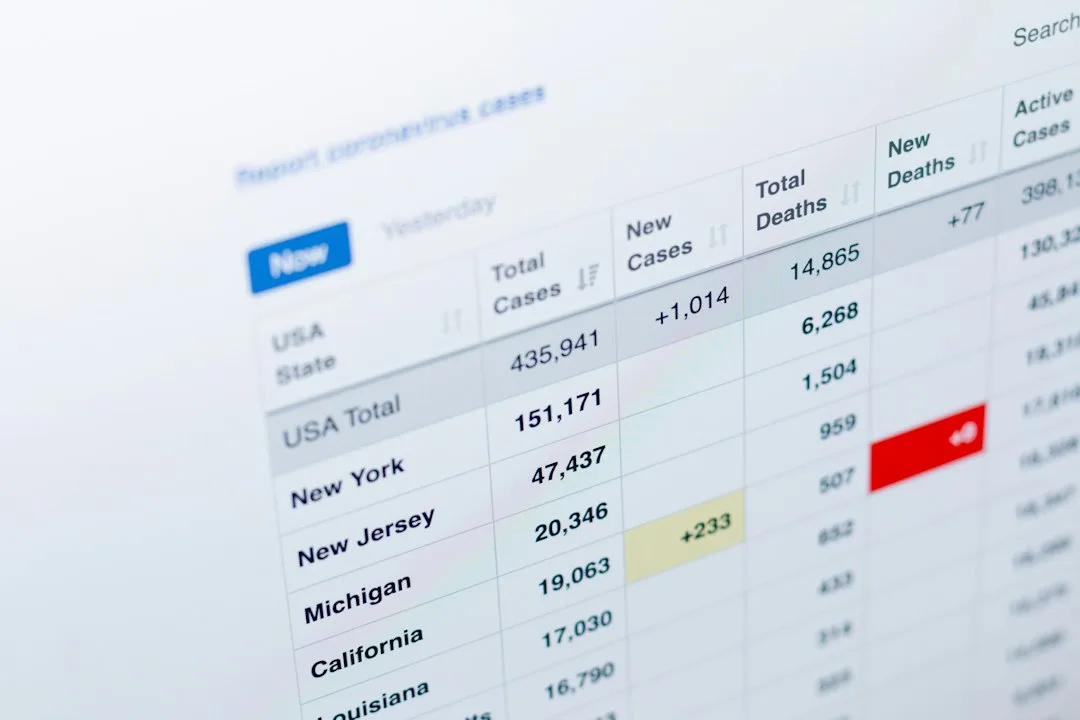
State what one row represents. Confusing a transaction with a customer or a reading with a day changes every calculation.
 Wikimedia Commons · Christiane Wendehorst · CC BY-SA 4.0 ↗
A Data Dictionary Prevents Guessing
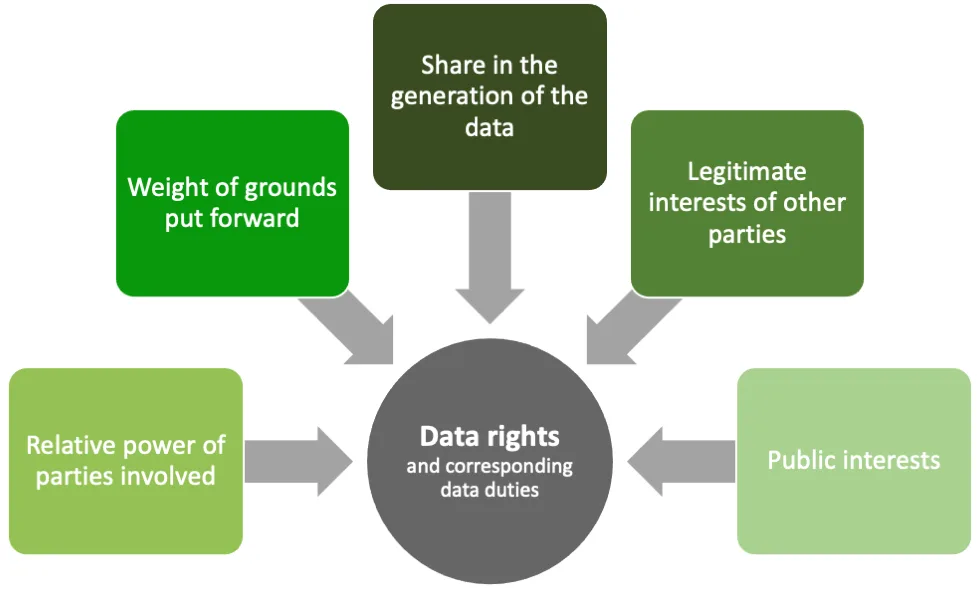
Field definitions, units, allowed values, and missing markers give both the model and reviewer a shared interpretation.
 Wikimedia Commons · Stanislav Rogozhin · Public domain ↗
Profile Before Analysis
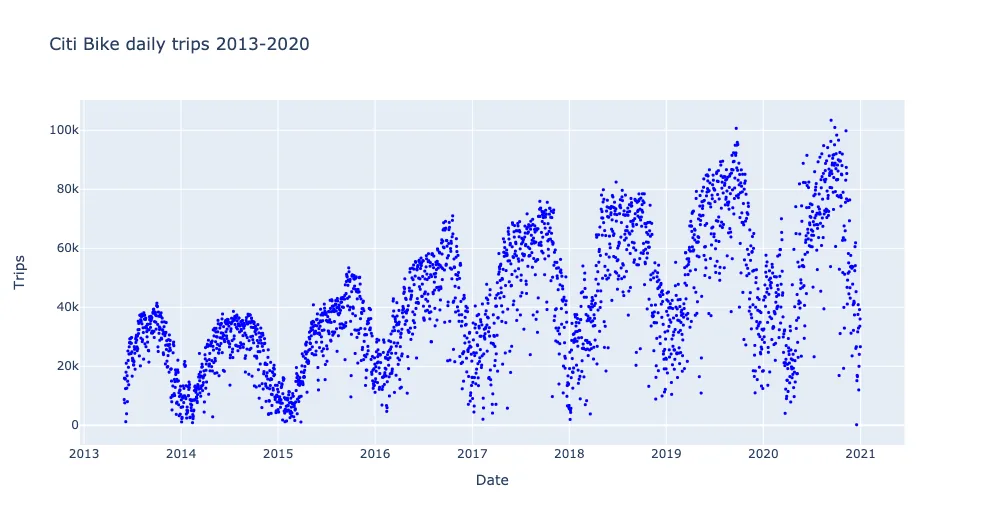
Counts, types, ranges, missingness, duplicates, and invalid values reveal whether a dataset is ready for a question.
 Pexels · Kindel Media · Pexels License ↗
Formulas Depend on Context
Cell locations, table names, locale, date formats, blank handling, and software dialect can change the correct expression.
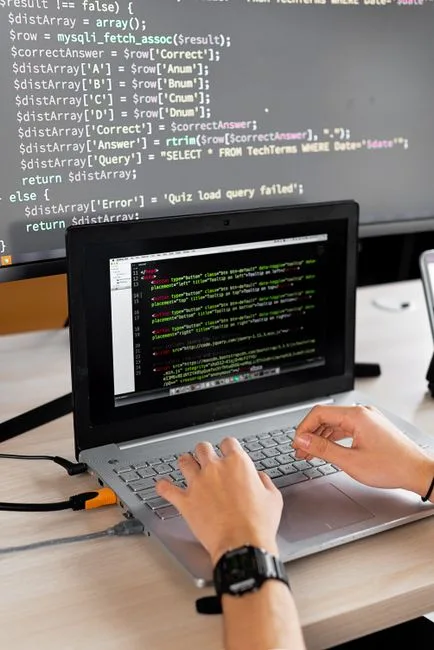 Pexels · Person coding at a desk with laptop and external monitor showing programming code. ↗
Repository Context Matters
Correct code depends on versions, APIs, conventions, neighboring modules, and tests that are not visible in an isolated snippet.
 Unsplash · Jefferson Santos · Unsplash License ↗
Generated Code Is Untrusted Input
Fluent code should enter the same review, testing, dependency, and security process as code from any other untrusted source.
1 / 10What should be stated about each row?
The unit of observation determines valid aggregation.
Lesson 8 has 40 cards. Keep going in the free app.
Question
One Signal On YouTube ↗Transcript
Ask an artificial intelligence model to check its own code for security. Is that enough?
The model's own review is one signal, not an independent check.
Generated code can contain ordinary bugs and security holes. Treat it like code from any untrusted source, no matter how fluent it seems.
Try uncertain code in a sandbox, an isolated space that limits a program's effects. Ask for tests, then run them independently.
-
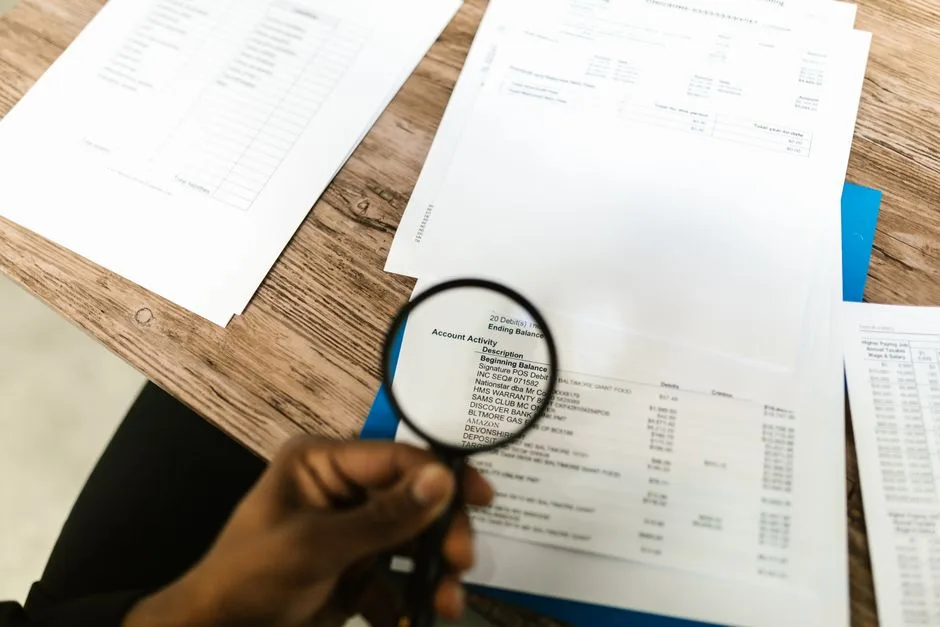 Pexels · RDNE Stock project · Pexels License ↗09
Verify and Protect
Verify Claims and Citations · Minimize Sensitive Data · Resist Injection and Impersonation · Know the High-Stakes Boundary
Lesson 9 · 10 cardsPexels · RDNE Stock project · Pexels License ↗Verify the Material Claims
Focus checking effort on statements that drive a decision, create risk, or would be costly to repeat if wrong.
 Wikimedia Commons · Jay Walsh for the Wikimedia Foundation · CC BY-SA 4.0 ↗
Independent Evidence Matters
Rephrasing the question to the same model can be useful, but authoritative sources, calculations, and external tests provide stronger confirmation.
 Wikimedia Commons · J-P Kärnä · CC BY-SA 3.0 ↗
Data Minimization Reduces Exposure
Provide only the fields and detail required for the task, and remove direct or indirect identifiers when they are unnecessary.
 Pexels · Srattha Nualsate · Pexels License ↗
Policies Depend on Product and Setting
Retention, training use, human review, sharing, deletion, and administrator controls can vary across services and plans.
 Unsplash · Roman Kraft · Unsplash License ↗
Other People's Data Is Not Yours to Volunteer
Private messages, records, images, and voices can affect people who did not choose to use the system.
 Wikimedia Commons · de:Benutzer:Lobservateur · Public domain ↗
Retrieved Content Is Untrusted
Text found in a file or webpage can contain manipulative instructions and should not outrank the workflow's trusted controls.
 Pexels · Doctor discusses health records with a patient in a clinical setting. ↗
High Stakes Change the Standard
The greater the possible harm, the stronger the evidence, expertise, privacy, review, and accountability that are required.
1 / 10What must be checked about a citation?
A source must be both genuine and aligned with the statement.
Lesson 9 has 40 cards. Keep going in the free app.
Question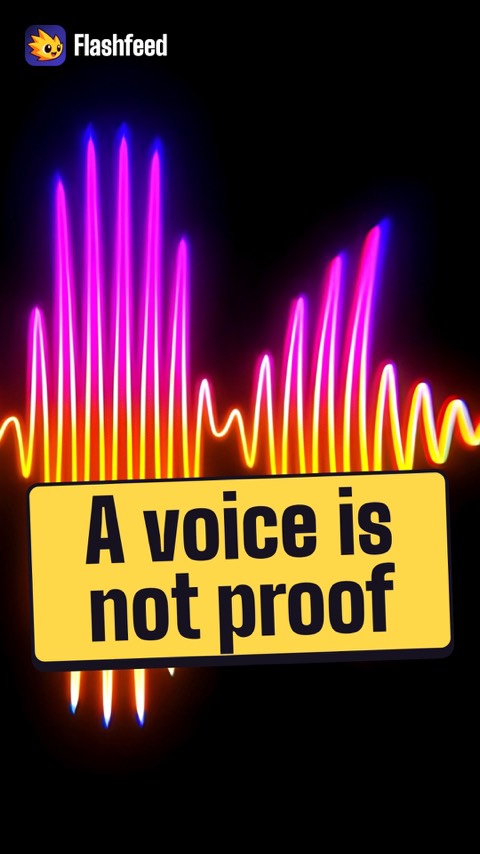
A Familiar Voice On YouTube ↗Transcript
A familiar voice says there is an emergency and asks for money, fast. Is it really them?
A familiar voice is not proof. Voice cloning can imitate a person well enough to support a scam like this.
Urgency, secrecy, payment demands and switching channels are warning signs, no matter how familiar the voice sounds.
So pause and verify. Use a known phone number or an agreed code, not contact details from the message.
-
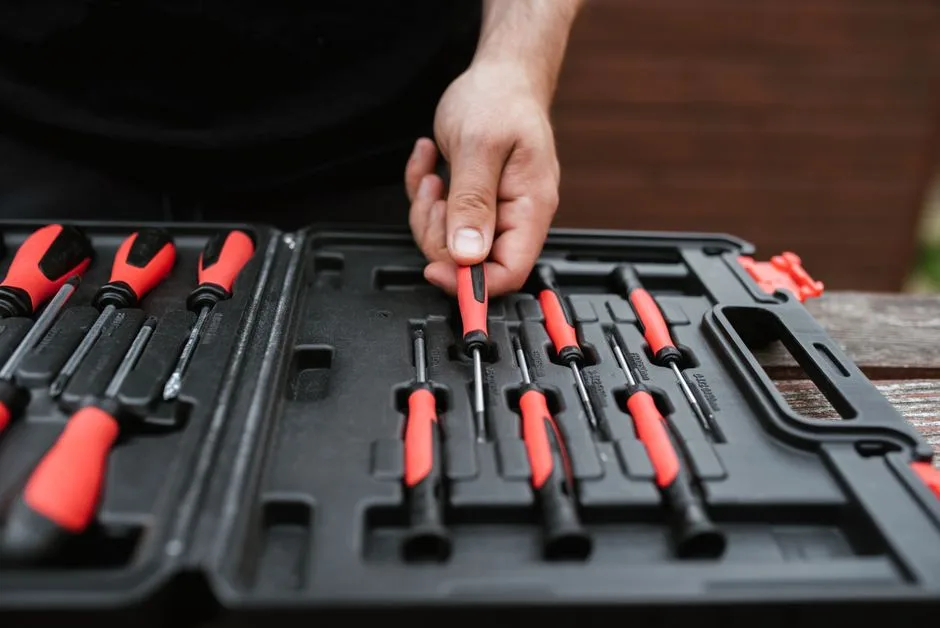 Pexels · From above of crop anonymous skillful male in casual clothes choosing screwdriver from toolbox in daylight ↗10
Build Your Personal AI Workflow
Choose the Tool for the Task · Turn Success into a Template · Use a Small Evaluation Set · Practice, Then Go Deeper
Lesson 10 · 10 cardsPexels · From above of crop anonymous skillful male in casual clothes choosing screwdriver from toolbox in daylight ↗Task Fit Comes Before Popularity
The best tool is the one that meets the real input, output, quality, control, and workflow requirements—not necessarily the most famous model.
 Pexels · Detailed view of switches and dials on an industrial control panel, showcasing engineering complexity. ↗
Capabilities Include Controls
Permissions, logs, deletion, export, administrator settings, and approval gates are part of a tool's practical capability.
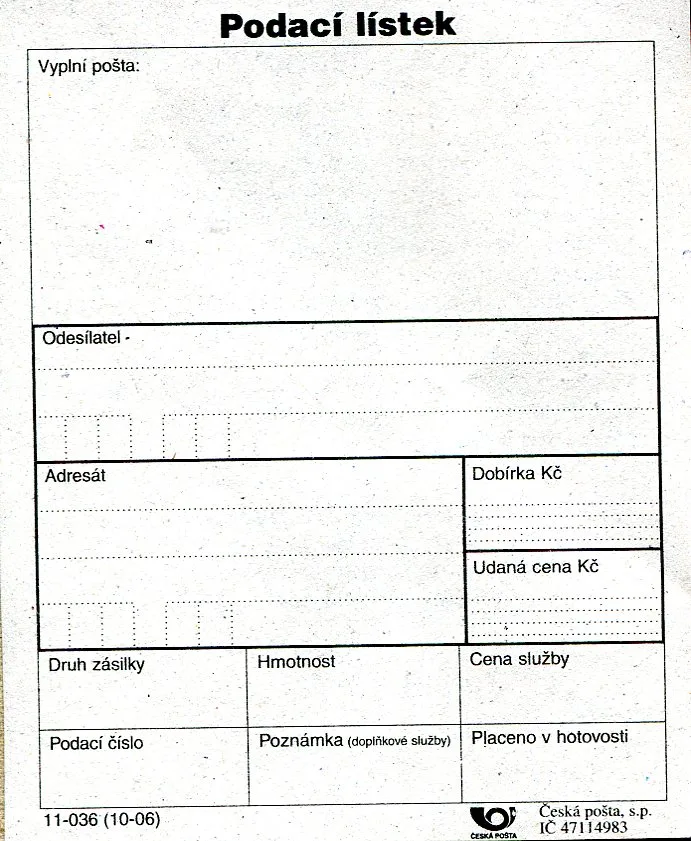 Wikimedia Commons · Pejsek10 · CC BY-SA 3.0 ↗
Placeholders Need Instructions
A label such as {SOURCE_TEXT} should say what belongs there, acceptable length, and what to do when the input is missing.
 Pexels · Close-up of stacked binders filled with documents for office or educational use. ↗
Versioning Supports Learning
A change note and test results preserve why a template evolved and make regressions easier to diagnose.
 Pexels · A red flag on a lifeguard tower set against a cloudy gray sky, symbolizing caution. ↗
Severity Matters beside Frequency
A rare harmful error may deserve more attention than many harmless formatting misses.
 Unsplash · Towfiqu barbhuiya · Unsplash License ↗
Start with Reversible Work
A bounded task such as outlining, reformatting, or practice questions lets you learn without giving the system costly authority.
1 / 10What should lead tool selection?
Requirements and representative cases reveal fit.
Lesson 10 has 39 cards. Keep going in the free app.
Question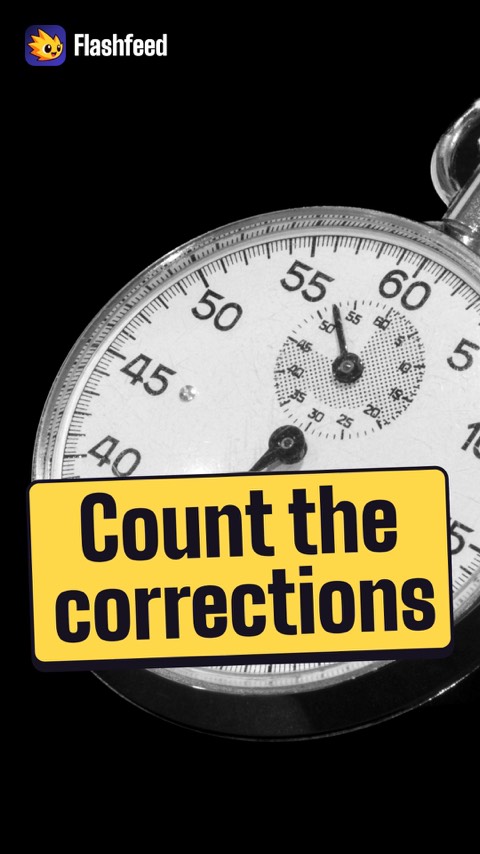
Count the Corrections On YouTube ↗Transcript
Does artificial intelligence really save you time? Measure corrections, not just speed.
Time saved before review can disappear once you count the errors, rewriting, privacy cleanup and rework.
Run a 2-week practice loop on one recurring task you can safely undo, like outlining.
Record the original time, the assisted time and the corrections required.
Keep the workflow only when evidence justifies the habit.
-
 Unsplash · Sergio Vilches ↗11
A Map of AI
Narrow Systems, AGI, and Superintelligence · Training and Inference · Six Milestones in AI
Lesson 11 · 4 cardsUnsplash · Sergio Vilches ↗AGI and Superintelligence Are Proposals
AGI usually means flexible, human-level performance across a very wide range of intellectual tasks. Superintelligence means capability far beyond humans. Neither term has one universally accepted test, and neither describes a settled present-day achievement.
 FlashFeed original diagram · CC-BY-4.0
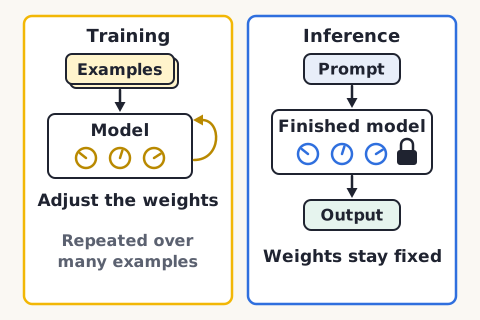
Training Changes the Model
During training, an optimization process repeatedly compares model outputs with a learning signal and adjusts internal weights. Training may use labeled examples, self-supervised objectives, feedback, or several stages.
1 / 4Why is a superhuman Go program still a bounded system?
Exceptional performance in one domain does not imply flexible competence across unrelated domains.
Lesson 11 has 24 cards. Keep going in the free app.
Question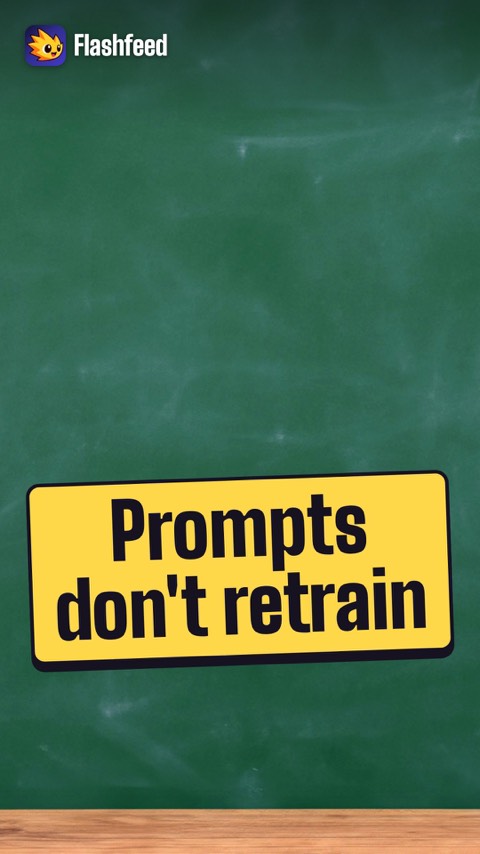
Asking Is Not Training On YouTube ↗Transcript
Ask an artificial intelligence model for a summary. Does that prompt instantly retrain the model?
A model changes during training. Over many examples, it makes outputs, gets a learning signal and adjusts its weights.
Asking for that summary is inference. A trained model takes a new input and produces an output.
The prompt can change what the model considers in that chat, but it does not ordinarily rewrite the weights.
-
 Pexels · Laptop displaying financial chart alongside documents and credit cards on desk. ↗12
Words You'll See Everywhere
Models, Data, and Parameters · Hallucination, Bias, and Grounding · Six Key AI Concepts
Lesson 12 · 4 cardsPexels · Laptop displaying financial chart alongside documents and credit cards on desk. ↗Data and Parameters Play Different Roles
A dataset contains examples used for learning or evaluation. Parameters are adjustable internal values. Training data influences those values, but the finished model is not simply a searchable copy of its dataset.
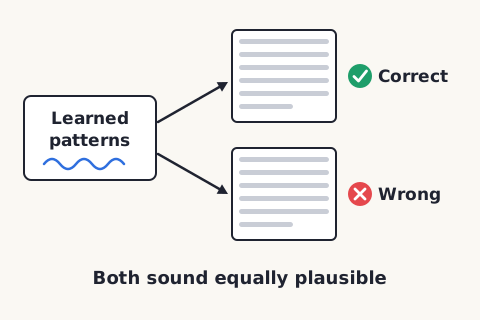 FlashFeed original diagram · CC-BY-4.0
Fluent Can Still Be False
A hallucination is generated content that is unsupported or false while sounding plausible. Examples include an invented citation, a fabricated quote, or an incorrect detail supplied without a reliable basis.
 Pexels · DS stories · Pexels License ↗
Bias Is Often Systematic
AI bias is a pattern of unequal or distorted outcomes tied to data, design, measurement, or deployment. Unlike a one-off fabrication, bias can repeatedly disadvantage the same group or viewpoint.
1 / 4What is the main role of a training dataset?
Examples provide the signal from which the training process shapes model behavior.
Lesson 12 has 24 cards. Keep going in the free app.
Question
The Missing Foundation On YouTube ↗Transcript
An artificial intelligence model can write a fluent answer that cites a study. The study may not exist.
That is called a hallucination. It sounds plausible, but it is unsupported or false.
A model may also invent a quote, or combine details from different events. The fluent surface can hide the missing foundation.
So for a factual claim, open the source. Confirm that it supports the sentence.
-
 Unsplash · Vitaly Gariev · Unsplash License ↗13
What AI Can—and Cannot—Do
Strengths and the Reliability Gap · Energy, Water, and Physical Scale · A Regulation Snapshot
Lesson 13 · 6 cardsUnsplash · Vitaly Gariev · Unsplash License ↗AI Excels at Pattern-Rich Draft Work
Current generative systems are often useful for drafting, summarizing, extracting, classifying, translating, coding assistance, and generating alternatives—especially when the task is well specified and easy to review.
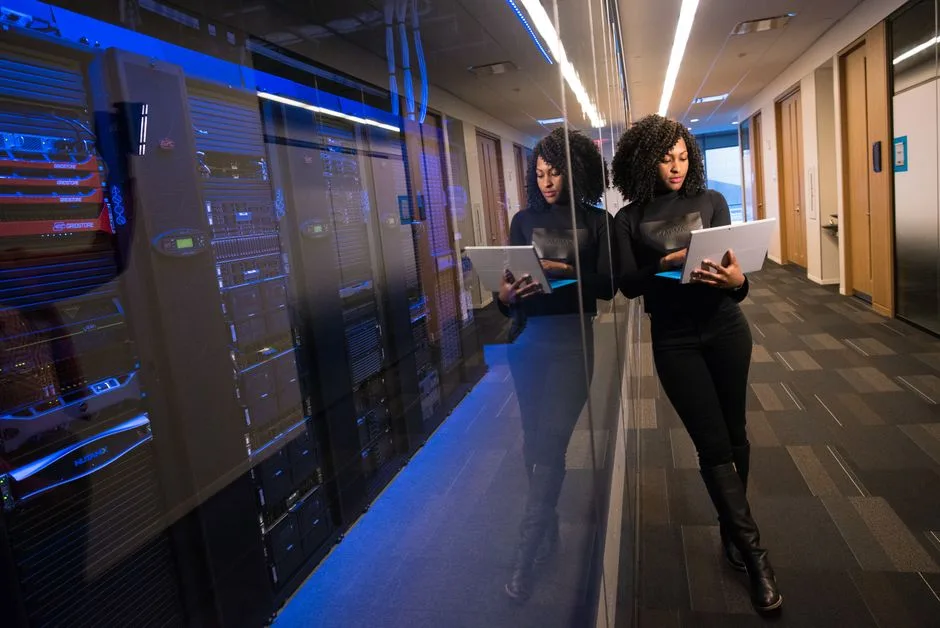 Pexels · A woman using a laptop navigating a contemporary data center with mirrored servers. ↗
AI Runs on Physical Infrastructure
AI computation uses servers, networking, cooling, electricity, and buildings. The IEA projects total data-center electricity demand—not AI alone—to reach about 945 TWh in 2030, with AI the largest driver of growth.
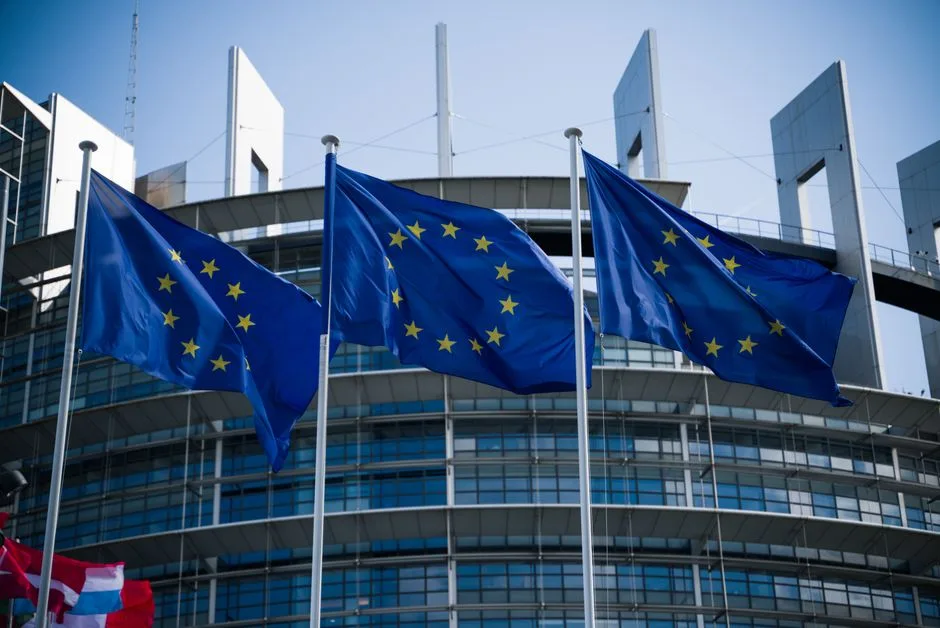 Pexels · European Union flags waving outside the European Parliament in Strasbourg. ↗
The EU Uses a Binding Risk Framework
The EU AI Act assigns obligations by risk and use. As of July 27, 2026, its Omnibus extends key high-risk-system dates while transparency duties for chatbots and some generated content begin August 2, 2026.
 Pexels · A smartphone captures the Capitol Building at twilight, highlighting iconic architecture and technology. ↗
The U.S. Uses a More Distributed Approach
The July 2025 U.S. AI Action Plan emphasizes innovation, infrastructure, national security, and adoption. Federal agencies, sector laws, procurement rules, courts, and state laws still create additional obligations; there is no single EU-style federal AI Act.
1 / 6Which task is the best beginner pilot?
A reversible draft creates value while keeping the consequence of an error low.
Lesson 13 has 19 cards. Keep going in the free app.
Question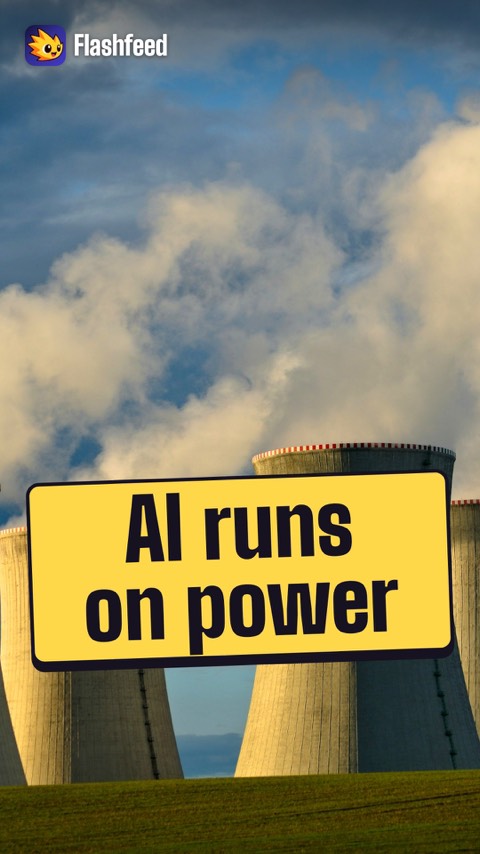
Weightless on a Screen On YouTube ↗Transcript
Artificial intelligence feels weightless on a screen. But AI runs on chips, servers, cooling and power plants.
The International Energy Agency projects about 945 terawatt-hours of electricity for the world's data centers in 2030.
That would be a little more than double the 2024 level.
AI is the largest driver of that growth. But the figure covers all data centers, not AI alone.
-
 Wikimedia Commons · Kwamitsey · CC BY 4.0 ↗14
Where Smart People Disagree
Will AI Take Your Job? · Catastrophic and Existential Risk · Copyright and Training Data · Timelines to AGI
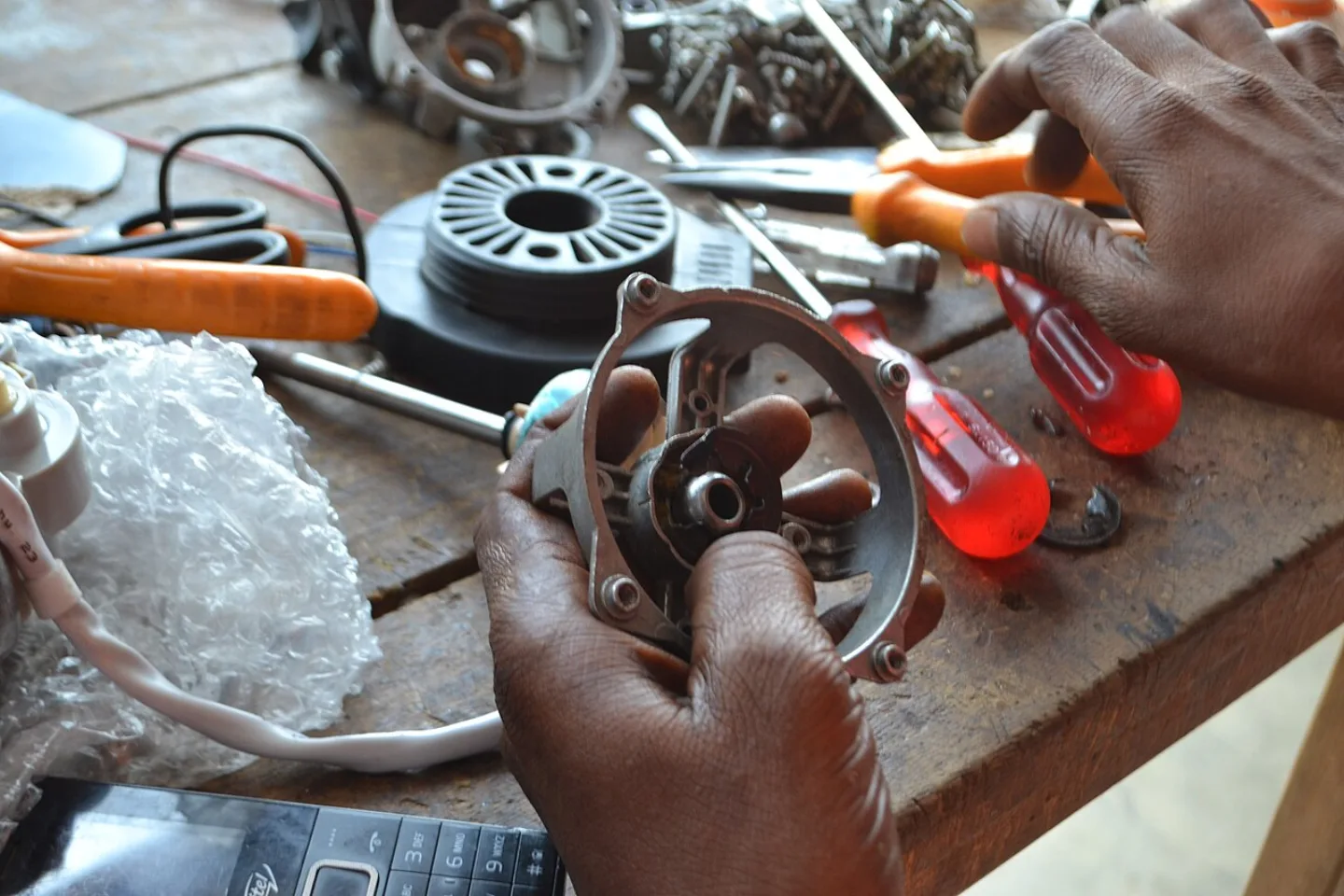
Lesson 14 · 8 cardsWikimedia Commons · Kwamitsey · CC BY 4.0 ↗Tasks Change Before Whole Jobs Disappear
Jobs bundle many tasks, relationships, responsibilities, and physical constraints. AI may automate some tasks, complement others, and create new work, so “exposed” does not mean “eliminated.”
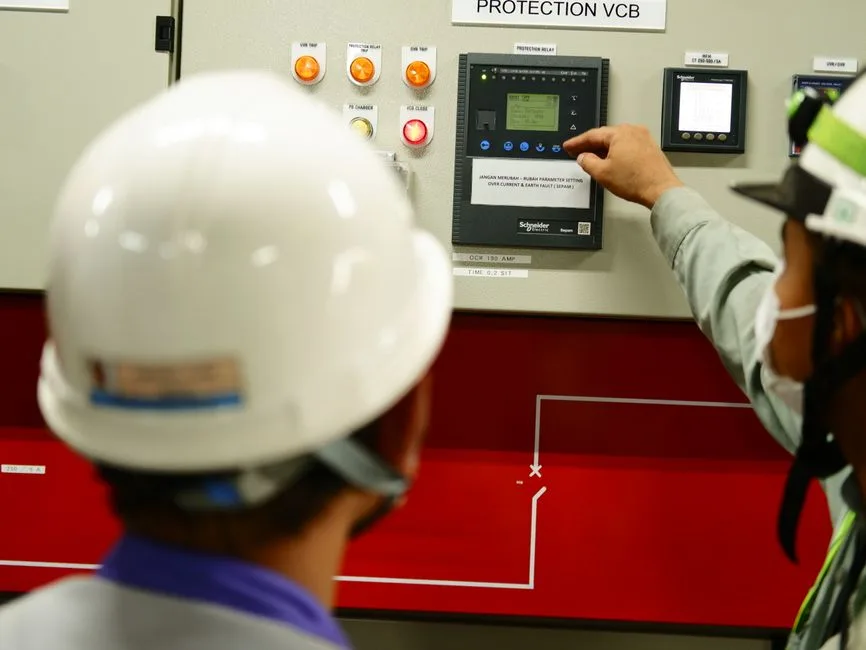 Pexels · Engineers wearing safety gear operate a control panel in an Indonesian facility. ↗
The Concerned Case Is Forward-Looking
Researchers worried about catastrophic AI risk argue that future systems could become more capable, autonomous, and difficult to control. Because the possible harm is enormous, they favor testing, monitoring, access controls, and international coordination before evidence is conclusive.
 Pexels · Eric Lozaga · Pexels License ↗
Training Raises Several Copyright Questions
In the United States, disputes can involve copying during data collection, acquiring works from unlawful sources, using them in training, memorized material, and competing outputs. One answer does not automatically settle the others.
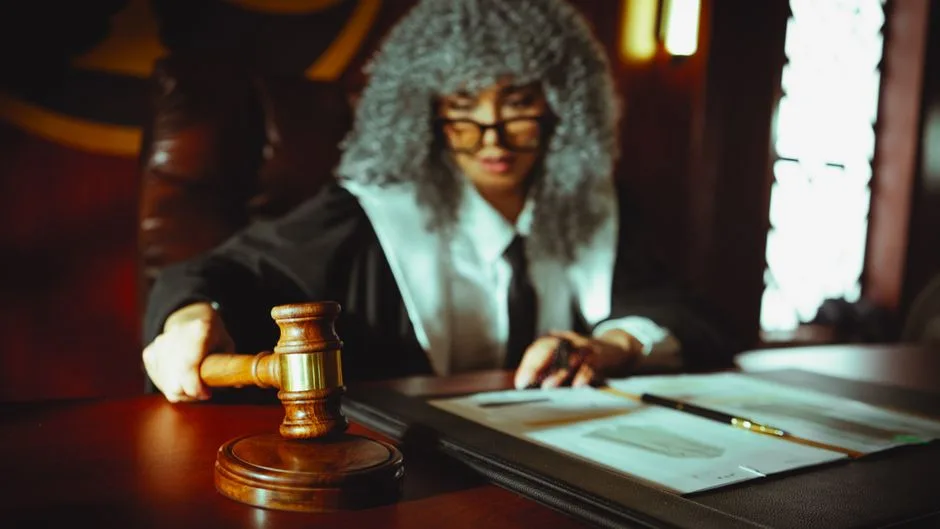 Pexels · Female judge in a courtroom setting, focusing on legal documents with a gavel. ↗
Facts and Markets Matter to Fair Use
U.S. courts have reached context-specific results. A 2025 ruling rejected fair use where Ross copied Westlaw headnotes for a competing legal tool; another found Anthropic's model training fair use but treated its pirated book library separately.
1 / 8What is usually the better first unit for analyzing automation?
Occupations combine tasks with very different potential for assistance or substitution.
Lesson 14 has 27 cards. Keep going in the free app.
Question
A Forecast, Not a Schedule On YouTube ↗Transcript
Ask researchers in artificial intelligence when unaided machines will beat humans at every task.
One survey did. Combined, the answers gave a 50% chance by 2047, if scientific progress went on without disruption.
But individual answers varied widely.
The same survey put all occupations becoming fully automatable much later: a different finish line.
So 2047 is a conditional forecast, not a schedule.


What you'll be able to do 14 objectives, from the pack's lessons
- Build a prompt with a clear task, relevant context, useful constraints, and a testable output.
- Choose zero-, one-, or few-shot prompting and improve examples through deliberate iteration.
- Use roles, decomposition, assumptions, and visible checks without mistaking performance cues for expertise.
- Design bounded agent workflows with tools, permissions, checkpoints, and explicit stopping conditions.
- Prompt and review image, video, and audio systems with attention to composition, continuity, consent, and fit.
- Use AI to draft, revise, summarize, transform, and inspect documents while preserving meaning and provenance.
- Use AI to structure inquiry, practice learning, compare options, and perform distinct thinking moves without outsourcing judgment.
- Use AI to inspect structured data and code through schemas, tests, security checks, and reversible changes.
- Verify material claims, minimize sensitive data, resist manipulation, and keep high-stakes decisions with qualified people.
- Choose tools deliberately, turn successful prompts into templates, evaluate them on real cases, and route deeper learning through the collection.
- Distinguish present AI systems, hypothetical intelligence categories, and the training and inference phases.
- Use collection-wide AI vocabulary to distinguish components, failure modes, interfaces, and agents.
- Choose reviewable AI uses, interpret footprint claims, and recognize jurisdiction-specific governance.
- Explain why credible estimates differ on jobs, catastrophic risk, copyright, and AGI timelines.
Study guide.
The same study guide as in the app, one page for each lesson, with its key facts and a self-test.
- 01A Good Prompt Has Parts
- 02Learn by Showing
- 03Roles, Reasons, and Control
- 04From Chatbots to Agents
- 05Make with Multiple Media
- 06Writing and Documents
- 07Research, Learning, and Decisions
- 08Data, Spreadsheets, and Code
- 09Verify and Protect
- 10Build Your Personal AI Workflow
- 11A Map of AI
- 12Words You'll See Everywhere
- 13What AI Can—and Cannot—Do
- 14Where Smart People Disagree
Built from 24 sources.
363 of its 495 cards cite a source. These are the eight it cites most.
- Prompt design strategies ↗
- Generative AI Profile ↗
- Rethinking the Role of Demonstrations ↗
- A practical guide to building agents ↗
- AI Risk Management Framework Playbook ↗
- Role-Playing Does Not Improve Factual Accuracy ↗
- Image generation ↗
- Secure Software Development Framework ↗
See all 24 sources
- Prompt design strategies ↗
- Generative AI Profile ↗
- Rethinking the Role of Demonstrations ↗
- A practical guide to building agents ↗
- AI Risk Management Framework Playbook ↗
- Role-Playing Does Not Improve Factual Accuracy ↗
- Image generation ↗
- Secure Software Development Framework ↗
- Configure image aspect ratio ↗
- AI Act framework ↗
- Energy and AI (2025) ↗
- Artificial Intelligence coined at Dartmouth ↗
- XPT report ↗
- Generate videos with Veo ↗
- Speaker diarization ↗
- AlphaGo ↗
- Thousands of AI Authors ↗
- Deep Blue ↗
- AI and the Future of Work ↗
- ImageNet Classification ↗
- Generative AI Profile ↗
- Introducing ChatGPT ↗
- Attention Is All You Need ↗
- Sensitivity analysis ↗
Hover over a photo, or tap its i, to see where it came from. All 14:
- Lesson 1: Pexels · Close-up of a hand writing in a notebook with a checklist for effective task management. ↗
- Lesson 2: Unsplash · Andrew Dunstan · Unsplash License ↗
- Lesson 3: Pexels · Elderly woman reviewing a manuscript with a typewriter at a wooden desk. ↗
- Lesson 4: Pexels · panumas nikhomkhai · Pexels License ↗
- Lesson 5: Wikimedia Commons · Mohamed Abdiwali Yusuf · CC BY-SA 4.0 ↗
- Lesson 6: Pexels · Stack of colorful sticky notes with a 'To Do' note on top, isolated on white. ↗
- Lesson 7: Pexels · A young man in a library studying with books and taking notes under a desk lamp. ↗
- Lesson 8: Unsplash · KOBU Agency · Unsplash License ↗
- Lesson 9: Pexels · RDNE Stock project · Pexels License ↗
- Lesson 10: Pexels · From above of crop anonymous skillful male in casual clothes choosing screwdriver from toolbox in daylight ↗
- Lesson 11: Unsplash · Sergio Vilches ↗
- Lesson 12: Pexels · Laptop displaying financial chart alongside documents and credit cards on desk. ↗
- Lesson 13: Unsplash · Vitaly Gariev · Unsplash License ↗
- Lesson 14: Wikimedia Commons · Kwamitsey · CC BY 4.0 ↗
- Cards
- 495
- Lessons
- 14
- Version
- 0.1.19
- Language
- English
The whole pack is one file. Read the pack file ↗
FlashFeed is on the App Store and Google Play.
FlashFeed is free on iPhone and Android, and needs no account.