
Christianity: A Complete History
From a small Jewish sect in Roman Judea to the world's largest religion: the life of Jesus, the apostolic age, the councils and creeds, the medieval church, the Reformation, global mission and Pentecostalism, core doctrine, and the modern church. A religious-studies pack.
976 cards15 lessonsFree
Already have FlashFeed?Open this pack
Get this pack on your phone
Scan with your phone's camera.
flashfeedlearningapp.com/packs/christianity
Part of the The Examined Life collection.
15 lessons.
Each lesson has a study guide to read and objectives you can test yourself on. Its cards and games show up in your feed. Try one of its cards right here. Play a few of its games here too.
-
 Pexels · Samir Smier ↗01
The World Into Which Christianity Was Born
Judea Under Rome · The Hebrew Bible Foundation
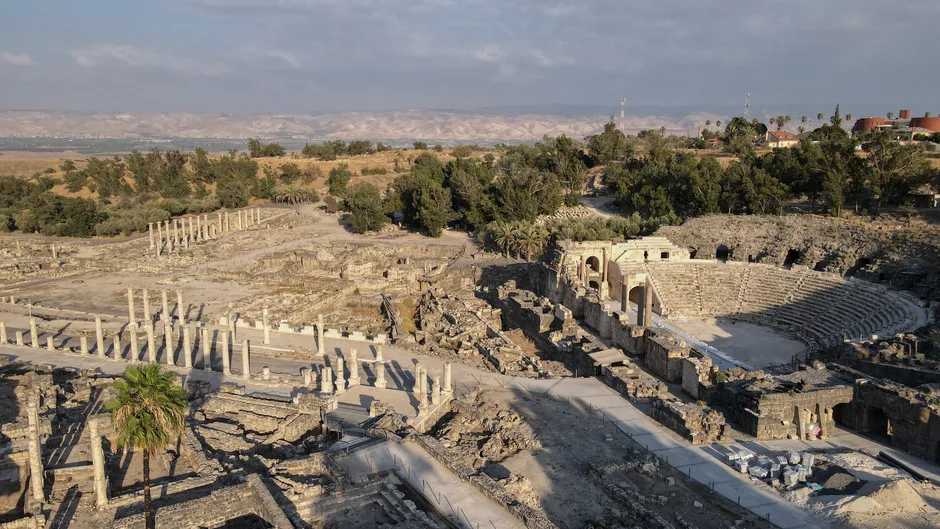
Lesson 1 · 10 cardsPexels · Samir Smier ↗Born Under Occupation
Christianity did not emerge in a vacuum. It began in Roman Judea — roughly modern-day Israel and Palestine — a province of intense religious ferment in the 1st century CE. The Jewish people lived under Roman occupation but kept their own religion and customs, and many longed for deliverance.
 Pexels · Anat Landa ↗
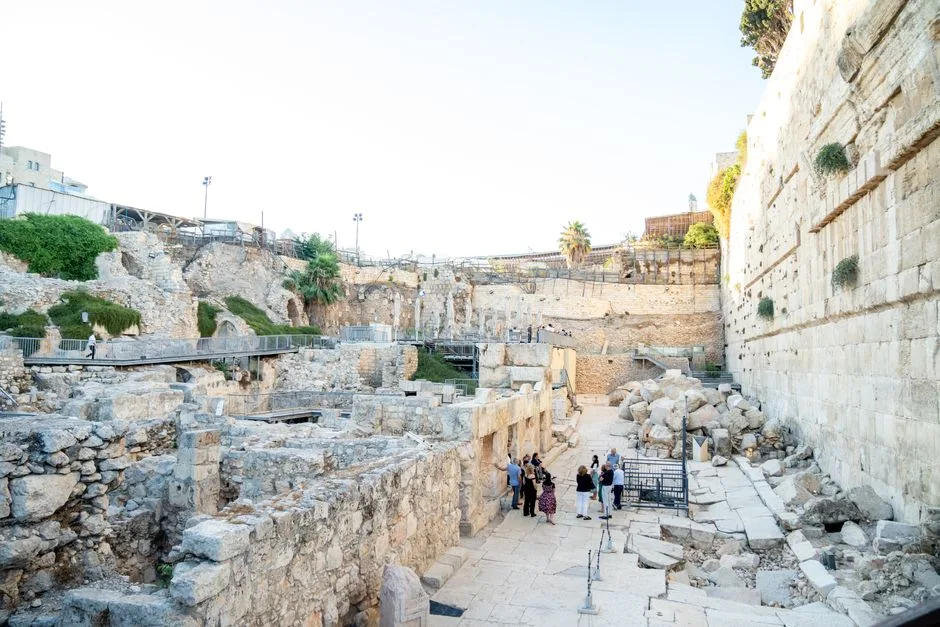
A Society of Factions
First-century Jewish society was fragmented into competing religious groups. The Pharisees were rigorous keepers of the Torah and oral tradition; the Sadducees were temple-centered aristocrats; the Essenes were ascetic desert communalists; and the Zealots were nationalist revolutionaries who sought to overthrow Rome by force.
 Pexels · Ivan Dražić ↗
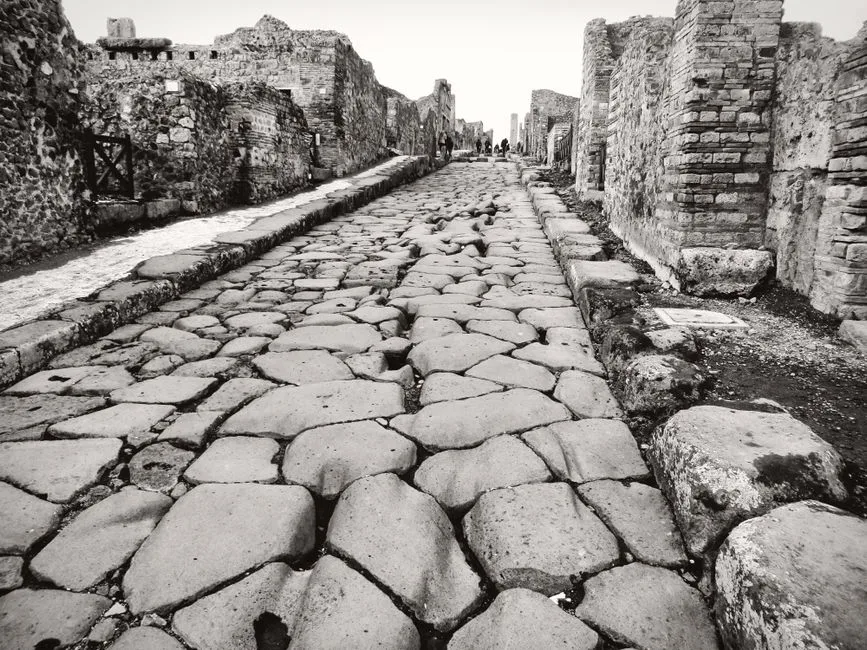
The Roman Highway for a New Faith
Rome was both the threat and the infrastructure. Roman roads, a common trade language in Koine Greek, and the relative peace across the Mediterranean known as the Pax Romana would later allow the Christian message to spread with remarkable speed. The same empire that executed the faith's founder helped carry his teaching outward.
 Pexels · David Brown ↗
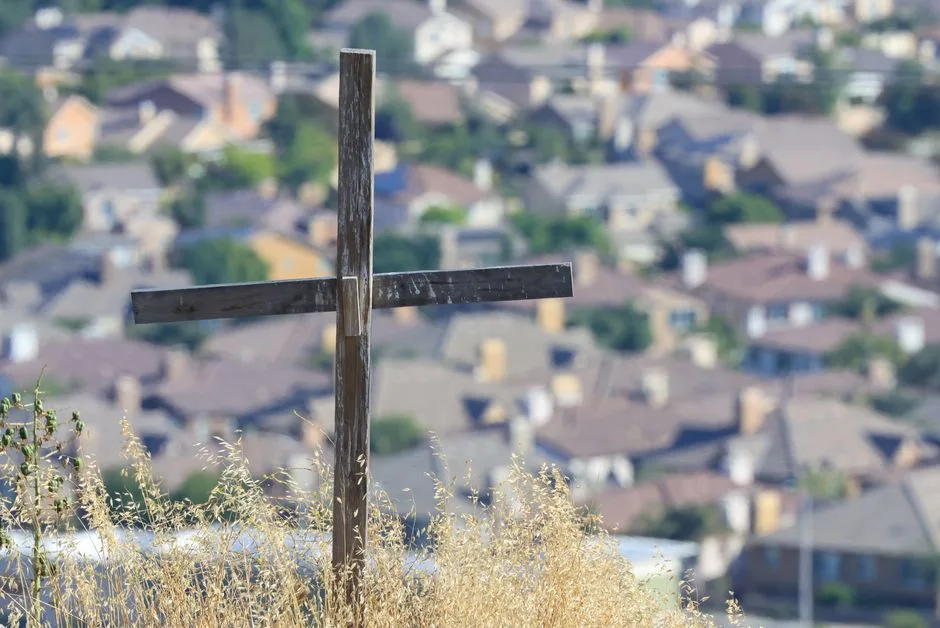
Rome's Instrument of Death
In the immediate term, Rome was the instrument of crucifixion — an execution method reserved for slaves and rebels. The cross, a tool of imperial terror, would become Christianity's central symbol, an irony at the heart of the faith's origins.
 Pexels · Samir Smier ↗
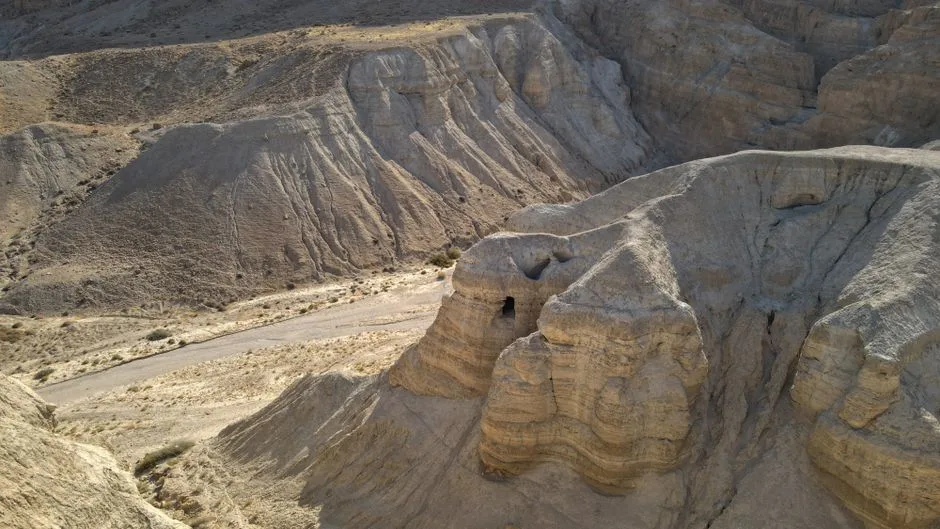
The Essenes' Dead Sea Scrolls
The Essenes were an ascetic Jewish sect who withdrew into desert communities like Qumran. Modern scholars credit them with producing the Dead Sea Scrolls, discovered in 1947.
 Pexels · Maor Attias ↗
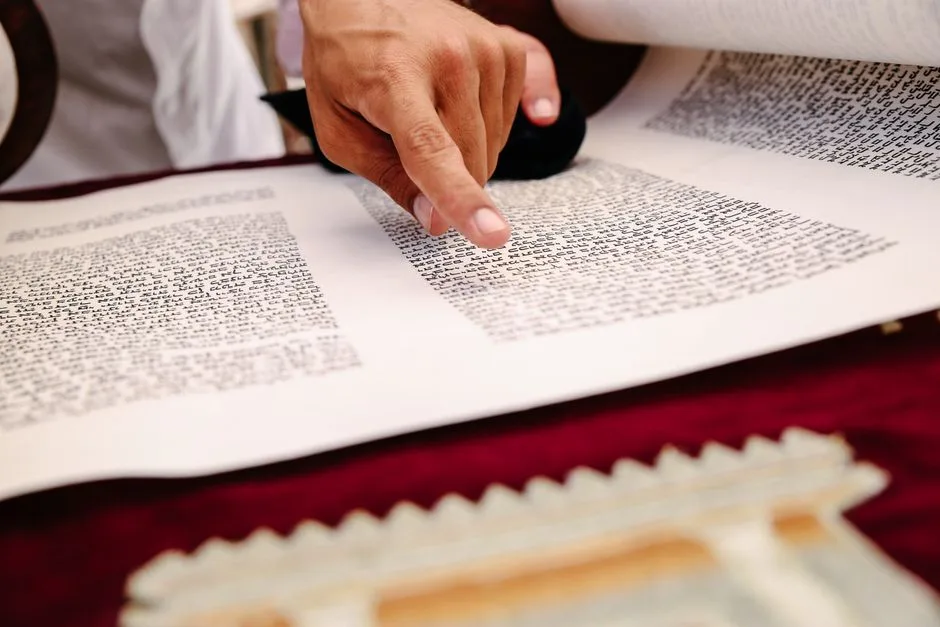
An Inherited Library
Christianity inherited the entire library of Jewish Scripture, which Christians call the Old Testament and Jews call the TaNaK. This canon of 39 books (in the Protestant count) forms the theological and narrative foundation on which the New Testament builds. Early Christians did not start from scratch; they reread an ancient text.
 Pexels · Deacon Medak ↗
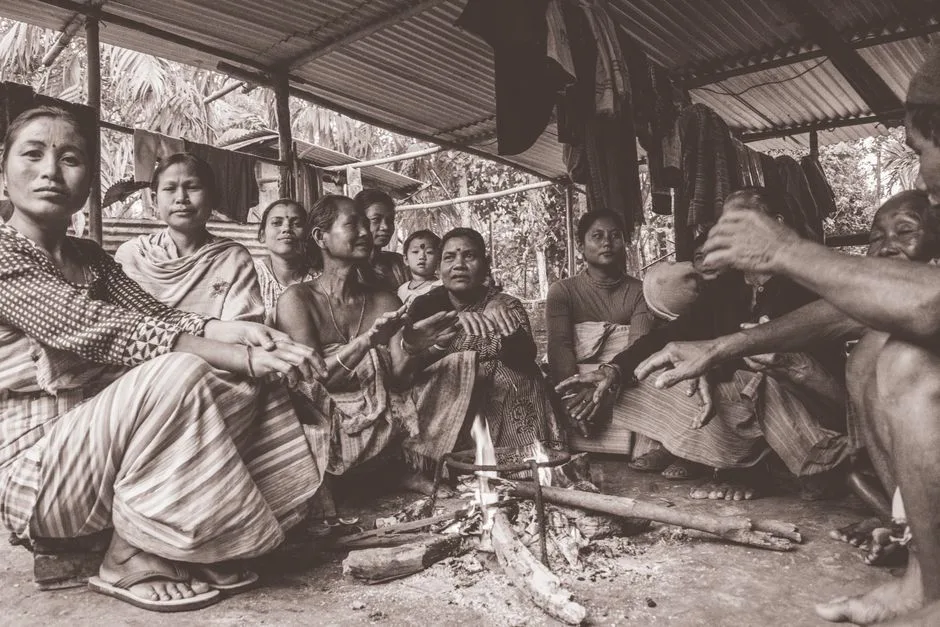
Stories That Shaped a People
The Hebrew Bible's key narratives became essential reading for early Christians: the Creation of Adam and Eve, the Fall (original sin), Noah and the Flood, the Tower of Babel, the Covenant with Abraham, Moses and the Exodus, David and Goliath, and Daniel in the lions' den. Christians reread these stories as pointing toward Jesus.
 Pexels · cottonbro studio ↗
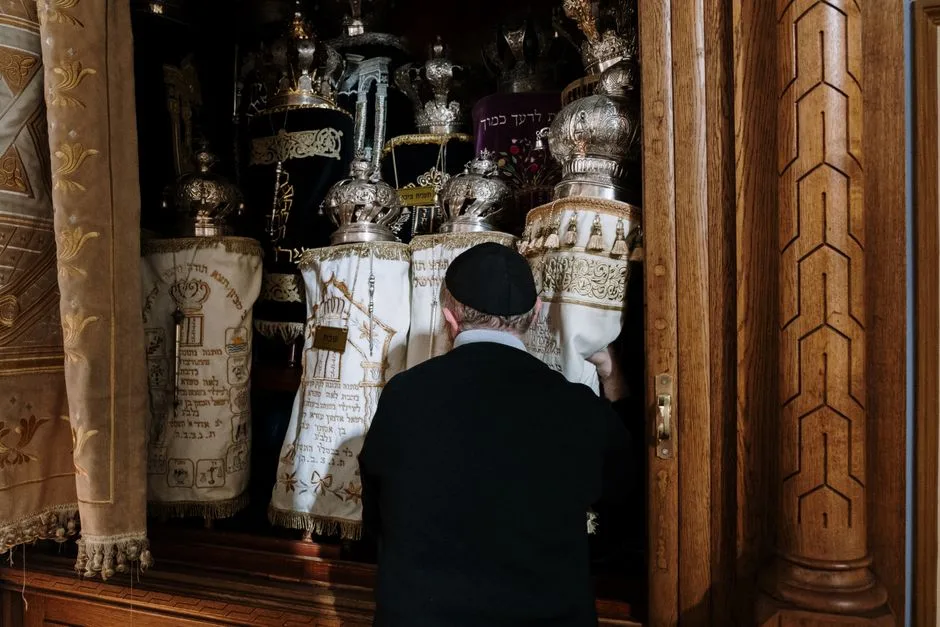
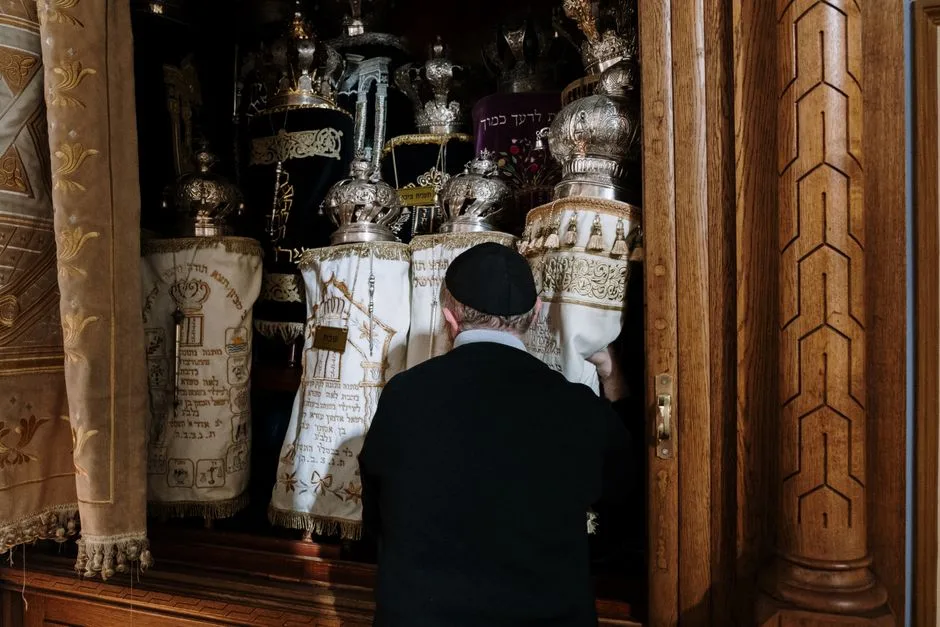
Isaiah's Coming Servant
Among the prophetic books, Isaiah describes a suffering Servant who would bear the people's afflictions. Early Christians read these passages as foreshadowing Jesus — one of many places where they saw the Hebrew Scriptures pointing forward to a figure yet to come.
 Pexels · cottonbro studio ↗
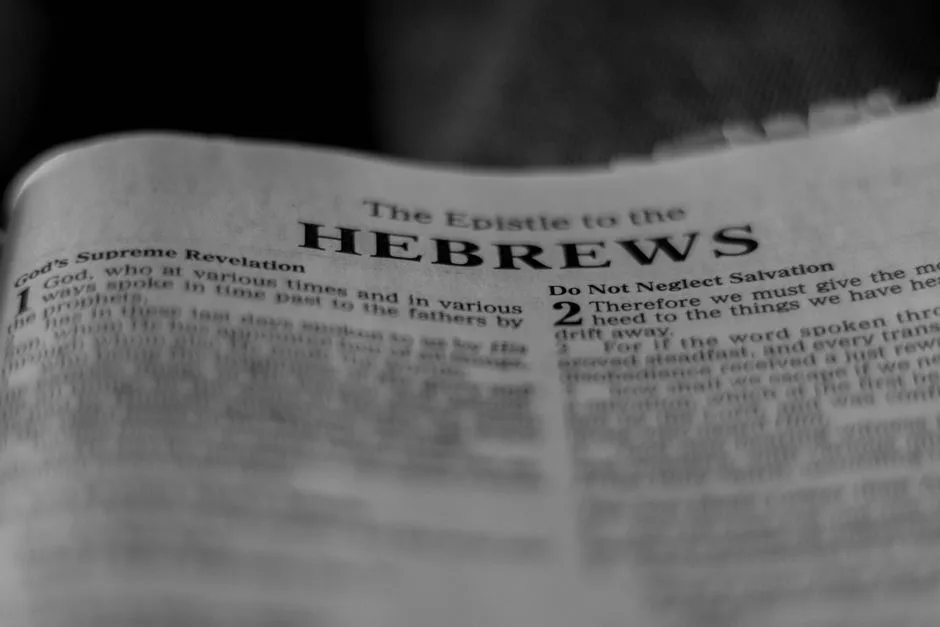
TaNaK: Torah, Prophets, Writings
TaNaK, the Jewish name for the Hebrew Bible, is an acronym for its three divisions: Torah (Law), Nevi'im (Prophets), and Ketuvim (Writings).
 Pexels · picsbyphoenix ↗
39 Old Testament Books
The Old Testament, in the Protestant count, contains 39 books — the Hebrew Bible that Christians inherited as scripture.
1 / 10Which common language across the Roman Mediterranean later helped spread Christianity?
Koine ("common") Greek was the everyday language of trade and communication across the eastern Roman world, and the New Testament was written in it.
Lesson 1 has 64 cards. Keep going in the free app.
Question -
 Pexels · Uri Baruch ↗02
The Life of Jesus
Birth and Ministry · Sermon on the Mount and the Parables · Crucifixion and Resurrection
Lesson 2 · 10 cardsPexels · Uri Baruch ↗Baptized in the Jordan
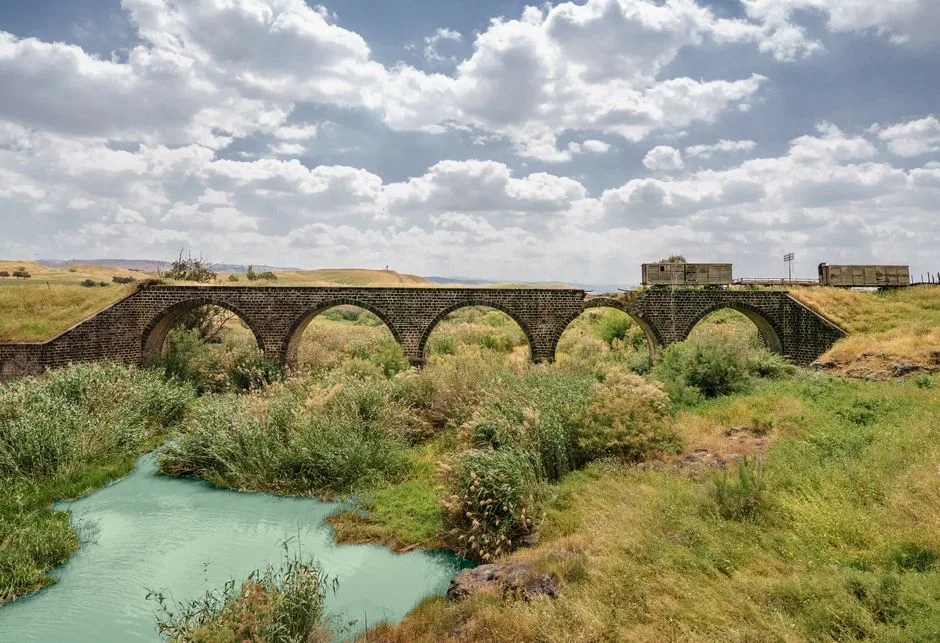
Around age 30, Jesus was baptized in the Jordan River by John the Baptist, an apocalyptic preacher who called Israel to repentance. This event is traditionally treated as the start of Jesus's public ministry, conducted mainly in the Galilee region.
 Pexels · Ala J Graczyk ↗
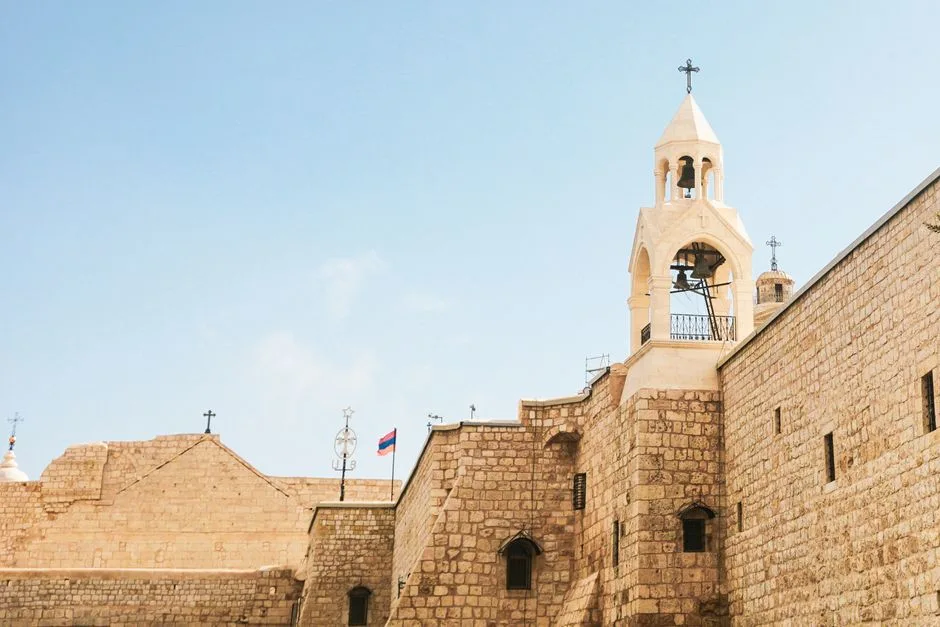
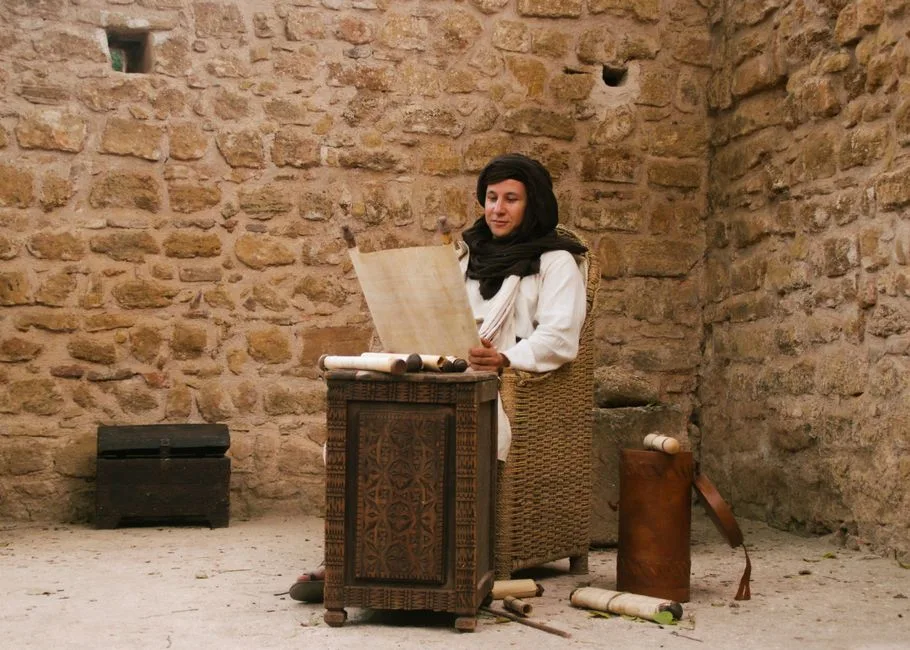
Born in Bethlehem
Jesus was born in Bethlehem, likely between 6 and 4 BCE, to Mary and her husband Joseph, a carpenter from Nazareth in Galilee. The Gospels record a miraculous birth, a visit by Magi following a star, and a flight to Egypt to escape King Herod. He grew up in Nazareth, far from any center of power.
 Pexels · Mehdi Batal ↗
An Off-by-a-Few-Years Calendar
Our calendar counts years from the supposed birth of Jesus — yet it is almost certainly wrong by four to eight years. The 6th-century monk Dionysius Exiguus, who devised the system, miscalculated. King Herod, who appears in the birth narratives, died in 4 BCE, so Jesus was likely born before the year his own era begins.
 Pexels · Elyasaf Eyal ↗
The Twelve Disciples
Jesus gathered twelve core followers, among them Peter, Andrew, James, John, Matthew, Thomas, and Judas Iscariot. Several were Galilean fishermen. The number twelve deliberately echoed the twelve tribes of Israel, signaling a renewed people of God.
 Pexels · John Morgan ↗
A Nobody from Nazareth
Nazareth was an obscure Galilean village — so unremarkable that the Gospel of John records the jibe "Can anything good come out of Nazareth?" Jesus's origin there underscored a recurring theme of his ministry: the unexpected and the lowly carry divine significance.
 Pexels · Elyasaf Eyal ↗
The Sermon on the Mount
The Sermon on the Mount (Matthew 5–7) is the most famous extended teaching of Jesus and likely the core of his ethical vision. It covers love of enemies, non-retaliation, prayer in secret, and the impossibility of serving both God and wealth. It opens with the Beatitudes.
 Wikimedia Commons · Maxinick11 · CC BY-SA 4.0 ↗
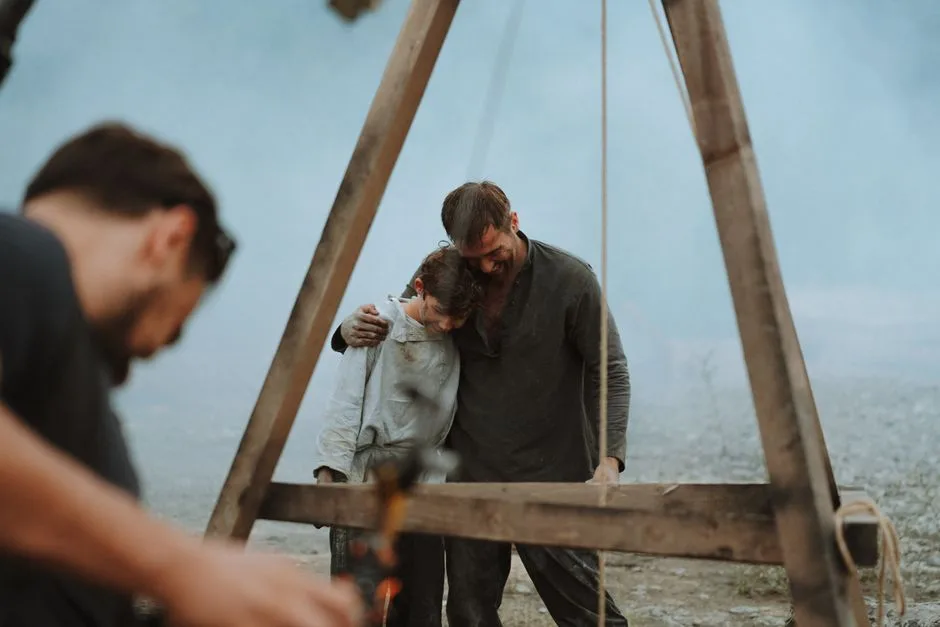
The Two Great Commandments
Asked to name the greatest commandment, Jesus summarized the entire Law in two: love God with all your heart, and love your neighbor as yourself. This pairing became the ethical heart of Christian teaching.
 Pexels · Maksim Romashkin ↗
The Prodigal Son
In the parable of the Prodigal Son (Luke 15), a father joyfully welcomes home the son who squandered his inheritance, dramatizing God's radical forgiveness for the repentant.
 Pexels · RDNE Stock project ↗
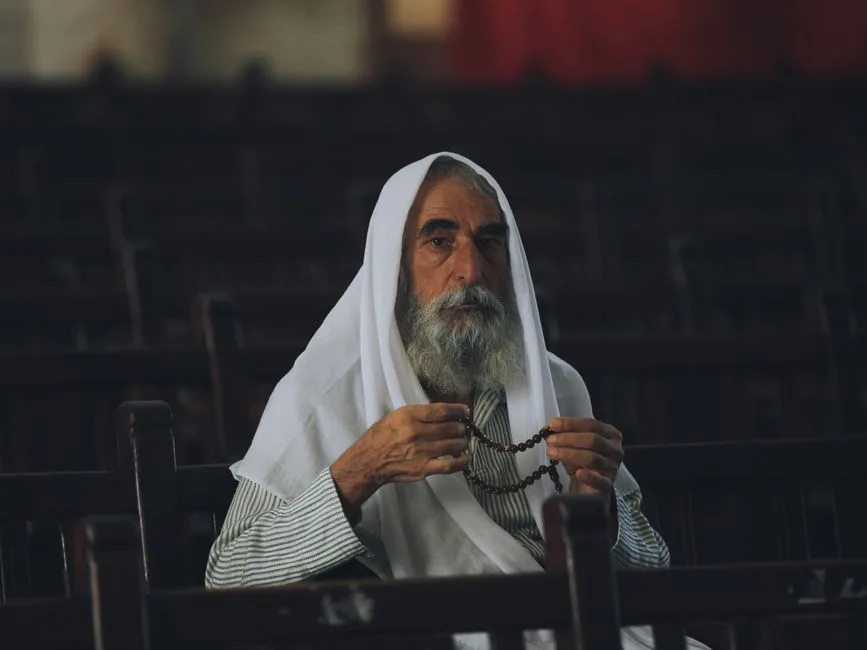
The Good Samaritan
The parable of the Good Samaritan casts a despised Samaritan as the moral hero, teaching that neighborly love crosses ethnic and religious boundaries.
 Pexels · Mehmet Turgut Kirkgoz ↗
Pharisee And Tax Collector
In the parable of the Pharisee and the Tax Collector, the humble tax collector — not the proud Pharisee — is the one justified before God, showing that humility outranks religious pride.
1 / 10Which behavior was characteristic of Jesus's public ministry?
Jesus's ministry was marked by teaching in parables, healings, eating with social outcasts, and confronting the religious establishment.
Lesson 2 has 74 cards. Keep going in the free app.
Question -
 Wikimedia Commons · Malini reddy · CC BY-SA 4.0 ↗03
The Apostolic Age
Pentecost and the Pentarchy · Paul and the Gentile Mission · Persecution and the Canon
Lesson 3 · 10 cardsWikimedia Commons · Malini reddy · CC BY-SA 4.0 ↗The Birth of the Church
Fifty days after the Resurrection, at the Jewish feast of Pentecost, the disciples reported a dramatic outpouring of the Holy Spirit. Peter preached to the gathered crowds, and according to Acts 2 some 3,000 people were baptized that day. Usually dated to around 30–33 CE, this event is traditionally regarded as the birth of the Christian Church.
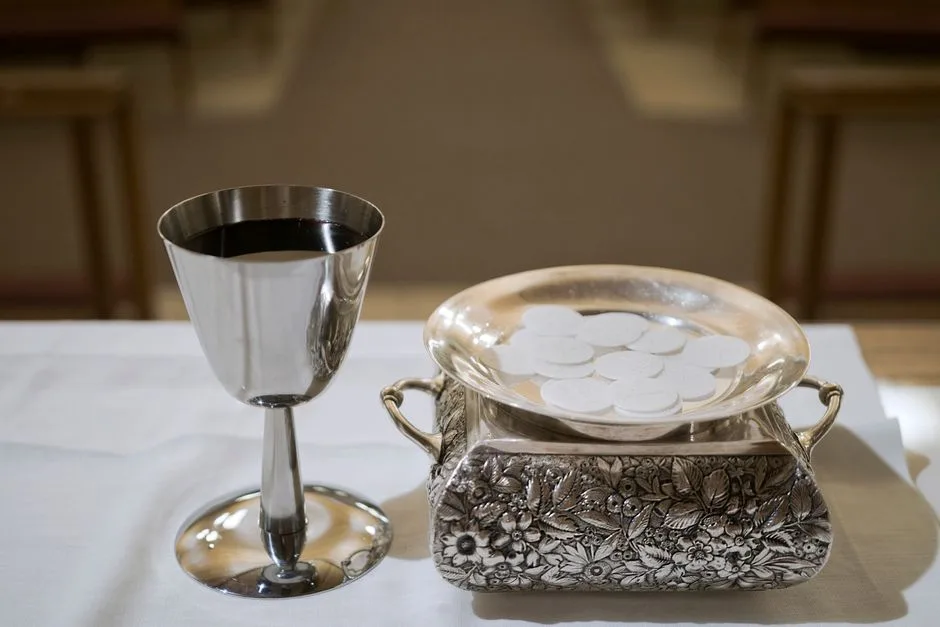 Pexels · Robert Schrader ↗
The Mother Church
The early community in Jerusalem — the "mother church" — shared its goods in common, met daily in the Temple courts, and broke bread together in homes. They believed Jesus would return imminently, which shaped their radical communal lifestyle. Tradition holds it was led by James, the brother of Jesus.
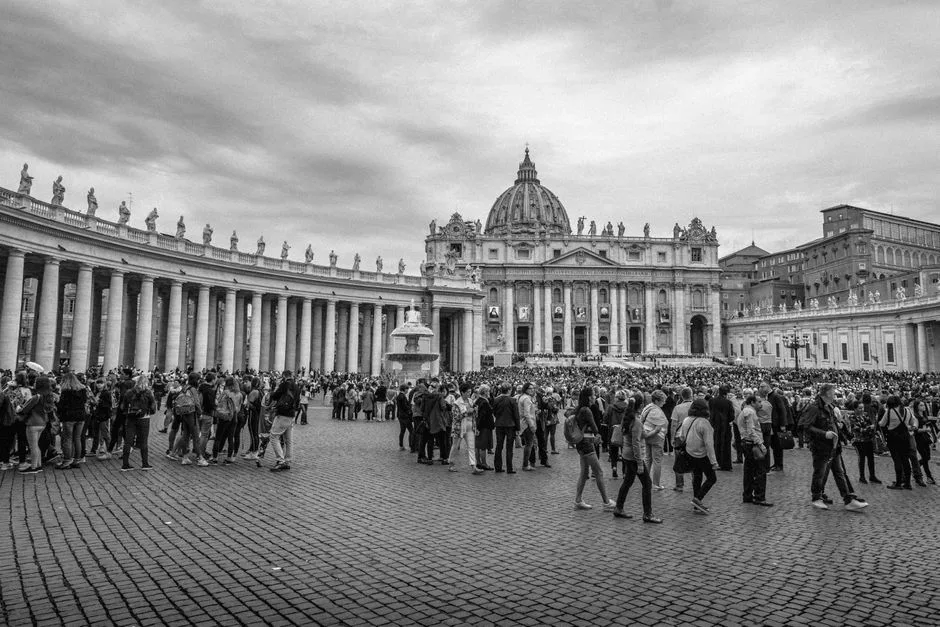 Pexels · Jens Hackradt ↗
One Sermon, Thousands Baptized
Acts 2 records that after Peter's sermon at Pentecost, about 3,000 people were baptized in a single day, a number marking Pentecost as a founding moment rather than a gradual process.
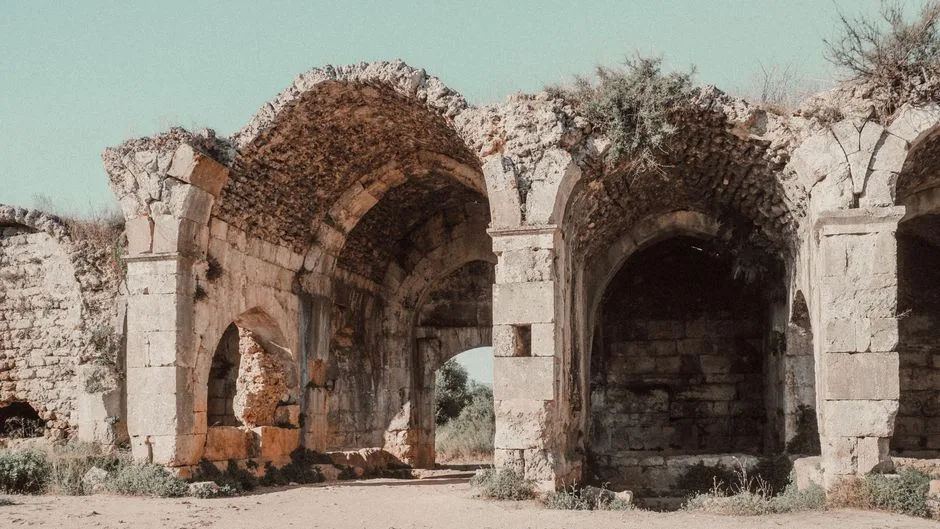 Pexels · Ayşegül Aytören ↗
Antioch: Birthplace of Christians
Acts 11:26 says followers of Jesus were first called "Christians" in the city of Antioch, which also became a key hub for the mission to Gentiles.
 Pexels · Agung Pandit Wiguna ↗
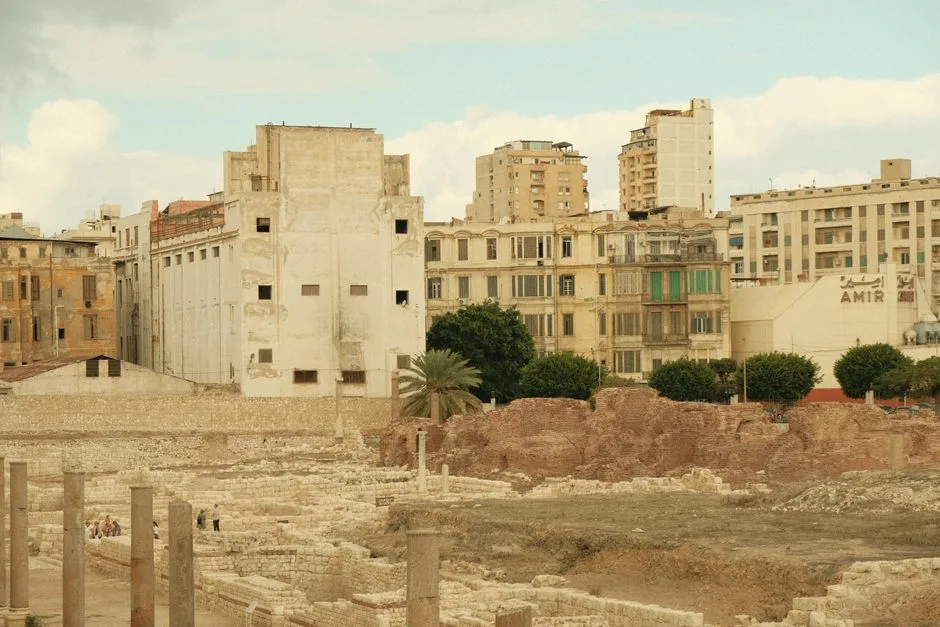
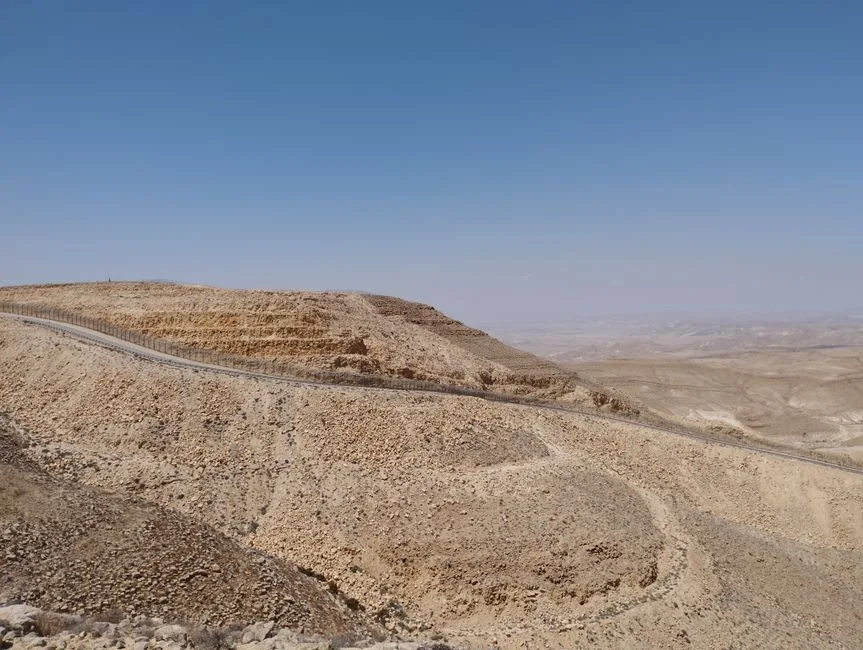
Mark's City of Learning
Tradition holds that Alexandria was founded by the apostle Mark and grew into Egypt's great center of Christian scholarship and philosophy, one of the five patriarchal seats of the early church.
 Pexels · Daniel Rosehill ↗
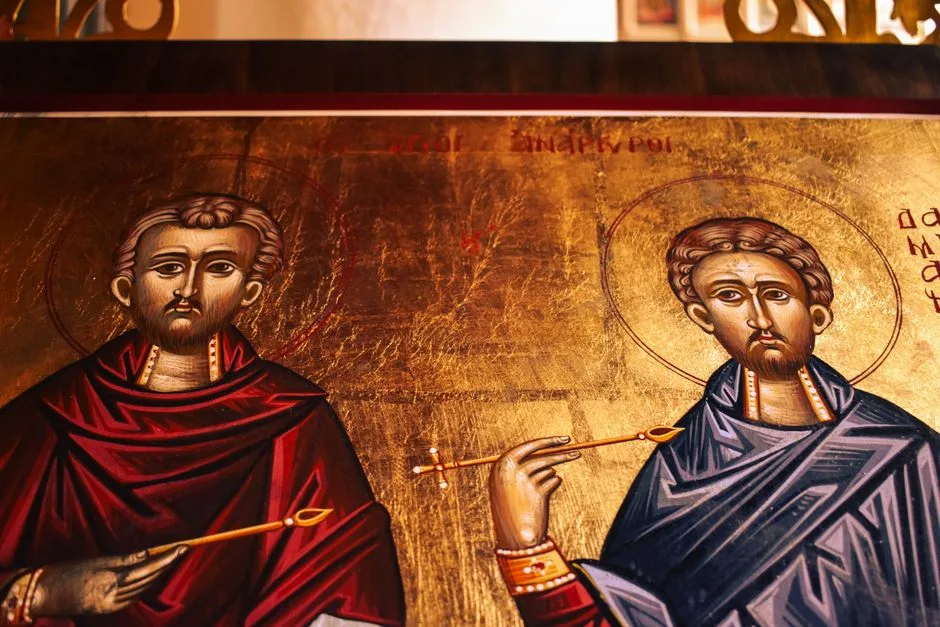
From Persecutor to Apostle
No figure shaped early Christianity more decisively than Saul of Tarsus, who became the Apostle Paul. A Pharisee who initially persecuted Christians, he reported a dramatic conversion on the road to Damascus around 36 CE, which he described as a direct encounter with the risen Jesus. He became Christianity's first and greatest theologian.
 Pexels · Stefan Petrov ↗
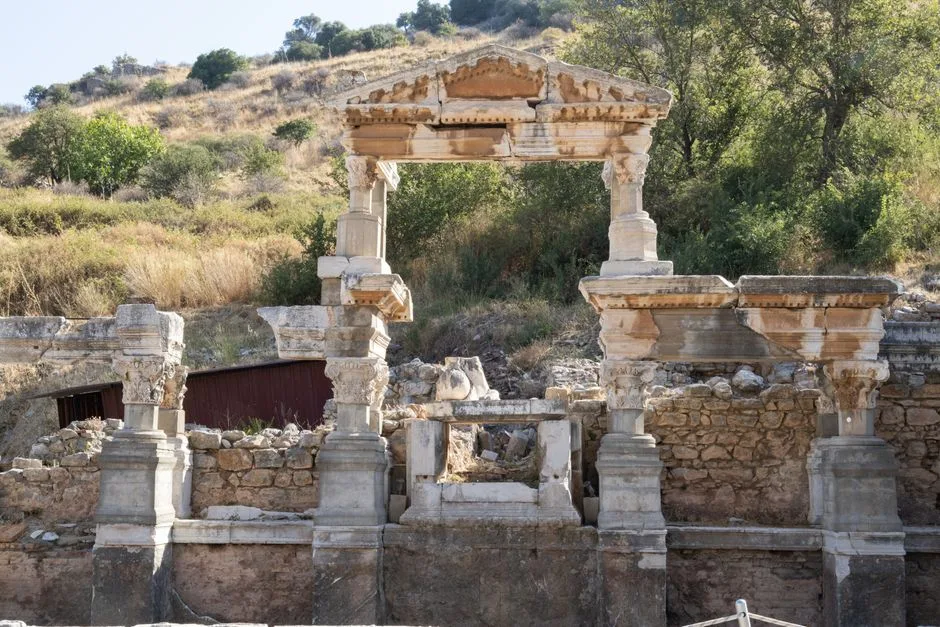
Three Missionary Journeys
Between roughly 42 and 62 CE, Paul undertook three major missionary journeys across Asia Minor (modern Turkey), Greece, and eventually Rome. He planted churches in city after city and stayed connected to them through letters — many of which became Scripture.
 Pexels · Enes Ersahin ↗
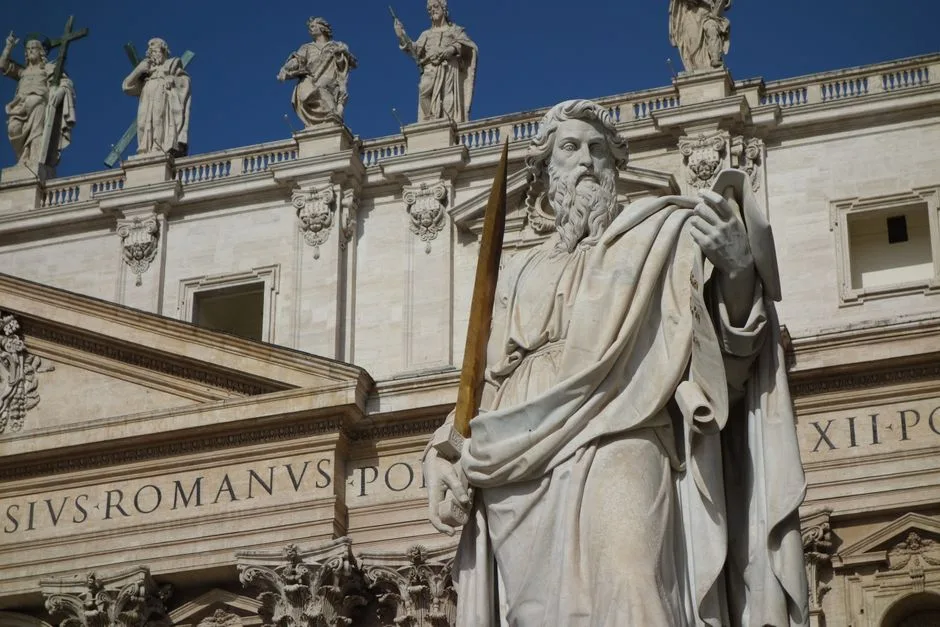
The Council of Jerusalem
Paul's revolutionary contribution was arguing that Gentiles (non-Jews) could become fully Christian without first converting to Judaism — no circumcision, no full Torah observance. This position was confirmed at the Council of Jerusalem around 49 CE, transforming Christianity from a Jewish sect into a universal religion.
 Pexels · mingche lee ↗
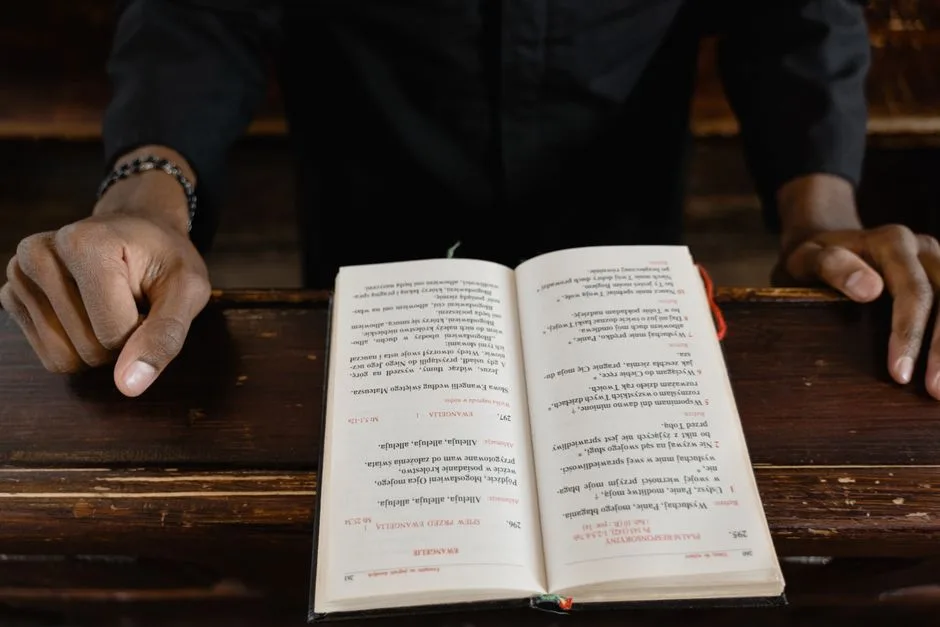
Paul's Prolific Pen
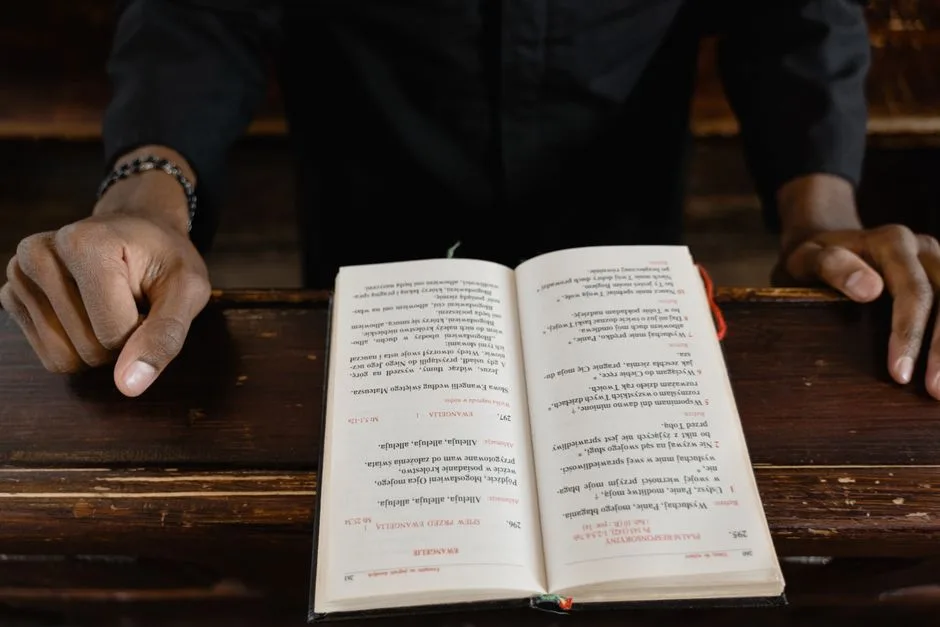
Tradition credits the apostle Paul with writing 13 of the New Testament's 27 books, making him its single most prolific contributor.
 Pexels · A close-up view of a priest reading an open bible during a church service, focus on hands and book. ↗
Justification by Faith
Paul taught that people are made right with God through grace and faith rather than by earning it through moral performance, a concept known as justification by faith.
1 / 10According to Acts 2, roughly how many people were baptized after Peter's sermon at Pentecost?
Acts 2 records about 3,000 baptized in a single day — a precise number marking Pentecost as a founding moment, not a gradual process.
Lesson 3 has 71 cards. Keep going in the free app.
Question -
 Pexels · AXP Photography ↗04
The Imperial Church
Constantine and Nicaea · The Seven Ecumenical Councils · Augustine and the Desert
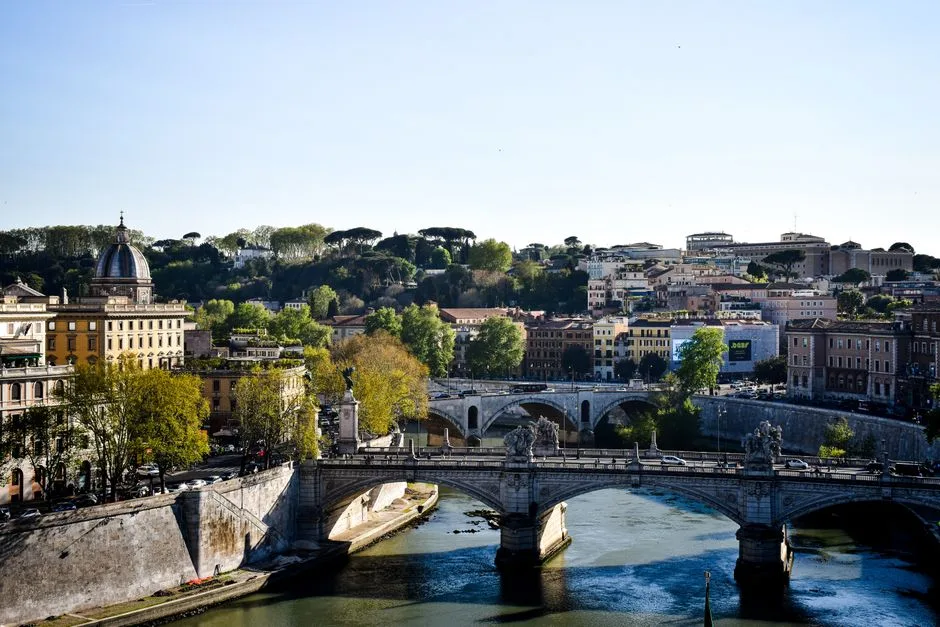
Lesson 4 · 10 cardsPexels · AXP Photography ↗In This Sign, Conquer
Constantine reportedly converted after a vision before the Battle of the Milvian Bridge (312 CE) — the famous "In hoc signo vinces" ("In this sign, conquer"). Whether his conversion was a genuine religious experience or a shrewd political calculation remains debated by historians.
 Pexels · Magda Ehlers ↗
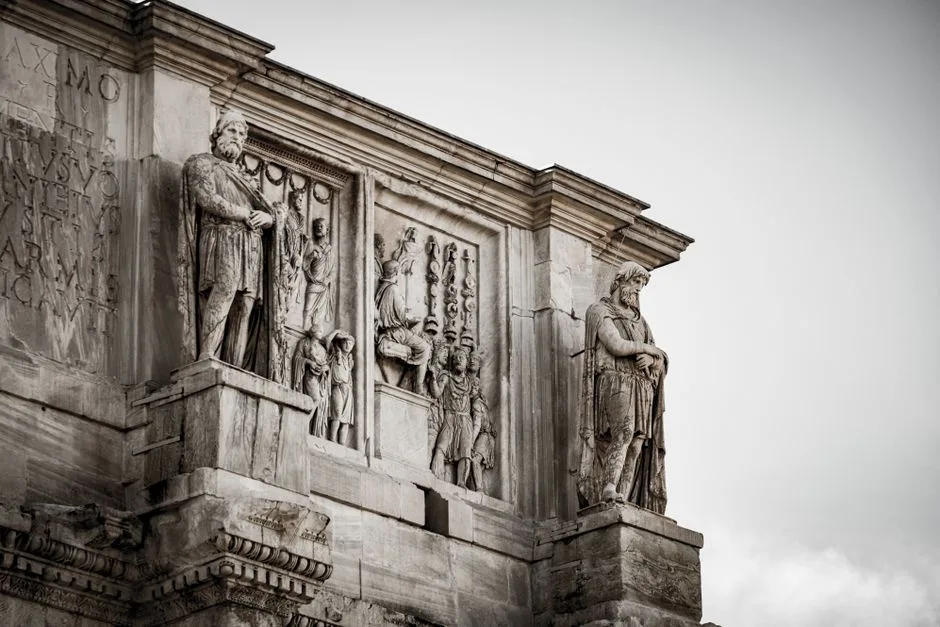
The Edict of Milan
In 313 CE, the emperor Constantine I issued the Edict of Milan together with his co-emperor Licinius, granting toleration to Christians across the Roman Empire. After roughly three centuries as a persecuted sect, Christianity could now be practiced openly; confiscated property was returned to the churches.
 Pexels · Czapp Árpád ↗
The First Council of Nicaea
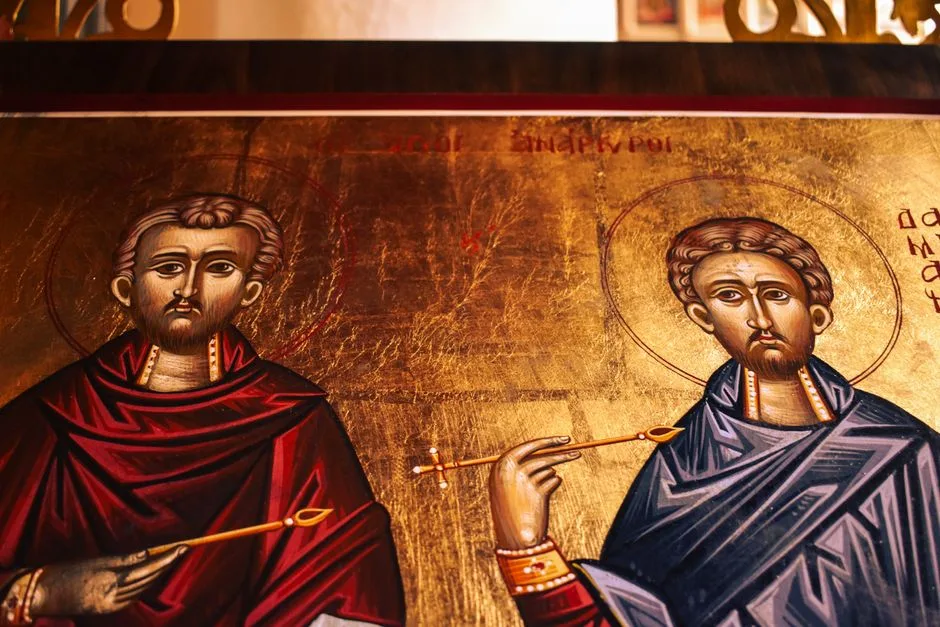
In 325 CE Constantine summoned the First Council of Nicaea, the largest gathering of bishops the church had yet seen — by tradition some 318 bishops (estimates range from about 250 to 318). It met chiefly to settle the Arian controversy over the nature of the Son.
 Pexels · Enes Ersahin ↗
Arius and the Controversy
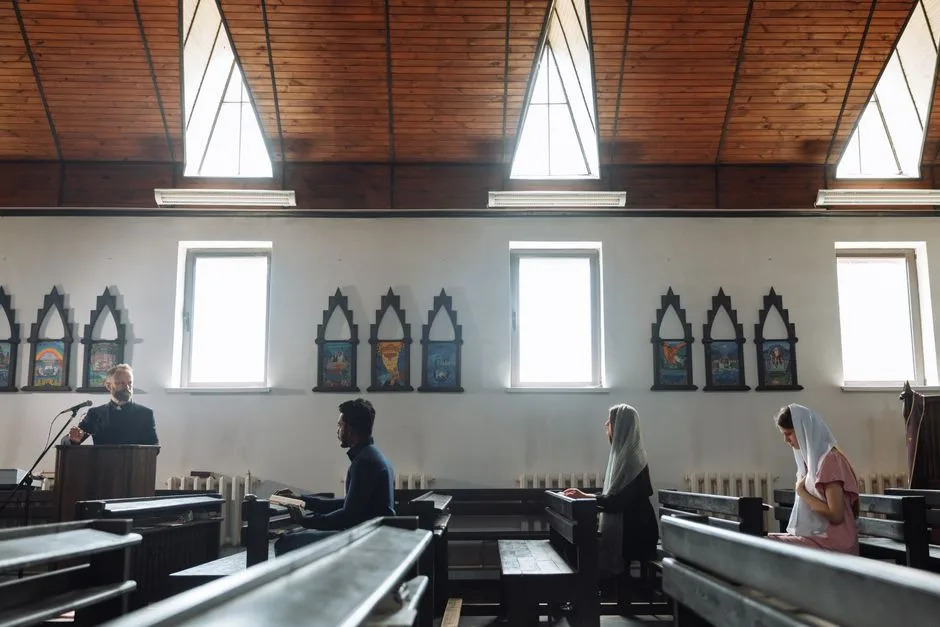
Arius, a presbyter of Alexandria, taught that the Son of God was a created being — not eternal, and not of the same substance as the Father. His slogan was "There was once when he was not." Against him stood Athanasius, who insisted on the full and eternal divinity of the Son.
 Pexels · Thirdman ↗
The Nicene Creed
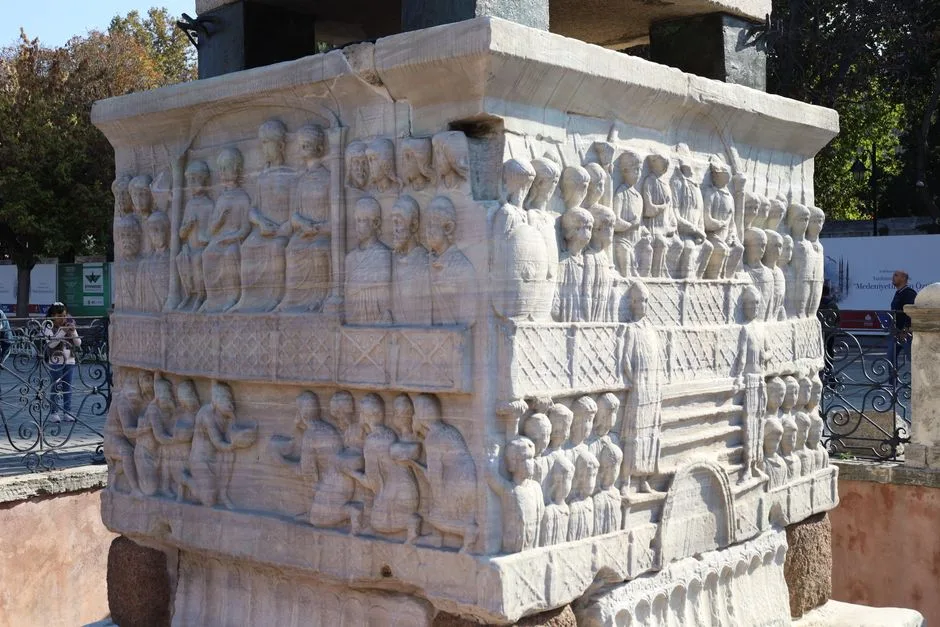
The council condemned Arianism and produced the Nicene Creed, declaring the Son to be *homoousios* — "of the same substance" as the Father. Later expanded at the Council of Constantinople (381 CE), the creed remains the central statement of Christian orthodoxy, still recited in Catholic, Orthodox, and many Protestant services.
 Pexels · Serg Alesenko ↗
The State Religion
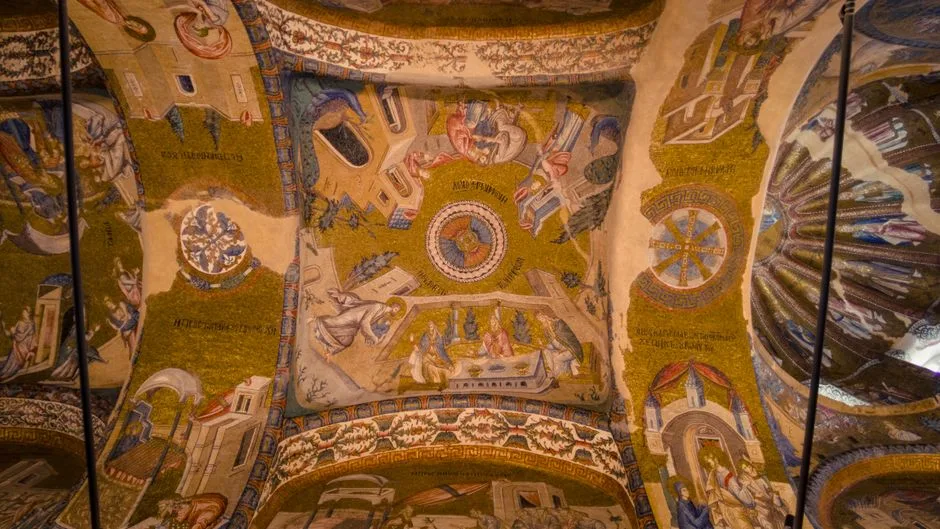
In 380 CE, the emperor Theodosius I declared Nicene Christianity the official state religion of the Roman Empire. In under three centuries the faith had completed an astonishing journey — from a persecuted sect to the established religion of the empire that had once crucified its founder.
 Pexels · Alimurat Üral ↗
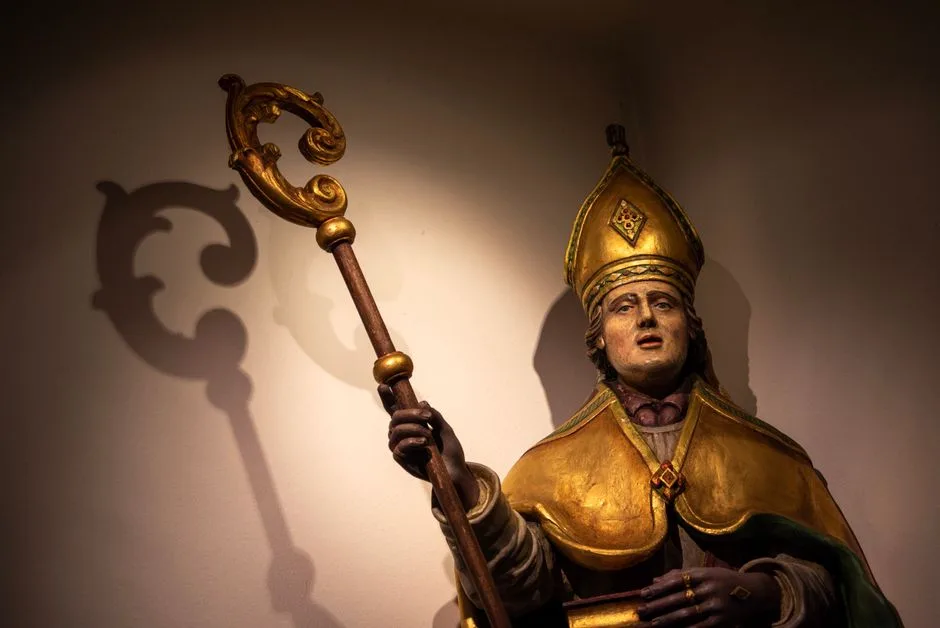
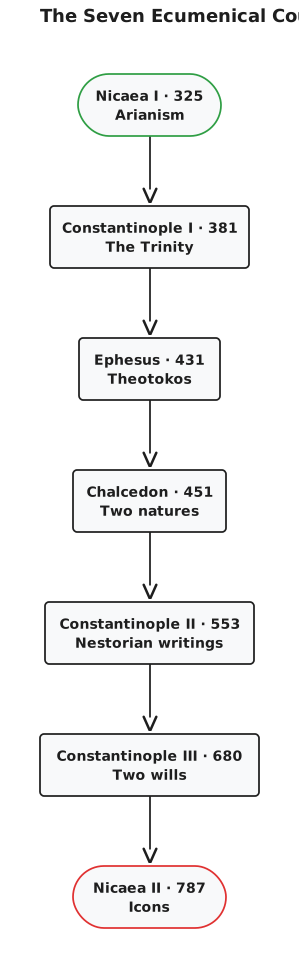
The Seven Ecumenical Councils
Between 325 and 787 CE, seven ecumenical (universal) councils defined Christian doctrine: Nicaea I, Constantinople I, Ephesus, Chalcedon, Constantinople II, Constantinople III, and Nicaea II. Together they hammered out the Trinity, the person of Christ, and the place of icons. The Eastern Orthodox Church treats these seven as its supreme doctrinal authority.
 Pexels · Jan van der Wolf ↗
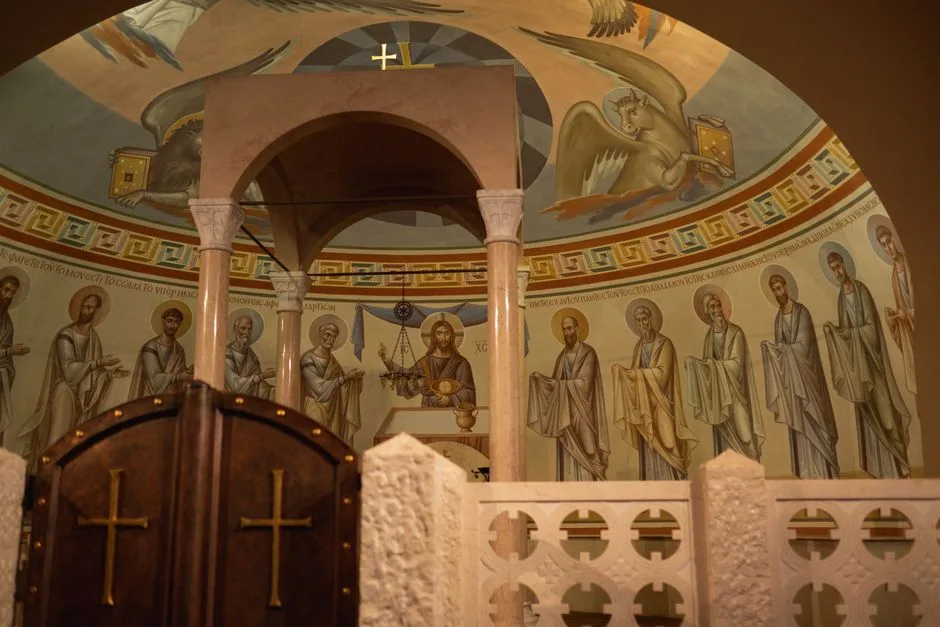
Completing the Trinity
The Council of Constantinople I in 381 affirmed the Holy Spirit's full divinity and produced the final version of the Nicene Creed, completing the doctrine of the Trinity.
 Pexels · Serkan Gönültaş ↗
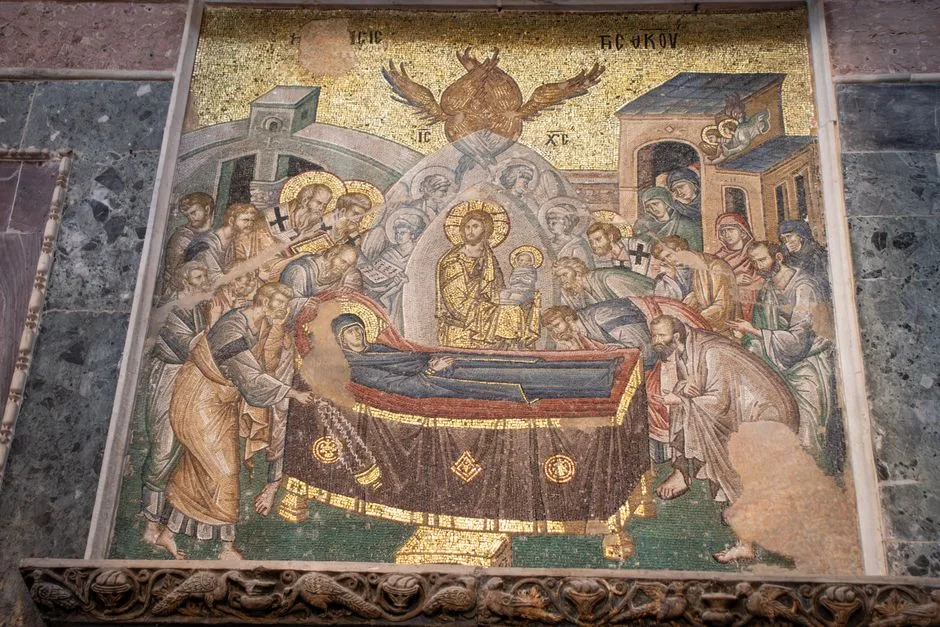
Mary, Declared God-Bearer
The Council of Ephesus in 431 declared Mary to be the Theotokos, or "God-bearer," against the teaching of Nestorius, which the council held divided Christ's divine and human identity.
 Pexels · Ron Lach ↗
A Split That Still Stands
The Council of Chalcedon defined Christ in 451 as one Person with two natures, divine and human. The Oriental Orthodox churches, Coptic, Ethiopian, and Armenian, rejected that formula and remain separate over it to this day.
1 / 10What did the Nicene term homoousios affirm about the Son?
Homoousios ("same substance") affirmed the Son's full divinity and equality with the Father, against the Arian claim that he was created.
Lesson 4 has 76 cards. Keep going in the free app.
Question -
 Pexels · C1 Superstar ↗05
The Middle Ages
Papacy and the Great Schism · Scholasticism and the Friars · Crusades and Crisis
Lesson 5 · 10 cardsPexels · C1 Superstar ↗When the Empire Fell, the Pope Stood
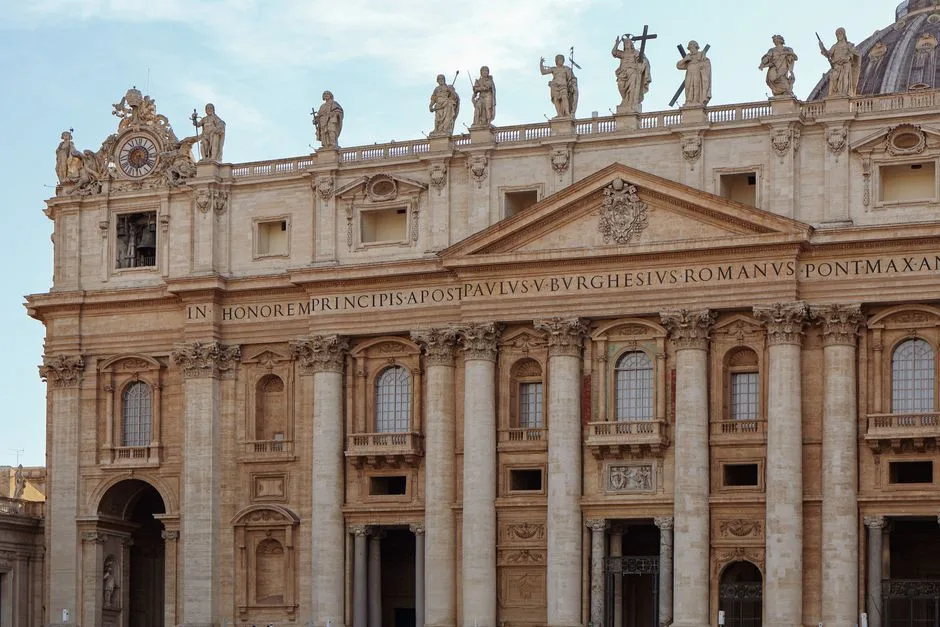
When the Western Roman Empire collapsed in 476 CE, the Bishop of Rome — the Pope — became the most powerful figure in Western Europe. With no emperor to govern, the papacy filled the political vacuum, and the church became the organizing institution of medieval civilization.
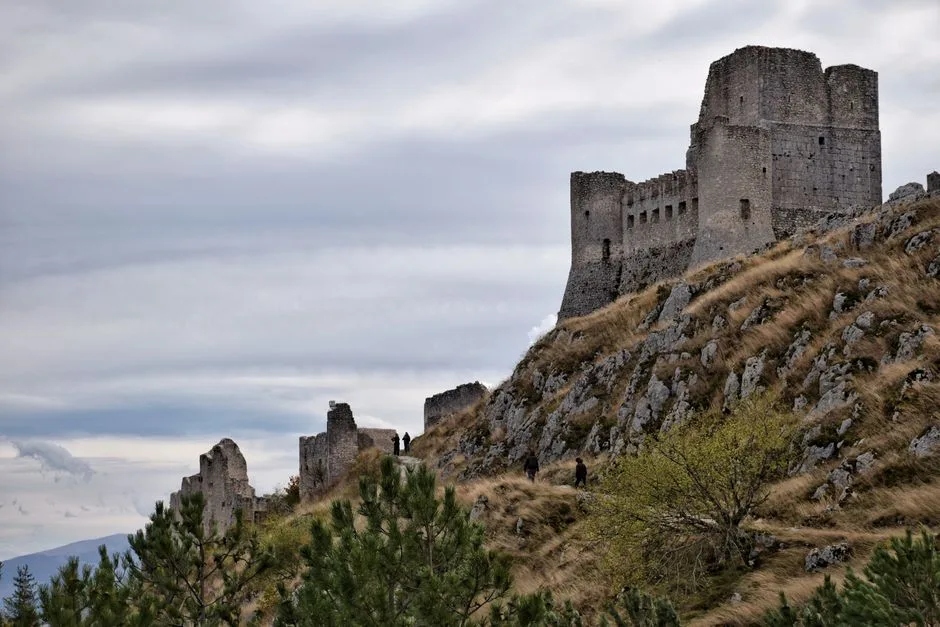 Pexels · Alessandro Cesarano ↗
Barefoot in the Snow at Canossa
The Investiture Controversy (1076–1122) was a struggle over who could appoint church officials — the Pope or secular rulers. In its most famous scene, Pope Gregory VII forced Emperor Henry IV to stand barefoot in the snow at Canossa for three days before granting absolution — a vivid image of papal power over kings.
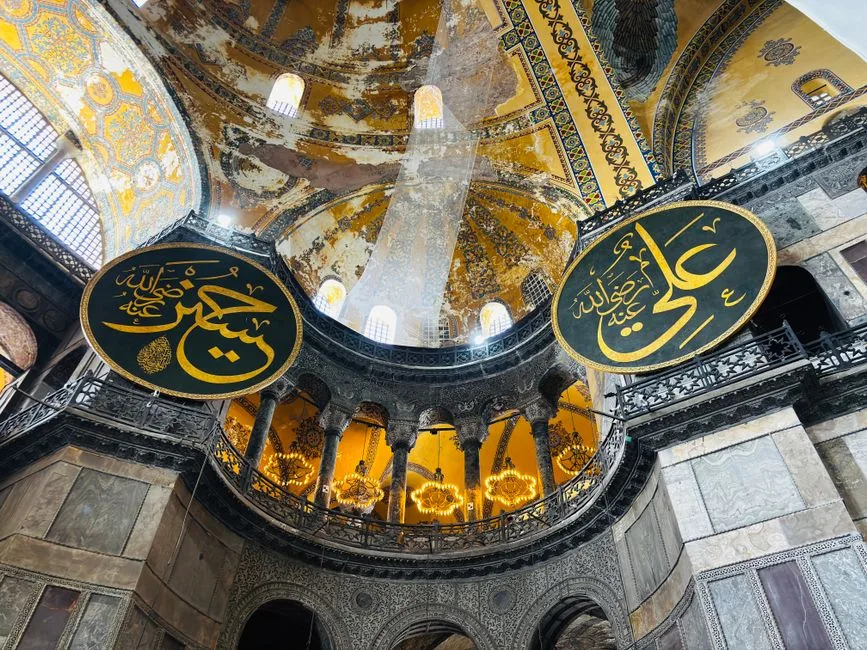 Pexels · umut erdem ↗
The Great Schism of 1054
The Greek-speaking Eastern church (centered on Constantinople) and the Latin-speaking Western church (centered on Rome) had been drifting apart for centuries over theology, politics, culture, and language. The formal break came in 1054, splitting Christianity into what became the Roman Catholic and Eastern Orthodox churches.
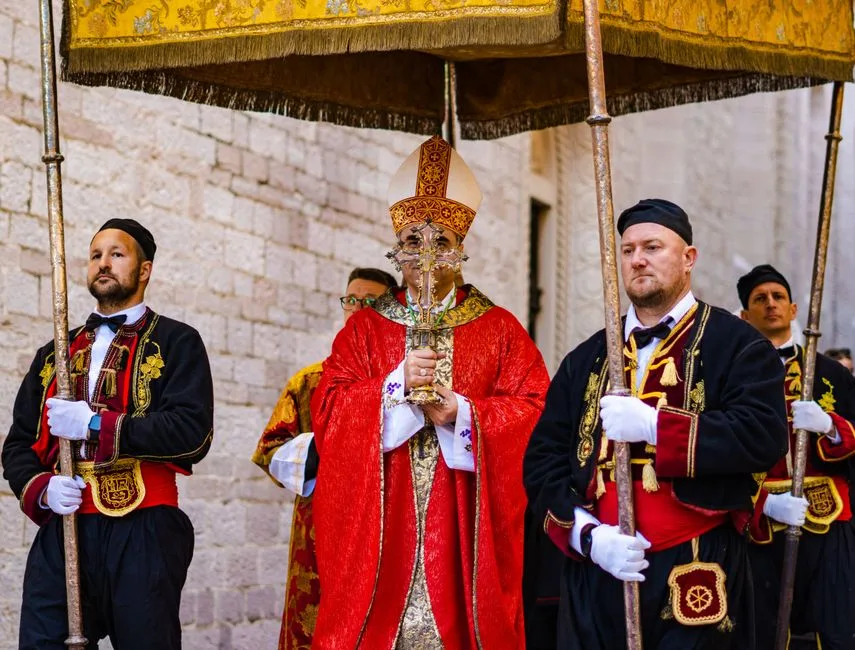 Pexels · Drago Rapovac ↗
The Compromise at Worms
The decades-long Investiture Controversy between pope and emperor formally ended with the Concordat of Worms in 1122, splitting the power to appoint bishops: the emperor granted their lands, the church their spiritual office.
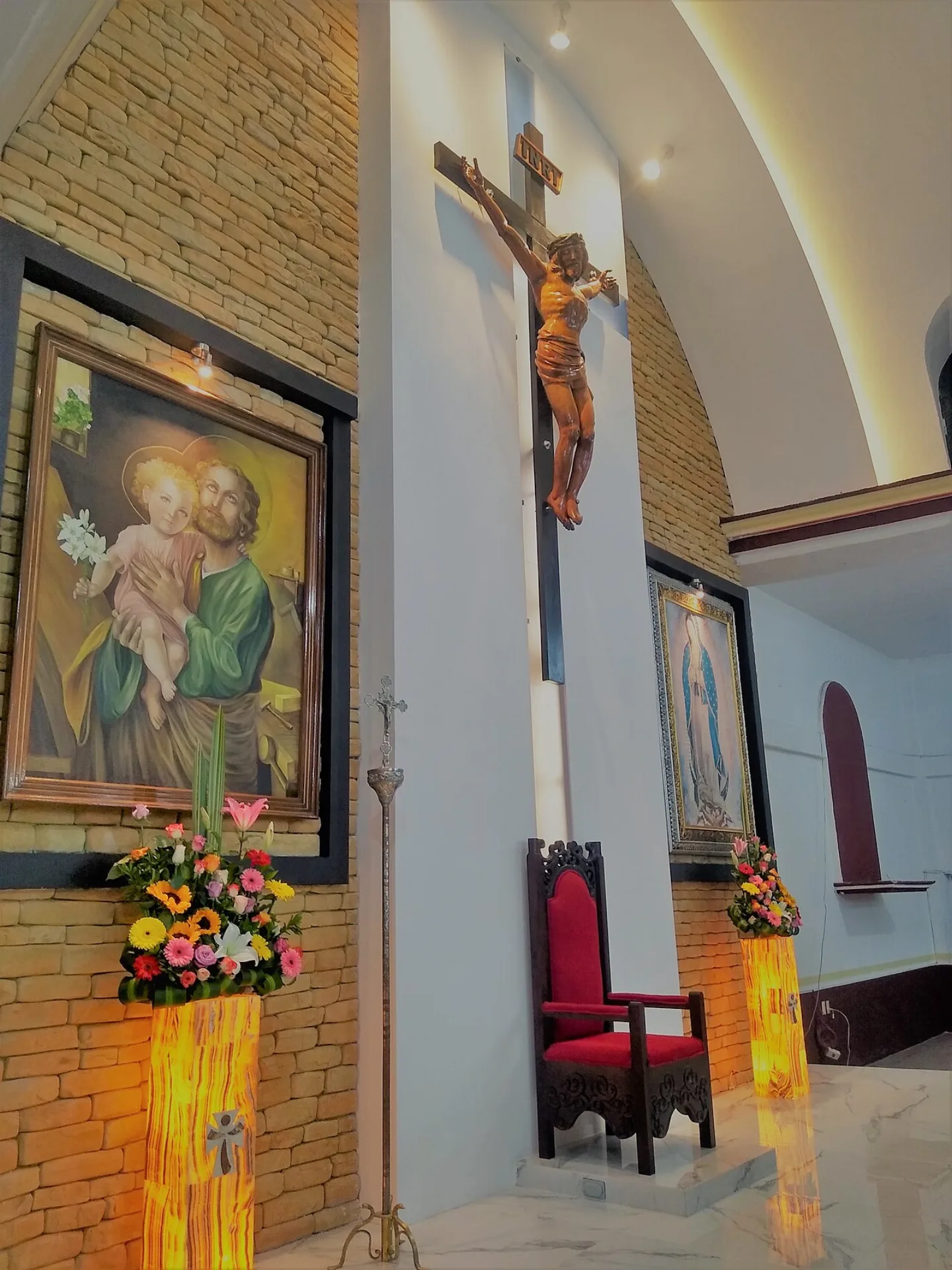 Wikimedia Commons · Isaacvp · CC BY-SA 4.0 ↗
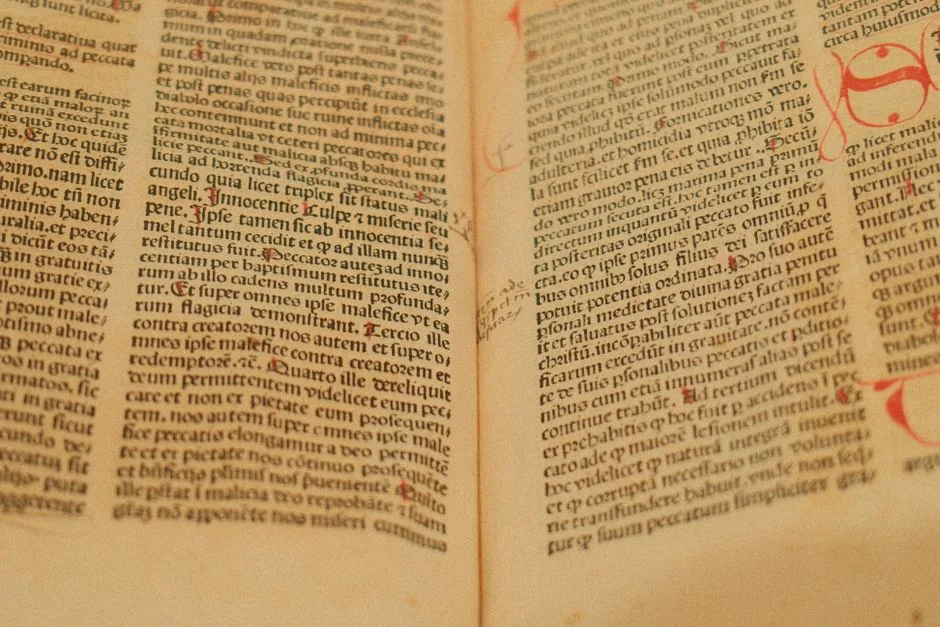
And From the Son
Filioque is Latin for "and from the Son," words the Western church added to the Nicene Creed to affirm the Spirit proceeds from Father and Son. The East rejected altering a council-ratified text.
 Pexels · Alyona Nagel ↗
Thomas Aquinas and the Summa
In the 13th century, Thomas Aquinas (1225–1274) achieved the greatest synthesis of Christian theology and Greek philosophy — especially Aristotle — in his monumental Summa Theologica. He argued that faith and reason were complementary rather than contradictory, and that natural reason could reach many truths about God on its own.
 Pexels · Duc Tinh Ngo ↗
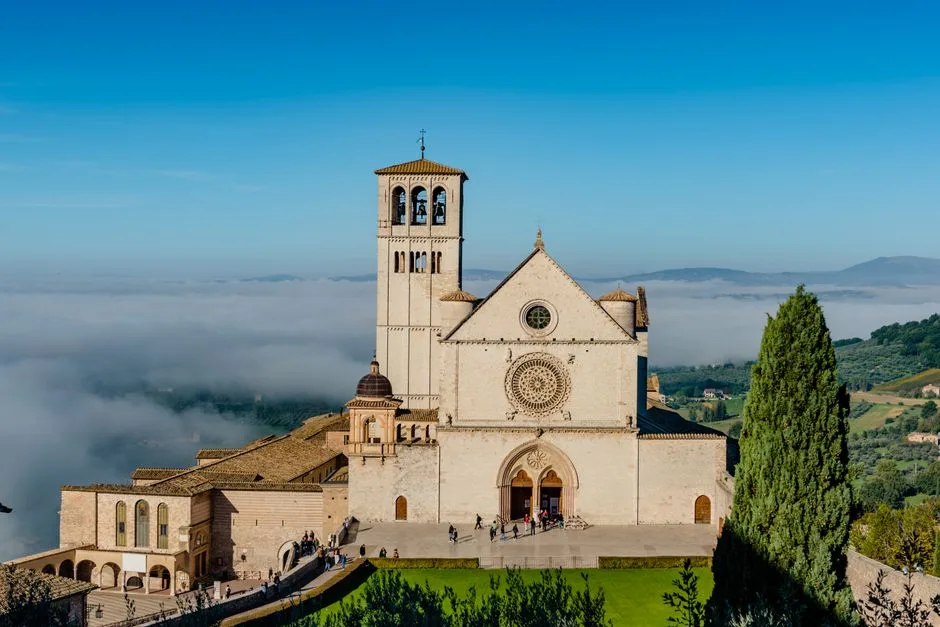
Saint Francis of Assisi
Francis of Assisi (1181–1226) was a wealthy young man who, hearing Christ's call to live in poverty, abandoned everything to care for lepers, preach in the streets, and live as a beggar. He founded the Franciscan Order (the Friars Minor), which grew into one of the largest religious orders in the world.
 Pexels · Pexels User ↗
Logic Meets Theology
Scholasticism applied rigorous Aristotelian logic, raising objections, counterarguments, and resolutions, to systematize Christian theology, embracing Greek philosophy rather than rejecting it.
 Pexels · wai sing ↗
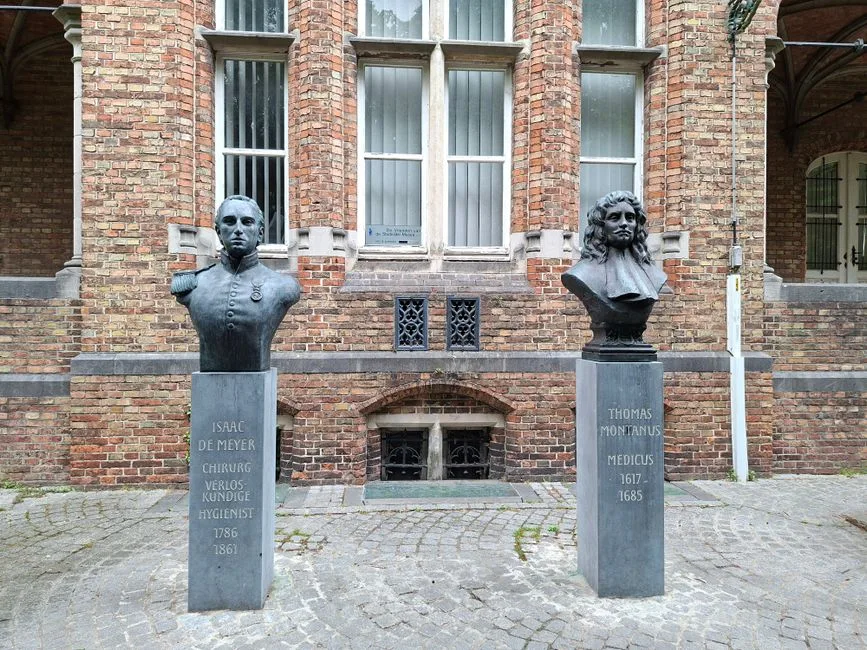
A Moral Order in Creation
Aquinas's idea of natural law holds that a moral order is built into creation itself and can be known through reason alone, apart from scripture or revelation.
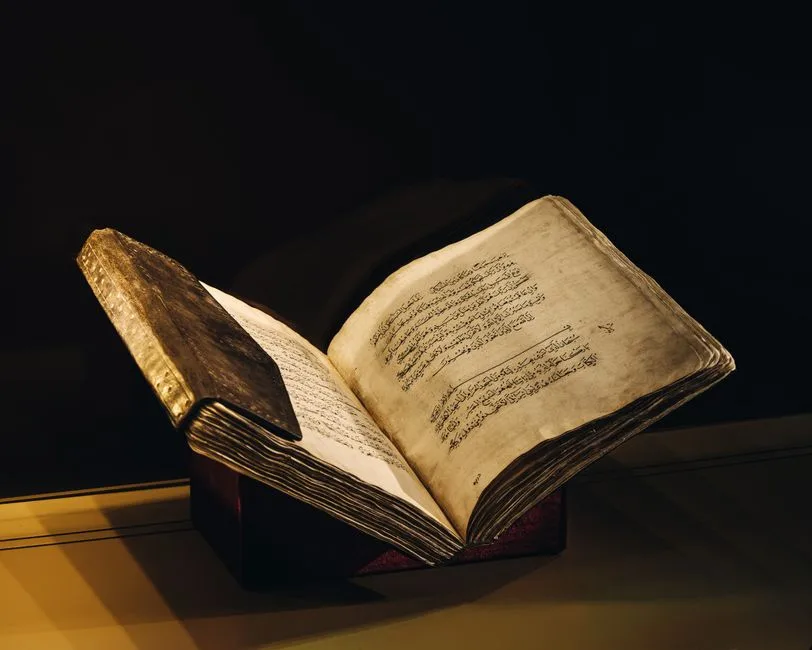 Pexels · burcubyzt_85 ↗
Five Roads to God
Aquinas's "Five Ways" are five separate rational arguments for the existence of God, meant to show that reason alone can establish real truths about the divine.
1 / 10In what year did the Great Schism formally split Eastern and Western Christianity?
In 1054, legates from Rome and the Patriarch of Constantinople issued mutual excommunications, formalizing the split. 1095 was the First Crusade; 1122 the Concordat of Worms.
Lesson 5 has 72 cards. Keep going in the free app.
Question - Take the lessons with you. Free, no account.Download on the App Store ↗Get it on Google Play ↗
-
 Pexels · Ruben Boekeloo ↗06
The Reformation
Luther · Reformed and Radical · The Counter-Reformation
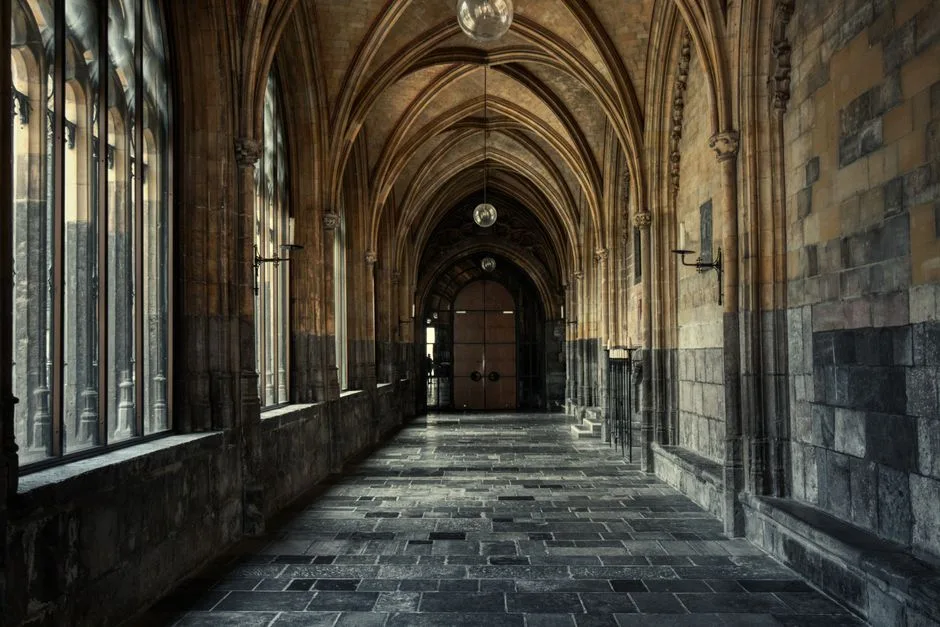
Lesson 6 · 10 cardsPexels · Ruben Boekeloo ↗The Ninety-Five Theses
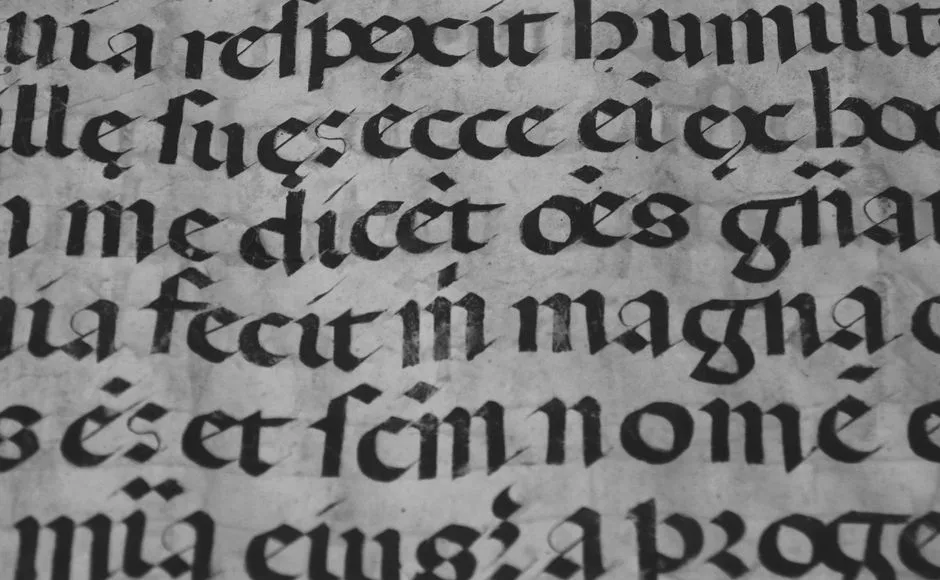
On October 31, 1517, an obscure Augustinian monk named Martin Luther reportedly nailed his Ninety-Five Theses to the door of the Castle Church in Wittenberg, Germany — a customary invitation to academic debate. Whether the dramatic nailing literally happened remains debated, but the theses circulated fast and lit the fuse of the Protestant Reformation.
 Pexels · Budget Bizar ↗
When the Coin in the Coffer Rings
Luther's immediate target was the sale of indulgences, marketed by the Dominican friar Johann Tetzel with the jingle: "When the coin in the coffer rings, the soul from purgatory springs." To Luther this reduced salvation to a cash transaction. He argued that genuine repentance — not a mechanical purchase — was what God required.
 Pexels · Wendelin Jacober ↗
The Press Did the Rest
What began as an academic dispute became a revolution because of the printing press, invented by Gutenberg around 1450. Luther's ideas spread across Europe within weeks — pamphlets reproduced faster than the church could suppress them. The Reformation was arguably the first mass movement powered by print media.
 Pexels · A wooden pulpit with an open Bible in an empty church setting. ↗
The Solas
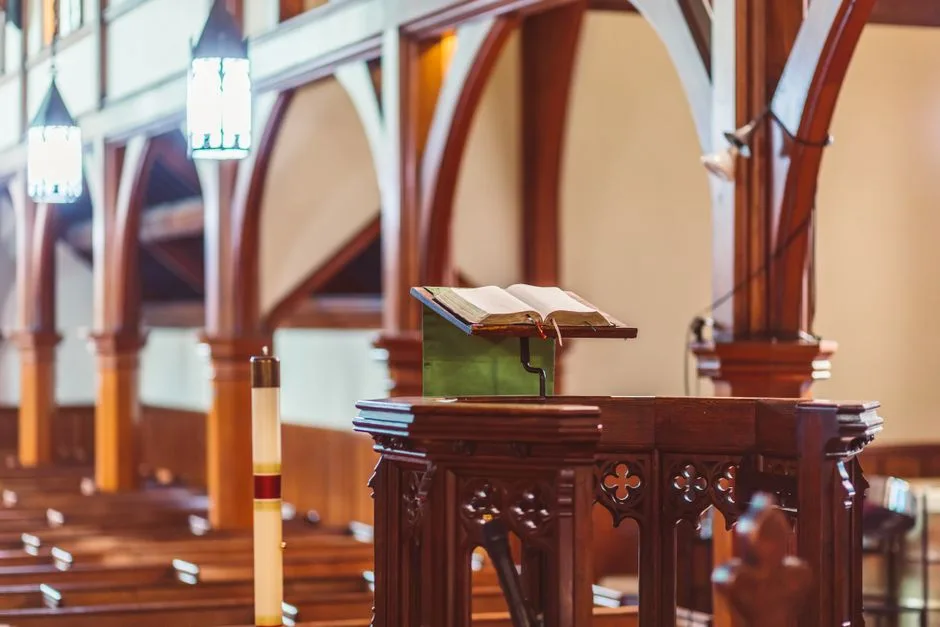
Luther's core rediscoveries are captured in the Latin solas: Sola Scriptura ("Scripture alone" — the Bible, not papal tradition, is supreme authority), Sola Fide ("faith alone" — salvation is received by faith, not earned by works), and Sola Gratia ("grace alone" — God's grace is the sole cause of salvation). He added the priesthood of all believers: every Christian has direct access to God, no priestly mediator required.
 Wikimedia Commons · Moritz Grenke · CC BY-SA 3.0 ↗
Excommunicated, Then Worms
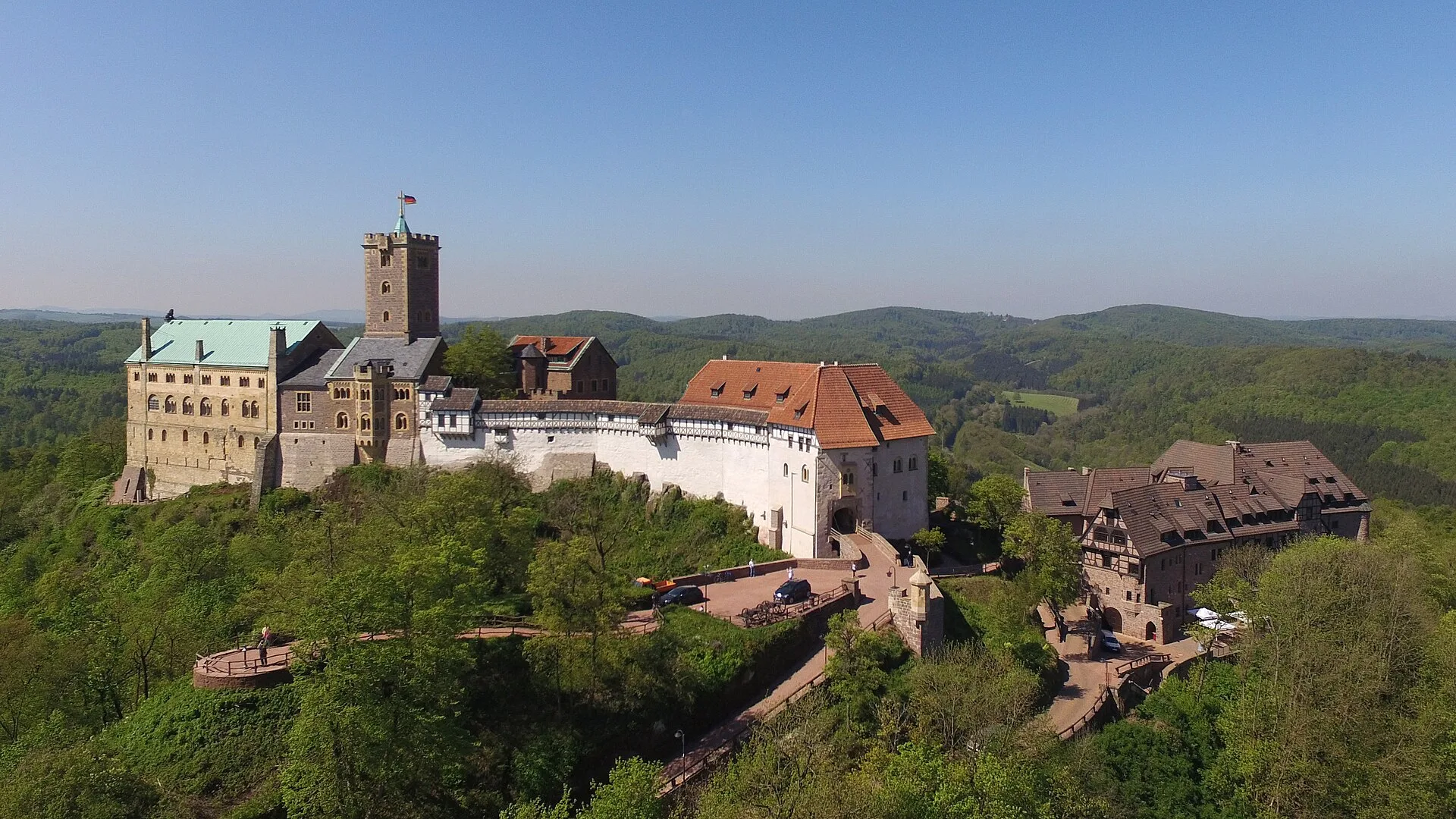
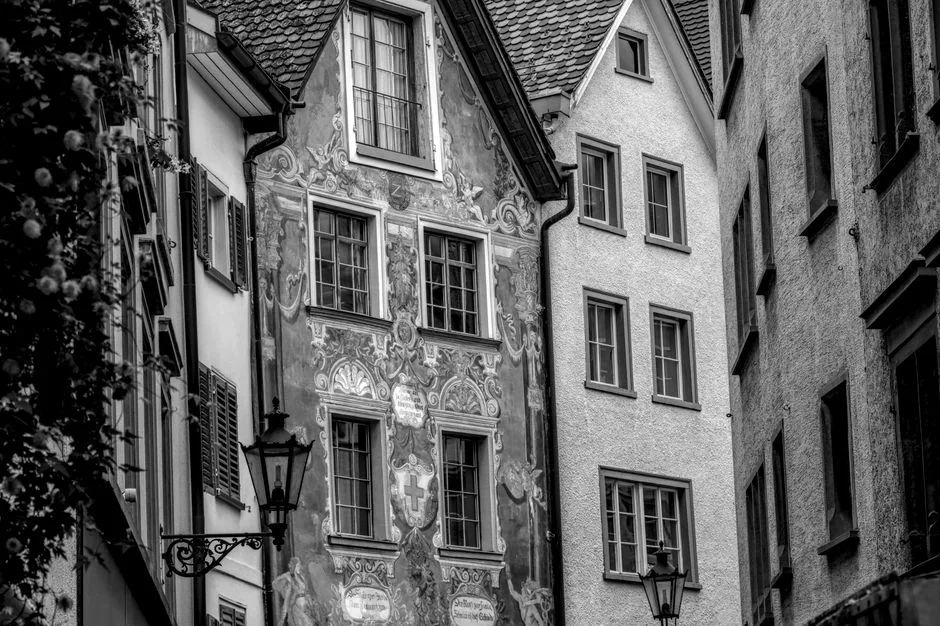
When Pope Leo X demanded Luther recant, he refused and was excommunicated in 1521. Summoned before the Diet of Worms to answer to Emperor Charles V, he again refused — "Here I stand. I can do no other." German princes spirited him away to Wartburg Castle, where he translated the entire New Testament into German in about eleven weeks.
 Pexels · Jean-Paul Wettstein ↗
Zwingli in Zurich
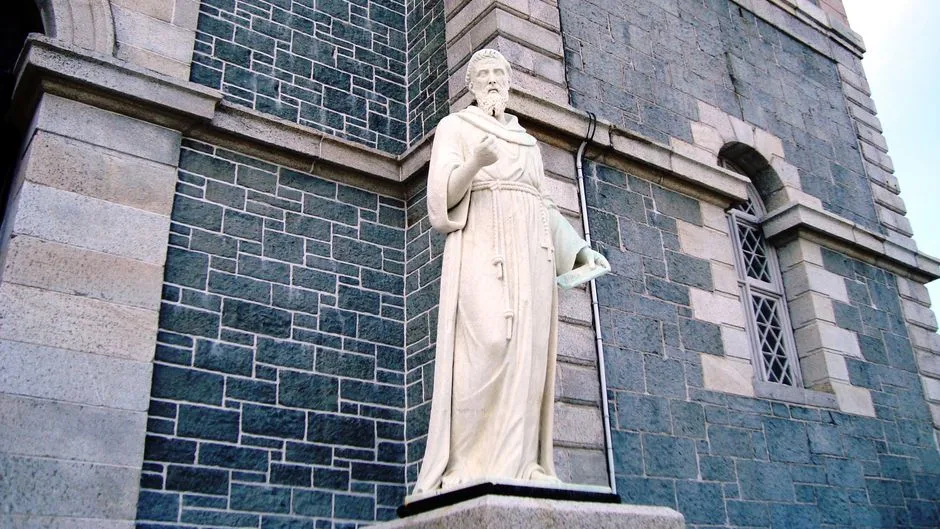
Ulrich Zwingli (1484–1531) led a parallel but distinct Reformation in Zurich, Switzerland. More radical than Luther on worship — stripping churches of art and music — he split with Luther over the Lord's Supper: where Luther held to Christ's real physical presence in the bread and wine, Zwingli read it as purely symbolic, a memorial. The two movements never unified.
 Pexels · Jason Youngman ↗
Calvin in Geneva
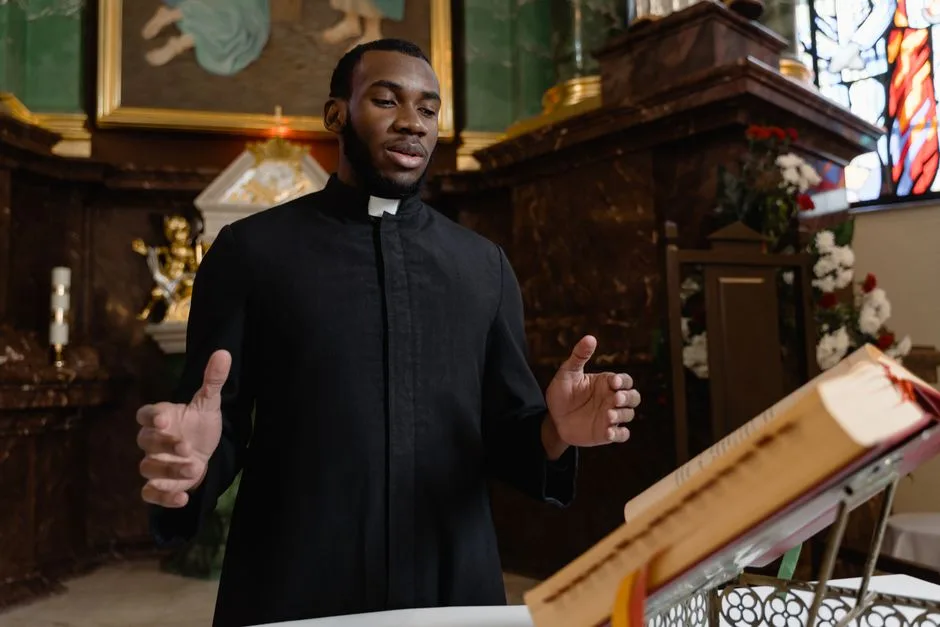
John Calvin (1509–1564) became the second great Reformation theologian. He arrived in Geneva in 1536 almost by accident and was pressed by the reformer William Farel to stay. His Institutes of the Christian Religion (1536, revised 1559) became the systematic textbook of the Reformed tradition — turning Geneva into a model Protestant city.
 Pexels · MART PRODUCTION ↗
How Calvinism Spread
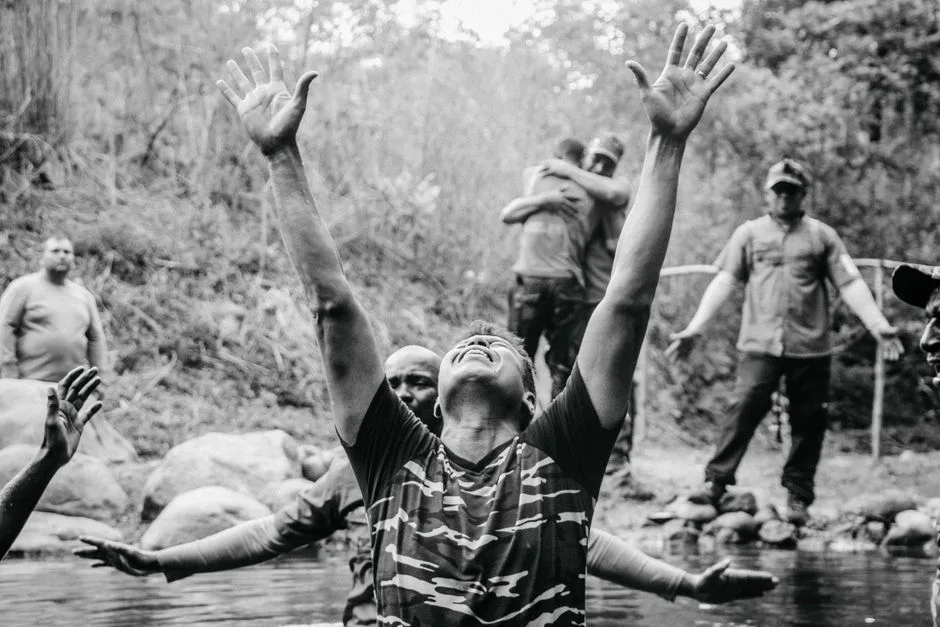
Calvin's theology fanned out across Europe through reformers and refugees: John Knox carried it to Scotland (Presbyterianism), it took root in the Netherlands (the Dutch Reformed), in France (the Huguenots), in England (the Puritans), and on to New England. Few thinkers shaped the map of Protestantism as widely as Calvin did.
 Pexels · Miguel Tejada ↗
The Radical Reformation
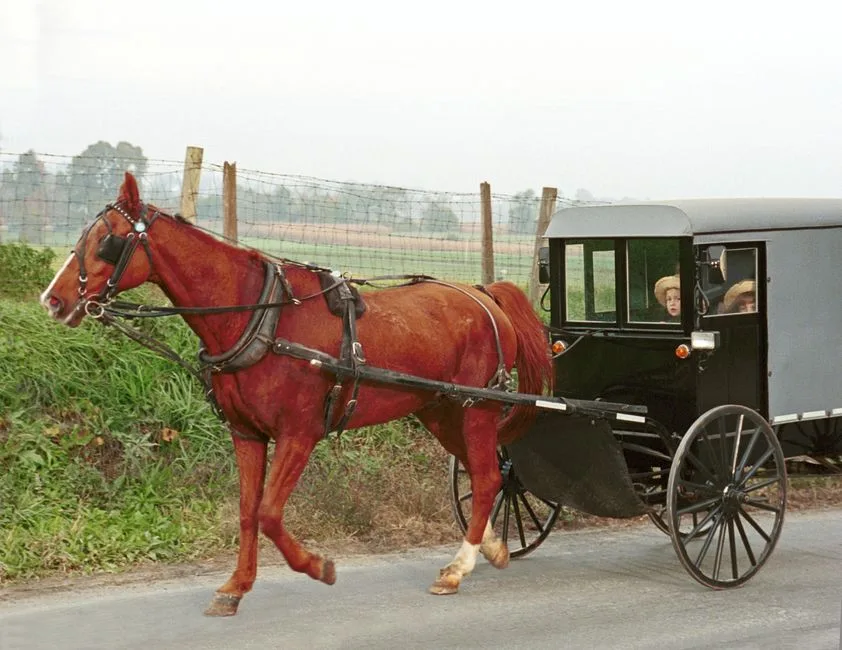
The Anabaptists ("re-baptizers") emerged in Zurich in 1525 when Conrad Grebel, Felix Manz, and others judged infant baptism unbiblical and re-baptized one another as adults on profession of faith. They demanded a complete separation of church and state, refused military service and oaths, and envisioned a wholly voluntary church of committed disciples.
 Pexels · Phyllis Lilienthal ↗
Persecution and Descendants
Anabaptists were hunted by Catholics and Protestants alike — Felix Manz was drowned in Zurich's Limmat River in 1527. Survivors scattered across Europe. The Mennonites (following Menno Simons) and later the Amish descend from this tradition, and their vision of a gathered, state-free church deeply shaped later ideas of religious freedom in America.
1 / 10Sola Gratia, the third of Luther's three solas, teaches that ___.
Sola Gratia ('grace alone') insists God's grace is the only cause of salvation. It completes the trio alongside Sola Scriptura (Scripture alone) and Sola Fide (faith alone) that defined Protestant doctrine.
Lesson 6 has 74 cards. Keep going in the free app.
Question -
 Pexels · Soly Moses ↗07
Mission, Revival & Pentecostalism
Mission and Empire · The Great Awakenings · Azusa Street and Pentecostalism
Lesson 7 · 10 cardsPexels · Soly Moses ↗Azusa Street, 1906
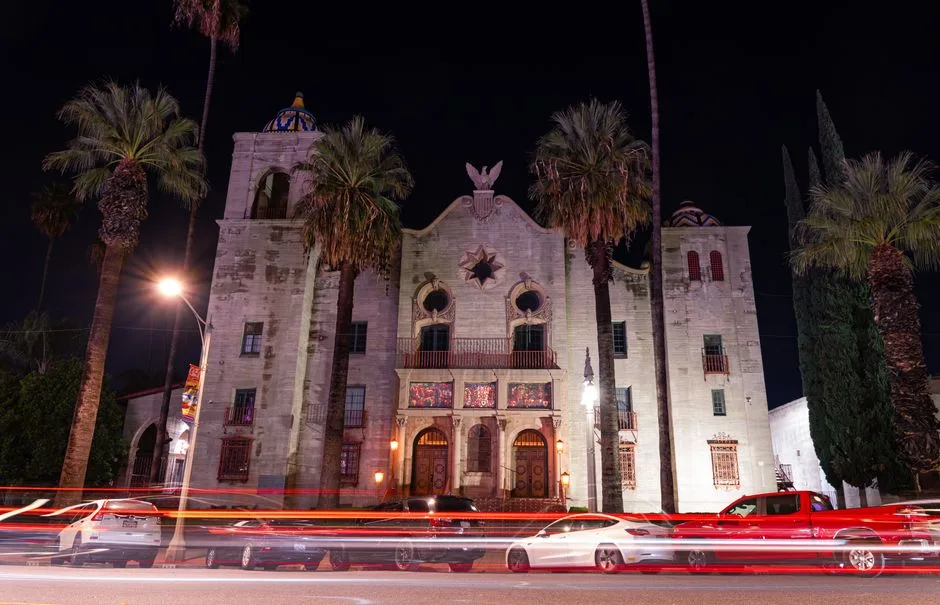
In 1906, an interracial revival broke out at 312 Azusa Street in Los Angeles under William J. Seymour, an African American preacher and son of former slaves. At a time of strict segregation, Black, white, Latino, and Asian worshippers prayed together — itself a startling sight. The revival ran for years and became the launching point of modern Pentecostalism.
 Pexels · DJ Williams ↗
The Cross Followed the Crown
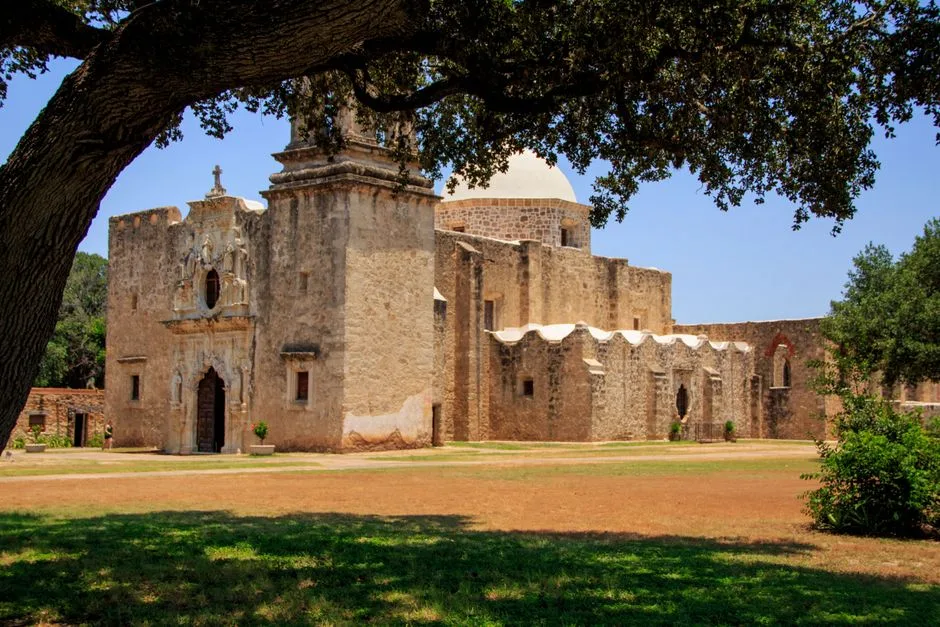
After the Reformation, Christian expansion accelerated through European colonialism. Spain and Portugal carried Catholicism to Latin America, the Philippines, and parts of Africa, often hand in hand with conquest. Later, Protestant missionaries followed colonial expansion to North America, the Caribbean, and eventually sub-Saharan Africa and Asia.
 Pexels · Mehmet Turgut Kirkgoz ↗
A Genuinely Complex Legacy
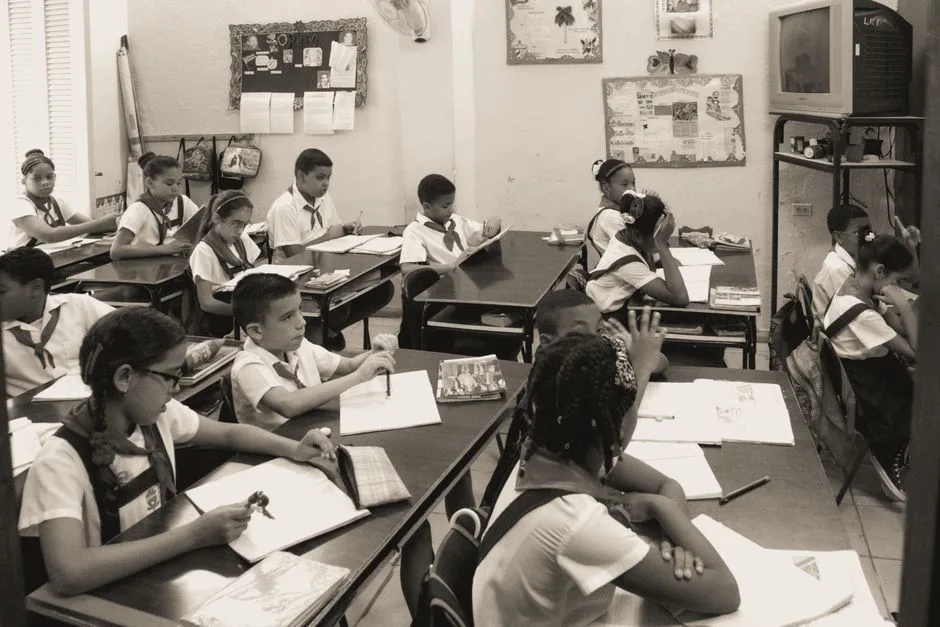
The relationship between Christianity and colonialism resists a simple verdict. Missionaries often brought schools, hospitals, medicine, and literacy — sometimes the first written form of a local language. At the same time, missions frequently participated in or enabled the cultural destruction and exploitation of indigenous peoples. Both things were true, often in the same place at the same time.
 Pexels · Frank van Dijk ↗
Sublimis Deus (1537)
In 1537, Pope Paul III issued the bull Sublimis Deus, declaring that the indigenous peoples of the Americas were rational human beings with the right to liberty and property, and must not be enslaved. It was one of the church's clearest statements of indigenous dignity — and it was frequently ignored by the colonial powers on the ground.
 Pexels · Balázs Gábor ↗
Dividing a New World
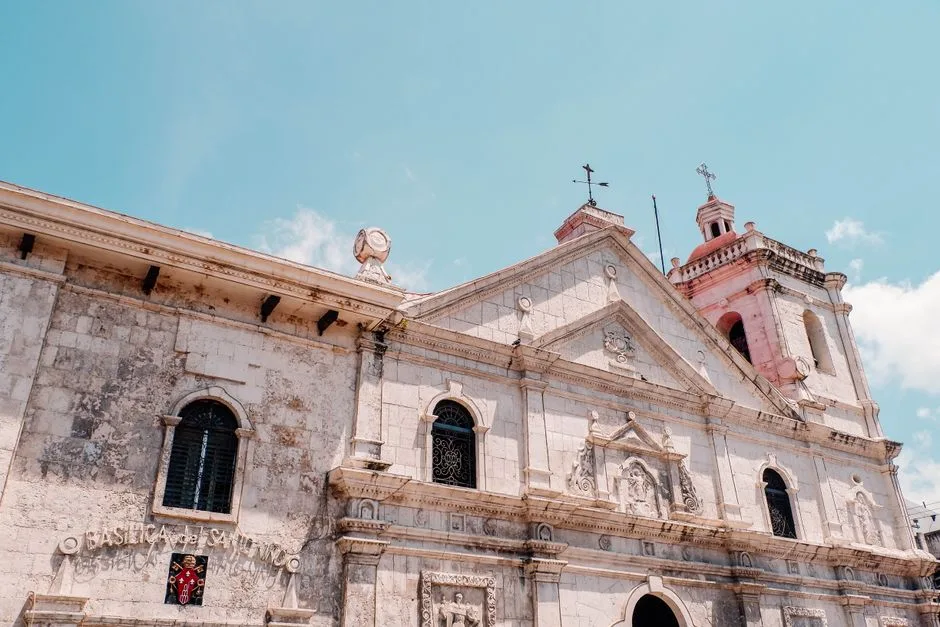
In 1494 the Treaty of Tordesillas divided the entire non-Christian world between the two Iberian crowns of Spain and Portugal, the framework Catholic missions would follow into the colonial era.
 Pexels · Christian Paul Del Rosario ↗
Two Kingdoms, One Faith
Spain and Portugal were the two colonial powers that carried Catholicism to Latin America, the Philippines, and parts of Africa, distinct from Protestant powers like England and the Netherlands, which expanded later.
 Pexels · MART PRODUCTION ↗
The First Great Awakening
Christianity in America has been periodically transformed by waves of revival. The First Great Awakening of the 1730s–1740s swept the Thirteen Colonies through the fiery preaching of Jonathan Edwards — author of the sermon Sinners in the Hands of an Angry God — and the itinerant English evangelist George Whitefield. It democratized faith and helped shape a distinctly American religious culture.
 Pexels · Ivan S ↗
The Second Great Awakening
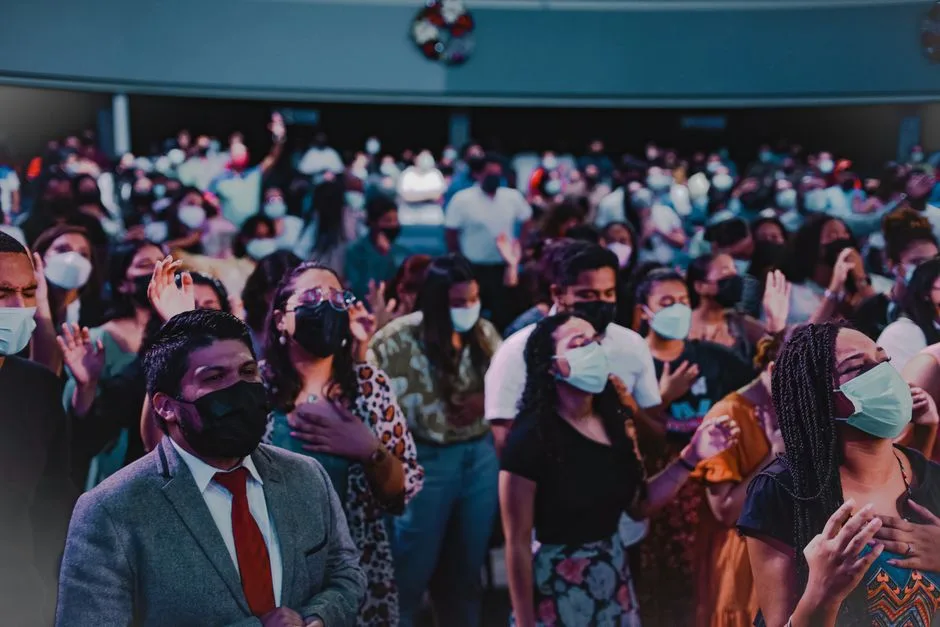
The Second Great Awakening of the early 1800s spread across the American frontier through outdoor camp meetings and traveling circuit riders. Its best-known preacher, Charles Finney, made revival a deliberate technique. Crucially, this awakening fueled social reform: abolitionism, temperance, prison reform, and the early women's rights movement all drew energy from it.
 Pexels · Luis Quintero ↗
The Third Awakening and Holiness
The Third Great Awakening of the 1880s–1900s gave rise to the Holiness movement, which emphasized sanctification — a deeper work of the Holy Spirit purifying the believer after conversion. This emphasis on direct, experiential encounter with the Spirit became the seedbed of Pentecostalism, which would erupt in 1906.
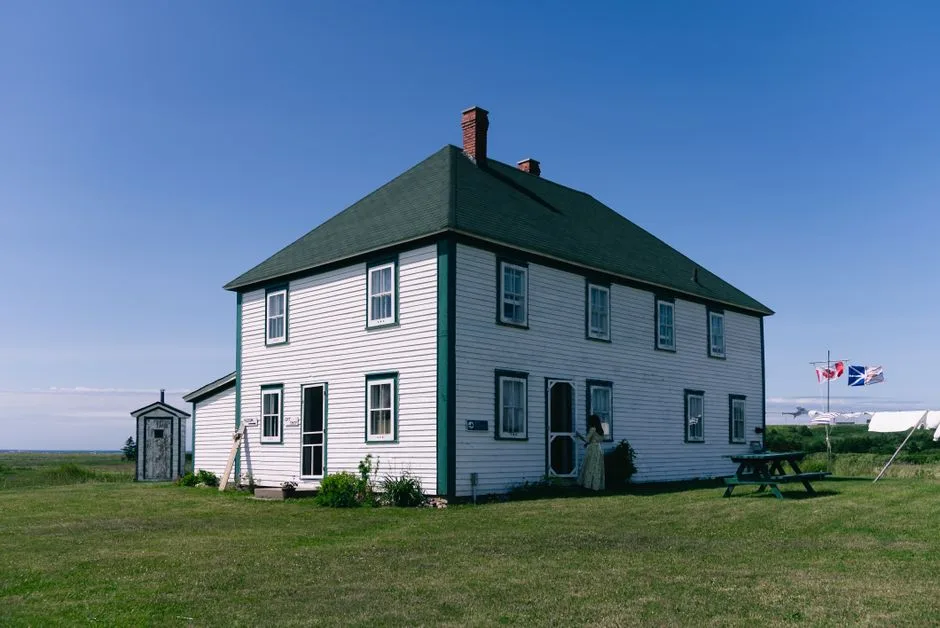 Pexels · Erik Mclean ↗
Edwards and Whitefield
The First Great Awakening spread through the preaching of Jonathan Edwards and the itinerant English evangelist George Whitefield, who together drew huge crowds across the American colonies.
1 / 10Which pope issued the papal bull Sublimis Deus?
Pope Paul III issued Sublimis Deus in 1537. Alexander VI, Julius II, and Leo X were earlier Renaissance popes not associated with this decree on indigenous dignity.
Lesson 7 has 69 cards. Keep going in the free app.
Question -
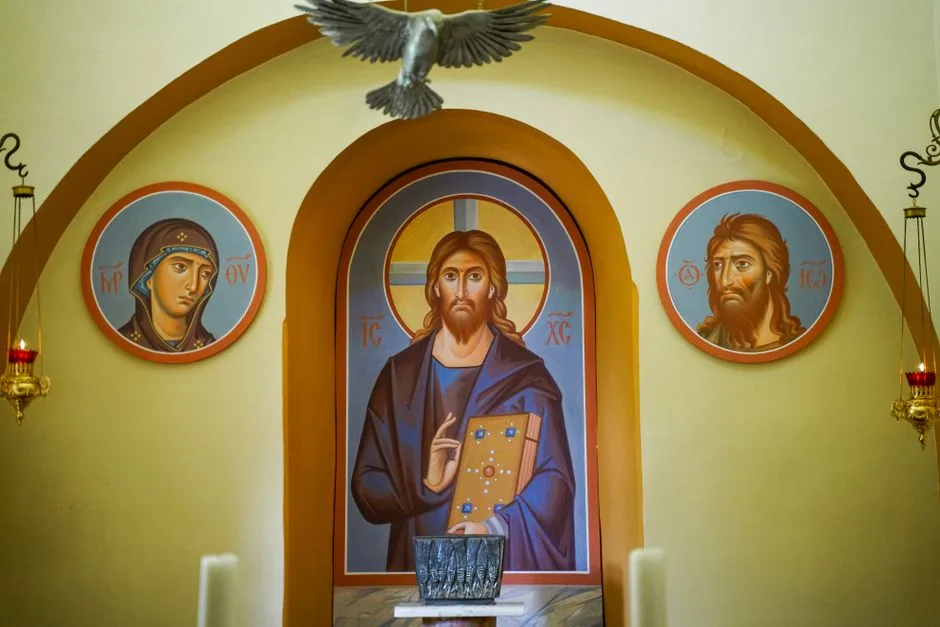 Pexels · George 🦅 ↗08
Core Theology & Doctrine
Trinity and Incarnation · Sin, Grace and Salvation · The Sacraments
Lesson 8 · 10 cards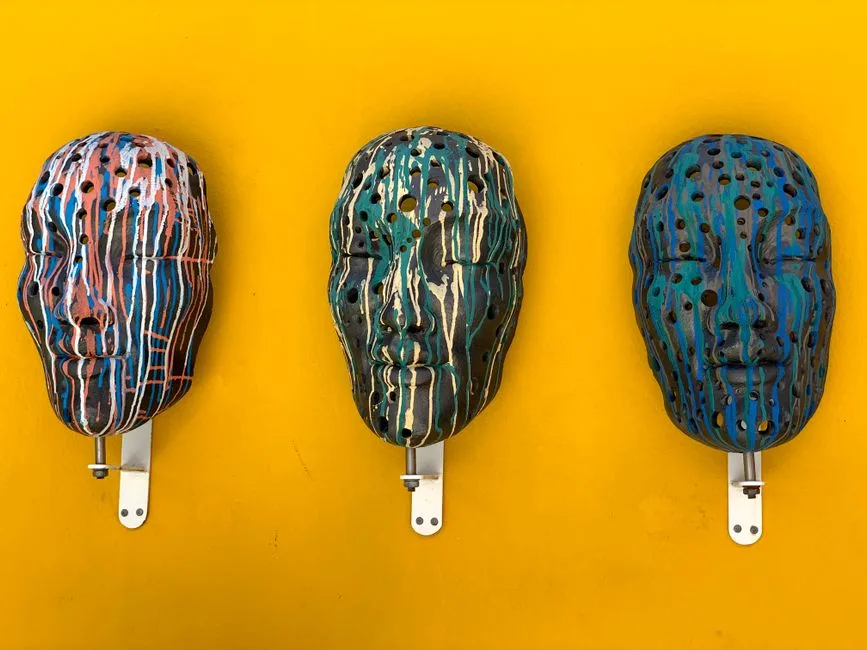 Pexels · Cristina Verceles · Pexels License ↗
The Modalism Heresy
Modalism claims the one God doesn't exist as three distinct persons, but merely appears in three successive modes, or masks.
Pexels · George 🦅 ↗One God, Three Persons
The most distinctive Christian doctrine is the Trinity: the belief that the one God exists in three co-equal, co-eternal persons — Father, Son, and Holy Spirit. It was defined progressively across the first four ecumenical councils, culminating in the Nicene Creed (381 CE). The Trinity is not three gods, but it is also not one God appearing in three temporary modes — it is held as a mysterious unity-in-diversity.
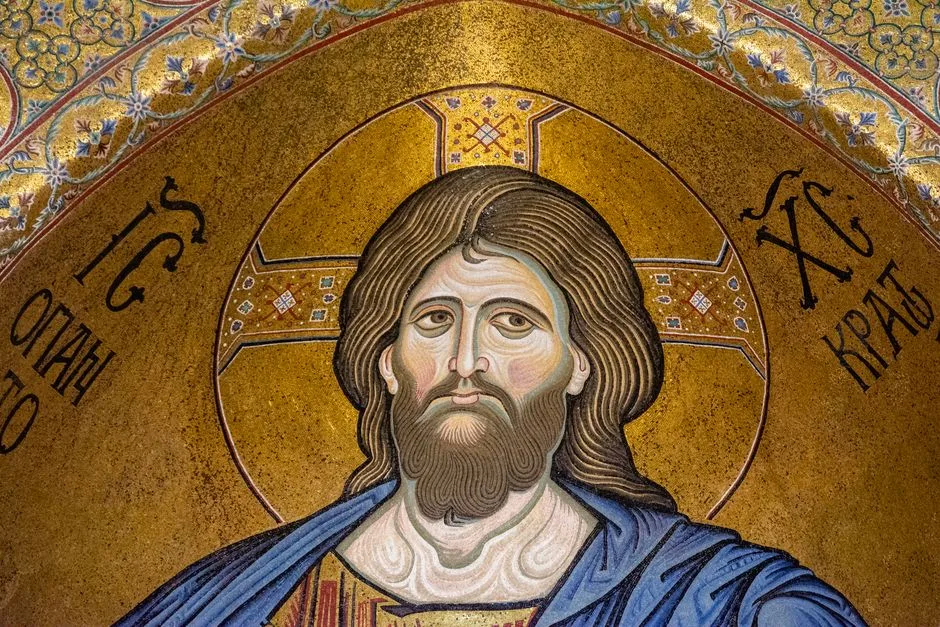 Pexels · Jan van der Wolf ↗
The Word Became Flesh
Christians believe Jesus was fully God and fully human — two natures united in one person. The Gospel of John puts it: "the Word became flesh and dwelt among us" (John 1:14). The precise formula — two natures, divine and human, in one person, without confusion or division — was defined at the Council of Chalcedon (451 CE). This Incarnation underwrites Christianity's high view of the body and the physical world.
 Pexels · Christian Wasserfallen ↗
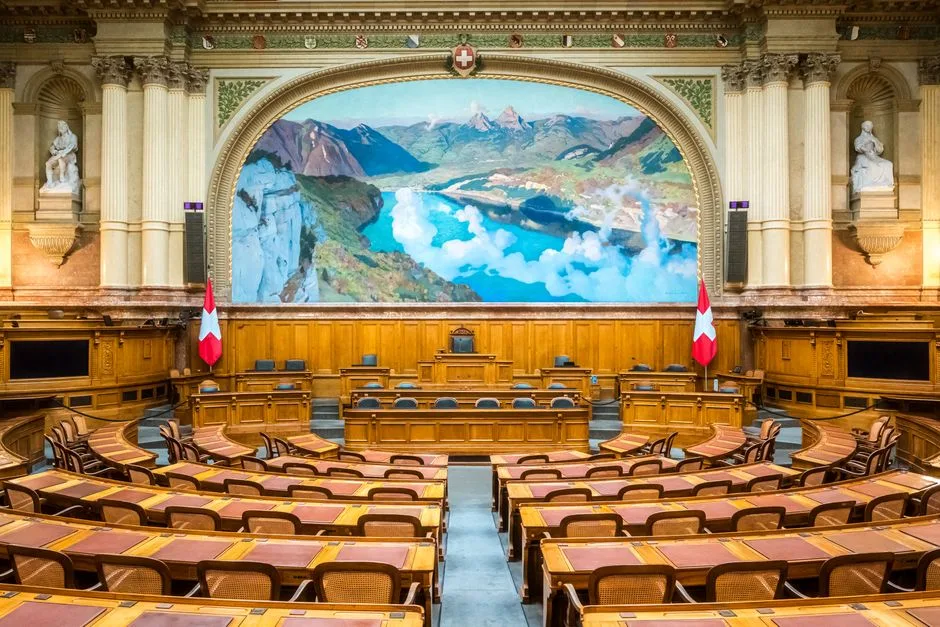
Homoousios at Nicaea
The Greek term homoousios ('same substance'), central at the Council of Nicaea in 325 CE, affirmed that the Son fully shares the divine nature rather than being a lesser being created by the Father.
 Pexels · Arndt-Peter Bergfeld ↗
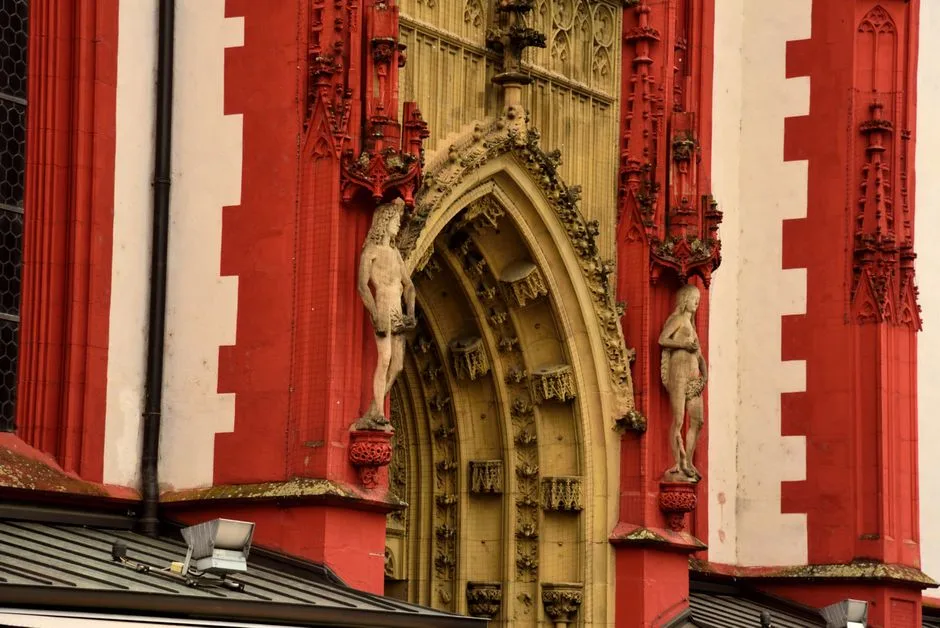
The Fall and Original Sin
Following Augustine of Hippo, mainstream Christianity teaches that humanity fell from original goodness through Adam and Eve's disobedience in the Garden of Eden — the doctrine of Original Sin. This "fall" is held to have introduced death, suffering, and a fundamental alienation from God into human experience, a condition no human effort can fully repair on its own.
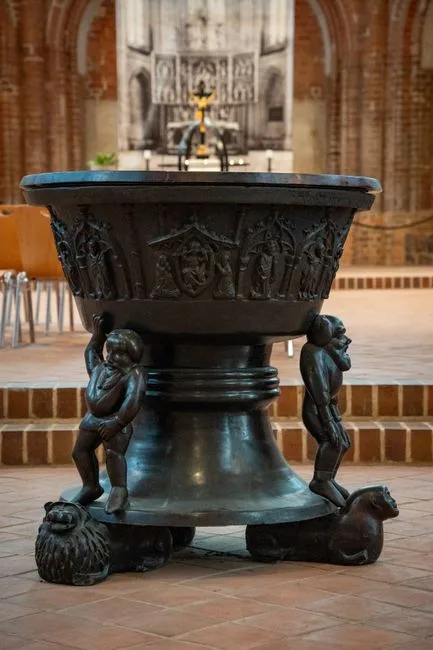 Pexels · An artistic baptismal font within a historic church setting, showcasing religious significance and intricate design. ↗
How Is One Saved?
How salvation works is the most contested question in Christian theology. Catholics hold it involves baptism, faith, cooperation with grace, and the sacraments — and can be lost through mortal sin. Lutherans and Calvinists hold salvation is entirely by grace (Sola Gratia) through faith alone (Sola Fide), with good works the fruit, not the cause. Arminians and Wesleyans hold grace is universal but resistible. Pentecostals often add a "second blessing" of Spirit baptism.
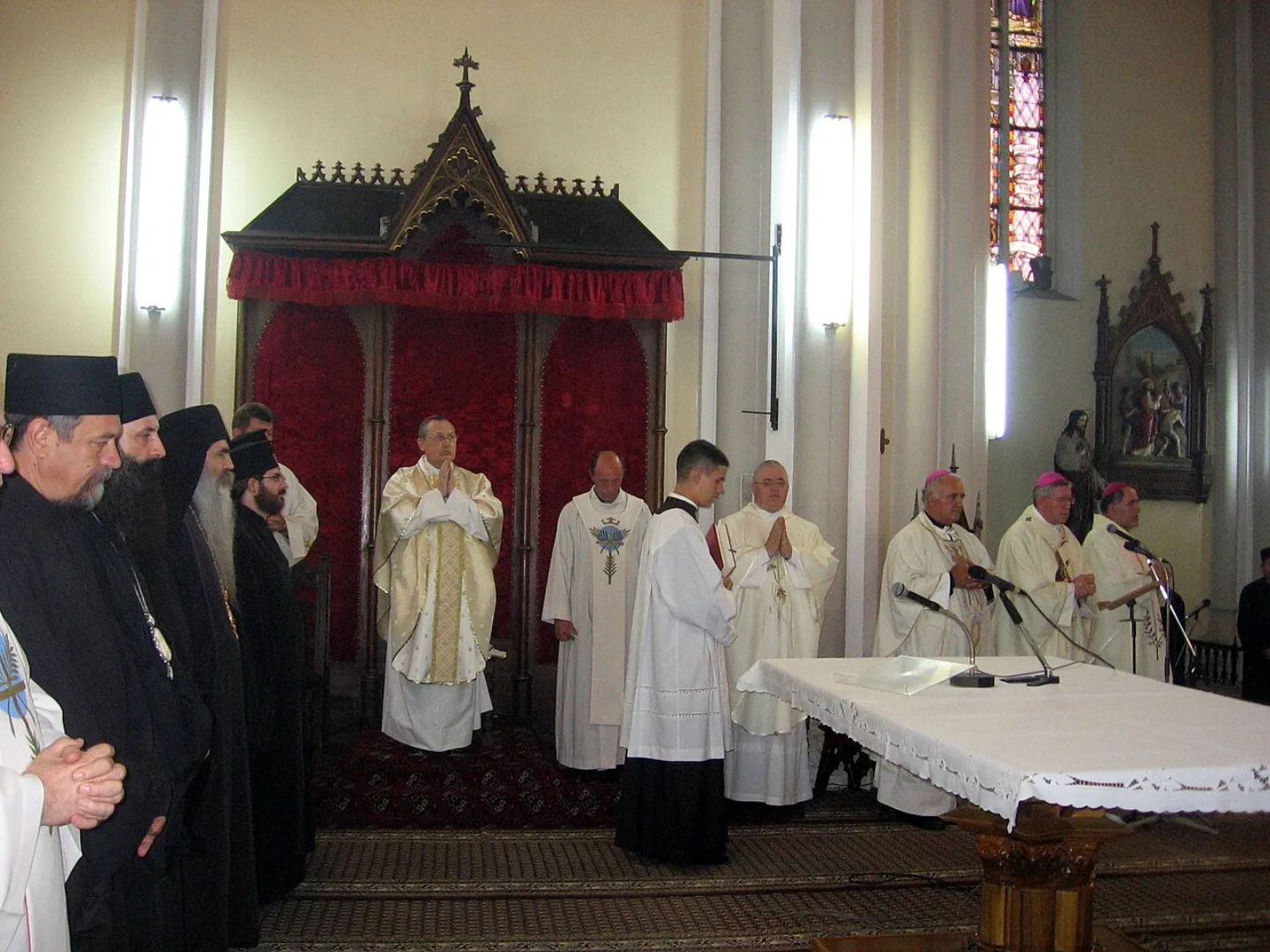 Wikimedia Commons · Stebunik · CC BY 4.0 ↗
Orthodoxy: Mortality Over Guilt
Eastern Orthodoxy agrees the fall was serious, but its traditional view emphasizes inherited mortality more than inherited guilt, unlike Augustine's Western framework.
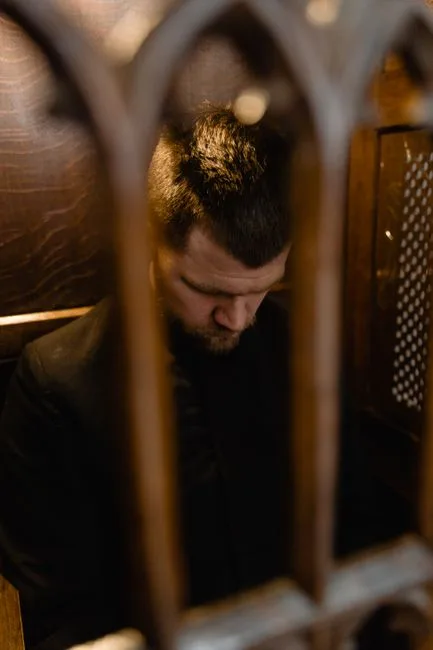 Pexels · A man sits solemnly inside a church confessional booth, deep in thought. ↗
Catholic Salvation: Not Guaranteed
Catholic teaching ties salvation to baptism, ongoing faith, cooperation with grace, and the sacraments, and holds that it can be lost through unrepented mortal sin.
1 / 10What did the Council of Chalcedon (451 CE) define about Jesus?
Chalcedon settled the question by holding the two natures together, without confusion or division, in one person.
Lesson 8 has 87 cards. Keep going in the free app.
Question -
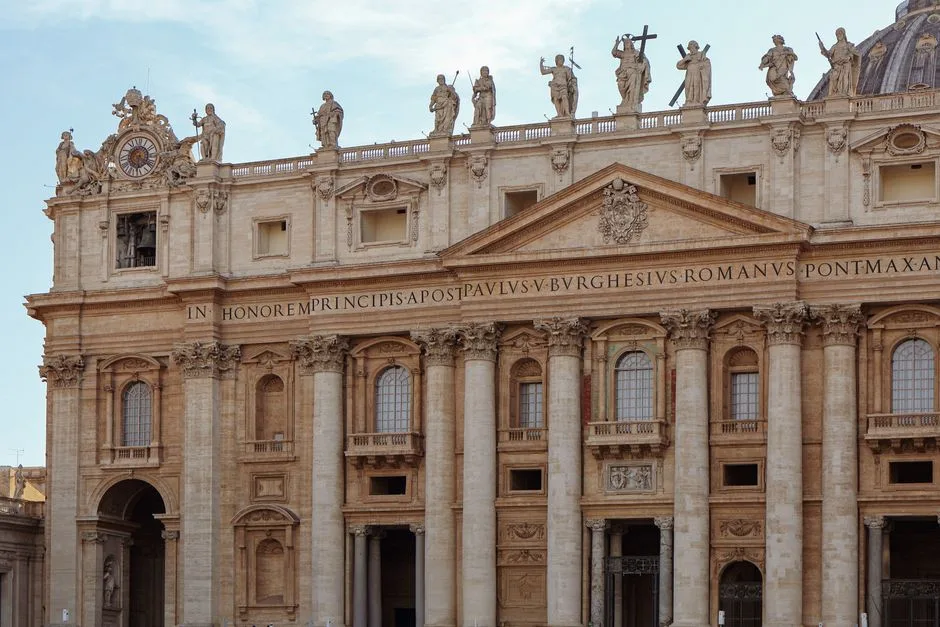 Pexels · C1 Superstar ↗09
Branches of the Modern Church
Catholic and Orthodox · The Protestant Traditions
Lesson 9 · 9 cardsPexels · C1 Superstar ↗The Largest Church
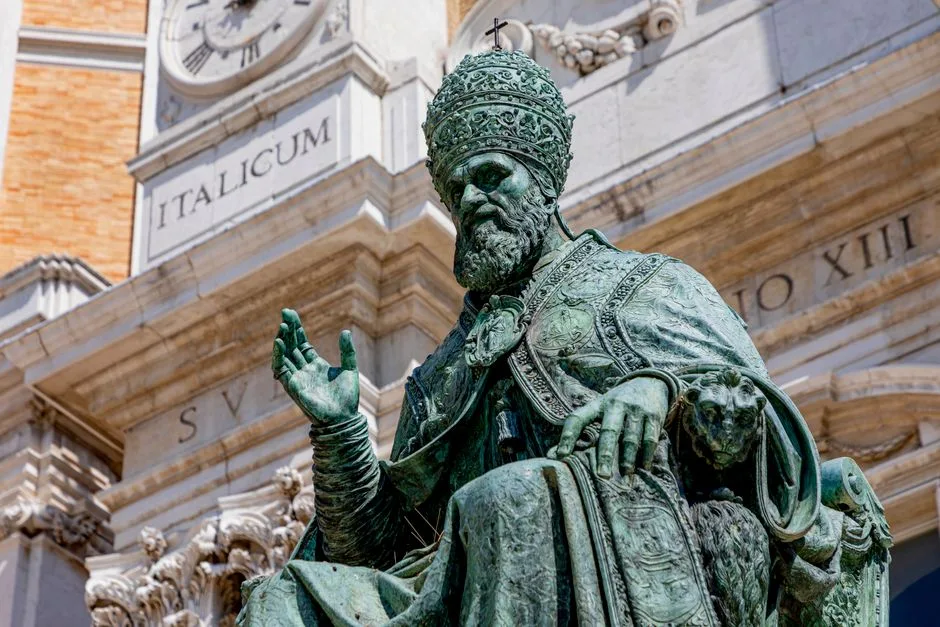
With roughly 1.3 billion members, the Roman Catholic Church is the largest Christian body and the largest single religious organization on Earth. It is governed by the Pope — the Bishop of Rome — together with a hierarchy of cardinals, bishops, priests, and deacons.
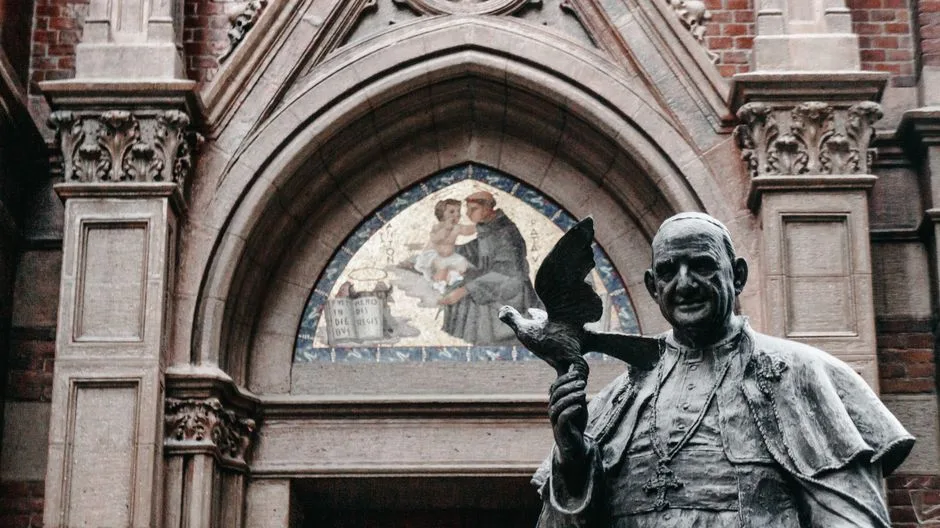 Pexels · Ikbal Alahmad ↗
The Bishop of Rome
The Pope is the Bishop of Rome and the visible head of the Roman Catholic Church. Pope Francis, elected in 2013, took his name from Francis of Assisi to signal a priority on poverty and humility. Catholics teach through both Sacred Scripture and Sacred Tradition.
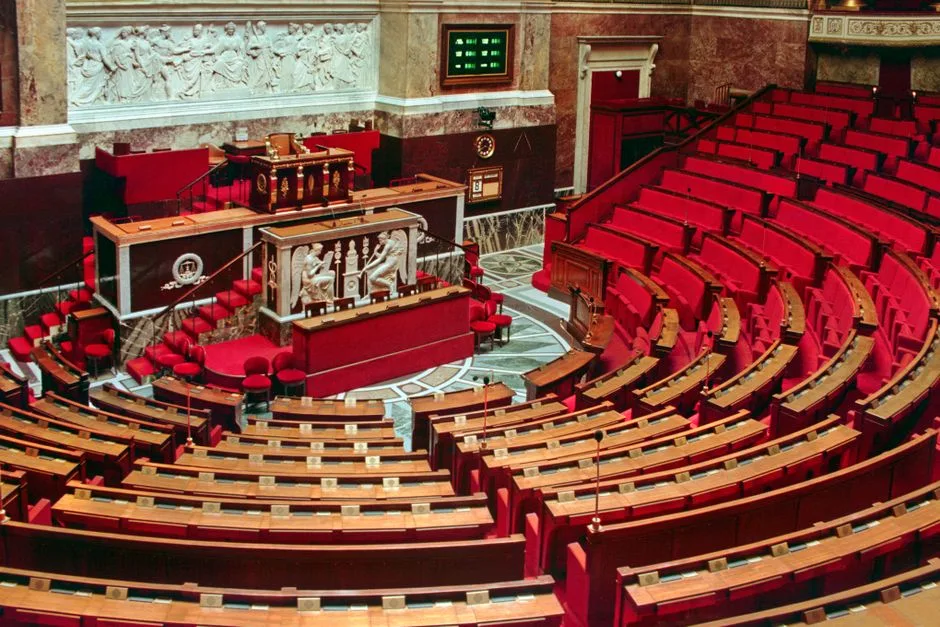 Pexels · David Henry ↗
Vatican II
Called by Pope John XXIII, the Second Vatican Council (1962–1965) was the most significant Catholic reform council in centuries. Its changes included the Mass in vernacular languages instead of Latin, priests facing the congregation, an elevated role for the laity, and the opening of dialogue with other religions.
 Pexels · photomood_55 ↗
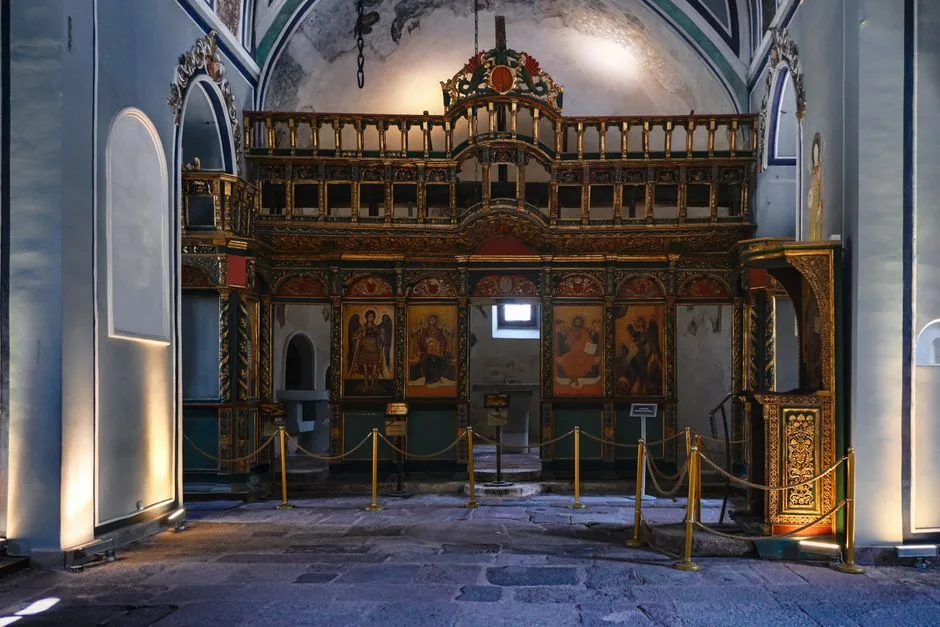
The Eastern Orthodox Church
The Eastern Orthodox communion (~270 million members) is a family of autocephalous — self-governing — national churches. The Ecumenical Patriarch of Constantinople holds an honorary primacy as "first among equals." The largest single body is the Russian Orthodox Church.
 Pexels · A church altar featuring a wooden cross, candles, and an open Bible, symbolizing Christian worship. ↗
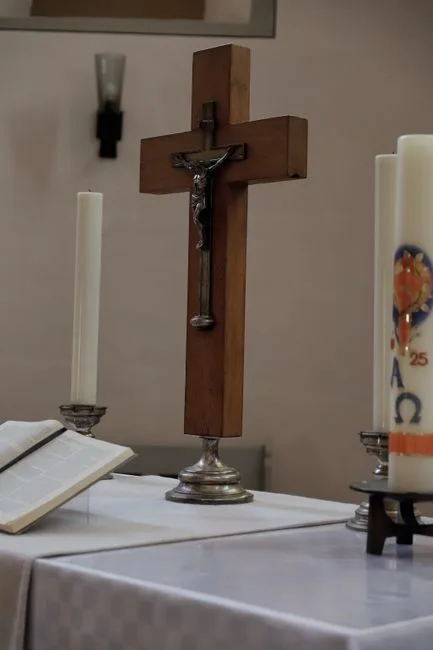
Scripture Plus Sacred Tradition
Catholic doctrine draws on Sacred Scripture together with Sacred Tradition, the teaching handed down from the apostles, rather than Scripture alone.
 Pexels · JUSTIN JOSEPH ↗
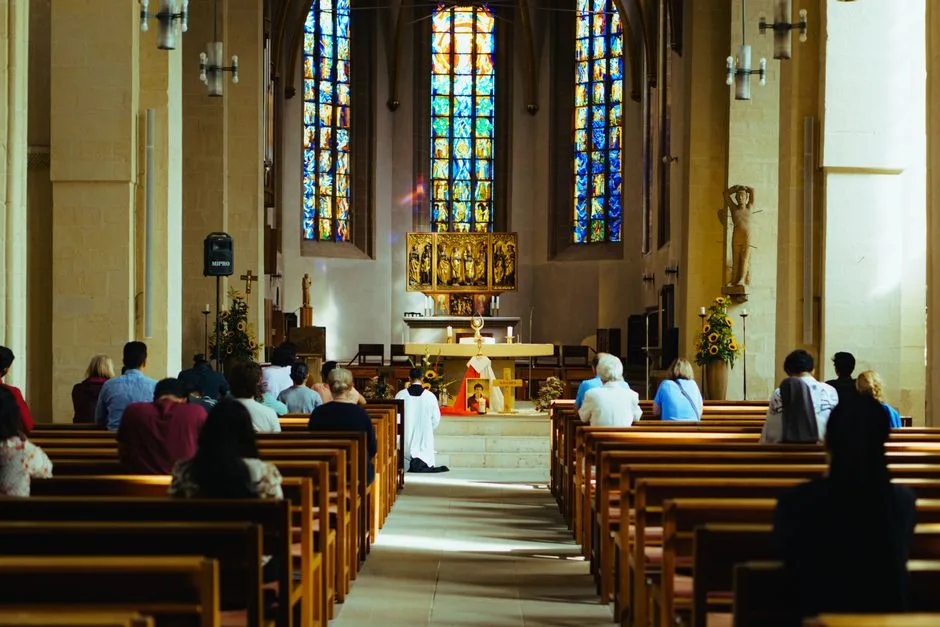
The Protestant Family
Protestantism covers the hundreds of denominations born from the Reformation and later revivals. It is unified by Sola Scriptura (Scripture alone), the priesthood of all believers, and justification by faith — and divided on nearly everything else, from baptism to church government.
 Pexels · David Iloba ↗
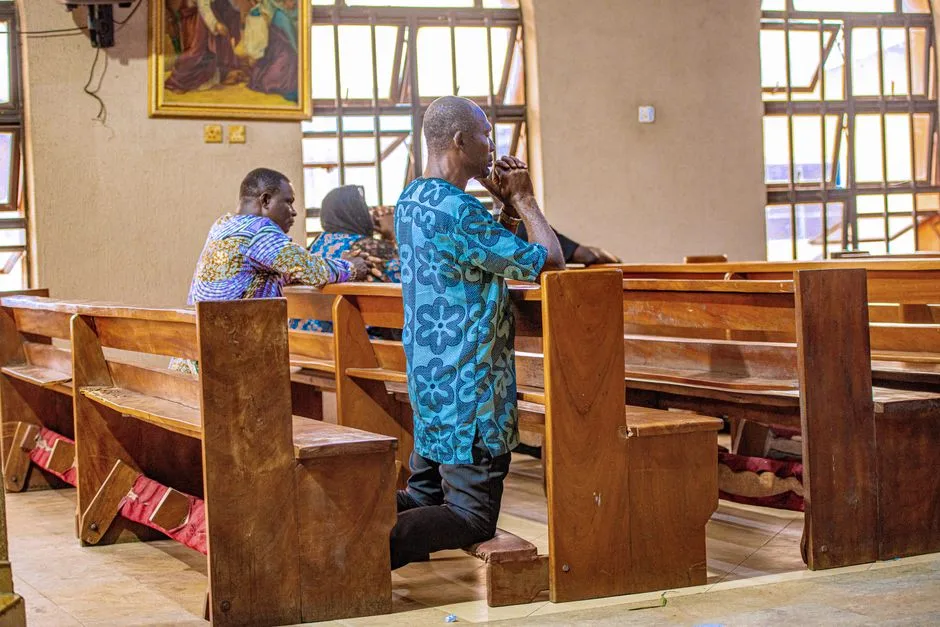
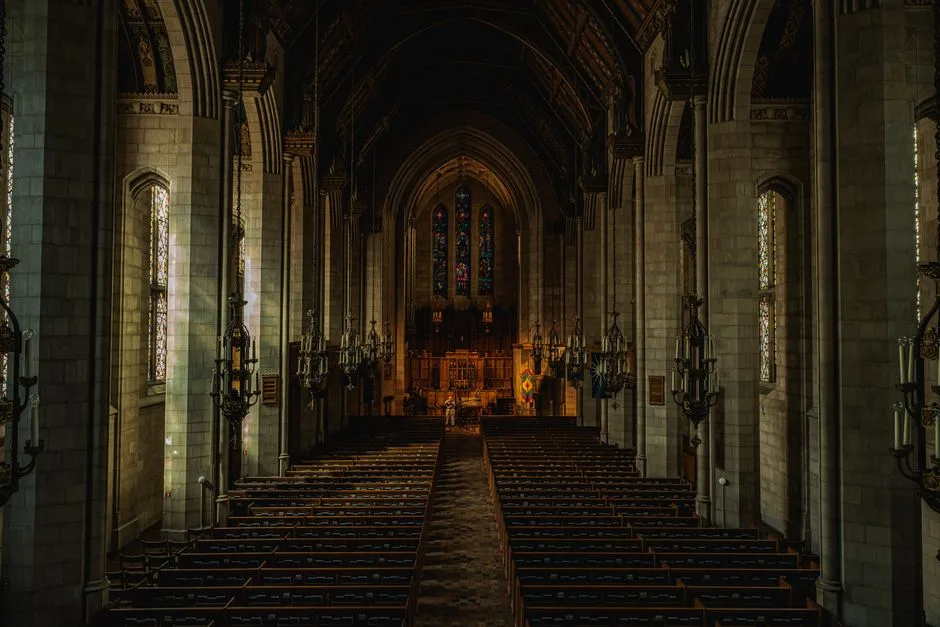
Independent and Indigenous Churches
A major development of the 20th–21st centuries is the explosive growth of independent churches with no ties to historic Western denominations. The thousands of African Independent Churches (AICs) blend Christian doctrine with indigenous African music, healing, and spiritual practice, often emphasizing the Holy Spirit's direct work.
 Pexels · Michael Wambangco ↗
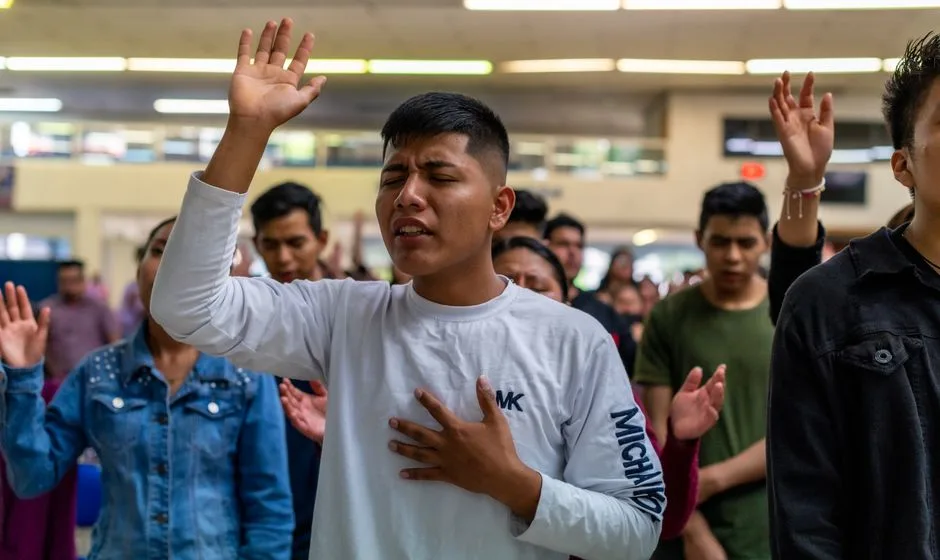
Calvin's Reformed Legacy
The Reformed and Presbyterian tradition follows Calvin, emphasizing God's sovereignty, covenant theology, and church governance led by elders.
 Pexels · Israel Torres ↗
Born on Azusa Street
The Pentecostal movement traces its birth to the Azusa Street Revival in Los Angeles in 1906.
1 / 9Catholic doctrine draws from Sacred Scripture together with what second source?
Catholicism treats Sacred Scripture and Sacred Tradition together as the source of doctrine — rejecting the Protestant principle of Scripture alone.
Lesson 9 has 78 cards. Keep going in the free app.
Question -
 Pexels · Zeal Creative Studios ↗10
Christianity in the Modern World
The Global South Shift · Ecumenism and Fragmentation · Contemporary Currents
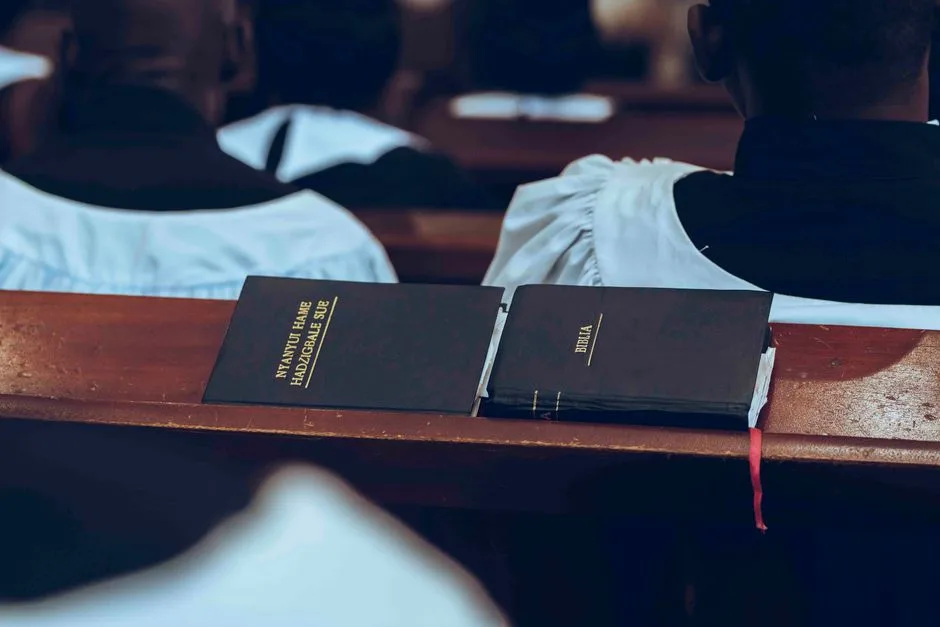
Lesson 10 · 10 cardsPexels · Zeal Creative Studios ↗Africa's Transformation
Africa has undergone the most dramatic shift of all: from fewer than 10 million Christians at the start of the 20th century to roughly 734 million today, growing at about 2.64% a year. By 2050, Africa is projected to host more Christians than Asia and Latin America combined.
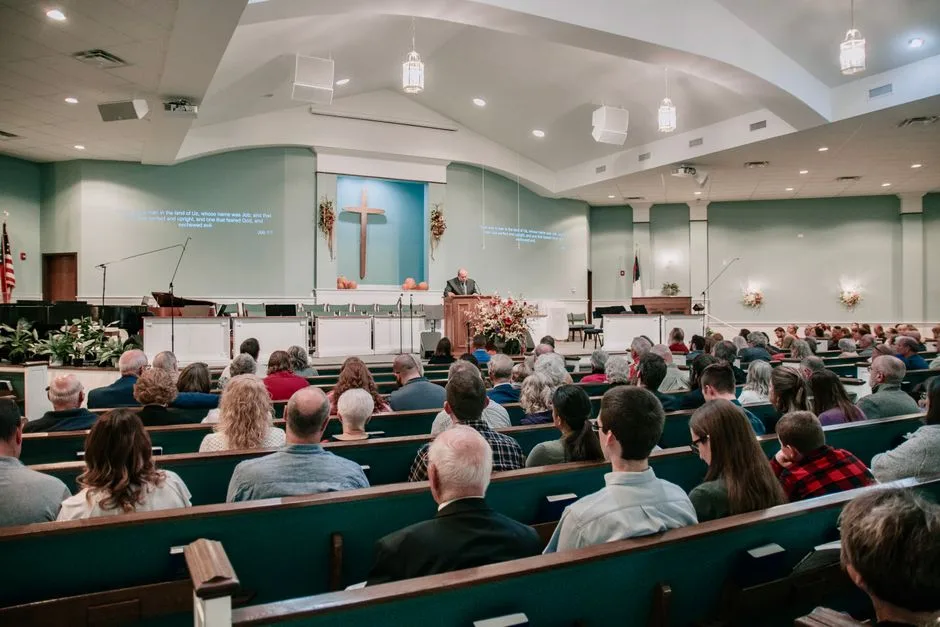 Pexels · Andrew DeGarde ↗
A Faith Moves South
In 1900, roughly 95% of the world's Christians lived in Europe or North America, and Christianity was widely seen as a "Western religion." That picture has nearly reversed. By 2025, the Global South — Africa, Latin America, and Asia — is home to about 69% of all Christians, a share projected to reach 78% by 2050.
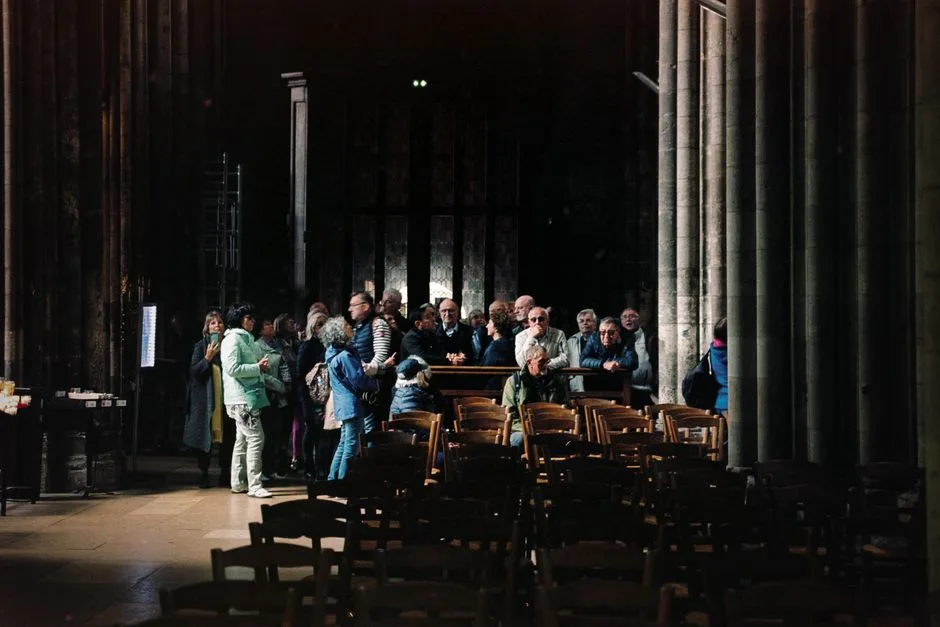 Pexels · Bingqian Li ↗
Christianity's Western Peak
In 1900, roughly 95% of the world's Christians lived in Europe or North America, and the faith was widely seen as a Western religion.
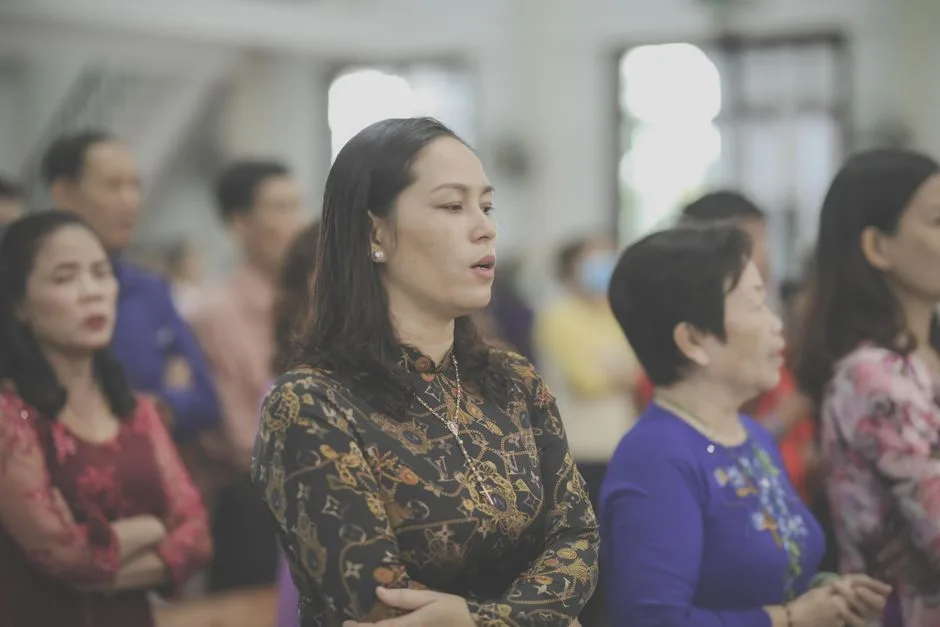 Pexels · Huynh Van ↗
Defining the Global South
The 'Global South' — Africa, Latin America, and Asia — is now home to about 69% of the world's Christians, reversing Christianity's earlier Western center of gravity.
 Pexels · Asia Culture Center ↗
The World Council of Churches
Responding to two thousand years of division, the World Council of Churches was founded in 1948 in Amsterdam, bringing together most major Protestant and Orthodox churches in pursuit of visible Christian unity. The Roman Catholic Church is not a member but has engaged in significant ecumenical dialogue since Vatican II.
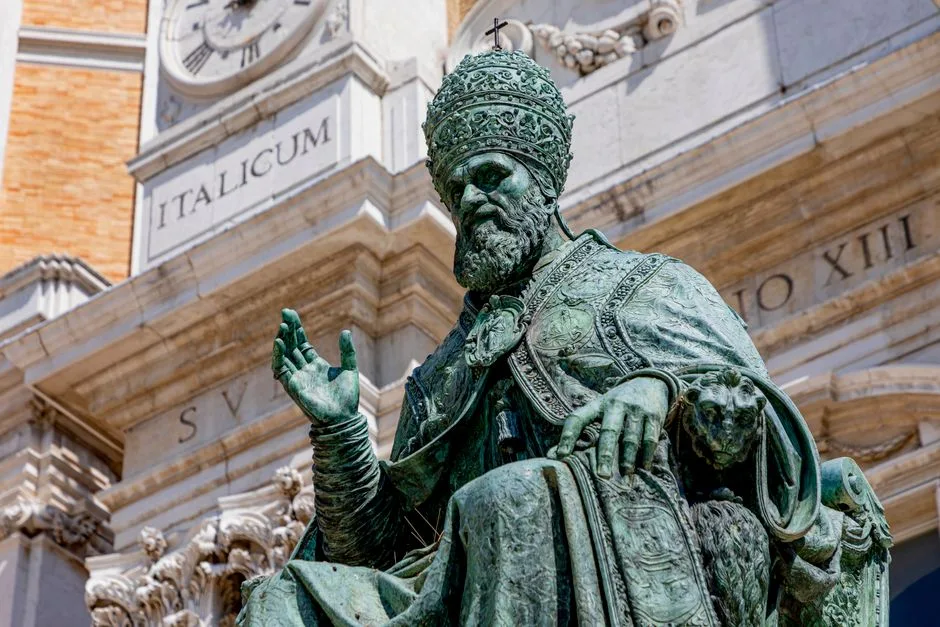 Pexels · Frank van Dijk ↗
A Thaw Between East and West
Several milestones eased the ancient Catholic–Orthodox rift. In 1964, Pope Paul VI and Patriarch Athenagoras of Constantinople met in Jerusalem — the first papal-patriarchal meeting since 1439. In 1965, the mutual excommunications of 1054 were formally lifted, a symbolic burying of the Great Schism's opening act.
 Pexels · Graziele Rosa ↗
Resolving a 500-Year Dispute
In 1999, the Lutheran World Federation and the Catholic Church signed the Joint Declaration on the Doctrine of Justification, declaring substantial agreement on the question — salvation by faith and grace — that had helped split Western Christianity in the Reformation. Real differences in church governance and sacramental theology, however, still keep the branches apart.
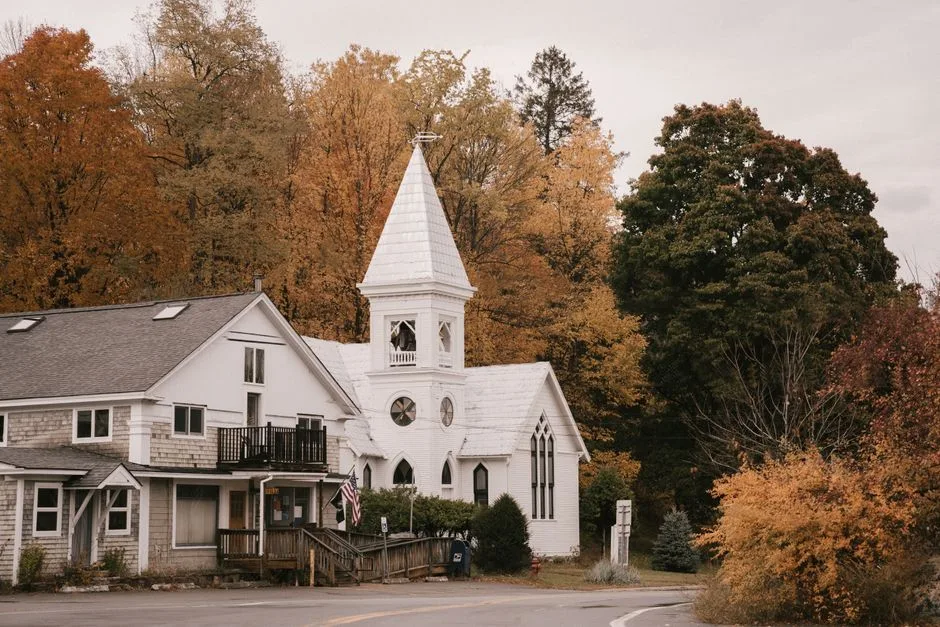 Pexels · Marta Wave ↗
Unity and Splintering at Once
While ecumenism pursues unity, fragmentation races ahead in parallel. In 1900 there were an estimated 2,000 Christian denominations worldwide; by 2025 there are roughly 50,000. The explosion reflects Pentecostal splintering, indigenous church movements, and cultures where founding a new congregation is relatively simple. Some scholars read this as vitality; others, as a scandal to the prayer "that they may be one."
 Pexels · Pavel Danilyuk ↗
What Ecumenism Means
Ecumenism is the movement seeking greater cooperation and eventual unity among Christianity's divided churches and denominations — the opposite of fragmentation.
1 / 10Which three regions make up the 'Global South' that now holds most of the world's Christians?
The Global South — Africa, Latin America, and Asia — is home to about 69% of all Christians as of 2025, reversing the faith's earlier Western center of gravity.
Lesson 10 has 73 cards. Keep going in the free app.
Question -
11
Key Figures
Who's Who · Who Is It? — Christian Figures
Lesson 11 · a questionIn all four Gospels, who is named as the first witness to the Resurrection?
Mary Magdalene, a prominent disciple, is the first witness to the Resurrection in all four Gospels — striking in a patriarchal age. Peter and John came to the empty tomb afterward.
Lesson 11 has 47 cards. Keep going in the free app.
-
12
Key Places
Holy Sites · Where Is It? — Christian Sites
Lesson 12 · a questionThe Church of the Holy Sepulchre stands today on the site of which holy place?
Golgotha (Calvary), the 'place of the skull' just outside Jerusalem's walls, is where Jesus was crucified; the Church of the Holy Sepulchre was built over the site. Bethlehem's church is the Church of the Nativity.
Lesson 12 has 44 cards. Keep going in the free app.
-
 Pexels · cottonbro studio ↗13
Texts, Creeds & Numbers
Reading the Bible · What Is It? — Texts and Documents · Numbers and Key Terms
Lesson 13 · 5 cardsPexels · cottonbro studio ↗Whose Bible?
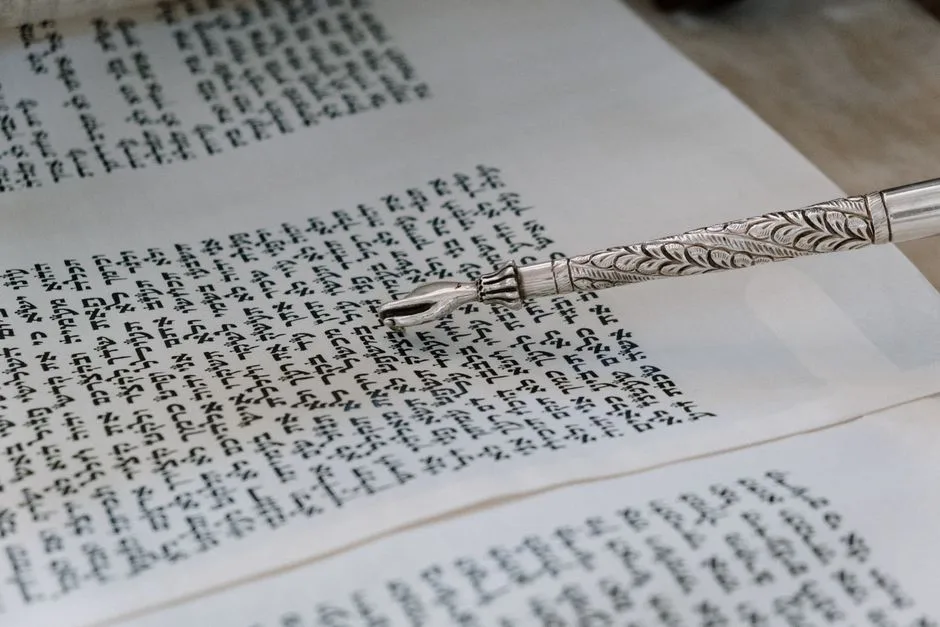
Protestants count 39 Old Testament books; Catholics 46–49 (including the Deuterocanonical/Apocryphal books); Orthodox churches more still. The Greek Septuagint used by Eastern churches differs from the Hebrew Masoretic text behind Protestant Bibles. All agree on the 27-book New Testament.
 Pexels · Tima Miroshnichenko · Pexels License ↗
Four Ways to Read the Bible
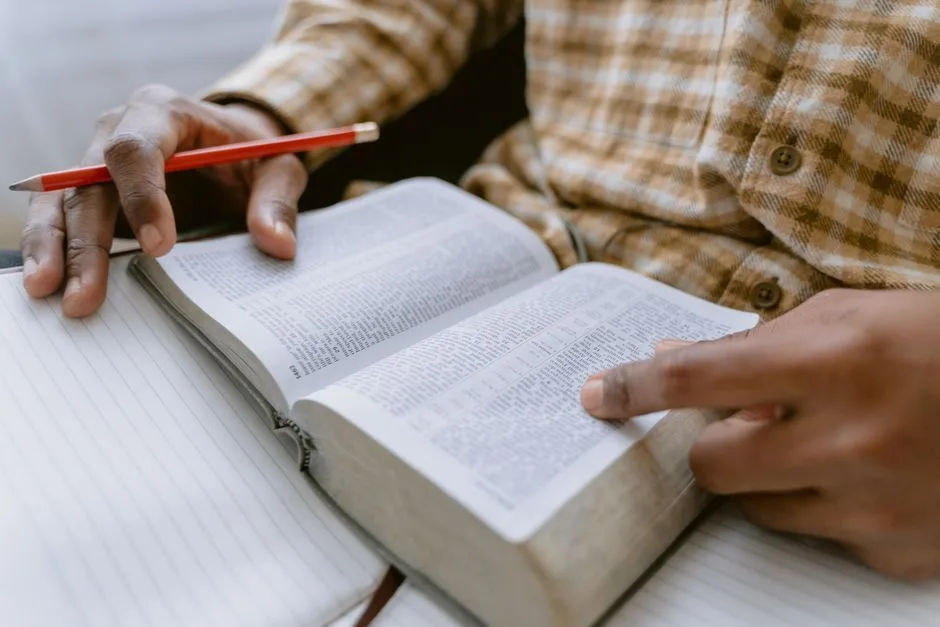
Literal/Inerrant — without error in all it affirms (common among Evangelicals). Infallible — authoritative on faith and practice, but possibly imprecise on history or science. Historical-Critical — read with the tools of history and archaeology in original context. Allegorical/Typological — Old Testament events foreshadow New Testament realities (dominant in the patristic and medieval church).
 Pexels · Thirdman ↗
The Three Creeds
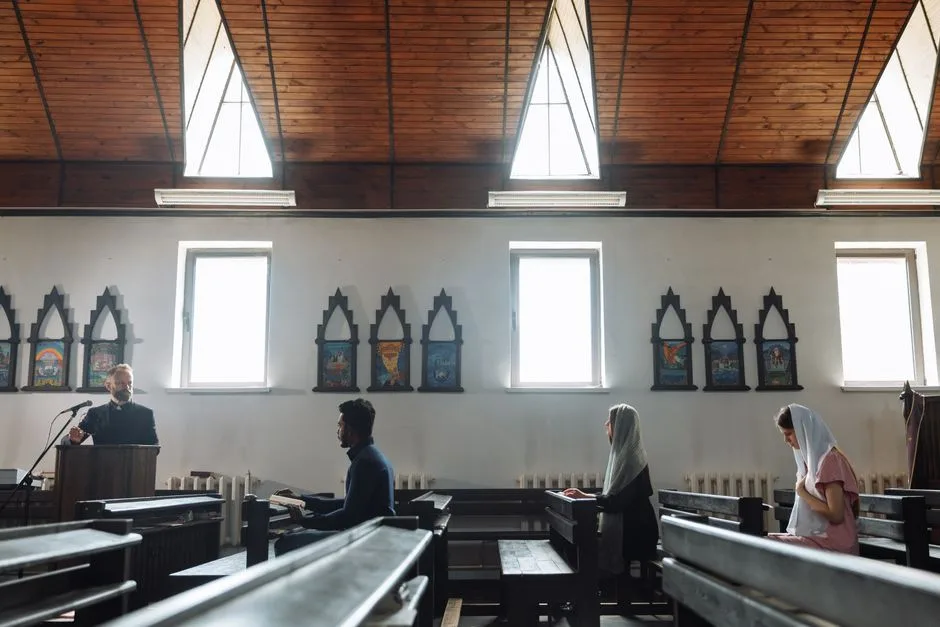
Three ancient summaries serve as the doctrinal minimums of orthodox Christianity: the Apostles' Creed (a short, early baptismal statement), the Nicene Creed (325/381, the fullest conciliar statement on the Trinity), and the Athanasian Creed (5th century, a precise statement of Trinity and Incarnation).
1 / 5The biblical canon is best defined as which of the following?
The canon is the authoritative list of books accepted as Scripture. Interpreting those books is hermeneutics; the end of history is eschatology; church unity is ecumenism.
Lesson 13 has 64 cards. Keep going in the free app.
Question -
 FlashFeed original diagram · CC-BY-4.014
Visual Reference & Challenges
At a Glance · Right or Wrong · Sequence It · Council Dates · Lightning Round · Term Drill
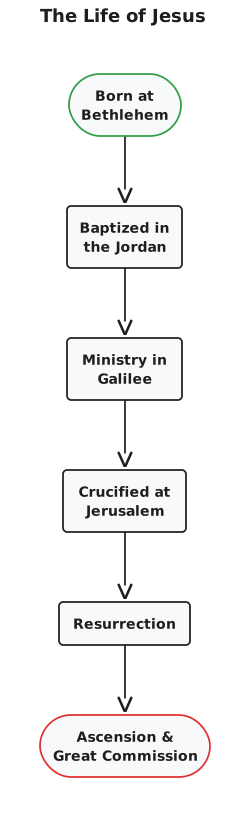
Lesson 14 · 4 cardsFlashFeed original diagram · CC-BY-4.0The Life of Jesus at a Glance
From Bethlehem to the Ascension — the arc the Gospels trace.
 FlashFeed original diagram · CC-BY-4.0
The Seven Ecumenical Councils
Four centuries of doctrine-defining councils, from Nicaea (325) to Nicaea II (787).
 FlashFeed original diagram · CC-BY-4.0
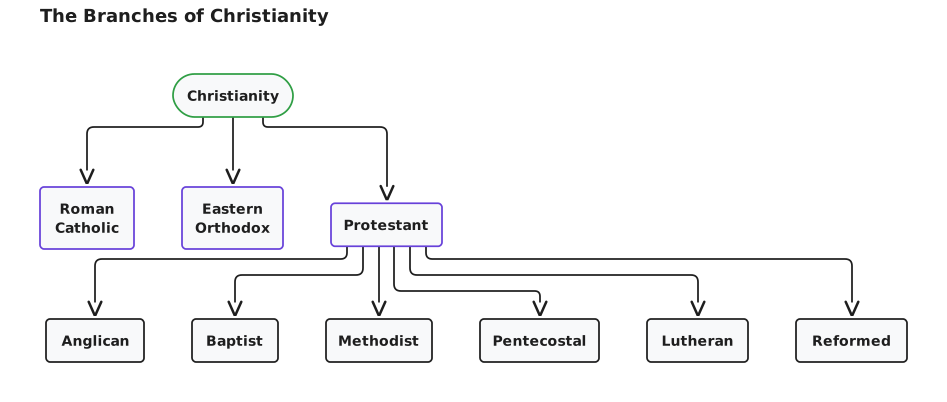
The Branches of Christianity
Catholic, Orthodox, and the Protestant family — one faith, many trees.
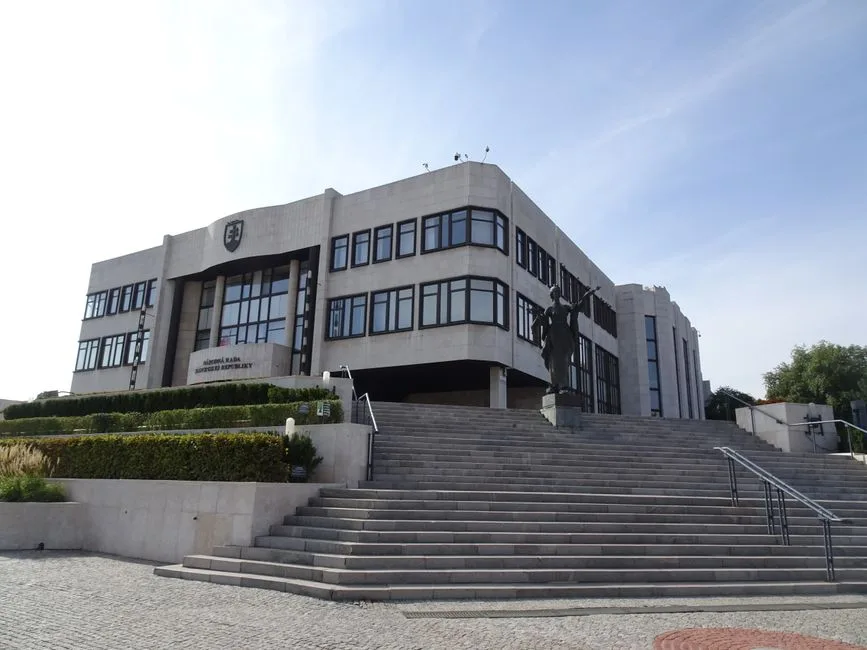 Pexels · Lajos Kristóf Kántor ↗
Where the Councils Began
The pack's councils diagram opens with the First Council of Nicaea in 325, called over Arianism, and closes with Nicaea II in 787, with Constantinople (381) and Chalcedon (451) falling in between.
1 / 4From ___ to the Ascension — the arc the Gospels trace.
Compare: Canterbury — A cathedral city in southeast England. Rome — The capital of Italy, traditionally built on seven hills.
Lesson 14 has 79 cards. Keep going in the free app.
Question -
15
Key Concepts
Key People · Key Places · Key Things · Key Events
Lesson 15 · a questionWhich of the following is NOT associated with John Calvin?
Calvin led the Reformation in Geneva and taught predestination and total depravity. The Ninety-Five Theses were Martin Luther's, not Calvin's.
Lesson 15 has 59 cards. Keep going in the free app.


What you'll be able to do 75 objectives, from the pack's lessons
- Distinguish the four major Jewish movements of first-century Judea — Pharisees, Sadducees, Essenes, and Zealots.
- Define the messianic hope shared across the rival Jewish groups.
- Explain how Roman peace, a common Greek language, and crucifixion shaped Christianity's spread and scandalous identity.
- Identify the Hebrew scriptures Christianity inherited — the TaNaK, its covenant thread, and its canon size.
- Explain how the covenant and the prophets (Isaiah's Suffering Servant, Jeremiah's New Covenant) were read as pointing to Jesus.
- Describe the start of Jesus's ministry — his baptism by John the Baptist and the calling of the Twelve.
- Explain the Kingdom of God that Jesus proclaimed.
- Identify the Beatitudes and the ethical vision of the Sermon on the Mount.
- Match Jesus's parables to the central meaning each teaches.
- Explain Jesus's crucifixion at Golgotha, the handoff to Pilate, and the centrality of the resurrection.
- Explain Pentecost as the Spirit-driven birth of the Church.
- Identify the five patriarchal cities of the Pentarchy and their distinctive roles.
- Trace Paul's conversion on the Damascus road, his missionary journeys, and the Council of Jerusalem's decision.
- Define Paul's signature concepts — justification by faith, the Body of Christ, and kenosis.
- Describe the early imperial persecutions and the formation of the New Testament canon.
- Explain how Christianity went from tolerated (Edict of Milan) to the empire's official religion under Theodosius.
- Explain the First Council of Nicaea and the term homoousios that settled the Arian controversy.
- Match each of the seven ecumenical councils to the doctrine it defined.
- Explain the Christological rulings — Mary as Theotokos, Chalcedon's two natures, and the veneration of icons.
- Distinguish Augustine's doctrine of Original Sin (against Pelagius) from cenobitic monasticism.
- Explain the papacy's rise after Rome's fall and its clash with kings in the Investiture Controversy.
- Explain the causes of the 1054 Great Schism — the Filioque and the dispute over papal primacy.
- Explain Scholasticism and Aquinas's synthesis of faith and reason (natural law, the Five Ways).
- Describe Francis of Assisi and the Franciscan Order of friars.
- Identify the Crusades and the Black Death as the medieval church's era of crisis.
- Describe Luther's protest — the indulgence trade, the Ninety-Five Theses, and his stand at Worms.
- Explain Luther's solas — Scripture alone and faith alone.
- Contrast Luther's and Zwingli's views of the Lord's Supper.
- Define the Reformed and Anabaptist distinctives — predestination, total depravity, and believer's baptism.
- Explain the Catholic Counter-Reformation and the rulings of the Council of Trent.
- Explain how Christian mission spread with colonialism and the meaning of the Sublimis Deus bull.
- Match the three Great Awakenings to their leaders and movements.
- Identify the key figures and effects of the Awakenings — Edwards's sermon, the Second Awakening's reforms, and the Holiness seedbed.
- Describe the Azusa Street revival and the birth of Pentecostalism.
- Define glossolalia (speaking in tongues) as the Pentecostal hallmark.
- Define the Trinity and distinguish it from the heresies of Tritheism and Modalism.
- Explain the Incarnation and Chalcedon's definition of Christ's two natures.
- Define the human problem and its cure — Original Sin, salvation, and redemption.
- Compare how the Catholic, Lutheran/Calvinist, Arminian, and Pentecostal traditions understand salvation and grace.
- Explain the sacraments and the range of Eucharistic views from transubstantiation to memorial.
- Describe the Roman Catholic Church — papal infallibility, Sacred Tradition, and its size as the largest church.
- Explain Eastern Orthodox distinctives — autocephaly, theosis, the Divine Liturgy, and icons.
- Match the major Protestant traditions to their distinctive marks.
- Identify the origins and scale of key Protestant traditions — Anglican under Henry VIII and Pentecostal at Azusa.
- Recognize the major Protestant denominations by name.
- Explain the shift of Christianity's center of gravity to the Global South.
- Define ecumenism and the milestones of Catholic-Orthodox-Protestant reconciliation.
- Describe the founding of the World Council of Churches and the explosion of denominations.
- Define the major contemporary movements — Pentecostalism, Liberation Theology, the Prosperity Gospel, and the 'nones'.
- Recognize contemporary theological movements and social debates.
- Identify apostolic-age figures (Peter, Mary Magdalene) and the great defender of orthodoxy (Athanasius).
- Identify the medieval shapers of the church (Benedict, Gregory the Great).
- Match the modern reformers and revivalists to their achievements (Wilberforce, Carey, Spurgeon, Graham, John Paul II).
- Recognize the great theologians and reformers from clues (Paul, Augustine, Aquinas, Luther, Calvin, Ignatius, Wesley).
- Recognize the emperor, saint, and activist from clues (Constantine, Francis, Martin Luther King Jr.).
- Match the holy sites of Jesus's life to their significance (Nazareth, Galilee, the Jordan, Golgotha, Jerusalem).
- Identify the early church hubs of Rome and Alexandria.
- Recognize the founding-era places from clues (Bethlehem, Jerusalem, Rome, Antioch).
- Recognize the council and Reformation cities from clues (Constantinople, Nicaea, Wittenberg, Geneva).
- Recognize the modern-tradition sites from clues (Canterbury, Azusa Street).
- Define the biblical canon and hermeneutics — which books count and how they are read.
- Define eschatology and the Parousia (the Second Coming).
- Recognize the defining documents of Christianity — creeds, the Theses, the Summa, the Institutes, the City of God, the Confessions, and the Edict of Milan.
- Recall the key numbers of Christianity — adherents, canon sizes, councils, sacraments, Crusades, and denominations.
- Match Christianity's signature vocabulary (ecumenism, theosis, transubstantiation, glossolalia).
- Read the pack's summary diagrams — the arc of Jesus's life and the seven ecumenical councils.
- Identify which view won at the councils and the sequence of Christianity's rise to imperial power.
- Recall the year of each of the seven ecumenical councils.
- Recognize the ecumenical councils by the doctrine each settled.
- Rapidly recall pack essentials — Jewish factions, parables, pentarchy cities, and core terms.
- Recognize the pivotal people of Christian history from clues.
- Recognize the key places of Christian history from clues.
- Recognize the defining documents, creeds, and edict of Christianity.
- Recognize the pivotal events of early Christianity.
- Recognize the remaining review items — Francis, Wesley, and King; Geneva, Canterbury, and Azusa Street; and Augustine's Confessions.
Study guide.
The same study guide as in the app, one page for each lesson, with its key facts and a self-test.
- 01The World Into Which Christianity Was Born
- 02The Life of Jesus
- 03The Apostolic Age
- 04The Imperial Church
- 05The Middle Ages
- 06The Reformation
- 07Mission, Revival & Pentecostalism
- 08Core Theology & Doctrine
- 09Branches of the Modern Church
- 10Christianity in the Modern World
- 11Key Figures
- 12Key Places
- 13Texts, Creeds & Numbers
- 14Visual Reference & Challenges
- 15Key Concepts
Built from 20 sources.
36 of its 978 cards cite a source. These are the eight it cites most.
- What was the apostolic age? ↗
- History of Christianity ↗
- Annual Statistical Table ↗
- Wikipedia ↗
- The Birth of Christianity ↗
- World History Encyclopedia ↗
- Britannica summary ↗
- Global Christianity Surges ↗
See all 20 sources
- What was the apostolic age? ↗
- History of Christianity ↗
- Annual Statistical Table ↗
- Wikipedia ↗
- The Birth of Christianity ↗
- World History Encyclopedia ↗
- Britannica summary ↗
- Global Christianity Surges ↗
- biblicaltraining.org ↗
- Wikipedia ↗
- Wikipedia ↗
- The Counter-Reformation ↗
- The Lutheran Reformation ↗
- Britannica ↗
- Crusades, Papacy, Doctrine | Britannica ↗
- Britannica ↗
- St. Francis of Assisi | Britannica ↗
- Musée protestant ↗
- garrettham.com ↗
- Greek Orthodox Archdiocese ↗
Hover over a photo, or tap its i, to see where it came from. All 13:
- Lesson 1: Pexels · Samir Smier ↗
- Lesson 2: Pexels · Uri Baruch ↗
- Lesson 3: Wikimedia Commons · Malini reddy · CC BY-SA 4.0 ↗
- Lesson 4: Pexels · AXP Photography ↗
- Lesson 5: Pexels · C1 Superstar ↗
- Lesson 6: Pexels · Ruben Boekeloo ↗
- Lesson 7: Pexels · Soly Moses ↗
- Lesson 8: Pexels · George 🦅 ↗
- Lesson 8: Pexels · Cristina Verceles · Pexels License ↗
- Lesson 9: Pexels · C1 Superstar ↗
- Lesson 10: Pexels · Zeal Creative Studios ↗
- Lesson 13: Pexels · cottonbro studio ↗
- Lesson 14: FlashFeed original diagram · CC-BY-4.0
- Cards
- 976
- Lessons
- 15
- Version
- 1.0.22
- Language
- English
The whole pack is one file. Read the pack file ↗
FlashFeed is on the App Store and Google Play.
FlashFeed is free on iPhone and Android, and needs no account.