
The Infinity Machine (book)
Sebastian Mallaby traces Demis Hassabis from chess prodigy to DeepMind cofounder: the Atari-playing DQN, AlphaGo's Move 37 against Lee Sedol, the AlphaFold breakthrough in protein folding, the OpenAI rivalry, and Google's Gemini comeback.
565 cards12 lessonsFree
Already have FlashFeed?Open this pack
Get this pack on your phone
Scan with your phone's camera.
flashfeedlearningapp.com/packs/infinity-machine
Part of the Learn AI collection.


12 lessons.
Each lesson has a study guide to read and objectives you can test yourself on. Its cards and games show up in your feed. Try one of its cards right here. Play a few of its games here too.
-
 Pexels · DS stories ↗01
The Sweetness — Why this book matters
Opening the book · The book's argument
Lesson 1 · 10 cardsPexels · DS stories ↗The Sweetness of discovery
Mallaby opens the book on the moment Demis Hassabis received the 2024 Nobel Prize in Chemistry for AlphaFold. Hassabis calls the feeling of a scientific breakthrough "the sweetness" — the brief, private rush when, having struggled against a problem for years, you suddenly see it crack. The whole book is framed as a chase after that feeling.
 FlashFeed original diagram · CC-BY-4.0
What is the infinity machine?
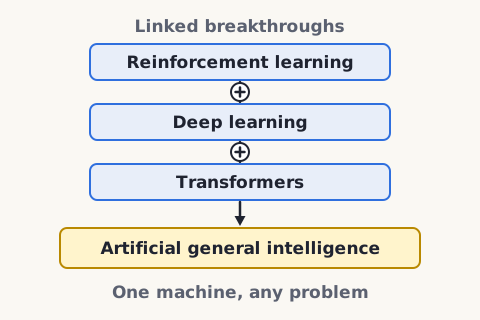
The title is Mallaby's metaphor for artificial general intelligence: a single machine that could, in principle, solve any problem a human mind can frame. The book argues that DeepMind's history is the clearest case study of how such a machine is actually being built — not by a moonshot, but by linked breakthroughs in reinforcement learning, deep learning, and now transformers.
 Pexels · Elegant black and white portrait of a woman writing with focus and concentration. ↗
Written by Sebastian Mallaby
Sebastian Mallaby, previously known for writing about hedge funds and venture capital, is the author of The Infinity Machine.
 Wikimedia Commons · John Sears · CC BY-SA 4.0 ↗
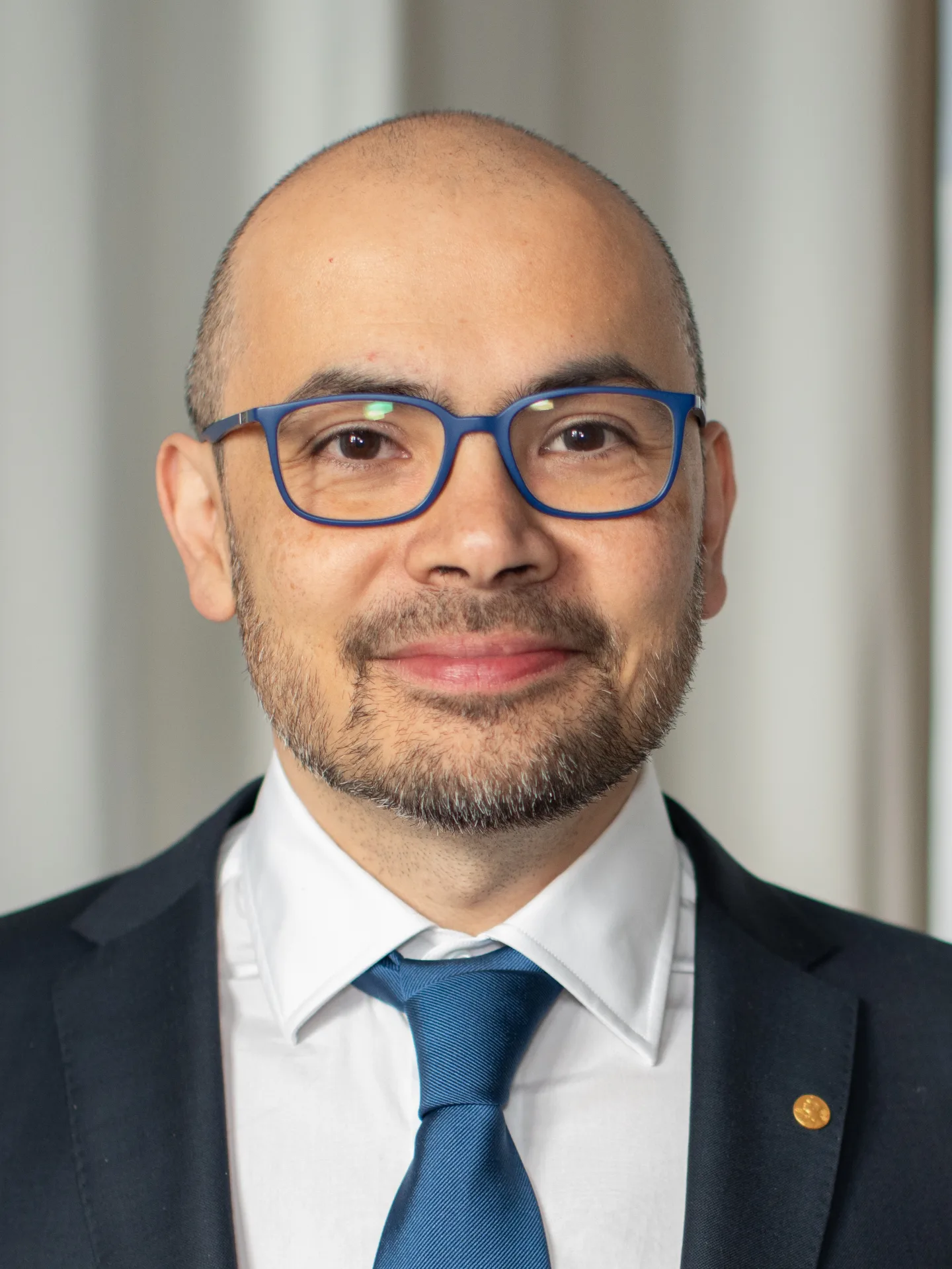
Hassabis, the book's subject
The Infinity Machine centers on Demis Hassabis — chess prodigy, game designer, neuroscience PhD, and Nobel laureate.
 Pexels · Barnabas Sani ↗
Three strands of the story
Mallaby braids three storylines: Hassabis's personal arc from chess prodigy to Nobel laureate; the technical lineage from Atari DQN through AlphaGo, AlphaFold and Gemini; and the geopolitics of an arms race between Silicon Valley labs, Google DeepMind, Anthropic, and China. None of the three is intelligible without the other two.
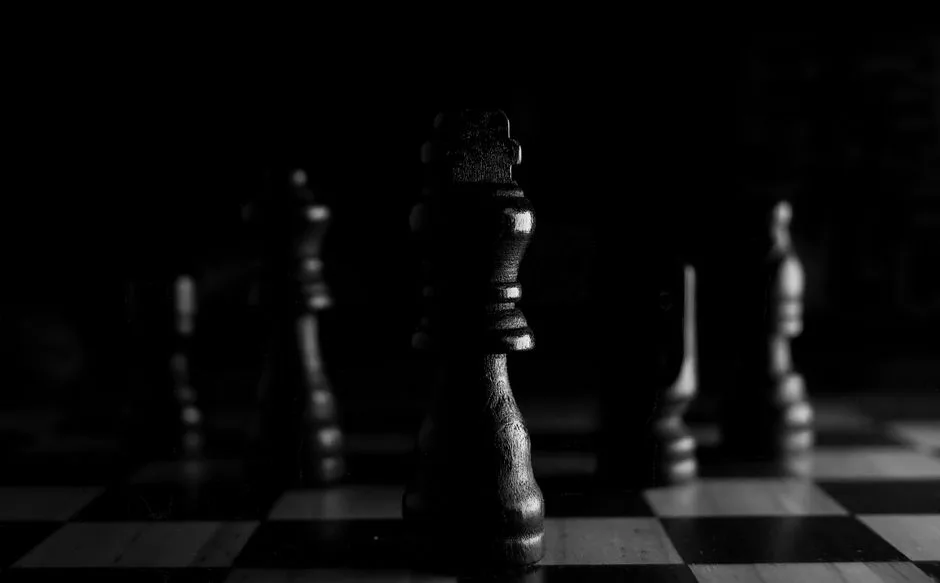 Pexels · Strategic close-up of chess pieces on a board, highlighting the queen in black and white. ↗
Why games matter to the plot
The book keeps returning to games — chess, Diplomacy, Theme Park, Atari, Go, StarCraft. Hassabis's conviction is that games provide a closed environment in which you can measure intelligence against a clear reward, then transfer the learning to the messy world. Every major DeepMind milestone first proved itself in a game.
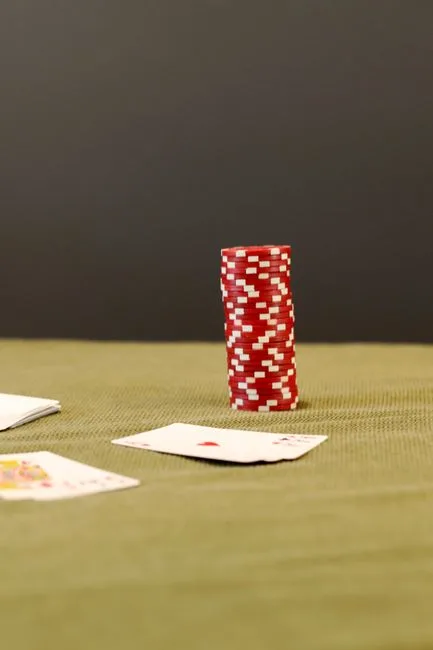 Pexels · Red poker chips stacked with playing cards on a green felt table. ↗
The book's thesis in one line
Mallaby's argument: the most consequential technology of the century is being built by a small group of people whose biographies and rivalries matter — and DeepMind, born of a London poker game and a Singularity Summit pitch, has had outsized influence on what gets built and how.
1 / 10Which publishing house released The Infinity Machine in 2026?
The answer is Penguin Press
Lesson 1 has 41 cards. Keep going in the free app.
Question -
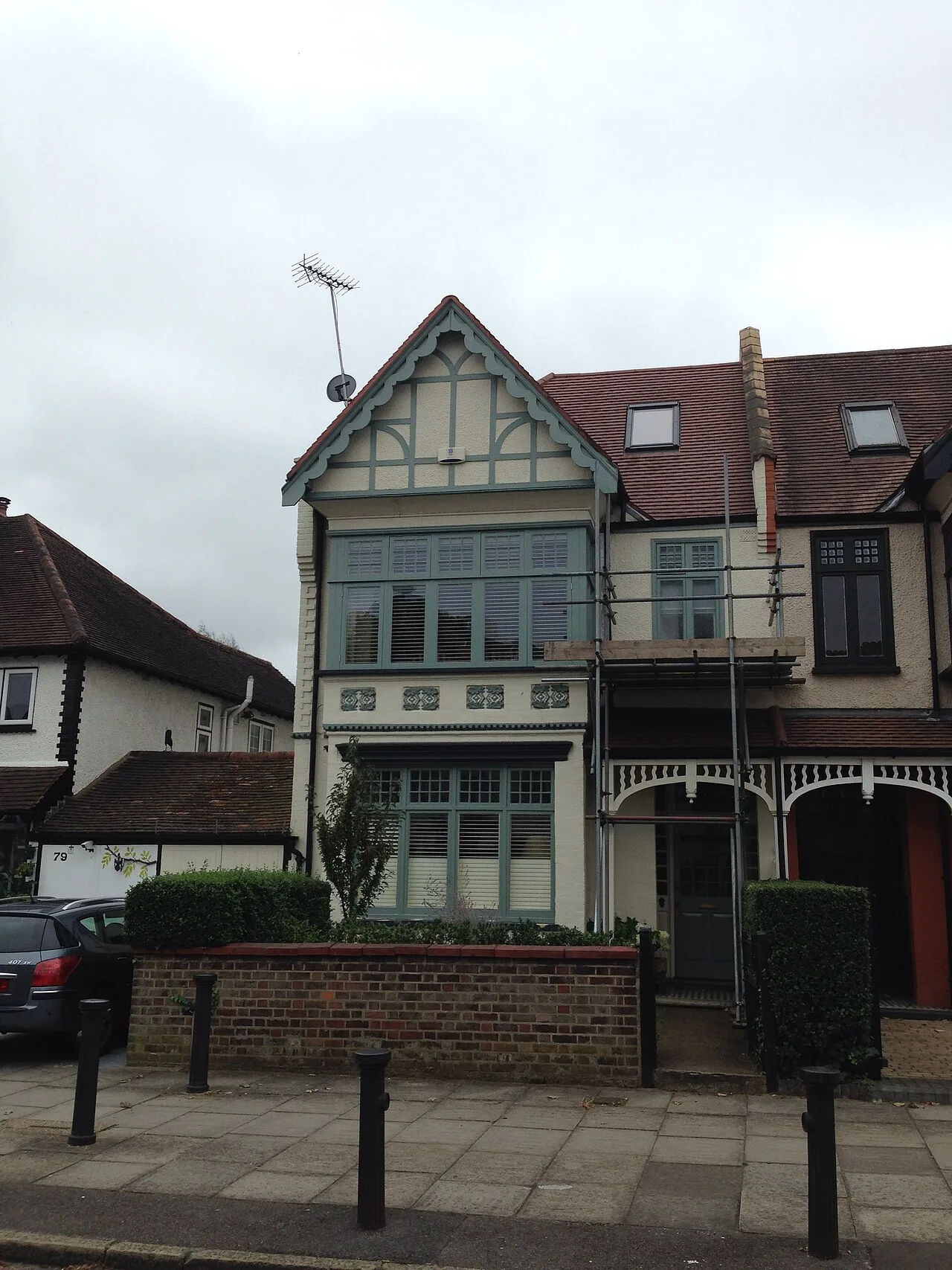 Wikimedia Commons · Gareth E. Kegg · CC BY-SA 4.0 ↗02
Destiny — Hassabis as a child prodigy
Finchley and chess · Bullfrog and the games path
Lesson 2 · 9 cards Pexels · Vlada Karpovich ↗
Chess master at 13
Hassabis learned chess at four after watching his father play, and within months was beating adults. He reached master strength by age 13, briefly the second-highest-rated child player in the world for his age. The chess world taught him how to think about adversarial systems — but also showed him that humans had cognitive ceilings he could already feel pressing in.
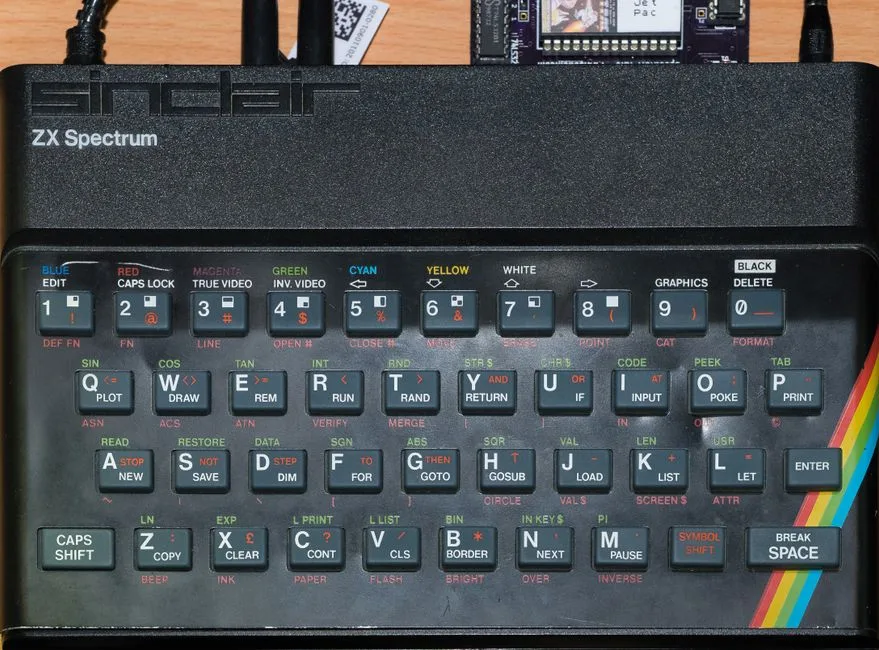 Pexels · William Warby ↗
ZX Spectrum and self-taught code
With chess winnings, eight-year-old Demis bought a ZX Spectrum home computer. He devoured manuals and taught himself BASIC and machine code. He coded a neural network long before he understood the theory — he simply wanted to make the computer play games against itself. The mental thread from those early experiments runs directly to AlphaZero.
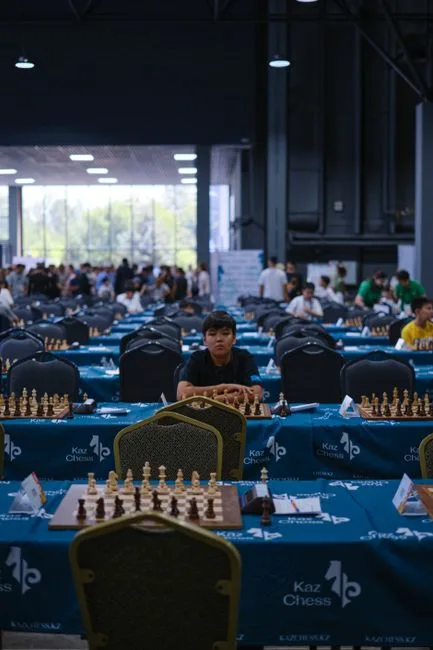 Pexels · Indoor chess tournament with players, focusing on a young adult participant. ↗
Quitting tournament chess
Hassabis stopped playing competitive chess in his late teens. The trigger, he later told Mallaby, was watching adults sacrifice everything to be slightly stronger than each other on a sixty-four-square board: "I started to wonder what else I could do with all that thinking." The chess habit never left him — but he wanted a bigger board.
1 / 9In which year was Demis Hassabis born?
Hassabis was born in 1976. 1984 is a tempting misread — that is roughly when, at age eight, he bought his ZX Spectrum with his chess winnings.
Lesson 2 has 43 cards. Keep going in the free app.
Question -
 John Welford · CC BY-SA 2.0 ↗03
Cambridge and Elixir
Cambridge: deep philosophical questions · Elixir Studios
Lesson 3 · 10 cardsJohn Welford · CC BY-SA 2.0 ↗Cambridge: Queens' College
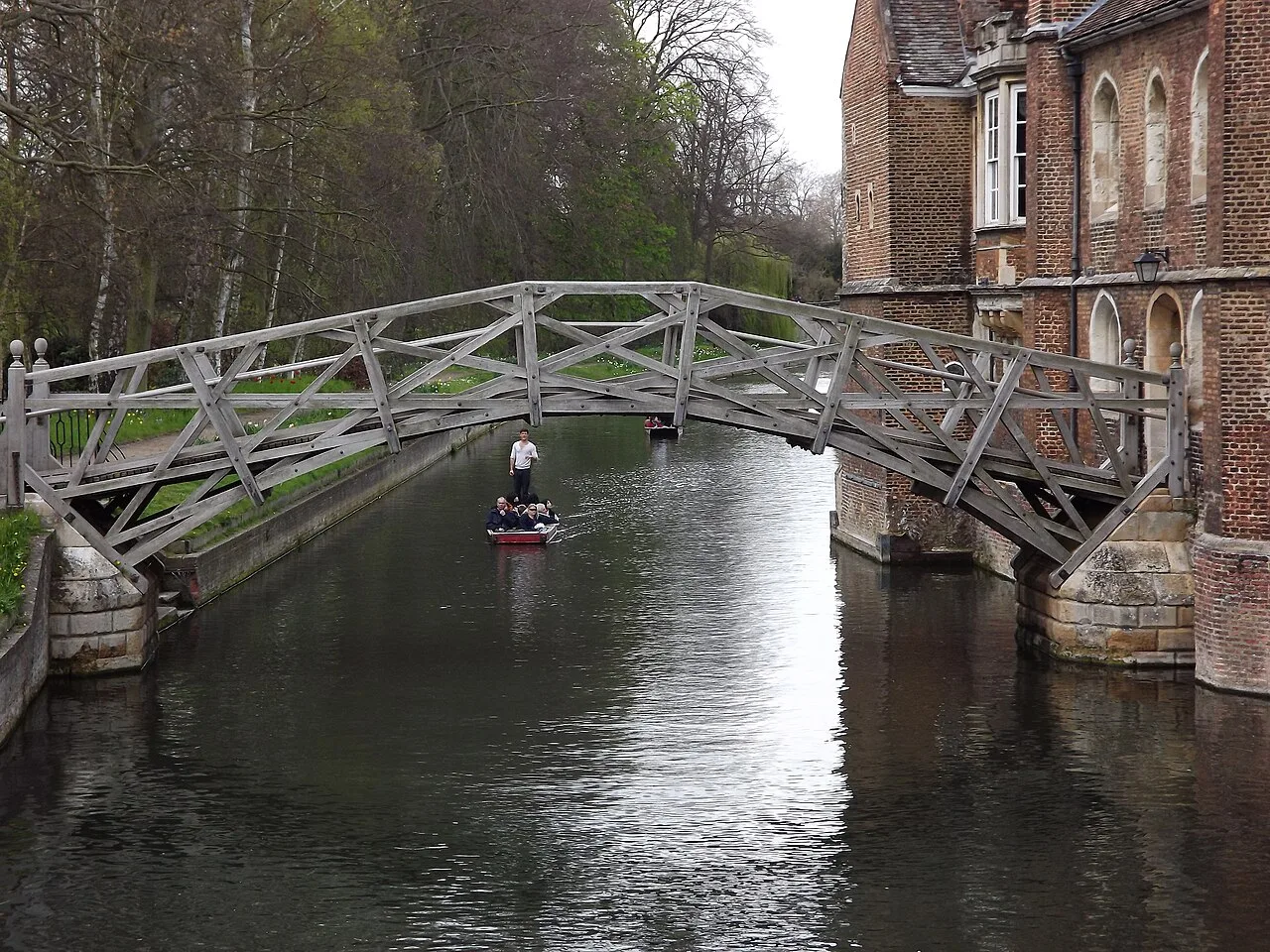
In 1994 Hassabis went up to Queens' College, Cambridge to read computer science. He was three years older than most freshers because of his time at Bullfrog. Cambridge was where, for the first time, his own intellect did not feel exceptional — and where he met collaborators he would still be working with twenty-five years later.
 Pexels · Aerial view of people playing Go outdoors, showcasing a casual game setup on a grassy lawn. ↗
Meeting David Silver
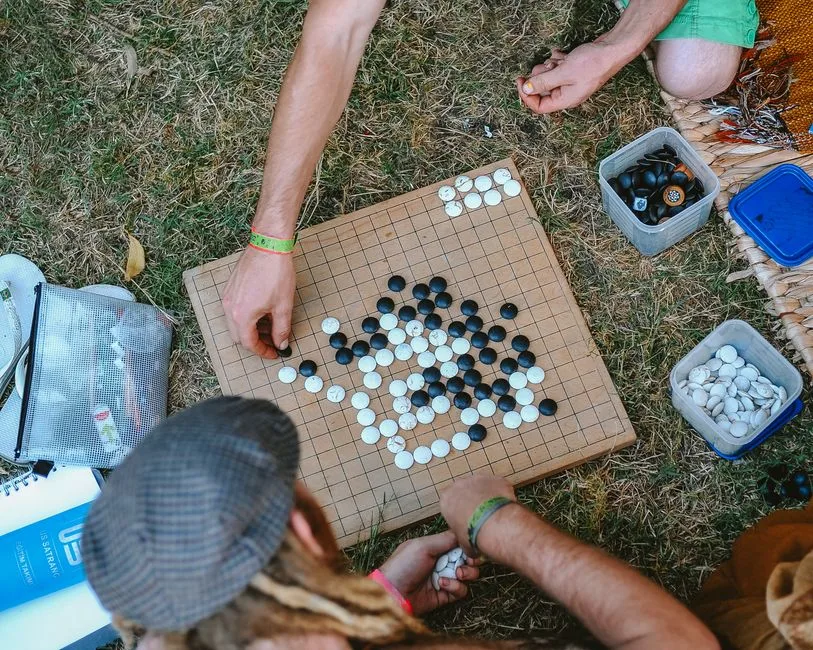
In his first weeks at Cambridge, Hassabis met another freshman, David Silver, in the JCR. They bonded over Go, board games and a shared sense that the computer science syllabus was not asking the deep philosophical questions. Silver would later lead the AlphaGo project and, decades later, help design AlphaFold's reinforcement learning.
 Wikimedia Commons · Mewtow · CC BY-SA 4.0 ↗
The deep philosophical questions
Mallaby titles a chapter after Hassabis's phrase. Cambridge convinced Hassabis that the most interesting question in computer science was not the next algorithm but the nature of mind itself. He resolved that, after a few years making money in games, he would return to neuroscience and AI for the long haul.
 Pexels · A doctor's hand points to a brain MRI scan on a lightbox, illustrating medical diagnosis. ↗
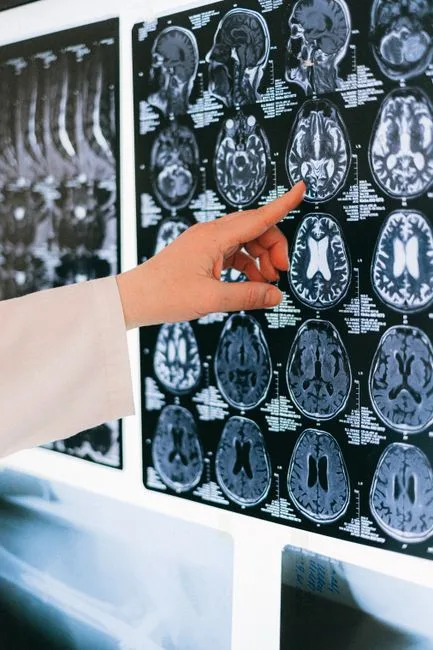
PhD in cognitive neuroscience
Hassabis's UCL doctorate, with Eleanor Maguire, found that patients with hippocampal damage could not imagine future scenes — the same brain region that stores memories also constructs hypothetical futures. The paper made the cover of Science in 2007 and gave Hassabis a working theory of the brain that would shape DeepMind's design.
 Pexels · Close-up of an MRI scan showing a sagittal view of the human brain for analysis. ↗
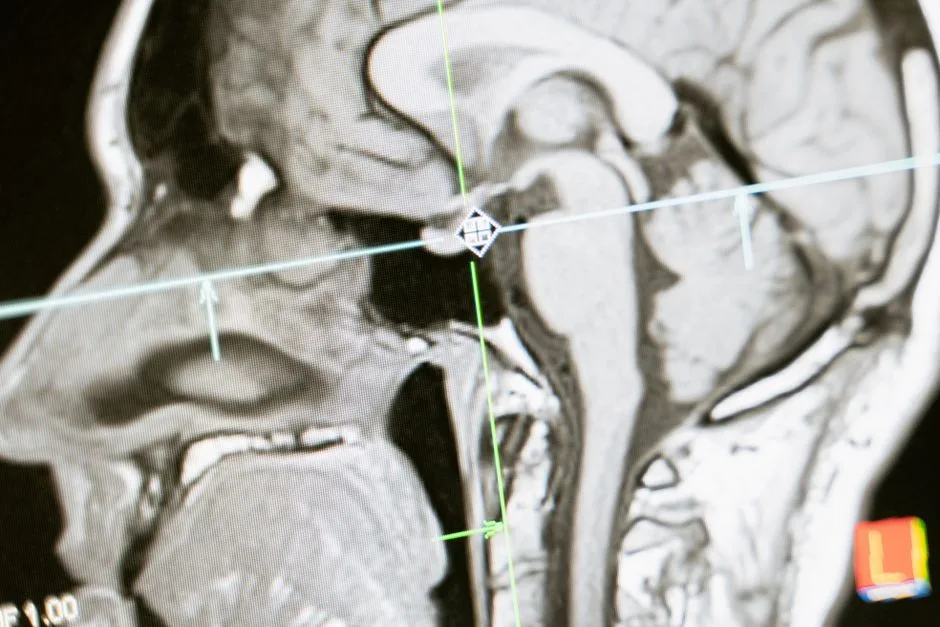
Brain as generative model
Hassabis's UCL neuroscience PhD found that patients with hippocampal damage couldn't imagine future scenes, convincing him the brain works as a generative model that builds scenes rather than a lookup table that retrieves them.
 Pexels · Close-up of King's College London flag on a modern architectural building facade. ↗
The end of Elixir
Elixir struggled commercially. By 2005, with the studio winding down, Hassabis sold the rights to the games it had completed and shut Elixir's gates. He returned to academia, enrolling at UCL to do a PhD in cognitive neuroscience — looking, specifically, at the brain mechanism behind memory and imagination.
 Pexels · Nostalgic collection of vintage video game cartridges showcasing iconic retro gaming titles. ↗
Founded Elixir at 22
Demis Hassabis was just 22 when he founded Elixir Studios, a year after graduating from Cambridge in 1997.
1 / 10Damage to which brain region left Hassabis's patients unable to imagine future scenes?
The hippocampus — already known for storing memories — turned out to also construct hypothetical futures. The amygdala handles emotional processing and is not the region in the finding.
Lesson 3 has 41 cards. Keep going in the free app.
Question -
 Christopher Wilson · CC BY-SA 4.0 ↗04
Gang of Three — Legg and Suleyman
Shane Legg and the word AGI · Mustafa Suleyman
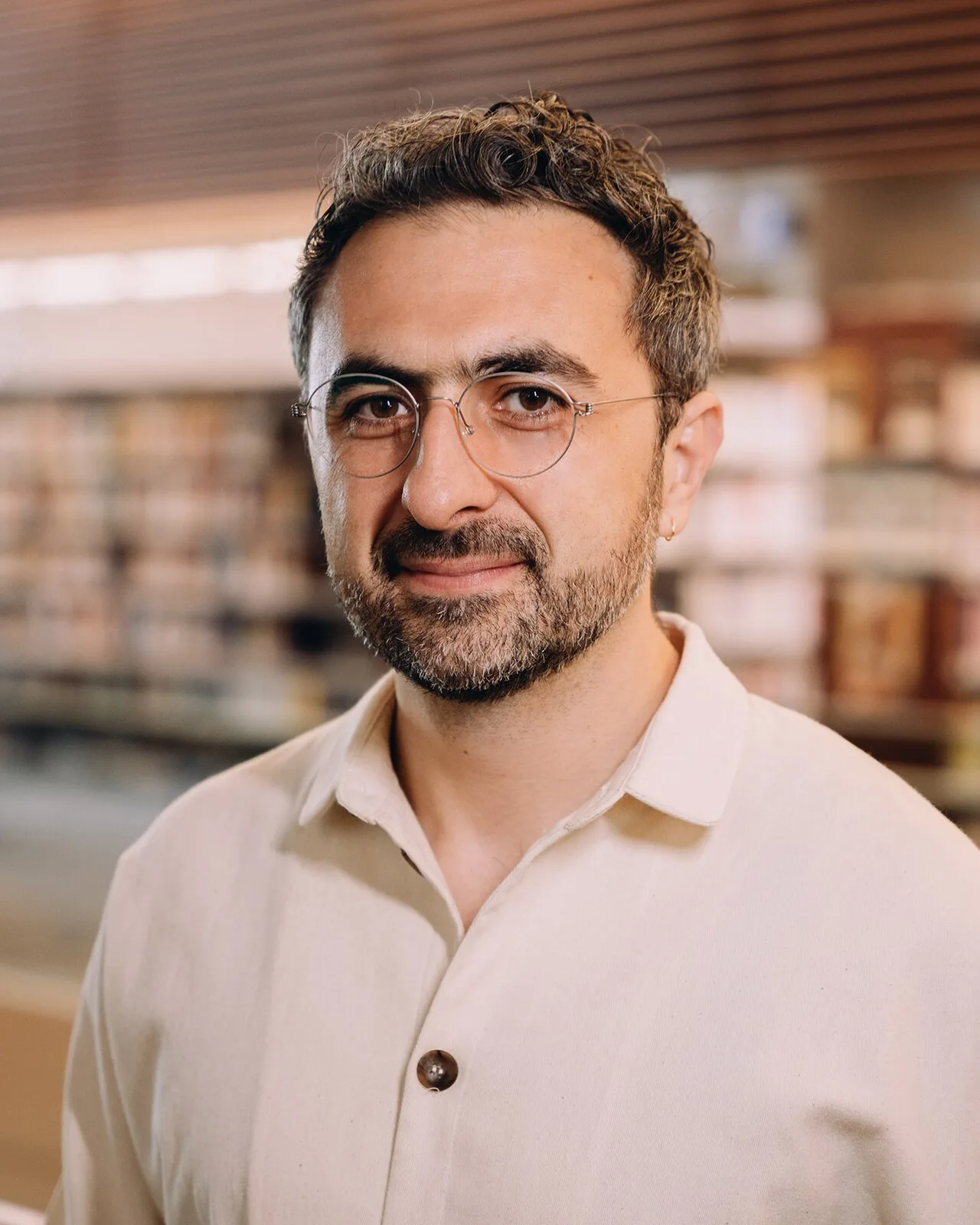
Lesson 4 · 10 cardsChristopher Wilson · CC BY-SA 4.0 ↗Mustafa "Moose" Suleyman
Born in August 1984 to a Syrian taxi-driver father and English mother in north London, Mustafa Suleyman dropped out of Oxford to start a Muslim youth helpline. By his mid-twenties he was a conflict-resolution consultant working in Copenhagen on climate diplomacy. He met Hassabis through Demis's brother George — they had been at school together — and was recruited as DeepMind's third cofounder.
 Pexels · Students of various backgrounds attentively listening in a university lecture hall. ↗
The Halloween Scenario
On 31 October 2009 Legg gave a Gatsby Unit lecture at UCL titled "The Halloween Scenario". His thesis: powerful AI was no longer a thought experiment, and serious safety planning had to begin now. In the audience was Hassabis. They started talking that night and never really stopped.
 Pexels · A speaker engages the audience during a tech conference, discussing future trends. ↗
Singularity Summit, 14 August 2010
At the 14 August 2010 Singularity Summit in San Francisco, the trio targeted Peter Thiel. Suleyman engineered an introduction. Hassabis pitched a research lab whose explicit mission would be to build AGI safely. Thiel listened, said little, and invited the team to his Palo Alto house for breakfast the next day.
 david.orban (Openverse) · by 2.0 ↗
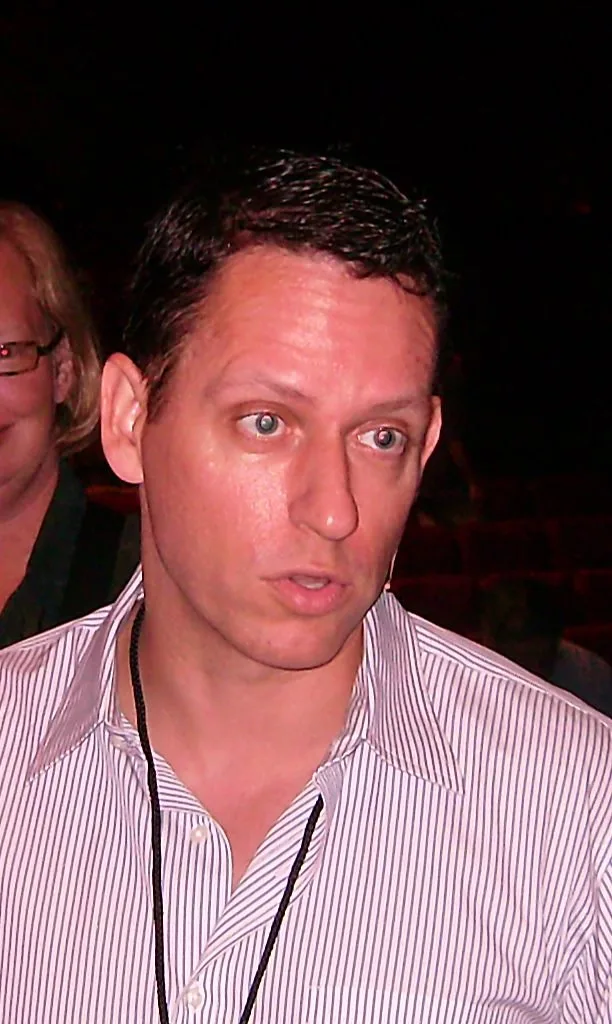
"Demis's destiny"
At the Palo Alto breakfast, Thiel — by Mallaby's account — was charmed less by the technical plan than by Hassabis himself. Walking the trio back to their car, he muttered to Luke Nosek that this was "Demis's destiny." Founders Fund led the seed round with $2 million; a $3.7 million Series A followed.
1 / 10Who proposed the phrase that became the field's agreed name for its most ambitious goal?
Legg proposed "Artificial General Intelligence" while brainstorming a book title with Hutter. Hutter was in the room but did not propose the phrase; Schmidhuber worked with Legg on recurrent nets, not the term.
Lesson 4 has 40 cards. Keep going in the free app.
Question -
 Wikimedia Commons · Asoundd · CC BY-SA 4.0 ↗05
Founding DeepMind
Thiel and the pitch · Google takes the wheel
Lesson 5 · 10 cardsWikimedia Commons · Asoundd · CC BY-SA 4.0 ↗Google buys DeepMind, January 2014
Larry Page and Sergey Brin had been circling DeepMind since 2012. After a year of negotiations, in January 2014 Google paid roughly £400 million for the still-revenueless lab — at the time Europe's largest AI acquisition. A condition Hassabis insisted on: an independent ethics board to oversee any potentially dangerous applications.
 Pexels · Close-up of a retro arcade game 'Game Over' screen in green, evoking classic gaming nostalgia. ↗
The Atari strike team
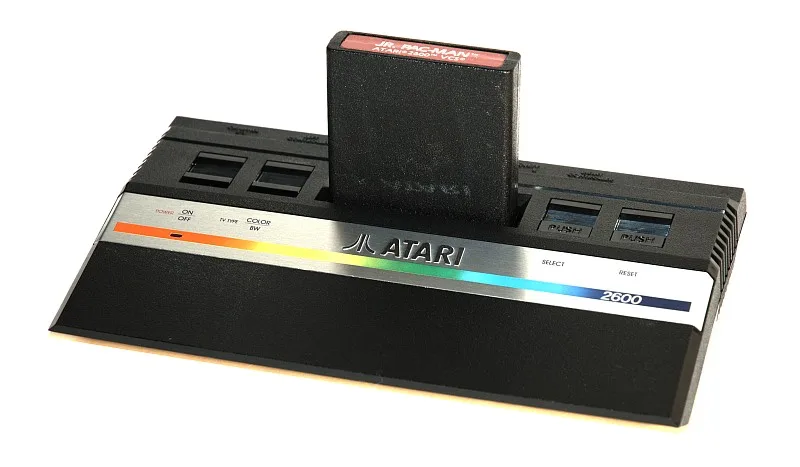
DeepMind's first publicly recognised milestone came from a tiny team led by Vlad Mnih, a Toronto-Alberta-trained reinforcement-learning specialist. The challenge: build a single neural network that could learn to play any of the classic Atari 2600 games from raw screen pixels and a score signal — no game-specific code.
 FlashFeed original diagram · CC-BY-4.0
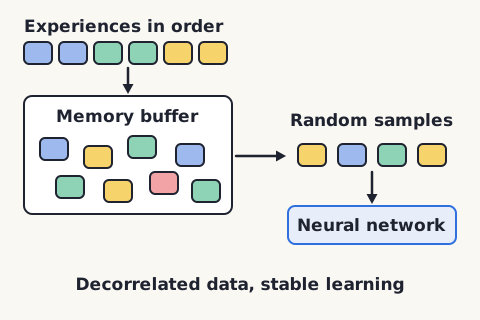
Why experience replay mattered
Neural networks hate seeing highly correlated training examples in sequence — they overfit to whatever's in front of them. The DQN insight was to store the agent's experiences in a memory buffer and train the network on random samples from that buffer. This decorrelated the data and made deep RL stable enough to actually learn.
 Unsplash · P. L. · Unsplash License ↗
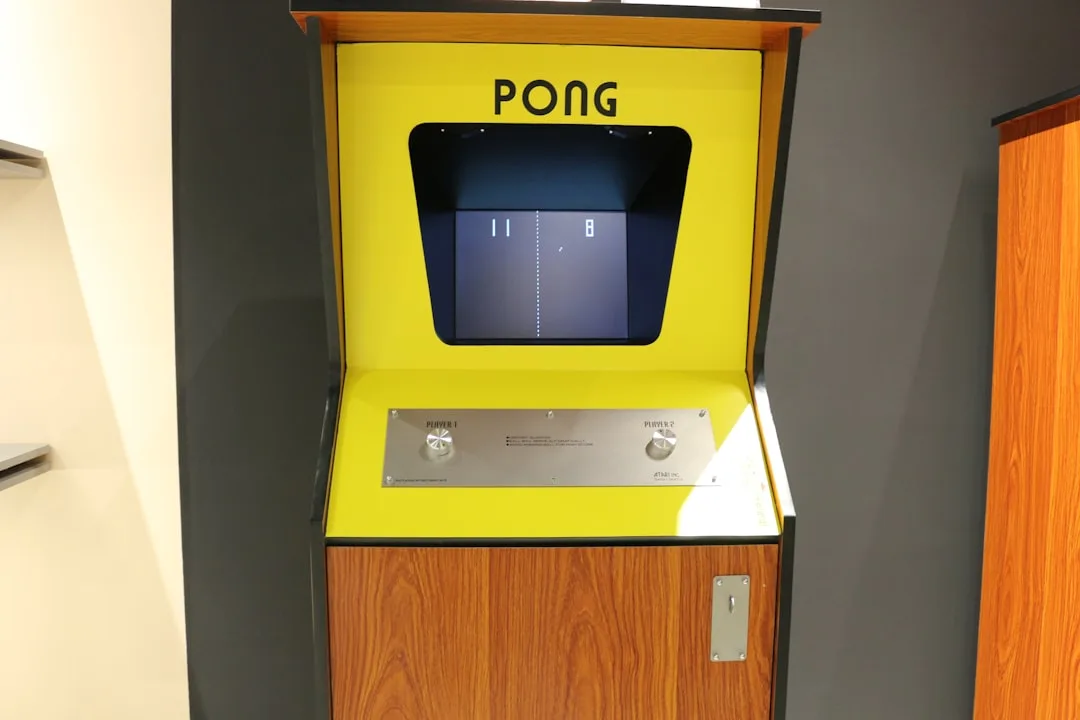
The day Pong clicked
On 7 July 2013 — Wimbledon final day — the team watched the DQN agent learn to play Pong from scratch. After a few hours, the bot started to put the paddle in the right place. By that evening it was beating the built-in opponent. Several engineers wept. The intellectual lineage to AlphaGo, AlphaFold and Gemini all run through that afternoon.
 User Balou on en.wikipedia · CC BY 2.0 ↗
Atari's one-network rule
The Atari challenge imposed a deliberate constraint: a single network, no game-specific code, learning only from raw pixels and the score — forcing a general solution instead of a tailored one.
1 / 10Which investor's fund led DeepMind's earliest outside funding?
Peter Thiel's Founders Fund led DeepMind's earliest outside funding — a notable irony given Thiel's later public skepticism about unchecked AI. Google acquired the lab in January 2014 for roughly £400 million.
Lesson 5 has 55 cards. Keep going in the free app.
Question - Take the lessons with you. Free, no account.Download on the App Store ↗Get it on Google Play ↗
-
 Pexels · Close-up of vintage Atari game cartridges for Missile Command, Pac-Man, and Defender. ↗06
Atari to AlphaGo
Atari and the DQN · AlphaGo and Move 37
Lesson 6 · 10 cardsPexels · Close-up of vintage Atari game cartridges for Missile Command, Pac-Man, and Defender. ↗Forty-nine games, one network
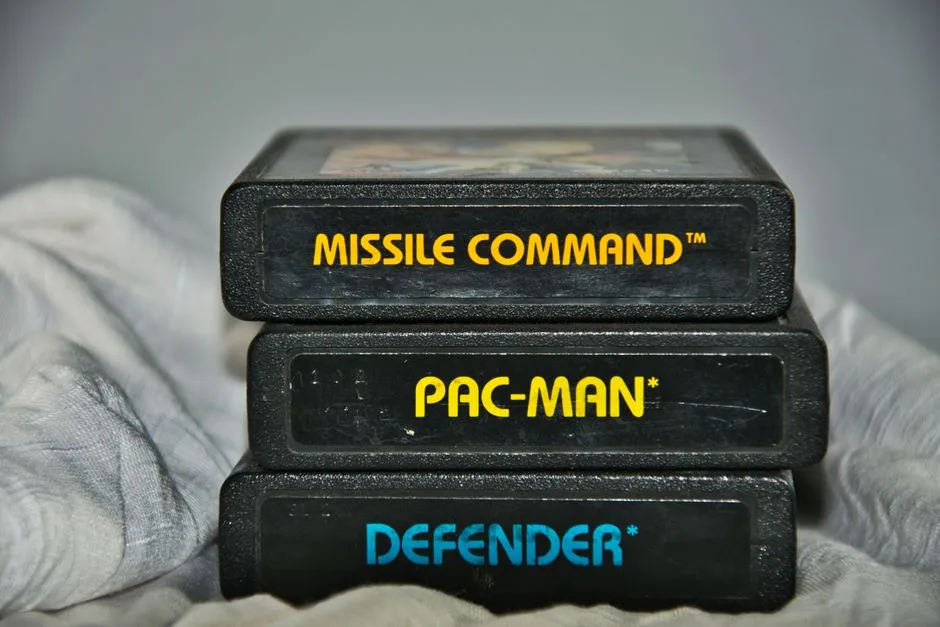
By the time DQN was published in Nature in February 2015, a single network architecture — same weights re-trained from scratch — had reached human-level or better on 29 of 49 Atari games, with no hand-engineered features per game. It was the first compelling demonstration that one general algorithm could master many distinct environments.
 Steve Jurvetson · CC BY 2.0 ↗
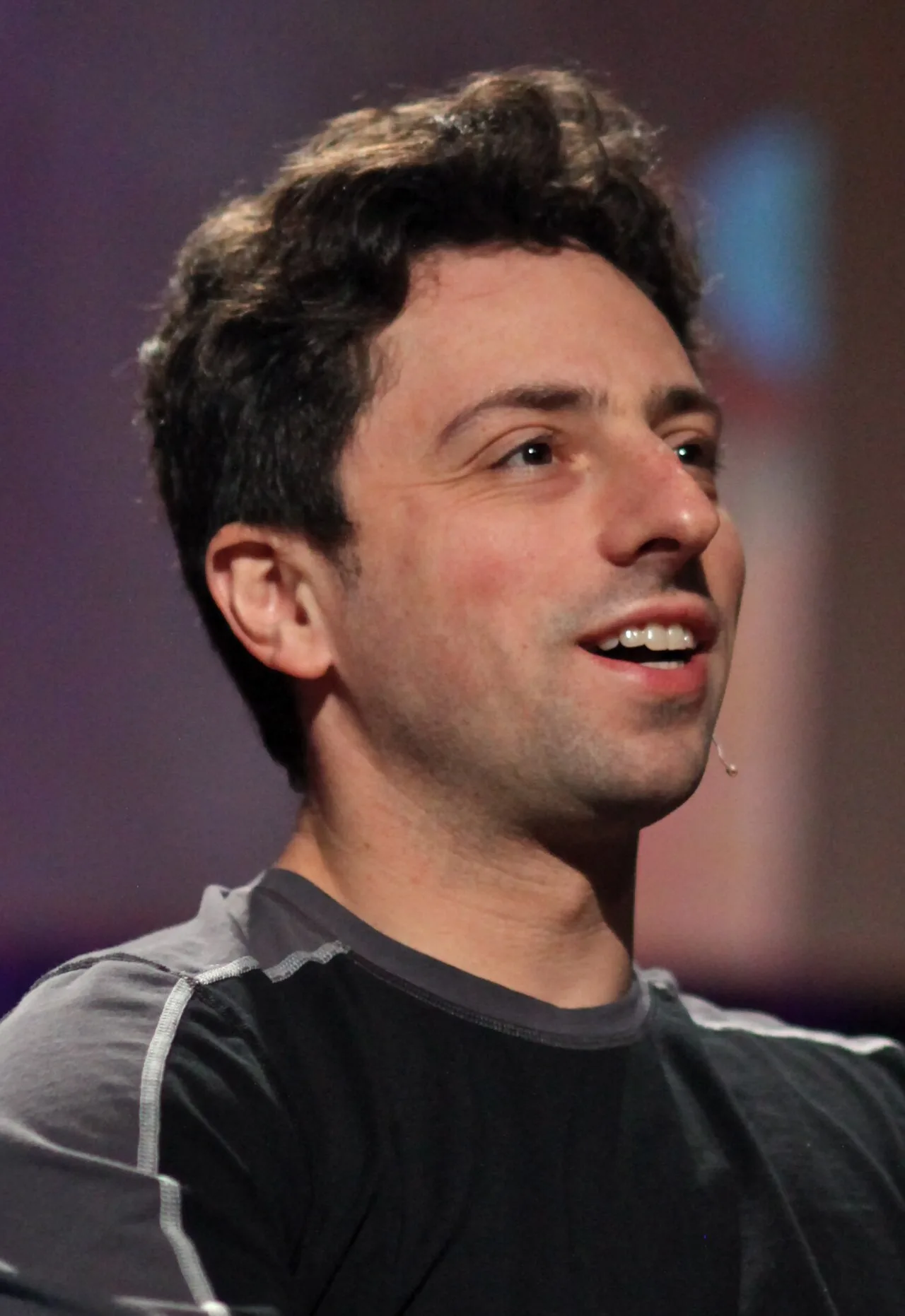
Sergey Brin and the Go problem
On a hallway walk at Google in May 2014, Sergey Brin asked Hassabis what hard problem DeepMind would tackle next. Hassabis answered: "Go." Brin was sceptical — the game's complexity had defeated AI for decades — but he provided the resources. The AlphaGo project began that summer.
 Goban1 · Public domain ↗
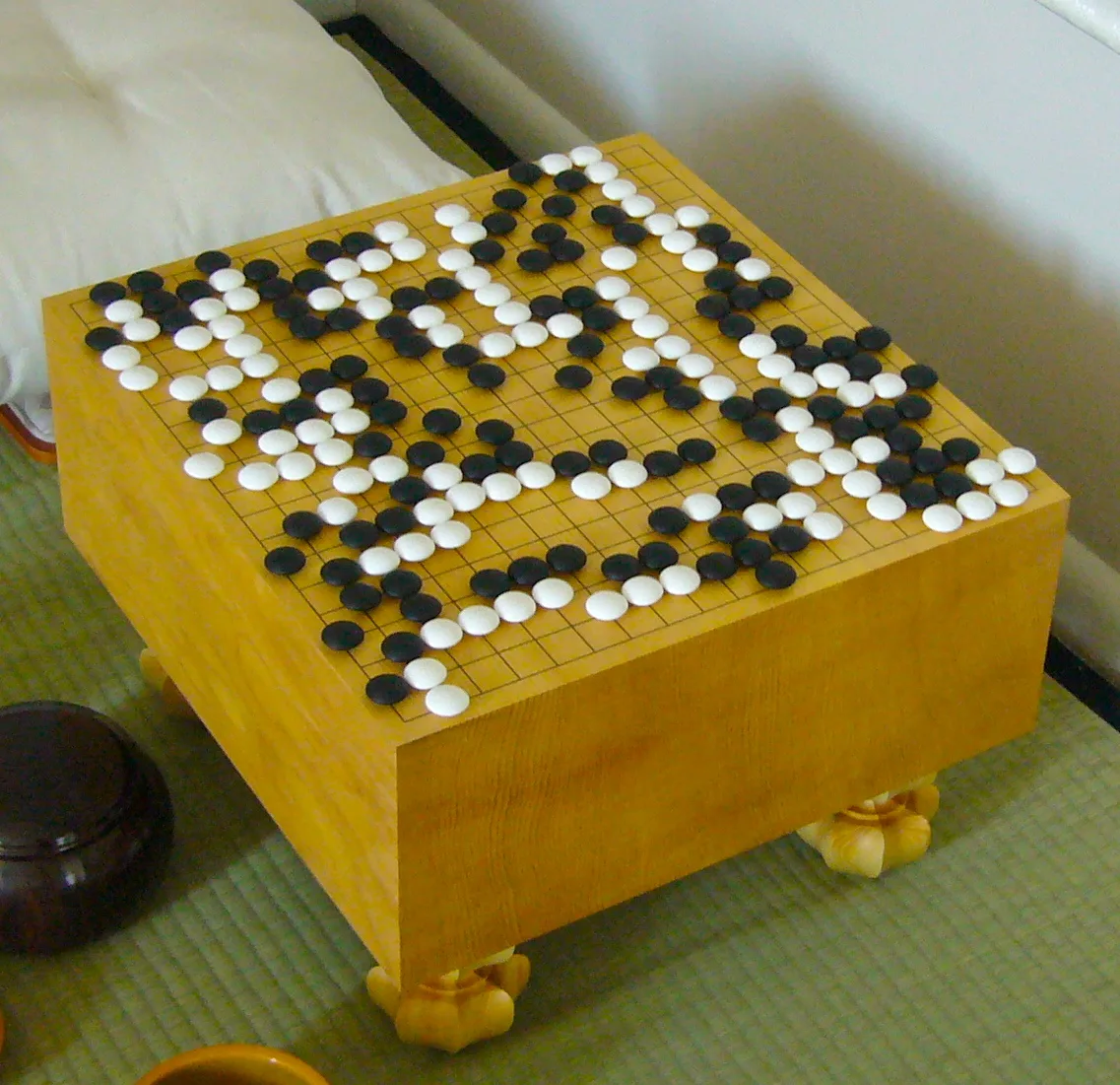
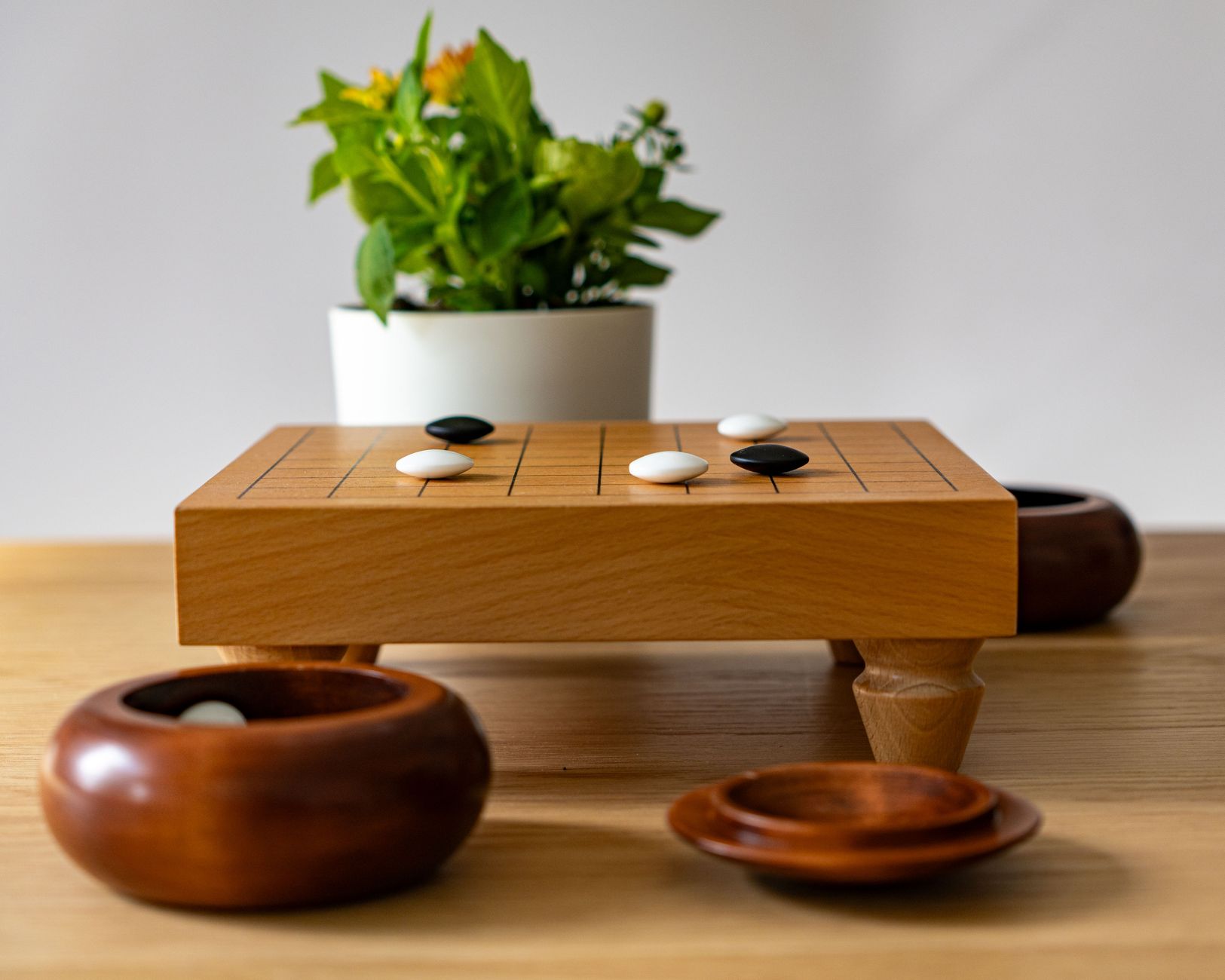
Fan Hui, 5–0, October 2015
In October 2015, AlphaGo played the European Go champion Fan Hui in a closed-door match. The result, 5–0 to AlphaGo, was kept under embargo until the January 2016 Nature cover paper. Fan Hui was so impressed by the experience that he joined DeepMind as an analyst to help prepare for Lee Sedol.
 Pexels · Audrey B ↗
Lee Sedol, Seoul, March 2016
Over a week in Seoul in March 2016, AlphaGo beat the legendary Korean champion Lee Sedol 4–1 in front of a global television audience. Lee won game 4 by finding a move AlphaGo had not foreseen — a moment of human glory in an otherwise grim defeat. The match made artificial intelligence front-page news worldwide.
 Unsplash · Elena Popova · Unsplash License ↗
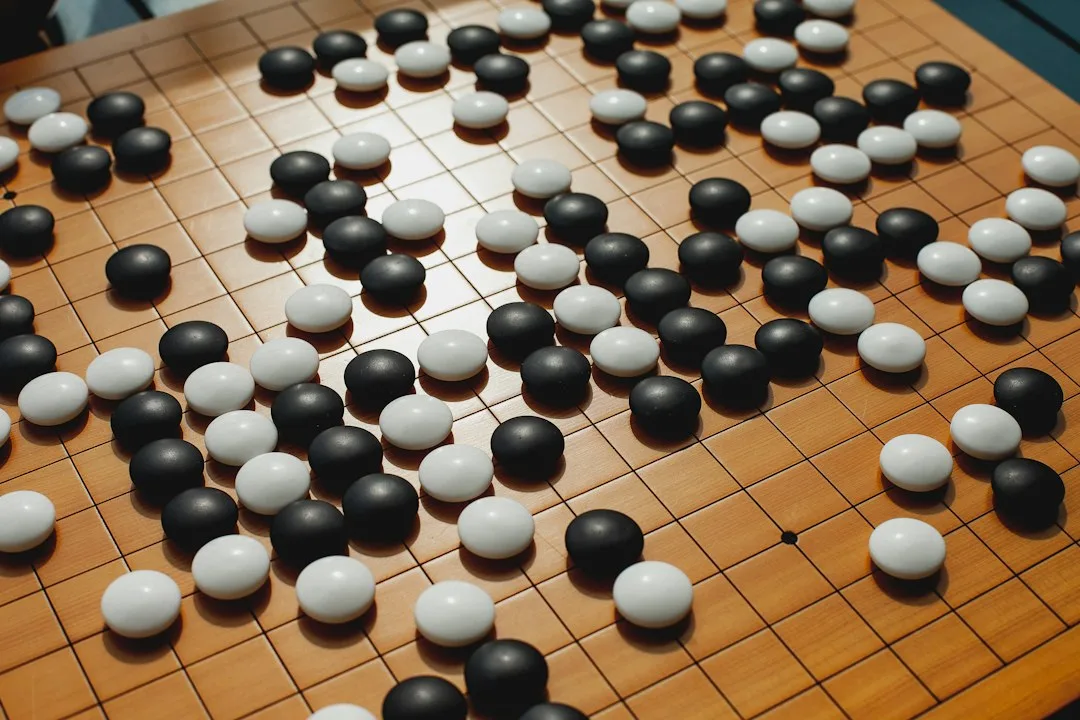
Move 37
In game two, on move 37, AlphaGo played a shoulder-hit at the fifth line that human commentators called a mistake. After 12 minutes of human deliberation, Lee Sedol returned to the board visibly shaken. Move 37 became shorthand for AI creativity — a play no human grandmaster would have chosen, and one that the network calculated had a one-in-ten-thousand chance of being played by a human.
 Wikimedia Commons · David Shankbone · CC BY 3.0 ↗
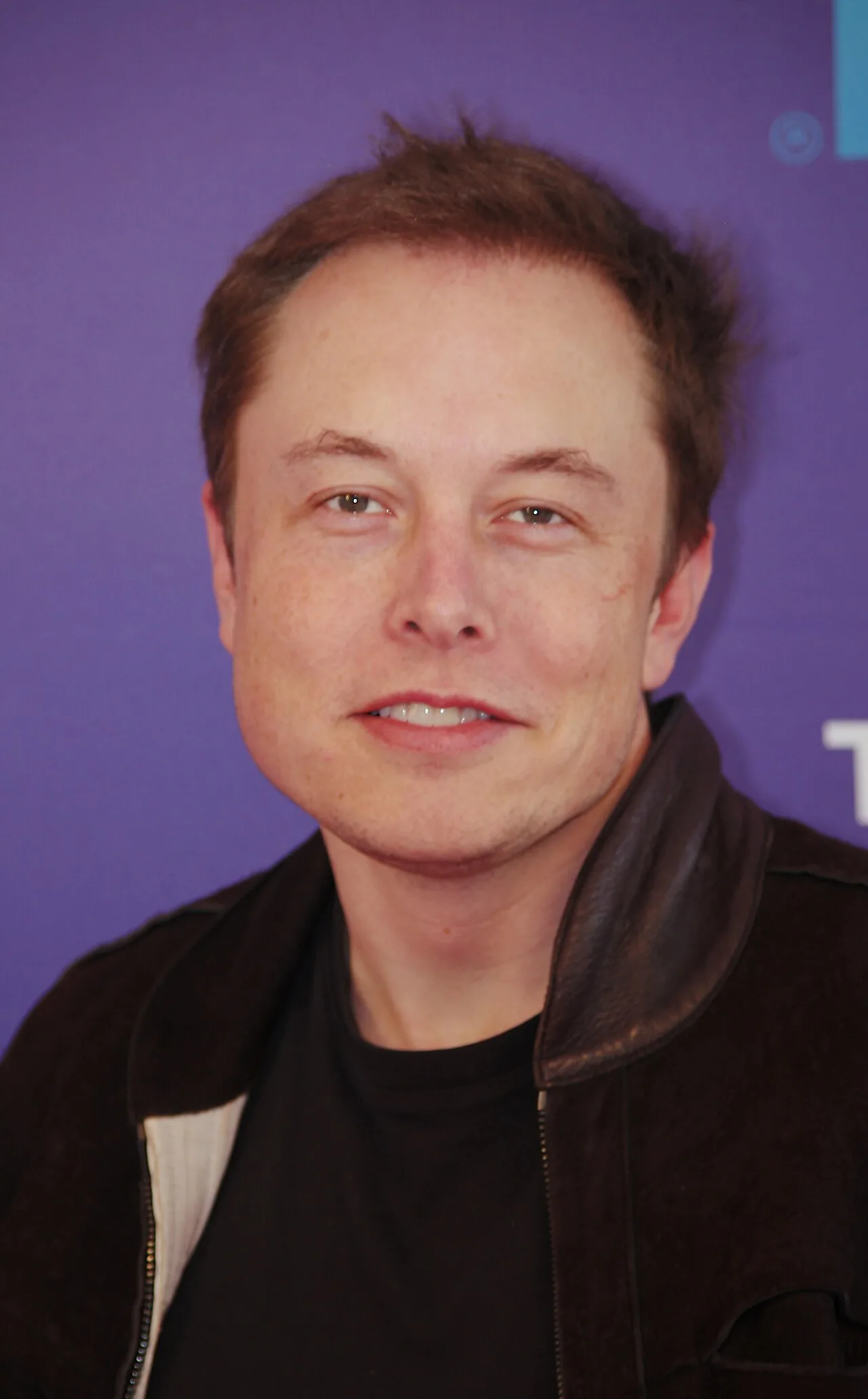
OpenAI is born
In December 2015, Elon Musk and Sam Altman announced OpenAI: a non-profit AI lab pledging $1 billion in commitments, explicitly framed as a counterweight to Google DeepMind. Mallaby treats the move as a direct reaction to AlphaGo's progress — Musk in particular had decided that DeepMind "under Google" was the most dangerous concentration of AI talent in the world.
 Pexels · Willians Huerta ↗
The poaching war begins
OpenAI's first hires deliberately targeted the DeepMind alumni network. Ilya Sutskever, a Toronto-trained Hinton student who had been at Google, became chief scientist. Pieter Abbeel and others followed. DeepMind, under Google's pay scales, fought back by offering equity-style retention packages that were unusual for an arms-length subsidiary.
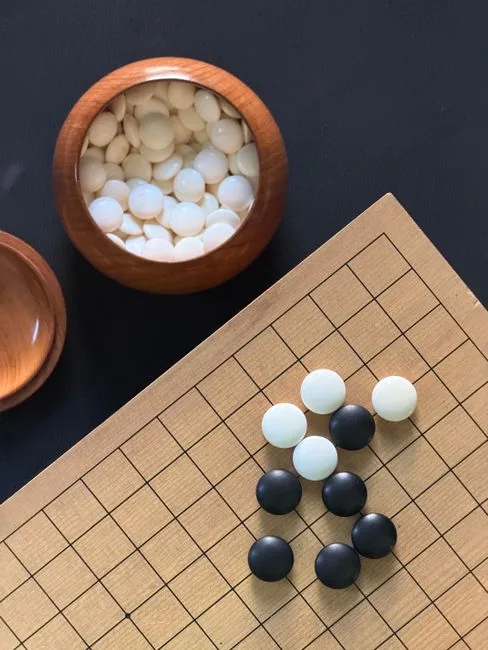 Pexels · Close-up of a Go board game setup with black and white stones and wooden bowls. Perfect for strategy enthusiasts. ↗
AlphaGo's Nature cover
AlphaGo's first major research paper appeared on the cover of the journal Nature in January 2016.
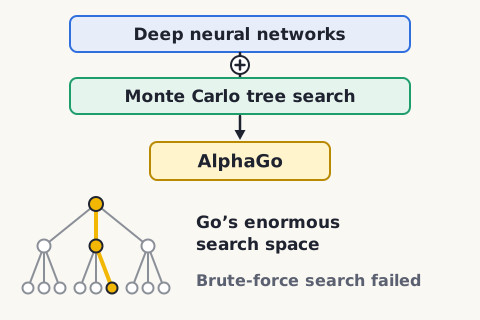 FlashFeed original diagram · CC-BY-4.0
Neural nets plus tree search
AlphaGo paired deep neural networks with Monte Carlo tree search — a combination that succeeded where brute-force search had failed for decades against Go's enormous search space.
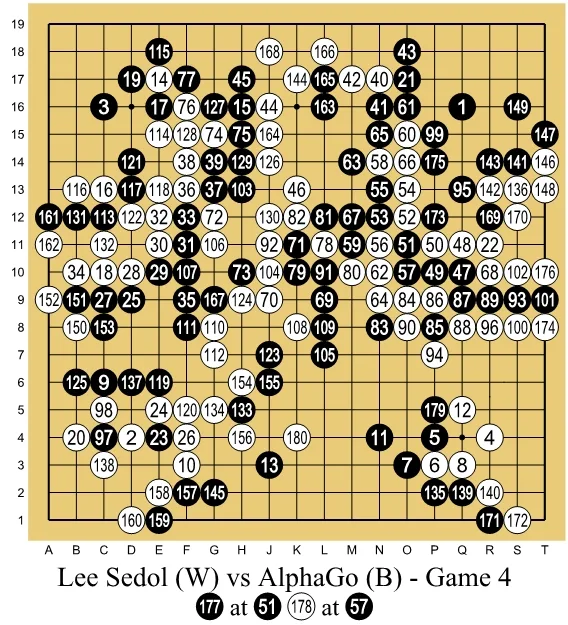 Wesalius · CC BY-SA 4.0 ↗
Seoul, March 2016: 4-1
AlphaGo defeated Lee Sedol 4–1 in Seoul in March 2016, a very different result from the 5–0 sweep of Fan Hui in the earlier closed-door match.
1 / 10In what year was the Deep Q-Network (DQN) published in Nature?
The DQN paper appeared in Nature in February 2015. 2013 is tempting — DeepMind showed early Atari results at NeurIPS that December — but the Nature publication came in 2015.
Lesson 6 has 62 cards. Keep going in the free app.
Question -
 Wikimedia Commons · Jernej Furman from Slovenia · CC BY 2.0 ↗07
The OpenAI rivalry
Musk, Altman and the split · Anthropic and the firing
Lesson 7 · 10 cardsWikimedia Commons · Jernej Furman from Slovenia · CC BY 2.0 ↗Five days that shook OpenAI
On 17 November 2023, OpenAI's board fired Sam Altman over a video call. Within forty-eight hours over 700 of OpenAI's 770 staff threatened to quit. Microsoft offered to absorb anyone who left. Five days later Altman was reinstated and the dissenting directors stepped down. Mallaby: "The hopes of slowing the AI race had been destroyed."
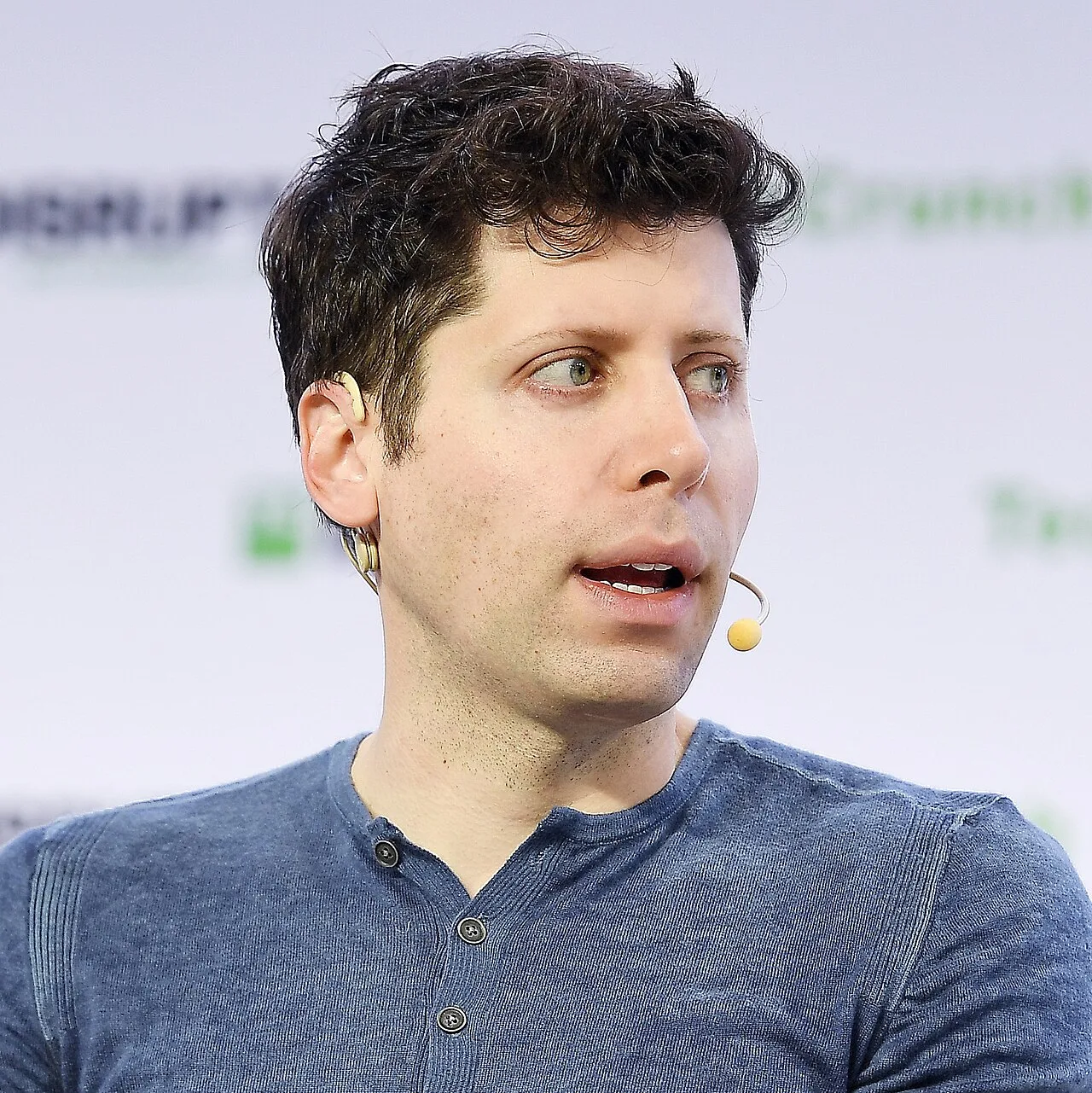 TechCrunch · CC BY 2.0 ↗
OpenAI's capped-profit pivot
In 2019, OpenAI restructured into a non-profit parent with a for-profit subsidiary capped at 100× return for early investors. Altman, now CEO, used the new structure to raise a $1 billion commitment from Microsoft. The move would later be cited as one reason the board lost confidence in him — they had been told the cap would hold.
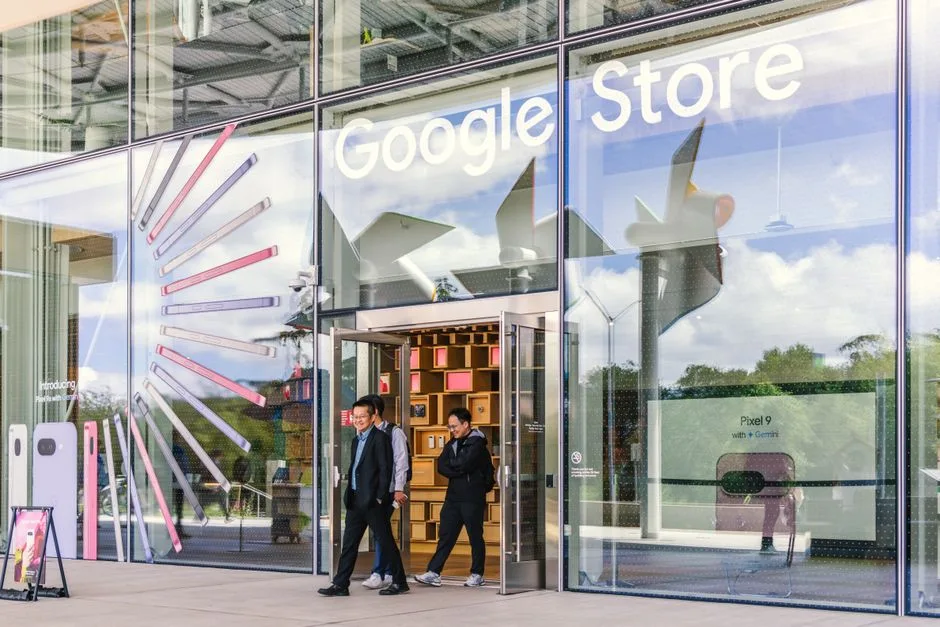 Pexels · Bright and modern Google Store entrance with clear glass facade in Mountain View, California. ↗
Suleyman exits, August 2019
On 21 August 2019, Bloomberg published a long story about bullying allegations against Mustafa Suleyman at DeepMind. By the end of the year he had moved to Google's Mountain View office in a vague vice-president role with no team. Eight years later he would emerge as CEO of Microsoft AI — the third corner of the original triangle, leading the partner of OpenAI.
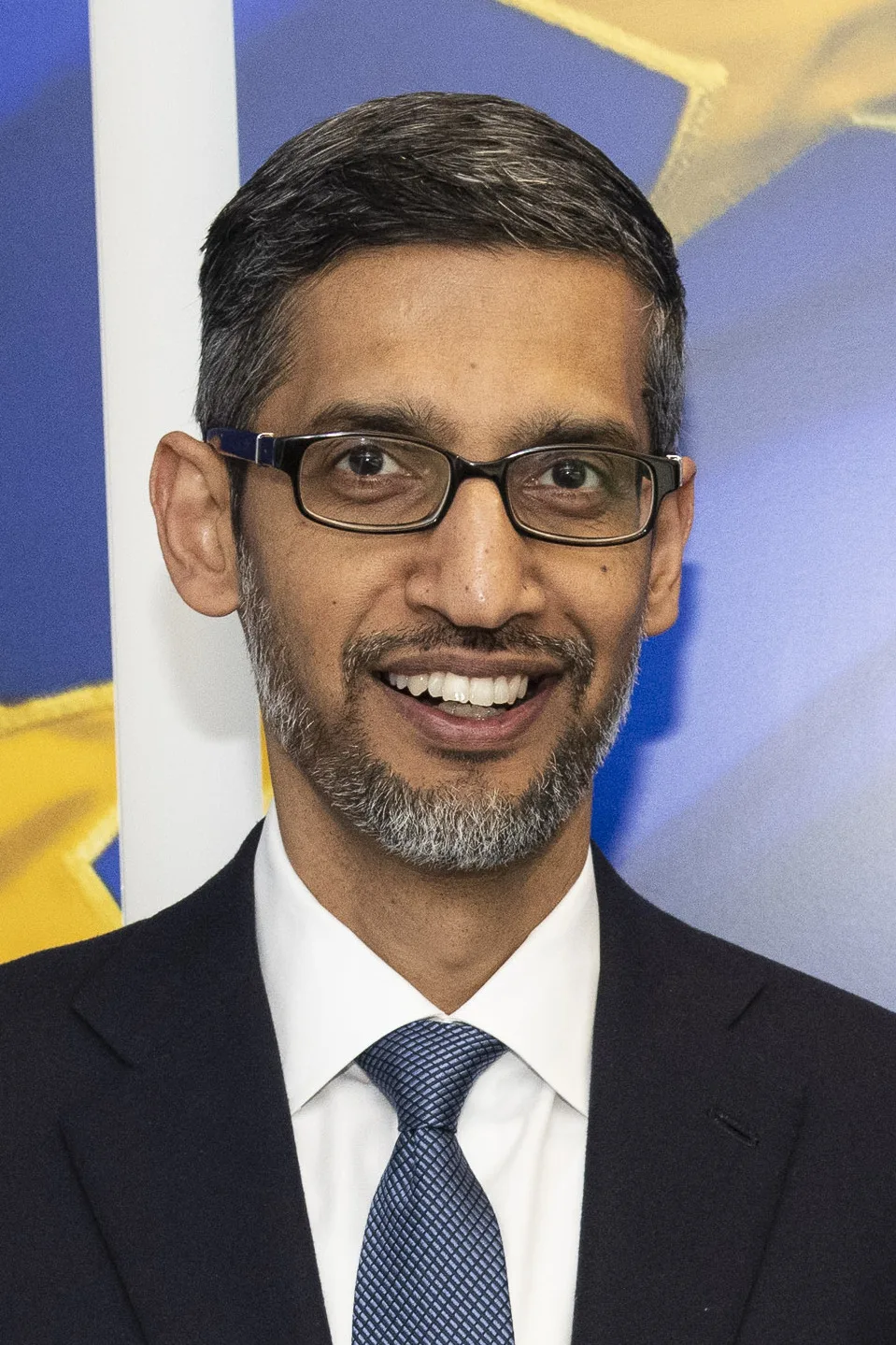 Photographer: Lukasz Kobus (European Commission) · CC BY 4.0 ↗
Google DeepMind, April 2023
After ChatGPT shocked Mountain View, Sundar Pichai consolidated. In April 2023 Google Brain — the team that had invented the transformer in 2017 — was merged into DeepMind to form a single unit called Google DeepMind. Hassabis became its CEO. The merger ended a decade-long internal rivalry and made him directly responsible for Google's response to OpenAI.
 Pexels · Ray Zhu ↗
Three north Londoners, three giants
Mallaby notes the parallel: by 2024 Hassabis ran Google DeepMind; Suleyman ran Microsoft AI; the third corner of the original DeepMind triangle, Legg, remained the lab's chief AGI scientist. "Two north Londoners with immigrant parents," Mallaby writes, "headed AI operations at two American tech giants."
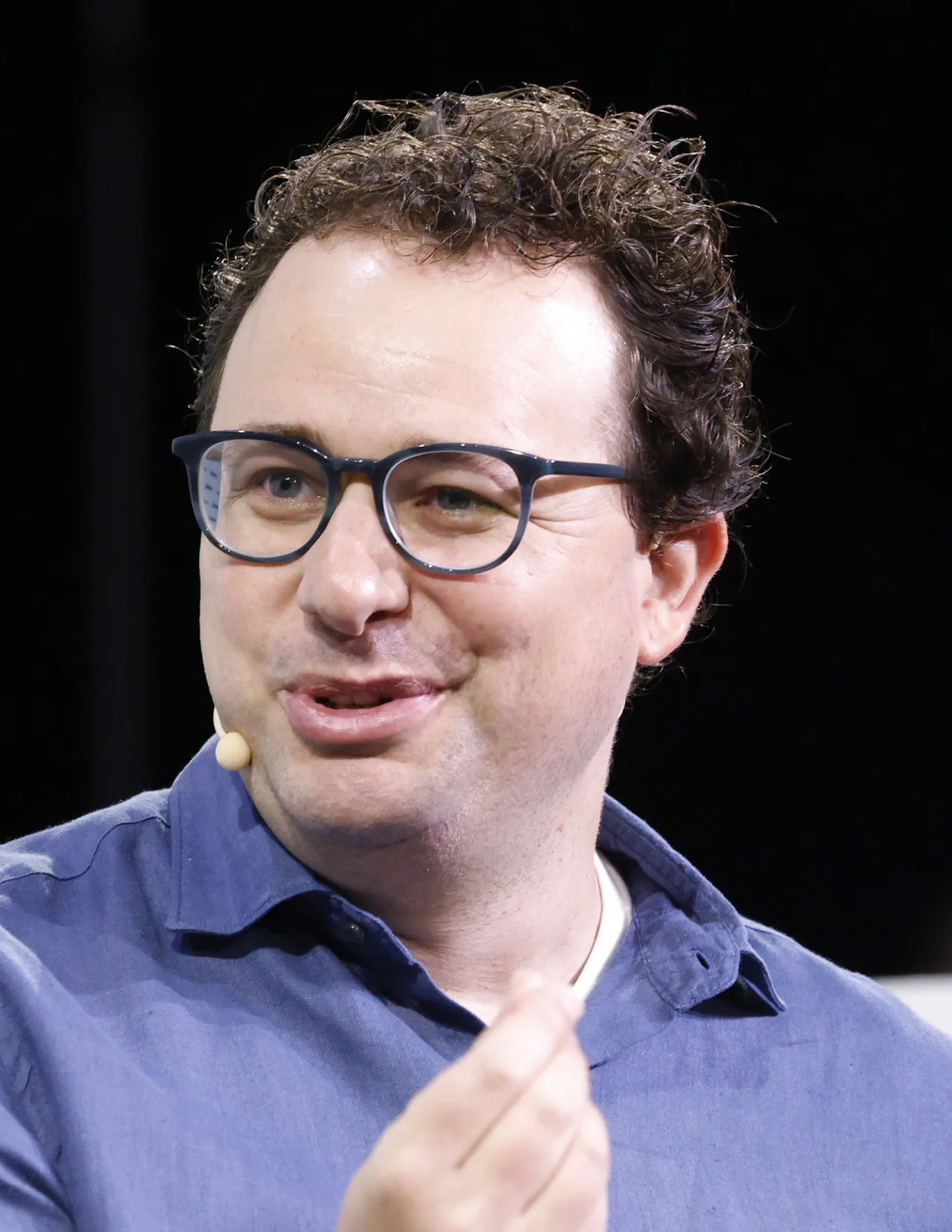 Wikimedia Commons · TechCrunch · CC BY 2.0 ↗
Anthropic splits off, 2021
Dario Amodei and his sister Daniela led a group of safety-focused OpenAI researchers — including Paul Christiano and the future UK AI Safety Institute scientific chief Geoffrey Irving — out of OpenAI in 2021 to found Anthropic. Mallaby treats the spin-off as a recurring pattern: safety-minded technologists keep leaving the labs they helped build.
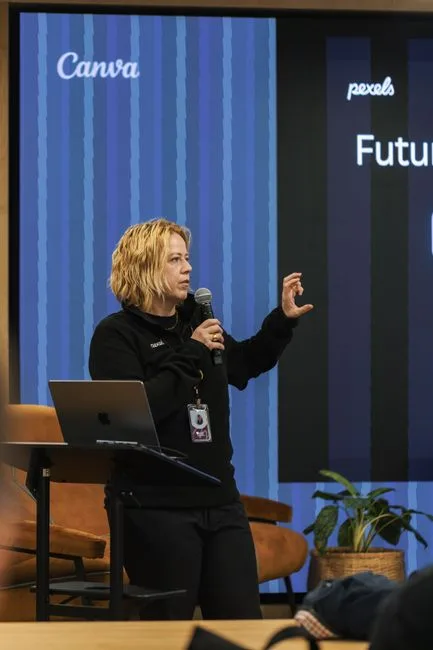 Pexels · Speaker presenting at a tech conference, engaging with the audience. ↗
Nadella's lifeline
Within 36 hours of Altman's firing, Satya Nadella publicly invited him to lead a new Microsoft AI lab with a budget to hire "anyone from OpenAI who wanted to join him." Three days later more than 700 of OpenAI's 770 employees had signed a letter threatening to follow. The board folded; Altman returned.
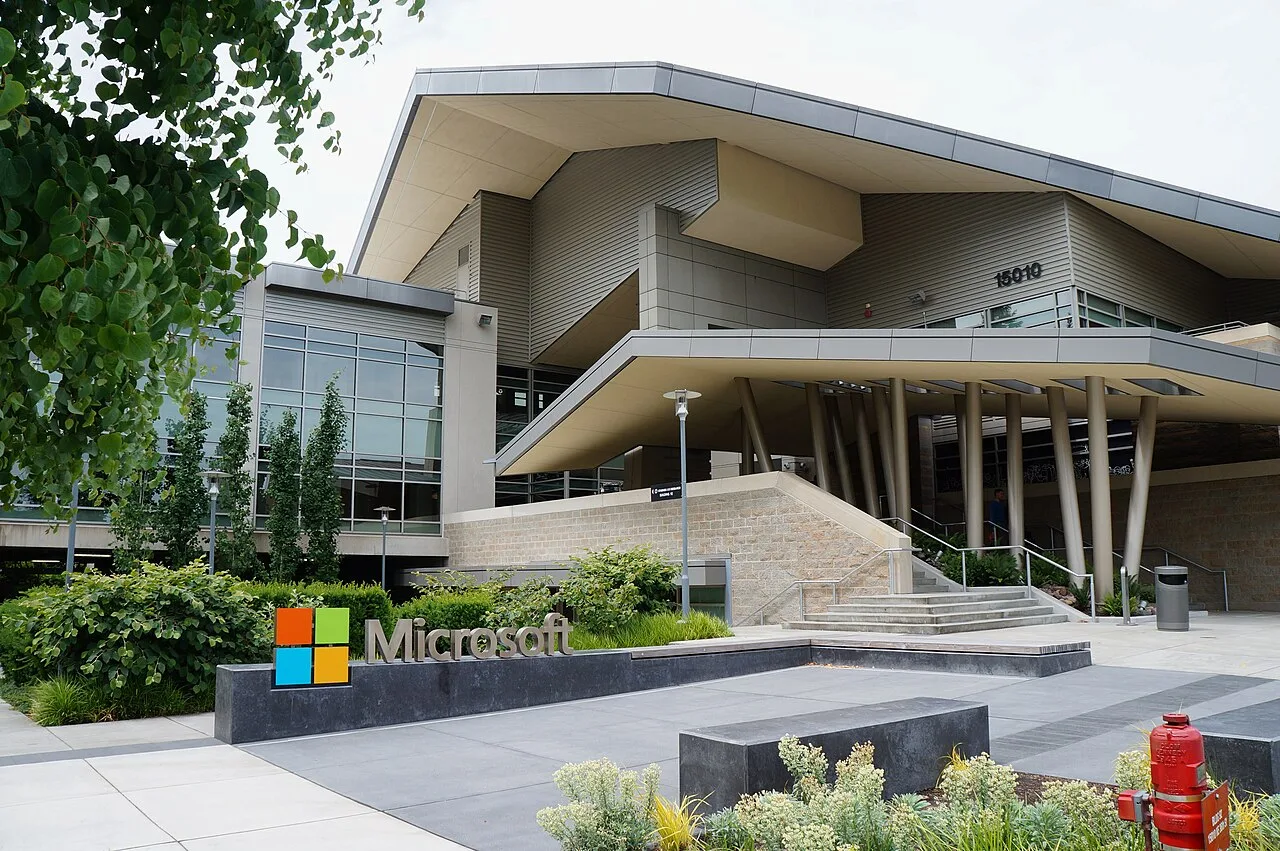 Jiaqian AirplaneFan · CC BY 3.0 ↗
Suleyman leads Microsoft AI
Mustafa Suleyman — one of DeepMind's three cofounders — became CEO of Microsoft AI in 2024.
1 / 10What did Musk push for at OpenAI before his 2018 departure?
Musk pushed to run OpenAI himself and left when he failed to gain operational control. The capped-profit conversion came in 2019, after he had already resigned.
Lesson 7 has 40 cards. Keep going in the free app.
Question -
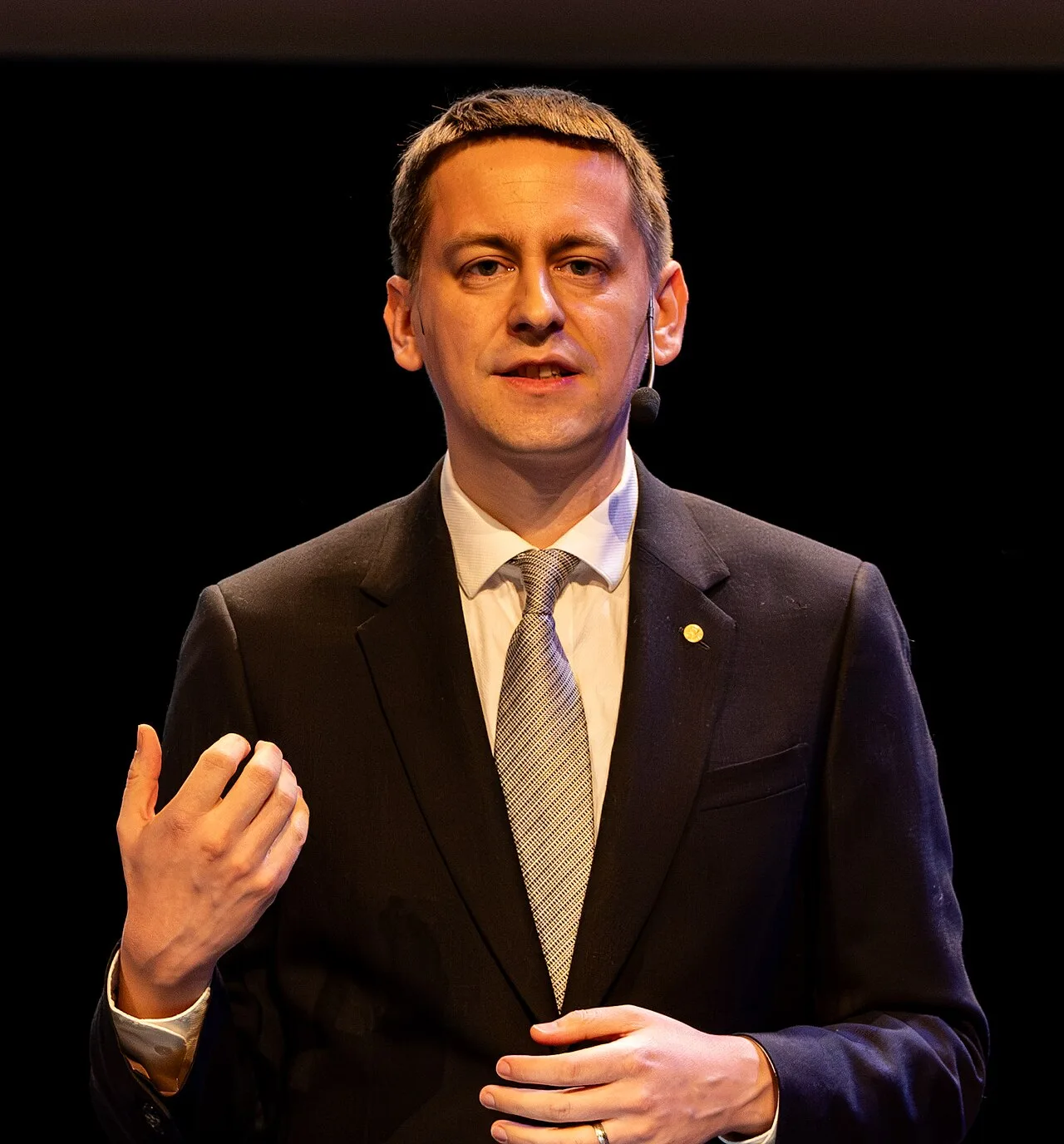 Arthur Petron · CC BY-SA 4.0 ↗08
AlphaFold — Fermat for biology
A promise after Seoul · CASP14 and the 200 million
Lesson 8 · 10 cardsArthur Petron · CC BY-SA 4.0 ↗Jumper arrives, October 2017
Andrew Senior, the project's first lead, recruited John Jumper in October 2017. Jumper, then 32, had worked across mathematics, physics, chemistry, biology and machine learning — including three years at D. E. Shaw Research, where he had tried to model proteins with Newtonian physics. He brought biological intuition the team had lacked.
 Pexels · A lively aerial view of a bustling street in Seoul at night, showcasing bright city lights and a vibrant atmosphere. ↗
A promise on a Seoul sidewalk
After AlphaGo defeated Lee Sedol in March 2016, Hassabis walked back to the hotel with David Silver. "I'm telling you," he said, "we can solve protein folding." Silver was sceptical. Hassabis had been waiting to tackle the problem since reading the literature as an undergraduate. Within months he had scrambled a hackathon team to try.
 Unsplash · National Cancer Institute · Unsplash License ↗
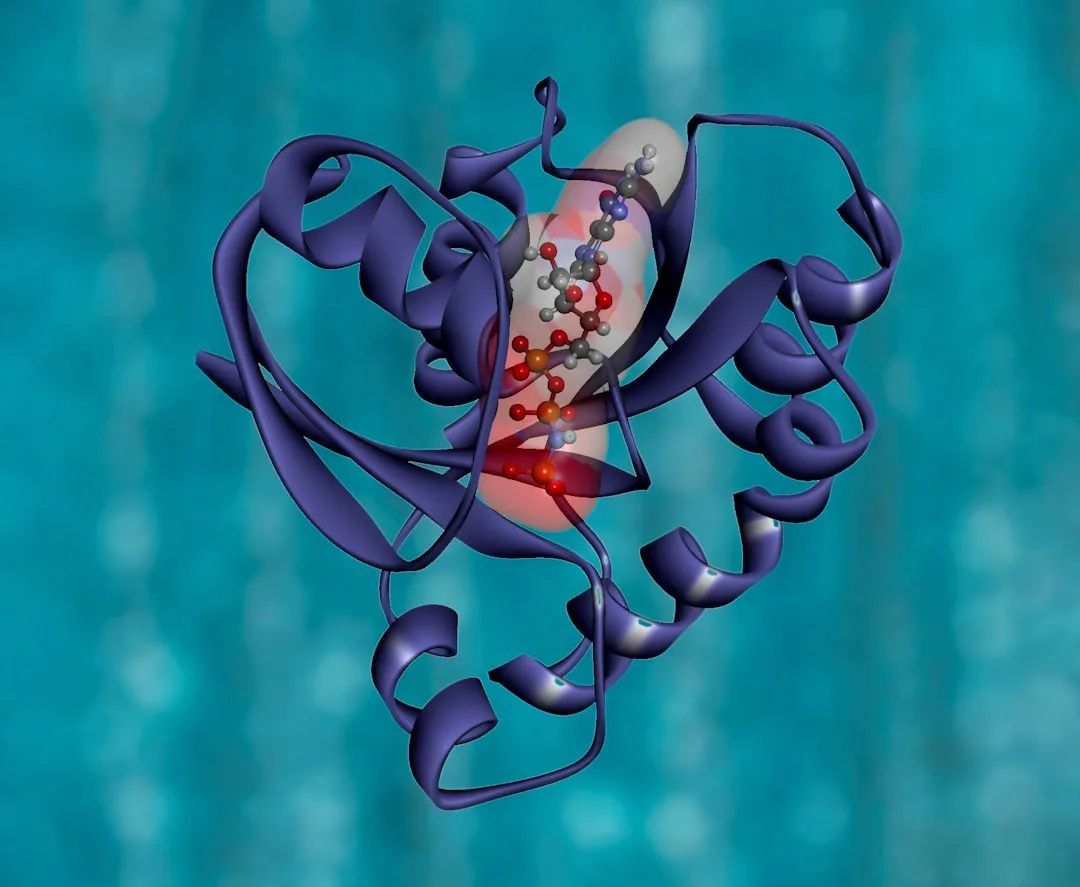
Anfinsen's conjecture
In his 1972 Nobel Prize lecture, Christian Anfinsen conjectured that a protein's sequence alone determined its folded shape — that the information needed was all encoded in the amino acids. For the next half-century, biologists believed him in principle but could not extract the shape from the sequence in practice. AlphaFold was the algorithmic vindication of Anfinsen.
 Pexels · Two scientists working together in a laboratory, analyzing data and discussing results. ↗
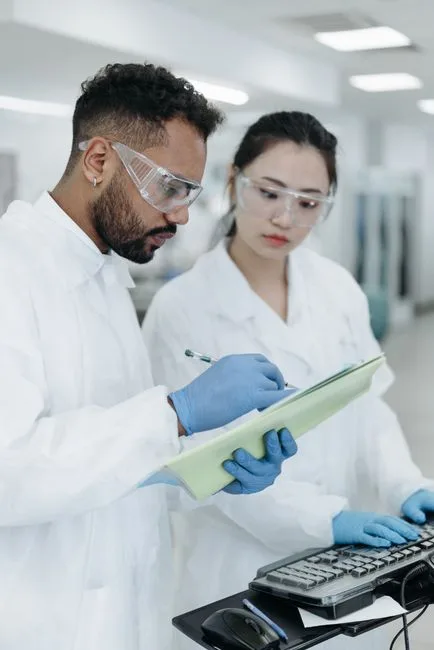
CASP: the biennial test
Every two years since 1994, Professor John Moult had organised CASP — the Critical Assessment of Structure Prediction. Competing labs received amino acid sequences for proteins whose true shapes were known only to the experimentalists. Predictions were scored by Global Distance Test (GDT). For AlphaFold, CASP was the externally verifiable scoreboard.
 FlashFeed original diagram · CC-BY-4.0
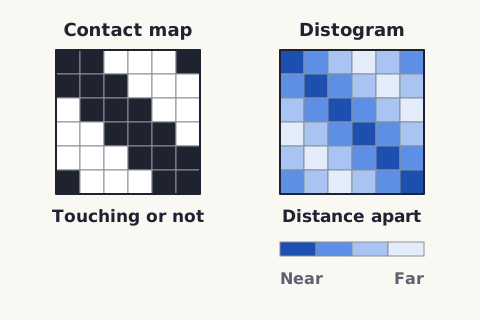
From contact map to distogram
Where rival labs trained networks to predict whether two amino acids touched, AlphaFold trained its convolutional network to predict the distance between them on a continuous scale. "Like going from black and white to a full-colour TV," researcher Marek Barwinski said. The shift to distograms was AlphaFold 1's signature insight.
 FlashFeed original diagram · CC-BY-4.0
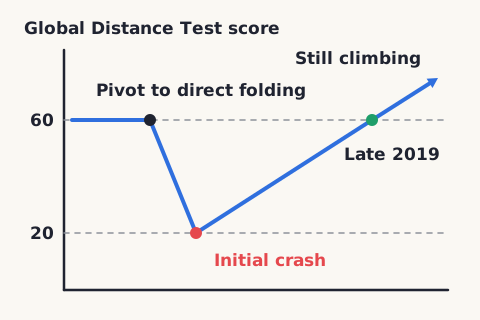
The direct-folding pivot
After CASP13, Hassabis told the team they were not done. The next iteration would predict the exact 3D coordinates of every atom directly, instead of relying on a post-hoc search. The GDT score initially crashed from 60 to 20. The team kept going. By late 2019 the new approach was back at 60 and climbing.
 FlashFeed original diagram · CC-BY-4.0
Enter the transformer
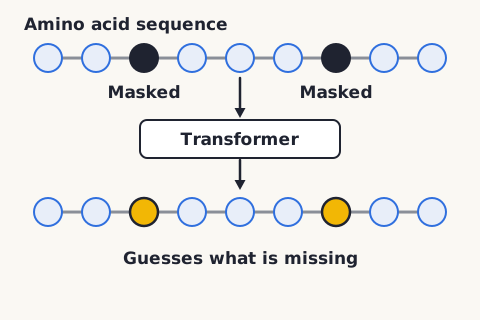
In 2019 Jumper's team rebuilt AlphaFold's neural network as a transformer — specifically a "tetraformer" combining four variants of the architecture. They masked amino acids in the UniProt database and trained the model to guess what was missing, the same trick BERT had used on language. Evolutionary patterns turned out to encode the geometry of proteins.
 Pexels · Maksim Goncharenok ↗
CASP14, November 2020
In November 2020, Professor Moult tallied the CASP14 scores. AlphaFold 2 had scored 92.4 — more than 50 percent higher than any previous best in the contest's history. The accuracy was good enough that an experimentalist's gold-standard test became unable to detect a meaningful difference. "A seismic and unprecedented shift," one observer wrote.
 Wikimedia Commons · Mashaalx · CC BY-SA 4.0 ↗
200 million proteins
After CASP14, DeepMind partnered with the European Bioinformatics Institute to release the AlphaFold structure database. Within months it held all 20,000 human proteins; by July 2022 it had folded around 200 million — almost every protein known to science. Over 3 million researchers had used it by 2025.
1 / 10Where and when did Anfinsen state his conjecture?
Anfinsen stated the conjecture in his 1972 Nobel Prize lecture. CASP began in 1994 under John Moult — a different milestone entirely.
Lesson 8 has 54 cards. Keep going in the free app.
Question -
 Pexels · Smartphone with ChatGPT app interface next to eyeglasses on patterned surface. ↗09
RaceGPT and Bletchley
The ChatGPT shock · Governments arrive
Lesson 9 · 10 cardsPexels · Smartphone with ChatGPT app interface next to eyeglasses on patterned surface. ↗The ChatGPT shock
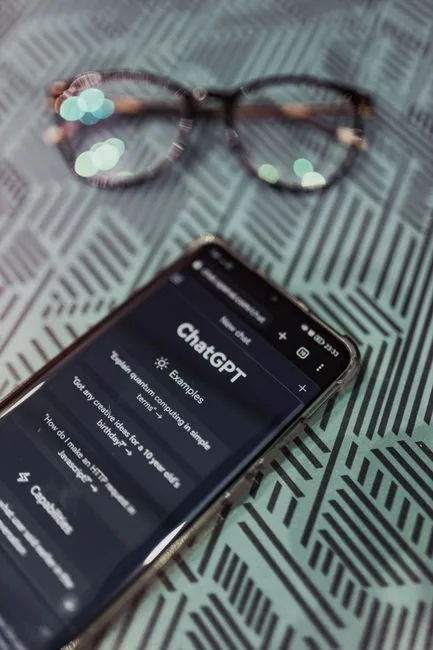
On 30 November 2022, OpenAI released ChatGPT — initially as a research preview of a polished GPT-3.5. Within five days it had a million users; within two months, 100 million. Mallaby treats the launch as the moment the AI race went public: governments, journalists and venture capitalists who had ignored AI suddenly demanded daily updates.
 FlashFeed original diagram · CC-BY-4.0
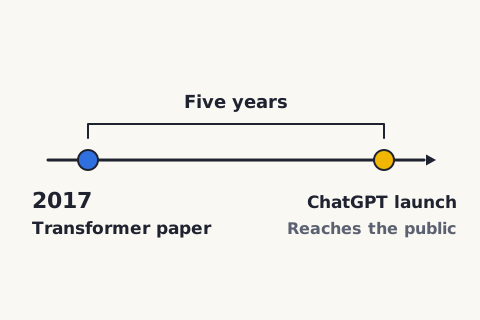
Five years before ChatGPT
The Transformer paper — the architecture ChatGPT ultimately rests on — was published in 2017, five years before ChatGPT's launch put it in front of the general public.
 Pexels · Close-up of a laptop displaying an AI interface with a chatbot prompt in dark mode. ↗
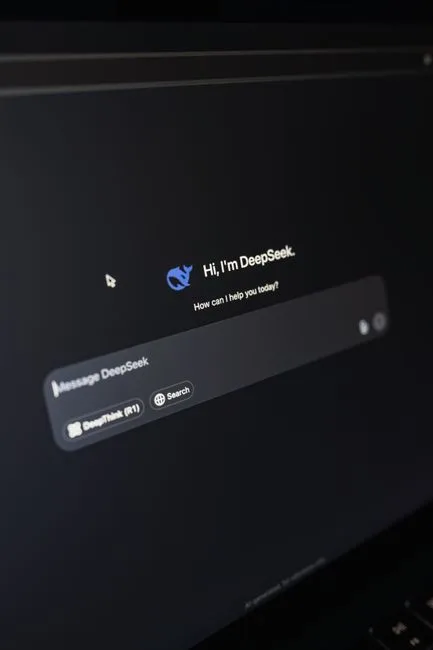
The model behind ChatGPT
ChatGPT launched as a polished interface on top of GPT-3.5, presented at the time as a research preview rather than a finished product.
 Pexels · Front view of the iconic White House in Washington, DC, showing its lawn and fountain. ↗
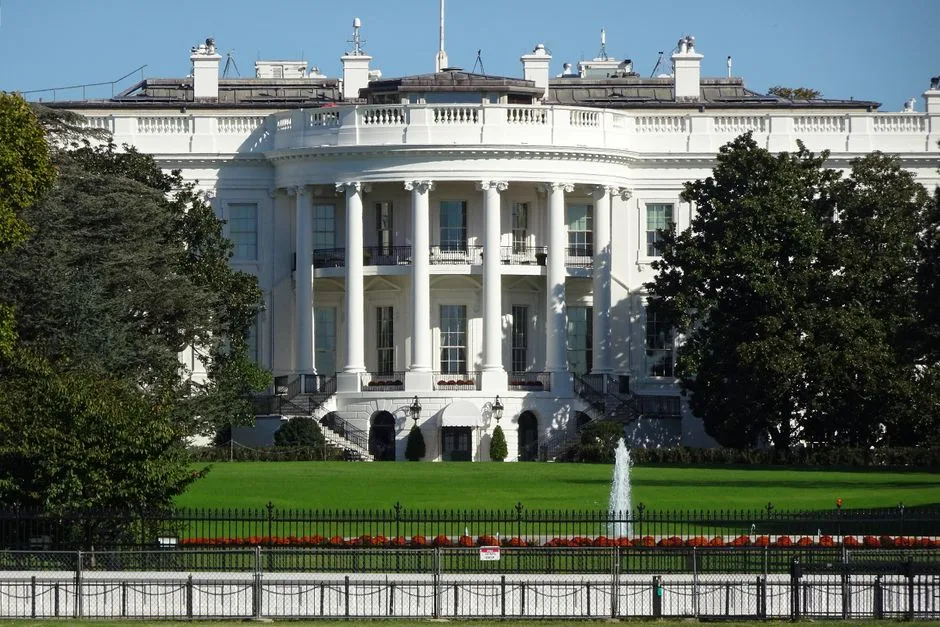
An AI czar in the White House
In June 2023 the Biden administration created a new position for an AI czar and filled it with Ben Buchanan, a Georgetown professor of AI and cybersecurity, who had been working at the National Security Council. Buchanan's mandate was to address the labs' Hinton–Bengio concerns using the leverage of government — without strangling the technology.
 Wikimedia Commons · Matt H. Wade · CC BY-SA 3.0 ↗
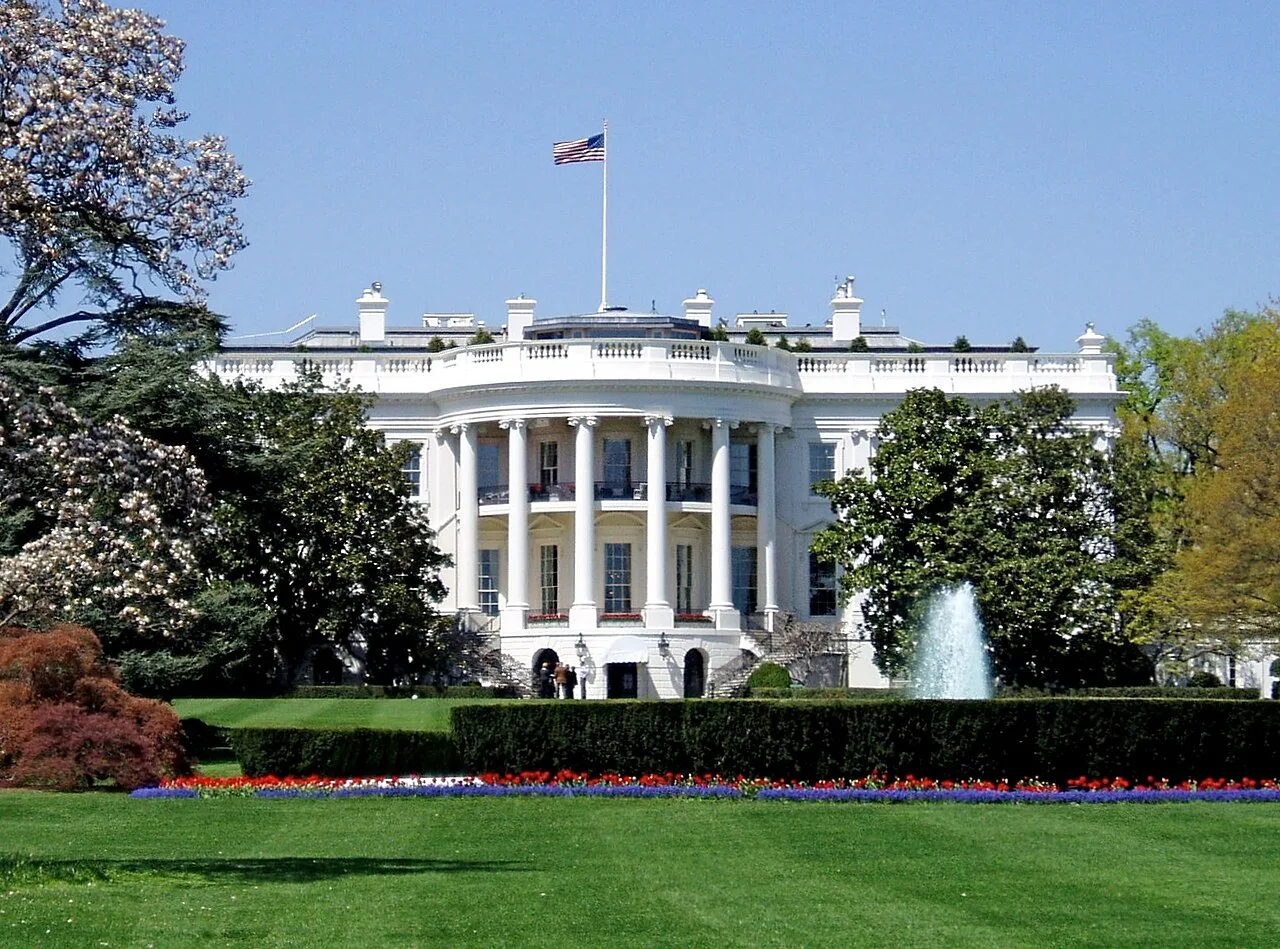
Voluntary commitments, 21 July 2023
On 21 July 2023, leaders from Google, OpenAI, Anthropic, Meta, Amazon, Microsoft, and Suleyman's Inflection signed voluntary commitments at the White House: pre-release safety testing, cybersecurity investment, public reporting of capabilities. Not a single major US frontier lab declined. The pledges were thin on enforcement but, Buchanan reasoned, public backsliding would now be visible.
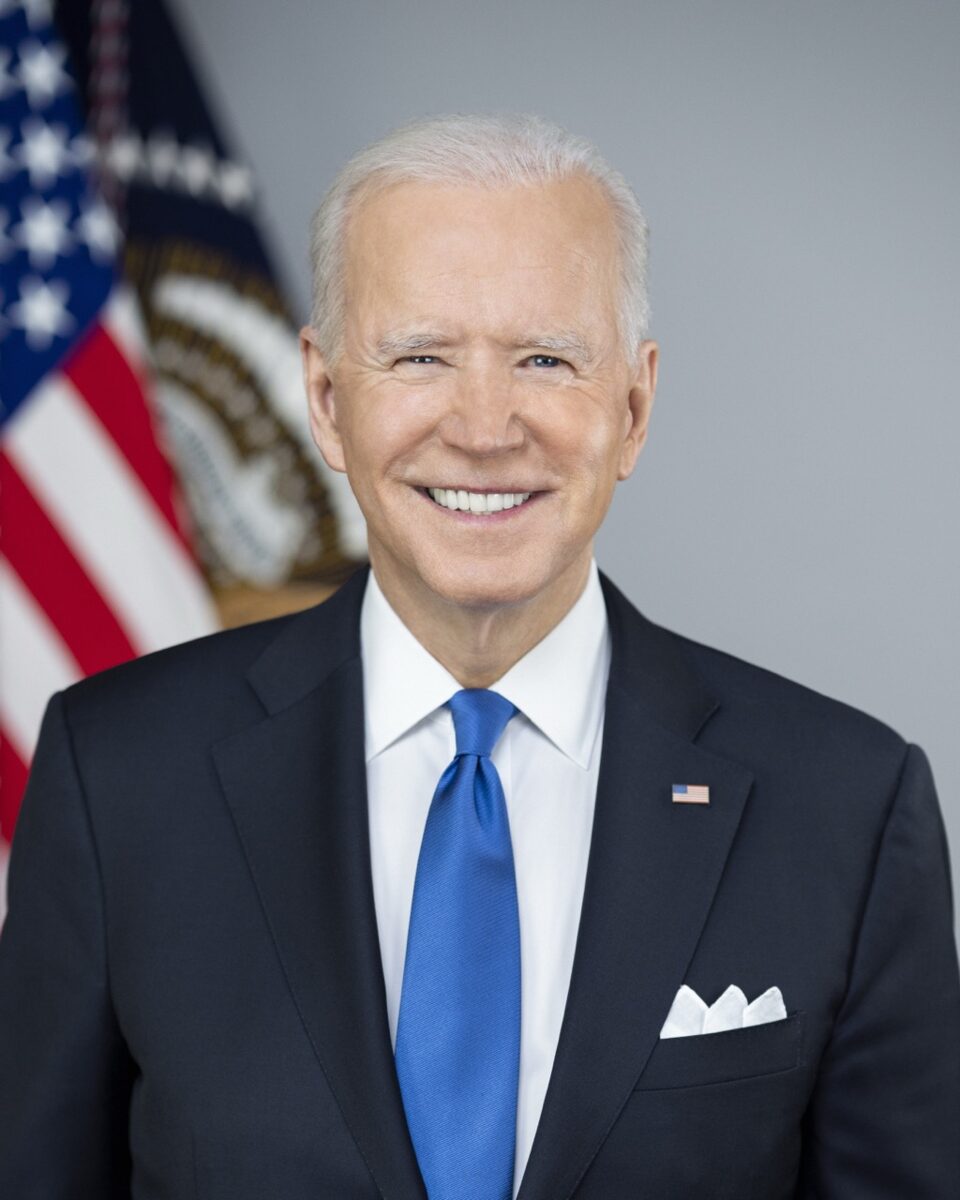 Wikimedia Commons · Adam Schultz · Public domain ↗
Biden's AI executive order, October 2023
In October 2023 Buchanan orchestrated an executive order invoking the Defense Production Act. Developers training the most powerful AI models would have to notify the government and share red-team results. The order also created what would become the US AI Safety Institute. The administration was building the rails before Congress could be convinced to legislate.
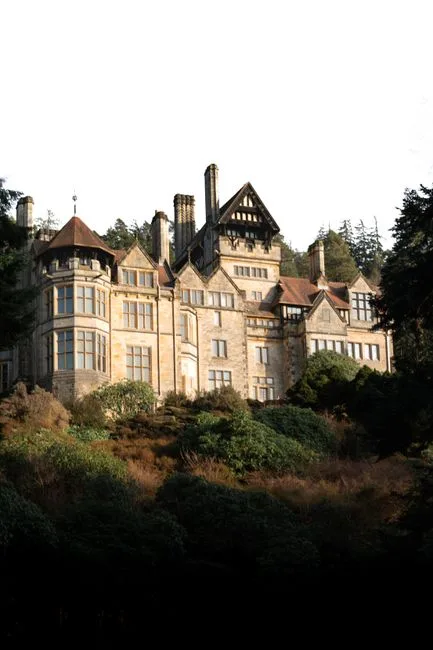 Pexels · Elegant view of Cragside House, a historic mansion in Rothbury, England. ↗
Bletchley Park summit, November 2023
On 1 November 2023, delegates from 28 countries gathered at Bletchley Park — Alan Turing's wartime workplace — for the first international AI Safety Summit, conceived six months earlier by Hassabis in a conversation with Prime Minister Rishi Sunak. Yoshua Bengio jabbed his finger at DeepMind safety advisers; safety institutes in the US and UK were announced. The Bletchley Declaration was signed.
 Wikimedia Commons · Ordercrazy · CC0 ↗
Chip exports and China
In October 2022, a month before ChatGPT, the Biden administration rolled out a wide-ranging ban on the supply of advanced semiconductors to China. Mallaby reads the move as the closing of the most consequential lane of US-China cooperation. By the time Hassabis pitched Sunak on a global AI summit, the geopolitics had already hardened.
1 / 10How fast did ChatGPT reach 100 million users after its 30 November 2022 launch?
ChatGPT hit 1 million users in five days and 100 million within two months — the fastest consumer-technology adoption on record, which is what pulled investors and governments off the sidelines and into the AI race.
Lesson 9 has 51 cards. Keep going in the free app.
Question -
 Wikimedia Commons · Google · Public domain ↗10
Step by Step — Gemini and the comeback
Gemini ships · Mallaby's closing register
Lesson 10 · 10 cardsWikimedia Commons · Google · Public domain ↗Gemini, December 2023
On 6 December 2023 Google DeepMind launched Gemini, its first frontier model designed jointly by the merged London and Mountain View teams. Two smaller versions shipped immediately; the headline Gemini Ultra was previewed against GPT-4 on MMLU. The launch was Hassabis's response to ChatGPT — late, but the first proof that the merger could ship at all.
 Pexels · An architect working late at night in an office, using a laptop and surrounded by building models. ↗
Cultures collide
Building Gemini was as much a management challenge as a research one. Mountain View's culture was "crash projects out quickly"; London's was "measure each tweak". Mallaby describes 80-hour weeks, two-time-zone Slack channels, and Sergey Brin re-engaging "after years of playboy life" to clear roadblocks. Speed eventually won the internal debates.
 Pexels · Anat Landa ↗
David Silver and the RL wall
After ChatGPT, David Silver — the AlphaGo veteran — agreed to lead Gemini's post-training. He hoped to apply sophisticated machine RL to language models. After six months of frustration, he quit the post-training team. "It wasn't clear how machine RL could distinguish a good haiku from a great one," Mallaby explains. A Bard veterans team that focused on cleaning data and RLHF widgets shipped the upgrade instead.
 Pexels · Elegant 3D visualization of neural networks showcasing abstract connections in a digital space. ↗
Mechanistic interpretability
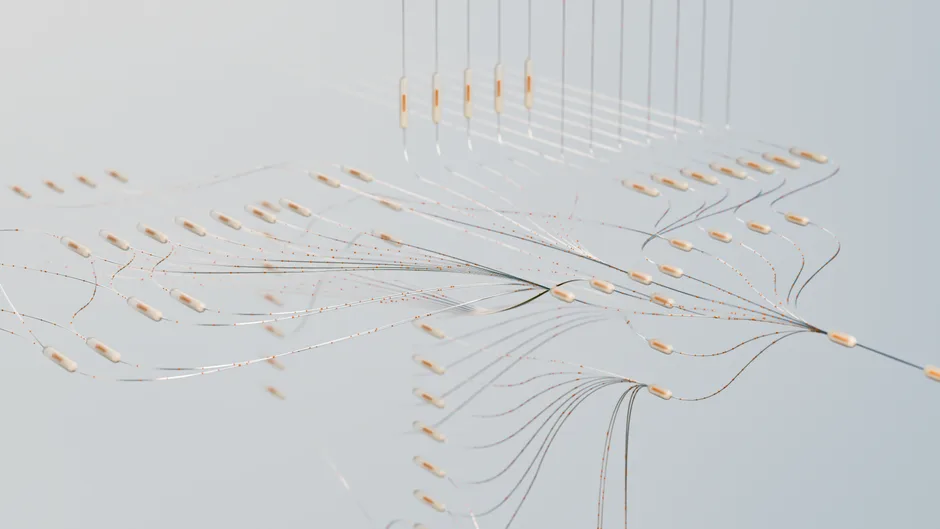
Geoffrey Irving's safety group at DeepMind extended a line of research started at Anthropic: identifying the specific circuits inside a network responsible for specific behaviours. Mallaby calls the field — mechanistic interpretability — "chinks of light in the black box". By 2024 it was one of the few alignment programmes with credible commercial uptake.
 Pexels · Lesandu Alokabandara ↗
"First innings of the game"
Mallaby's Hassabis, on Christmas vacation in late 2023: "OpenAI had the scaling and engineering and product focus that we didn't have. But now with Gemini we are matching that. And I think we still have the better ideas." He insisted ChatGPT was "just the start" — the AI race was in its first innings, not its ninth.
 FlashFeed original diagram · CC-BY-4.0
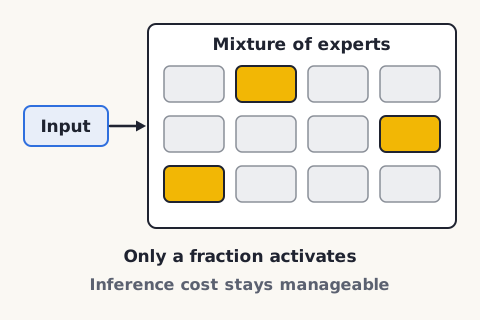
Only a fraction fires
Gemini's sparse mixture-of-experts architecture means only a fraction of the model's parameters activate for any given input, which keeps inference costs manageable despite its overall size.
1 / 10On what date did Google DeepMind launch Gemini?
Gemini launched on 6 December 2023, roughly fourteen months after ChatGPT (30 November 2022). 15 February 2024 is the later Gemini 1.5 Pro release.
Lesson 10 has 54 cards. Keep going in the free app.
Question -
11
Quick Recall — Key people and places
People and places
Lesson 11 · a questionRoughly how much did Google pay to bring DeepMind in-house in 2014?
Larry Page and Sergey Brin acquired DeepMind for roughly £400 million in 2014 — Europe's largest AI acquisition at the time, made on the condition of an independent ethics board.
Lesson 11 has 45 cards. Keep going in the free app.
-
12
Key Concepts
Key People · Key Things · Key Events
Lesson 12 · a questionWhich DeepMind cofounder came from a background in conflict resolution and diplomacy?
Mustafa Suleyman, the third cofounder and the lab's operator, had a background in conflict resolution and diplomacy before helping start DeepMind; he was instrumental in pitching the early billionaire investor and later ran Microsoft AI.
Lesson 12 has 39 cards. Keep going in the free app.


What you'll be able to do 53 objectives, from the pack's lessons
- Identify the author (Sebastian Mallaby), central subject (Demis Hassabis), and publisher of The Infinity Machine
- Explain 'the sweetness' as Hassabis's name for the instant a hard problem breaks open, and its tie to the AlphaFold Nobel Prize in Chemistry
- Define AGI (artificial general intelligence) and recognise 'the infinity machine' as Mallaby's label for it
- Explain Mallaby's thesis that DeepMind is a research lab pursuing AGI as a primary goal, built by people whose biographies and rivalries determine the outcome
- Identify Hassabis's 1976 birth and his Chinese Singaporean and Greek Cypriot parentage
- Explain Hassabis's chess prodigy years — master strength by 13, the Deep Blue vs Kasparov landmark, and his intuition that cognition has hardware ceilings
- Recognise the ZX Spectrum and Gödel, Escher, Bach as the formative computer and book behind Hassabis's early belief that intelligence could be built
- Trace Hassabis's move into game design, co-designing Theme Park at Peter Molyneux's Bullfrog studio
- Identify the Cambridge influences on Hassabis — his friendship with David Silver, the board game Go, and the book Gödel, Escher, Bach
- Explain Hassabis's UCL neuroscience finding — hippocampal-damage patients couldn't imagine future scenes — leading him to view the brain as a generative model
- Recall that Hassabis founded Elixir Studios in 1998 (aged 22) and define what Elixir Studios was
- Identify Elixir's two best-known games — the political simulation Republic: The Revolution and the spy-villain game Evil Genius
- Identify Shane Legg as the coiner of 'AGI' (brainstorming a book title with Marcus Hutter, ~2002) alongside collaborator Jürgen Schmidhuber.
- Recognise IDSIA as the Swiss AI lab where Legg studied with Hutter and Schmidhuber
- Identify Mustafa Suleyman as DeepMind's third cofounder, his nickname 'Moose', and his 1984 birth
- Recognise the personal ties behind the founding — George Hassabis, who introduced Suleyman, and investor Luke Nosek, who heard Thiel's 'Demis's destiny' remark
- Explain the DeepMind name's origin (first named Solaria, after an Asimov novel) and that the lab was founded and registered in 2010
- Recall Google's 2014 acquisition of DeepMind for roughly £400 million / $600 million and Larry Page's role
- Recognise the Silicon Valley backdrop — Peter Thiel's Founders Fund as first backer and the October 2012 Musk–Page dinner where Musk warned of a 'digital god'
- Define Deep Q-Networks and Q-learning, identify Vlad Mnih as the Atari DQN lead, and explain why experience replay made deep RL stable
- Define DeepMind as the London AI lab Hassabis cofounded in 2010 and Google acquired in 2014
- Define reinforcement learning and recall the DQN milestones — published in Nature (2015), human-level or better on 29 of 49 Atari games.
- Define AlphaGo as the DeepMind program that beat Lee Sedol in Seoul in March 2016, after a January 2016 Nature paper reported its methods and its Fan Hui win.
- Identify the people around AlphaGo — engineer Aja Huang, opponents Fan Hui and Lee Sedol, and Sergey Brin who backed the project
- Explain Move 37 — the shoulder-hit AlphaGo's policy network rated a roughly 1-in-10,000 human move against Lee Sedol
- Identify OpenAI's founders — CEO Sam Altman and first chief scientist Ilya Sutskever — formed as a counterweight to Google's DeepMind
- Explain the Musk–Altman split — the 2017 email warning of 'absolute control' and Musk's withdrawal after losing operational control.
- Recall OpenAI's 2019 restructuring into a capped-profit company with investor returns capped at 100×
- Identify the April 2023 merger of Google Brain into DeepMind under Hassabis to form Google DeepMind
- Recognize how the founders ended up atop rival giants (Suleyman as Microsoft AI CEO) and the players in OpenAI's 5-day crisis.
- Define protein folding and recognise Anfinsen's conjecture that a protein's sequence alone determines its folded shape
- Define AlphaFold as the DeepMind system that predicts 3D protein structure from amino-acid sequence, and identify John Jumper as AlphaFold 2's lead
- Explain AlphaFold 1's leap — predicting the continuous distance between amino-acid pairs (a 'distogram') rather than binary contact
- Define the GDT accuracy metric and the biennial CASP contest that scores protein-structure predictions
- Recall AlphaFold 2's landmark results — 92 GDT at CASP14 (2020), the direct-folding pivot, and ~200 million proteins released by July 2022.
- Recall ChatGPT's 2022 launch and record-fast adoption (100 million users within two months), plus the 2017 Transformer paper behind it
- Define AI alignment, identify Geoffrey Irving, and recognize safety-letter signatory Yoshua Bengio and non-signatory Yann LeCun.
- Trace the US government response — AI czar Ben Buchanan and the July 2023 White House voluntary commitments
- Recall the November 2023 Bletchley Park summit — 28 countries signed the Bletchley Declaration, with the UK and US announcing AI Safety Institutes
- Recognise the 2022 US chip-export ban on China and Ke Jie, the champion whose AlphaGo defeat became China's 'Sputnik moment'
- Define Gemini as Google DeepMind's flagship multimodal model family (launched 2023) and identify Gemini Ultra
- Explain the MMLU benchmark (57 subjects) and Gemini Ultra's announced 90% score
- Recall Gemini 1.5 Pro (2024) with its million-token context window and sparse mixture-of-experts design, and why RL couldn't crack post-training
- Identify the two triggers Mallaby gives for the November 2023 Altman firing — undisclosed Gulf fundraising and pushing out critical board members
- Explain Mallaby's closing register — Hassabis as both Nobel laureate and CEO, preferring the label 'realist'
- Recall DeepMind's founding trio — Hassabis (2024 Nobel), Legg (coined AGI), Suleyman (Microsoft AI CEO)
- Identify the scientists behind DeepMind's milestones — David Silver (AlphaGo), John Jumper (AlphaFold 2), Vlad Mnih (Atari DQN)
- Identify DeepMind's first investor Peter Thiel (the ~£400m Google acquisition) and OpenAI's protagonists Sam Altman and Ilya Sutskever
- Identify the AI safety and policy figures and the summit site — Geoffrey Irving (DeepMind→UK AISI), Ben Buchanan (Biden's AI czar), and Bletchley Park
- Recognise the key people of the book — Hassabis, Legg, Suleyman, Silver, Mnih, Jumper — including Suleyman's conflict-resolution background
- Recognise the foundational AI techniques — reinforcement learning, deep learning, neural networks, and AGI
- Recognise DeepMind's landmark systems — AlphaGo, DQN, and AlphaFold — including what made DQN notable (learning from raw pixels)
- Recognize the pivotal events: Google's DeepMind acquisition, the day Pong clicked, the Singularity Summit, the Atari strike team, the Musk–Page dinner.
Study guide.
The same study guide as in the app, one page for each lesson, with its key facts and a self-test.
- 01The Sweetness — Why this book matters
- 02Destiny — Hassabis as a child prodigy
- 03Cambridge and Elixir
- 04Gang of Three — Legg and Suleyman
- 05Founding DeepMind
- 06Atari to AlphaGo
- 07The OpenAI rivalry
- 08AlphaFold — Fermat for biology
- 09RaceGPT and Bletchley
- 10Step by Step — Gemini and the comeback
- 11Quick Recall — Key people and places
- 12Key Concepts
Its cards name 1 source.
250 of its 567 cards name their source. These are the sources named.
- The Infinity Machine (book)
Hover over a photo, or tap its i, to see where it came from. All 11:
- Lesson 1: Pexels · DS stories ↗
- Lesson 2: Wikimedia Commons · Gareth E. Kegg · CC BY-SA 4.0 ↗
- Lesson 2: Pexels · Vlada Karpovich ↗
- Lesson 3: John Welford · CC BY-SA 2.0 ↗
- Lesson 4: Christopher Wilson · CC BY-SA 4.0 ↗
- Lesson 5: Wikimedia Commons · Asoundd · CC BY-SA 4.0 ↗
- Lesson 6: Pexels · Close-up of vintage Atari game cartridges for Missile Command, Pac-Man, and Defender. ↗
- Lesson 7: Wikimedia Commons · Jernej Furman from Slovenia · CC BY 2.0 ↗
- Lesson 8: Arthur Petron · CC BY-SA 4.0 ↗
- Lesson 9: Pexels · Smartphone with ChatGPT app interface next to eyeglasses on patterned surface. ↗
- Lesson 10: Wikimedia Commons · Google · Public domain ↗
- The Infinity Machine by Sebastian Mallaby · on Amazon ↗
These are affiliate links: if you buy a book through one, FlashFeed may earn a small commission at no extra cost to you. The commission helps pay for FlashFeed's servers.
As an Amazon Associate we earn from qualifying purchases.
Independent study notes, not affiliated with the author or publisher.
- Cards
- 565
- Lessons
- 12
- Version
- 1.0.24
- Language
- English
The whole pack is one file. Read the pack file ↗
FlashFeed is on the App Store and Google Play.
FlashFeed is free on iPhone and Android, and needs no account.