
The Infinity Machine (book) study guide · Lesson 3 of 12
Cambridge and Elixir
Cambridge: deep philosophical questions · Elixir Studios
Unofficial study guide for The Infinity Machine: Demis Hassabis, DeepMind, and the Quest for Superintelligence by Sebastian Mallaby. FlashFeed is not affiliated with the author or publisher.
This is the lesson's study guide from the FlashFeed app, plus its key facts and a self-test.
What you'll be able to do
- Identify the Cambridge influences on Hassabis — his friendship with David Silver, the board game Go, and the book Gödel, Escher, Bach
- Explain Hassabis's UCL neuroscience finding — hippocampal-damage patients couldn't imagine future scenes — leading him to view the brain as a generative model
- Recall that Hassabis founded Elixir Studios in 1998 (aged 22) and define what Elixir Studios was
- Identify Elixir's two best-known games — the political simulation Republic: The Revolution and the spy-villain game Evil Genius
Cambridge: deep philosophical questions
Hassabis arrived at Cambridge in 1994 three years older than most freshers, seasoned by his time at Bullfrog. For the first time he was surrounded by minds at least as fast as his own — and the experience focused rather than deflated him.
Cambridge: Queens' College
Hassabis read computer science at Queens' College, Cambridge, graduating in 1997 with a double first. The gap between school and university — spent as a professional game designer at Bullfrog — meant he arrived older and more directed than his peers. Cambridge was where, for the first time, his own intellect did not feel exceptional, and that shift in environment hardened his ambition rather than blunting it. He began to think seriously about what he actually wanted to build over the long term, beyond the next game.
Meeting David Silver
In his first weeks at Queens', Hassabis met a fellow fresher named David Silver in the Junior Common Room. They bonded over board games — Go in particular — and a shared frustration that the computer science syllabus was sidestepping what Hassabis called "the deep philosophical questions": what is intelligence, and what would it mean to construct it? It was the beginning of the longest professional partnership in Hassabis's career. Silver would go on to lead the AlphaGo project at DeepMind and later contribute to the reinforcement-learning work inside AlphaFold.
The deep philosophical questions
Cambridge crystallised Hassabis's conviction that the most interesting problem in computer science was the nature of mind itself. The tools of the mid-1990s were nowhere near ready — the compute didn't exist, the algorithms were immature — so he formed a long-range plan: spend a few years making money in games, then return to the question properly. Mallaby treats this chapter of the book as the moment Hassabis stops being a precocious games designer and becomes, in intention at least, an AI researcher with a patient, multi-decade strategy.
PhD in cognitive neuroscience
After Elixir wound down, Hassabis enrolled at UCL to do a doctorate in cognitive neuroscience under Eleanor Maguire. His central finding: patients with damage to the hippocampus could not imagine future scenes, establishing that the same brain region responsible for storing memories is also responsible for constructing hypothetical futures. The paper appeared in PNAS in 2007 and was named one of the top ten scientific breakthroughs of that year by Science. For Hassabis it was proof of concept: the brain is a generative model, not a lookup table — and that idea would quietly structure DeepMind's entire research agenda.
Elixir Studios
Between Cambridge and the founding of DeepMind, Hassabis spent seven years running a games studio he built from scratch. It failed commercially and taught him lessons he would not have learned any other way.
Elixir Studios founded, 7 July 1998
Hassabis founded Elixir Studios on 7 July 1998, aged 22, in central London. The studio's premise was the same one Bullfrog had taught him: ambitious AI baked into games at a level no other studio would attempt. Elixir's two best-known releases were Republic: The Revolution — a political simulation modelling thousands of citizens with individual goals, opinions, and relationships set against a fictional Eastern European revolution — and Evil Genius, a satirical spy-villain strategy game released in 2004. Both were prized for their AI ambition; neither was a commercial smash.
The end of Elixir
Republic: The Revolution shipped in 2003. Critics admired the concept but found the gameplay sluggish; the hardware of the early 2000s could not support what Hassabis was asking of it. Evil Genius performed better but could not rescue the studio's finances. By 2005, Elixir was wound down. Hassabis sold the rights to its completed games and walked away. He enrolled almost immediately at UCL for a PhD in cognitive neuroscience — a pivot that most people in his position would not have made, and that Mallaby treats as the most consequential single decision of Hassabis's pre-DeepMind career.
The lesson of Elixir
Mallaby extracts three durable lessons from the Elixir years. First, ambition without focus is fatal: trying to build multiple games simultaneously, each requiring a fresh AI architecture, spreads a small studio impossibly thin. Second, hardware timing matters as much as ideas — many of Elixir's concepts were correct in principle but premature in compute. Third, research and product cannot easily share a deadline: under shipping pressure, research always loses. At DeepMind, Hassabis would enforce the opposite discipline — one well-resourced strike team per grand-challenge problem, with the product question deferred until the science was settled.
Key terms
- Elixir Studios
- Elixir Studios was the games company Hassabis founded after leaving Bullfrog. Elixir Studios built ambitious AI-driven games but struggled commercially and closed in 2005.
Key concepts
Go
- A board game two computer-science freshers bonded over in their college's Junior Common Room in 1994.
- The shared passion of Hassabis and David Silver that sparked the longest partnership of Hassabis's career.
- This board game later became the subject of the celebrated DeepMind project David Silver led.
hippocampus
- A brain region Hassabis studied during his cognitive-neuroscience doctorate at UCL under Eleanor Maguire.
- He found that patients with damage to it could not imagine future scenes.
- His 2007 PNAS finding: the same structure that stores memories also constructs hypothetical futures.
generative model
- Hassabis's core conclusion about what the brain fundamentally is.
- Not a lookup table, he argued, but something that actively constructs — an idea that quietly structured DeepMind's research agenda.
- In machine-learning terms, the two-word name for a system that produces new data rather than merely retrieving stored answers.
Key facts
Meeting David Silver
In his first weeks at Cambridge, Hassabis met another freshman, David Silver, in the JCR. They bonded over Go, board games and a shared sense that the computer science syllabus was not asking the deep philosophical questions. Silver would later lead the AlphaGo project and, decades later, help design AlphaFold's reinforcement learning.
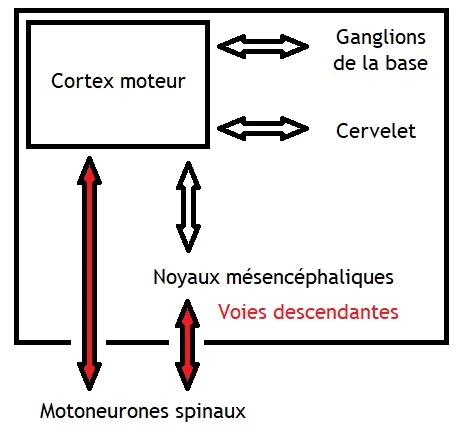
The deep philosophical questions
Mallaby titles a chapter after Hassabis's phrase. Cambridge convinced Hassabis that the most interesting question in computer science was not the next algorithm but the nature of mind itself. He resolved that, after a few years making money in games, he would return to neuroscience and AI for the long haul.
PhD in cognitive neuroscience
Hassabis's UCL doctorate, with Eleanor Maguire, found that patients with hippocampal damage could not imagine future scenes — the same brain region that stores memories also constructs hypothetical futures. The paper made the cover of Science in 2007 and gave Hassabis a working theory of the brain that would shape DeepMind's design.
Brain as generative model
Hassabis's UCL neuroscience PhD found that patients with hippocampal damage couldn't imagine future scenes, convincing him the brain works as a generative model that builds scenes rather than a lookup table that retrieves them.
Elixir Studios founded, 7 July 1998
On 7 July 1998, aged 22, Hassabis founded Elixir Studios in London. The plan was to build the kind of ambitious AI-driven games he had imagined since Bullfrog. Elixir would produce Republic: The Revolution and Evil Genius — neither a financial smash, but both prized for their AI ambition.
The end of Elixir
Elixir struggled commercially. By 2005, with the studio winding down, Hassabis sold the rights to the games it had completed and shut Elixir's gates. He returned to academia, enrolling at UCL to do a PhD in cognitive neuroscience — looking, specifically, at the brain mechanism behind memory and imagination.
The lesson of Elixir
Hassabis later said Elixir taught him that ambition without focus is fatal. Trying to build six games at once and reinvent AI for each one is how studios die. At DeepMind he would impose ruthless prioritisation: a single, well-resourced strike team on each grand-challenge problem.
Republic: The Revolution
Elixir's flagship political simulation was Republic: The Revolution, a 2003 release modelling thousands of citizens with their own goals — critics admired its ambition even though the AI overshot what the era's hardware could handle.
Founded Elixir at 22
Demis Hassabis was just 22 when he founded Elixir Studios, a year after graduating from Cambridge in 1997.
By the numbers
- Year Hassabis founded Elixir Studios
- 1998 year
Matched pairs
Each item on the left goes with the one on the right.
- Cambridge friend and lifelong DeepMind collaborator
- David Silver
- Elixir Studios' satirical spy-villain game
- Evil Genius
Self-test
Answer each question from memory, then check your work against the answer key.
1. Which fellow fresher did Hassabis meet in the Junior Common Room at Queens', beginning the longest professional partnership of his career?
- APeter Molyneux
- BMustafa Suleyman
- CDavid Silver
- DShane Legg
2. Hassabis and David Silver bonded over board games as Cambridge freshers. Which single game in particular did they bond over?
- AChess
- BGo
- CBackgammon
- DDiplomacy
3. Mallaby singles out which book as the single most important one in Hassabis's intellectual formation?
- AGödel, Escher, Bach
- BThe Selfish Gene
- CThe Society of Mind
- DA Brief History of Time
4. Which of the following is NOT true of David Silver?
- AHe later contributed to the reinforcement-learning work inside AlphaFold
- BHe would go on to lead the AlphaGo project at DeepMind
- CHe met Hassabis in the Junior Common Room at Queens'
- DHe was a Bullfrog colleague Hassabis recruited to Cambridge
5. Hassabis and Silver shared a frustration that the CS syllabus sidestepped what Hassabis called what?
- AThe hard problem of consciousness
- BThe deep philosophical questions
- CThe grand-challenge problems
- DThe limits of symbolic AI
6. Hassabis's UCL neuroscience PhD — patients with hippocampal damage couldn't imagine future scenes — led him to see the brain as what, an idea that shaped DeepMind's agenda?
- AA generative model that constructs memories
- BA blank slate shaped entirely by experience
- CA relational database of stored memories
- DA rule-based expert system
7. Which of the following is NOT true of Hassabis's UCL doctoral work?
- AIt convinced him the brain is a generative model
- BIt was supervised by Eleanor Maguire
- CHe carried it out in the years before he founded Elixir Studios
- DIt studied patients with damage to the hippocampus
8. Damage to which brain region left Hassabis's patients unable to imagine future scenes?
- AThe amygdala
- BThe cerebellum
- CThe prefrontal cortex
- DThe hippocampus
9. What did Hassabis's finding establish about the brain region that stores memories?
- AIt stores memories as exact, retrievable copies
- BIt is separate from the region handling imagination
- CIt is also responsible for constructing hypothetical futures
- DIt only becomes active during sleep consolidation
10. A patient with hippocampal damage is asked to describe lying on a beach they have never visited. Per Hassabis's finding, what happens?
- AThey construct it only after being shown a photograph
- BThey produce only fragmented, disjointed images and cannot bind them into a coherent scene
- CThey can construct it, but cannot recall any real past beach
- DThey construct it vividly but get the details wrong
11. On what date did Hassabis found Elixir Studios?
- A1 January 2005
- B7 July 1994
- C5 May 2003
- D7 July 1998
12. How old was Hassabis when he founded Elixir Studios?
- A22
- B26
- C17
- D30
13. Which best defines Elixir Studios?
- AThe Cambridge research group where Hassabis and Silver studied Go
- BThe games company Hassabis founded after leaving Bullfrog, building ambitious AI-driven games
- CThe UCL neuroscience lab Hassabis joined for his PhD
- DThe publisher that funded and distributed Bullfrog's games
14. Where did Hassabis set up Elixir Studios, and what premise did he build it on?
- ACentral London, on Bullfrog's premise of ambitious AI baked into games
- BCambridge, on the premise of commercialising academic neuroscience
- CCentral London, on the premise of low-cost casual games at high volume
- DGuildford, on the premise of licensing other studios' AI engines
15. Which of the following is NOT true of Elixir Studios?
- AIt built games prized for their AI ambition
- BIt was founded in 1998 when Hassabis was 22
- CIt was a commercial success that Hassabis sold at a profit
- DIt was wound down by 2005
16. What was Elixir's flagship political simulation, modelling thousands of citizens with their own goals?
- ATropico
- BCivilization V
- CBlack & White
- DRepublic: The Revolution
17. Which Elixir game was a satirical spy-villain strategy game released in 2004?
- ATheme Park
- BNo One Lives Forever
- CDungeon Keeper
- DEvil Genius
18. Republic: The Revolution was set against what backdrop?
- AA South American drug cartel war
- BA near-future Martian colony uprising
- CA fictional Eastern European revolution
- DA Cold War espionage network in Berlin
19. How did Elixir's two best-known games perform?
- ABoth were prized for AI ambition, but neither was a commercial smash
- BBoth were cancelled before release when Elixir closed
- CBoth were commercial smashes but panned for weak AI
- DRepublic sold well while Evil Genius was never finished
20. Critics admired Republic: The Revolution's concept but found the gameplay sluggish. Why?
- AIts publisher forced a rewrite into a different genre
- BEarly-2000s hardware could not support what Hassabis asked of it
- CThe studio shipped it a year before the AI was written
- DThe game modelled only a dozen citizens, too few to feel alive
Go deeper
- ReadThe Infinity Machine by Sebastian Mallaby · on Amazon ↗
- StudyThe Infinity Machine (book) in the FlashFeed app
These are affiliate links: if you buy a book through one, FlashFeed may earn a small commission at no extra cost to you. The commission helps pay for FlashFeed's servers.
As an Amazon Associate we earn from qualifying purchases.
Answer key
- 1. C David SilverHassabis met David Silver in his first weeks at Queens'. Legg and Suleyman were later DeepMind co-founders, not Cambridge freshers; Molyneux was his boss at Bullfrog, before university.
- 2. B GoThey bonded over board games — Go in particular. Go is the specific game named for the Cambridge friendship, and the one Silver would later attack with AlphaGo.
- 3. A Gödel, Escher, BachDouglas Hofstadter's Gödel, Escher, Bach is the book Mallaby singles out. Minsky's The Society of Mind is a tempting AI-adjacent choice but is not the one named.
- 4. D He was a Bullfrog colleague Hassabis recruited to CambridgeSilver was a fellow fresher Hassabis met at Queens', not a Bullfrog colleague he brought with him. The other three statements are all accurate.
- 5. B The deep philosophical questionsHassabis's phrase was "the deep philosophical questions" — what is intelligence, and what would it mean to construct it. "Grand-challenge problems" is DeepMind-era vocabulary, not the Cambridge phrase.
- 6. A A generative model that constructs memoriesFinding that the hippocampus both stores memories and constructs hypothetical futures convinced Hassabis the brain is a generative model — it builds scenes rather than retrieving them — a conviction that quietly structured DeepMind's research.
- 7. C He carried it out in the years before he founded Elixir StudiosThe PhD came AFTER Elixir wound down in 2005 — he enrolled almost immediately afterwards. The other three statements are accurate.
- 8. D The hippocampusThe hippocampus — already known for storing memories — turned out to also construct hypothetical futures. The amygdala handles emotional processing and is not the region in the finding.
- 9. C It is also responsible for constructing hypothetical futuresThe point of the finding is that one region does both jobs — storing memories and constructing imagined futures. The idea that memory and imagination live in separate regions is exactly what the result overturned.
- 10. B They produce only fragmented, disjointed images and cannot bind them into a coherent sceneHassabis and Maguire's 2007 study found these patients' imagined scenes lacked spatial coherence: fragmented images they could not bind into a whole. The option that they can imagine it but not recall a real beach inverts this — the deficit is in building a new scene.
- 11. D 7 July 1998Elixir Studios was founded on 7 July 1998. 1994 is when Hassabis went up to Cambridge, 2003 is Republic's release, and 2005 is when Elixir wound down.
- 12. A 22He was 22 when he founded Elixir on 7 July 1998, a year after graduating Cambridge in 1997 — which also rules out the older ages.
- 13. B The games company Hassabis founded after leaving Bullfrog, building ambitious AI-driven gamesElixir Studios was Hassabis's own games company, founded post-Bullfrog to build ambitious AI-driven games; it struggled commercially and closed in 2005. It was never a lab, a research group, or a publisher.
- 14. A Central London, on Bullfrog's premise of ambitious AI baked into gamesElixir was founded in central London on the premise Bullfrog had taught him: ambitious AI baked into games at a level no other studio would attempt — the opposite of a low-cost casual strategy.
- 15. C It was a commercial success that Hassabis sold at a profitElixir failed commercially; by 2005 it was wound down and Hassabis merely sold the rights to its completed games and walked away. The other three statements are accurate.
- 16. D Republic: The RevolutionRepublic: The Revolution was a 2003 release with an enormously ambitious AI back-end that overshot the era's hardware. Critics admired the ambition but found play sluggish.
- 17. D Evil GeniusEvil Genius (2004) was Elixir's satirical spy-villain strategy game. Theme Park and Dungeon Keeper are Bullfrog titles, not Elixir's.
- 18. C A fictional Eastern European revolutionRepublic modelled thousands of citizens with individual goals, opinions, and relationships against a fictional Eastern European revolution. The espionage setting belongs to Evil Genius's genre, not Republic's.
- 19. A Both were prized for AI ambition, but neither was a commercial smashRepublic and Evil Genius were both prized for AI ambition and neither was a commercial smash — Evil Genius performed better but still could not rescue the studio's finances. Both did ship.
- 20. B Early-2000s hardware could not support what Hassabis asked of itThe concept overshot the era's compute — hardware timing, one of Mallaby's three Elixir lessons. The AI did exist and modelled thousands of citizens; it was simply too heavy for 2003 machines.
Image credits
- The deep philosophical questions: Wikimedia Commons · Mewtow · CC BY-SA 4.0 — commons.wikimedia.org/wiki/File:Aires_c%C3%A9r%C3%A9brales_de_la_motricit%C3%A9_volontaire.jpg
