
Philosophy: The Big Questions
A survey of philosophy East and West — from the first Greek naturalists to Sartre and Rawls. The great thinkers, schools, thought experiments, and ideas that ask: what is real, what can we know, and how should we live?
866 cards15 lessons47 video lessonsFree
Already have FlashFeed?Open this pack
Get this pack on your phone
Scan with your phone's camera.
flashfeedlearningapp.com/packs/philosophy
Part of the The Examined Life collection.

15 lessons.
Each lesson has a study guide to read and objectives you can test yourself on. Its cards and games show up in your feed. Try one of its cards right here. Play a few of its games here too. Every lesson has a short video.
-
 Pexels · A scientist in a lab coat using a microscope for research in a laboratory setting. ↗01
What Is Philosophy?
The Five Branches · Great Divides · How Philosophers Argue
Lesson 1 · 10 cardsPexels · A scientist in a lab coat using a microscope for research in a laboratory setting. ↗Philosophy Questions What Science Assumes
Science answers questions through observation and experiment, but philosophy examines the concepts and assumptions science relies on, and tackles questions no laboratory can settle.
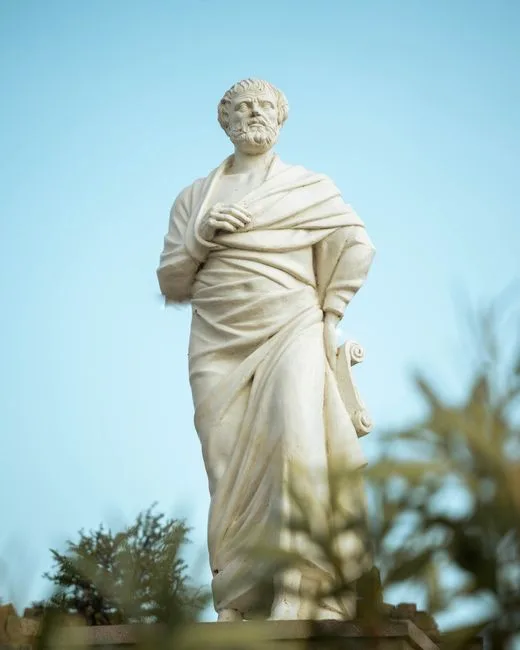 Pexels · Majestic marble statue of an ancient Greek philosopher in an outdoor park setting under a clear blue sky. ↗
The Love of Wisdom
The word philosophy comes from the Greek philosophia — philo (love) + sophia (wisdom). It is the rigorous, rational examination of the most fundamental questions about existence, knowledge, values, reason, mind, and language. A philosopher accepts nothing on authority or tradition, but interrogates the assumptions hidden inside every claim — using reason and argument rather than faith or experiment alone.
 Pexels · Close-up of an ancient manuscript with handwritten text on a blurred wooden table. ↗
The Five Branches of Philosophy
Western philosophy is classically divided into five branches, each owning a core question. Metaphysics: What is real? Epistemology: What can we know? Ethics: How should we live? Logic: What is valid reasoning? Aesthetics: What is beauty and art? Together they map the whole territory of questions that can be pursued by thought rather than by experiment alone.
 Pexels · A serene forest scene with a forked path surrounded by lush trees and earthy tones. ↗
Ethics Asks How to Live
Ethics is the philosophical branch that asks how we should live, studying moral principles, right action, virtue, and justice.
 Pexels · Close-up of a stone bridge showing intricate details with sunlit foliage in the background. ↗
What Philosophers Mean by an Argument
In philosophy an argument is not a quarrel but a structure: one or more premises offered as support for a conclusion. The premises are the reasons; the conclusion is the claim they establish. Evaluating an argument means asking two separate questions — is the logic good (does the conclusion follow?), and are the premises actually true?
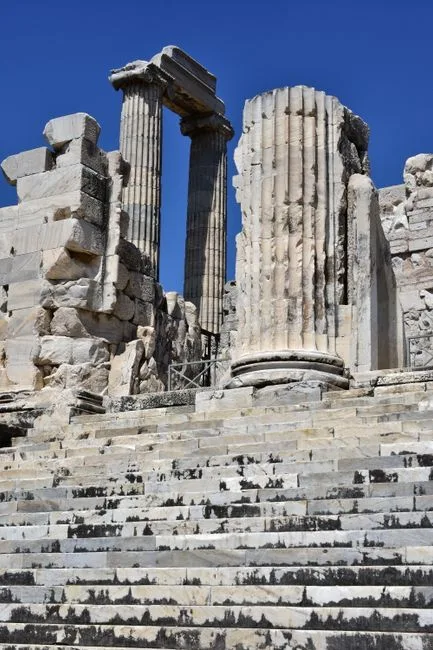 Pexels · Ancient Greek ruins featuring marble columns and steps under a clear blue sky. ↗
Aristotle's Syllogism
The syllogism is the classic deductive form, devised by Aristotle: a major premise, a minor premise, and a conclusion locked in by the two. All humans are mortal; Socrates is human; therefore Socrates is mortal. If the premises are true and the form valid, the conclusion cannot be false. This structure anchored logic for two thousand years.
 Pexels · A single candle flame reflecting on a dark surface with a black background. ↗
The Principle of Non-Contradiction
Aristotle's principle of non-contradiction states that nothing can both be and not be in the same respect at the same time — a statement and its denial cannot both be true together. It is often called the bedrock of rational thought: abandon it and any claim, however absurd, can be 'proved.'
 Pexels · A scarecrow stands in a vibrant green rice field under the clear blue sky, warding off birds. ↗
The Straw Man Fallacy
A straw man fallacy attacks a weakened, distorted version of an opponent's actual position rather than engaging with what they really argued.
1 / 10Which core question does metaphysics ask?
Metaphysics asks what is real, studying existence, substance, causality, time, and free will. 'What is right?' belongs to ethics, 'What is knowable?' to epistemology, and 'What is beautiful?' to aesthetics.
Lesson 1 has 80 cards. Keep going in the free app.
Question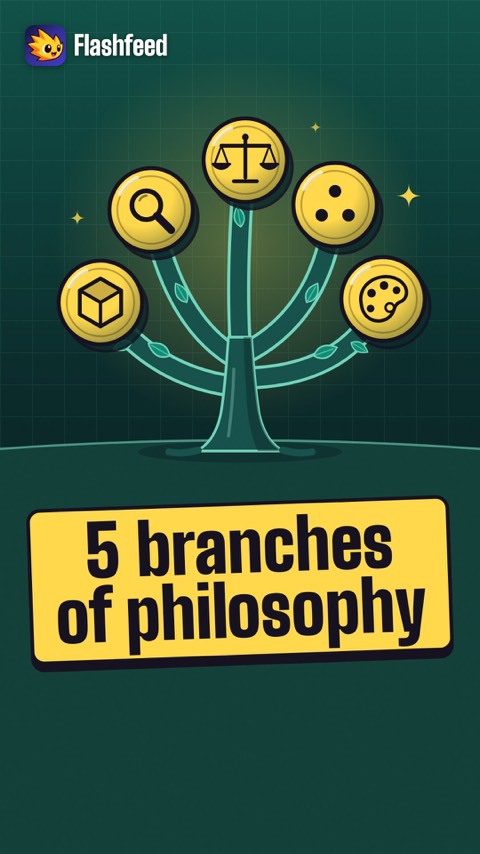
Five Questions of Philosophy 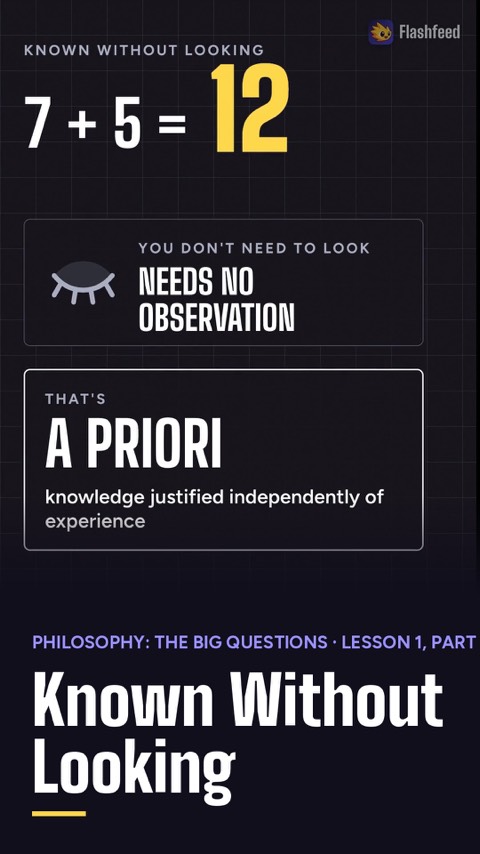
Known Without Looking 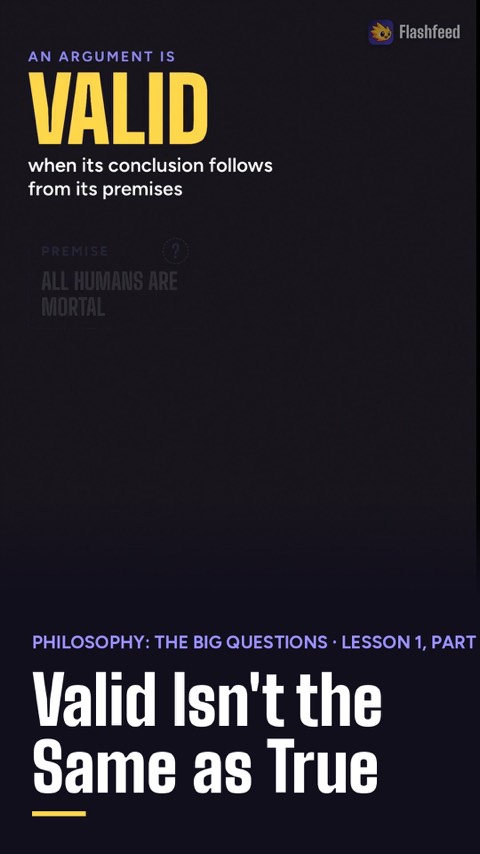
Valid Isn't the Same as True All 35 clips on YouTube ↗Transcripts
Five Questions of Philosophy
Philosophy means love of wisdom. It has 5 classical branches, each with its own core question.
Metaphysics asks: what is real? Epistemology asks: what can we know?
Ethics asks: how should we live? Logic asks: what is valid reasoning? It is the toolkit the other four use.
And aesthetics asks: what is beauty? Science answers how. Philosophy asks why, through reason and argument.
Known Without Looking
How do you know that 7 + 5 = 12? You don't need to look. That's a priori knowledge.
Water boils at 100°C. That one, you must check against the world. It's a posteriori.
Rationalists say reason comes first, and the mind holds innate ideas. Empiricists say the senses come first, and the mind starts as a blank slate.
Kant later tried to fuse the two.
Valid Isn't the Same as True
All humans are mortal. Socrates is human. So Socrates is mortal. That's a syllogism, Aristotle's classic form.
An argument is valid when its conclusion follows from its premises. The premises don't have to be true.
All fish can fly. A salmon is a fish. So a salmon can fly. Valid, but the conclusion is false.
An argument is sound only when it's valid and every premise is true. Only then must you accept it.
-
 Pexels · Peaceful river with smooth stones and clear flowing water, perfect nature escape. ↗02
Ancient Greece
The Pre-Socratics · Socrates · Plato & the Forms · Aristotle
Lesson 2 · 10 cardsPexels · Peaceful river with smooth stones and clear flowing water, perfect nature escape. ↗Heraclitus: Everything Flows
Heraclitus (~535–475 BCE) taught that reality is constant change: "You cannot step in the same river twice," because fresh waters are forever flowing over you. Yet beneath the flux runs the *logos* — a rational, ordering principle that governs all change. Reality, for him, is process held together by hidden law.
 Wikimedia Commons · Blanchard ↗
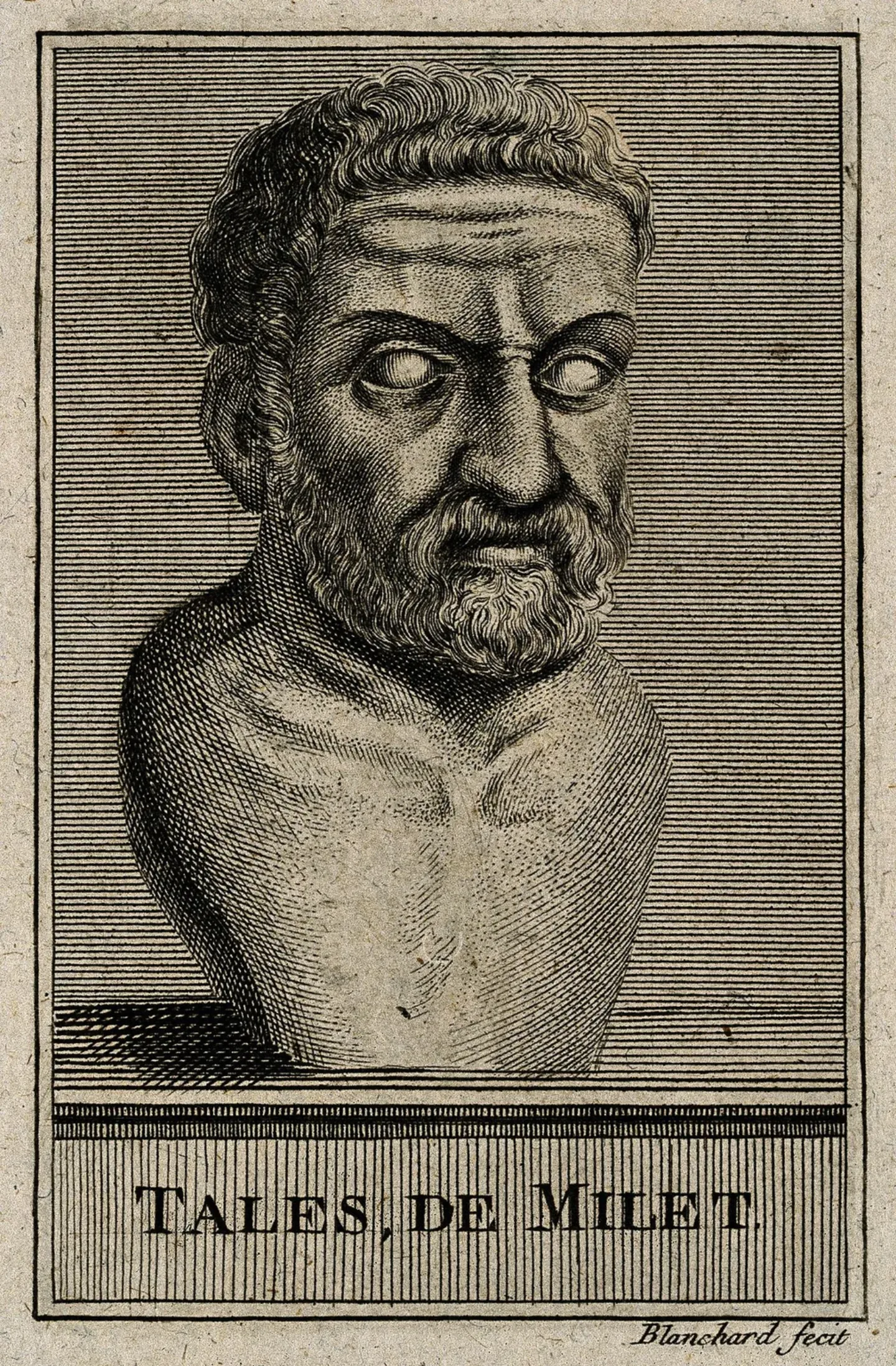
Thales: The First Philosopher
Thales of Miletus (~585 BCE) is traditionally called the first philosopher. He proposed that water is the fundamental substance of all things — but his real breakthrough was the method: instead of crediting the gods, he sought a single natural principle (an arche) behind the changing world. That shift from myth to reasoned explanation is the birth of philosophy.
 Wikimedia Commons · Marcus Cyron · CC BY-SA 4.0 ↗
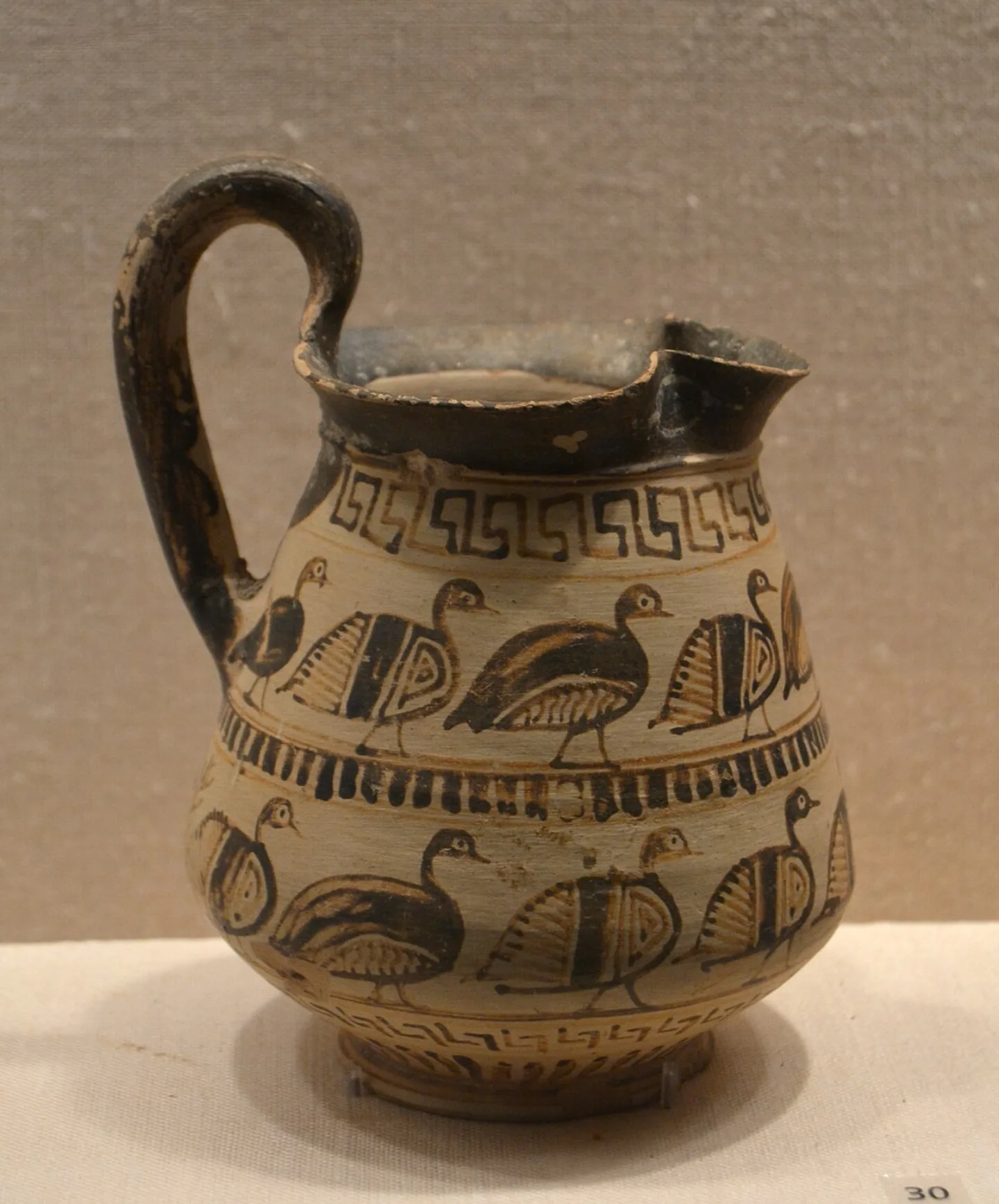
From Myth to Reason
The Pre-Socratics of Ionia (modern Turkey) launched philosophy by replacing mythological explanation with rational inquiry. They asked one electrifying question — what is everything ultimately made of? — and their competing answers (water, the boundless, number, flux, atoms) became the seedbed of both science and metaphysics. The Sophists later turned the focus from the cosmos to human life.
 Pexels · Hands gently plucking strings of a harp, capturing the essence of music and elegance. ↗
Pythagoras: Reality Is Number
Pythagoras located the hidden structure of reality in mathematics—number and proportion—a view he felt confirmed by musical harmony following whole-number ratios.
 Pexels · Anne O'Sullivan · Pexels License ↗
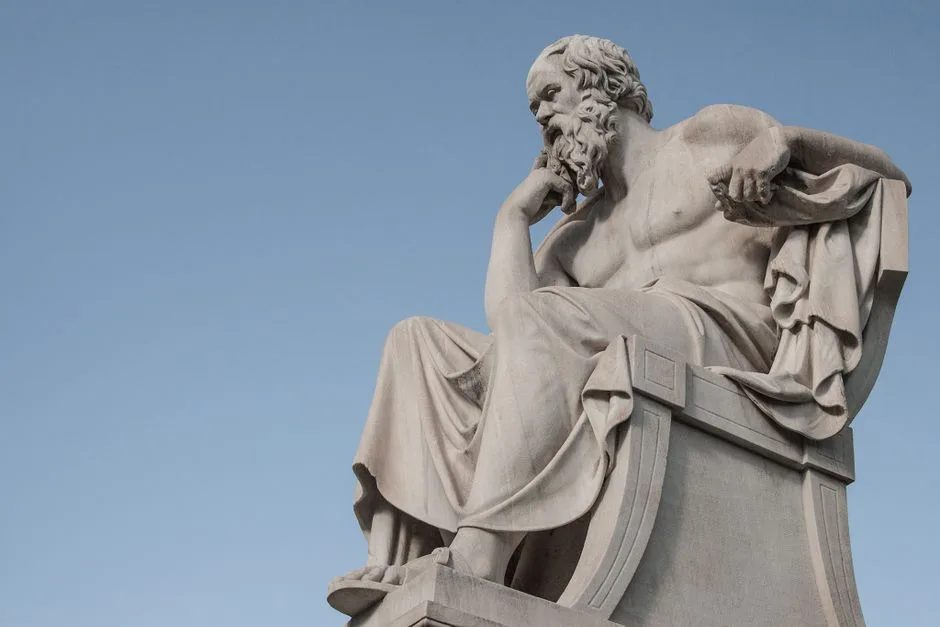
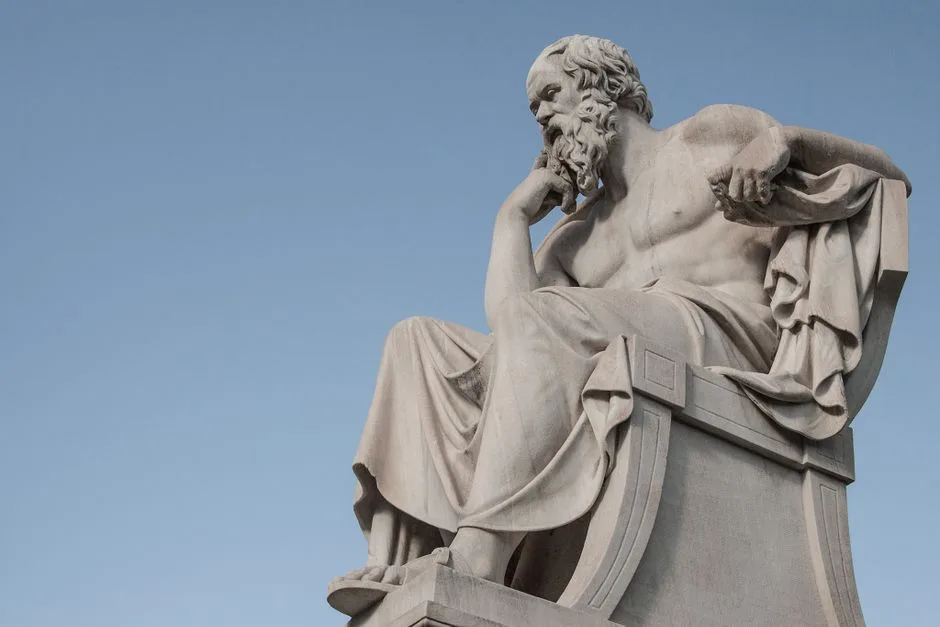
The Philosopher Who Wrote Nothing
Socrates (469–399 BCE) wrote nothing, founded no school, and charged no fees — yet he reoriented all of Western philosophy, turning its gaze from the cosmos to the soul. Everything we know of him comes filtered through his student Plato (and partly Xenophon), which makes separating the real Socrates from Plato's mouthpiece genuinely hard — the famous "Socratic problem."
 Pexels · Stone statue of philosopher Socrates sitting in thoughtful pose in Athens, Greece under a clear blue sky. ↗
"The Unexamined Life Is Not Worth Living"
At his trial (Plato's Apology), Socrates was offered his life if he would only stop philosophizing. He refused, declaring: "The unexamined life is not worth living for a human being." This was no flourish — for Socrates the daily inquiry into virtue is the substance of a human life. To live unexamined is to live as an echo of other people's assumptions.
 Wikimedia Commons · Krishnavelip · CC BY 4.0 ↗
Wrongdoing Is Just Ignorance
Socrates held that everyone aims at what they see as good, so wrongdoing is really a mistake—ignorance of the truly good is the root of all vice.
1 / 10For Pythagoras, the hidden structure of reality is found in:
Pythagoras located reality in number and proportion, a view he felt confirmed by the discovery that musical harmony follows whole-number ratios.
Lesson 2 has 83 cards. Keep going in the free app.
Question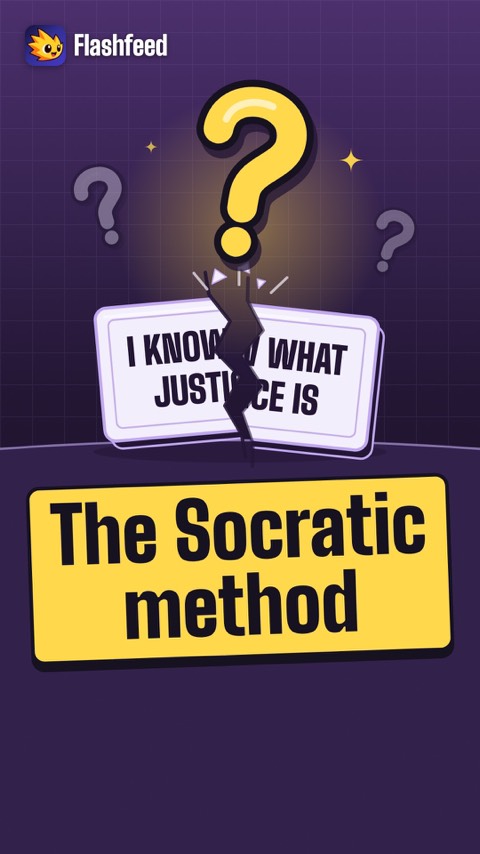
Why Socrates Asked Questions 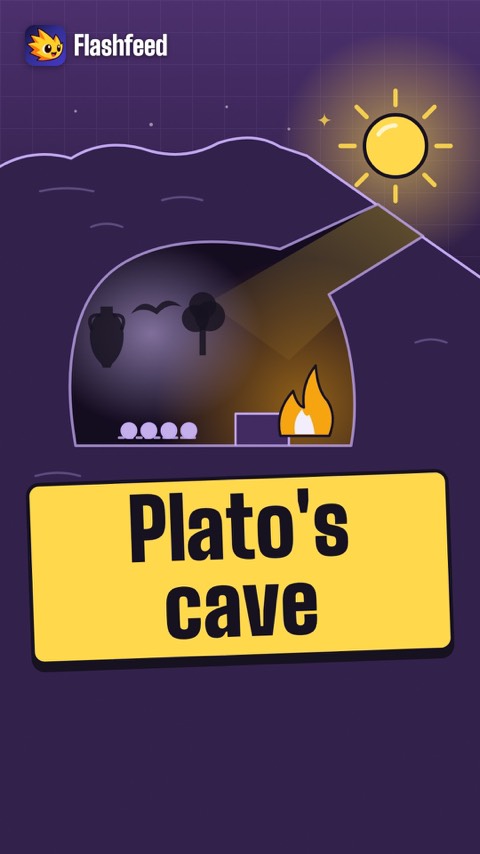
Plato's Cave 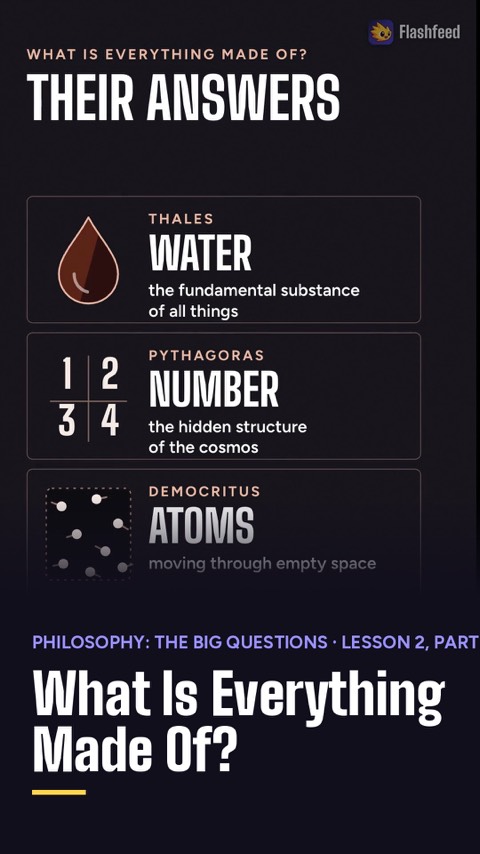
What Is Everything Made Of? 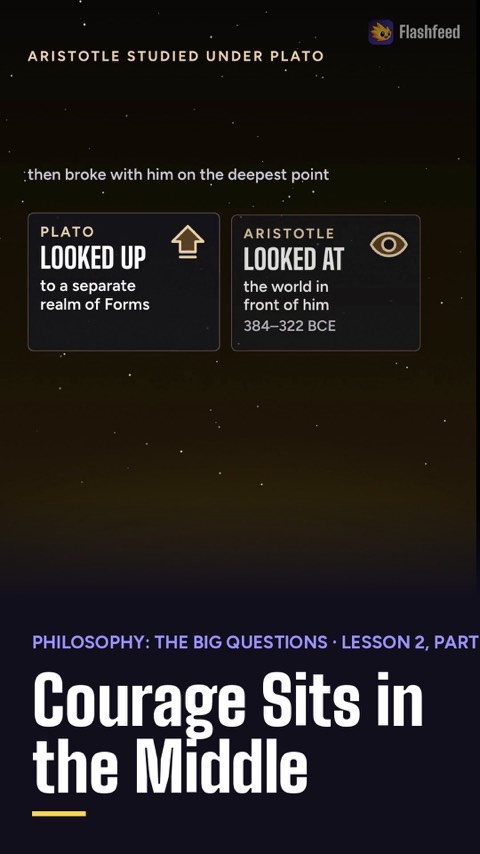
Courage Sits in the Middle All 35 clips on YouTube ↗Transcripts
Why Socrates Asked Questions
Socrates wrote nothing. He taught by asking questions.
He would take a confident claim, like “I know what justice is”, and question it until it fell apart.
The goal was aporia: the moment you realize you don't know what you thought you knew. For Socrates, that was the first step to wisdom.
In 399 BCE, Athens put him on trial. He said: “The unexamined life is not worth living for a human being.”
Plato's Cave
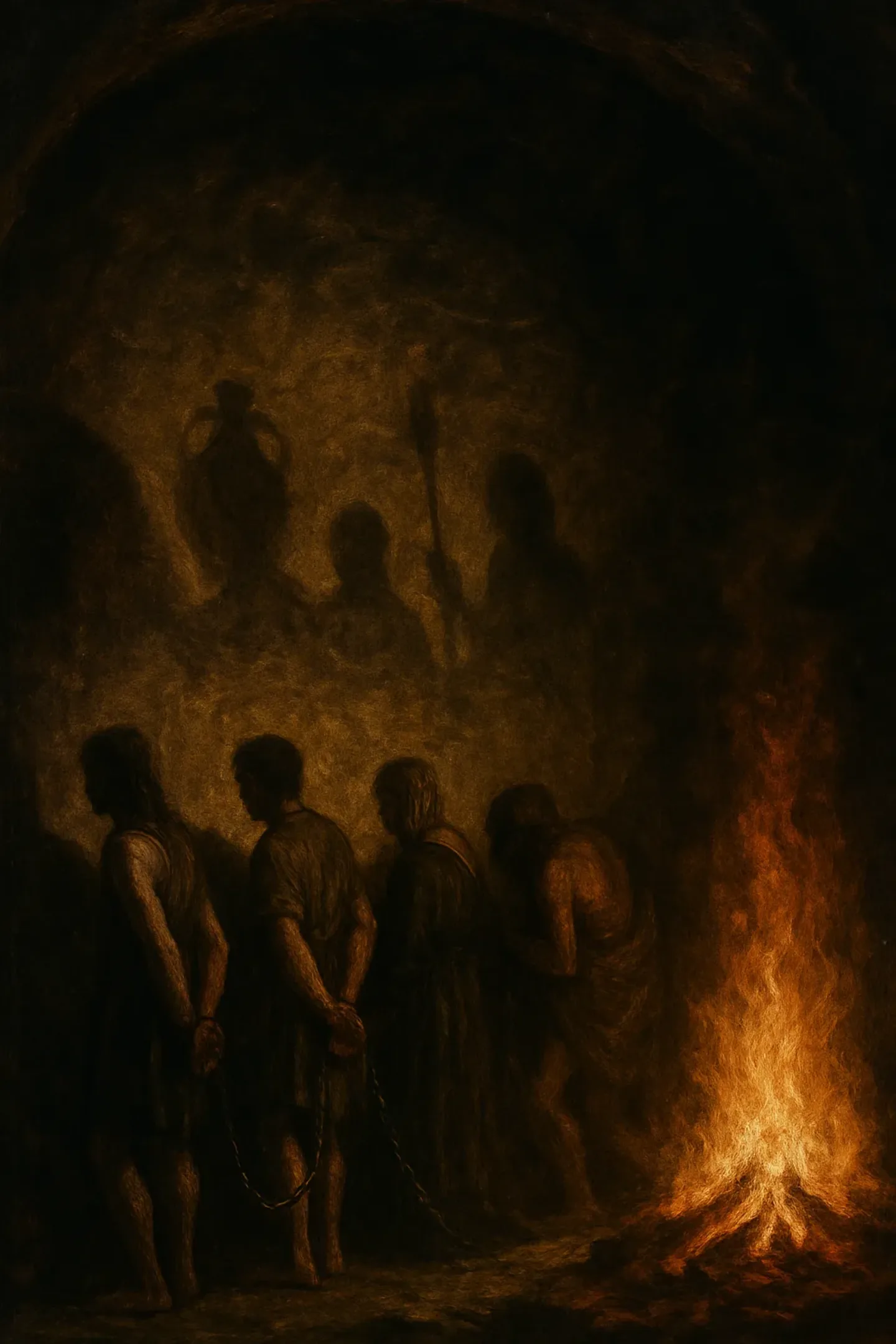
Plato imagined prisoners chained in a cave since birth. All they see are shadows on a wall.
A fire behind them casts the shadows. The prisoners take the shadows for reality.
One prisoner is freed and dragged up into the sunlight. He sees real things, and at last the sun itself.
For Plato, the cave is the world of the senses. The sun is the Form of the Good. The climb out is education.
What Is Everything Made Of?
Before Socrates, thinkers on the Ionian coast asked one question: what is everything made of?
Thales said water. Pythagoras said number. Democritus said atoms, moving through empty space.
Heraclitus said everything changes. “You cannot step in the same river twice”. Parmenides said change is an illusion.
The answers differed. The method was new: explain the world by reason, not by the will of gods.
Courage Sits in the Middle
Aristotle studied under Plato for 20 years. Then he turned to the world in front of him.
His ethics asks: what kind of person should I become? His answer is the Golden Mean.
Every virtue sits between two extremes. Courage sits between cowardice and recklessness. The mean isn't a fixed midpoint. It's the right response for the situation.
Virtue is learned, like archery. As he put it, “we become just by doing just acts.”
-
 Daniel Martin · CC BY-SA 4.0 ↗03
Hellenistic & Roman Philosophy
Stoicism · Epicureans & Skeptics · The Good Life
Lesson 3 · 10 cards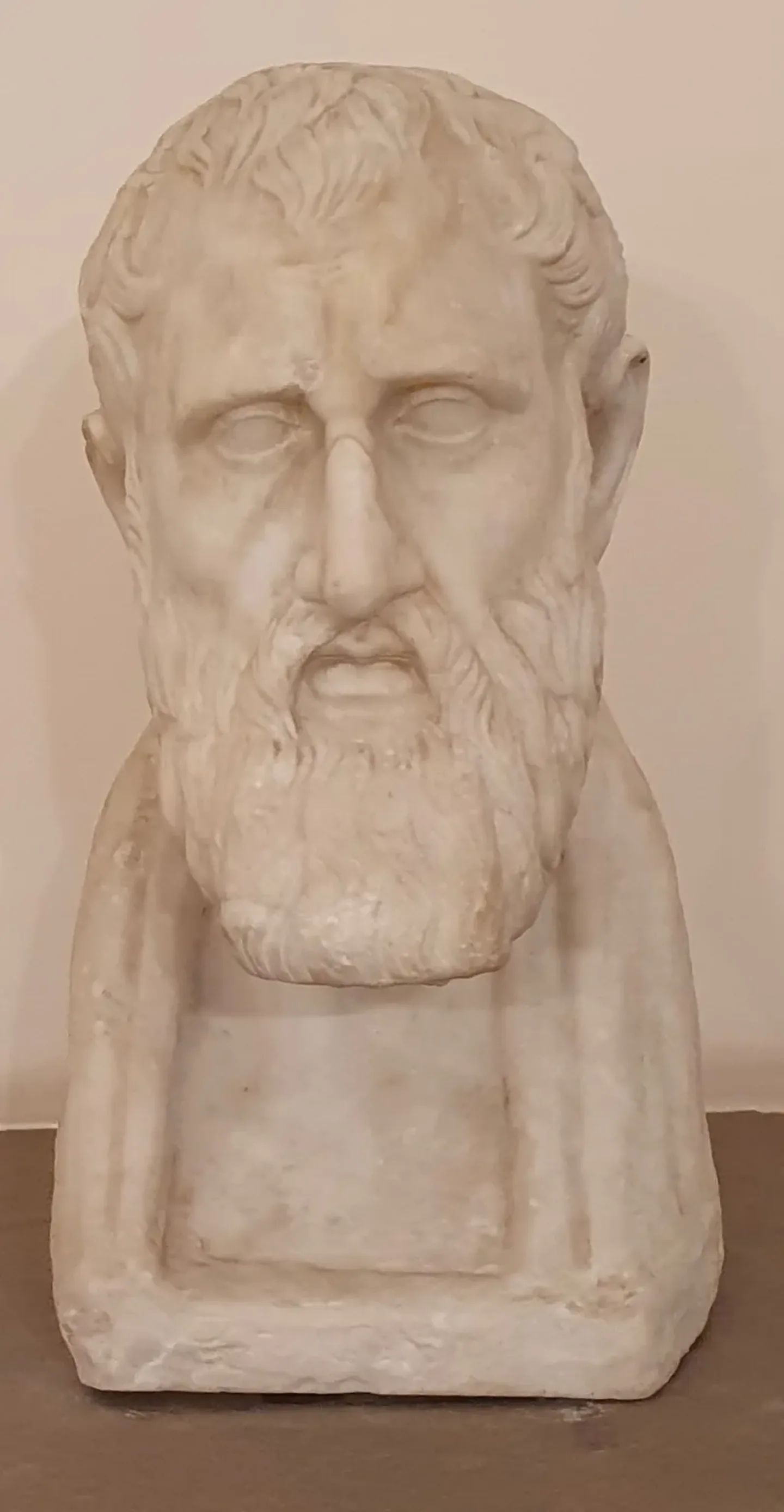 Wikimedia Commons · Yair-haklai ↗
Founded on a Painted Porch
Around 300 BCE, Zeno of Citium began teaching in Athens on a public colonnade called the Stoa Poikile — the "Painted Porch." The school took its name from the spot: Stoicism. Zeno taught that the universe is ordered by a rational principle, the logos, and that the good life means living in harmony with it.
 Wikimedia Commons · William Sonmans / Michael Burghers · Public domain ↗
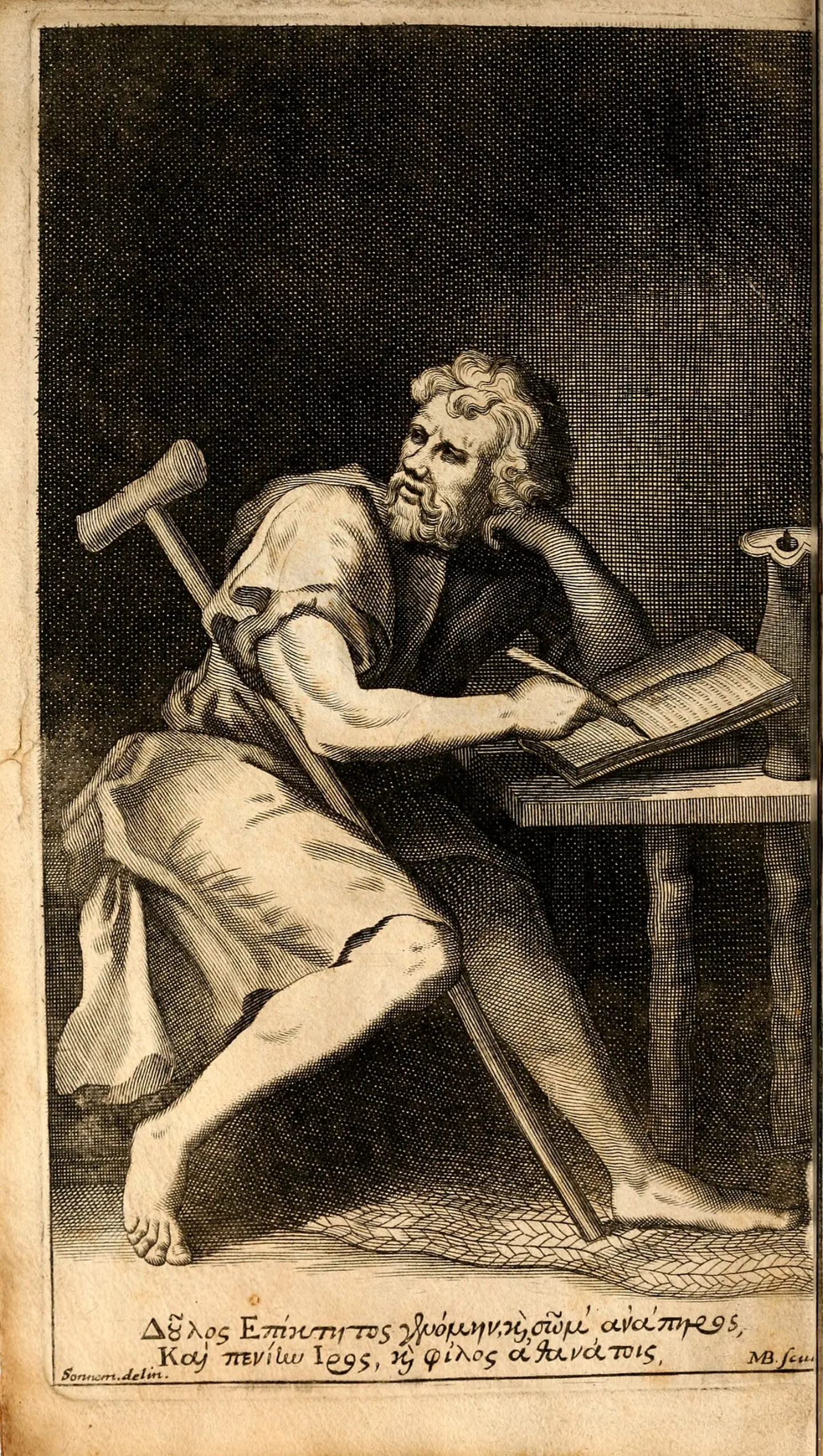
Epictetus: From Slave to Sage
Epictetus (c. 55–135 CE) was born a slave and taught philosophy after gaining his freedom. His handbook, the Enchiridion, is Stoicism distilled. Legend holds that when his master once twisted his leg, Epictetus said calmly, "You are going to break it." When it broke, he replied, "Did I not tell you?" — a story dramatizing his point that pain is external, composure is not.
Daniel Martin · CC BY-SA 4.0 ↗The Emperor's Private Journal
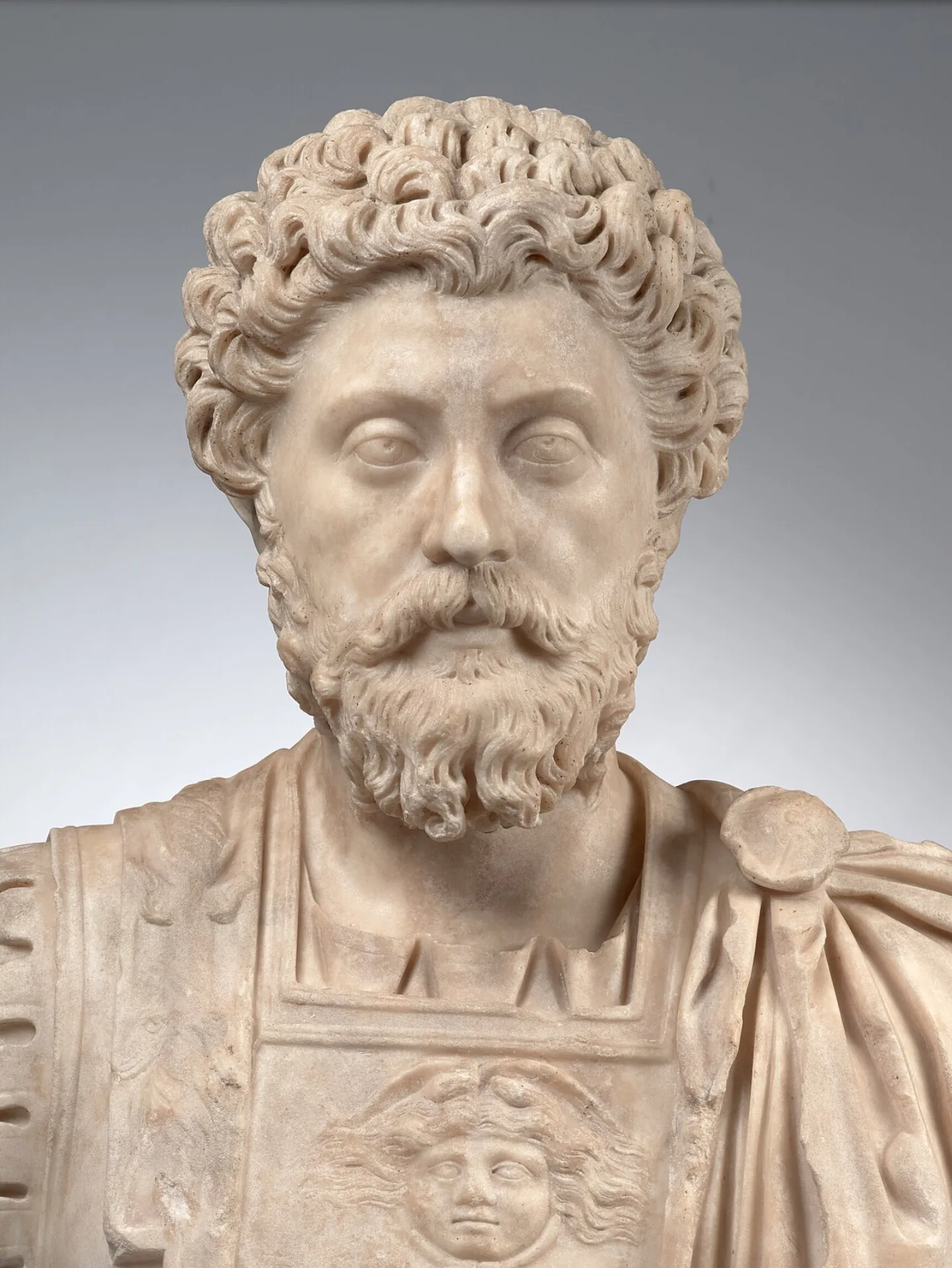
Marcus Aurelius (121–180 CE), Roman emperor, kept a private notebook of Stoic reminders never meant for publication. We call it the Meditations. While commanding armies and running an empire, he reminded himself that when something outside distresses us, the pain comes from our judgment of it, not from the thing itself, and that we can revoke that judgment at any moment (Meditations 8.47). Few rulers had more external power; he located the real power within.
 Pexels · A classic marble bust displayed with modern geometric pendant lights, exuding elegance. ↗
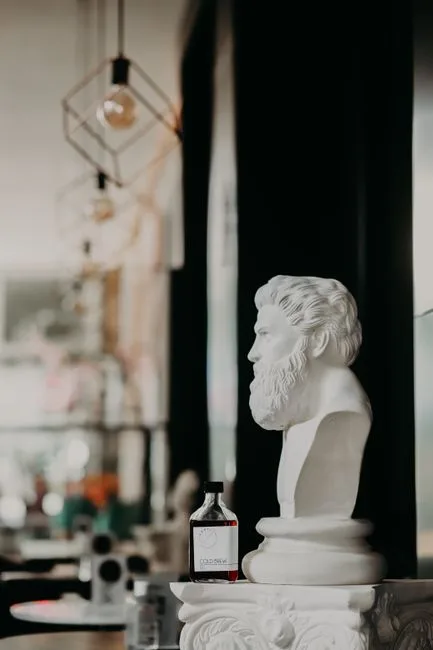
Epicurus and the Garden
Epicurus (341–270 BCE) taught in a private garden outside Athens — open, unusually, to women and slaves. He held that the highest good is pleasure, but defined it as the absence of pain and anxiety, not indulgence. The Garden's life was strikingly modest: simple food, philosophy, and the company of friends, which Epicurus called the greatest aid to a happy life.
 Pexels · A tranquil view of an empty ship deck corridor with open windows and a solitary chair. ↗
"Death Is Nothing to Us"
Much of human misery, Epicurus argued, comes from the fear of death — so he tried to argue it away. "Death is nothing to us, since when we are, death has not come, and when death has come, we are not." Where there is no subject left to suffer, he reasoned, there is no harm. Removing that dread was, for Epicurus, a first step toward a tranquil life.
 AI-generated (gpt-image-1.5)
Pyrrho and the Power of Doubt
Pyrrho of Elis (c. 360–270 BCE) founded Greek Skepticism. Having traveled with Alexander's army as far as India, he returned convinced that for every claim a counter-claim can be found, so certainty is out of reach. His radical response: suspend judgment entirely. The Skeptics found that this very refusal to dogmatically assert brought an unexpected peace.
 AI-generated (gpt-image-1.5)
Ataraxia: Freedom From Disturbance
In Epicurean thought, ataraxia is the mental half of pleasure—a serene calm and freedom from mental disturbance, distinct from aponia's freedom from bodily pain.
 Pexels · Majestic ancient Greek temple ruins with intricate columns against a clear blue sky. ↗
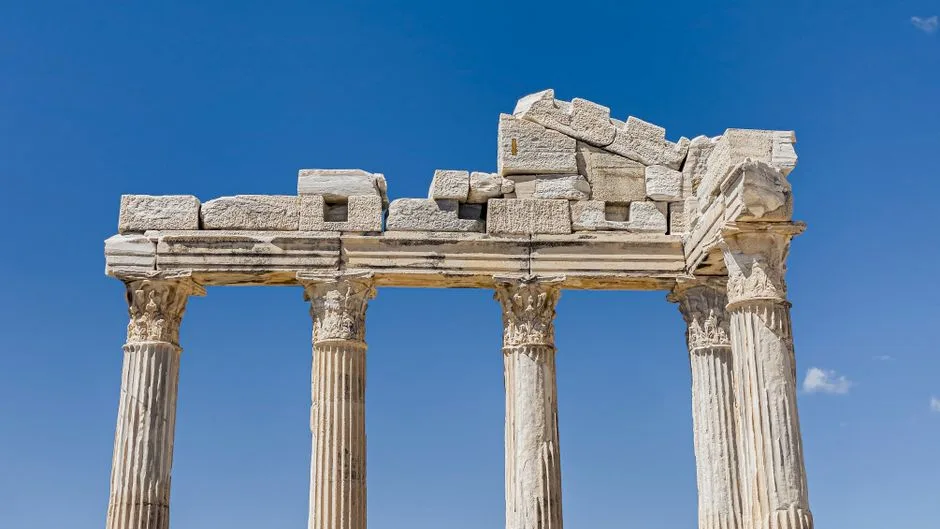
Philosophy Asks: How Should I Live?
After Alexander the Great shattered the old city-states into a sprawling, cosmopolitan world, philosophy's central question shifted. The Pre-Socratics had asked "What is real?"; the Hellenistic schools asked "How should I live?" Stoics, Epicureans, and Skeptics differed sharply on the answer — but all treated philosophy as a cure for a troubled mind.
1 / 10In Epictetus's teaching, which of these is "up to us"?
Only our own judgments, desires, and aversions are truly within our power. Body, property, reputation, and office are external.
Lesson 3 has 70 cards. Keep going in the free app.
Question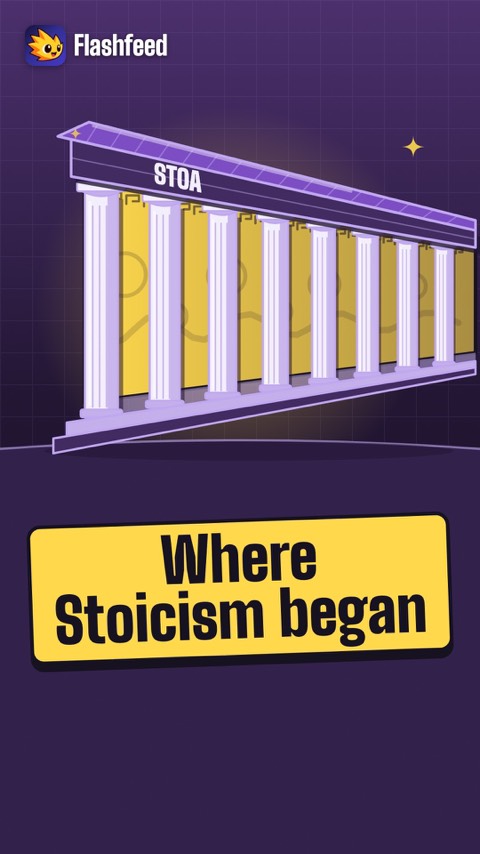
The People of the Porch 
Two Roads to a Quiet Mind 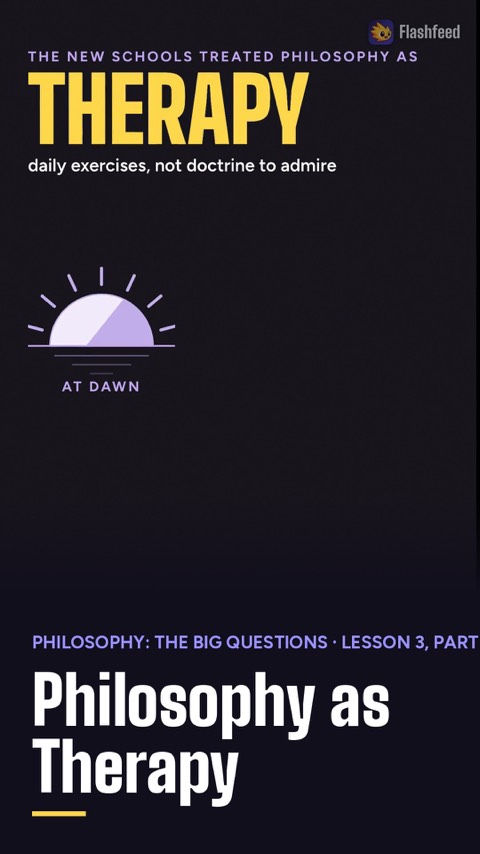
Philosophy as Therapy All 35 clips on YouTube ↗Transcripts
The People of the Porch
Stoicism began around 300 BCE, on a painted porch in Athens. The school took its name from that porch, the Stoa.
Its founder, Zeno of Citium, taught that one rational order runs the whole cosmos.
Epictetus was born a slave, and taught freely once he was freed. Marcus Aurelius ruled Rome, and wrote private notes to himself.
The Stoics held that virtue is the only true good. To be stoic never meant to feel nothing.
Two Roads to a Quiet Mind
Epicurus said pleasure is the highest good. But he meant a calm mind and no pain, not luxury.
He also argued that death is nothing to us. While we exist, death has not come. When it comes, we are gone.
Pyrrho the Skeptic was convinced that every claim has an equally strong opposing claim. So he suspended judgment.
Both roads led to the same place: ataraxia, a mind at rest.
Philosophy as Therapy
Alexander the Great's conquests dissolved the small Greek city-states into a vast empire.
Philosophy's question changed. The Pre-Socratics asked: what is real? Now it was: how should I live?
The new schools treated philosophy as therapy. The Stoic rose at dawn and rehearsed the day's possible misfortunes. The Epicurean repeated arguments against the fear of death.
In every case, the test was the same. Did the practice quiet the mind?
-
 AI-generated (gpt-image-1.5)04
Medieval & Islamic Philosophy
Faith Meets Reason · Islamic Philosophy (Falsafa)
Lesson 4 · 10 cards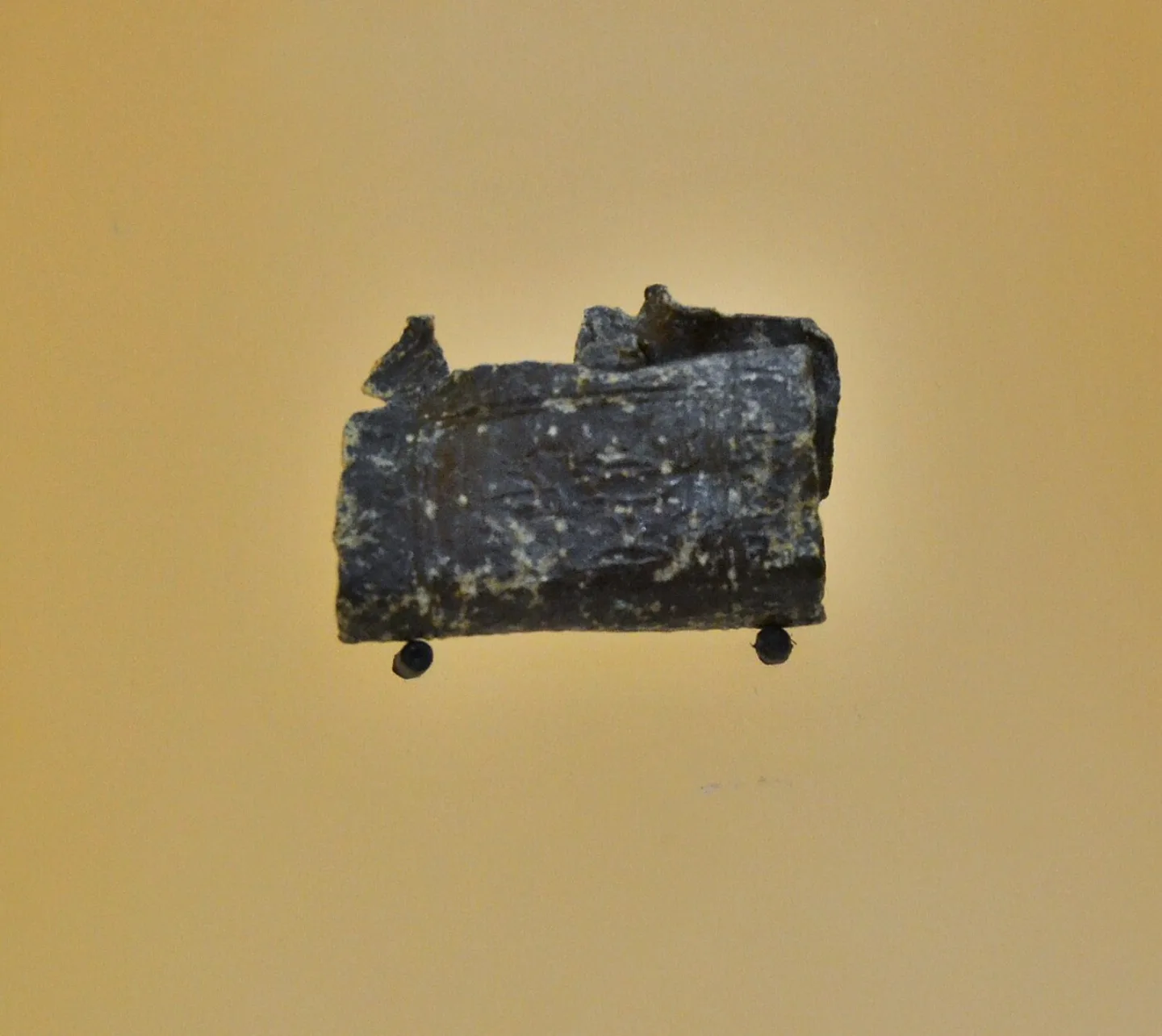 Wikimedia Commons · Joanbanjo · CC BY-SA 3.0 ↗
The Flowering of Falsafa
While Western Europe's contact with Greek thought thinned, the Islamic world became its great custodian. From roughly 800 to 1200 CE, falsafa — philosophy in the Greek tradition — flourished across the caliphates, chiefly by translating and extending Aristotle. These thinkers didn't merely preserve the classics; they argued with them, and their commentaries would later ignite philosophy in Christian Europe.
AI-generated (gpt-image-1.5)Reconciling Faith and Reason
For roughly nine centuries (c. 500–1400 CE), philosophy in the Christian West was woven into theology, and its central project was a single tense question: can faith and reason be reconciled? Augustine (354–430) set the tone — "I believe so that I may understand" — fusing Plato with Christian doctrine. Later Scholastics tried the reverse: using rigorous logic, much of it inherited from Aristotle, to demonstrate what faith already held.
 AI-generated (gpt-image-1)
Gaunilo's Perfect Island
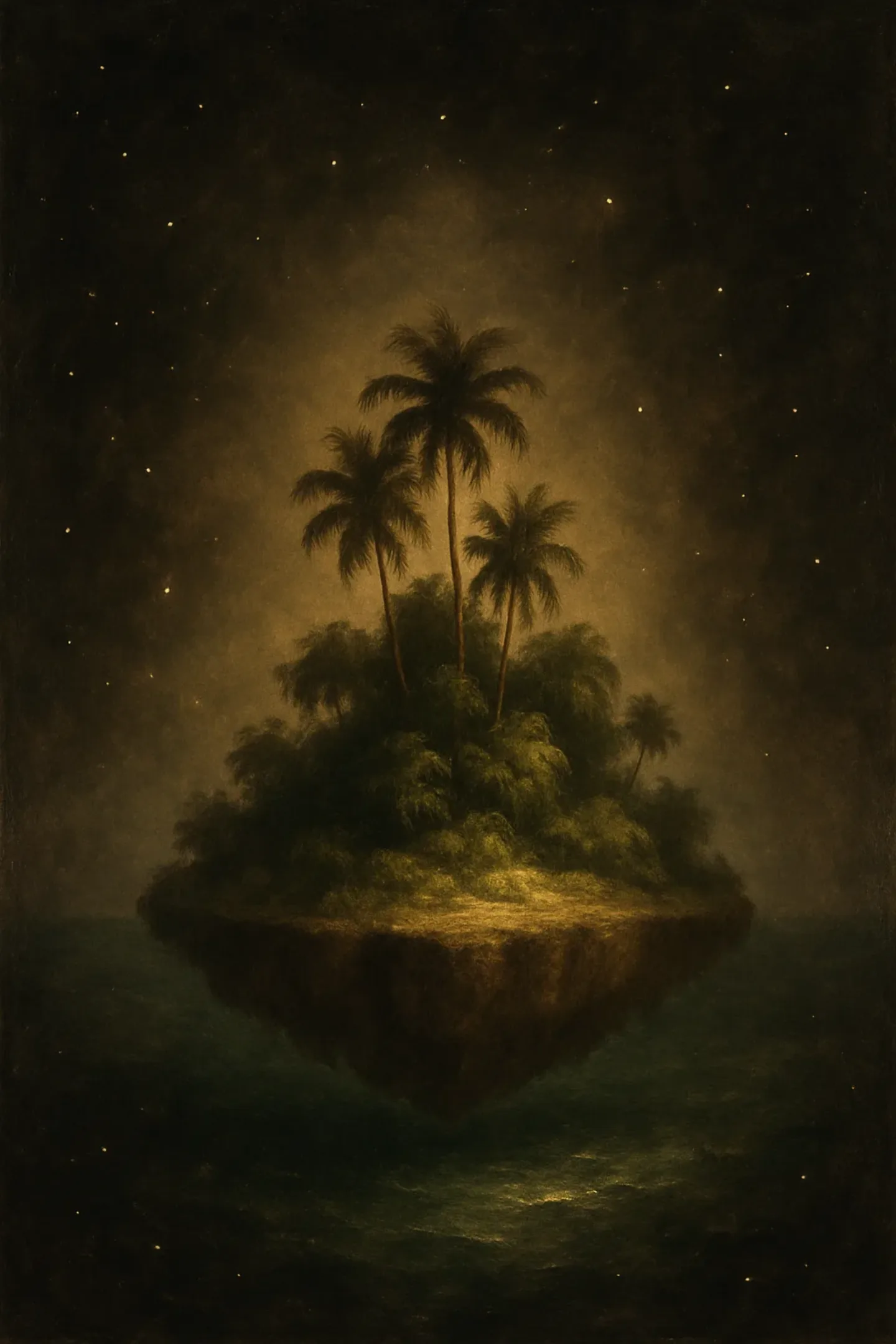
The argument drew an instant, famous rebuttal. The monk Gaunilo retorted: by the same logic, define the "perfect island" — the greatest conceivable island — and it too must exist, since a real island beats an imaginary one. Absurd. Anselm's reply: the trick works only for God, a necessary being whose very nature is to exist; islands are contingent — they merely happen to be. The debate has run for nearly a thousand years.
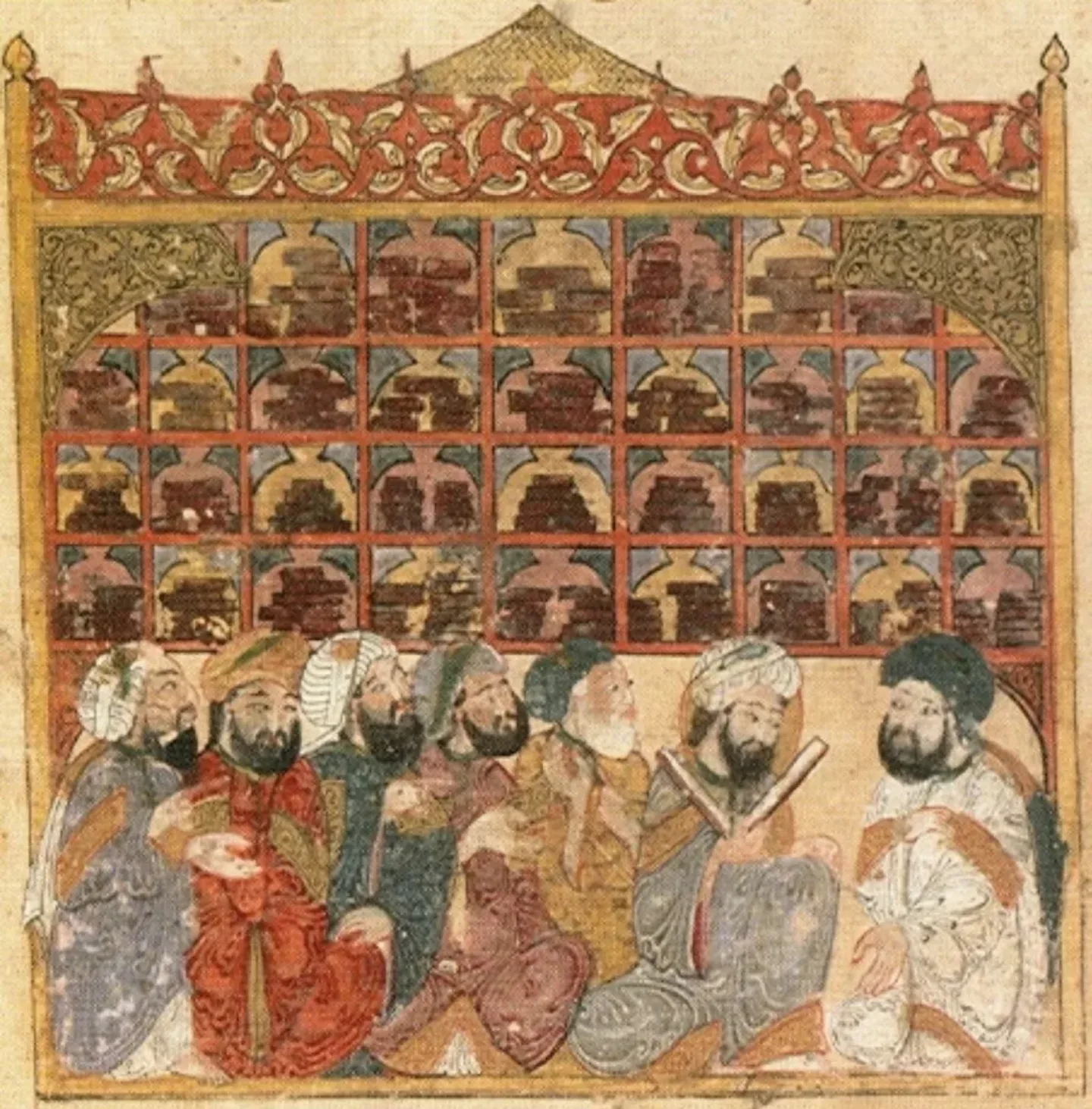 Wikimedia Commons · Unknown 13th-century illustrator (Maqamat al-Hariri manuscript, BnF) · Public domain ↗
The House of Wisdom
In 9th-century Baghdad, the House of Wisdom (Bayt al-Hikma) ran one of history's great translation projects: scholars rendered Greek works of Aristotle, Plato, Euclid, and Galen into Arabic, often via Syriac. This mass translation (c. 830–870) saved much ancient philosophy and science from being lost — and gave the Islamic world a living inheritance of Greek reason to build on.
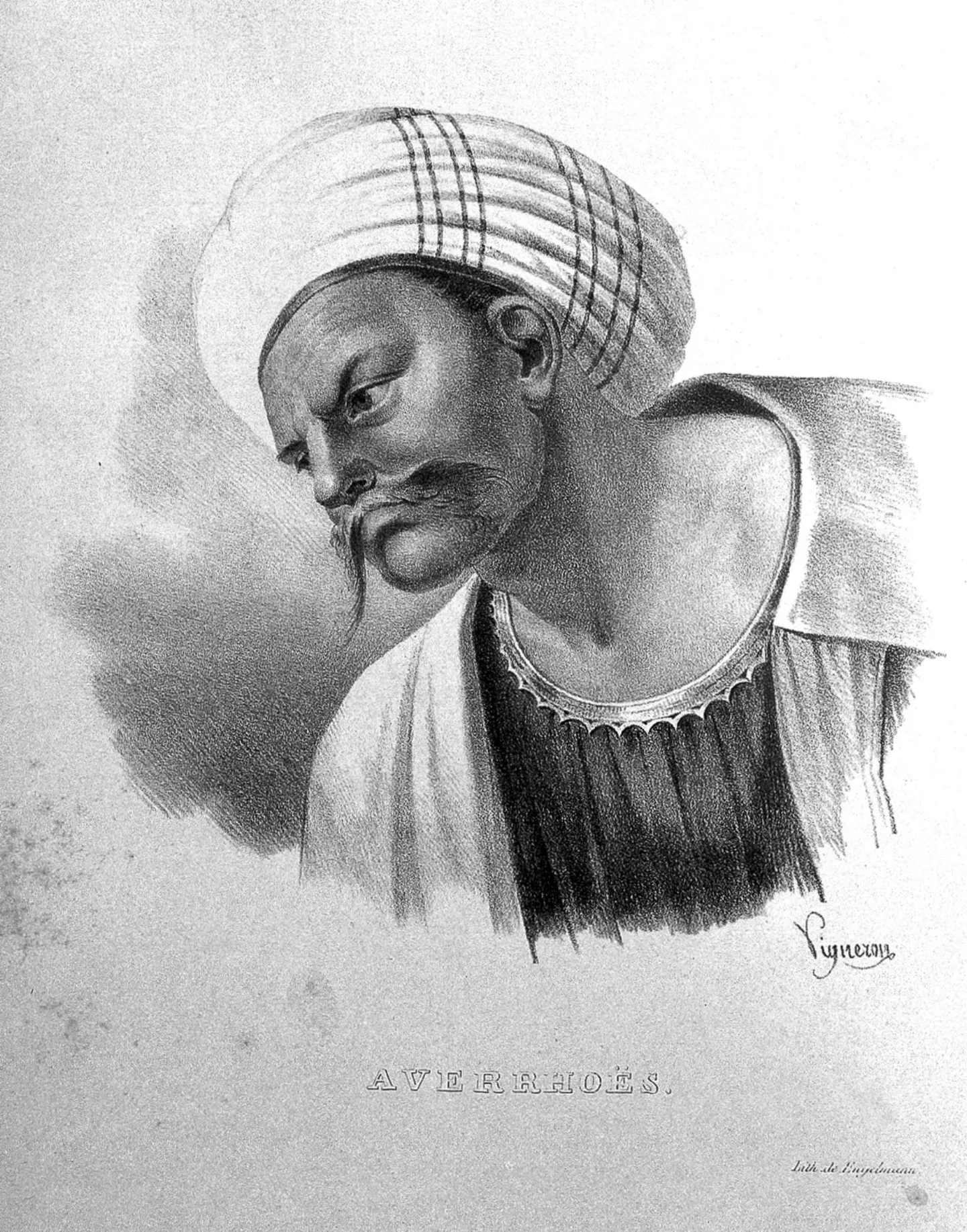 Wikimedia Commons · P. R. Vigneron (lith. Engelmann) · CC BY 4.0 ↗
Averroes, "the Commentator"
Averroes (Ibn Rushd, 1126–1198) wrote commentaries on Aristotle so thorough and clarifying that European Scholastics simply called him "the Commentator" — Aristotle being "the Philosopher." Through Latin translations of his work, Aristotle returned to the Christian West in force. Averroes defended philosophy as a legitimate path to truth against critics who deemed it a threat to faith.
1 / 10Which is NOT one of Aquinas's Five Ways to prove God's existence?
The Five Ways are the Unmoved Mover, First Cause, Contingency, Degrees of Perfection, and Design. "The Wager" is Pascal's argument, not one of Aquinas's.
Lesson 4 has 53 cards. Keep going in the free app.
Question
The Perfect Island 
The Floating Man All 35 clips on YouTube ↗Transcripts
The Perfect Island
In 1078, Anselm of Canterbury tried to prove that God exists from a definition alone.
Define God as “that than which nothing greater can be conceived.” A being that exists in reality is greater than an idea. So God must exist, Anselm argued.
The monk Gaunilo answered with a parody: the perfect island. By the same logic, it must exist too.
Whether Anselm's reply succeeds is still debated, nearly 1,000 years on.
The Floating Man
Picture a person created fully grown, floating in empty space. They can't see, hear or touch anything. They can't even feel their own body.
Would they be aware of anything?
Yes, argued Avicenna, the physician and polymath. They would still be aware of themselves.
His conclusion: the soul can't be derived from the body or the senses. It comes before them.
-
 Pexels · A shadowy figure stands in a dimly lit alley, creating an aura of mystery and suspense. ↗05
Early Modern Philosophy
Rationalism · Empiricism · Kant & the Social Contract
Lesson 5 · 10 cards Pexels · Student uses geometry tools and laptop to study math concepts while sitting on bed. ↗
Reason as the Source of Truth
The 17th century opened a great divide over a single question: where does knowledge come from? The Rationalists — Descartes, Spinoza, Leibniz — answered: from reason. The mind contains innate ideas and can reach certain truth by pure thinking, the way mathematics proves theorems without ever consulting the senses. Geometry was their ideal: start from self-evident axioms, deduce the rest. The senses, they warned, are unreliable; only reason is trustworthy enough to build knowledge on.
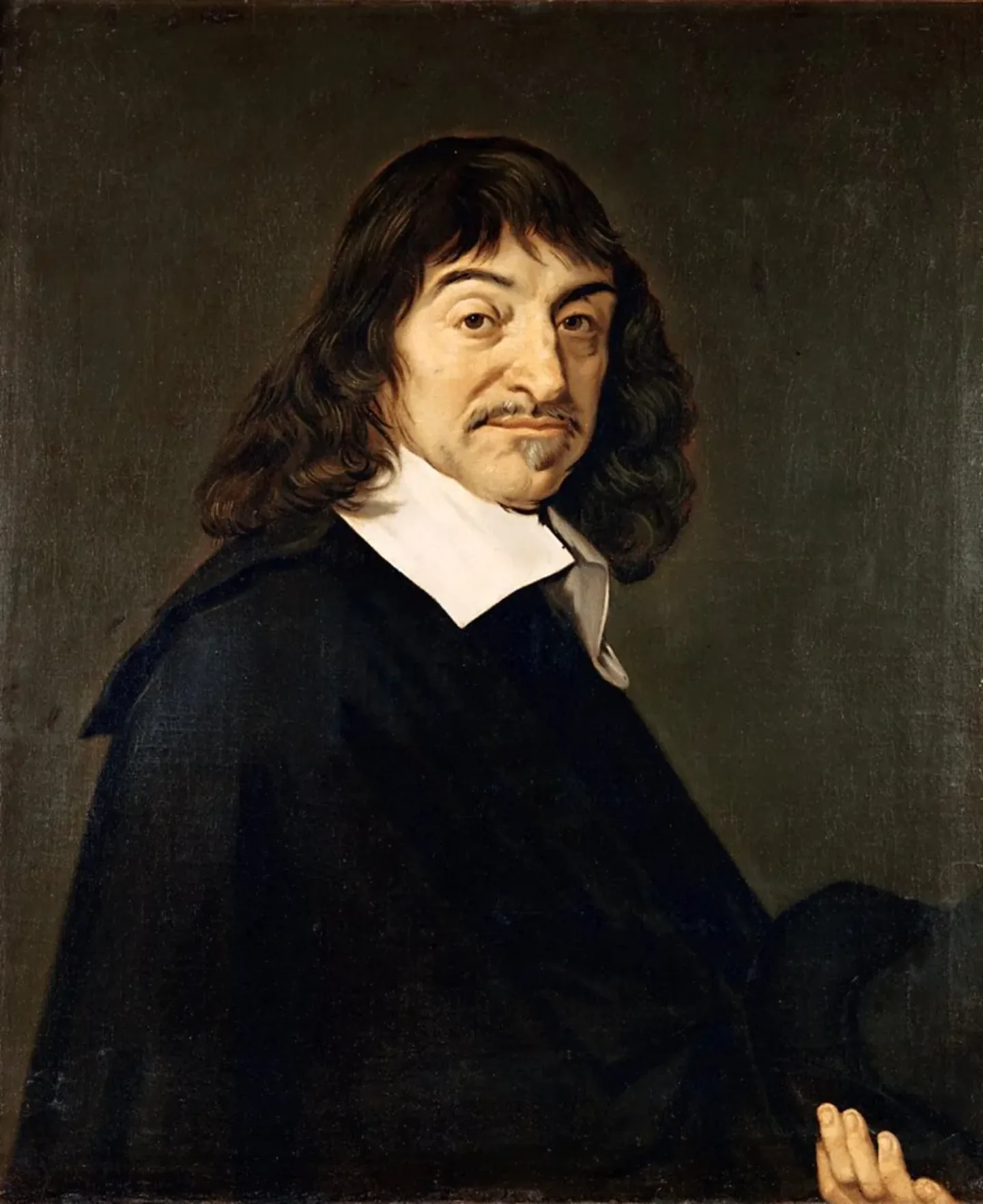 Wikimedia Commons · After Frans Hals ↗
Descartes' Radical Doubt
René Descartes (1596–1650) set out to rebuild all knowledge from scratch. His method: doubt everything that can possibly be doubted, and see what — if anything — survives. He noticed the senses sometimes deceive (a stick looks bent in water; dreams feel real while we sleep). If the senses can mislead us even once, he reasoned, they cannot be a secure foundation. So he set them aside and pushed his doubt as far as it could go.
Pexels · A shadowy figure stands in a dimly lit alley, creating an aura of mystery and suspense. ↗The Evil Demon
To test the limits of doubt, Descartes imagined the worst case: an all-powerful, malicious demon devoting all its energy to deceiving him. It could fake the entire physical world, other people, even his own body. It could make him believe 2 + 2 = 5 every time he added them. "No earth, no sky, no extended thing" — all might be illusion. Under this radical doubt, what could possibly remain certain? The Evil Demon is the ancestor of every "brain in a vat" and Matrix scenario since.
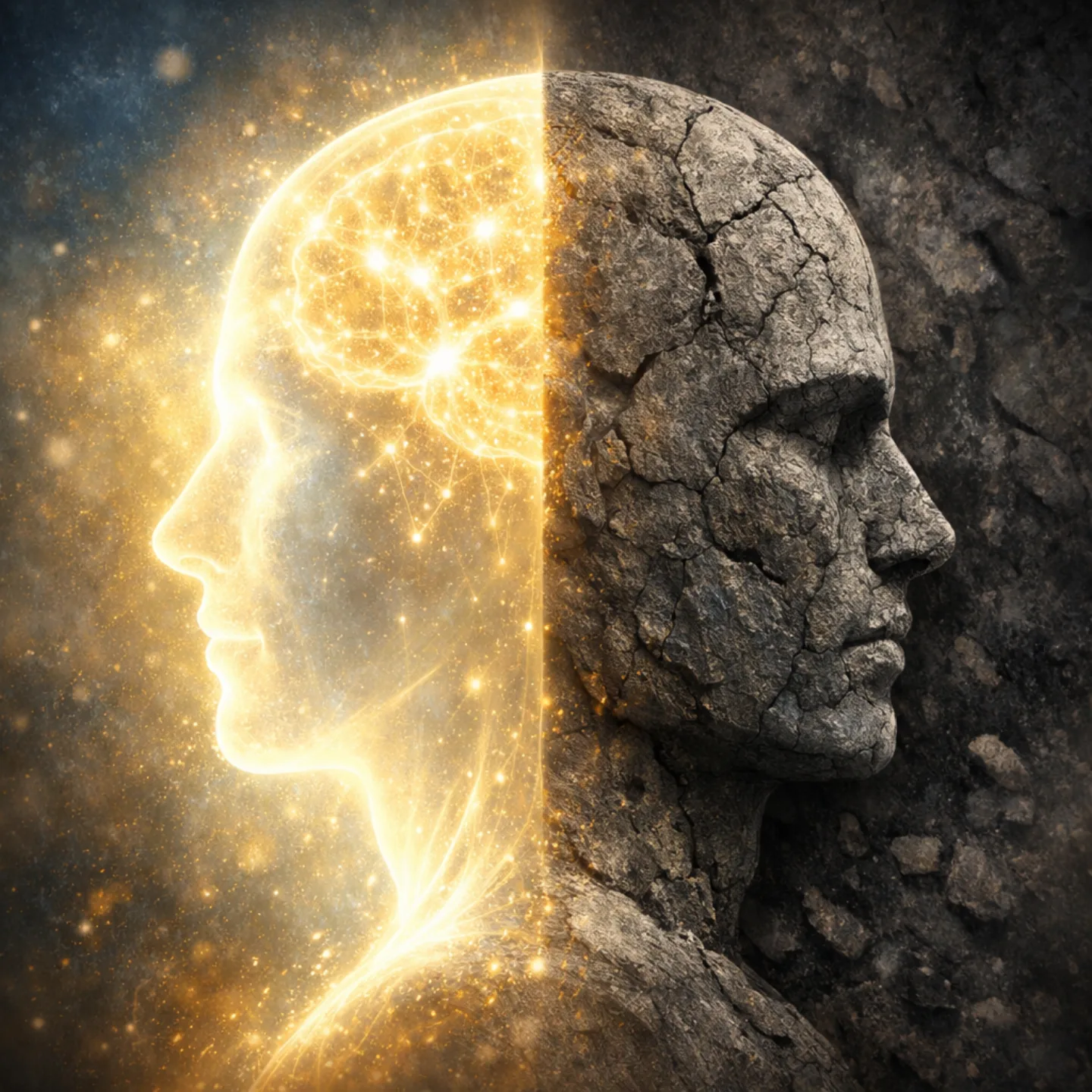 AI-generated (gpt-image-1.5)
Mind-Body Dualism
From the cogito Descartes drew a sweeping conclusion: he is fundamentally a thinking thing (res cogitans), while his body is an extended thing (res extensa) — matter occupying space. These are two completely different substances. But this creates a famous puzzle: how do two utterly different kinds of stuff interact? How does a weightless thought move a physical arm? This is the mind-body problem, and after four centuries it has never been solved — it remains central to philosophy of mind today.
 Pexels · Detailed close-up of an eye reflecting a distant landscape, showcasing texture and emotion. ↗
Knowledge from Experience
Against the Rationalists stood the Empiricists — Locke, Berkeley, Hume — mostly British, who answered the same question very differently: knowledge comes from sense experience, not from reason alone. There are no innate ideas; everything in the mind got there through the five senses. Reason can shuffle and combine what experience supplies, but it cannot conjure new content from nothing. This emphasis on observation over speculation made empiricism the natural philosophy of the new experimental science.
 Pexels · A serene capture of a white dove flying in the open sky symbolizing peace and freedom. ↗
Locke and Natural Rights
Locke was also a founder of political liberalism. He held that people possess natural rights — to life, liberty, and property — that exist before any government and that no ruler may justly violate. Government is legitimate only by the consent of the governed, and its job is to protect those rights; a regime that tramples them may rightfully be resisted. These ideas flowed almost word-for-word into the American Declaration of Independence ("life, liberty, and the pursuit of happiness") a century later.
1 / 10In Descartes' dualism, what is 'res cogitans'?
Res cogitans is the immaterial mind whose essence is thought; res extensa is the body, the extended thing occupying space. The two are distinct substances in Descartes' dualism.
Lesson 5 has 68 cards. Keep going in the free app.
Question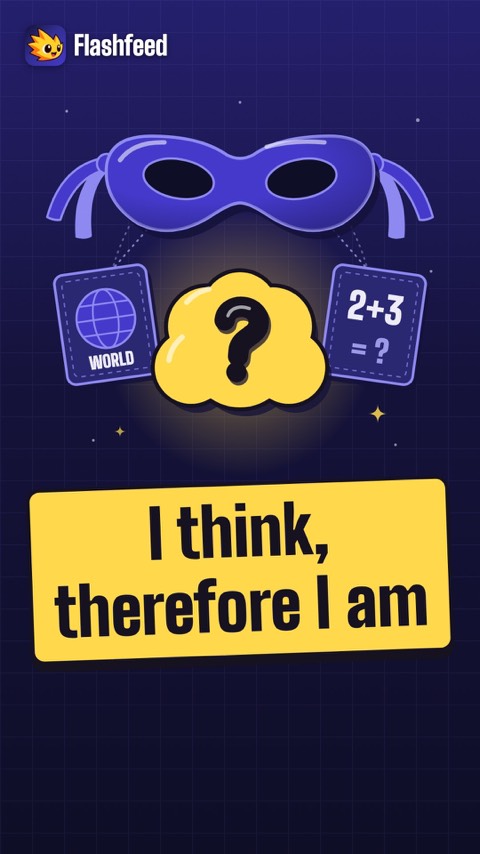
The Evil Demon 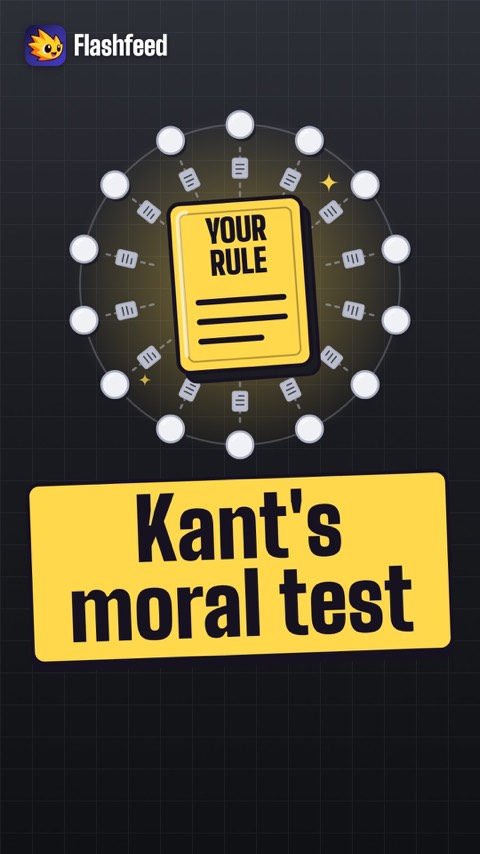
Kant's Test and the Social Contract 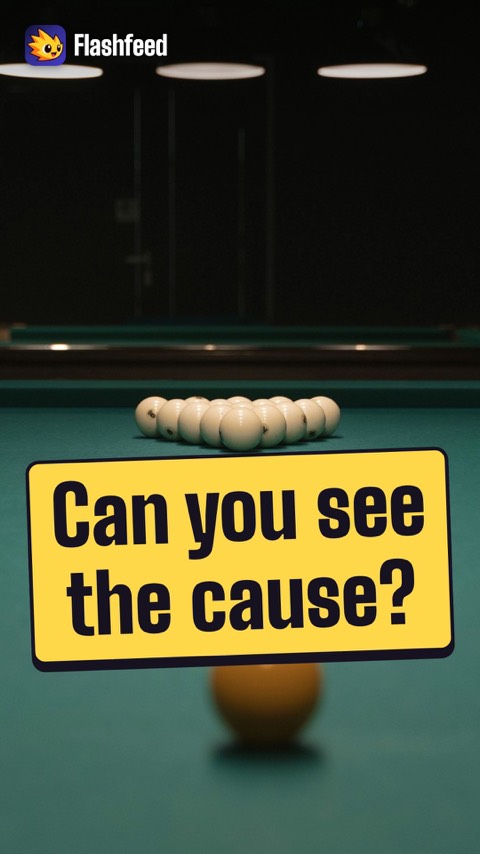
Hume's Billiard Balls All 35 clips on YouTube ↗Transcripts
The Evil Demon
In the 1600s, René Descartes tried to doubt everything that could be doubted.
He imagined an all-powerful, evil demon. It fakes the world, his own body, even simple arithmetic.
Could anything survive that? A demon cannot fool a mind that does not exist. Doubting is thinking, and thinking needs a thinker.
So: I think, therefore I am. The demon is the ancestor of today's brain-in-a-vat stories.
Kant's Test and the Social Contract
Kant's moral test: could your rule become a law for everyone?
Take a lying promise. If everyone made false promises, no one would trust a promise. The rule destroys itself.
Hobbes asked why we obey the state. Without one, he said, life would be solitary, poor, nasty, brutish, and short.
So people strike a social contract. Rousseau answered differently: Man is born free, and everywhere he is in chains.
Hume's Billiard Balls
Watch one billiard ball strike another. What do you actually see?
One ball moves and touches the second. Then the second ball moves.
David Hume pointed out that you never see a necessary connection: a force making the second ball move. The senses never deliver it.
We expect the sun to rise tomorrow because it always has. Hume's verdict: we rely on habit, not proof.
- Take the lessons with you. Free, no account.Download on the App Store ↗Get it on Google Play ↗
-
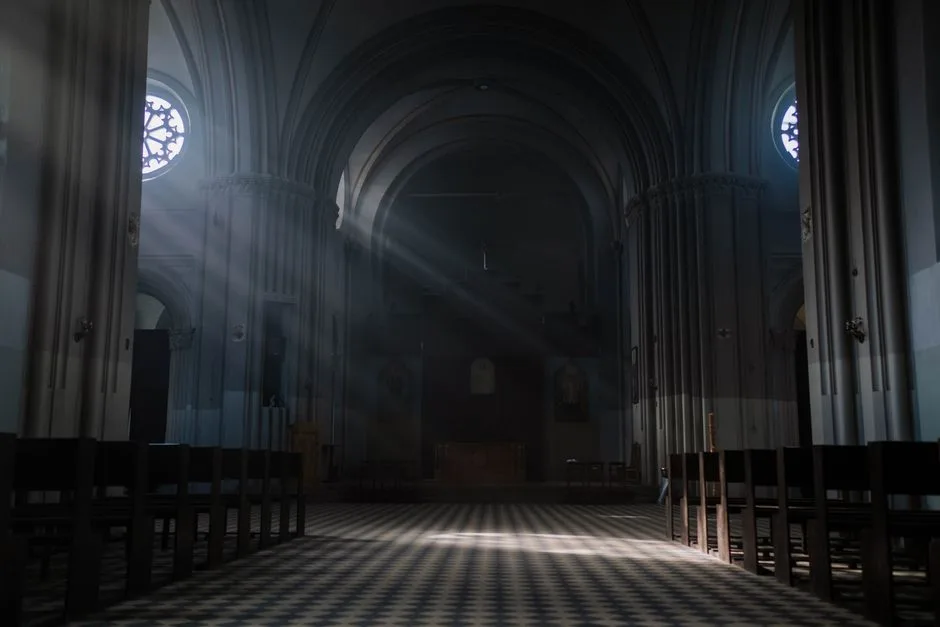 Pexels · Gothic cathedral interior with sunrays illuminating the altar and arches, creating a peaceful ambiance. ↗06
The 19th Century
German Idealism · Nietzsche · Revolution, Utility & Faith
Lesson 6 · 10 cardsPexels · Gothic cathedral interior with sunrays illuminating the altar and arches, creating a peaceful ambiance. ↗The Death of Objective Values
When Nietzsche said 'God is dead,' he meant the whole framework of Western values—objective moral truth, cosmic purpose, and the foundation beneath justice and dignity.
 AI-generated (gpt-image-1.5)
The Master's Hollow Victory
The Master seems to have won everything: the Slave works, the Master consumes. But he is trapped. To feel truly free he needs recognition — yet recognition from a Slave is worthless, since a Slave is not a free being, and the Master has reduced him to a non-person. The Slave, meanwhile, works on raw material, transforming the world through labor. That relationship with reality builds genuine self-consciousness. Paradoxically, the Master stays dependent and unfulfilled while the Slave is on the path to freedom.
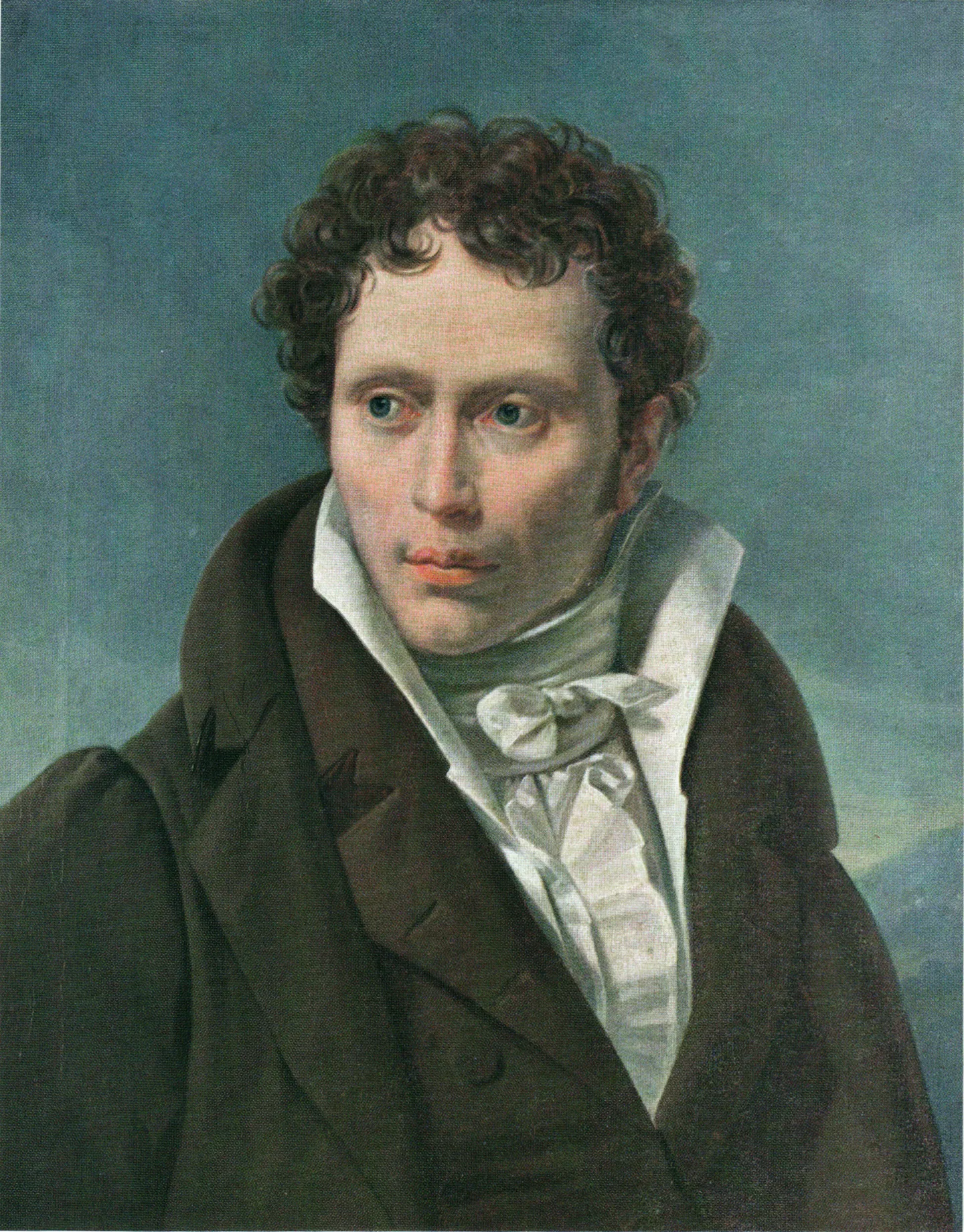 Wikimedia Commons · Ludwig Sigismund Ruhl · Public domain ↗
Schopenhauer: The World as Will
Arthur Schopenhauer (1788–1860) saw beneath the orderly surface of the world a single blind, striving force he called the Will — a restless, purposeless craving that drives all of nature and all of us. Because desire can never be permanently satisfied, life swings forever between want and boredom. This made him philosophy's great pessimist: existence, he argued, is fundamentally suffering.
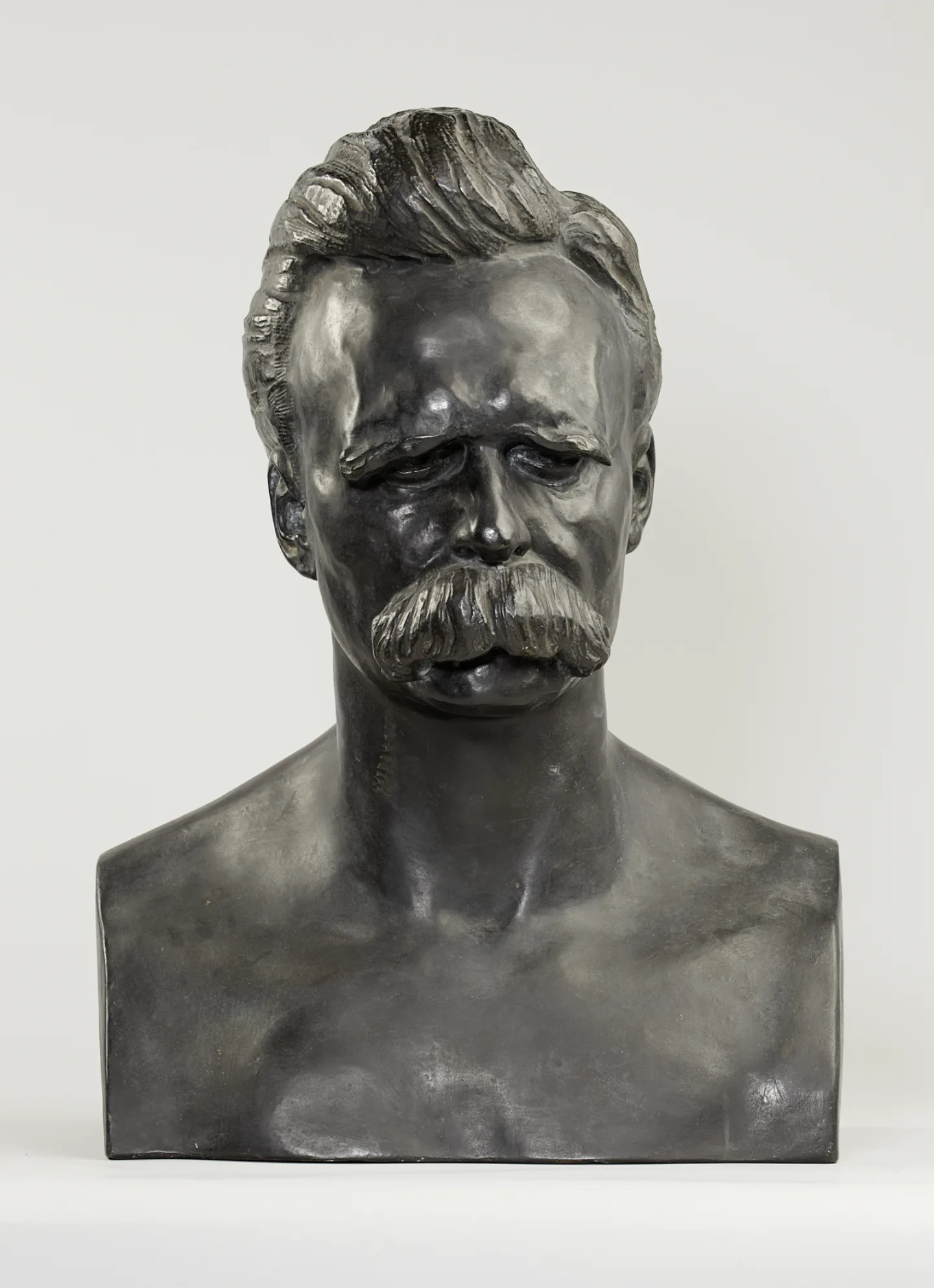 Wikimedia Commons · Max Klinger · Public Domain Mark ↗
"God Is Dead" — A Warning, Not a Cheer
Friedrich Nietzsche (1844–1900) is the most widely misread philosopher in history. His line "God is dead" is usually heard as atheist triumph. He meant nearly the opposite. "God" stood for the entire framework of Western values — objective moral truth, cosmic purpose, the foundation beneath "justice," "dignity," and "equality." When scientific materialism made sincere belief impossible, those values lost their foundation. Nietzsche wasn't celebrating; he was terrified.
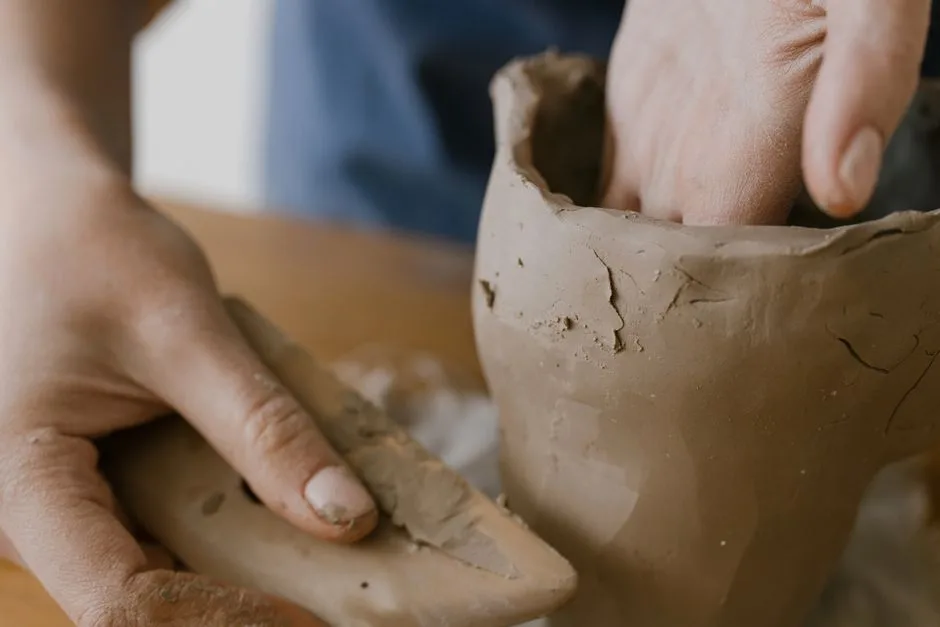 Pexels · Close-up of hands shaping a clay pot, showcasing the art of pottery making. ↗
Will to Power: To Create
Nietzsche's will to power is self-overcoming—the drive to grow, create, and express one's full capacities—not a lust to dominate others; an artist shows it as much as a conqueror.
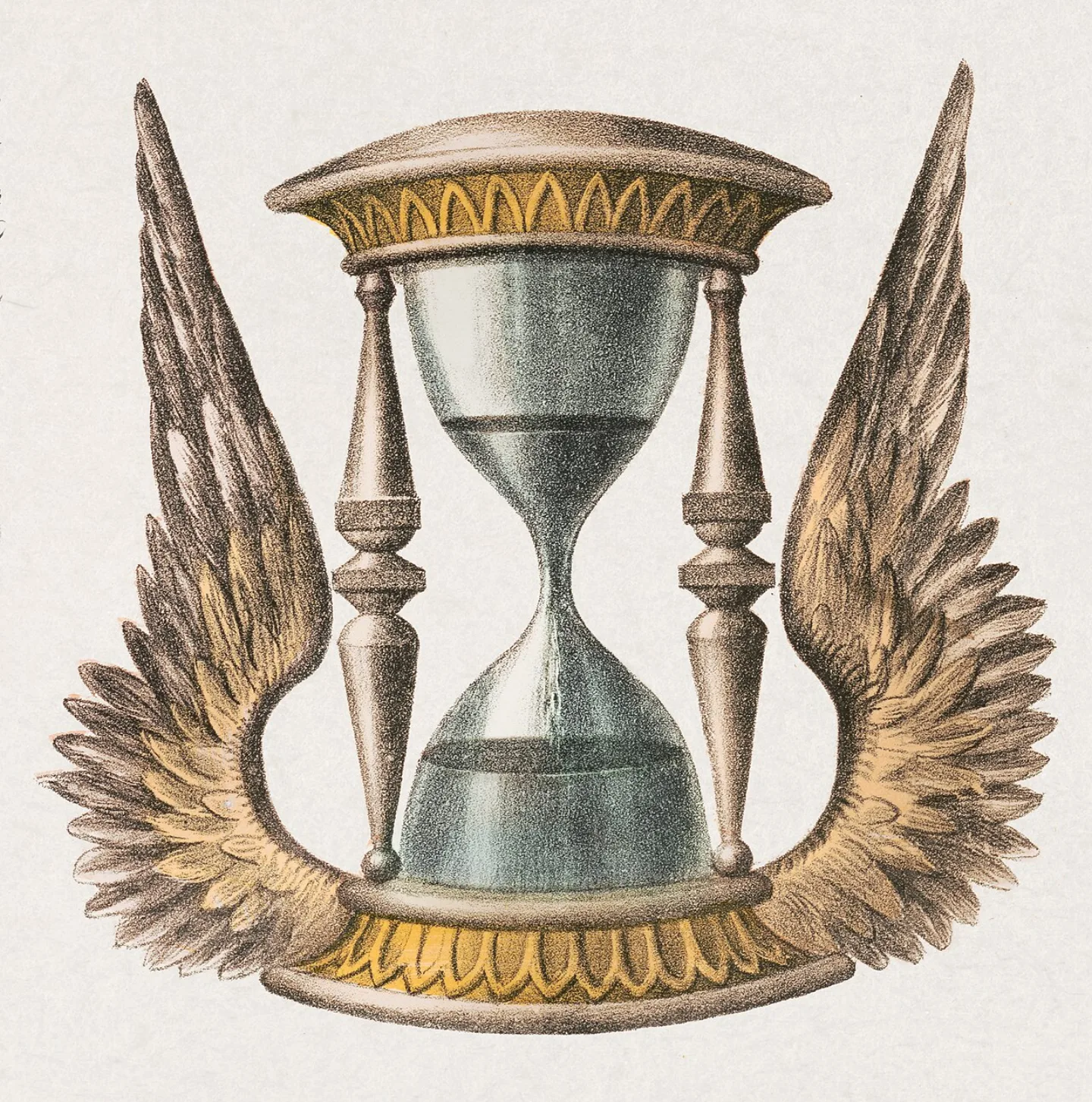 Wikimedia Commons · Unknown author · CC0 ↗
The Test of Eternal Recurrence
Nietzsche's eternal recurrence asks whether you could joyfully affirm reliving your exact life—every joy and pain, in the same order—forever.
1 / 10Whose theory of class struggle drew directly on Hegel's Master-Slave Dialectic?
The dialectic became the foundation for Marx's class struggle, Sartre's "look," Fanon's analysis of colonialism, and Beauvoir's feminism.
Lesson 6 has 72 cards. Keep going in the free app.
Question
Between Want and Boredom 
God Is Dead Was a Warning 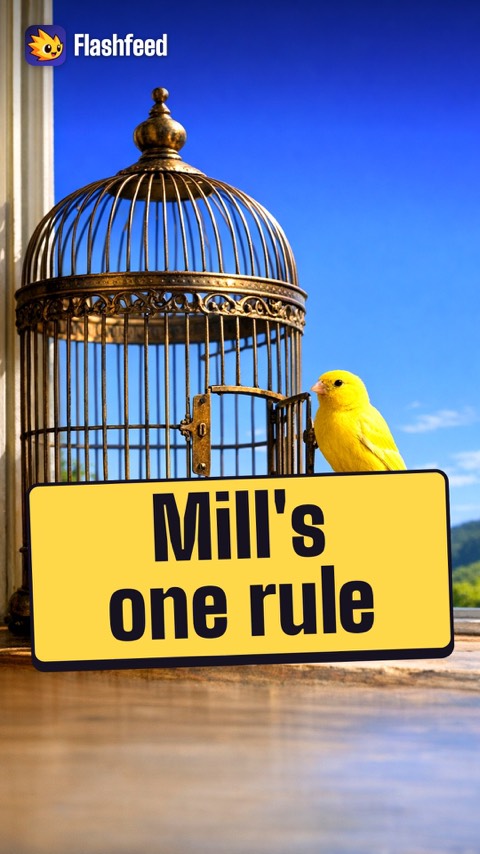
The Harm Principle All 35 clips on YouTube ↗Transcripts
Between Want and Boredom
Arthur Schopenhauer saw one blind force beneath the whole world: the Will. Not a wise plan, but endless craving.
Each satisfied desire only breeds a new one.
His conclusion: life swings between want and boredom. That made him philosophy's great pessimist.
He did leave one exit. In art, above all in music, you stop wanting for a moment and simply contemplate. He ranked music highest of the arts.
God Is Dead Was a Warning
Nietzsche wrote: “God is dead.” It's usually heard as a cheer for atheism. He meant nearly the opposite.
By God, he meant more than a supernatural being. He meant the whole framework of Western values: objective moral truth and cosmic purpose.
He feared that its collapse would leave a dangerous void, and that competing ideologies would rush to fill it.
His answer wasn't despair. It was to become creators of new values.
The Harm Principle
John Stuart Mill gave liberalism one of its sharpest tools: the harm principle.
Power may be used against a person's will for one reason only: to prevent harm to others.
A person's own good is never enough, physical or moral. The principle remains a cornerstone of thinking about free speech.
You may argue with someone, plead with them, or warn them. But you may not coerce them simply for their own sake.
-
 Wikimedia Commons · Dutch National Archives, ANEFO collection · CC BY-SA 3.0 nl ↗07
The 20th Century
Existentialism · Analytic Philosophy · Phenomenology & Political Philosophy
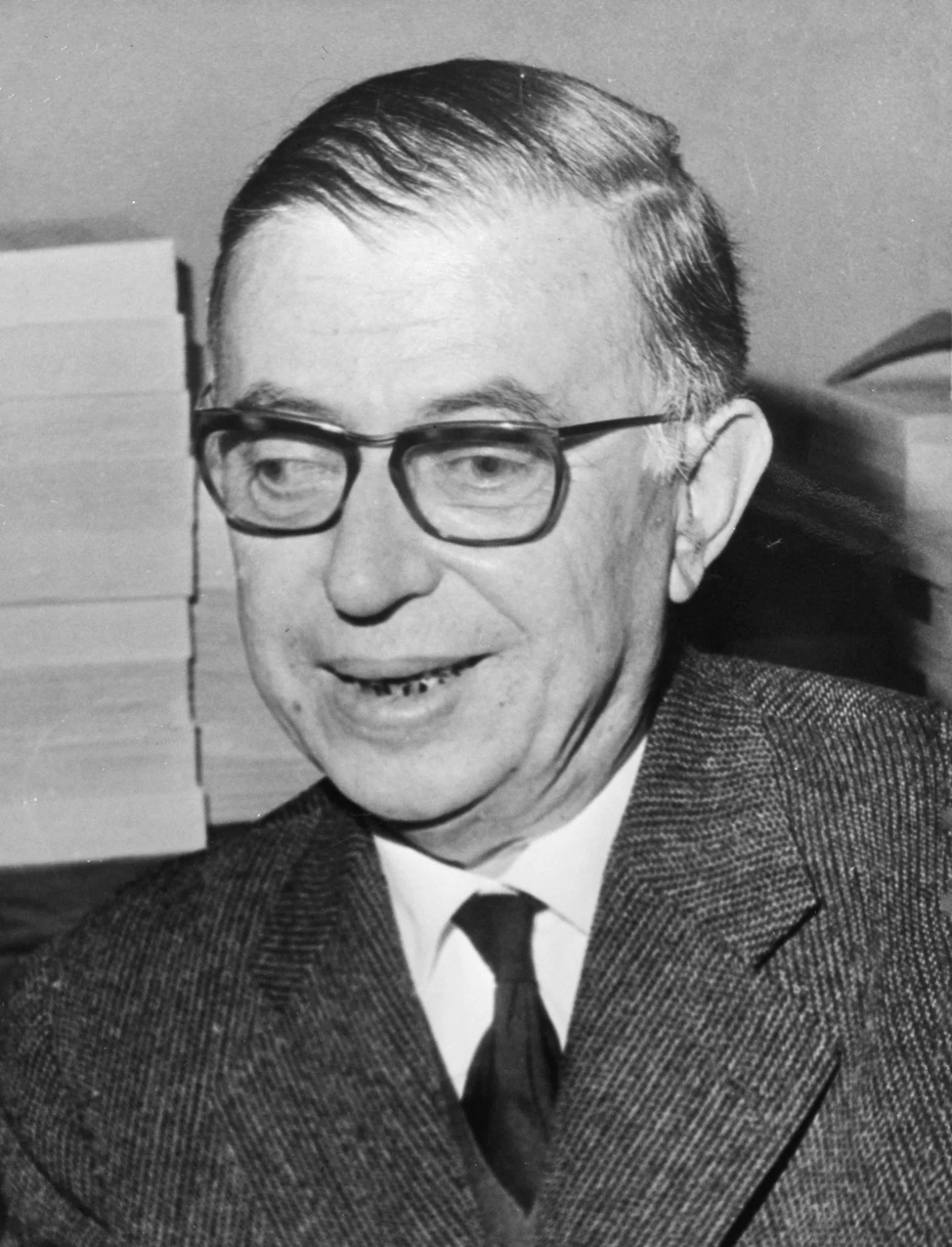
Lesson 7 · 10 cardsWikimedia Commons · Dutch National Archives, ANEFO collection · CC BY-SA 3.0 nl ↗"Existence Precedes Essence"
Sartre compressed existentialism into a slogan: existence precedes essence. A tool like a letter-opener has an essence — a purpose in its maker's mind — before it exists. A human being does not. We first exist, then through our choices define what we are. There is no fixed human nature, no script. We are, he said, "condemned to be free" — and so wholly responsible for who we become.
 Pexels · Male waiter holding a tray with coffee cups in a warm, atmospheric cafe setting. ↗
The Café Waiter
Sartre's most famous portrait of bad faith is the café waiter whose movements are a little too crisp — balancing the tray with exaggerated care, gliding like an actor playing "Waiter." He performs the role so completely that he tries to become it, hiding from himself the truth that he is a free person merely doing a job. The lesson: you are always more than your situation. You can step out of the role; the waiter only pretends he cannot.
 Wikimedia Commons · Sam Beebe/Ecotrust · CC BY-SA 3.0 ↗
One Must Imagine Sisyphus Happy
Camus faced the absurd — our hunger for meaning meeting a silent, indifferent universe. In The Myth of Sisyphus he takes the man condemned to roll a boulder uphill forever, only to watch it roll back, as the image of human life. His answer is not suicide but revolt: living fully and defiantly in the face of meaninglessness. The essay's closing line: "One must imagine Sisyphus happy."
 AI-generated (gpt-image-1.5)
Condemned to Be Free
Sartre held that radical freedom brings 'absolute responsibility': because nothing outside us — not God, nature, or upbringing — decides our choices, every choice is ours alone.
 Pexels · A wooden workbench with various traditional woodworking tools, showcasing artistic craftsmanship and fine woodworking skills. ↗
Meaning Is Use
Twenty years on, Wittgenstein repudiated his own picture theory. In Philosophical Investigations (1953), he argued that words are not labels mirroring reality but tools used in countless ways within forms of life. Meaning is use — to know what a word means is to know how it is used in practice, not what object it names. Language is like chess: "checkmate" means nothing apart from the rules and context of the game.
 Pexels · A peaceful twilight scene featuring a crescent moon and planet Venus over silhouettes of trees in California. ↗
Frege's Morning Star Puzzle
Frege used 'the morning star' and 'the evening star' to show that two phrases can have different senses yet share the same reference — both name the planet Venus.
 AI-generated (gpt-image-1.5)
Russell's Logical Atomism
Russell, co-author of Principia Mathematica, held that reality is built from simple atomic facts, and that a perfectly logical language would mirror that structure exactly.
1 / 10Which idea belongs to the EARLY Wittgenstein (the Tractatus), NOT his later philosophy?
The picture theory of language is from the Tractatus (1921); meaning-as-use, language-games, and family resemblance all come from the later Philosophical Investigations.
Lesson 7 has 67 cards. Keep going in the free app.
Question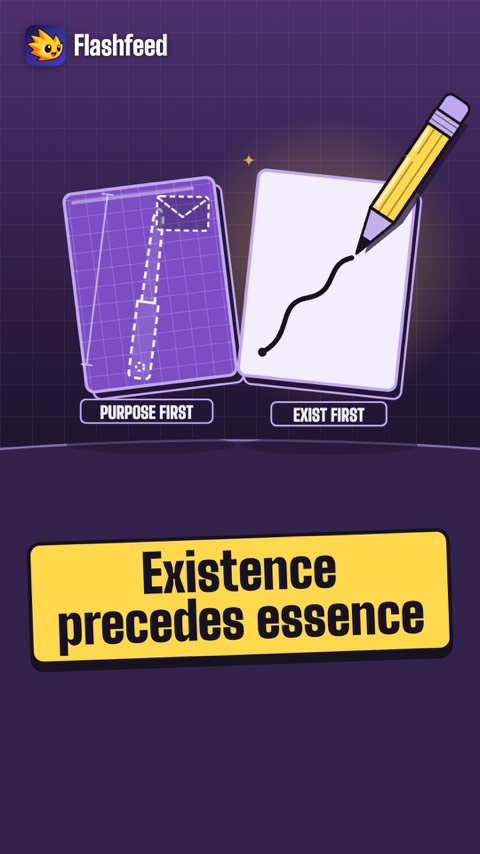
Existence Before Essence 
Family Resemblance 
The Veil of Ignorance All 35 clips on YouTube ↗Transcripts
Existence Before Essence
Sartre summed up existentialism in three words: existence precedes essence.
A letter opener has a purpose before it exists. A person does not. We exist first, and our choices make us.
Pretending you have no choice is bad faith, like a waiter playing the role of waiter.
Camus looked at Sisyphus, rolling his boulder uphill forever, and wrote: One must imagine Sisyphus happy.
Family Resemblance
Try to name one thing that all games have in common. Board games, ball games, card games, solitaire.
Ludwig Wittgenstein argued there isn't one.
Instead, games share family resemblances: overlapping similarities, like the features running through a family.
And meaning is use. To know what a word means is to know how it's used, not what object it names.
The Veil of Ignorance
Imagine designing society's rules without knowing who you'll be. Rich or poor, any race, any sex, any talent.
That's John Rawls's veil of ignorance. It forces impartiality. You can't rig the rules for your own group.
Rawls argued that people behind it would choose equal basic liberties for everyone.
And inequalities would be just only if they benefit the least advantaged.
-
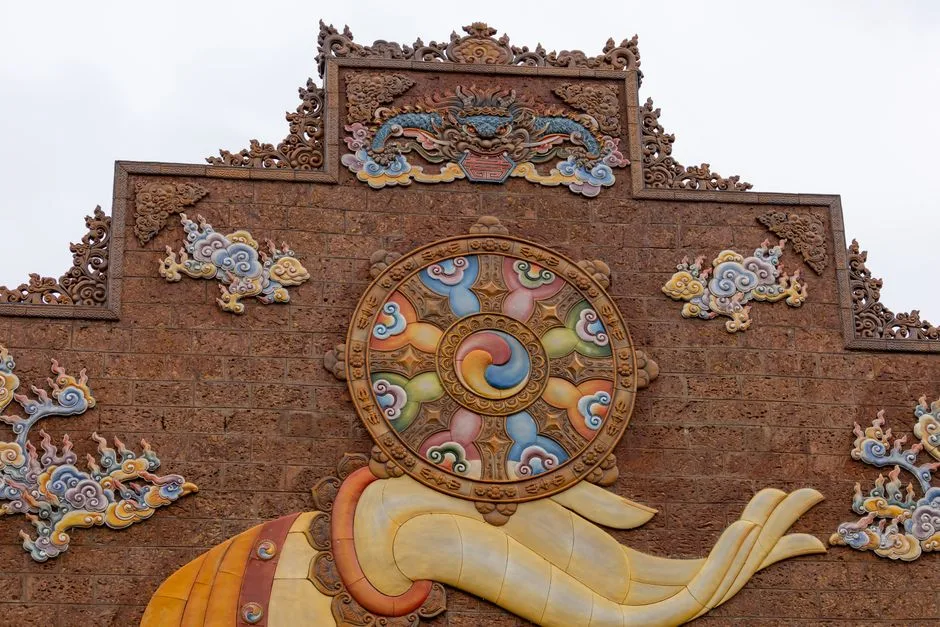 Pexels · Ornate Buddhist Wheel of Dharma on temple wall in Hà Nội, Vietnam ↗08
Eastern Philosophy
Indian Philosophy · Buddhism · Chinese Philosophy · Ubuntu & African Philosophy
Lesson 8 · 10 cardsPexels · Ornate Buddhist Wheel of Dharma on temple wall in Hà Nội, Vietnam ↗The Eightfold Path's Structure
Buddhism's Noble Eightfold Path groups its eight factors under three headings: wisdom (understanding and intention), ethics (speech, action, livelihood), and meditation (effort, mindfulness, concentration).
 Wikimedia Commons · Tropenmuseum · CC BY-SA 3.0 ↗
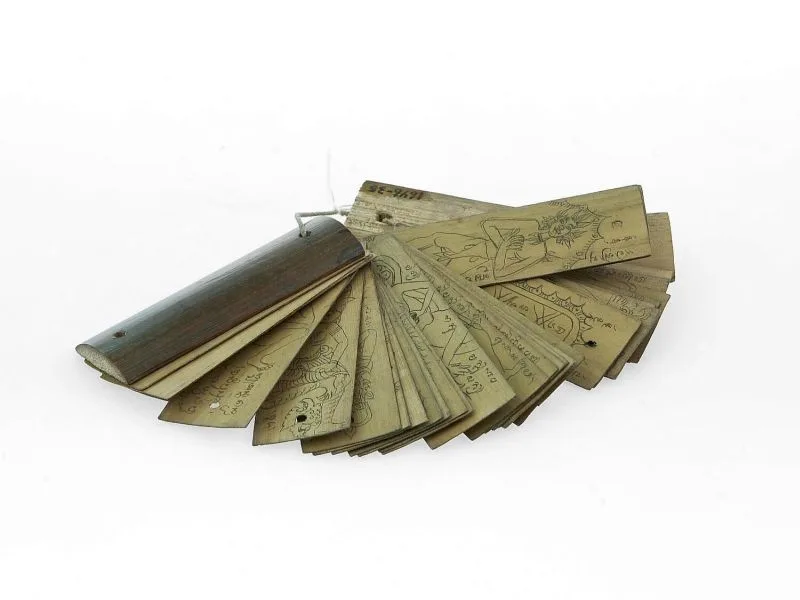
Orthodox and Heterodox
Indian philosophy sorts its schools by a single question: do you accept the authority of the Vedas, the ancient sacred texts? Schools that do are āstika ("orthodox"); schools that reject Vedic authority — most famously Buddhism and Jainism — are nāstika ("heterodox"). The label is not about belief in a god but about which texts count as a foundation for knowledge.
 Pexels · Close-up of a wooden dock with a coiled rope, emphasizing texture and nautical theme. ↗
The Snake and the Rope
Śaṅkara (c. 788–820 CE), the great teacher of Advaita Vedānta ("non-duality"), explained our predicament with a metaphor. Walking in dim light, you see a snake coiled in the path and recoil in fear. Someone brings a lamp — it was only a rope. The snake never existed; you superimposed a familiar shape onto a neutral reality. In the same way, we mistake the one ultimate reality, Brahman, for a world of separate things. Liberation is simply the lamp arriving.
 Pexels · Photograph of a vibrant Hindu ritual ceremony in Kolkata, showcasing traditional offerings and cultural attire. ↗
What the Vedas Command
The orthodox school of Mīmāṃsā specializes in Vedic exegesis, interpreting the Vedas to determine the correct performance of ritual duty, or dharma, rather than what the texts mean about reality.
 Pexels · Majestic stone Buddha statue seated outdoors with a cloudy sky backdrop. ↗
The Middle Way
Siddhartha Gautama (~563–483 BCE), a sheltered prince, was shaken when his first journeys beyond the palace revealed sickness, old age, and death. He left his life of luxury and spent years in extreme asceticism — near starvation — which he also rejected. The answer he found, the Buddha ("awakened one") taught, lay between the extremes. He compared the mind to a lute string: too loose, it makes no sound; too tight, it snaps. The Middle Way is tuning it to just the right tension.
 AI-generated (gpt-image-1.5)
The Root of Suffering
Buddhism's Second Noble Truth holds that craving — taṇhā — is the root of suffering: it teaches that we suffer because we cling, grasp, and ache to become other than we are.
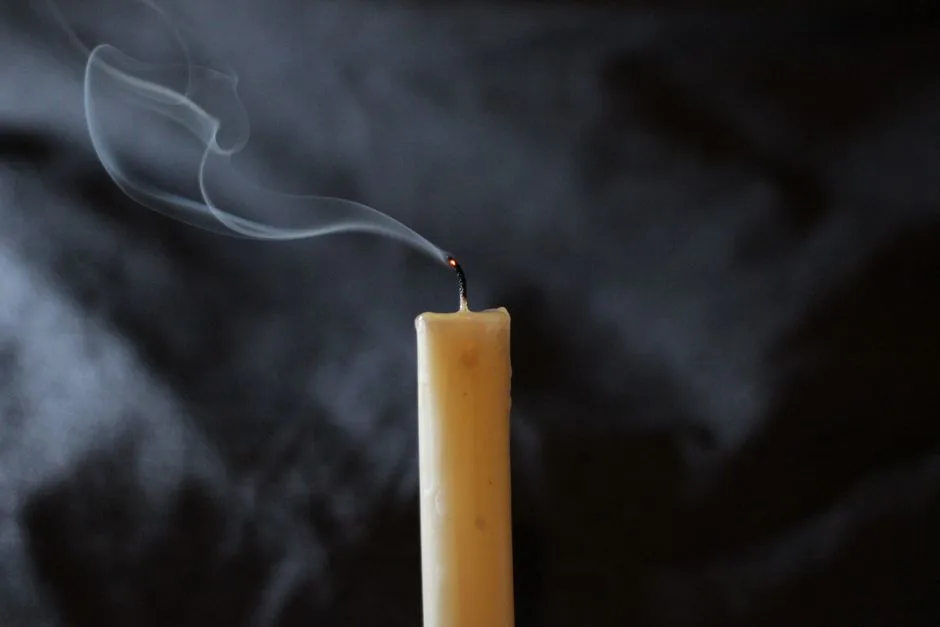 Pexels · A wick's smoke trails from a recently extinguished candle on dark background. ↗
Blowing Out the Flame
The word 'nirvana' literally evokes blowing out or extinguishing a flame — the extinguishing of craving once its fuel is removed. In Buddhist teaching, it is a release, not an annihilation.
1 / 10In Indian philosophy, what does the term Ṣaḍdarśana refer to?
Ṣaḍdarśana means "six viewpoints" — the orthodox schools: Nyāya, Vaiśeṣika, Sāṃkhya, Yoga, Mīmāṃsā, and Vedānta.
Lesson 8 has 91 cards. Keep going in the free app.
Question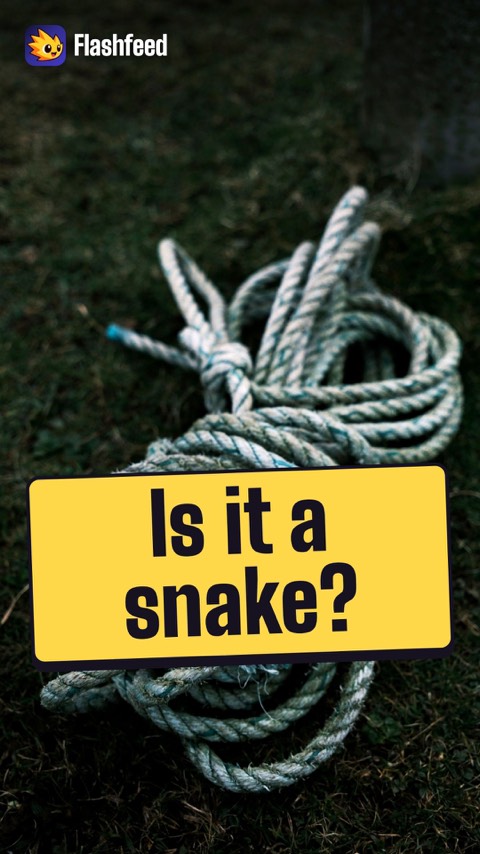
The Snake and the Rope 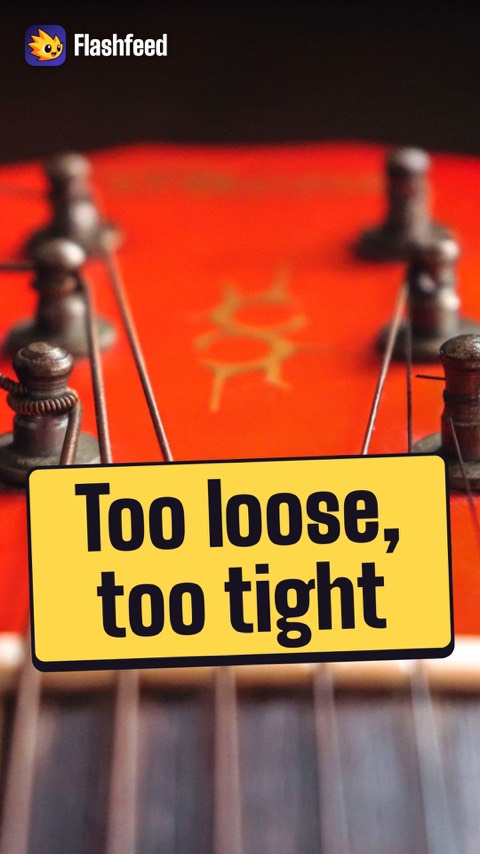
The Lute String 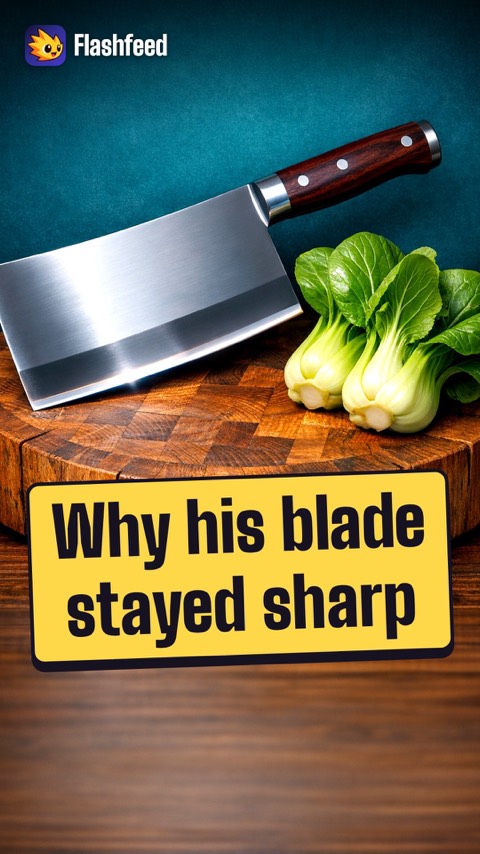
Cook Ding's Cleaver 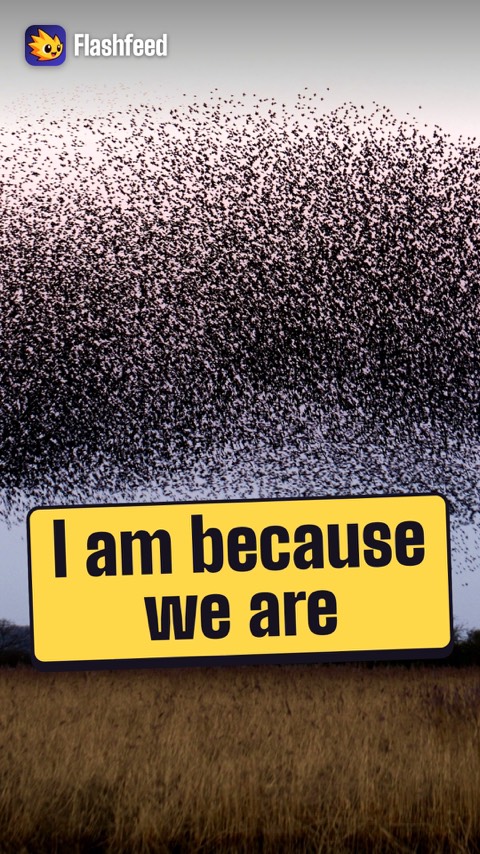
I Am Because We Are All 35 clips on YouTube ↗Transcripts
The Snake and the Rope
In dim light, you see a snake on the path and jump back. A lamp arrives. It's a rope.
The snake never existed. You projected a familiar shape onto a neutral thing.
Shankara, of Advaita Vedānta, used this image. We project a world of separate things onto one reality, Brahman.
Māyā doesn't mean the world is fake. It means we misperceive it.
The Lute String
Siddhartha Gautama tried luxury, then extreme fasting. He rejected both, and became the Buddha: the awakened one.
He likened the mind to a lute string. Too loose, and it makes no sound. Too tight, and it snaps.
The Middle Way tunes it just right.
His first teaching was framed like a diagnosis: suffering, its cause in craving, its end, and a path to treat it.
Cook Ding's Cleaver
Wu wei means non-action. But it doesn't mean idleness. It means acting without forcing. Laozi's model is water: the most yielding thing, yet over time it carves canyons.
Zhuangzi told of Cook Ding, who carved an ox by following its natural joints.
“A good cook changes his chopper once a year, because he cuts. An ordinary cook, once a month, because he hacks.”
Maximum effect, minimum force.
I Am Because We Are
Descartes began with the lone thinker: I think, therefore I am.
Ubuntu starts from the other end. A person is a person through other persons. I am because we are.
On this view, you become fully human through your relationships.
So justice aims to repair broken relationships, not only to punish. That logic informed South Africa's Truth and Reconciliation Commission.
-
 AI-generated (gpt-image-1)09
Famous Thought Experiments
Knowledge & Reality · Mind, Ethics & Society
Lesson 9 · 10 cardsAI-generated (gpt-image-1)Plato's Allegory of the Cave
Prisoners chained since birth face a wall, watching shadows cast by a fire behind them. They mistake the shadows for reality, prizing whoever best predicts them. One escapes, is blinded by sunlight, and slowly sees real things — finally the sun itself. The shadows are sense-perception; the outside world is the realm of Forms, grasped by reason; the sun is the Form of the Good. Returning to free the others, he is mocked as broken — even threatened with death. The allegory is Plato's picture of education and the philosopher's burden.
 Pexels · A historic wooden ship moored in Alicante harbor with a clear blue sky backdrop. ↗
The Ship of Theseus
Recorded by Plutarch, the puzzle asks: a ship's planks are replaced one by one as they rot, until not a single original plank remains. Is it still the same ship? Now suppose you saved every discarded plank and rebuilt the original from them — which ship is the real Theseus? The experiment probes personal identity over time: what makes something the same thing when all its parts have changed — as ours do, cell by cell, across a lifetime?
 Pexels · A man peacefully sleeping in bed with gentle morning light streaming in a cozy bedroom. ↗
Zhuangzi's Butterfly Dream
The Daoist sage Zhuangzi wrote: "Once I dreamt I was a butterfly, fluttering hither and thither. Then I awoke as a man. Now I do not know whether I was a man dreaming I was a butterfly, or am now a butterfly dreaming I am a man." More than a charming image, it is a serious challenge to our confidence in the boundary between dreaming and waking, and to the stability of personal identity. How can we be certain which state is the real one — or that the distinction is as firm as we assume?
 Pexels · A shepherd stands in a sunny field watching over sheep grazing on the golden grass. ↗
The Gettier Sheep Case
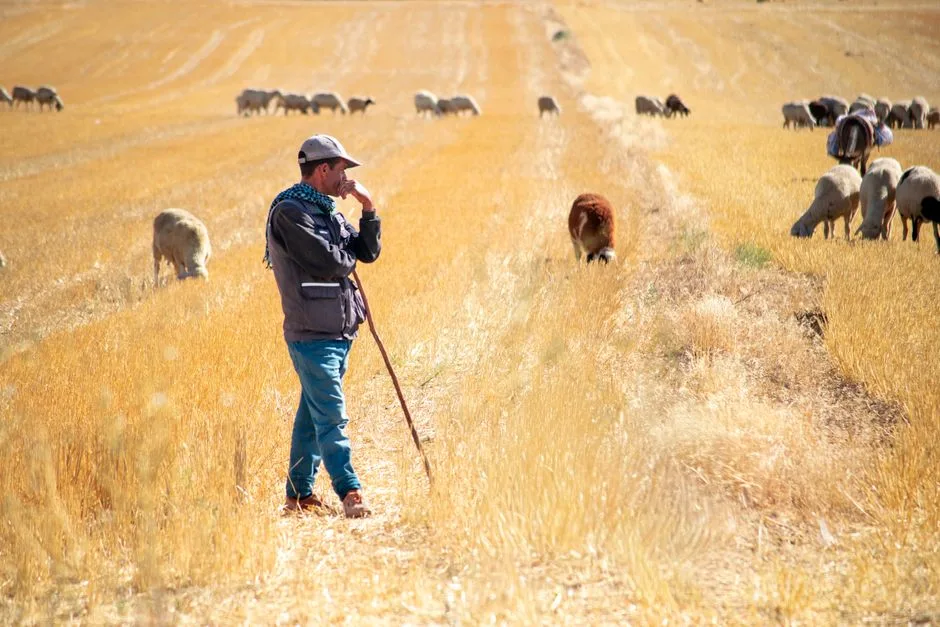
For 2,000 years knowledge was defined as justified true belief. In a famous three-page 1963 paper, Edmund Gettier broke it. A farmer looks into a field, sees what looks exactly like a sheep, and believes "there is a sheep in the field." His belief is justified (he has good evidence) and true (there is a sheep) — but the thing he's looking at is actually a dog; the real sheep is hidden behind a rock. He has a justified true belief, yet surely he doesn't know. Truth here is a lucky accident, not knowledge.
 Pexels · A large pile of sand inside an aged industrial building, showcasing urban decay. ↗
The Sorites (Heap) Paradox
Attributed to Eubulides, the paradox runs: a thousand grains of sand make a heap. Removing one grain surely still leaves a heap. But if that's always true, then by repeating the step you reach a single grain — still a "heap," which is absurd. The puzzle exposes vagueness: words like heap, bald, or tall have no precise boundary. Where exactly does a heap stop being a heap? There seems to be no non-arbitrary answer — a deep problem for logic and language.
 Pexels · Olga Fedina · Pexels License ↗
Searle's Chinese Room
John Searle imagined himself locked in a room with a giant rulebook. Chinese symbols come in under the door; following the rulebook, he sends other symbols out — and to Chinese speakers outside, the answers are perfect. He passes for a fluent speaker. Yet he understands not a word of Chinese; he's just manipulating symbols by their shapes. Searle's point: this is exactly what a computer does. Running a program — shuffling symbols by rules — produces the appearance of understanding without any genuine understanding at all. Syntax is not semantics.
1 / 10What does the Allegory of the Cave primarily illustrate?
The freed prisoner moves from shadows (appearance) to the sunlit world of Forms (reality) — Plato's image of education and the difference between seeming and being.
Lesson 9 has 56 cards. Keep going in the free app.
Question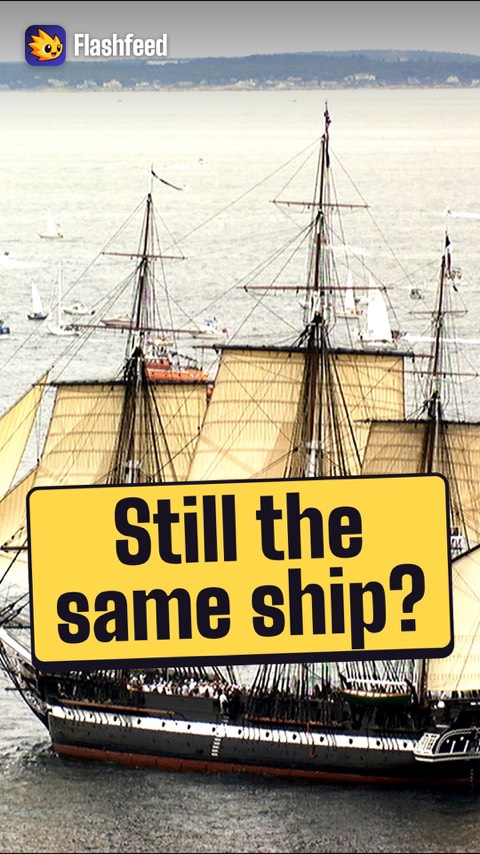
The Ship of Theseus 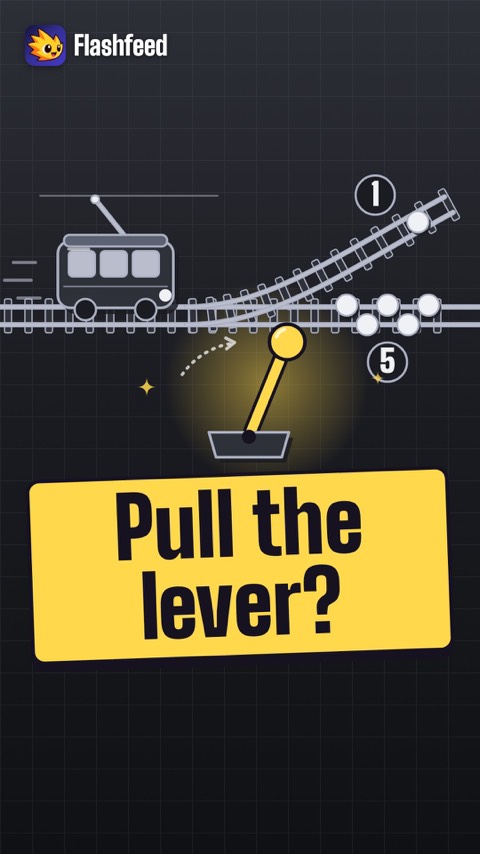
The Trolley Problem All 35 clips on YouTube ↗Transcripts
The Ship of Theseus
Replace a ship's rotting planks one by one, until none of the originals remain.
Is it still the same ship?
Now rebuild a second ship from the old planks you saved. Which one is the real ship of Theseus?
Plutarch recorded the puzzle. It asks what keeps a thing the same over time. Our own bodies change their parts across a lifetime, too.
The Trolley Problem
A runaway trolley will kill 5 people. Pull a lever, and it turns onto a side track and kills 1.
Most people say: pull the lever.
Now the only way to stop it is to push a large man off a bridge into its path. Same numbers, yet almost everyone refuses.
Philippa Foot devised the problem in 1967. It suggests that we care how a death comes about, not only the outcome.
-
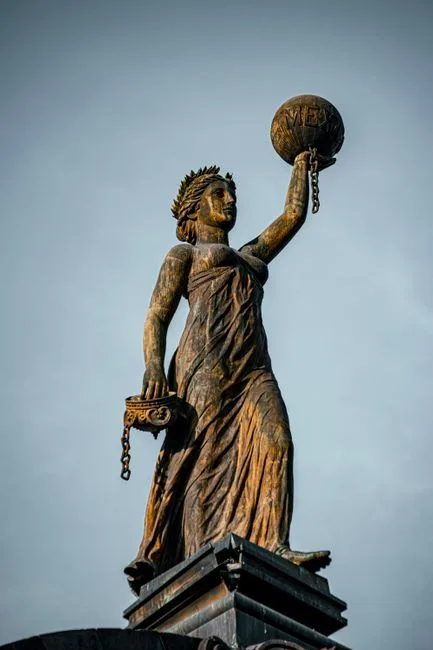 Pexels · Bronze statue depicting justice holding scales and globe in Monterrey, Mexico. ↗10
Philosophy of Mind & Applied Ethics
The Mind-Body Problem · Applied Ethics
Lesson 10 · 10 cardsPexels · Bronze statue depicting justice holding scales and globe in Monterrey, Mexico. ↗What Is Applied Ethics?
It is widely regarded as philosophy's most practically relevant branch today, and its battlegrounds shift as medicine, technology, and the climate change beneath us.
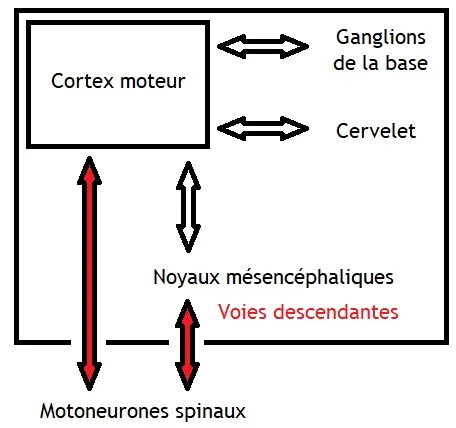 Wikimedia Commons · Mewtow · CC BY-SA 4.0 ↗
The Mind-Body Problem
How does consciousness arise from mere matter? You can describe the brain in complete physical detail — neurons firing, chemicals crossing synaptic gaps — without ever explaining what it is like to taste coffee or feel grief. The gulf between objective brain-stuff and subjective experience is the mind-body problem, often called philosophy's hardest enduring question.
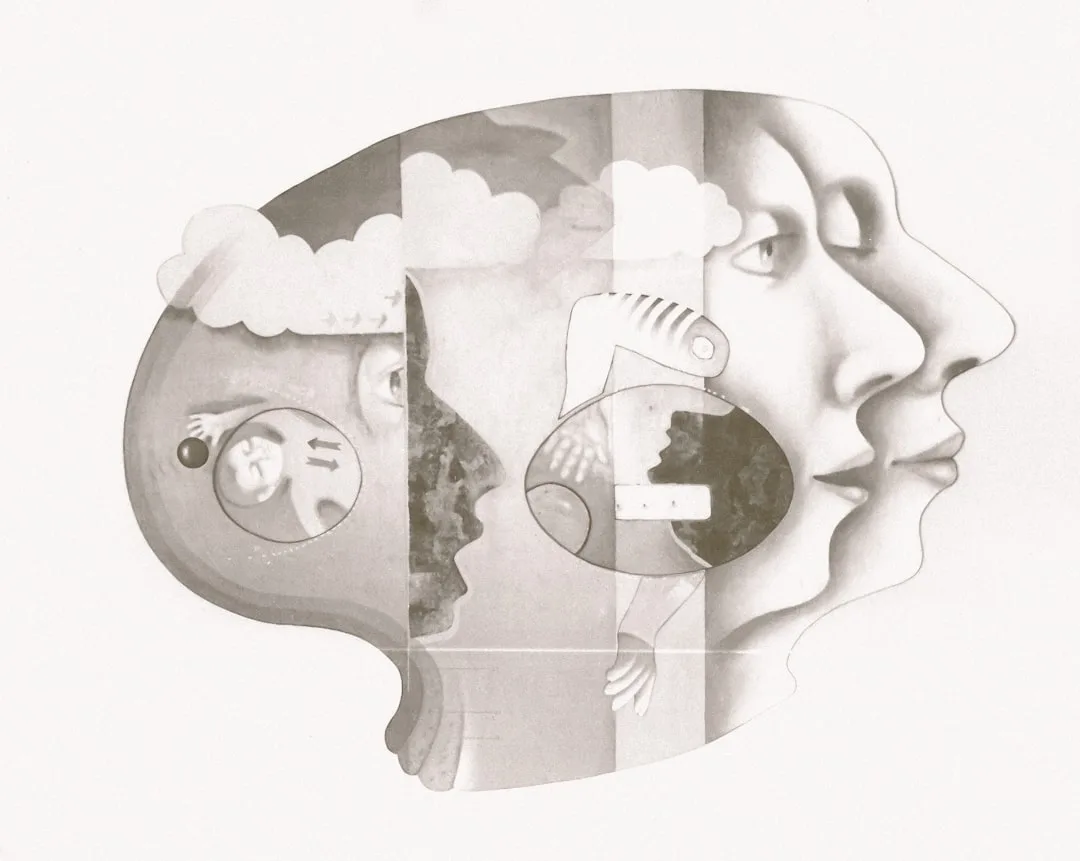 Unsplash · Wiki Sinaloa ↗
The Hard Problem of Consciousness
David Chalmers (b. 1966) drew a line between the easy problems of mind — explaining how the brain processes information, controls behavior, reports its states — and the Hard Problem: why is any of that accompanied by inner experience at all? Why isn't it all happening "in the dark"? This explanatory gap between physical processes and felt experience is what no neuroscience has yet bridged.
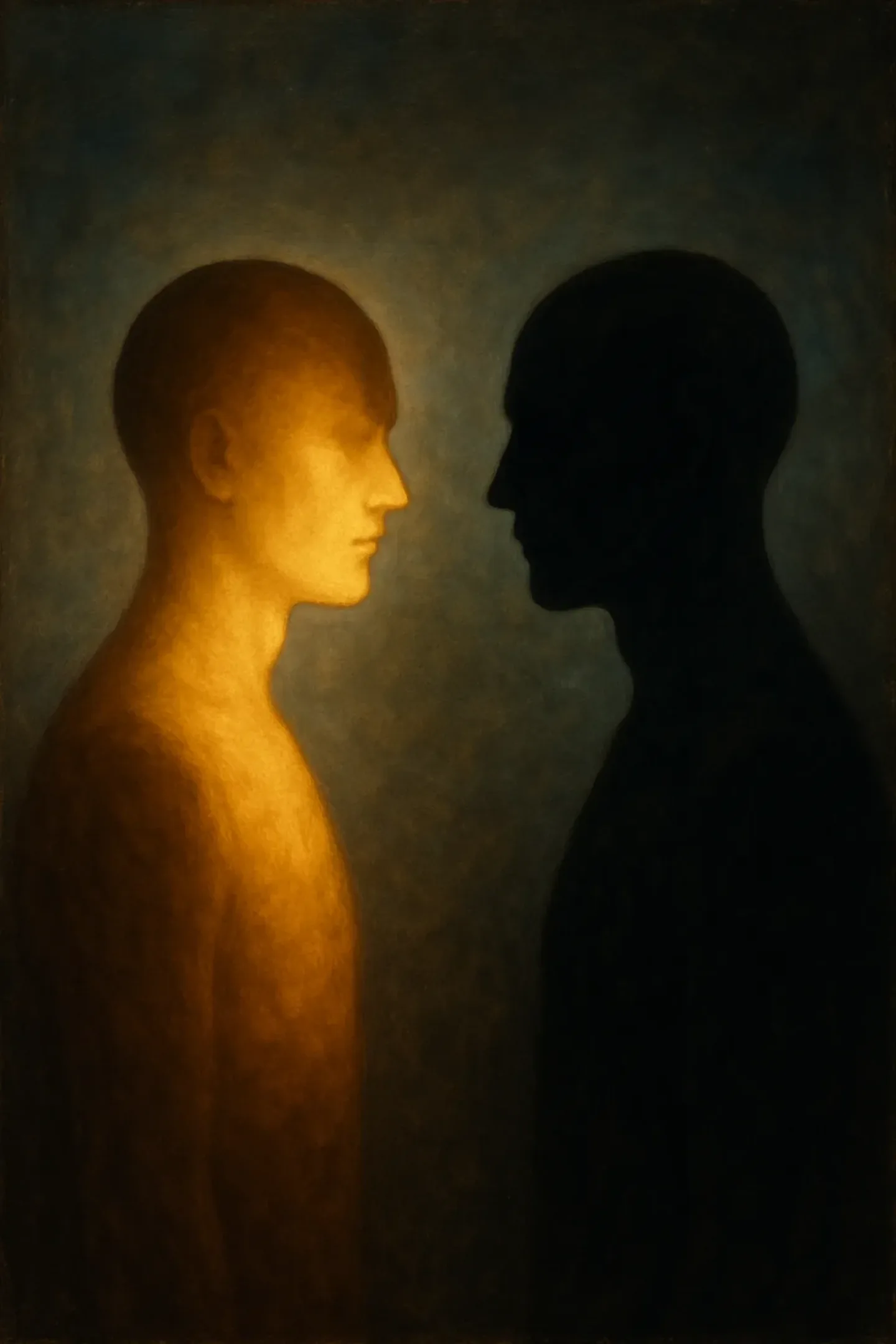 AI-generated (gpt-image-1)
The Philosophical Zombie
Imagine a being physically identical to you — same neurons firing in the same patterns, behaving exactly as you do — but with no inner experience whatsoever. There is "nothing it is like" to be it. Chalmers calls this a philosophical zombie. His argument: if such a zombie is even conceivable, then consciousness cannot be identical to physical processes. Hotly contested, it remains a central challenge to physicalism.
 Pexels · Artistic silhouette of a person encircled by swirling neon light streaks in a dark setting. ↗
The Mind's Aboutness
Intentionality names the mind's 'aboutness' — the way mental states like beliefs and desires always point beyond themselves toward some object in the world.
 Pexels · A sheep rests in a rustic wooden enclosure under warm afternoon sunlight, showcasing farm life. ↗
Peter Singer and Animal Suffering
Environmental ethics asks whether non-human animals, species, and ecosystems have intrinsic moral worth. Peter Singer (b. 1946) gave the sharpest argument for animals: if suffering is what matters morally — not intelligence, language, or species — and animals demonstrably suffer, then their suffering must count in our moral calculations. To ignore it simply because they are not human, he charges, is "speciesism."
 Pexels · Striking statue of Lady Justice holding sword and scales in Dresden, Germany. ↗
Just War Theory
Can a war ever be moral? Just war theory splits the question in two. *Jus ad bellum governs the right to go to war — was the cause just, the authority legitimate, war the last resort? Jus in bello governs conduct within* war — discrimination between combatants and civilians, and proportionality of force. A war can be just to start yet fought unjustly, or the reverse.
 AI-generated (gpt-image-1.5)
Care Ethics: Relationships First
Care ethics grounds morality not in abstract, impartial rules but in relationships, empathy, and attention to the concrete context of a situation.
1 / 10Which of the following is an example of a quale?
The taste of coffee is a raw felt quality — a quale. A belief, a desire, and a fear are all intentional states that are 'about' or 'for' something, illustrating intentionality instead.
Lesson 10 has 67 cards. Keep going in the free app.
Question
The Philosophical Zombie 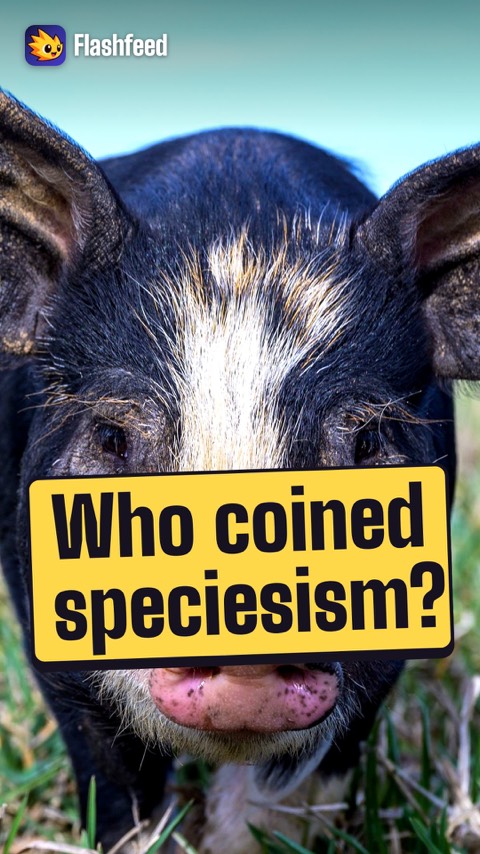
What Counts Is Suffering All 35 clips on YouTube ↗Transcripts
The Philosophical Zombie
Picture a twin, identical to you down to the last neuron. It flinches at pain. It says, “that's beautiful.”
But there is nothing it is like to be it. No inner experience at all. This is the philosophical zombie.
David Chalmers argued that if such a zombie is even conceivable, consciousness is more than the physical facts.
Critics reply that zombies only seem conceivable. The debate is unresolved.
What Counts Is Suffering
Peter Singer argued that what matters morally is suffering. Not intelligence, not language, not species.
Animals plainly suffer. So their suffering must enter our moral calculations.
To discount it only because they aren't human is speciesism. Singer likens it to racism or sexism.
But the word isn't his. The psychologist Richard Ryder coined it. Singer popularized it.
-
11
Key Concepts
Ancient & Medieval Minds · Modern Minds · Eastern & Islamic Minds · Schools of Thought · Thought Experiments · Milestone Events
Lesson 11 · a questionAquinas's famous "Five Ways" in the Summa Theologica are five arguments for what conclusion?
Aquinas's Five Ways argue for God's existence from motion, causation, contingency, degrees of perfection, and design — his effort to reconcile Aristotle's philosophy with Christian faith in the Summa Theologica.
Lesson 11 has 79 cards. Keep going in the free app.
The Five Ways 
History by Contradiction 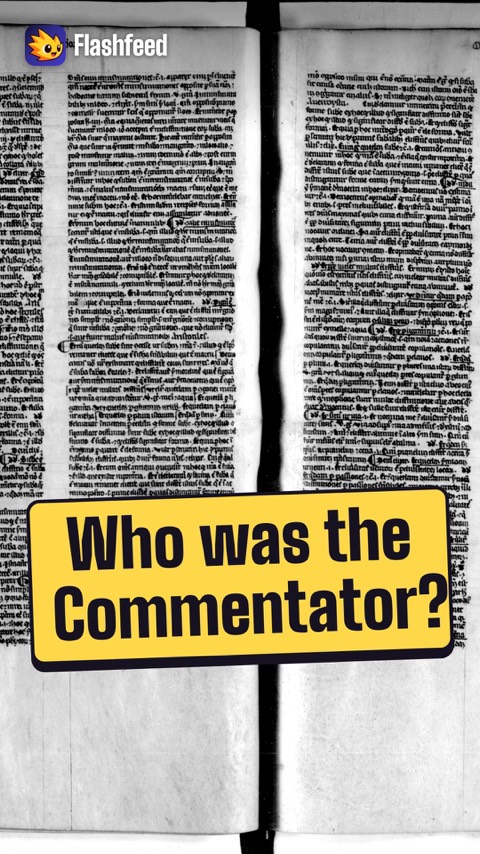
The Commentator 
Only Outcomes Count 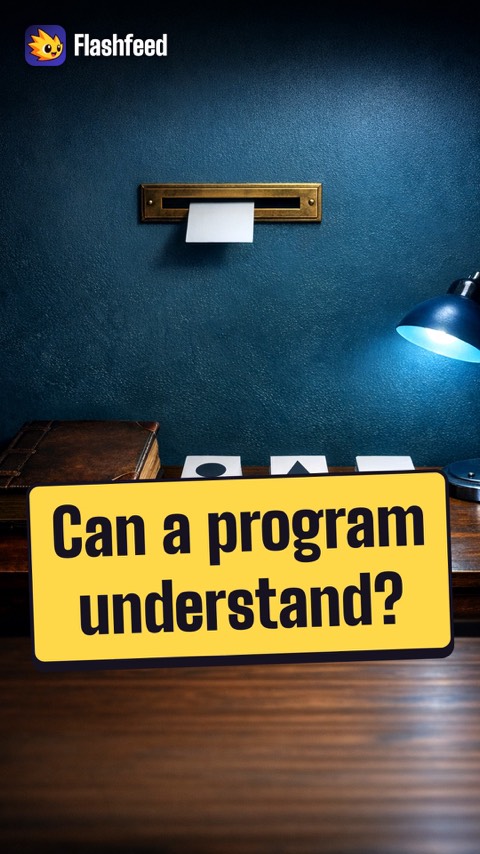
The Chinese Room 
Three Pages All 35 clips on YouTube ↗Transcripts
The Five Ways
Aquinas set out 5 arguments for God. They're known as the Five Ways.
The first starts from motion. The second, from causation. The third, from contingency.
The fourth starts from degrees of perfection. The fifth, from design.
Aquinas lived in the thirteenth century. He reconciled Aristotle with Christian faith. His Summa Theologica became the spine of Catholic philosophy.
History by Contradiction
Reality and history advance through contradiction. That was the big idea of Hegel, the German idealist.
Opposites clash, and the clash moves toward a synthesis. That's the dialectic.
Hegel also told a parable of a master and a slave, locked in a struggle for recognition.
It seeded Marx, Sartre, Fanon, and de Beauvoir. Marx turned the dialectic toward economics and class struggle.
The Commentator
Europe's Scholastics had a title for one philosopher of Islamic Spain: the Commentator.
He was Averroes, also called Ibn Rushd. His commentaries on Aristotle earned him the name.
He defended philosophy against al-Ghazali's attacks. Philosophy and revelation cannot truly contradict, he argued. An apparent conflict calls for interpretation.
Later, his view was distorted into the double truth doctrine.
Only Outcomes Count
Utilitarianism judges an action by one thing: its outcome. The right act maximizes overall well-being.
Its slogan is the greatest happiness for the greatest number. That makes it a consequentialist ethics.
Bentham founded it. Mill refined it. He distinguished higher pleasures from lower ones.
Not rules, not motives. Only outcomes decide what's right.
The Chinese Room
A person who understands no Mandarin sits sealed in a room with a rulebook.
Symbols come in. The person follows the rules and passes symbols back out. The replies are flawless. Outsiders are fooled.
But the person never understands a word.
So Searle argued that running a program is not the same as genuine understanding. That's the Chinese Room, his challenge to artificial intelligence.
Three Pages
Gettier's paper was a mere 3 pages long. It was published in 1963, and it shook epistemology, the study of knowledge.
Knowledge had a classic definition: justified true belief.
With clever counterexamples, Gettier showed that a justified true belief can still fall short of knowledge.
Three pages overturned a definition that had stood since Plato.
-
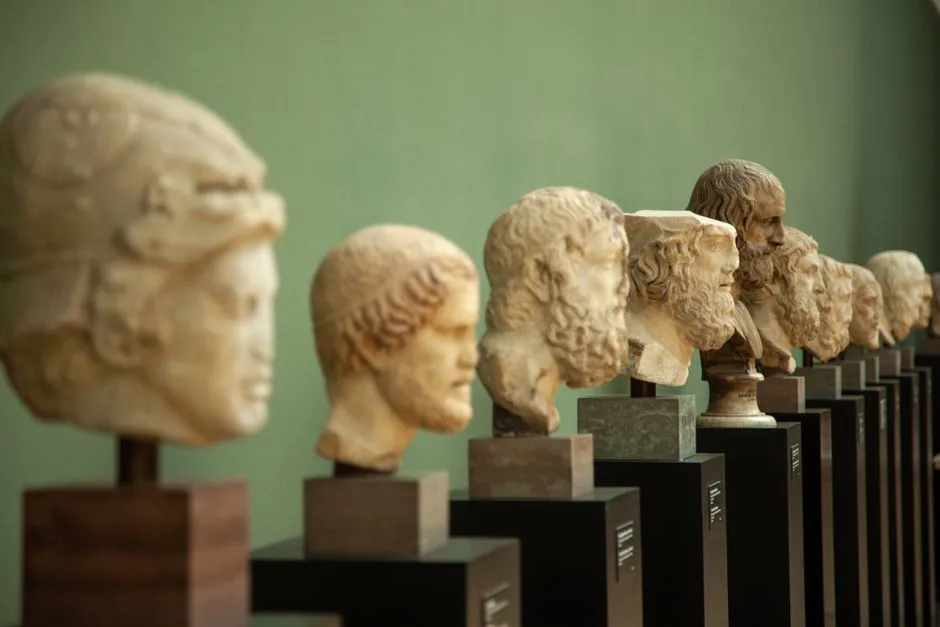 Pexels · Michael Noel · Pexels License ↗12
What Examined Means
The Claim in Context · Three Ways of Seeking Wisdom · The Questions Behind the Shelf
Lesson 12 · 6 cardsPexels · Michael Noel · Pexels License ↗A Claim Made Under Sentence
In Plato's Apology 38a, the examined-life claim arrives after Socrates considers exile and silence. He is not offering a wellness slogan; he is explaining why a life without continued inquiry would betray the work he believes he must do.
 Pexels · Negative Space · Pexels License ↗
Philosophy Builds Arguments
Philosophy asks what follows from a claim, what reasons support it, and whether objections survive. It can examine religious ideas, secular worldviews, and ordinary choices; it is a method of inquiry, not simply a catalog of famous opinions.
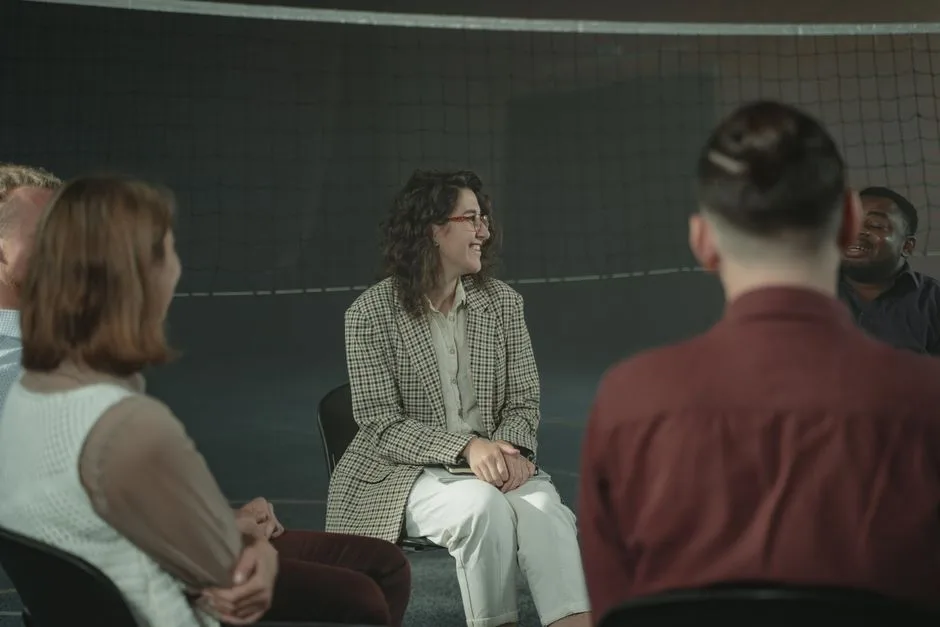 Pexels · A diverse group of adults engaged in a lively discussion indoors, sitting in a circle. ↗
Religion Is More Than Belief
Religious traditions commonly join teachings to communal practices, moral disciplines, ritual, and some account of an ultimate or sacred reality. Because traditions differ greatly, no single checklist perfectly separates religion from philosophy.
 Pexels · James Wheeler · Pexels License ↗
A Small Set of Large Questions
Across these traditions, the vocabulary changes but the questions recur: What is a good life? What causes suffering? What deserves loyalty? How free are our choices? What can we control? A guide pack helps you recognize those questions before entering a tradition's full answer.
 Pexels · From above of bound spiral notebook with blank paper sheets and pencil placed on dirty wooden table ↗
Start With the Question
A doctrine is easier to understand when you know the problem it addresses. Non-attachment responds to a diagnosis of craving; virtue ethics responds to the problem of character; a control practice responds to wasted effort on outcomes.
1 / 6What made the famous claim costly?
Socrates connects the claim to his refusal to stop questioning, even when silence might spare him. He neither takes the exile the bargain offers nor defies the verdict, and no pardon is on the table; the cost comes from refusing to be silent.
Lesson 12 has 19 cards. Keep going in the free app.
Question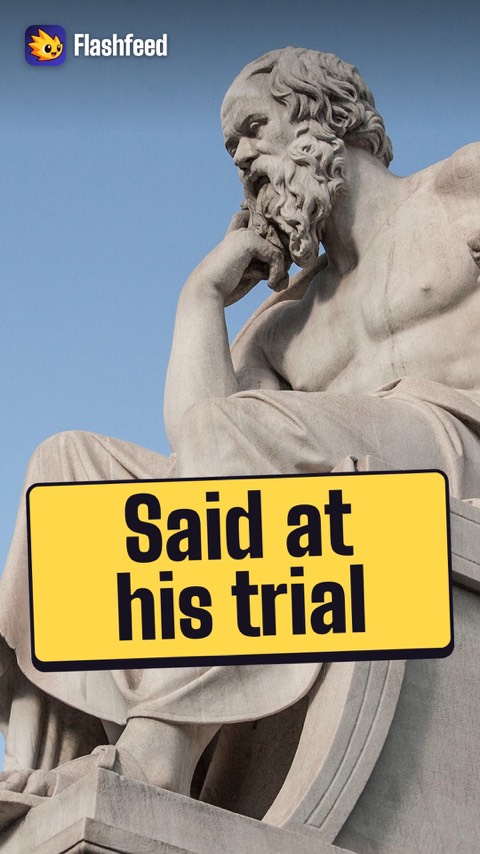
Said in Court 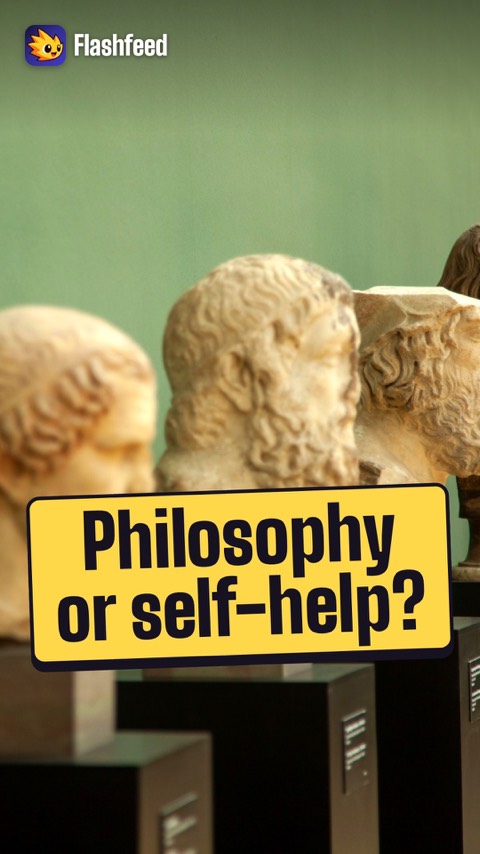
Not Watertight Boxes All 35 clips on YouTube ↗Transcripts
Said in Court
The unexamined life is not worth living. In Plato's Apology, Socrates says it in a courtroom, after Athens has convicted him.
He imagines a bargain: leave the city, or stay silent and stop questioning people.
His answer is no. Silence would violate the work he has committed himself to.
So examination is not a mood. It is a public, reasoned practice: ask what terms mean, test the reasons, and revise.
Not Watertight Boxes
Philosophy, religion, and self-help all seek wisdom. The labels are useful, but not watertight.
Philosophy develops and criticizes arguments. Its mark: reasons that can be questioned.
Religion often unites teachings, community, ritual, and something sacred. Not all religions center a creator God.
Self-help starts closer to behavior. Its strength is action. Its risk: a memorable rule can outrun its evidence.
-
 Pexels · Eroded stones stacked in a balanced cairn outdoors in natural sunlight. ↗13
Vocabulary Across Traditions
Virtue and Flourishing · Suffering Attachment and Meaning · Freedom Causes and Responsibility
Lesson 13 · 3 cardsPexels · Eroded stones stacked in a balanced cairn outdoors in natural sunlight. ↗Flourishing Is Not a Mood
Eudaimonia is often translated as happiness or flourishing, but in Aristotle it names living well as a whole. It is evaluated across a life and connected to activity in accordance with virtue, not reduced to a passing feeling of pleasure.
1 / 3Which description is closest to the ancient idea?
Eudaimonia evaluates how a life goes as a whole, not a mood, however steady. Honor, wealth, and health may matter, but none of them by itself settles whether someone is living well.
Lesson 13 has 19 cards. Keep going in the free app.
Question
A Whole Life 
Wider Than Pain 
Three Positions All 35 clips on YouTube ↗Transcripts
A Whole Life
Aristotle's word eudaimonia is often translated as happiness, well-being, or flourishing. None is perfect.
Happiness can sound like a mood. Eudaimonia judges how a whole life goes.
Wealth, pleasure, honor, and health may matter. But on their own, they don't settle whether someone is living well.
Virtue grows through habituation: repeated action, guided by judgment. But you can rehearse a vice too.
Wider Than Pain
Dukkha is often translated as suffering. But its range is wider than pain.
It also covers dissatisfaction, and the instability of conditioned experience. It sits inside the Four Noble Truths.
Attachment is just as slippery. It can mean affection, a pattern in psychology, or clinging.
So the advice to let go of attachment is unclear until you say what to release. And non-attachment isn't automatically numbness.
Three Positions
Free will or determinism? Start with a map of 3 positions.
Libertarianism here is not the political kind. It says free will exists, and that it can't coexist with determinism.
Hard determinism agrees that the two are incompatible. But it accepts determinism, so it denies free will.
Compatibilism rejects the clash: freedom can coexist with causal determination. And inside each camp, philosophers still disagree.
-
 Pexels · Aerial shot showcasing intersecting pathways through an autumn landscape with bare trees and grassy fields. ↗14
Where Traditions Disagree
Rules Outcomes or Character · Three Positions on Free Will · Meaning Found Made or Neither · Reason Faith and Revelation
Lesson 14 · 6 cardsPexels · Aerial shot showcasing intersecting pathways through an autumn landscape with bare trees and grassy fields. ↗Three Lenses, Not Three Buttons
Consequentialism centers outcomes, deontology centers duties or constraints, and virtue ethics centers character and practical wisdom. Serious versions of each can discuss all three; the distinction concerns which idea does the deepest explanatory work.
 Wikimedia Commons · Eric Kilby from USA · CC BY-SA 2.0 ↗
Why the Debate Matters
Free-will theories matter because praise, blame, punishment, remorse, and reform all assume something about agency. Yet free will and moral responsibility are related questions, not synonyms; a theory must explain rather than merely assert their connection.
 Pexels · Open wooden gate leading to a tranquil garden pathway, inviting exploration. ↗
Freedom Without Causal Isolation
Many compatibilists locate freedom in acting from one's own reasons, values, or reasons-responsive capacities without coercion. Their claim is not that causes disappear; it is that the right kind of caused action can still belong to the agent.
 Pexels · Silhouette under the Milky Way in Monument Valley, Utah. Stunning nightscape photography capturing stars. ↗
Meaning Can Be Given or Natural
Some theories ground meaning in God, a soul, or another spiritual reality. Naturalist theories hold that the physical world can contain enough value for meaningful lives. Accepting either theory about meaning is distinct from proving whether its proposed source exists.
 Pexels · An aerial view of a river estuary meeting the ocean with a visible breakwater structure. ↗
Found Versus Made Is Not the Whole Map
The familiar choice between discovering a given purpose and creating one's own values is useful but incomplete. Some traditions frame the task as awakening, right relation, liberation, or alignment—categories that do not fit neatly into either box.
 Pexels · Gorgeous library interior featuring a stunning glass ceiling and classic architecture. ↗
Faith and Reason Are Not Simple Opposites
Religious epistemology asks whether faith, testimony, revelation, experience, and argument can justify belief. Augustine and Aquinas are major examples of thinkers who joined rational inquiry to faith rather than treating the two as sealed-off enemies.
1 / 6Which lens first asks what result an act produces?
Consequentialist theories make the value of outcomes central to assessing conduct. Deontology starts from duties and rights, virtue ethics from character and practical wisdom, and care ethics from relationships and attention to context.
Lesson 14 has 24 cards. Keep going in the free app.
Question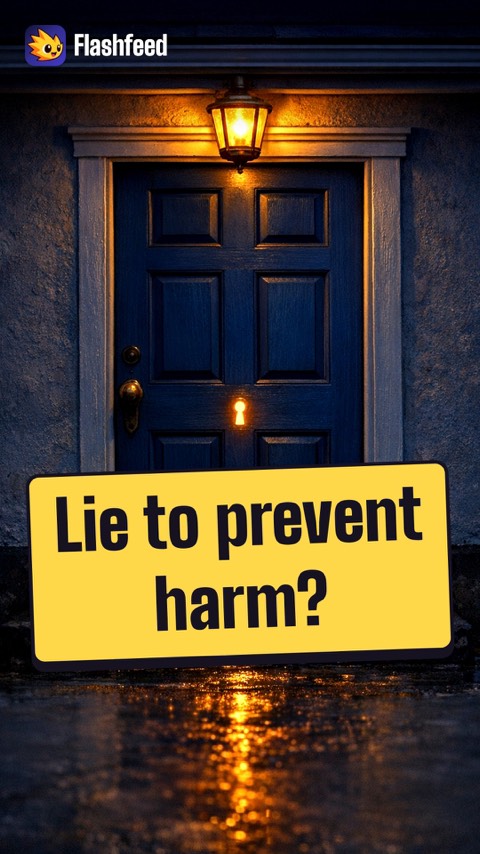
Three Lenses 
A Caused Choice 
Found or Made 
Faith Seeking Understanding All 35 clips on YouTube ↗Transcripts
Three Lenses
Should you lie to prevent serious harm? 3 ethical lenses answer differently.
A consequentialist asks which action produces the better result.
A deontologist asks whether lying violates a duty, or fails to respect a person, even when the result looks good.
A virtue ethicist asks what honesty, compassion, courage, and practical wisdom require in this relationship.
A Caused Choice
Can a caused choice still be free? Compatibilists say yes. It depends on the kind of cause.
Your action can flow from your own reasons and values, without coercion. Your reasons and values can still have causes.
Libertarians want more. At some point, the agent must not be fully determined by conditions beyond their control.
Hard determinists doubt ultimate desert. Then punishment may rest on protection or rehabilitation instead.
Found or Made
Is the meaning of life found, or made?
Supernaturalist theories place meaning partly or wholly in God, a soul, or another spiritual reality.
Some naturalist and existential views say the natural world is enough: projects, relationships, creativity, chosen values.
But the split is too neat. A naturalist can find meaning in objective goods. And some traditions frame the task as awakening or liberation.
Faith Seeking Understanding
Reason versus faith sounds like a permanent war. Augustine is a counterexample.
He rejected confidence in unaided reason. He also rejected a refusal to think.
For him, faith and reason were inseparable, in a project later called faith seeking understanding.
The conflict is still real. Evidentialists may insist on publicly assessable support. Fideists may deny that faith rests on argument in the ordinary way.
-
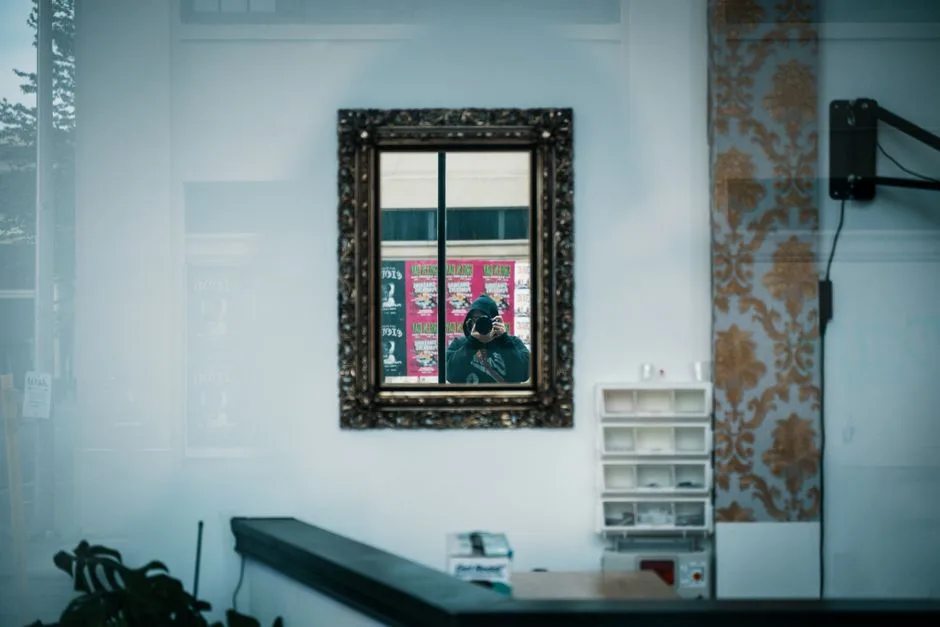 Pexels · A person takes a photo of their reflection in a vintage mirror indoors. ↗15
Recurring Ideas and Practices
Self-Knowledge Without Simplification · Practice Changes the Practitioner · Control Influence and Acceptance
Lesson 15 · 6 cardsPexels · A person takes a photo of their reflection in a vintage mirror indoors. ↗A Family Resemblance, Not One Method
Socratic questioning, Buddhist observation, Christian examination of conscience, Stoic review, and modern reflective exercises all direct attention toward the person living the life. Their aims and accounts of the self still differ sharply.
 Pexels · A serene, foggy forest scene with a winding path and moss-covered trees. ↗
Knowing That You May Be Wrong
One thread in Socratic examination is epistemic humility: confidence is not knowledge, and expertise in one domain does not grant wisdom in every other. Examination makes room for correction before it makes room for certainty.
 Pexels · Close-up of hands sculpting clay on a pottery wheel, showcasing craftsmanship. ↗
Character Is Rehearsed
For Aristotle, ethical virtue develops through habituation supported by practical wisdom. Repeated action matters because it shapes perception, emotion, and judgment—not because repetition turns a maxim into magic.
 Pexels · Cara Denison · Pexels License ↗
Insight Is a Beginning
A moving idea can change attention for an afternoon. A practice tests whether it can survive boredom, inconvenience, and conflict. Traditions differ on the goal, but many distrust wisdom that never changes conduct.
 Pexels · An archer prepares for target practice in an open field under a clear sky. ↗
Control Begins With a Boundary
Epictetus opens the Enchiridion by separating what is up to us from what is not. The boundary is demanding: our judgments and choices are central, while bodies, property, reputation, and office are not fully ours to command.
1 / 6How does Socratic examination proceed?
Socrates questions citizens about justice and virtue, examining beliefs in dialogue; observing experience belongs to Buddhist practice, reviewing judgments to the Stoics, and noticing habits to modern applied-wisdom books.
Lesson 15 has 18 cards. Keep going in the free app.
Question
Sincere and Wrong 
Two Seconds 
Control, Influence, Accept All 35 clips on YouTube ↗Transcripts
Sincere and Wrong
Feeling certain doesn't make you right. Certainty is evidence about confidence, not automatically about truth.
People can be sincere and wrong. And expertise can be narrow.
That is Socratic epistemic humility. Examination includes counterexamples, other perspectives, and a willingness to say: “I do not yet know.”
The point is not to stare at the self forever. It is to act with fewer hidden assumptions.
Two Seconds
Try a small experiment. During a disagreement, wait 2 seconds before you respond.
Many traditions distrust insight without practice. Aristotle's virtues grow through habituation.
But a practice is not a guarantee. Repetition can reinforce vice, avoidance, or prejudice.
So review the result. Did it serve the value, patient listening? A streak alone doesn't make a practice good.
Control, Influence, Accept
Epictetus opens the Enchiridion with a boundary: some things are up to us, and others are not.
That is sharper than the slogan, “control what you can.”
Add a middle category: influence. Control is direct command. Influence changes the odds, without owning the result. Acceptance sees the boundary accurately.
In a job interview, you control your preparation. You influence the impression you make. The final decision is not yours.


What you'll be able to do 59 objectives, from the pack's lessons
- Match each of the five classical branches to the core question it asks
- Recognize each branch by its definition and set philosophy apart from its neighbors
- Contrast rationalism/empiricism, a priori/a posteriori, and analytic/synthetic knowledge
- Distinguish the great metaphysical divides and identify the framework that judges an action by its consequences.
- Apply the tools of valid argument: validity, soundness, inference, and fallacies
- Match each Pre-Socratic thinker to the first principle (arche) they proposed.
- Contrast Democritus's atomism with the Sophists' relativism about truth.
- Explain the Socratic method (elenchus, aporia) and why virtue is a kind of knowledge.
- Explain Plato's Theory of Forms and the Allegory of the Cave.
- Apply Aristotle's ethics of flourishing: eudaimonia, the golden mean, and phronesis.
- Apply the Stoic Dichotomy of Control and identify Epictetus and Marcus Aurelius
- Explain Stoic ideals: virtue as the only good, living by nature, premeditatio malorum
- Explain Epicurean pleasure as ataraxia and aponia reached through simple living
- Explain how Pyrrho's Skepticism uses epoché to suspend judgment and reach ataraxia
- Compare the Stoic, Epicurean, and Skeptic routes to the shared goal of tranquility
- Explain Aquinas's Five Ways as cosmological arguments reasoning from the world to God
- Identify the major Latin Scholastic thinkers and their signature contributions
- Define falsafa, the Greek-rooted rational-philosophy tradition of the medieval Islamic world.
- Explain Avicenna's Floating Man and his essence-versus-existence distinction
- Recognize Averroes as 'the Commentator' and his debate with al-Ghazali
- Explain rationalist metaphysics: Descartes' dualism, Spinoza and Leibniz
- Trace empiricism: Locke's blank slate, Berkeley's idealism, Hume on causation
- Explain Kant's a priori epistemology and his Categorical Imperative in ethics
- Identify Hobbes and Rousseau and explain Rousseau's general will
- Recall the publication years of Leviathan, Locke's Essay, and Kant's Critique
- Explain Hegel's dialectic and contrast his Spirit (Geist) with Schopenhauer's Will
- Explain Nietzsche's 'God is dead' as a crisis of values and his will to power
- Distinguish Nietzsche's Übermensch from the test of eternal recurrence
- Explain Marx's alienation and historical materialism and their Hegelian roots
- Compare Mill's utilitarian liberalism with Kierkegaard's existential faith
- Explain existentialism's core ideas: radical freedom, bad faith, and the absurd
- Explain Wittgenstein's later turn: meaning as use, language-games, family resemblance
- Distinguish analytic philosophy's founders: Frege, Russell, and verificationism
- Explain phenomenology: Husserl's epoche, intentionality, and its founding works
- Explain Foucault's power/knowledge, Derrida's deconstruction, and Rawls's justice
- Identify the six orthodox (Ṣaḍdarśana) schools and match Nyāya, Sāṃkhya, and Mīmāṃsā to their domains
- Explain Advaita's non-duality — māyā and 'Tat tvam asi' — and contrast it with Dvaita
- Reconstruct the Four Noble Truths and Buddhism's structural analysis of the path and the self
- Distinguish Confucian virtue (rén, junzi) from the Daoist ideal of wu wei
- Explain Ubuntu's relational personhood and contrast it with Descartes' cogito
- Explain how the Cave, Evil Demon, and Gettier cases test the limits of knowledge
- Explain how the Floating Man and Chinese Room probe what it takes to have a mind
- Explain how the Ship of Theseus and Sorites probe identity over time and vagueness
- Compare the Trolley, Veil of Ignorance, and Invisible Hand in ethics and society
- Explain how Schrodinger's Cat dramatizes the observer's role in fixing reality
- Define qualia and intentionality as the two defining features of mind
- Distinguish substance dualism, physicalism, property dualism, and panpsychism
- Explain functionalism as role-defined mind and the basis for AI
- Define bioethics and care ethics and tell the two approaches apart
- Compare applied-ethics domains: environmental, AI, global justice, just war
- Identify the founding ancient and medieval Western thinkers by their signature ideas
- Identify the modern and contemporary Western philosophers by their signature move
- Identify the major Eastern and Islamic thinkers and their core ideas
- Distinguish the major schools of thought by their central claims
- Match famous thought experiments and milestone events to the ideas they dramatize
- Distinguish Socratic examination from reflection slogans and identify the questions that organize the collection
- Use core cross-tradition terms accurately while preserving differences in meaning and philosophical position
- Compare competing accounts of morality, freedom, meaning, and religious warrant without flattening the disagreement
- Apply examination, habituation, and the control boundary while noting how their aims differ across traditions
Study guide.
The same study guide as in the app, one page for each lesson, with its key facts and a self-test.
- 01What Is Philosophy?
- 02Ancient Greece
- 03Hellenistic & Roman Philosophy
- 04Medieval & Islamic Philosophy
- 05Early Modern Philosophy
- 06The 19th Century
- 07The 20th Century
- 08Eastern Philosophy
- 09Famous Thought Experiments
- 10Philosophy of Mind & Applied Ethics
- 11Key Concepts
- 12What Examined Means
- 13Vocabulary Across Traditions
- 14Where Traditions Disagree
- 15Recurring Ideas and Practices
Built from 14 sources.
75 of its 869 cards cite a source. These are the eight it cites most.
Hover over a photo, or tap its i, to see where it came from. All 16:
- Lesson 1: Pexels · A scientist in a lab coat using a microscope for research in a laboratory setting. ↗
- Lesson 2: Pexels · Peaceful river with smooth stones and clear flowing water, perfect nature escape. ↗
- Lesson 3: Daniel Martin · CC BY-SA 4.0 ↗
- Lesson 3: Wikimedia Commons · Yair-haklai ↗
- Lesson 4: AI-generated (gpt-image-1.5)
- Lesson 4: Wikimedia Commons · Joanbanjo · CC BY-SA 3.0 ↗
- Lesson 5: Pexels · A shadowy figure stands in a dimly lit alley, creating an aura of mystery and suspense. ↗
- Lesson 6: Pexels · Gothic cathedral interior with sunrays illuminating the altar and arches, creating a peaceful ambiance. ↗
- Lesson 7: Wikimedia Commons · Dutch National Archives, ANEFO collection · CC BY-SA 3.0 nl ↗
- Lesson 8: Pexels · Ornate Buddhist Wheel of Dharma on temple wall in Hà Nội, Vietnam ↗
- Lesson 9: AI-generated (gpt-image-1)
- Lesson 10: Pexels · Bronze statue depicting justice holding scales and globe in Monterrey, Mexico. ↗
- Lesson 12: Pexels · Michael Noel · Pexels License ↗
- Lesson 13: Pexels · Eroded stones stacked in a balanced cairn outdoors in natural sunlight. ↗
- Lesson 14: Pexels · Aerial shot showcasing intersecting pathways through an autumn landscape with bare trees and grassy fields. ↗
- Lesson 15: Pexels · A person takes a photo of their reflection in a vintage mirror indoors. ↗
- Cards
- 866
- Lessons
- 15
- Version
- 1.0.37
- Language
- English
The whole pack is one file. Read the pack file ↗
FlashFeed is on the App Store and Google Play.
FlashFeed is free on iPhone and Android, and needs no account.