
Philosophy: The Big Questions study guide · Lesson 6 of 15
The 19th Century
German Idealism · Nietzsche · Revolution, Utility & Faith
This is the lesson's study guide from the FlashFeed app, plus its key facts and a self-test.
What you'll be able to do
- Explain Hegel's dialectic and contrast his Spirit (Geist) with Schopenhauer's Will
- Explain Nietzsche's 'God is dead' as a crisis of values and his will to power
- Distinguish Nietzsche's Übermensch from the test of eternal recurrence
- Explain Marx's alienation and historical materialism and their Hegelian roots
- Compare Mill's utilitarian liberalism with Kierkegaard's existential faith
The 19th century opened with a burst of grand, system-building ambition. German Idealism tried to grasp the whole of reality as a single rational process, and no one pushed this further than Hegel. His younger contemporary Schopenhauer answered with a vision just as total but far darker. Between them they set the terms — dialectic, recognition, the blind Will — that Marx, Nietzsche, and the existentialists would all inherit.
Hegel: Reality Unfolds Through Contradiction
G.W.F. Hegel (1770–1831) rejected the idea that reality is a fixed set of facts. For him reality is a process that unfolds through contradiction. Every idea — a thesis — contains tensions that generate its opposite, the antithesis. The clash between them is not a dead end but is resolved in a richer synthesis that preserves what was true in both. That synthesis then becomes a new thesis, and the motion continues. History, for Hegel, is this dialectic playing out on a cosmic scale, a long advance toward fuller self-understanding. (The neat thesis–antithesis–synthesis labels are a later schematization, but they capture the core engine.)
Geist
Driving the whole process is Geist — German for "Spirit" or "Mind." Geist is not a single person's mind but a collective, rational consciousness working itself out across cultures and centuries. Hegel's bold claim is that Geist comes to know itself through history: each era, each struggle, is a stage in Spirit's growing self-awareness. When history is understood, Spirit has, in a sense, woken up to what it is.
The Master-Slave Dialectic
In the Phenomenology of Spirit (1807), Hegel dramatizes self-consciousness with a thought experiment. Two self-aware beings meet, and each craves recognition — to be acknowledged by another free self as a free self. Because each wants the other to back down, a struggle to the death ensues. One of them, valuing life over recognition, submits and becomes the Slave (the Bondsman); the other becomes the Master (the Lord). The terms are roles in a struggle, not a literal economic institution.
The Master's Hollow Victory
The Master appears to have won completely: the Slave labors, the Master enjoys. Yet his triumph is self-undermining. To feel genuinely free he needs recognition — but recognition from a Slave is worthless, because he has reduced the Slave to a non-person, and a non-person's acknowledgment counts for nothing. He is trapped in dependence. The Slave, meanwhile, works on raw material, transforming the world through labor. That active relationship with reality builds real self-consciousness and self-respect. So the dialectic inverts itself: the Master stagnates while the Slave is on the road to freedom. This single passage seeded Marx's class struggle, Sartre's "look," Fanon's account of colonialism, and Beauvoir's feminism.
Schopenhauer: The World as Will
Arthur Schopenhauer (1788–1860) argued that beneath the orderly world of appearances lies one blind, restless force: the Will. It is not a wise plan but purposeless striving, surging through all of nature and through us as endless craving. Because each satisfied desire only breeds a new one, life oscillates between unsatisfied want and, once satisfied, boredom. This made Schopenhauer philosophy's great pessimist: to exist is to suffer.
Art as a Brief Escape
Schopenhauer did leave one exit. In aesthetic experience — losing yourself in music or a painting — you stop wanting and simply contemplate, and the Will's grip loosens for a moment. He ranked music highest of the arts as the most direct voice of the Will itself. This bleak-but-redemptive picture shaped the young Nietzsche before he broke from it.
No philosopher is misquoted more than Nietzsche, and almost every popular reading gets him backwards. He was not a cheerful atheist, not a prophet of brute domination, and not a fan of comic-book supermen. Read carefully, he is a diagnostician of a crisis he saw coming — and a challenge to do something creative in its wake.
"God Is Dead" — A Warning, Not a Cheer
Friedrich Nietzsche (1844–1900) wrote "God is dead," and the line is almost universally heard as atheist triumph. He meant nearly the opposite. By "God" he did not mean only a supernatural being but the entire framework of Western values — objective moral truth, cosmic purpose, and the unspoken foundation beneath words like justice, dignity, and equality. When scientific materialism made sincere belief impossible, that foundation quietly collapsed, even as people kept using the values built on it. Nietzsche was not celebrating; he was alarmed.
The Parable of the Madman
In The Gay Science (1882) Nietzsche stages the idea as a scene. A madman lights a lantern in broad daylight and runs into the marketplace shouting, "I seek God!" The secular crowd, who stopped believing long ago, merely jeer. He turns on them: "God is dead... and we have killed him. How shall we comfort ourselves, the murderers of all murderers?" Then he hurls his lantern to the ground: "I have come too early. This tremendous event is still on its way." The point of the parable is that the crowd doesn't grasp the enormity of what their own disbelief has destroyed — the madman is the only one who sees clearly.
"God Is Dead" Was Not a Celebration
It is tempting to read the line as a victory cry for atheism, but that inverts Nietzsche's meaning. He feared that pulling the metaphysical rug from under shared values would leave a dangerous void. He predicted that the 20th century would see unprecedented violence as competing ideologies rushed to fill that emptiness — a chillingly accurate forecast.
The Will to Power
Nietzsche's term for the fundamental human drive is the will to power — and here too the usual reading misleads. It is not a lust to dominate other people. It is the drive to grow, create, and express one's full capacities: a striving for self-overcoming, for becoming more than one was. A flourishing artist, scientist, or athlete exhibits will to power as much as any conqueror.
The Übermensch
Equally misread is the Übermensch, often mistranslated as "superman." Nietzsche did not mean a being with super-strength. The Übermensch is the person who, fully accepting that objective meaning has collapsed, refuses both despair and a retreat to religion, and instead takes responsibility for creating their own values. It is an ideal of self-authorship, not a master race or a strongman.
Nietzsche's Answer: Create New Values
So what did Nietzsche actually recommend? Not "go back to religion," and not "abandon morality." His answer was to become creators of new values — to face the death of inherited meaning honestly and build something life-affirming in its place, through the will to power. That is the task of the Übermensch.
Eternal Recurrence
He offered one famous test of whether you have truly affirmed your life: eternal recurrence. Imagine that you must live this exact life — every joy and every pain, in the same order — over and over for all eternity. Would the thought crush you, or could you embrace it? To say a wholehearted yes is, for Nietzsche, the mark of a life genuinely loved.
The 19th century gave three very different answers to a shared question: how should we live once the old certainties are shaking? Marx looked to economics and revolution, Mill to liberty and the arithmetic of happiness, and Kierkegaard to a deeply personal leap of faith. Together they map the modern terrain of politics, ethics, and the individual.
Marx: History as Class Struggle
Karl Marx (1818–1883) took Hegel's dialectic and, in his own phrase, turned it "right side up" — grounding it in the material world rather than in Spirit. His historical materialism holds that the engine of history is economics, above all who controls the means of production. As The Communist Manifesto (1848), written with Friedrich Engels, opens: "The history of all hitherto existing society is the history of class struggles." Each economic order breeds the conflict that overthrows it, and Marx predicted the exploited working class would eventually overthrow capitalism.
Alienation
A key part of Marx's critique is alienation. Under capitalism, he argued, workers are estranged on several fronts at once: from the products they make (which belong to the owner), from the act of working (drudgery they do not control), from their own human potential, and from one another. Labor, which should be a creative expression of our nature, becomes a mere commodity sold for survival. This humane, almost psychological strand of Marx still resonates well beyond economics.
Marx's historical materialism is worth restating plainly, since it is easy to confuse with Hegel: where Hegel saw history driven by the self-development of Spirit (Geist), Marx insisted that material and economic conditions drive ideas, not the other way around.
Mill: The Greatest Happiness
John Stuart Mill (1806–1873) refined the utilitarianism he inherited from Jeremy Bentham. The right action is the one that produces the greatest happiness for the greatest number — morality as the maximizing of well-being. Mill's signature contribution was to insist that pleasures differ in quality, not merely quantity: the intellectual and moral "higher" pleasures outrank simple bodily ones. As he put it, "It is better to be a human being dissatisfied than a pig satisfied; better to be Socrates dissatisfied than a fool satisfied."
The Harm Principle
In On Liberty (1859) Mill gave liberalism one of its sharpest tools, the harm principle: the only legitimate reason to use power against a person against their will is to prevent harm to others. A person's own good — physical or moral — is never sufficient warrant. You may argue with someone, plead with them, or warn them, but you may not coerce them simply for their own sake. It remains a cornerstone of liberal thought about free speech and personal freedom.
Kierkegaard: The Leap of Faith
The Danish thinker Søren Kierkegaard (1813–1855) is often called the father of existentialism. Against Hegel's grand impersonal system he insisted that "truth is subjectivity" — what counts is the passionate, first-person commitment of an existing individual, not detached doctrine. He described three ascending ways of living: the aesthetic (the pursuit of pleasure and novelty), the ethical (duty and commitment), and the religious (faith). Reaching the highest stage cannot be done by reason; faith demands a leap of faith, a wholehearted commitment made precisely because it cannot be proven or guaranteed. This emphasis on anxiety, choice, and the solitary individual made Kierkegaard the seedbed of 20th-century existentialism.
Key terms
- Dialectic (Hegel)
- Reasoning that drives forward through contradiction: a thesis provokes its antithesis, and their conflict resolves into a higher synthesis.
- Will to Power
- Nietzsche's name for the fundamental drive to grow, create, and express one's full capacities — not a lust to dominate others.
- Übermensch
- The person who, accepting that objective meaning has collapsed, takes responsibility for creating their own values — not a comic-book "superman."
- Alienation (Marx)
- The estrangement workers feel under capitalism when their labor, its products, and their fellow workers become things controlled by someone else.
- Utilitarianism
- The ethical view that an act is right insofar as it maximizes overall well-being — the greatest happiness for the greatest number.
Key concepts
Geist
- In Hegel's system, this collective force drives the whole dialectic of history forward.
- It is not any one person's mind but a rational consciousness working itself out across cultures and centuries.
- Its German name translates as 'Spirit' or 'Mind,' and Hegel claims it comes to know itself through history.
The will to power
- Nietzsche's name for the fundamental drive he saw underlying all human striving.
- Commonly misread as a lust to dominate others, it is really the urge to grow, create, and express one's full capacities.
- It is a striving for self-overcoming — to become more than one was — shown by a flourishing artist or athlete as much as any conqueror.
Eternal recurrence
- Nietzsche offered this as a test of whether you have truly affirmed your life.
- Imagine you had to live this exact life — every joy and every pain, in the same order — over and over, without end.
- To greet that endless repetition with a wholehearted 'yes,' rather than being crushed by it, marks a life genuinely loved.
Alienation
- A key strand of Marx's critique of capitalism, more psychological than economic.
- It describes how the worker is cut off on several fronts at once — from the products they make, from the act of working, and from one another.
- Labor that should be a creative expression of our nature becomes a mere commodity sold for survival, leaving the worker estranged from their own humanity.
The harm principle
- Mill introduced this idea in On Liberty (1859) as one of liberalism's sharpest tools.
- It says society may only coerce a person against their will to prevent injury to other people.
- A person's own good — physical or moral — is never enough warrant; you may argue or plead with them, but not force them for their own sake.
Key facts
Hegel: Reality Unfolds Through Contradiction
G.W.F. Hegel (1770–1831) argued that reality is not static but unfolds through contradiction. Every idea (a thesis) generates its opposite (an antithesis); the tension between them is resolved in a higher synthesis, which becomes a new thesis — and the cycle repeats. This is the dialectic, and for Hegel history itself is this process playing out, a long march toward fuller self-awareness.
The Master-Slave Dialectic
In the Phenomenology of Spirit (1807), Hegel stages a thought experiment about self-consciousness. Two self-aware beings meet, and each craves recognition — to be acknowledged as a free, autonomous self. A struggle to the death follows. One backs down, choosing life over recognition, and becomes the Slave (or Bondsman); the victor becomes the Master (or Lord).

The Master's Hollow Victory
The Master seems to have won everything: the Slave works, the Master consumes. But he is trapped. To feel truly free he needs recognition — yet recognition from a Slave is worthless, since a Slave is not a free being, and the Master has reduced him to a non-person. The Slave, meanwhile, works on raw material, transforming the world through labor. That relationship with reality builds genuine self-consciousness. Paradoxically, the Master stays dependent and unfulfilled while the Slave is on the path to freedom.
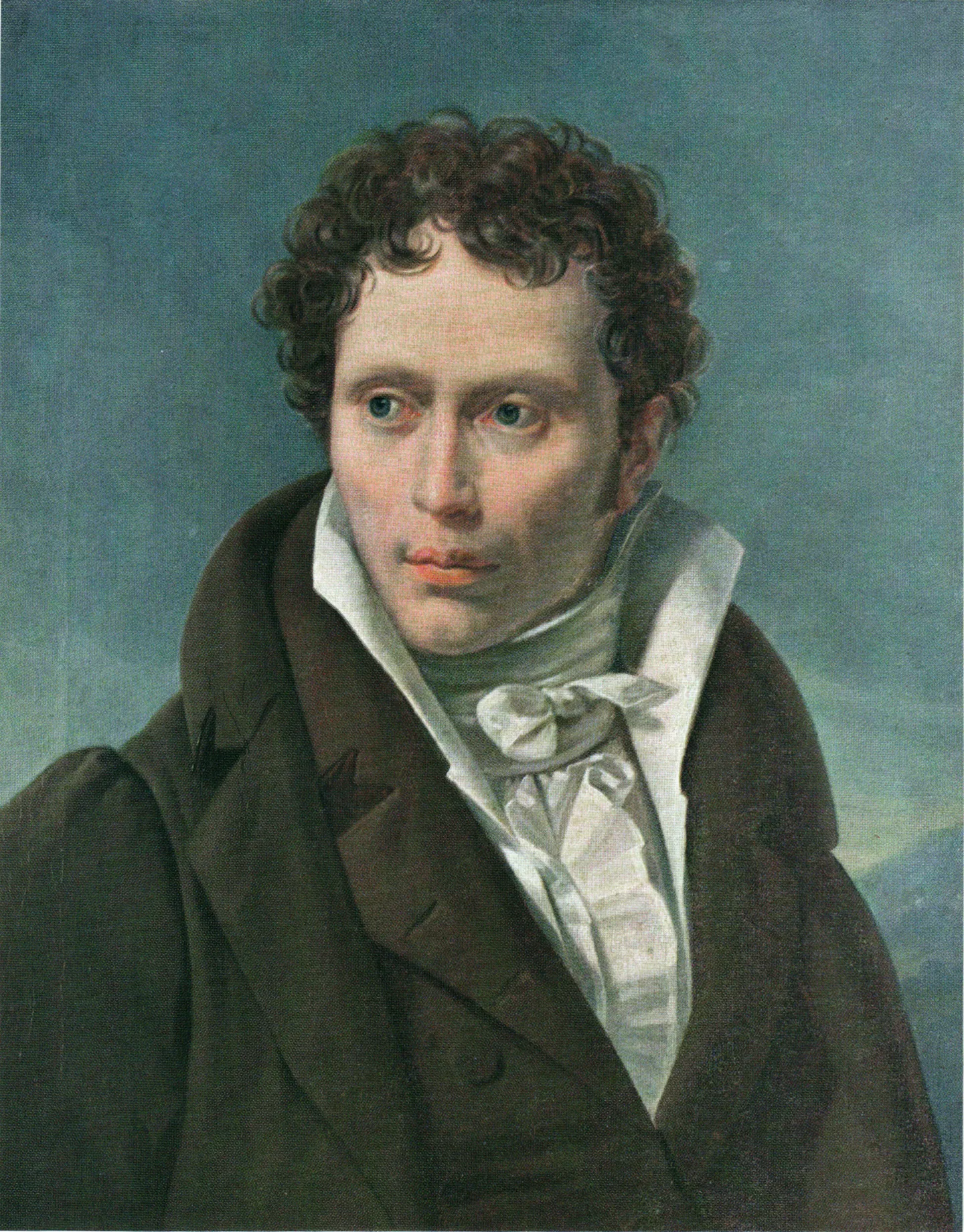
Schopenhauer: The World as Will
Arthur Schopenhauer (1788–1860) saw beneath the orderly surface of the world a single blind, striving force he called the Will — a restless, purposeless craving that drives all of nature and all of us. Because desire can never be permanently satisfied, life swings forever between want and boredom. This made him philosophy's great pessimist: existence, he argued, is fundamentally suffering.
Art as a Brief Escape
If life is endless striving driven by the Will, is there any relief? Schopenhauer found one in aesthetic experience. When we lose ourselves in a piece of music or a great painting, we stop wanting — we contemplate rather than crave, and the tyranny of the Will falls silent for a moment. He prized music above all the arts as the most direct expression of the Will itself. This pessimism-with-an-exit deeply influenced the young Nietzsche.
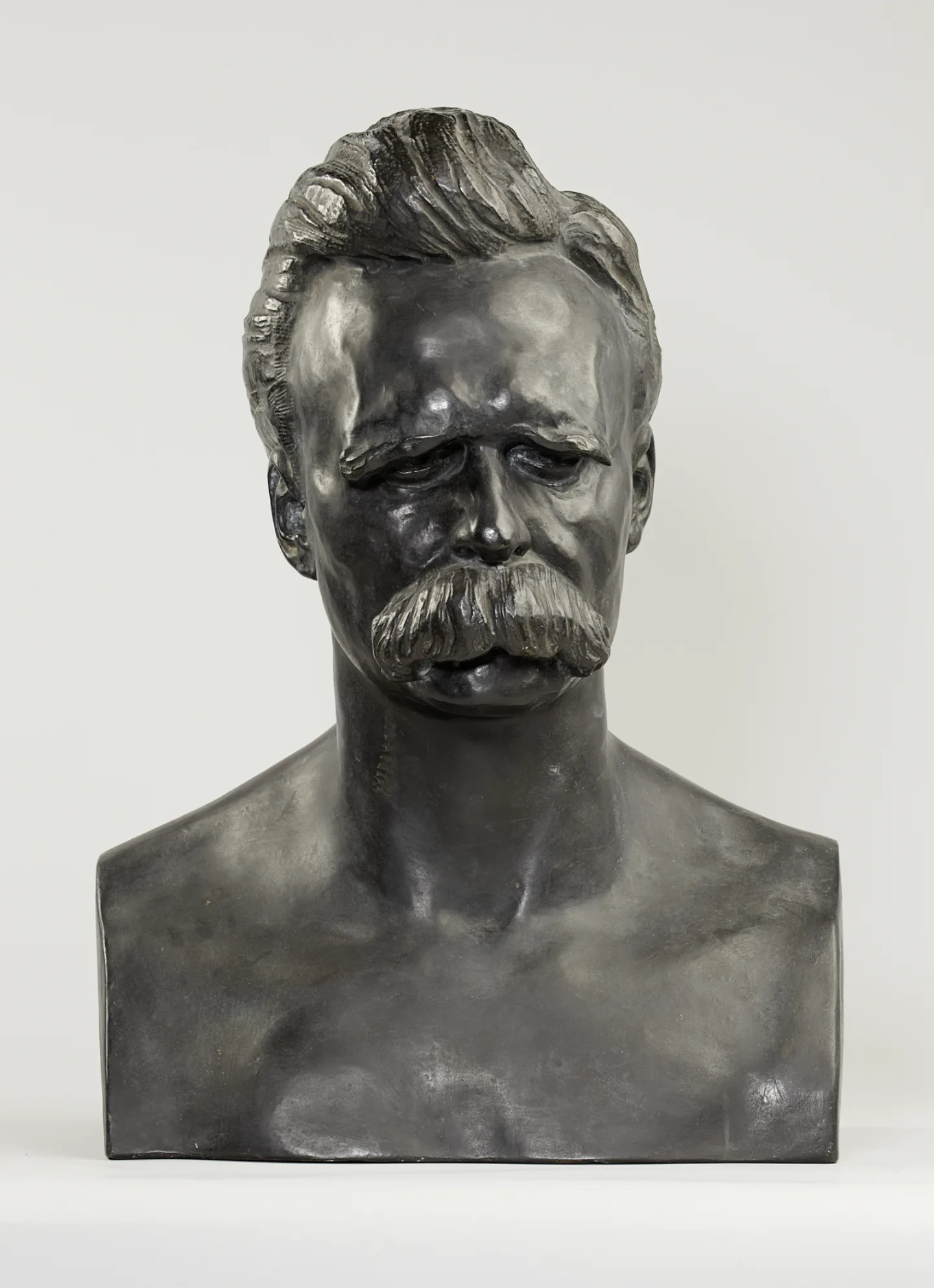
"God Is Dead" — A Warning, Not a Cheer
Friedrich Nietzsche (1844–1900) is the most widely misread philosopher in history. His line "God is dead" is usually heard as atheist triumph. He meant nearly the opposite. "God" stood for the entire framework of Western values — objective moral truth, cosmic purpose, the foundation beneath "justice," "dignity," and "equality." When scientific materialism made sincere belief impossible, those values lost their foundation. Nietzsche wasn't celebrating; he was terrified.
Marx: History as Class Struggle
Karl Marx (1818–1883) turned Hegel's dialectic toward the material world. In his historical materialism, the engine of history is not the unfolding of Spirit but economics — who owns the means of production. "The history of all hitherto existing society is the history of class struggles." With Friedrich Engels he published The Communist Manifesto in 1848, a call for the working class to overthrow the system that exploited it.
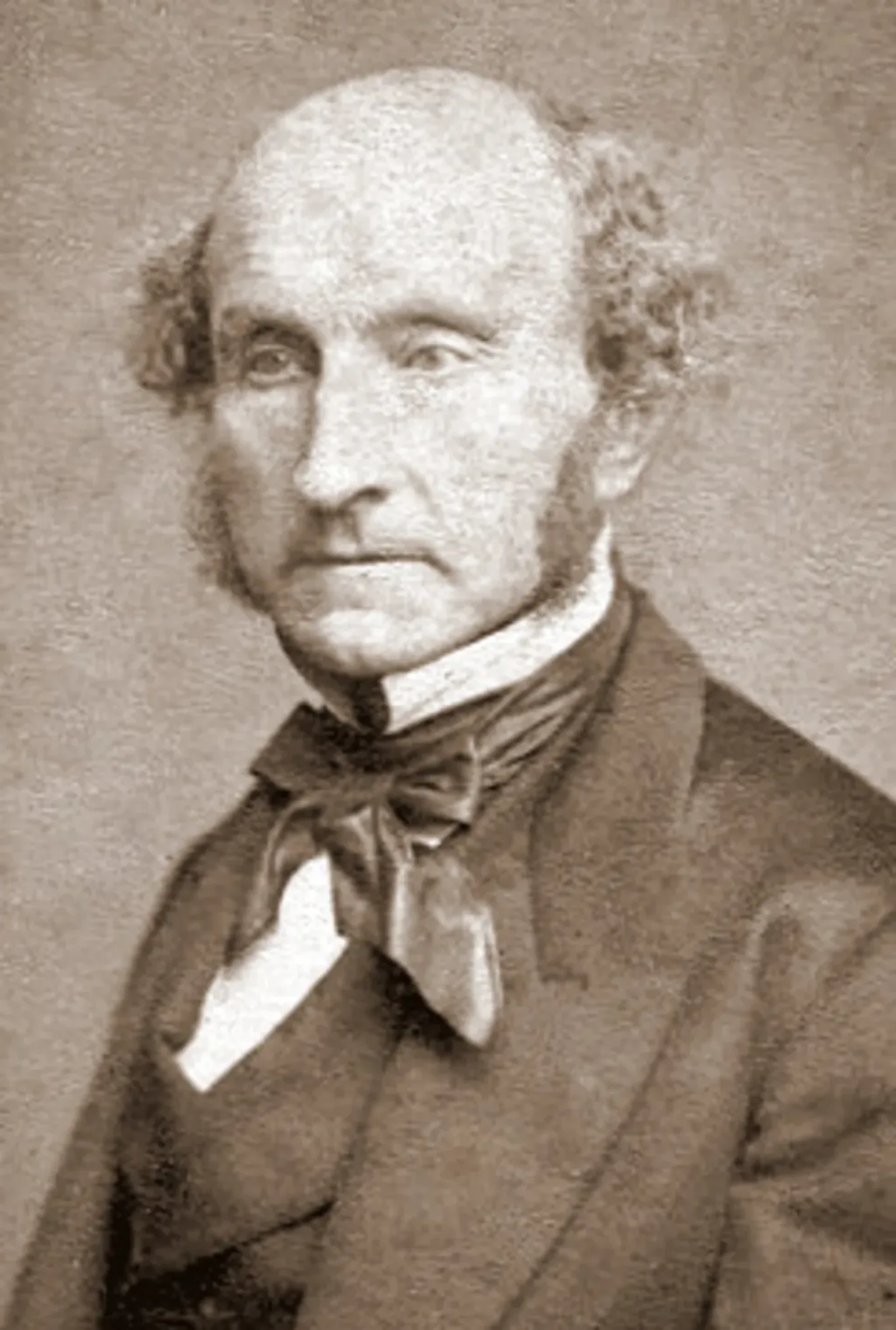
Mill: The Greatest Happiness
John Stuart Mill (1806–1873) refined utilitarianism: the right action is the one that produces the greatest happiness for the greatest number. But Mill insisted that pleasures differ in quality, not just quantity — the intellectual and moral "higher" pleasures outrank mere bodily ones. "It is better to be a human being dissatisfied than a pig satisfied." In On Liberty (1859) he defended individual freedom with the harm principle.
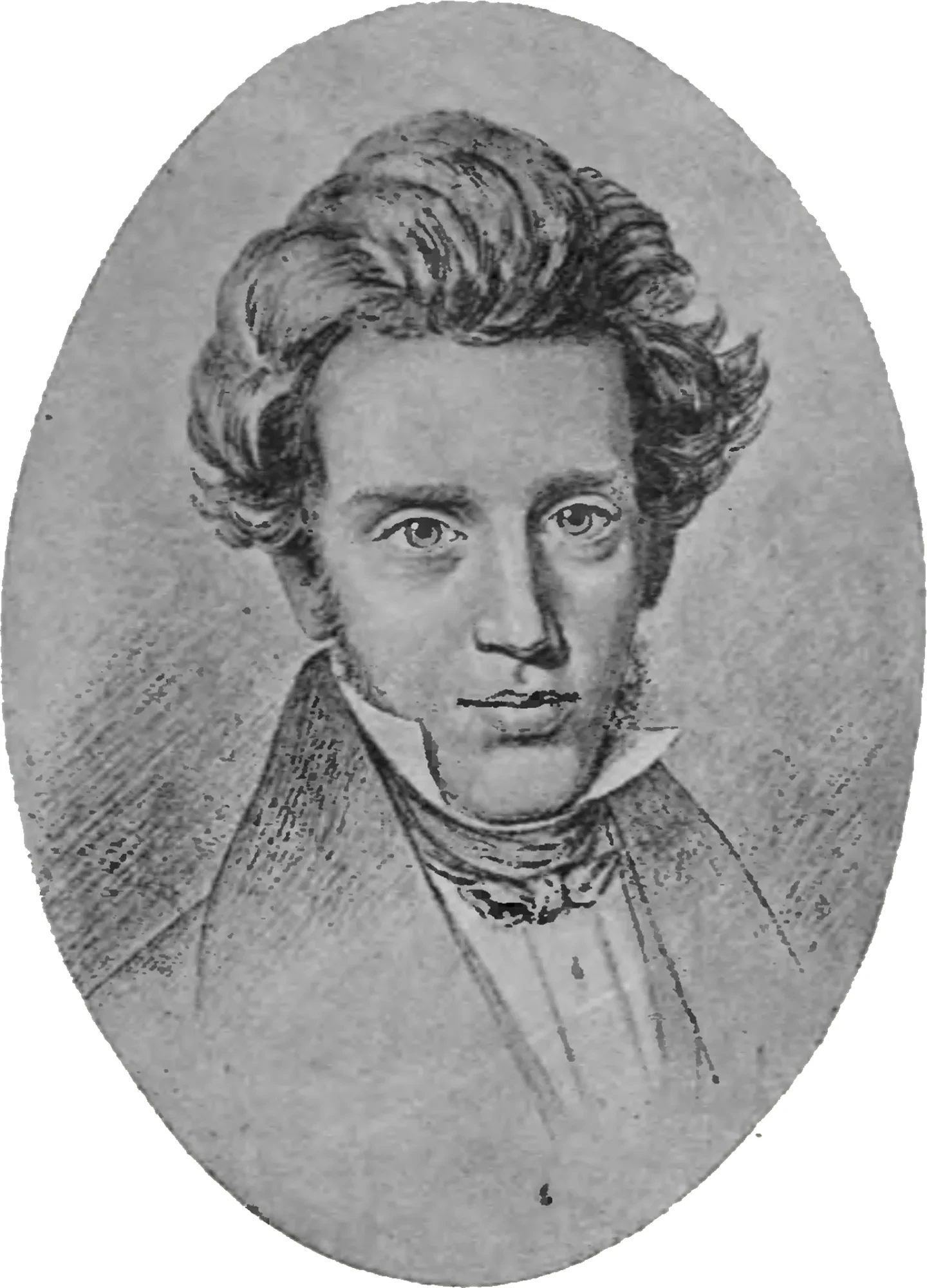
Kierkegaard: The Leap of Faith
The Danish thinker Søren Kierkegaard (1813–1855) is often called the father of existentialism. Against Hegel's vast impersonal system, he insisted that "truth is subjectivity" — what matters is the passionate, first-person commitment of an existing individual, not abstract doctrine. Faith, for Kierkegaard, cannot be proven by reason; it requires a leap of faith, a wholehearted commitment made precisely because it cannot be guaranteed.
Hegel's Master-Slave Dialectic
In 1807, Hegel published the Phenomenology of Spirit, the work in which he stages his now-famous Master-Slave dialectic.
Marx: Alienated Labor
Marx argued that capitalism alienates workers — estranging them from the products they make, the act of working, their own potential, and one another, as labor becomes a mere commodity.
By the numbers
- Year Marx and Engels published The Communist Manifesto
- 1848 year
- Year Mill published On Liberty
- 1859 year
- Year Hegel published the Phenomenology of Spirit
- 1807 year
Matched pairs
Each item on the left goes with the one on the right.
- Geist (Hegel)
- "Spirit" or "Mind" — the collective rational consciousness that comes to know itself through the unfolding of history
- The Will (Schopenhauer)
- The blind, restless, purposeless striving that Schopenhauer saw as the inner essence of all reality
- What "God" stood for (Nietzsche)
- The whole framework of Western values — objective moral truth, cosmic purpose, and the foundation of justice and dignity
- Eternal recurrence (Nietzsche)
- A test of affirmation: could you embrace living this exact life, with all its pain, over and over for eternity?
- Historical materialism (Marx)
- The view that material and economic conditions — above all, who controls production — drive the course of history
- The harm principle (Mill)
- Society may rightly restrain a person's liberty only to prevent harm to others — not for the person's own good
- Three stages of life (Kierkegaard)
- Ascending ways of living: the aesthetic (pleasure), the ethical (duty), and the religious (faith)
Step by step
How Hegel's Master-Slave Dialectic unfolds
- Two self-conscious beings meet; each desires recognition as a free self
- A struggle to the death breaks out over who will be acknowledged
- One backs down, choosing life over recognition, and becomes the Slave
- The victor becomes the Master, who consumes while the Slave labors
- The Master finds his win hollow: recognition from a non-free Slave is worthless
- The Slave, by transforming the world through labor, develops true self-consciousness
Self-test
Answer each question from memory, then check your work against the answer key.
1. In Hegel's dialectic, what resolves the tension between a thesis and its antithesis?
- AA higher synthesis that preserves what was true in both
- BThe antithesis itself, carrying the thesis on as a stage within it
- CA lasting balance with both ideas side by side, unreconciled
- DA final synthesis that keeps both and halts the dialectical motion
2. What does Hegel mean by Geist?
- AA blind, restless striving beneath appearances that surges through all of nature
- BA collective rational consciousness that comes to know itself through history
- CA single person's private mind that each of us knows from the inside alone
- DA universal reason complete from the outset that each successive era re-expresses
3. How did Schopenhauer characterize the Will?
- AA craving peculiar to human minds and foreign to wider nature
- BA blind force that each satisfied desire finally brings to rest
- CA blind, purposeless striving surging through all of nature
- DA hidden rational order working itself out beneath appearances
4. What is the key contrast between Hegel's Geist and Schopenhauer's Will?
- AGeist is one person's private mind; the Will is a force in all of nature
- BGeist comes to rest in a final synthesis; the Will grows wiser over time
- CGeist advances through contemplating art; the Will loosens through labor
- DGeist is a rational process; the Will is blind, purposeless striving
5. Whose theory of class struggle drew directly on Hegel's Master-Slave Dialectic?
- AAlbert Camus
- BJohn Rawls
- CKarl Marx
- DFrantz Fanon
6. What was Nietzsche's answer to the loss of objective meaning?
- ABecome creators of new values
- BRevolt against a silent universe
- CCommit through a leap of faith
- DGround morality in reason alone
7. By 'God,' what did Nietzsche's phrase 'God is dead' primarily refer to?
- AThe individual's passionate inner faith and the comfort it gave
- BThe literal supernatural being of scripture and his miracles
- CThe whole apparatus of church authority and its political power
- DThe whole framework of Western values and objective moral truth
8. Nietzsche's tone in declaring 'God is dead' is best described as:
- ADetached report of a long-finished event
- BAlarmed warning about a dangerous void
- CConfident reassurance that faith would return
- DCheerful celebration of a new freedom
9. How does Nietzsche define the 'will to power'?
- AThe drive to find a purpose already written into the world
- BThe drive to quiet every desire and rest in pure contemplation
- CThe drive to grow, create, and express one's full capacities
- DThe drive to reason one's way to a morality binding on everyone
10. In the Parable of the Madman, why does the madman say he has 'come too early'?
- AThe crowd has not yet stopped believing, so his news is still premature
- BThe crowd has grasped the loss but has not yet built new values upon it
- CHe himself does not yet see clearly what the crowd's disbelief destroyed
- DThe crowd does not yet grasp the enormity of what their disbelief destroyed
11. Which best describes Nietzsche's Übermensch?
- AOne who accepts meaning's collapse and lets the community set values
- BOne who accepts meaning's collapse and creates their own values
- COne who accepts meaning's collapse and derives values binding on all
- DOne who accepts meaning's collapse and makes a passionate leap of faith
12. What is Nietzsche's test of eternal recurrence?
- ACould you embrace living this exact life over and over forever?
- BCould you love your life knowing it ends once and is forgotten?
- CCould you accept reliving this life forever with its pains left out?
- DCould you live your life over and over with every mistake corrected?
13. Which is a TEST of life-affirmation rather than an ideal of self-authorship?
- AEternal recurrence
- BWill to power
- CParable of the madman
- DÜbermensch
14. The Übermensch is commonly MIS-translated as which of the following?
- A'Madman' with a lit lantern
- B'Strongman' with brute force
- C'Overlord' with a master race
- D'Superman' with super-strength
15. To 'wholeheartedly say yes' to eternal recurrence is, for Nietzsche, the mark of:
- AA life redeemed by a higher purpose
- BA life genuinely loved and affirmed
- CA will released from all desire
- DA life at peace with its own brevity
16. What does Marx mean by 'alienation' under capitalism?
- AWorkers' exclusion from the vote, public office, and the courts
- BWorkers' separation from their villages, their land, and their kin
- CWorkers' estrangement from their labor, its products, and each other
- DOwners' estrangement from the workers, the factory, and the market
17. According to Marx's historical materialism, what drives the course of history?
- AMaterial and economic conditions — who controls production
- BGreat individuals and their choices — who leads at decisive moments
- CThe self-development of Spirit — reason coming to know itself
- DIdeas and moral convictions — which values a society holds
18. How did Marx describe his relationship to Hegel's dialectic?
- AHe kept it as it was, with 'Spirit' still driving material life
- BHe turned it 'inside out,' relocating it from the world to the mind
- CHe rebuilt it around a 'blind Will' of purposeless, restless striving
- DHe turned it 'right side up,' grounding it in the material world
19. In which year did Marx and Engels publish The Communist Manifesto?
- A1844
- B1873
- C1848
- D1860
20. Which 19th-century thinker is often called the "father of existentialism"?
- AEdmund Husserl
- BSøren Kierkegaard
- CJean-Paul Sartre
- DArthur Schopenhauer
21. How does utilitarianism define the right action?
- AThe one expressing a virtuous character formed by habit
- BThe one winning agreement from free people under a fair contract
- CThe one following an absolute duty regardless of its outcome
- DThe one producing the greatest happiness for the greatest number
22. According to Mill's harm principle, society may restrain a person's liberty only to:
- APrevent offense to others
- BPrevent their own moral decay
- CPrevent harm to others
- DPrevent harm to themselves
23. What did Kierkegaard mean by 'truth is subjectivity'?
- AWhat matters is an individual's dutiful assent to established doctrine
- BWhat matters is an individual's passionate first-person commitment
- CWhat matters is an individual's rational, fully proven belief
- DWhat matters is an individual's wholehearted pursuit of pleasure
24. Which best captures the contrast between Mill and Kierkegaard?
- AMill weighs collective happiness; Kierkegaard prizes individual faith
- BMill prizes individual happiness; Kierkegaard weighs collective faith
- CMill weighs collective faith; Kierkegaard prizes individual happiness
- DMill prizes individual faith; Kierkegaard weighs collective happiness
Go deeper
- WatchBetween Want and Boredom Arthur Schopenhauer saw one blind force beneath the whole world: the Will. Not a wise plan, but endless craving.
- WatchGod Is Dead Was a Warning Nietzsche wrote: “God is dead.” It's usually heard as a cheer for atheism. He meant nearly the opposite.
- WatchThe Harm Principle John Stuart Mill gave liberalism one of its sharpest tools: the harm principle.
- StudyPhilosophy: The Big Questions in the FlashFeed app
Answer key
- 1. A A higher synthesis that preserves what was true in bothFor Hegel the clash of thesis and antithesis is resolved in a richer synthesis, which then becomes a new thesis and the motion continues.
- 2. B A collective rational consciousness that comes to know itself through historyGeist ('Spirit'/'Mind') is not one person's mind but a collective rational consciousness that comes to know itself across cultures and centuries.
- 3. C A blind, purposeless striving surging through all of natureSchopenhauer's Will is not a wise plan but purposeless striving, endless craving that made him philosophy's great pessimist.
- 4. D Geist is a rational process; the Will is blind, purposeless strivingHegel's Geist is a rational consciousness advancing toward self-understanding, whereas Schopenhauer's Will is a blind, aimless craving — a far darker vision.
- 5. C Karl MarxThe dialectic became the foundation for Marx's class struggle, Sartre's "look," Fanon's analysis of colonialism, and Beauvoir's feminism.
- 6. A Become creators of new valuesNot "go back to religion" but "become creators of new values" through the will to power — the task of the Übermensch.
- 7. D The whole framework of Western values and objective moral truth'God' stood for the entire framework of Western values — objective moral truth, cosmic purpose, and the foundation beneath justice and dignity.
- 8. B Alarmed warning about a dangerous voidHe was not celebrating; he was alarmed that pulling the metaphysical rug from under shared values would leave a dangerous void.
- 9. C The drive to grow, create, and express one's full capacitiesThe will to power is self-overcoming — the drive to grow and create — not a lust to dominate others; an artist or scientist exhibits it as much as any conqueror.
- 10. D The crowd does not yet grasp the enormity of what their disbelief destroyedThe secular crowd jeer because they don't grasp the enormity of what their own disbelief has destroyed; the madman alone sees clearly.
- 11. B One who accepts meaning's collapse and creates their own valuesThe Übermensch is an ideal of self-authorship — creating one's own values after objective meaning collapses — not a comic-book superman or strongman.
- 12. A Could you embrace living this exact life over and over forever?Eternal recurrence asks whether you could joyfully affirm reliving your exact life — every joy and pain in the same order — for all eternity.
- 13. A Eternal recurrenceEternal recurrence is a thought-experiment testing whether you truly affirm your life; the Übermensch is the ideal of the person who creates their own values.
- 14. D 'Superman' with super-strengthÜbermensch is often mistranslated as 'superman,' but Nietzsche meant self-authorship, not super-strength or a master race.
- 15. B A life genuinely loved and affirmedA wholehearted yes to reliving your exact life eternally is Nietzsche's mark of a life genuinely loved.
- 16. C Workers' estrangement from their labor, its products, and each otherAlienation is the worker's estrangement — from the products they make, the act of working, their human potential, and one another — as labor becomes a mere commodity.
- 17. A Material and economic conditions — who controls productionHistorical materialism holds that economics — above all who controls the means of production — is the engine of history, not the unfolding of Spirit.
- 18. D He turned it 'right side up,' grounding it in the material worldMarx took Hegel's dialectic and turned it 'right side up,' grounding it in material economics rather than in Spirit (Geist).
- 19. C 1848Marx and Engels published The Communist Manifesto in 1848. The other years come from the same century's guides: 1844 is Nietzsche's birth year, 1873 the year Mill died, and 1860 the year Schopenhauer died.
- 20. B Søren KierkegaardKierkegaard's emphasis on subjectivity, anxiety, and individual choice laid the groundwork for 20th-century existentialism.
- 21. D The one producing the greatest happiness for the greatest numberUtilitarianism judges an act right insofar as it maximizes overall well-being — the greatest happiness for the greatest number.
- 22. C Prevent harm to othersThe harm principle allows restraining liberty only to prevent harm to others — never for the person's own physical or moral good, and mere offense to others is not harm.
- 23. B What matters is an individual's passionate first-person commitmentAgainst Hegel's impersonal system, Kierkegaard held that what matters is the passionate, first-person commitment of an existing individual, not abstract doctrine.
- 24. A Mill weighs collective happiness; Kierkegaard prizes individual faithMill's utilitarian liberalism weighs the happiness of the many, while Kierkegaard centers the individual's passionate, subjective leap of faith.
Sources
- Philosophy: A Comprehensive Study Guide
Image credits
- The Master's Hollow Victory: AI-generated (gpt-image-1.5)
- Schopenhauer: The World as Will: Wikimedia Commons · Ludwig Sigismund Ruhl · Public domain — commons.wikimedia.org/wiki/File:Arthur_Schopenhauer_Portrait_by_Ludwig_Sigismund_Ruhl_1815.jpeg
- "God Is Dead" — A Warning, Not a Cheer: Wikimedia Commons · Max Klinger · Public Domain Mark — commons.wikimedia.org/wiki/File:Portrait_Bust_of_Friedrich_Nietzsche_(SM_sgp1).png
- Mill: The Greatest Happiness: Wikimedia Commons · John Watkins — commons.wikimedia.org/wiki/File:John_Stuart_Mill_by_John_Watkins,_1865.jpg
- Kierkegaard: The Leap of Faith: Wikimedia Commons · The Royal Library, Denmark · Public domain — commons.wikimedia.org/wiki/File:Kierkegaard_portrait.png


