
History of Arizona
From mammoth hunters and Hohokam canals to copper booms, Geronimo's surrender, statehood, Hoover Dam, and the modern sunbelt — Arizona's story, told in cards.
615 cards12 lessonsFree
Already have FlashFeed?Open this pack
Get this pack on your phone
Scan with your phone's camera.
flashfeedlearningapp.com/packs/arizona-history

12 lessons.
Each lesson has a study guide to read and objectives you can test yourself on. Its cards and games show up in your feed. Try one of its cards right here. Play a few of its games here too.
-
 Wikimedia Commons · Tim Evanson · CC BY-SA 2.0 ↗01
Lesson 1: Before Europeans
Part 1: First Arizonans · Part 2: Ancestral Puebloans & Hohokam · Part 3: Mogollon, Sinagua & the Mystery
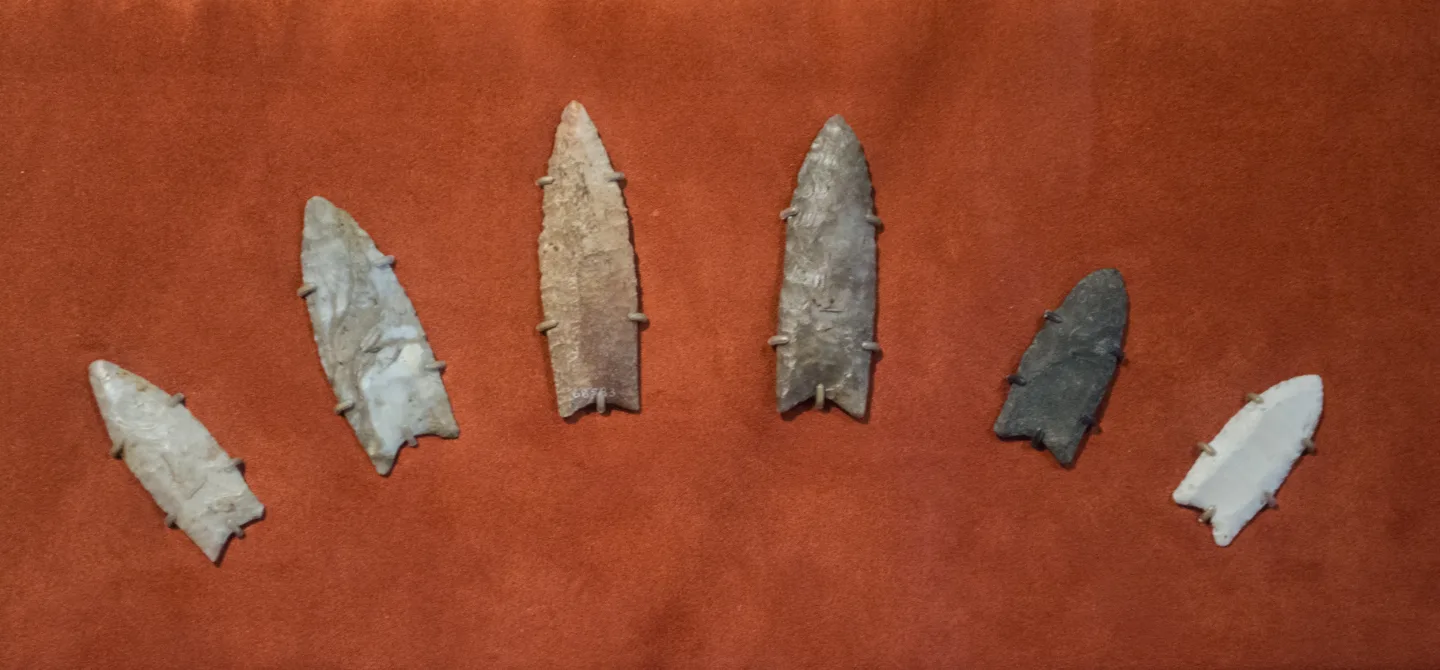
Lesson 1 · 10 cardsWikimedia Commons · Tim Evanson · CC BY-SA 2.0 ↗The first Arizonans
Humans reached what is now Arizona roughly 10,000 to 12,000 years ago, traveling in small bands of 20–50 hunters. They tracked mammoths, mastodons, and giant bison with stone-tipped spears.
 Pexels · Jonathan Cooper · Pexels License ↗
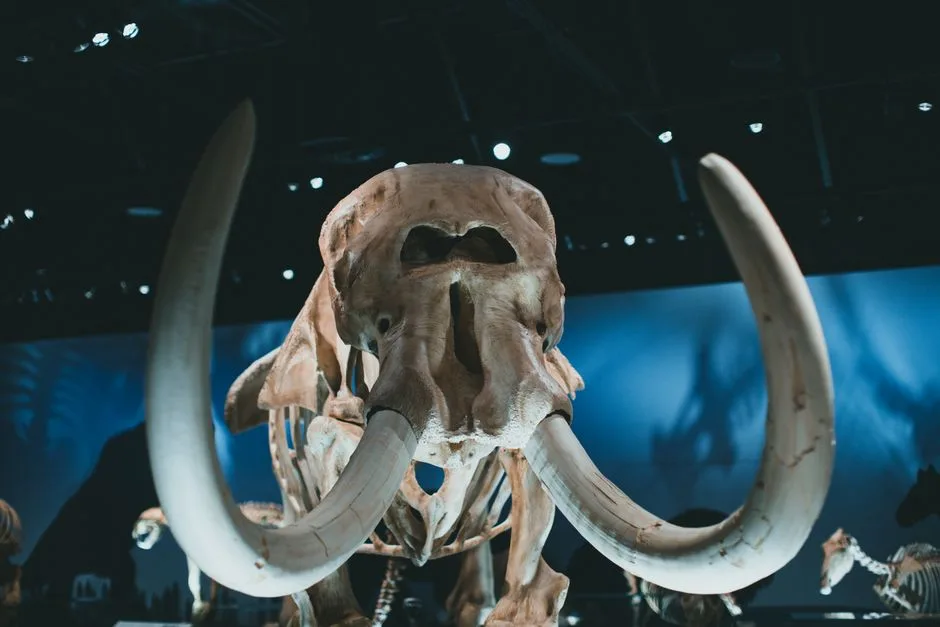
Hunting megafauna
The Paleo-Indians hunted Pleistocene giants — mammoths, mastodons, and ancient bison. When those animals went extinct, the hunters adapted to smaller game: mule deer, antelope, waterfowl, and fish, with atlatls (spear-throwers) and nets.
 Wikimedia Commons · US-NPS · Public domain ↗
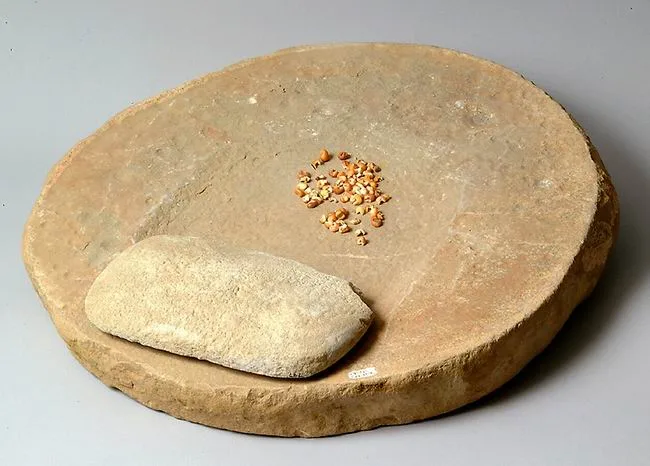
The Archaic shift
Beginning around 10,000 years ago, Arizonans transitioned from chasing big game to seasonal settlements built around plants. Grinding slabs appeared by 7500 BCE — the start of milling wild seeds into flour for gruels and breads.
 Pexels · Miguel Sanda ↗
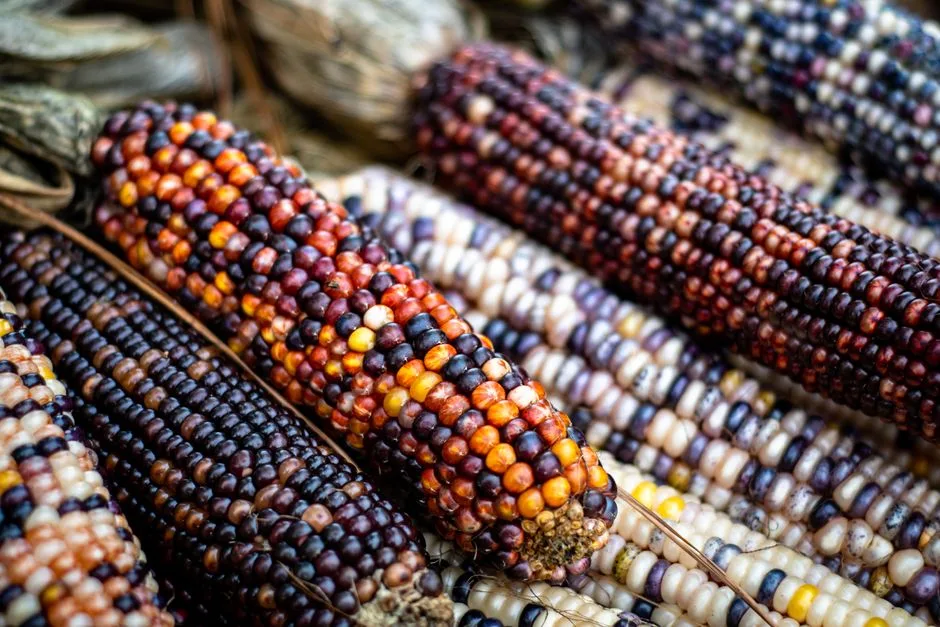
Corn comes north
Corn arrived from central Mexico during the late Archaic period and was planted near permanent water sources. Beans and squash followed — the 'three sisters' that would anchor Southwest agriculture for millennia.
 Wikimedia Commons · Saguaro Pictures · CC BY 3.0 ↗
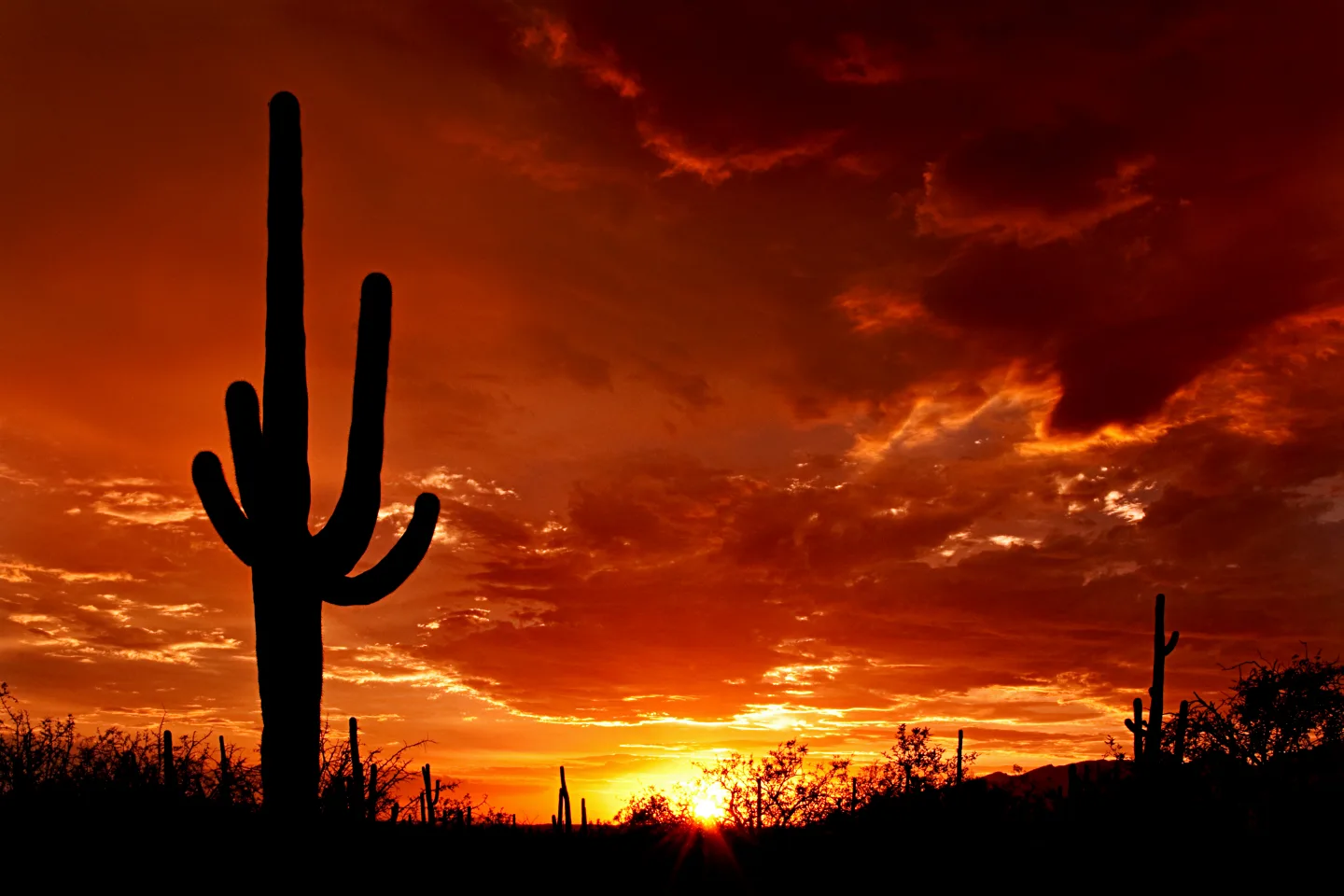
The saguaro
Only grows in the Sonoran Desert — and only sprouts its first arm after about 70 years.
 National Map Seamless Server · Public domain ↗
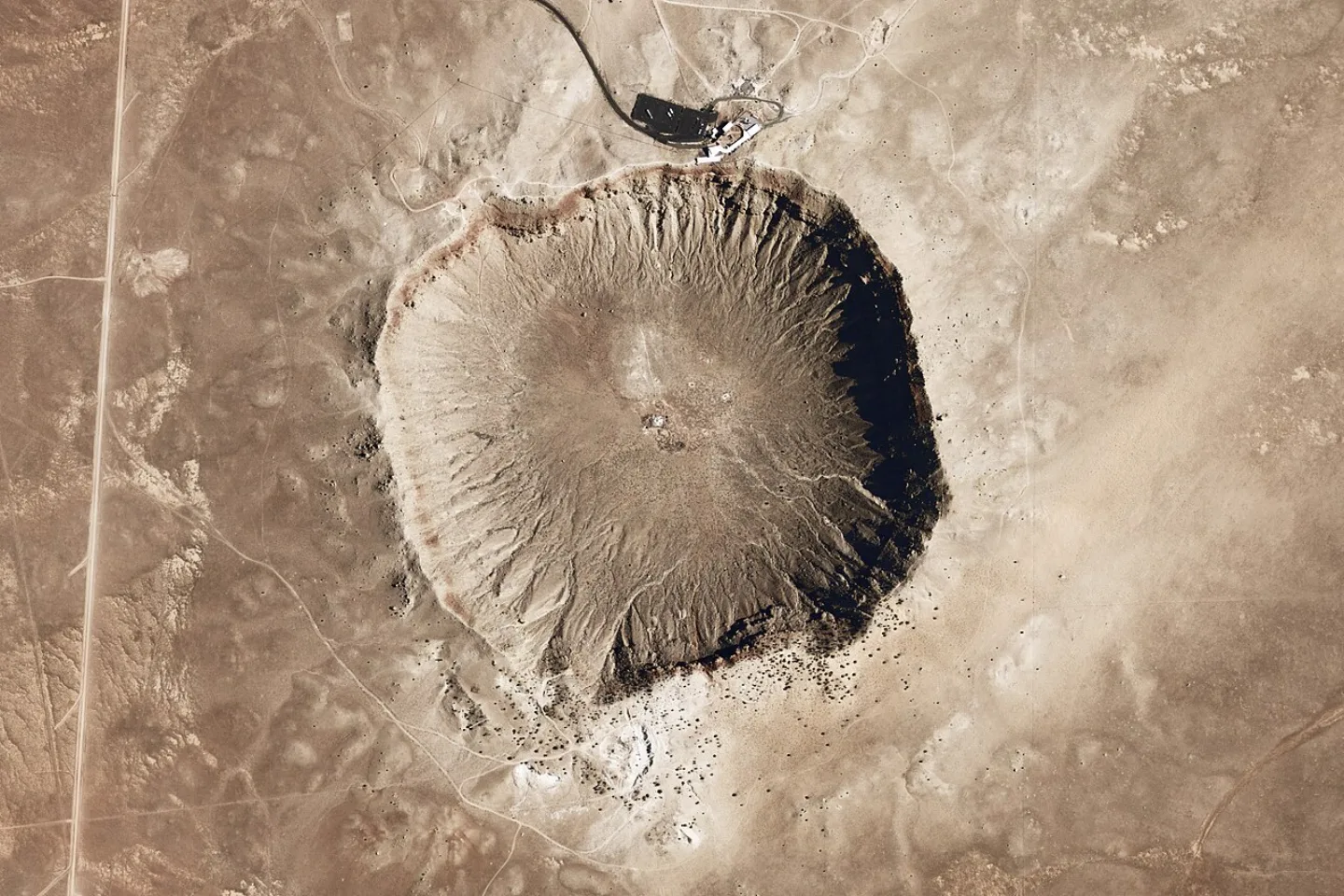
Meteor Crater
Punched into the Arizona plateau ~50,000 years ago; nearly a mile across.
 Wikimedia Commons · Amarie0x · CC0 ↗
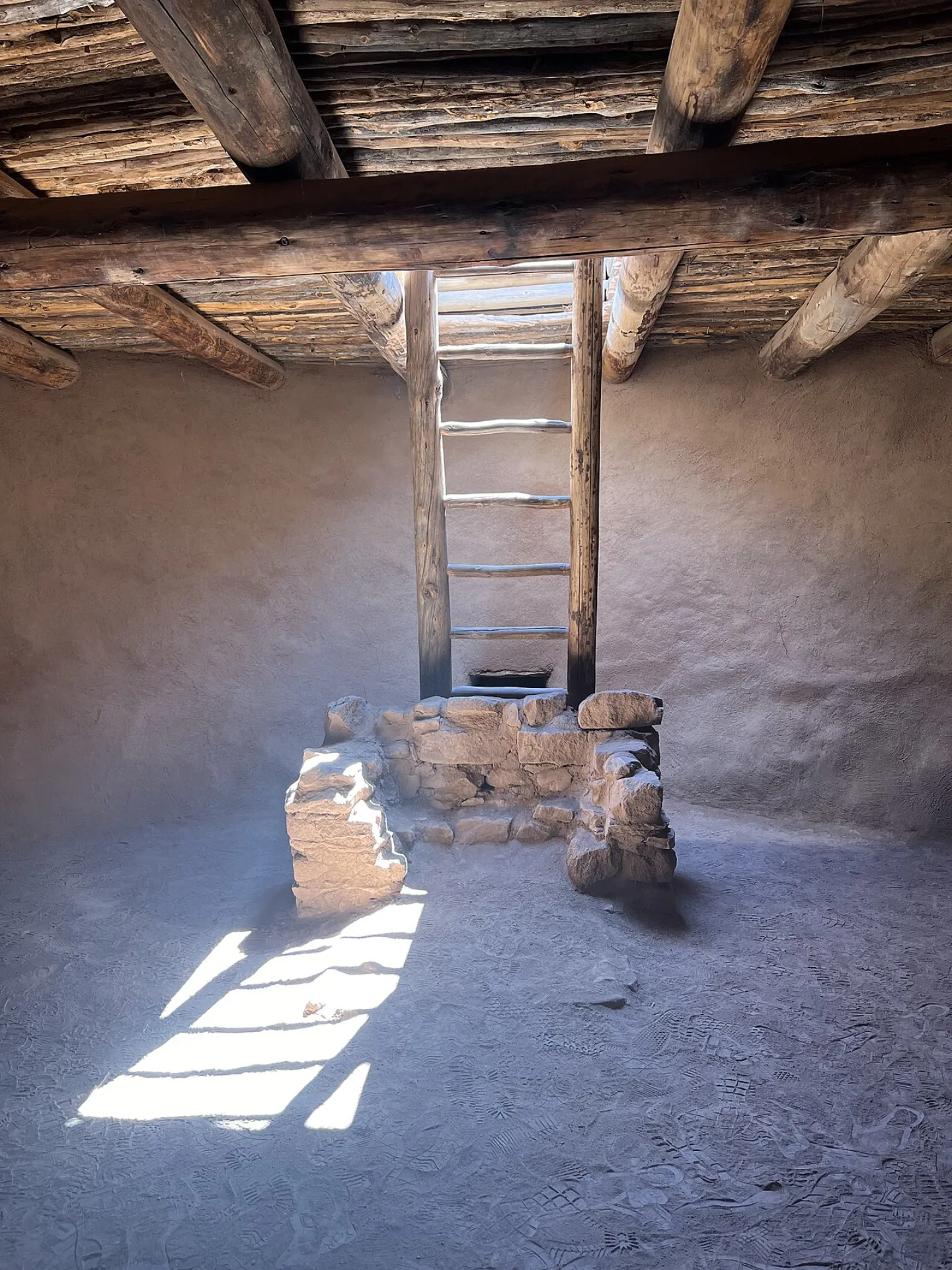
The kiva
A kiva is a round, often partially underground room used by Ancestral Puebloans for ceremonies and gatherings. Their entrances were typically a ladder through a hole in the roof — and many had a small floor-niche called a sipapu representing the place of emergence.
 Sirrobin33 at English Wikipedia · CC BY-SA 3.0 ↗
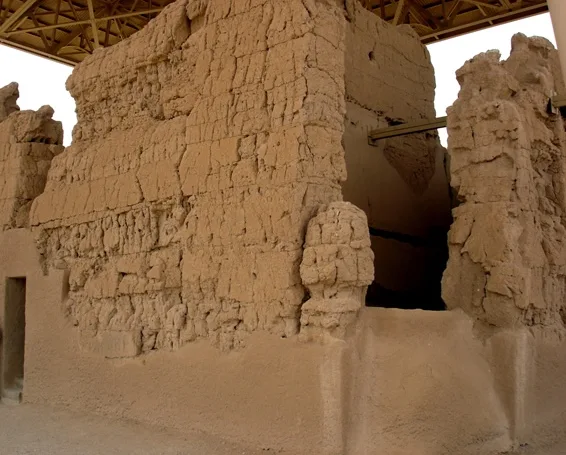
The Hohokam canal builders
The Hohokam thrived from roughly 300 to 1450 CE in southern Arizona, where Phoenix now stands. They are best known for an enormous system of irrigation canals — hundreds of miles of them — that watered crops across the Salt and Gila valleys.
1 / 10About how long ago did humans first reach what is now Arizona?
The answer is 10,000 to 12,000 years ago
Lesson 1 has 59 cards. Keep going in the free app.
Question -
 U.S. Post Office -- U.S. Bureau of Engraving and Printing · Public domain ↗02
Lesson 2: Spanish & Mexican Eras
Part 1: First European Eyes · Part 2: Presidios & Mexican Sonora
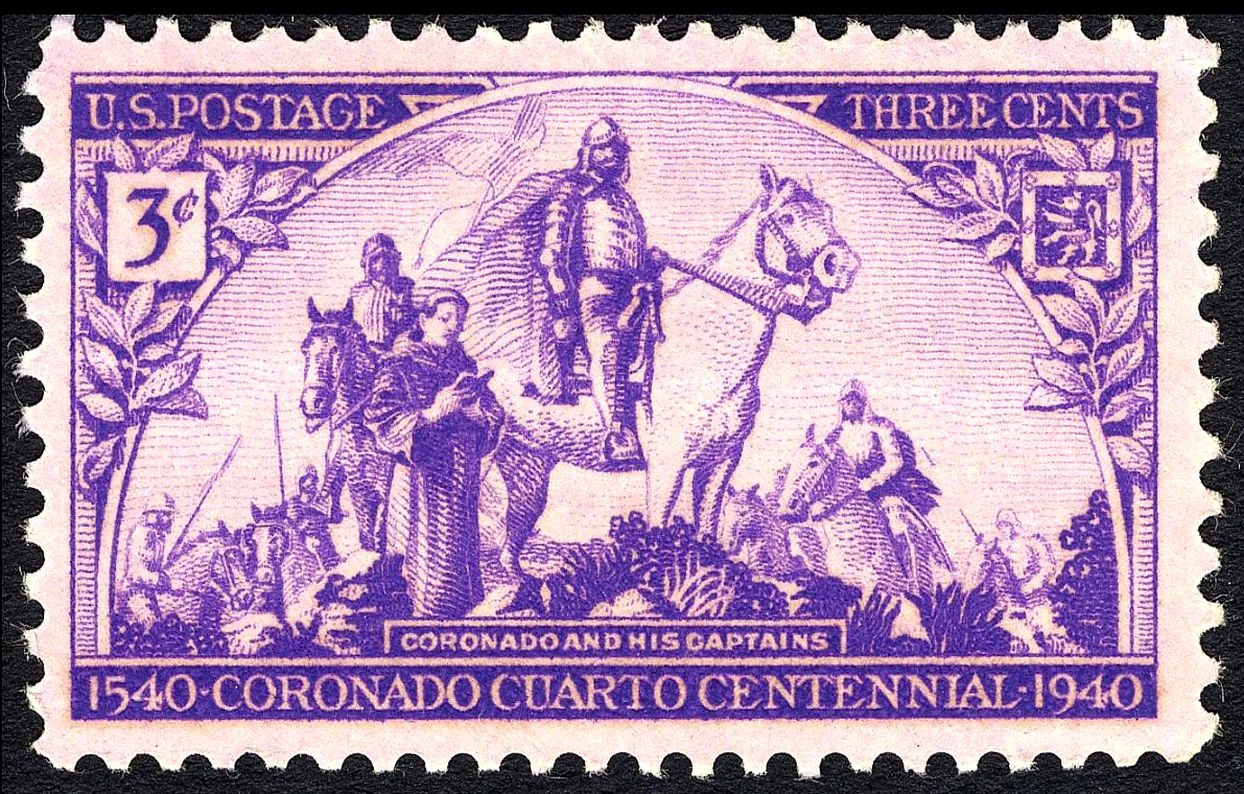
Lesson 2 · 10 cardsU.S. Post Office -- U.S. Bureau of Engraving and Printing · Public domain ↗Coronado's failed treasure hunt
In 1540, Francisco Vásquez de Coronado marched into the Southwest with hundreds of soldiers, looking for those same golden cities. He found pueblos, not gold. His expedition reached the Grand Canyon — the first Europeans to see it — and returned to Mexico bankrupt.
 Wikimedia Commons · John K. Hillers · CC0 ↗
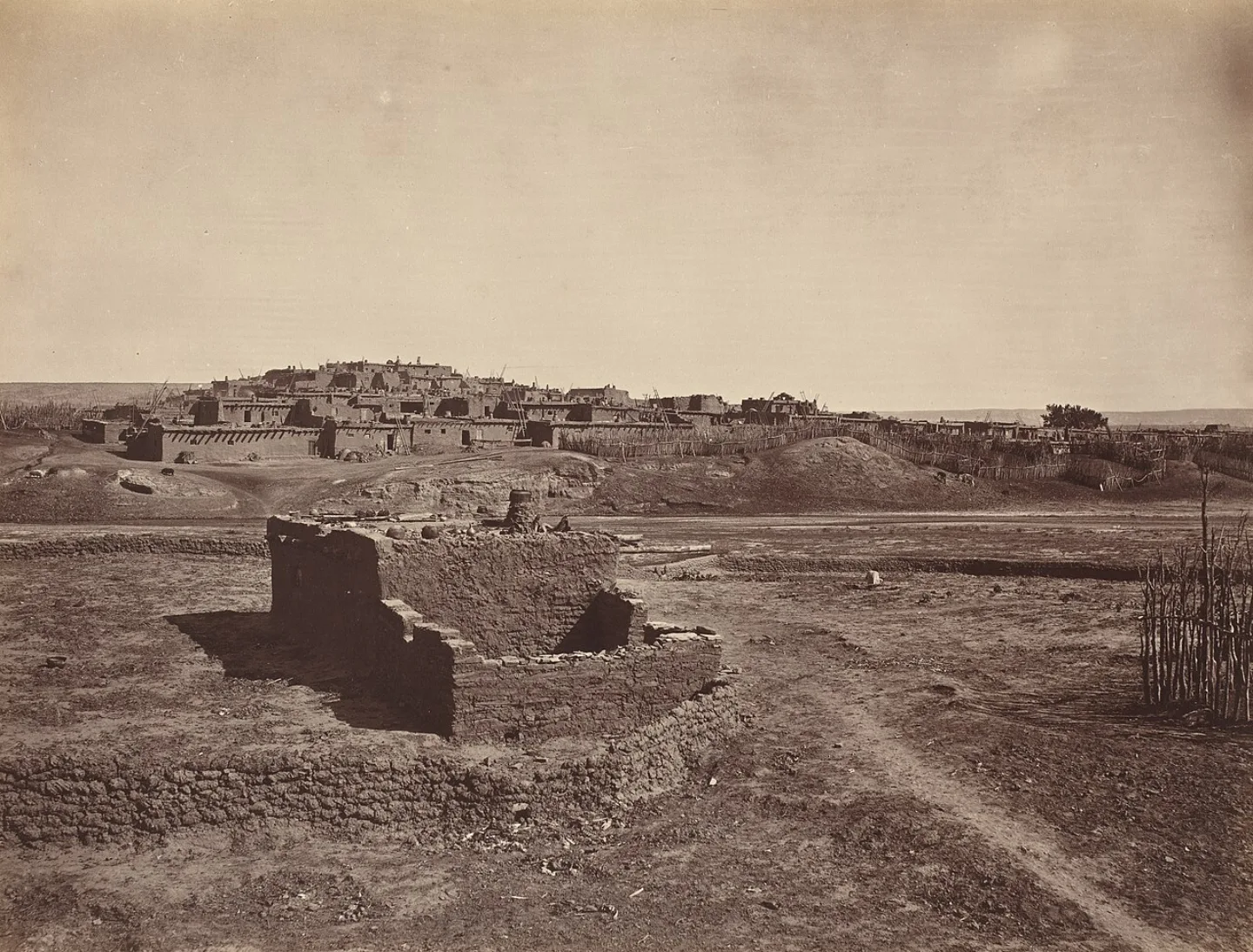
The Seven Cities of Cíbola
The Seven Cities of Cíbola were a Spanish fantasy: fabulously wealthy pueblos in the Southwest, supposedly built of gold. The legend pulled in Marcos de Niza, then Coronado. What they found was the Zuni Pueblos — impressive, but very much not gold.
 NPS Photo · Public domain ↗
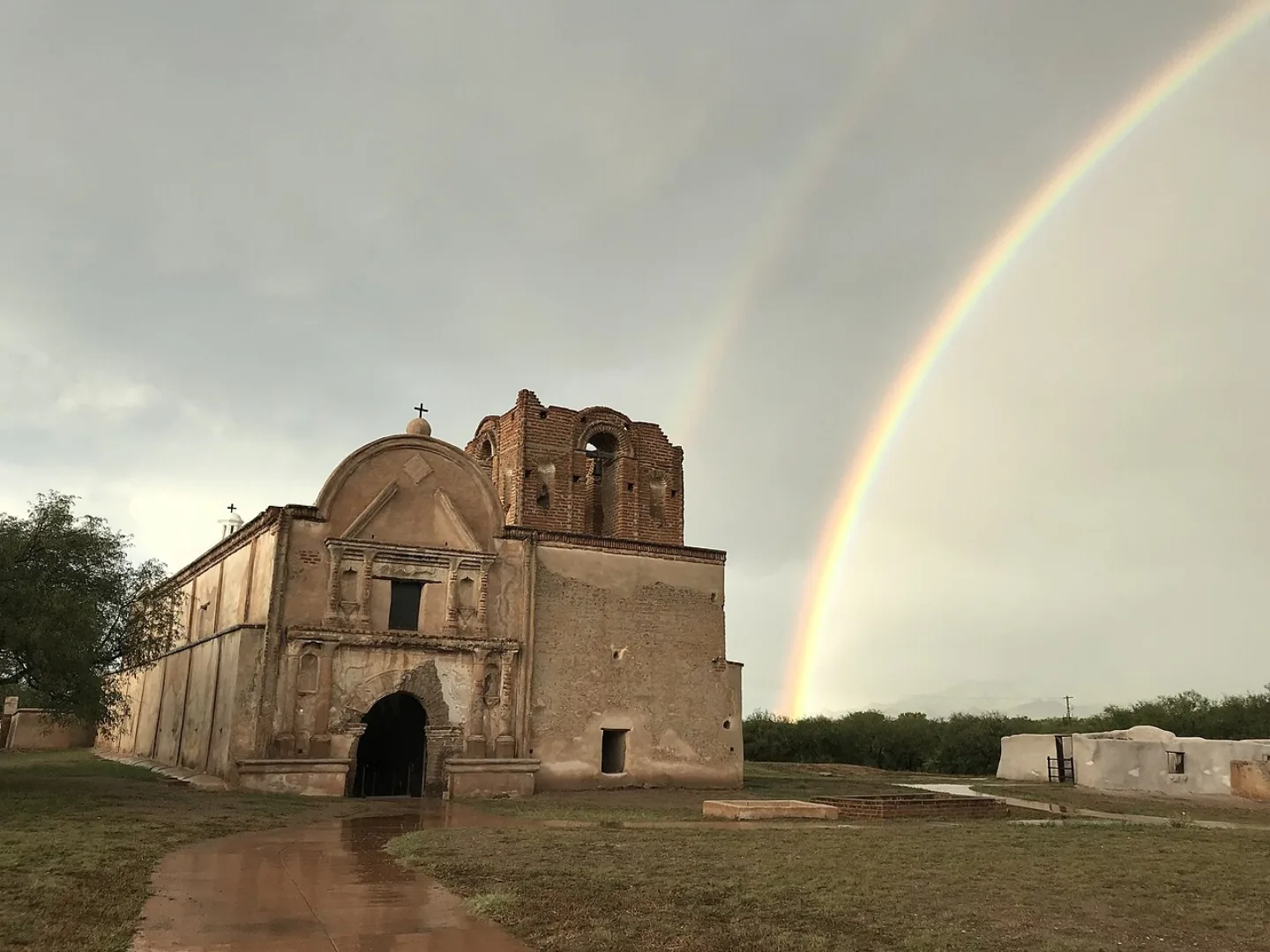
Father Kino
Father Eusebio Francisco Kino was an Italian Jesuit missionary who began founding missions in southern Arizona in 1691. He worked among the O'odham people, established mission churches along the Santa Cruz River, and mapped much of the region the Spanish called Pimería Alta.
 Wikimedia Commons · Keyany · CC BY-SA 4.0 ↗
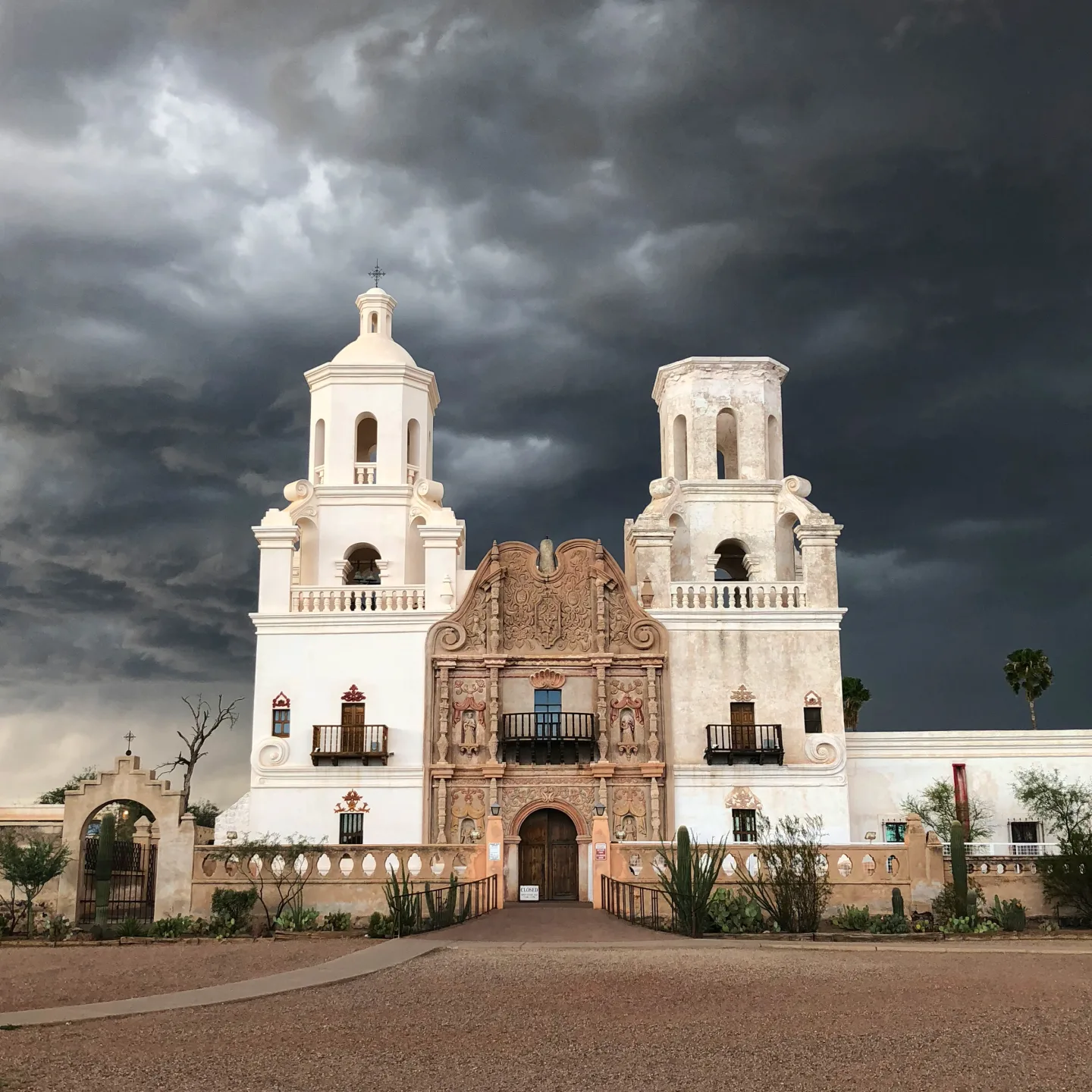
San Xavier del Bac
Mission San Xavier del Bac, founded by Father Kino in 1692 and rebuilt as a brilliant white church between 1783 and 1797, still stands south of Tucson — an active Catholic parish, and the oldest European structure in Arizona.
 Wikimedia Commons · John Diebolt · Public domain ↗
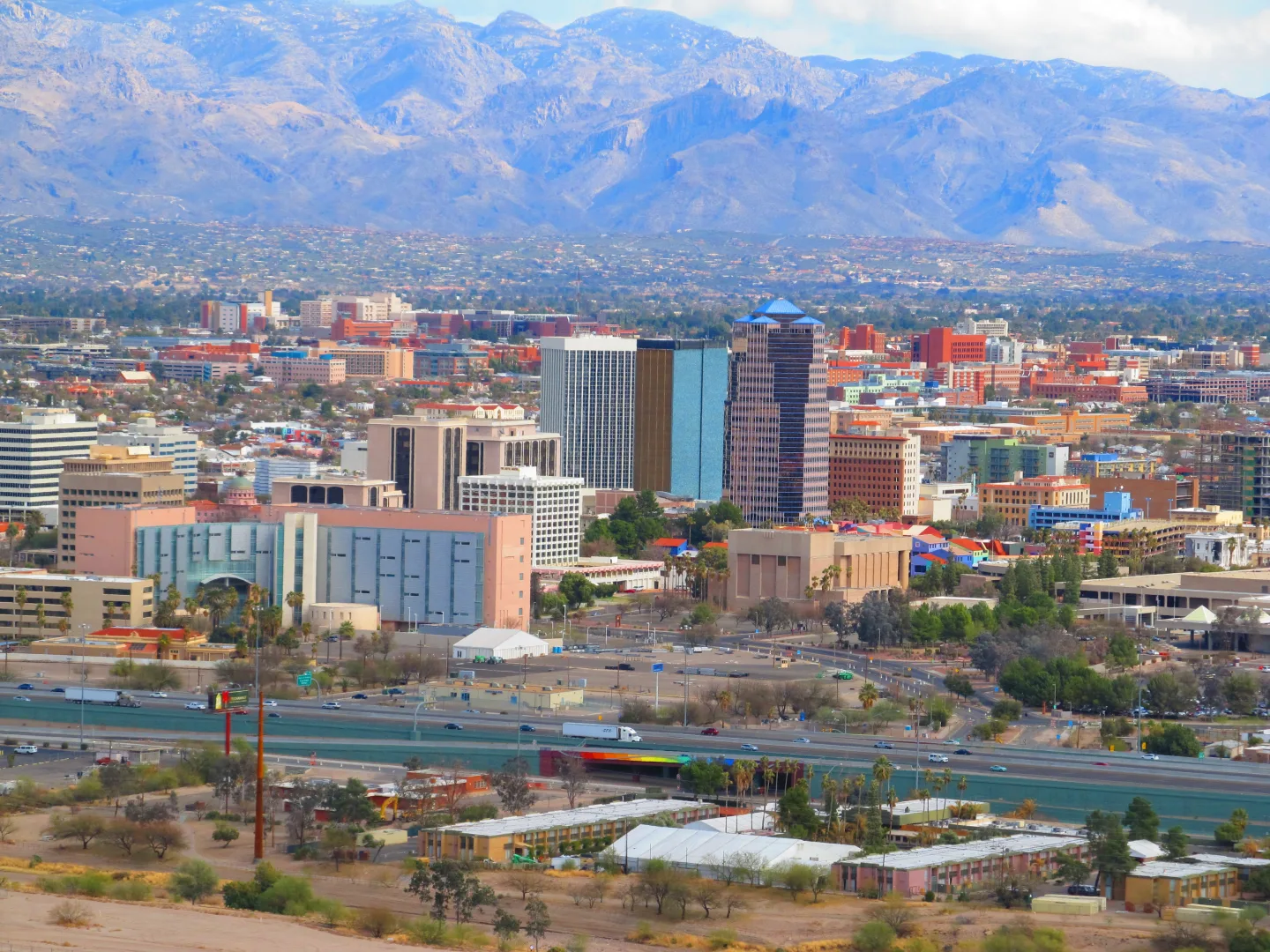
Tucson founded
The Tucson presidio was established in 1775 by Hugo O'Conor, an Irish-born officer in the Spanish army. Its adobe walls enclosed a small garrison; the town that grew around them is now Arizona's second-largest city.
 Pexels · Lindsey Willard · Pexels License ↗
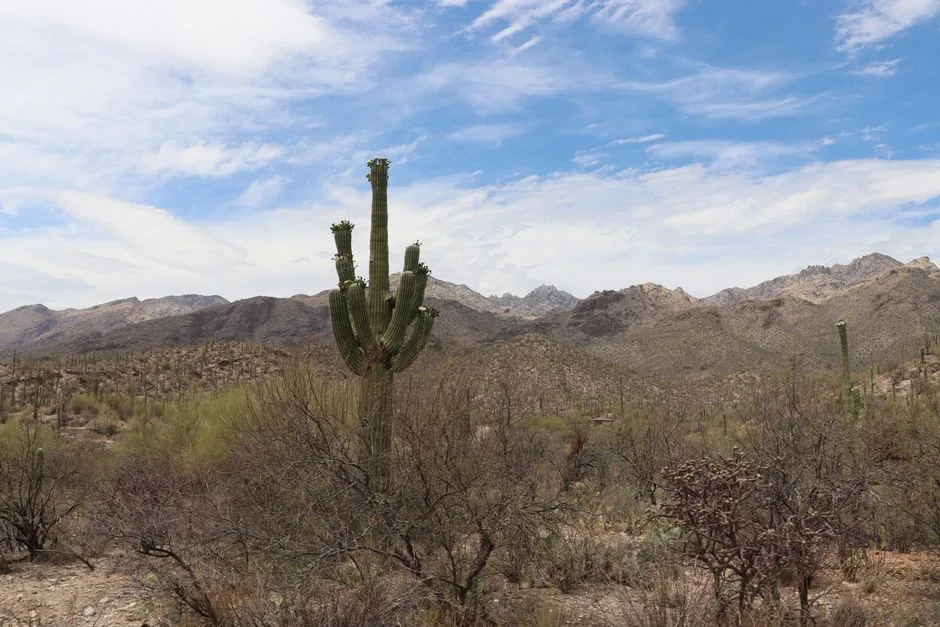
Pimería Alta
Pimería Alta ('upper Pima country') was the Spanish name for the desert region straddling what is now southern Arizona and northern Sonora — home of the Akimel and Tohono O'odham peoples, and the territory where Kino built his missions.
 Samuel Augustus Mitchell · Public domain ↗
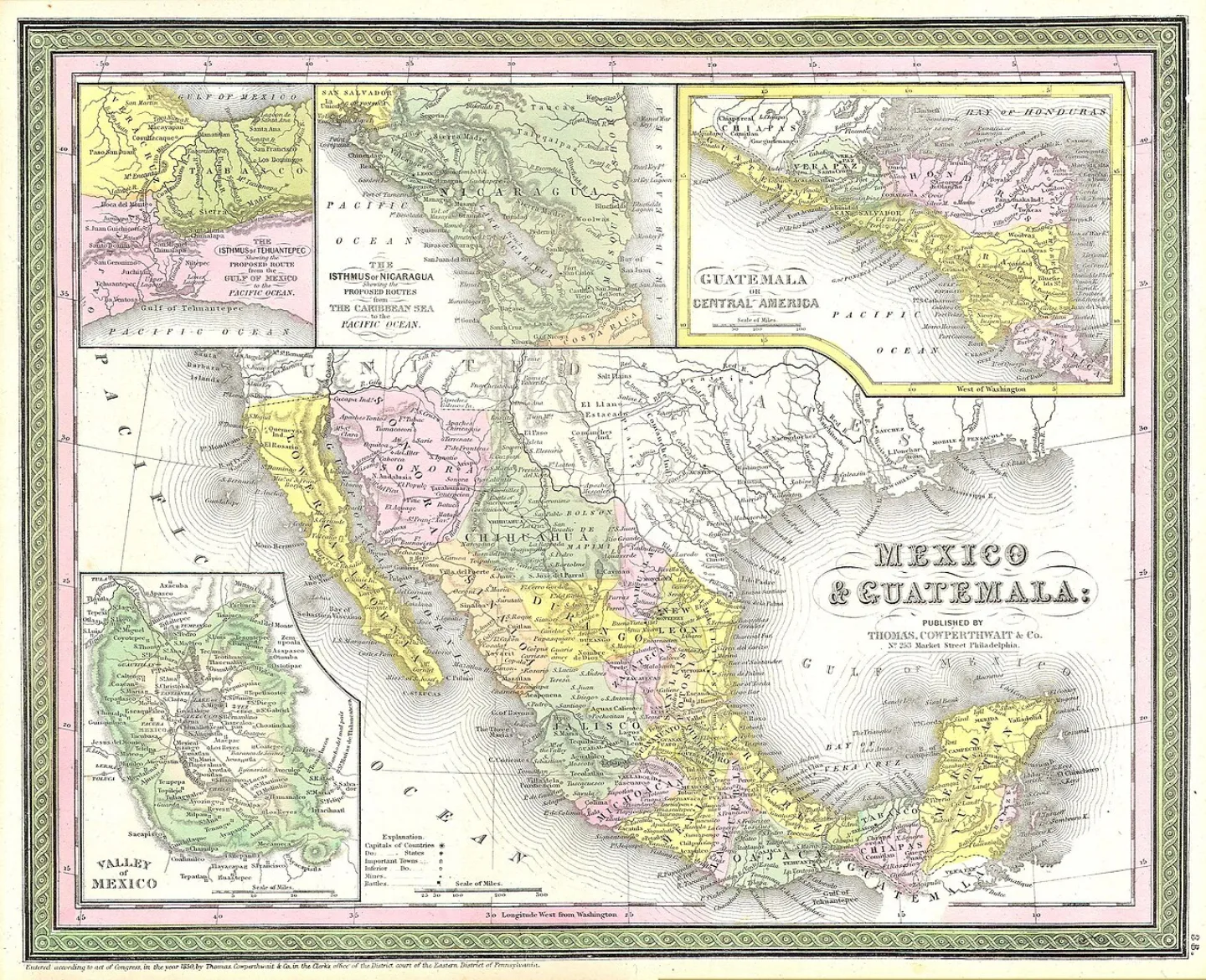
Arizona becomes Mexican
Mexico won independence from Spain in 1821. From 1822 onward, the lands now called Arizona were part of the Mexican state of Sonora — though Mexico City's actual control over the distant frontier was thin.
1 / 10In what year did Coronado lead his expedition into the Southwest?
The answer is 1540
Lesson 2 has 45 cards. Keep going in the free app.
Question -
 Alvin Jewett Johnson · Public domain ↗03
Lesson 3: Becoming American
Part 1: Guadalupe Hidalgo & the Gadsden Purchase · Part 2: Civil War in the Desert
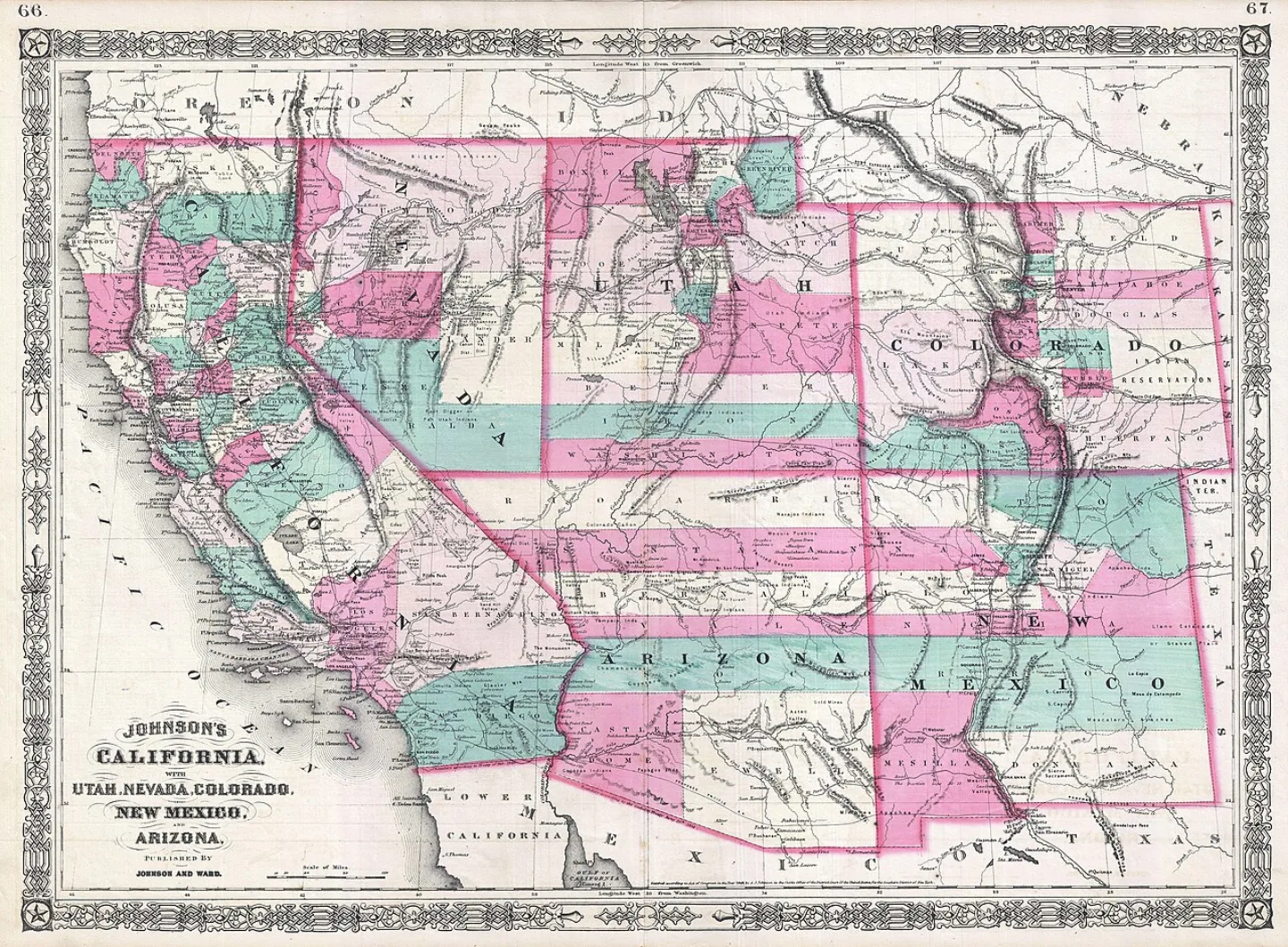
Lesson 3 · 9 cardsAlvin Jewett Johnson · Public domain ↗The Gadsden Purchase
In 1853, President Pierce sent James Gadsden to Mexico City to buy a strip of land south of the Gila — to make a southern transcontinental railroad route possible. The US paid $10 million for what is now southern Arizona and a slice of New Mexico.
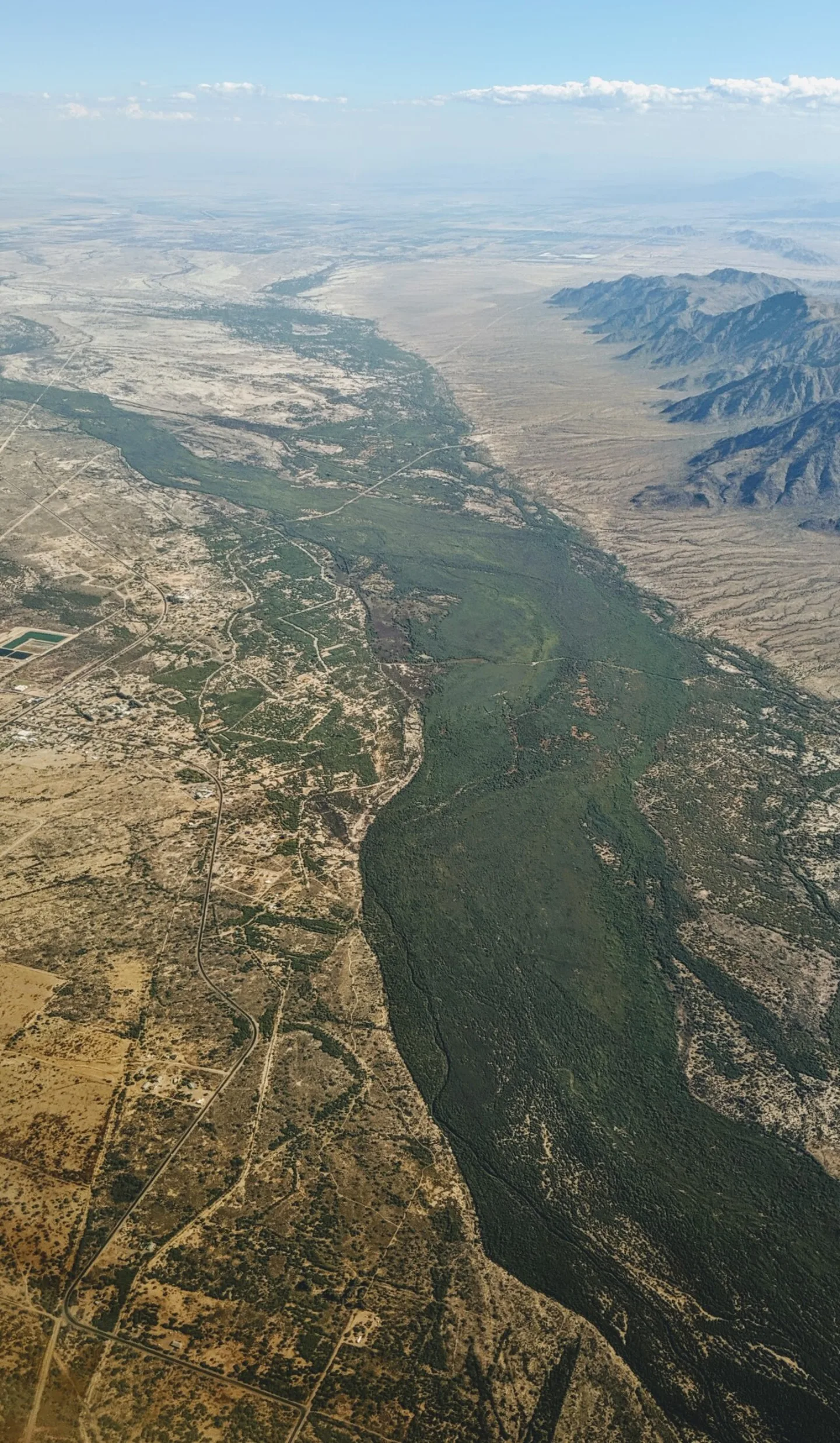 Dicklyon · CC BY-SA 4.0 ↗
The Gila as a border
After 1848, the Gila River was the southern boundary of the US. Tucson, Tubac, and most of the future state's population centers were still in Mexico. That awkward line lasted only five years.
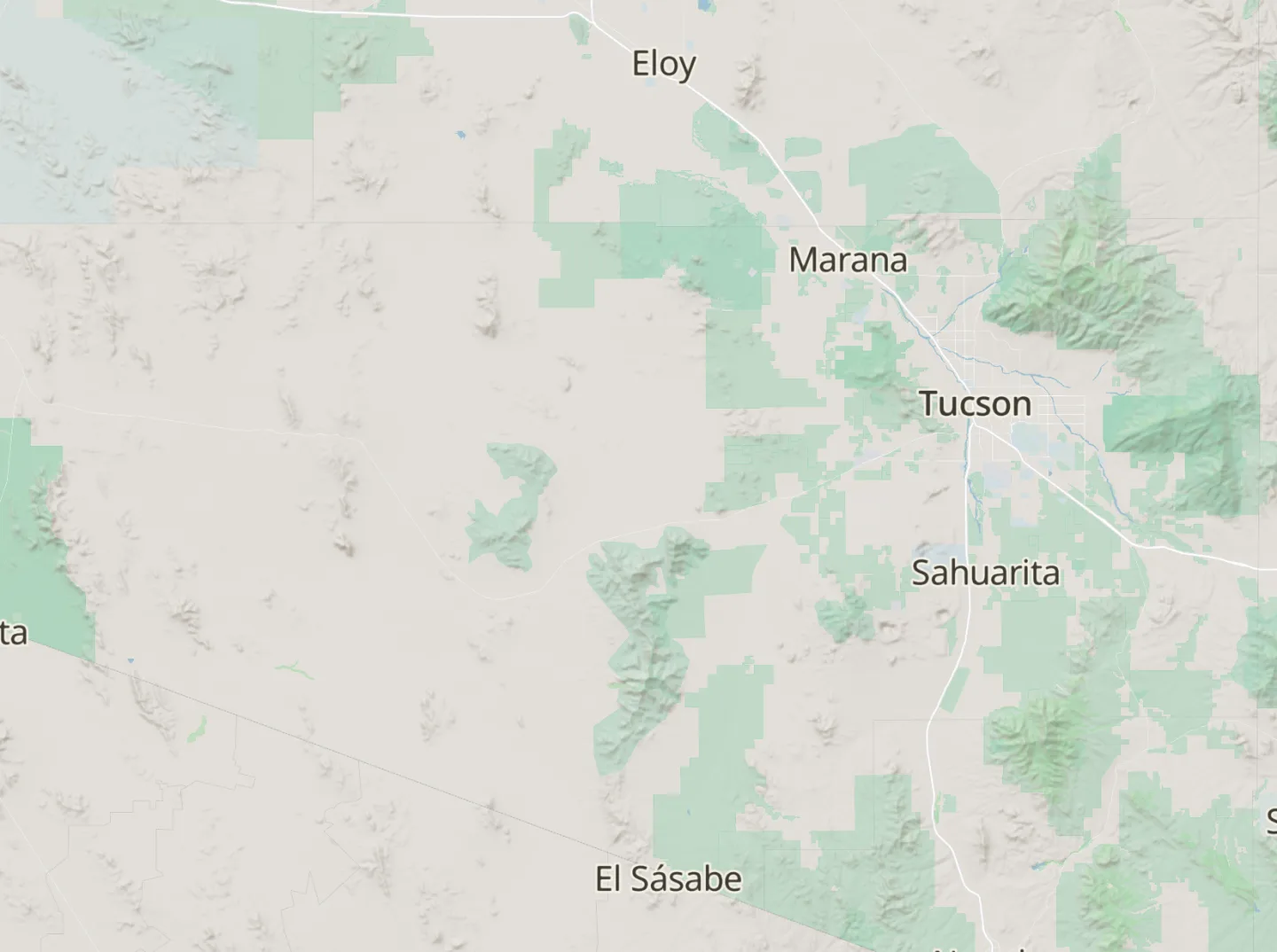 FlashFeed original map · © OpenStreetMap contributors (ODbL) via Protomaps · Elevation: AWS Terrain Tiles ↗
The Gadsden Purchase strip
After the 1848 Treaty of Guadalupe Hidalgo set the border at the Gila River, the U.S. bought the land to its south in the 1853 Gadsden Purchase — ~30,000 sq mi that became southern Arizona, Tucson, and a southern railroad route.
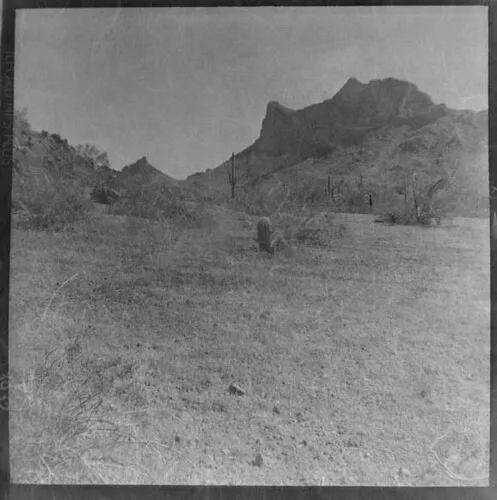 Crunchy Footsteps (Openverse) · by 2.0 ↗
Battle of Picacho Pass
On April 15, 1862, Union and Confederate cavalry clashed at Picacho Pass north of Tucson — the westernmost Civil War battle with fatalities. Three Union soldiers died. It's small as battles go, but it's Arizona's only true Civil War engagement.
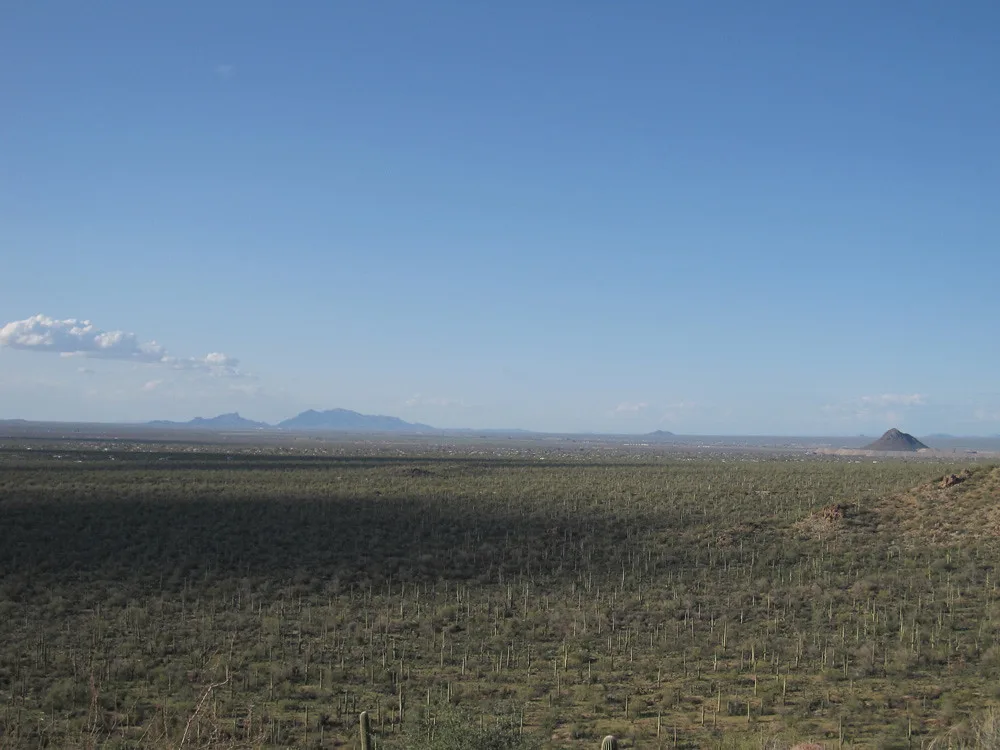 InSapphoWeTrust (Openverse) · by-sa 2.0 ↗
The California Column
In 1862 the California Column — about 2,300 Union volunteers under Brigadier General James Henry Carleton — marched east across the desert to drive Confederates out of Arizona and New Mexico. By August the Confederate Territory was finished.
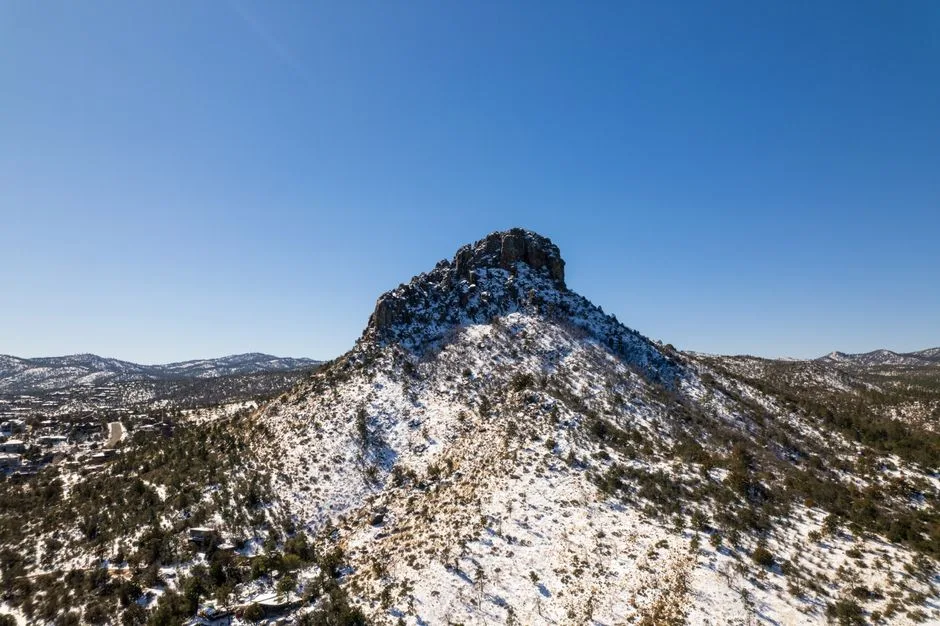 Pexels · Connor Gibson · Pexels License ↗
Arizona Territory created
On February 24, 1863, President Lincoln signed the act creating the Arizona Territory — splitting it off from New Mexico Territory along a north-south line. The territorial government first set up at Fort Whipple before the capital settled at Prescott in 1864, chosen for its central location and Union loyalty.
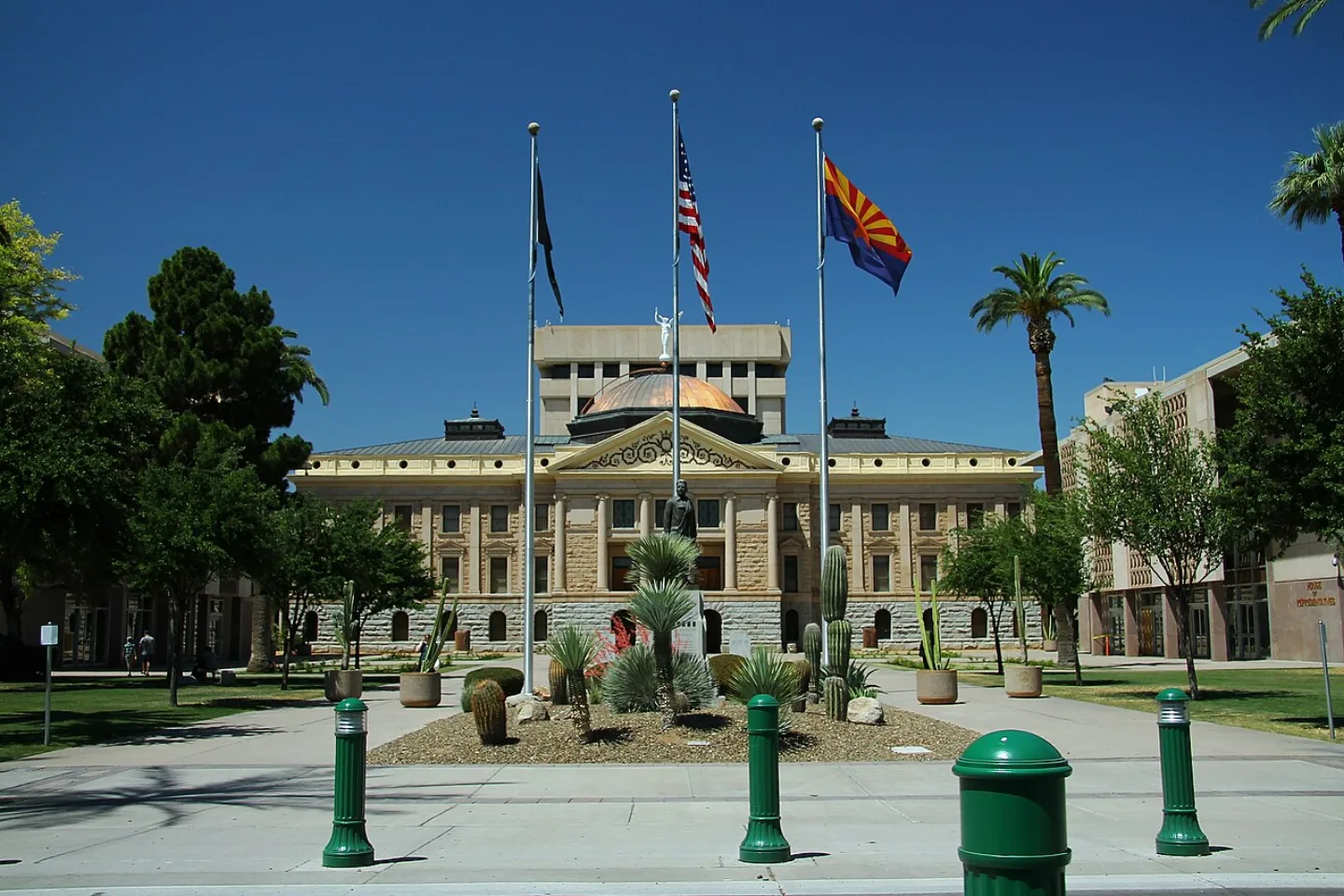 formulanone from Huntsville, United States · CC BY-SA 2.0 ↗
Arizona's wandering capital
Arizona's capital moved more than once. Prescott → Tucson (1867) → back to Prescott (1877) → Phoenix (1889). Each move tracked the shifting political weight of different regions of the territory.
1 / 9When was the Gadsden Purchase treaty signed?
The answer is 1853
Lesson 3 has 42 cards. Keep going in the free app.
Question -
 Unknown author · Public domain ↗04
Lesson 4: Conflict on the Frontier
Part 1: The Navajo Long Walk · Part 2: Apaches, Geronimo & the Forts
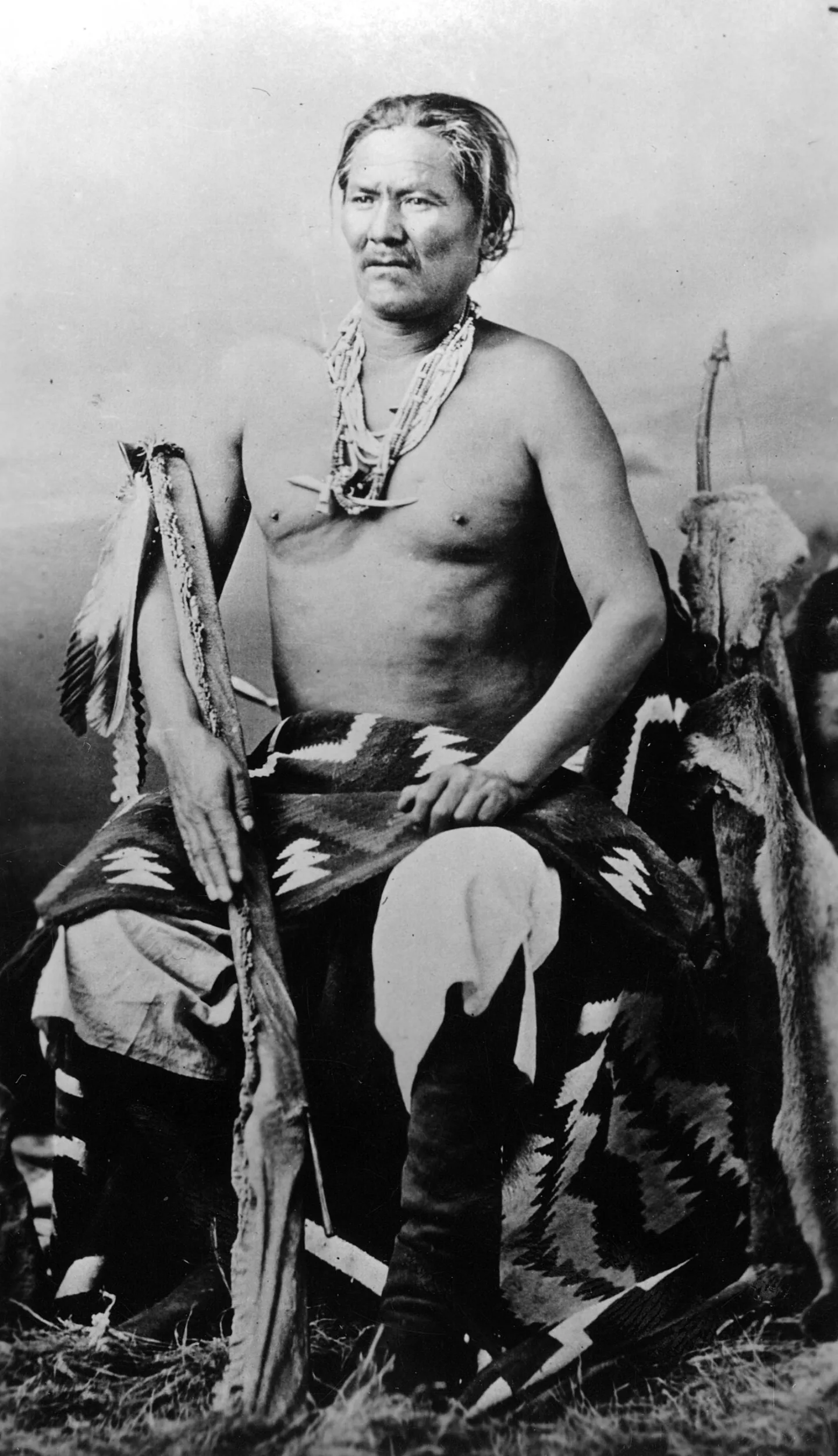
Lesson 4 · 10 cardsUnknown author · Public domain ↗Manuelito's attack
In April 1860, the Navajo war chief Manuelito led around 1,000 warriors in a dawn assault on Fort Defiance. The garrison held, but the attack was so bold it convinced Washington that the Navajo would have to be subdued.
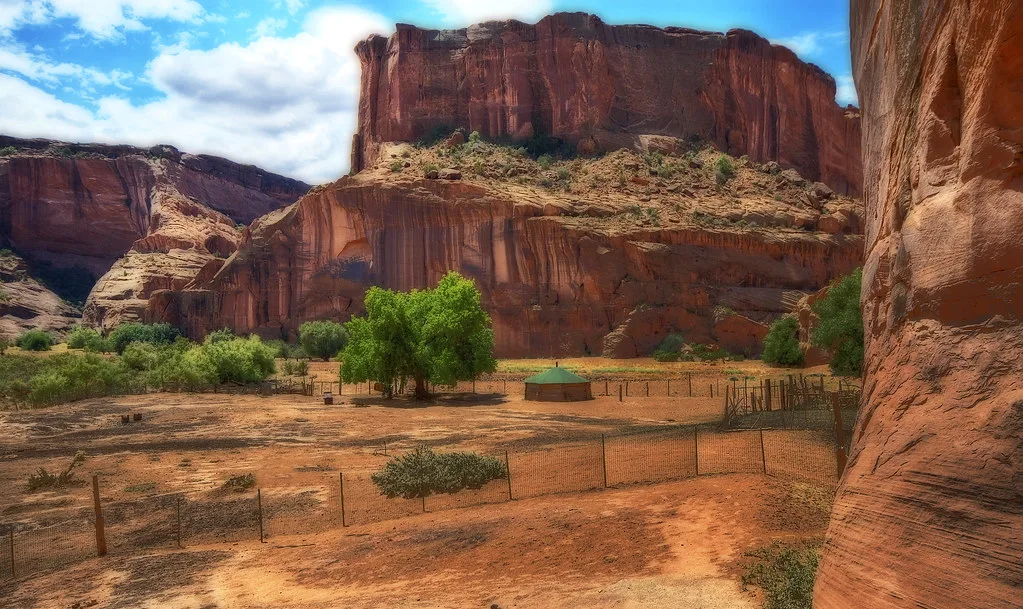 Wolfgang Staudt (Openverse) · by 2.0 ↗
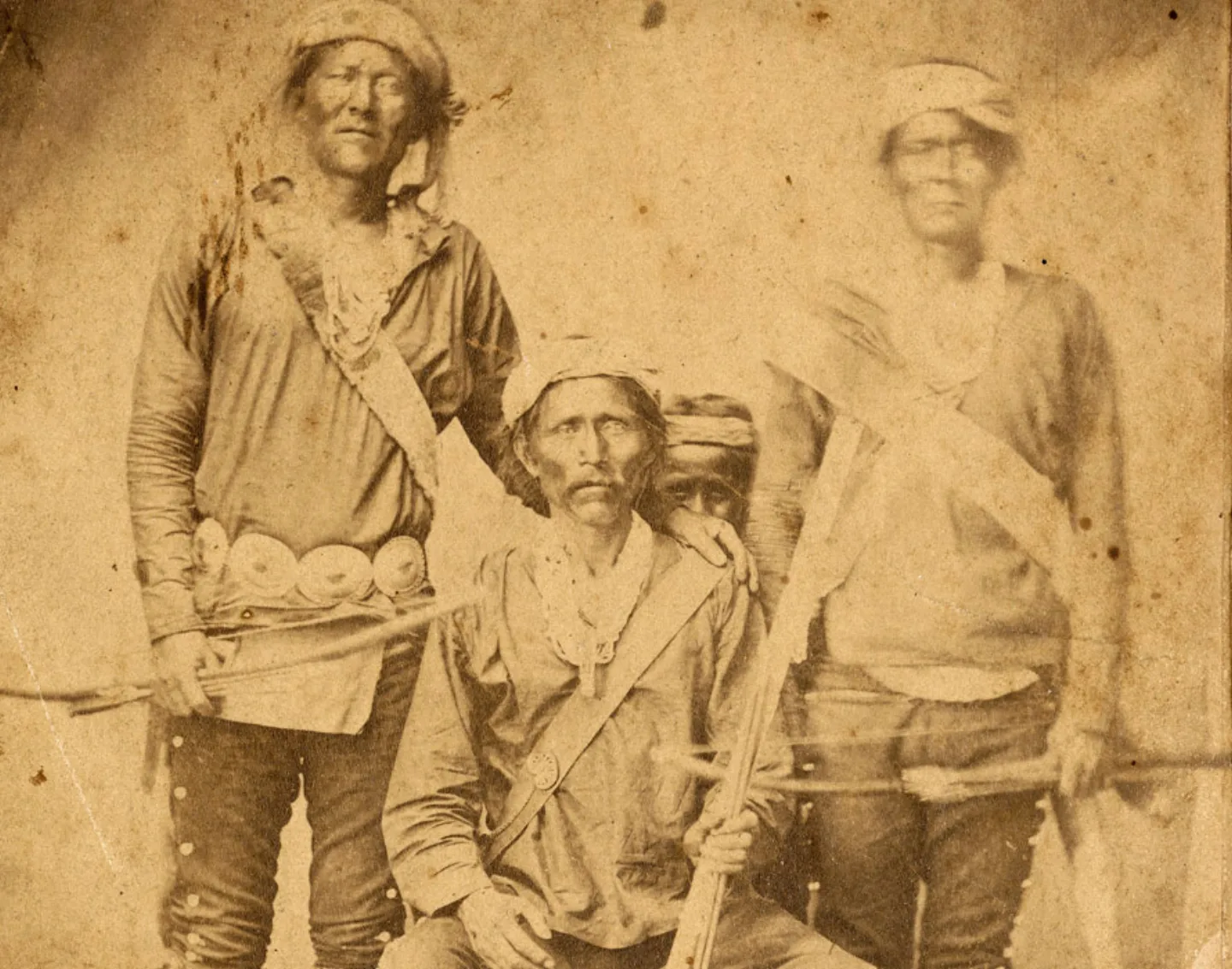
Kit Carson's scorched-earth campaign
In 1863, Colonel Kit Carson marched into Navajo country with orders to break Navajo resistance. He killed warriors, burned hogans, slaughtered sheep, and destroyed peach orchards in Canyon de Chelly. By 1864 the starving Navajo began to surrender.
 Wikimedia Commons · Unknown author · Public domain ↗
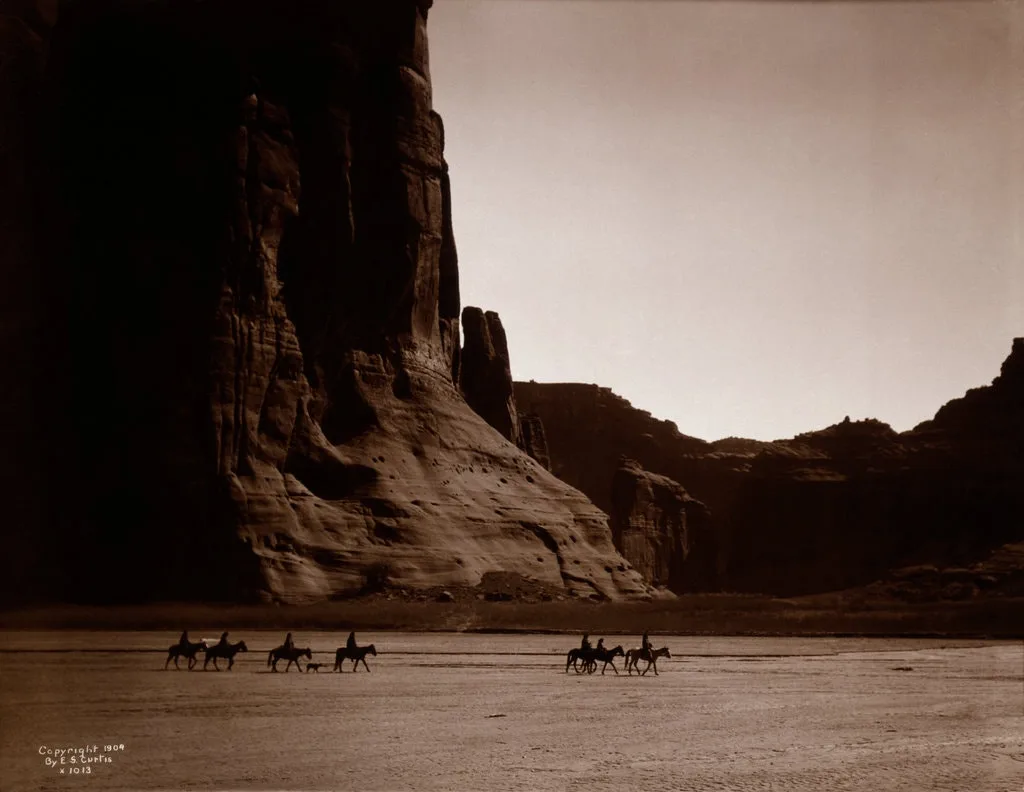
The Long Walk
About 9,000 Navajo were force-marched roughly 300 miles to Bosque Redondo in eastern New Mexico in 1864 — the Long Walk. Hundreds died on the way. The reservation was a disaster: bad water, failed crops, disease.
 Wikimedia Commons · Edward S. Curtis · Public domain ↗
The Navajo treaty of 1868
In 1868, after four miserable years at Bosque Redondo, the US signed a treaty allowing the Navajo to return to a reservation carved out of their original homeland. They walked home — and over the next century built it back into the largest reservation in the country.
 Wikimedia Commons · alohateam on Flickr · CC BY-SA 2.0 ↗
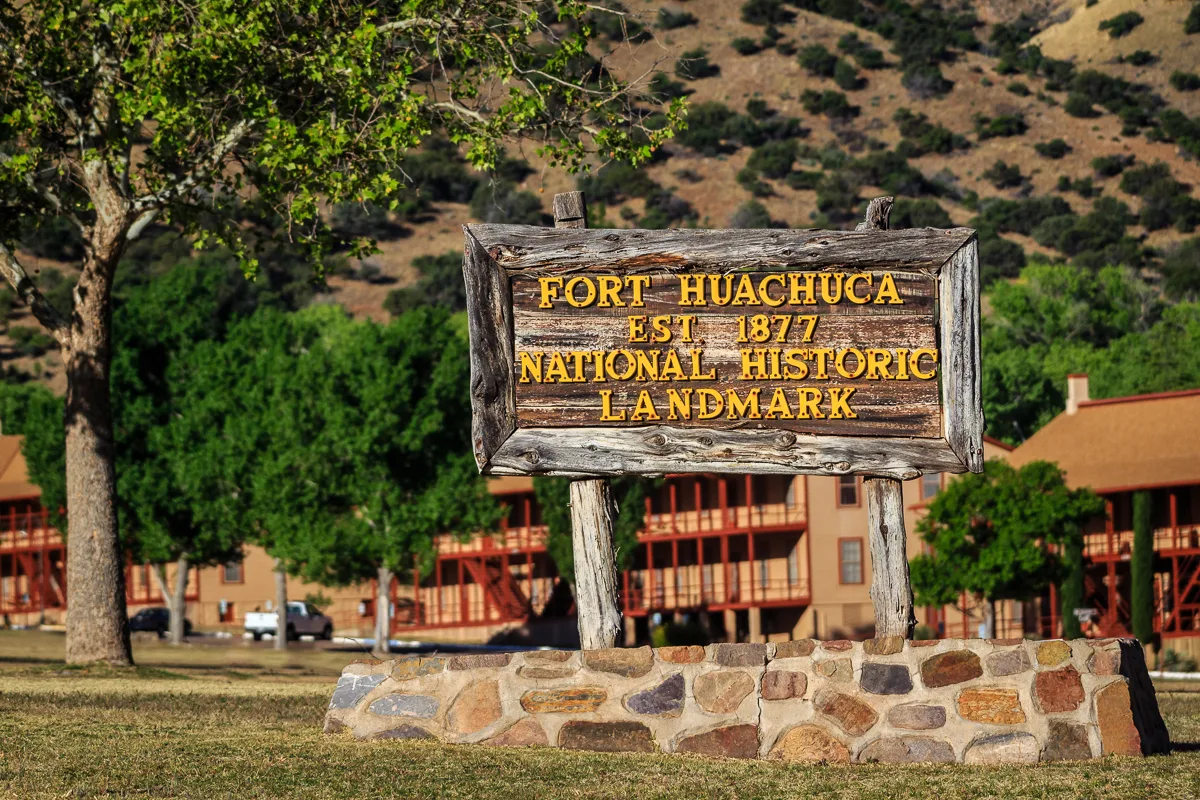
Fort Huachuca
Fort Huachuca, founded 1877 southeast of Tucson, was the base for US Army operations against Apache raiders crossing from Mexico. The post closed for several years after World War II before being reactivated in the 1950s — as of 2026 it remains an active Army post and houses the US Army Intelligence Center.
 Great Sand Dunes National Park and Preserve (Openverse) · pdm 1.0 ↗
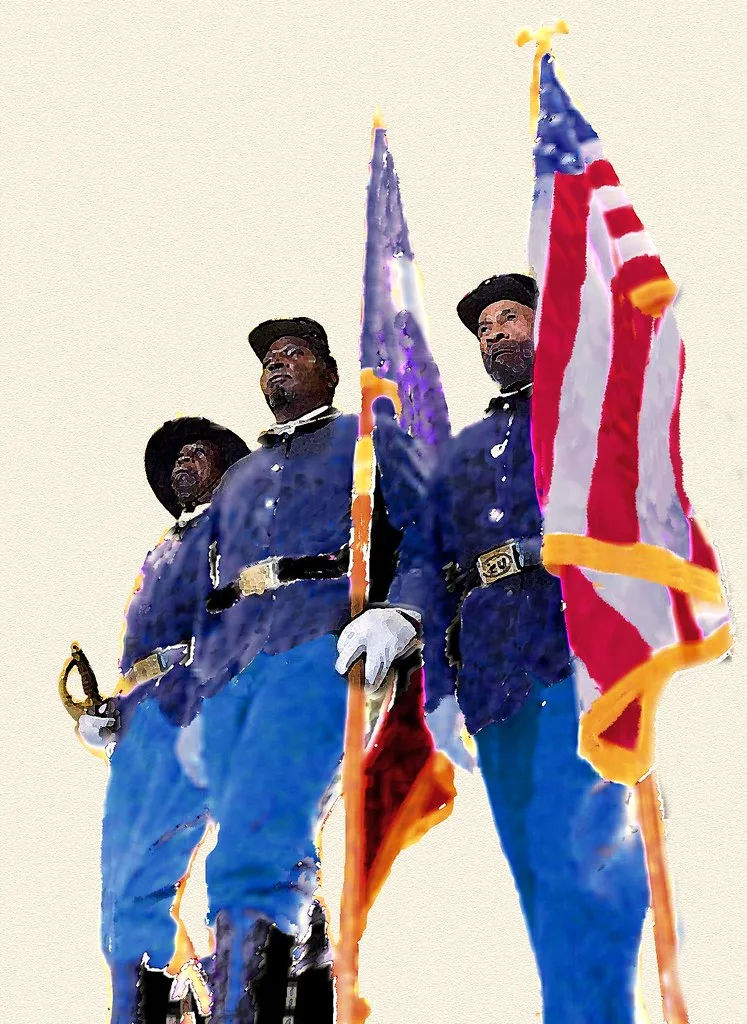
Buffalo Soldiers at Huachuca
From 1913 to 1933, the all-Black 10th Cavalry Regiment — the famous Buffalo Soldiers — was stationed at Fort Huachuca. They patrolled the Mexican border during the Pancho Villa years.
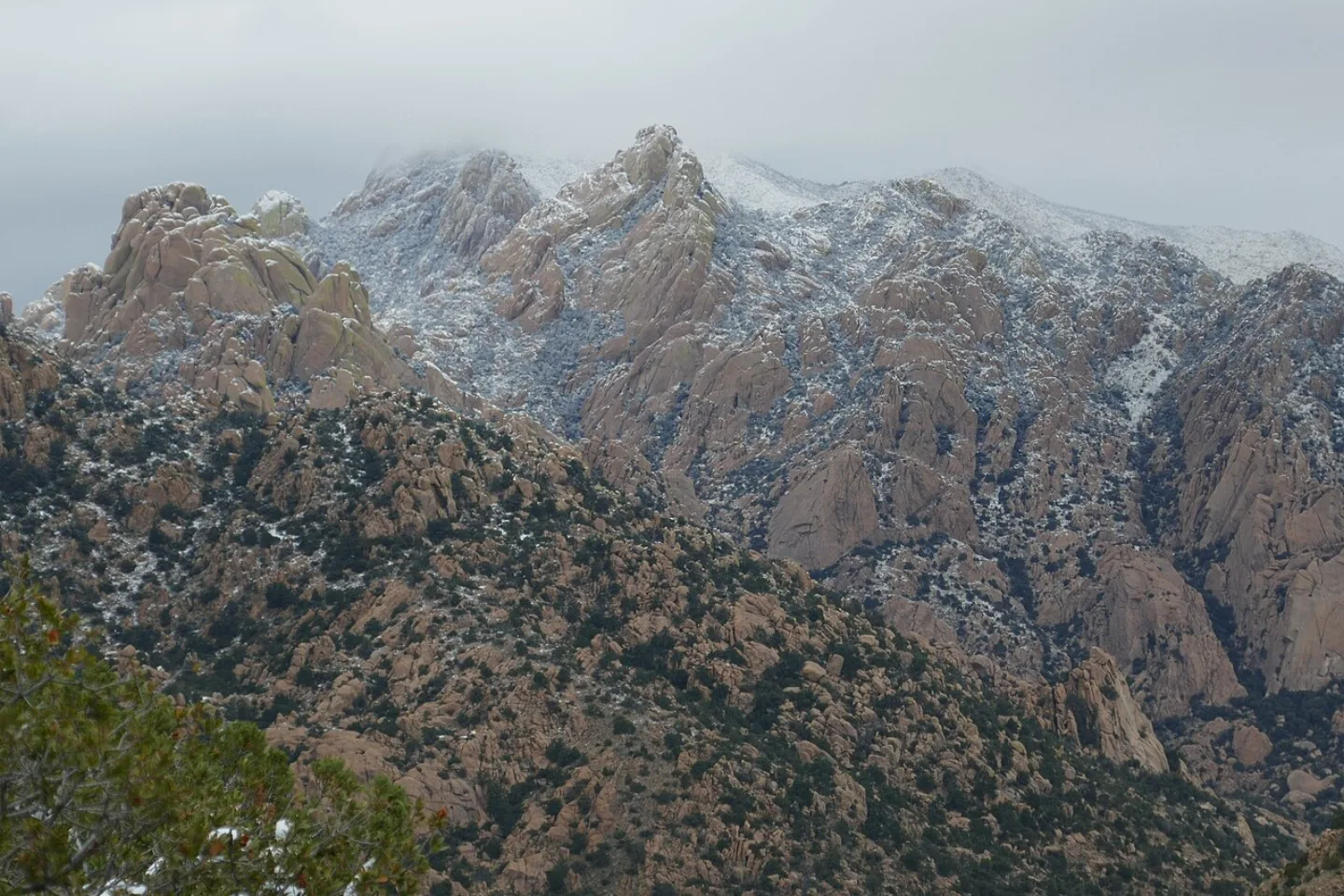 Phil Venditti from University Place, Washington, USA · CC BY 2.0 ↗
Cochise
Cochise led the Chiricahua Apache through more than a decade of guerrilla war against the US Army after a 1861 incident (the Bascom Affair) where soldiers hanged members of his family. He fought to a stalemate and signed peace in 1872 — and died in his mountain stronghold two years later.
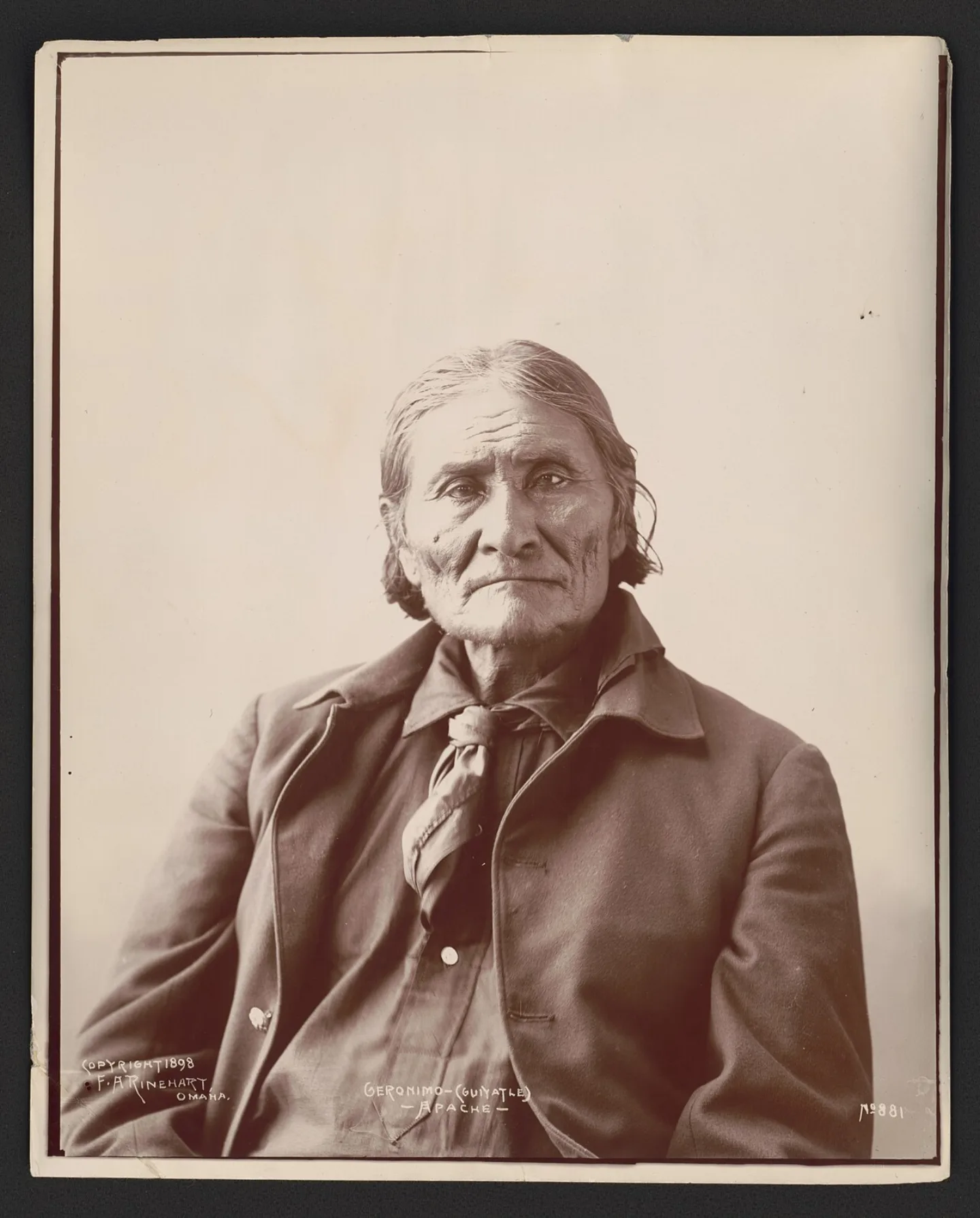 Adolph F. Muhr · Public domain ↗
Geronimo's last stand
Geronimo, an Apache medicine man and war leader, kept fighting after most Apache had been confined to reservations. His final group of about 35 men, women, and children evaded thousands of US and Mexican soldiers for over a year before surrendering in 1886 — the end of the Apache Wars.
1 / 10Roughly how many Navajo people were forced on the Long Walk?
The answer is About 9,000
Lesson 4 has 44 cards. Keep going in the free app.
Question -
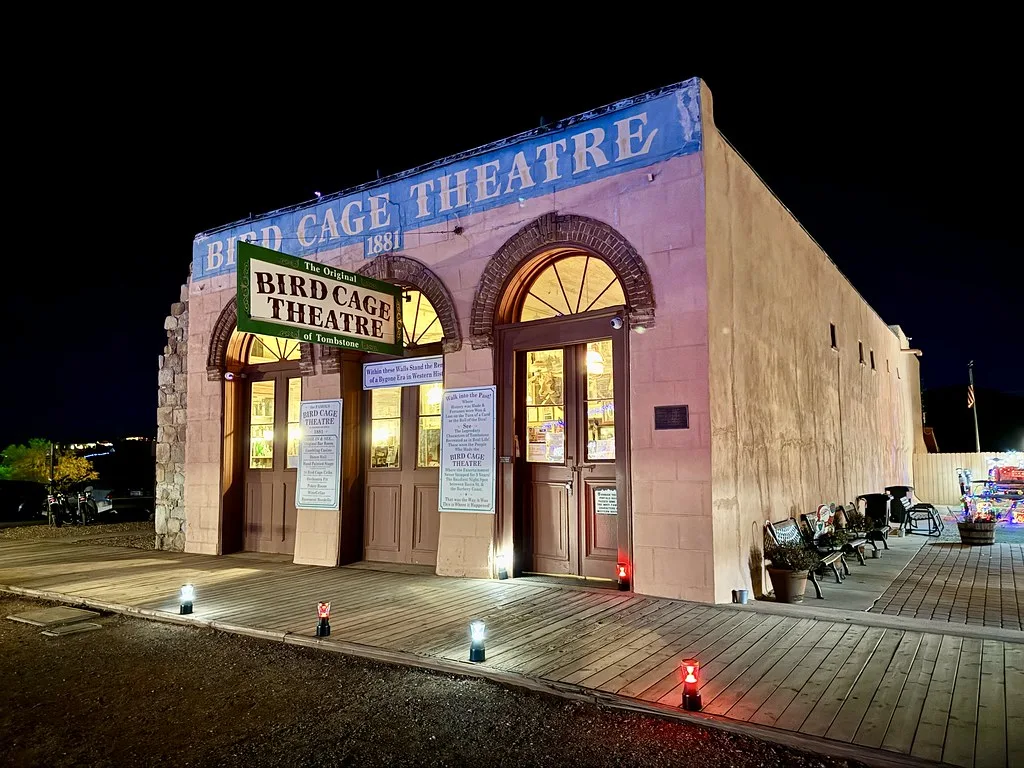 w_lemay (Openverse) · by-sa 2.0 ↗05
Lesson 5: The Wild West Era
Part 1: Mining Booms · Part 2: Tombstone & the O.K. Corral · Part 3: Railroads, Ranching & Population
Lesson 5 · 10 cardsw_lemay (Openverse) · by-sa 2.0 ↗Tombstone explodes
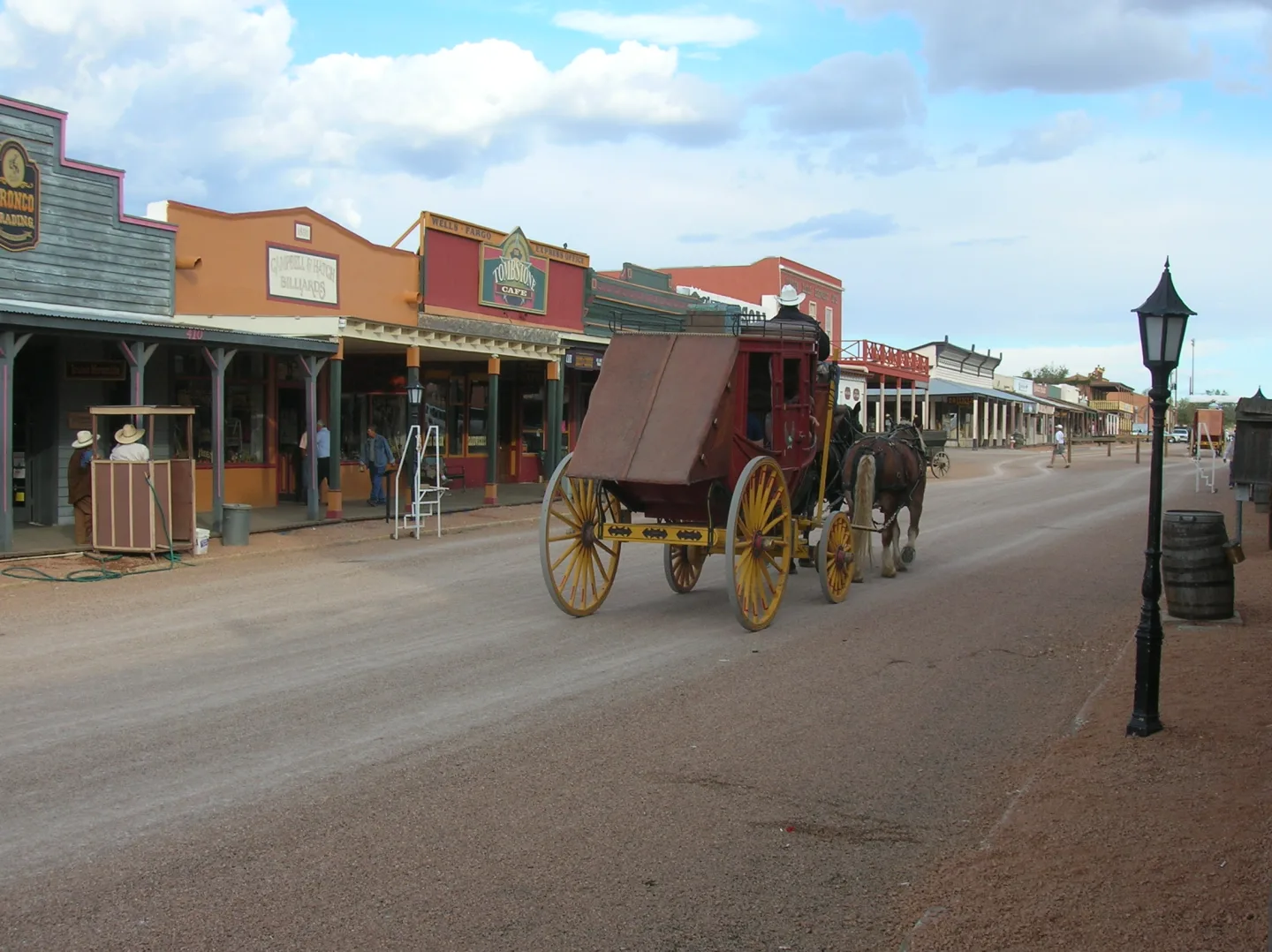
By 1881–82, Tombstone's population was estimated at 6,000 to 10,000 depending on the source. The town had saloons, gambling halls, opera houses, three newspapers, four churches, and dozens of brothels.
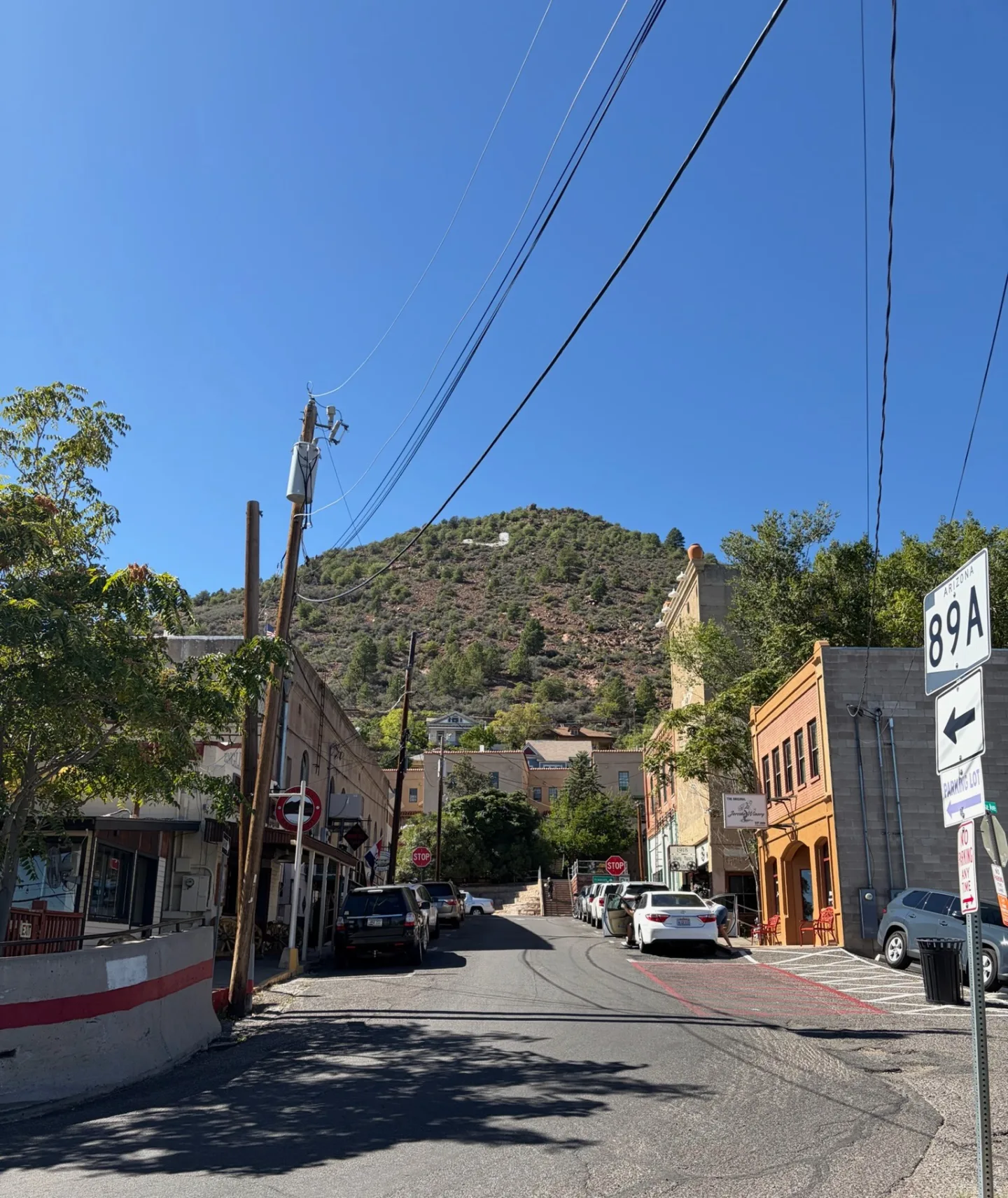 Wikimedia Commons · Seasider53 · CC BY 4.0 ↗
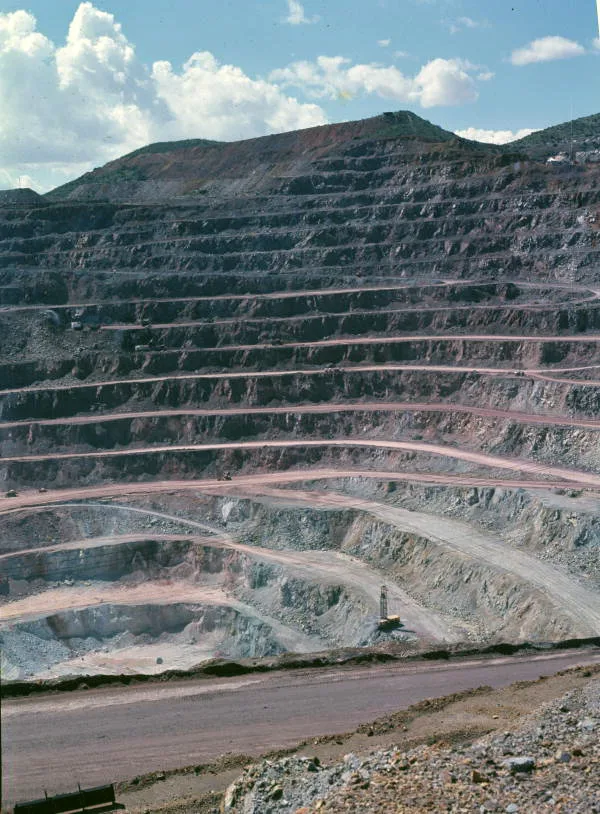
Jerome, the billion-dollar copper camp
The United Verde Copper Company was incorporated in 1883, and the camp on Cleopatra Hill was named Jerome after Eugene Jerome, a New York financier who backed the company. Perched on a 30° slope, it became one of the richest copper towns in the country before it nearly emptied in the 1950s.
 Joseph Janney Steinmetz · Public domain ↗
Why copper boomed
Arizona's copper boom rode the electrical revolution. As America wired up — power lines, telephones, electric motors — copper was suddenly a strategic commodity. The territory's mines and smelters scaled up to meet the demand.
 Wikimedia Commons · Grombo · CC BY-SA 3.0 ↗
The Earps come to Tombstone
Wyatt Earp and his brothers Virgil and James arrived in Tombstone in 1879, looking to make money on the boom. They bought mining shares, gambling concessions, and water rights. Virgil and Wyatt became federal and town lawmen. Their brother Morgan followed in 1880.
 Unsplash · Dennis Lamberth · Unsplash License ↗
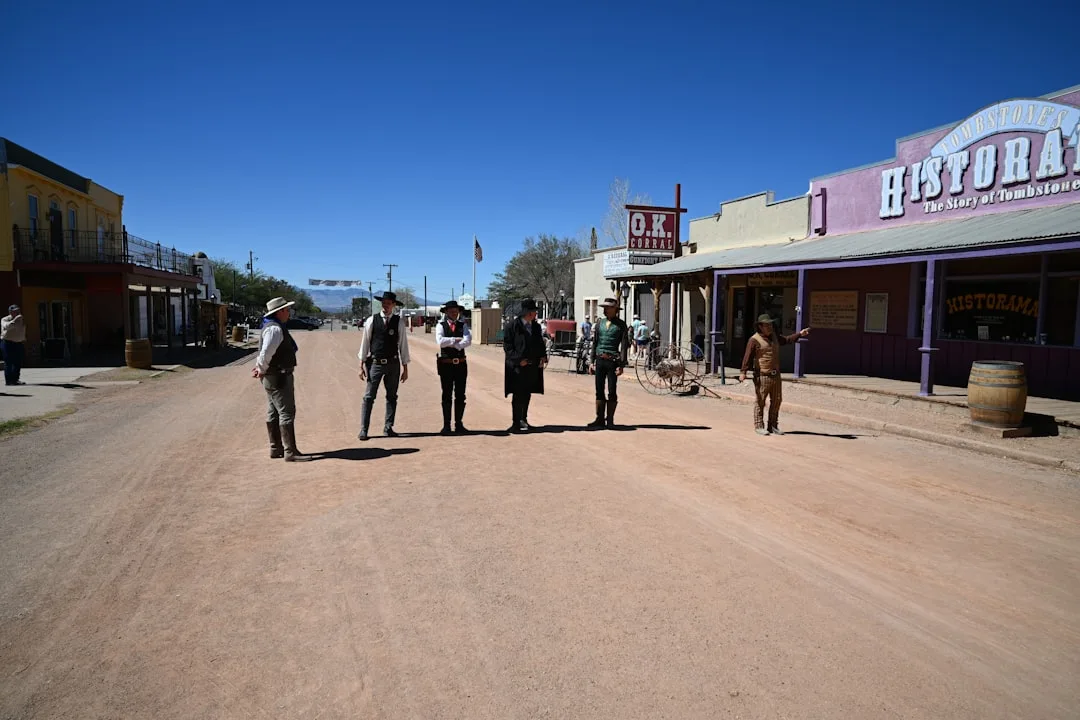
Gunfight at the O.K. Corral
On October 26, 1881, the Earps and Doc Holliday faced off against a faction of cowboys — Billy Clanton and the McLaurys — in a dusty lot near the O.K. Corral. The fight lasted 30 seconds. Three cowboys died. It became the most famous shootout in American history.
1 / 10About how large was Tombstone at its peak in 1881?
The answer is About 6,000 to 10,000 people
Lesson 5 has 58 cards. Keep going in the free app.
Question - Take the lessons with you. Free, no account.Download on the App Store ↗Get it on Google Play ↗
-
 Library of Congress · Hotel El Tovar, Grand Canyon Arizona · No known restrictions (verify at source) ↗06
Lesson 6: Statehood & Early 20th Century
Part 1: The Road to Statehood · Part 2: Carl Hayden · Part 3: The Grand Canyon Becomes an Icon
Lesson 6 · 10 cardsLibrary of Congress · Hotel El Tovar, Grand Canyon Arizona · No known restrictions (verify at source) ↗Trains, then tourists
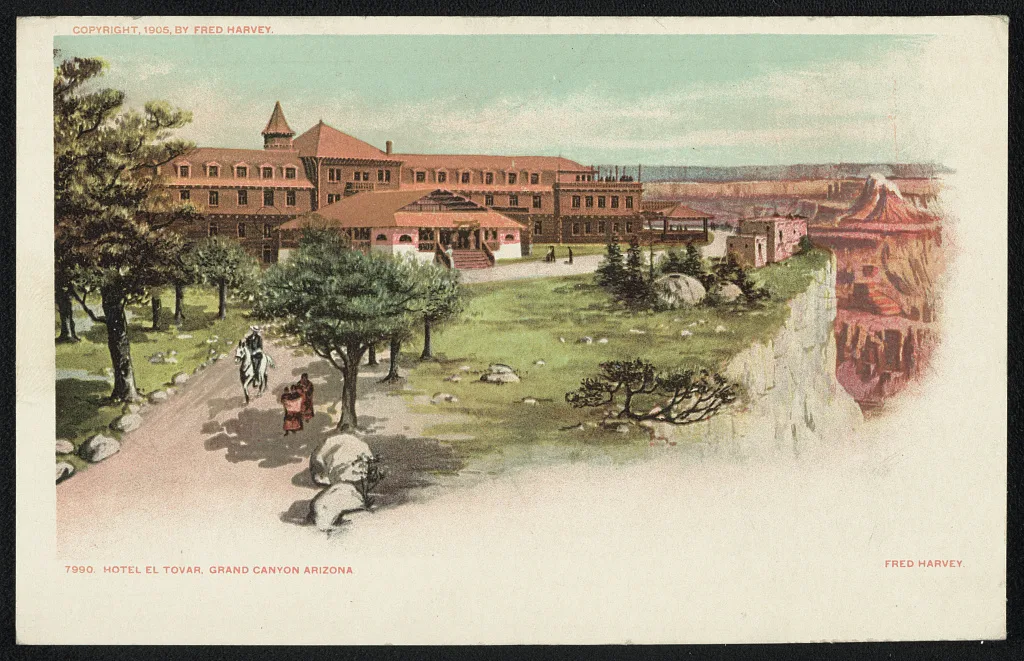
The Santa Fe Railroad reached the Grand Canyon's South Rim in 1901. Tourism followed in a flood. By 1905, the El Tovar Hotel — a luxury Harvey House lodge — was hosting guests overlooking the canyon, and a tourism industry took root that has never stopped growing.
 FlashFeed original diagram · CC-BY-4.0
A radical constitution
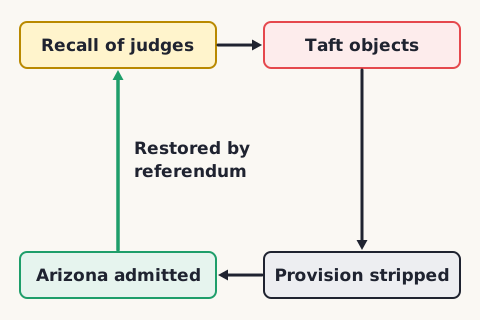
Arizona's first proposed constitution was a Progressive showcase: initiative, referendum, recall of officials (including judges), and direct election of senators. President Taft objected specifically to letting voters recall judges — Arizona stripped that provision, got admitted, then restored it by referendum months later. Women's suffrage came separately, by a 1912 initiative.
 FlashFeed original diagram · CC-BY-4.0
Women voted before federal suffrage
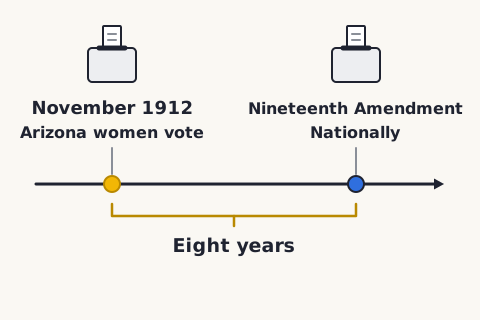
Arizona women won the right to vote in November 1912 by state referendum — eight years before the Nineteenth Amendment did the same nationally. The state constitution had been amended within months of statehood.
 Unsplash · Drew Beamer · Unsplash License ↗
The 'jointure' idea
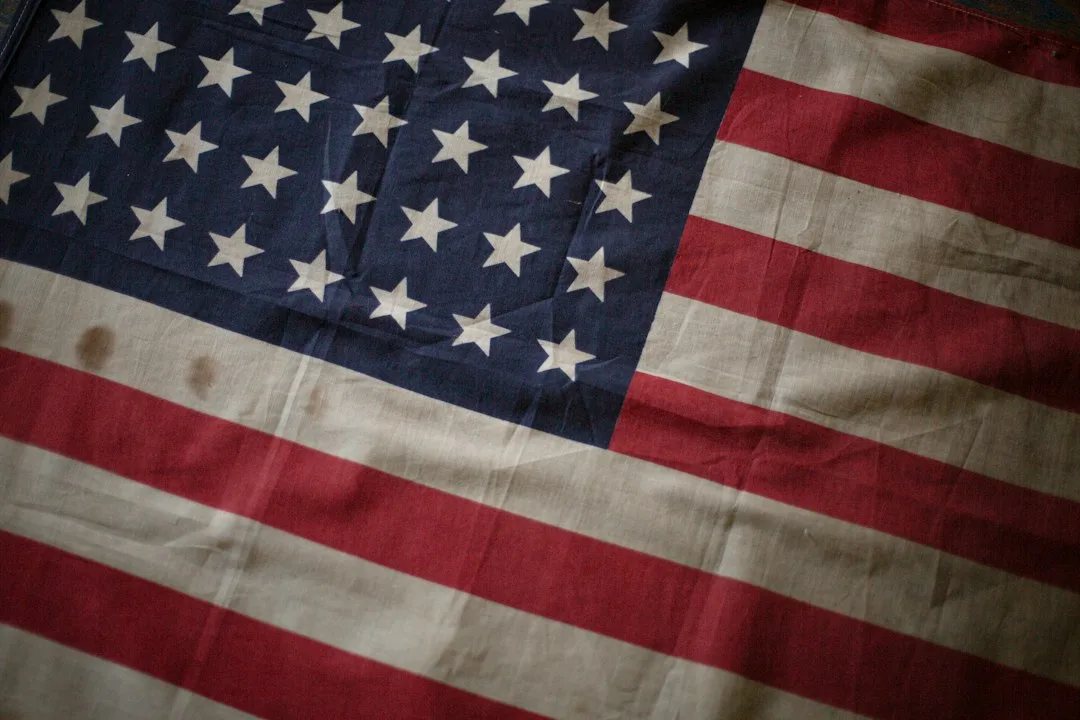
Some in Congress proposed admitting Arizona and New Mexico as one combined state to keep Senate numbers manageable. New Mexicans were open to it. Arizonans hated the idea and voted it down — they wanted their own star on the flag.
 Wikimedia Commons · U.S. Bureau of Reclamation · Public domain ↗
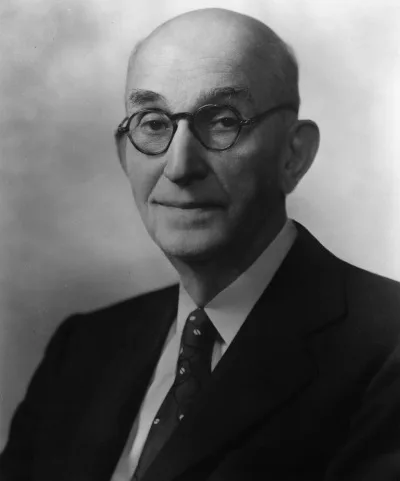
Hayden's 21-year water crusade
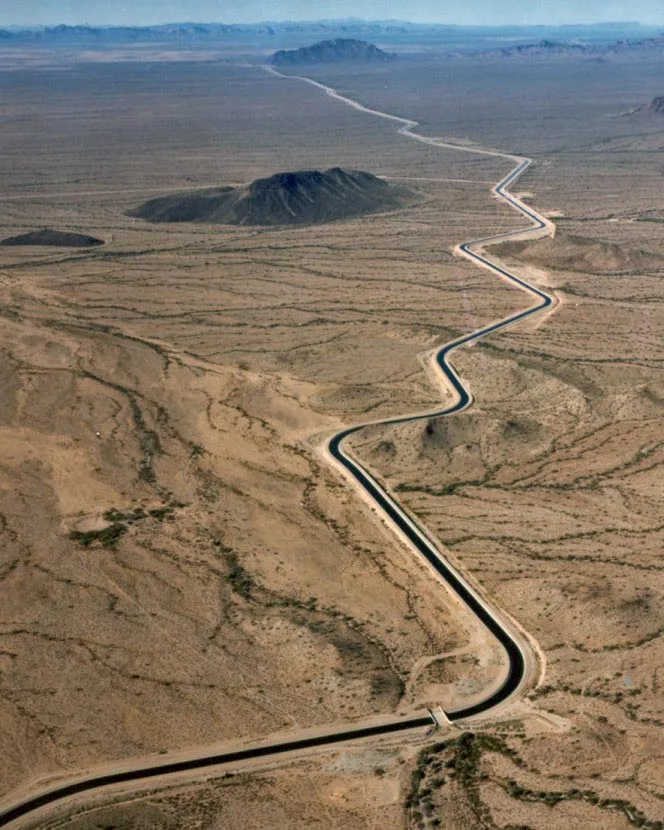
Hayden's biggest legislative cause was the Central Arizona Project — a 336-mile aqueduct to carry Colorado River water to Phoenix and Tucson. He championed it from its 1947 proposal, finally getting it authorized in 1968, just months before he retired in January 1969.
 Wikimedia Commons · United States Senate Historical Office · Public domain ↗
From House to Senate
Carl Hayden entered the U.S. House in 1912, the year Arizona became a state, then moved to the Senate in 1927 and served there until 1969.
1 / 10On what date did Arizona become a US state?
The answer is February 14, 1912
Lesson 6 has 58 cards. Keep going in the free app.
Question -
 Wikimedia Commons · Mariordo (Mario Roberto Durán Ortiz) · CC BY-SA 4.0 ↗07
Lesson 7: Depression, War & Water
Part 1: Hoover Dam & the Depression · Part 2: Arizona in World War II · Part 3: Postwar Water & Industry
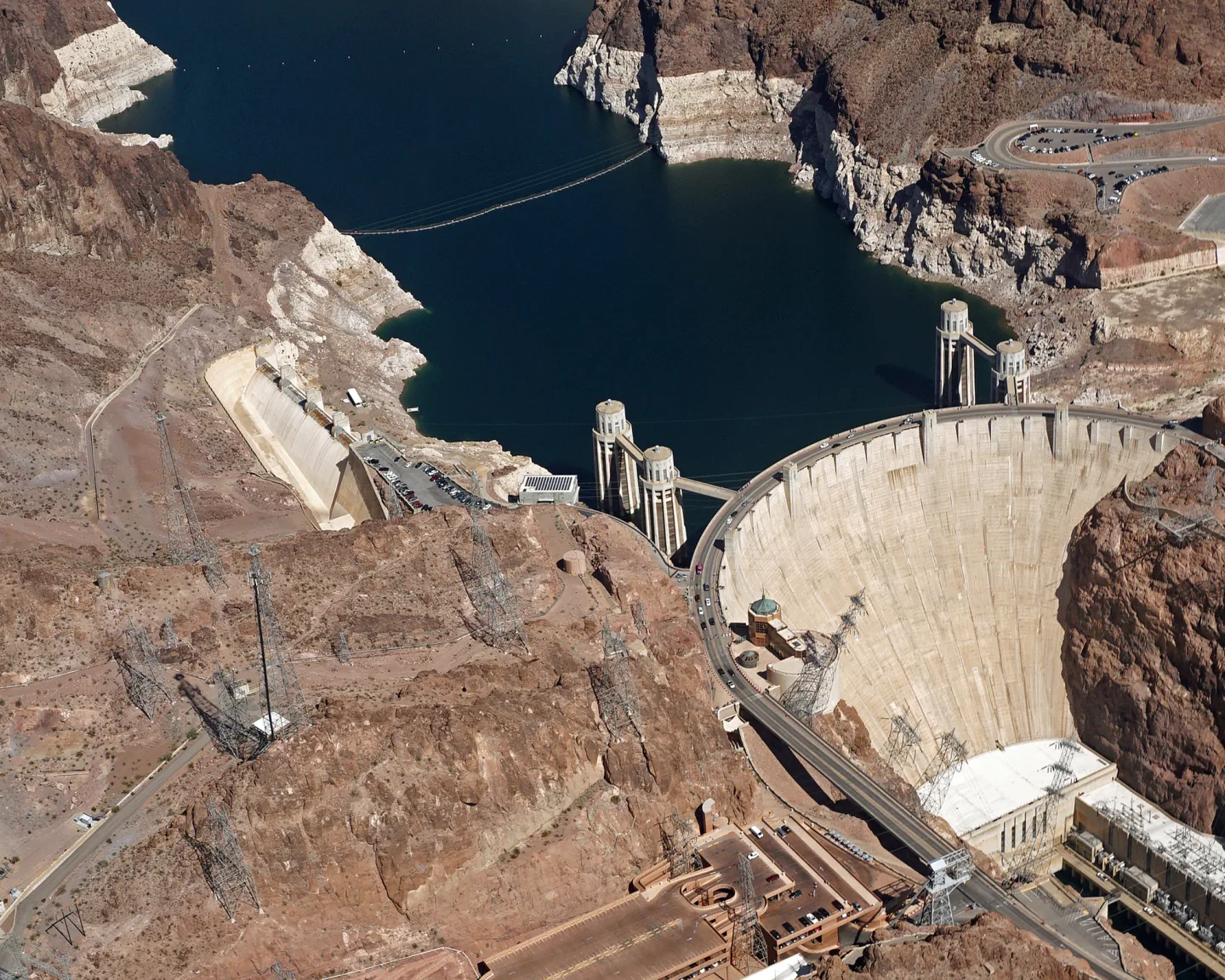
Lesson 7 · 10 cardsWikimedia Commons · Mariordo (Mario Roberto Durán Ortiz) · CC BY-SA 4.0 ↗Hoover Dam
Hoover Dam — originally Boulder Dam — was built from 1931 to 1936 in the Black Canyon of the Colorado on the Arizona-Nevada border. 726 feet tall, it created Lake Mead and made large-scale water and power management of the lower Colorado possible.
 Gonzo fan2007 (Openverse) · by 2.0 ↗
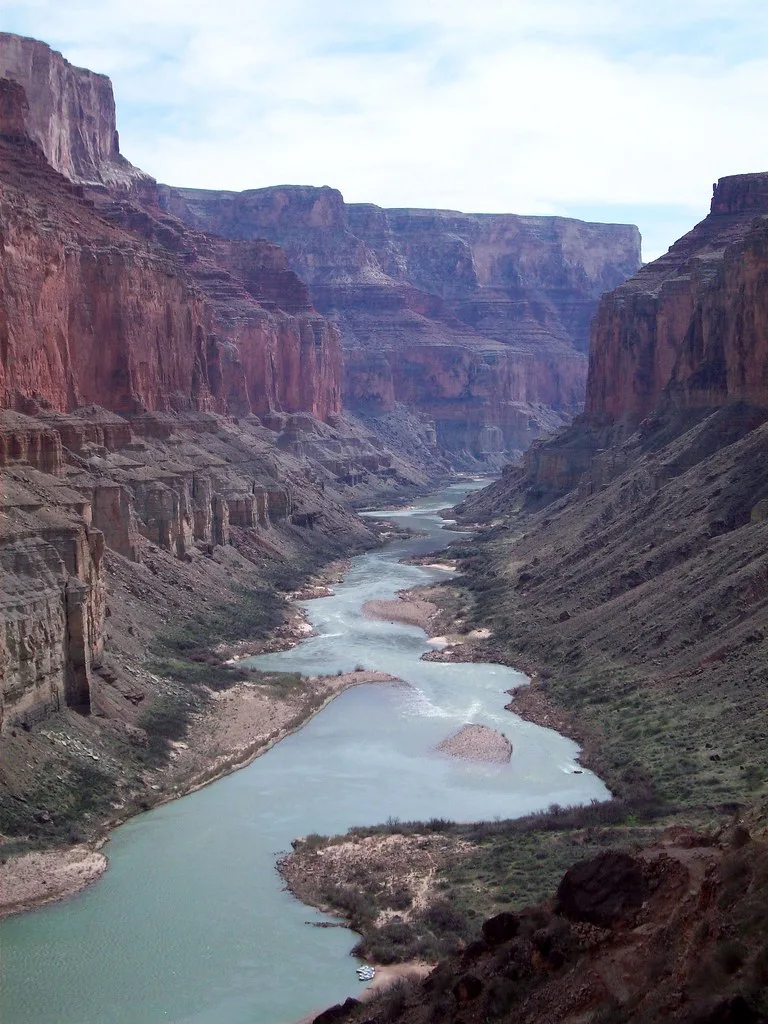
The Colorado River Compact
The 1922 Colorado River Compact split the river between an upper and a lower basin — 7.5 million acre-feet a year each. Dividing the lower half left California 59%, Arizona 37% (2.8 million acre-feet), and Nevada 4%. Arizona refused to ratify until 1944.
 Christian David · CC BY-SA 4.0 ↗
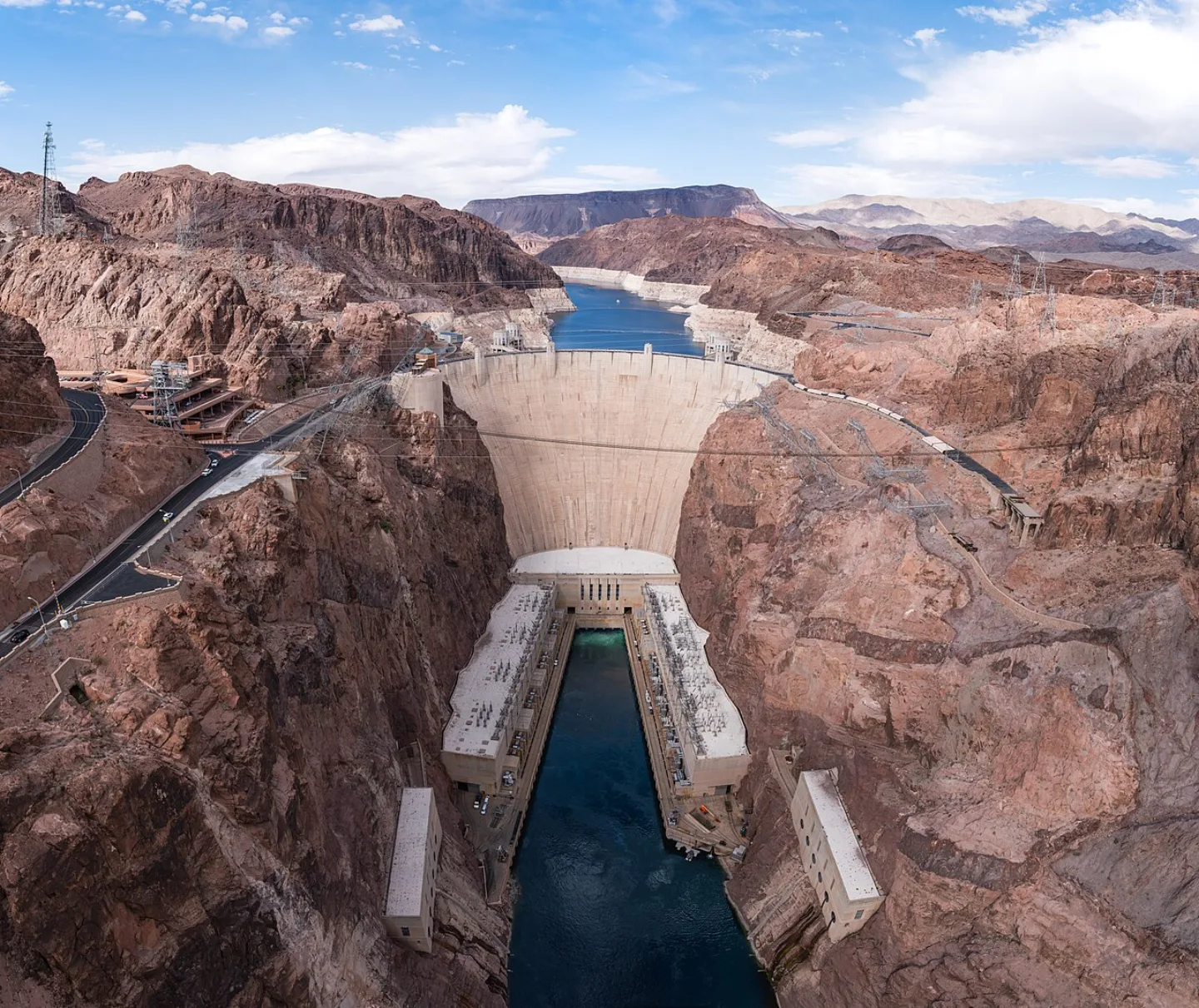
Engineering scale
Hoover Dam was the tallest dam in the world when completed in 1936. Roughly 21,000 workers built it; 96 died on the project. The concrete in its arch is so massive that estimates say it would take about 125 years to cool naturally — engineers instead ran refrigerated water through embedded pipes to set it in months.
 Edmund R. Golladay · Public domain ↗
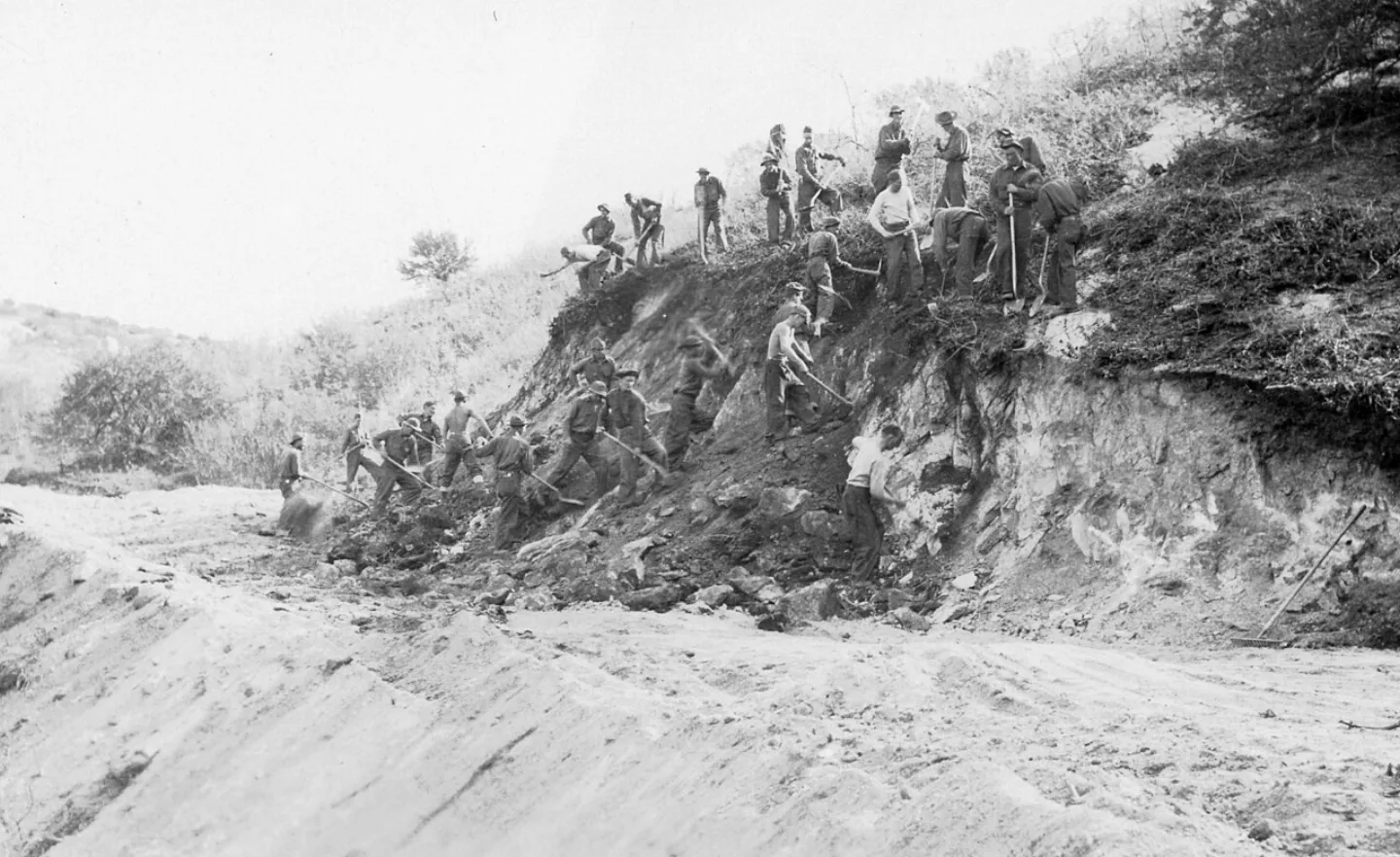
Arizona in the Depression
The Depression hit Arizona's copper and cattle economy hard. By 1932 local relief was exhausted and the New Deal poured in: CCC camps, dam projects, road work. Federal spending — capped by Hoover Dam — pulled the state out of crisis.
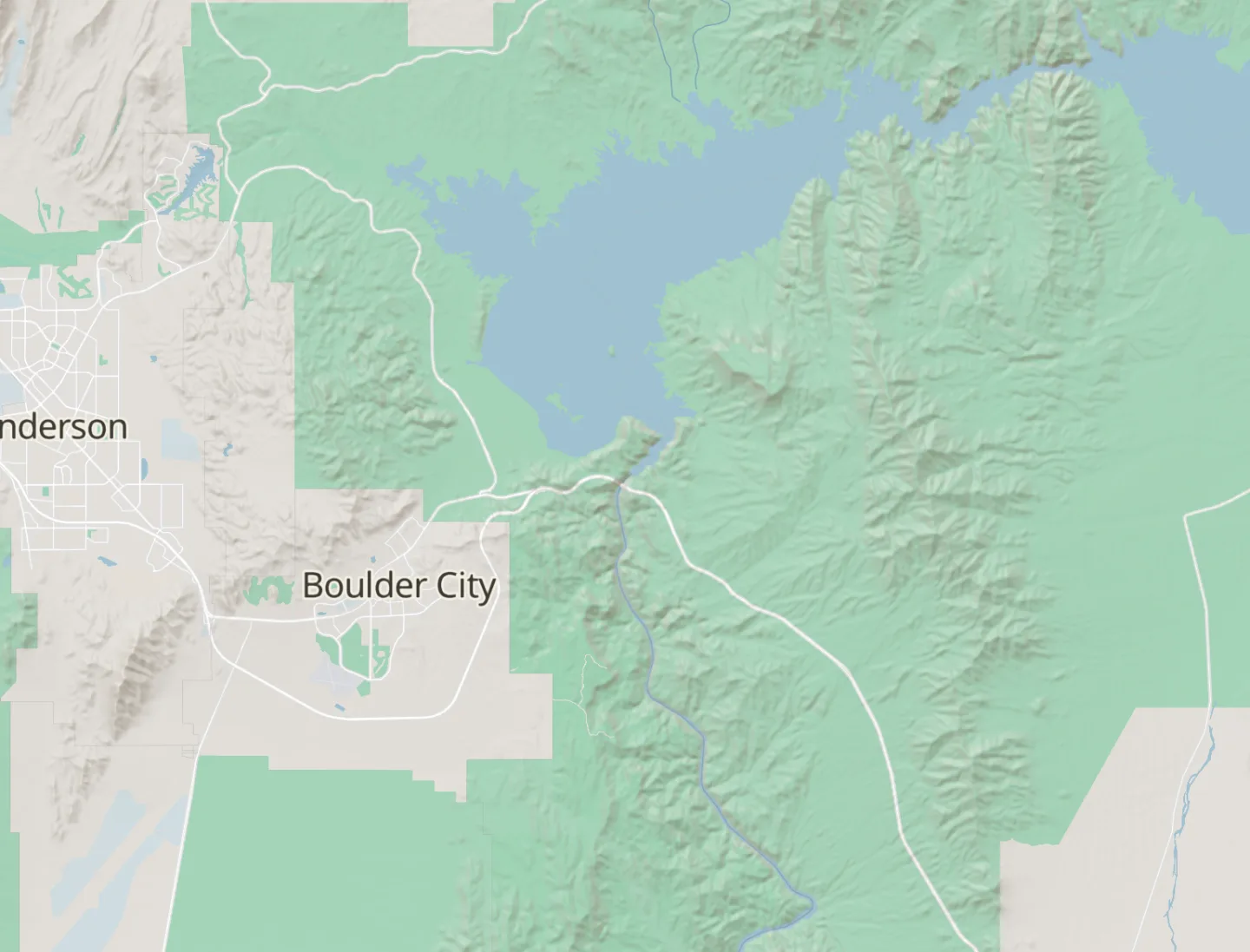 FlashFeed original map · © OpenStreetMap contributors (ODbL) via Protomaps · Elevation: AWS Terrain Tiles ↗
Hoover Dam tames the Colorado
Built 1931–1936 in Black Canyon on the Arizona–Nevada line, Hoover Dam was a Depression-era engineering marvel. Its reservoir, Lake Mead, is the largest in the United States by capacity — and made large-scale settlement of the modern Southwest possible.
 Pexels · Sean P. Twomey · Pexels License ↗
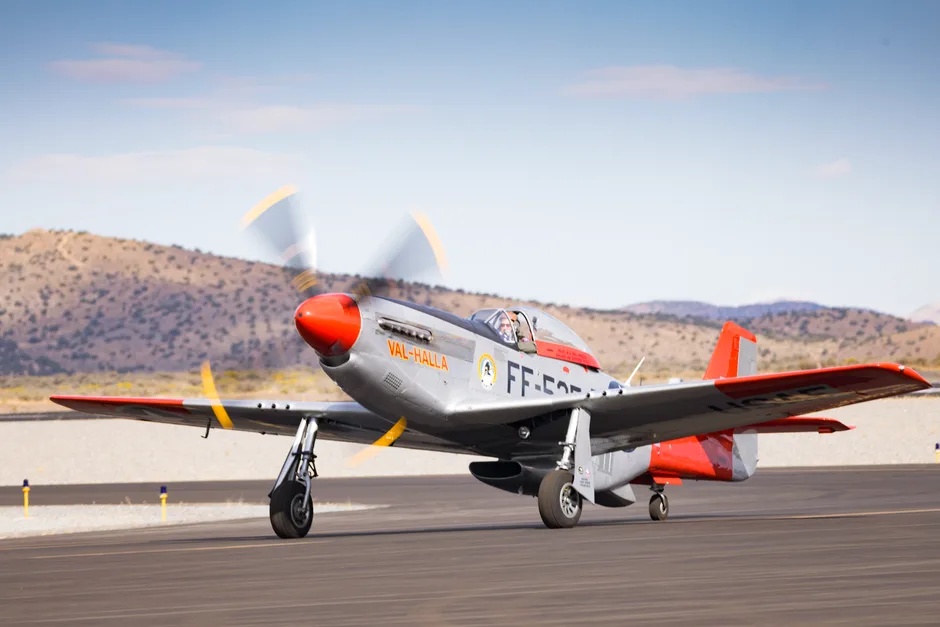
Why the military came to Arizona
World War II turned Arizona into a giant training ground. The state offered clear flying weather, empty land, cheap labor, and proximity to California aviation plants. Bases, airfields, and proving grounds spread across the desert — and most of them stayed after the war.
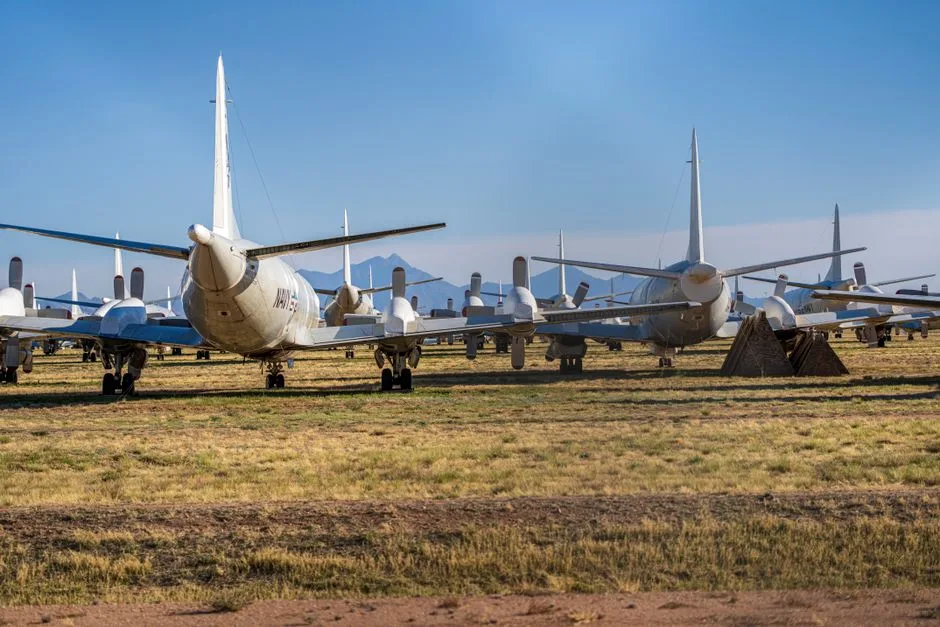 Pexels · Decommissioned aircraft in a desert boneyard in Tucson, Arizona under clear skies. ↗
Davis-Monthan Field
Davis-Monthan Field outside Tucson became the main training center for Army Air Forces bomber crews. After the war it kept growing — it now hosts the famous 'Boneyard', a 2,600-acre yard where the US military's retired aircraft sit in the dry air.
 Wikimedia Commons · Victor-ny · CC BY-SA 3.0 ↗
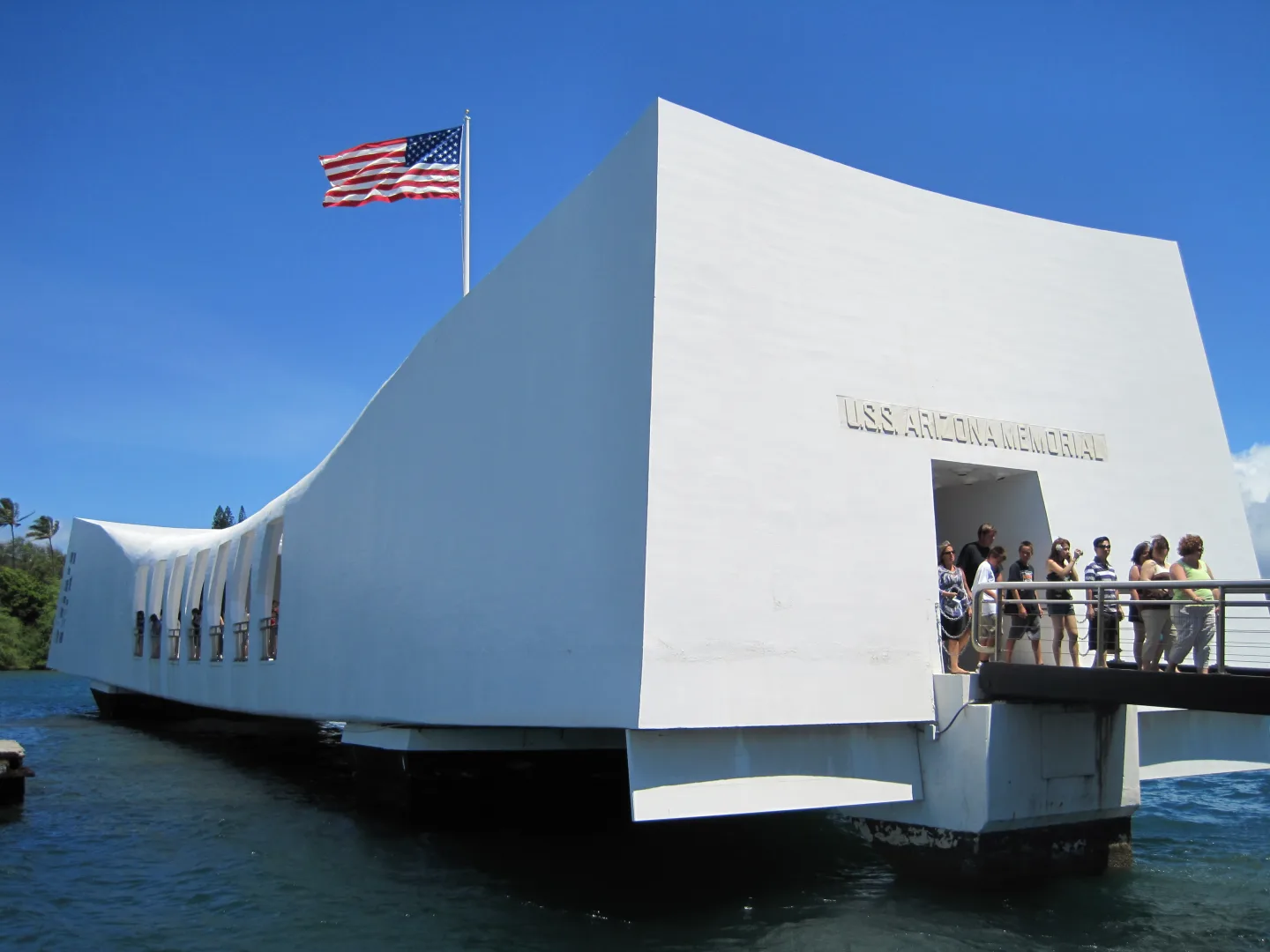
USS Arizona
The battleship USS Arizona was destroyed at Pearl Harbor on December 7, 1941, taking 1,177 sailors with her. Her hull still rests in the harbor, leaking small amounts of oil daily — and her memorial is the centerpiece of the Pearl Harbor National Memorial.
1 / 10When was Hoover Dam constructed?
The answer is 1931–1936
Lesson 7 has 55 cards. Keep going in the free app.
Question -
 Ken Lund (Openverse) · by-sa 2.0 ↗08
Lesson 8: The Sunbelt Boom
Part 1: Population Explosion · Part 2: Retirement Communities · Part 3: Politicians on the National Stage
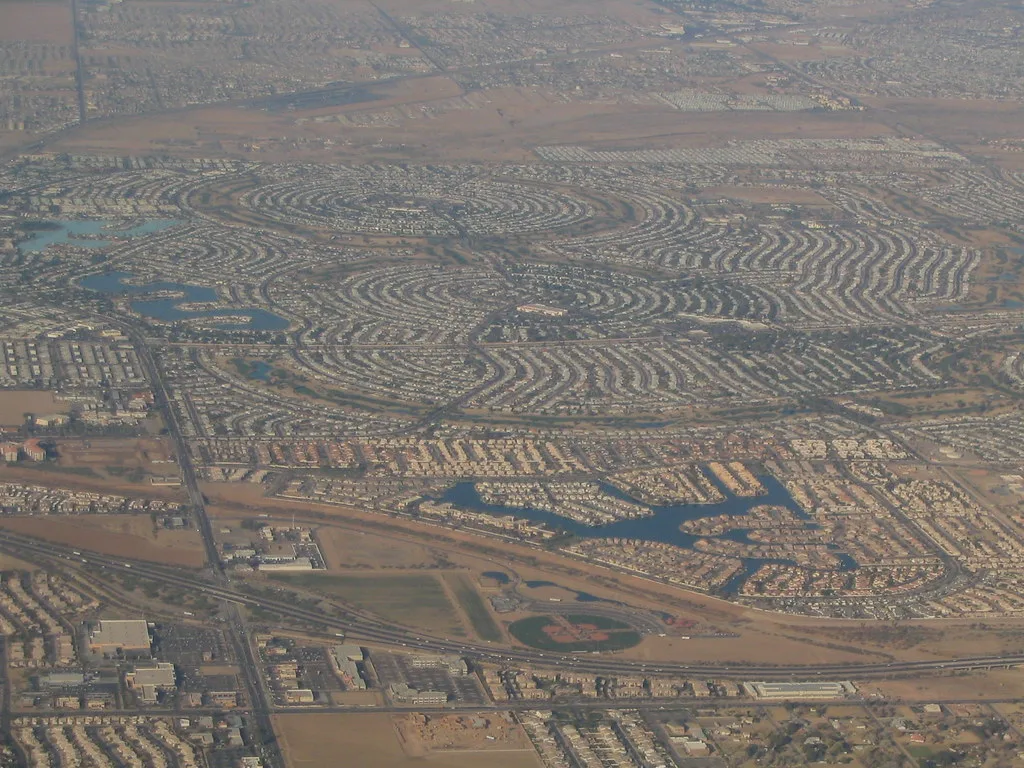
Lesson 8 · 10 cardsKen Lund (Openverse) · by-sa 2.0 ↗Sun City
Developer Del Webb opened Sun City in 1960 — an 'active adult' retirement community with pools, golf courses, and community centers. The opening weekend drew 100,000 visitors. It became the model for retirement living across the Sunbelt.
 FlashFeed original diagram · CC-BY-4.0
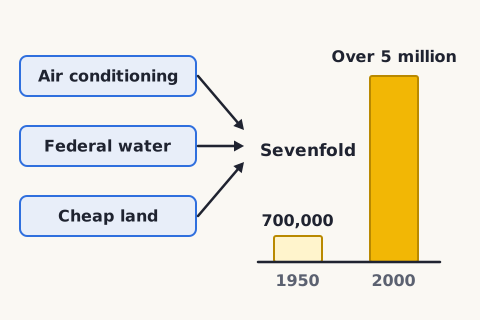
Sevenfold in fifty years
Arizona's population grew from 700,000 in 1950 to over 5 million in 2000 — a sevenfold jump, almost all of it concentrated around Phoenix with Tucson a distant second. Air conditioning, federal water, and cheap land powered the boom.
 Pexels · D Goug · Pexels License ↗
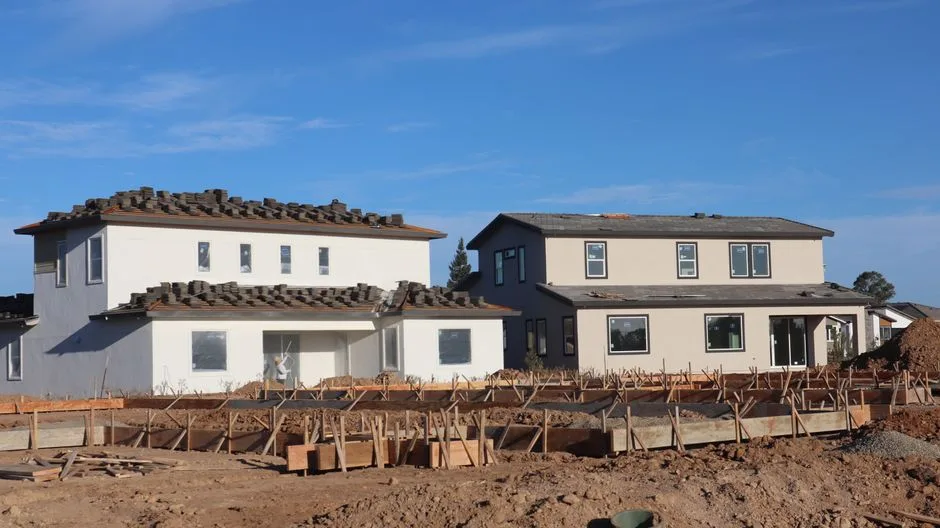
Citrus groves to subdivisions
Phoenix's famous citrus groves — once one of the state's signature industries — were almost entirely paved over after 1950. The land was worth more as suburban housing than as orchards. Cotton declined too, as water restrictions and global competition squeezed margins.
 Pexels · Close-up of a vintage wooden window with blue frame and air conditioner. ↗
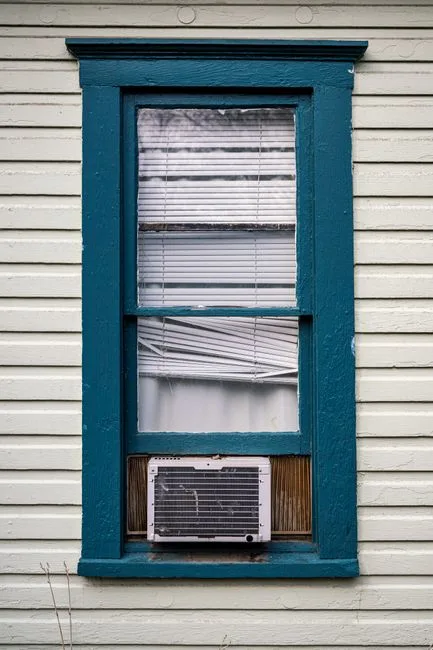
Air conditioning made it possible
Phoenix's average July high is about 106°F (1991–2020 normals). Without widespread air conditioning — affordable starting in the 1950s — the Sunbelt boom would have been unthinkable. The technology made desert living comfortable enough for retirees, factory workers, and chip fabs alike.
 FlashFeed original diagram · CC-BY-4.0
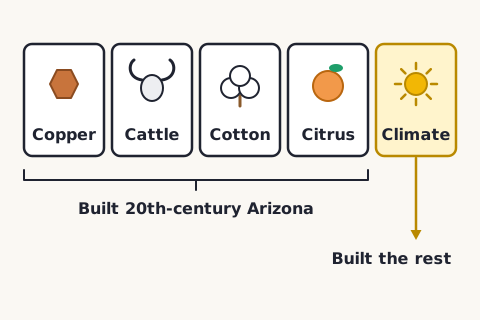
Arizona's Five C's
Generations of Arizona schoolchildren learned the state's economic pillars as the Five C's: Copper, Cattle, Cotton, Citrus, and Climate. The first four built 20th-century Arizona; Climate — air-conditioned and sunny — built the rest.
 Ken Lund (Openverse) · by-sa 2.0 ↗
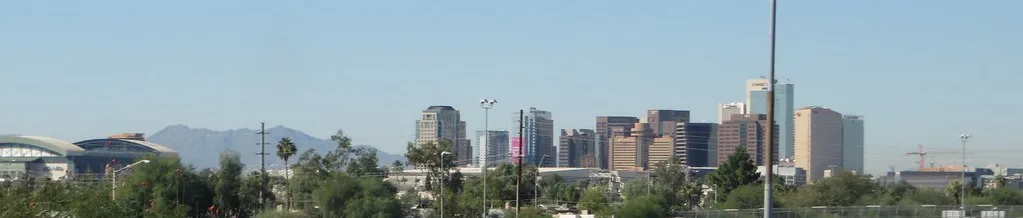
Arizona's population boom
Arizona had about 700,000 residents in 1950. By 2000, that number had passed 5 million — a sevenfold increase in just fifty years.
 Pexels · Viktoria B. · Pexels License ↗
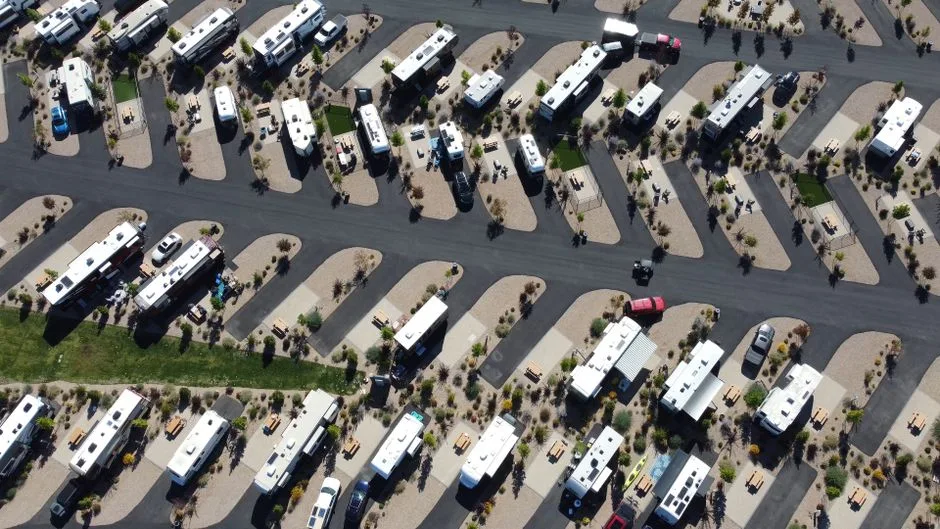
The snowbirds
Arizona's warm winters and dry climate drew retirees from the Northeast and Midwest in growing numbers — the 'snowbirds'. They brought pensions, Social Security checks, and savings.
1 / 10Arizona's population grew sevenfold between which years?
The answer is 1950 and 2000
Lesson 8 has 52 cards. Keep going in the free app.
Question -
 Wikimedia Commons · The White House from Washington, DC · Public domain ↗09
Lesson 9: Modern Arizona
Part 1: Border & Immigration · Part 2: Tragedies & Crises
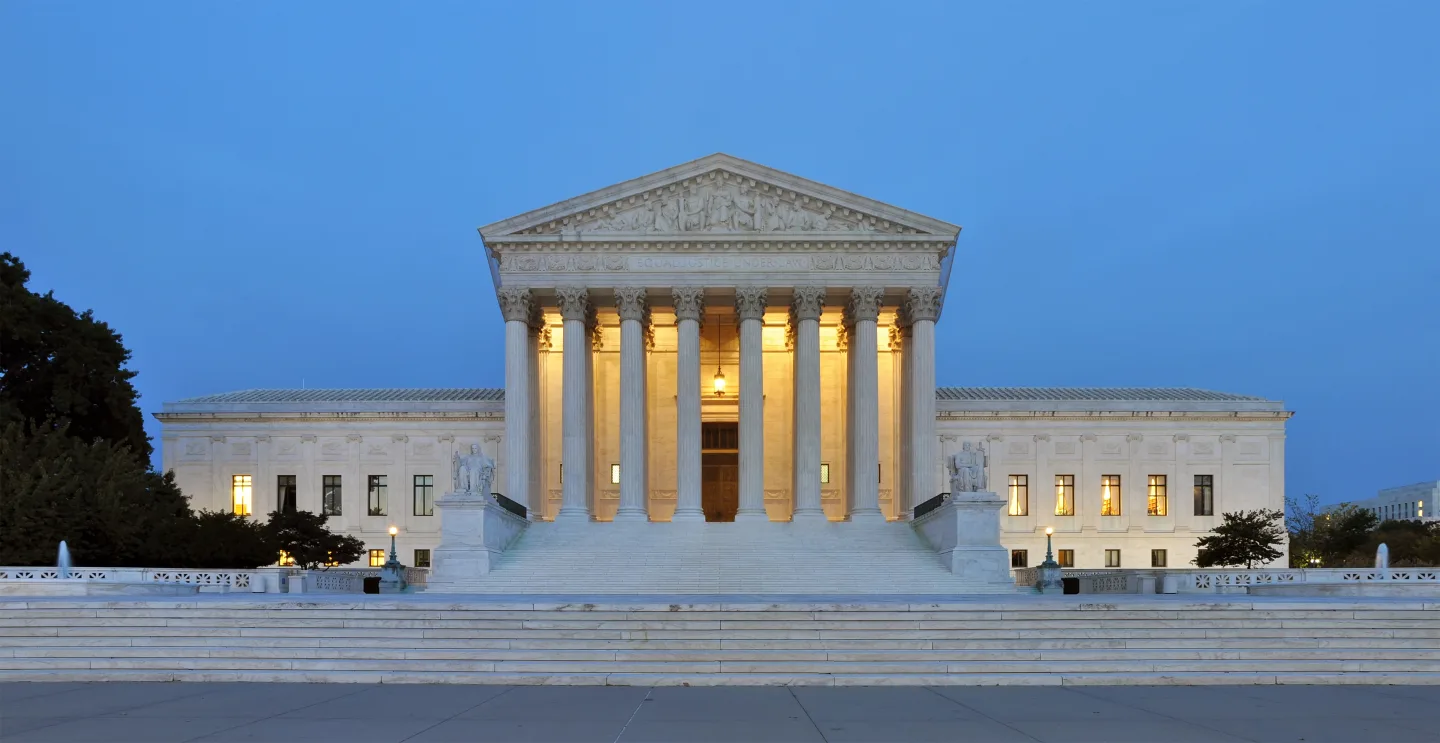
Lesson 9 · 10 cardsWikimedia Commons · The White House from Washington, DC · Public domain ↗SB 1070
In April 2010, Governor Jan Brewer signed Senate Bill 1070 — at the time the toughest state-level immigration law in the country, requiring police to check immigration status during stops. Most of it was struck down by the Supreme Court in 2012.
 Wikimedia Commons · Gage Skidmore from Surprise, AZ, United States of America · CC BY-SA 2.0 ↗
Jan Brewer
Jan Brewer became Arizona's governor in 2009 after Janet Napolitano left to head Homeland Security. She served until 2015 — defined nationally by SB 1070 and her famous airport-tarmac finger-wag at President Obama in 2012.
 Wikimedia Commons · Joe Ravi · CC BY-SA 3.0 ↗
SB 1070 in court
In the 2012 case Arizona v. United States, the Supreme Court struck down most of SB 1070 as preempted by federal immigration authority — only the 'show me your papers' provision survived.
 Pexels · A police officer interacts with a driver during a daytime traffic stop on a residential street. ↗
What SB 1070 couldn't do
SB 1070 let Arizona police check immigration status during stops, but it did not give them power to deport anyone — deportation remained a federal responsibility.
 bill85704 (Openverse) · by 2.0 ↗
The Giffords shooting
On January 8, 2011, Congresswoman Gabrielle Giffords was shot in the head at a constituent meet-and-greet outside a Tucson supermarket. Six people died, including a federal judge and a nine-year-old girl. Giffords survived; she resigned from Congress to focus on recovery and later founded a gun-control advocacy group.
 Chris English (Openverse) · by-sa 3.0 ↗
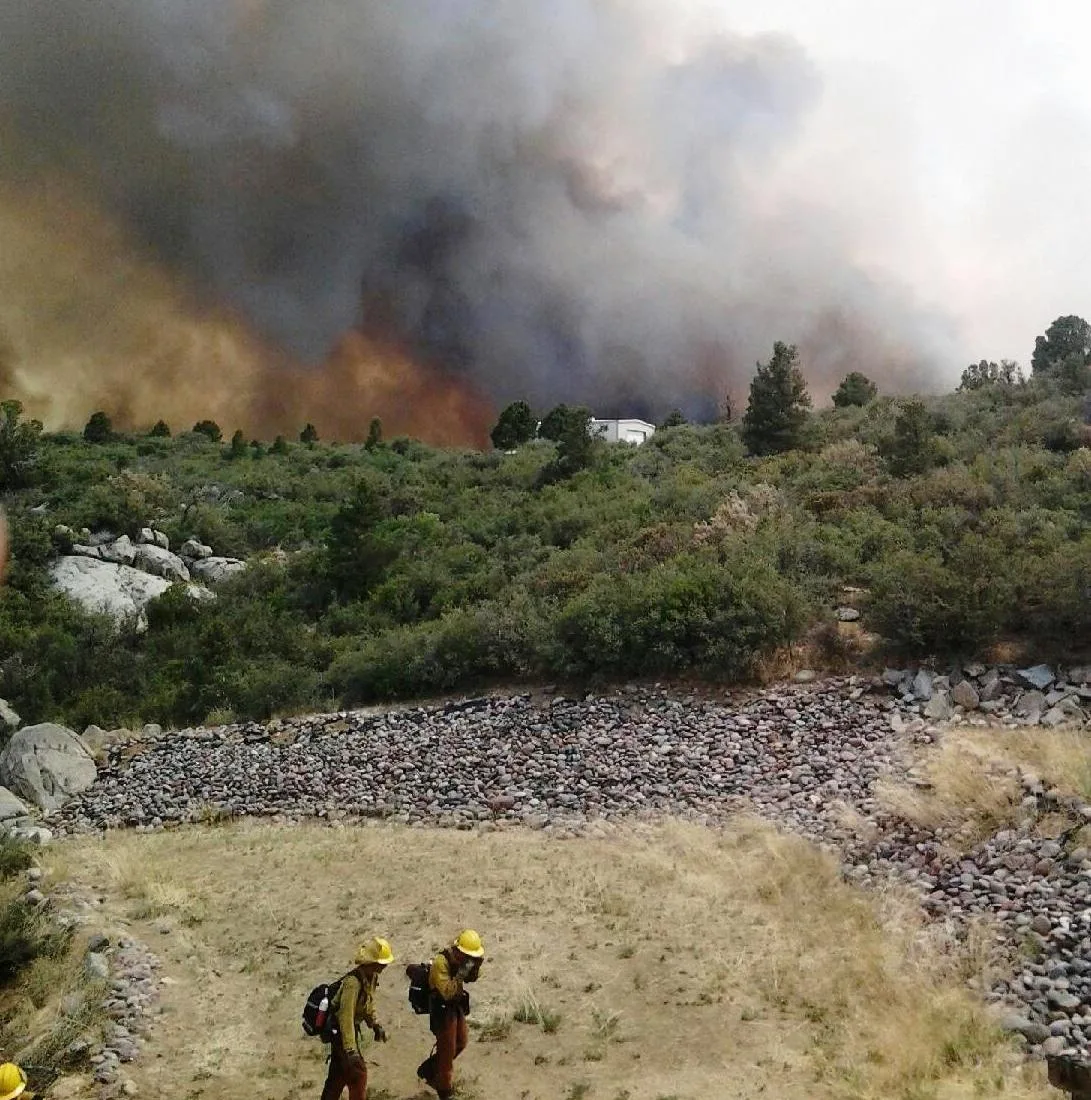
Yarnell Hill Fire
On June 30, 2013, a wind shift in central Arizona overran the Granite Mountain Hotshots, an elite Prescott Fire Department crew, while they fought a wildfire near Yarnell. 19 firefighters died — the deadliest wildfire for U.S. firefighters since the 1933 Griffith Park Fire. Only one Hotshot survived, having been posted elsewhere.
 Library of Congress · One of several art installations on the lands of the Navajo · No known restrictions (verify at source) ↗
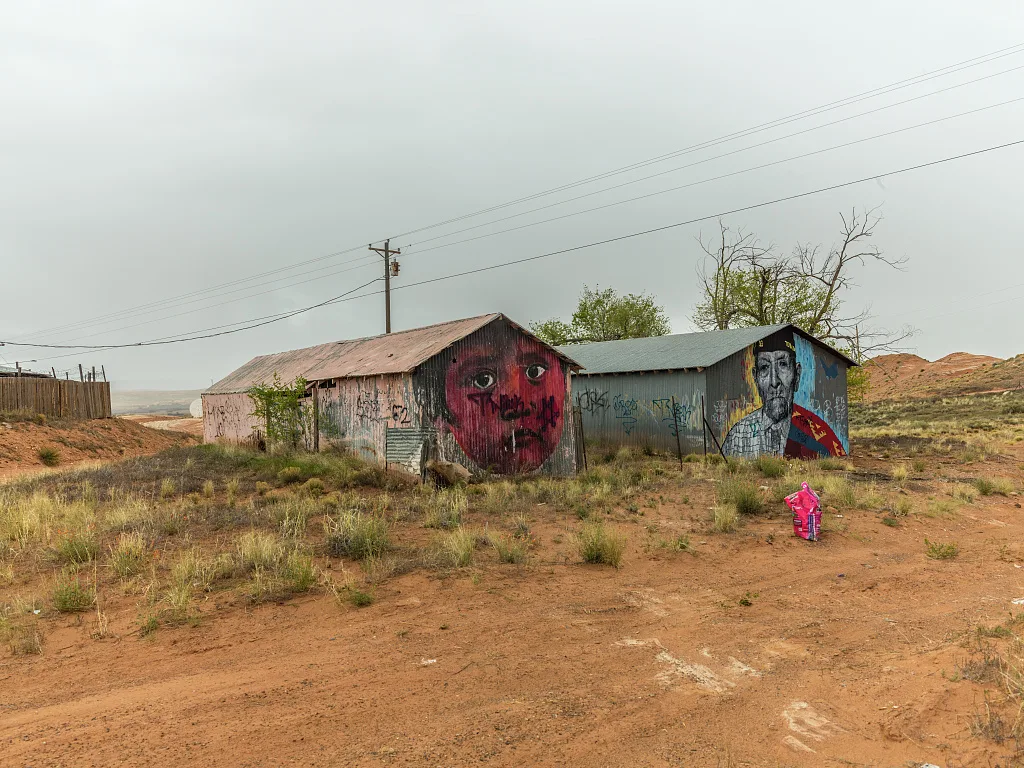
Hardest hit: the Navajo Nation
The Navajo Nation had among the highest per-capita COVID infection rates in the United States in 2020 — a consequence of limited running water, crowded multigenerational housing, and few hospitals. The Nation imposed some of the country's strictest curfews in response.
 Wikimedia Commons · U.S. Department of Agriculture · Public domain ↗
The lone survivor
At the Yarnell Hill Fire in 2013, an elite crew called the Granite Mountain Hotshots was overrun when the wind suddenly shifted. Only one Hotshot survived, having been posted elsewhere that day.
1 / 10When did Arizona pass SB 1070?
The answer is April 2010
Lesson 9 has 33 cards. Keep going in the free app.
Question -
10
Lesson 10: By the Numbers
Part 1: Population by Decade · Part 2: Pivotal Years
Lesson 10 · a questionArizona's population leapt 319% in the decade ending in 1880. What drove that surge?
The 319% jump is tied to the railroads reaching Arizona around 1880. Air conditioning and the Sunbelt boom fueled much later 20th-century growth, and statehood didn't come until 1912.
Lesson 10 has 35 cards. Keep going in the free app.
-
11
Lesson 11: Quick Recall
Part 1: People & Places · Part 2: Arizona Trivia Mix
Lesson 11 · a questionWhich Arizonan was the 1964 Republican presidential nominee?
Barry Goldwater, the Phoenix businessman and senator known as 'Mr. Conservative,' was the 1964 GOP nominee. John McCain was the 2008 nominee; Hayden and O'Connor never ran for president.
Lesson 11 has 86 cards. Keep going in the free app.
-
 FlashFeed original map · © OpenStreetMap contributors (ODbL) via Protomaps · Elevation: AWS Terrain Tiles ↗12
Key Concepts
Key People · Key Places · Key Things · Key Events
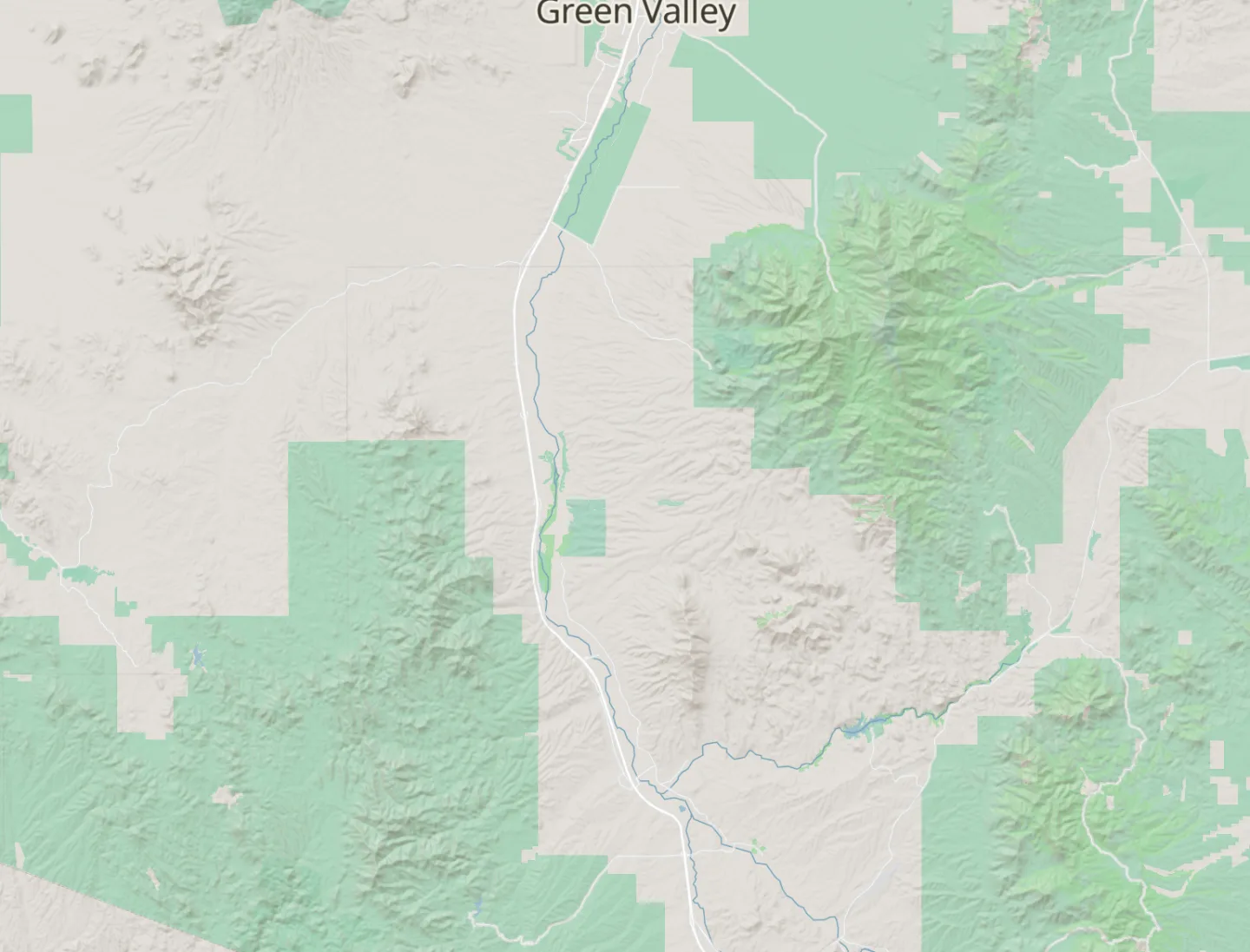
Lesson 12 · 1 cardFlashFeed original map · © OpenStreetMap contributors (ODbL) via Protomaps · Elevation: AWS Terrain Tiles ↗Tubac: Spain's frontier fort
Along the Santa Cruz River south of Tucson, Spain built the Tubac presidio in 1752 — the first European fort in what's now Arizona. In 1775–76 it launched Anza's expedition that went on to found San Francisco.
Card 1 of 2Whose 1877 silver strike gave the boomtown of Tombstone its name?
Prospector Ed Schieffelin, warned he'd find only his own tombstone in Apache country, struck silver in 1877 and named his claim — and the town — Tombstone. Wyatt Earp was the town's later lawman.
Lesson 12 has 48 cards. Keep going in the free app.
Card 2 of 2


What you'll be able to do 54 objectives, from the pack's lessons
- Identify when Paleo-Indians reached Arizona, their small mobile bands, the megafauna they hunted, and their atlatls and Clovis points.
- Recognize the saguaro as the Sonoran Desert's emblem and the Three Sisters that anchored Southwest farming.
- Identify the Ancestral Puebloans, their Four Corners homeland, and the kiva ceremonial chamber.
- Describe the Hohokam canal builders and their four-story earthen tower Casa Grande.
- Identify the Mogollon by Mimbres pottery and Kinishba, the Sinagua by their name and Montezuma Castle, and the cultures' later dispersal.
- Explain the Spanish search for the Seven Cities of Cibola under Marcos de Niza (1539) and Coronado (1540).
- Identify Father Kino, Pimeria Alta, and Mission San Xavier del Bac as Arizona's oldest European structure.
- Define a presidio and identify Tubac (1752) and the Tucson presidio (1775, Hugo O'Conor).
- Explain how Arizona became part of Mexican Sonora after 1821 and how Apache raids emptied the ranches.
- Explain the Treaty of Guadalupe Hidalgo (1848) and the Mexican cession of northern Arizona.
- Describe the Gadsden Purchase by its year, $10 million price, and southern-railroad motive.
- Recognize the Confederate Territory of Arizona, the Battle of Picacho Pass, and the California Column.
- Identify the 1863 creation of Arizona Territory and its wandering territorial capital.
- Identify Fort Defiance and Manuelito's 1860 assault that led Washington to subdue the Navajo.
- Explain Kit Carson's 1863 campaign and the Long Walk of about 9,000 Navajo to Bosque Redondo.
- Recognize Geronimo's 1886 surrender ending the Apache Wars and the Buffalo Soldiers at Fort Huachuca.
- Identify Fort Apache (1870) and Fort Huachuca (1877) as the frontier forts of the Apache wars.
- Explain Ed Schieffelin's 1877 silver strike and how Tombstone got its name and boomed.
- Describe Arizona's copper boom at Bisbee and Jerome, driven by the electrical revolution.
- Identify the O.K. Corral gunfight participants (Earps, Doc Holliday, Clanton) and its 1881 date.
- Recognize the aftermath of the gunfight — Wyatt Earp's Vendetta Ride and the fires that gutted Tombstone's business district.
- Explain how the 1880 railroad drove population growth and fueled the cattle boom-and-bust.
- Identify Arizona's Valentine's Day 1912 admission as the 48th state, signed by President Taft.
- Recognize Arizona's Progressive constitution and its 1912 women's suffrage initiative.
- Describe Carl Hayden's 56-year congressional career, his sheriff past, and the Central Arizona Project.
- Explain how the Santa Fe Railroad and Fred Harvey brought tourism to the Grand Canyon.
- Identify Powell's 1869 descent, Roosevelt's advocacy, and the 1919 designation of Grand Canyon National Park.
- Explain the 1922 Colorado River Compact and Arizona's disputed 37% lower-basin allocation.
- Describe Hoover Dam's 1931-1936 construction in Black Canyon on the Arizona-Nevada border.
- Recognize Arizona as a WWII training ground and the loss of the USS Arizona at Pearl Harbor.
- Identify Arizona's two large Japanese American internment camps, Poston and Gila River.
- Explain the Central Arizona Project, the 1980 Groundwater Management Act, and postwar high-tech growth.
- Explain Arizona's sevenfold population boom (1950-2000), enabled by federal water, cheap land, and air conditioning.
- Identify Arizona's traditional Five C's — Copper, Cattle, Cotton, Citrus, and Climate.
- Describe the retirement-community model — Youngtown (1954), Del Webb's Sun City (1960), and the snowbirds.
- Identify Arizona's national politicians — Goldwater (1964), McCain (2008), and O'Connor (1981).
- Recognize Arizona statesmen Mo Udall and Bruce Babbitt.
- Explain SB 1070 (2010), signed by Governor Jan Brewer, and Arizona's border-immigration politics.
- Recognize the modern tragedies — the 2011 Giffords shooting and the 2013 Yarnell Hill Fire.
- Identify COVID-19's disproportionate impact on the Navajo Nation in 2020.
- Recall Arizona's population figures for the frontier and territorial decades (1860-1910) and what drove the 1880 surge.
- Recall Arizona's population figures across the Sunbelt boom (1950-2010).
- Recall the pivotal years of Spanish and territorial Arizona — Coronado, Tubac, Gadsden, and Territory.
- Recall the pivotal years of the Wild West and statehood era — O.K. Corral, Geronimo, statehood, and Hoover Dam.
- Recall key figures of the Apache and Navajo conflicts and their deeds — Cochise, Geronimo, and Kit Carson.
- Recall Arizona's national statesmen — Hayden, Goldwater, O'Connor, and McCain.
- Recall the Spanish-era figures — Coronado and Father Kino.
- Recall Arizona's key cities by their defining facts — Tucson, Phoenix, Prescott, and Flagstaff.
- Recall Arizona's rivers, landforms, and treaty boundaries.
- Identify the Native leaders and frontier figures — Geronimo, Cochise, Wyatt Earp, and Ed Schieffelin.
- Identify Arizona statesmen Carl Hayden and Barry Goldwater by their national roles.
- Identify Arizona's key places — Tombstone, Tubac, Grand Canyon, Hoover Dam, Canyon de Chelly, and Bisbee.
- Recognize Arizona's emblems — the Five C's crops and metal plus the saguaro, turquoise, and bolo tie.
- Identify the events that made Arizona American — Mexican rule, Guadalupe Hidalgo, Gadsden, Picacho Pass, Territory, and the O.K. Corral.
Study guide.
The same study guide as in the app, one page for each lesson, with its key facts and a self-test.
- 01Lesson 1: Before Europeans
- 02Lesson 2: Spanish & Mexican Eras
- 03Lesson 3: Becoming American
- 04Lesson 4: Conflict on the Frontier
- 05Lesson 5: The Wild West Era
- 06Lesson 6: Statehood & Early 20th Century
- 07Lesson 7: Depression, War & Water
- 08Lesson 8: The Sunbelt Boom
- 09Lesson 9: Modern Arizona
- 10Lesson 10: By the Numbers
- 11Lesson 11: Quick Recall
- 12Key Concepts
Its cards name 1 source.
221 of its 615 cards name their source. These are the sources named.
- History of Arizona
Hover over a photo, or tap its i, to see where it came from. All 10:
- Lesson 1: Wikimedia Commons · Tim Evanson · CC BY-SA 2.0 ↗
- Lesson 2: U.S. Post Office -- U.S. Bureau of Engraving and Printing · Public domain ↗
- Lesson 3: Alvin Jewett Johnson · Public domain ↗
- Lesson 4: Unknown author · Public domain ↗
- Lesson 5: w_lemay (Openverse) · by-sa 2.0 ↗
- Lesson 6: Library of Congress · Hotel El Tovar, Grand Canyon Arizona · No known restrictions (verify at source) ↗
- Lesson 7: Wikimedia Commons · Mariordo (Mario Roberto Durán Ortiz) · CC BY-SA 4.0 ↗
- Lesson 8: Ken Lund (Openverse) · by-sa 2.0 ↗
- Lesson 9: Wikimedia Commons · The White House from Washington, DC · Public domain ↗
- Lesson 12: FlashFeed original map · © OpenStreetMap contributors (ODbL) via Protomaps · Elevation: AWS Terrain Tiles ↗
- Cards
- 615
- Lessons
- 12
- Version
- 1.0.29
- Language
- English
The whole pack is one file. Read the pack file ↗
FlashFeed is on the App Store and Google Play.
FlashFeed is free on iPhone and Android, and needs no account.