
History of Arizona study guide · Lesson 2 of 12
Lesson 2: Spanish & Mexican Eras
Part 1: First European Eyes · Part 2: Presidios & Mexican Sonora
This is the lesson's study guide from the FlashFeed app, plus its key facts and a self-test.
What you'll be able to do
- Explain the Spanish search for the Seven Cities of Cibola under Marcos de Niza (1539) and Coronado (1540).
- Identify Father Kino, Pimeria Alta, and Mission San Xavier del Bac as Arizona's oldest European structure.
- Define a presidio and identify Tubac (1752) and the Tucson presidio (1775, Hugo O'Conor).
- Explain how Arizona became part of Mexican Sonora after 1821 and how Apache raids emptied the ranches.
Spanish and Mexican Eras
The first Europeans to walk into Arizona were chasing a rumor. The next three centuries — Spanish missions, Spanish forts, then a brief Mexican period — never really pacified the territory. By the time the United States showed up to buy it, much of the country was still Apache.
First European Eyes
In 1539 the Franciscan friar Marcos de Niza led the first documented European expedition into Arizona. He was chasing the Seven Cities of Cíbola — a Spanish fantasy of pueblos paved with gold. The following year, in 1540, Francisco Vásquez de Coronado followed with hundreds of soldiers and the same map of nonsense. He found pueblos, not gold, and limped back to Mexico bankrupt and disgraced — though a detachment he sent ahead became the first Europeans to see the Grand Canyon. The "cities" turned out to be the Zuni Pueblos — real, impressive, and made of mud and stone.
Spain didn't try again seriously for a century and a half. Starting in 1691, the Italian Jesuit Father Eusebio Francisco Kino began founding missions among the O'odham people in southern Arizona, mapping the region the Spanish called Pimería Alta — "upper Pima country," the desert straddling what is now southern Arizona and northern Sonora. Mission San Xavier del Bac, which Kino founded in 1692 and which was rebuilt in brilliant white stucco between 1783 and 1797, still stands south of Tucson — Arizona's oldest European structure and still an active Catholic parish.
Presidios and Mexican Sonora
After a deadly Pima uprising in 1751, Spain put a garrison on the ground. A presidio is a Spanish frontier military fort, and Tubac, founded in 1752, was the first one in Arizona. The Tucson presidio followed in 1775, established by an Irish-born officer in the Spanish army named Hugo O'Conor — its adobe walls enclosed the town that is now Arizona's second-largest city.
Mexico won independence from Spain in 1821, and from 1822 onward what is now Arizona was part of the Mexican state of Sonora. On paper. In practice, Mexico City's control over the distant frontier was thin to nonexistent. Apache raids drove most ranchers out of southeastern Arizona during the Mexican period. By the 1840s the abandoned ranges were running with wild cattle — feral descendants of fled herds, hunted for hides by anyone passing through. When the Americans arrived a few years later, they were not exactly displacing a settled population.
Key concepts
Marcos de Niza
- A Franciscan friar who in 1539 led the first documented European expedition into what is now Arizona.
- He was chasing the Seven Cities of Cíbola, a Spanish fantasy of pueblos paved with gold.
- His glowing reports lured a much larger gold-seeking expedition to follow him north the very next year.
Francisco Vásquez de Coronado
- In 1540 this leader marched north with hundreds of soldiers on a fruitless hunt for cities of gold.
- He found the Zuni pueblos of mud and stone; a detachment he sent ahead became the first Europeans to gaze into the Grand Canyon.
- He straggled back to Mexico bankrupt and disgraced, a year after a friar's tales had sent him north.
Father Eusebio Francisco Kino
- An Italian Jesuit who, starting in 1691, founded a chain of missions across southern Arizona.
- He worked among the O'odham people and mapped the desert the Spanish called Pimería Alta.
- In 1692 he founded Mission San Xavier del Bac, which still stands south of Tucson.
Hugo O'Conor
- An Irish-born officer serving in the Spanish army on Arizona's frontier.
- In 1775 he established a presidio — a Spanish military fort — on the site of a future major city.
- His adobe walls enclosed the settlement that grew into Tucson, now Arizona's second-largest city.
Key facts
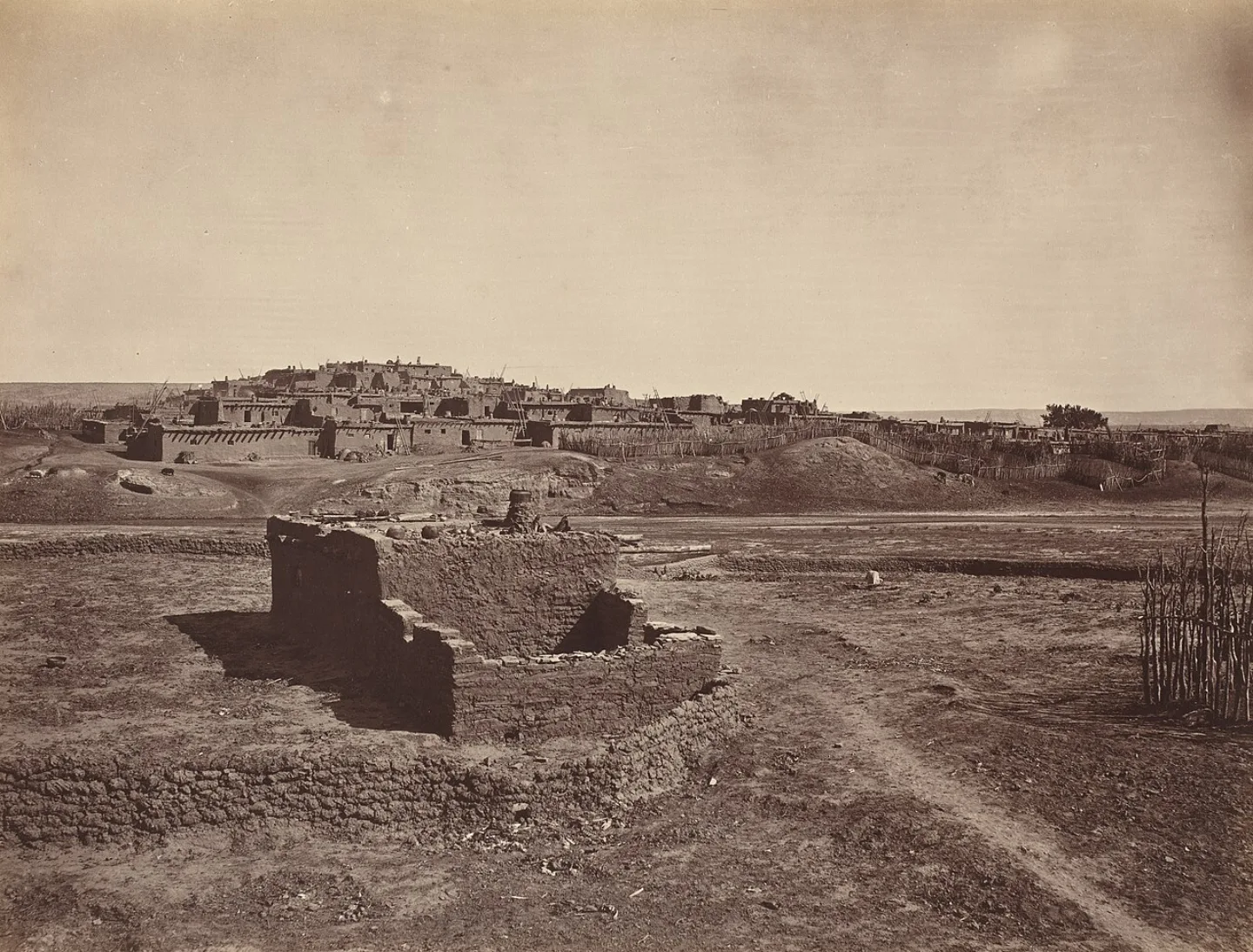
The Seven Cities of Cíbola
The Seven Cities of Cíbola were a Spanish fantasy: fabulously wealthy pueblos in the Southwest, supposedly built of gold. The legend pulled in Marcos de Niza, then Coronado. What they found was the Zuni Pueblos — impressive, but very much not gold.
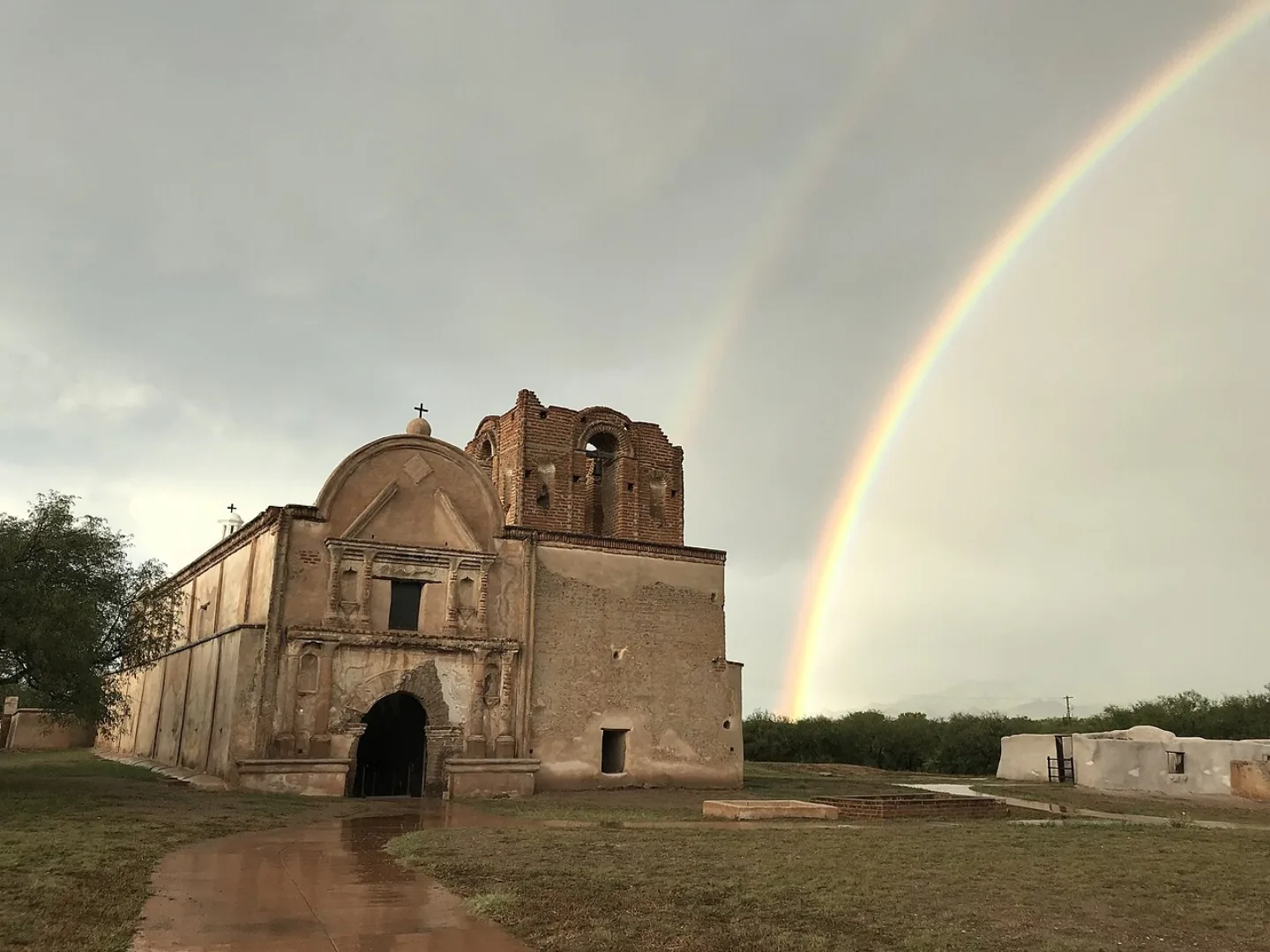
Father Kino
Father Eusebio Francisco Kino was an Italian Jesuit missionary who began founding missions in southern Arizona in 1691. He worked among the O'odham people, established mission churches along the Santa Cruz River, and mapped much of the region the Spanish called Pimería Alta.
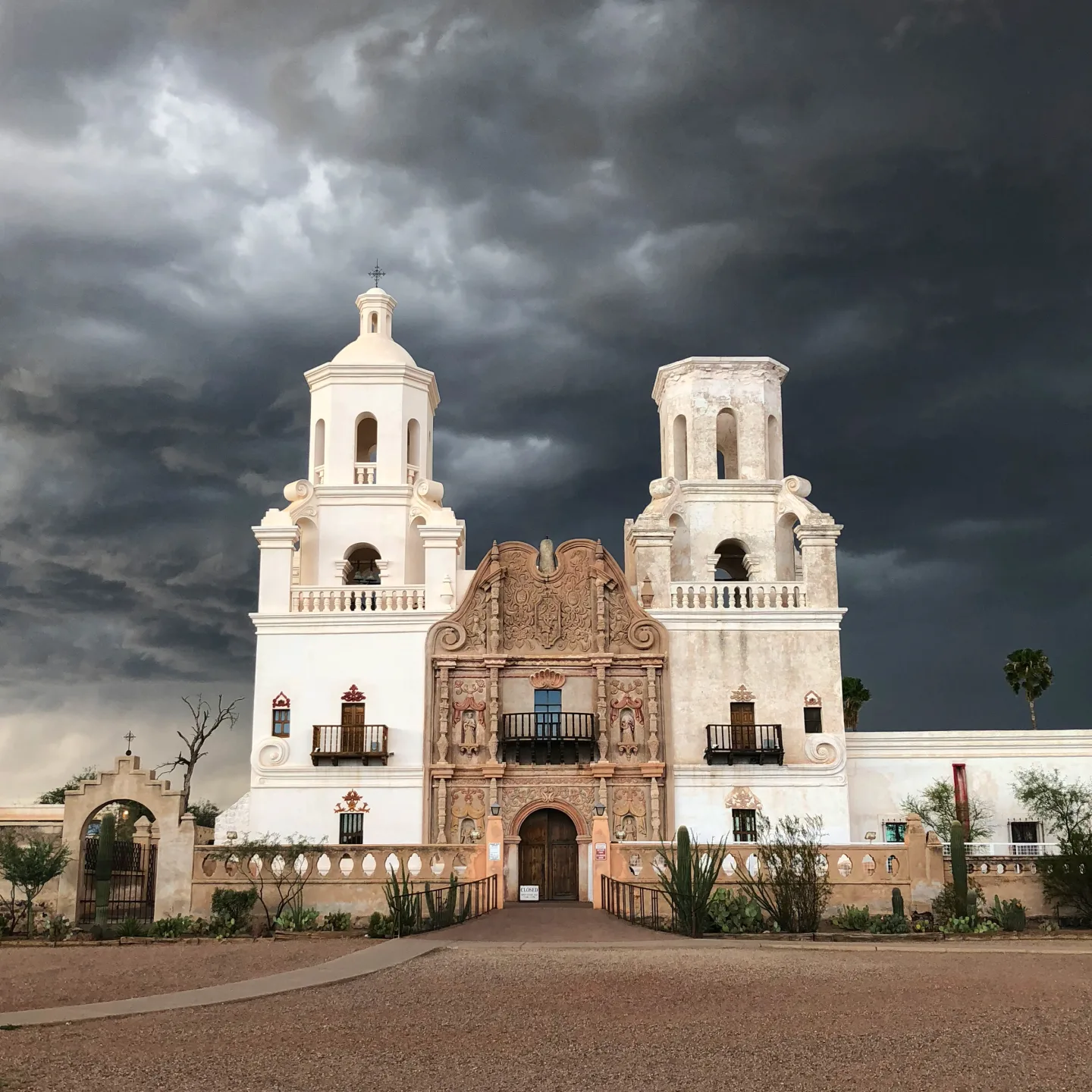
San Xavier del Bac
Mission San Xavier del Bac, founded by Father Kino in 1692 and rebuilt as a brilliant white church between 1783 and 1797, still stands south of Tucson — an active Catholic parish, and the oldest European structure in Arizona.
Tubac, the first presidio
A presidio is a Spanish military fort. Tubac, founded in 1752 south of present-day Tucson, was the first European settlement in Arizona to be defended by a garrison — Spain's response to a deadly Pima uprising the year before.
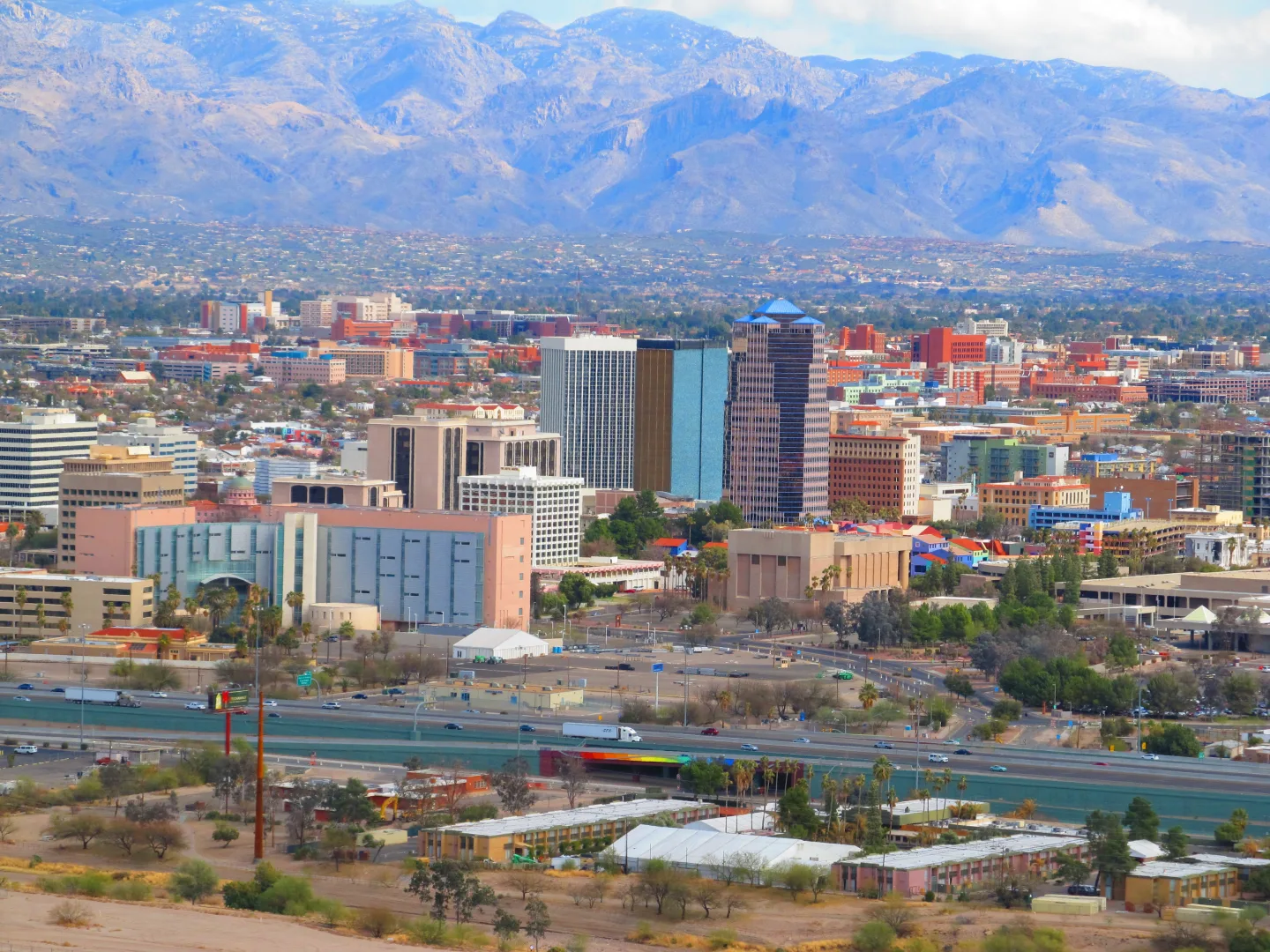
Tucson founded
The Tucson presidio was established in 1775 by Hugo O'Conor, an Irish-born officer in the Spanish army. Its adobe walls enclosed a small garrison; the town that grew around them is now Arizona's second-largest city.
Pimería Alta
Pimería Alta ('upper Pima country') was the Spanish name for the desert region straddling what is now southern Arizona and northern Sonora — home of the Akimel and Tohono O'odham peoples, and the territory where Kino built his missions.
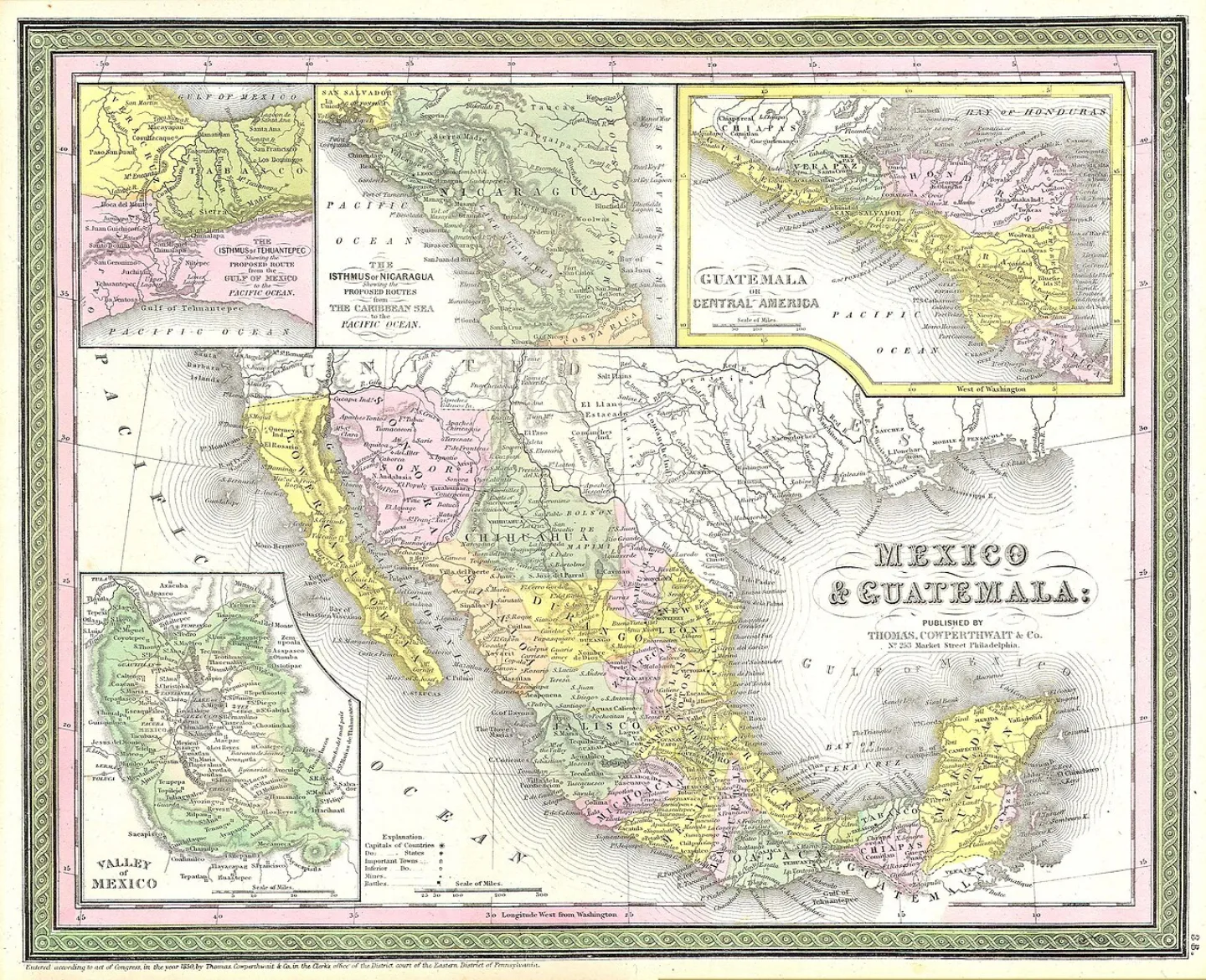
Arizona becomes Mexican
Mexico won independence from Spain in 1821. From 1822 onward, the lands now called Arizona were part of the Mexican state of Sonora — though Mexico City's actual control over the distant frontier was thin.
Apache raiders empty the ranches
During the Mexican period, Apache raids drove most ranchers out of southeastern Arizona. By the 1840s, the abandoned ranges were running with wild cattle — feral descendants of fled herds, hunted for hides by anyone passing through.
Self-test
Answer each question from memory, then check your work against the answer key.
1. In **1539**, the Franciscan friar **Marcos de Niza** led the first documented European expedition into Arizona. He was chasing a rumor — the legendary ___ of Cíbola, said to be paved with gold.
- ASeven Cities
- BSacred Cities
- CGolden Cities
- DLost Cities
2. In what year did Coronado lead his expedition into the Southwest?
- A1776
- B1540
- C1492
- D1607
3. Coronado's expedition was the first European party to lay eyes on which Arizona landmark?
- AThe Petrified Forest
- BMeteor Crater
- CThe Grand Canyon
- DMonument Valley
4. The fabled cities of gold the Spanish hunted for in the Southwest turned out to be which real places?
- AThe Casa Grande ruins
- BThe Tohono O'odham villages
- CThe Hopi mesas
- DThe Zuni Pueblos
5. Which of these is NOT true of Coronado's expedition?
- AHe returned to Mexico enriched by the gold he found
- BHe was hunting for fabled pueblos paved with gold
- CHe found pueblos rather than a golden city
- DHe marched in with hundreds of soldiers
6. **___ del Bac**, founded by Father Kino in 1692 and rebuilt as a brilliant white church between 1783 and 1797, still stands south of Tucson — an active Catholic parish, and the oldest European structure in Arizona.
- AMission Calabazas
- BMission Guevavi
- CMission San Xavier
- DMission Tumacácori
7. To which religious order did Father Eusebio Francisco Kino belong?
- AAugustinian
- BDominican
- CFranciscan
- DJesuit
8. What did the Spanish name Pimería Alta refer to?
- AThe Zuni and Hopi pueblo country
- BThe desert region of southern Arizona and northern Sonora
- CThe pine highlands of the Mogollon Rim
- DThe Colorado River delta
9. In which decade did Father Kino begin founding missions among the O'odham of southern Arizona?
- AThe 1820s
- BThe 1750s
- CThe 1540s
- DThe 1690s
10. Which of these is NOT part of Father Kino's legacy in Arizona?
- AMaps of the region the Spanish called Pimería Alta
- BThe adobe walls of the Tucson presidio
- CMissionary work among the O'odham people
- DMission churches along the Santa Cruz River
11. When was the presidio of Tubac, Arizona's first European settlement with a military garrison, established?
- A1821
- B1912
- C1752
- D1492
12. The **Tucson presidio** was established in **1775** by ___, an Irish-born officer in the Spanish army. Its adobe walls enclosed a small garrison; the town that grew around them is now Arizona's second-largest city.
- AHugo O'Conor
- BJuan Bautista de Anza
- CBernardo de Gálvez
- DTeodoro de Croix
13. What is a presidio?
- AA Spanish mission church
- BA Spanish land grant for ranching
- CA Spanish colonial town council
- DA Spanish frontier military fort
14. Which event prompted Spain to put a garrison on the ground at Tubac?
- AA deadly Pima uprising
- BApache raids on Tucson
- CCoronado's search for Cíbola
- DMexican independence from Spain
15. In which decade did Spain establish the Tucson presidio?
- AThe 1820s
- BThe 1770s
- CThe 1690s
- DThe 1750s
16. After Mexican independence, what is now Arizona was administered as part of which Mexican state?
- ANuevo México
- BBaja California
- CSonora
- DChihuahua
17. During the Mexican period, what drove most ranchers out of southeastern Arizona?
- AApache raids
- BPima uprisings
- CSpanish tax collectors
- DA prolonged drought
18. By the 1840s, what were the abandoned ranges of southeastern Arizona running with?
- AWild horses, rounded up for the army
- BNothing — the land had gone to desert scrub
- CSheep left behind by Spanish missions
- DWild cattle, hunted for their hides
19. How is Mexico's actual authority over the Arizona frontier best characterized in this period?
- AShared jointly with Spain until 1848
- BNominal on paper, thin to nonexistent in practice
- CFirm, enforced by large standing garrisons
- DDelegated entirely to the Apache leadership
20. In what year did Mexico win its independence from Spain?
- A1848
- B1810
- C1821
- D1836
Go deeper
Answer key
- 1. A Seven Cities
- 2. B 1540
- 3. C The Grand CanyonCoronado's men were the first Europeans to see the Grand Canyon. It was the one lasting discovery of an expedition that found no gold and ended in bankruptcy.
- 4. D The Zuni PueblosThe 'cities of gold' were the Zuni Pueblos — real and impressive, but built of mud and stone rather than gold.
- 5. A He returned to Mexico enriched by the gold he foundCoronado found pueblos, not gold, and limped back to Mexico bankrupt and disgraced. The other three statements are accurate.
- 6. C Mission San Xavier
- 7. D JesuitKino was an Italian Jesuit. Marcos de Niza, the earlier explorer, was the Franciscan — an easy pair to confuse.
- 8. B The desert region of southern Arizona and northern SonoraPimería Alta means 'upper Pima country' — the desert straddling southern Arizona and northern Sonora, home of the O'odham and the territory Kino mapped.
- 9. D The 1690sKino began his mission work in Arizona in the 1690s — a century and a half after Coronado, and Spain's first serious return to the region.
- 10. B The adobe walls of the Tucson presidioThe Tucson presidio was a military fort built by an army officer, not a Kino mission. Kino's work was churches, maps, and the O'odham missions.
- 11. C 1752
- 12. A Hugo O'Conor
- 13. D A Spanish frontier military fortA presidio is a fortified military settlement on the Spanish frontier — a garrison, not a church. Kino's missions were the religious counterpart.
- 14. A A deadly Pima uprisingTubac was Spain's answer to a deadly Pima uprising the year before. Apache raids emptied ranches much later, during the Mexican period.
- 15. B The 1770sSpain founded the Tucson presidio in 1775, more than two decades after Arizona's first presidio. Kino's missions began in the 1690s, and Mexican independence came in the 1820s.
- 16. C SonoraFrom 1822 onward the lands now called Arizona belonged to the Mexican state of Sonora — on paper, at least.
- 17. A Apache raidsApache raids emptied the southeastern ranges during the Mexican period. The Pima uprising was earlier — 1751, under Spanish rule.
- 18. D Wild cattle, hunted for their hidesFeral descendants of fled herds — wild cattle — filled the abandoned ranges by the 1840s, hunted for hides by anyone passing through.
- 19. B Nominal on paper, thin to nonexistent in practiceArizona belonged to Mexico on paper, but Mexico City's control over the distant frontier was thin to nonexistent — which is why the raids emptied the ranches.
- 20. C 1821Mexico won independence in 1821, and Arizona passed to Mexican hands the following year. 1848 is when the war with the United States ended — a later handover.
Image credits
- The Seven Cities of Cíbola: Wikimedia Commons · John K. Hillers · CC0 — commons.wikimedia.org/wiki/File:John_K._Hillers,_Zuni_Pueblo,_1879,_NGA_136400.jpg
- Father Kino: NPS Photo · Public domain — commons.wikimedia.org/wiki/File:Tumacacori_mission_church,_with_rainbow_(e78e1a28-3ca3-47a3-9437-30b432c98b7e).JPG
- San Xavier del Bac: Wikimedia Commons · Keyany · CC BY-SA 4.0 — commons.wikimedia.org/wiki/File:San_Xavier_del_Bac_in_overcast_weather.jpg
- Tucson founded: Wikimedia Commons · John Diebolt · Public domain — commons.wikimedia.org/wiki/File:View_of_Tucson_from_Sentinel_Peak_2.jpg
- Arizona becomes Mexican: Samuel Augustus Mitchell · Public domain — commons.wikimedia.org/wiki/File:1850_Mitchell_Map_of_Mexico_%5E_Texas_-_Geographicus_-_MexicoTexas-m-50.jpg


