
Fun with Numbers
A playful tour of magnitudes — building heights, mountain elevations, river lengths, populations, cosmic distances, big money, US trivia, and record-setting extremes. Guess first, then find out how close you land.
510 cards9 lessons19 video lessons9 podcast episodesFree
Already have FlashFeed?Open this pack
Get this pack on your phone
Scan with your phone's camera.
flashfeedlearningapp.com/packs/world-numbers
Part of the Curious Minds collection.

9 lessons.
Each lesson has a study guide to read and objectives you can test yourself on. Its cards and games show up in your feed. Try one of its cards right here. Play a few of its games here too. Every lesson has a short video. Every lesson has a podcast episode.
-
 Pexels · apertur 2.801
Tall Things
Skyscrapers and towers · Monuments and landmarks · Mountains and peaks
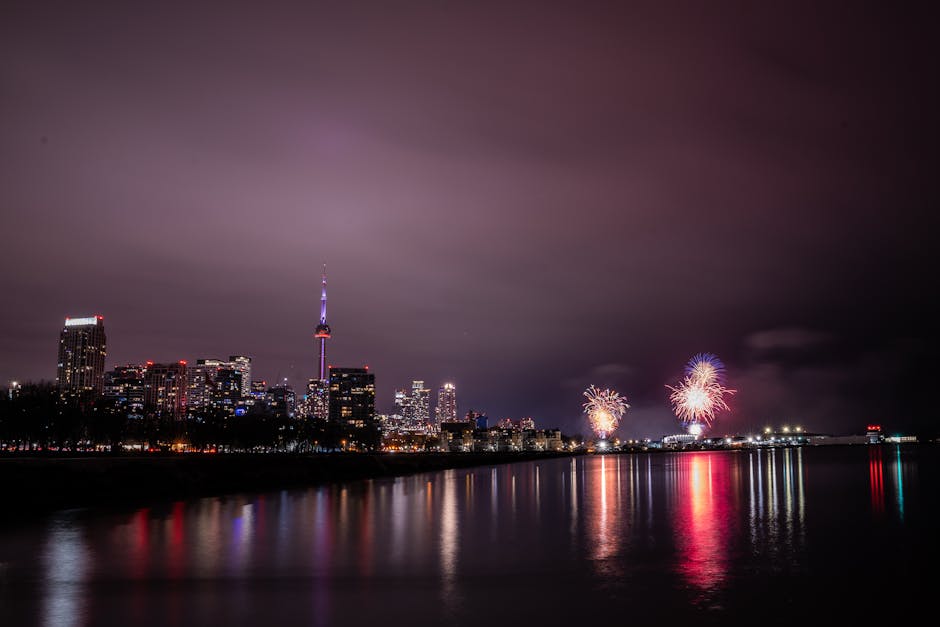
Lesson 1 · 10 cardsPexels · apertur 2.8The CN Tower's 32-year reign
The CN Tower in Toronto stood as the world's tallest free-standing structure for 32 years after topping out in 1975, at 1,815 feet — surpassed only when Dubai's Burj Khalifa rose in 2007.
 PaleoNeolitic (Openverse) · by 4.0 ↗
A feel for big numbers
This pack is a tour of magnitudes — how tall, how far, how many, how much. The fun isn't memorizing every figure but building intuition: is a skyscraper closer to 500 or 5,000 feet? Is the US debt in the billions or trillions? Guess first, then see how close you land.
 Pexels · Maria Charizani
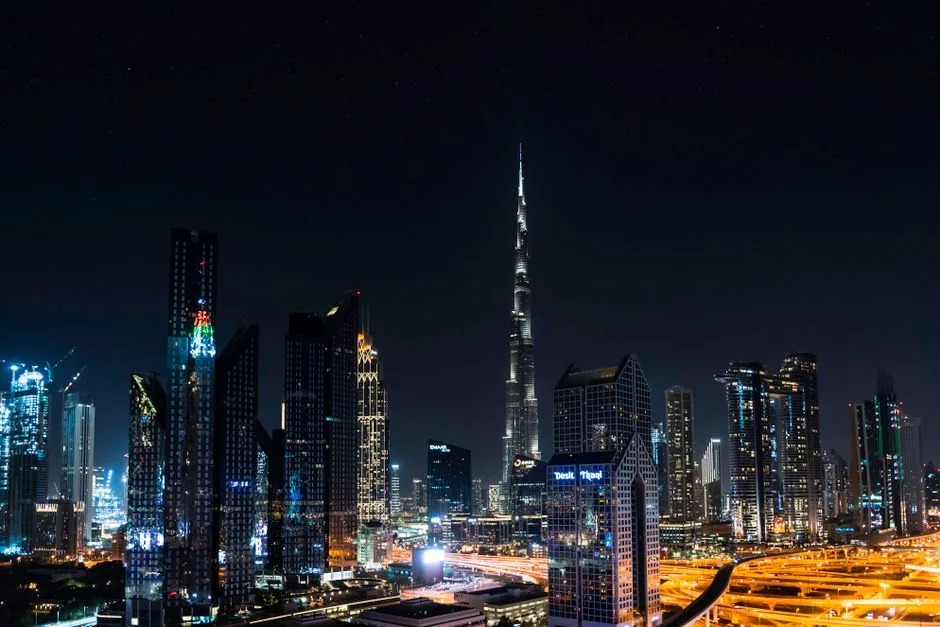
Only three buildings, 2,000 feet
The 2,000-foot club has exactly three members: Dubai's Burj Khalifa at 2,717 feet, Kuala Lumpur's Merdeka 118 at 2,227, and the Shanghai Tower at 2,073. No other finished building has crossed that line so far. America's tallest, One World Trade Center, stops at a deliberately symbolic 1,776 feet — the year of the Declaration of Independence.
 Pexels · Denil Dominic
1,776 feet, on purpose
One World Trade Center stands 1,776 feet tall, the tallest building in the US and the Western Hemisphere — a height deliberately chosen to echo 1776, the year of the Declaration of Independence.
 Pexels · Maria Charizani
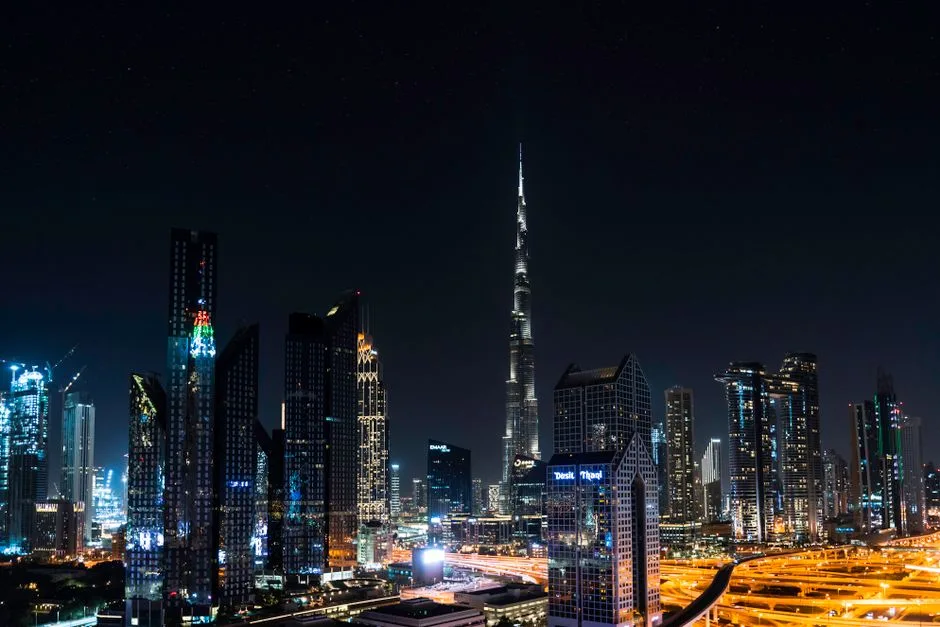
2,717 feet
At 2,717 feet, the Burj Khalifa is about 1.5 times the height of One World Trade Center and roughly two-and-a-half times as tall as the Eiffel Tower.
 Pexels · Stephen Leonardi
The Landmark Ladder
The landmarks we picture as giants all sit in one narrow band: the Golden Gate Bridge's towers at 746 feet, the Hoover Dam at 726, the Gateway Arch at 630 — exactly as wide at its base as it is tall — the Washington Monument at 555, the Great Pyramid at 481, and the Statue of Liberty, ground to torch, at 305. The Golden Gate's real superlative is sideways: a 4,200-foot main span.
 Pexels · Walter Galvis
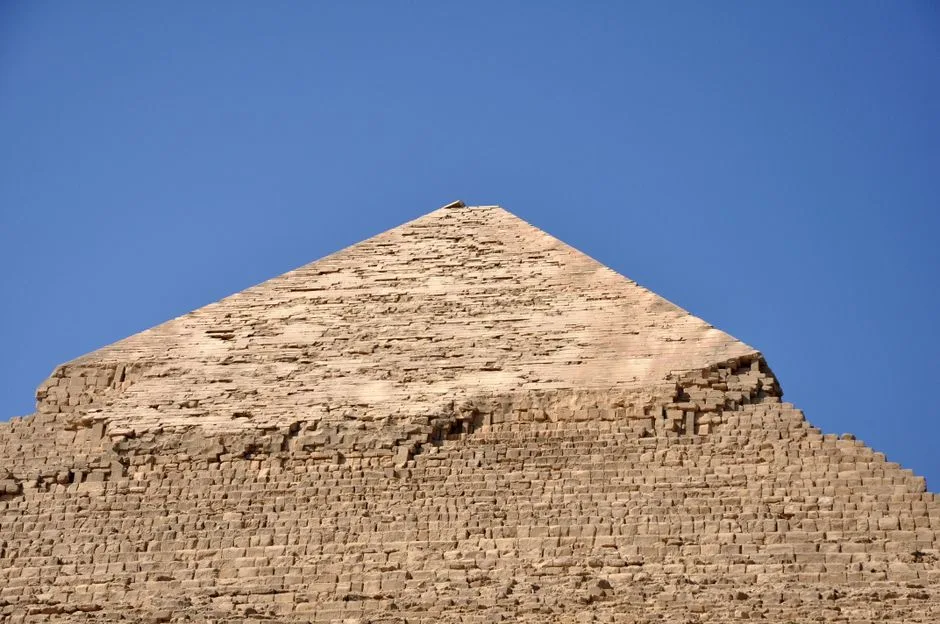
Great Pyramid, nearly 4,000 years
At 481 feet, the Great Pyramid of Giza was the tallest structure on Earth for close to four millennia, a reign no modern building has come close to matching. For contrast, the Washington Monument, finished in 1884 at 555 feet, held the same title for barely five years before the Eiffel Tower took it in 1889.
 Pexels · SAM TEECE
555 feet, once tallest
The Washington Monument rises 555 feet — a height that made it the tallest structure in the world when it was completed.
 Pexels · Shegs Olu
630 feet, both ways
St. Louis's Gateway Arch stands 630 feet tall and also measures 630 feet across its base: exactly as wide as it is high.
 Pexels · Tiago Espindola de Oliveira
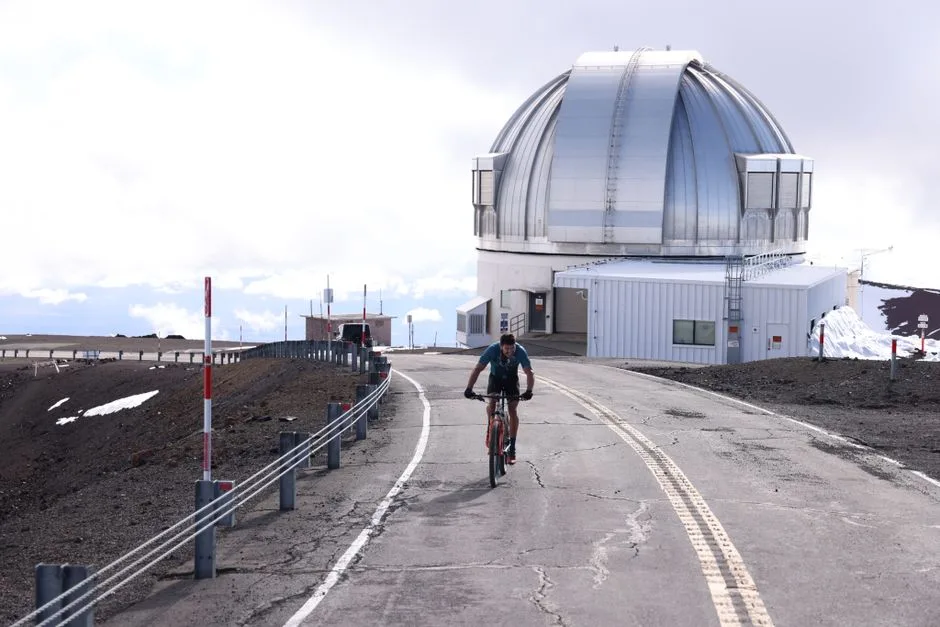
Measured from the seafloor
Measured from sea level, Mauna Kea is a modest 13,803 feet, less than half of Everest's 29,032. Measured from its true base on the ocean floor, it rises about 33,500 feet — taller than Everest, with most of its height hidden underwater. Tallest always depends on where you start measuring.
1 / 10How tall is the CN Tower in Toronto?
The CN Tower stands 1,815 feet — the world’s tallest free-standing structure for 32 years.
Lesson 1 has 79 cards. Keep going in the free app.
Question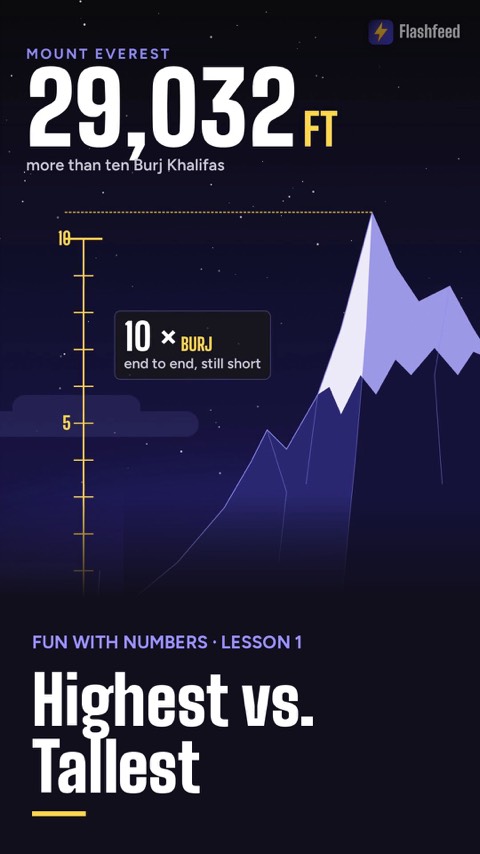
Highest vs. Tallest 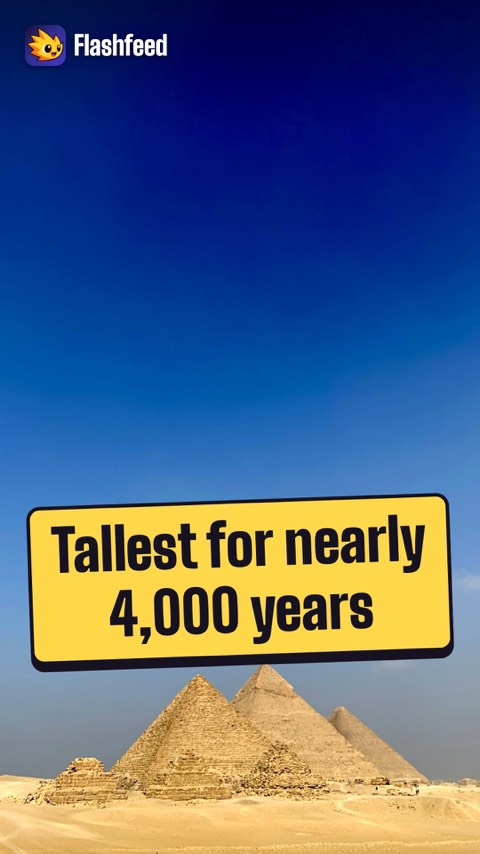
4,000 Years on Top 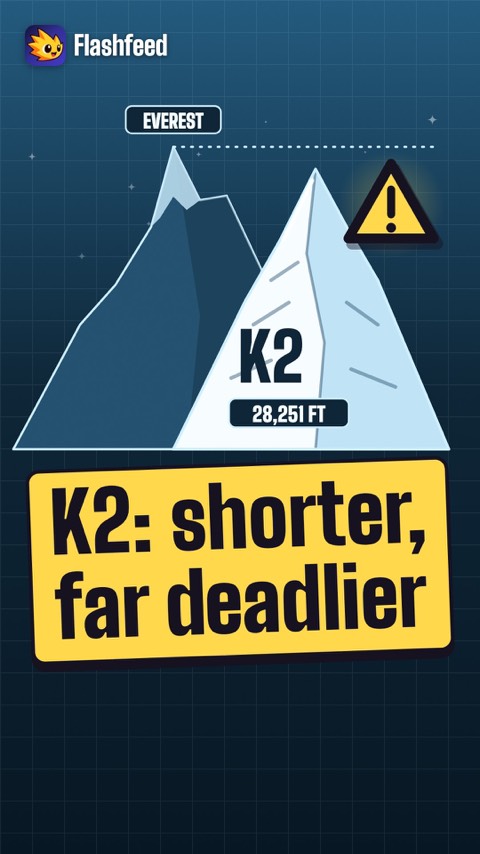
The Climber's Mountain All 15 clips on YouTube ↗Transcripts
Highest vs. Tallest
Dubai's Burj Khalifa stands 2,717 feet, the tallest building on Earth.
Mount Everest stands 29,032 feet, more than ten Burj Khalifas end to end.
Mauna Kea rises only 13,803 feet above sea level. Most of it hides underwater.
From the ocean floor, it stands about 33,500 feet. Everest is highest. Mauna Kea is tallest.
4,000 Years on Top
The Great Pyramid of Giza was the tallest structure on Earth for nearly 4,000 years. It originally stood 481 feet.
The Statue of Liberty is 305 feet, ground to torch. The copper statue itself is only about 151 feet.
The Gateway Arch is exactly 630 feet tall, and just as wide at its base.
No modern building has come close to holding the title that long.
The Climber's Mountain
K2 is shorter than Everest. It stands 28,251 feet. But it's the climber's mountain, far deadlier than Everest.
Aconcagua crowns the Americas, at about 22,858 feet.
In the contiguous United States, the high point is Mount Whitney, at 14,505 feet.
And Japan's Mount Fuji is one of the most-climbed mountains in the world.
Episode 16:07
What is the tallest building in the world, and is Mount Everest really the tallest mountain?
-
 Library of Congress · Pacific Ocean and rocky California coast · No known restrictions (verify at source) ↗02
Planet Earth
Rivers, falls and ocean depths · Land and extremes · Distances and journeys
Lesson 2 · 10 cardsLibrary of Congress · Pacific Ocean and rocky California coast · No known restrictions (verify at source) ↗The Pacific outsizes all the land
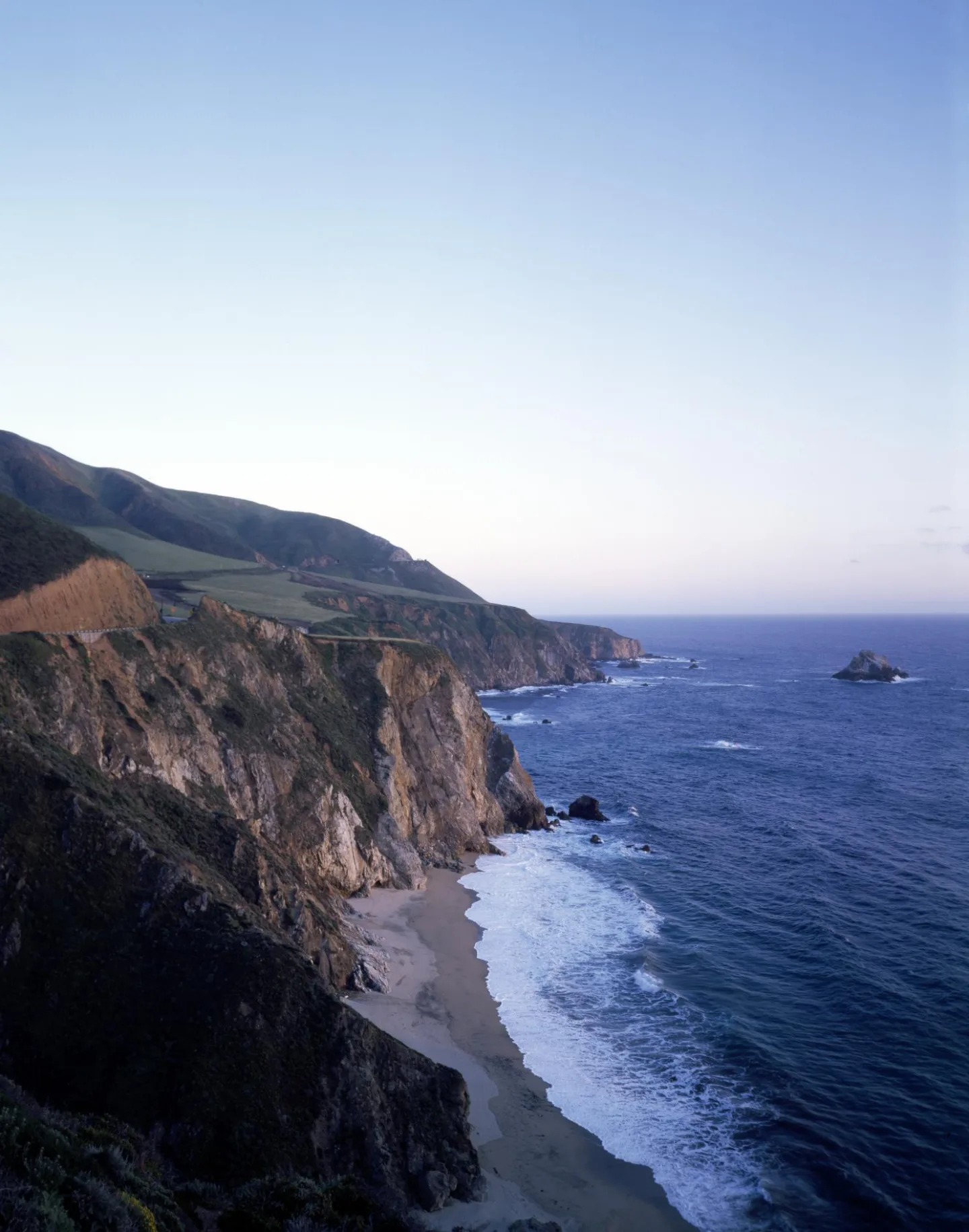
The Pacific Ocean is so vast — over 60 million square miles — that its area alone exceeds all of Earth's land combined, at an average depth of about 13,000 feet.
 Pexels · Dimitra M.K
Nile longer, Amazon mightier
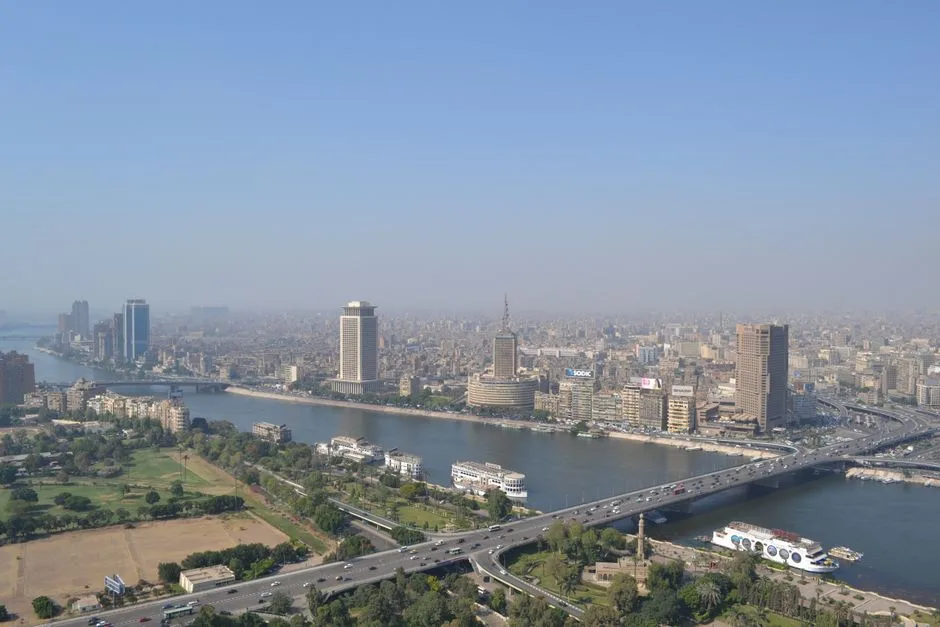
The Nile usually takes the longest-river title at about 4,132 miles, with the Amazon barely behind at 3,977, yet the Amazon carries vastly more water than any other river on Earth. North America's longest, the Mississippi–Missouri system, is commonly given as about 3,710 miles (some measures run longer). The deepest lake is a different sort of record: Siberia's Lake Baikal, 5,387 feet down, holds about a fifth of the world's unfrozen fresh water.
 Pexels · Tom Fisk
North America's longest river
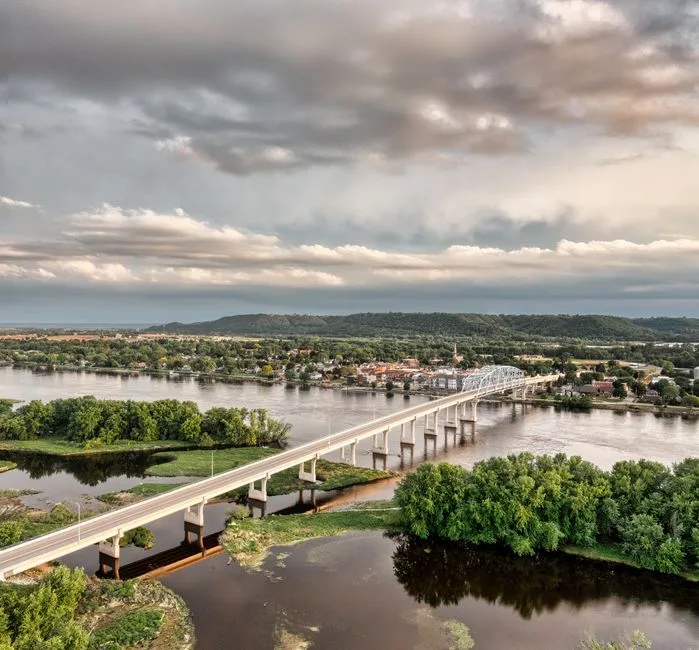
North America's longest river system, the Mississippi–Missouri, stretches about 3,710 miles by the commonly cited figure, shorter than both the Nile (~4,130 mi) and the Amazon (~3,980 mi).
 Pexels · Hashim Gaad
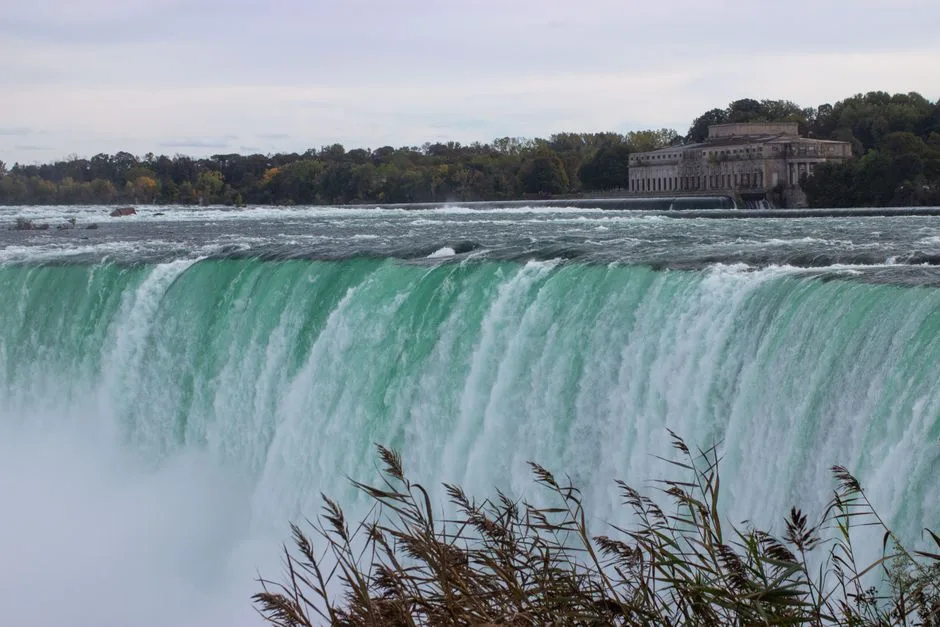
Power without height
Niagara Falls, far shorter than Angel Falls, drops only about 187 feet at its Horseshoe Falls — its power comes instead from its enormous volume of water.
 Pexels · Stijn Dijkstra
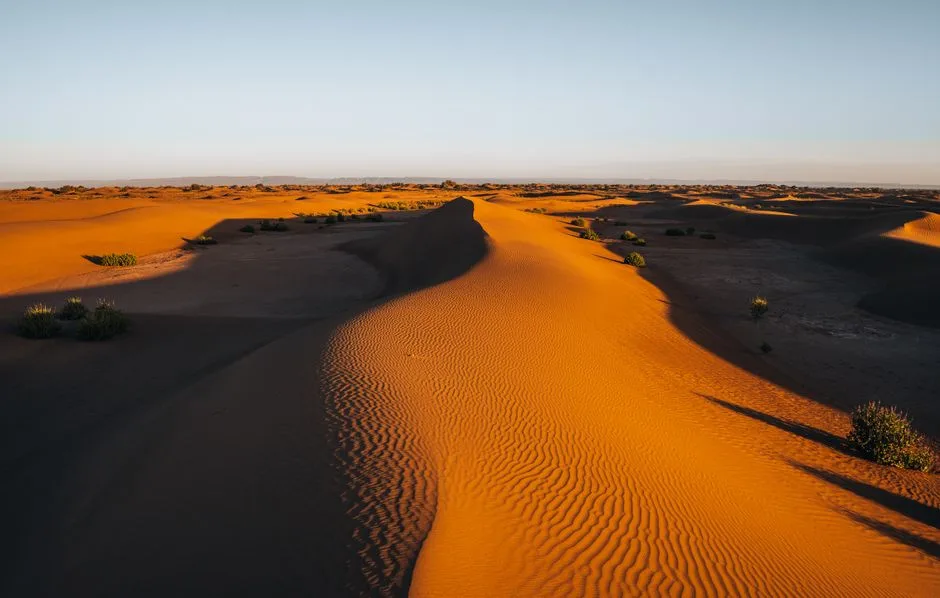
Russia spans eleven time zones
Russia covers about 6.6 million square miles — enough to run through eleven time zones. The Sahara sprawls across roughly 3.6 million, nearly the area of the entire United States. And a single US state, Alaska, at about 663,000 square miles, is larger than most countries on Earth.
 Unsplash · Hanson Lu ↗
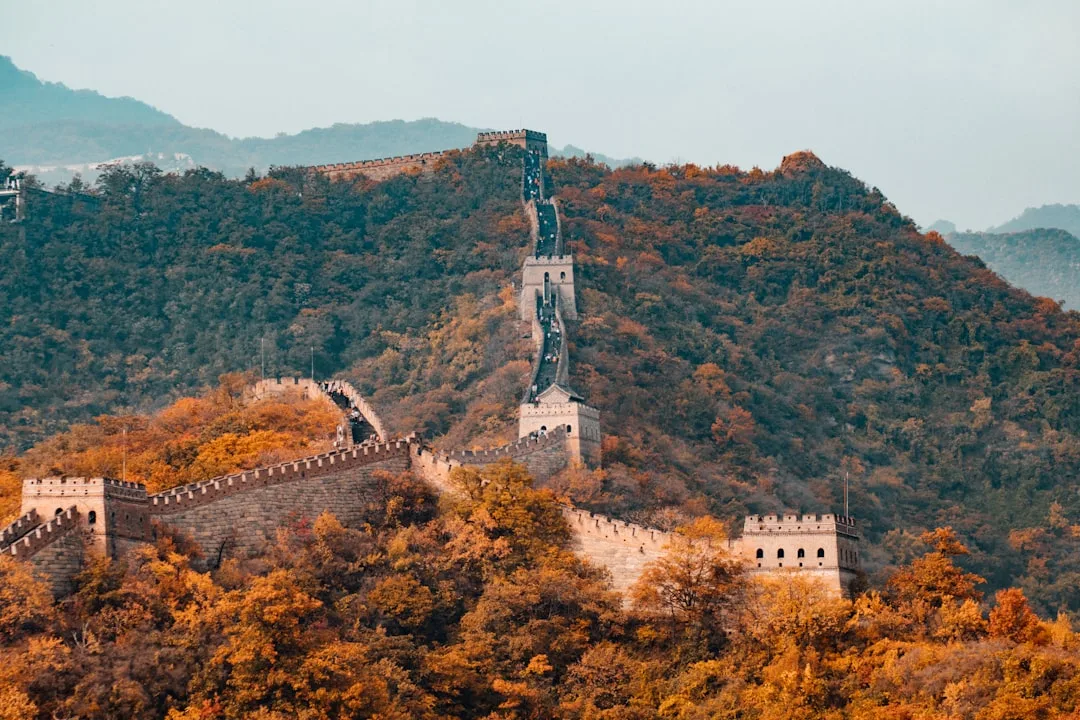
The Great Wall Is Longer Than Half the Planet
Counting every branch and spur, the Great Wall of China runs about 13,171 miles — more than half the 24,901 miles around the Earth at the equator. It was never one wall or one project: sections were built, abandoned and rebuilt across some two thousand years.
 Pexels · Alex Antsiferov
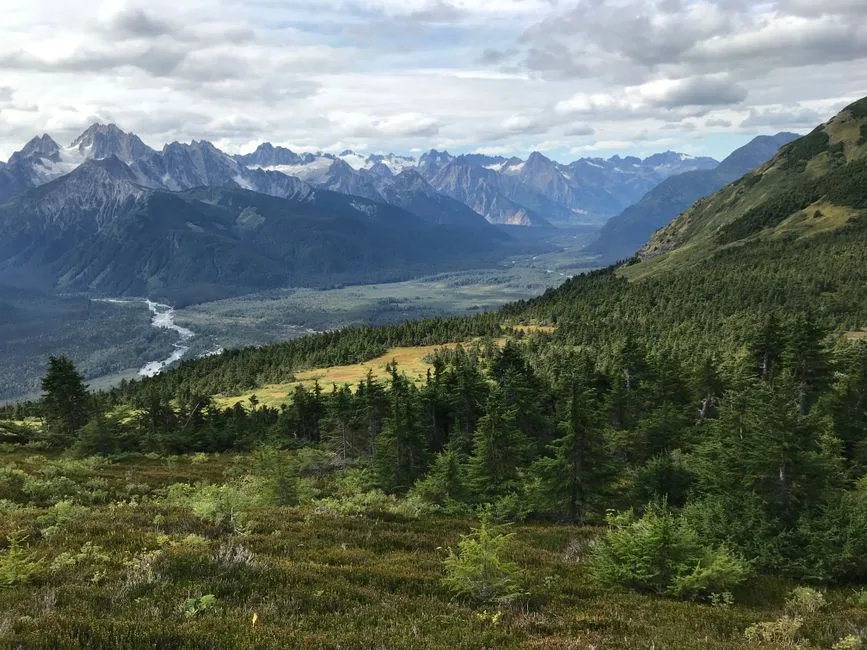
663,000 square miles
Alaska covers about 663,000 square miles, making it by far the largest US state — and larger in area than most of the world's countries.
 Pexels · Amar Preciado
Eighteen hours, nonstop to Singapore
As of 2026, the longest scheduled nonstop flight covers about 9,537 miles from New York to Singapore in some 18 hours — more than a third of the way around a planet whose equator measures 24,901 miles. For scale, crossing the United States by road, New York to San Francisco, is only about 2,900 miles.
1 / 10What is the average depth of the Pacific Ocean?
The Pacific averages about 13,000 feet deep. 35,876 ft is the Mariana Trench's deepest point, not the average.
Lesson 2 has 71 cards. Keep going in the free app.
Question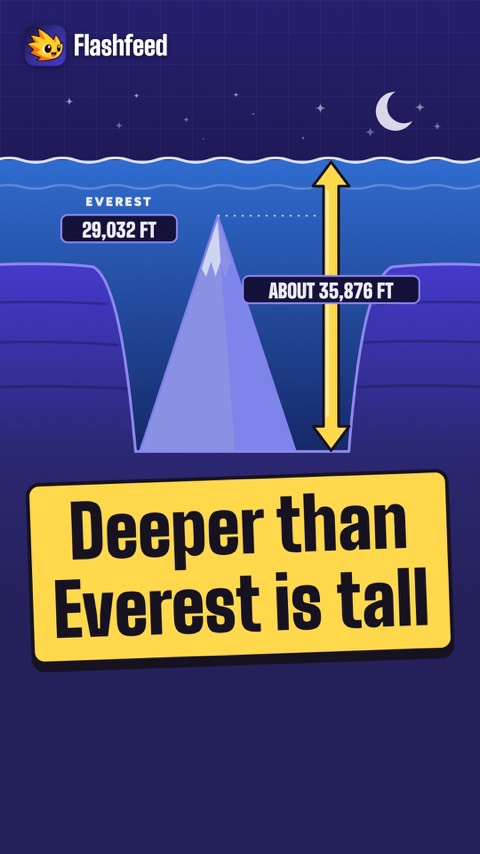
Deeper Than Everest 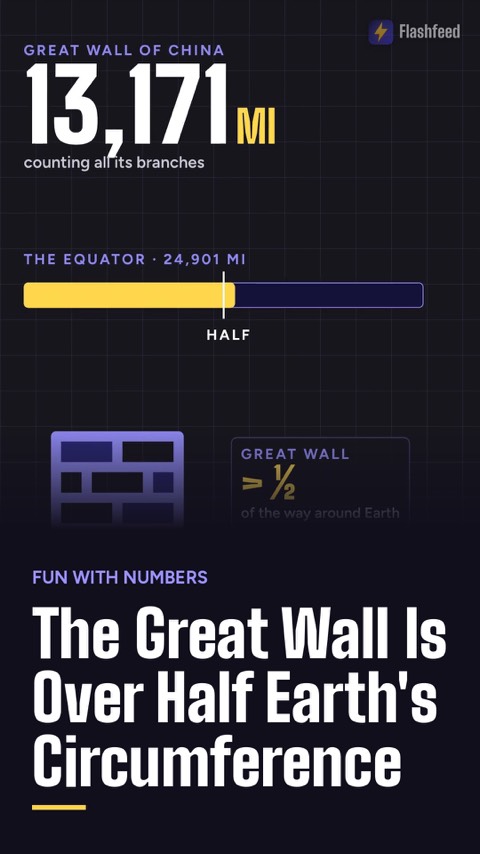
Around the World 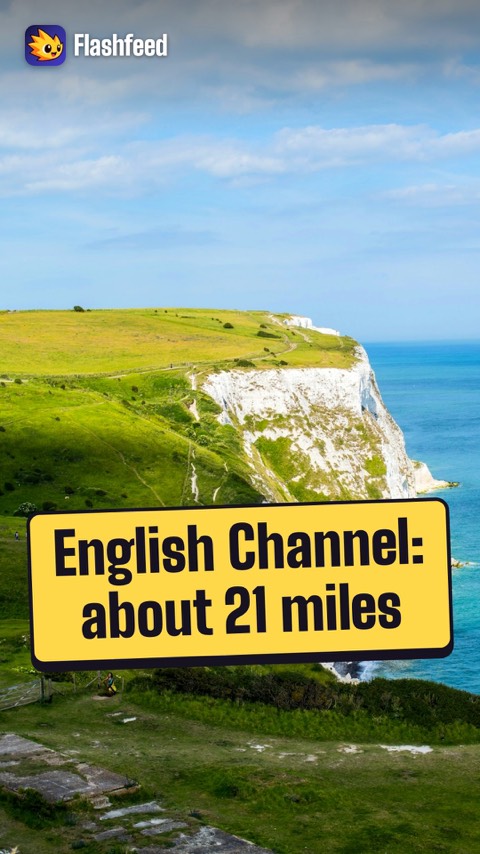
21 Miles All 15 clips on YouTube ↗Transcripts
Deeper Than Everest
About 35,876 feet down lies Challenger Deep, in the Mariana Trench.
Mount Everest is 29,032 feet tall. The trench is deeper than Everest is tall.
The Pacific's average depth is about 13,000 feet, and its area exceeds all of Earth's land.
Lake Baikal, the deepest lake, reaches 5,387 feet and holds a fifth of Earth's unfrozen fresh water.
Around the World
Earth measures 24,901 miles all the way around the equator.
Counting all its branches, the Great Wall of China runs 13,171 miles, more than half that.
The longest nonstop commercial flight covers about 9,537 miles, from New York to Singapore.
But the English Channel is only about 21 miles wide at Dover, close enough that strong swimmers cross it.
21 Miles
The English Channel is only about 21 miles wide at the Strait of Dover. Strong swimmers cross it.
Route 66, the Mother Road, ran 2,448 miles from Chicago to Santa Monica.
Its nickname comes from John Steinbeck's The Grapes of Wrath. The road was removed from the U.S. Highway System in 1985.
And the world is divided into about 195 countries.
Episode 26:27
How long is the Great Wall of China, how deep is the Mariana Trench, and how far is it around the Earth?
-
 Pexels · jesus esteban03
People and Places
The world's biggest cities · Cities and nations
Lesson 3 · 9 cardsPexels · jesus estebanGreater Tokyo Is Four Londons
About 37 million people live in Greater Tokyo, long ranked the largest urban area on Earth in UN estimates (newer UN methods rank Jakarta first) — roughly four Londons (9.5 million) folded into one metropolitan region. Anchor your guesses on Western capitals and you will usually come in too low.
 Pexels · Simon Berger
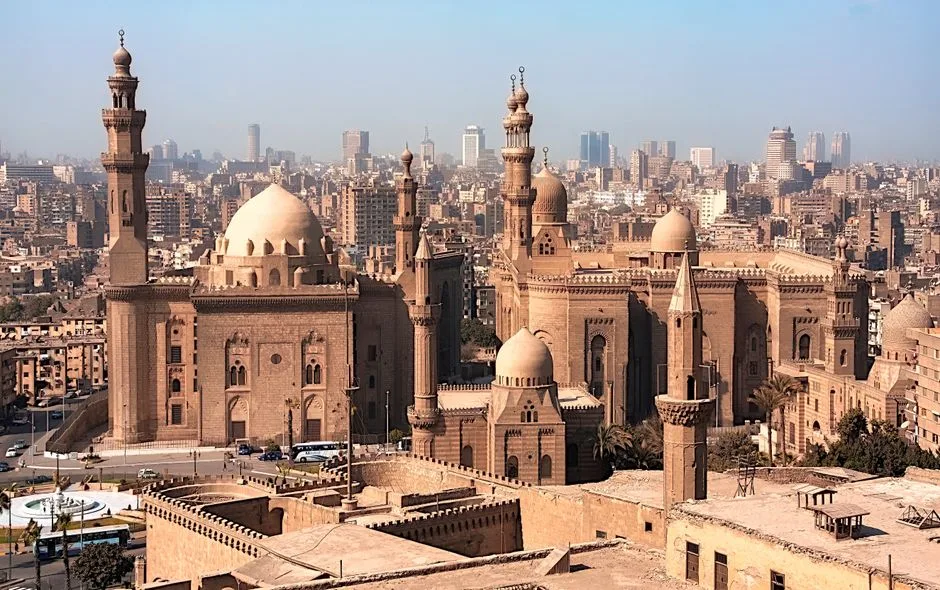
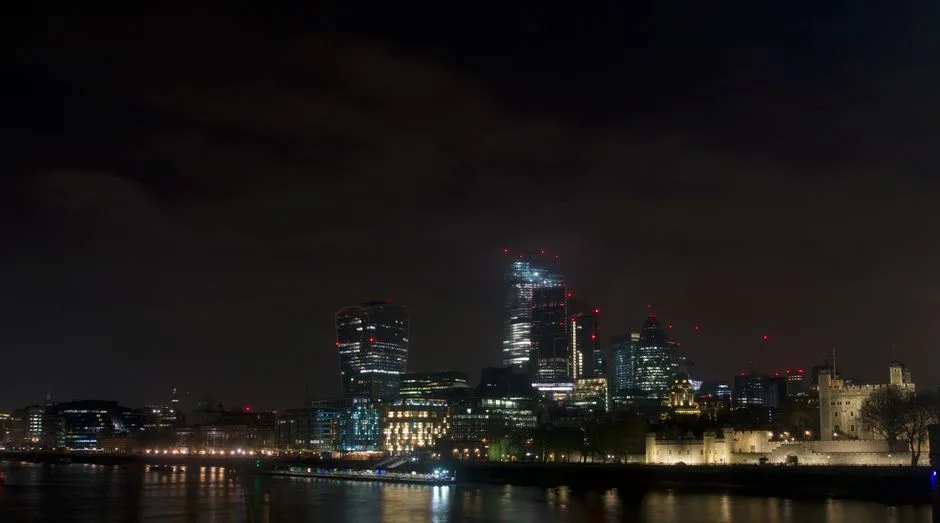
Cairo, Mumbai, São Paulo clear 20 million
Tokyo is not the only city on this list past 20 million: Cairo holds about 21.8 million people, Mumbai about 20.4 million, and São Paulo's metro area about 22 million. The famous Western capitals are nowhere near — London, the largest of them, has about 9.5 million, under half the 20-million line.
 Pexels · Manzoni Studios
The Famous Western Cities, Ranked
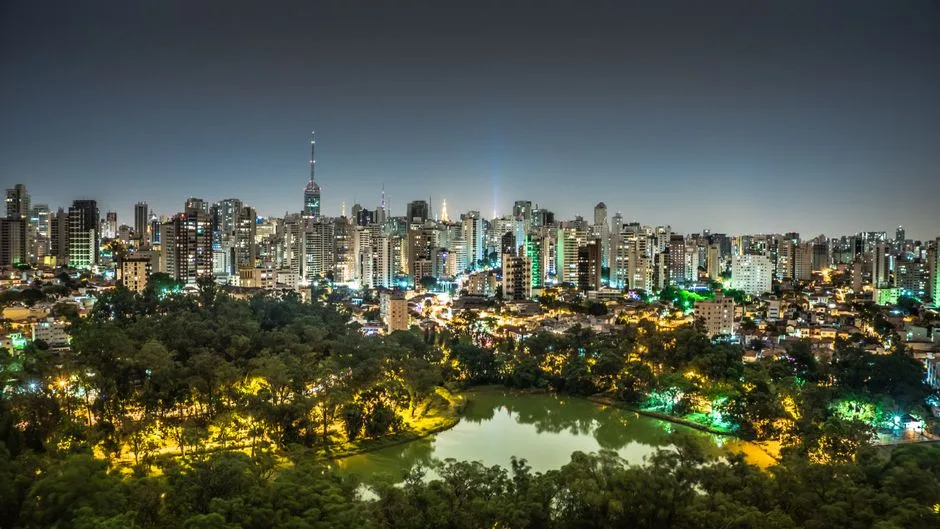
Line up the Western cities everyone can name and the headline numbers depend on where you draw the line: London's urban area holds about 9.5 million, New York City proper about 8.3 million, Greater Sydney around 5.3 million, and Paris, the city itself, only about 2 million (its metro area about 13 million). Each is far smaller than Greater Tokyo, home to about 37 million.
 Pexels · Kaique Rocha
Even megacities look small
Greater Tokyo's roughly 37 million residents are still about 1.7 times São Paulo's metro population of around 22 million, showing how far Tokyo outstrips even a major megacity.
 mckaysavage (Openverse) · by 2.0 ↗
India outnumbers all of Europe
India's population, around 1.43 billion, exceeds the entire population of Europe — about 745 million — by hundreds of millions, packed into a land area a fraction of Europe's size.
 Pexels · Diego F. Parra
Paris city proper, surprisingly small
Paris city proper is home to about 2 million people, fewer than Greater Sydney (~5.3 million), New York City proper (~8.3 million) or London's urban area (~9.5 million). Its metro area holds about 13 million.
1 / 9About how many people live in the Greater Tokyo metro area?
Greater Tokyo holds about 37 million people on the long-standing UN estimate — more than the entire population of Australia.
Lesson 3 has 56 cards. Keep going in the free app.
Question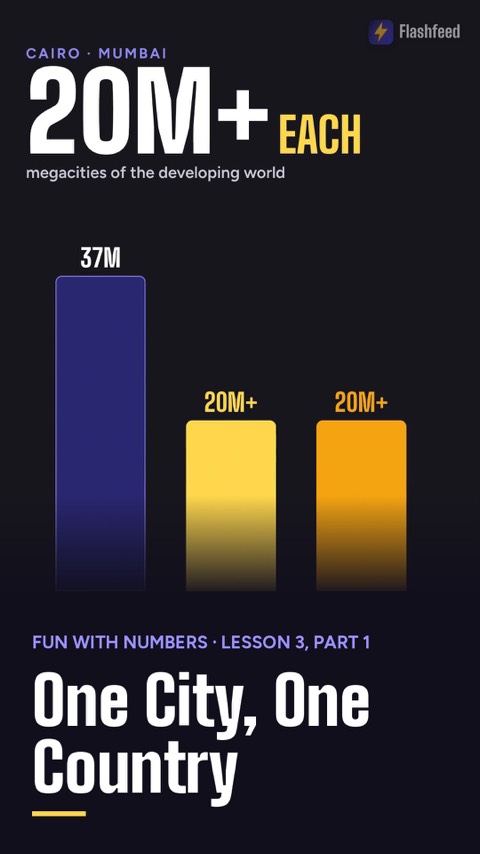
One City, One Country 
India, China and the Rest All 15 clips on YouTube ↗Transcripts
One City, One Country
Greater Tokyo is home to about 37 million people, the largest urban area on Earth.
That is more than the entire population of Australia, living in a single metropolitan region.
Next, Cairo and Mumbai each hold more than 20 million people, megacities of the developing world.
Famous Western cities are smaller than many expect: London has about 9.5 million, and New York City about 8.3 million.
India, China and the Rest
India is the most populous country, at about 1.43 billion. China is close behind, at about 1.41 billion.
At about 348 million, the United States is a distant third.
India alone holds more people than all of Europe, which has about 745 million.
The world now holds roughly 8.3 billion. The first billion took until around 1804.
Episode 35:49
What is the largest city in the world, and which country has the most people?
-
 Unsplash · Amit Padhiyar ↗04
Space and Astronomy
Cosmic distances · Sizes, speeds and counts
Lesson 4 · 9 cardsUnsplash · Amit Padhiyar ↗Three Days Out, One Second Back
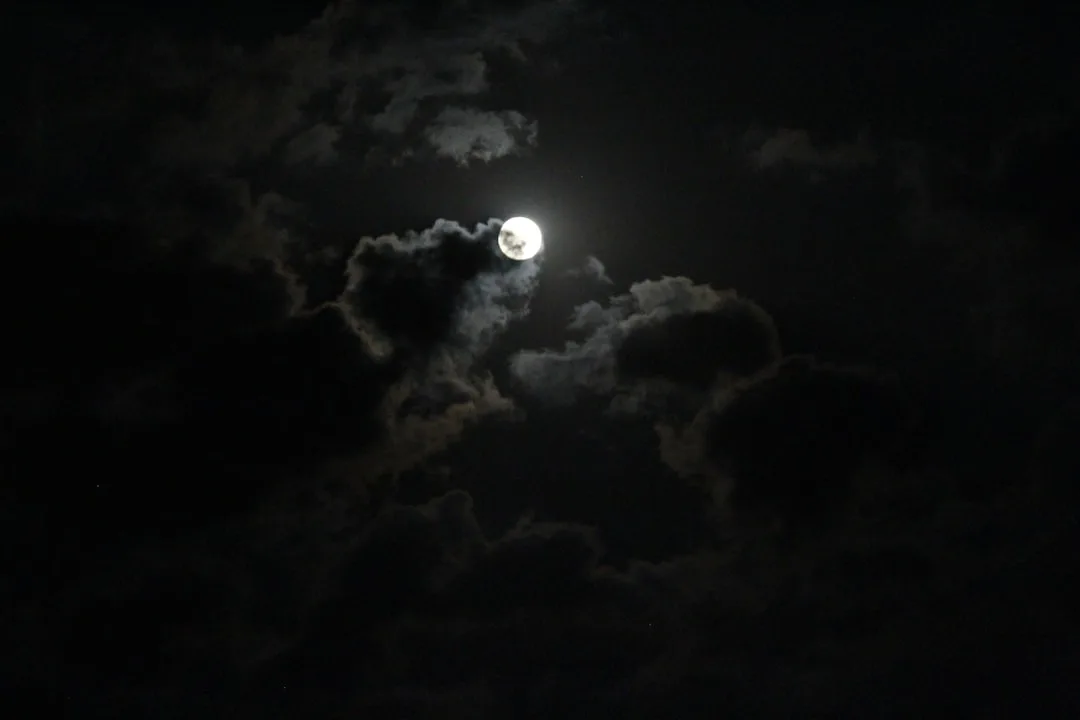
The Moon sits about 238,855 miles from Earth — far enough that the Apollo astronauts needed three days to get there, close enough that its reflected light reaches us in just over a second. It is still the only world beyond Earth that humans have set foot on.
 Pexels · RDNE Stock project
The Solar System's Yardstick
The Earth–Sun distance, about 93 million miles, is defined as one astronomical unit (AU) — the ruler astronomers use for the whole solar system. It puts the neighbors in scale: Mars, even at its closest approach, is still about 34 million miles off, roughly a third of an AU, which is why a crewed round trip is measured in years rather than days.
 Pexels · Alexandre P. Junior
A Light-Year Measures Distance, Not Time
Miles work fine close to home — Earth is about 7,918 miles across, and the International Space Station (ISS) orbits a mere 250 miles up. Past the solar system they stop being useful, so astronomers switch to the light-year: the distance light covers in one year, about 5.88 trillion miles (9.46 trillion km). Proxima Centauri, the nearest star beyond the Sun, lies a bit over four of them away.
 Pexels · Zelch Csaba
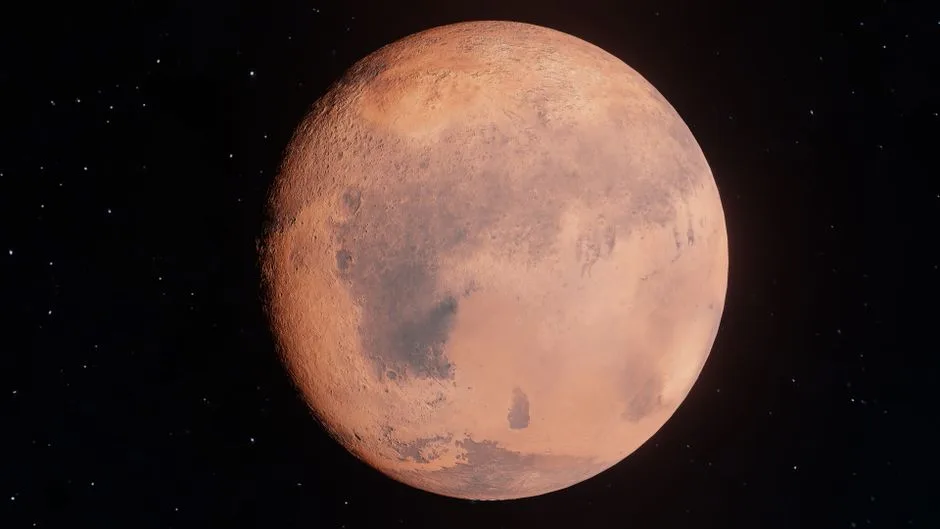
Mars, never truly close
Even at its closest approach to Earth, Mars sits about 34 million miles away — far enough that a crewed round-trip would take years.
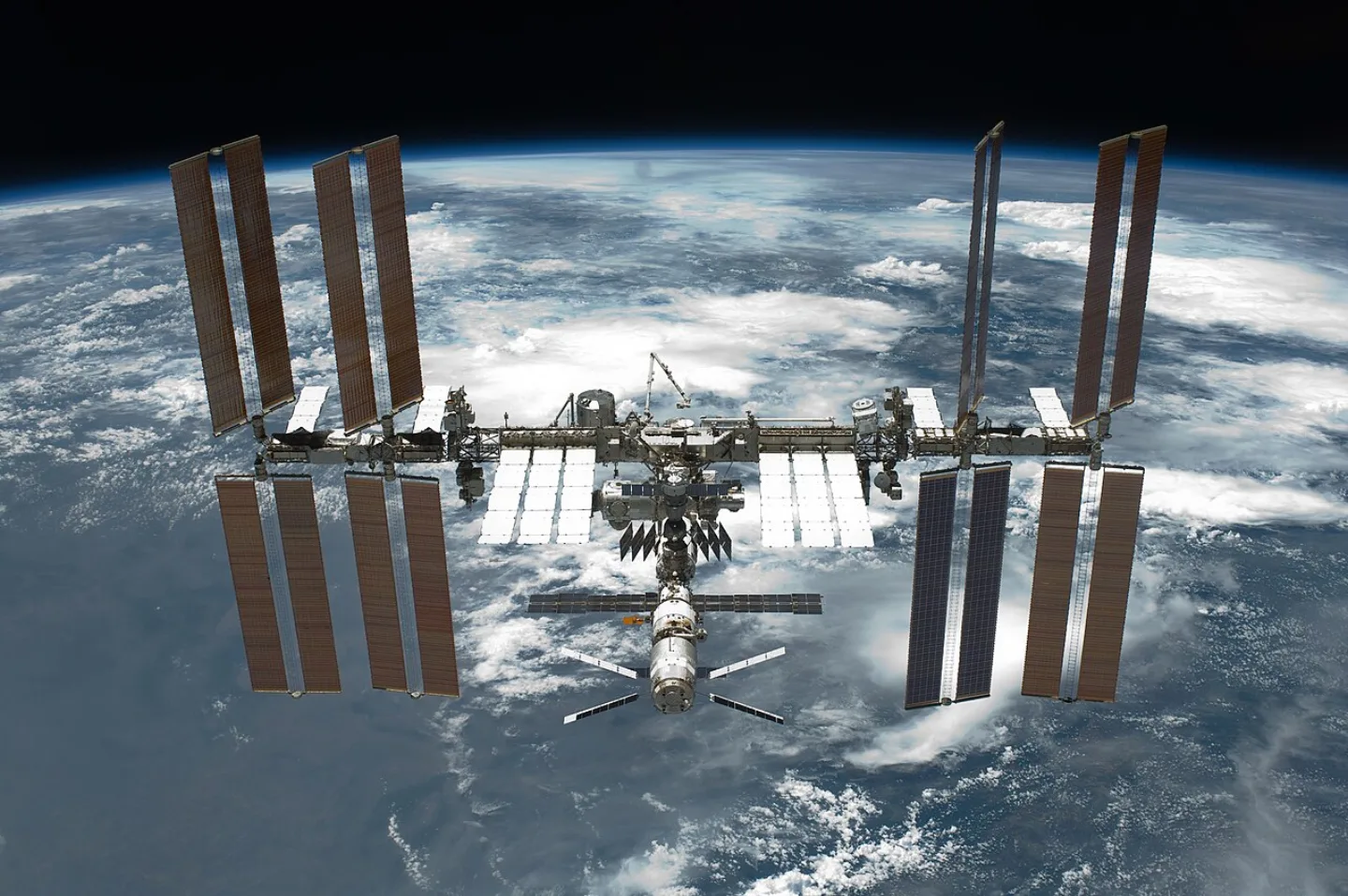 NASA · Public domain ↗
A sunrise every 45 minutes
Orbiting about 250 miles up at 17,500 mph, the International Space Station (ISS) circles Earth roughly every 90 minutes — so its astronauts see a sunrise or sunset about every 45 minutes, around 16 of each per day.
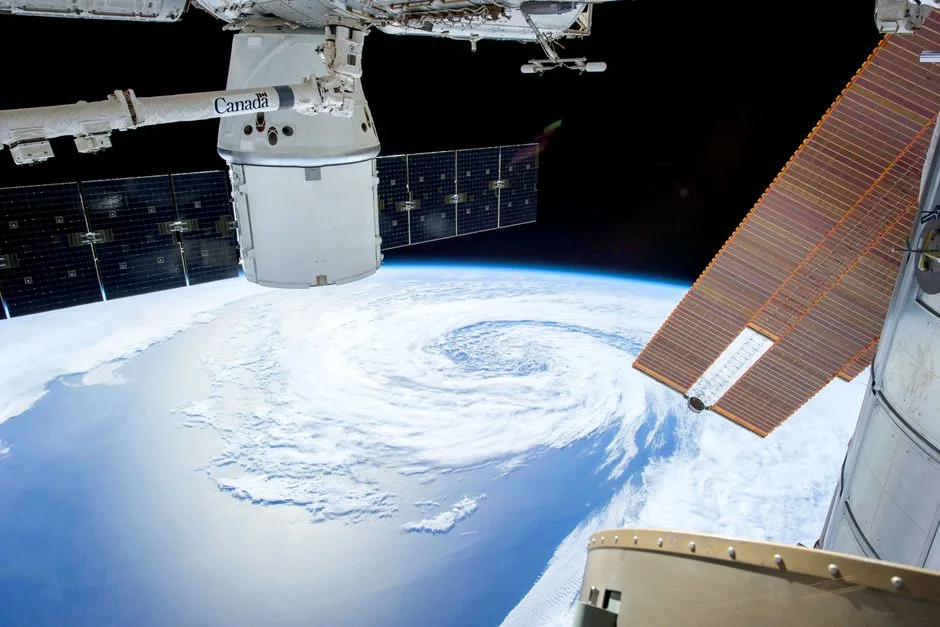 Pexels · SpaceX
Light Laps the Earth Seven Times a Second
Light travels about 186,000 miles per second: fast enough to circle the Earth roughly seven times in one second, and the cosmic speed limit nothing with mass can reach. For contrast, the International Space Station (ISS) races around Earth at 17,500 miles per hour: light covers in about a tenth of a second the distance the ISS needs a full hour to cross.
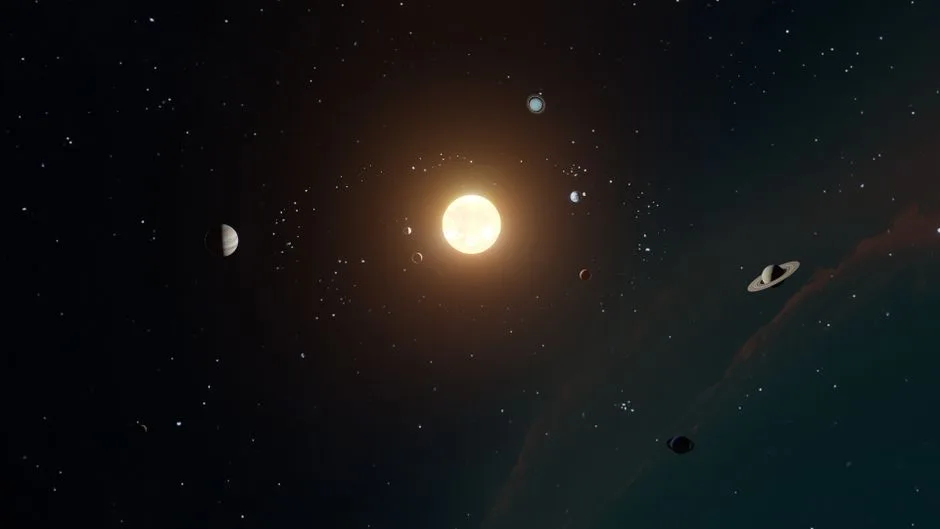 Pexels · Zelch Csaba
Million Earths inside the Sun
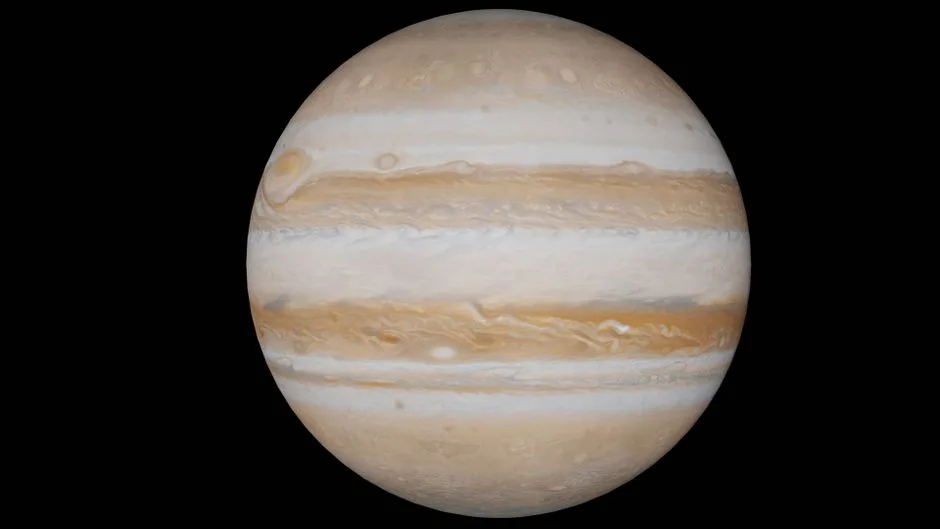
The Sun measures about 864,000 miles across — so vast that more than a million Earths would fit inside it. Jupiter, the largest of the solar system's 8 planets, spans about 86,900 miles: roughly a tenth of the Sun's width, yet more than ten times Earth's. The whole tidy system — one ordinary star, eight planets — sits in a universe about 13.8 billion years old.
 Pexels · Zelch Csaba
Jupiter, dwarfing Earth
Jupiter, the largest planet, measures roughly 86,900 miles across — vastly smaller than the Sun's 864,000-mile span, but still dwarfing Earth's 7,918 miles.
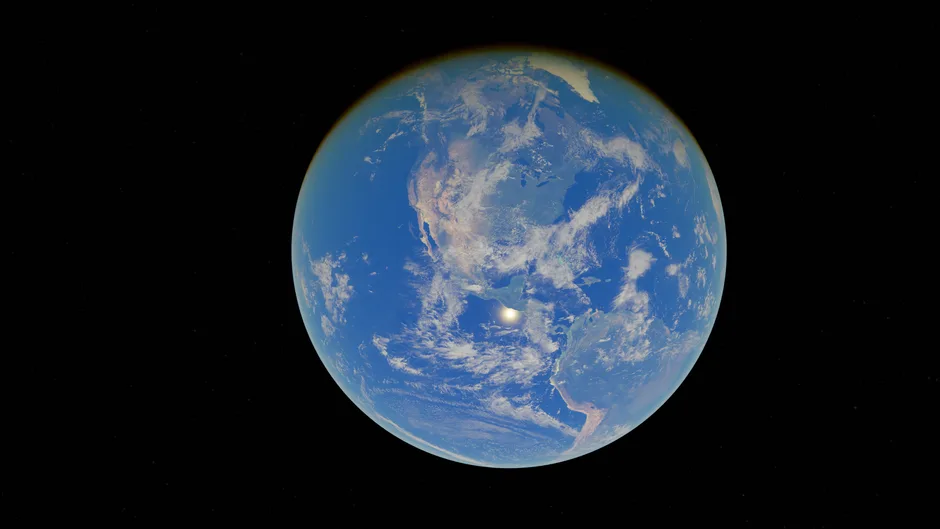 Pexels · Zelch Csaba
The universe's head start
Since the Big Bang, the universe is estimated to be about 13.8 billion years old — far older than Earth, whose age is closer to 4.5 billion years.
1 / 9About how long did the Apollo astronauts take to travel to the Moon, some 238,855 miles away?
The Moon is about 238,855 miles away — far enough that Apollo astronauts needed three days to reach it, yet close enough that its reflected light returns to Earth in just over a second.
Lesson 4 has 64 cards. Keep going in the free app.
Question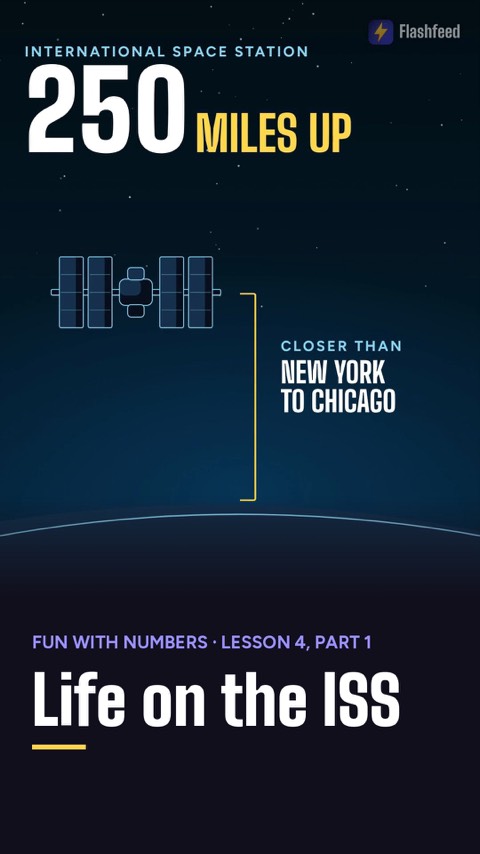
Life on the ISS 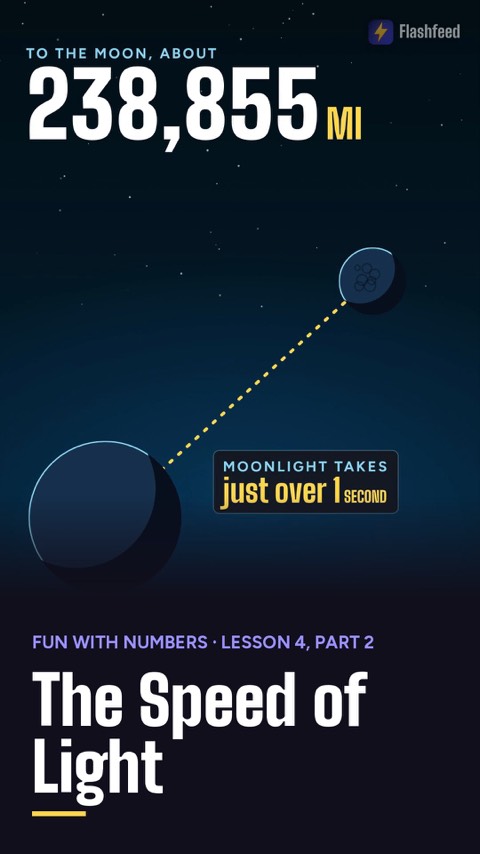
The Speed of Light All 15 clips on YouTube ↗Transcripts
Life on the ISS
The International Space Station orbits a mere 250 miles up. That is closer to the ground than New York is to Chicago.
Up there, it races around the planet at about 17,500 miles per hour.
At that speed, it completes a full orbit of the Earth roughly every 90 minutes.
That means the astronauts on board witness a sunrise or a sunset about every 45 minutes.
The Speed of Light
Light is the fastest thing there is. It travels about 186,000 miles every second.
That is fast enough to circle the Earth 7 times in a single second.
The Moon is about 238,855 miles away, yet its light reaches us in just over a second.
In one year, light covers about 5.88 trillion miles. That distance is one light-year.
Episode 45:34
How far away is the Moon, how long is a light-year, and how old is the universe?
-
 Wikimedia Commons · JPxG · CC BY-SA 3.0 ↗05
Money and the Economy
Big money
Lesson 5 · 4 cardsWikimedia Commons · JPxG · CC BY-SA 3.0 ↗US debt tops the economy
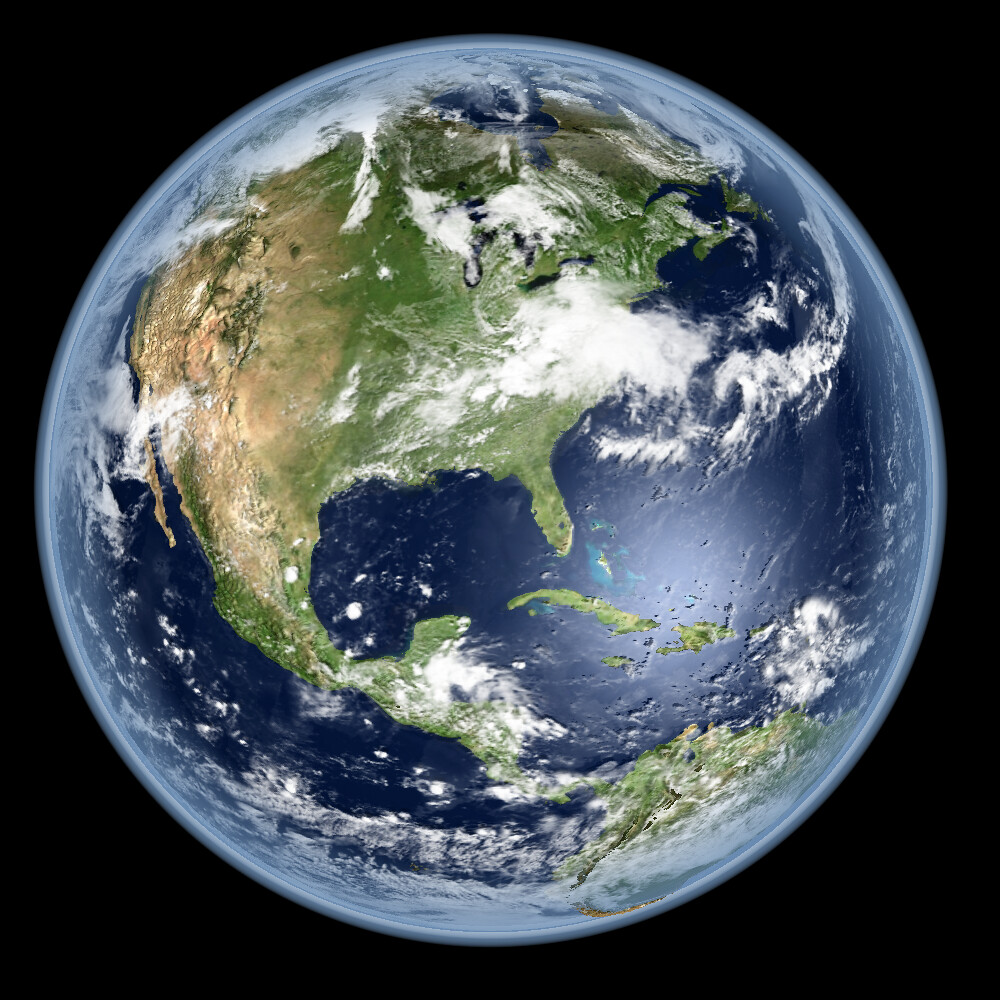
By mid-2026 the US national debt had climbed to roughly $39 trillion — larger than the entire annual US economy, whose gross domestic product (GDP) is about $31 trillion. The debt grew by more than $2 trillion in a single year.
 Openverse · Kevin M. Gill · CC BY 2.0 ↗
The Whole Planet Earns $110 Trillion a Year
World gross domestic product (GDP), the value of everything the planet produces in a year, is about $110 trillion, and the United States alone accounts for more than a quarter of it at roughly $30.8 trillion, the largest of any country. The US federal government spends about $7.0 trillion a year, a budget bigger than the entire economy of all but a handful of nations. Next to those figures ordinary prices look quaint: the median existing US home sold for about $407,600 in 2024, and a Gerald R. Ford-class aircraft carrier costs about $13 billion.
1 / 4How does the US national debt compare with a full year of US economic output (GDP)?
US debt (~$38.9T) now exceeds a full year of US GDP (~$30.8T).
Lesson 5 has 51 cards. Keep going in the free app.
Question
Million, Billion, Trillion 
Bigger Than the Economy All 15 clips on YouTube ↗Transcripts
Million, Billion, Trillion
A million seconds is about 12 days. A million, a billion and a trillion sound alike, but each is a thousand times bigger than the last.
A billion seconds is about 32 years, a thousand times longer than a million.
A trillion seconds is about 32,000 years. The jump from billions to trillions is the one that matters.
1,000 billionaires, each rich beyond imagining, would together equal a single trillion.
Bigger Than the Economy
The US national debt reached roughly $38.9 trillion by mid-2026.
The whole economy, US GDP, is about $30.8 trillion: everything the country produces in a year.
The debt grows by more than $2 trillion a year, and it already exceeds a full year of national output.
The debt could pay for nearly 3,000 Ford-class aircraft carriers, at about $13 billion each.
Episode 55:23
What is the difference between a billion and a trillion, and how big is the U.S. national debt?
- Take the lessons with you. Free, no account.Download on the App Store ↗Get it on Google Play ↗
-
 Unsplash · Tim Mossholder ↗06
USA by the Numbers
Government and the Constitution · States, symbols and rules
Lesson 6 · 10 cardsUnsplash · Tim Mossholder ↗The Flag Records Two Different Counts
The US flag carries the country's history in two layers. The 50 stars stand for the current states, a number reached in 1959 when Alaska and Hawai'i joined. The 13 stripes stand for the original colonies that declared independence. Apart from the 15-stripe flag of 1795 to 1818, that count has stayed put while the stars multiplied around it.
 Pexels · Aaron Kittredge
47 Presidencies, But Only 45 People
Count the US presidents through 2026 and the answer is 47 — but only 45 men have held the job. Donald Trump fills both the 45th and 47th slots because his terms were not consecutive, a quirk shared with exactly one predecessor: Grover Cleveland, the 22nd and 24th president. Each term, then as now, runs 4 years.
 Pexels · Ivan Dražić
Where 538 votes come from
A candidate needs 270 electoral votes to win the presidency — a bare majority of 538. That total is not arbitrary: it is the 435 members of the House, plus the 100 senators, plus 3 votes granted to Washington, District of Columbia (DC) by the 23rd Amendment — one of only 27 changes made to the Constitution since it was ratified in 1788.
 Pexels · Mikhail Nilov
The magic number to win
Winning the US presidency requires 270 electoral votes — a simple majority of the Electoral College's 538 total votes.
 Openverse · Dusty J · CC BY 2.0 ↗
Different jobs, different terms
Each US presidential term runs 4 years, compared with 2 years for a House term and 6 years for a Senate term; the 22nd Amendment limits a president to being elected twice.
 Unsplash · Nicolasintravel ↗
64 parks, hundreds of sites
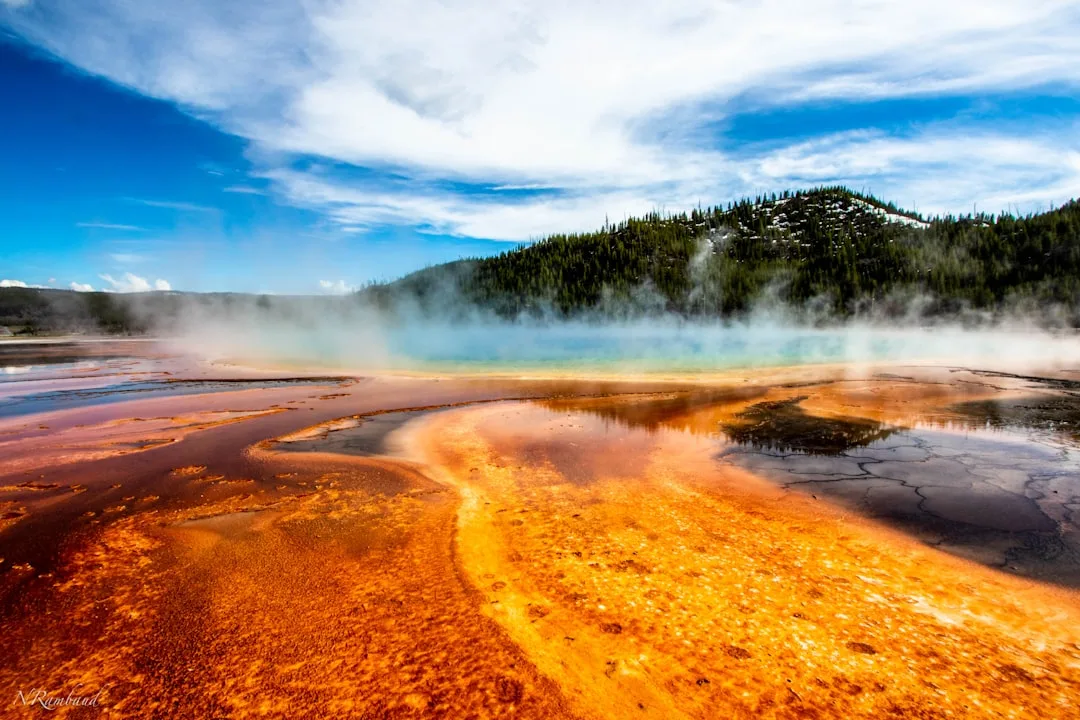
Only 64 of the places the National Park System protects carry the full title of national park: Yellowstone — the first anywhere in the world when Congress created it in 1872 — plus Yosemite, the Grand Canyon and 61 others. Hundreds of monuments, seashores and historic sites belong to the system without being national parks.
 Pexels · Edmond Dantès
18 to Vote, 35 to Run
The voting age was 21 until the 26th Amendment lowered it to 18 in 1971, leaving a 17-year gap to the age the Constitution requires of a president: 35. That minimum is one of only three qualifications for the office, alongside being a natural-born citizen and having lived in the United States for 14 years.
 Pexels · Jess Loiterton
The last two states
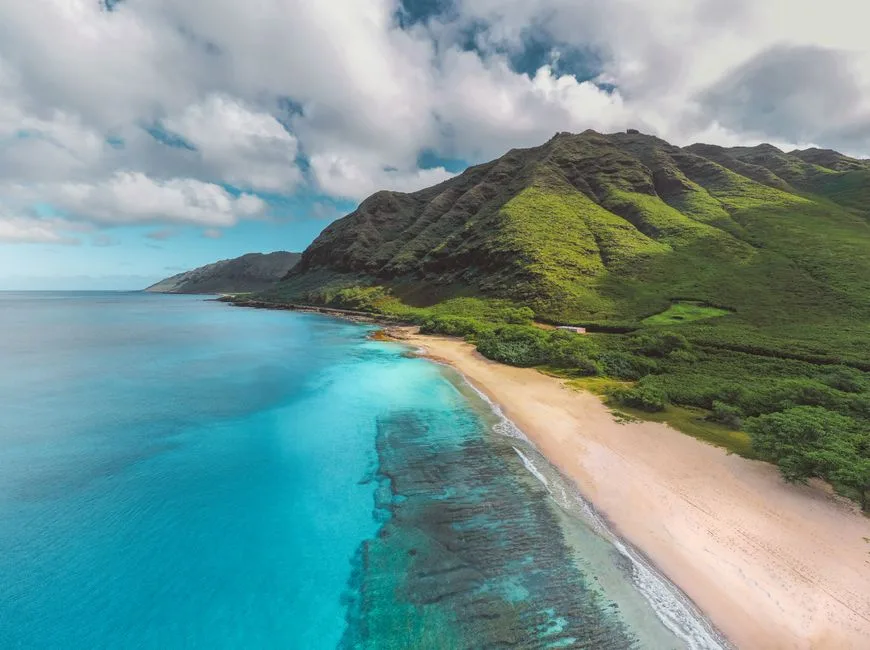
The US grew to its current 50 states in 1959, when Alaska and Hawai'i both joined the union.
 Pexels · Edmond Dantès
When voting age dropped
The US voting age used to be 21 until the 26th Amendment brought it down to 18, the threshold still in place today.
1 / 10What do the 13 stripes on the US flag represent?
The flag records the nation's growth in two layers: 50 stars for the current states, and 13 stripes, one for each original colony that declared independence. Apart from the 15-stripe flag of 1795 to 1818, the stripes stayed fixed while the stars multiplied.
Lesson 6 has 62 cards. Keep going in the free app.
Question
The Civic Numbers 
Vote at 18 All 15 clips on YouTube ↗Transcripts
The Civic Numbers
The US flag carries 50 stars, one for each state, and 13 stripes, one for each of the original colonies.
Congress has 100 senators, two from each state, and 435 voting House members, a number capped since 1929.
A presidential candidate needs 270 electoral votes to win, out of 538 in total.
The Constitution has been amended only 27 times since it was ratified in 1788.
Vote at 18
The U.S. voting age was 21 until the 26th Amendment. The amendment lowered it to 18.
To be president, you must be at least 35, one of just three constitutional qualifications for the office.
There are 50 states, a number reached in 1959, when Alaska and Hawai'i joined.
And there are 64 national parks, among hundreds of other protected sites.
Episode 65:59
How many seats are in the House, why does a president need 270 electoral votes, and why is counting presidents tricky?
-
 Pexels · Stuart Robinson07
Records and the Human Body
Records and curiosities
Lesson 7 · 5 cardsPexels · Stuart RobinsonTwo hundred tons, 400-pound heart
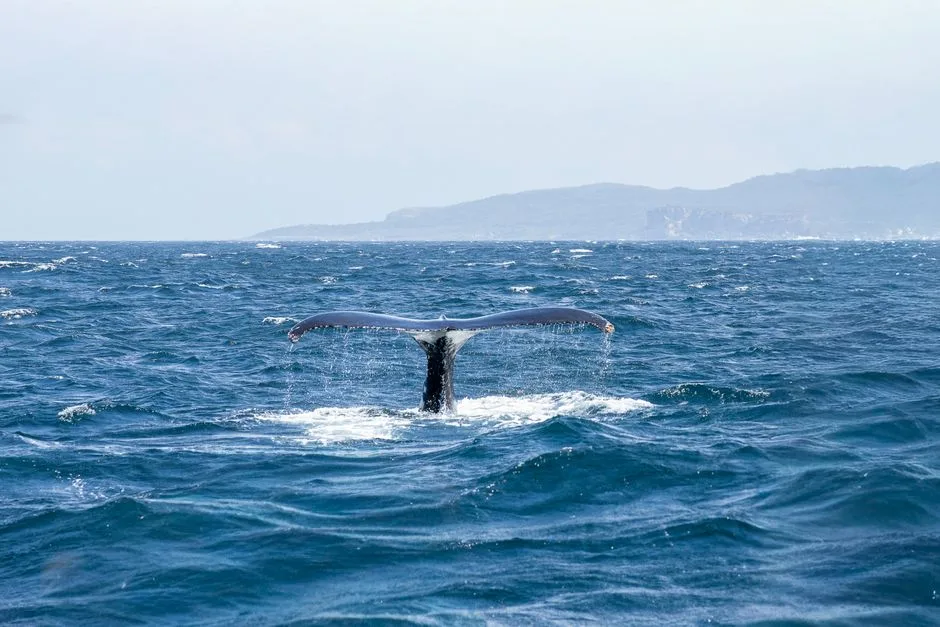
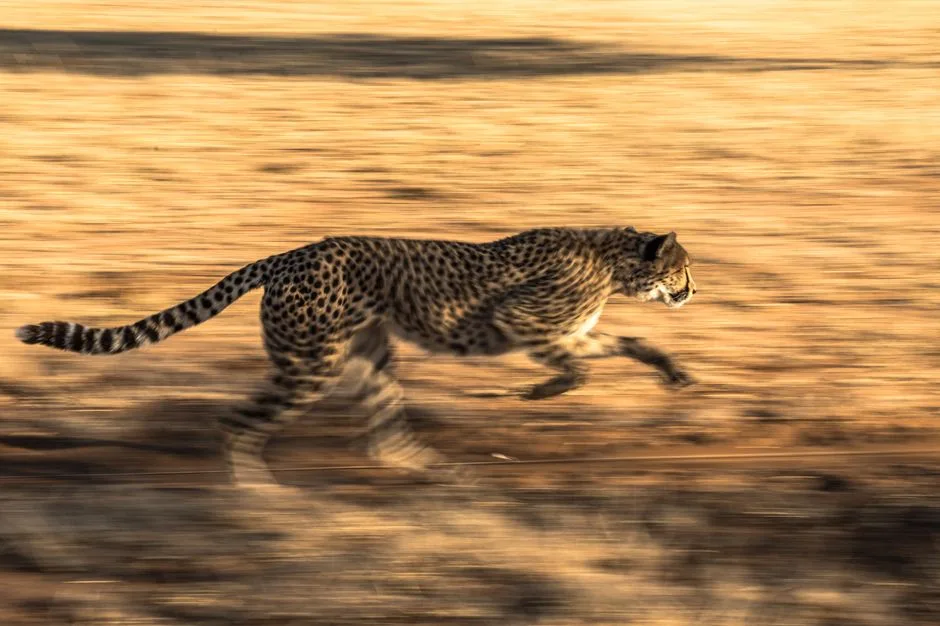
The blue whale is the largest animal that has ever lived, up to 200 tons, heavier than the biggest dinosaurs; the heaviest heart measured weighed roughly 400 pounds. On land the record goes to speed instead of bulk: the cheetah hits roughly 60 to 65 miles per hour in short bursts, faster than any other land animal.
 Pexels · Emma Li
Two-thirds as deep, single breath
The deepest scuba dive on record reached 1,090 feet, a descent that took years of planning and hours of slow ascent to survive. Free-divers riding a weighted sled, holding one breath, have gone 702 feet down: roughly two-thirds as deep, with no air at all. The land-side extreme is heat: 134°F in Death Valley, California, the temperature officially recognized as Earth's highest, though some climatologists have questioned the 1913 reading, arguing it may be several degrees too high.
 Pexels · Pixabay
Never taking a break
The average human heart beats roughly 100,000 times every day, keeping a steady rhythm with no scheduled breaks.
 Pexels · Bruno Almeida
Nature's fastest sprinter
In short bursts, a cheetah can run at roughly 60 to 65 miles per hour, making it the fastest land animal alive.
1 / 5Which animal holds the record as the fastest thing on land?
The cheetah is the fastest land animal at roughly 60 to 65 mph. Pronghorns, lions, and greyhounds are quick but none reach the cheetah's peak speed.
Lesson 7 has 40 cards. Keep going in the free app.
Question
Your Body by the Numbers 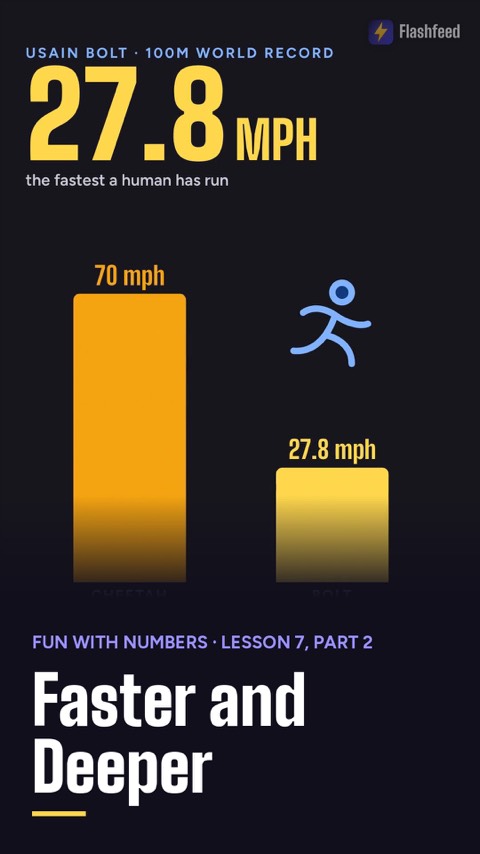
Faster and Deeper All 15 clips on YouTube ↗Transcripts
Your Body by the Numbers
Start with the heart. It beats about 100,000 times a day, every day.
That comes to close to 3 billion beats over an 80-year life, with no scheduled maintenance break.
Then the frame that carries it all: an adult human body has 206 bones.
A baby is born with more, roughly 270 to 300, depending on how the still-fusing pieces are counted.
Faster and Deeper
The cheetah is the fastest thing on land, hitting about 70 miles per hour in short bursts.
Usain Bolt reached about 27.8 miles per hour in his 100-meter world record, the fastest a human has ever run.
The deepest anyone has descended on scuba gear is about 1,090 feet, after years of planning.
Free-divers, holding a single breath, have reached about 702 feet straight down.
Episode 75:39
What is the hottest temperature ever recorded, and how fast can the fastest human run?
-
 Pexels · zhou shen08
Quick Recall
Superlatives
Lesson 8 · 5 cardsPexels · zhou shenDeepest point beats tallest peak
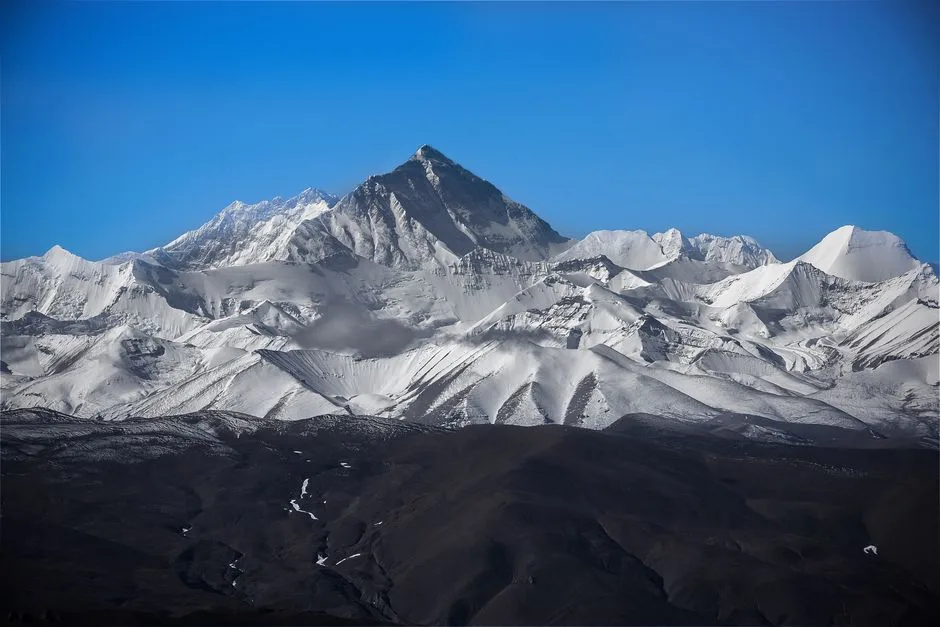
Everest tops out at 29,032 feet, but the Mariana Trench bottoms out near 35,900 — sink the mountain into the trench and its summit would still sit more than a mile underwater. The rest of the physical podium: the Nile, traditionally the longest river at about 4,130 miles, and the Burj Khalifa, tallest building at 2,717 feet.
 Pexels · ed br
Two Records That Trip People Up
The closest star to Earth is the one you see every day: the Sun, about 93 million miles away — the next-nearest, Proxima Centauri, is over four light-years off. And as of 2026, the most valuable public company is not Apple or Microsoft but Nvidia, worth about $5.2 trillion on the strength of the chips powering the AI boom.
 Pexels · Omar
Traditionally the longest
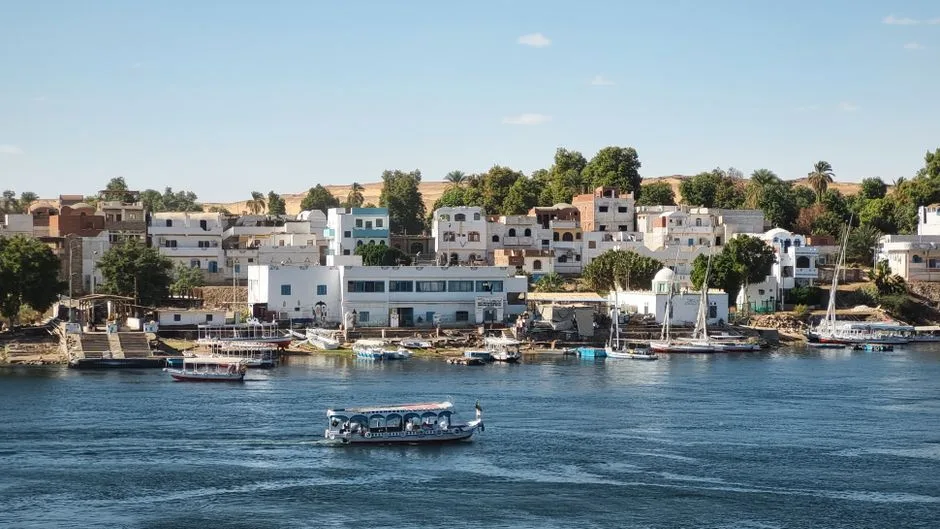
At roughly 4,130 miles long, the Nile is traditionally credited as the longest river in the world — longer than the Amazon, the Yangtze, or the Mississippi — though a few studies have argued the Amazon is slightly longer.
 Pexels · Walid Ahmad
The common mix-up
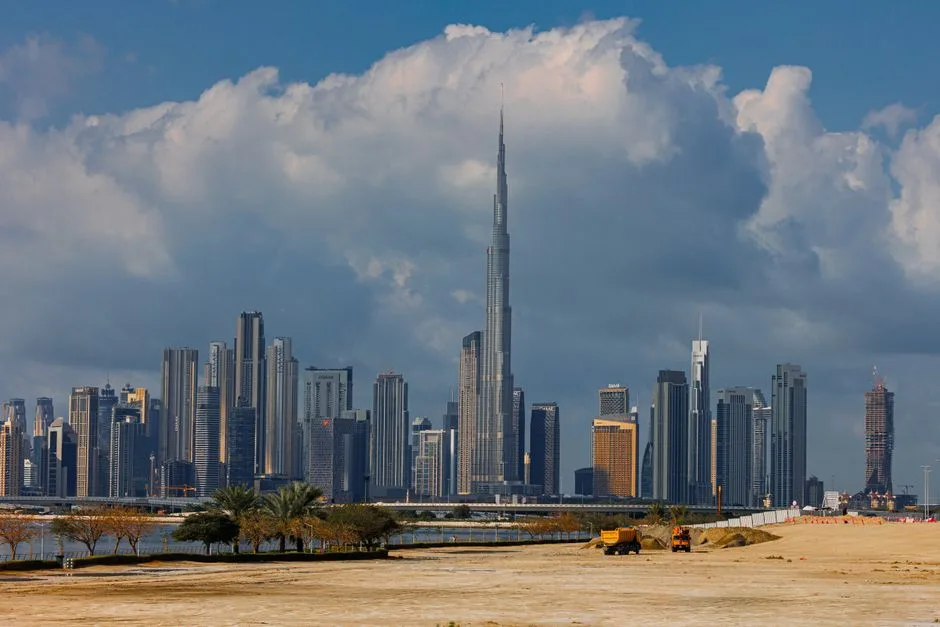
The world's tallest building is the Burj Khalifa at 2,717 feet — not the Eiffel Tower, which people sometimes name by mistake.
1 / 5About how deep is the Mariana Trench, the ocean's deepest point?
The Mariana Trench plunges to roughly 35,900 feet, deeper than Everest is tall.
Lesson 8 has 42 cards. Keep going in the free app.
Question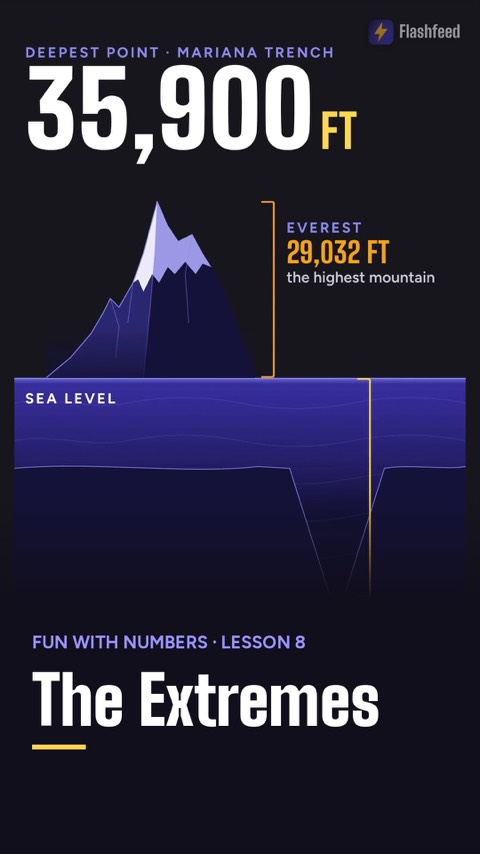
The Extremes All 15 clips on YouTube ↗Transcript
Mount Everest, at 29,032 feet, is the tallest mountain.
The Mariana Trench, the ocean's deepest point, reaches about 35,900 feet: deeper than Everest is tall.
The Nile runs roughly 4,130 miles: the longest river, by the traditional measure.
Russia, the largest country, covers about 6.6 million square miles. India has the most people: about 1.43 billion.
Episode 84:59
Can you recall ten numbers that anchor the world, from Everest's height to the count of U.S. presidents?
-
 Unsplash · Harshil Gudka ↗09
Key Concepts
Key Places · Key Things
Lesson 9 · 9 cardsUnsplash · Harshil Gudka ↗The Continental Champions (K2 Isn't One)
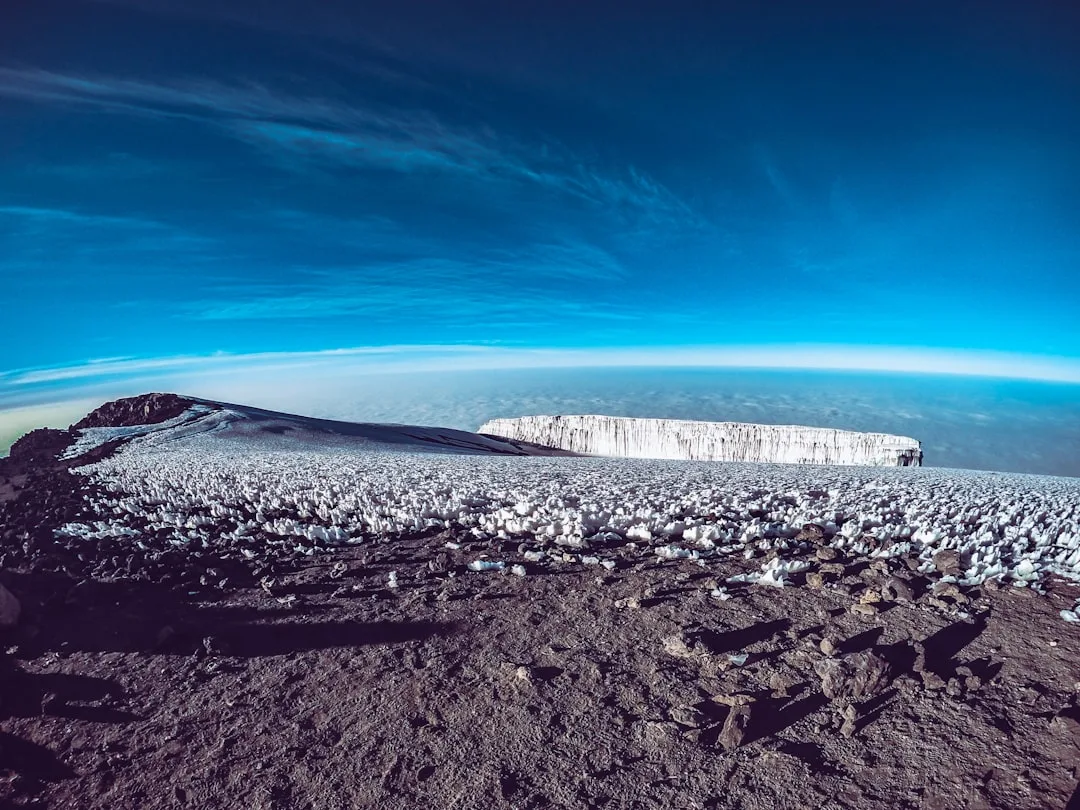
Four of these peaks are continental high points: Everest for Asia, Aconcagua (about 22,838 ft) in the Andes for South America, Denali (20,310 ft; officially Mount McKinley in federal use again since 2025) in Alaska for North America, and Kilimanjaro (19,341 ft) in Tanzania for Africa. K2 is not on that list despite being the world's second-highest mountain, because Asia's high point is Everest.
 Pexels · Ercan Evcimen
The Alps' highest, half Everest
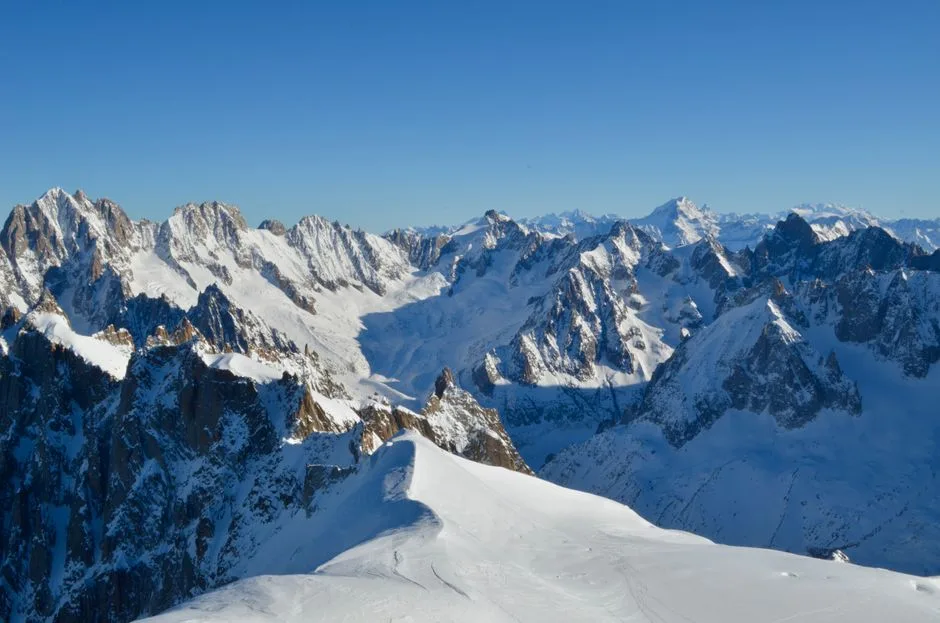
At roughly 15,770 feet, Mont Blanc is just over half the height of Everest's 29,032, and still the highest point in the Alps, straddling the border between France and Italy. Climbers reach its summit in a couple of days; Everest takes weeks of acclimatization first.
 Pexels · Joseph Ruwa
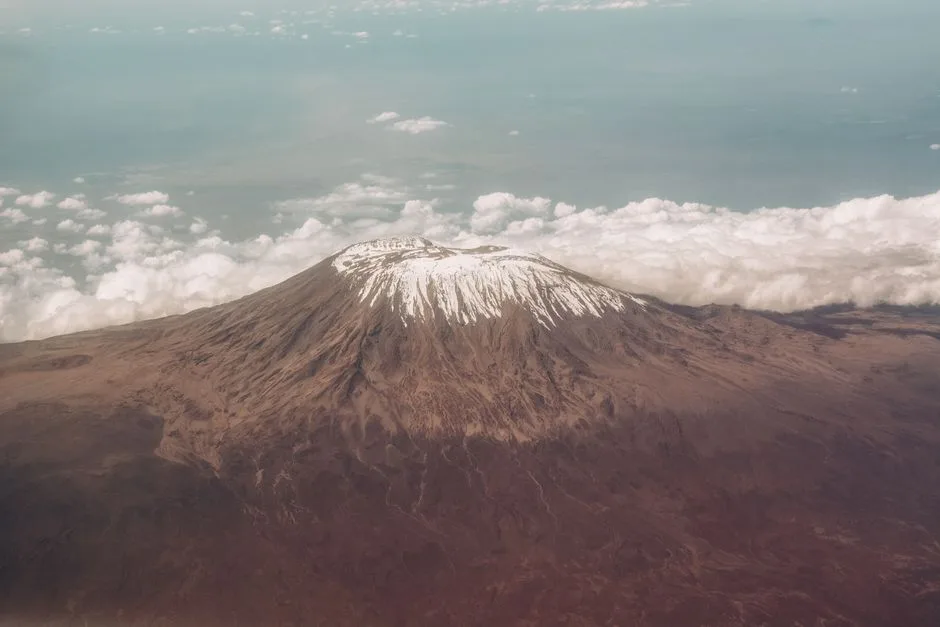
Kilimanjaro's exact height
Mount Kilimanjaro in Tanzania rises about 19,341 feet, making it the highest mountain in Africa.
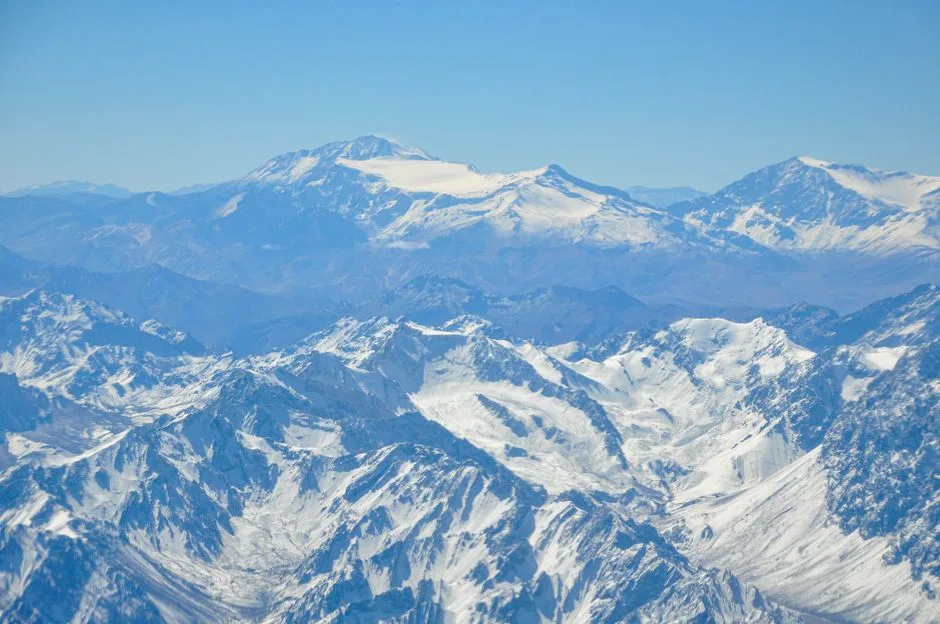 Pexels · Nikolai Kolosov
Bigger than Denali
Rising about 22,838 feet in the Andes, Aconcagua is the highest mountain in South America, taller than Denali, North America's highest peak.
 Unsplash · David Rodrigo ↗
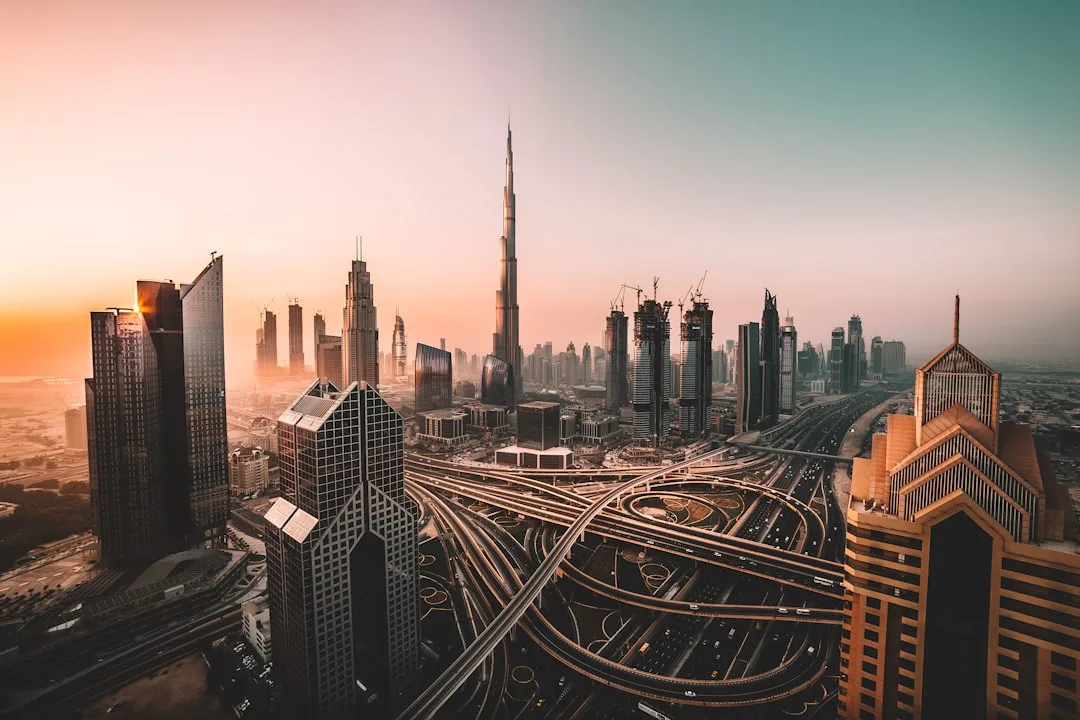
Tallest building, and the twist
The Burj Khalifa in Dubai has been the world's tallest building since it was completed in 2010, at 2,717 feet. Also among the giants is Shanghai Tower at 2,073 feet, whose signature twist is engineering as much as style: the spiraling form breaks up the wind that would otherwise batter a tower that tall.
 Pexels · Denil Dominic
A height chosen for 1776
One World Trade Center rises exactly 1,776 feet — the year of the Declaration of Independence, written into the New York skyline as the symbol rebuilt after the September 11 attacks. It is not the tallest thing on the continent, though: Toronto's CN Tower, with its revolving restaurant, edges it out at 1,815 feet and held the world's free-standing height record for 32 years.
 Pexels · Mehmet Turgut Kirkgoz
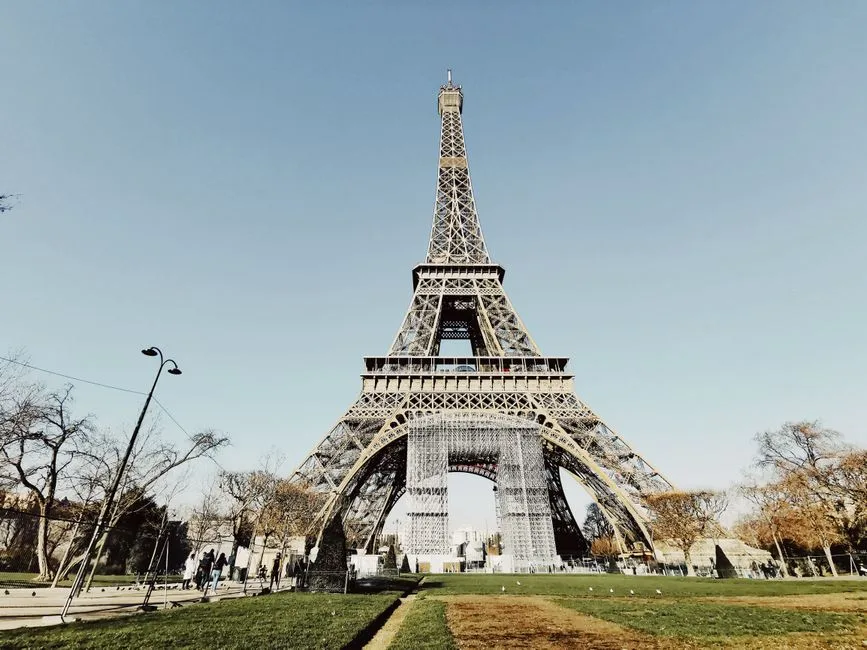
Two towers, 40 years each
The Eiffel Tower — 984 feet of iron lattice when it was completed for the 1889 World's Fair (antennas added later brought it to today's 1,083 feet) — stood as the tallest structure on Earth for four decades, until New York's skyscraper race overtook it. The Empire State Building, finished in 1931 at 1,250 feet to its roof, then held the tallest-building title for nearly forty years of its own.
 Pexels · Jeffrey Eisen
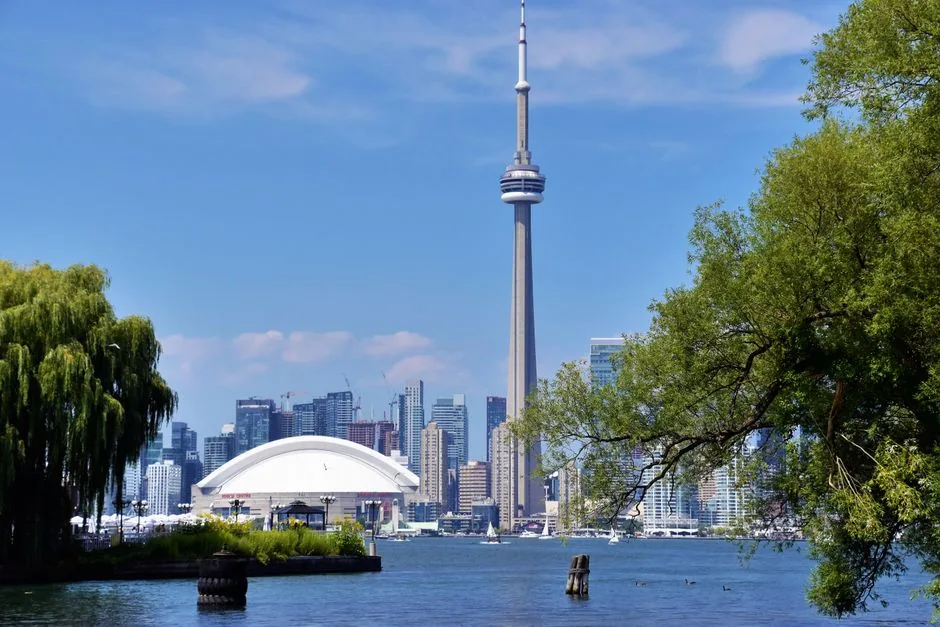
Toronto's revolving restaurant
Toronto's CN Tower, which rises 1,815 feet and features a revolving restaurant, once held the record as the world's tallest free-standing structure.
 Pexels · sam Zheng
China's skyscraper giant
The Shanghai Tower in China stands about 2,073 feet tall, making it one of the world's tallest skyscrapers.
1 / 9Which mountain is known as the second-highest in the world?
K2, in the Karakoram range, is the world's second-highest mountain at about 28,251 ft, just behind Everest.
Lesson 9 has 45 cards. Keep going in the free app.
Question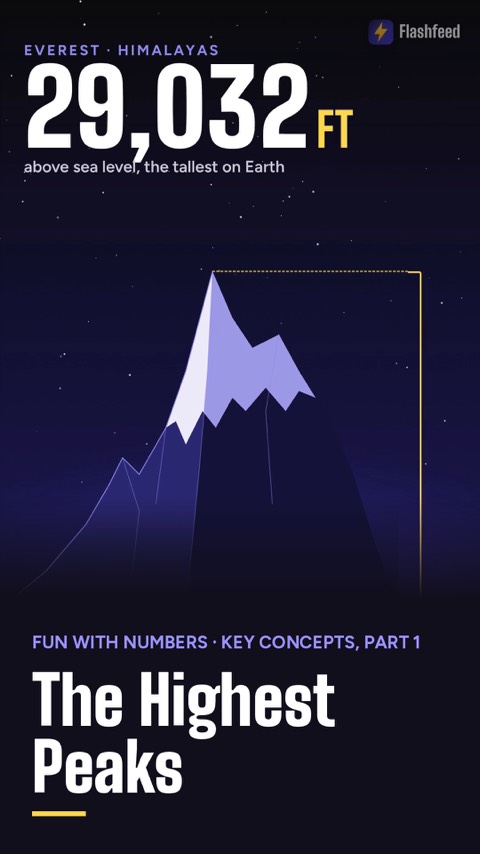
The Highest Peaks 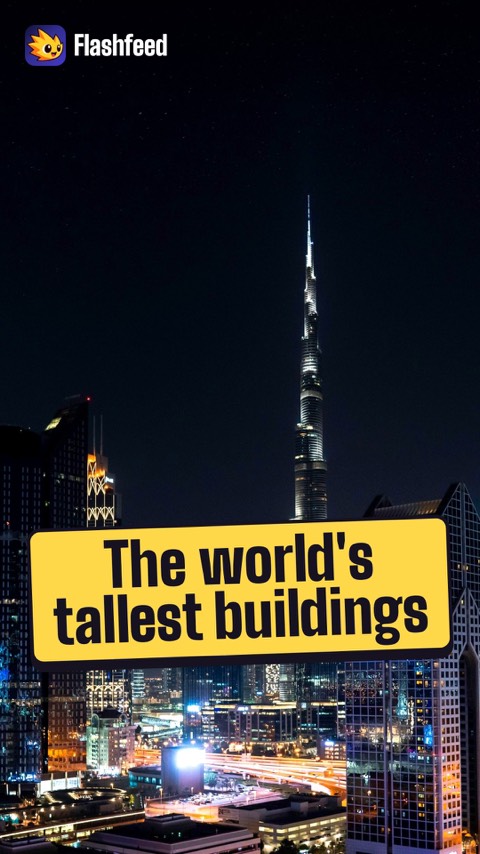
The Tall Buildings All 15 clips on YouTube ↗Transcripts
The Highest Peaks
Everest, about 29,032 feet, is the tallest mountain on Earth.
K2, about 28,251 feet, is the second-highest.
Aconcagua tops South America: about 22,831. Denali tops North America: about 20,310.
Kilimanjaro, Africa's highest: about 19,341. Mont Blanc tops the Alps: about 15,777 feet.
The Tall Buildings
Dubai's Burj Khalifa, 2,717 feet, is the world's tallest building.
Shanghai Tower, 2,073 feet, has a twisting design.
The CN Tower, 1,815 feet, was once the tallest free-standing building. One World Trade Center: 1,776.
The Empire State Building: 1,250 feet to its roof. The Eiffel Tower, from 1889: 1,083.
Episode 94:39
Where are Aconcagua, Kilimanjaro, K2 and the CN Tower, and how tall is each one?

What you'll be able to do 40 objectives, from the pack's lessons
- Rank the world's tallest skyscrapers by height and identify which one stands tallest
- Recall the heights of iconic older towers and the CN Tower's free-standing-structure record
- Recall the heights of famous monuments, dams, bridges, and the record-holding Great Pyramid
- Rank the world's highest mountains and recall several continental and regional high points
- Define elevation and recognize height curiosities such as Mauna Kea measured from the seafloor
- Recall the lengths of the world's longest rivers and the heights of its great waterfalls
- Recall the depths of the ocean and the deepest lake, and identify the Pacific from its area and depth
- Identify famous bodies of water from their defining facts
- Recall the scale of Earth's great land features and its largest country and US state
- Estimate the great distances of travel across the US and around the world
- Rank the populations of the world's biggest metro areas and identify the largest
- Recall the populations of major Western cities: London, New York, Paris, and Sydney
- Identify major world cities from their population and profile
- Recall the populations of India, China, the US, and the world, and when humanity first reached a billion
- Define population and apply it to compare the populations of India, China, the US, and Europe
- Recall the distances to the Moon, Sun, and Mars and the near-Earth reference scales
- Define the light-year and identify the Moon and Mars
- Recall the extreme sizes and speeds of the Sun, Jupiter, and light, the age of the universe, and the number of planets in our solar system
- Recall how fast the International Space Station circles the Earth
- Define magnitude and identify the solar system's largest bodies
- Recall and rank US debt, US GDP, the federal budget, and world GDP, and when the debt reached $38.9 trillion
- Define GDP and recognize what it measures
- Recall Nvidia's market value, Elon Musk's net worth, the median US home price, and a Ford-class carrier's cost
- Identify the major economic aggregates and distinguish national debt from annual output
- Recall the fixed sizes of Congress, the electoral votes needed to win the presidency, and the year a law capped the House at 435
- Recall the key figures of the presidency and the US Constitution
- Identify the core institutions of the US government
- Recall the counts on the flag and the number of states and national parks, and what the stripes represent
- Recall the constitutional age thresholds for voting and for becoming president
- Recall the astonishing numbers of the human body: its bones and daily heartbeats
- Recall the record extremes of the animal kingdom and identify the record-holders
- Recall the limits of human performance in diving and sprint speed, plus Earth's highest recorded air temperature
- Define wingspan as the distance between a bird's outstretched wingtips
- Match Earth's physical extremes (tallest mountain above sea level, deepest point in the ocean, longest river, tallest building) to their record-holders
- Match the largest country, the most populous country, and the US president count to their answers
- Match the closest star, the fastest land animal, and the most valuable company to their record-holders
- Identify the world's highest mountains from their descriptions
- Identify Denali and Kilimanjaro as continental high points, and Mont Blanc as the Alps' highest
- Identify the world's tallest buildings from their descriptions
- Identify iconic towers and the structure once tallest among free-standing structures
Study guide.
The same study guide as in the app, one page for each lesson, with its key facts and a self-test.
Built from 3 sources.
6 of its 512 cards cite a source. These are the sources it cites.
Hover over a photo, or tap its i, to see where it came from. All 9:
- Lesson 1: Pexels · apertur 2.8
- Lesson 2: Library of Congress · Pacific Ocean and rocky California coast · No known restrictions (verify at source) ↗
- Lesson 3: Pexels · jesus esteban
- Lesson 4: Unsplash · Amit Padhiyar ↗
- Lesson 5: Wikimedia Commons · JPxG · CC BY-SA 3.0 ↗
- Lesson 6: Unsplash · Tim Mossholder ↗
- Lesson 7: Pexels · Stuart Robinson
- Lesson 8: Pexels · zhou shen
- Lesson 9: Unsplash · Harshil Gudka ↗
- Cards
- 510
- Lessons
- 9
- Version
- 2.0.45
- Language
- English
The whole pack is one file. Read the pack file ↗
FlashFeed is on the App Store and Google Play.
FlashFeed is free on iPhone and Android, and needs no account.