
Money 101
A calm, beginner-friendly foundation for cash flow, banking, saving, credit, debt, taxes, insurance, retirement, and scam resistance in the United States.
377 cards10 lessons30 video lessons10 podcast episodesFree
Already have FlashFeed?Open this pack
Get this pack on your phone
Scan with your phone's camera.
flashfeedlearningapp.com/packs/money-101
Part of the Master Your Money collection.
10 lessons.
Each lesson has a study guide to read and objectives you can test yourself on. Its cards and games show up in your feed. Try one of its cards right here. Play a few of its games here too. Every lesson has a short video. Every lesson has a podcast episode.
-
 Pexels · Mikhail Nilov · Pexels License ↗01
Money Foundations and Mindset
Behavior and Values · Your Financial Snapshot
Lesson 1 · 10 cardsPexels · Mikhail Nilov · Pexels License ↗Money Is a Tool
Money can support needs, priorities, and choices. It is not a measure of intelligence, discipline, or human worth.
 Unsplash · Vitaly Gariev · Unsplash License ↗
Systems Beat Shame
A useful plan changes defaults, timing, and friction. Shame may create urgency, but it rarely creates a durable financial routine.
 Pexels · Monstera Production ↗
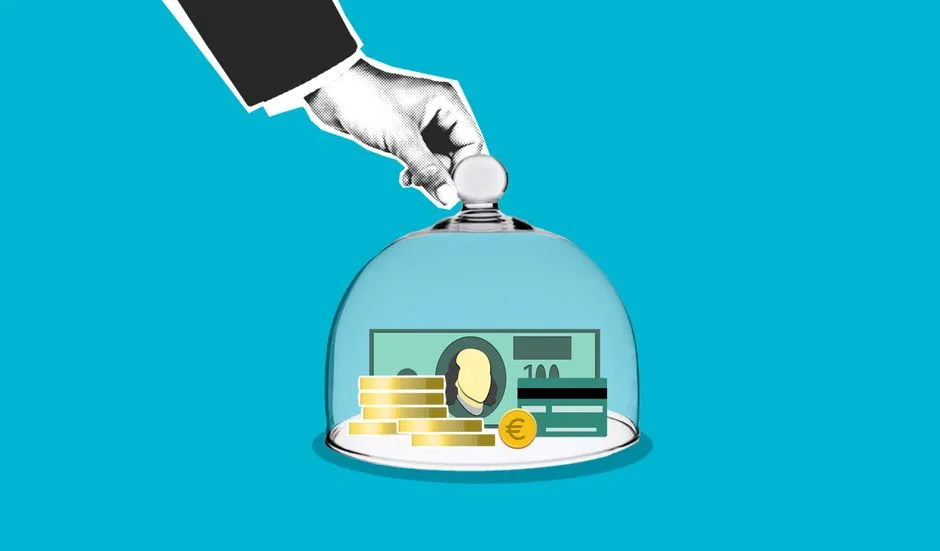
What Money Should Protect
A values-based money plan starts with one question: what do you want your money to protect or make possible? Clarifying that purpose comes before choosing specific products or tactics.
 Pexels · kaboompics.com ↗
Cash Reserves Buy Options
Cash reserves can create freedom because they preserve options when an unexpected need appears — liquid savings buy time and choices during a shock, though they can't eliminate risk entirely.
 Pexels · Stan Versluis ↗
Plans That Bend, Not Break
The money plans most likely to last are realistic about actual behavior, include useful defaults, and leave room to adjust as things change.
 Pexels · www.kaboompics.com · Pexels License ↗
The Net Worth Equation
Net worth equals assets minus liabilities. It is a tracking measure, not a grade on your life.
 Pexels · Pavel Danilyuk ↗
Two Different Views
Net worth describes a point in time. Cash flow describes money received and spent during a period, such as a month.
 Pexels · kaboompics.com ↗
What Belongs in Cash Flow
A cash-flow view tracks money received and spent during a period, like take-home pay for the month — balance-sheet amounts belong to a different kind of snapshot entirely.
 Pexels · Mikhail Nilov ↗
Negative Net Worth Isn't Permanent
Negative net worth is just a starting measurement, not a permanent identity or a verdict on cash flow — it's a point-in-time number that can improve as circumstances change.
 Pexels · Monstera Production ↗
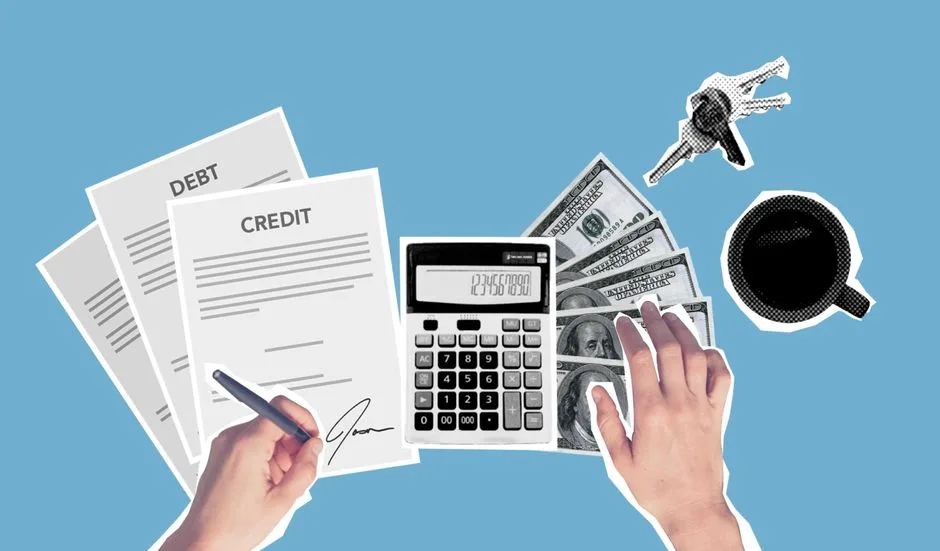
Loan Balances Are Liabilities
An unpaid student-loan balance is a liability — an amount owed — which is why it's counted against assets rather than with them when figuring net worth.
1 / 10Which question best begins a values-based money plan?
Values clarify why tradeoffs matter before products or tactics are selected.
Lesson 1 has 38 cards. Keep going in the free app.
Question
Money Isn't a Score 
Net Worth vs. Cash Flow 
Options in Reserve All 14 clips on YouTube ↗Transcripts
Money Isn't a Score
Money is a tool. It isn't a score of personal worth.
A plan can look perfect on paper. But if it's too brittle to follow, it isn't a useful plan.
The guide says to start with values, not products. What should money protect, or make possible? Stable housing, time with family, a career change.
It also says to change the environment, not just your willpower: timing, defaults, reminders.
Net Worth vs. Cash Flow
A financial snapshot has two views.
Net worth is a point in time: assets minus liabilities. That's what you own, like cash or a vehicle, minus what you owe, like a card balance or a loan.
Cash flow is a period of time: money in, minus money out.
The two can disagree. A household can have positive net worth and poor monthly cash flow. The first goal is simply to see both.
Options in Reserve
What does a cash reserve actually buy? Options, when an unexpected need appears.
A cash reserve can let someone handle a repair, or leave an unsafe situation.
It can let them wait for a better job, or say no to expensive borrowing.
That's why resilience often deserves attention before optimization.
A reserve cannot remove all risk. But during a shock, it can buy time and choices.
Episode 16:54
How do you work out your net worth, and what shapes your money decisions?
-
 Unsplash · Towfiqu barbhuiya · Unsplash License ↗02
Budgeting and Cash Flow
Map the Money · Choose a Spending Plan
Lesson 2 · 10 cardsUnsplash · Towfiqu barbhuiya · Unsplash License ↗Timing Can Cause a Shortfall
A monthly total can look balanced while the checking account goes negative because bills leave before income arrives.
 Pexels · Mikhail Nilov · Pexels License ↗
A Budget Is a Plan
A budget assigns available money to current obligations and priorities. It should be revised when income, costs, or goals change.
 Pexels · kaboompics.com ↗
Start Budgeting With Take-Home Pay
A household spending plan usually starts from take-home income — the amount left after payroll taxes and deductions — since that's what's actually available to allocate.
 Pexels · Haberdoedas Photography ↗
Irregular Doesn't Mean Unpredictable
An annual bill like car registration counts as a predictable irregular expense: it doesn't hit every month, but its date and approximate amount can still be anticipated and planned for.
 Pexels · Kampus Production ↗
What Makes an Expense Variable
A grocery total that changes week to week is a classic variable expense — the kind that shifts with use, price, or choice instead of holding steady month after month.
 Pexels · www.kaboompics.com · Pexels License ↗
No Universal Best Budget
The best method is the lightest one that produces reliable decisions for your income pattern, obligations, and habits.
 Pexels · Atlantic Ambience · Pexels License ↗
Percentages Are a Starting Point
The 50/30/20 framework is a heuristic, not a rule. High housing, caregiving, or health costs can make its categories unrealistic.
 Pexels · Kamil Čičila ↗
Automate What You Forget
When someone already knows how much to save but keeps forgetting to do it, an automatic transfer set for right after payday turns that knowledge into action without relying on memory.
 Pexels · olia danilevich ↗
A Baseline for Uneven Income
For highly irregular income, a conservative baseline budget protects essentials, while a separate rule for surplus months decides deliberately how to allocate the better-earning periods.
 Pexels · kaboompics.com ↗
The Miscellaneous Category's Job
A small miscellaneous category in a budget absorbs normal variation so minor overspending doesn't blow up the whole plan, while still keeping the rest of the plan accountable.
1 / 10Which amount is usually the best starting point for a household spending plan?
Take-home income is the amount available after payroll taxes and deductions.
Lesson 2 has 36 cards. Keep going in the free app.
Question
Earn Enough, Still Overdraft 
No Budget Fits Everyone 
Predictable, Just Not Monthly All 14 clips on YouTube ↗Transcripts
Earn Enough, Still Overdraft
Gross income is pay before taxes and deductions. Net income is what actually reaches you: your take-home pay.
A spending plan normally starts with net income.
Timing matters as much as the total. You can earn enough in a month and still overdraft, when bills come due before the money arrives.
A bill calendar and a small checking buffer can fix timing problems that cutting categories alone can't.
No Budget Fits Everyone
No single budgeting method is best for everyone.
Zero-based gives every dollar a job. 50/30/20 is a starting split for needs, wants, and saving. Pay yourself first moves savings before spending.
The guide's advice: pick the lightest system that produces reliable decisions.
The core equation stays simple. Income minus spending equals a surplus, or a deficit.
Predictable, Just Not Monthly
The car registration bill arrives, and it can feel like a surprise. It doesn't come every month.
But its date and rough amount can be planned for. That's an irregular expense: predictable, just not monthly.
Holiday travel and school costs are irregular expenses too. Treating them as surprises creates avoidable stress.
When it's practical, a household can divide the expected yearly amount into monthly set-asides.
Episode 26:33
How do you pick a budgeting method, and what's the difference between gross and take-home pay?
-
 Pexels · RDNE Stock project ↗03
Banking and Accounts
Everyday Accounts · Safety and Account Choice
Lesson 3 · 10 cardsPexels · RDNE Stock project ↗Alerts Can Head Off Overdrafts
Setting a low-balance alert and understanding an account's opt-in overdraft choices can help catch a shortfall before a transaction goes through and overdraws the account.
 Pexels · cottonbro studio · Pexels License ↗
Checking Is an Operating Account
Checking accounts are designed for frequent deposits, payments, debit purchases, and cash access.
 Unsplash · Towfiqu barbhuiya · Unsplash License ↗
Compare the Whole Account
A strong advertised yield may not help if monthly fees, minimums, or access restrictions do not fit how you use the account.
 Pexels · Eleonora Vokueva ↗
Pending Charges Hide in Balances
The balance shown on an account may not be safe to spend in full — pending transactions and holds can still be working their way through and aren't always reflected yet.
 Pexels · Atlantic Ambience ↗
Annual Percentage Yield (APY) Measures Annual Growth
APY is built to compare the annualized growth on deposit accounts, folding compounding into a single yearly figure so different savings products can be lined up side by side.
 Pexels · RDNE Stock project · Pexels License ↗
The Standard Federal Deposit Insurance Corporation (FDIC) Rule
Eligible deposits are generally insured up to $250,000 per depositor, per FDIC-insured bank, for each account ownership category.
 Unsplash · dlxmedia.hu · Unsplash License ↗
Investments Are Not Bank Deposits
Stocks, bonds, mutual funds, crypto assets, annuities, and safe-deposit-box contents are not covered by Federal Deposit Insurance Corporation (FDIC) deposit insurance.
 Pexels · ClickerHappy ↗
Savings Accounts Count As Deposits
Money sitting in a savings account is a deposit product, which means it's the kind of holding that qualifies for federal deposit insurance at an insured bank.
 Pexels · Mikhail Nilov ↗
Check the Official Lookup Tool
The safest way to confirm a bank or credit union is federally insured is the official Federal Deposit Insurance Corporation (FDIC) or National Credit Union Administration (NCUA) lookup tool, rather than relying on branding alone.
 Pexels · RDNE Stock project ↗
Two Accounts Don't Double Coverage
Two checking accounts held by the same person at the same insured bank are generally combined within the same ownership category for coverage purposes, not insured separately.
1 / 10Which account is usually designed for frequent bill payments and debit transactions?
Checking accounts are operating accounts intended for routine transactions.
Lesson 3 has 33 cards. Keep going in the free app.
Question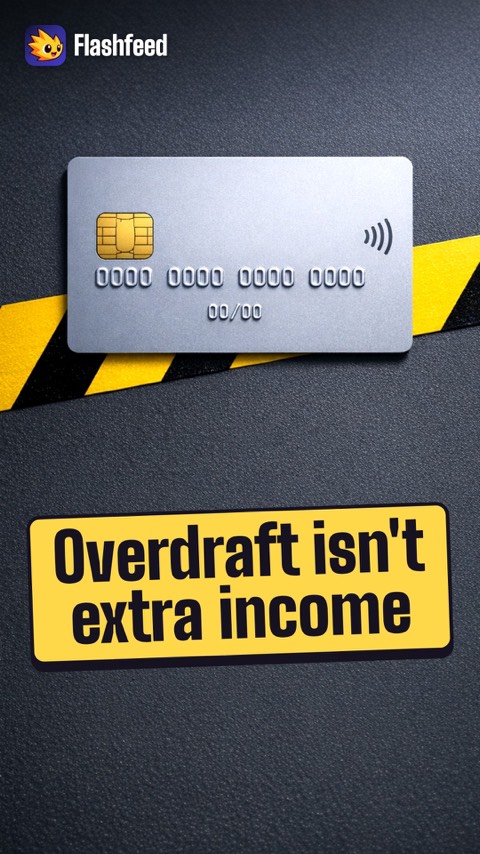
Overdraft Isn't Income 
What FDIC Insurance Covers 
The Whole Account All 14 clips on YouTube ↗Transcripts
Overdraft Isn't Income
A checking account is built for frequent transactions. A savings account holds money apart, and may pay interest.
APY is how a deposit grows in a year, including compounding. APR generally describes the yearly cost of borrowing.
Overdraft isn't extra income. It happens when a transaction is bigger than your available balance.
And the balance you see isn't always safe to spend. Pending charges and holds can change it.
What FDIC Insurance Covers
$250,000. As of 2026, eligible deposits at an FDIC-insured bank are generally insured to at least that.
That's per depositor, per bank, for each ownership category. Credit unions get similar protection through the NCUA.
But FDIC insurance doesn't cover stocks, bonds, mutual funds or crypto, even when you buy them through a bank.
Insurance depends on the institution, not merely on a familiar brand name.
The Whole Account
A bank ad shows a high yield. Recurring fees can still outweigh it. So can requirements an account holder cannot reliably meet.
A full comparison also looks at maintenance fees, minimum-balance rules and transfer limits.
A strong yield may not help if those terms don't fit how the account is used.
An account's name matters less than its actual fee schedule, access rules, interest rate and insurance status.
Episode 37:19
What's the difference between checking and savings, and how do you know your deposits are insured?
-
 Pexels · Towfiqu barbhuiya ↗04
Saving and Emergency Funds
Build Financial Shock Absorbers · Make Saving Repeatable
Lesson 4 · 10 cardsPexels · Towfiqu barbhuiya ↗Sinking Funds for Yearly Bills
A cost like an annual car-registration bill is a good candidate for a sinking fund — it comes due every year, not monthly, but that makes it predictable enough to save toward in advance.
 Pexels · www.kaboompics.com · Pexels License ↗
Emergency Savings Buys Recovery Time
A cash reserve can keep a repair or income interruption from immediately becoming high-cost debt.
 Unsplash · Vitaly Gariev · Unsplash License ↗
The Target Depends on Context
Three to six months of essential expenses is a common long-term guideline, not a universal starting requirement. Even a smaller buffer can improve resilience.
 Pexels · kaboompics.com ↗
Why Emergency Cash Stays Liquid
Emergency savings are usually kept liquid because the money may be needed quickly, and liquidity prioritizes safe, fast access over squeezing out maximum growth.
 Pexels · cottonbro studio ↗
Separate Accounts, Fewer Accidents
Keeping emergency savings in a separate account from everyday checking creates a mental and operational boundary that can reduce accidental spending while still leaving the money reachable when it's actually needed.
 Pexels · Towfiqu barbhuiya · Pexels License ↗
Attach Saving to a Trigger
A transfer scheduled just after payday or a rule for windfalls turns saving into a repeatable action instead of a monthly decision.
 Unsplash · micheile henderson · Unsplash License ↗
Growth Can Earn Growth
With compounding, credited interest or returns become part of the balance that may earn future returns.
 Pexels · Towfiqu barbhuiya · Pexels License ↗
The Rule of 72
The Rule of 72 is a quick way to estimate doubling time: divide 72 by the annual growth rate. At 6% annual growth, that's about 12 years (72 divided by 6).
 Wikimedia Commons · Ben Bernanke · Public domain ↗
An Estimate, Not a Guarantee
The Rule of 72 is only an estimate of doubling time — actual returns, taxes, fees, and rates can all change, so it's not a forecast or a guarantee.
 Unsplash · Alexander Grey ↗
Near-Term Money Stays in Cash
Money that might be needed for a near-term emergency generally belongs in a safe, accessible cash account, where short time horizons favor safety and access over chasing uncertain returns.
1 / 10Which cost is best handled with a sinking fund?
Registration is predictable even though it is not monthly.
Lesson 4 has 40 cards. Keep going in the free app.
Question
Emergency Fund vs. Sinking Fund 
Tie Saving to a Trigger 
The Rule of 72 All 14 clips on YouTube ↗Transcripts
Emergency Fund vs. Sinking Fund
An emergency fund is cash for the unplanned: a repair, a medical bill, a gap in income.
A sinking fund is for costs you can see coming, like annual car registration or holiday travel.
Mix the two, and an ordinary yearly bill can feel like a crisis.
A frequently cited longer-term guideline is 3–6 months of essential expenses. The CFPB says even a small reserve can improve security.
Tie Saving to a Trigger
Saving gets more reliable when it's tied to a trigger: payday, a recurring transfer, a tax refund, or a bill you just paid off.
The guide's tip: start with an amount that succeeds every time. Raising it later beats reversing a transfer that was too big.
For a cash goal, a high-yield savings account or a certificate of deposit may fit.
Money for next month's emergency isn't the same as long-term investing.
The Rule of 72
How long would money take to double at 6% a year? There's a quick way to get a rough answer.
It's called the Rule of 72. Divide 72 by the annual growth rate to estimate doubling time.
72 divided by 6 is 12. At 6%, the estimate is about 12 years.
The rule is rough mental math, not a guarantee. It ignores taxes, fees, changing rates, and volatility.
Episode 46:38
What's the difference between an emergency fund and a sinking fund, and what is the Rule of 72?
-
 Pexels · Nataliya Vaitkevich · Pexels License ↗05
Credit and Credit Scores
Reports, Scores, and Errors · Use Credit Cards Deliberately
Lesson 5 · 10 cardsPexels · Nataliya Vaitkevich · Pexels License ↗A Score Predicts Risk, Not Worth
A credit score estimates credit risk from report data. It does not measure character, income, or overall financial well-being.
 Pexels · Aukid phumsirichat · Pexels License ↗
FICO Factors Vary by Profile
The general categories Fair Isaac Corporation (FICO) uses are payment history, amounts owed, history length, new credit, and credit mix. Their influence can differ across credit files.
 Pexels · RDNE Stock project ↗
A Score Reads the Report
A credit report is a record of the data lenders and bureaus have on file. A credit score is a separate number produced by running that report data through a scoring model.
 Pexels · RDNE Stock project ↗
When the Report Is Wrong
A late payment reported for a month that was actually paid on time is a reporting error, not real payment behavior. Like other inaccuracies, it can be documented and disputed for correction.
 Pexels · Markus Winkler ↗
Same Person, Different Scores
Two accurate credit scores for the same person can differ because they may draw on different bureau data, be calculated on different dates, or use different versions of a scoring model.
 Pexels · Pavel Danilyuk · Pexels License ↗
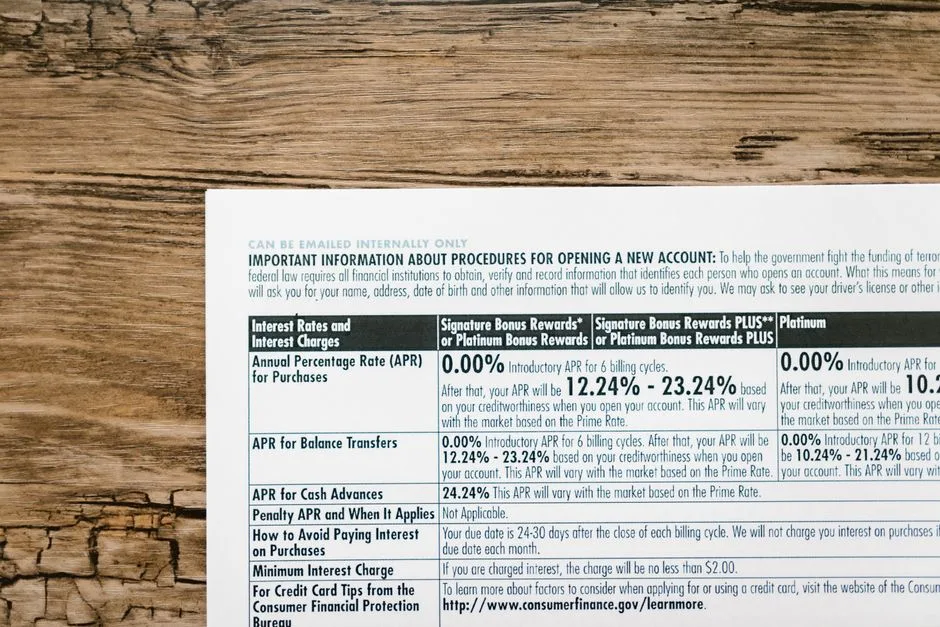
The Minimum Is Not a Payoff Plan
The minimum payment keeps an account contractually current, but paying only it can extend debt and increase total interest.
 Pexels · RDNE Stock project · Pexels License ↗
Rewards Do Not Cancel Interest
Cash back or points can be worth less than the interest and fees created by carrying a balance.
 Pexels · Tima Miroshnichenko ↗
The Catch in Grace Periods
A card's grace period generally keeps new purchases interest-free only when the statement balance is paid in full by the due date; grace-period terms depend on paying in full and on time.
 Pexels · RDNE Stock project ↗
Autopay Still Needs Watching
Automatic payments cut the risk of an accidental late fee, but autopay still depends on monitoring and having enough cash in the checking account — payment alerts help cover that gap.
 Pexels · Leeloo The First ↗
Credit Limits Aren't Budgets
A credit limit reflects how much a lender approved, not a household's repayment plan — what's actually affordable depends on cash flow and financial goals, not the maximum balance available.
1 / 10Which action is a soft inquiry?
Consumer-initiated report checks do not affect Fair Isaac Corporation (FICO) Scores.
Lesson 5 has 37 cards. Keep going in the free app.
Question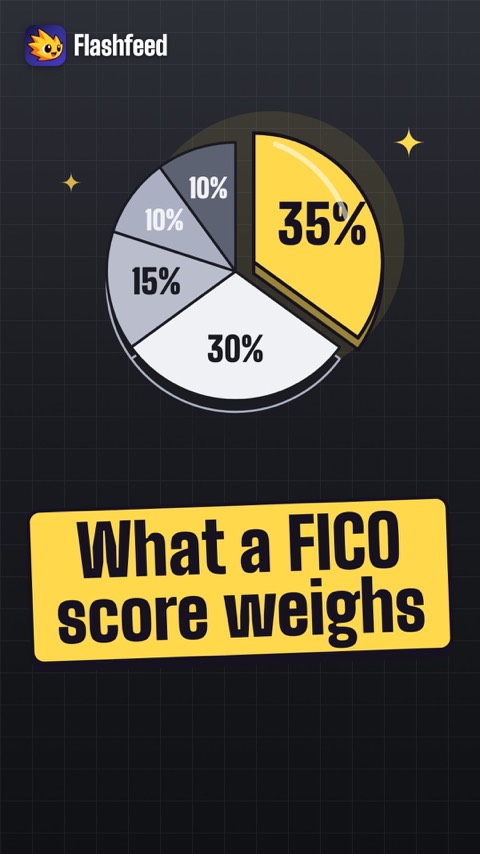
What a FICO Score Weighs 
A Limit Isn't a Target 
Same Person, Different Scores All 14 clips on YouTube ↗Transcripts
What a FICO Score Weighs
Common FICO Scores run from 300 to 850.
FICO's widely published weights: payment history 35%, amounts owed 30, length of history 15, new credit 10, and credit mix 10. FICO says the importance can vary by profile.
Your income isn't part of a FICO Score.
And checking your own report is a soft inquiry. It doesn't affect your FICO Score.
A Limit Isn't a Target
The statement balance is what you owe when the billing cycle closes. The minimum payment only keeps the account current.
Paying only the minimum can stretch repayment and add interest.
When a grace period applies, paying the statement balance in full by the due date generally avoids purchase interest.
And a credit limit isn't a spending target. Rewards aren't valuable when interest and fees exceed them.
Same Person, Different Scores
One person can have two different credit scores. Both can still be accurate.
A credit report is a record of the data that lenders and bureaus have on file. It can include credit accounts, balances and payment history.
A credit score is a separate number. It comes from running the report's data through a scoring model.
A different bureau, a different date or a different model version can produce a different score.
Episode 56:39
What's the difference between a credit report and a credit score, and what moves your score?
- Take the lessons with you. Free, no account.Download on the App Store ↗Get it on Google Play ↗
-
 Pexels · RDNE Stock project · Pexels License ↗06
Debt and Borrowing
Read the Loan · Choose a Payoff Strategy
Lesson 6 · 10 cardsPexels · RDNE Stock project · Pexels License ↗Collateral Changes the Risk
A secured lender may claim the pledged asset after default under the agreement and applicable law.
 Pexels · RDNE Stock project · Pexels License ↗
A Lower Payment Can Cost More
Extending a loan term can reduce the monthly payment while increasing total interest paid over the life of the loan.
 Pexels · Jakub Zerdzicki ↗
More Than One Number
A loan's monthly payment is only one number — the annual percentage rate (APR), loan term, fees, and the amount financed all shape the total cost and affordability over the life of the loan.
 Pexels · Vitaly Gariev ↗
What Payment-Focused Selling Hides
A loan's full economic burden shows up in one question: how much will this cost in total if the contract is followed exactly? That figure exposes costs that payment-focused selling can leave hidden.
 Pexels · Sandin Redzo ↗
A Rate That Can Move
With a variable-rate loan, the interest rate and the required payment can both change over time — a shift that creates uncertainty about future payments and total cost.
 Pexels · RDNE Stock project · Pexels License ↗
Avalanche Favors Interest Savings
After minimums, the debt avalanche directs extra money to the highest annual percentage rate (APR) and generally minimizes interest if the plan is followed.
 Unsplash · Towfiqu barbhuiya · Unsplash License ↗
Snowball Favors Early Wins
After minimums, the debt snowball targets the smallest balance first, which can create visible progress and motivation.
 Pexels · RDNE Stock project ↗
Consolidation Can Cost More
Combining debts into one loan can lower the monthly payment, but a longer term or new fees attached to the consolidation can raise the total amount paid over time.
 Pexels · Jakub Zerdzicki ↗
Before Any Extra Payment
Before extra money goes toward accelerating any one debt, every required minimum and essential obligation needs to stay current — avoiding default and protecting essentials comes before acceleration.
 Pexels · Mikhail Nilov ↗
Before a Payment Is Missed
When payments risk becoming unaffordable, contacting creditors before missing one can surface legitimate options and leaves a documented record to fall back on.
1 / 10What should be compared in addition to a loan's monthly payment?
The annual percentage rate (APR), term, fees, amount financed, and total cost all determine affordability and lifetime cost.
Lesson 6 has 34 cards. Keep going in the free app.
Question
The Payment Question 
Avalanche or Snowball 
One New Debt All 14 clips on YouTube ↗Transcripts
The Payment Question
Principal is what you borrow. Interest is the price of using it. The term is how long you take to repay.
A longer term can lower the monthly payment, and still raise the total interest.
That tradeoff is easy to miss when a seller asks only one thing: what payment can you afford?
The guide says to compare the APR, the term, the fees, and the total of payments.
Avalanche or Snowball
Paying off several debts? The guide's order: every required minimum payment first. Then extra money can follow a strategy.
The debt avalanche targets the highest APR first. It usually minimizes interest, if payments keep going.
The debt snowball targets the smallest balance first. It may bring faster visible wins.
Neither is morally superior. The best method is the one a borrower can keep doing.
One New Debt
Several debts become one loan. So where did the old debts go?
They were replaced. Debt consolidation swaps old debts for one new debt.
The swap can lower rates, or simplify payments. But the new debt needs a close look: any fees, any collateral, any variable rate.
Replacing federal student loans can mean losing their protections. And there's a risk of running the old balances back up.
Episode 66:51
Debt snowball or debt avalanche, and how do you compare loans by APR and total cost?
-
 Unsplash · Kelly Sikkema · Unsplash License ↗07
Income and Taxes
Read Income and Pay Statements · Understand the Tax Process
Lesson 7 · 10 cardsUnsplash · Kelly Sikkema · Unsplash License ↗Withholding Is a Prepayment
Income-tax withholding is money sent toward a later tax calculation; it is not the final tax liability by itself.
 Pexels · RDNE Stock project · Pexels License ↗
Gross Pay Is Not Spendable Pay
Net pay equals gross pay minus taxes, benefit costs, retirement contributions, and other deductions shown on the pay statement.
 Pexels · RDNE Stock project ↗
The Form Behind Your Wages
Form W-2 is the wage statement employers generally furnish to employees, and it's what commonly reports total wages along with how much was withheld for taxes.
 Pexels · kaboompics.com ↗
No Form, Tax Still Due
For independent-contractor income, tax can be owed even if no information form ever arrives — taxability depends on the income and the law, not on whether a form was received.
 Pexels · RDNE Stock project ↗
Errors Hide in Pay Stubs
A pay statement can contain mistakes in hours worked, pay rate, taxes, or other deductions, and reviewing it soon after each payday makes those discrepancies easier to catch and correct.
 Pexels · Tara Winstead · Pexels License ↗
Tax Brackets Are Layers
Moving into a higher federal bracket does not apply that rate to every dollar of income; the higher rate applies only to taxable income in that layer.
 Pexels · Nataliya Vaitkevich · Pexels License ↗
2026 Standard Deduction
For tax year 2026, the Internal Revenue Service (IRS) lists a standard deduction of $16,100 for single filers and married people filing separately, and $32,200 for joint filers. Recheck dated tax figures before use.
 Pexels · Nataliya Vaitkevich ↗
Not the Same as Marginal
An effective tax rate is total income tax divided by an income measure — a summary of the overall tax burden, distinct from the marginal rate, which only concerns the next dollar earned.
 Pexels · RDNE Stock project ↗
Where the Break Applies
A tax deduction reduces the amount of income that's taxable, while a tax credit reduces the tax actually calculated — the two enter the tax calculation at different stages and aren't interchangeable.
 Pexels · kaboompics.com ↗
A Second Job Changes Things
Picking up a second job with substantial income is a common trigger for revisiting withholding, since the assumptions behind the original amount may no longer hold once total income changes.
1 / 10Which amount normally reaches the worker's bank account?
Net pay is what remains after taxes and other payroll deductions.
Lesson 7 has 38 cards. Keep going in the free app.
Question
Gross, Net and Withholding 
Marginal vs. Effective 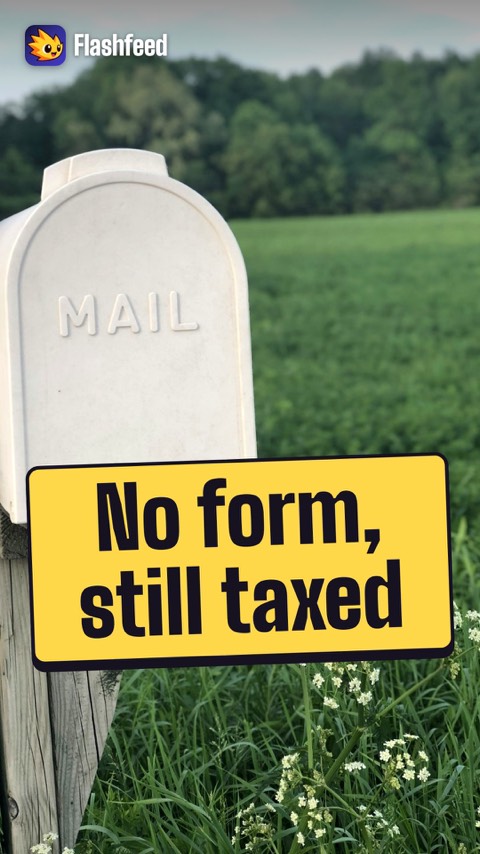
The Form That Never Arrives All 14 clips on YouTube ↗Transcripts
Gross, Net and Withholding
Gross pay is what you earn before deductions. Net pay is what actually arrives.
In between, a pay statement can show income-tax withholding, Social Security and Medicare, health premiums, and retirement contributions.
Withholding is a prepayment toward a later tax calculation.
So a large refund isn't automatically a bonus from the government. It often means more was withheld than the final tax due.
Marginal vs. Effective
The U.S. federal income tax is progressive. Taxable income is split into layers called brackets.
Moving into a higher bracket doesn't tax all your income at the higher rate. Only the dollars in that layer get that rate.
That's the marginal rate: the rate on the next dollar.
The effective rate is your total income tax divided by your income. The two answer different questions.
The Form That Never Arrives
An independent contractor gets paid, but no tax form ever arrives. That income can still be taxable.
Taxability depends on the income and the law, not on whether a form arrives.
Contractors generally must plan for their own income tax and self-employment tax. They may need estimated payments.
Is a worker an employee or a contractor? That depends on law and facts, not simply on which form a company prefers.
Episode 77:05
How do tax brackets work, and what's the difference between your marginal and effective tax rate?
-
 Pexels · Mikhail Nilov · Pexels License ↗08
Insurance and Risk
Read the Coverage · Match Policies to Risks
Lesson 8 · 9 cardsPexels · Mikhail Nilov · Pexels License ↗Insurance Transfers Specified Risk
Insurance exchanges premiums for contractual protection against covered losses; it does not prevent the event or cover every consequence.
 Unsplash · Alexander Grey ↗
The Cash Behind a Deductible
A very high deductible can leave a household short on cash exactly when a claim happens — it's real cash exposure that needs to fit available reserves.
 Pexels · Pixabay ↗
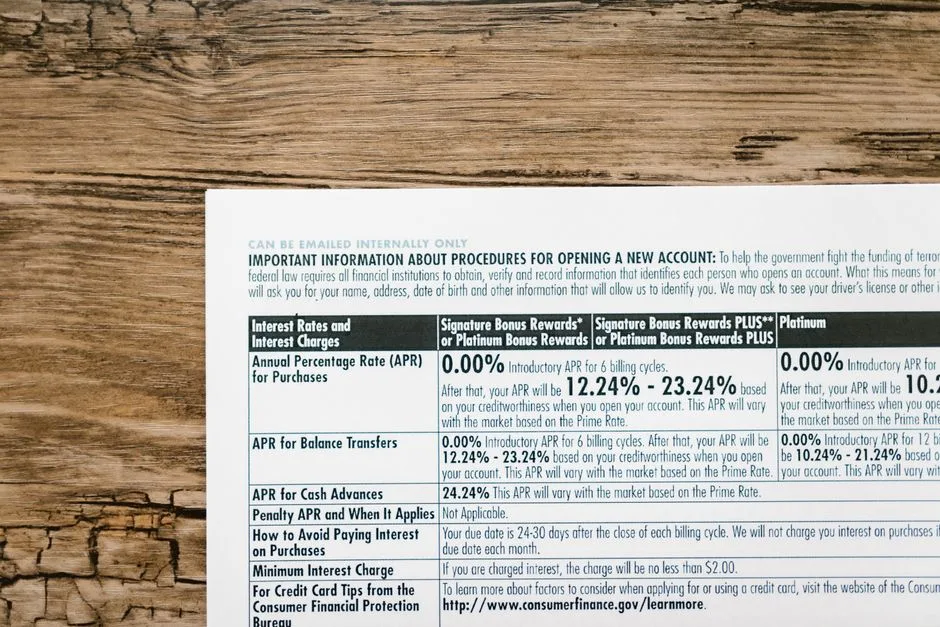
Not a Flat Copay
Coinsurance is the percentage of an allowed medical cost that the member pays, which makes it different from a copayment — a fixed dollar amount charged regardless of the total bill.
 Pexels · RDNE Stock project ↗
The Max Has a Gap
A health plan's out-of-pocket maximum caps what a member pays for covered in-network care, but premium payments don't count toward that cap: they can keep adding up on top of it.
 Pexels · Monstera Production · Pexels License ↗
Protect Against Catastrophic Loss
Insurance is most valuable when a covered loss would be difficult or impossible for the household to absorb from cash flow and savings.
 Pexels · Kampus Production · Pexels License ↗
Life Insurance Follows Financial Need
Life insurance is most relevant when a death would leave others with lost income, caregiving costs, debts, education needs, or final expenses.
 Pexels · cottonbro studio ↗
Belongings, Not the Building
Renters insurance is built to protect a tenant's personal belongings and liability, not the building itself — a landlord's own policy is generally what covers the structure.
 Pexels · Towfiqu barbhuiya ↗
Protecting the Paycheck
Disability insurance is primarily built to address the loss of earned income after a covered illness or injury, replacing part of a paycheck when the insured person can't work under the policy's terms.
 Pexels · Vitaly Gariev · Pexels License ↗
No Cash Value, Just Coverage
Term life insurance covers only a stated period and is generally built purely for death-benefit protection, usually without building any cash value along the way.
1 / 9What does an insurance premium buy?
Premiums keep coverage in force; the policy defines covered risks and limits.
Lesson 8 has 42 cards. Keep going in the free app.
Question
Premium, Deductible, Limit 
Match the Policy 
A Cap With a Gap All 14 clips on YouTube ↗Transcripts
Premium, Deductible, Limit
A premium is what you pay for coverage.
A deductible is what you pay under the policy, before or alongside the insurer.
A coverage limit is the most the insurer will pay.
The cheapest premium isn't automatically the cheapest plan.
A higher deductible may lower the premium, but it creates a bigger cash need after a claim.
The guide says to compare the likely yearly cost and the worst case.
Match the Policy
Renters insurance doesn't insure the building. Under its terms, it can protect your belongings, your liability, and some extra living costs.
Disability insurance replaces part of your income when a covered illness or injury stops you from working.
Term life covers a stated period. It generally gives more death benefit per premium in early years.
Permanent life may build cash value, but it's more complex and often more expensive.
Neither is universally best.
A Cap With a Gap
A member can reach a health plan's out-of-pocket maximum and still keep paying.
The maximum is meant to cap what the member pays for covered care inside the plan's network.
Premiums generally don't count toward that cap. They can keep adding up on top of it.
Care outside the network may not count either. The same goes for services the plan doesn't cover.
The maximum is a cap with a gap.
Episode 87:12
What do premium and deductible mean, and when does a low-premium policy cost you more?
-
 Unsplash · Scott Blake ↗09
Retirement Foundations
Start with the Workplace Plan · Build a Long-Term Routine
Lesson 9 · 10 cardsUnsplash · Scott Blake ↗A Foundation, Not a Plan
Social Security generally functions as a federal retirement foundation, based partly on a worker's covered earnings and the age benefits are claimed — an important income source, but not necessarily a complete retirement plan on its own.
 Pexels · Vitaly Gariev · Pexels License ↗
Know the Match Formula
An employer match is valuable only when the worker understands the required contribution, eligible pay, timing, and vesting rules.
 Unsplash · Towfiqu barbhuiya · Unsplash License ↗
Traditional and Roth Are Tax Treatments
Traditional and Roth labels describe tax treatment and account rules; the investments held inside the account are a separate choice.
 Pexels · AI25.Studio Studio · Pexels License ↗
Employer Money Has Strings
Vesting determines how much of an employer's retirement contributions an employee actually owns over time — employee deferrals, by contrast, are always the employee's own money.
 Pexels · Kampus Production · Pexels License ↗
The Pension's Own Promise
A defined benefit pension promises a retirement benefit that's calculated using a set formula, as defined by the plan's own rules.
 Pexels · Kampus Production · Pexels License ↗
Starting Now Still Matters
Earlier contributions have more time to compound, but a later start is not a reason to give up; higher savings, lower fees, and better planning can still improve outcomes.
 Pexels · Picas Joe · Pexels License ↗
Legal Limits Are Not Savings Targets
Contribution limits cap tax-advantaged deposits under specific rules. A sustainable personal contribution may be lower and should fit cash flow.
 Unsplash · Sasun Bughdaryan · Unsplash License ↗
Spreading Out the Risk
Diversification works by reducing dependence on any single investment or exposure — it manages concentration risk, though it can't eliminate market risk altogether.
 Unsplash · Towfiqu barbhuiya · Unsplash License ↗
The Cost That Compounds
Investment fees are often just small recurring percentages, but like returns, they compound over time — except fees compound against long-term account value instead of building it.
 Pexels · Towfiqu barbhuiya · Pexels License ↗
Eligibility Rules Shift Yearly
Contribution limits and eligibility rules can change from year to year and apply differently by plan and age, so a figure worth relying on is the one verified for the current tax year.
1 / 10What does an employer match usually require?
Matching contributions are tied to employee deferrals and plan-specific rules.
Lesson 9 has 43 cards. Keep going in the free app.
Question
Pension or 401(k) 
A Limit, Not a Target 
Social Security: Foundation or Full Plan? All 14 clips on YouTube ↗Transcripts
Pension or 401(k)
A pension promises a benefit under a formula. A 401(k) builds your own account, and its value depends on what goes in and how it's invested.
An employer match is money tied to what you contribute. Employer money may vest over time.
Traditional and Roth describe tax treatment, not an investment.
Traditional may lower your taxes now, with qualified withdrawals generally taxed later. Roth generally goes in after tax, and qualified withdrawals are tax-free.
A Limit, Not a Target
For 2026, the IRS limit on employee contributions to a 401(k) is $24,500.
The IRA limit is $7,500. The age-50-plus workplace catch-up is $8,000 more.
These are legal limits, not recommended targets.
An employer match can be unusually valuable. But high-interest debt and thin emergency cash create immediate risk.
The guide says to use the actual numbers, not a universal slogan.
Social Security: Foundation or Full Plan?
Is Social Security a complete retirement plan? Not necessarily. For many households, it's a foundation.
Social Security is a federal program. It's paid for largely through payroll taxes.
Benefits depend on a worker's covered earnings. They also depend on claiming age, among other rules.
Social Security can be an important income source. On its own, though, it's not necessarily the whole retirement plan.
Episode 97:17
How does a 401(k) employer match work, and what does vesting mean?
-
 Pexels · cottonbro studio ↗10
Scams and Smart Consumer Skills
Stop and Verify · Protect and Recover
Lesson 10 · 10 cardsPexels · cottonbro studio ↗Caller ID Can Be Spoofed
Caller ID isn't proof of who's calling—scammers can spoof the display so a call appears to come from a familiar organization.
 Pexels · RDNE Stock project · Pexels License ↗
Urgency Is a Manipulation Tool
A demand to act immediately is a reason to slow down, especially when the contact also uses threats, secrecy, or unusual payment instructions.
 Pexels · Phasha 360 · Pexels License ↗
Verify Outside the Conversation
Use a phone number, app, statement, or website you already trust. Do not verify through the link or callback number supplied by the suspicious contact.
 Pexels · KATRIN BOLOVTSOVA ↗
Gift Cards Don't Pay Debts
Gift-card codes demanded to settle a government debt are a strong scam warning sign—government debts are never resolved that way.
 Pexels · indra projects ↗
One-Time Codes Stay Private
A one-time authentication code proves access to an account and belongs only in the legitimate service you initiated—not with anyone who contacts you first.
 Pexels · Dan Nelson · Pexels License ↗
A Freeze Blocks New-Credit Access
A credit freeze can make it harder for an identity thief to open new credit, but it does not stop fraudulent use of an existing account.
 Pexels · RDNE Stock project · Pexels License ↗
Move Quickly and Keep Records
After suspected fraud, contact affected institutions through trusted channels, secure accounts, preserve evidence, and document every report and response.
 Unsplash · Towfiqu barbhuiya · Unsplash License ↗
Three Bureaus, Three Freezes
A complete U.S. credit freeze requires contacting all three nationwide credit bureaus separately—Equifax, Experian, and TransUnion each maintain their own file and freeze.
 Pexels · Jakub Zerdzicki ↗
Unique Passwords Limit Damage
Using unique passwords for every account, stored in a reputable password manager, limits the damage when any single service gets breached.
 Unsplash · Towfiqu barbhuiya · Unsplash License ↗
IdentityTheft.gov: The Recovery Plan
IdentityTheft.gov is the Federal Trade Commission (FTC) site for creating a U.S. identity-theft recovery plan; other sites serve different purposes.
1 / 10Which payment request is a strong scam warning sign?
Government debts are not resolved through gift-card codes.
Lesson 10 has 36 cards. Keep going in the free app.
Question
Stop, Verify, Act 
Freeze It 
Bigger Than the Count All 14 clips on YouTube ↗Transcripts
Stop, Verify, Act
Scams often arrive with urgency, threats, secrecy, or a request to move money for protection.
Caller ID, email addresses, and logos can be faked.
The guide's rule: stop, verify independently, then act. Find the number yourself, from a card, a statement, or an official app.
Legitimate agencies don't need gift-card codes. And never share a one-time code with someone who contacted you.
Freeze It
A credit freeze blocks new creditors from seeing your credit file. It can help prevent new-account identity theft.
In the U.S., freezes are free. But you place one with each bureau separately: Equifax, Experian, and TransUnion.
A freeze doesn't stop misuse of an existing account. So statement reviews and alerts still matter.
And any multifactor authentication is usually better than none.
Bigger Than the Count
About $16 billion. That's what consumers reported losing to fraud in 2025, by the Federal Trade Commission's count.
$3.5 billion of that went to imposter scams.
And those are only the reported losses. Not every case gets reported, so the total harm is bigger.
The exact number isn't the point. Impersonation and pressure cost people real money, across age groups.
Episode 107:30
How do you spot a scam, and when should you freeze your credit?

What you'll be able to do 20 objectives, from the pack's lessons
- Explain how values, habits, and financial friction shape money decisions without treating wealth as a measure of personal worth.
- Calculate net worth from a household's assets and liabilities and distinguish it from monthly cash flow.
- Classify gross vs. take-home income, and recognize a predictable irregular expense.
- Compare common budgeting methods and select a workable approach for detailed or automated situations.
- Compare checking and savings accounts using access, fees, APY, and reconciliation needs.
- Determine whether a U.S. deposit account is federally insured and apply the standard coverage rule without confusing deposits with investments.
- Distinguish an emergency fund from a sinking fund and explain why emergency savings should stay liquid.
- Build a repeatable savings system and use the Rule of 72 as a rough estimate rather than a promise.
- Distinguish a credit report from a credit score and identify the factors that shape it.
- Use a credit card without confusing the limit or minimum payment with an affordable spending and repayment plan.
- Compare loan offers using principal, annual percentage rate (APR), term, payment, fees, and total cost.
- Choose between debt snowball and avalanche payoff strategies, and define debt consolidation.
- Read a pay statement and distinguish gross pay from net pay after employee withholding and deductions.
- Explain progressive tax brackets and distinguish marginal rate, effective rate, and tax credits.
- Interpret core insurance cost-sharing terms and compare a low-premium policy with the household's realistic worst-case exposure.
- Match common policy types to the risks they address without assuming one universal answer.
- Explain defined-contribution accounts, employer match, and vesting, and how Social Security differs as a separate federal program.
- Create a sustainable retirement contribution routine using diversified, target-date investments.
- Recognize common scam signals and use independent verification before sharing information or moving money.
- Use account security and credit freezes to reduce and recover from identity and payment fraud.
Study guide.
The same study guide as in the app, one page for each lesson, with its key facts and a self-test.
Its cards name 1 source.
4 of its 377 cards name their source. These are the sources named.
- Money 101
Hover over a photo, or tap its i, to see where it came from. All 10:
- Lesson 1: Pexels · Mikhail Nilov · Pexels License ↗
- Lesson 2: Unsplash · Towfiqu barbhuiya · Unsplash License ↗
- Lesson 3: Pexels · RDNE Stock project ↗
- Lesson 4: Pexels · Towfiqu barbhuiya ↗
- Lesson 5: Pexels · Nataliya Vaitkevich · Pexels License ↗
- Lesson 6: Pexels · RDNE Stock project · Pexels License ↗
- Lesson 7: Unsplash · Kelly Sikkema · Unsplash License ↗
- Lesson 8: Pexels · Mikhail Nilov · Pexels License ↗
- Lesson 9: Unsplash · Scott Blake ↗
- Lesson 10: Pexels · cottonbro studio ↗
- Cards
- 377
- Lessons
- 10
- Version
- 0.1.35
- Language
- English
The whole pack is one file. Read the pack file ↗
FlashFeed is on the App Store and Google Play.
FlashFeed is free on iPhone and Android, and needs no account.