
Money 101 study guide · Lesson 4 of 10
Saving and Emergency Funds
Build Financial Shock Absorbers · Make Saving Repeatable
This is the lesson's study guide from the FlashFeed app, plus its key facts and a self-test.
What you'll be able to do
- Distinguish an emergency fund from a sinking fund and explain why emergency savings should stay liquid.
- Build a repeatable savings system and use the Rule of 72 as a rough estimate rather than a promise.
Saving is delayed spending with a job. Giving each pool of cash a purpose makes it easier to choose the right amount, location, and access.
Build Financial Shock Absorbers
An emergency fund is cash reserved for unplanned expenses or financial shocks, such as a repair, medical bill, or income interruption. A sinking fund is for a cost that is expected but irregular, such as annual registration, holiday travel, or a future appliance replacement. Mixing the two can make an ordinary annual bill feel like a crisis.
The first useful target is personal. It may be a modest starter buffer, the amount of a common repair, an insurance deductible, or one month of essential expenses. A frequently cited longer-term guideline is three to six months of essential expenses, but income stability, dependents, health, insurance, and access to support can justify more or less. The Consumer Financial Protection Bureau (CFPB) emphasizes that even a small reserve can improve security.
Liquidity matters. Emergency money should be safe and reasonably accessible without exposing it to market losses or early-withdrawal penalties. Separating it from everyday checking can reduce accidental spending, while keeping transfer access when a genuine need arises.
When money is tight, the sequence may be gradual: prevent new late fees, build a small buffer, capture important employer benefits, and reduce expensive debt while continuing to save. There is no universal contest between emergency savings and debt payoff. The right balance depends on interest costs, job stability, likely shocks, and the consequences of having no cash.
Make Saving Repeatable
Savings becomes more reliable when it is attached to a trigger: payday, a recurring transfer, a tax refund, a paid-off bill, or a rule for irregular income. Start with an amount that succeeds consistently. Increasing it later is better than repeatedly reversing an unrealistic transfer.
Interest can compound when returns are added to the balance and begin earning returns themselves. The Rule of 72 is a rough mental estimate: divide 72 by an annual percentage rate to estimate doubling time. At 6%, the estimate is about 12 years. It is not a guarantee and ignores taxes, fees, changing rates, and volatility.
Short-term savings belongs in products appropriate to the time horizon and risk. A high-yield savings account, money market deposit account, or carefully laddered certificate of deposit may fit a cash goal. Long-term investing can offer greater growth potential but should not be confused with cash needed for next month's emergency.
Name goals, set target amounts and dates, automate when possible, and review progress. The habit and the reserve both matter.
Key terms
- Liquidity
- How quickly an asset can be converted to spendable cash without a significant loss of value.
- Compound interest
- Interest calculated on principal plus interest previously added to the balance.
Key facts
Emergency Savings Buys Recovery Time
A cash reserve can keep a repair or income interruption from immediately becoming high-cost debt.
The Target Depends on Context
Three to six months of essential expenses is a common long-term guideline, not a universal starting requirement. Even a smaller buffer can improve resilience.
Why Emergency Cash Stays Liquid
Emergency savings are usually kept liquid because the money may be needed quickly, and liquidity prioritizes safe, fast access over squeezing out maximum growth.
Separate Accounts, Fewer Accidents
Keeping emergency savings in a separate account from everyday checking creates a mental and operational boundary that can reduce accidental spending while still leaving the money reachable when it's actually needed.
Attach Saving to a Trigger
A transfer scheduled just after payday or a rule for windfalls turns saving into a repeatable action instead of a monthly decision.
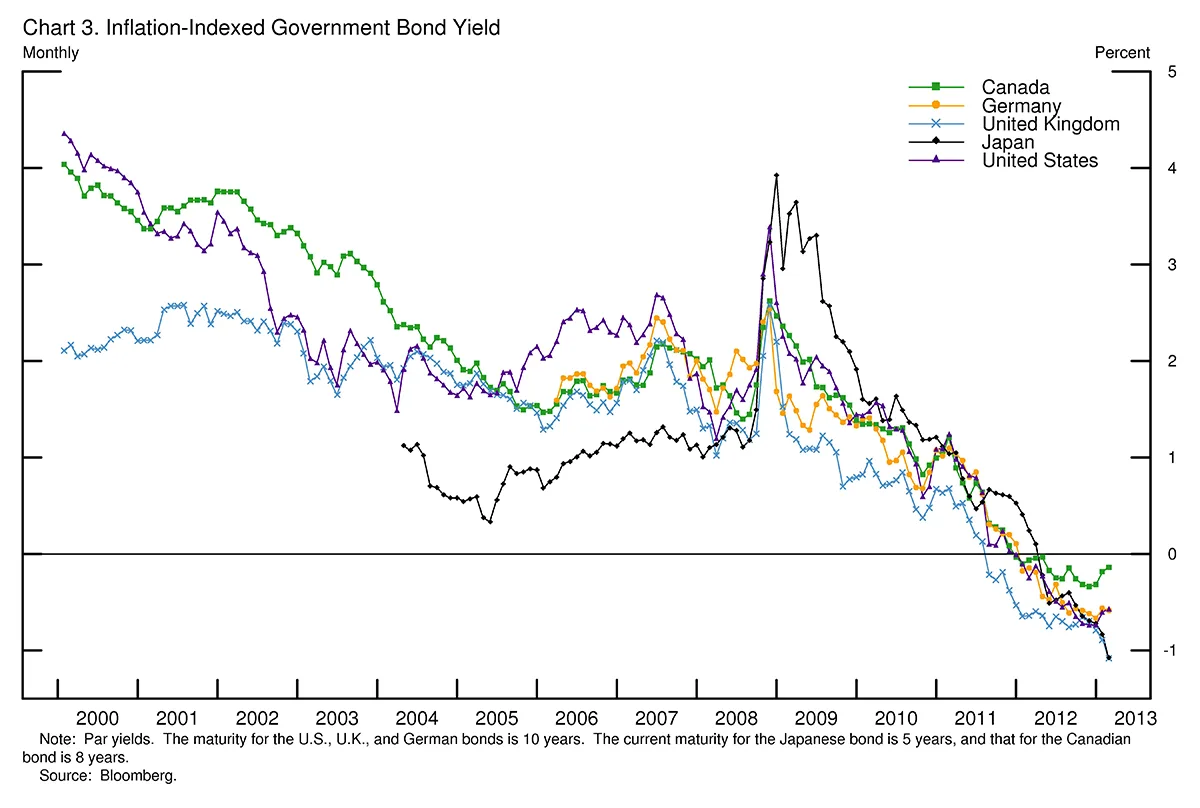
An Estimate, Not a Guarantee
The Rule of 72 is only an estimate of doubling time — actual returns, taxes, fees, and rates can all change, so it's not a forecast or a guarantee.
Near-Term Money Stays in Cash
Money that might be needed for a near-term emergency generally belongs in a safe, accessible cash account, where short time horizons favor safety and access over chasing uncertain returns.
By the numbers
- Approximate doubling time at 3% using the Rule of 72
- 24 years
- Approximate doubling time at 4% using the Rule of 72
- 18 years
- Approximate doubling time at 6% using the Rule of 72
- 12 years
- Approximate doubling time at 8% using the Rule of 72
- 9 years
- Approximate doubling time at 9% using the Rule of 72
- 8 years
- Approximate doubling time at 12% using the Rule of 72
- 6 years
Matched pairs
Each item on the left goes with the one on the right.
- Sinking fund
- Savings reserved for a known but nonmonthly future expense
- Rule of 72
- A rough doubling-time estimate found by dividing 72 by an annual percentage rate
Step by step
Build a starter emergency buffer
- List the most likely financial shocks
- Estimate one realistic starter target
- Choose a safe, accessible insured account
- Schedule a small transfer after income arrives
- Send windfalls or freed-up payments toward the target
- Review the amount after major life changes
A target that grows consistently is more useful than an ambitious target that prevents starting.
Create a repeatable savings system
- Give the goal a name, amount, and target date
- Choose an account suited to the time horizon
- Set a transfer amount that can succeed
- Schedule it after a reliable income event
- Create a rule for windfalls or extra income
- Review quarterly and raise the amount when sustainable
Automation should support cash flow, not repeatedly overdraw it.
Self-test
Answer each question from memory, then check your work against the answer key.
1. Which cost is best handled with a sinking fund?
- AA sudden job loss
- BA car registration due every year
- CAn unplanned emergency-room bill
- DStorm damage not known in advance
2. Why should emergency savings usually be liquid?
- AThe money should also cover planned annual bills
- BThe money can be moved into stocks when prices dip
- CThe money must stay liquid to remain insured
- DThe money may be needed fast without a big loss
3. What is the best interpretation of a three-to-six-month guideline?
- AA legal minimum before any saving counts
- BA reason to avoid building a smaller starter buffer
- CA longer-term starting point to adapt to household risk
- DA target based on gross lifetime income
4. Which factor can justify a larger reserve?
- AHighly variable income with several dependents
- BA lower insurance deductible than expected
- CA guaranteed monthly paycheck and broad support
- DA stable job with few financial obligations
5. Why keep emergency savings separate from everyday checking?
- AIt can curb accidental spending yet keep access
- BIt lets the fund also cover planned annual bills
- CIt is required for the savings to be insured
- DIt locks the money away until an emergency
6. Which savings setup is most likely to be repeatable?
- AA goal with no account or trigger
- BA realistic automatic transfer scheduled after payday
- CA transfer timed before unpredictable income
- DA transfer larger than the checking balance
7. Using the Rule of 72, about how long would 6% annual growth take to double?
- AAbout 6 years
- BAbout 24 years
- CAbout 12 years
- DAbout 72 years
8. Which limitation applies to the Rule of 72?
- AIt predicts an exact number of years to double your money
- BIt only works for long-term investments, not savings accounts.
- CIt only applies to interest rates above 20%.
- DActual returns, taxes, fees, and rates can change
9. What makes compound growth different from simple interest?
- APreviously credited growth can also earn future growth
- BFees are automatically reimbursed
- CThe original principal is removed each year
- DThe rate can never change
10. Where should money needed for a near-term emergency generally be kept?
- AIn a volatile concentrated stock
- BIn a product with a large surrender charge
- CIn an illiquid collectible
- DIn a safe, accessible cash account
Go deeper
- ListenLesson 4 episode
- WatchEmergency Fund vs. Sinking Fund An emergency fund is cash for the unplanned: a repair, a medical bill, a gap in income.
- WatchTie Saving to a Trigger Saving gets more reliable when it's tied to a trigger: payday, a recurring transfer, a tax refund, or a bill you just paid off.
- WatchThe Rule of 72 How long would money take to double at 6% a year? There's a quick way to get a rough answer.
- StudyMoney 101 in the FlashFeed app
Answer key
- 1. B A car registration due every yearRegistration is predictable even though it is not monthly.
- 2. D The money may be needed fast without a big lossEmergency funds prioritize safe access over maximum growth.
- 3. C A longer-term starting point to adapt to household riskHousehold stability and likely shocks determine an appropriate target.
- 4. A Highly variable income with several dependentsMore income volatility and obligations increase the need for cash resilience.
- 5. A It can curb accidental spending yet keep accessA separate account creates useful mental and operational boundaries.
- 6. B A realistic automatic transfer scheduled after paydayA workable amount and reliable timing reduce friction and reversals.
- 7. C About 12 yearsSeventy-two divided by six equals about twelve.
- 8. D Actual returns, taxes, fees, and rates can changeThe rule is an estimate, not a forecast or guarantee.
- 9. A Previously credited growth can also earn future growthCompounding adds prior growth to the base on which future growth may be calculated.
- 10. D In a safe, accessible cash accountShort horizons prioritize safety and access over uncertain returns.
Sources
- CFPB — An essential guide to building an emergency fund — www.consumerfinance.gov/an-essential-guide-to-building-an-emergency-fund/
- Investor.gov — Compound interest calculator — www.investor.gov/financial-tools-calculators/calculators/compound-interest-calculator
Image credits
- An Estimate, Not a Guarantee: Wikimedia Commons · Ben Bernanke · Public domain — commons.wikimedia.org/wiki/File:Inflation-Indexed_Government_Bond_Yield.png
