
How to Win Friends and Influence People
Dale Carnegie on getting people to like you and agree with you: genuine interest, remembering names, and honest appreciation over flattery, avoiding arguments and admitting your own mistakes first, and praising before you critique.
300 cards6 lessons2 video lessonsFree
Already have FlashFeed?Open this pack
Get this pack on your phone
Scan with your phone's camera.
flashfeedlearningapp.com/packs/how-to-win-friends

6 lessons.
Each lesson has a study guide to read and objectives you can test yourself on. Its cards and games show up in your feed. Try one of its cards right here. Play a few of its games here too. 2 lessons have a short video.
-
 Wikimedia Commons · Brett Weinstein (Nrbelex) at en.wikipedia · CC BY-SA 2.5 ↗01
Fundamental Techniques in Handling People
Human Nature, Ego Defense, and the Futility of Criticism · Sincere Appreciation vs Flattery and Arousing Eager Wants
Lesson 1 · 10 cardsWikimedia Commons · Brett Weinstein (Nrbelex) at en.wikipedia · CC BY-SA 2.5 ↗Human Self-Justification
Ninety-nine percent of the time, individuals defend their ego and rationalize their actions rather than admitting fault.
 Pexels · yilia wei · Pexels License ↗
Why Criticism Backfires
Sharp criticism doesn't produce reflection, it produces defensiveness. Telling someone they're wrong wounds their pride and triggers a justification reflex that can breed resentment for decades. B.F. Skinner's research on operant conditioning backs this up: animals rewarded for good behavior learn faster and retain it better than animals punished for bad behavior. Carnegie's own image for criticism is a homing pigeon: it always flies back home to roost, provoking retaliation against the person who sent it.
 Wikimedia Commons · Alexander Gardner · Public domain ↗
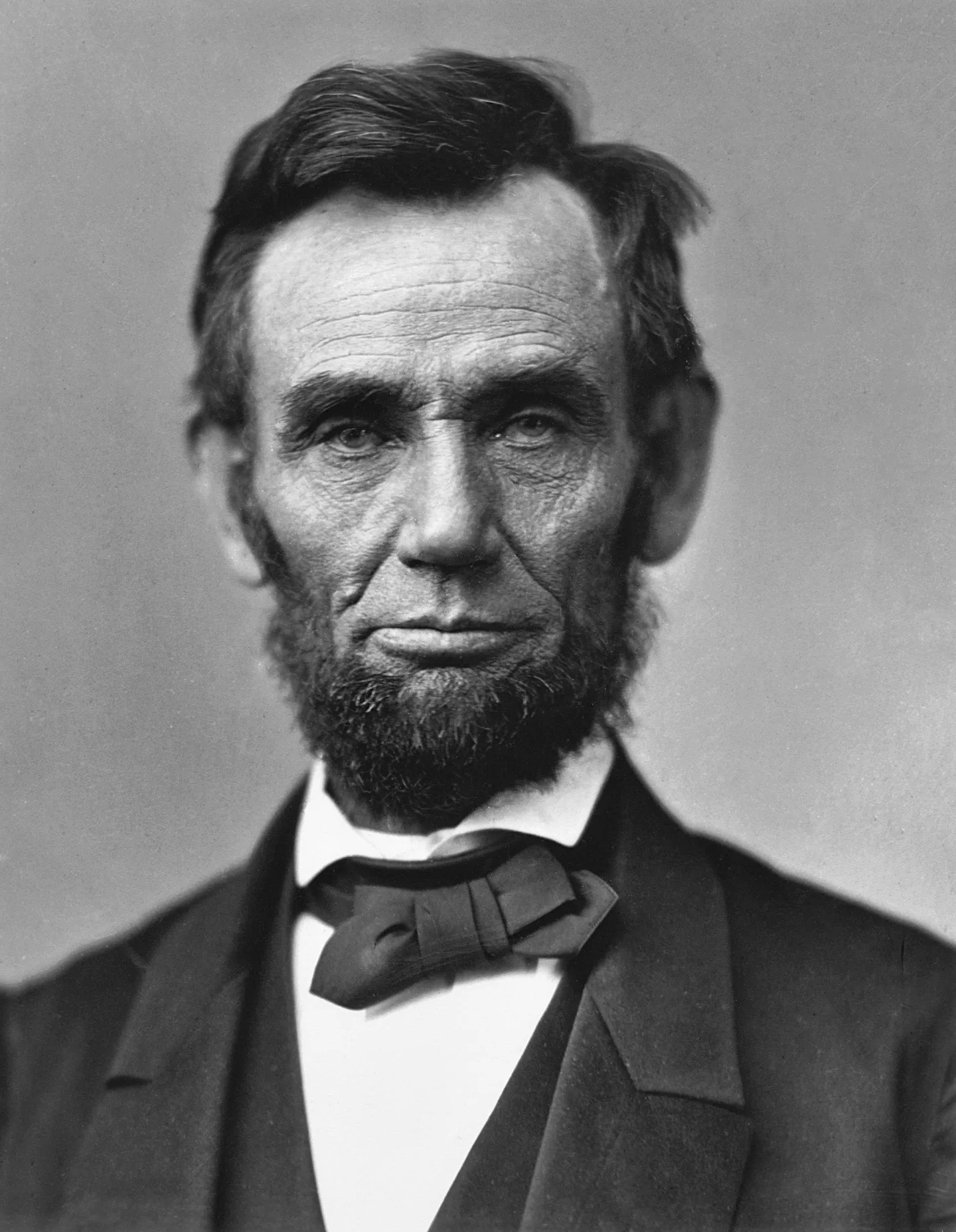
Lincoln's Lesson in Restraint
In 1842, a young Abraham Lincoln published an anonymous satirical letter mocking politician James Shields, who challenged him to a near-fatal duel with cavalry broadswords; their seconds halted it just in time, and Lincoln never mocked anyone in print again. During the Civil War, after General Meade let Robert E. Lee escape following Gettysburg, Lincoln drafted a scathing rebuke, then set it aside, unsent. His creed: "Don't criticize them; they are just what we would be under similar circumstances."
 Pexels · Jorge Reis · Pexels License ↗
Creatures of Emotion
Human beings make decisions primarily based on pride, emotion, and prejudice rather than pure formal logic.
 Pexels · Atlantic Ambience · Pexels License ↗
Historical Voices Against Judging
Carnegie backs Principle 1 with testimony from history. Benjamin Franklin credited his diplomatic success to a personal rule: "I will speak ill of no man and speak all the good I know of everybody." Thomas Carlyle observed that "a great man shows his greatness by the way he treats little men." And Samuel Johnson reasoned that since "God Himself, sir, does not propose to judge man until the end of his days," mortals have even less standing to rush to condemn someone.
 Pexels · Edmond Dantès · Pexels License ↗
A Practical Habit for Catching the Urge to Criticize
Building on Carnegie's core insight that criticism backfires, here is a practical four-step habit for catching yourself before you criticize. First, notice the emotional urge to correct or condemn someone. Second, pause and remember that people are driven by pride and self-justification, not pure logic. Third, recall your own past blunders and how you'd have reacted in their place. Finally, replace the criticism with curiosity, patience, and encouragement.
 Pexels · Felicity Tai · Pexels License ↗
Principle 1: Don't Criticize
The very first rule in Dale Carnegie's entire system of human relations is deceptively simple: do not criticize, condemn, or complain. Every other technique in the book builds on this foundation, because criticism reliably damages relationships while rarely changing behavior for the better. Carnegie treats this as a prerequisite, not a suggestion, the starting discipline that makes every later principle possible.
 Pexels · Vitaly Gariev · Pexels License ↗
The Craving to Feel Important
Philosopher John Dewey called it "the desire to be important"; psychologist William James called it the "craving to be appreciated." Both were describing the same near-universal hunger, as deep as the desire for food or sleep, and just as rarely satisfied. James chose the word "craving" deliberately: this isn't a passing wish but a relentless psychological need that drives ambition, achievement, and civilization itself.
 Wikimedia Commons · Pirie MacDonald · Public domain ↗
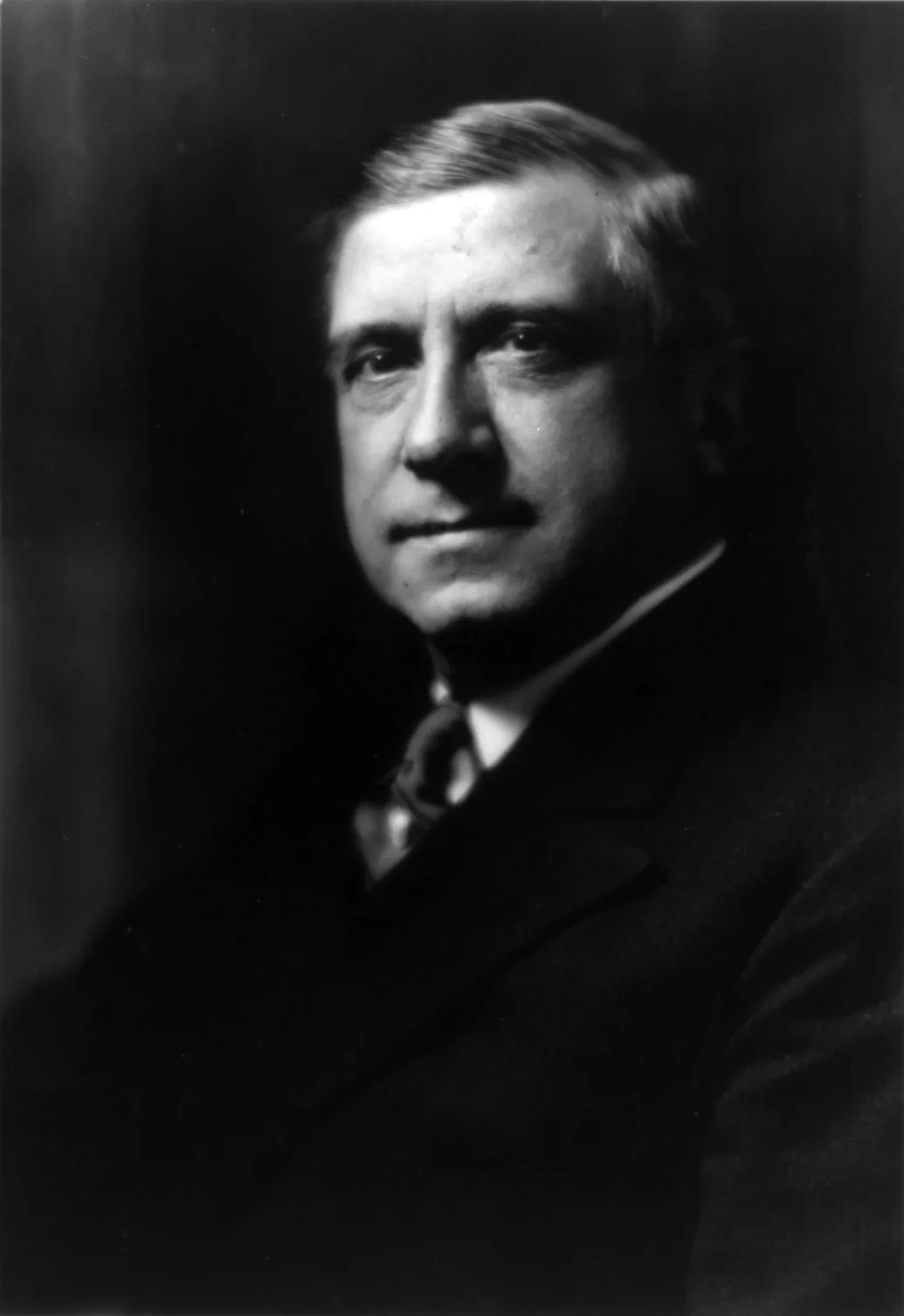
Principle 2: Give Honest Appreciation
In 1901, Andrew Carnegie's newly formed U.S. Steel named Charles Schwab its first president at a salary of a million dollars a year. Schwab explained why: "I consider my ability to arouse enthusiasm... the greatest asset I possess... I am anxious to praise but loath to find fault." Most organizations feed their people's bodies but starve their craving for appreciation. Principle 2: give honest and sincere appreciation.
1 / 10What is the foundational first principle of Dale Carnegie's human relations canon?
Principle 1 establishes non-criticism as the primary prerequisite for positive human relations.
Lesson 1 has 51 cards. Keep going in the free app.
Question
Lincoln's Unsent Letter On YouTube ↗Transcript
A general let Robert E. Lee escape after Gettysburg. Lincoln drafted a blistering letter, then left it in a drawer, unsigned.
Years earlier, Lincoln mocked a politician in print. The man challenged him to a duel with cavalry broadswords on a Mississippi sandbar.
The duel was halted just in time, and Lincoln never mocked a peer again. Venting at the general would only have crushed his spirit.
Criticisms are like homing pigeons: they always return home to roost.
-
 Pexels · Excited dog with red bandana on a leash standing outside. Owner in casual jeans and sneakers. ↗02
Six Ways to Make People Like You
Genuine Interest, Warmth, and the Power of Names · Active Listening, Other-Focused Interests, and Sincere Importance
Lesson 2 · 10 cardsPexels · Excited dog with red bandana on a leash standing outside. Owner in casual jeans and sneakers. ↗The Canine Relationship Model
The dog thrives in human society by giving unconditional affection and exuberant, spontaneous interest to humans.
 Pexels · Ketut Subiyanto · Pexels License ↗
Make Friends by Being Interested
Roman writer Publilius Syrus observed two thousand years ago: "We are interested in others when they are interested in us." Carnegie turns this into a striking claim: you can make more genuine friends in two months by becoming sincerely interested in other people than in two years trying to get people interested in you. People are naturally absorbed in their own lives; a New York Telephone Company study once found the word "I" used 3,900 times in 500 phone conversations.
 Wikimedia Commons · Adam Cuerden · Public domain ↗
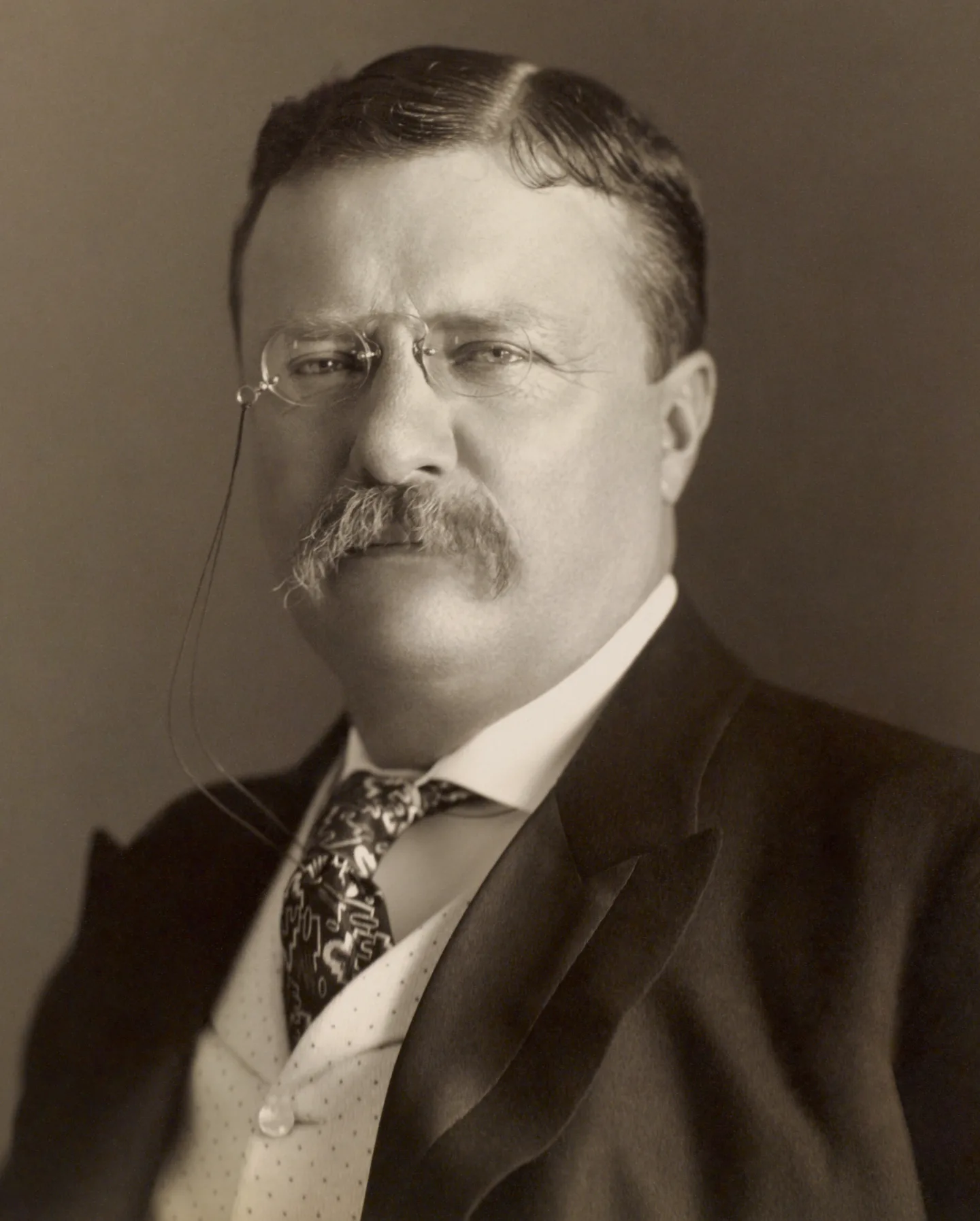
Principle 4: Genuine Interest
President Theodore Roosevelt was famous for winning over everyone he met, from foreign ambassadors to White House kitchen staff; he greeted maids and butlers by name and asked after their families, once checking in with a kitchen maid named Alice about her corn bread. That warmth wasn't a trick; it was Principle 4 in action: become genuinely interested in other people.
 Pexels · Kampus Production · Pexels License ↗
Principle 5: Smile
A genuine smile sends an unmistakable signal: "I like you, you make me happy, I'm glad to see you." Psychologist William James showed that action and feeling move together, not one after the other, so consciously smiling while speaking, even on the phone, measurably warms your vocal tone, which is why telephone reps are trained to smile as they talk. An old Chinese proverb sums up the stakes: "A man without a smiling face must not open a shop."
 Pexels · A cute baby in a knitted outfit lying on a soft carpet, smiling warmly. ↗
Principle 5: Smile
The second rule for making people like you is simple, profound, and universally effective: Smile.
 Pexels · RDNE Stock project · Pexels License ↗
Principle 6: Remember Their Name
To every person on earth, Carnegie insists, their own name is the sweetest and most important sound in any language. Forgetting or mangling someone's name is a small but real insult; remembering it, and using it warmly, pays a quiet compliment most people never forget. Principle 6: remember that a person's name is to that person the sweetest and most important sound in any language.
 Wikimedia Commons · Theodore C. Marceau · Public domain ↗
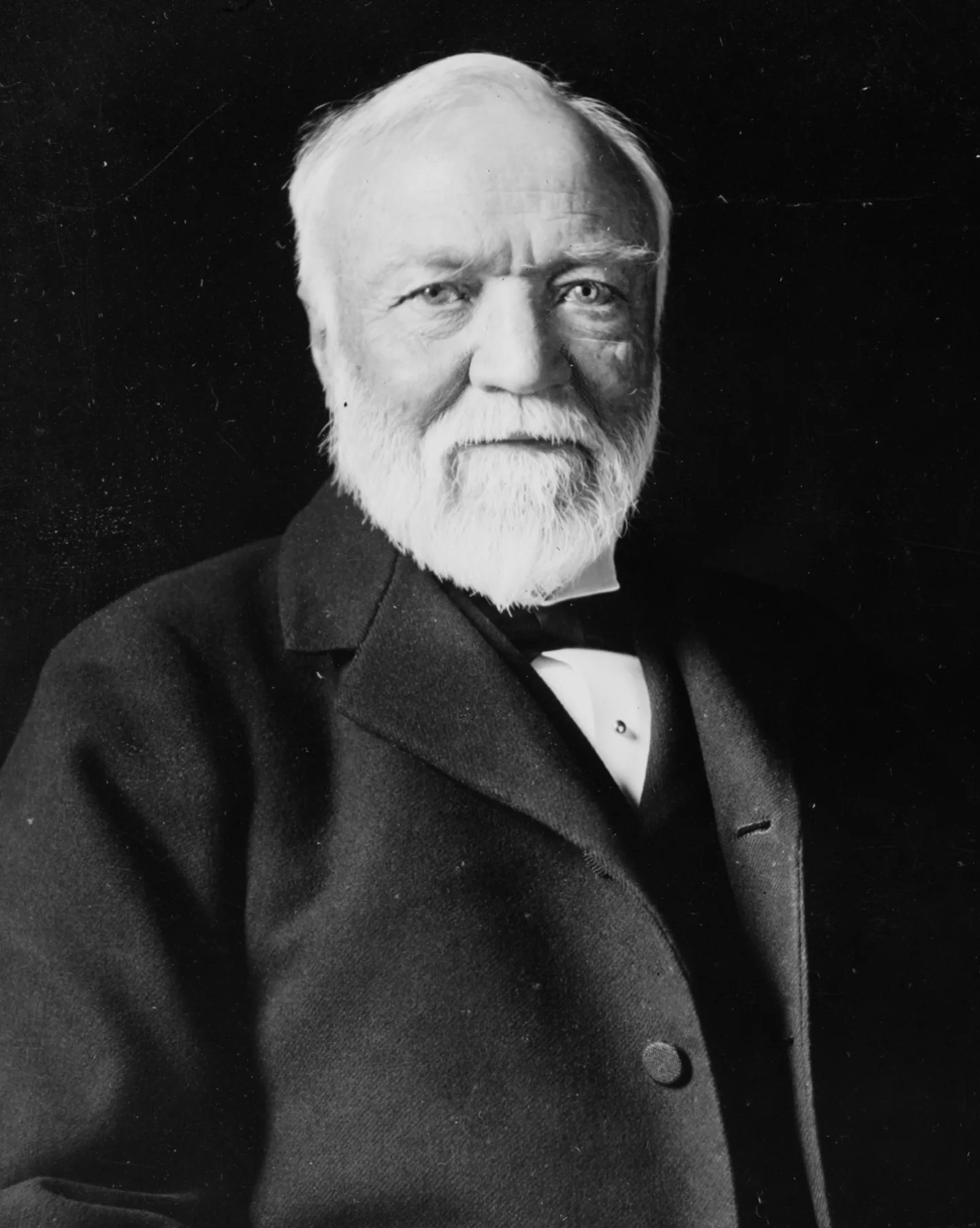
Andrew Carnegie's Power of Names
As a boy in Dunfermline, Scotland, Andrew Carnegie kept more pet rabbits than he could feed, so he promised the neighborhood children that if they gathered clover and dandelions for the rabbits, he'd name the bunnies after them. Decades later, competing with George Pullman for the Union Pacific's sleeping-car contract, Carnegie used the same instinct at industrial scale: he proposed merging their companies as the Pullman Palace Car Company, handing Pullman the presidency and naming rights, and won the deal.
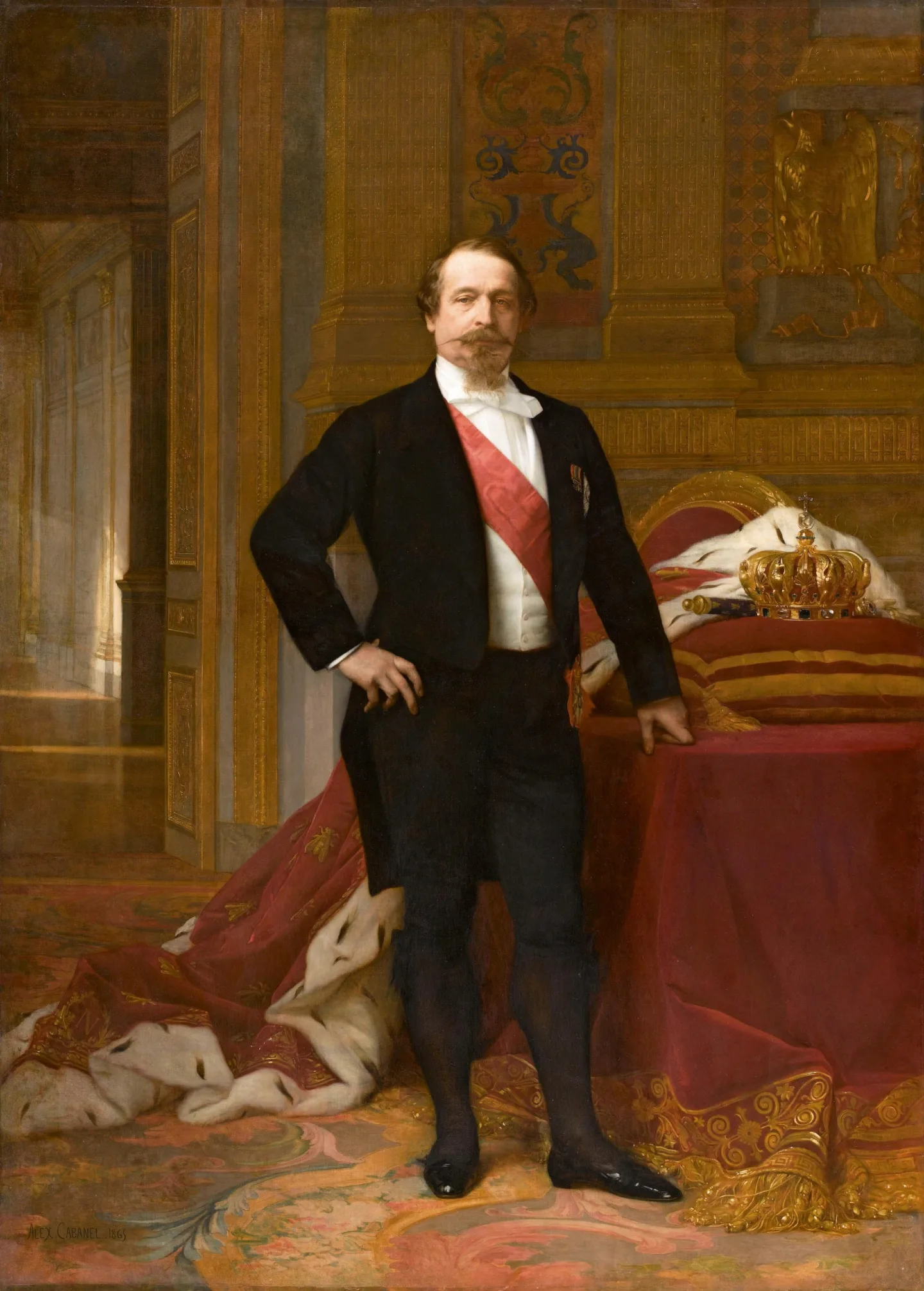 Wikimedia Commons · Alexandre Cabanel · Public domain ↗
Napoleon III's Name-Memory Method
French emperor Napoleon III was renowned for remembering the name of virtually everyone he met, using a disciplined method. If he didn't catch a name clearly, he asked the person to repeat and spell it. He repeated it several times during the conversation, mentally linked it to the person's face and appearance, and for important people, wrote the name on a slip of paper once alone, studied it, and then tore the paper up to fix it in memory.
 Pexels · John Diez · Pexels License ↗
Principle 7: Be a Good Listener
Most chronic complainers, angry customers, and difficult colleagues don't need to be argued with, they need someone to listen patiently until the anger drains out of them. Carnegie is blunt about the opposite habit: a person who talks only about themselves thinks only about themselves, and such people are fundamentally uncultivated no matter how they dress it up. Active listening means total absorption, encouraging questions, and letting the other person do the talking.
 Pexels · A botanist carefully studies a plant using a magnifying glass outdoors, showcasing hands-on research. ↗
The Dinner Party Botanist Incident
Dale Carnegie was hailed as an extraordinary conversationalist by a botanist simply because Carnegie listened attentively for hours without speaking.
1 / 10Which step was NOT part of Napoleon III's method for remembering names?
Napoleon III's real method involved asking for repetition and spelling, repeating the name, and writing it down—not quizzing the person.
Lesson 2 has 50 cards. Keep going in the free app.
Question
Three Thousand Nine Hundred Times On YouTube ↗Transcript
In 500 phone calls, the word "I" came up 3,900 times.
People are interested in themselves, morning, noon and after dinner. So be interested in them.
Theodore Roosevelt greeted every White House maid and butler by name. He asked a kitchen maid named Alice if she still made corn bread.
Two months of genuine interest in others wins more friends than two years of trying to get them interested in you.
-
 Pexels · Gustavo Fring · Pexels License ↗03
Winning People to Your Way of Thinking
Conflict De-escalation, Disarming Arguments, and Admitting Mistakes · Socratic Agreement, Friendly Openings, and Co-Ownership of Ideas
Lesson 3 · 10 cards Unsplash · Vitaly Gariev · Unsplash License ↗
Principle 10: Avoiding Arguments
The first rule for winning people to your way of thinking is: The only way to get the best of an argument is to avoid it.
Pexels · Gustavo Fring · Pexels License ↗You Cannot Truly Win an Argument
Carnegie's rule is blunt: the only way to get the best of an argument is to avoid it. If you lose, you lose; and if you win by demolishing someone's logic, you've wounded their pride and made a lasting enemy: "a man convinced against his will is of the same opinion still." Truck salesman Patrick O'Haire proved it in reverse: selling White trucks, he responded to customers who praised a rival brand by agreeing enthusiastically that the rival truck was good, which disarmed their resistance — then pivoted to praising White's own merits, becoming one of his company's top salesmen.
 Pexels · RDNE Stock project · Pexels License ↗
Principle 11: Never Say 'You're Wrong'
Telling someone "you're wrong" attacks their judgment and pride, provoking a fight rather than a change of mind, which is why Principle 11 instead says to show respect for the other person's opinions. Astronomer Galileo Galilei put it this way: "You cannot teach a man anything; you can only help him find it within himself." And Lord Chesterfield advised his son to "be wiser than other people if you can; but do not tell them so."
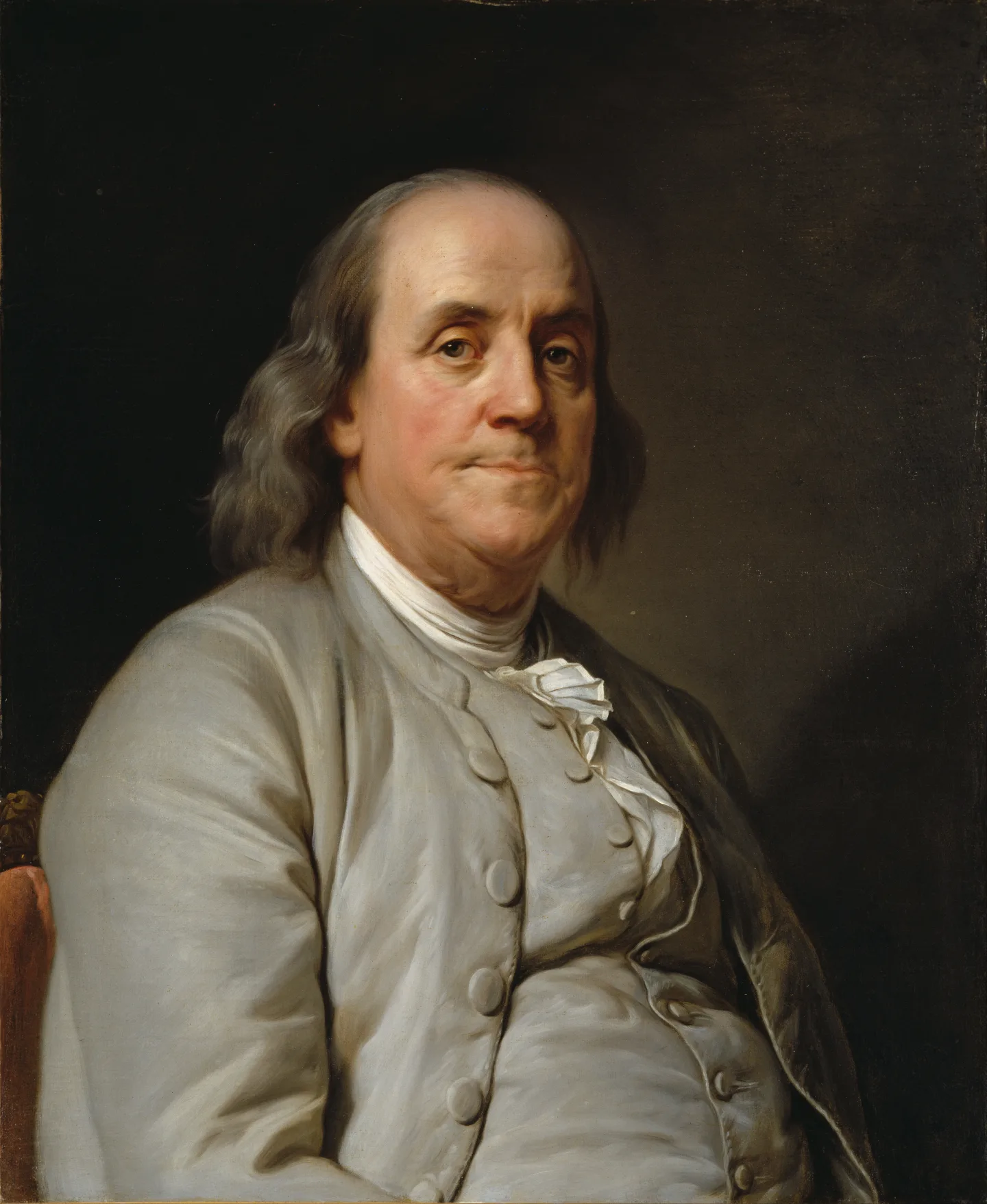 Wikimedia Commons · Joseph-Siffred Duplessis · Public domain ↗
Franklin's Diplomatic Language
In his autobiography, Benjamin Franklin describes deliberately scrubbing dogmatic words from his vocabulary: he banned "certainly" and "undoubtedly," replacing them with "I conceive," "I apprehend," or "it appears to me." This single habit, trading flat assertions for modest, provisional language, helped make Franklin one of the most persuasive diplomats in American history, because it left no dogmatic claim for anyone to fight against.
 Pexels · Ron Lach · Pexels License ↗
Principle 12: Admit Mistakes Fast
Admitting a mistake quickly and emphatically disarms an opponent completely, leaving them nothing to fight, often shifting them from aggression to generosity, and it builds credibility rather than destroying it. Commercial artist Ferdinand E. Warren proved this when an irate client attacked his illustrations: Warren agreed with every criticism and offered to redo the work at his own expense. Touched, the client insisted on paying for the revisions and kept sending him work.
 Pexels · Two mounted police officers patrolling a sunlit park in Adana, Türkiye. ↗
The Unleashed Dog Case Study
Carnegie avoided a police citation by immediately confessing his guilt before the officer could reprimand him.
 Pexels · Mikhail Nilov · Pexels License ↗
Confess Before You're Accused
Carnegie sums up the payoff of owning your errors in a single proverb: "by fighting you never get enough, but by yielding you get more than you expected." The practical protocol: notice your own mistake before anyone else points it out, approach the affected person directly without excuses, confess clearly and accept full blame, then offer to make it right.
 Pexels · Pew Nguyen · Pexels License ↗
Kindness Beats Force
During the bloody 1913–1914 Ludlow coal strike in Colorado, John D. Rockefeller Jr. faced intense public hatred; in 1915, instead of threats, he visited the mining camps, met workers' families, and told strikers' representatives, "we meet here not as strangers, but as friends," defusing years of animosity. As Abraham Lincoln put it: "A drop of honey catches more flies than a gallon of gall." Principle 13: begin in a friendly way.
 Pexels · Mikhail Nilov · Pexels License ↗
Principle 13: Begin in a Friendly Way
The fourth rule for winning people to your way of thinking is: Begin in a friendly way.
1 / 10According to Carnegie's first rule for winning an argument, what should you do?
Carnegie's first rule says the only way to get the best of an argument is to avoid it; winning by facts only wounds pride and creates enemies.
Lesson 3 has 50 cards. Keep going in the free app.
Question -
 Pexels · Julia M Cameron · Pexels License ↗04
Advanced Persuasion and Human Motivation
Empathetic Perspective-Taking, Nobler Motives, and Dramatization · Constructive Challenges, Competitiveness, and Behavioral Priming
Lesson 4 · 10 cardsPexels · Julia M Cameron · Pexels License ↗Uncovering Root Causes of Behavior
Understanding the hidden emotional rationale behind irrational actions unlocks effective persuasion.
 Pexels · Kari Alfonso · Pexels License ↗
Everyone Feels Like the Main Character
Advertising strategist Kenneth M. Goode offered a blunt exercise for empathy: "Stop a minute to contrast your keen interest in your own affairs with your mild concern about anything else. Realize then, that everybody else in the world feels exactly the same way!" Carnegie uses this to ground Principle 17: before you can persuade anyone, you have to genuinely accept that their problems feel as urgent to them as yours feel to you.
 Pexels · RDNE Stock project · Pexels License ↗
Principle 17: Perspective-Taking
The eighth rule for winning people to your way of thinking is: Try honestly to see things from the other person's point of view.
 Pexels · RDNE Stock project · Pexels License ↗
Principle 18: The Magic Sympathy Phrase
Carnegie offers a single sentence that neutralizes hostility on contact: "I don't blame you one bit for feeling as you do. If I were you, I would undoubtedly feel just as you do." It works because it's completely true: with someone else's exact genetics, upbringing, and life experience, you would feel exactly as they do. Most people are hungry for this kind of validation, which is why Principle 18 says: be sympathetic with the other person's ideas and desires.
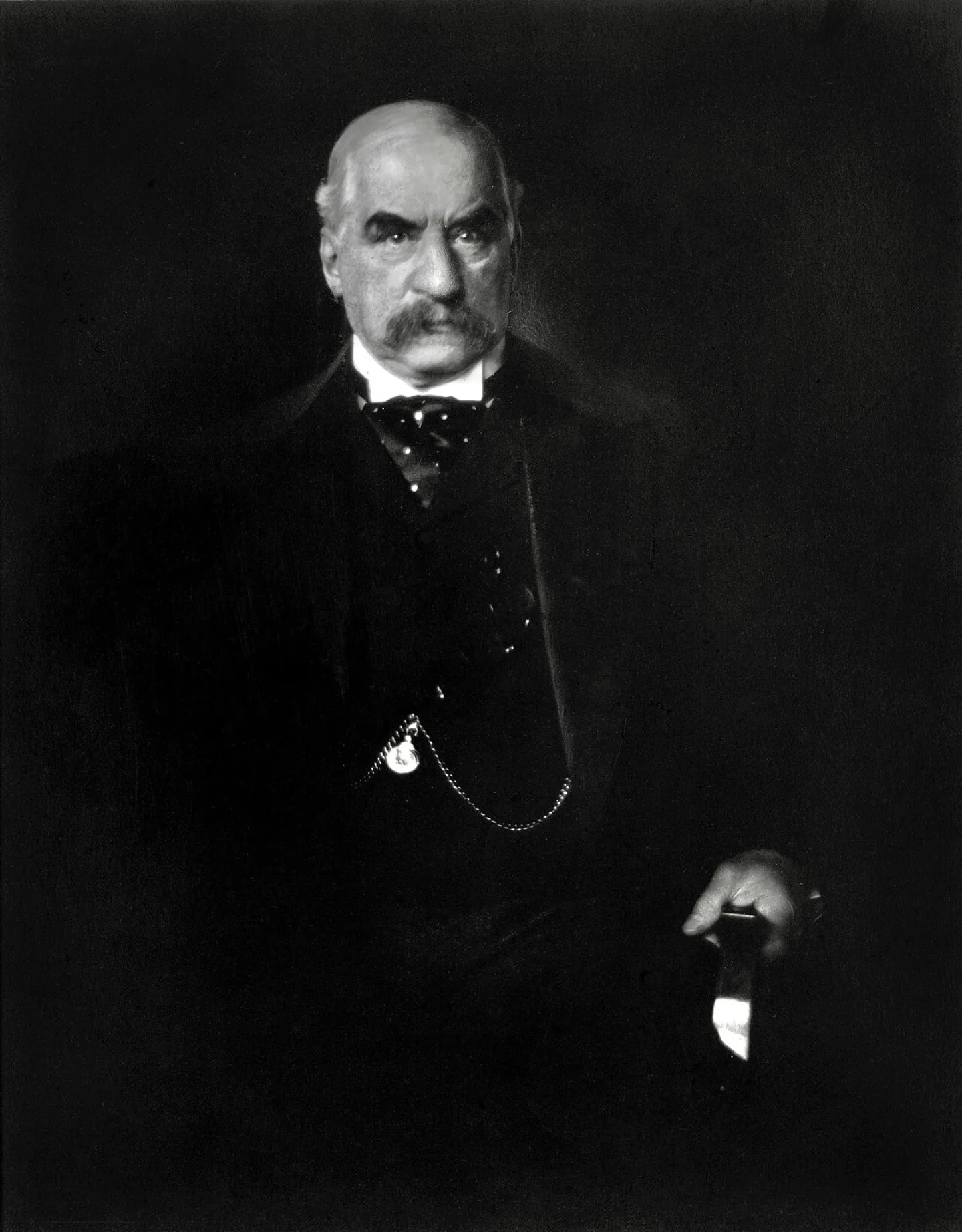 Edward Steichen · Public domain ↗
Two Reasons for Everything We Do
Financier J. Pierpont Morgan observed that "a person usually has two reasons for doing something: a reason that sounds good, and the real reason." People are privately driven by self-interest, but they desperately want to see themselves as honorable, upright, and fair, which is exactly why Principle 19 works: appeal to the nobler motive, and people will often act on it rather than admit the self-interested one.
 Pexels · Julia M Cameron · Pexels License ↗
Principle 19: Appealing to Nobler Motives
The tenth rule for winning people to your way of thinking is: Appeal to the nobler motives.
 Pexels · Pavel Danilyuk · Pexels License ↗
How to Dramatize a Business Idea
Carnegie lays out a repeatable sequence for turning a dry point into a memorable one: identify the single core benefit or problem you need your audience to feel, then invent a tangible, visual, or physical demonstration of it. Execute the demonstration with genuine showmanship and emotional resonance, then bridge directly from that dramatic moment to your actual proposed solution.
 Pexels · Close-up of rusted industrial hooks in an abandoned Bethlehem Steel site, PA. ↗
Charles Schwab's Mill Floor '6'
Schwab stimulated an underperforming steel mill by drawing a chalk '6' on the floor to represent the day shift's output.
1 / 10What does Kenneth M. Goode's contrast exercise ask you to realize about other people?
Goode's exercise shows everyone is as absorbed in their own affairs as you are in yours, the foundation of genuine perspective-taking (Principle 17).
Lesson 4 has 52 cards. Keep going in the free app.
Question -
 Pexels · Detail view of a barber creating foamy lather with a brush, perfect for grooming concepts. ↗05
Leadership: Changing People Without Giving Offense
Praise Before Critique, Indirect Correction, and Vulnerability · Inquisitive Guidance, Face-Saving, and Elevating Reputation
Lesson 5 · 10 cardsPexels · Detail view of a barber creating foamy lather with a brush, perfect for grooming concepts. ↗The Barber's Lather Metaphor
Just as warm lather softens the beard before shaving, sincere praise softens the ego before constructive critique.
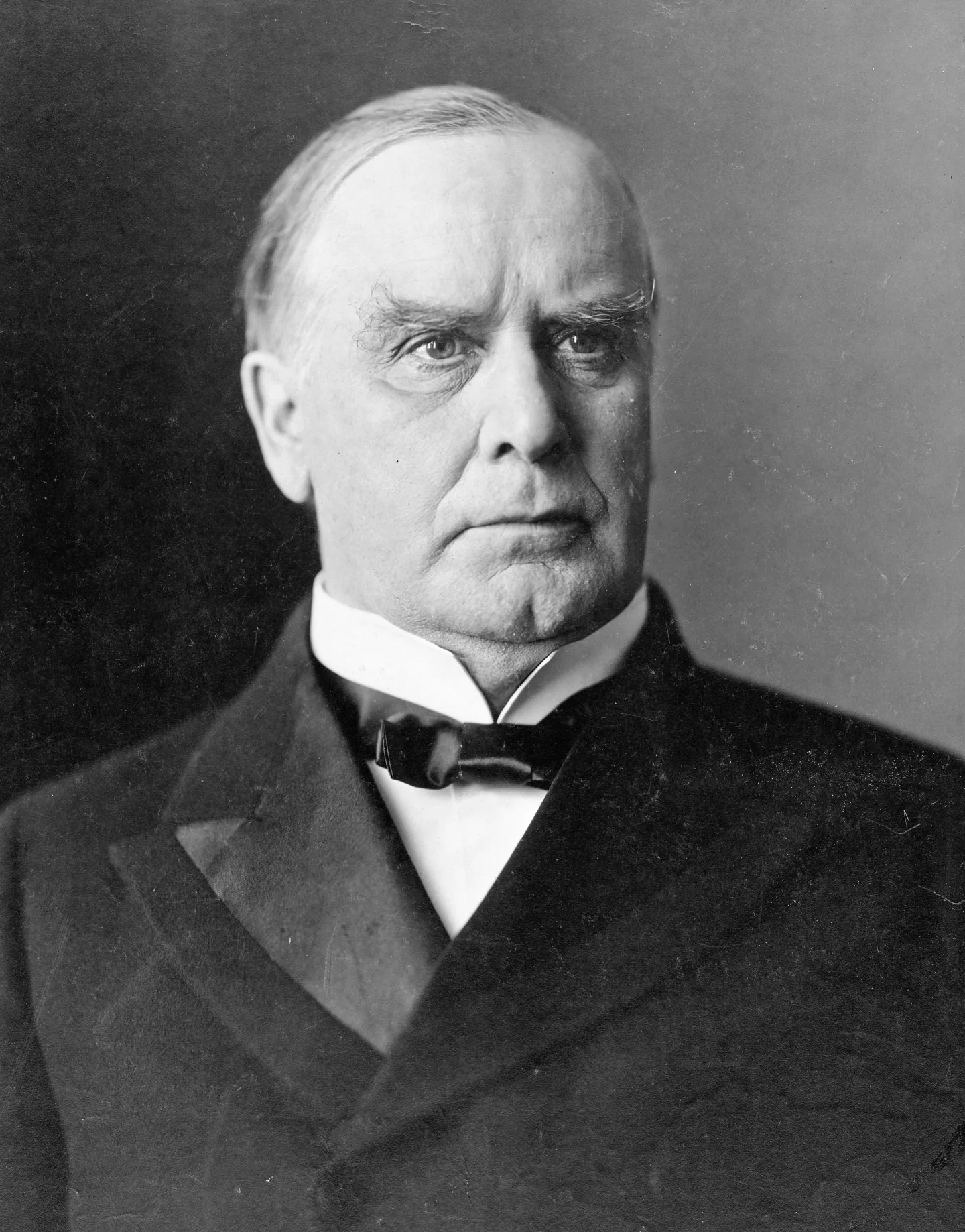 Wikimedia Commons · Unknown author · Public domain ↗
McKinley's Diplomatic Rejection
When President William McKinley needed to reject a poorly conceived campaign speech written by a close political ally, he didn't criticize the writing. He praised its eloquence and rhetorical brilliance lavishly first, then gently explained why the current strategy called for a different emphasis, and asked the author to try a new draft. The author left inspired, not wounded, and happily complied.
 Pexels · Vitaly Gariev · Pexels License ↗
Principle 22: Praise Before Critique
The first leadership rule for changing people without offense is: Begin with praise and honest appreciation.
 Pexels · Antoni Shkraba · Pexels License ↗
The 'But' Trap
Saying "We're proud of your progress, John, BUT your numbers are lagging" instantly cancels the praise: the word "but" tells the listener the compliment was just a setup for the real attack. Swap in "and" instead: "We're proud of your progress, John, AND by focusing on outreach next month, your results will climb alongside your other wins." The praise stays intact, and the feedback lands as encouragement rather than a reversal.
 Pexels · Vitaly Gariev · Pexels License ↗
Schwab's Cigars, Wanamaker's Counter
When Charles Schwab caught mill workers smoking directly under a "No Smoking" sign, he didn't shout, he handed each man an expensive cigar and said, "I'd appreciate it, boys, if you'd smoke these outside." Department store magnate John Wanamaker used the same instinct: seeing an unattended customer while clerks chatted nearby, he quietly stepped behind the counter and served the customer himself, without a word of reprimand. Both are examples of indirect behavioral modeling: teaching the right behavior by demonstration rather than verbal correction.
 Pexels · Mikhail Nilov · Pexels License ↗
Vulnerability Builds Trust
Leaders who admit their own mistakes before correcting someone else build trust rather than losing authority; pretending infallibility only breeds resentment. When Carnegie caught himself losing patience with the clerical errors of his 19-year-old secretary-niece Josephine, he calmed himself by remembering: "You made far worse mistakes at nineteen." Leading with his own youthful blunders let Josephine accept his coaching without resentment.
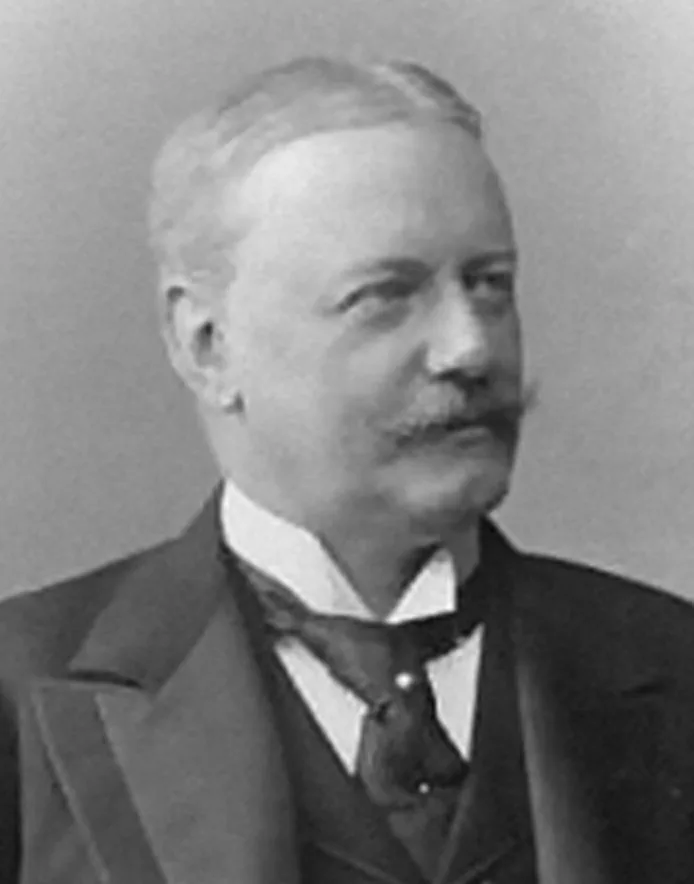 Unknown author · CC BY-SA 3.0 de ↗
Prince von Bülow Calms the Kaiser's Fury
When Kaiser Wilhelm II's indiscreet interview in Britain's Daily Telegraph caused an international uproar, the Kaiser turned his fury on Prince von Bülow, his chancellor, for having let the remarks be published. Von Bülow's first instinct — protesting that no one would believe the Kaiser had said such things — only enraged the Kaiser further. Von Bülow then reversed course: he praised the Kaiser's superior knowledge of military, naval, and scientific matters, modestly admitting his own expertise lay only in diplomacy and history. The Kaiser's anger melted into warmth.
 Pexels · Antoni Shkraba · Pexels License ↗
A 4-Step Feedback Script
Carnegie's leadership chapters distill into one repeatable feedback script. Begin with sincere, specific praise for something genuinely done well. Connect that praise to future improvement using "and," never "but." Share a relevant mistake of your own to establish shared fallibility, then model the standard you want and express real confidence the person can meet it.
1 / 10Which of these does NOT reflect calling attention to a mistake indirectly?
Schwab, Wanamaker, and von Bulow all corrected mistakes without direct confrontation; publicly reprimanding someone is direct, not indirect.
Lesson 5 has 51 cards. Keep going in the free app.
Question -
 Pexels · Typewritten note with 'I love you' on vintage paper background, evoking nostalgia. ↗06
Practical Persuasion and Relationship Mastery
The Miracle Letters and Psychological Appeals · Domestic Harmony, Everyday Courtesy, and Lifelong Mastery
Lesson 6 · 10 cardsPexels · Typewritten note with 'I love you' on vintage paper background, evoking nostalgia. ↗The Miracle Letter Psychology
Written persuasion achieves extraordinary response rates by asking for small favors and honoring the recipient's expertise.
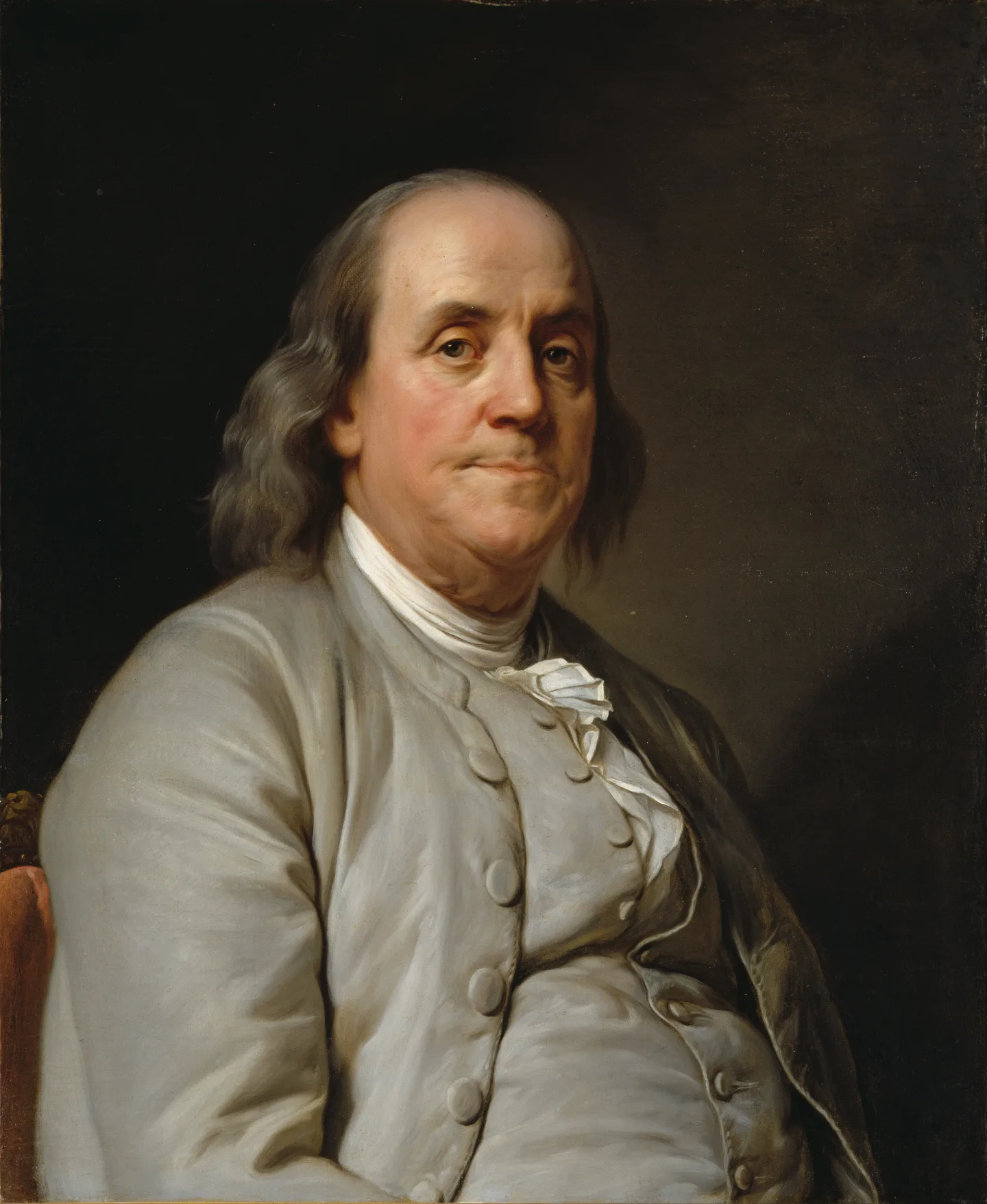 Wikimedia Commons · Joseph-Siffred Duplessis · Public domain ↗
The Benjamin Franklin Effect
In his autobiography, Benjamin Franklin describes neutralizing a hostile rival in the Pennsylvania Assembly not by debating him, but by asking to borrow a rare book from his library. Flattered, the rival sent it at once, and became a devoted friend for life. The psychology behind it is cognitive dissonance: having done someone a favor, we unconsciously conclude "I helped this person, so I must value and respect them," a pattern now known as the Benjamin Franklin Effect.
 Pexels · Towfiqu barbhuiya · Pexels License ↗
Writing a Carnegie 'Miracle Letter'
Carnegie's high-response "miracle letters" follow a precise architecture. Open with a small, low-friction favor rather than a demand. Acknowledge the recipient's expertise and respect their busy schedule, making the response mechanism effortless. Explain briefly how their guidance helps you avoid mistakes, and always close with sincere, unfeigned thanks.
 Pexels · COPPERTIST WU · Pexels License ↗
Warmth in Business Writing
Injecting genuine human warmth and personal details into correspondence distinguishes it from cold corporate boilerplate.
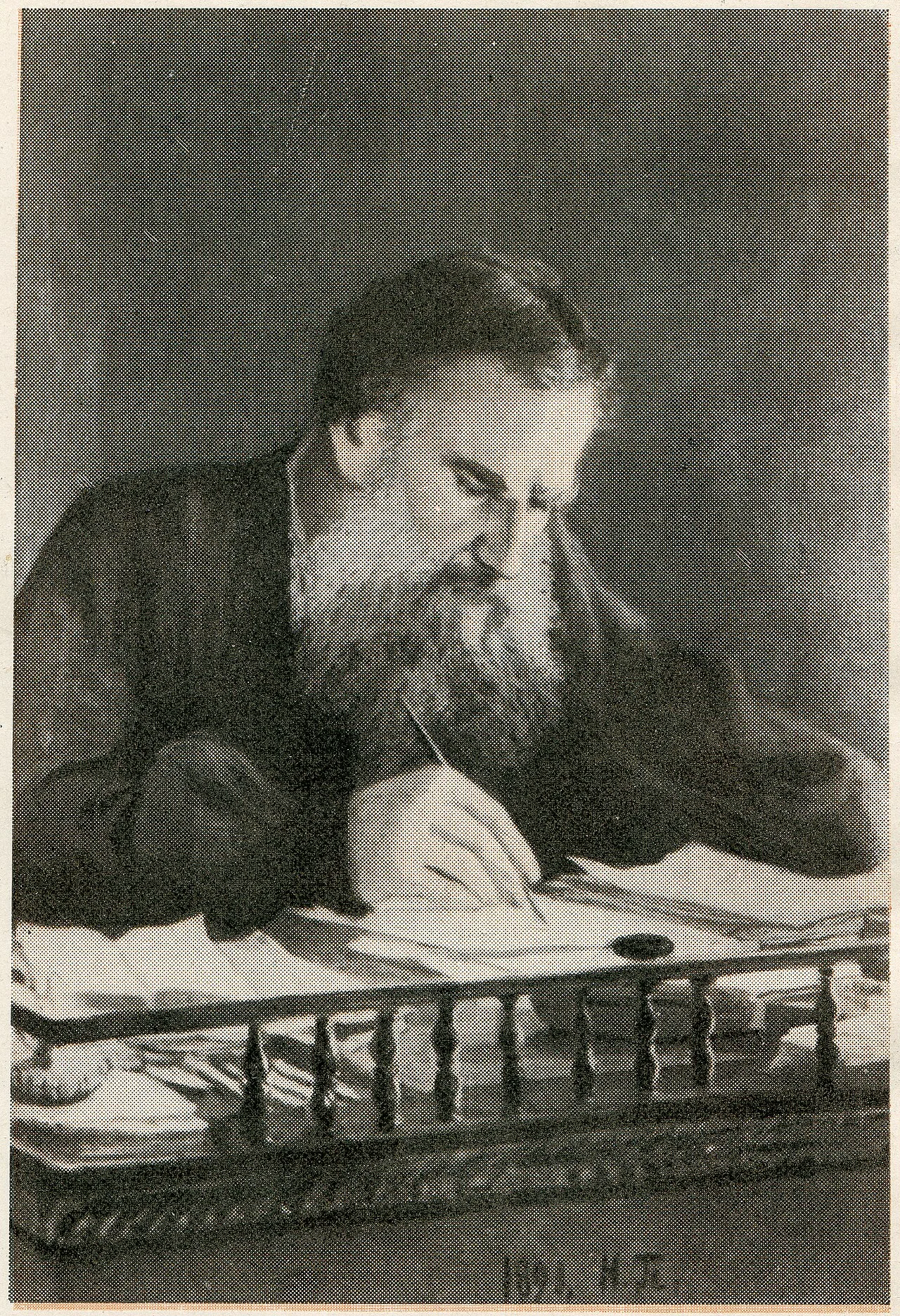 Wikimedia Commons · Scanning Dmitry Makeev , scan date - 2020 year. · Public domain ↗
The Tolstoy Marital Tragedy
Count Leo Tolstoy's marriage devolved into constant misery due to ceaseless nagging, criticism, and emotional warfare.
 Pexels · Alex Green · Pexels License ↗
Rule 1 for Home Happiness
The first rule for making your home life happier is: Don't nag, nag, nag.
 Pexels · Anastasia Shuraeva · Pexels License ↗
Rule 2 for Home Happiness
The second rule for making your home life happier is: Don't try to make your partner over.
1 / 10What does the Benjamin Franklin Effect describe?
The Franklin Effect is cognitive dissonance: doing someone a favor makes the doer like them more. Foot-in-the-door describes escalating commitment, a different concept.
Lesson 6 has 46 cards. Keep going in the free app.
Question


What you'll be able to do 12 objectives, from the pack's lessons
- Explain why harsh criticism triggers ego defense mechanisms and resentment rather than behavioral change.
- Distinguish sincere appreciation from shallow flattery and arouse an eager want by focusing on the other person's motivations.
- Demonstrate genuine interest in others, cultivate a sincere smile, and remember that a person's name is their sweetest sound.
- Practice active listening by encouraging others to talk about their achievements and framing dialogue around their interests.
- Apply conflict de-escalation by avoiding arguments and admitting your own mistakes quickly, openly, and emphatically.
- Deploy the Socratic method to secure immediate 'Yes, yes' agreement and let the other person feel the idea is theirs.
- Adopt empathetic perspective-taking, appeal to nobler motives, and dramatize ideas to make proposals compelling.
- Stimulate constructive motivation and healthy achievement by throwing down a friendly challenge.
- Begin critique with honest praise, call attention to mistakes indirectly, and share your own past errors first.
- Ask questions instead of issuing direct orders, save the other person's face, and give them a fine reputation to live up to.
- Apply psychological appeals and the Miracle Letter technique by asking for small, honorable favors that make people feel valued.
- Maintain domestic harmony and relationship longevity through daily courtesy, sincere appreciation, and avoiding nagging.
Study guide.
The same study guide as in the app, one page for each lesson, with its key facts and a self-test.
Built from 1 source.
240 of its 300 cards cite a source. These are the sources it cites.
Hover over a photo, or tap its i, to see where it came from. All 7:
- Lesson 1: Wikimedia Commons · Brett Weinstein (Nrbelex) at en.wikipedia · CC BY-SA 2.5 ↗
- Lesson 2: Pexels · Excited dog with red bandana on a leash standing outside. Owner in casual jeans and sneakers. ↗
- Lesson 3: Pexels · Gustavo Fring · Pexels License ↗
- Lesson 3: Unsplash · Vitaly Gariev · Unsplash License ↗
- Lesson 4: Pexels · Julia M Cameron · Pexels License ↗
- Lesson 5: Pexels · Detail view of a barber creating foamy lather with a brush, perfect for grooming concepts. ↗
- Lesson 6: Pexels · Typewritten note with 'I love you' on vintage paper background, evoking nostalgia. ↗
- How to Win Friends & Influence People by Dale Carnegie · on Amazon ↗
These are affiliate links: if you buy a book through one, FlashFeed may earn a small commission at no extra cost to you. The commission helps pay for FlashFeed's servers.
As an Amazon Associate we earn from qualifying purchases.
Independent study notes, not affiliated with the author or publisher.
- Cards
- 300
- Lessons
- 6
- Version
- 1.0.25
- Language
- English
The whole pack is one file. Read the pack file ↗
FlashFeed is on the App Store and Google Play.
FlashFeed is free on iPhone and Android, and needs no account.