
How to Win Friends and Influence People study guide · Lesson 5 of 6
Leadership: Changing People Without Giving Offense
Praise Before Critique, Indirect Correction, and Vulnerability · Inquisitive Guidance, Face-Saving, and Elevating Reputation
Unofficial study guide for How to Win Friends & Influence People by Dale Carnegie. FlashFeed is not affiliated with the author or publisher.
This is the lesson's study guide from the FlashFeed app, plus its key facts and a self-test.
What you'll be able to do
- Begin critique with honest praise, call attention to mistakes indirectly, and share your own past errors first.
- Ask questions instead of issuing direct orders, save the other person's face, and give them a fine reputation to live up to.
Be a Leader: How to Change People Without Offense
This study guide examines the executive and managerial leadership toolkit for correcting mistakes, elevating performance, and inspiring behavioral transformation while preserving human dignity.
Praise Before Critique, Indirect Correction, and Vulnerability
When a leader must address deficiencies or deliver corrective feedback, the psychological entry point is paramount. Just as a barber applies soothing, warm lather before shaving a client to soften the beard and eliminate friction, an effective leader begins with genuine praise and honest appreciation.
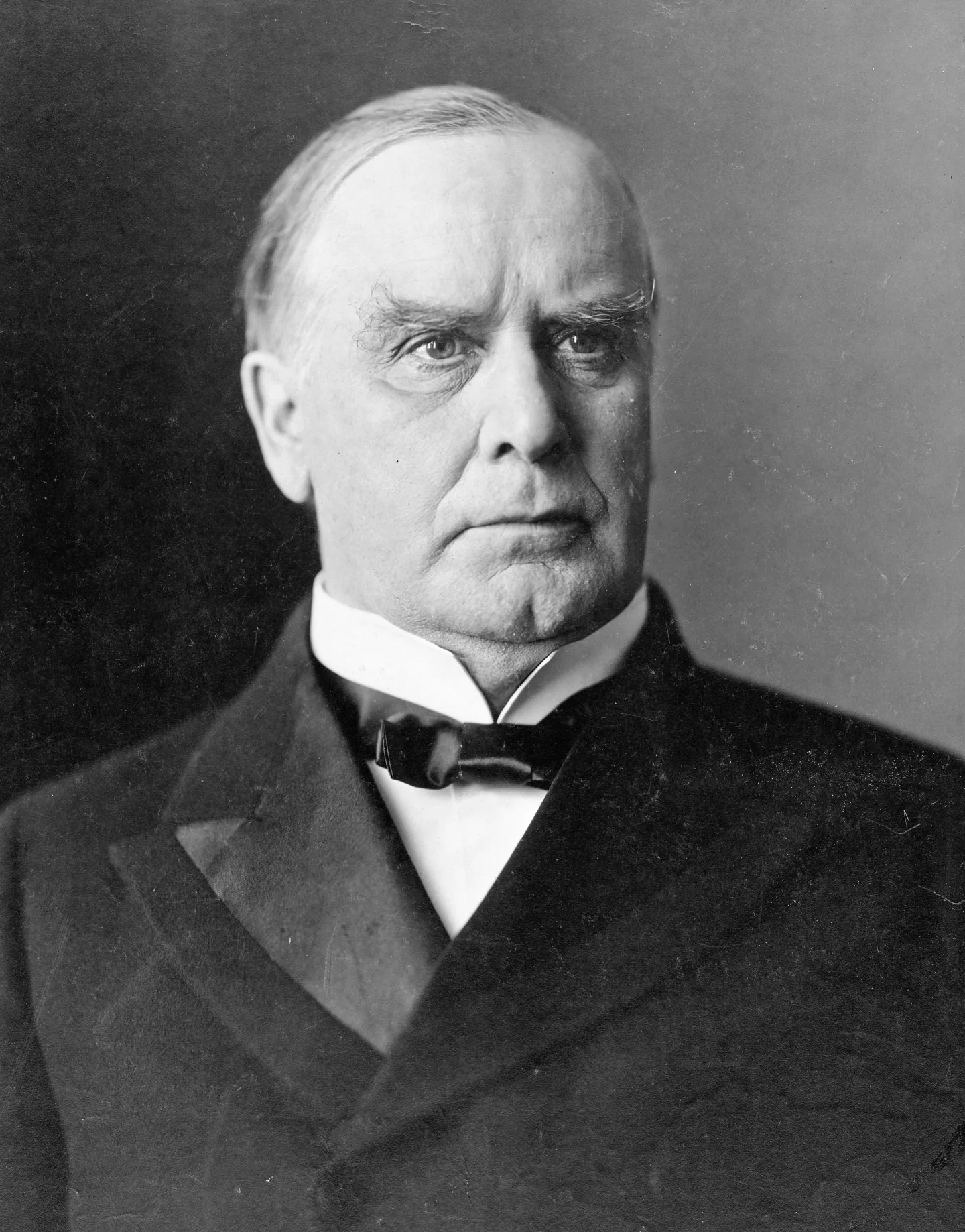
When President William McKinley needed to reject a poorly conceived campaign speech written by a prominent political ally, he did not criticize the text. Instead, he praised its literary eloquence and rhetorical brilliance lavishly, before gently explaining why current political strategy required a different emphasis, asking the author to draft a replacement. The author departed inspired and complied eagerly.
The first leadership rule: Begin with praise and honest appreciation.
When transitioning from praise to corrective feedback, many managers fall into the "But" Trap. Saying: "We are so proud of your progress, John, BUT your sales numbers are lagging" instantly negates the praise, making it feel like a manipulative preamble to an attack. By simply substituting the word "AND", the feedback is transformed: "We are so proud of your progress, John, AND by applying your focus to sales outreach next month, your revenue will climb alongside your other achievements."
Leaders also excel at Calling Attention to Mistakes Indirectly. When Charles Schwab walked through one of his steel mills and noticed workers smoking directly beneath a "No Smoking" sign, he did not shout or point to the sign. Instead, he handed each worker an expensive cigar and said warmly: "I'd appreciate it, boys, if you'd smoke these outside." The men loved Schwab because he corrected them with courtesy and respect. Department store magnate John Wanamaker used the same approach: when he saw an unattended customer while clerks chatted in a corner, Wanamaker quietly stepped behind the counter, served the customer himself, and handed the wrapped package to the clerks without a single reprimand.
The second leadership rule: Call attention to people's mistakes indirectly.
Corrective guidance is far easier to accept when the leader exhibits humility by Talking About Their Own Mistakes First. Acknowledging past errors demonstrates empathy and bridges the gap between authority and subordinate.
When Dale Carnegie mentored his nineteen-year-old niece Josephine as his secretary, he found himself frustrated by her clerical errors. He checked his temper by reflecting: "Dale, you are twice as old as Josephine and have had ten thousand times as much business experience. How could you expect her to possess your judgment? You made far worse mistakes at nineteen." By opening his coaching with his own youthful blunders, Josephine accepted guidance without resentment.
The third leadership rule: Talk about your own mistakes before criticizing the other person.
Inquisitive Guidance, Face-Saving, and Elevating Reputation
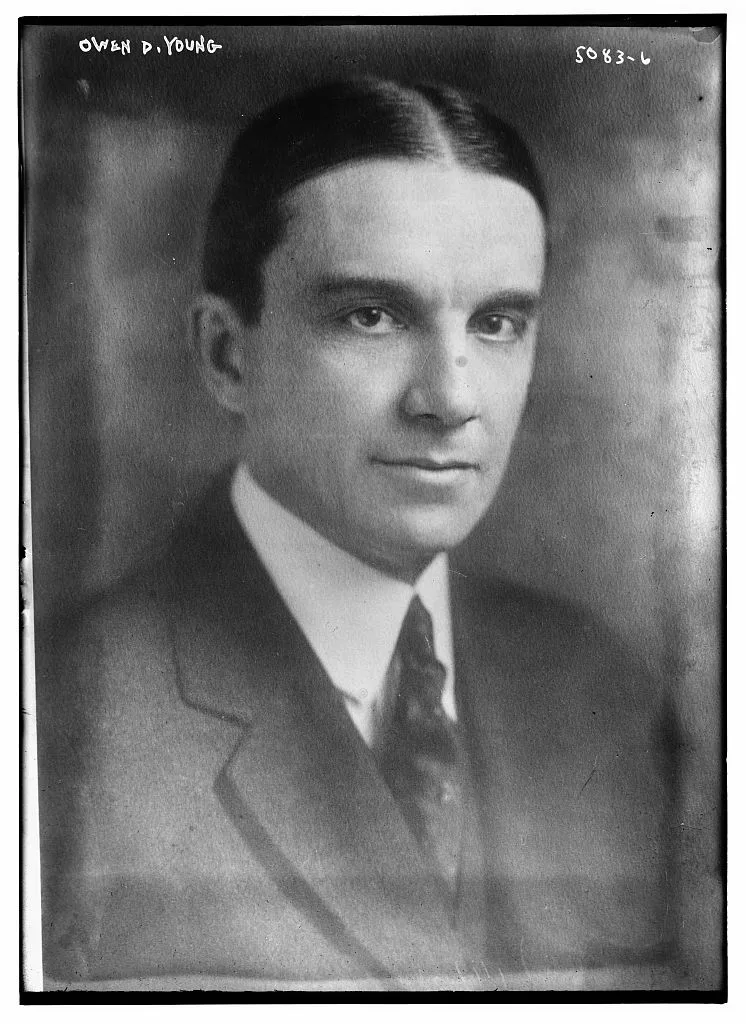
Authoritarian leaders issue blunt commands; transformative leaders guide through Thoughtful Questions. Industrialist Owen D. Young, chairman of General Electric, never issued a direct order. He invariably framed guidance as inquiries: "Do you think this would work?" or "What do you think of this approach?"
Questions stimulate creative collaboration, make instructions palatable, and allow team members to feel that they are active co-creators of policy rather than mere cogs executing orders.
The fourth leadership rule: Ask questions instead of giving direct orders.
The fifth principle is the inviolable rule of Face-Saving. French aviator and philosopher Antoine de Saint-Exupéry captured this profound truth:
"I have no right to say or do anything that diminishes a man in his own eyes. What matters is not what I think of him, but what he thinks of himself. Hurting a man in his dignity is a crime."
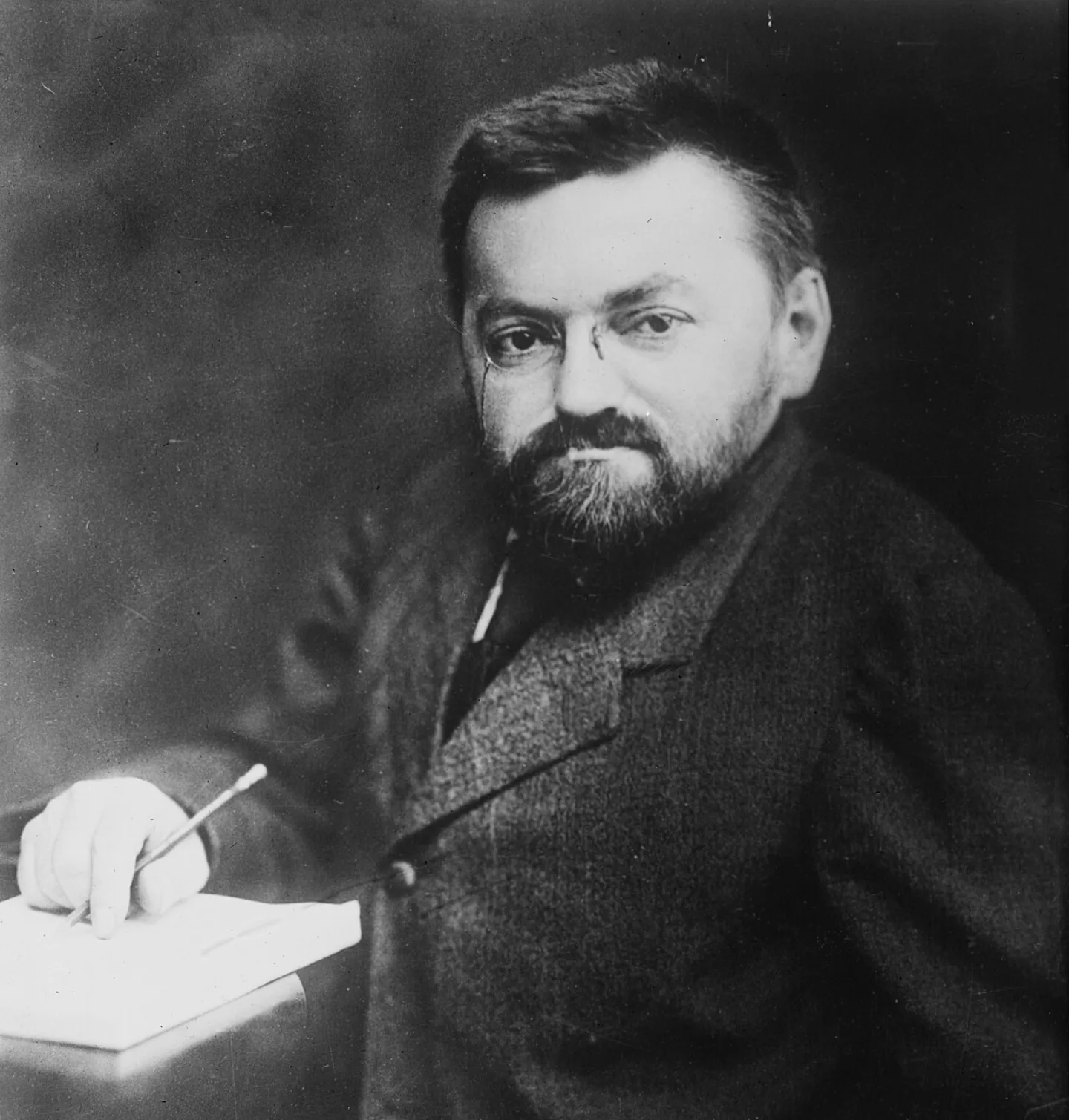
When General Electric needed to replace electrical genius Charles Steinmetz as department head due to administrative disorder, they did not demote him. Instead, they bestowed upon him the prestigious title of Consulting Engineer of the General Electric Company, preserving his dignity while freeing his brilliance for research.
The fifth leadership rule: Let the other person save face.
To cultivate excellence, leaders must Praise the Slightest Improvement. In behavioral psychology, Operant Shaping reinforces incremental progress toward a desired objective. Praise acts like sunlight to the human spirit.
The sixth leadership rule: Praise the slightest improvement and praise every improvement. Be "hearty in your approbation and lavish in your praise."
When seeking to elevate performance, apply the psychological principle of Giving a Dog a Good Name. If you want a person to cultivate a specific virtue, treat them as though that trait were already one of their defining characteristics. Quoting Shakespeare: "Assume a virtue, if you have it not."
The seventh leadership rule: Give the other person a fine reputation to live up to.
Finally, leaders must use encouragement to Make the Fault Seem Easy to Correct, and ensure the other party is genuinely happy about carrying out the requested action.
The eighth leadership rule: Use encouragement. Make the fault seem easy to correct. The ninth leadership rule: Make the other person happy about doing the thing you suggest.
Key terms
- Indirect Behavioral Modeling
- Teaching correct behavior through personal demonstration or a considerate corrective gesture, rather than a verbal reprimand.
- Operant Behavioral Shaping
- The psychological method of praising tiny, early improvements to build behavioral momentum toward full mastery.
Key facts
The Barber's Lather Metaphor
Just as warm lather softens the beard before shaving, sincere praise softens the ego before constructive critique.
McKinley's Diplomatic Rejection
When President William McKinley needed to reject a poorly conceived campaign speech written by a close political ally, he didn't criticize the writing. He praised its eloquence and rhetorical brilliance lavishly first, then gently explained why the current strategy called for a different emphasis, and asked the author to try a new draft. The author left inspired, not wounded, and happily complied.
Principle 22: Praise Before Critique
The first leadership rule for changing people without offense is: Begin with praise and honest appreciation.
The 'But' Trap
Saying "We're proud of your progress, John, BUT your numbers are lagging" instantly cancels the praise: the word "but" tells the listener the compliment was just a setup for the real attack. Swap in "and" instead: "We're proud of your progress, John, AND by focusing on outreach next month, your results will climb alongside your other wins." The praise stays intact, and the feedback lands as encouragement rather than a reversal.
Schwab's Cigars, Wanamaker's Counter
When Charles Schwab caught mill workers smoking directly under a "No Smoking" sign, he didn't shout, he handed each man an expensive cigar and said, "I'd appreciate it, boys, if you'd smoke these outside." Department store magnate John Wanamaker used the same instinct: seeing an unattended customer while clerks chatted nearby, he quietly stepped behind the counter and served the customer himself, without a word of reprimand. Both are examples of indirect behavioral modeling: teaching the right behavior by demonstration rather than verbal correction.
Principle 23: Indirect Correction
The second leadership rule for changing people without offense is: Call attention to people's mistakes indirectly.
Vulnerability Builds Trust
Leaders who admit their own mistakes before correcting someone else build trust rather than losing authority; pretending infallibility only breeds resentment. When Carnegie caught himself losing patience with the clerical errors of his 19-year-old secretary-niece Josephine, he calmed himself by remembering: "You made far worse mistakes at nineteen." Leading with his own youthful blunders let Josephine accept his coaching without resentment.
Prince von Bülow Calms the Kaiser's Fury
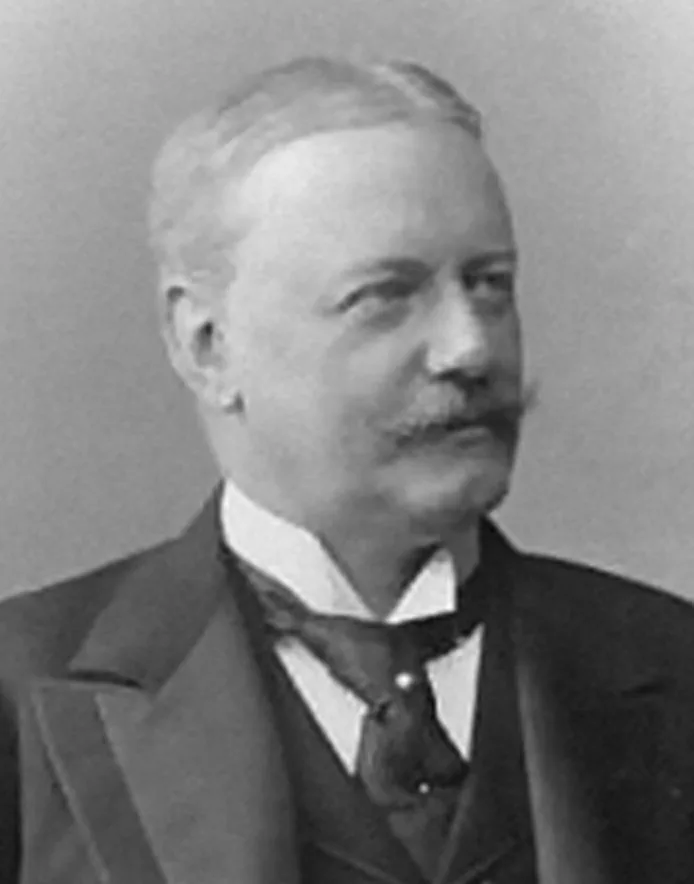
When Kaiser Wilhelm II's indiscreet interview in Britain's Daily Telegraph caused an international uproar, the Kaiser turned his fury on Prince von Bülow, his chancellor, for having let the remarks be published. Von Bülow's first instinct — protesting that no one would believe the Kaiser had said such things — only enraged the Kaiser further. Von Bülow then reversed course: he praised the Kaiser's superior knowledge of military, naval, and scientific matters, modestly admitting his own expertise lay only in diplomacy and history. The Kaiser's anger melted into warmth.
Principle 24: Own Mistakes First
The third leadership rule for changing people without offense is: Talk about your own mistakes before criticizing the other person.
A 4-Step Feedback Script
Carnegie's leadership chapters distill into one repeatable feedback script. Begin with sincere, specific praise for something genuinely done well. Connect that praise to future improvement using "and," never "but." Share a relevant mistake of your own to establish shared fallibility, then model the standard you want and express real confidence the person can meet it.
Owen D. Young's Question Leadership
Owen D. Young, chairman of General Electric, reportedly never issued a direct order: he framed guidance as questions instead, "Do you think this would work?" or "What do you think of this approach?" Questions stimulate creative collaboration, make instructions easier to accept, and let people feel like active co-creators of a plan rather than cogs simply executing someone else's orders.
Principle 25: Ask Questions
The fourth leadership rule for changing people without offense is: Ask questions instead of giving direct orders.
Saint-Exupéry and Steinmetz's Title
French aviator and author Antoine de Saint-Exupéry wrote: "I have no right to say or do anything that diminishes a man in his own eyes... hurting a man in his dignity is a crime." General Electric lived this out with its brilliant but administratively chaotic engineer Charles Steinmetz: rather than demote him, the company created the prestigious title "Consulting Engineer," preserving his dignity while freeing him for research.
Principle 26: Saving Face
The fifth leadership rule for changing people without offense is: Let the other person save face.
Praise Is Sunlight
Constant criticism doesn't keep people sharp, it withers their enthusiasm and breeds performance anxiety, while praise acts like sunlight to the human spirit. This works through what psychologists call operant shaping: praising tiny, early improvements builds momentum toward full mastery step by step. Principle 27: praise the slightest improvement, and praise every improvement.
Principle 27: Praising Every Improvement
The sixth leadership rule for changing people without offense is: Praise the slightest improvement and praise every improvement.
Giving a Dog a Good Name
If you want a person to develop a specific virtue, act as though that trait were already one of their defining strengths.
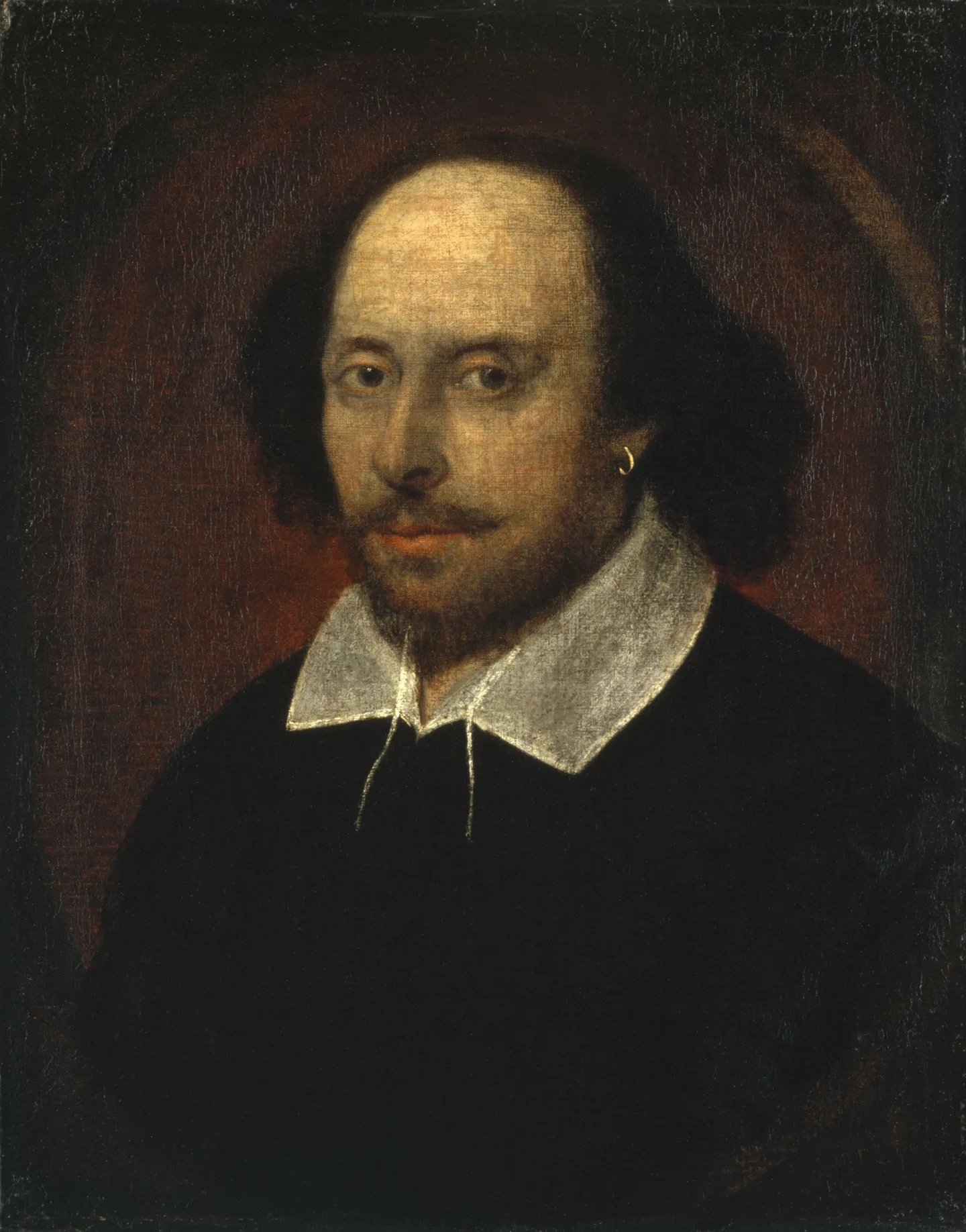
Shakespeare: Assume a Virtue
In Hamlet, William Shakespeare wrote: "Assume a virtue, if you have it not." Carnegie turns this line into a leadership tool: if you want someone to develop a specific strength, treat them as though that trait were already one of their defining qualities. People tend to live up to the reputation they're given, Principle 28, give the other person a fine reputation to live up to.
Principle 28: Fine Reputation
The seventh leadership rule for changing people without offense is: Give the other person a fine reputation to live up to.
Principle 29: Make Faults Easy to Correct
The eighth leadership rule for changing people without offense is: Use encouragement. Make the fault seem easy to correct.
Make the Task Something They Want
To make someone genuinely happy about doing what you ask, Carnegie lays out a sequence: align the request with the person's own talents and interests, attach an honorary title or specific responsibility that signals status, and clearly explain why the contribution matters to the larger effort. Finish by expressing sincere gratitude and celebrating the completed work — the ninth and final leadership rule in this part of Carnegie's system.
Matched pairs
Each item on the left goes with the one on the right.
- President McKinley's Speech Rejection
- Praising the draft's eloquence before explaining why strategy required a rewritten version
- Charles Schwab's Cigar Diplomacy
- Handing cigars to mill workers under a 'No Smoking' sign and politely asking them to smoke outside
- John Wanamaker's Counter Service
- Quietly stepping behind the counter to serve an ignored customer himself without scolding clerks
- Prince von Bülow and the Kaiser
- Praising the Kaiser's superior military and scientific knowledge to defuse his fury after the Daily Telegraph scandal
- Owen D. Young's Question Leadership
- Never issuing direct orders, but asking: 'Do you think this would work?'
- Antoine de Saint-Exupéry on Human Dignity
- I have no right to say or do anything that diminishes a man in his own eyes
- Shakespeare's Counsel in Hamlet
- Assume a virtue, if you have it not
Step by step
Delivering Feedback with Vulnerability and Indirect Framing
- Begin with sincere, specific praise for genuine contributions.
- Connect the praise to future improvement using the conjunction 'and' rather than 'but.'
- Share a relevant personal mistake or early blunder to establish shared fallibility.
- Model the desired standard and express total confidence in their ability to master it.
Making Others Happy About Suggested Tasks
- Align the requested task with the individual's personal talents, interests, and ambitions.
- Bestow an honorary title or specific responsibility that conveys professional status.
- Communicate the broader organizational importance of the contribution clearly.
- Express sincere gratitude and celebrate the successful completion of the assignment.
Self-test
Answer each question from memory, then check your work against the answer key.
1. Before rejecting a poorly written campaign speech from a political ally, what did President McKinley do first?
- APraised its eloquence and brilliance
- BPublicly criticized its weak strategy
- CRejected it without any comment
- DSent it to another writer to edit
2. Which of these does NOT reflect calling attention to a mistake indirectly?
- AHanding cigars to smokers under the sign
- BQuietly serving an ignored customer himself
- CPraising ability, then noting a misunderstanding
- DPublicly reprimanding an employee at a meeting
3. A manager avoids saying 'BUT' and instead says 'AND' when giving feedback. This illustrates avoiding what?
- AIndirect Behavioral Modeling
- BOperant Behavioral Shaping
- CThe 'But' Trap
- DGiving a Dog a Good Name
4. How did Prince von Bülow respond when a furious Kaiser Wilhelm II blamed him for the Daily Telegraph scandal?
- AIgnored the controversy until it faded
- BPraised the Kaiser's superior knowledge to defuse his anger
- CPublicly contradicted the Kaiser's statements
- DDemanded the Kaiser issue a formal apology
5. What did Dale Carnegie remind himself of when frustrated by his niece Josephine's clerical mistakes?
- AThat she needed more formal training
- BThat her errors would cost the company money
- CThat he'd made far worse mistakes at her age
- DThat criticism was the fastest way to improve her
6. How did Owen D. Young, chairman of General Electric, typically give guidance to his team?
- ABy issuing direct written memos
- BBy framing guidance as questions
- CBy delegating all decisions to supervisors
- DBy publicly announcing strict quotas
7. How did General Electric let engineer Charles Steinmetz save face when replaced as department head?
- AReassigned him to an unrelated department
- BQuietly reduced his salary without explanation
- CPublicly announced his administrative failures
- DGave him a prestigious new title while quietly replacing him as department head
8. Carnegie's 'Giving a Dog a Good Name' principle, echoing Shakespeare's 'assume a virtue,' means leaders should:
- ATreat a person as if a desired trait is already theirs
- BWithhold praise until the goal is fully achieved
- CAssign the most difficult tasks to top performers
- DReward top performers with bigger titles only
9. Who wrote the line 'I have no right to say or do anything that diminishes a man in his own eyes'?
- AWilliam Shakespeare, sonneteer
- BDale Carnegie
- CAntoine de Saint-Exupery
- DOwen D. Young
10. Which of these is NOT one of this objective's leadership rules (questions, face-saving, reputation)?
- AGive the other person a fine reputation to live up to
- BBegin with praise and honest appreciation
- CLet the other person save face
- DAsk questions instead of giving direct orders
Go deeper
- ReadHow to Win Friends & Influence People by Dale Carnegie · on Amazon ↗
- StudyHow to Win Friends and Influence People in the FlashFeed app
These are affiliate links: if you buy a book through one, FlashFeed may earn a small commission at no extra cost to you. The commission helps pay for FlashFeed's servers.
As an Amazon Associate we earn from qualifying purchases.
Answer key
- 1. A Praised its eloquence and brillianceMcKinley praised the speech's eloquence before gently explaining why a different emphasis was needed, illustrating 'begin with praise and honest appreciation.'
- 2. D Publicly reprimanding an employee at a meetingSchwab, Wanamaker, and von Bulow all corrected mistakes without direct confrontation; publicly reprimanding someone is direct, not indirect.
- 3. C The 'But' TrapSwapping 'but' for 'and' avoids the 'But' Trap, where 'but' cancels out the praise that came before it.
- 4. B Praised the Kaiser's superior knowledge to defuse his angerVon Bülow calmed the Kaiser's fury by praising his superior military, naval, and scientific knowledge rather than arguing back — flattery, not confrontation, saved the moment.
- 5. C That he'd made far worse mistakes at her ageCarnegie recalled his own worse mistakes at nineteen, which let him coach Josephine without resentment, per 'talk about your own mistakes first.'
- 6. B By framing guidance as questionsYoung never issued direct orders; he framed guidance as questions, letting people feel like co-creators of policy.
- 7. D Gave him a prestigious new title while quietly replacing him as department headGE preserved Steinmetz's dignity with a prestigious title rather than an outright demotion, exemplifying letting someone save face.
- 8. A Treat a person as if a desired trait is already theirsTreating someone as though they already have a virtue encourages them to live up to that reputation, per 'assume a virtue, if you have it not.'
- 9. C Antoine de Saint-ExuperySaint-Exupery's words on human dignity underlie Carnegie's face-saving principle applied to Steinmetz's title change.
- 10. B Begin with praise and honest appreciationAsk questions, save face, and give a fine reputation are this objective's rules; beginning with praise is a separate rule about giving feedback.
Sources
- How to Win Friends and Influence People — Dale Carnegie
- Carnegie, Part 4, Ch. 1 and 9 more references — en.wikipedia.org/wiki/How_to_Win_Friends_and_Influence_People
Image credits
- McKinley's Diplomatic Rejection: Wikimedia Commons · Unknown author · Public domain — commons.wikimedia.org/wiki/File:McKinley_(cropped).jpg
- Prince von Bülow Calms the Kaiser's Fury: Unknown author · CC BY-SA 3.0 de — commons.wikimedia.org/wiki/File:Bundesarchiv_Bild_146-2004-0098A,_Bernhard_von_B%C3%BClow_(cropped).jpg
- Owen D. Young's Question Leadership: Bain · CC BY-SA 4.0 — commons.wikimedia.org/wiki/File:Owen_D._Young_in_the_Bain_collection.jpg
- Saint-Exupéry and Steinmetz's Title: George Grantham Bain · Public domain — commons.wikimedia.org/wiki/File:Charles_Proteus_Steinmetz.jpg
- Shakespeare: Assume a Virtue: Wikimedia Commons · Attributed to John Taylor · Public domain — commons.wikimedia.org/wiki/File:William_Shakespeare_by_John_Taylor,_edited.jpg


