
How to Win Friends and Influence People study guide · Lesson 6 of 6
Practical Persuasion and Relationship Mastery
The Miracle Letters and Psychological Appeals · Domestic Harmony, Everyday Courtesy, and Lifelong Mastery
Unofficial study guide for How to Win Friends & Influence People by Dale Carnegie. FlashFeed is not affiliated with the author or publisher.
This is the lesson's study guide from the FlashFeed app, plus its key facts and a self-test.
What you'll be able to do
- Apply psychological appeals and the Miracle Letter technique by asking for small, honorable favors that make people feel valued.
- Maintain domestic harmony and relationship longevity through daily courtesy, sincere appreciation, and avoiding nagging.
This study guide examines the applied mechanics of persuasive correspondence ("The Miracle Letters"), domestic human relations, and the nine foundational suggestions for lifelong behavioral mastery.
The Miracle Letters and Psychological Appeals
Written correspondence provides a demanding test of human relations principles. In this section, Dale Carnegie dissects business inquiry letters that achieved extraordinary response rates — one pulled 42.5% against a typical 5–8% baseline, another pulled nearly 50% against a typical 1–3% baseline — from busy dealers and architects across the country. The secret of these "Miracle Letters" lies in a precise psychological architecture:
- Requesting a Small, Low-Friction Favor: Opening with a modest request disarms suspicion and invites cooperation.
- Appealing to the Recipient's Superior Expertise and Status: Acknowledging the recipient as an authoritative leader in their industry flatters their professional pride without resorting to transparent sycophancy.
- Framing the Inquiry as an Opportunity to Bestow Mentorship: Positioning the sender as an earnest student seeking guidance triggers the recipient's natural desire to demonstrate benevolence and competence.
This methodology directly leverages the famous Benjamin Franklin Effect. In his autobiography, Benjamin Franklin describes how he neutralized a hostile political rival in the Pennsylvania Assembly. Rather than debating or currying favor, Franklin sent a courteous note asking to borrow a rare book from the rival's library. Flattered by the request, the rival sent the book immediately. When they next met, the gentleman initiated conversation with utmost civility and remained Franklin's devoted ally for life. As Franklin observed:
"He that has once done you a kindness will be more ready to do you another than he whom you yourself have obliged."
Marketing executive Ken R. Dyke of Johns-Manville applied this exact dynamic to survey busy building material dealers across the United States. While standard corporate questionnaires yielded dismal 5% response rates, Dyke's letter—requesting veteran wisdom to prevent advertising mistakes—achieved an unprecedented 40% response rate and forged enduring industry partnerships.
The core rules of written influence:
- Never make arrogant demands; frame requests as polite appeals for assistance.
- Acknowledge and respect the recipient's time and status.
- Follow up with prompt, sincere gratitude and report tangible results.
Domestic Harmony, Everyday Courtesy, and Lifelong Mastery
The principles of human relations are nowhere more critical—nor more frequently neglected—than in domestic and family partnerships. Dale Carnegie outlines Seven Rules for Making Your Home Life Happier:
- Don't nag, nag, nag. The tragic marriage of Count Leo Tolstoy and Countess Sophia illustrates how constant recriminations and domestic nagging can destroy love, genius, and peace of mind.
- Don't try to make your partner over. Respect individuality and allow family members their distinct eccentricities.
- Don't criticize. Domestic criticism wounds more deeply than public reproach.
- Give honest appreciation. Regularly express verbal gratitude for domestic efforts, companionship, and shared responsibilities.
- Pay little attentions. Small acts of thoughtfulness—bringing flowers, sending affectionate notes, remembering anniversaries—sustain romantic bonds.
- Be courteous. Rudeness is "the cancer that devours love," in Carnegie's words; treat spouses and children with the same elegance and respect shown to clients and strangers.
- Read a good book on the sexual side of marriage. Address the physical and psychological dimensions of marital partnership with mature understanding.
To integrate Carnegie's principles into daily reflex, apply the Nine Suggestions for Getting the Most Out of This Book:
- Develop a Deep, Driving Desire: A passionate commitment to master interpersonal relations is the prerequisite for transformation.
- Spaced Repetition: Read each chapter twice before advancing to ensure deep comprehension.
- Pause and Reflect: Frequently stop and ask how you can apply each specific suggestion in your immediate daily life.
- Active Annotation: Underscore every vital concept and principle.
- Monthly Review: Re-read the book on a regular monthly cadence.
- Apply Principles at Every Opportunity: Use the text as a living, operational manual for resolving conflict and building rapport.
- The Penalty Game: Accelerate behavioral change by agreeing to pay a small fine to colleagues or family whenever caught violating a principle.
- Weekly Self-Audit: Conduct a weekly retrospective reviewing errors made, techniques utilized, and progress achieved.
- Keep a Diary: Maintain a written record detailing practical applications and measurable outcomes.
Carnegie's human relations canon is not a system of superficial tricks or manipulative tactics; it is a profound, lifelong philosophy that honors human dignity, nurtures empathy, and enriches every dimension of human life.
Key terms
- The Benjamin Franklin Effect
- The psychological phenomenon where performing a favor for someone increases cognitive liking and commitment toward that person.
- The Sincere Inquirer Posture
- Positioning oneself as an earnest, respectful learner seeking guidance from an established authority.
- The Psychological Foot-in-the-Door
- Securing initial small cooperation creates psychological commitment, facilitating larger agreements in the future.
- Active Spaced Review
- The learning practice of reading chapters twice, highlighting key ideas, and reviewing the book monthly to build reflex.
Key facts
The Miracle Letter Psychology
Written persuasion achieves extraordinary response rates by asking for small favors and honoring the recipient's expertise.
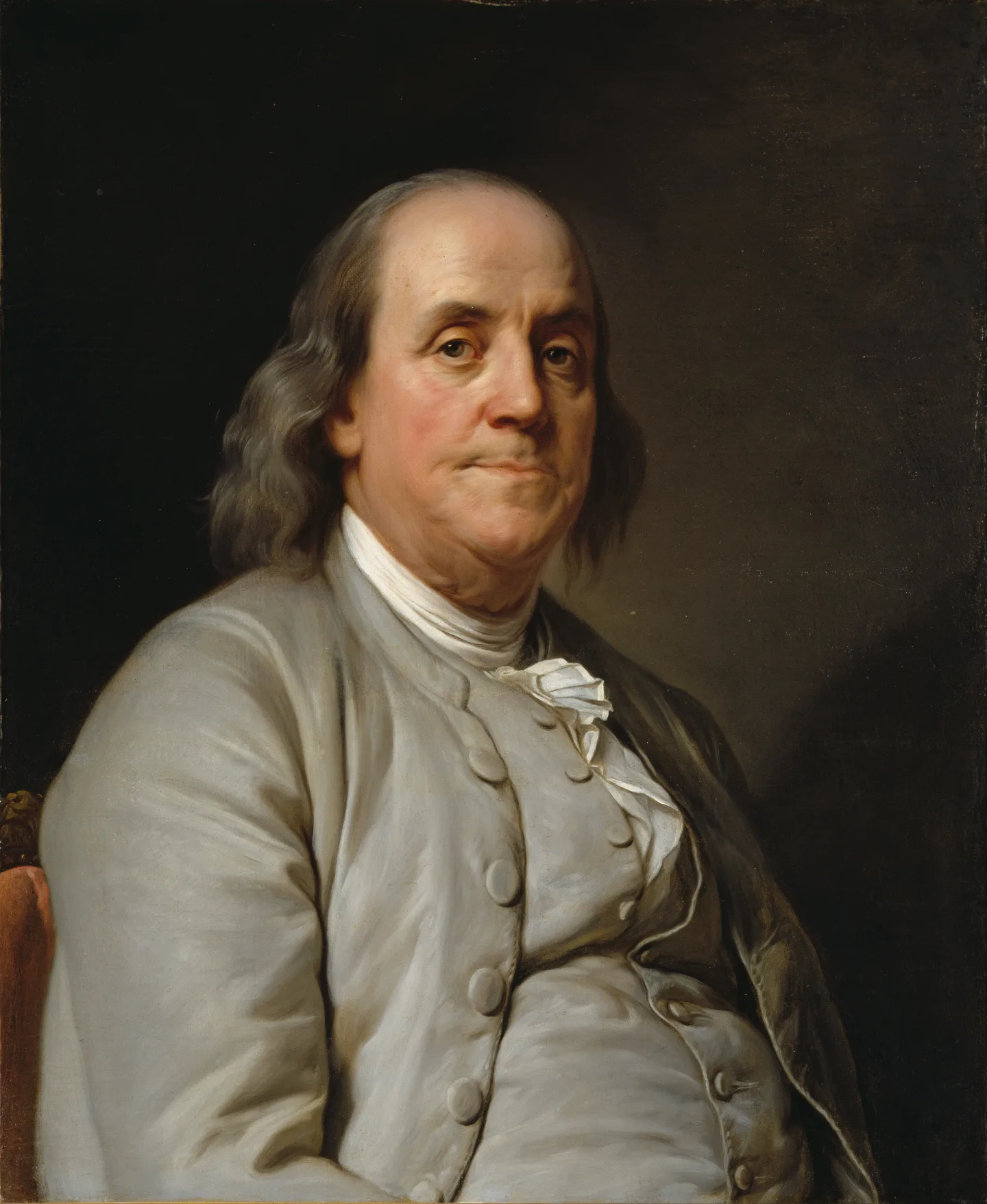
The Benjamin Franklin Effect
In his autobiography, Benjamin Franklin describes neutralizing a hostile rival in the Pennsylvania Assembly not by debating him, but by asking to borrow a rare book from his library. Flattered, the rival sent it at once, and became a devoted friend for life. The psychology behind it is cognitive dissonance: having done someone a favor, we unconsciously conclude "I helped this person, so I must value and respect them," a pattern now known as the Benjamin Franklin Effect.
Ken Dyke's 42.5% Response Rate
Standard corporate surveys typically pulled a dismal 5–8% response rate from busy building-material dealers. Marketing executive Ken R. Dyke of Johns-Manville flipped the approach: instead of demanding a survey be filled out, his letter asked veteran dealers to share their hard-won wisdom to help prevent advertising mistakes. The reframe, from demand to request for mentorship, achieved an unprecedented 42.5% response rate.
The Small Favor Wedge
Securing a low-friction, easily granted initial favor opens the door for substantial long-term collaboration.
Writing a Carnegie 'Miracle Letter'
Carnegie's high-response "miracle letters" follow a precise architecture. Open with a small, low-friction favor rather than a demand. Acknowledge the recipient's expertise and respect their busy schedule, making the response mechanism effortless. Explain briefly how their guidance helps you avoid mistakes, and always close with sincere, unfeigned thanks.
Warmth in Business Writing
Injecting genuine human warmth and personal details into correspondence distinguishes it from cold corporate boilerplate.
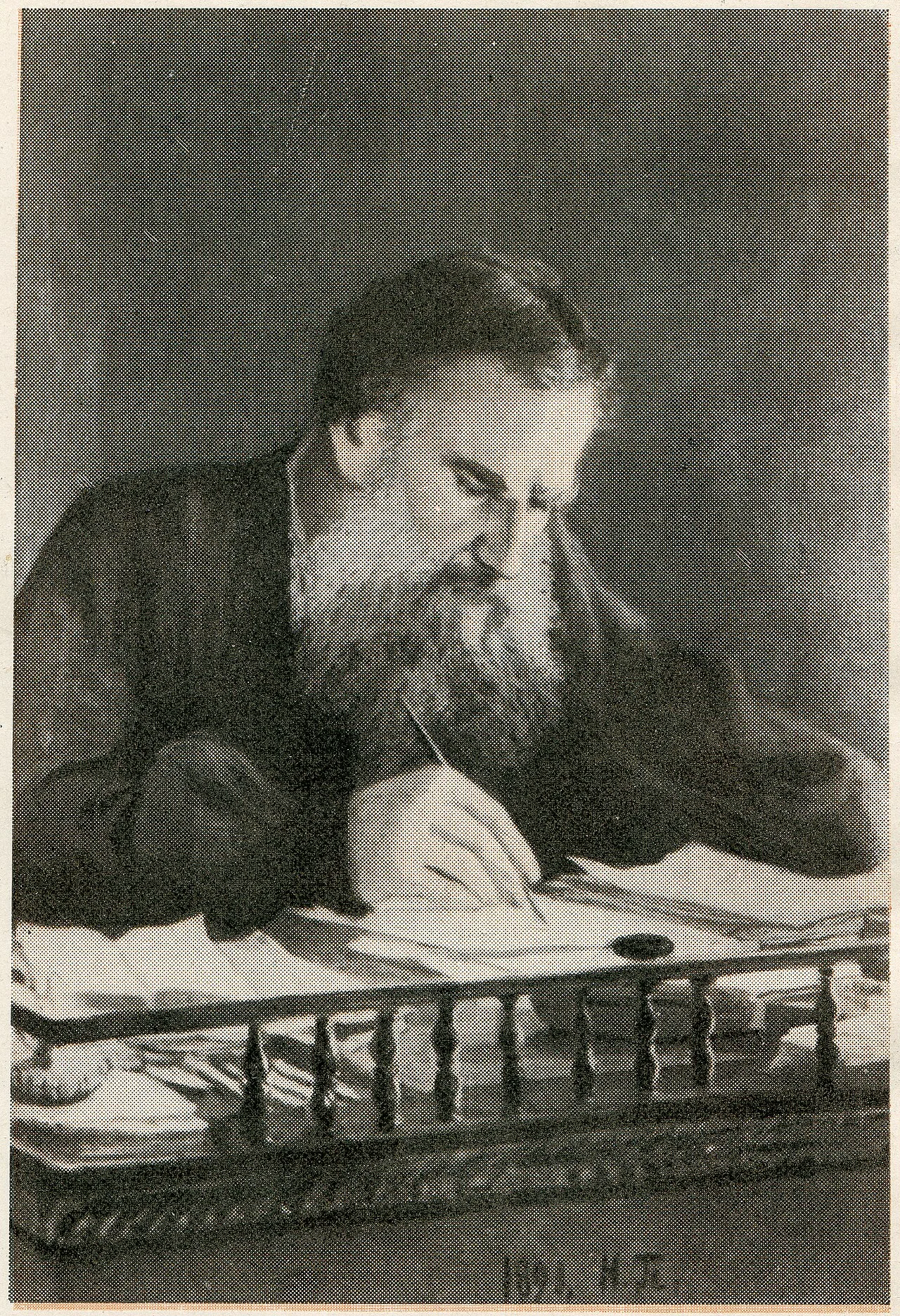
The Tolstoy Marital Tragedy
Count Leo Tolstoy's marriage devolved into constant misery due to ceaseless nagging, criticism, and emotional warfare.
Rule 1 for Home Happiness
The first rule for making your home life happier is: Don't nag, nag, nag.
Rule 2 for Home Happiness
The second rule for making your home life happier is: Don't try to make your partner over.
Rule 3 for Home Happiness
The third rule for making your home life happier is: Don't criticize.
Rule 4 for Home Happiness
The fourth rule for making your home life happier is: Give honest appreciation.
Rule 5 for Home Happiness
The fifth rule for making your home life happier is: Pay little attentions.

Rule 6 for Home Happiness
The sixth rule for making your home life happier is: Be courteous.
Rule 7 for Home Happiness
The seventh rule for making your home life happier is: Read a good book on the sexual side of marriage.
Rudeness Is "The Cancer That Devours Love"
Carnegie calls rudeness "the cancer that devours love": small, repeated discourtesies erode a relationship far more effectively than any single big fight. His sixth rule for home happiness is disarmingly simple: treat your spouse and children with the same courtesy and elegance you'd show a stranger or a client, since strangers rarely get away with the rudeness family members routinely tolerate from each other.
How to Actually Master This
Reading about human relations once changes nothing on its own; Carnegie insists mastery requires a deep, driving desire to improve, not passive interest. His method for making it stick: read each chapter twice before moving on, underline the vital ideas, and reread the whole book every month until the principles become reflex rather than effort.
Three Habits That Make It Stick
Carnegie offers three concrete habits for turning knowledge into behavior. The Penalty Game: agree to pay a small cash fine to a colleague or family member every time you're caught violating a principle. The Weekly Self-Audit: review the week's conversations and conflicts, asking what you did right, what you got wrong, and how to improve. And keep a written diary tracking real applications and their results, the record itself reinforces the habit.
The Carnegie Ethos
Dale Carnegie's principles are not superficial tricks, but a way of living that honors human dignity and enriches connection.
Matched pairs
Each item on the left goes with the one on the right.
- Ken R. Dyke at Johns-Manville
- Achieving a 42.5% response rate from lumber dealers by asking for veteran wisdom to guide advertising
- Gratitude in Written Persuasion
- Following up promptly with sincere, unfeigned thanks for the advice given
- The Penalty Game Method
- Paying a small cash fine to colleagues or family whenever caught violating a principle
Step by step
Crafting a Carnegie 'Miracle Letter'
- Open with a polite, low-friction request for a small favor.
- Acknowledge the recipient's preeminent standing, expertise, or veteran experience.
- Explain briefly how their specific guidance will help you avoid serious mistakes.
- Make the response mechanism effortless and express sincere, unfeigned appreciation.
Weekly Human Relations Self-Audit
- Review interpersonal conversations and conflicts from the preceding week.
- Ask: What mistakes did I make? What did I do right? How could I improve performance?
- Identify specific Carnegie principles that could have resolved friction smoothly.
- Commit to applying the adjusted approach in upcoming interactions.
Self-test
Answer each question from memory, then check your work against the answer key.
1. What does the Benjamin Franklin Effect describe?
- ADoing a favor increases liking for the recipient
- BSmall favors create escalating commitment
- CPosing as an eager student flatters experts
- DA low-friction ask opens bigger collaboration
2. Whose autobiography describes neutralizing a rival by borrowing a rare book?
- AKen R. Dyke
- BCount Leo Tolstoy
- CBenjamin Franklin
- DDale Carnegie
3. Which opening most closely follows the Miracle Letter technique?
- AA blunt request for a meeting
- BA free product sample offer
- CA formal demand for survey data
- DA small, low-friction favor request
4. Which is NOT part of the Miracle Letter's three-part psychological approach?
- AAppealing to the recipient's expertise
- BTransparent, obvious flattery
- CFraming the ask as seeking mentorship
- DA small, honorable favor request
5. What response rate did Ken Dyke's letter achieve, versus the standard 5–8%?
- A42.5%
- B60%
- C80%
- D25%
6. What is the first of Carnegie's Seven Rules for Home Happiness?
- AGive honest appreciation
- BDon't criticize
- CBe courteous
- DDon't nag, nag, nag
7. Carnegie calls which behavior "the cancer that devours love"?
- ACriticism
- BTrying to change your partner
- CRudeness
- DNagging
8. A spouse never says thanks for years of housework. Which rule is being ignored?
- APay little attentions
- BGive honest appreciation
- CBe courteous
- DDon't nag, nag, nag
9. Which is NOT one of Carnegie's Seven Rules for Home Happiness?
- ABe courteous
- BPay little attentions
- CPlan a family budget together
- DAlways give honest appreciation
10. What is Rule 6 for making your home life happier?
- APay little attentions
- BDon't try to make your partner over
- CRead a book on marriage's sexual side
- DBe courteous
Go deeper
- ReadHow to Win Friends & Influence People by Dale Carnegie · on Amazon ↗
- StudyHow to Win Friends and Influence People in the FlashFeed app
These are affiliate links: if you buy a book through one, FlashFeed may earn a small commission at no extra cost to you. The commission helps pay for FlashFeed's servers.
As an Amazon Associate we earn from qualifying purchases.
Answer key
- 1. A Doing a favor increases liking for the recipientThe Franklin Effect is cognitive dissonance: doing someone a favor makes the doer like them more. Foot-in-the-door describes escalating commitment, a different concept.
- 2. C Benjamin FranklinFranklin's autobiography describes borrowing a rare book from a hostile rival, which turned the rival into a lifelong ally.
- 3. D A small, low-friction favor requestMiracle Letters open with a small, easy-to-grant favor rather than a demand, which disarms suspicion and invites cooperation.
- 4. B Transparent, obvious flatteryCarnegie's method flatters expertise without resorting to transparent sycophancy, which does not build real partnerships.
- 5. A 42.5%Ken Dyke's letter to building-material dealers pulled a 42.5% response rate, versus the usual 5–8% for standard surveys.
- 6. D Don't nag, nag, nagCarnegie's first rule for a happier home life is simply: don't nag, nag, nag.
- 7. C RudenessCarnegie calls rudeness "the cancer that devours love," since small discourtesies erode intimacy more than any single big fight.
- 8. B Give honest appreciationRule 4 calls for honest, spoken appreciation of domestic effort, distinct from small gestures like flowers or notes.
- 9. C Plan a family budget togetherBudgeting isn't among Carnegie's seven rules; the real rules cover nagging, criticism, appreciation, attentions, and courtesy.
- 10. D Be courteousRule 6 for home happiness is: be courteous, treating family with the same elegance shown to clients and strangers.
Sources
- How to Win Friends and Influence People — Dale Carnegie
- Carnegie, Part 5 and 4 more references — en.wikipedia.org/wiki/How_to_Win_Friends_and_Influence_People
Image credits
- The Benjamin Franklin Effect: Wikimedia Commons · Joseph-Siffred Duplessis · Public domain — commons.wikimedia.org/wiki/File:Joseph_Siffrein_Duplessis_-_Benjamin_Franklin_-_Google_Art_Project.jpg
- The Tolstoy Marital Tragedy: Wikimedia Commons · Scanning Dmitry Makeev , scan date - 2020 year. · Public domain — commons.wikimedia.org/wiki/File:Leo_Tolstoy_-_portrait.jpg
- Rule 6 for Home Happiness: AI-generated (gpt-image-1.5)

