
U.S. Citizenship Civics — 2025 Test
A non-government study pack for the 2025 USCIS naturalization civics test, for Form N-400 filings on or after October 20, 2025. It teaches accepted oral responses, connected civic understanding, and safe interview-date lookups; it is not affiliated with or endorsed by USCIS.
366 cards13 lessons40 video lessons13 podcast episodesFree
Already have FlashFeed?Open this pack
Get this pack on your phone
Scan with your phone's camera.
flashfeedlearningapp.com/packs/us-citizenship-civics
Part of the Test Prep collection.
Preparing for your citizenship interview? See how the civics test works.


13 lessons.
Each lesson has a study guide to read and objectives you can test yourself on. Its cards and games show up in your feed. Try one of its cards right here. Play a few of its games here too. Every lesson has a short video. Every lesson has a podcast episode.
Civics test
20 questions. Pass at 12. Like the 2025 civics test. Free, in your browser.
-
 Wikimedia Commons · Constitutional Convention · Public domain ↗01
Principles and Founding Documents
Constitutional Government · Founding Principles · Rights and the Rule of Law
Lesson 1 · 10 cardsWikimedia Commons · Constitutional Convention · Public domain ↗Supreme Law
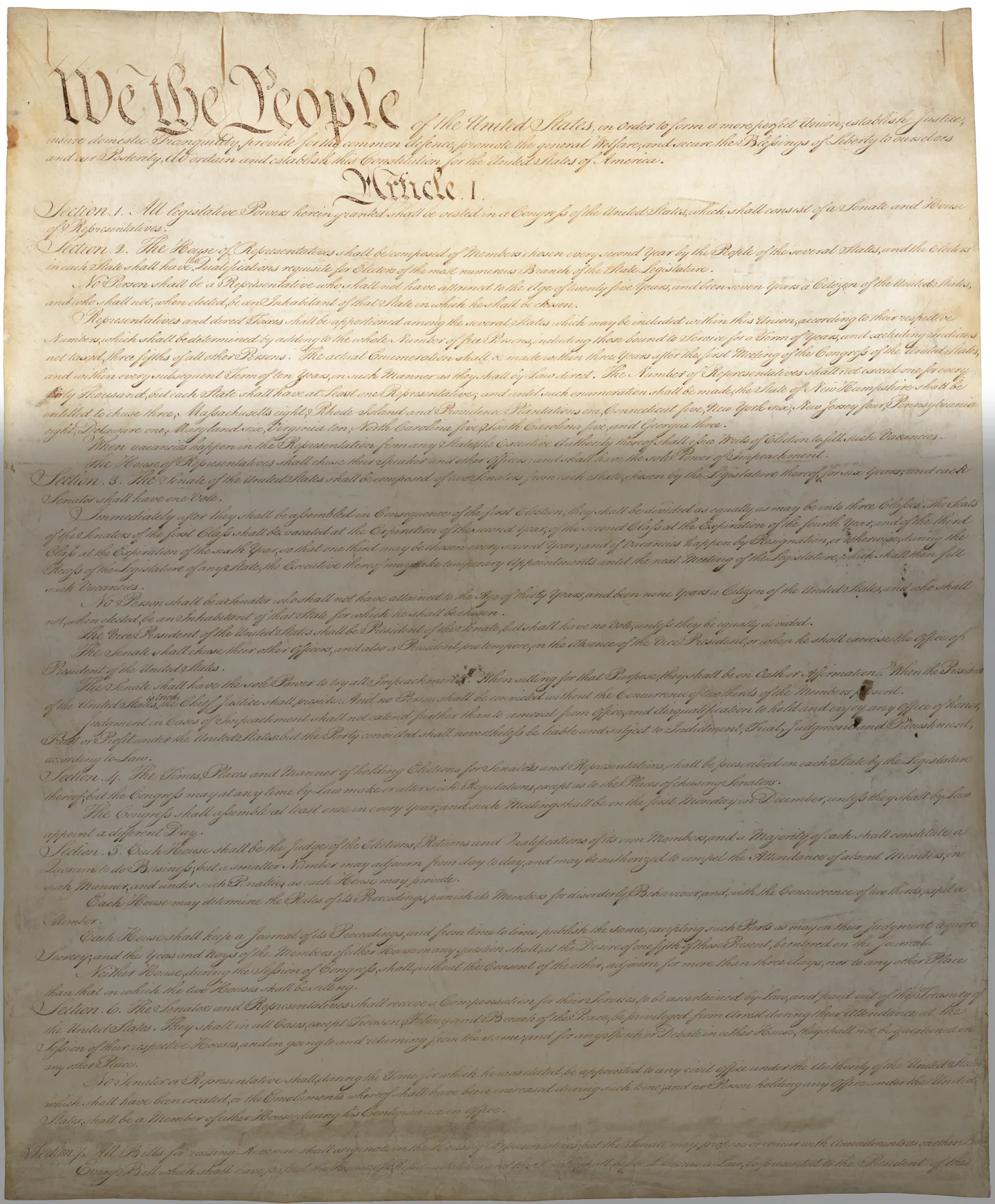
What is the supreme law of the land?
The Constitution is the supreme law of the land, and the officials and branches of government all act under it.
One accepted response: (U.S.) Constitution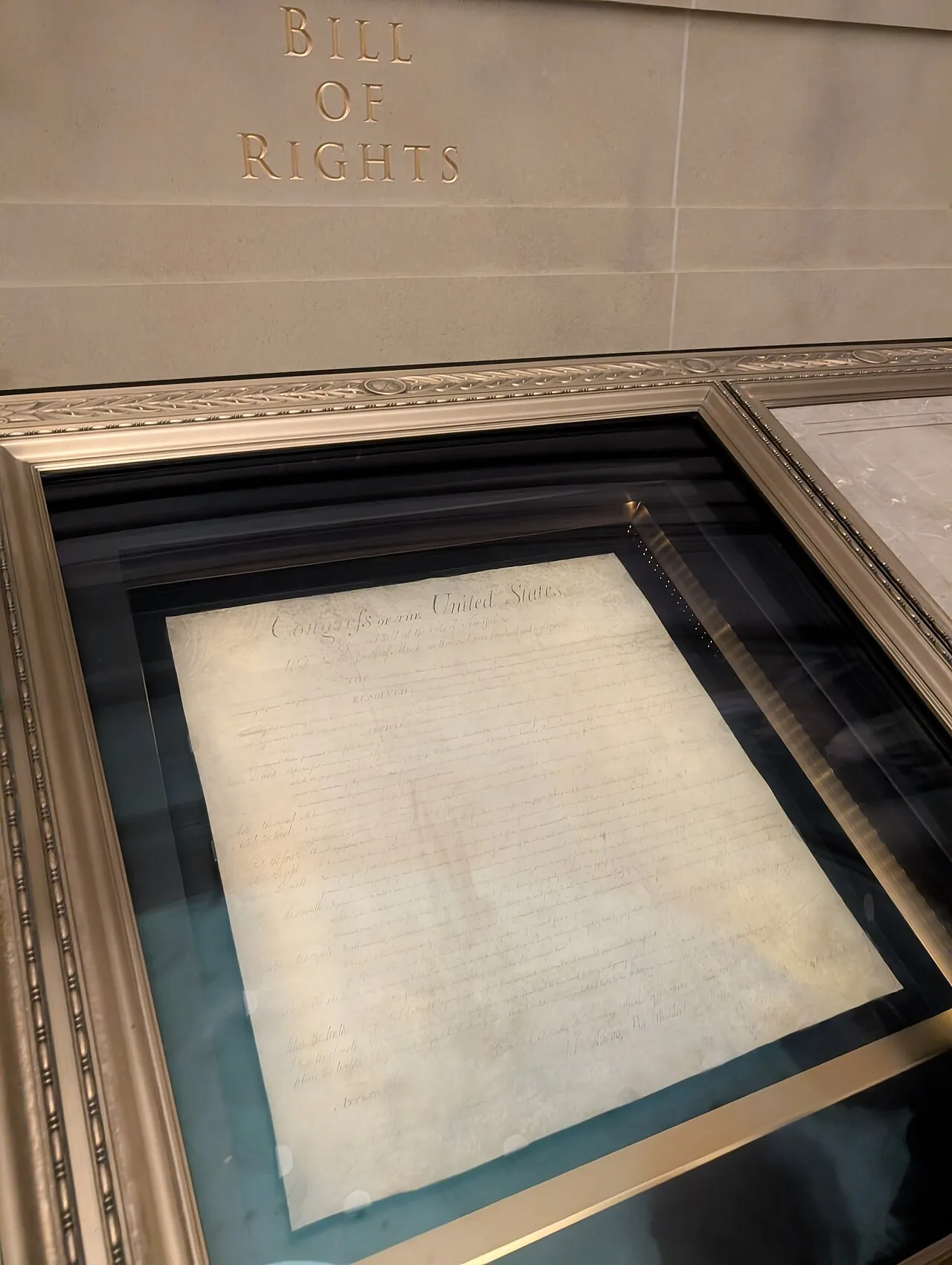 Wikimedia Commons · Runner1928 · CC BY-SA 4.0 ↗
Protected Rights
What does the Bill of Rights protect?
The Bill of Rights adds protections against government interference with the people's basic liberties.
One accepted response: (The basic) rights of Americans
Other printed responses: (The basic) rights of people living in the United States1 / 10What is the supreme law of the land?
U.S. Constitution. It is the supreme law; officials and branches of government act under it.
Lesson 1 has 45 cards. Keep going in the free app.
Question
Not Rival Answers 
Count or Change 
Idea or Document 
A Page From 1620 All 30 clips on YouTube ↗Transcripts
Not Rival Answers
Republic, or democracy? On the civics test, each word is part of a printed answer.
What is the form of government of the United States? Printed answers include Republic and Representative democracy.
A republic uses elected representatives. A representative democracy also depends on people choosing those representatives.
So the two answers fit together. They are not rivals. Give one of them.
Count or Change
Two civics questions both lead to amendments. One wants a number. The other wants no number at all.
How many amendments does the U.S. Constitution have? This asks for a count. The printed answer is 27.
How are changes made to the U.S. Constitution? This asks how the Constitution gets changed. So say Amendments, not a number.
27 is the count. Amendments are how the Constitution changes.
Idea or Document
Rule of law. Supreme law. Two civics questions share the word law. They want different answers.
What is the rule of law? It asks about an idea, not a document. One printed answer is: No one is above the law.
What is the supreme law of the land? This asks which document is the highest law. So say U.S. Constitution.
One question wants an idea. The other wants a document.
A Page From 1620
One printed answer on the civics test dates from 1620. It is the Mayflower Compact.
Many documents influenced the U.S. Constitution. Name one. Printed answers run from that Compact to the Federalist Papers, written to win ratification.
The list also holds the Declaration of Independence and the Iroquois Great Law of Peace.
The question asks for one. Any name on the list is enough.
Episode 18:01
What does "We the People" mean, and why is the Constitution the supreme law of the land?
-
 Wikimedia Commons · Architect of the Capitol · Public domain ↗02
Three Branches and the Congress
Separation of Powers · Congress and Lawmaking · Senators and Representatives
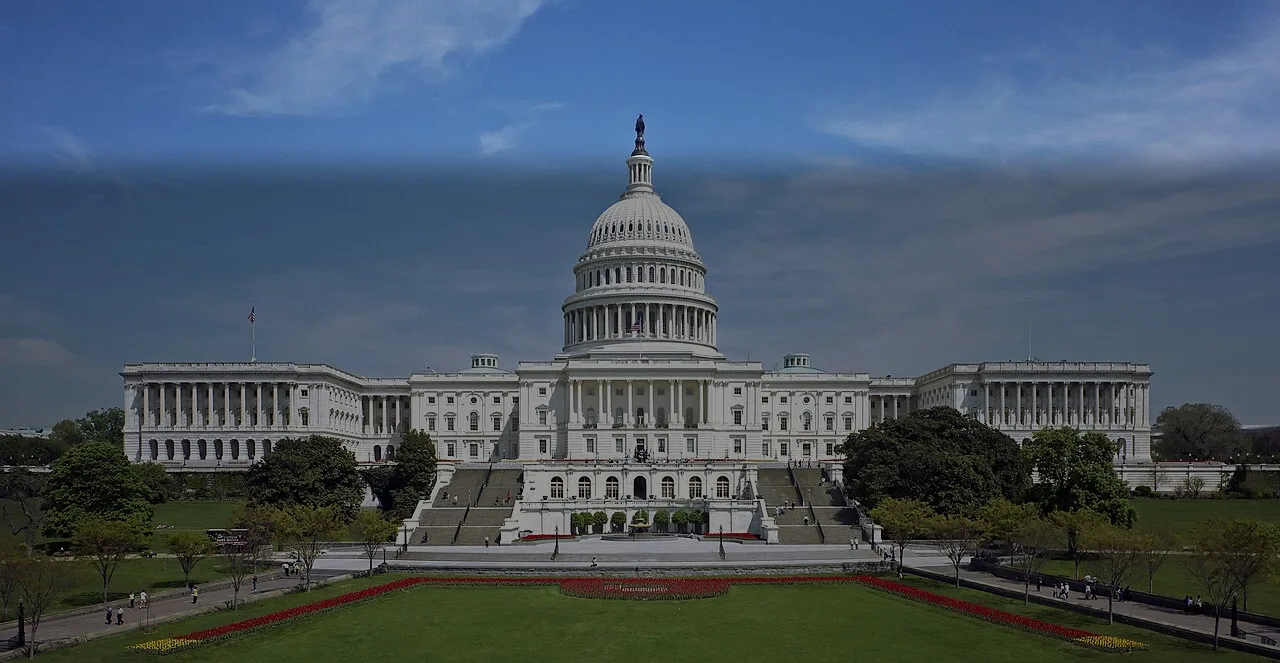
Lesson 2 · 10 cardsWikimedia Commons · Architect of the Capitol · Public domain ↗Congress's Two Chambers
What are the two parts of the U.S. Congress?
Congress has two chambers, and a bill must pass both in identical form before it reaches the president.
One accepted response: Senate and House (of Representatives)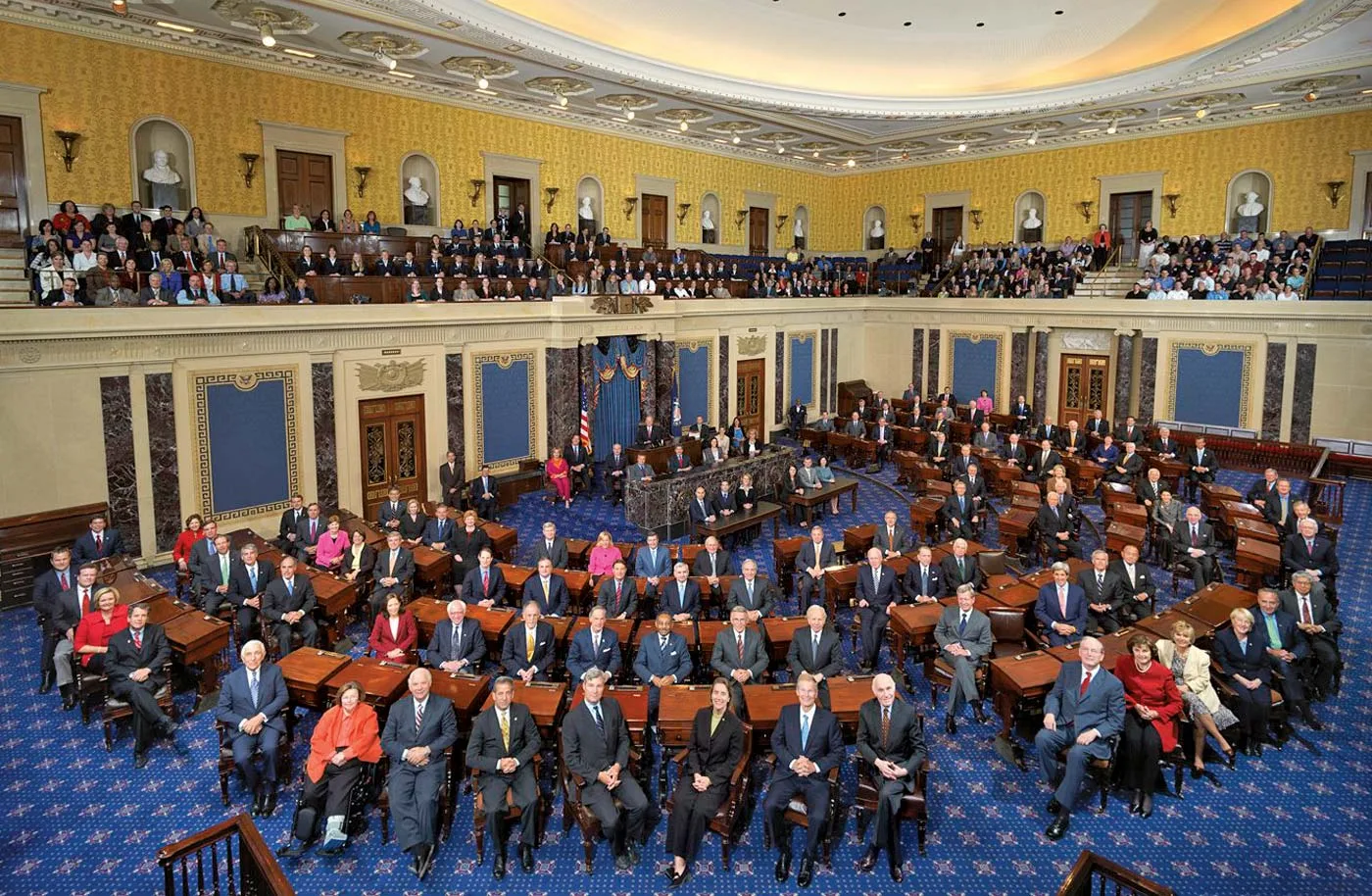 Wikimedia Commons · U.S. Senate, 111th Congress, Senate Photo Studio · Public domain ↗
Divided Government Power
There are three branches of government. Why?
Dividing public power among three branches lowers the risk that a single actor makes, enforces, and judges the same rule alone.
One accepted response: So one part does not become too powerful
Other printed responses: Checks and balances; Separation of powers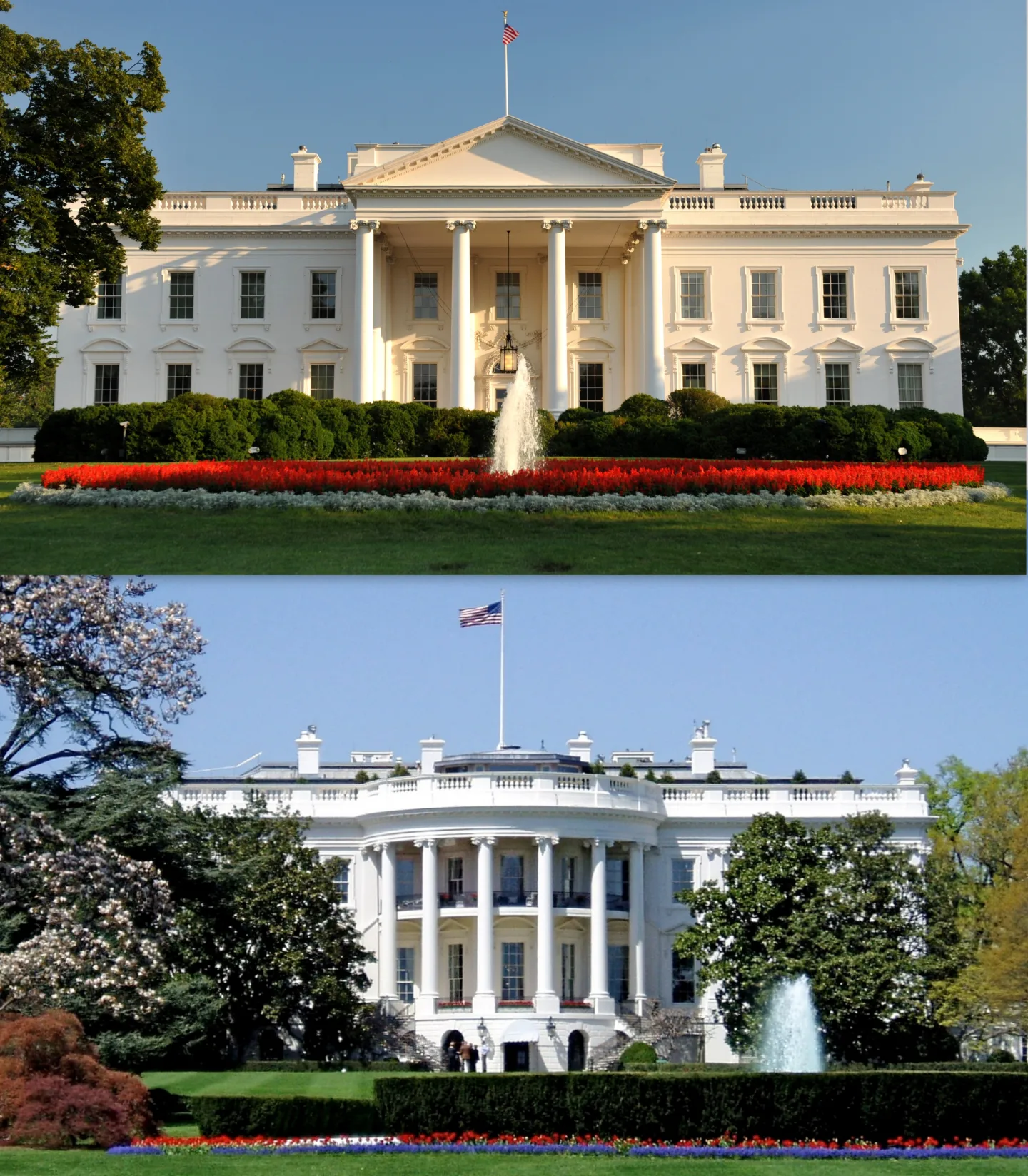 Wikimedia Commons · Cezary p and MattWade · CC BY-SA 4.0 ↗
Three Branches
Name the three branches of government.
The three branches divide public power by function.
One accepted response: Legislative, executive, and judicial
Other printed responses: Congress, president, and the courts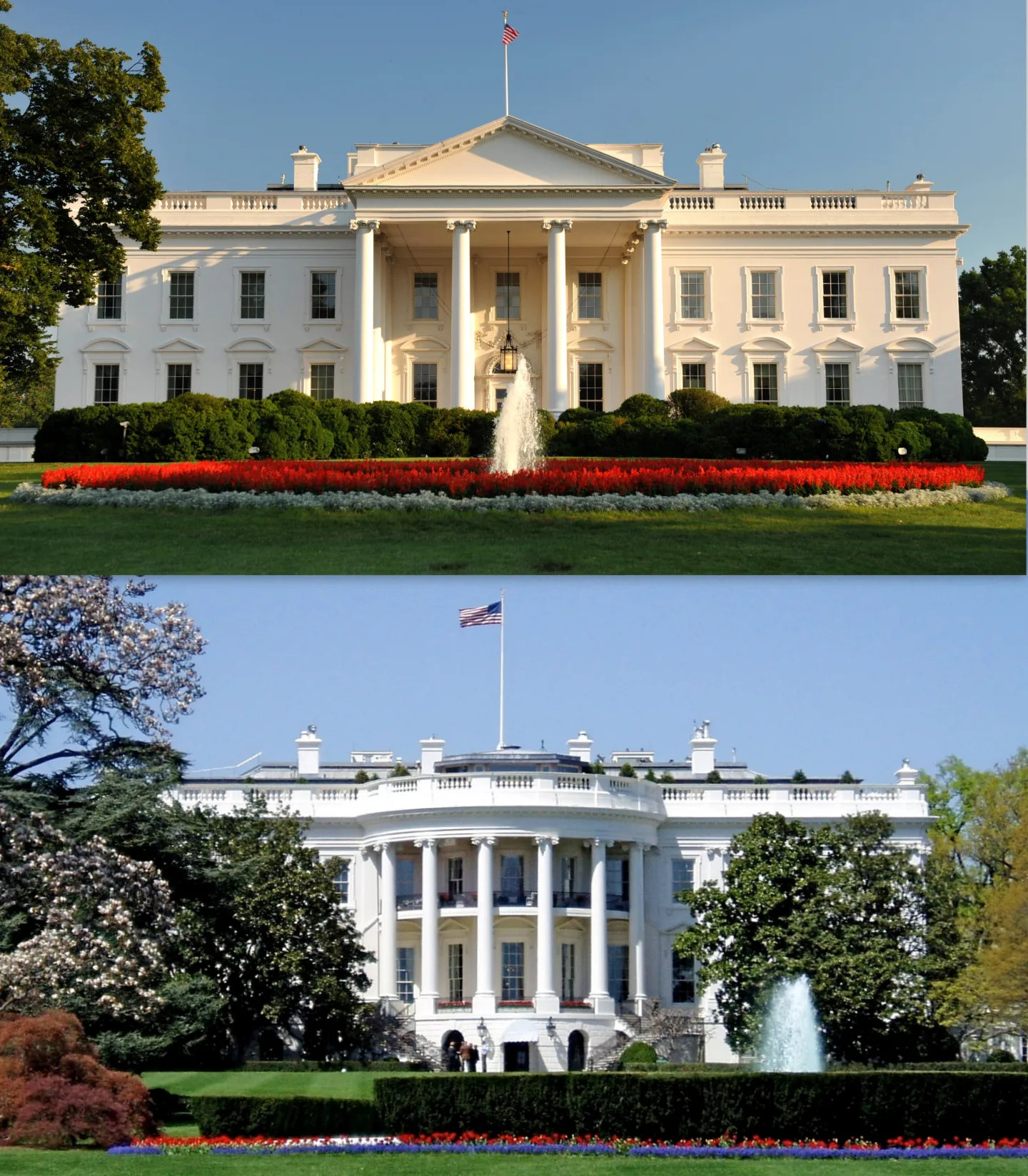 Wikimedia Commons · Cezary p and MattWade · CC BY-SA 4.0 ↗
Executive Branch
The President of the United States is in charge of which branch of government?
Congress writes federal laws, the executive branch enforces them, and courts interpret and review law in cases.
One accepted response: Executive branch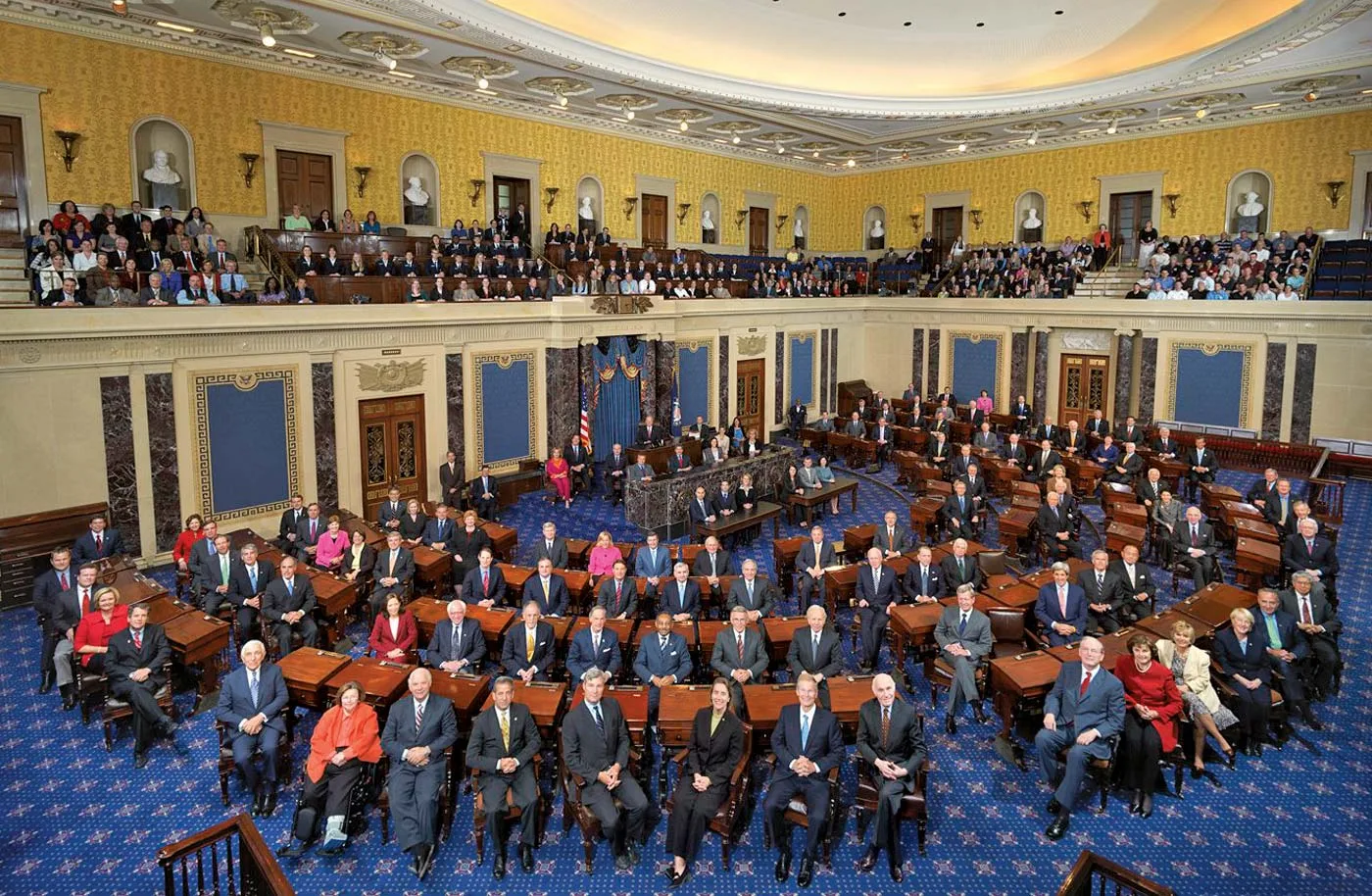 Wikimedia Commons · U.S. Senate, 111th Congress, Senate Photo Studio · Public domain ↗
Federal Lawmakers
What part of the federal government writes laws?
Congress is the legislative branch, the national legislature that writes federal laws.
One accepted response: (U.S.) Congress
Other printed responses: (U.S. or national) legislature; Legislative branch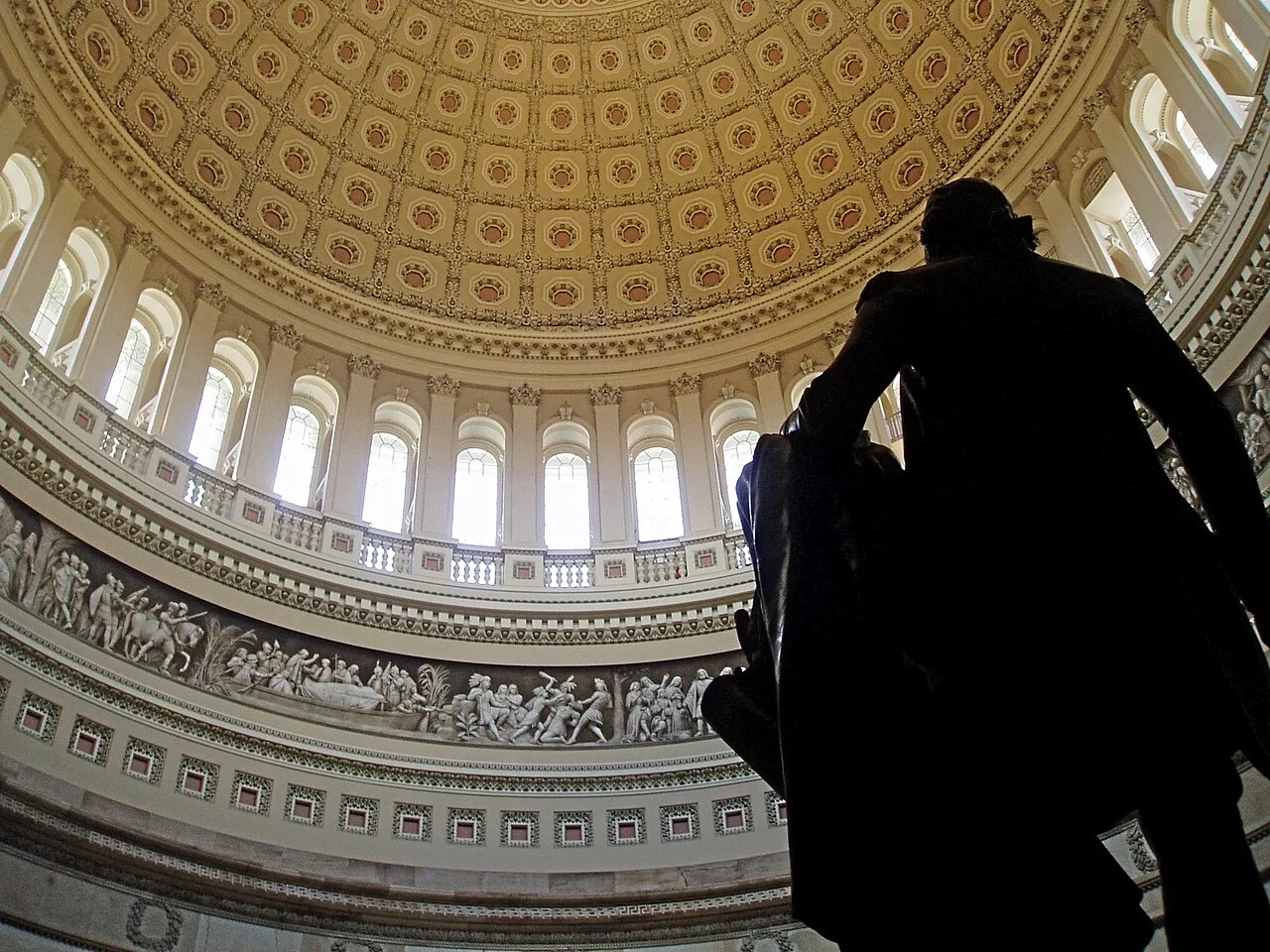 Wikipedia · This image or media was taken or created by Matt H. Wade. To see his entire · CC BY-SA 3.0 ↗
Congressional Powers
Name one power of the U.S. Congress.
Congress, the national legislature, writes federal laws; declaring war and making the federal budget are also its powers, not those of state governors or federal courts.
One accepted response: Writes laws
Other printed responses: Declares war; Makes the federal budget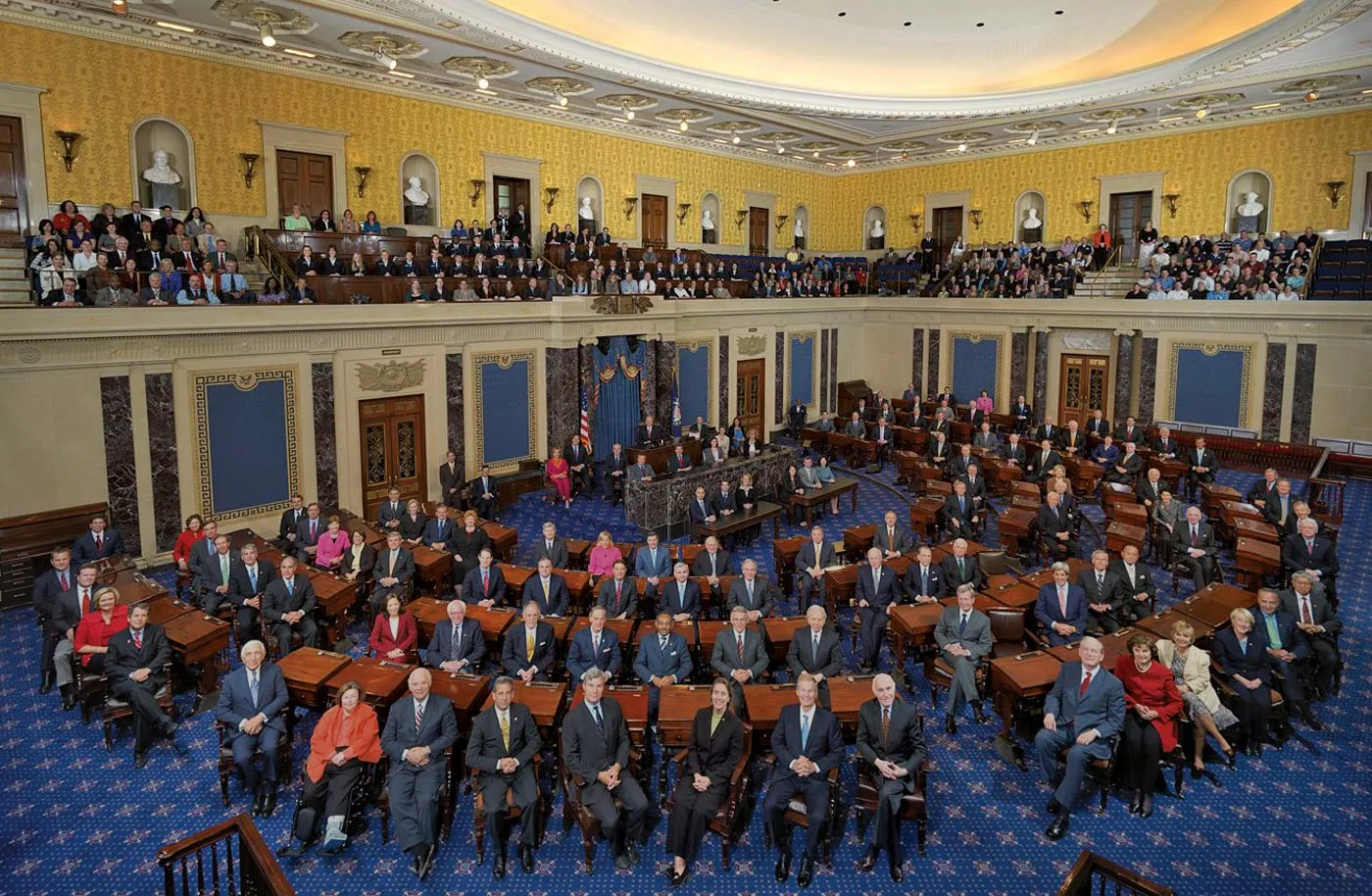 Wikimedia Commons · U.S. Senate, 111th Congress, Senate Photo Studio · Public domain ↗
Senate Membership
How many U.S. senators are there?
The Senate is the smaller of Congress's two chambers, and it gives every state equal representation.
One accepted response: One hundred (100)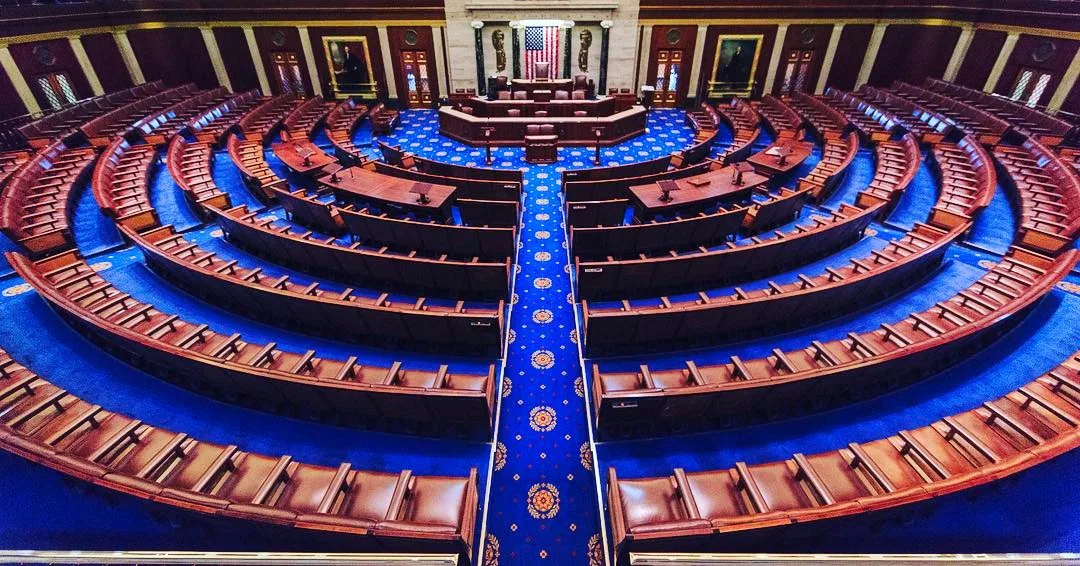 Wikimedia Commons · United States House of Representatives or Office of the Speaker of the House · Public domain ↗
House Membership
How many voting members are in the House of Representatives?
The House has 435 voting members, a number set by federal statute rather than fixed in the Constitution.
One accepted response: Four hundred thirty-five (435)1 / 10What are the two parts of the U.S. Congress?
Senate and House of Representatives. Congress, the legislative branch, is made up of these two chambers.
Lesson 2 has 36 cards. Keep going in the free app.
Question
Why Three Branches 
The Same Fact, Turned Around 
Two Years, Six Years All 30 clips on YouTube ↗Transcripts
Why Three Branches
One civics question asks why there are three branches. It wants a reason, not their names.
There are three branches of government. Why? One printed answer is: So one part does not become too powerful. Another is: Checks and balances.
Congress writes federal laws. The executive branch enforces them. Courts interpret and review law in cases.
That split reduces the risk that one part can make, enforce, and judge the same rule alone.
The Same Fact, Turned Around
Two civics questions hold the same fact. The second one turns the first one around.
Name one power of the U.S. Congress. Printed answers include: Writes laws. Declares war. Makes the federal budget.
Those powers belong to the national legislature. They do not belong to a state governor or a federal court.
What part of the federal government writes laws? This time, the power is in the question. So say U.S. Congress.
Two Years, Six Years
6 years in the Senate. 2 years in the House. The citizenship test asks why.
How long is a term for a member of the House of Representatives? 2 years. How long is a term for a U.S. senator? 6 years.
Why do U.S. representatives serve shorter terms than U.S. senators? The printed answer is: To more closely follow public opinion.
The shorter House term keeps representatives closer to changing public opinion.
Episode 27:26
What are the three branches of government, and how many members serve in the House and the Senate?
-
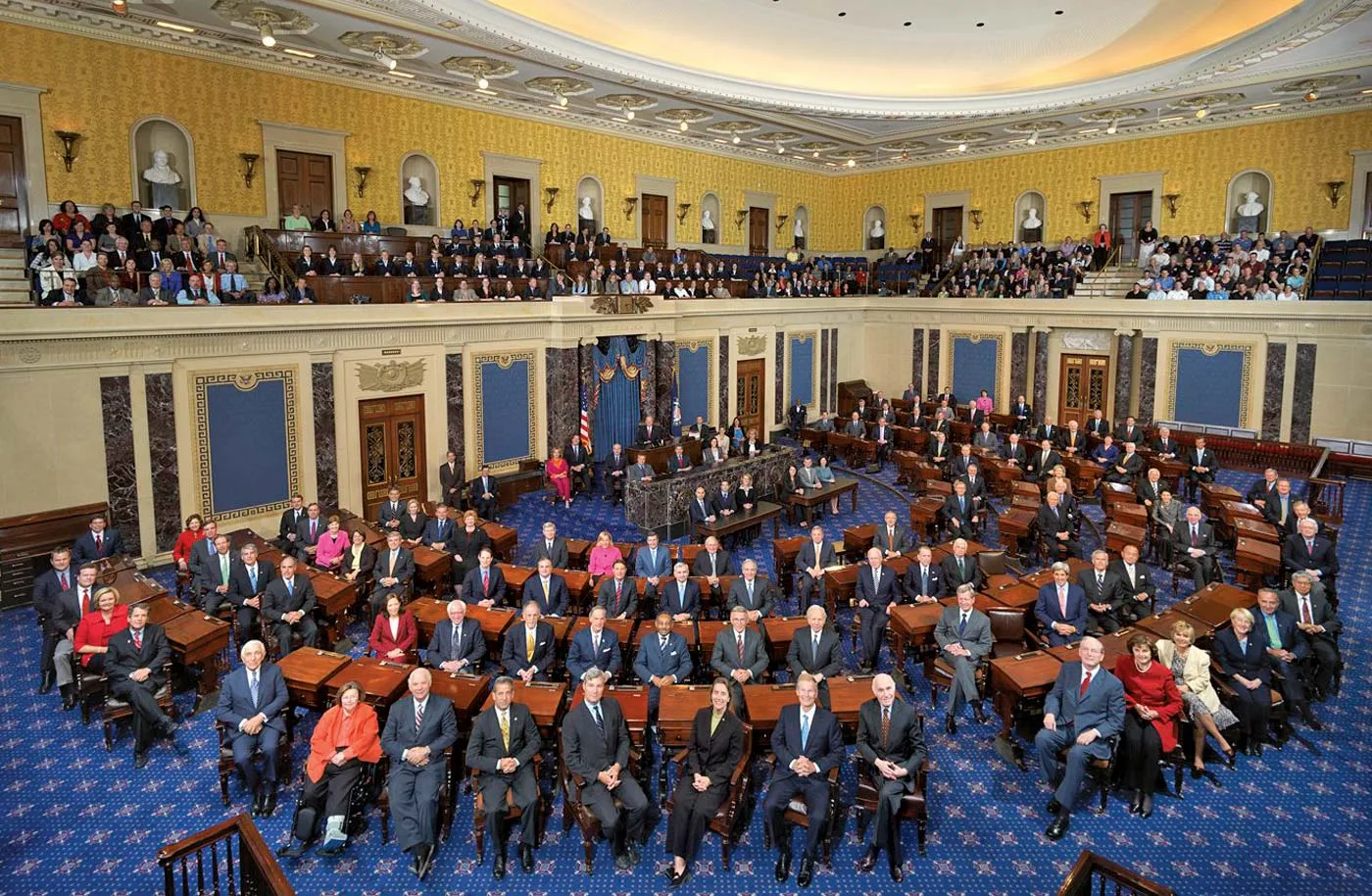 Wikimedia Commons · U.S. Senate, 111th Congress, Senate Photo Studio · Public domain ↗03
Representation Mechanics and Your Officials
Representation and Interview Lookups · Terms and Constituencies
Lesson 3 · 8 cardsWikimedia Commons · U.S. Senate, 111th Congress, Senate Photo Studio · Public domain ↗Senate Constituency
Who does a U.S. senator represent?
A U.S. senator represents people throughout an entire state, not just one part of it.
One accepted response: Citizens of their state
Other printed responses: People of their state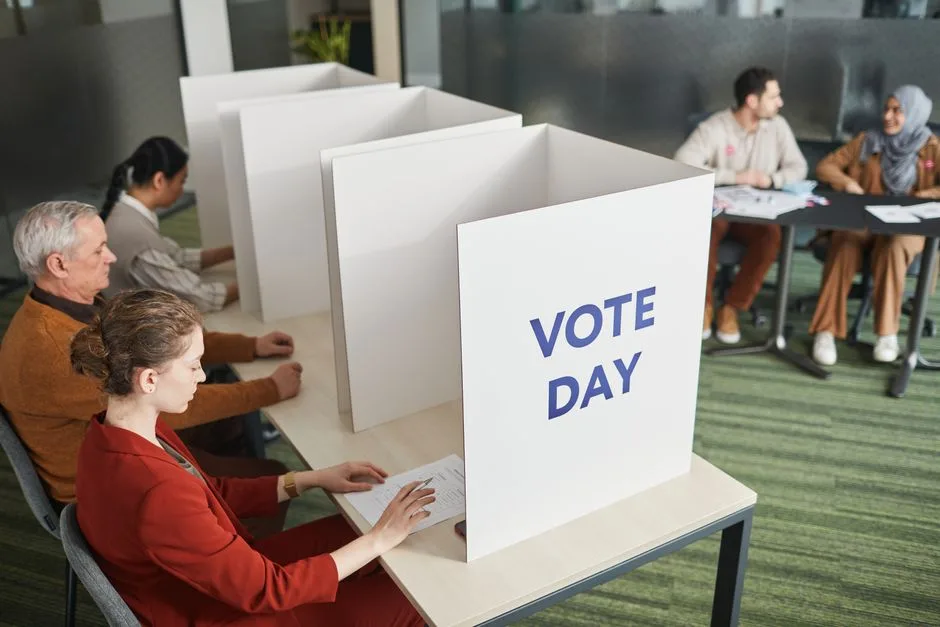 Pexels · Edmond Dantès · Pexels License ↗
House Constituency
Who does a member of the House of Representatives represent?
Each member of the House represents the people of a single congressional district.
One accepted response: Citizens in their (congressional) district
Other printed responses: Citizens in their district; People from their (congressional) district; People in their district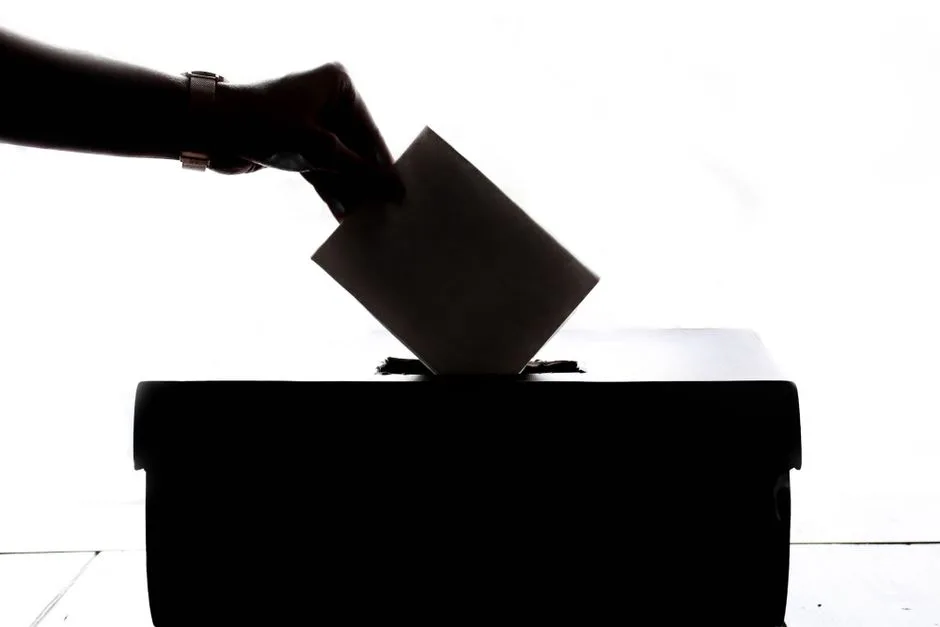 Pexels · Element5 Digital · Pexels License ↗
House Voters
Who elects members of the House of Representatives?
Voters in a congressional district elect the House member who represents that district, just as voters across a state elect its senators.
One accepted response: Citizens from their (congressional) district Unsplash · Grzegorz Kaliciak · Unsplash License ↗
House Apportionment
Some states have more representatives than other states. Why?
House seats are divided among the states by population, so states with more people get more representatives, while each state gets two senators.
One accepted response: (Because of) the state’s population
Other printed responses: (Because) they have more people; (Because) some states have more people1 / 8Which choice gives one accepted response to: “Who does a U.S. senator represent?”
People of their state. A senator represents the whole state, while a House member represents one district.
Lesson 3 has 19 cards. Keep going in the free app.
Question
Answers That Change 
Two Senators Each 
Listen for the Verb All 30 clips on YouTube ↗Transcripts
Answers That Change
Some civics answers change. The office stays the same. The name can change.
Name your U.S. representative. What is the name of the Speaker of the House of Representatives now? The right name depends on where you live, or on the date.
So look it up. USCIS has a Check for Test Updates page for the questions it covers.
Check again close to your interview. The right name is the person serving then.
Two Senators Each
Every state has 2 senators. But the number of House members differs from state to state. Two civics questions ask why.
Some states have more representatives than other states. Why? Because they have more people.
Why does each state have two senators? It asks why every state has the same number. Say: Equal representation, for small states.
Population affects the House. Every state still has 2 senators.
Listen for the Verb
Two civics questions sound alike. Both answers name a district. One verb changes the answer.
Who does a member of the House of Representatives represent? The verb is represent. One printed answer: People in their district.
Who elects members of the House of Representatives? The verb is elects. Say: Citizens from their congressional district.
Senators work the same way: a state, not a district. Hear the verb, then name the place.
Episode 37:01
Who elects U.S. senators and representatives, and how do you find out who yours are?
-
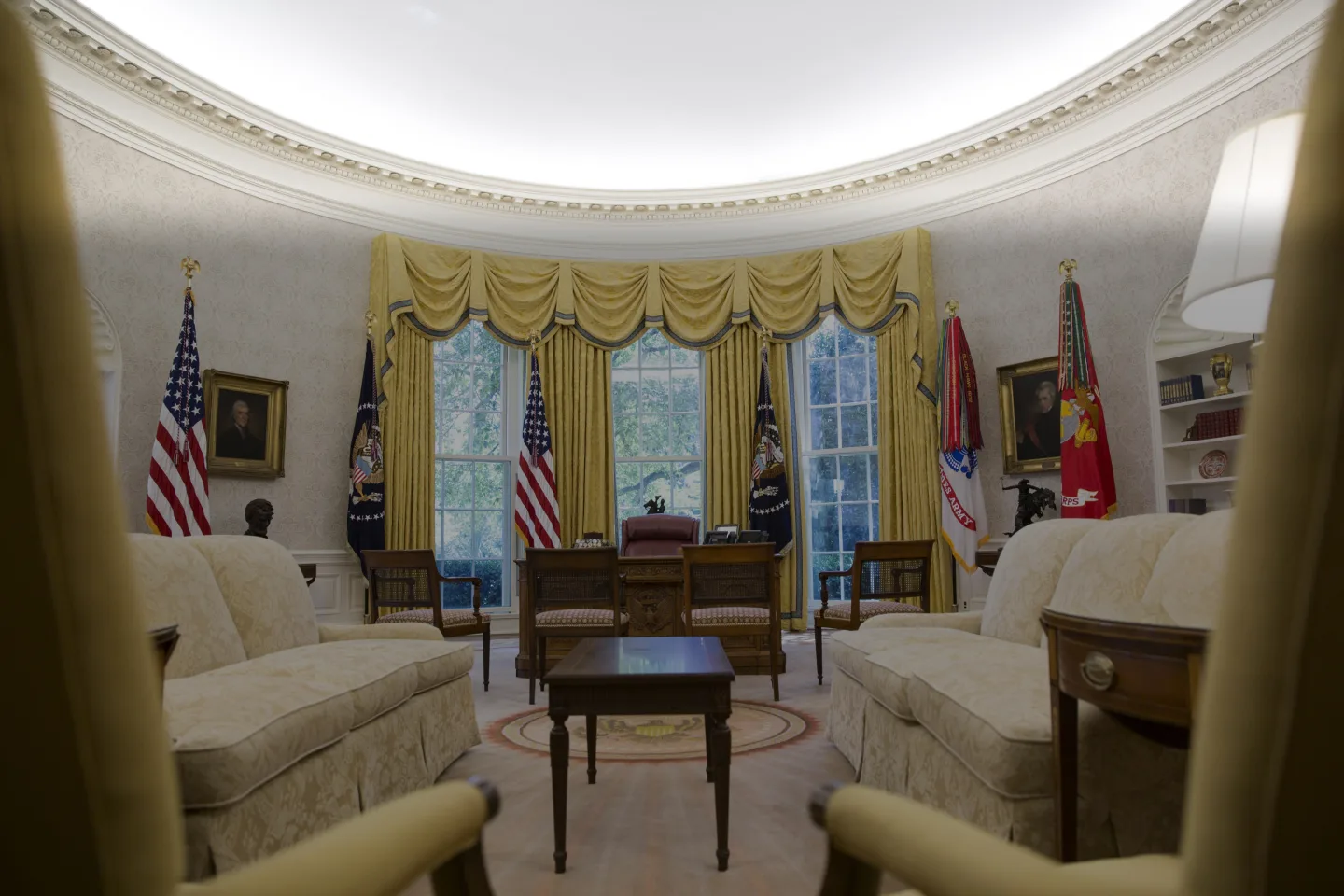 Wikimedia Commons · White House · Public domain ↗04
The President and the Executive Branch
Electing the President · Presidential Powers · Executive Leadership
Lesson 4 · 10 cardsWikimedia Commons · White House · Public domain ↗Commander in Chief
Who is Commander in Chief of the U.S. military?
Commander in Chief is one of the president's executive responsibilities, and it ties the office to the military.
One accepted response: The President (of the United States)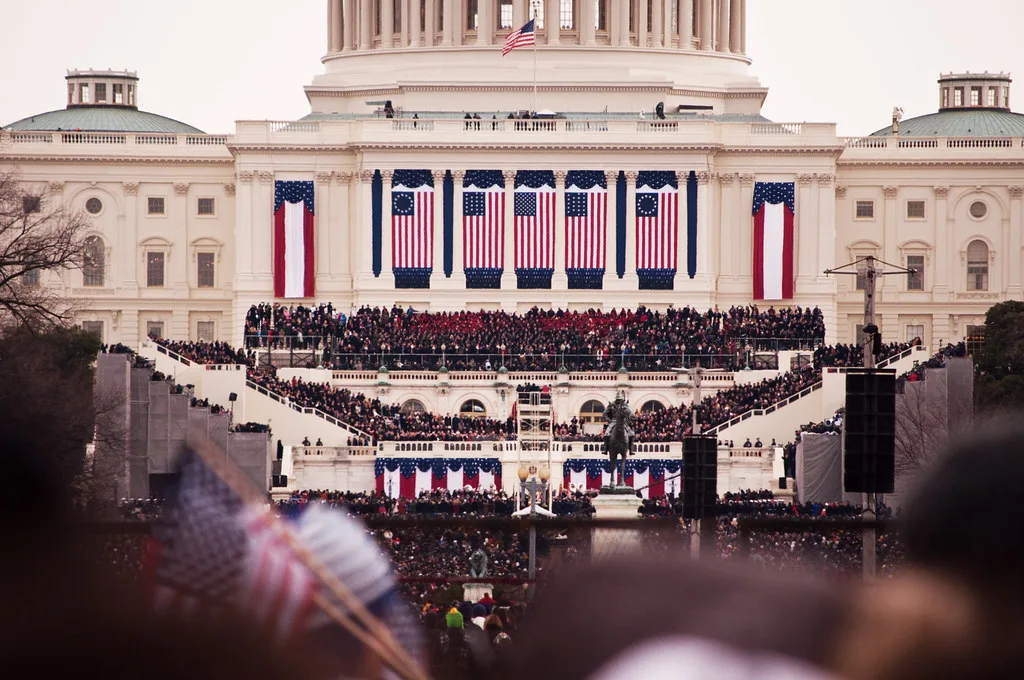 InSapphoWeTrust (Openverse) · by-sa 2.0 ↗
Presidential Term
The President of the United States is elected for how many years?
The president and the vice president are each elected to a four-year term through a process the Constitution lays out.
One accepted response: Four (4) years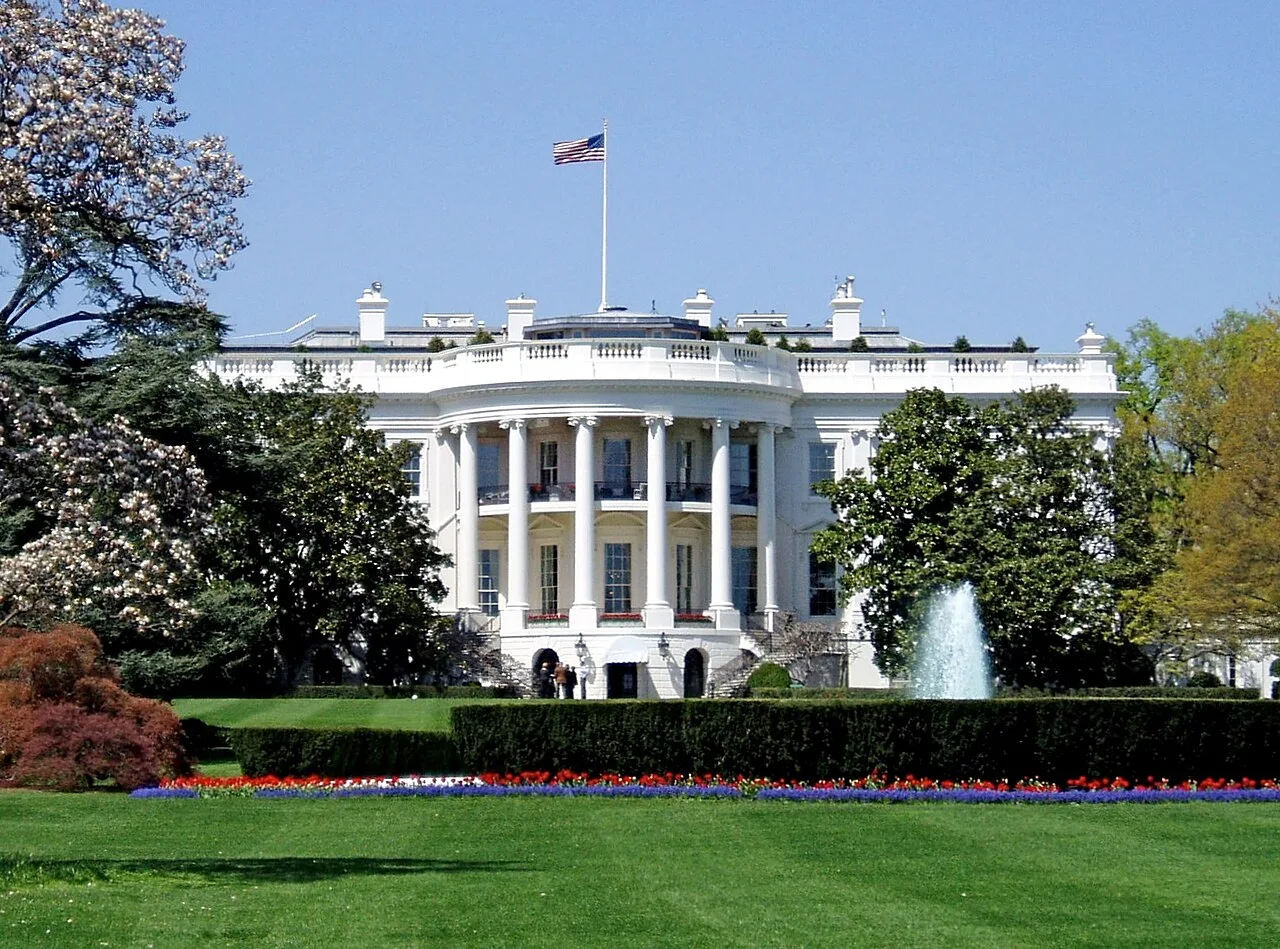 Wikimedia Commons · Matt H. Wade · CC BY-SA 3.0 ↗
Presidential Powers
Name one power of the president.
The president's powers use different verbs: sign, veto, enforce, command, appoint, and negotiate.
One accepted response: Signs bills into law
Other printed responses: Vetoes bills; Enforces laws; Commander in Chief (of the military); Chief diplomat; Appoints federal judges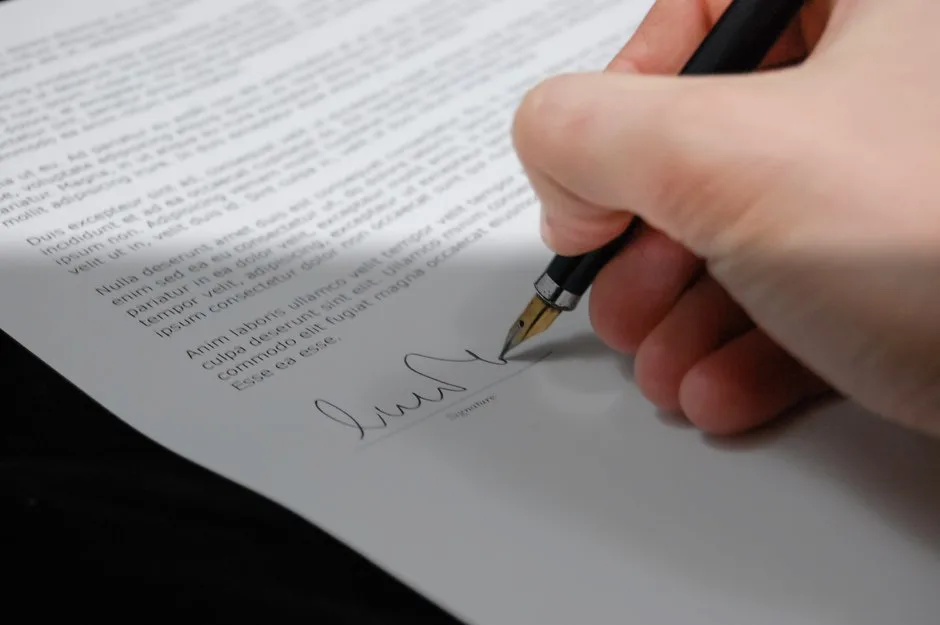 Pexels · Pixabay · Pexels License ↗
Signing Bills
Who signs bills to become laws?
A veto rejects a bill; a signature turns a passed bill into law.
One accepted response: The President (of the United States)1 / 10Who is Commander in Chief of the U.S. military?
The President of the United States. Serving as Commander in Chief is one of the president’s executive responsibilities, tying the office to the military.
Lesson 4 has 37 cards. Keep going in the free app.
Question
Four Years, Two Terms 
Signs, Not Writes 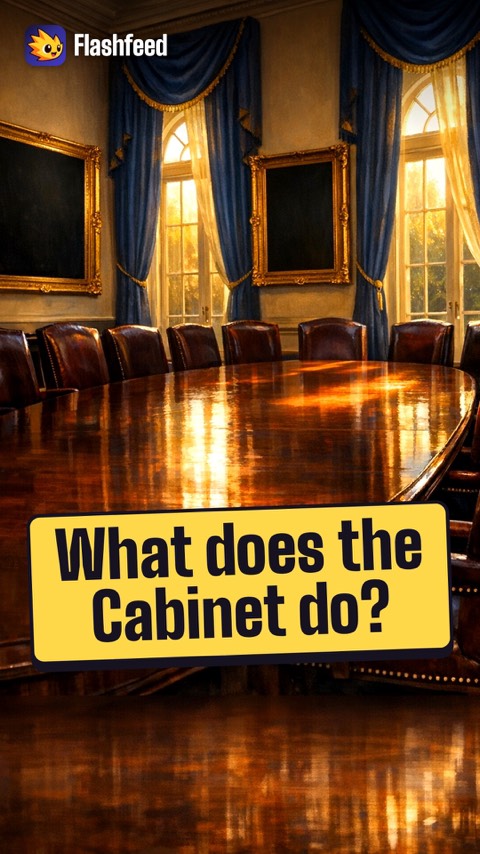
The Cabinet Advises All 30 clips on YouTube ↗Transcripts
Four Years, Two Terms
Two questions about the president are easy to mix up. One wants a number. The other wants a reason.
The President of the United States is elected for how many years? The printed answer is 4 years.
The President of the United States can serve only two terms. Why?
One printed answer is: because of the 22nd Amendment. Another is: to keep the president from becoming too powerful.
Signs, Not Writes
The president does not write federal laws alone. Two civics questions show who signs and who writes.
Who signs bills to become laws? The printed answer is the President of the United States. A signature turns a passed bill into law.
What part of the federal government writes laws? That asks who writes them. One printed answer is U.S. Congress.
Who vetoes bills? The President again. A veto rejects a bill.
The Cabinet Advises
On the civics test, the Vice President is one of the printed Cabinet-level positions.
What does the President's Cabinet do? The printed answer is: advises the President of the United States.
What are 2 Cabinet-level positions? The printed list is long. Attorney General and Secretary of State are two answers from it.
The branch's organization can change. But the 2025 printed list decides the answer.
Episode 47:29
How long is a president's term, and what happens when the president vetoes a bill?
-
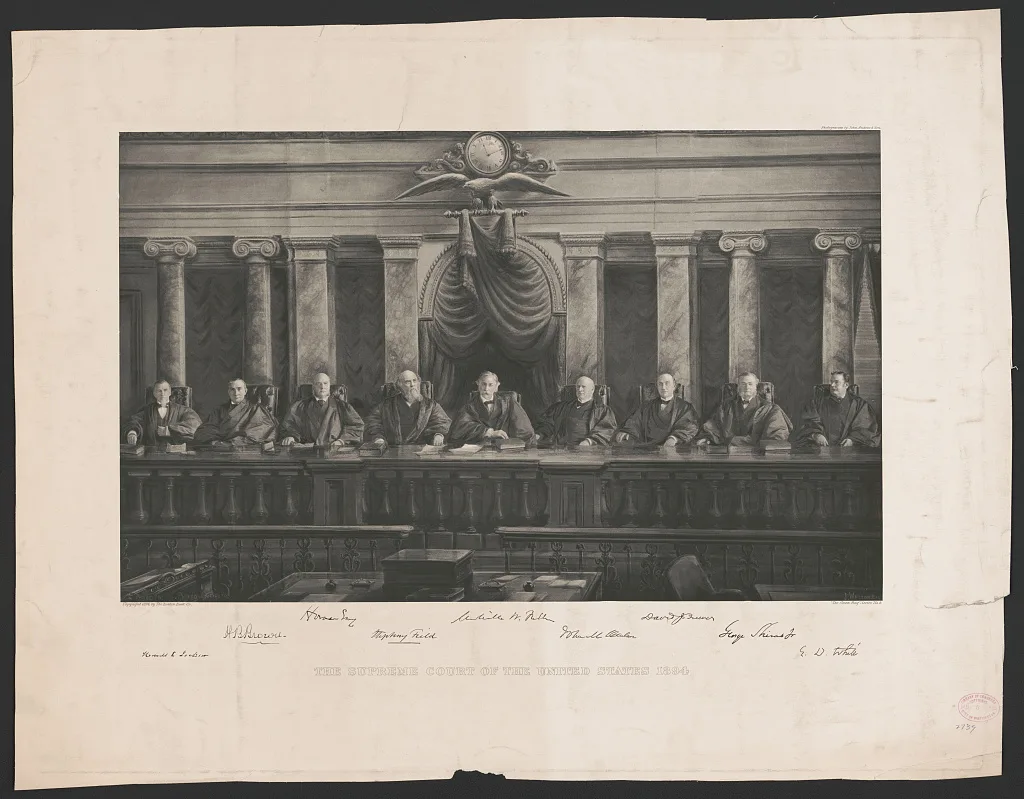 Library of Congress · The Supreme Court of the United States, 1894 · No known restrictions (verify at source) ↗05
The Courts
The Judicial Branch · The Supreme Court
Lesson 5 · 8 cardsLibrary of Congress · The Supreme Court of the United States, 1894 · No known restrictions (verify at source) ↗Deciding Court Cases
How many Supreme Court justices are usually needed to decide a case?
A case is ordinarily decided by a majority of the participating justices.
One accepted response: Five (5)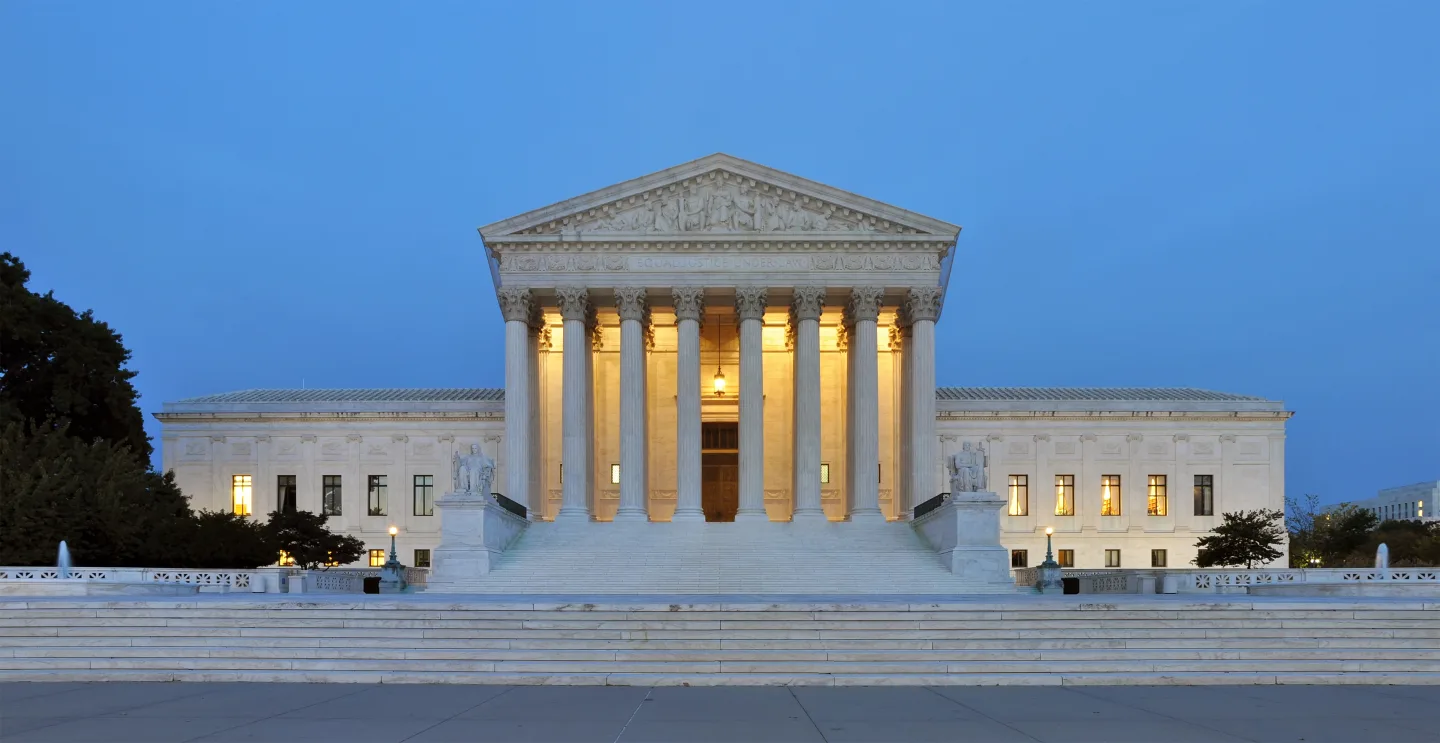 Wikimedia Commons · Joe Ravi · CC BY-SA 3.0 ↗
Judicial Branch Parts
What is one part of the judicial branch?
The federal courts, headed by the Supreme Court, make up the judicial branch and decide cases under federal law and the Constitution.
One accepted response: Supreme Court
Other printed responses: Federal Courts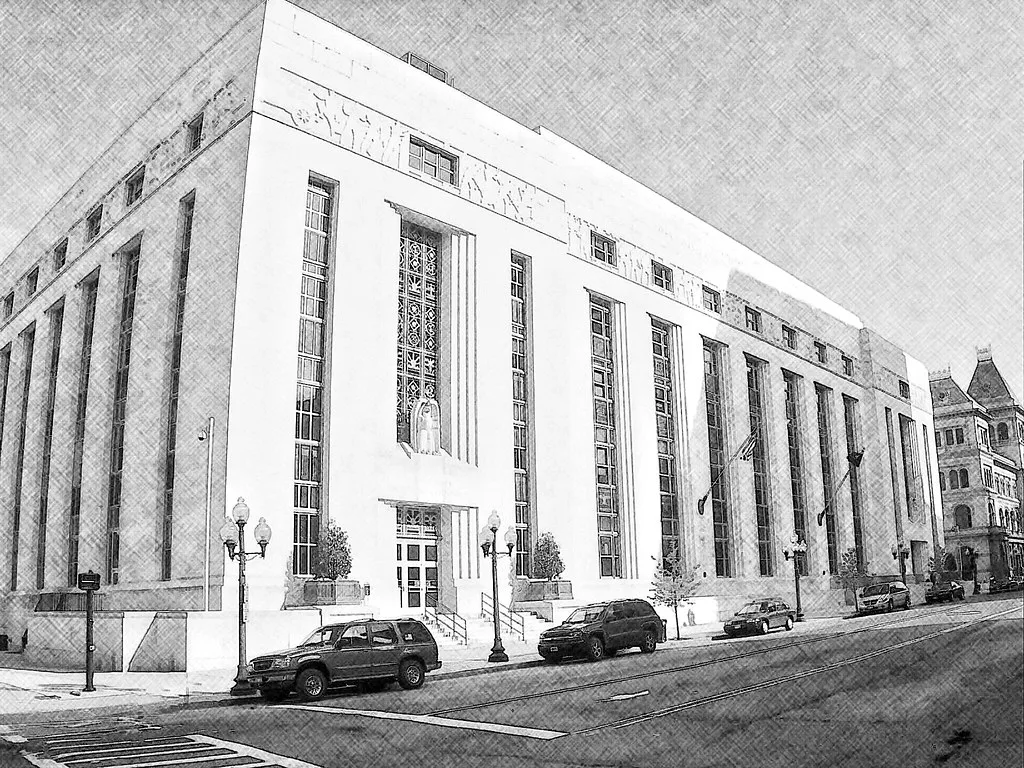 Onasill ~ Bill - Thank You (Openverse) · by-sa 2.0 ↗
Judicial Branch Work
What does the judicial branch do?
Courts do not write statutes or command the armed forces.
One accepted response: Reviews laws
Other printed responses: Explains laws; Resolves disputes (disagreements) about the law; Decides if a law goes against the (U.S.) Constitution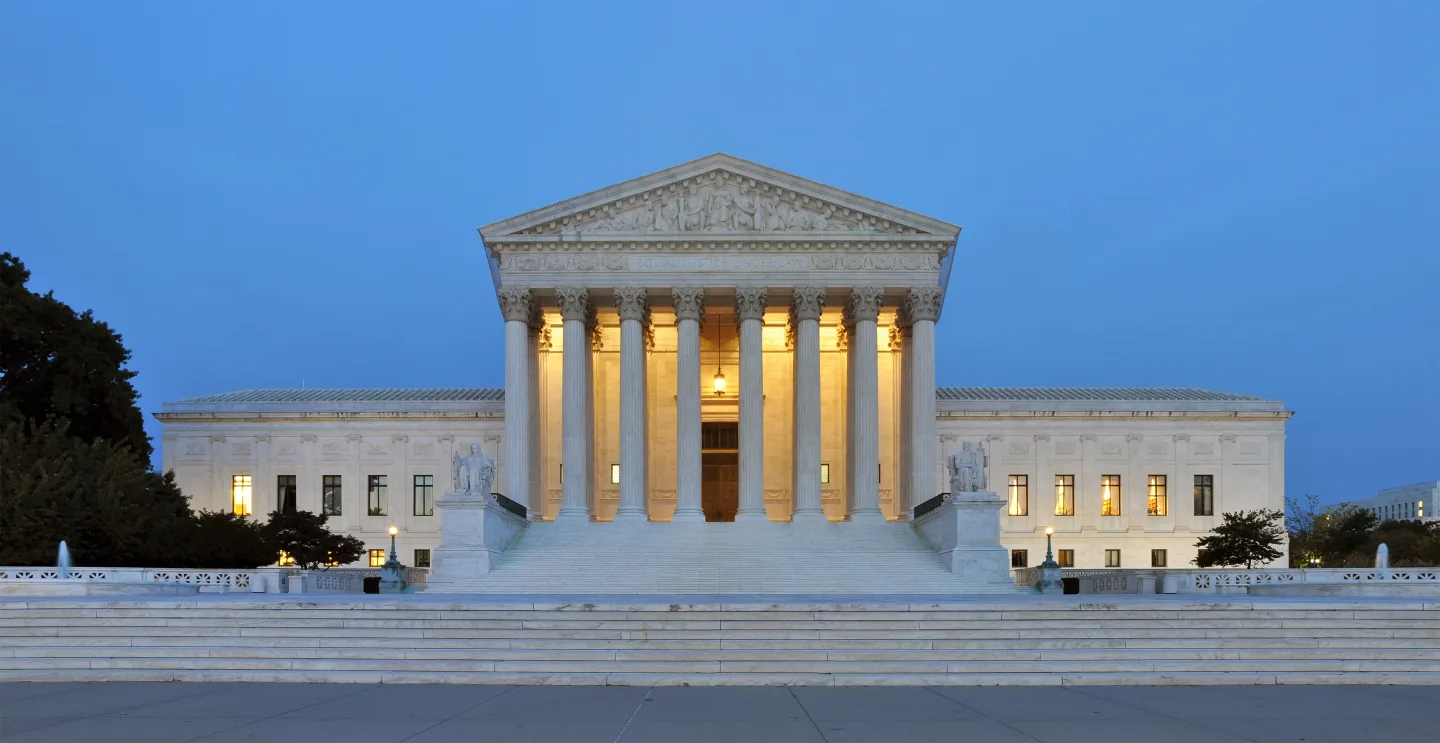 Wikimedia Commons · Joe Ravi · CC BY-SA 3.0 ↗
Highest Federal Court
What is the highest court in the United States?
The Supreme Court sits at the top of the federal court system and, under current law, has a Chief Justice plus eight Associate Justices.
One accepted response: Supreme Court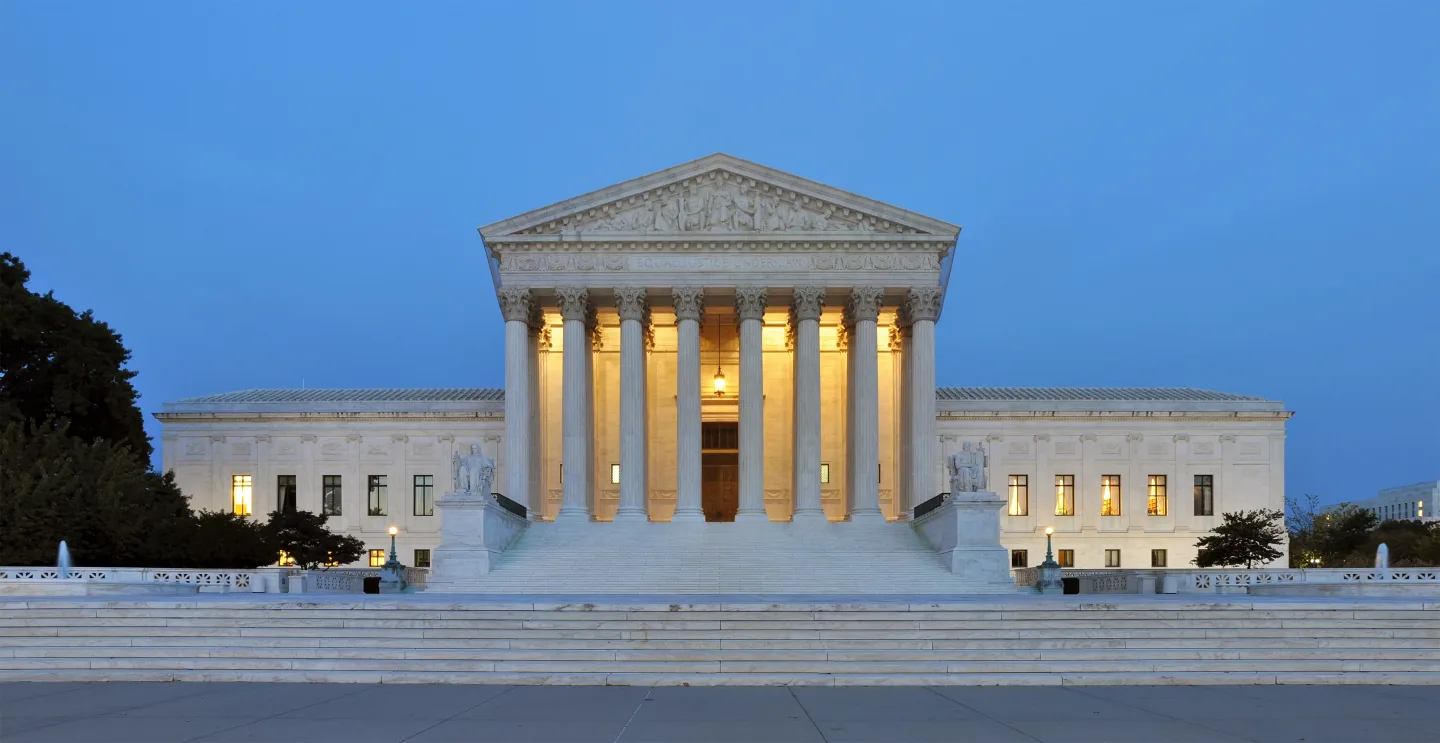 Wikimedia Commons · Joe Ravi · CC BY-SA 3.0 ↗
Justice Tenure
How long do Supreme Court justices serve?
Article III lets federal judges serve during good behavior, which in practice means a lifetime appointment.
One accepted response: (For) life
Other printed responses: Lifetime appointment; (Until) retirement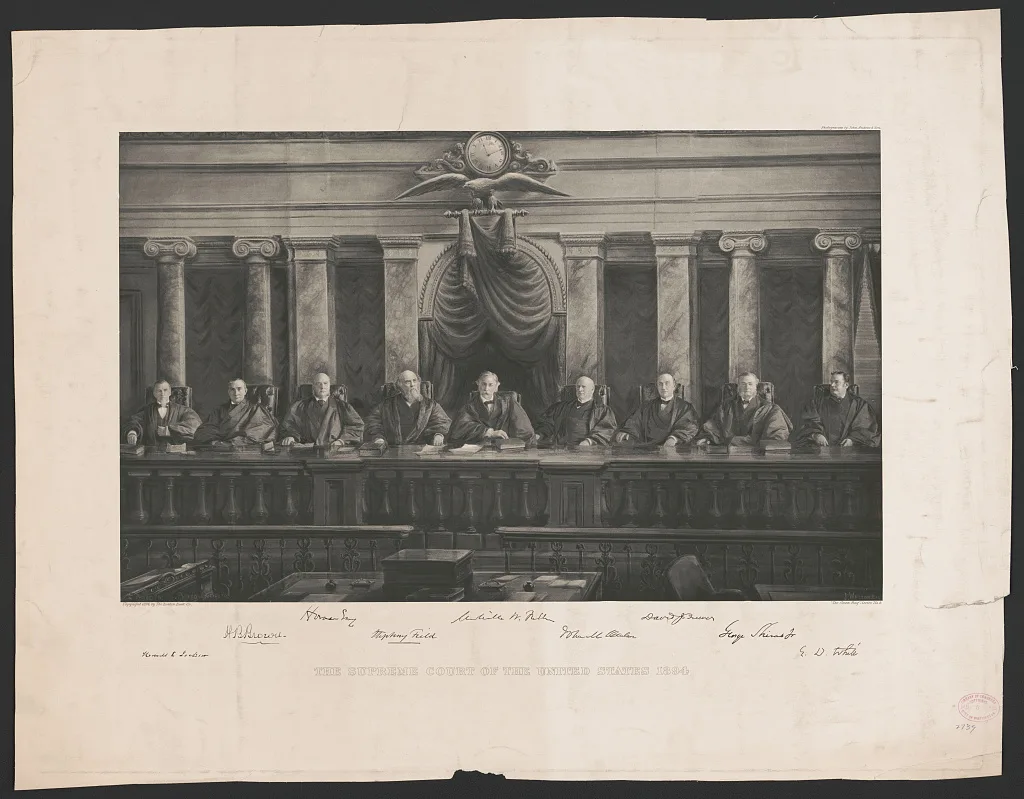 Library of Congress · The Supreme Court of the United States, 1894 · No known restrictions (verify at source) ↗
Lifetime Service
Supreme Court justices serve for life. Why?
Life tenure shields justices from electoral and political pressure so they can rule on the law rather than public opinion.
One accepted response: To be independent (of politics)
Other printed responses: To limit outside (political) influence1 / 8How many Supreme Court justices are usually needed to decide a case?
Five (5): a case is ordinarily settled by a majority of the justices taking part, and five is a majority of nine.
Lesson 5 has 20 cards. Keep going in the free app.
Question
Courts Review Laws 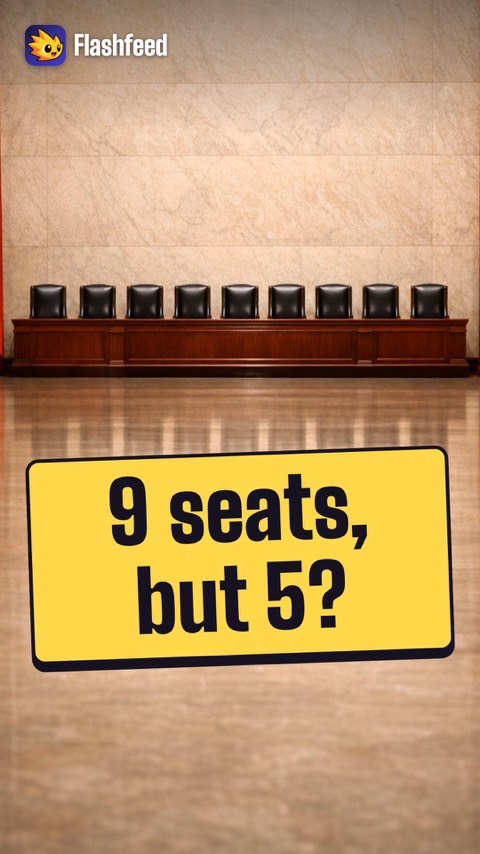
Nine Seats, Usually Five 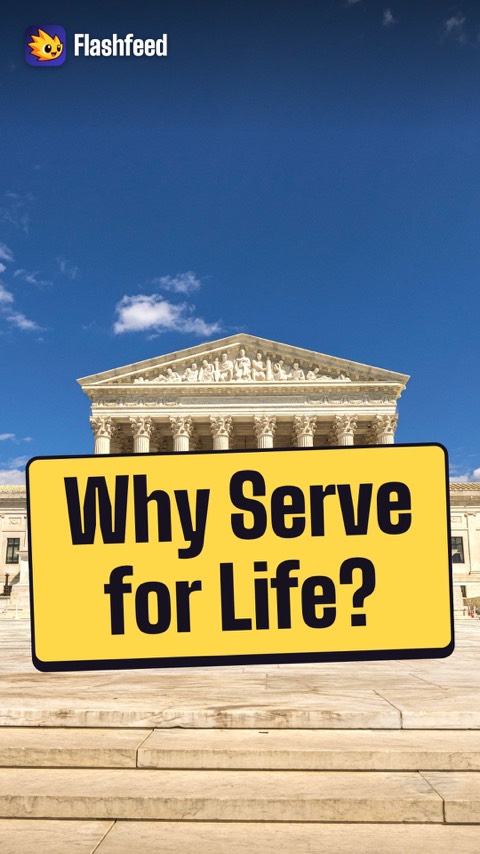
For Life, On Purpose All 30 clips on YouTube ↗Transcripts
Courts Review Laws
Federal courts do not write laws. They do not command the armed forces. They decide cases under the Constitution and federal law.
What does the judicial branch do? One printed answer is: reviews laws.
Another printed answer is: decides if a law goes against the U.S. Constitution.
Two more printed answers: explains laws, and resolves disputes about the law. Congress writes laws. Courts review them.
Nine Seats, Usually Five
The Supreme Court has 9 seats. But a second question has the printed answer 5.
How many seats are on the Supreme Court? The printed answer is 9. Congress set that number in law, not the Constitution.
How many Supreme Court justices are usually needed to decide a case? The printed answer is 5.
Keep the word usually. A justice can step aside, or a seat can be empty.
For Life, On Purpose
The courts are kept apart from election cycles in important ways. That is on purpose.
How long do Supreme Court justices serve? One printed answer is: for life.
Supreme Court justices serve for life. Why? The question already says for life, so give the reason. One printed answer is: to be independent of politics.
Life tenure shields justices from political pressure, so they can rule on the law, not public opinion.
Episode 56:29
What does the judicial branch do, and how many justices sit on the Supreme Court?
- Take the lessons with you. Free, no account.Download on the App Store ↗Get it on Google Play ↗
-
06
Federalism and the States
Federal and State Powers · State Government and Place
Lesson 6 · 5 cards1 / 5Which choice gives one accepted response to: “Name one power that is only for the federal government.”
Mint coins. Making the nation’s money is a federal power, while running schools is a state or local one.
Lesson 6 has 17 cards. Keep going in the free app.
Question
Only for the States 
Depends Where You Live 
No Governor in D.C. All 30 clips on YouTube ↗Transcripts
Only for the States
Driver licensing is a state or local power, not a federal one.
Name one power that is only for the states. Printed answers include: give a driver's license, and provide schooling and education.
Name one power that is only for the federal government. One printed answer is: print paper money.
What is the purpose of the 10th Amendment? Powers not given to the federal government belong to the states or to the people.
Depends Where You Live
Some civics answers depend on where you live.
Who is the governor of your state now? The governor leads your state's executive branch.
Who is one of your state's U.S. senators now? Neither question has a printed answer. Look up each one before your interview.
What is the capital of your state? A state capital is the seat of your state's government. That answer depends on where you live, too.
No Governor in D.C.
The District of Columbia has no governor. Some answers differ for D.C.
Who is the governor of your state now? District of Columbia residents should answer that D.C. does not have a governor.
What is the capital of your state? District of Columbia residents should answer that D.C. is not a state and does not have a capital.
Residents of U.S. territories should name the capital of the territory. Each exception belongs to one question.
Episode 66:35
What is federalism, and which powers belong to the federal government and which to the states?
-
 Pexels · Edmond Dantès · Pexels License ↗07
Rights and Responsibilities of Citizenship
Rights and Amendments · Citizenship and Civic Duty
Lesson 7 · 10 cards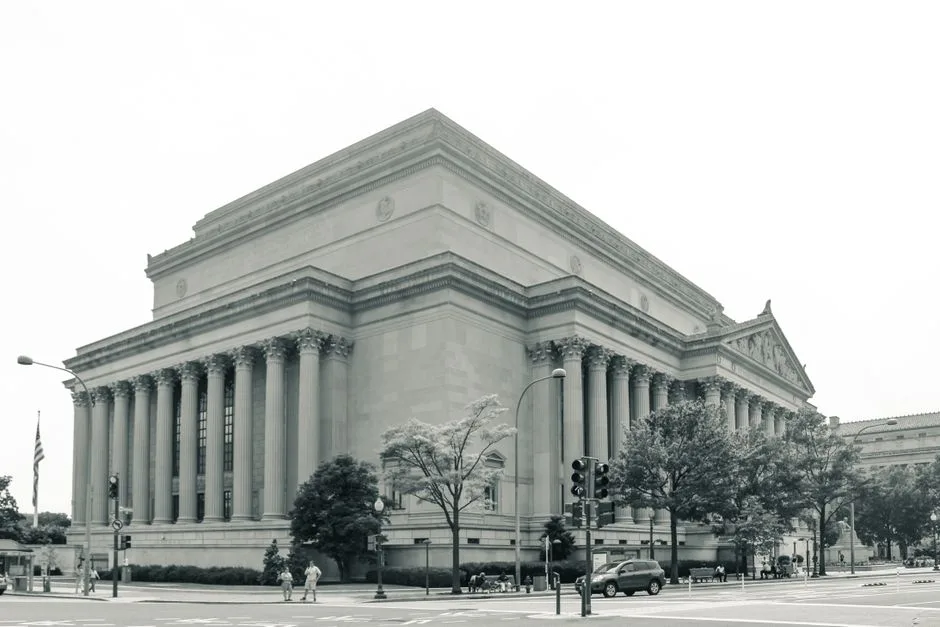 Pexels · Arian Fernandez · Pexels License ↗
Everyone's Rights
What are three rights of everyone living in the United States?
These rights belong to everyone living in the United States, not just citizens.
Say 3: Freedom of expression; Freedom of speech; Freedom of assembly; Freedom to petition the government; Freedom of religion; The right to bear armsPexels · Edmond Dantès · Pexels License ↗Voting Amendments
There are four amendments to the U.S. Constitution about who can vote. Describe one of them.
The voting amendments address age, sex, race, and poll taxes as separate constitutional protections.
One accepted response: Citizens eighteen (18) and older (can vote).
Other printed responses: You don’t have to pay (a poll tax) to vote. Any citizen can vote. (Women and men can vote.) A male citizen of any race (can vote). Pexels · Mikhail Nilov · Pexels License ↗
Pledge Loyalty
What do we show loyalty to when we say the Pledge of Allegiance?
The Pledge of Allegiance is a promise of loyalty said while facing the flag.
One accepted response: The United States
Other printed responses: The flag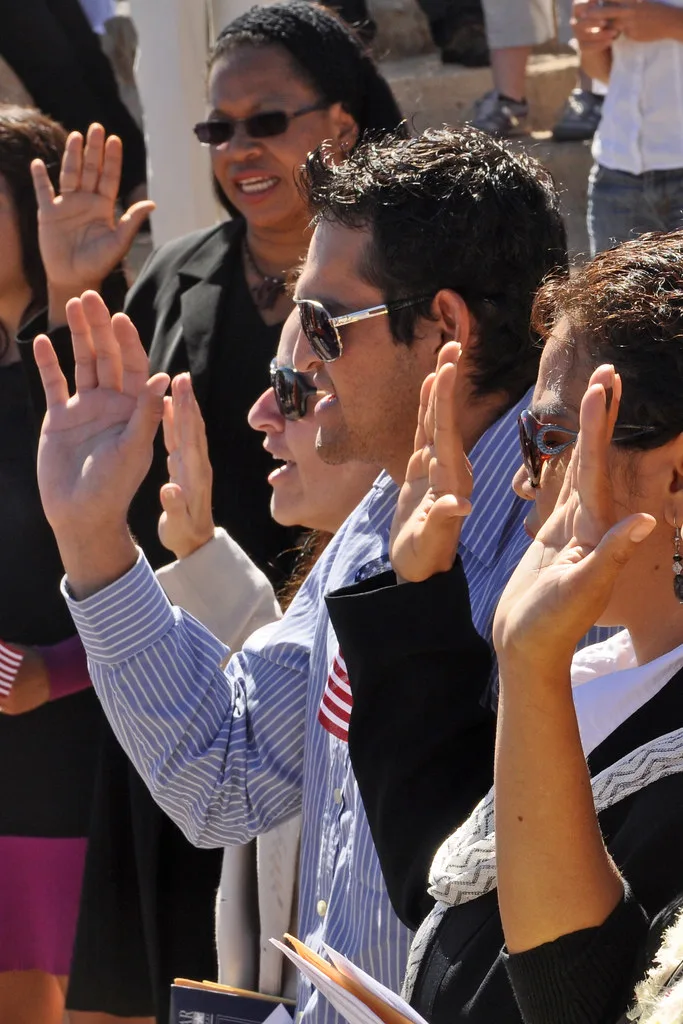 Grand Canyon NPS (Openverse) · by 2.0 ↗
Paths to Citizenship
How can people become United States citizens?
Citizenship may come through birth, naturalization, or derivation under the governing rules.
One accepted response: Be born in the United States, under the conditions set by the 14th Amendment
Other printed responses: Naturalize; Derive citizenship (under conditions set by Congress) Unsplash · Vitaly Gariev · Unsplash License ↗
Civic Participation
What are two examples of civic participation in the United States?
Civic participation also includes voting, contacting officials, joining groups, and helping a campaign.
Say 2: Vote; Run for office; Join a political party; Help with a campaign; Join a civic group; Join a community group; Give an elected official your opinion (on an issue); Contact elected officials; Support or oppose an issue or policy; Write to a newspaper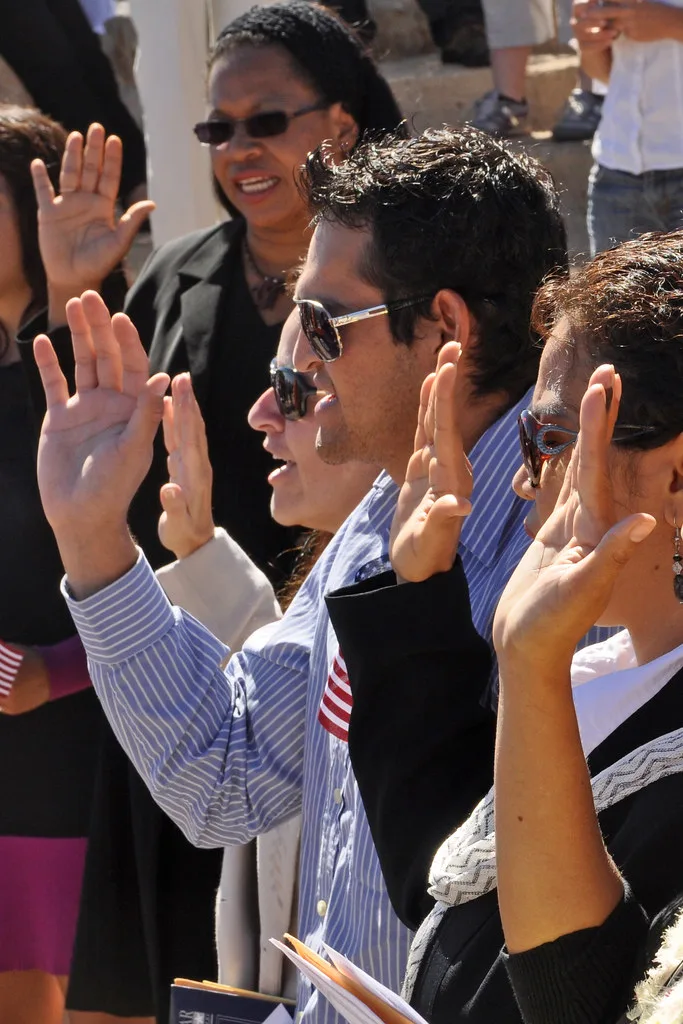 Grand Canyon NPS (Openverse) · by 2.0 ↗
Serving the Country
What is one way Americans can serve their country?
Citizens have rights, such as voting in federal elections, and responsibilities, such as serving on a jury when summoned.
One accepted response: Vote
Other printed responses: Pay taxes; Obey the law; Serve in the military; Run for office; Work for local, state, or federal government1 / 10Which choice gives one accepted response to: “How can people become United States citizens?”
Naturalize. It is one of three ways to become a citizen, along with birth in the United States and derivation under conditions Congress sets.
Lesson 7 has 29 cards. Keep going in the free app.
Question
Rights of Everyone 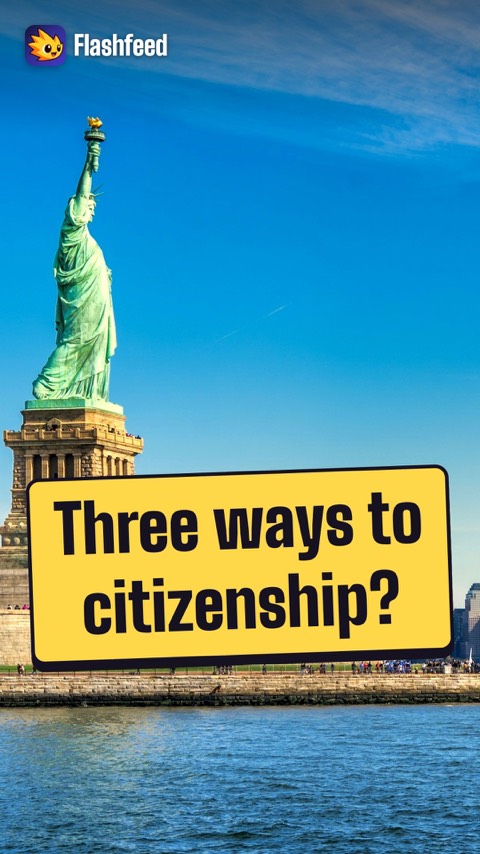
Three Printed Ways 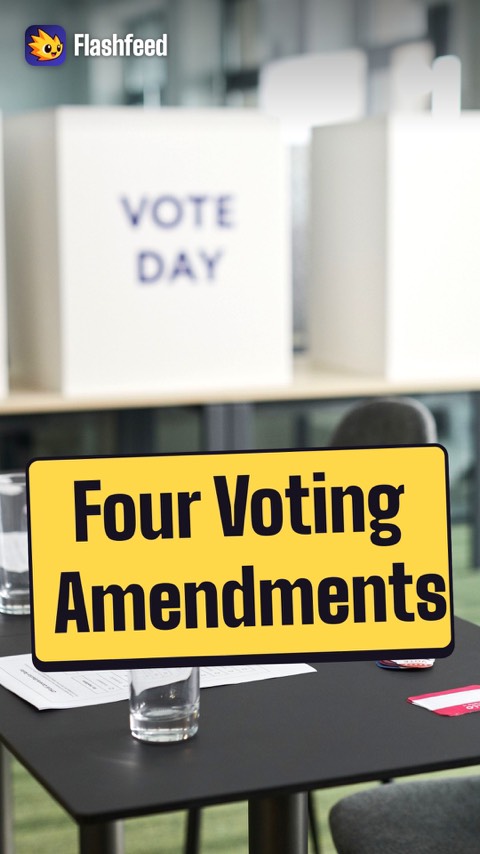
Four Voting Amendments All 30 clips on YouTube ↗Transcripts
Rights of Everyone
One civics question asks for the rights of everyone living in the U.S. The right to vote is not on its printed list.
What are three rights of everyone living in the United States? Printed answers include freedom of speech and freedom of religion.
Voting is another question. Who can vote in federal elections, run for federal office, and serve on a jury in the United States?
One printed answer is: citizens.
Three Printed Ways
Naturalizing is not the only way to become a U.S. citizen. One civics question has 3 printed answers.
How can people become United States citizens? One printed answer is: be born in the United States, under the conditions set by the 14th Amendment.
Another is: naturalize. A third is: derive citizenship, under conditions set by Congress.
The question asks for one way. Any one of the three is a printed answer.
Four Voting Amendments
A tax just to vote? One voting amendment says you don't have to pay one.
The civics test asks: There are four amendments to the U.S. Constitution about who can vote. Describe one of them.
One printed answer is: You don't have to pay a poll tax to vote. Another is: Citizens 18 and older can vote.
The four address age, sex, race, and poll taxes. The question asks for one of them.
Episode 77:28
What are the rights and responsibilities of U.S. citizens, like voting and serving on a jury?
-
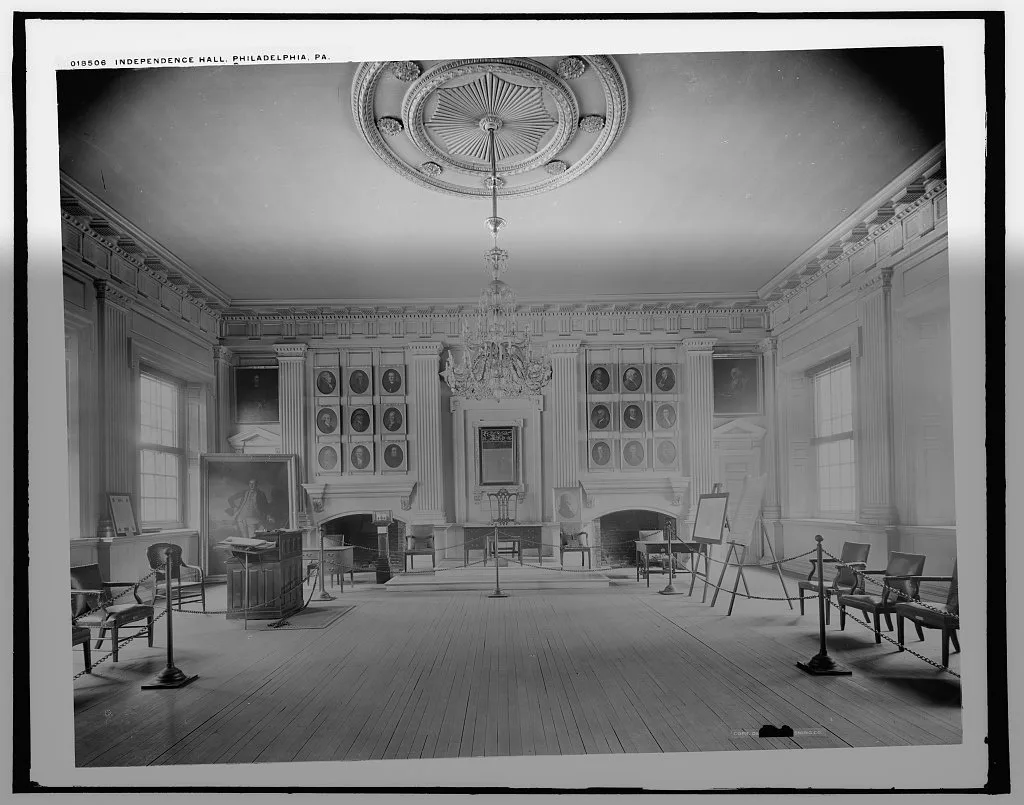 Library of Congress · Independence Hall [Assembly Room], Philadelphia, Pa. · No known restrictions (verify at source) ↗08
Colonists, Revolution, and Independence
Colonies and Conflict · Revolution and Independence
Lesson 8 · 10 cardsLibrary of Congress · Independence Hall [Assembly Room], Philadelphia, Pa. · No known restrictions (verify at source) ↗Declaration's Date
When was the Declaration of Independence adopted?
The Declaration of Independence was adopted on July 4, 1776, formally announcing American independence from Britain.
One accepted response: July 4, 1776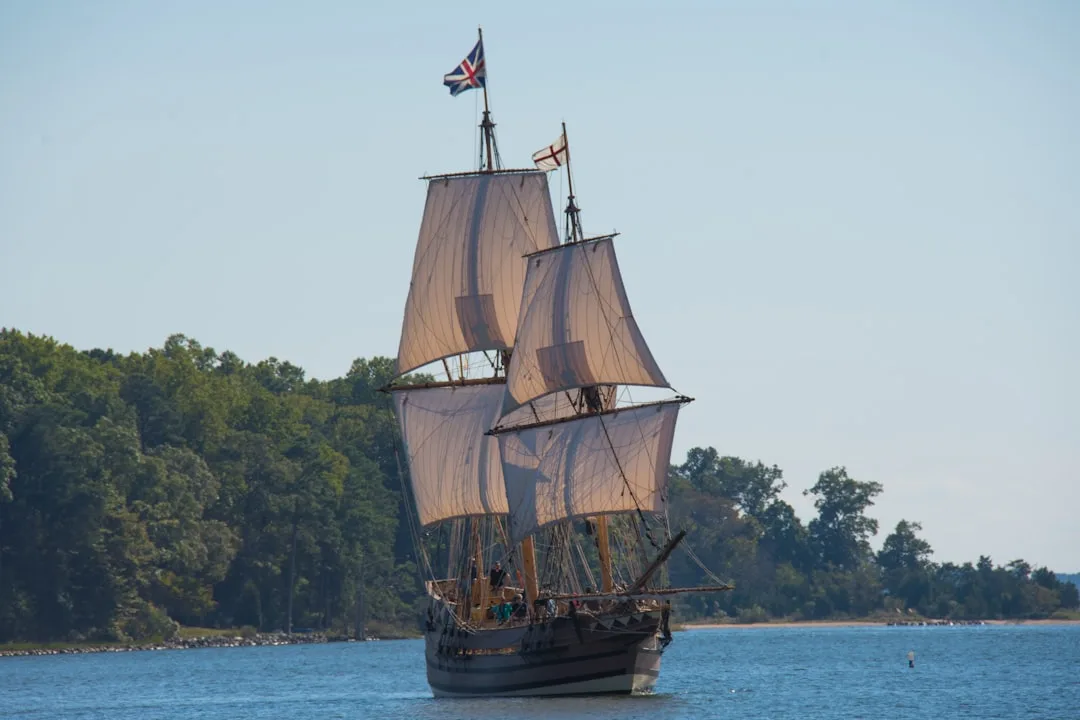 Unsplash · David Dibert · Unsplash License ↗
Colonists' Reasons
The colonists came to America for many reasons. Name one.
Colonists came to America for many reasons, including religious freedom, political liberty, economic opportunity, and escape from persecution.
One accepted response: Freedom
Other printed responses: Political liberty; Religious freedom; Economic opportunity; Escape persecution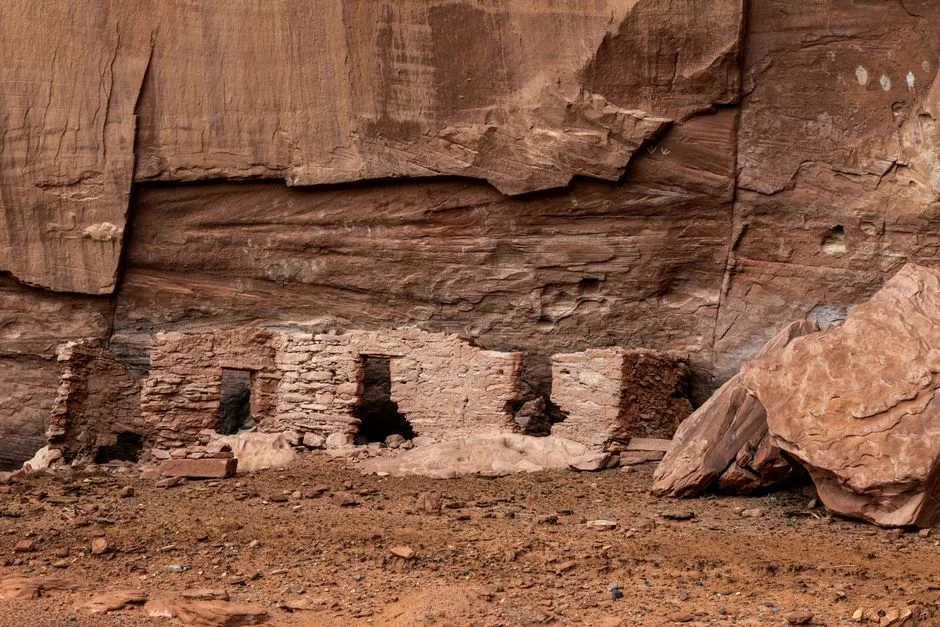 Pexels · Robert Hacker · Pexels License ↗
First Peoples
Who lived in America before the Europeans arrived?
Indigenous peoples lived throughout the Americas long before Europeans arrived; USCIS prints two broad names for them.
One accepted response: American Indians
Other printed responses: Native Americans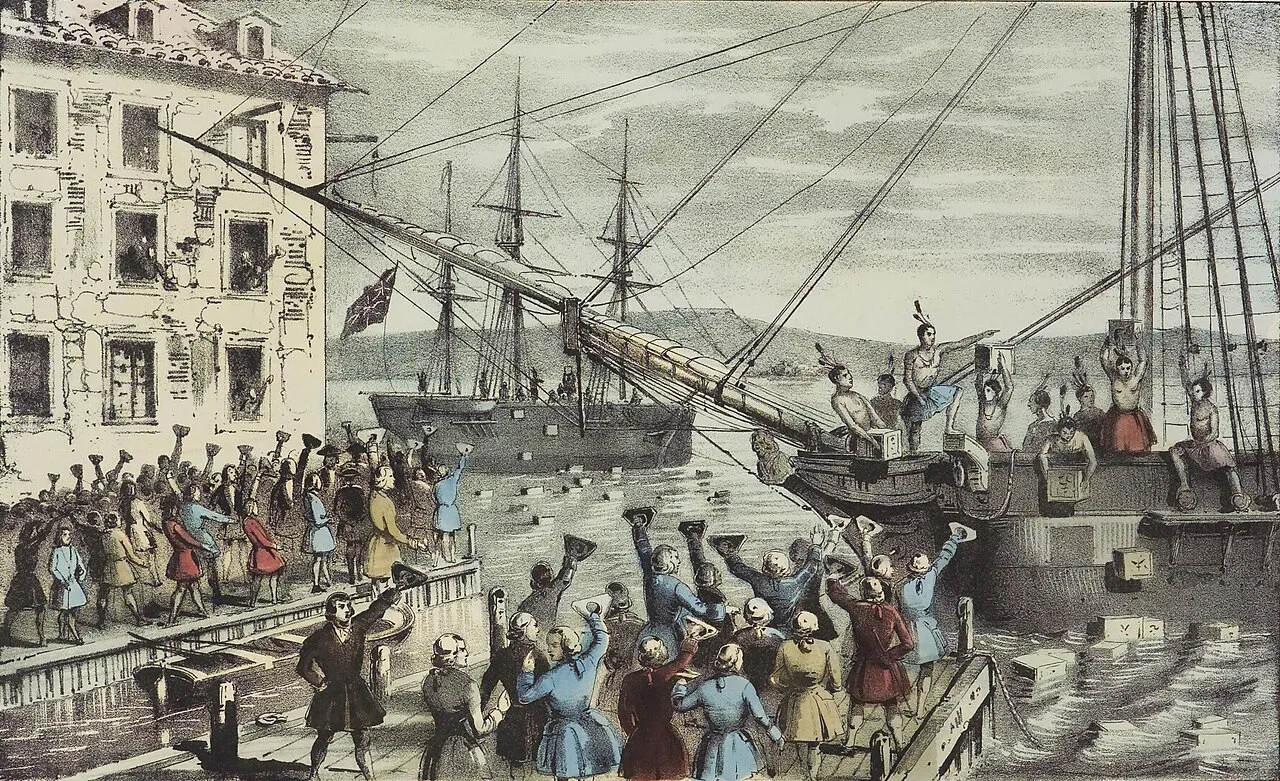 Nathaniel Currier · Public domain ↗
Reasons for Independence
Name one reason why the Americans declared independence from Britain.
Conflict grew as Britain taxed and governed the colonies without colonial representation in Parliament.
One accepted response: High taxes
Other printed responses: Taxation without representation; British soldiers stayed in Americans’ houses (boarding, quartering); They did not have self-government; Boston Massacre; Boston Tea Party (Tea Act); Stamp Act; Sugar Act; Townshend Acts; Intolerable (Coercive) Acts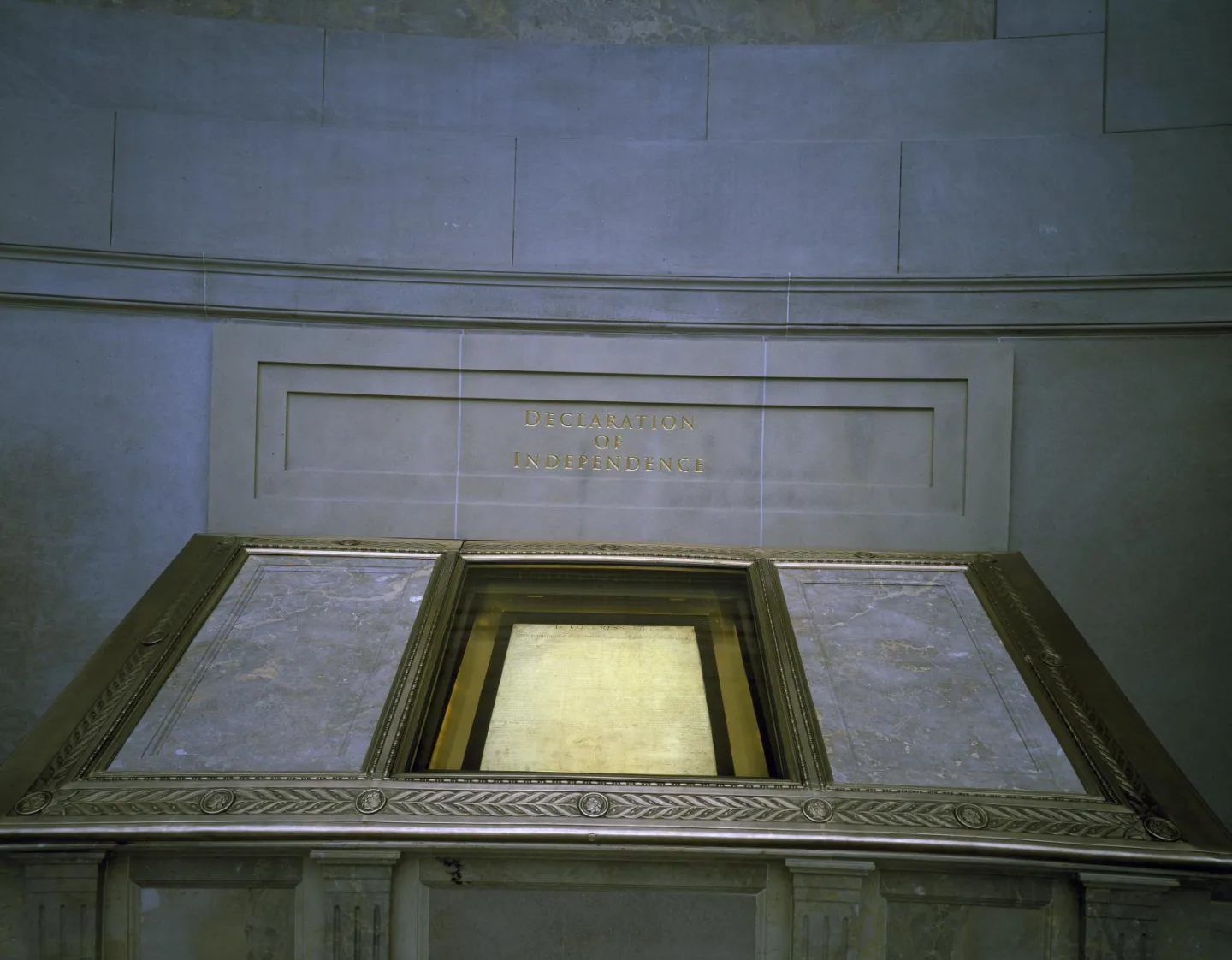 Library of Congress · The Declaration of Independence, displayed in a dimly lit ha · No known restrictions (verify at source) ↗
Revolutionary Events
The American Revolution had many important events. Name one.
The American Revolution included many important events, from early battles through the British surrender at Yorktown.
One accepted response: (Battle of) Bunker Hill
Other printed responses: Declaration of Independence; Washington Crossing the Delaware (Battle of Trenton); (Battle of) Saratoga; Valley Forge (Encampment); (Battle of) Yorktown (British surrender at Yorktown)1 / 10When was the Declaration of Independence adopted?
July 4, 1776. The Fourth of July marks the Declaration’s adoption, not the Constitution’s writing or ratification.
Lesson 8 has 26 cards. Keep going in the free app.
Question
Why They Came, Why They Broke Away 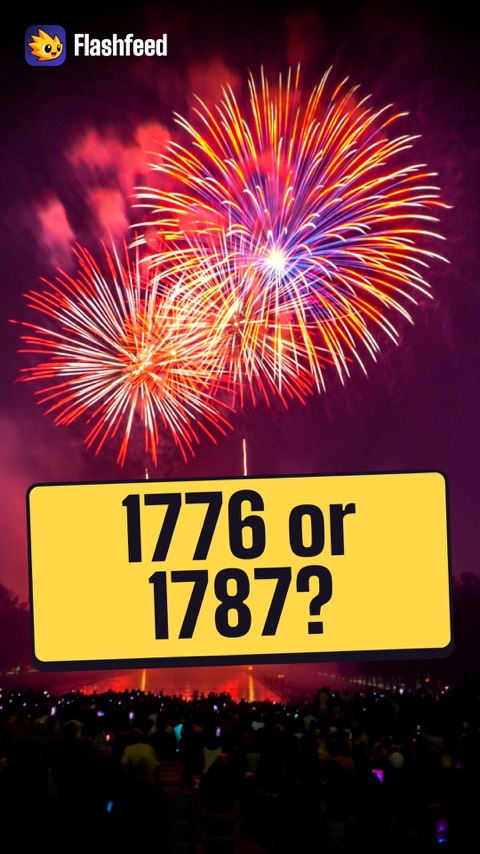
1776 or 1787 
Event or Reason All 30 clips on YouTube ↗Transcripts
Why They Came, Why They Broke Away
Religious freedom. Taxation without representation. Two reasons, for two different civics questions.
The colonists came to America for many reasons. Name one. One printed answer is: Religious freedom.
Name one reason why the Americans declared independence from Britain. One printed answer is: Taxation without representation.
One question asks why the colonists came. The other asks why they later broke away from Britain.
1776 or 1787
The Fourth of July does not mark the Constitution. It marks the adoption of the Declaration of Independence.
When was the Declaration of Independence adopted? The printed answer is July 4, 1776.
What founding document was written in 1787? The printed answer is U.S. Constitution.
One question names the document and asks for the date. The other gives the year and asks for the document.
Event or Reason
Boston Tea Party. It is printed for one civics question and not for another.
The American Revolution had many important events. Name one. One printed answer is: Battle of Saratoga.
Name one reason why the Americans declared independence from Britain. One printed answer is: Boston Tea Party.
One asks what happened during the Revolution. The other asks why the Americans declared independence. Listen for the question word: which event, or why.
Episode 86:40
Who wrote the Declaration of Independence, and why did the colonists fight the British?
-
 Wikimedia Commons · Publius (Alexander Hamilton, John Jay, James Madison) · Public domain ↗09
The Framers and the Constitution
The Founding Documents · Framers and Federalists
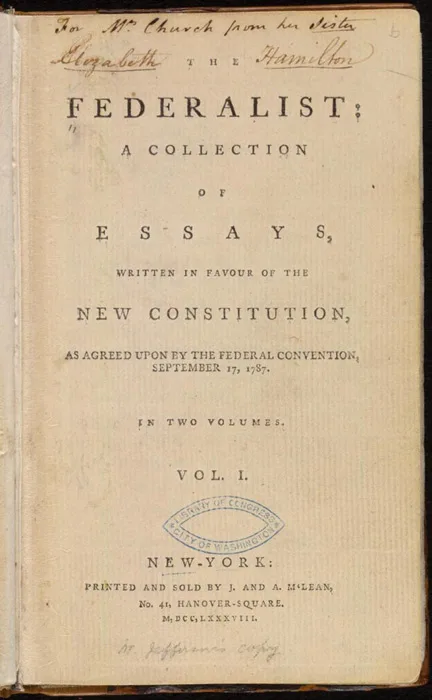
Lesson 9 · 7 cardsWikimedia Commons · Publius (Alexander Hamilton, John Jay, James Madison) · Public domain ↗Federalist Papers' Purpose
Why were the Federalist Papers important?
The Federalist Papers argued for approving, or ratifying, the Constitution, the stronger framework that replaced the Articles of Confederation.
One accepted response: They helped people understand the (U.S.) Constitution.
Other printed responses: They supported passing the (U.S.) Constitution.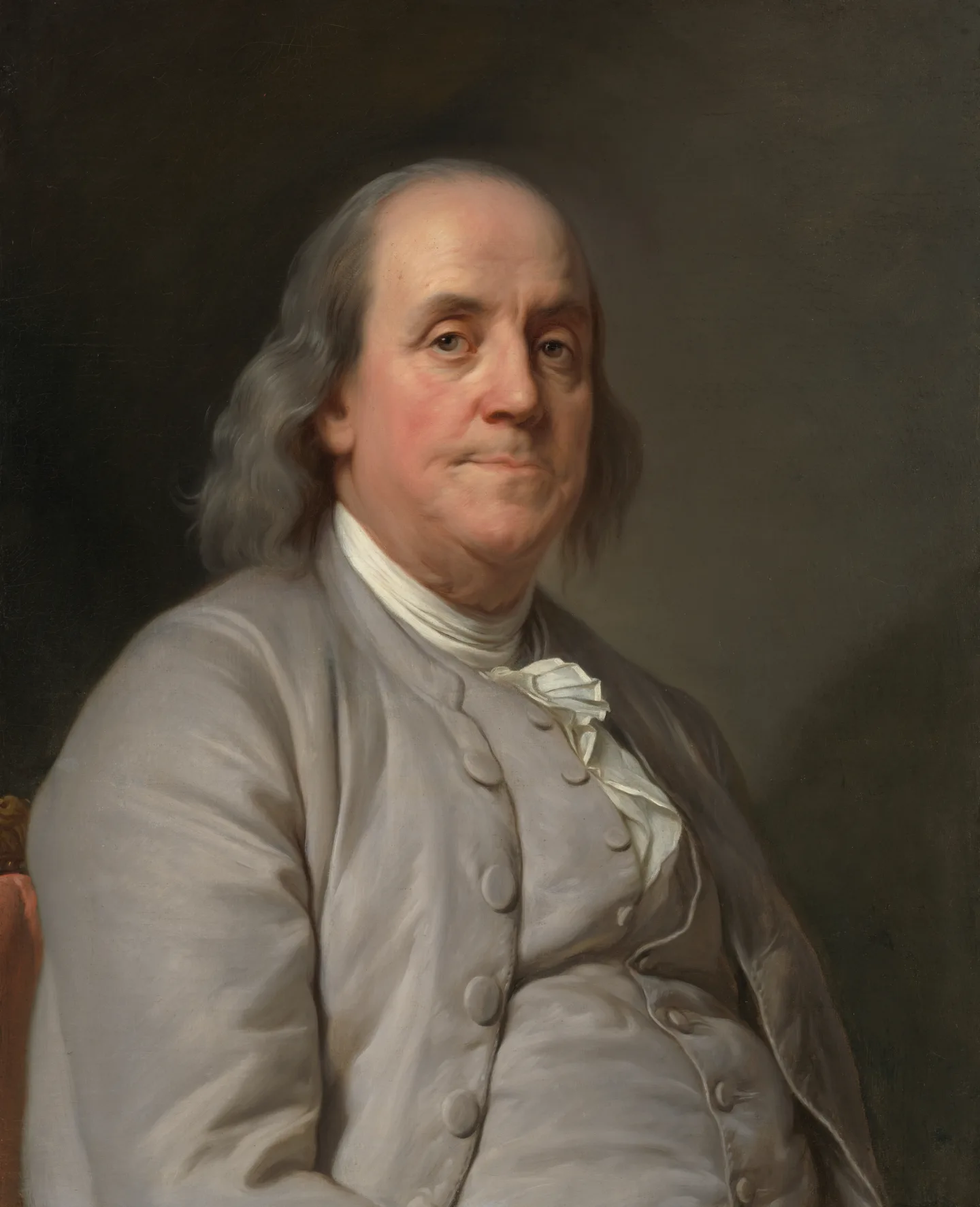 Wikimedia Commons · Joseph-Siffred Duplessis · Public domain ↗
Franklin's Achievements
Benjamin Franklin is famous for many things. Name one.
One accepted response: Founded the first free public libraries
Other printed responses: First Postmaster General of the United States; Helped write the Declaration of Independence; Inventor; U.S. diplomat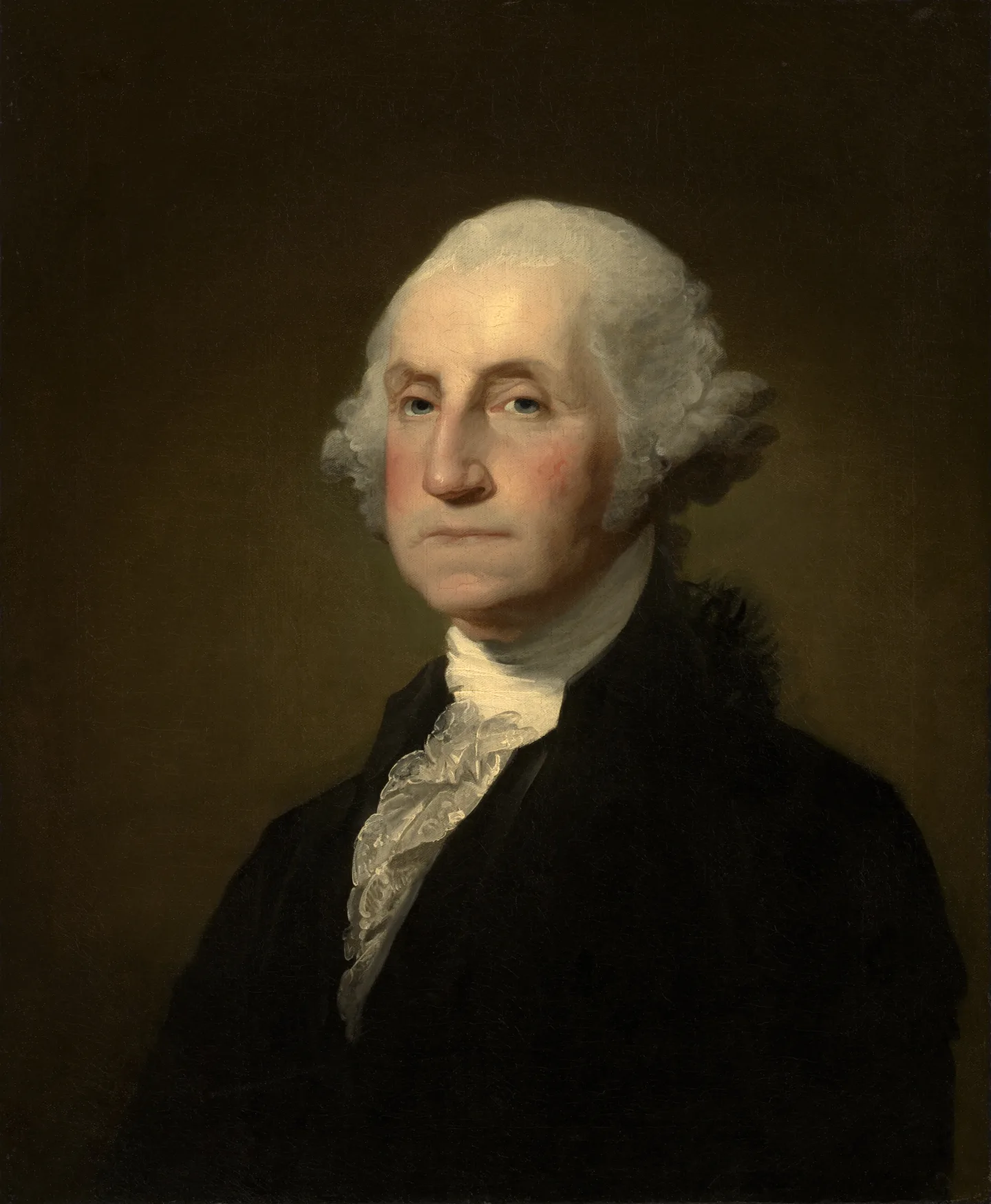 Wikimedia Commons · Gilbert Stuart · Public domain ↗
Washington's Achievements
George Washington is famous for many things. Name one.
Washington presided over the Constitutional Convention, which brought delegates with different plans and interests together in Philadelphia.
One accepted response: “Father of Our Country”
Other printed responses: First president of the United States; General of the Continental Army; President of the Constitutional Convention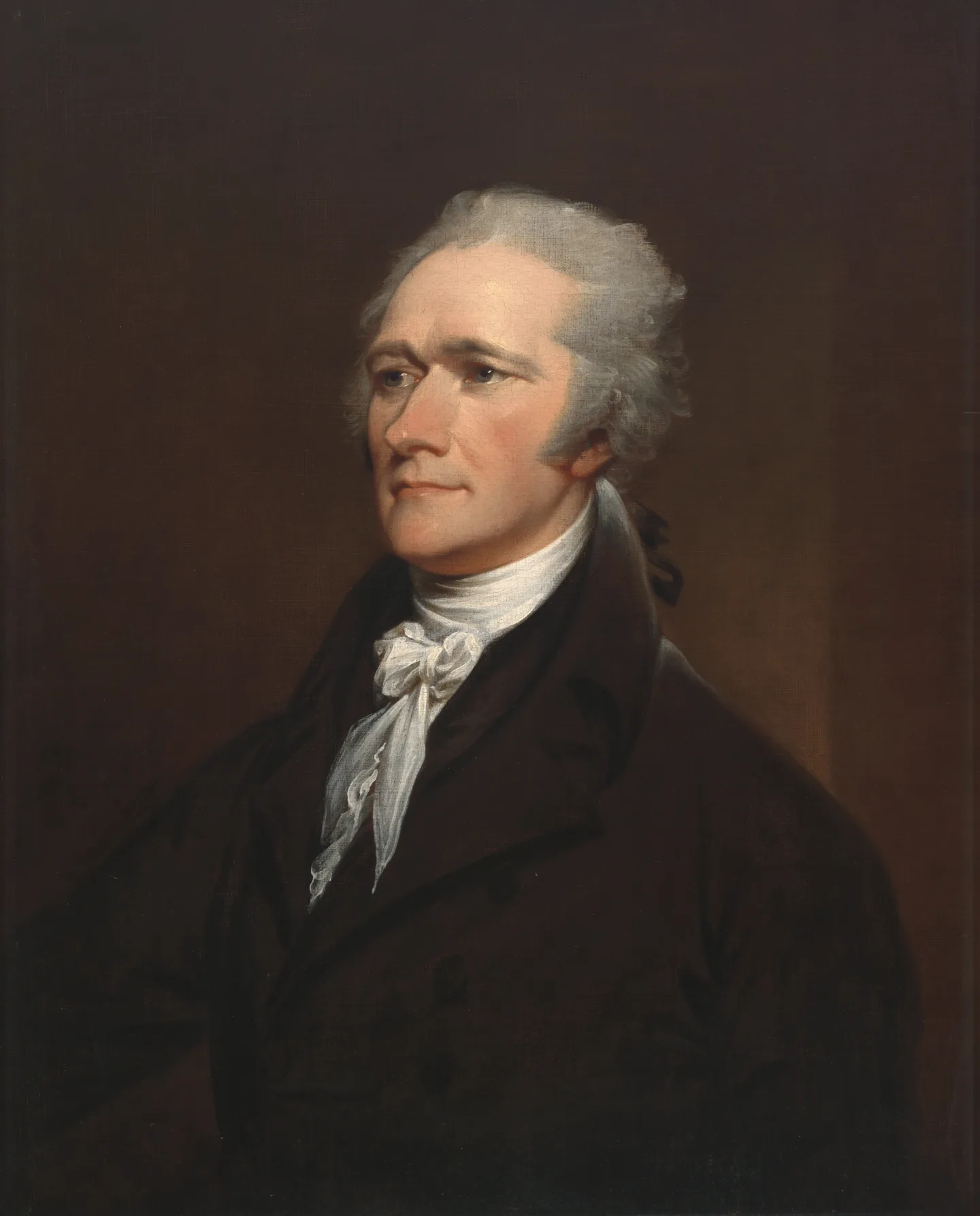 Wikimedia Commons · John Trumbull / Giuseppe Ceracchi · Public domain ↗
Hamilton's Achievements
Alexander Hamilton is famous for many things. Name one.
Hamilton, with Madison and John Jay, wrote the Federalist Papers under the name Publius to support ratification.
One accepted response: First Secretary of the Treasury
Other printed responses: One of the writers of the Federalist Papers; Helped establish the First Bank of the United States; Aide to General George Washington; Member of the Continental Congress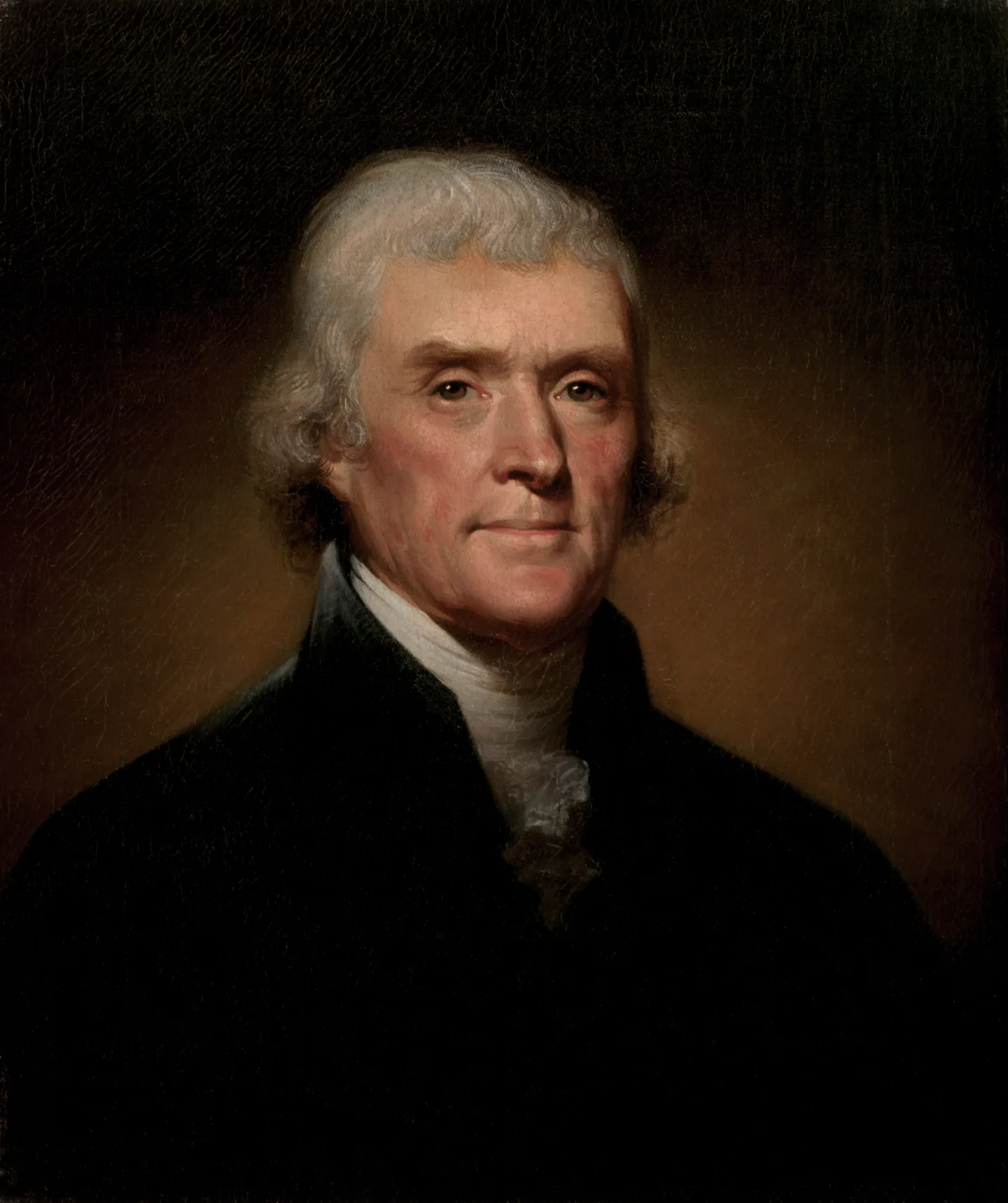 Wikimedia Commons · Rembrandt Peale · Public domain ↗
Jefferson's Achievements
Thomas Jefferson is famous for many things. Name one.
One accepted response: Writer of the Declaration of Independence
Other printed responses: Third president of the United States; Doubled the size of the United States (Louisiana Purchase); First Secretary of State; Founded the University of Virginia; Writer of the Virginia Statute on Religious Freedom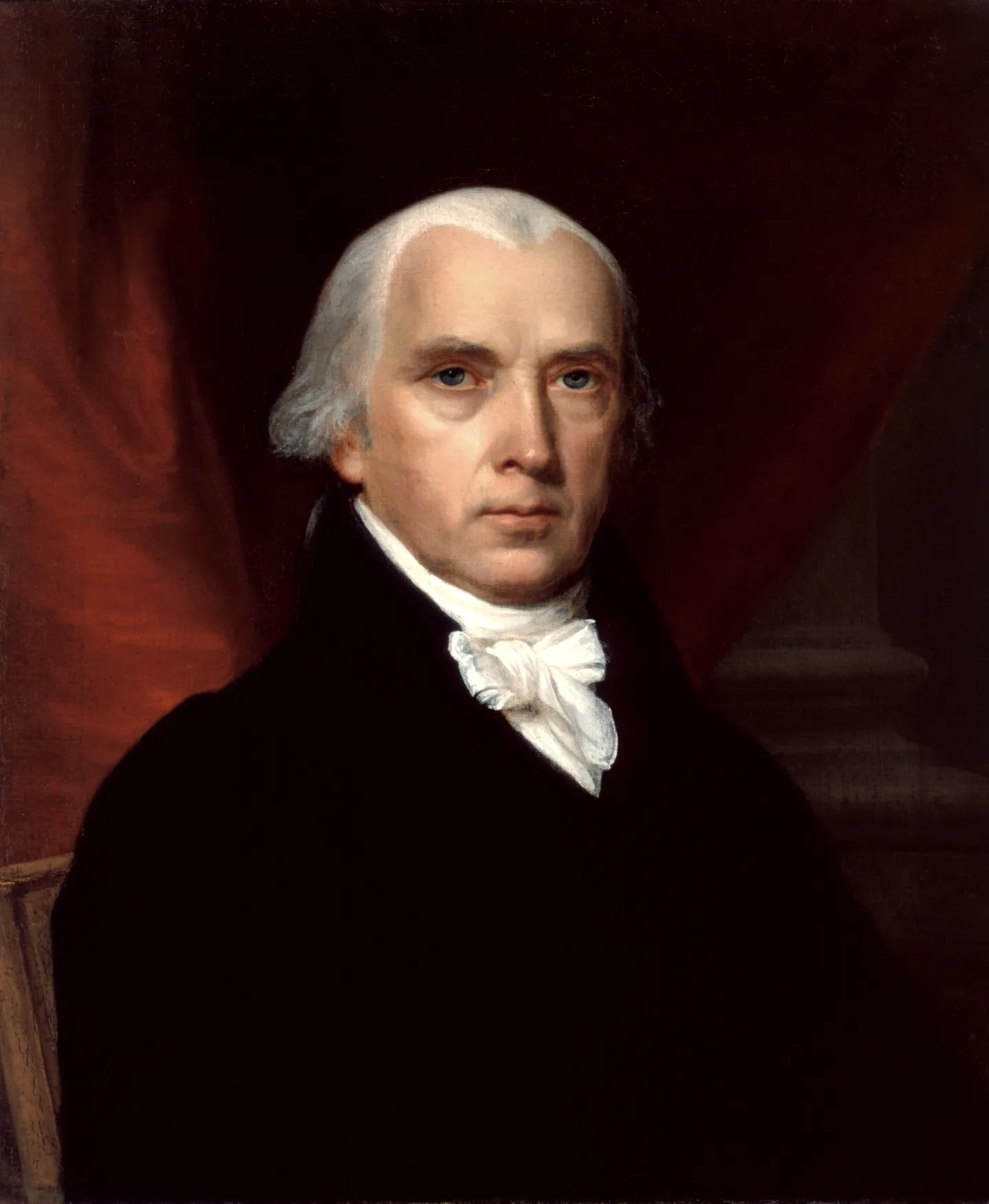 Wikimedia Commons · John Vanderlyn · Public domain ↗
Madison's Achievements
James Madison is famous for many things. Name one.
One accepted response: “Father of the Constitution”
Other printed responses: Fourth president of the United States; President during the War of 1812; One of the writers of the Federalist Papers1 / 7Which choice gives one accepted response to: “Why were the Federalist Papers important?”
They supported passing the U.S. Constitution. The Federalist Papers argued for ratification, while the Convention itself debated and assembled the document.
Lesson 9 has 30 cards. Keep going in the free app.
Question
Who Wrote It 
Two Fathers 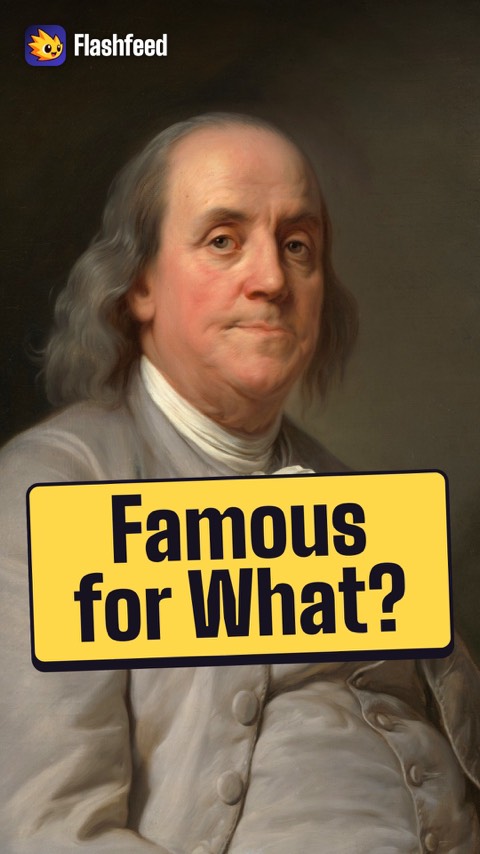
Franklin's Many Things All 30 clips on YouTube ↗Transcripts
Who Wrote It
Two civics questions ask who wrote something. They want different writers.
The Federalist Papers supported the passage of the U.S. Constitution. Name one of the writers. Printed answers include Madison, Hamilton, and Jay.
Who wrote the Declaration of Independence? This one asks for a different writer: Thomas Jefferson.
The Federalist Papers argued for approving the Constitution. The Declaration announced independence and ideals.
Two Fathers
Father of the Constitution. Father of Our Country. They belong to different men.
James Madison is famous for many things. Name one. One printed answer is: Father of the Constitution.
George Washington is famous for many things. Name one. One printed answer is: Father of Our Country.
Still, the Constitution had no sole author. It was debated and put together through committees and convention votes.
Franklin's Many Things
Libraries, the postal service, inventions. One man's printed test answers cover all three.
Benjamin Franklin is famous for many things. Name one. Printed answers include Founded the first free public libraries and First Postmaster General of the United States.
Inventor is printed too, and U.S. diplomat, and Helped write the Declaration of Independence.
One is enough. The question asks what Franklin is famous for, not who he was.
Episode 97:14
Who wrote the Federalist Papers, and what happened at the Constitutional Convention?
-
 Wikimedia Commons · Unknown author · Public domain ↗10
The 1800s: Expansion, Civil War, and Reconstruction
Expansion and Civil War · Emancipation and Reconstruction
Lesson 10 · 10 cardsWikimedia Commons · Unknown author · Public domain ↗Women's Rights Leaders
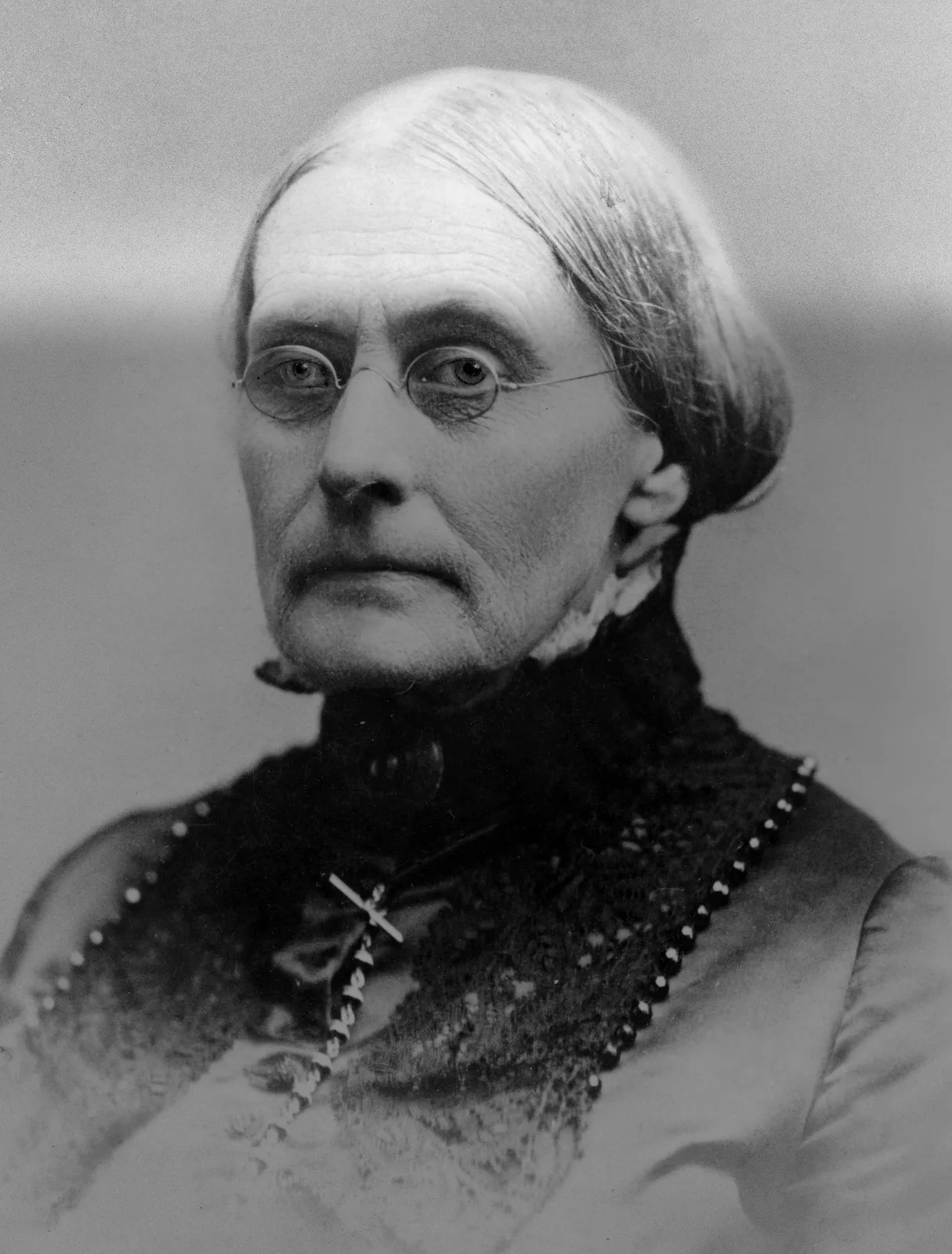
Name one leader of the women’s rights movement in the 1800s.
One accepted response: Susan B. Anthony
Other printed responses: Elizabeth Cady Stanton; Sojourner Truth; Harriet Tubman; Lucretia Mott; Lucy Stone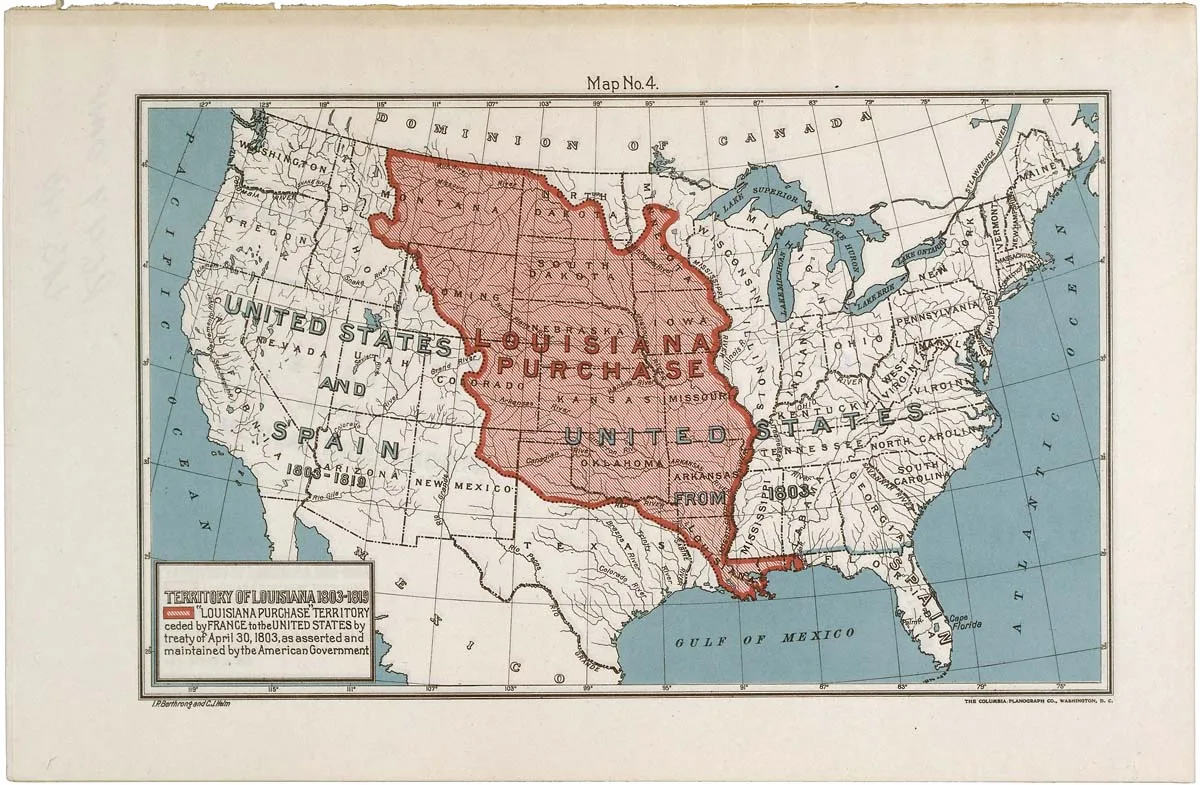 Wikimedia Commons · Unknown author or not provided · Public domain ↗
Louisiana Purchase
What territory did the United States buy from France in 1803?
The Louisiana Purchase doubled the nation’s territory under President Thomas Jefferson.
One accepted response: Louisiana Territory
Other printed responses: Louisiana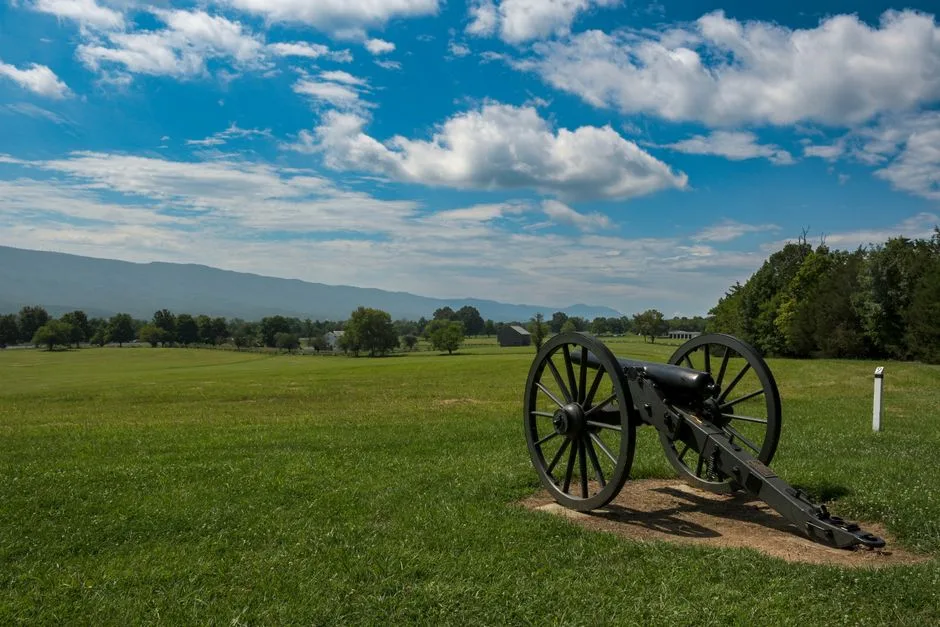 Pexels · Michael S · Pexels License ↗
Nineteenth-Century Wars
Name one war fought by the United States in the 1800s.
During the 1800s the United States expanded westward, fought wars, and confronted the crisis of slavery.
One accepted response: War of 1812
Other printed responses: Mexican-American War; Civil War; Spanish-American War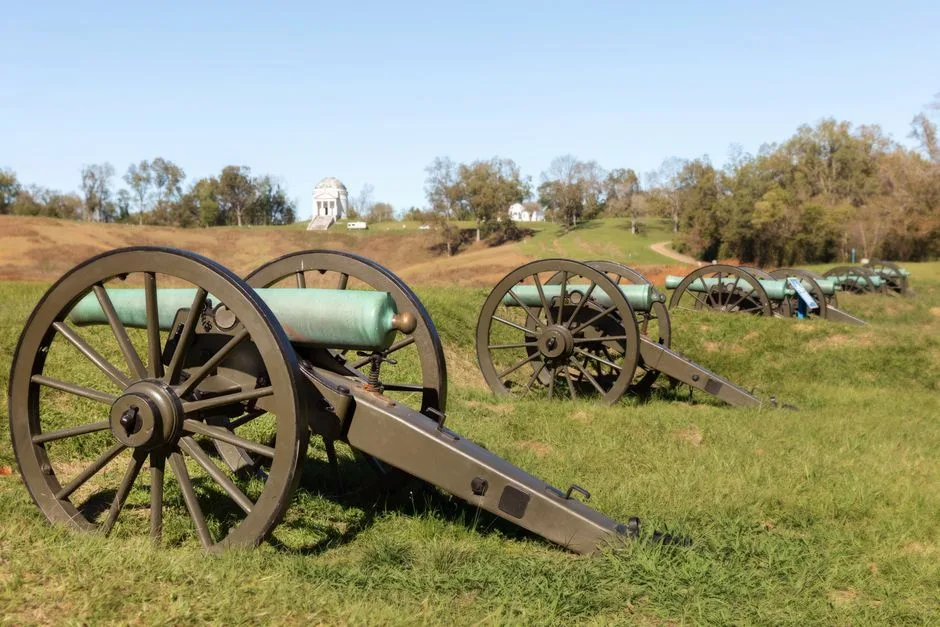 Pexels · Deb Hayes · Pexels License ↗
Civil War
Name the U.S. war between the North and the South.
The Civil War followed secession and conflict over slavery, federal union, and political power. Abraham Lincoln led the nation during that war.
One accepted response: The Civil War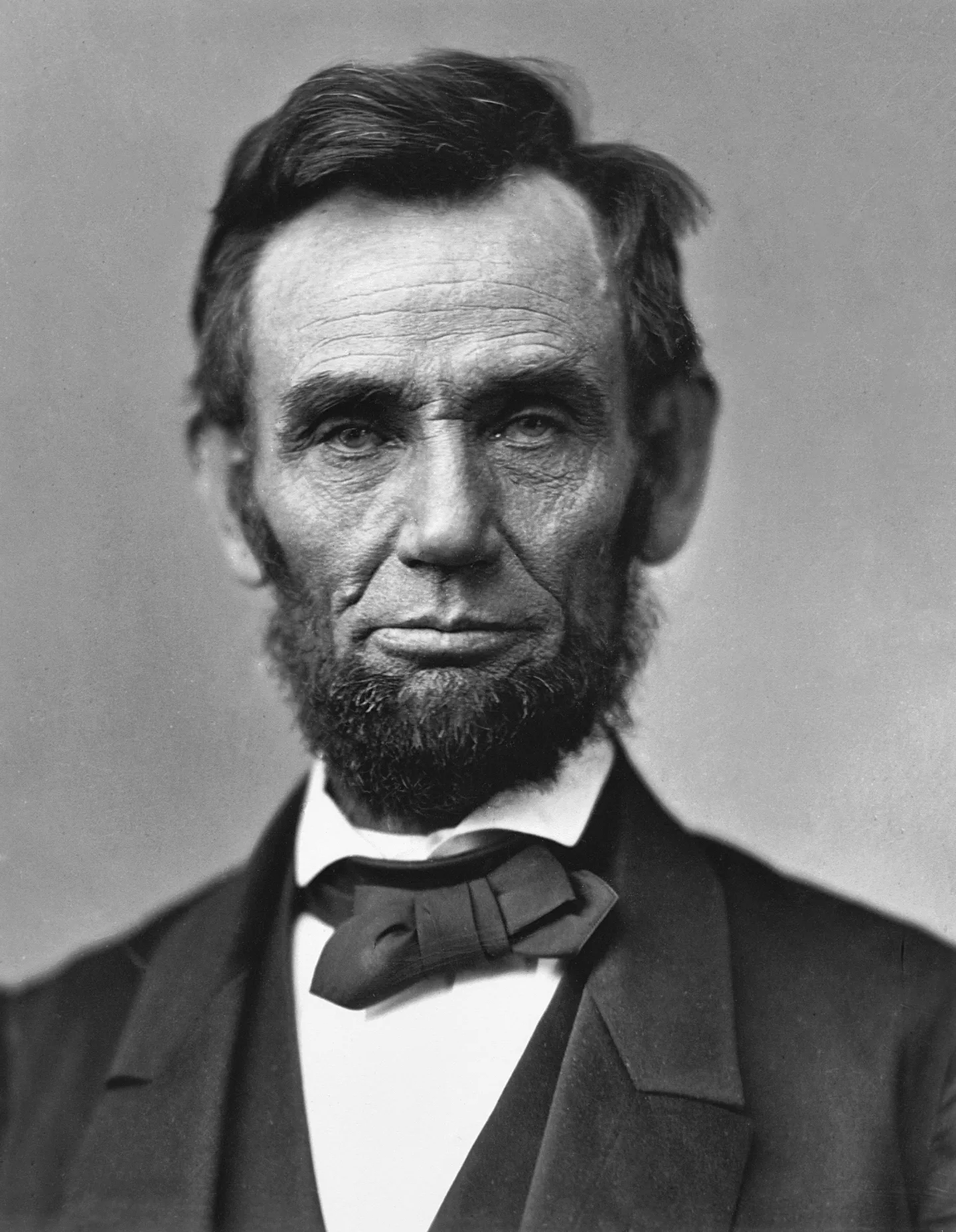 Wikimedia Commons · Alexander Gardner · Public domain ↗
Lincoln's Achievements
Abraham Lincoln is famous for many things. Name one.
Abraham Lincoln led the nation during the Civil War, which followed secession and conflict over slavery, federal union, and political power.
One accepted response: Freed the slaves (Emancipation Proclamation)
Other printed responses: Saved (or preserved) the Union; Led the United States during the Civil War; 16th president of the United States; Delivered the Gettysburg Address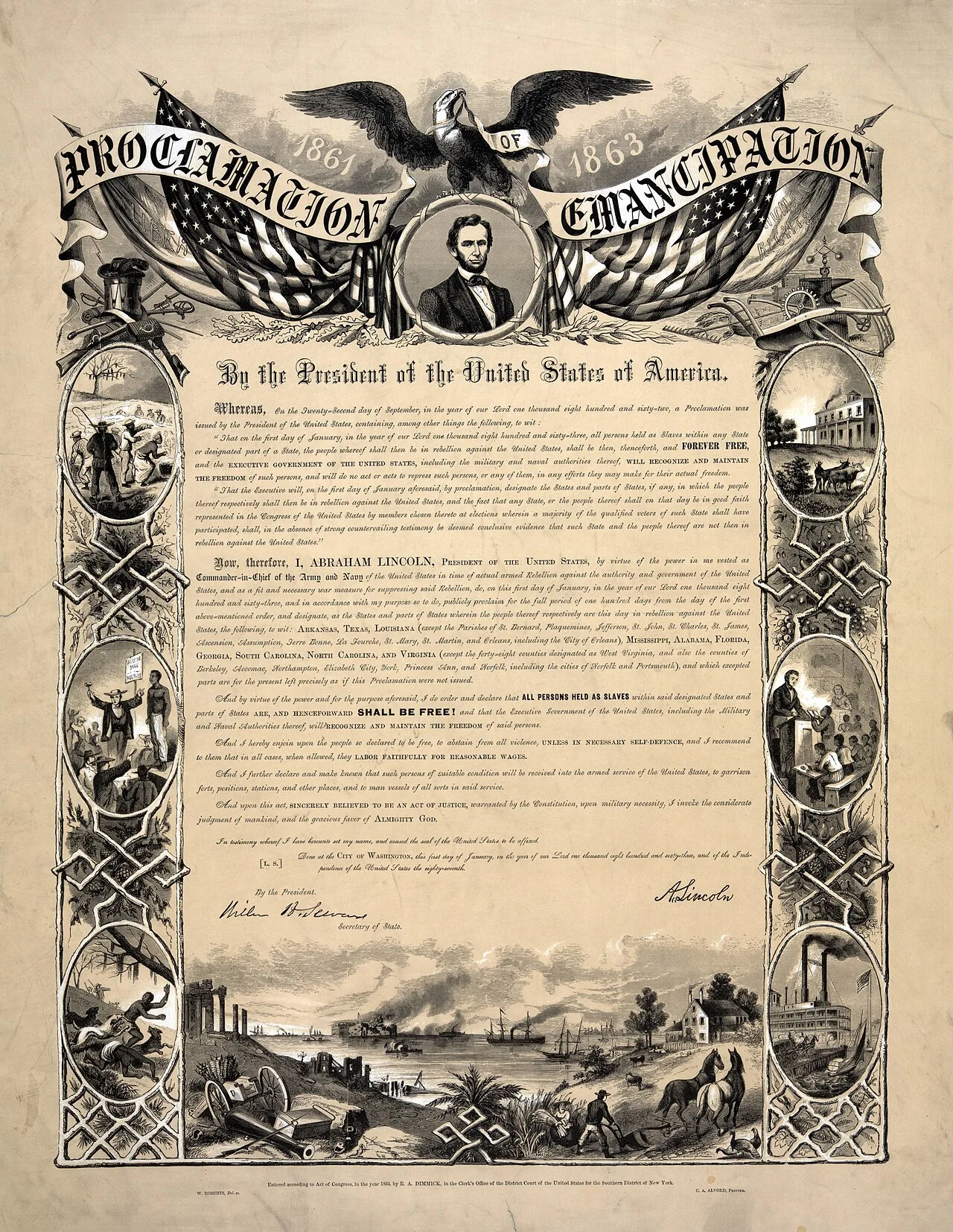 Wikimedia Commons · W. Roberts · Public domain ↗
Emancipation Proclamation
What did the Emancipation Proclamation do?
The proclamation applied to enslaved people in designated places in rebellion; the Thirteenth Amendment later abolished slavery in law.
One accepted response: Freed the slaves
Other printed responses: Freed slaves in the Confederacy; Freed slaves in the Confederate states; Freed slaves in most Southern states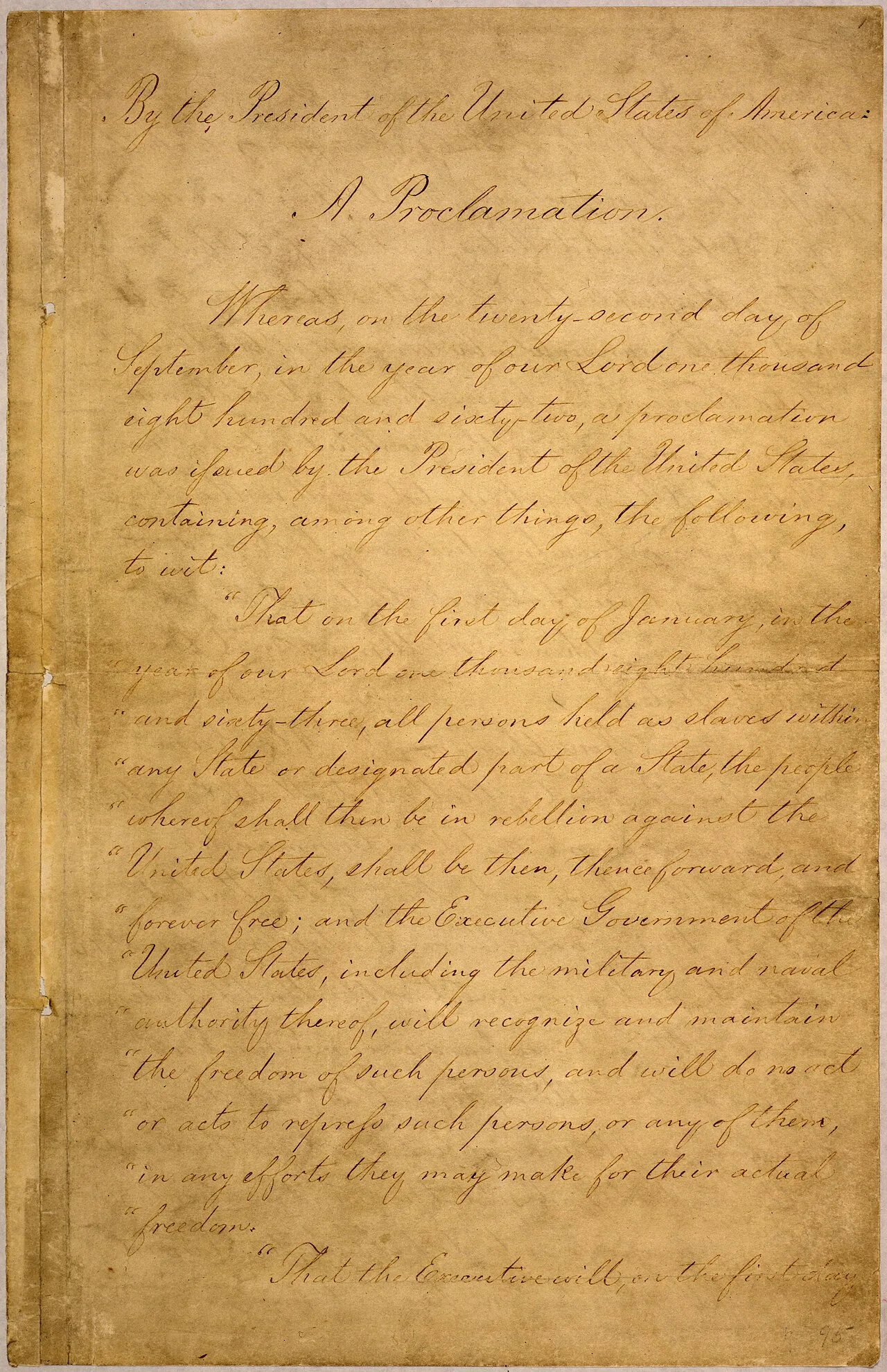 Wikimedia Commons · Lincoln, Abraham, 1809-1865 · Public domain ↗
War Ending Slavery
What U.S. war ended slavery?
Slavery was one of the issues behind the Civil War, and the Thirteenth Amendment later abolished it in law.
One accepted response: The Civil War Unsplash · Jon Sailer · Unsplash License ↗
Fourteenth Amendment
What amendment says all persons born or naturalized in the United States, and subject to the jurisdiction thereof, are U.S. citizens?
The Fourteenth Amendment connects national citizenship to birth or naturalization under its jurisdiction clause.
One accepted response: 14th Amendment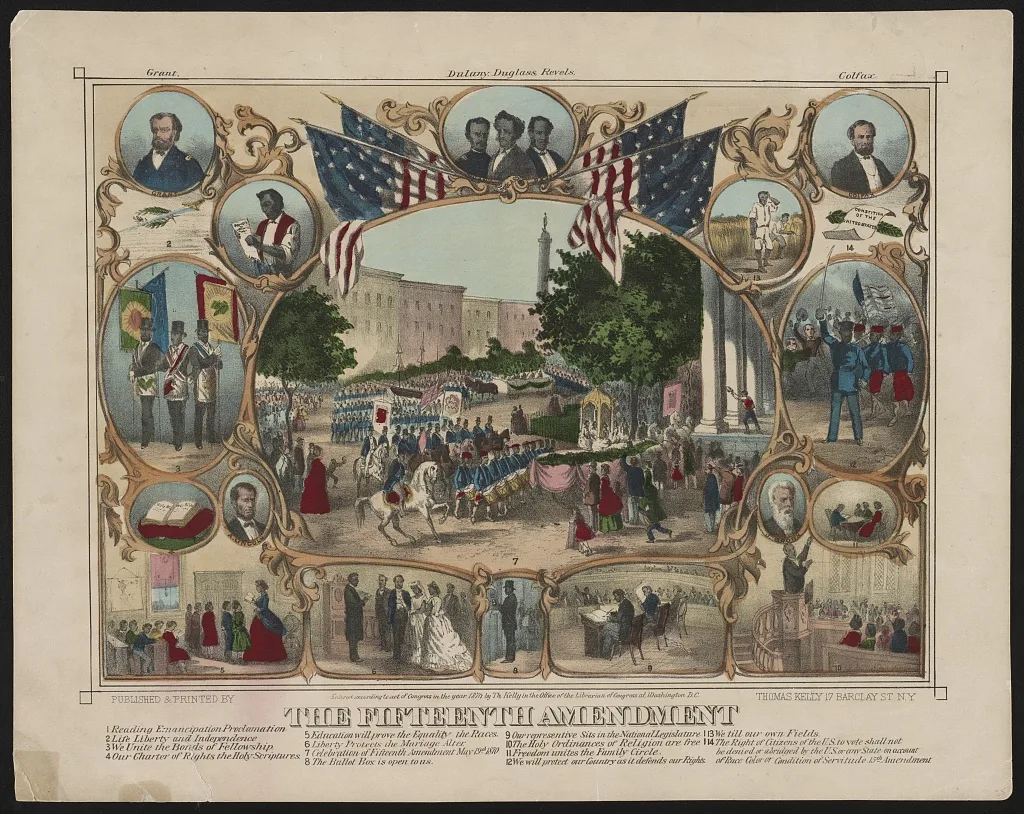 Library of Congress · The Fifteenth amendment · No known restrictions (verify at source) ↗
Men's Voting Milestone
When did all men get the right to vote?
After the Thirteenth Amendment abolished slavery in law and the Fourteenth established national citizenship rules, the Fifteenth barred denial of voting rights on account of race, color, or previous servitude.
One accepted response: After the Civil War
Other printed responses: During Reconstruction; (With the) 15th Amendment; 18701 / 10Name the U.S. war between the North and the South.
The Civil War. Abraham Lincoln led the nation through it, and it is the war that ended slavery.
Lesson 10 has 26 cards. Keep going in the free app.
Question
Doubled in 1803 
Not Everywhere at Once 
Two Gettysburgs All 30 clips on YouTube ↗Transcripts
Doubled in 1803
One purchase doubled the nation's territory. Thomas Jefferson was president at the time.
What territory did the United States buy from France in 1803? The printed answers are Louisiana Territory, and Louisiana.
Thomas Jefferson is famous for many things. Name one. One printed answer is: Doubled the size of the United States.
One question asks for the territory itself. The other asks what Jefferson is known for.
Not Everywhere at Once
The Emancipation Proclamation did not immediately free every enslaved person everywhere. It reached only the areas in rebellion.
What did the Emancipation Proclamation do? Printed answers include: Freed slaves in the Confederacy, and Freed the slaves.
The 13th Amendment later abolished slavery in law. It made one exception: punishment for crime after conviction.
What U.S. war ended slavery? The printed answer is: The Civil War.
Two Gettysburgs
Gettysburg turns up in answers to two test questions. The trick is hearing which one is asked.
The Civil War had many important events. Name one. Printed answers include: Battle of Gettysburg, and Surrender at Appomattox.
Abraham Lincoln is famous for many things. Name one. One printed answer is: Delivered the Gettysburg Address.
One asks what happened during the war. The other asks what Lincoln is known for. A battle, or an address.
Episode 107:00
What was the Louisiana Purchase, and how did the Civil War and Reconstruction change the country?
-
 Wikipedia · Dorothea Lange · Public domain ↗11
The 1900s: World Wars, Depression, and Cold War
World War I and Women’s Suffrage · Depression and World War II · Cold War and Communism
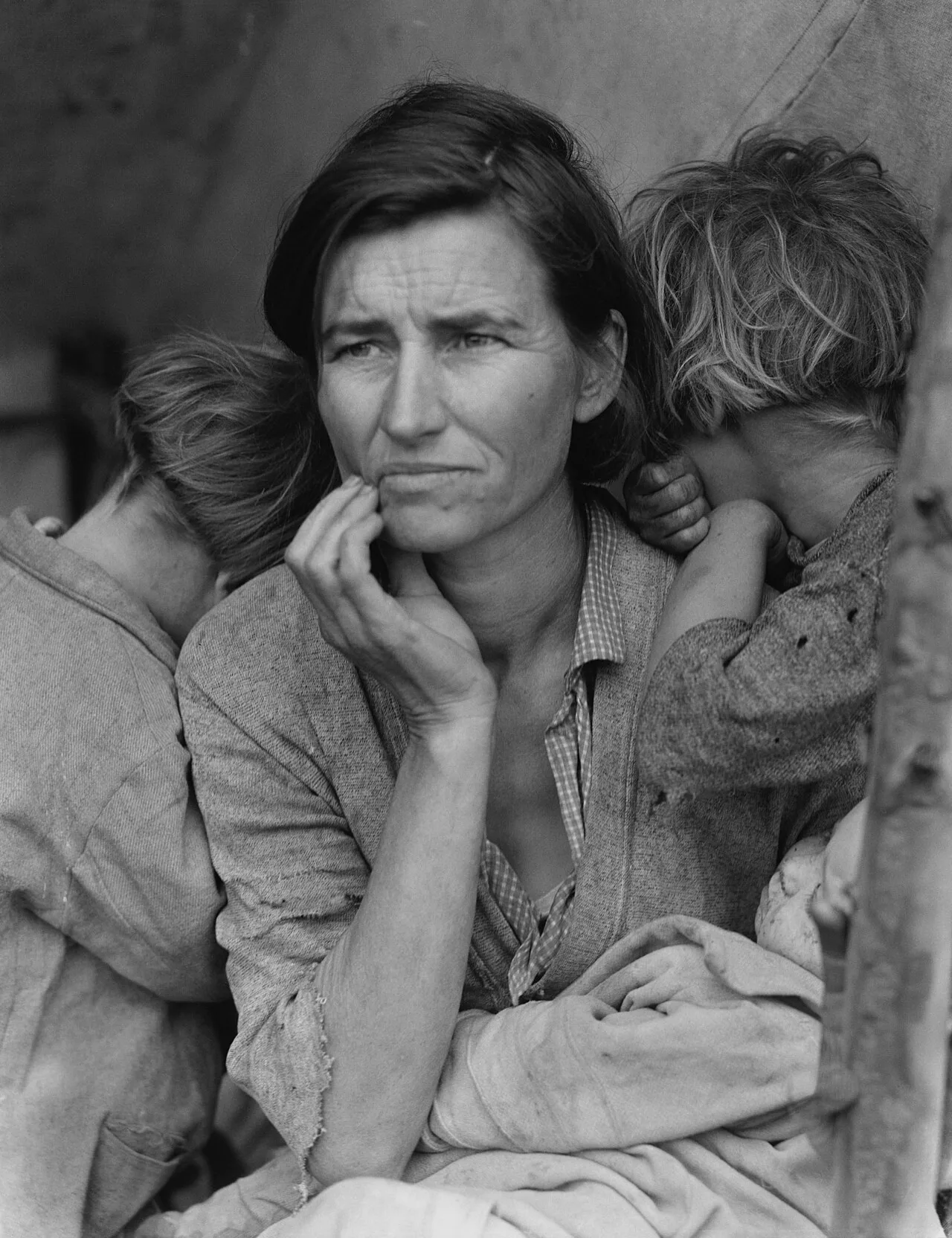
Lesson 11 · 10 cardsWikipedia · Dorothea Lange · Public domain ↗Great Depression
What was the Great Depression?
The Great Depression was a deep, prolonged economic slump that began in 1929.
One accepted response: Longest economic recession in modern history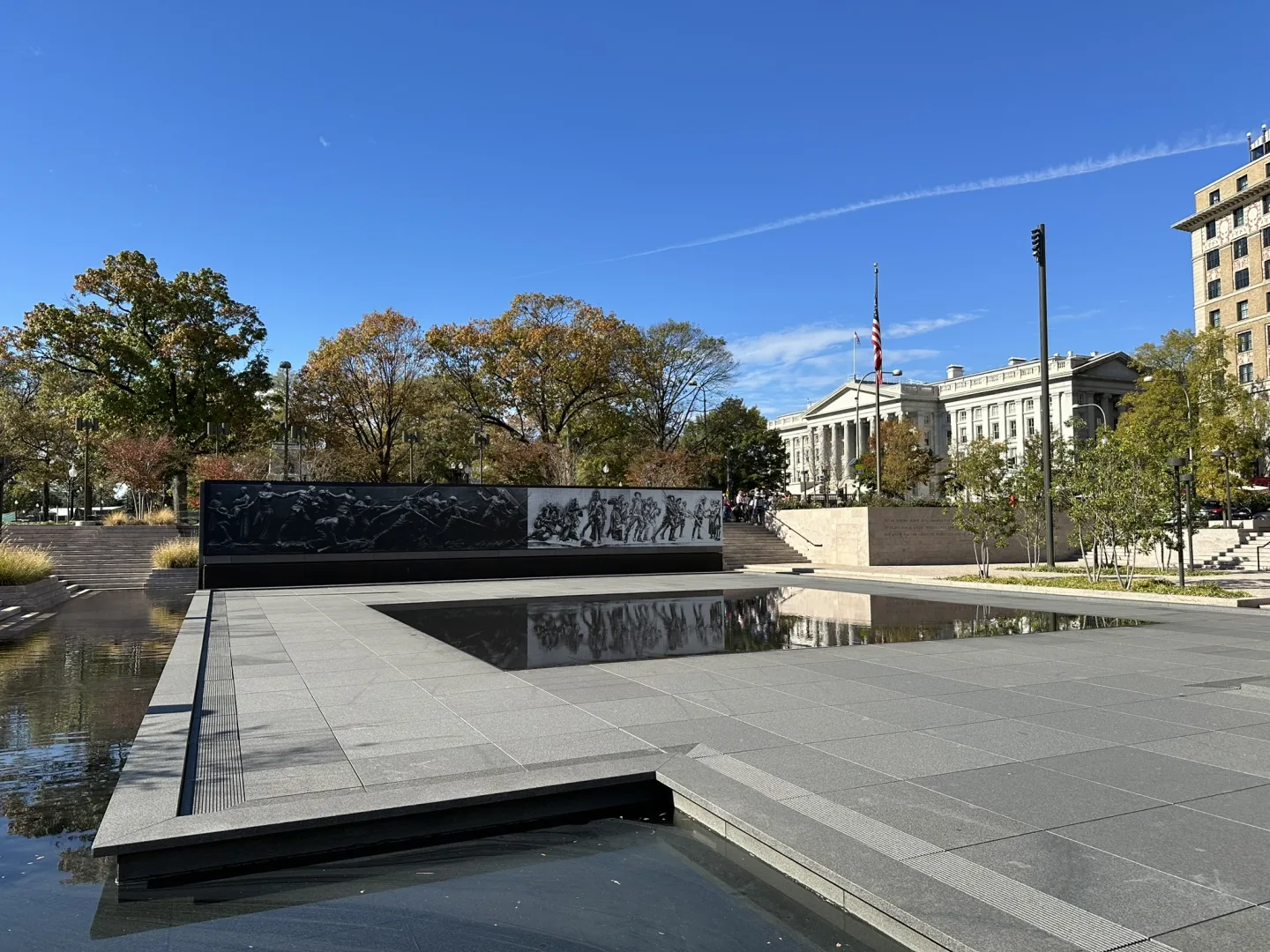 Wikimedia Commons · APK · CC BY 4.0 ↗
Twentieth-Century Wars
Name one war fought by the United States in the 1900s.
The United States fought in several wars in the 1900s, including the world wars and the wars in Korea and Vietnam.
One accepted response: World War I
Other printed responses: World War II; Korean War; Vietnam War; (Persian) Gulf War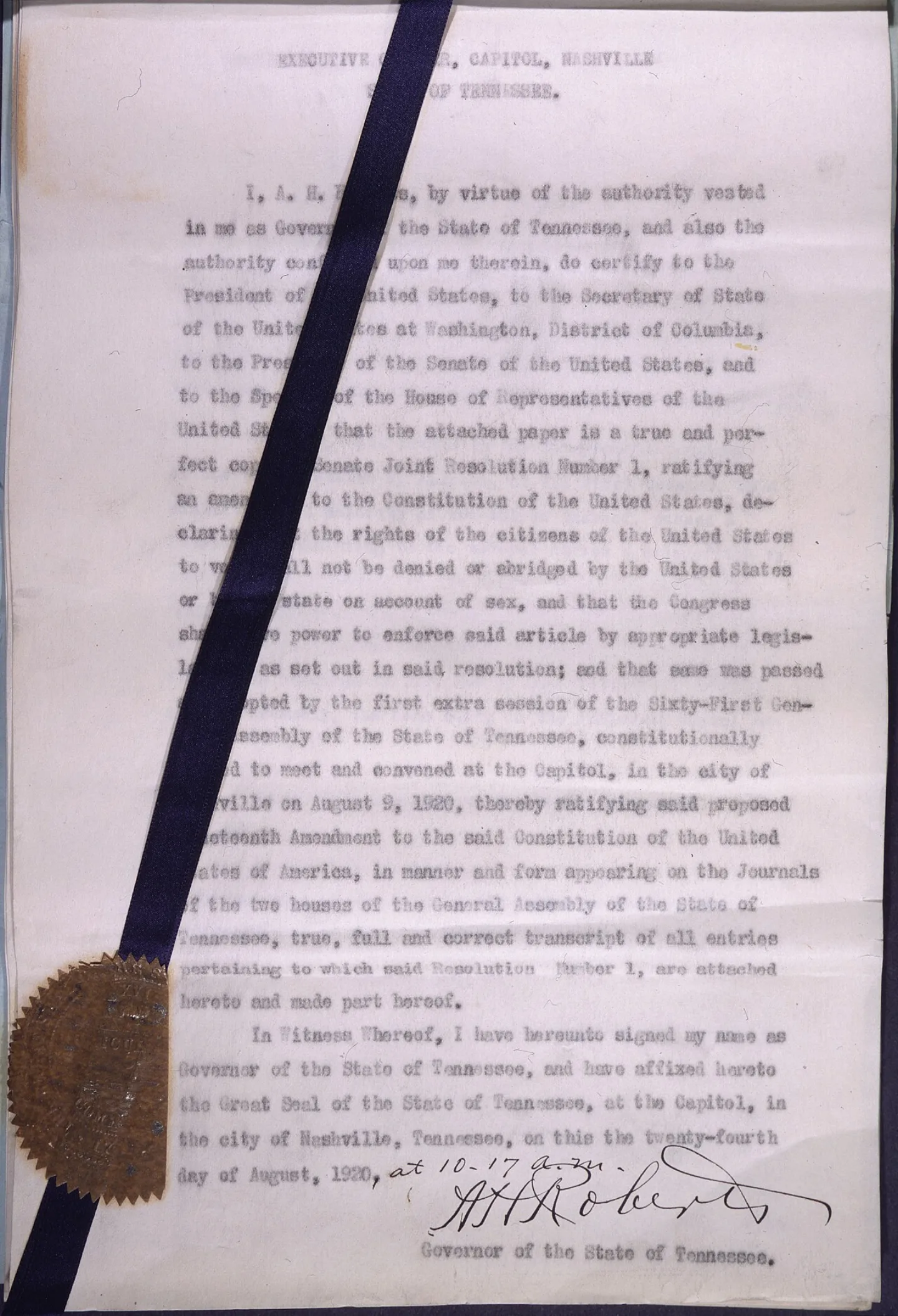 Wikimedia Commons · The U.S. National Archives · No restrictions ↗
Women's Voting Milestone
When did all women get the right to vote?
In 1920, after World War I, the Nineteenth Amendment barred voting discrimination on account of sex, though not every practical barrier disappeared then.
One accepted response: 1920
Other printed responses: After World War I; (With the) 19th Amendment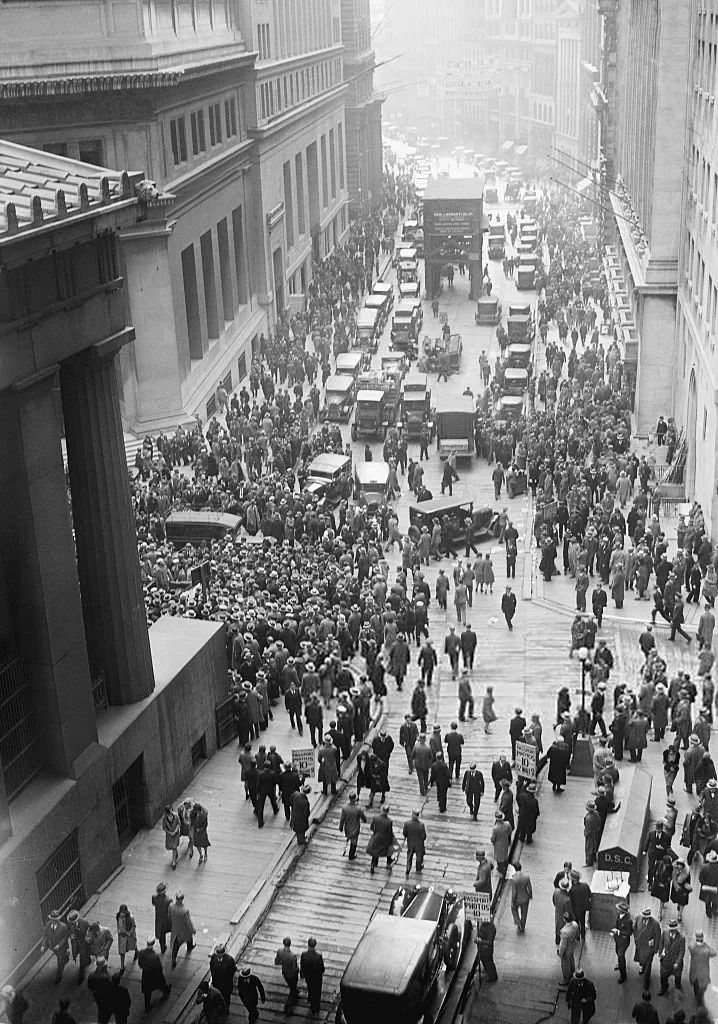 Wikimedia Commons · US-gov · Public domain ↗
Depression's Start
When did the Great Depression start?
The Great Depression is commonly dated to the Wall Street stock market crash of October 1929, which triggered the broader economic collapse that followed.
One accepted response: The Great Crash (1929)
Other printed responses: Stock market crash of 1929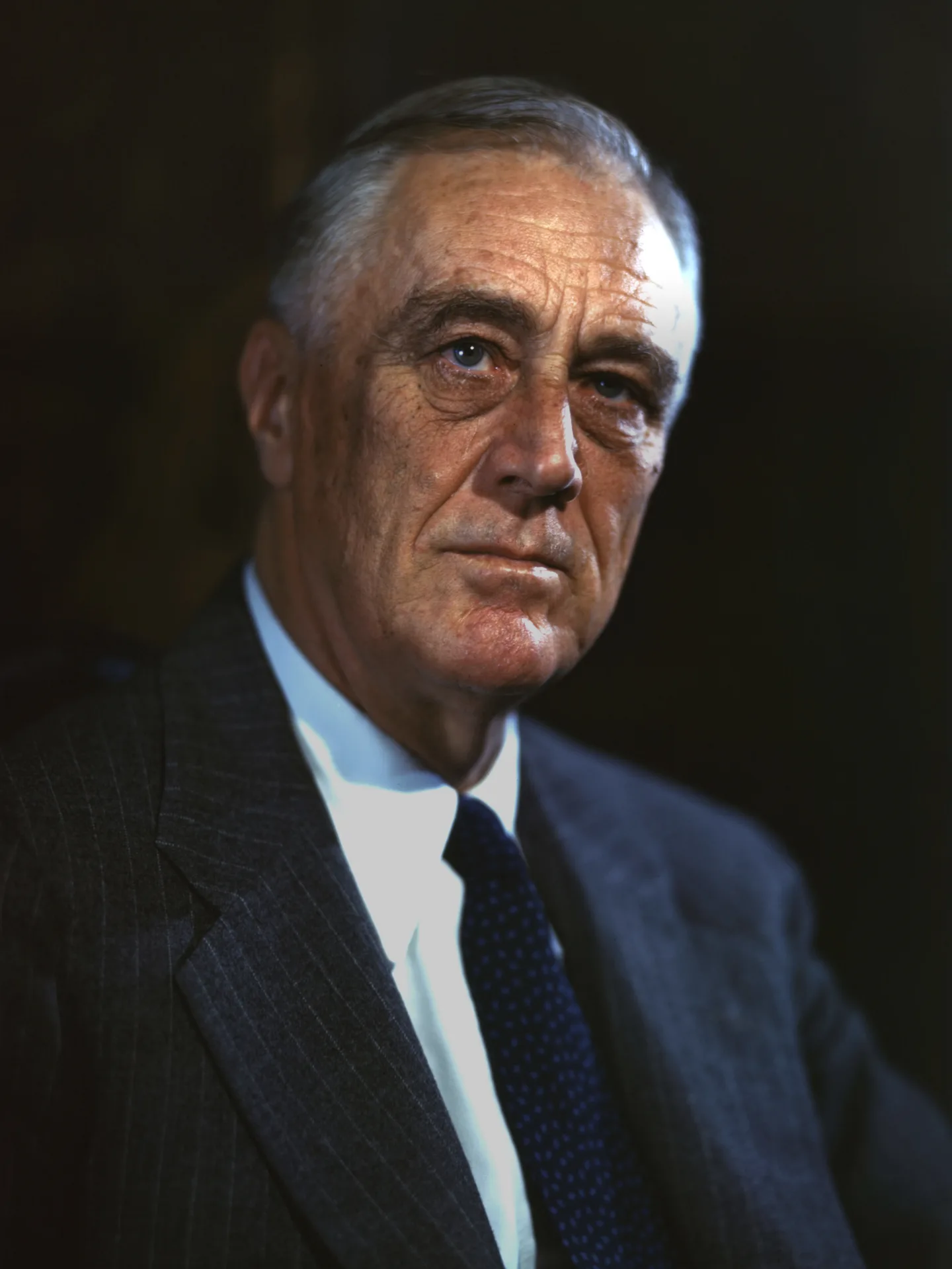 Leon Perskie / FDR Presidential Library & Museum · CC BY 2.0, cropped and resized ↗
Depression and War Years
Who was president during the Great Depression and World War II?
Franklin Roosevelt was president during most of the Depression, which began in 1929, and most of World War II.
One accepted response: (Franklin) Roosevelt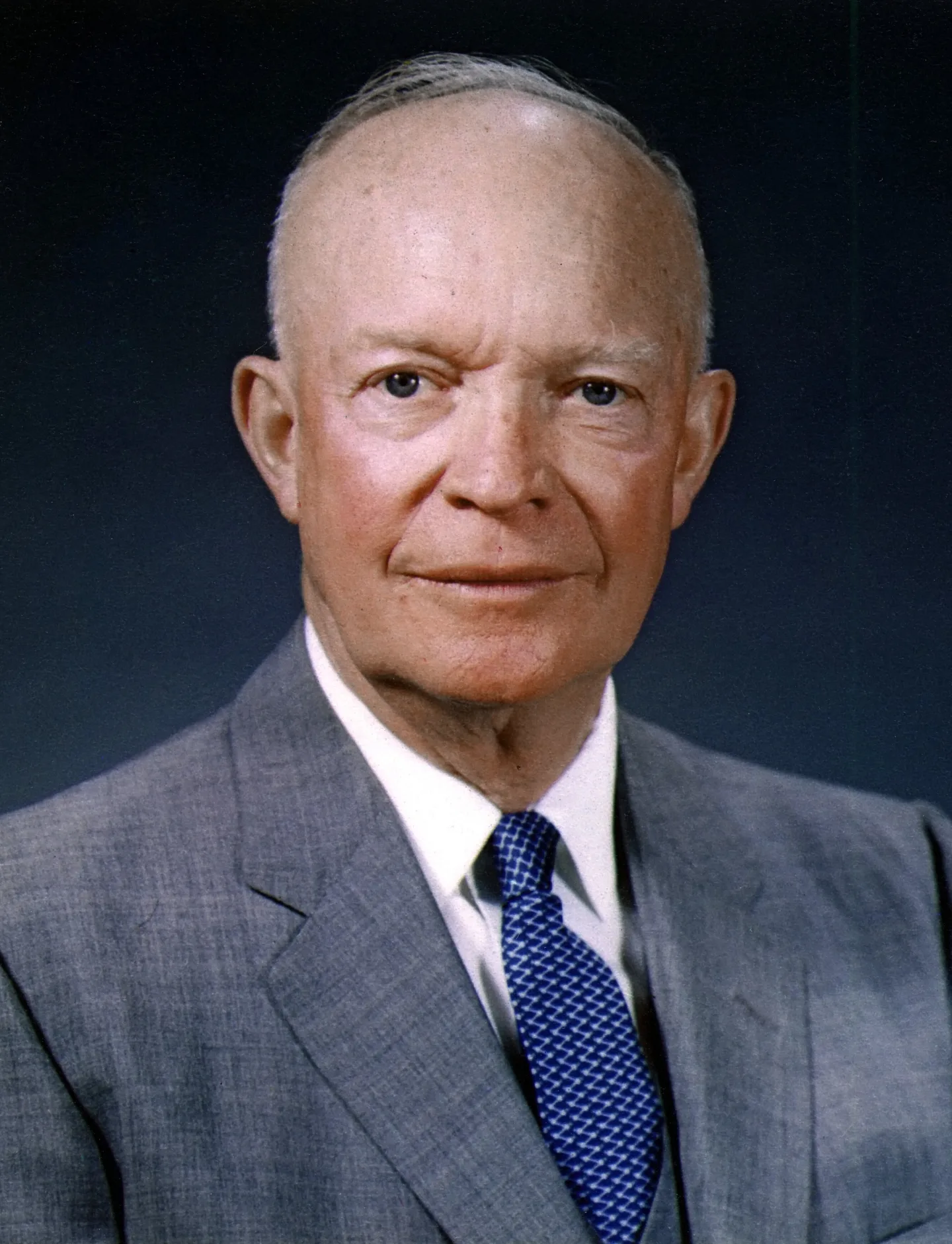 Wikimedia Commons · White House · Public domain ↗
Eisenhower's Achievements
Dwight Eisenhower is famous for many things. Name one.
One accepted response: General during World War II
Other printed responses: President at the end of (during) the Korean War; 34th president of the United States; Signed the Federal-Aid Highway Act of 1956 (Created the Interstate System) Wikimedia Commons · OTFW, Berlin · CC BY-SA 3.0 ↗
Cold War Rival
Who was the United States’ main rival during the Cold War?
After World War II, the United States and the Soviet Union became rivals in the Cold War.
One accepted response: Soviet Union
Other printed responses: USSR; Russia Wikimedia Commons · Carol M. Highsmith · Public domain ↗
Cold War Concern
During the Cold War, what was one main concern of the United States?
Communism was a central ideological issue in the Cold War rivalry between the United States and the Soviet Union.
One accepted response: Communism
Other printed responses: Nuclear war1 / 10Which choice gives one accepted response to: “Why did the United States enter World War I?”
Because Germany attacked U.S. civilian ships. Japan’s attack on Pearl Harbor drew the country into World War II instead.
Lesson 11 has 31 cards. Keep going in the free app.
Question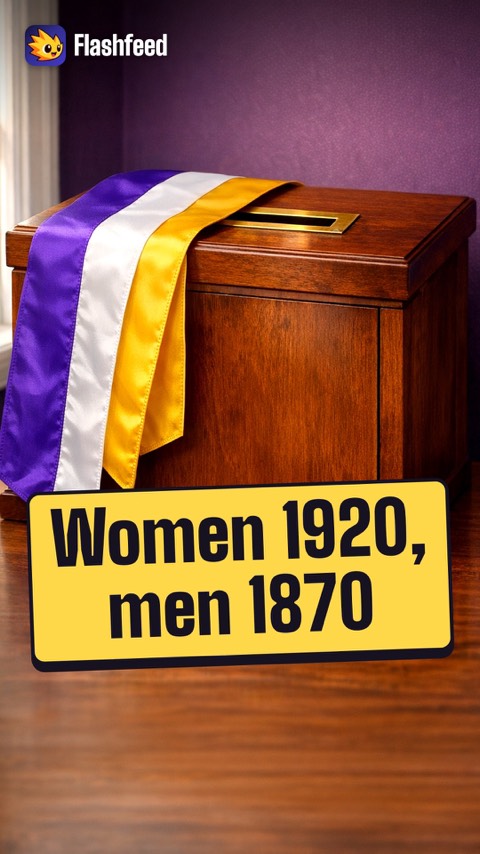
One Word, Two Years 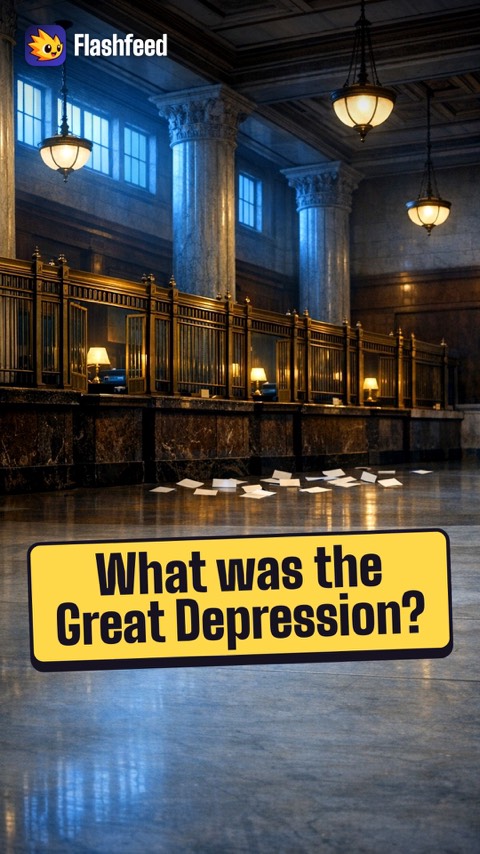
What, When, Who 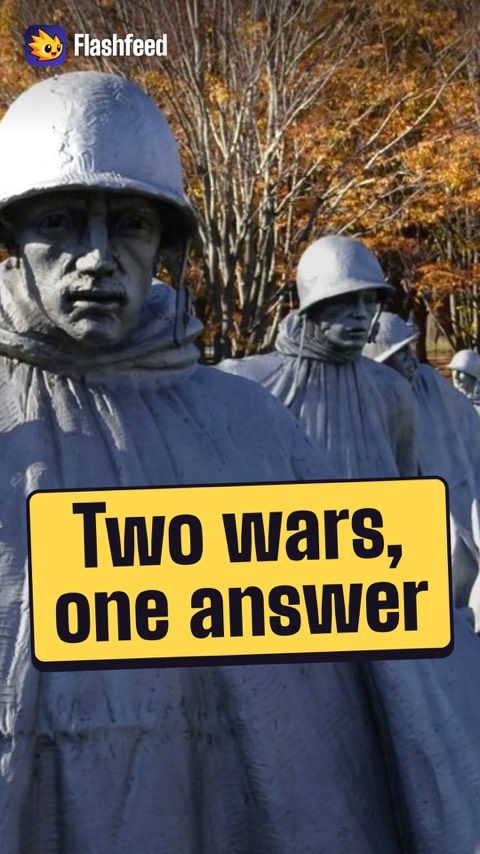
Two Wars, One Answer All 30 clips on YouTube ↗Transcripts
One Word, Two Years
One word in a civics question changes the printed year. Women, or men?
When did all women get the right to vote? One printed answer is 1920. Another is: with the 19th Amendment.
When did all men get the right to vote? One printed answer is 1870.
After World War I, the 19th Amendment barred voting discrimination on account of sex. On its own, it did not remove every practical voting barrier.
What, When, Who
The Great Depression has 3 civics questions. What was it? When did it start? Who was president?
What was the Great Depression? The printed answer is: Longest economic recession in modern history.
When did the Great Depression start? One printed answer is: Stock market crash of 1929.
Who was president during the Great Depression and World War II? The printed answer is Franklin Roosevelt.
Two Wars, One Answer
The Korean War and the Vietnam War. Two different wars, one printed answer.
Why did the United States enter the Korean War? The printed answer is: To stop the spread of communism.
Why did the United States enter the Vietnam War? The printed answer is the same: To stop the spread of communism.
After World War II, the United States and the Soviet Union became Cold War rivals. Communism was central to that rivalry.
Episode 118:08
Which wars did the U.S. fight in the 1900s, and why did it enter the Korean and Vietnam Wars?
-
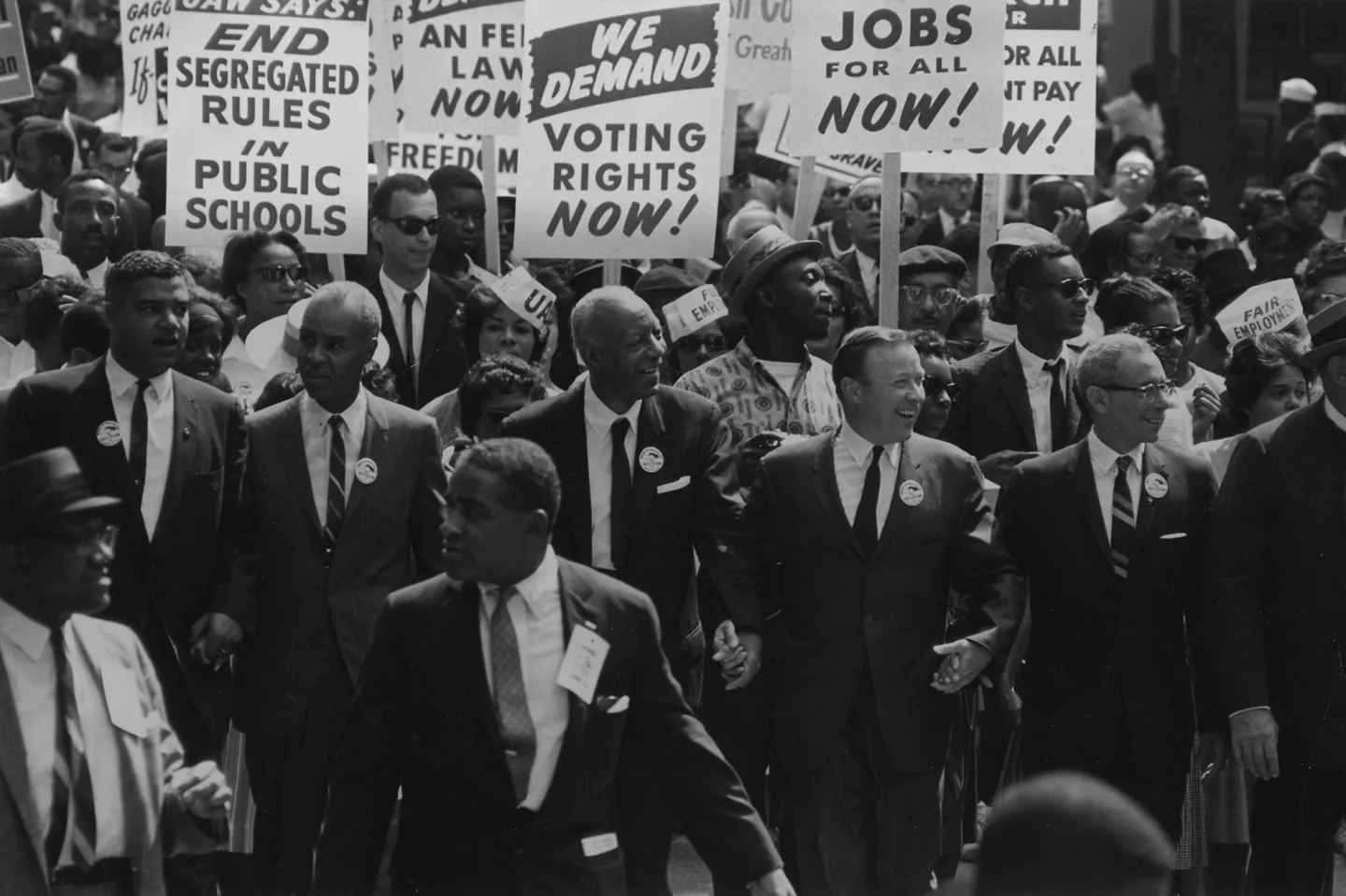 Wikimedia Commons · Rowland Scherman · Public domain ↗12
Modern America: Civil Rights, 9/11, and Innovation
Civil Rights · Modern Conflicts, 9/11, and Innovation
Lesson 12 · 7 cardsWikimedia Commons · Rowland Scherman · Public domain ↗Civil Rights Movement
What did the civil rights movement do?
The civil rights movement challenged racial discrimination through organizing, protest, litigation, and federal action.
One accepted response: Fought to end racial discrimination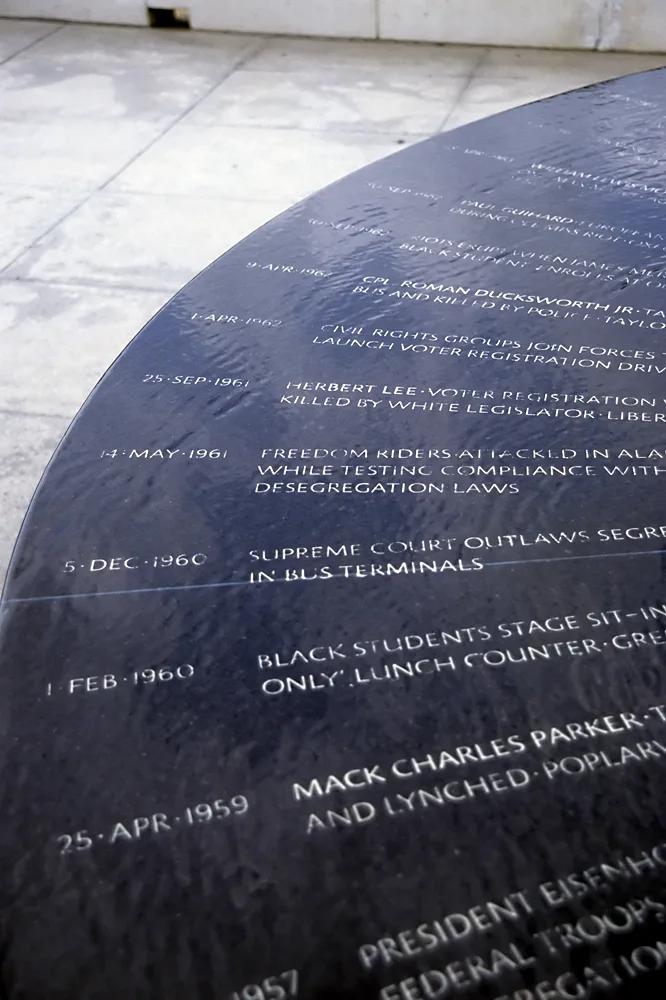 Wikimedia Commons · Eric Hunt · CC BY 2.5 ↗
King's Work
Martin Luther King, Jr. is famous for many things. Name one.
Martin Luther King, Jr. is associated with nonviolent action for civil rights and with work for equality.
One accepted response: Fought for civil rights
Other printed responses: Worked for equality for all Americans; Worked to ensure that people would "not be judged by the color of their skin, but by the content of their character"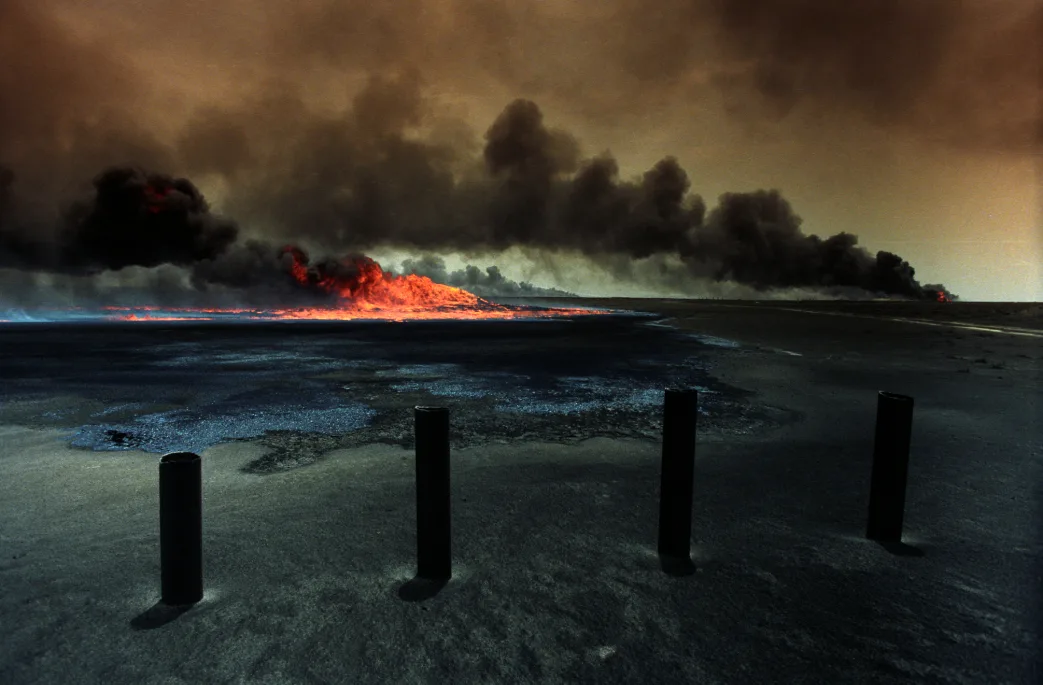 Wikimedia Commons · Habib Hassan Kuwait · CC BY-SA 4.0 ↗
Persian Gulf War
Why did the United States enter the Persian Gulf War?
The Persian Gulf War (1990–1991) was a U.S.-led military campaign that expelled Iraqi forces after Iraq invaded Kuwait.
One accepted response: To force the Iraqi military from Kuwait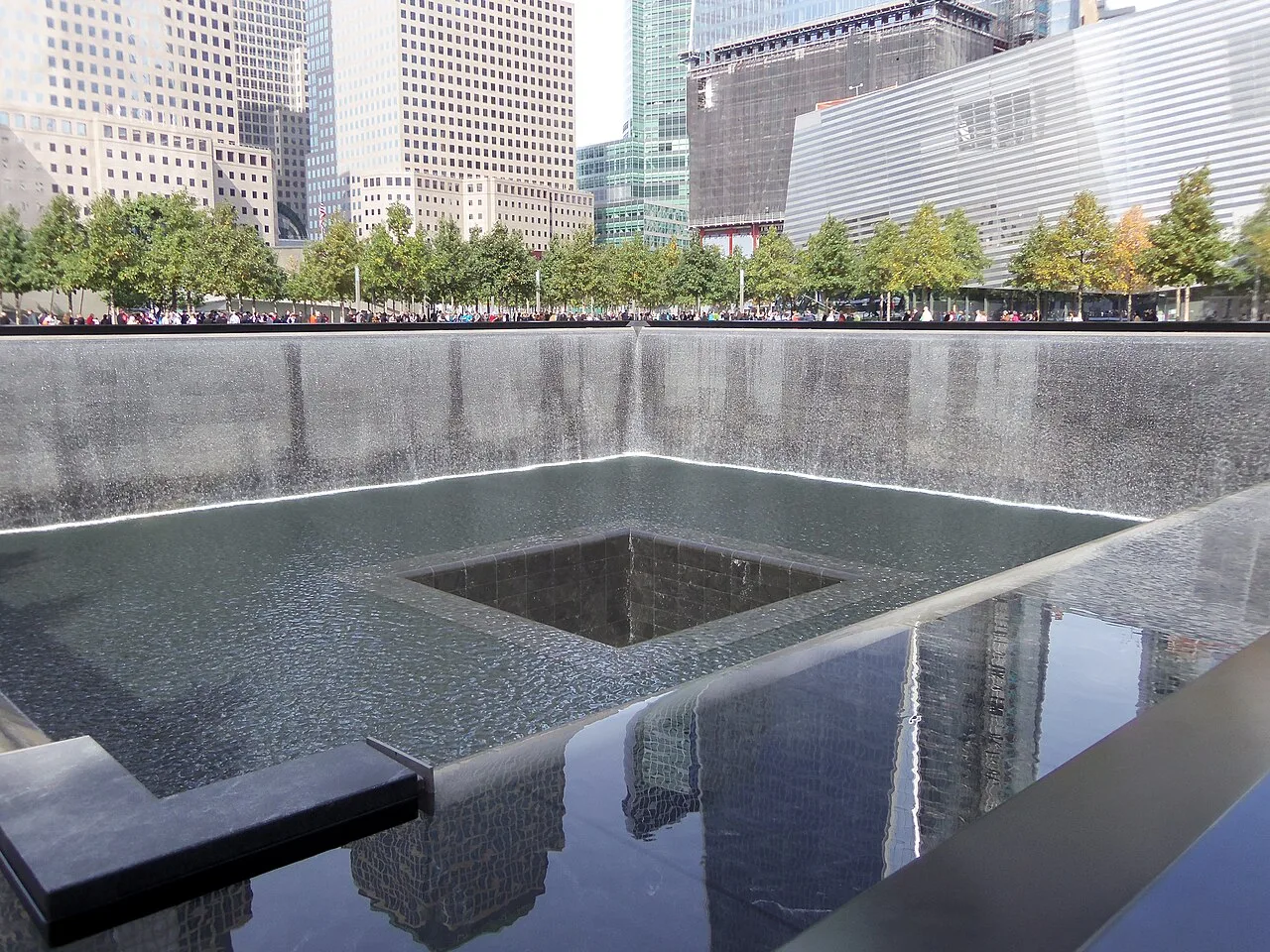 Farragutful · CC BY-SA 3.0, resized ↗
September 11 Attacks
What major event happened on September 11, 2001 in the United States?
One accepted response: Terrorists attacked the United States
Other printed responses: Terrorists took over two planes and crashed them into the World Trade Center in New York City; Terrorists took over a plane and crashed into the Pentagon in Arlington, Virginia; Terrorists took over a plane originally aimed at Washington, D.C., and crashed in a field in Pennsylvania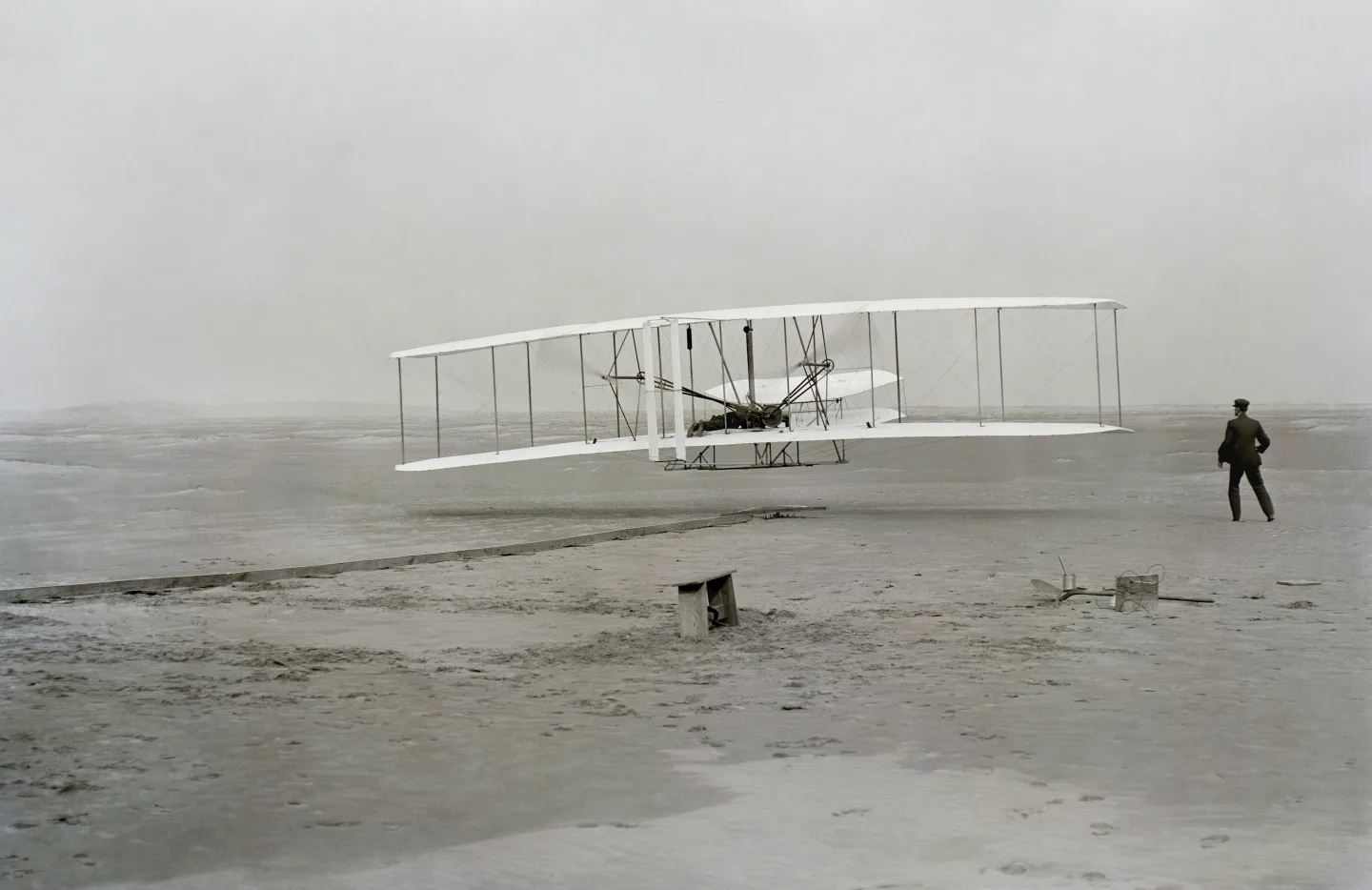 Wikimedia Commons · John T. Daniels · Public domain ↗
American Innovations
Name one example of an American innovation.
One accepted response: Light bulb
Other printed responses: Automobile (cars, internal combustion engine); Skyscrapers; Airplane; Assembly line; Landing on the moon; Integrated circuit (IC)1 / 7What did the civil rights movement do?
Fought to end racial discrimination. It used court cases, protest, organizing, and federal law to challenge segregation and unequal treatment.
Lesson 12 has 24 cards. Keep going in the free app.
Question
The Movement and the Man 
One Date, Two Questions 
The Moon Landing Counts All 30 clips on YouTube ↗Transcripts
The Movement and the Man
A whole movement, or one man? Two civics questions keep them apart.
What did the civil rights movement do? The printed answer is: Fought to end racial discrimination.
Martin Luther King, Jr. is famous for many things. Name one. Printed answers include: Fought for civil rights. Worked for equality for all Americans.
The movement used court cases, organizing, protest, and federal law. King is associated with nonviolent action.
One Date, Two Questions
One date. Two civics questions. They ask for different things.
What major event happened on September 11, 2001 in the United States? One printed answer is: Terrorists attacked the United States.
Name one U.S. military conflict after the September 11, 2001 attacks. Printed answers include War in Afghanistan and War in Iraq.
One question asks for the event. The other asks for a war that came later.
The Moon Landing Counts
Light bulb. Skyscrapers. Landing on the moon. On the civics test, all three answer the same question.
Name one example of an American innovation. One printed answer is: Light bulb.
Other printed answers include: Automobile. Skyscrapers. Airplane. Assembly line. Landing on the moon. Integrated circuit.
7 printed answers, and any one of them counts. The question asks for an invention, not a war or a tribe.
Episode 127:04
What did Martin Luther King Jr. do, and what happened on September 11, 2001?
Also on Spotify ↗Apple Podcasts ↗
-
 Wikimedia Commons · Greyfiveys · CC BY-SA 4.0 ↗13
Symbols and Holidays
National Symbols · Mottos and Holidays
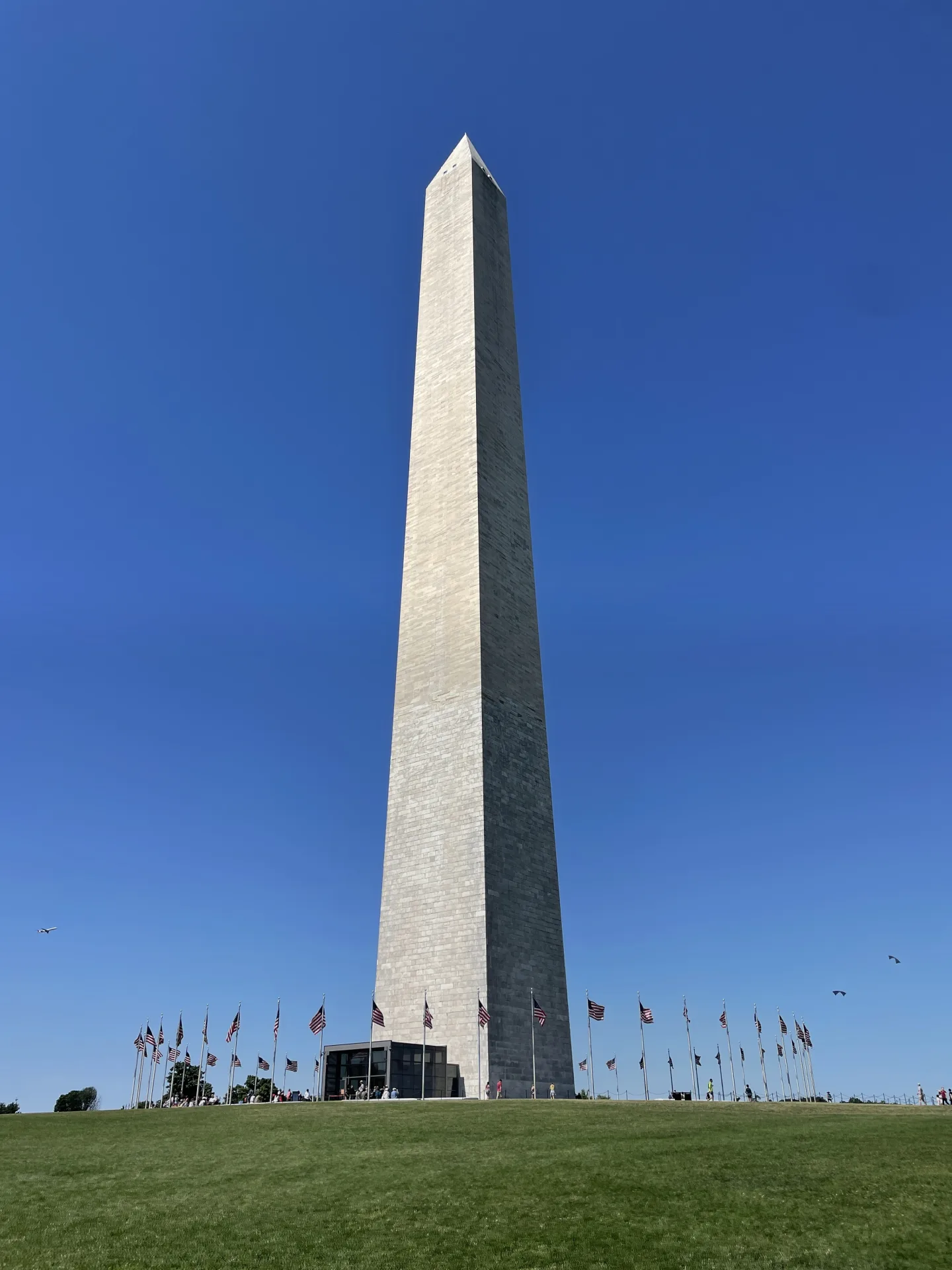
Lesson 13 · 10 cardsWikimedia Commons · Greyfiveys · CC BY-SA 4.0 ↗National Capital
What is the capital of the United States?
One accepted response: Washington, D.C.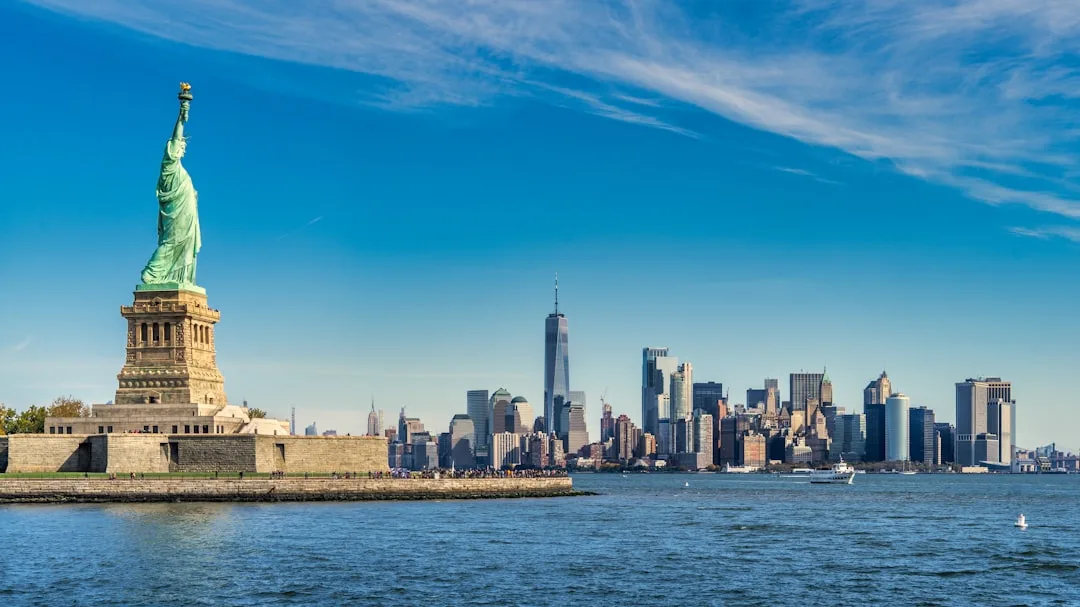 Unsplash · Pierre Blaché · Unsplash License ↗
Statue of Liberty
Where is the Statue of Liberty?
One accepted response: New York (Harbor)
Other printed responses: Liberty Island [Also acceptable are New Jersey, near New York City, and on the Hudson (River).]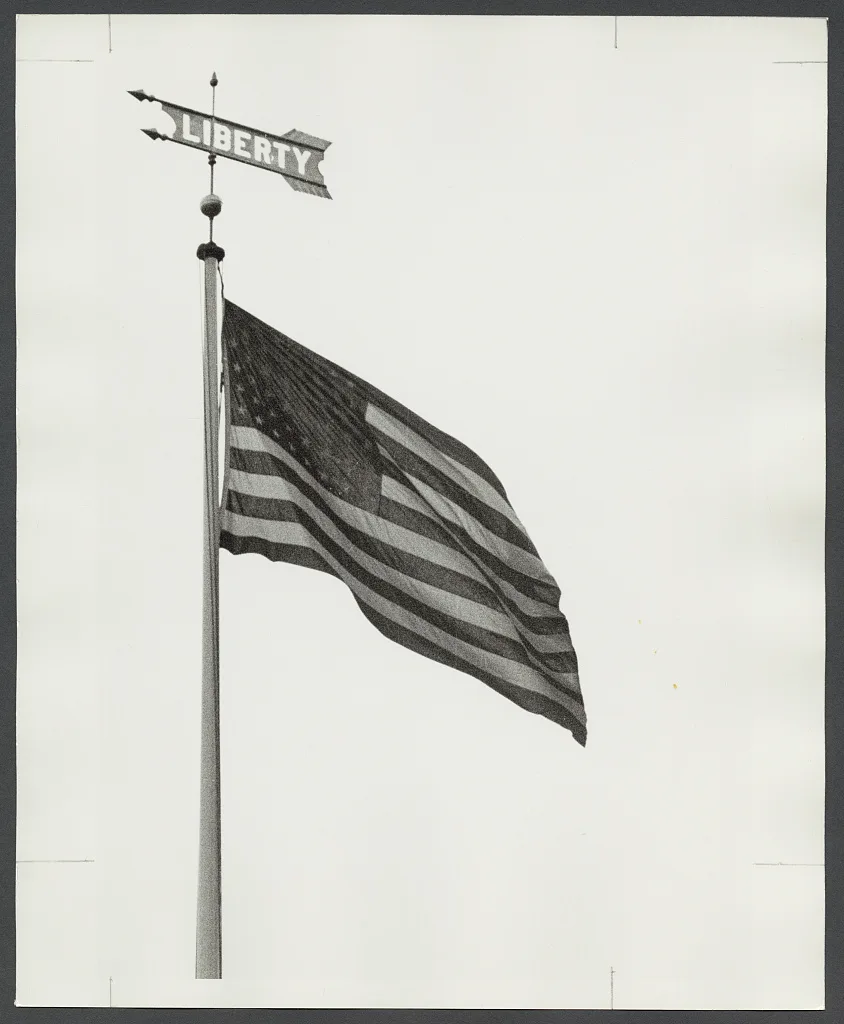 Library of Congress · [United States flag waving in the wind] · No known restrictions (verify at source) ↗
Thirteen Stripes
Why does the flag have 13 stripes?
On the flag, the thirteen stripes stand for the original colonies, while the stars stand for the states.
One accepted response: (Because there were) 13 original colonies
Other printed responses: (Because the stripes) represent the original colonies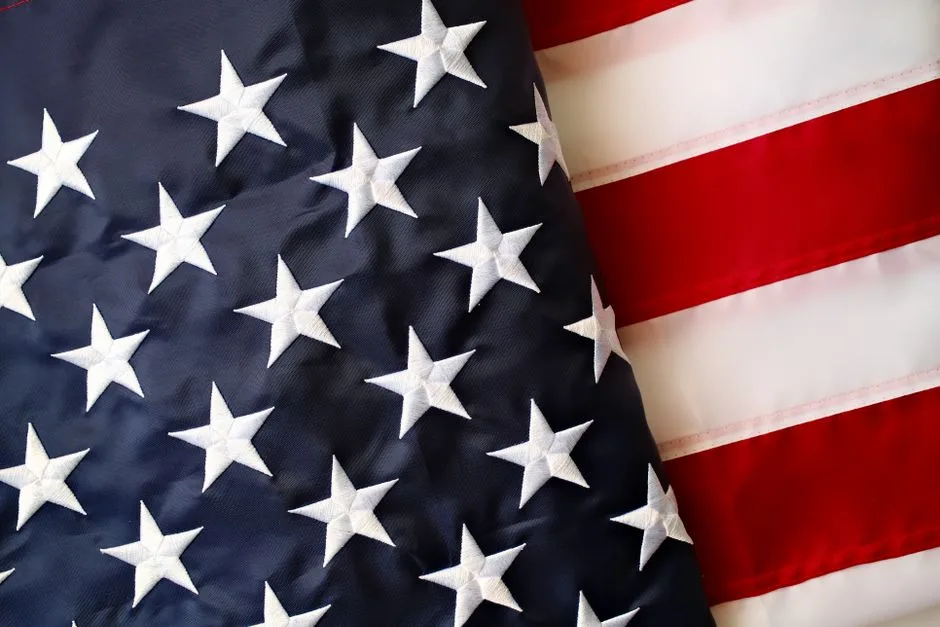 Pexels · Steppe Walker · Pexels License ↗
Fifty Stars
Why does the flag have 50 stars?
The flag’s thirteen stripes refer to the original colonies, while its fifty stars refer to the states.
One accepted response: (Because there is) one star for each state
Other printed responses: (Because) each star represents a state; (Because there are) 50 states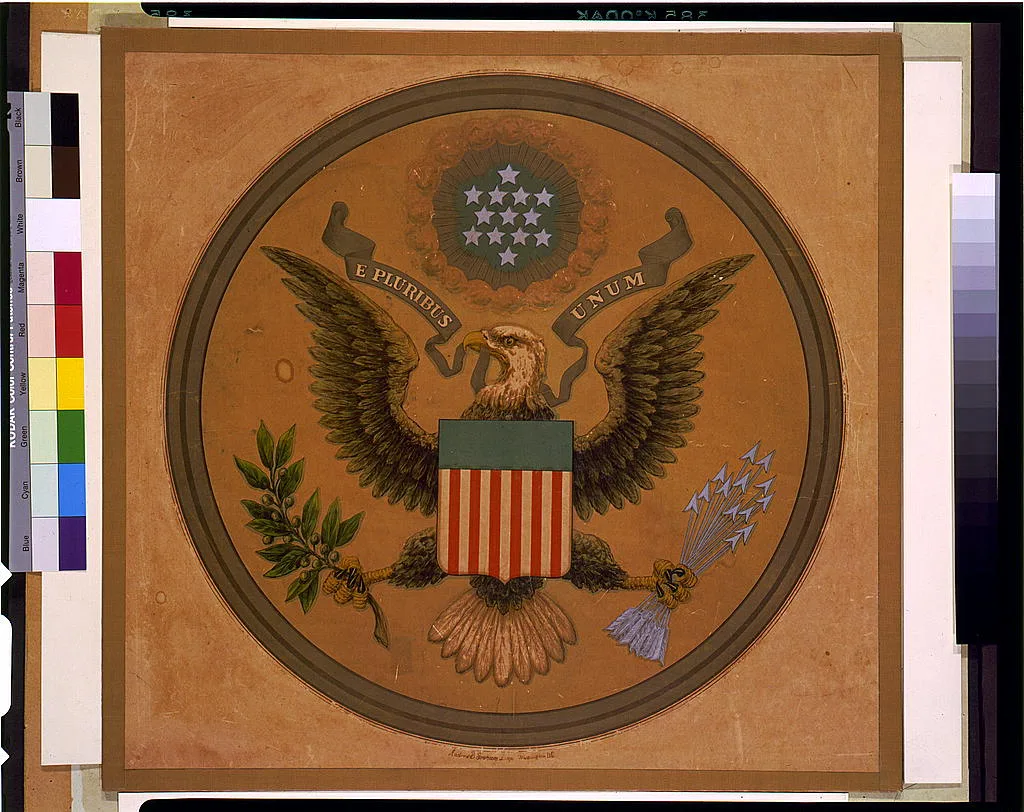 Library of Congress · E pluribus unum · No known restrictions (verify at source) ↗
First National Motto
The Nation’s first motto was “E Pluribus Unum.” What does that mean?
One accepted response: Out of many, one
Other printed responses: We all become one Unsplash · Sharosh Rajasekher · Unsplash License ↗
Independence Day
What is Independence Day?
Independence Day commemorates adoption of the Declaration of Independence.
One accepted response: A holiday to celebrate U.S. independence (from Britain)
Other printed responses: The country’s birthday Library of Congress · Memorial Day at Arlington National Cemetery in Virginia · No known restrictions (verify at source) ↗
Memorial Day's Purpose
What is Memorial Day?
Memorial Day honors soldiers who died in military service, while Veterans Day honors people who served. The two purposes are related but not interchangeable.
One accepted response: A holiday to honor soldiers who died in military service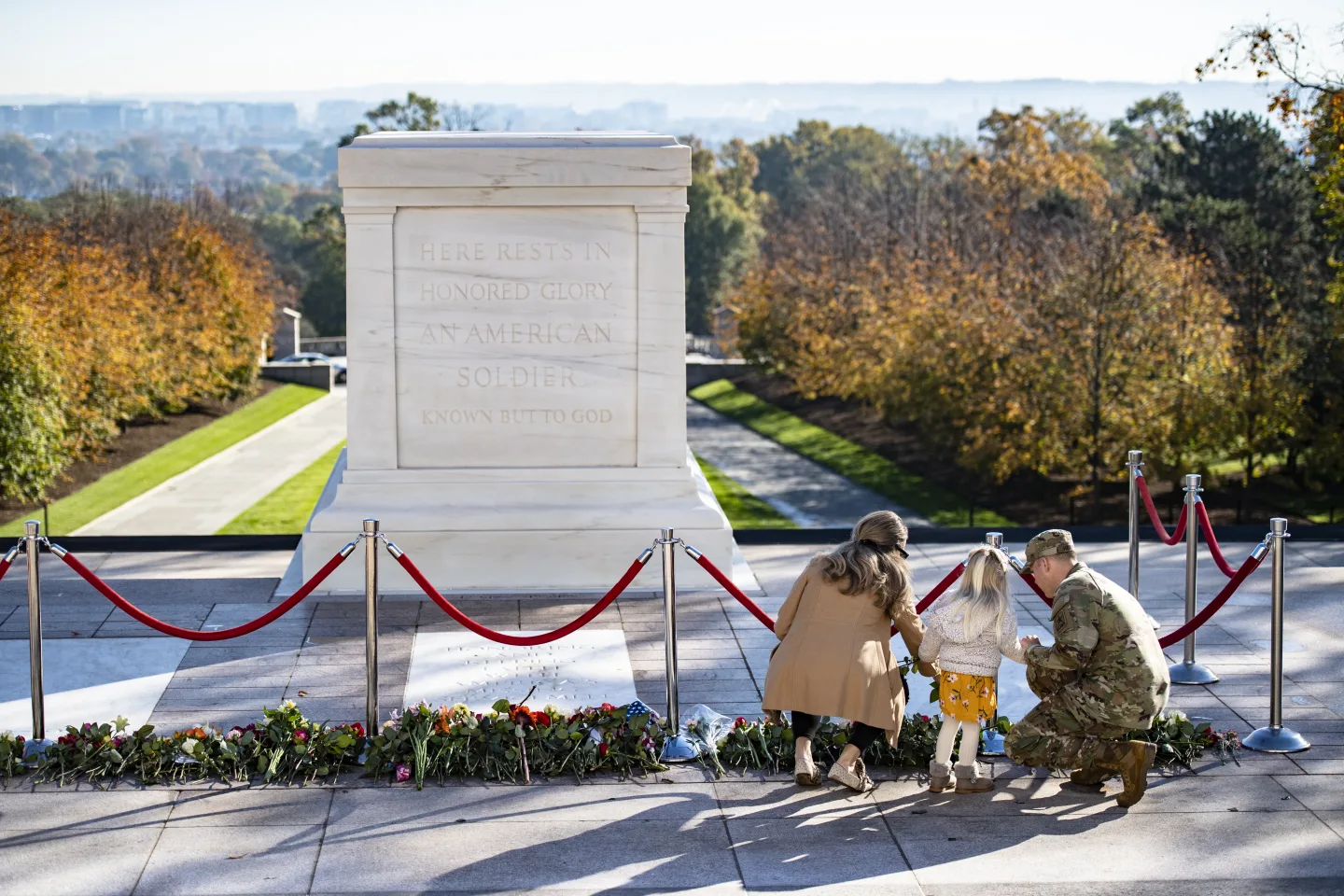 Wikimedia Commons · Arlington National Cemetery · Public domain ↗
Veterans Day's Purpose
What is Veterans Day?
Veterans Day honors people who served, while Memorial Day honors soldiers who died in military service. The two purposes are related but not interchangeable.
One accepted response: A holiday to honor people in the (U.S.) military
Other printed responses: A holiday to honor people who have served (in the U.S. military)1 / 10What is the capital of the United States?
Washington, DC. Philadelphia hosted the Constitutional Convention but is not the nation’s capital.
Lesson 13 has 26 cards. Keep going in the free app.
Question
Stripes and Stars 
Died, or Served 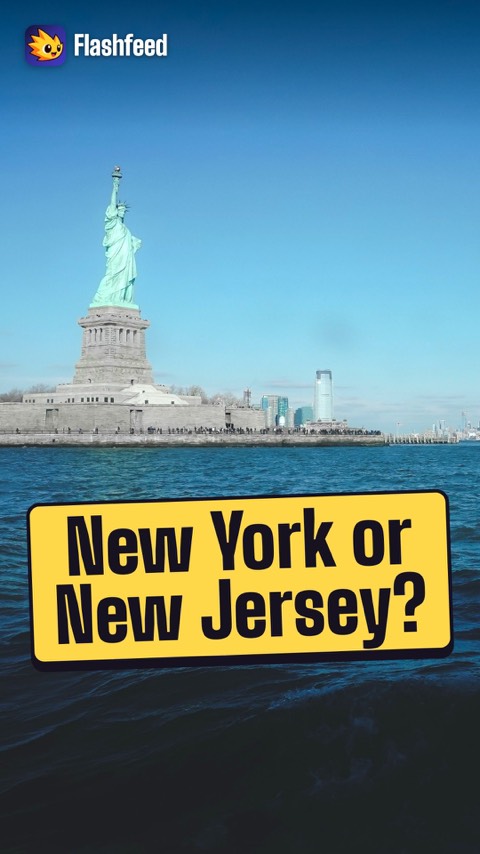
New York or New Jersey All 30 clips on YouTube ↗Transcripts
Stripes and Stars
13 stripes. 50 stars. Each number has its own civics question.
Why does the flag have 13 stripes? One printed answer is: because there were 13 original colonies.
Why does the flag have 50 stars? Printed answers include: because there are 50 states, and one star for each state.
Stripes go with colonies. Stars go with states. Match each number to the right part of the flag.
Died, or Served
Died, or served? Memorial Day and Veterans Day are related holidays. But their printed answers are not the same.
What is Memorial Day? The printed answer is: A holiday to honor soldiers who died in military service.
What is Veterans Day? One printed answer is: A holiday to honor people who have served in the U.S. military.
Memorial Day is about soldiers who died. Veterans Day is about people who served.
New York or New Jersey
Say the Statue of Liberty is in New Jersey, and the civics test still accepts that answer.
Where is the Statue of Liberty? One printed answer is: New York Harbor. Another is: Liberty Island.
Also acceptable: New Jersey, near New York City, and on the Hudson River.
So one answer is enough. New York Harbor counts. Liberty Island counts. New Jersey counts too.
Episode 136:28
Why does the U.S. flag have 13 stripes and 50 stars, and which national holidays should you know?
Also on Spotify ↗Apple Podcasts ↗


What you'll be able to do 13 objectives, from the pack's lessons
- Identify the form of government, what the Constitution does, the Bill of Rights, the Declaration’s ideas, and the rule of law.
- Name the three branches and why power is separated, and recall Congress’s powers, chambers, sizes, terms, and two senators per state.
- Distinguish whom senators and representatives represent and who elects them, and look up officeholder names before the interview.
- Recall the president’s term and two-term limit, succession by the vice president, the president’s powers, and what the Cabinet does.
- Describe what the judicial branch does and recall the Supreme Court’s nine seats, five-justice decisions, and life tenure.
- Sort federal-only and state-only powers, explain the 10th Amendment, and say what a governor and a state capital are.
- Identify the voting amendments, rights reserved to citizens, ways to become a citizen, and civic duties such as taxes and Selective Service.
- Recall why colonists came, who lived here first and who was enslaved, and the Revolution’s grievances, events, commander, and Declaration (author, 1776).
- Identify the Federalist Papers’ writers and aim, the Articles of Confederation, and what Franklin, Washington, Jefferson, Madison and Hamilton are known for.
- Recall the Louisiana Purchase, 1800s wars, the Civil War and Lincoln, the Emancipation Proclamation, and the 14th and 15th Amendments.
- Recall why the U.S. entered the World Wars, Korea, and Vietnam, the Great Depression and its president, women’s 1920 vote, and the Cold War rival.
- State what the civil rights movement and Martin Luther King Jr. did, what happened on 9/11 and the wars after it, and American innovations.
- Recall the national capital, the Statue of Liberty’s location, the flag’s stripes and stars, the anthem, the first motto, and holiday meanings.
Study guide.
The same study guide as in the app, one page for each lesson, with its key facts and a self-test.
- 01Principles and Founding Documents
- 02Three Branches and the Congress
- 03Representation Mechanics and Your Officials
- 04The President and the Executive Branch
- 05The Courts
- 06Federalism and the States
- 07Rights and Responsibilities of Citizenship
- 08Colonists, Revolution, and Independence
- 09The Framers and the Constitution
- 10The 1800s: Expansion, Civil War, and Reconstruction
- 11The 1900s: World Wars, Depression, and Cold War
- 12Modern America: Civil Rights, 9/11, and Innovation
- 13Symbols and Holidays
Built from 5 sources.
328 of its 366 cards cite a source. These are the sources it cites.
Hover over a photo, or tap its i, to see where it came from. All 13:
- Lesson 1: Wikimedia Commons · Constitutional Convention · Public domain ↗
- Lesson 2: Wikimedia Commons · Architect of the Capitol · Public domain ↗
- Lesson 3: Wikimedia Commons · U.S. Senate, 111th Congress, Senate Photo Studio · Public domain ↗
- Lesson 4: Wikimedia Commons · White House · Public domain ↗
- Lesson 5: Library of Congress · The Supreme Court of the United States, 1894 · No known restrictions (verify at source) ↗
- Lesson 7: Pexels · Edmond Dantès · Pexels License ↗
- Lesson 7: Pexels · Arian Fernandez · Pexels License ↗
- Lesson 8: Library of Congress · Independence Hall [Assembly Room], Philadelphia, Pa. · No known restrictions (verify at source) ↗
- Lesson 9: Wikimedia Commons · Publius (Alexander Hamilton, John Jay, James Madison) · Public domain ↗
- Lesson 10: Wikimedia Commons · Unknown author · Public domain ↗
- Lesson 11: Wikipedia · Dorothea Lange · Public domain ↗
- Lesson 12: Wikimedia Commons · Rowland Scherman · Public domain ↗
- Lesson 13: Wikimedia Commons · Greyfiveys · CC BY-SA 4.0 ↗
- Cards
- 366
- Lessons
- 13
- Version
- 1.0.42
- Language
- English
The whole pack is one file. Read the pack file ↗
FlashFeed is on the App Store and Google Play.
FlashFeed is free on iPhone and Android, and needs no account.