
U.S. Citizenship Civics — 2025 Test study guide · Lesson 8 of 13
Colonists, Revolution, and Independence
Colonies and Conflict · Revolution and Independence
This is the lesson's study guide from the FlashFeed app, plus its key facts and a self-test.
What you'll be able to do
- Recall why colonists came, who lived here first and who was enslaved, and the Revolution’s grievances, events, commander, and Declaration (author, 1776).
Colonies and Conflict
Colonies and Conflict
English colonies developed along the Atlantic coast under British rule. Settlers came for different reasons, including religious freedom, political liberty, economic opportunity, and escape from persecution. Indigenous peoples already lived throughout the Americas; USCIS prints two broad names for them: American Indians and Native Americans. Conflict grew as Britain taxed and governed the colonies without colonial representation in Parliament.
Prep for the oral test
The colonists came to America for many reasons. Name one.
Give one printed response:
- Freedom
- Political liberty
- Religious freedom
- Economic opportunity
- Escape persecution
Who lived in America before the Europeans arrived?
Give one printed response:
- American Indians
- Native Americans
What group of people was taken and sold as slaves?
Give one printed response:
- Africans
- People from Africa
What war did the Americans fight to win independence from Britain?
Give one printed response:
- American Revolution
- The (American) Revolutionary War
- War for (American) Independence
Name one reason why the Americans declared independence from Britain.
Give one printed response:
- High taxes
- Taxation without representation
- British soldiers stayed in Americans’ houses (boarding, quartering)
- They did not have self-government
- Boston Massacre
- Boston Tea Party (Tea Act)
- Stamp Act
- Sugar Act
- Townshend Acts
- Intolerable (Coercive) Acts
Distinctions to practice
- Both of these questions ask for a reason, so it is easy to give an answer from the wrong list. The colonists came to America for many reasons. Name one. asks why the colonists came, such as Religious freedom, while Name one reason why the Americans declared independence from Britain. asks why they later broke away from Britain, such as Taxation without representation.
- Both of these questions ask about people, but not the same people. Who lived in America before the Europeans arrived? asks who was already here, such as American Indians, while What group of people was taken and sold as slaves? asks who was taken and sold, such as Africans.
- Both of these questions are about becoming free from Britain, but one asks for a war and the other for a document. What war did the Americans fight to win independence from Britain? goes with a printed answer such as American Revolution, and What founding document said the American colonies were free from Britain? goes with Declaration of Independence.
Sources
- USCIS M-1778 (09/25) question bank — retrieved 2026-08-22.
- USCIS 2025 Civics Test Study Guide — retrieved 2026-08-22.
Revolution and Independence
The Declaration of Independence announced separation from Britain and stated ideals about equality and inherent rights. The Revolutionary War turned that declaration into a struggle for political independence. George Washington led the Continental Army. France supported the American cause. The Fourth of July marks adoption of the Declaration, not the later writing or ratification of the Constitution.
Prep for the oral test
Who wrote the Declaration of Independence?
Give one printed response:
- (Thomas) Jefferson
When was the Declaration of Independence adopted?
Give one printed response:
- July 4, 1776
The American Revolution had many important events. Name one.
Give one printed response:
- (Battle of) Bunker Hill
- Declaration of Independence
- Washington Crossing the Delaware (Battle of Trenton)
- (Battle of) Saratoga
- Valley Forge (Encampment)
- (Battle of) Yorktown (British surrender at Yorktown)
There were 13 original states. Name five.
Give 5 printed responses:
- New Hampshire
- Massachusetts
- Rhode Island
- Connecticut
- New York
- New Jersey
- Pennsylvania
- Delaware
- Maryland
- Virginia
- North Carolina
- South Carolina
- Georgia
What founding document was written in 1787?
Give one printed response:
- (U.S.) Constitution
Distinctions to practice
- One question names the document and asks for the date, while the other gives the year and asks for the document. When was the Declaration of Independence adopted? goes with July 4, 1776, and What founding document was written in 1787? goes with (U.S.) Constitution.
- The American Revolution had many important events. Name one. asks for something that happened during the Revolution, such as (Battle of) Saratoga. Name one reason why the Americans declared independence from Britain. asks what led the Americans to declare independence, such as Boston Tea Party (Tea Act), which is not printed for the first question.
Learn the facts as one short sequence instead of as separate names. Thomas Jefferson wrote the Declaration of Independence. It was adopted on July 4, 1776. George Washington led the Continental Army. Questions about the reasons for independence, the important events and the people involved all come from the same years, but each asks for something different. Listen for the question word first: who, when, why, or which event. Then give the answer the oral answer map prints for that question.
Sources
- USCIS M-1778 (09/25) question bank — retrieved 2026-08-22.
- USCIS 2025 Civics Test Study Guide — retrieved 2026-08-22.
- Declaration of Independence transcript — retrieved 2026-08-22.
Key facts
Colonists' Reasons
The colonists came to America for many reasons. Name one.
Colonists came to America for many reasons, including religious freedom, political liberty, economic opportunity, and escape from persecution.
One accepted response: Freedom
Other printed responses: Political liberty; Religious freedom; Economic opportunity; Escape persecution
First Peoples
Who lived in America before the Europeans arrived?
Indigenous peoples lived throughout the Americas long before Europeans arrived; USCIS prints two broad names for them.
One accepted response: American Indians
Other printed responses: Native Americans
Enslaved Africans
What group of people was taken and sold as slaves?
Colonists and traders forced enslaved Africans to the colonies and sold them into slavery.
One accepted response: Africans
Other printed responses: People from Africa
The Fight Against Britain
What war did the Americans fight to win independence from Britain?
The Revolutionary War turned the Declaration of Independence into a struggle for political independence. George Washington led the Continental Army, and France supported the American cause.
One accepted response: American Revolution
Other printed responses: The (American) Revolutionary War; War for (American) Independence
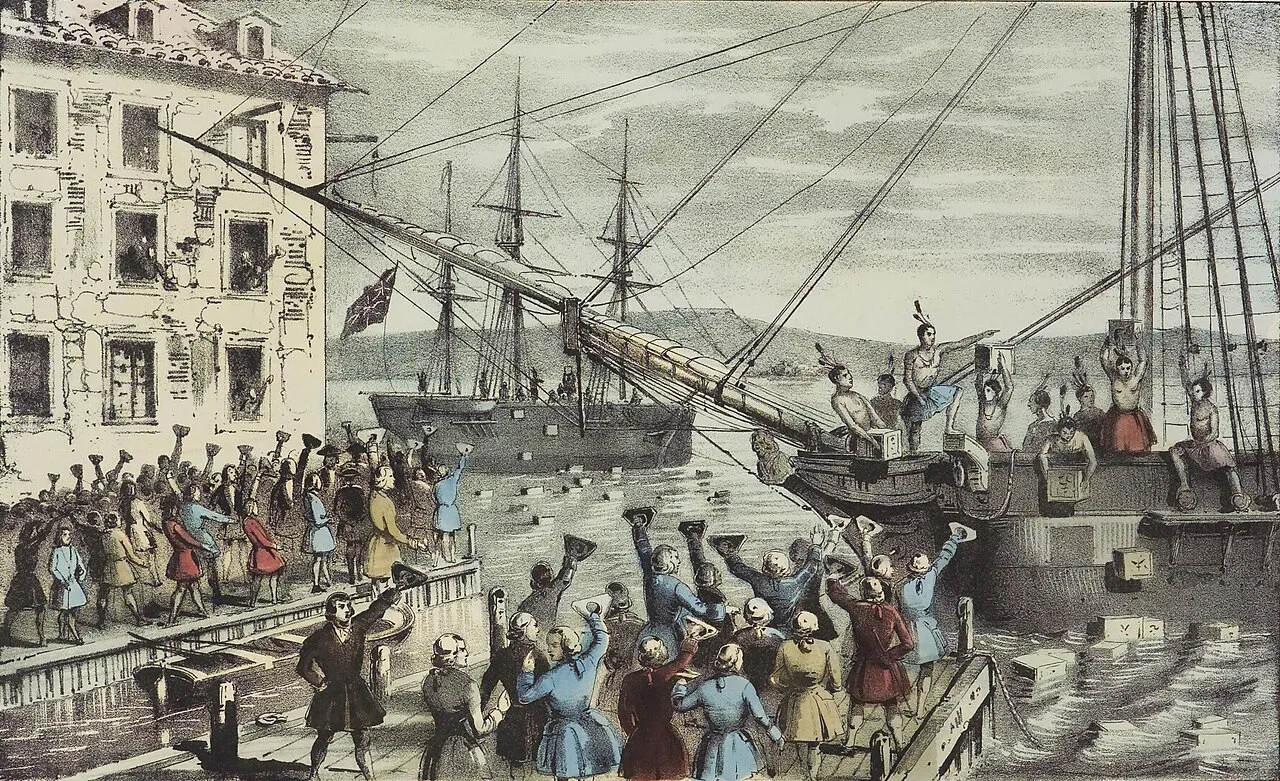
Reasons for Independence
Name one reason why the Americans declared independence from Britain.
Conflict grew as Britain taxed and governed the colonies without colonial representation in Parliament.
One accepted response: High taxes
Other printed responses: Taxation without representation; British soldiers stayed in Americans’ houses (boarding, quartering); They did not have self-government; Boston Massacre; Boston Tea Party (Tea Act); Stamp Act; Sugar Act; Townshend Acts; Intolerable (Coercive) Acts
Declaration's Writer
Who wrote the Declaration of Independence?
Thomas Jefferson was the principal writer of the Declaration of Independence, which announced the colonies' separation from Britain.
One accepted response: (Thomas) Jefferson
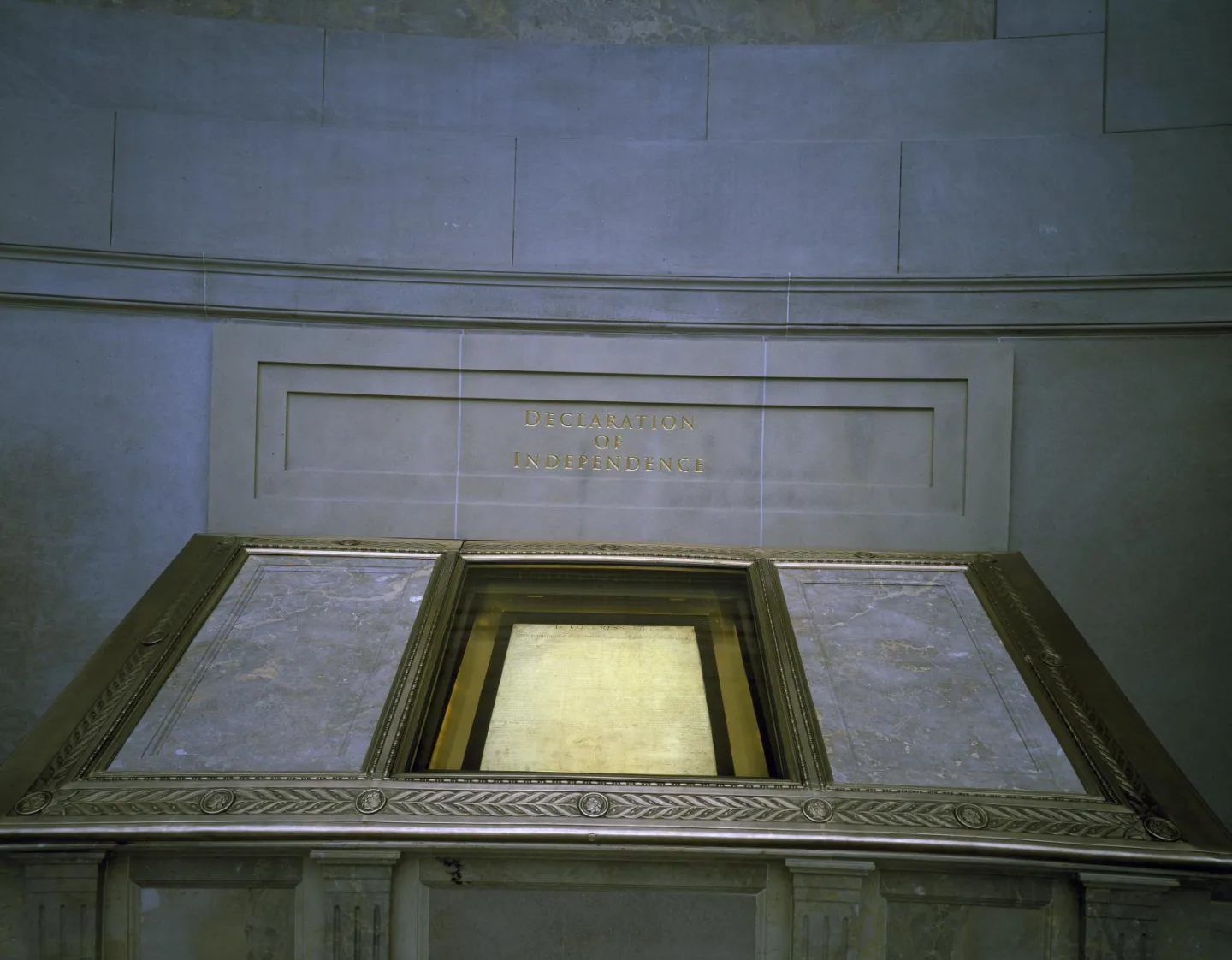
Revolutionary Events
The American Revolution had many important events. Name one.
The American Revolution included many important events, from early battles through the British surrender at Yorktown.
One accepted response: (Battle of) Bunker Hill
Other printed responses: Declaration of Independence; Washington Crossing the Delaware (Battle of Trenton); (Battle of) Saratoga; Valley Forge (Encampment); (Battle of) Yorktown (British surrender at Yorktown)
The Original Thirteen
There were 13 original states. Name five.
Say 5: New Hampshire; Massachusetts; Rhode Island; Connecticut; New York; New Jersey; Pennsylvania; Delaware; Maryland; Virginia; North Carolina; South Carolina; Georgia
Replacing the Articles
What founding document was written in 1787?
The Articles of Confederation created the first national framework but left the central government weak, and the Constitution replaced it with a stronger federal system.
One accepted response: (U.S.) Constitution
Matched pairs
Each item on the left goes with the one on the right.
- Independence from Britain
- American Revolution
Self-test
Answer each question from memory, then check your work against the answer key.
1. Which choice gives one accepted response to: “The colonists came to America for many reasons. Name one.”
- AStatehood
- BTaxation
- CEmpire
- DFreedom
2. Which choice gives one accepted response to: “Who lived in America before the Europeans arrived?”
- AAfrican Americans
- BAmerican Indians
- CPacific Islanders
- DEnglish Puritans
3. Which choice gives one accepted response to: “What group of people was taken and sold as slaves?”
- AAfricans
- BEuropeans
- CMexicans
- DAsians
4. Who wrote the Declaration of Independence?
- AAlexander Hamilton
- BJames Madison
- CThomas Jefferson
- DBenjamin Franklin
5. When was the Declaration of Independence adopted?
- AAugust 2, 1776
- BJuly 4, 1776
- CMarch 4, 1789
- DMay 10, 1775
6. Which of these was a major event of the American Revolution?
- ASherman’s March
- BGettysburg
- CFort Sumter
- DValley Forge
7. Who commanded the Continental Army during the American Revolution?
- AGeorge Washington
- BBenjamin Franklin
- CThomas Jefferson
- DAlexander Hamilton
8. What document announced the colonies' separation from Britain in 1776?
- ABill of Rights
- BArticles of Confederation
- CDeclaration of Independence
- DConstitution of the United States
9. Which choice gives one accepted response to: “The American Revolution had many important events. Name one.”
- ABattle of Shiloh
- BBattle of Tippecanoe
- CBattle of Saratoga
- DBattle of Antietam
Go deeper
- ListenLesson 8 episode
- WatchWhy They Came, Why They Broke Away Religious freedom. Taxation without representation. Two reasons, for two different civics questions.
- Watch1776 or 1787 The Fourth of July does not mark the Constitution. It marks the adoption of the Declaration of Independence.
- WatchEvent or Reason Boston Tea Party. It is printed for one civics question and not for another.
- StudyU.S. Citizenship Civics — 2025 Test in the FlashFeed app
Answer key
- 1. D FreedomFreedom. Many settlers came for religious freedom or political liberty, among other reasons.
- 2. B American IndiansAmerican Indians, also called Native Americans, already lived throughout the Americas before the Europeans arrived.
- 3. A AfricansAfricans. People from Africa were taken and sold as slaves; slavery was later abolished in law by the Thirteenth Amendment.
- 4. C Thomas JeffersonThomas Jefferson. He wrote the Declaration of Independence, which announced separation from Britain.
- 5. B July 4, 1776July 4, 1776. The Fourth of July marks the Declaration’s adoption, not the Constitution’s writing or ratification.
- 6. D Valley ForgeValley Forge (Encampment) is one printed response for an important event of the American Revolution; the other options are not on that list.
- 7. A George WashingtonGeorge Washington led the Continental Army; Jefferson, Hamilton, and Franklin held other founding roles.
- 8. C Declaration of IndependenceThe Declaration of Independence announced separation from Britain in 1776; the others came later.
- 9. C Battle of SaratogaBattle of Saratoga. It is one of the important events of the American Revolution, the struggle for political independence.
Sources
- USCIS 2025 official materials — www.uscis.gov/sites/default/files/document/brochures/USCIS-2025-Civics-Test-Study-Guide.pdf
- M-1778 (09/25), Q73 and 9 more references — www.uscis.gov/sites/default/files/document/questions-and-answers/2025-Civics-Test-128-Questions-and-Answers.pdf
Image credits
- Reasons for Independence: Nathaniel Currier · Public domain — commons.wikimedia.org/wiki/File:Boston_Tea_Party_Currier_colored.jpg
- Revolutionary Events: Library of Congress · The Declaration of Independence, displayed in a dimly lit ha · No known restrictions (verify at source) — www.loc.gov/item/2011633908/
