
U.S. Citizenship Civics — 2025 Test study guide · Lesson 2 of 13
Three Branches and the Congress
Separation of Powers · Congress and Lawmaking · Senators and Representatives
This is the lesson's study guide from the FlashFeed app, plus its key facts and a self-test.
What you'll be able to do
- Name the three branches and why power is separated, and recall Congress’s powers, chambers, sizes, terms, and two senators per state.
Separation of Powers
Separation of Powers
The three branches divide public power by function. Congress writes federal laws, the executive branch enforces them, and courts interpret and review law in cases. This separation reduces the risk that one actor can make, enforce, and judge the same rule alone. Checks and balances add ways for one branch to limit another. The two ideas work together, but they are not identical: separation assigns work; checks create controls.
Prep for the oral test
There are three branches of government. Why?
Give one printed response:
- So one part does not become too powerful
- Checks and balances
- Separation of powers
Name the three branches of government.
Give one printed response:
- Legislative, executive, and judicial
- Congress, president, and the courts
The President of the United States is in charge of which branch of government?
Give one printed response:
- Executive branch
What part of the federal government writes laws?
Give one printed response:
- (U.S.) Congress
- (U.S. or national) legislature
- Legislative branch
What are the two parts of the U.S. Congress?
Give one printed response:
- Senate and House (of Representatives)
Distinctions to practice
There are three branches of government. Why? asks for the reason there are three, not their names, and one printed answer is Checks and balances. Name the three branches of government. asks for the names of all three, and one printed answer is Legislative, executive, and judicial.
Name the three branches of government. asks for the three branches, and one printed answer is Congress, president, and the courts. What are the two parts of the U.S. Congress? asks for the two parts inside Congress, so say Senate and House (of Representatives).
The President of the United States is in charge of which branch of government? asks which branch the President leads, so say Executive branch. What part of the federal government writes laws? asks which part writes the laws, such as Legislative branch.
Sources
- USCIS M-1778 (09/25) question bank — retrieved 2026-08-22.
- USCIS 2025 Civics Test Study Guide — retrieved 2026-08-22.
- U.S. House: Branches of Government — retrieved 2026-08-22.
Congress and Lawmaking
Congress is the legislative branch and has two chambers: the Senate and the House of Representatives. A bill must pass both chambers in the same form before it goes to the president. Congress also declares war and makes the federal budget. Those powers belong to the national legislature, not to a state governor or a federal court. The two chambers have different sizes and election cycles, which makes comparison useful for oral recall.
Prep for the oral test
Name one power of the U.S. Congress.
Give one printed response:
- Writes laws
- Declares war
- Makes the federal budget
How many U.S. senators are there?
Give one printed response:
- One hundred (100)
How long is a term for a U.S. senator?
Give one printed response:
- Six (6) years
Who is one of your state’s U.S. senators now?
Use the printed residence/date instruction and the official lookup route; do not memorize a name from this pack.
Distinctions to practice
How many U.S. senators are there? asks how many senators there are in all, so say One hundred (100). How long is a term for a U.S. senator? asks how many years one term lasts, so say Six (6) years.
Name one power of the U.S. Congress. asks for one thing Congress can do, such as Writes laws. What part of the federal government writes laws? turns that around and asks which part does it, such as (U.S.) Congress.
Practice aloud
Cover the answers and say each one aloud:
- Name one power of the U.S. Congress.
- How many U.S. senators are there?
- How long is a term for a U.S. senator?
- Who is one of your state’s U.S. senators now?
Which senators you have depends on where you live and on the date, so look up the current answer before the interview, as the part above explains.
Sources
- USCIS M-1778 (09/25) question bank — retrieved 2026-08-22.
- USCIS 2025 Civics Test Study Guide — retrieved 2026-08-22.
- U.S. House legislative process — retrieved 2026-08-22.
Senators and Representatives
The Senate gives every state equal representation, while House seats are apportioned by population. That design grew from the Great Compromise. A senator serves a state and has a six-year term. A representative serves a congressional district and has a two-year term. The shorter House term keeps representatives closer to changing public opinion. Do not say that the Constitution fixes the modern House at 435; federal statute governs that number.
Prep for the oral test
How many voting members are in the House of Representatives?
Give one printed response:
- Four hundred thirty-five (435)
How long is a term for a member of the House of Representatives?
Give one printed response:
- Two (2) years
Why do U.S. representatives serve shorter terms than U.S. senators?
Give one printed response:
- To more closely follow public opinion
How many senators does each state have?
Give one printed response:
- Two (2)
Why does each state have two senators?
Give one printed response:
- Equal representation (for small states)
- The Great Compromise (Connecticut Compromise)
Distinctions to practice
How long is a term for a member of the House of Representatives? asks the length of a House member’s term, so say Two (2) years. How long is a term for a U.S. senator? asks the length of a senator’s term, so say Six (6) years.
How many voting members are in the House of Representatives? asks how many voting members the House has, so say Four hundred thirty-five (435). How many U.S. senators are there? asks how many senators there are in all, so say One hundred (100).
How many senators does each state have? asks about one state, so say Two (2). How many U.S. senators are there? asks for all the senators in the country, so say One hundred (100).
Why do U.S. representatives serve shorter terms than U.S. senators? asks why House terms are shorter, so say To more closely follow public opinion. Why does each state have two senators? asks why every state gets the same number of senators, such as Equal representation (for small states).
Sources
- USCIS M-1778 (09/25) question bank — retrieved 2026-08-22.
- USCIS 2025 Civics Test Study Guide — retrieved 2026-08-22.
- U.S. Senate and the Constitution — retrieved 2026-08-22.
Key terms
- Separation of powers
- The division of government authority among legislative, executive, and judicial branches.
- Congress
- The national legislature made up of the Senate and House of Representatives.
Key facts
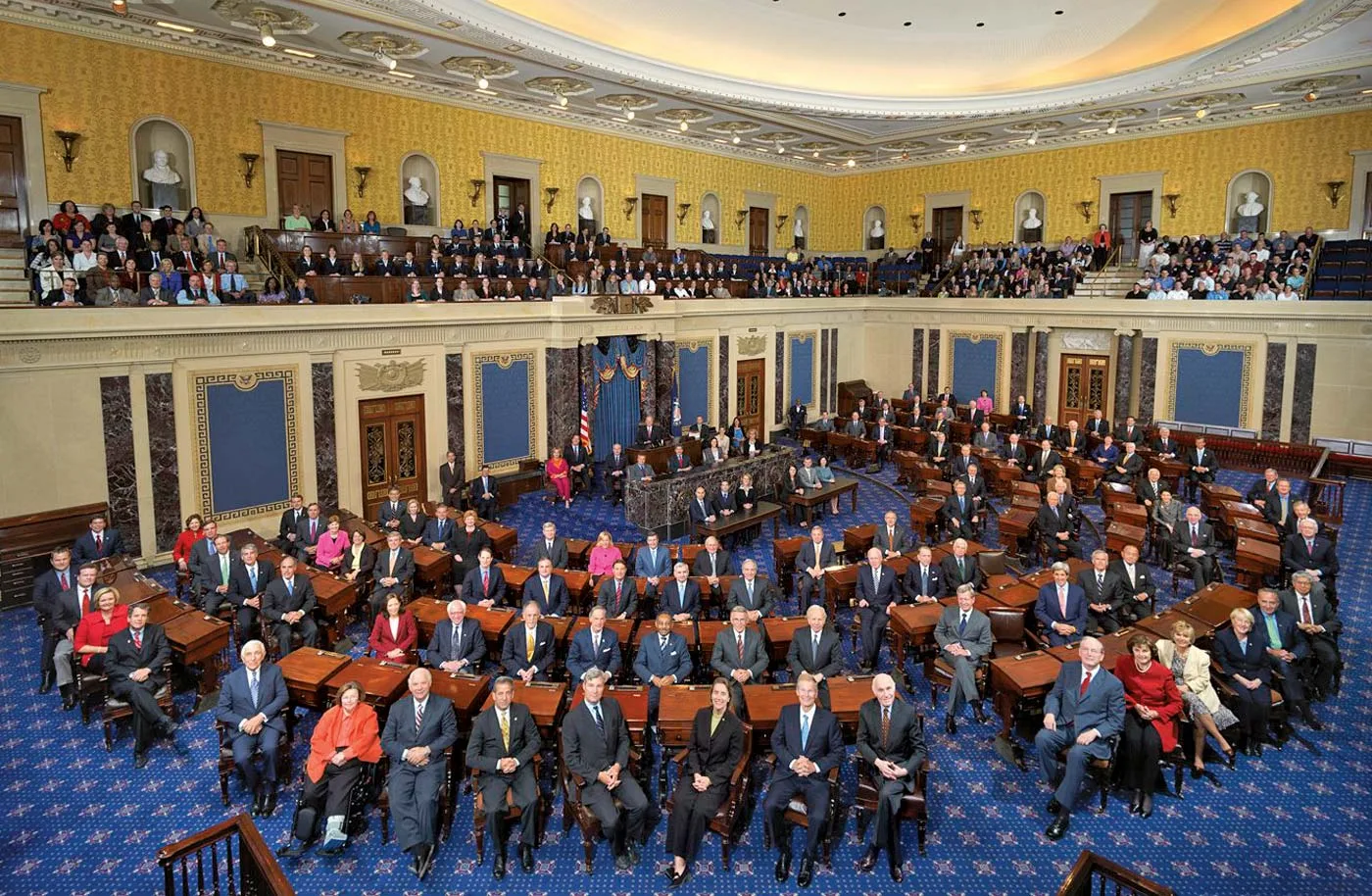
Divided Government Power
There are three branches of government. Why?
Dividing public power among three branches lowers the risk that a single actor makes, enforces, and judges the same rule alone.
One accepted response: So one part does not become too powerful
Other printed responses: Checks and balances; Separation of powers
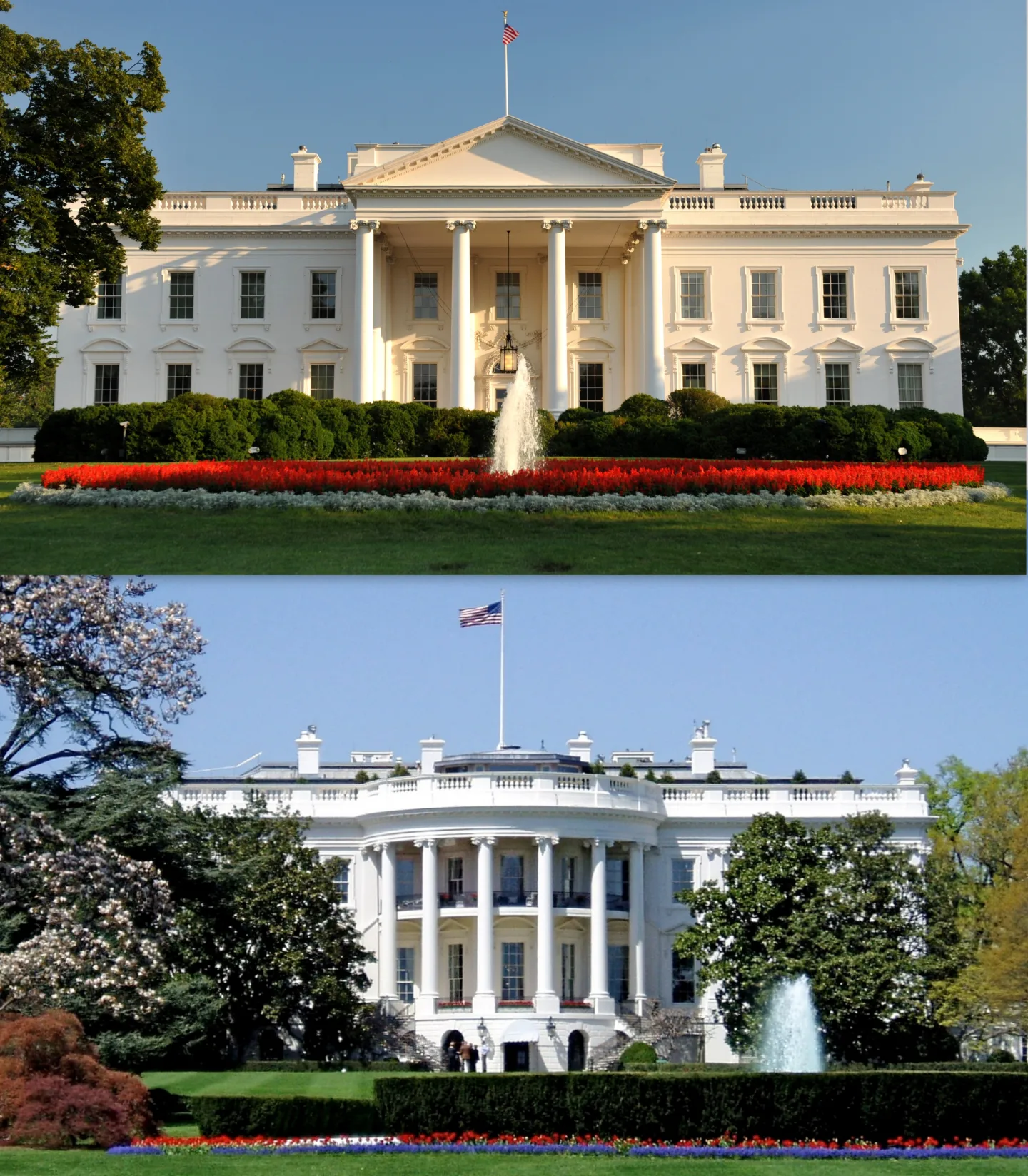
Three Branches
Name the three branches of government.
The three branches divide public power by function.
One accepted response: Legislative, executive, and judicial
Other printed responses: Congress, president, and the courts
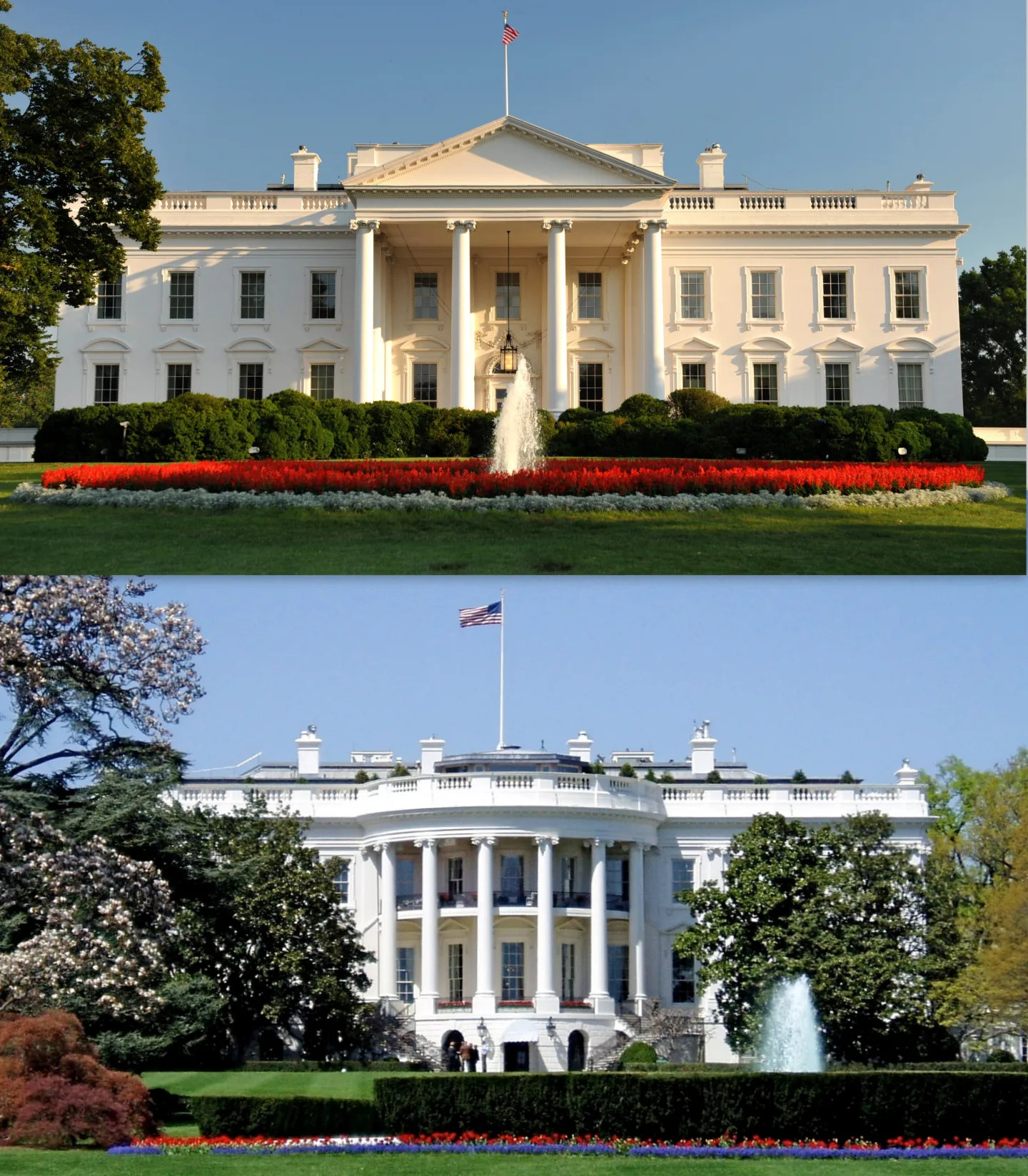
Executive Branch
The President of the United States is in charge of which branch of government?
Congress writes federal laws, the executive branch enforces them, and courts interpret and review law in cases.
One accepted response: Executive branch
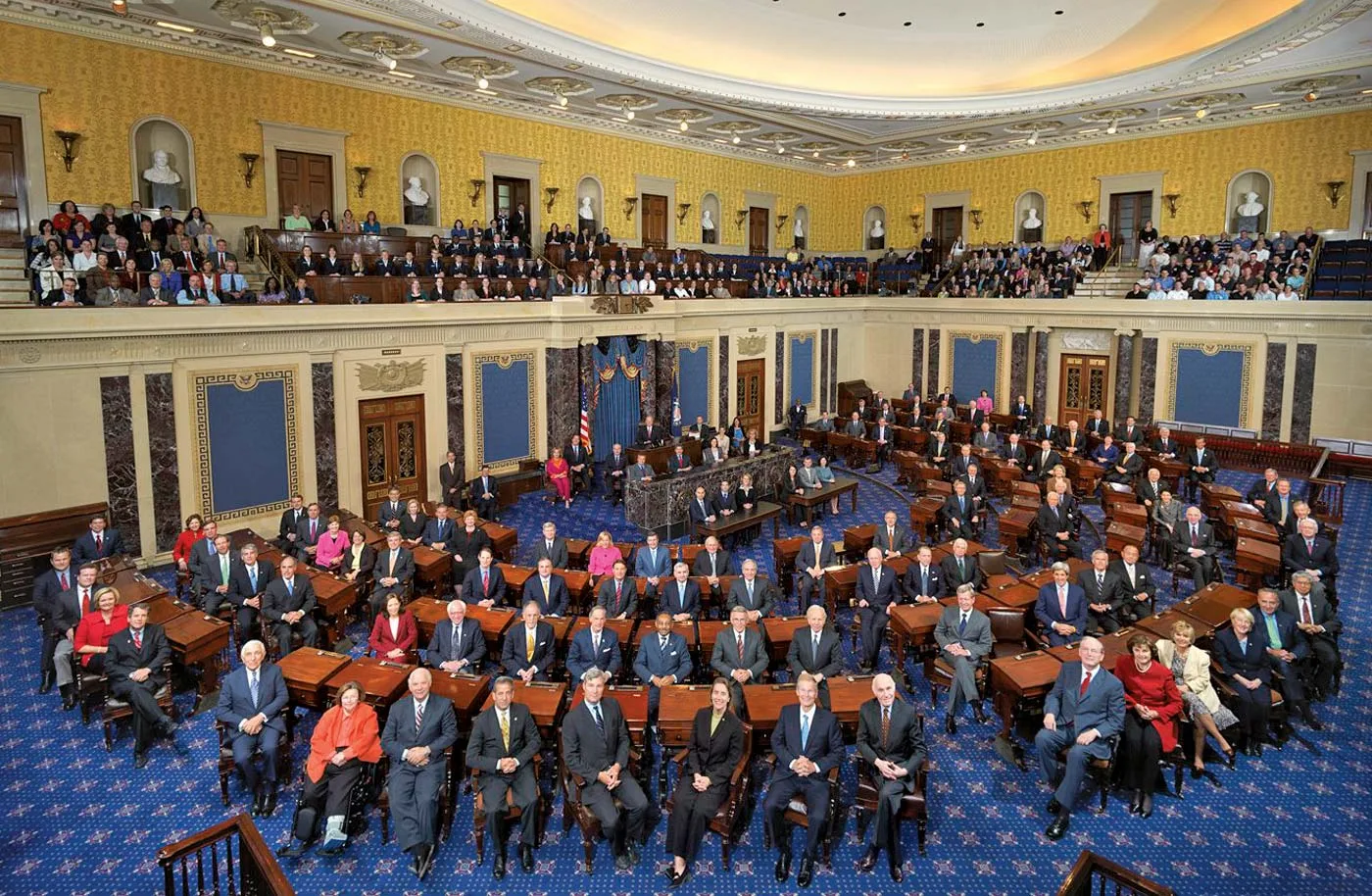
Federal Lawmakers
What part of the federal government writes laws?
Congress is the legislative branch, the national legislature that writes federal laws.
One accepted response: (U.S.) Congress
Other printed responses: (U.S. or national) legislature; Legislative branch
Your Senator
Who is one of your state’s U.S. senators now?
A senator represents an entire state and is elected statewide. D.C. and U.S. territory residents use the printed no-senator response. Do not memorize a name or place from this pack. Follow the printed instruction: Answers will vary. [District of Columbia residents and residents of U.S. territories should answer that D.C. (or the territory where the applicant lives) has no U.S. senators.]
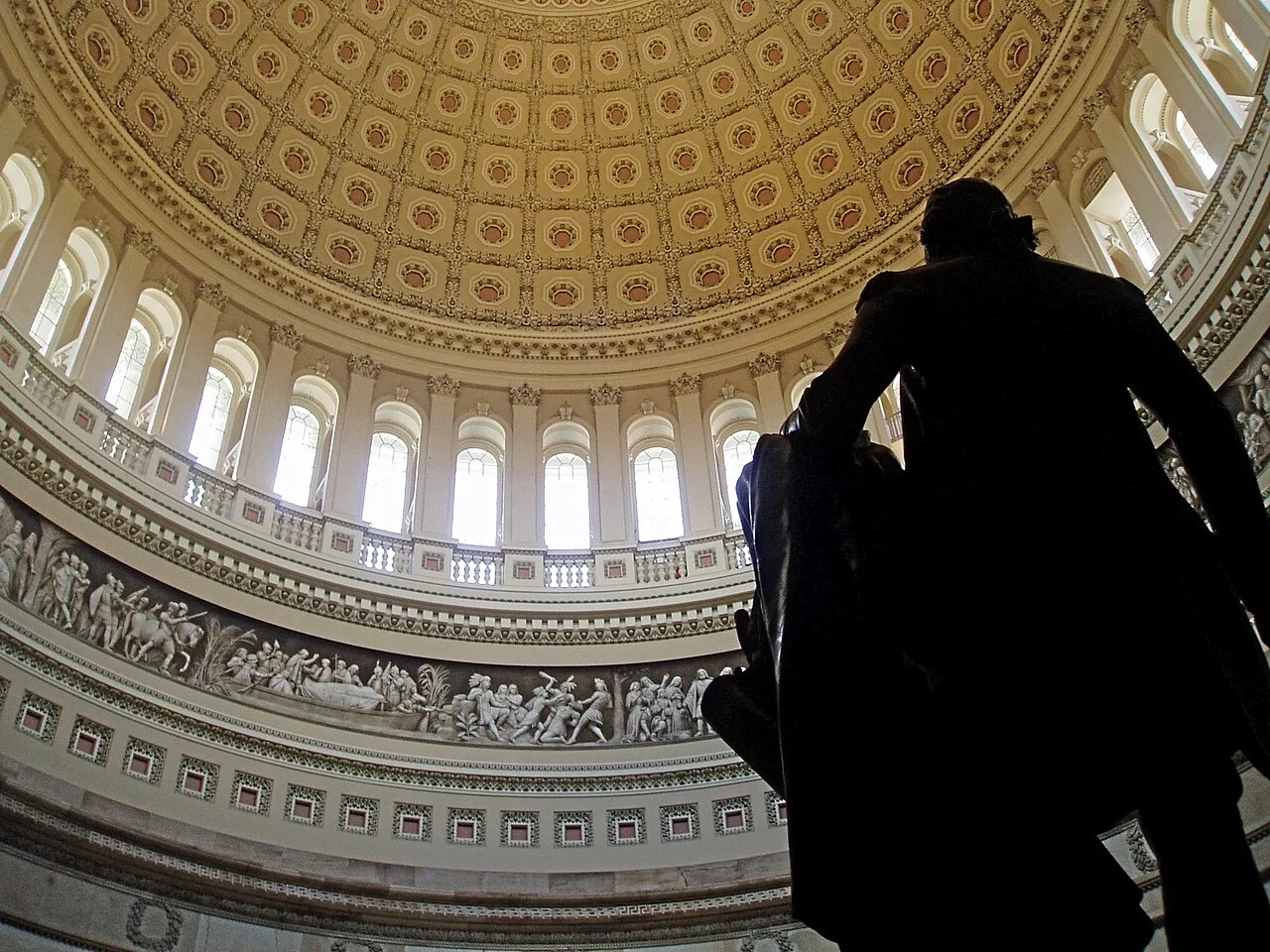
Congressional Powers
Name one power of the U.S. Congress.
Congress, the national legislature, writes federal laws; declaring war and making the federal budget are also its powers, not those of state governors or federal courts.
One accepted response: Writes laws
Other printed responses: Declares war; Makes the federal budget
Senate Term Length
How long is a term for a U.S. senator?
A senator serves a state and has a six-year term, while a representative serves a congressional district and has a two-year term.
One accepted response: Six (6) years
House Terms
How long is a term for a member of the House of Representatives?
A member of the House represents a congressional district and serves a two-year term, shorter than a senator's six years.
One accepted response: Two (2) years
Shorter House Terms
Why do U.S. representatives serve shorter terms than U.S. senators?
A representative serves a two-year term, set in Article I separately from the Great Compromise's apportionment rules, so representatives stay closer to changing public opinion than senators with six-year terms.
One accepted response: To more closely follow public opinion
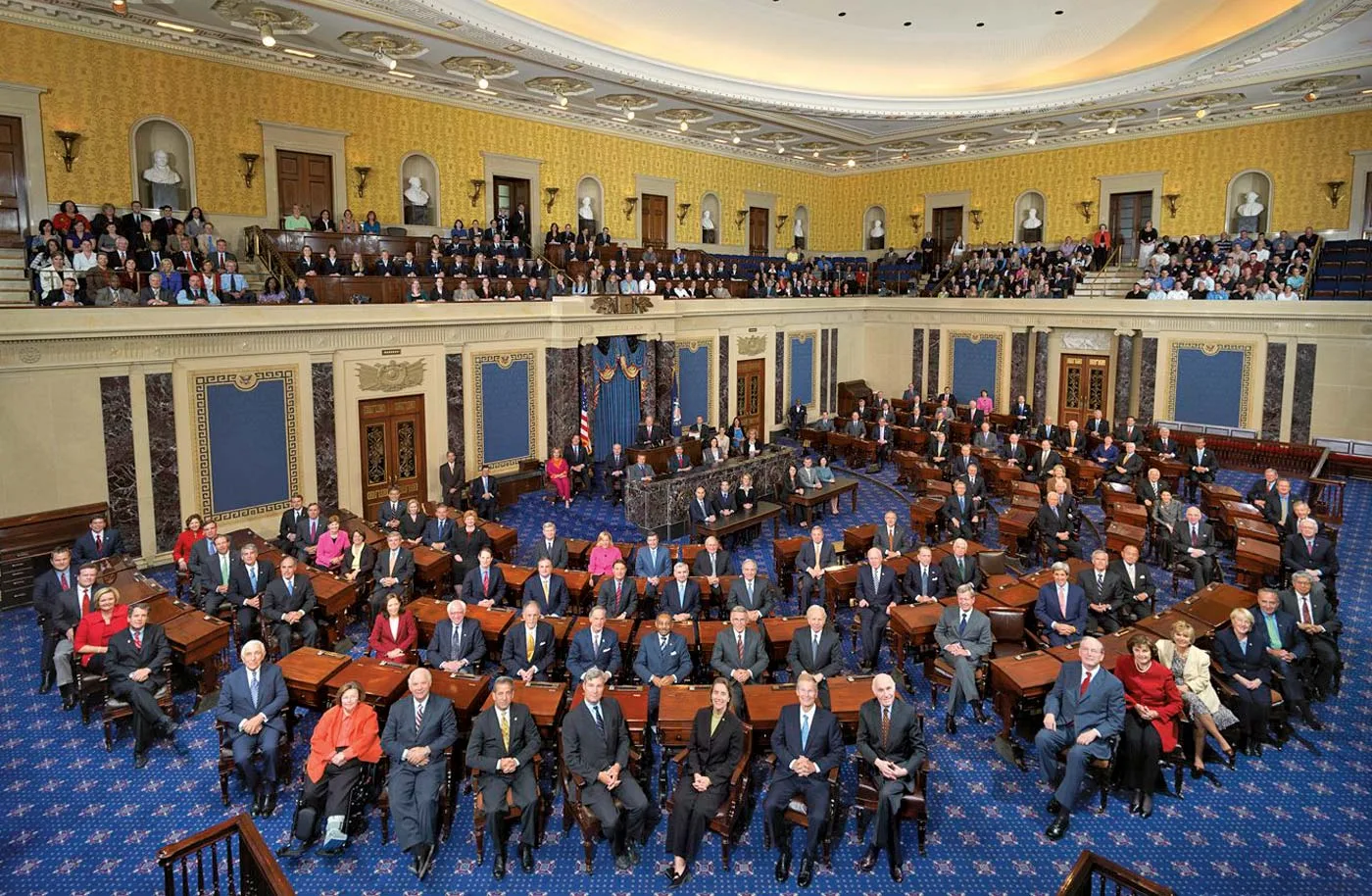
Senators Per State
How many senators does each state have?
In the Senate every state gets equal representation, a design that grew out of the Great Compromise, while House seats follow population.
One accepted response: Two (2)
Matched pairs
Each item on the left goes with the one on the right.
- President's branch
- Executive branch
- U.S. senator
- Six (6) years
- Short House terms
- To more closely follow public opinion
- Each state
- Two (2) senators
Step by step
Move a federal bill toward law
- Introduce the bill in the House or Senate.
- Refer it to committee for study and possible revision.
- Have the first chamber debate and pass its version.
- In the second chamber, either pass that identical version or amend it and return it for reconciliation.
- If the versions differ, resolve them and have both chambers approve the identical final text.
- Only after both chambers approve identical text, send the enrolled bill to the president.
- The president signs it, vetoes it, or allows the constitutional process to run.
The reconciliation step is conditional. A veto may be overridden by two-thirds of both houses.
Self-test
Answer each question from memory, then check your work against the answer key.
1. What are the two parts of the U.S. Congress?
- AGovernors and House of Delegates
- BSenate and House of Representatives
- CHouse of Representatives and the Cabinet
- DSenate and Supreme Court
2. Which choice gives one accepted response to: “Name the three branches of government.”
- ACongress, president, and the courts
- BCongress, president, and the states
- CCongress, president, and the Cabinet
- DCongress, governors, and the courts
3. Which choice gives one accepted response to: “Name one power of the U.S. Congress.”
- ANominates judges
- BInterprets laws
- CSigns bills
- DWrites laws
4. How many U.S. senators are there?
- AFour hundred thirty-five (435)
- BFifty (50)
- COne hundred (100)
- DTwo hundred (200)
5. How many voting members are in the House of Representatives?
- AFive hundred thirty-five (535)
- BFour hundred thirty-five (435)
- CFour hundred forty-one (441)
- DFour hundred thirty-one (431)
6. How many voting members are in the House of Representatives?
- AFour hundred thirty-five (435)
- BOne hundred (100)
- CFive hundred thirty-five (535)
- DFifty (50)
7. How long is a term for a member of the House of Representatives?
- ATen (10) years
- BSix (6) years
- CFour (4) years
- DTwo (2) years
8. How many senators does each state have?
- AOne (1)
- BThree (3)
- CTwo (2)
- DDepends on population
9. Which choice gives one accepted response to: "Why does each state have two senators?"
- AA reward for the first states to join
- BBased on state population
- CBalance between the two political parties
- DEqual representation for small states
Go deeper
- ListenLesson 2 episode
- WatchWhy Three Branches One civics question asks why there are three branches. It wants a reason, not their names.
- WatchThe Same Fact, Turned Around Two civics questions hold the same fact. The second one turns the first one around.
- WatchTwo Years, Six Years 6 years in the Senate. 2 years in the House. The citizenship test asks why.
- StudyU.S. Citizenship Civics — 2025 Test in the FlashFeed app
Answer key
- 1. B Senate and House of RepresentativesSenate and House of Representatives. Congress, the legislative branch, is made up of these two chambers.
- 2. A Congress, president, and the courtsCongress, president, and the courts. Each has a different job: Congress writes laws, the president’s executive branch enforces them, and the courts interpret them.
- 3. D Writes lawsWrites laws. That is Congress’s job as the legislative branch; interpreting laws is left to the courts.
- 4. C One hundred (100)One hundred (100). Don’t confuse it with Four hundred thirty-five (435), the number of voting members in the House of Representatives.
- 5. B Four hundred thirty-five (435)Four hundred thirty-five (435). That House size is set by federal statute, not by the Constitution.
- 6. A Four hundred thirty-five (435)Key: Four hundred thirty-five (435). That is the current House size set by federal statute.
- 7. D Two (2) yearsKey: Two (2) years. House members serve shorter terms than senators to stay closer to public opinion.
- 8. C Two (2)Key: Two (2). Every state gets two senators regardless of population, unlike House seats.
- 9. D Equal representation for small statesKey: Equal representation for small states. This reflects the Great Compromise, unlike population-based House seats.
Sources
- USCIS 2025 official materials — www.uscis.gov/sites/default/files/document/brochures/USCIS-2025-Civics-Test-Study-Guide.pdf
- M-1778 (09/25), Q15 and 12 more references — www.uscis.gov/sites/default/files/document/questions-and-answers/2025-Civics-Test-128-Questions-and-Answers.pdf
- M-1778 (09/25), Q20; U.S. House legislative process — www.house.gov/the-house-explained/the-legislative-process
Image credits
- Divided Government Power: Wikimedia Commons · U.S. Senate, 111th Congress, Senate Photo Studio · Public domain — commons.wikimedia.org/wiki/File:111th_US_Senate_class_photo.jpg
- Three Branches: Wikimedia Commons · Cezary p and MattWade · CC BY-SA 4.0 — commons.wikimedia.org/wiki/File:White_House_north_and_south_sides.jpg
- Executive Branch: Wikimedia Commons · Cezary p and MattWade · CC BY-SA 4.0 — commons.wikimedia.org/wiki/File:White_House_north_and_south_sides.jpg
- Federal Lawmakers: Wikimedia Commons · U.S. Senate, 111th Congress, Senate Photo Studio · Public domain — commons.wikimedia.org/wiki/File:111th_US_Senate_class_photo.jpg
- Congressional Powers: Wikipedia · This image or media was taken or created by Matt H. Wade. To see his entire · CC BY-SA 3.0 — en.wikipedia.org/wiki/United_States_Capitol_rotunda
- Senators Per State: Wikimedia Commons · U.S. Senate, 111th Congress, Senate Photo Studio · Public domain — commons.wikimedia.org/wiki/File:111th_US_Senate_class_photo.jpg

