
U.S. Citizenship Civics — 2025 Test study guide · Lesson 11 of 13
The 1900s: World Wars, Depression, and Cold War
World War I and Women’s Suffrage · Depression and World War II · Cold War and Communism
This is the lesson's study guide from the FlashFeed app, plus its key facts and a self-test.
What you'll be able to do
- Recall why the U.S. entered the World Wars, Korea, and Vietnam, the Great Depression and its president, women’s 1920 vote, and the Cold War rival.
World War I and Women’s Suffrage
World War I and Women’s Suffrage
World War I is one of several wars the United States fought in the 1900s. The 2025 list accepts several reasons for U.S. entry, including attacks on U.S. civilian ships and support for the Allied Powers. After the war, the Nineteenth Amendment barred voting discrimination on account of sex. That constitutional milestone did not by itself remove every practical voting barrier.
Prep for the oral test
Name one war fought by the United States in the 1900s.
Give one printed response:
- World War I
- World War II
- Korean War
- Vietnam War
- (Persian) Gulf War
Why did the United States enter World War I?
Give one printed response:
- Because Germany attacked U.S. (civilian) ships
- To support the Allied Powers (England, France, Italy, and Russia)
- To oppose the Central Powers (Germany, Austria-Hungary, the Ottoman Empire, and Bulgaria)
When did all women get the right to vote?
Give one printed response:
- 1920
- After World War I
- (With the) 19th Amendment
Distinctions to practice
Name one war fought by the United States in the 1900s. and Name one war fought by the United States in the 1800s. differ only in the century. For the 1900s, one printed answer is World War I; for the 1800s, one printed answer is Civil War.
When did all women get the right to vote? asks about women, and one printed answer is 1920. When did all men get the right to vote? asks about men, and one printed answer is 1870.
Practice aloud
Cover the answers and say each one aloud:
- Name one war fought by the United States in the 1900s.
- Why did the United States enter World War I?
- When did all women get the right to vote?
Sources
- USCIS M-1778 (09/25) question bank — retrieved 2026-08-22.
- USCIS 2025 Civics Test Study Guide — retrieved 2026-08-22.
- Nineteenth Amendment — retrieved 2026-08-22.
Depression and World War II
The Great Depression was a severe, long-lasting economic downturn that began in 1929. Franklin Roosevelt was president during most of the Depression and World War II. The United States entered World War II after Japan attacked Pearl Harbor and fought with the Allied Powers against the Axis Powers. Dwight Eisenhower’s wartime military leadership belongs here; keep the Depression, the event that brought the United States into the war, and a leader’s role apart. Eisenhower’s printed answer list accepts several achievements, so an oral response should use one exact supported example.
Prep for the oral test
What was the Great Depression?
Give one printed response:
- Longest economic recession in modern history
When did the Great Depression start?
Give one printed response:
- The Great Crash (1929)
- Stock market crash of 1929
Who was president during the Great Depression and World War II?
Give one printed response:
- (Franklin) Roosevelt
Why did the United States enter World War II?
Give one printed response:
- (Bombing of) Pearl Harbor
- Japanese attacked Pearl Harbor
- To support the Allied Powers (England, France, and Russia)
- To oppose the Axis Powers (Germany, Italy, and Japan)
Dwight Eisenhower is famous for many things. Name one.
Give one printed response:
- General during World War II
- President at the end of (during) the Korean War
- 34th president of the United States
- Signed the Federal-Aid Highway Act of 1956 (Created the Interstate System)
Distinctions to practice
What was the Great Depression? asks what it was: Longest economic recession in modern history. When did the Great Depression start? asks when it began, and one printed answer is Stock market crash of 1929.
Who was president during the Great Depression and World War II? asks for one president: (Franklin) Roosevelt. Dwight Eisenhower is famous for many things. Name one. asks about a different man, who was a general in World War II and president later. One printed answer is General during World War II.
Why did the United States enter World War II? and Why did the United States enter World War I? ask the same thing about two different wars. For World War II, one printed answer is (Bombing of) Pearl Harbor; for World War I, one printed answer is Because Germany attacked U.S. (civilian) ships.
Dwight Eisenhower is famous for many things. Name one. and Abraham Lincoln is famous for many things. Name one. use the same words for two different men. One printed answer for Eisenhower is 34th president of the United States, and one printed answer for Lincoln is 16th president of the United States.
Practice aloud
Cover the answers and say each one aloud:
- What was the Great Depression?
- When did the Great Depression start?
- Who was president during the Great Depression and World War II?
- Why did the United States enter World War II?
- Dwight Eisenhower is famous for many things. Name one.
Sources
- USCIS M-1778 (09/25) question bank — retrieved 2026-08-22.
- USCIS 2025 Civics Test Study Guide — retrieved 2026-08-22.
Cold War and Communism
After World War II, the United States and the Soviet Union became rivals in the Cold War. The conflict involved military alliances, nuclear deterrence, political competition, and wars in Korea and Vietnam. Communism was a central ideological issue in this rivalry.
Prep for the oral test
Who was the United States’ main rival during the Cold War?
Give one printed response:
- Soviet Union
- USSR
- Russia
During the Cold War, what was one main concern of the United States?
Give one printed response:
- Communism
- Nuclear war
Why did the United States enter the Korean War?
Give one printed response:
- To stop the spread of communism
Why did the United States enter the Vietnam War?
Give one printed response:
- To stop the spread of communism
Distinctions to practice
Who was the United States’ main rival during the Cold War? asks for a country, and one printed answer is Soviet Union. During the Cold War, what was one main concern of the United States? asks for a worry, not a country, and one printed answer is Communism.
During the Cold War, what was one main concern of the United States? asks for a worry, and one printed answer is Communism. Why did the United States enter the Korean War? asks for the reason the United States entered the war: To stop the spread of communism.
Why did the United States enter the Korean War? and Why did the United States enter the Vietnam War? ask about two different wars, but the printed answer is the same. For the Korean War, say To stop the spread of communism; for the Vietnam War, say To stop the spread of communism too.
Practice aloud
Cover the answers and say each one aloud:
- Who was the United States’ main rival during the Cold War?
- During the Cold War, what was one main concern of the United States?
- Why did the United States enter the Korean War?
- Why did the United States enter the Vietnam War?
Sources
- USCIS M-1778 (09/25) question bank — retrieved 2026-08-22.
- USCIS 2025 Civics Test Study Guide — retrieved 2026-08-22.
Key facts
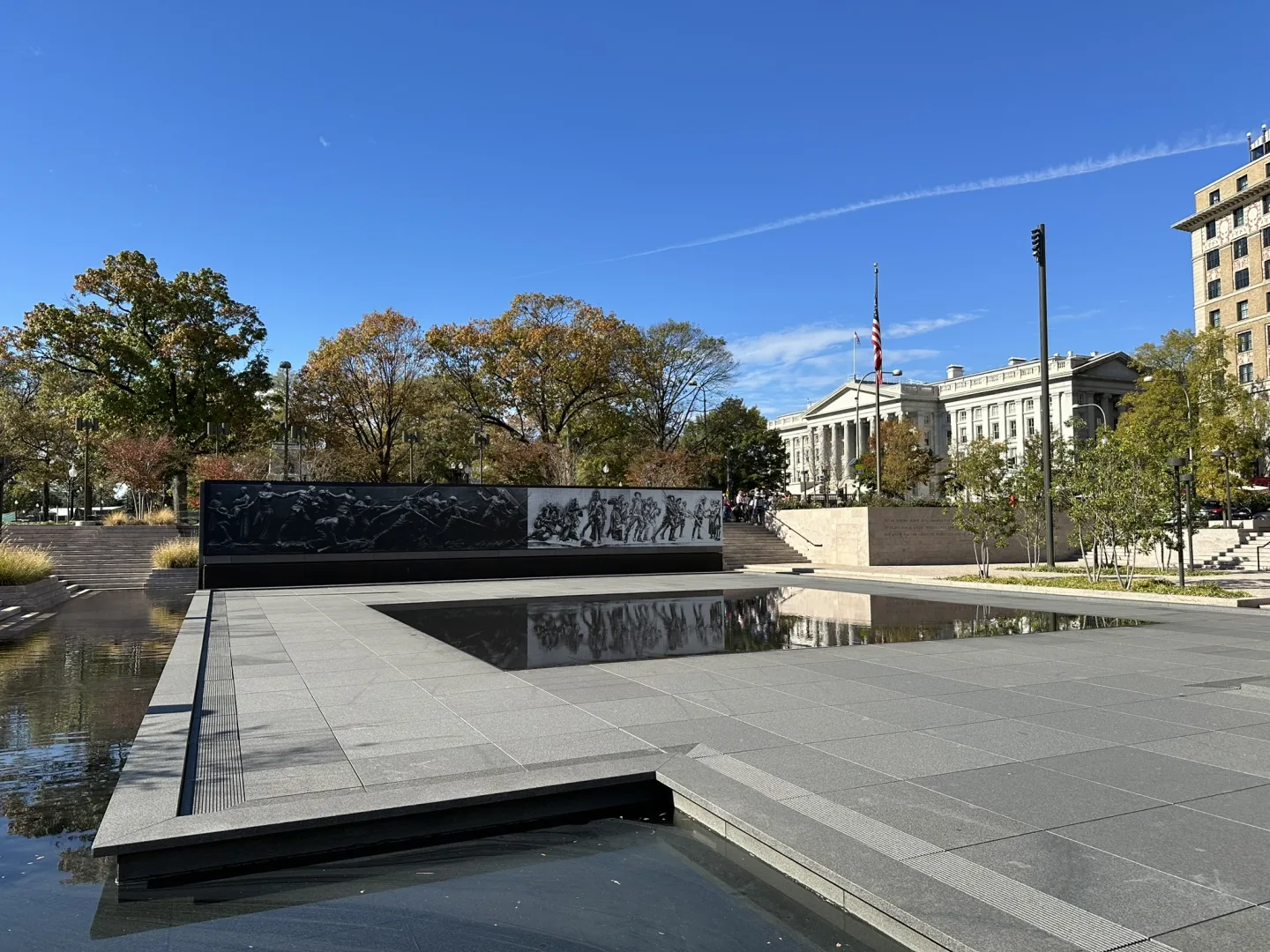
Twentieth-Century Wars
Name one war fought by the United States in the 1900s.
The United States fought in several wars in the 1900s, including the world wars and the wars in Korea and Vietnam.
One accepted response: World War I
Other printed responses: World War II; Korean War; Vietnam War; (Persian) Gulf War
Entering World War I
Why did the United States enter World War I?
The United States entered World War I for several reasons, including attacks on U.S. civilian ships and support for the Allied Powers.
One accepted response: Because Germany attacked U.S. (civilian) ships
Other printed responses: To support the Allied Powers (England, France, Italy, and Russia); To oppose the Central Powers (Germany, Austria-Hungary, the Ottoman Empire, and Bulgaria)
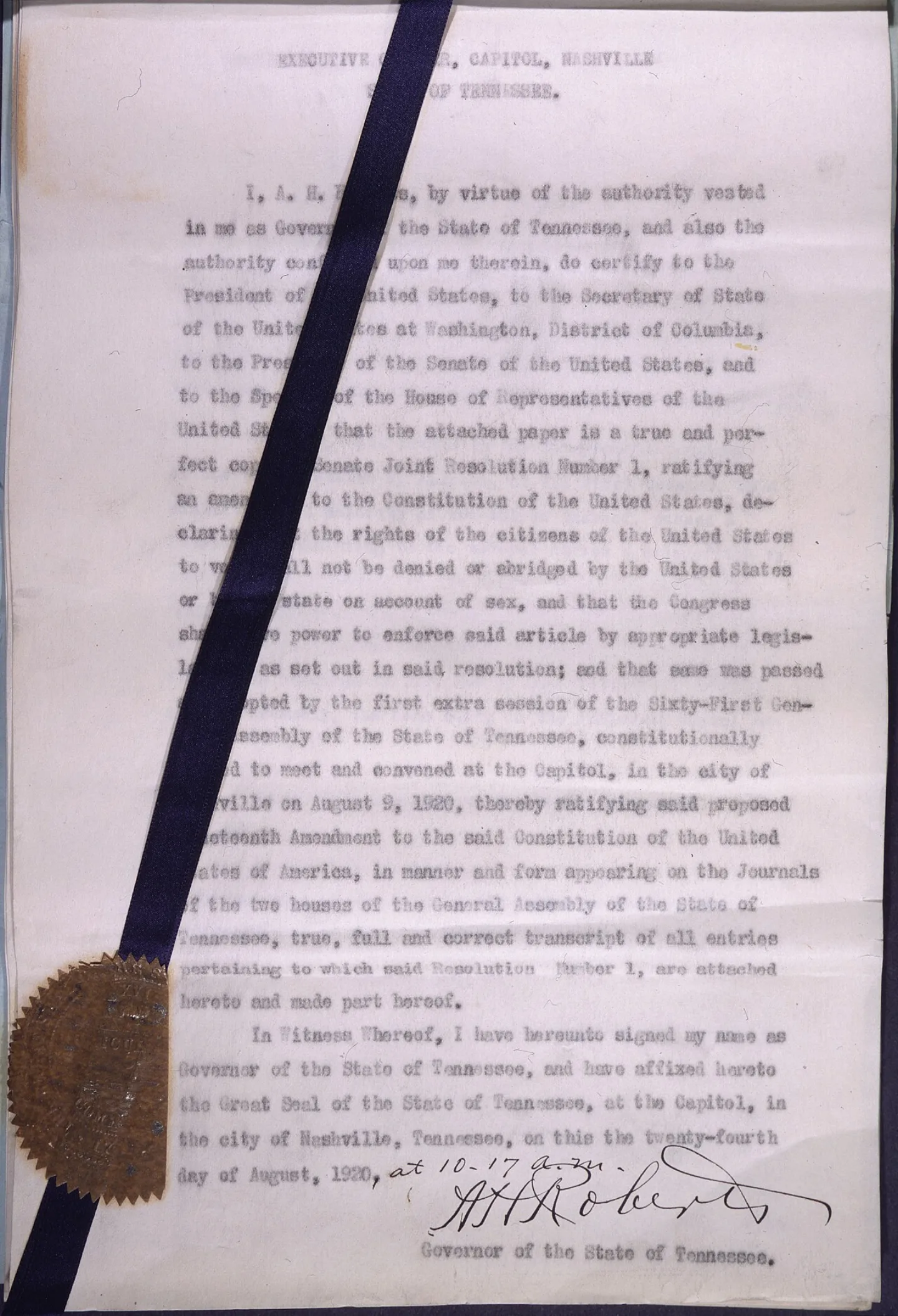
Women's Voting Milestone
When did all women get the right to vote?
In 1920, after World War I, the Nineteenth Amendment barred voting discrimination on account of sex, though not every practical barrier disappeared then.
One accepted response: 1920
Other printed responses: After World War I; (With the) 19th Amendment
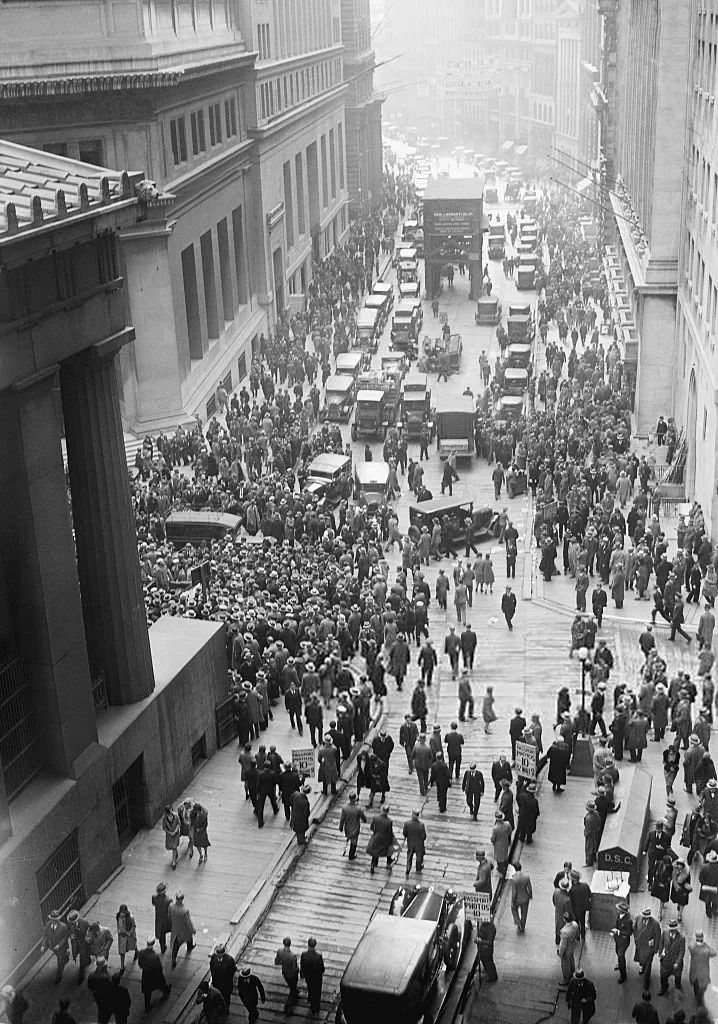
Depression's Start
When did the Great Depression start?
The Great Depression is commonly dated to the Wall Street stock market crash of October 1929, which triggered the broader economic collapse that followed.
One accepted response: The Great Crash (1929)
Other printed responses: Stock market crash of 1929
Entering World War II
Why did the United States enter World War II?
The United States entered World War II after Japan attacked Pearl Harbor, and it fought with the Allied Powers against the Axis Powers.
One accepted response: (Bombing of) Pearl Harbor
Other printed responses: Japanese attacked Pearl Harbor; To support the Allied Powers (England, France, and Russia); To oppose the Axis Powers (Germany, Italy, and Japan)
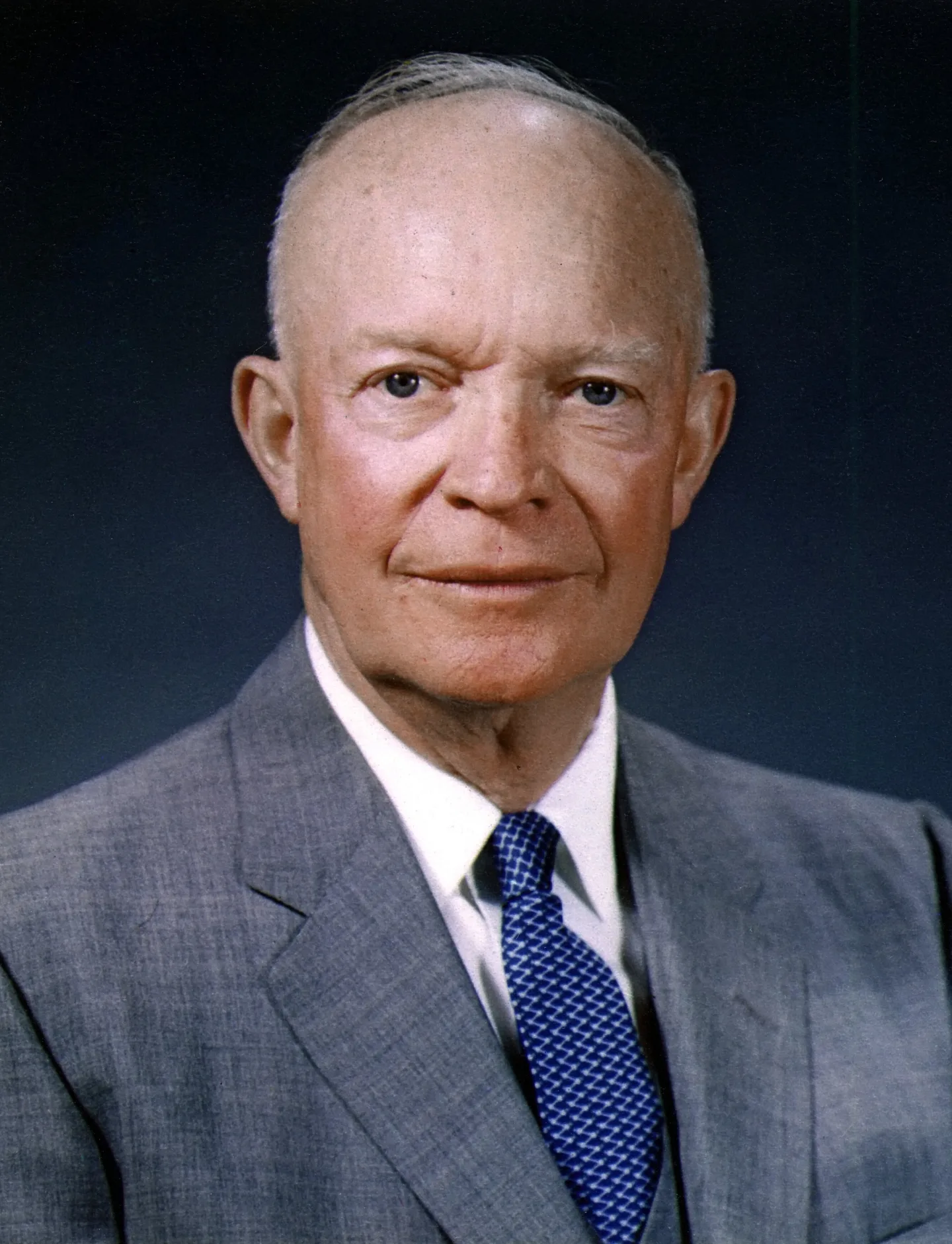
Eisenhower's Achievements
Dwight Eisenhower is famous for many things. Name one.
One accepted response: General during World War II
Other printed responses: President at the end of (during) the Korean War; 34th president of the United States; Signed the Federal-Aid Highway Act of 1956 (Created the Interstate System)

Cold War Rival
Who was the United States’ main rival during the Cold War?
After World War II, the United States and the Soviet Union became rivals in the Cold War.
One accepted response: Soviet Union
Other printed responses: USSR; Russia
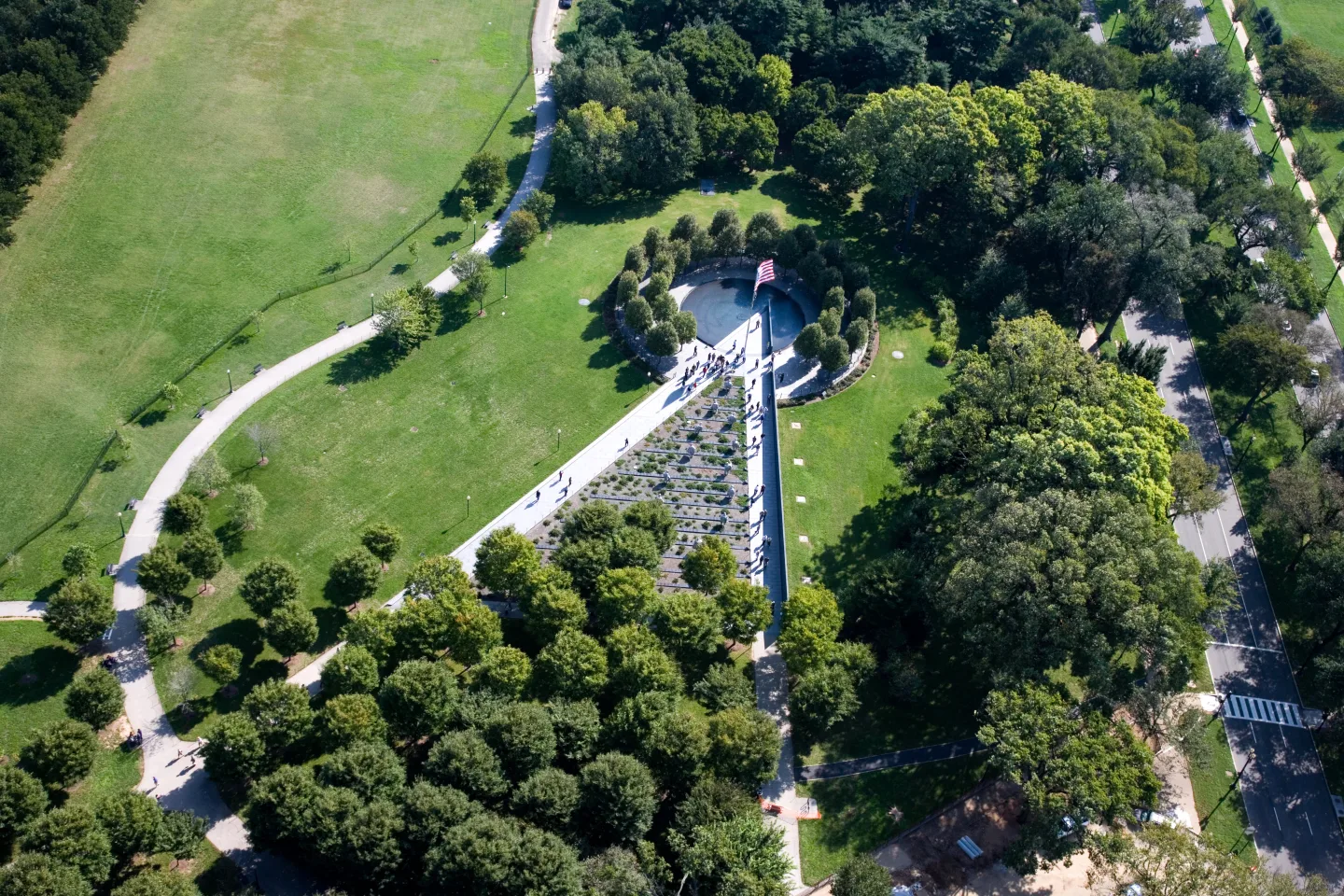
Cold War Concern
During the Cold War, what was one main concern of the United States?
Communism was a central ideological issue in the Cold War rivalry between the United States and the Soviet Union.
One accepted response: Communism
Other printed responses: Nuclear war
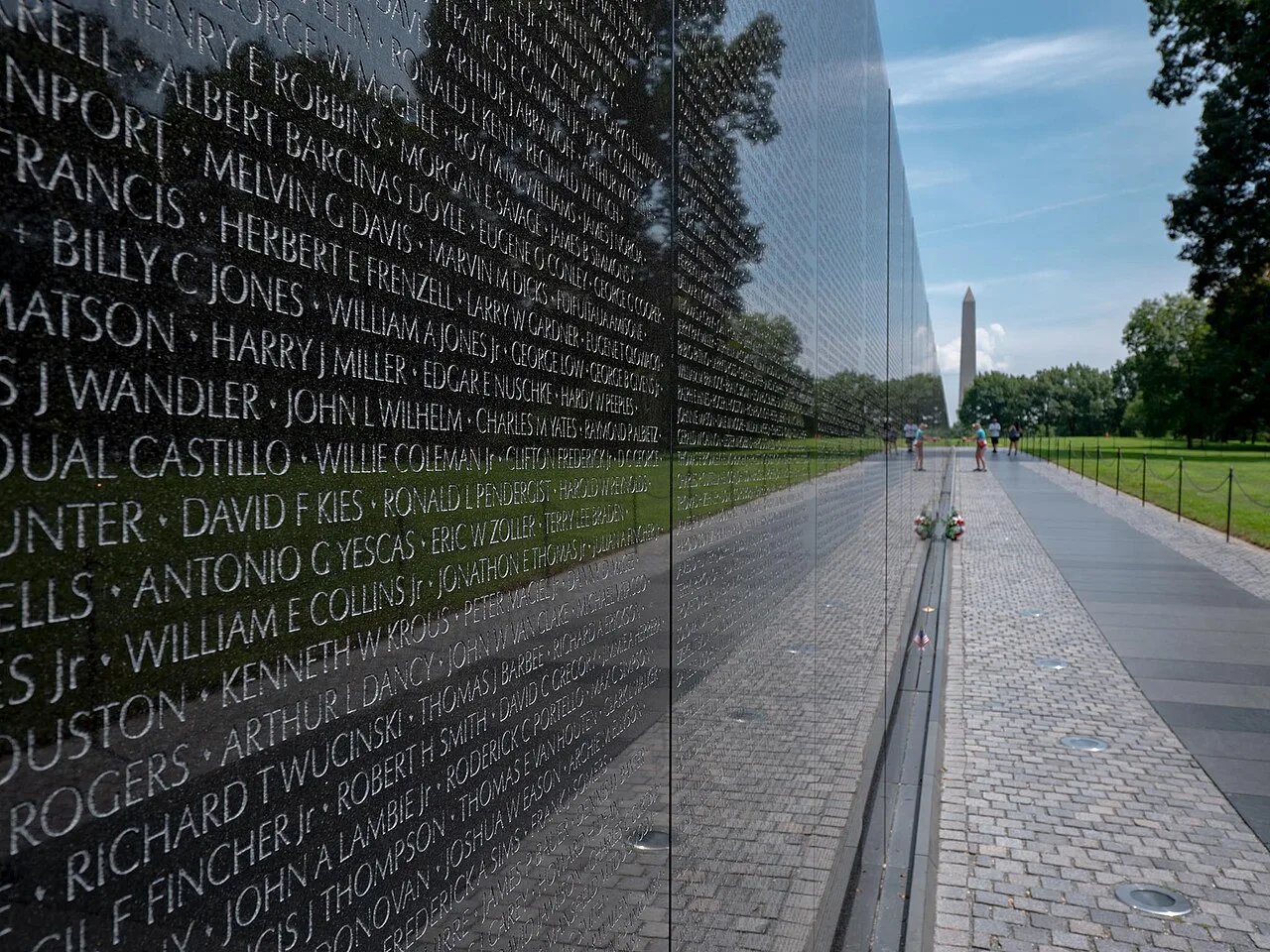
Vietnam War Purpose
Why did the United States enter the Vietnam War?
The Cold War rivalry between the United States and the Soviet Union involved wars in Korea and Vietnam, and communism was a central ideological issue in it.
One accepted response: To stop the spread of communism
Matched pairs
Each item on the left goes with the one on the right.
- First World War
- World War I
- USCIS Depression phrase
- Longest economic recession in modern history
- Vietnam War
- Stop the spread of communism
Self-test
Answer each question from memory, then check your work against the answer key.
1. Which choice gives one accepted response to: “Name one war fought by the United States in the 1900s.”
- AWar of 1812
- BCivil War
- CSpanish American War
- DWorld War I
2. Which choice gives one accepted response to: “Why did the United States enter World War I?”
- ABecause Japan attacked U.S. naval bases
- BBecause Germany attacked U.S. civilian ships
- CBecause Britain blockaded U.S. merchant ships
- DBecause Mexico invaded U.S. border towns
3. Which choice gives one accepted response to: “When did the Great Depression start?”
- AThe Long Depression of 1873
- BThe Great Panic of 1907
- CThe Great Crash of 1929
- DThe Dust Bowl of 1935
4. Who was president during the Great Depression and World War II?
- AFranklin Roosevelt
- BWoodrow Wilson
- CDwight Eisenhower
- DHerbert Hoover
5. Which choice gives one accepted response to: “Who was the United States’ main rival during the Cold War?”
- ADPRK
- BPRC
- CUSSR
- DUAR
6. Which choice gives one accepted response to: "Who was the United States' main rival during the Cold War?"
- APeople's Republic of China
- BImperial Japan
- CNazi Germany
- DSoviet Union
7. Which choice gives one accepted response to: "During the Cold War, what was one main concern of the United States?"
- AFascism
- BCommunism
- CIsolationism
- DTerrorism
8. Which choice gives one accepted response to: "Why did the United States enter the Korean War?"
- ATo stop the spread of communism
- BTo support imperial expansion
- CTo defend oil supplies
- DTo enforce a trade agreement
9. Which choice gives one accepted response to: "Why did the United States enter the Vietnam War?"
- ATo stop the spread of communism
- BTo protect oil shipping lanes
- CTo depose a monarchy
- DTo secure colonial trade routes
Go deeper
- ListenLesson 11 episode
- WatchOne Word, Two Years One word in a civics question changes the printed year. Women, or men?
- WatchWhat, When, Who The Great Depression has 3 civics questions. What was it? When did it start? Who was president?
- WatchTwo Wars, One Answer The Korean War and the Vietnam War. Two different wars, one printed answer.
- StudyU.S. Citizenship Civics — 2025 Test in the FlashFeed app
Answer key
- 1. D World War IWorld War I. The United States fought it in the 1900s, while wars such as the Civil War belong to the 1800s.
- 2. B Because Germany attacked U.S. civilian shipsBecause Germany attacked U.S. civilian ships. Japan’s attack on Pearl Harbor drew the country into World War II instead.
- 3. C The Great Crash of 1929The Great Crash of 1929. The Great Depression, a severe and long-lasting economic downturn, began that year.
- 4. A Franklin RooseveltFranklin Roosevelt. He was president for most of the Depression and the war, while Eisenhower is known as a World War II general.
- 5. C USSRUSSR, also called the Soviet Union. After World War II, it and the United States became rivals in the Cold War.
- 6. D Soviet UnionKey: Soviet Union (also accepted as USSR or Russia). Germany, Japan, and China were not the Cold War rival.
- 7. B CommunismKey: Communism. Isolationism, terrorism, and fascism were not the printed Cold War concern.
- 8. A To stop the spread of communismKey: To stop the spread of communism. The other options are not the printed reason for entering the Korean War.
- 9. A To stop the spread of communismKey: To stop the spread of communism. The other options are not the printed reason for entering the Vietnam War.
Sources
- USCIS 2025 official materials — www.uscis.gov/sites/default/files/document/brochures/USCIS-2025-Civics-Test-Study-Guide.pdf
- M-1778 (09/25), Q100 and 11 more references — www.uscis.gov/sites/default/files/document/questions-and-answers/2025-Civics-Test-128-Questions-and-Answers.pdf
Image credits
- Twentieth-Century Wars: Wikimedia Commons · APK · CC BY 4.0 — commons.wikimedia.org/wiki/File:National_World_War_I_Memorial_corner_view.jpg
- Women's Voting Milestone: Wikimedia Commons · The U.S. National Archives · No restrictions — commons.wikimedia.org/wiki/File:Ratification_of_the_Nineteenth_Amendment_(3693901127).jpg
- Depression's Start: Wikimedia Commons · US-gov · Public domain — commons.wikimedia.org/wiki/File:Crowd_outside_nyse.jpg
- Eisenhower's Achievements: Wikimedia Commons · White House · Public domain — commons.wikimedia.org/wiki/File:Dwight_D._Eisenhower,_official_photo_portrait,_May_29,_1959_(cropped)(3).jpg
- Cold War Rival: Wikimedia Commons · OTFW, Berlin · CC BY-SA 3.0 — commons.wikimedia.org/wiki/File:Denkmal_Am_Park_14B_(Gro%C3%9F_Glienicke)_Mauersegment.jpg
- Cold War Concern: Wikimedia Commons · Carol M. Highsmith · Public domain — commons.wikimedia.org/wiki/File:Aerial_view_of_Korean_War_Veterans_Memorial.jpg
- Vietnam War Purpose: David J. Jackson · CC BY-SA 4.0, resized — commons.wikimedia.org/wiki/File:Vietnam_Memorial_Wall_with_Washington_Monument.jpg


