
U.S. Citizenship Civics — 2025 Test study guide · Lesson 12 of 13
Modern America: Civil Rights, 9/11, and Innovation
Civil Rights · Modern Conflicts, 9/11, and Innovation
This is the lesson's study guide from the FlashFeed app, plus its key facts and a self-test.
What you'll be able to do
- State what the civil rights movement and Martin Luther King Jr. did, what happened on 9/11 and the wars after it, and American innovations.
Civil Rights
Civil Rights
The civil rights movement challenged racial segregation and unequal treatment through court cases, organizing, protest, and federal law. Martin Luther King, Jr. is associated with nonviolent action for civil rights and with work for equality. The movement belongs in a longer constitutional story that includes Reconstruction amendments and later enforcement. One question asks what the movement did; the other asks what King did, so don’t give an outcome where a leader’s contribution is asked for, or the other way round.
Prep for the oral test
What did the civil rights movement do?
Give one printed response:
- Fought to end racial discrimination
Martin Luther King, Jr. is famous for many things. Name one.
Give one printed response:
- Fought for civil rights
- Worked for equality for all Americans
- Worked to ensure that people would “not be judged by the color of their skin, but by the content of their character”
Distinctions to practice
What did the civil rights movement do? asks about the whole movement: Fought to end racial discrimination. Martin Luther King, Jr. is famous for many things. Name one. asks about one man, and one printed answer is Fought for civil rights.
Martin Luther King, Jr. is famous for many things. Name one. and Abraham Lincoln is famous for many things. Name one. use the same words for two different men. For King, one printed answer is Worked for equality for all Americans; for Lincoln, one printed answer is Freed the slaves (Emancipation Proclamation).
Practice aloud
Cover the answers and say each one aloud:
- What did the civil rights movement do?
- Martin Luther King, Jr. is famous for many things. Name one.
Sources
- USCIS M-1778 (09/25) question bank — retrieved 2026-08-22.
- USCIS 2025 Civics Test Study Guide — retrieved 2026-08-22.
Modern Conflicts, 9/11, and Innovation
This part covers the Persian Gulf War, the September 11 attacks, the conflicts that followed, American Indian nations and tribes, and U.S. innovations. They are separate subjects, not one story. For each question, decide whether it asks for a reason for a war, an event, a later conflict, a tribe, or an invention. USCIS points to bia.gov for a complete list of tribes, and says that other correct answers may exist while encouraging the printed ones.
Prep for the oral test
Why did the United States enter the Persian Gulf War?
Give one printed response:
- To force the Iraqi military from Kuwait
What major event happened on September 11, 2001 in the United States?
Give one printed response:
- Terrorists attacked the United States
- Terrorists took over two planes and crashed them into the World Trade Center in New York City
- Terrorists took over a plane and crashed into the Pentagon in Arlington, Virginia
- Terrorists took over a plane originally aimed at Washington, D.C., and crashed in a field in Pennsylvania
Name one U.S. military conflict after the September 11, 2001 attacks.
Give one printed response:
- (Global) War on Terror
- War in Afghanistan
- War in Iraq
Name one American Indian tribe in the United States.
Give one printed response:
- Apache
- Blackfeet
- Cayuga
- Cherokee
- Cheyenne
- Chippewa
- Choctaw
- Creek
- Crow
- Hopi
- Huron
- Inupiat
- Lakota
- Mohawk
- Mohegan
- Navajo
- Oneida
- Onondaga
- Pueblo
- Seminole
- Seneca
- Shawnee
- Sioux
- Teton
- Tuscarora
USCIS adds: “For a complete list of tribes, please visit bia.gov.”
Name one example of an American innovation.
Give one printed response:
- Light bulb
- Automobile (cars, internal combustion engine)
- Skyscrapers
- Airplane
- Assembly line
- Landing on the moon
- Integrated circuit (IC)
USCIS encourages the printed answers.
Distinctions to practice
Why did the United States enter the Persian Gulf War? and Why did the United States enter the Korean War? ask the same thing about two different wars. For the Persian Gulf War, say To force the Iraqi military from Kuwait; for the Korean War, say To stop the spread of communism.
What major event happened on September 11, 2001 in the United States? asks what happened that day, and one printed answer is Terrorists attacked the United States. Name one U.S. military conflict after the September 11, 2001 attacks. asks for a war that came later, such as War in Afghanistan.
Name one U.S. military conflict after the September 11, 2001 attacks. and Name one war fought by the United States in the 1900s. ask for wars from different times. For a war after the attacks, one printed answer is War in Iraq; for a war in the 1900s, one printed answer is (Persian) Gulf War.
Name one American Indian tribe in the United States. asks for one tribe by name, such as Cherokee. Who lived in America before the Europeans arrived? asks for the whole group, not one tribe, and one printed answer is American Indians.
Practice aloud
Cover the answers and say each one aloud:
- Why did the United States enter the Persian Gulf War?
- What major event happened on September 11, 2001 in the United States?
- Name one U.S. military conflict after the September 11, 2001 attacks.
- Name one American Indian tribe in the United States.
- Name one example of an American innovation.
Sources
- USCIS M-1778 (09/25) question bank — retrieved 2026-08-22.
- USCIS 2025 Civics Test Study Guide — retrieved 2026-08-22.
Key terms
- Civil rights
- Rights to equal treatment and participation protected by law.
Key facts
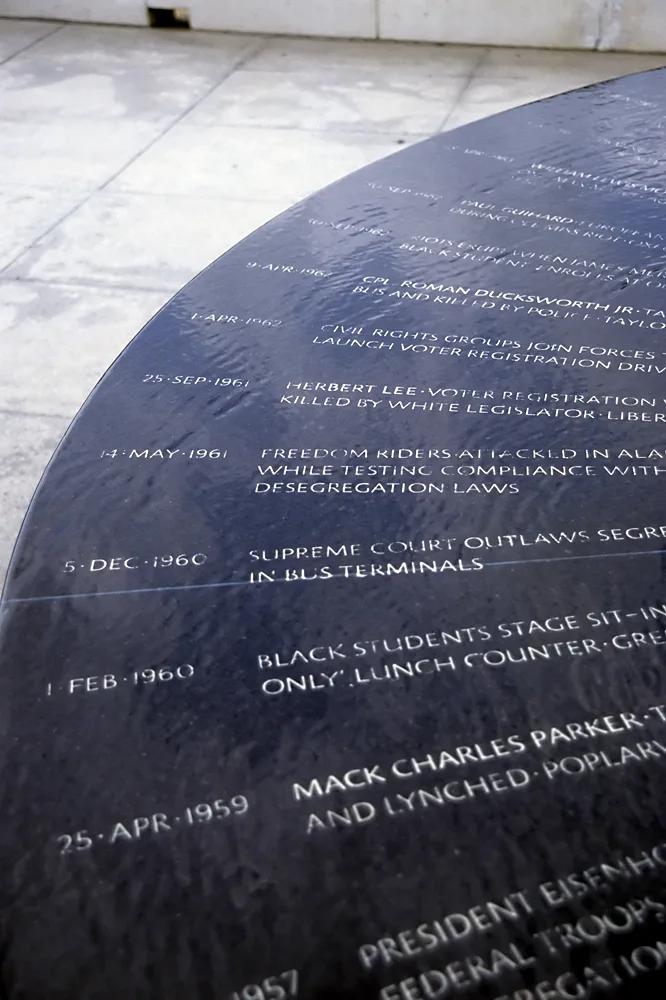
King's Work
Martin Luther King, Jr. is famous for many things. Name one.
Martin Luther King, Jr. is associated with nonviolent action for civil rights and with work for equality.
One accepted response: Fought for civil rights
Other printed responses: Worked for equality for all Americans; Worked to ensure that people would "not be judged by the color of their skin, but by the content of their character"
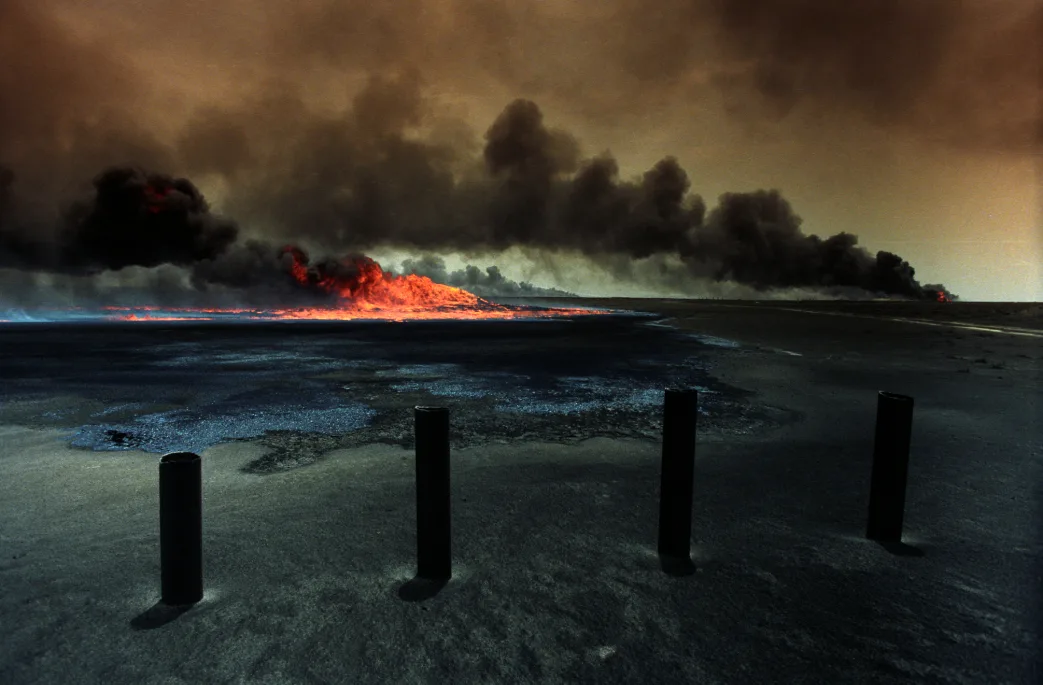
Persian Gulf War
Why did the United States enter the Persian Gulf War?
The Persian Gulf War (1990–1991) was a U.S.-led military campaign that expelled Iraqi forces after Iraq invaded Kuwait.
One accepted response: To force the Iraqi military from Kuwait
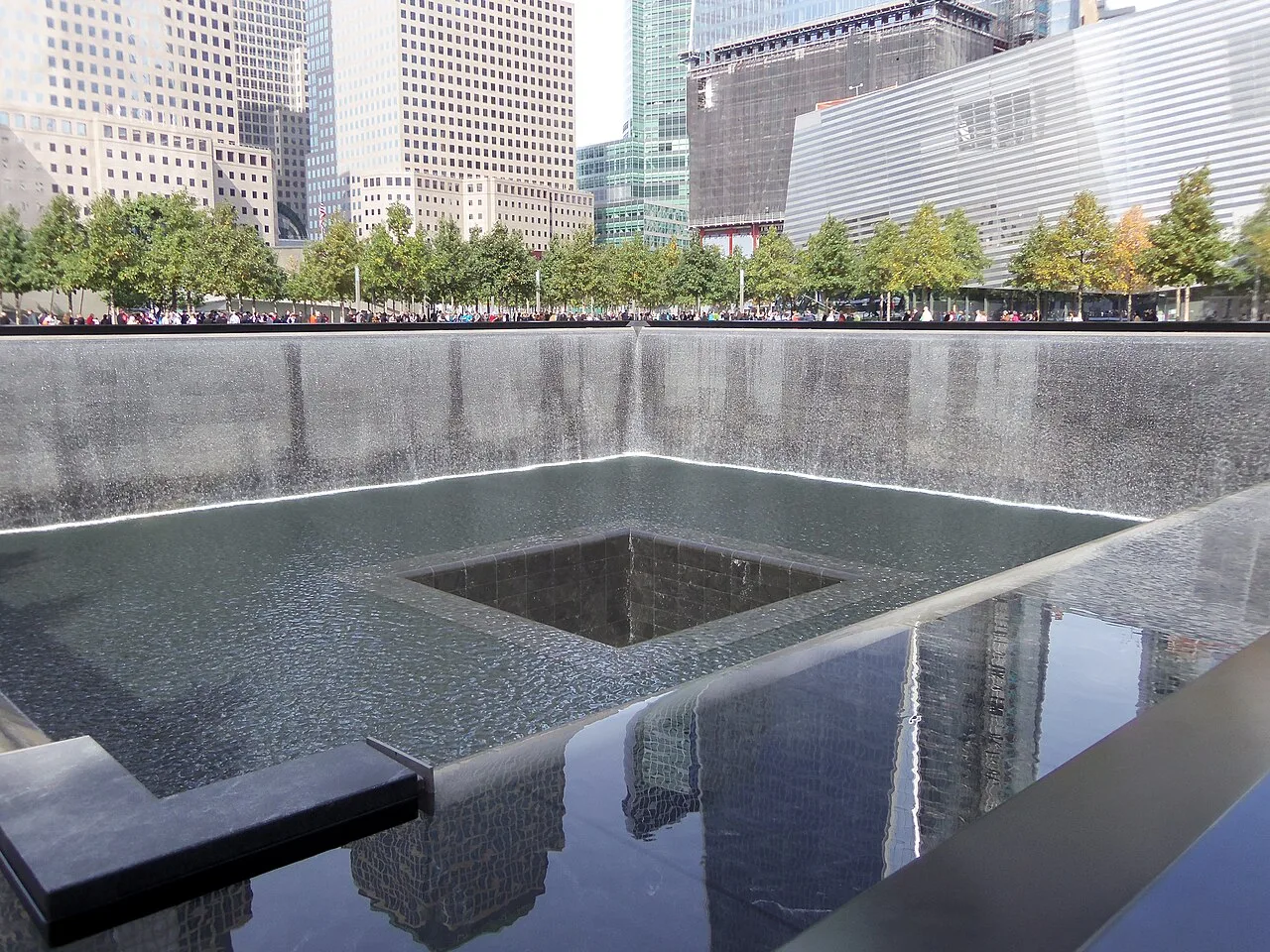
September 11 Attacks
What major event happened on September 11, 2001 in the United States?
One accepted response: Terrorists attacked the United States
Other printed responses: Terrorists took over two planes and crashed them into the World Trade Center in New York City; Terrorists took over a plane and crashed into the Pentagon in Arlington, Virginia; Terrorists took over a plane originally aimed at Washington, D.C., and crashed in a field in Pennsylvania
Post-9/11 Conflicts
Name one U.S. military conflict after the September 11, 2001 attacks.
One accepted response: (Global) War on Terror
Other printed responses: War in Afghanistan; War in Iraq
American Indian Tribes
Name one American Indian tribe in the United States.
The names USCIS prints are not a complete list of tribes: it points to bia.gov for that, and says other correct answers may exist.
One accepted response: Apache
Other printed responses: Blackfeet; Cayuga; Cherokee; Cheyenne; Chippewa; Choctaw; Creek; Crow; Hopi; Huron; Inupiat; Lakota; Mohawk; Mohegan; Navajo; Oneida; Onondaga; Pueblo; Seminole; Seneca; Shawnee; Sioux; Teton; Tuscarora
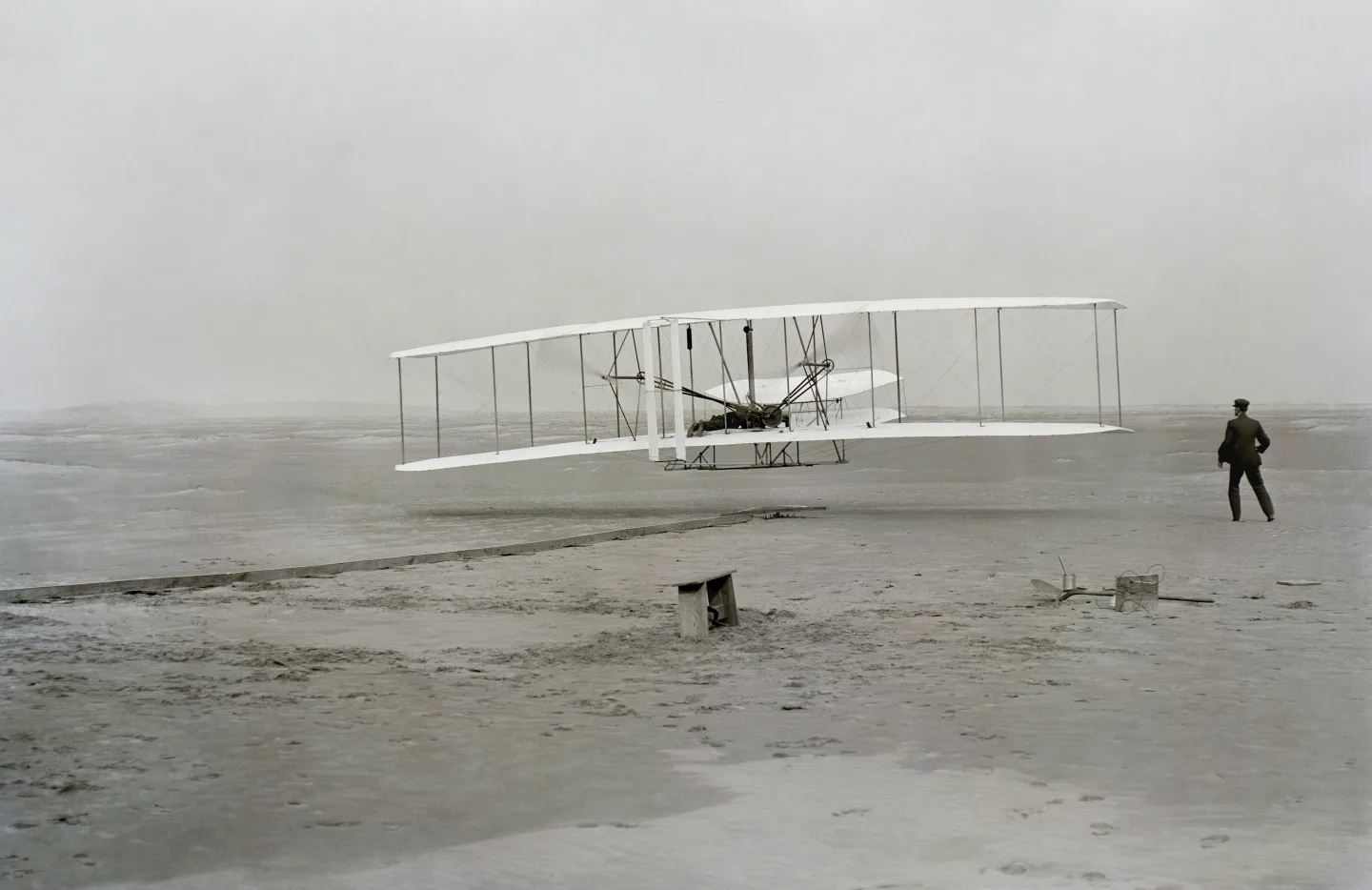
American Innovations
Name one example of an American innovation.
One accepted response: Light bulb
Other printed responses: Automobile (cars, internal combustion engine); Skyscrapers; Airplane; Assembly line; Landing on the moon; Integrated circuit (IC)
Matched pairs
Each item on the left goes with the one on the right.
- Civil rights movement
- Fought racial discrimination
- Persian Gulf War
- Remove Iraqi forces from Kuwait
- Cherokee
- American Indian tribe
Self-test
Answer each question from memory, then check your work against the answer key.
1. Which choice gives one accepted response to: “Martin Luther King, Jr. is famous for many things. Name one.”
- AFought for the Union
- BFought in World War II
- CFought for civil rights
- DFreed the enslaved people
2. What did the civil rights movement do?
- AFought to end racial discrimination
- BFought to end child labor
- CWorked to protect public lands
- DOrganized to improve factory conditions
3. Which choice gives one accepted response to: “Martin Luther King, Jr. is famous for many things. Name one.”
- AWorked for temperance for all Americans
- BLed troops in war for independence
- CFreed enslaved people in Confederate states
- DWorked for equality for all Americans
4. Which choice gives one accepted response to: “Name one U.S. military conflict after the September 11, 2001 attacks.”
- AWar in Cuba
- BWar in Iraq
- CWar in Korea
- DWar in Kuwait
5. Which choice gives one accepted response to: “What major event happened on September 11, 2001 in the United States?”
- ATerrorists attacked the United States
- BHurricanes battered the Florida Keys
- CThe Supreme Court settled a presidential election
- DA major earthquake struck California
6. What happened in the United States on September 11, 2001?
- AThe Persian Gulf War began
- BThe Louisiana Purchase was signed
- CTerrorists attacked the United States
- DThe Civil War ended
7. Name a U.S. military conflict that followed the September 11, 2001 attacks.
- ASpanish-American War
- BWar in Afghanistan
- CWar of 1812
- DPersian Gulf War
8. Which of these is a printed example of an American innovation?
- AThe pendulum clock
- BThe telescope
- CThe printing press
- DSkyscrapers
9. Which of these is a listed example of an American innovation?
- AGunpowder
- BThe compass
- CThe assembly line
- DThe steam locomotive
Go deeper
- ListenLesson 12 episode
- WatchThe Movement and the Man A whole movement, or one man? Two civics questions keep them apart.
- WatchOne Date, Two Questions One date. Two civics questions. They ask for different things.
- WatchThe Moon Landing Counts Light bulb. Skyscrapers. Landing on the moon. On the civics test, all three answer the same question.
- StudyU.S. Citizenship Civics — 2025 Test in the FlashFeed app
Answer key
- 1. C Fought for civil rightsFought for civil rights. King is linked to nonviolent action for civil rights; the Emancipation Proclamation belongs to Abraham Lincoln.
- 2. A Fought to end racial discriminationFought to end racial discrimination. It used court cases, protest, organizing, and federal law to challenge segregation and unequal treatment.
- 3. D Worked for equality for all AmericansWorked for equality for all Americans. King is associated with that work; George Washington, by contrast, led the Continental Army.
- 4. B War in IraqWar in Iraq. It followed the September 11 attacks; the Persian Gulf War, fought earlier, was about forcing the Iraqi military from Kuwait.
- 5. A Terrorists attacked the United StatesTerrorists attacked the United States. They took over planes and struck the World Trade Center and the Pentagon; another plane crashed in a Pennsylvania field.
- 6. C Terrorists attacked the United StatesOn September 11, 2001, terrorists attacked the United States; the other events belong to different eras.
- 7. B War in AfghanistanThe War in Afghanistan followed the 9/11 attacks; the other wars occurred in earlier eras.
- 8. D SkyscrapersSkyscrapers are a printed example of American innovation. The printing press, pendulum clock, and telescope were all invented outside the United States, so they don't fit the 'American innovation' category this question tests.
- 9. C The assembly lineThe assembly line is a listed American innovation. The compass, gunpowder, and steam locomotive were all invented outside the United States, so they don't fit the 'American innovation' category this question tests.
Sources
- USCIS 2025 official materials — www.uscis.gov/sites/default/files/document/brochures/USCIS-2025-Civics-Test-Study-Guide.pdf
- M-1778 (09/25), Q112 and 6 more references — www.uscis.gov/sites/default/files/document/questions-and-answers/2025-Civics-Test-128-Questions-and-Answers.pdf
Image credits
- King's Work: Wikimedia Commons · Eric Hunt · CC BY 2.5 — commons.wikimedia.org/wiki/File:Montgomery_Civil_Rights_Memorial.jpg
- Persian Gulf War: Wikimedia Commons · Habib Hassan Kuwait · CC BY-SA 4.0 — commons.wikimedia.org/wiki/File:Kuwaiti_oil_fires_in_Al-Maqwa.tif
- September 11 Attacks: Farragutful · CC BY-SA 3.0, resized — commons.wikimedia.org/wiki/File:10.2012_South_Pool_National_September_11_Memorial_02.JPG
- American Innovations: Wikimedia Commons · John T. Daniels · Public domain — commons.wikimedia.org/wiki/File:First_flight2.jpg


