
U.S. Citizenship Civics — 2025 Test study guide · Lesson 10 of 13
The 1800s: Expansion, Civil War, and Reconstruction
Expansion and Civil War · Emancipation and Reconstruction
This is the lesson's study guide from the FlashFeed app, plus its key facts and a self-test.
What you'll be able to do
- Recall the Louisiana Purchase, 1800s wars, the Civil War and Lincoln, the Emancipation Proclamation, and the 14th and 15th Amendments.
Expansion and Civil War
Expansion and Civil War
During the 1800s the United States expanded westward, fought wars, and confronted the crisis of slavery. The Louisiana Purchase doubled the nation’s territory under President Thomas Jefferson. The Civil War followed secession and conflict over slavery, federal union, and political power. Abraham Lincoln led the nation during that war. For each question, decide whether it asks for a territory, a war, an event of the Civil War, or what Lincoln is known for.
Prep for the oral test
What territory did the United States buy from France in 1803?
Give one printed response:
- Louisiana Territory
- Louisiana
Name one war fought by the United States in the 1800s.
Give one printed response:
- War of 1812
- Mexican-American War
- Civil War
- Spanish-American War
Name the U.S. war between the North and the South.
Give one printed response:
- The Civil War
The Civil War had many important events. Name one.
Give one printed response:
- (Battle of) Fort Sumter
- Emancipation Proclamation
- (Battle of) Vicksburg
- (Battle of) Gettysburg
- Sherman’s March
- (Surrender at) Appomattox
- (Battle of) Antietam/Sharpsburg
- Lincoln was assassinated.
Abraham Lincoln is famous for many things. Name one.
Give one printed response:
- Freed the slaves (Emancipation Proclamation)
- Saved (or preserved) the Union
- Led the United States during the Civil War
- 16th president of the United States
- Delivered the Gettysburg Address
Distinctions to practice
What territory did the United States buy from France in 1803? asks for the territory itself, and one printed answer is Louisiana Territory. Thomas Jefferson is famous for many things. Name one. asks what Jefferson is known for, and one printed answer is Doubled the size of the United States (Louisiana Purchase).
Name one war fought by the United States in the 1800s. asks for any one war of that century, such as Mexican-American War. Name the U.S. war between the North and the South. asks for one particular war: The Civil War.
The Civil War had many important events. Name one. asks for something that happened during the war, such as (Battle of) Gettysburg. Abraham Lincoln is famous for many things. Name one. asks what Lincoln is known for, such as Delivered the Gettysburg Address.
Sources
- USCIS M-1778 (09/25) question bank — retrieved 2026-08-22.
- USCIS 2025 Civics Test Study Guide — retrieved 2026-08-22.
Emancipation and Reconstruction
The Emancipation Proclamation declared freedom for enslaved people in areas in rebellion against the United States; it did not immediately free every enslaved person everywhere. The Thirteenth Amendment later abolished slavery in law, except as punishment for crime after conviction. The Fourteenth Amendment established national citizenship rules, and the Fifteenth barred denial of voting rights on account of race, color, or previous servitude. Say the printed USCIS answer, then keep this legal sequence clear.
Prep for the oral test
What did the Emancipation Proclamation do?
Give one printed response:
- Freed the slaves
- Freed slaves in the Confederacy
- Freed slaves in the Confederate states
- Freed slaves in most Southern states
What U.S. war ended slavery?
Give one printed response:
- The Civil War
What amendment says all persons born or naturalized in the United States, and subject to the jurisdiction thereof, are U.S. citizens?
Give one printed response:
- 14th Amendment
When did all men get the right to vote?
Give one printed response:
- After the Civil War
- During Reconstruction
- (With the) 15th Amendment
- 1870
Name one leader of the women’s rights movement in the 1800s.
Give one printed response:
- Susan B. Anthony
- Elizabeth Cady Stanton
- Sojourner Truth
- Harriet Tubman
- Lucretia Mott
- Lucy Stone
Distinctions to practice
What did the Emancipation Proclamation do? asks about one proclamation that reached only the areas in rebellion, and one printed answer is Freed slaves in the Confederacy. What U.S. war ended slavery? asks which war it was: The Civil War.
What did the Emancipation Proclamation do? already names the proclamation, so say what it did, such as Freed the slaves. The Civil War had many important events. Name one. can be answered with the proclamation’s name, and one printed answer is Emancipation Proclamation.
What amendment says all persons born or naturalized in the United States, and subject to the jurisdiction thereof, are U.S. citizens? asks for the amendment about citizenship: 14th Amendment. When did all men get the right to vote? asks when men got the vote, and one printed answer is (With the) 15th Amendment.
Sources
- USCIS M-1778 (09/25) question bank — retrieved 2026-08-22.
- USCIS 2025 Civics Test Study Guide — retrieved 2026-08-22.
- Emancipation Proclamation — retrieved 2026-08-22.
Key facts
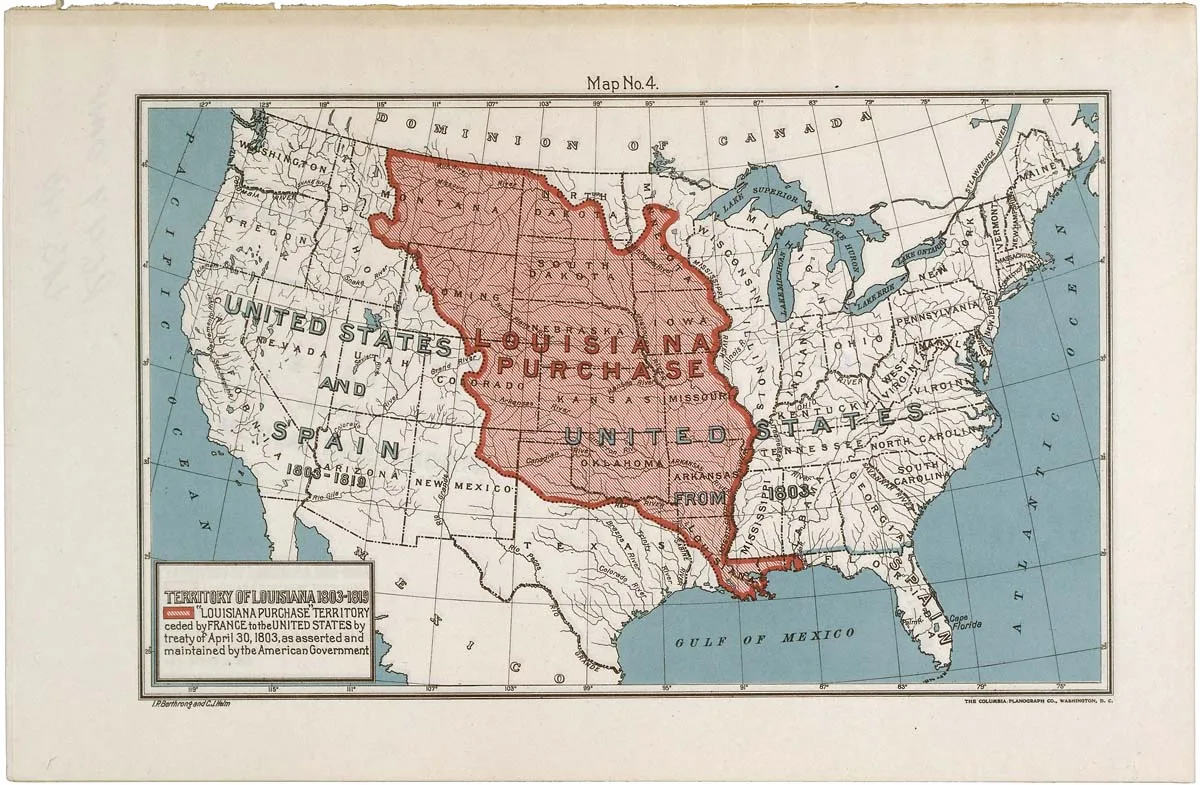
Louisiana Purchase
What territory did the United States buy from France in 1803?
The Louisiana Purchase doubled the nation’s territory under President Thomas Jefferson.
One accepted response: Louisiana Territory
Other printed responses: Louisiana
Nineteenth-Century Wars
Name one war fought by the United States in the 1800s.
During the 1800s the United States expanded westward, fought wars, and confronted the crisis of slavery.
One accepted response: War of 1812
Other printed responses: Mexican-American War; Civil War; Spanish-American War
Civil War
Name the U.S. war between the North and the South.
The Civil War followed secession and conflict over slavery, federal union, and political power. Abraham Lincoln led the nation during that war.
One accepted response: The Civil War
Civil War Events
The Civil War had many important events. Name one.
One of those events, the Emancipation Proclamation, declared freedom for enslaved people in areas in rebellion against the United States, but it did not immediately free every enslaved person everywhere.
One accepted response: (Battle of) Fort Sumter
Other printed responses: Emancipation Proclamation; (Battle of) Vicksburg; (Battle of) Gettysburg; Sherman’s March; (Surrender at) Appomattox; (Battle of) Antietam/Sharpsburg; Lincoln was assassinated.
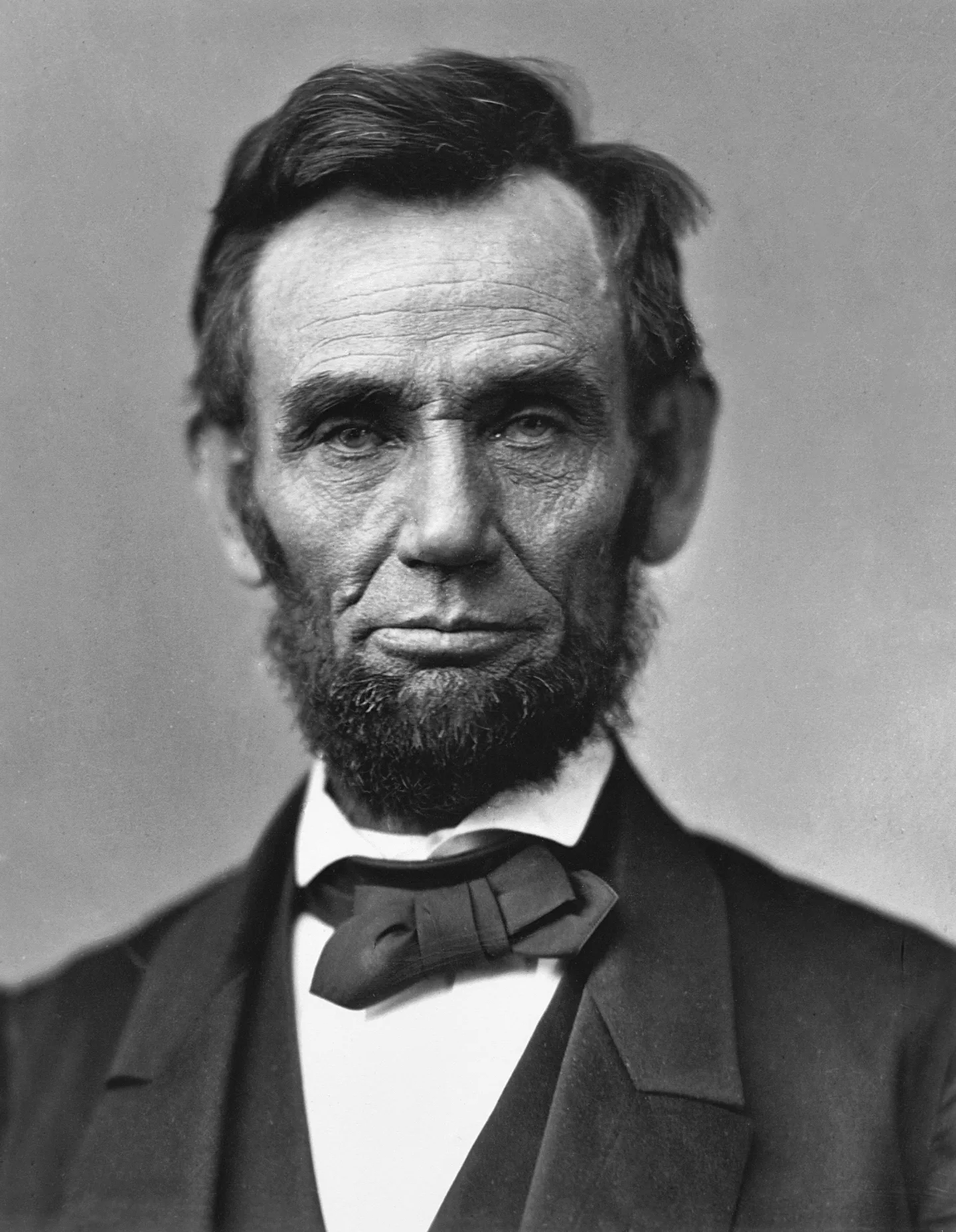
Lincoln's Achievements
Abraham Lincoln is famous for many things. Name one.
Abraham Lincoln led the nation during the Civil War, which followed secession and conflict over slavery, federal union, and political power.
One accepted response: Freed the slaves (Emancipation Proclamation)
Other printed responses: Saved (or preserved) the Union; Led the United States during the Civil War; 16th president of the United States; Delivered the Gettysburg Address
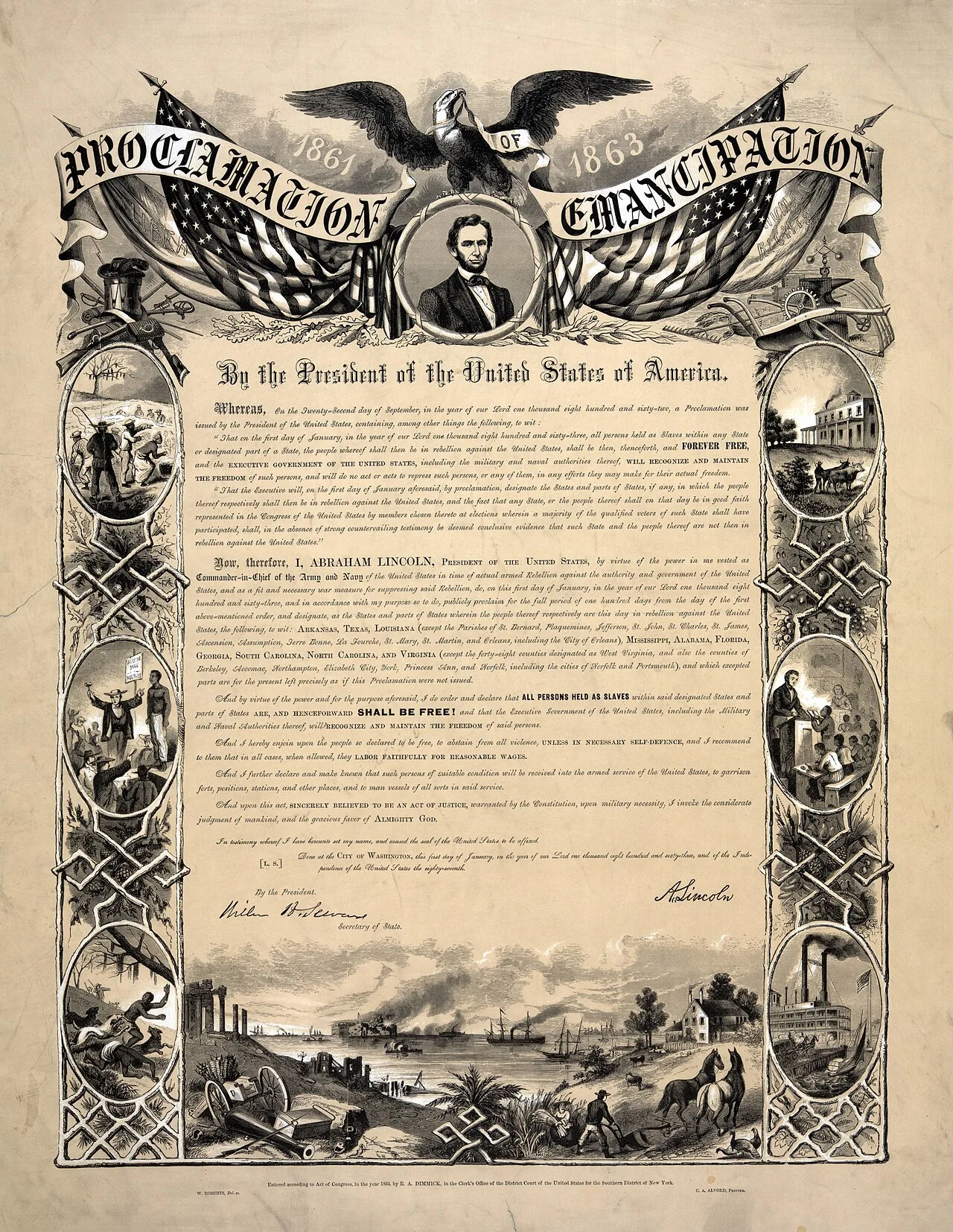
Emancipation Proclamation
What did the Emancipation Proclamation do?
The proclamation applied to enslaved people in designated places in rebellion; the Thirteenth Amendment later abolished slavery in law.
One accepted response: Freed the slaves
Other printed responses: Freed slaves in the Confederacy; Freed slaves in the Confederate states; Freed slaves in most Southern states
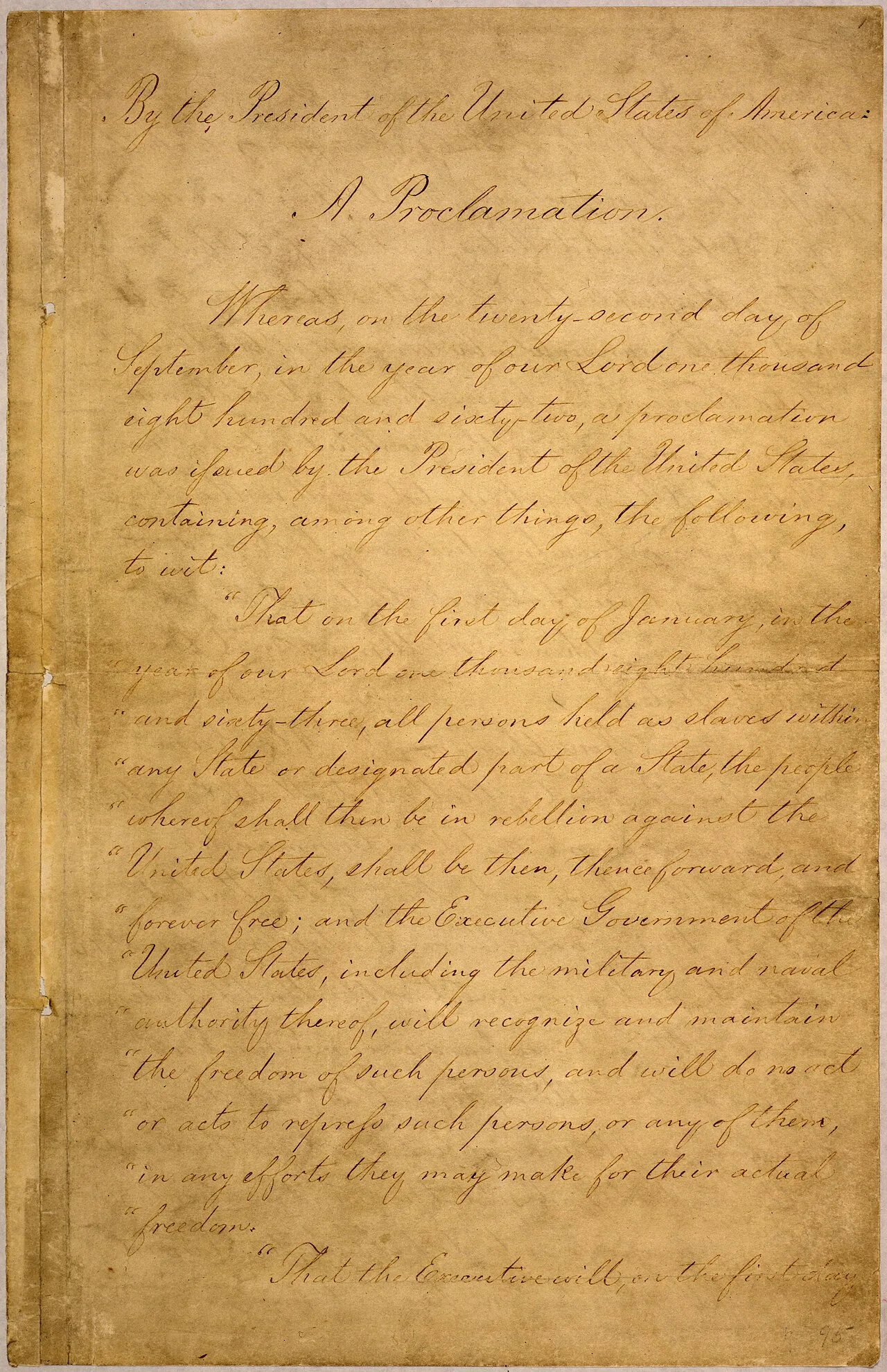
War Ending Slavery
What U.S. war ended slavery?
Slavery was one of the issues behind the Civil War, and the Thirteenth Amendment later abolished it in law.
One accepted response: The Civil War
Fourteenth Amendment
What amendment says all persons born or naturalized in the United States, and subject to the jurisdiction thereof, are U.S. citizens?
The Fourteenth Amendment connects national citizenship to birth or naturalization under its jurisdiction clause.
One accepted response: 14th Amendment
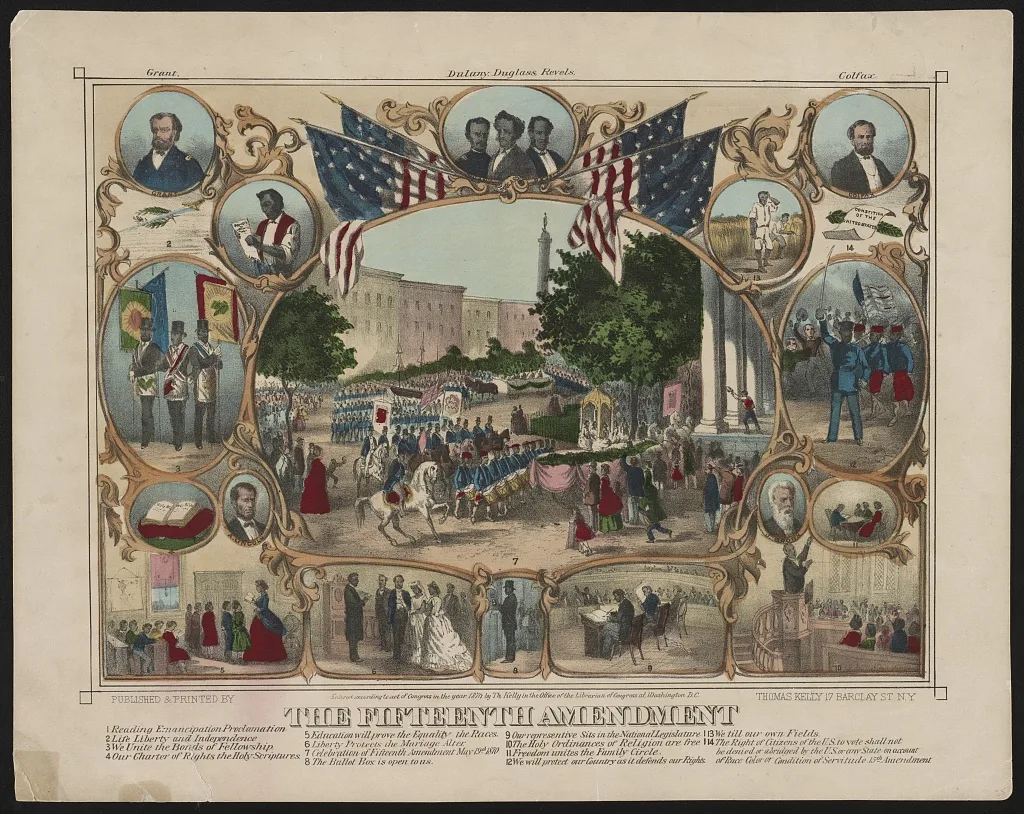
Men's Voting Milestone
When did all men get the right to vote?
After the Thirteenth Amendment abolished slavery in law and the Fourteenth established national citizenship rules, the Fifteenth barred denial of voting rights on account of race, color, or previous servitude.
One accepted response: After the Civil War
Other printed responses: During Reconstruction; (With the) 15th Amendment; 1870
Matched pairs
Each item on the left goes with the one on the right.
- Civil War event in Pennsylvania
- (Battle of) Gettysburg
- France, 1803
- Louisiana
Self-test
Answer each question from memory, then check your work against the answer key.
1. Which choice gives one accepted response to: “What territory did the United States buy from France in 1803?”
- AAlaska
- BCalifornia
- CFlorida
- DLouisiana
2. Which choice gives one accepted response to: “Name one war fought by the United States in the 1800s.”
- AGulf War
- BCivil War
- CKorean War
- DGreat War
3. Name the U.S. war between the North and the South.
- AThe Civil War
- BThe Cold War
- CThe Korean War
- DThe Mexican War
4. Which choice gives one accepted response to: “What did the Emancipation Proclamation do?”
- AFreed slaves in border states
- BEnded the slave trade with Africa
- CFreed slaves in the Confederacy
- DGave freed slaves voting rights
5. Which choice gives one accepted response to: “When did all men get the right to vote?”
- A1870
- B1865
- C1920
- D1868
6. What amendment guarantees that all persons born or naturalized in the U.S. are citizens?
- A10th Amendment
- B14th Amendment
- C13th Amendment
- D15th Amendment
7. Which amendment barred denying the vote based on race, color, or previous servitude?
- A13th Amendment
- B14th Amendment
- C19th Amendment
- D15th Amendment
Go deeper
- ListenLesson 10 episode
- WatchDoubled in 1803 One purchase doubled the nation's territory. Thomas Jefferson was president at the time.
- WatchNot Everywhere at Once The Emancipation Proclamation did not immediately free every enslaved person everywhere. It reached only the areas in rebellion.
- WatchTwo Gettysburgs Gettysburg turns up in answers to two test questions. The trick is hearing which one is asked.
- StudyU.S. Citizenship Civics — 2025 Test in the FlashFeed app
Answer key
- 1. D LouisianaLouisiana. The Louisiana Purchase doubled the country’s size, and Thomas Jefferson was president at the time.
- 2. B Civil WarCivil War. It followed secession and conflict over slavery, and it was fought in the 1800s.
- 3. A The Civil WarThe Civil War. Abraham Lincoln led the nation through it, and it is the war that ended slavery.
- 4. C Freed slaves in the ConfederacyFreed slaves in the Confederacy. The proclamation reached only areas in rebellion, not every enslaved person everywhere.
- 5. A 18701870, USCIS’s printed answer. The 15th Amendment, ratified that year during Reconstruction, barred denying the vote on account of race, color, or previous servitude.
- 6. B 14th AmendmentThe 14th Amendment defines citizenship for those born or naturalized in the U.S.; the others cover different rights.
- 7. D 15th AmendmentThe 15th Amendment barred denying voting rights based on race, color, or previous servitude.
Sources
- USCIS 2025 official materials — www.uscis.gov/sites/default/files/document/brochures/USCIS-2025-Civics-Test-Study-Guide.pdf
- M-1778 (09/25), Q90 and 9 more references — www.uscis.gov/sites/default/files/document/questions-and-answers/2025-Civics-Test-128-Questions-and-Answers.pdf
Image credits
- Louisiana Purchase: Wikimedia Commons · Unknown author or not provided · Public domain — commons.wikimedia.org/wiki/File:Map_of_the_Louisiana_Purchase_Territory_-_NARA_-_594889.jpg
- Lincoln's Achievements: Wikimedia Commons · Alexander Gardner · Public domain — commons.wikimedia.org/wiki/File:Abraham_Lincoln_O-77_matte_collodion_print.jpg
- Emancipation Proclamation: Wikimedia Commons · W. Roberts · Public domain — commons.wikimedia.org/wiki/File:Emancipation_Proclamation.jpg
- War Ending Slavery: Wikimedia Commons · Lincoln, Abraham, 1809-1865 · Public domain — commons.wikimedia.org/wiki/File:Emancipation_Proclamation_WDL2714.jpg
- Men's Voting Milestone: Library of Congress · The Fifteenth amendment · No known restrictions (verify at source) — www.loc.gov/item/93510386/


