
U.S. Citizenship Civics — 2025 Test study guide · Lesson 4 of 13
The President and the Executive Branch
Electing the President · Presidential Powers · Executive Leadership
This is the lesson's study guide from the FlashFeed app, plus its key facts and a self-test.
What you'll be able to do
- Recall the president’s term and two-term limit, succession by the vice president, the president’s powers, and what the Cabinet does.
Electing the President
Electing the President
The president and vice president are elected for four-year terms through the constitutional electoral process. The Twenty-second Amendment limits a person to two elected presidential terms. The succession rules keep executive authority continuous if a president can no longer serve. Current names are deliberately absent from this pack; the durable learning target is the office, the term, the limit, and the order of succession.
Prep for the oral test
The President of the United States is elected for how many years?
Give one printed response:
- Four (4) years
The President of the United States can serve only two terms. Why?
Give one printed response:
- (Because of) the 22nd Amendment
- To keep the president from becoming too powerful
What is the name of the President of the United States now?
Use the printed residence/date instruction and the official lookup route; do not memorize a name from this pack.
What is the name of the Vice President of the United States now?
Use the printed residence/date instruction and the official lookup route; do not memorize a name from this pack.
If the president can no longer serve, who becomes president?
Give one printed response:
- The Vice President (of the United States)
Distinctions to practice
The President of the United States is elected for how many years? asks for the length of one term: Four (4) years. The President of the United States can serve only two terms. Why? asks for a reason, not a number, and one printed answer is (Because of) the 22nd Amendment.
What is the name of the Vice President of the United States now? asks for a person’s name, so look it up before your interview. If the president can no longer serve, who becomes president? asks for the office, not the name: The Vice President (of the United States).
The President of the United States is elected for how many years? and How long is a term for a U.S. senator? both ask for the length of a term: the president’s is Four (4) years and a senator’s is Six (6) years.
Sources
- USCIS M-1778 (09/25) question bank — retrieved 2026-08-22.
- USCIS 2025 Civics Test Study Guide — retrieved 2026-08-22.
- U.S. Constitution transcript — retrieved 2026-08-22.
Presidential Powers
The president carries out executive responsibilities: signing or vetoing bills, enforcing laws, serving as Commander in Chief, acting as chief diplomat, and appointing federal judges. These powers do not let the president write federal statutes alone. A veto rejects a bill; a signature turns a passed bill into law. Appointment also differs from final confirmation when the Constitution gives the Senate a role.
Prep for the oral test
Name one power of the president.
Give one printed response:
- Signs bills into law
- Vetoes bills
- Enforces laws
- Commander in Chief (of the military)
- Chief diplomat
- Appoints federal judges
Who is Commander in Chief of the U.S. military?
Give one printed response:
- The President (of the United States)
Who signs bills to become laws?
Give one printed response:
- The President (of the United States)
Who vetoes bills?
Give one printed response:
- The President (of the United States)
Who appoints federal judges?
Give one printed response:
- The President (of the United States)
Distinctions to practice
Name one power of the president. asks for something the president can do, such as Vetoes bills. Who vetoes bills? asks who does it: The President (of the United States).
Name one power of the president. asks for something the president can do, and Name one power of the U.S. Congress. asks for something Congress can do. Commander in Chief (of the military) is a printed answer for the first, and Declares war is a printed answer for the second.
Who signs bills to become laws? asks who signs a bill that has passed: The President (of the United States). What part of the federal government writes laws? asks who writes them, and one printed answer is (U.S.) Congress.
Practice aloud
Cover the answers and say each one aloud:
- Name one power of the president.
- Who is Commander in Chief of the U.S. military?
- Who signs bills to become laws?
- Who vetoes bills?
- Who appoints federal judges?
Sources
- USCIS M-1778 (09/25) question bank — retrieved 2026-08-22.
- USCIS 2025 Civics Test Study Guide — retrieved 2026-08-22.
- U.S. Constitution transcript — retrieved 2026-08-22.
Executive Leadership
The executive branch includes the president, vice president, Cabinet, departments, and agencies. The Cabinet advises the president. The 2025 list prints a set of accepted Cabinet-level positions, and that list decides the answer even though the executive branch’s organization can change. Recheck it whenever USCIS issues a new M-1778 revision rather than assuming an older list remains accepted.
Prep for the oral test
The executive branch has many parts. Name one.
Give one printed response:
- President (of the United States)
- Cabinet
- Federal departments and agencies
What does the President’s Cabinet do?
Give one printed response:
- Advises the President (of the United States)
What are two Cabinet-level positions?
Give 2 printed responses:
- Attorney General
- Secretary of Agriculture
- Secretary of Commerce
- Secretary of Education
- Secretary of Energy
- Secretary of Health and Human Services
- Secretary of Homeland Security
- Secretary of Housing and Urban Development
- Secretary of the Interior
- Secretary of Labor
- Secretary of State
- Secretary of Transportation
- Secretary of the Treasury
- Secretary of Veterans Affairs
- Secretary of War (Defense)
- Vice-President
- Administrator of the Environmental Protection Agency
- Administrator of the Small Business Administration
- Director of the Central Intelligence Agency
- Director of the Office of Management and Budget
- Director of National Intelligence
- United States Trade Representative
Why is the Electoral College important?
Give one printed response:
- It decides who is elected president.
- It provides a compromise between the popular election of the president and congressional selection.
Distinctions to practice
What does the President’s Cabinet do? asks for the Cabinet’s job: Advises the President (of the United States). What are two Cabinet-level positions? asks for two positions, and Attorney General is one of them.
The executive branch has many parts. Name one. asks for one part inside a single branch, such as Cabinet. Name the three branches of government. asks for the branches themselves, and one printed answer is Congress, president, and the courts.
Why is the Electoral College important? asks why it matters, and one printed answer is It decides who is elected president. Who elects U.S. senators? asks which voters elect senators: Citizens from their state.
Sources
- USCIS M-1778 (09/25) question bank — retrieved 2026-08-22.
- USCIS 2025 Civics Test Study Guide — retrieved 2026-08-22.
Key terms
- Veto
- The president’s rejection of a bill passed by Congress.
- Cabinet
- The group of senior executive officials who advise the president.
- Secretary of War
- A Cabinet-level official who leads the department responsible for the U.S. armed forces and advises the president on national defense; the 2025 USCIS list prints 'Defense' in parentheses after this title, where the 2020 list printed 'Secretary of Defense.'
Key facts
Current President
What is the name of the President of the United States now?
The president leads the executive branch and serves a four-year term. The current name can change. Do not memorize a name or place from this pack. Follow the printed instruction: Visit uscis.gov/citizenship/testupdates for the name of the President of the United States.
Current Vice President
What is the name of the Vice President of the United States now?
The vice president is next in presidential succession and presides over the Senate. The current name can change. Do not memorize a name or place from this pack. Follow the printed instruction: Visit uscis.gov/citizenship/testupdates for the name of the Vice President of the United States.
Presidential Term
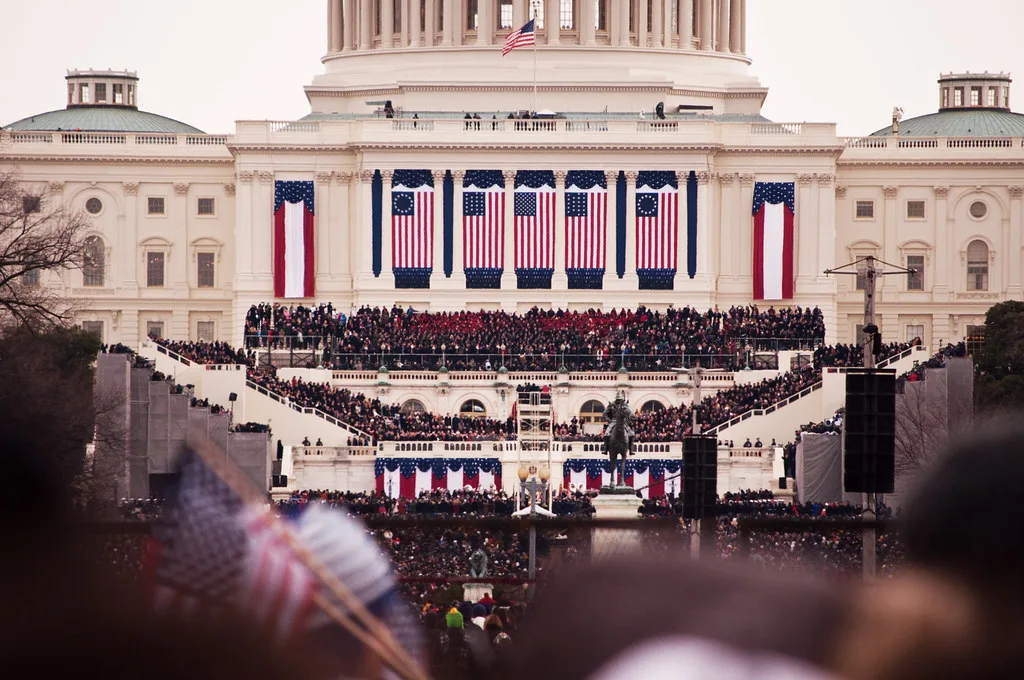
The President of the United States is elected for how many years?
The president and the vice president are each elected to a four-year term through a process the Constitution lays out.
One accepted response: Four (4) years
Presidential Term Limit
The President of the United States can serve only two terms. Why?
The Twenty-second Amendment caps a person at two elected terms as president, a limit meant to keep the office from growing too powerful.
One accepted response: (Because of) the 22nd Amendment
Other printed responses: To keep the president from becoming too powerful
Presidential Succession
If the president can no longer serve, who becomes president?
Succession rules keep executive authority continuous if a president can no longer serve.
One accepted response: The Vice President (of the United States)
The Veto Power
Who vetoes bills?
A veto rejects a bill. It is one of the president's executive responsibilities, but these powers do not let the president write federal statutes alone.
One accepted response: The President (of the United States)
Presidential Powers
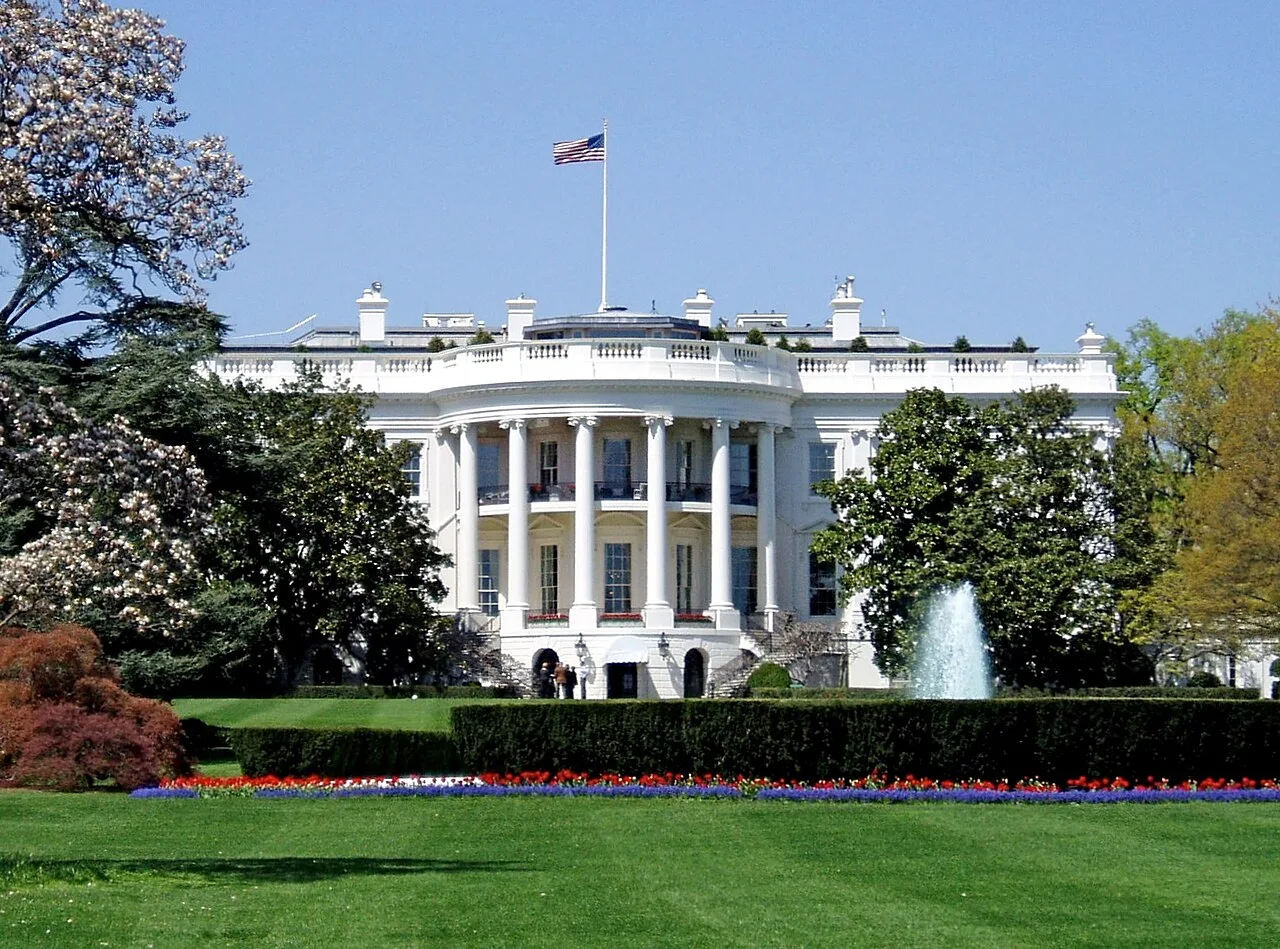
Name one power of the president.
The president's powers use different verbs: sign, veto, enforce, command, appoint, and negotiate.
One accepted response: Signs bills into law
Other printed responses: Vetoes bills; Enforces laws; Commander in Chief (of the military); Chief diplomat; Appoints federal judges
Judicial Appointments
Who appoints federal judges?
Appointing federal judges is one of the president's executive responsibilities.
One accepted response: The President (of the United States)
Executive Branch Parts
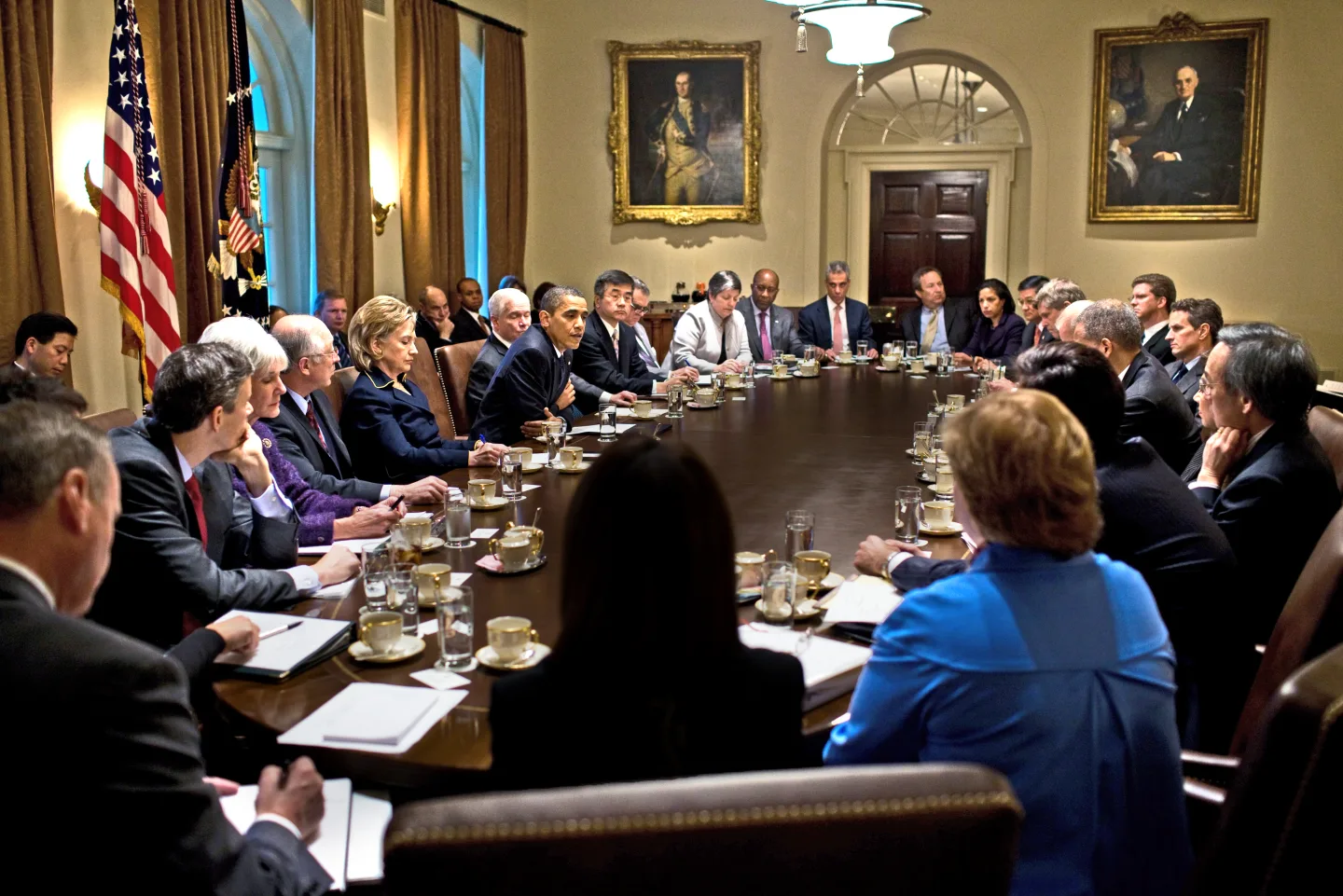
The executive branch has many parts. Name one.
The executive branch includes the president, vice president, Cabinet, departments, and agencies.
One accepted response: President (of the United States)
Other printed responses: Cabinet; Federal departments and agencies
Cabinet's Role
What does the President’s Cabinet do?
The Cabinet advises the president.
One accepted response: Advises the President (of the United States)
Cabinet-Level Positions
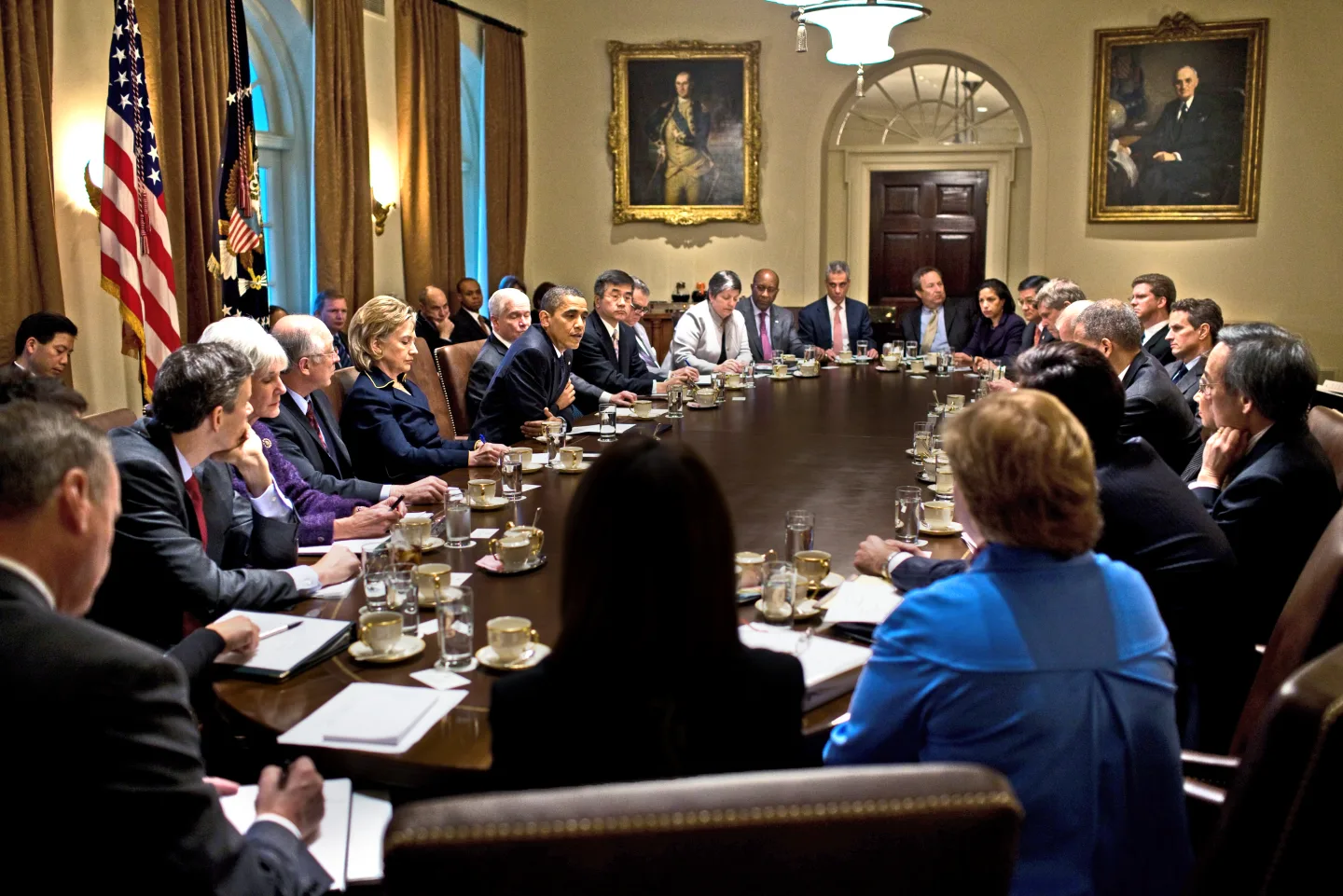
What are two Cabinet-level positions?
The Cabinet advises the president. Give two printed responses. Examples include Attorney General; Secretary of State; Secretary of War (Defense); Vice-President; Administrator of the Environmental Protection Agency. The current USCIS list, M-1778 (09/25), prints 22 accepted positions.
Electoral College Role
Why is the Electoral College important?
One accepted response: It decides who is elected president.
Other printed responses: It provides a compromise between the popular election of the president and congressional selection.
Matched pairs
Each item on the left goes with the one on the right.
- Vacant presidency
- The Vice President (of the United States)
Step by step
Follow presidential succession
- The vice president becomes president if the presidency is vacant.
- If both offices are vacant, the Speaker of the House is next under federal law.
- The president pro tempore of the Senate follows the Speaker.
- Eligible Cabinet officers follow in the statutory order.
- Apply the constitutional eligibility rules to every successor.
This card tests the durable order, not the current name of any officeholder.
Self-test
Answer each question from memory, then check your work against the answer key.
1. The President of the United States is elected for how many years?
- ATwo (2) years
- BEight (8) years
- CSix (6) years
- DFour (4) years
2. Which choice gives one accepted response to: “The President of the United States can serve only two terms. Why?”
- ABecause of the 22nd Amendment
- BBecause of the 20th Amendment
- CBecause of the 23rd Amendment
- DBecause of the 2nd Amendment
3. Which choice gives one accepted response to: “Name one power of the president.”
- AWrites laws
- BVetoes bills
- CConfirms nominees
- DInterprets laws
4. Who is Commander in Chief of the U.S. military?
- AThe Chief Justice of the United States
- BThe Chairman of the Joint Chiefs
- CThe President of the United States
- DThe Secretary of the Navy
5. Which choice gives one accepted response to: “The executive branch has many parts. Name one.”
- ACabinet
- BGovernor
- CSenate
- DJudiciary
6. Which choice gives one accepted response to: "Who signs bills to become laws?"
- AThe Speaker of the House
- BThe Senate Majority Leader
- CThe President of the United States
- DThe Chief Justice of the United States
7. Which choice gives one accepted response to: "Who appoints federal judges?"
- AThe Senate
- BThe Chief Justice
- CThe Attorney General
- DThe President of the United States
8. Which choice gives one accepted response to: "What does the President's Cabinet do?"
- ACommands the armed forces
- BAdvises the President of the United States
- CConfirms Supreme Court nominees
- DWrites federal legislation
9. The executive branch has many parts. Which choice names one?
- ASupreme Court
- BSenate
- CHouse of Representatives
- DCabinet
Go deeper
- ListenLesson 4 episode
- WatchFour Years, Two Terms Two questions about the president are easy to mix up. One wants a number. The other wants a reason.
- WatchSigns, Not Writes The president does not write federal laws alone. Two civics questions show who signs and who writes.
- WatchThe Cabinet Advises On the civics test, the Vice President is one of the printed Cabinet-level positions.
- StudyU.S. Citizenship Civics — 2025 Test in the FlashFeed app
Answer key
- 1. D Four (4) yearsFour (4) years. That is one presidential term; the 22nd Amendment caps a person at two elected terms.
- 2. A Because of the 22nd AmendmentBecause of the 22nd Amendment, which caps a person at two elected presidential terms to keep the office from growing too powerful.
- 3. B Vetoes billsVetoes bills. The president can reject a bill with a veto, but cannot write federal statutes alone; that is Congress’s job.
- 4. C The President of the United StatesThe President of the United States. Serving as Commander in Chief is one of the president’s executive responsibilities, tying the office to the military.
- 5. A CabinetCabinet. It advises the president and is part of the executive branch, along with departments and agencies.
- 6. C The President of the United StatesKey: The President of the United States. The president signs a passed bill into law; the other offices play no role in signing.
- 7. D The President of the United StatesKey: The President of the United States. The president appoints federal judges; the Senate's role is confirmation, not appointment.
- 8. B Advises the President of the United StatesKey: Advises the President of the United States. The Cabinet's role is advisory, not lawmaking or command authority.
- 9. D CabinetKey: Cabinet. The Senate, Supreme Court, and House belong to the legislative and judicial branches, not the executive.
Sources
- USCIS 2025 official materials — www.uscis.gov/sites/default/files/document/brochures/USCIS-2025-Civics-Test-Study-Guide.pdf
- M-1778 (09/25), Q38 and 13 more references — www.uscis.gov/sites/default/files/document/questions-and-answers/2025-Civics-Test-128-Questions-and-Answers.pdf
- M-1778 (09/25), Q40; Constitution and presidential succession law — www.archives.gov/founding-docs/constitution-transcript
Image credits
- Presidential Term: InSapphoWeTrust (Openverse) · by-sa 2.0 — www.flickr.com/photos/56619626@N05/8403967894
- Presidential Powers: Wikimedia Commons · Matt H. Wade · CC BY-SA 3.0 — commons.wikimedia.org/wiki/File:WhiteHouseSouthFacade.JPG
- Executive Branch Parts: Wikimedia Commons · White House (Pete Souza) · Public domain — commons.wikimedia.org/wiki/File:Obama_cabinet_meeting_2009-11.jpg
- Cabinet-Level Positions: Wikimedia Commons · White House (Pete Souza) · Public domain — commons.wikimedia.org/wiki/File:Obama_cabinet_meeting_2009-11.jpg

