
U.S. Citizenship Civics — 2025 Test study guide · Lesson 5 of 13
The Courts
The Judicial Branch · The Supreme Court
This is the lesson's study guide from the FlashFeed app, plus its key facts and a self-test.
What you'll be able to do
- Describe what the judicial branch does and recall the Supreme Court’s nine seats, five-justice decisions, and life tenure.
The Judicial Branch
The Judicial Branch
Federal courts decide cases under the Constitution and federal law. Judicial review is the power to determine whether governmental action is consistent with the Constitution. Courts do not write statutes or command the armed forces. This branch is intentionally separated from election cycles in important ways so judges can decide legal questions rather than campaign for legislative programs.
Prep for the oral test
What is one part of the judicial branch?
Give one printed response:
- Supreme Court
- Federal Courts
What does the judicial branch do?
Give one printed response:
- Reviews laws
- Explains laws
- Resolves disputes (disagreements) about the law
- Decides if a law goes against the (U.S.) Constitution
What is the highest court in the United States?
Give one printed response:
- Supreme Court
How many seats are on the Supreme Court?
Give one printed response:
- Nine (9)
Distinctions to practice
What is one part of the judicial branch? asks you to name a part of the branch, and Federal Courts is one printed answer. What is the highest court in the United States? asks for just one court, the top one: Supreme Court.
What does the judicial branch do? asks what courts do with laws, and one printed answer is Reviews laws. What part of the federal government writes laws? asks who writes them, and one printed answer is (U.S.) Congress.
What is one part of the judicial branch? asks for a part of the courts’ branch, such as Supreme Court. The executive branch has many parts. Name one. asks for a part of the president’s branch, such as Cabinet.
Practice aloud
Cover the answers and say each one aloud:
- What is one part of the judicial branch?
- What does the judicial branch do?
- What is the highest court in the United States?
- How many seats are on the Supreme Court?
Sources
- USCIS M-1778 (09/25) question bank — retrieved 2026-08-22.
- USCIS 2025 Civics Test Study Guide — retrieved 2026-08-22.
- Supreme Court: Constitutional Interpretation — retrieved 2026-08-22.
The Supreme Court
The Supreme Court is the highest court in the federal system. Congress, not the Constitution, has set the Court at one Chief Justice and eight Associate Justices in current law. Six justices make a statutory quorum, while a case is ordinarily decided by a majority of the participating justices. The 2025 question says ‘usually’; keep that word, because recusals and vacancies can change how many justices take part.
Prep for the oral test
How many Supreme Court justices are usually needed to decide a case?
Give one printed response:
- Five (5)
How long do Supreme Court justices serve?
Give one printed response:
- (For) life
- Lifetime appointment
- (Until) retirement
Supreme Court justices serve for life. Why?
Give one printed response:
- To be independent (of politics)
- To limit outside (political) influence
Who is the Chief Justice of the United States now?
Use the printed residence/date instruction and the official lookup route; do not memorize a name from this pack.
Distinctions to practice
How many Supreme Court justices are usually needed to decide a case? asks for the usual number who decide a case: Five (5). How many seats are on the Supreme Court? asks for the full size of the Court: Nine (9).
How long do Supreme Court justices serve? asks how long a justice stays on the Court, and one printed answer is (For) life. Supreme Court justices serve for life. Why? already says “for life”, so answer with the reason, such as To be independent (of politics).
Sources
- USCIS M-1778 (09/25) question bank — retrieved 2026-08-22.
- USCIS 2025 Civics Test Study Guide — retrieved 2026-08-22.
- 28 U.S.C. § 1: Justices and quorum — retrieved 2026-08-22.
Key terms
- Judicial review
- Court review of whether government action is consistent with the Constitution.
Key facts
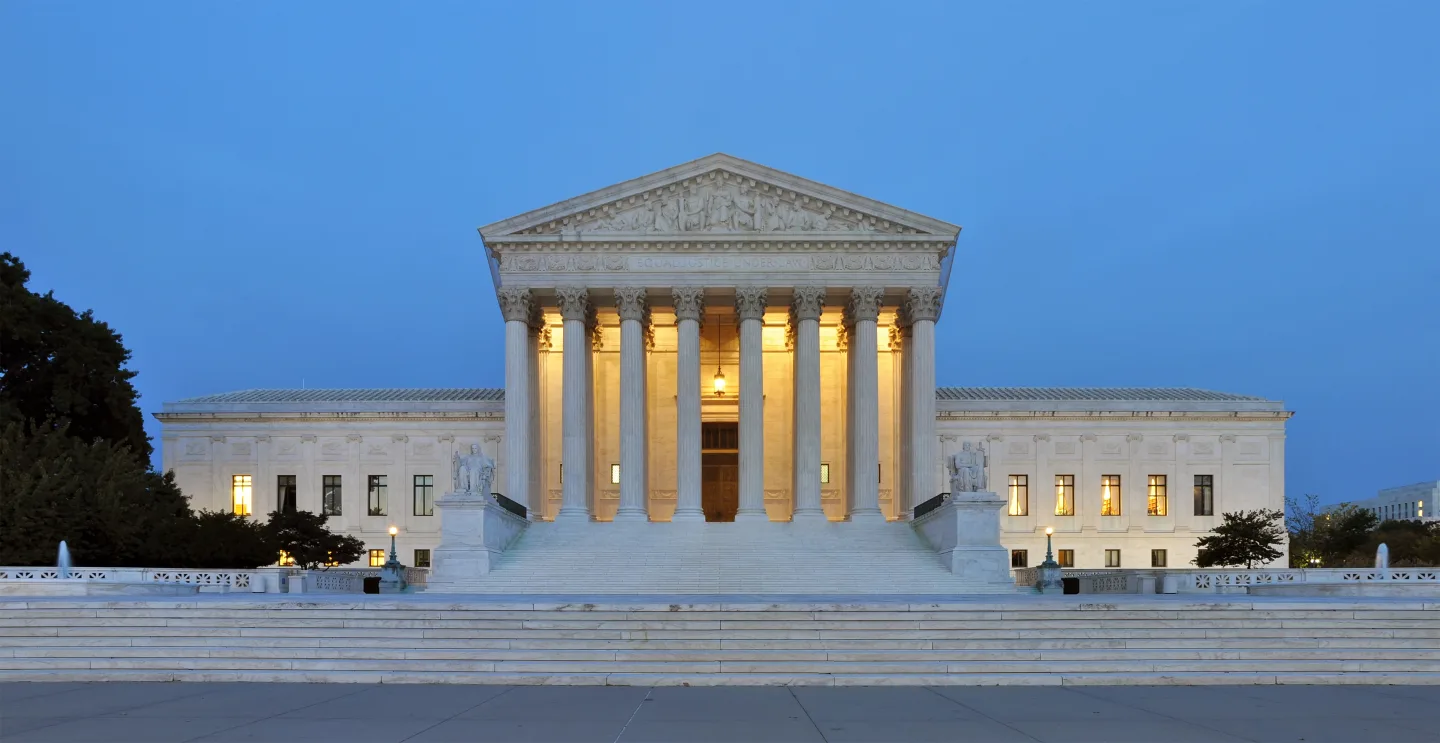
Judicial Branch Parts
What is one part of the judicial branch?
The federal courts, headed by the Supreme Court, make up the judicial branch and decide cases under federal law and the Constitution.
One accepted response: Supreme Court
Other printed responses: Federal Courts
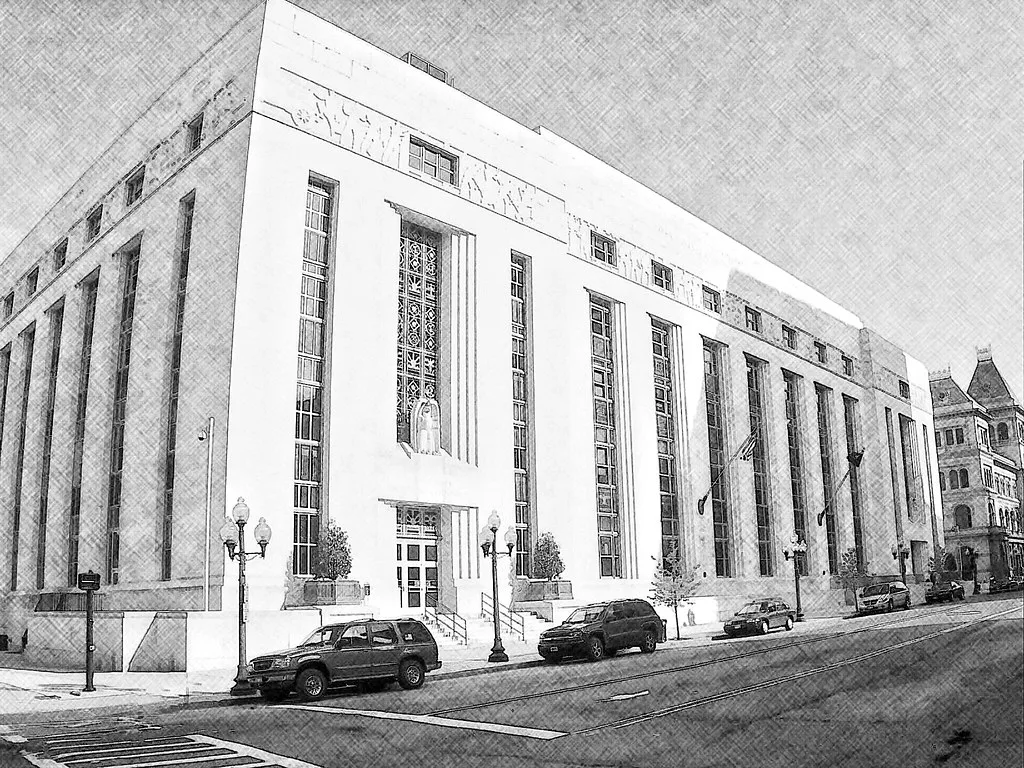
Judicial Branch Work
What does the judicial branch do?
Courts do not write statutes or command the armed forces.
One accepted response: Reviews laws
Other printed responses: Explains laws; Resolves disputes (disagreements) about the law; Decides if a law goes against the (U.S.) Constitution
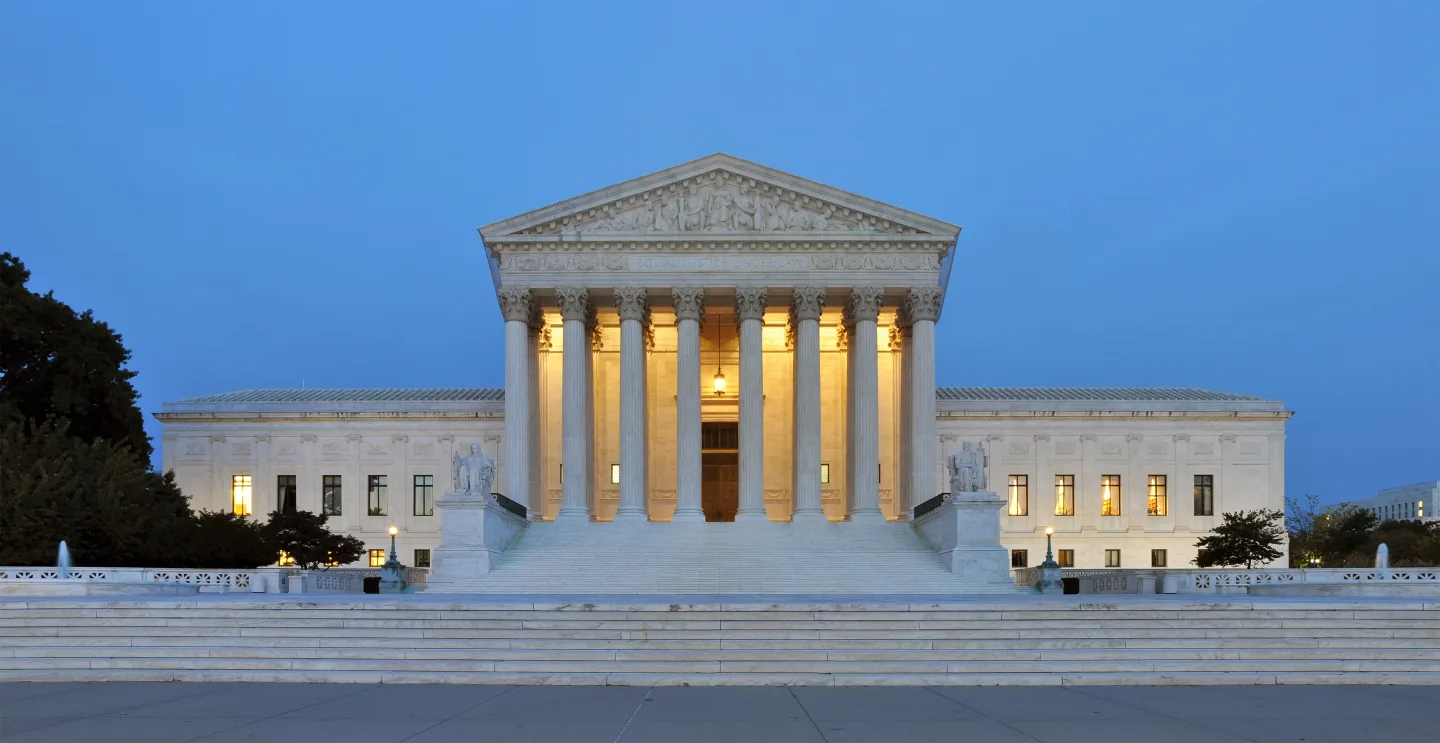
Highest Federal Court
What is the highest court in the United States?
The Supreme Court sits at the top of the federal court system and, under current law, has a Chief Justice plus eight Associate Justices.
One accepted response: Supreme Court
Supreme Court Seats
How many seats are on the Supreme Court?
Congress, not the Constitution, has set the Court at one Chief Justice and eight Associate Justices in current law.
One accepted response: Nine (9)
Current Chief Justice
Who is the Chief Justice of the United States now?
The Chief Justice leads the Supreme Court, while federal justices generally serve during good behavior. The current name can change. Do not memorize a name or place from this pack. Follow the printed instruction: Visit uscis.gov/citizenship/testupdates for the name of the Chief Justice of the United States.
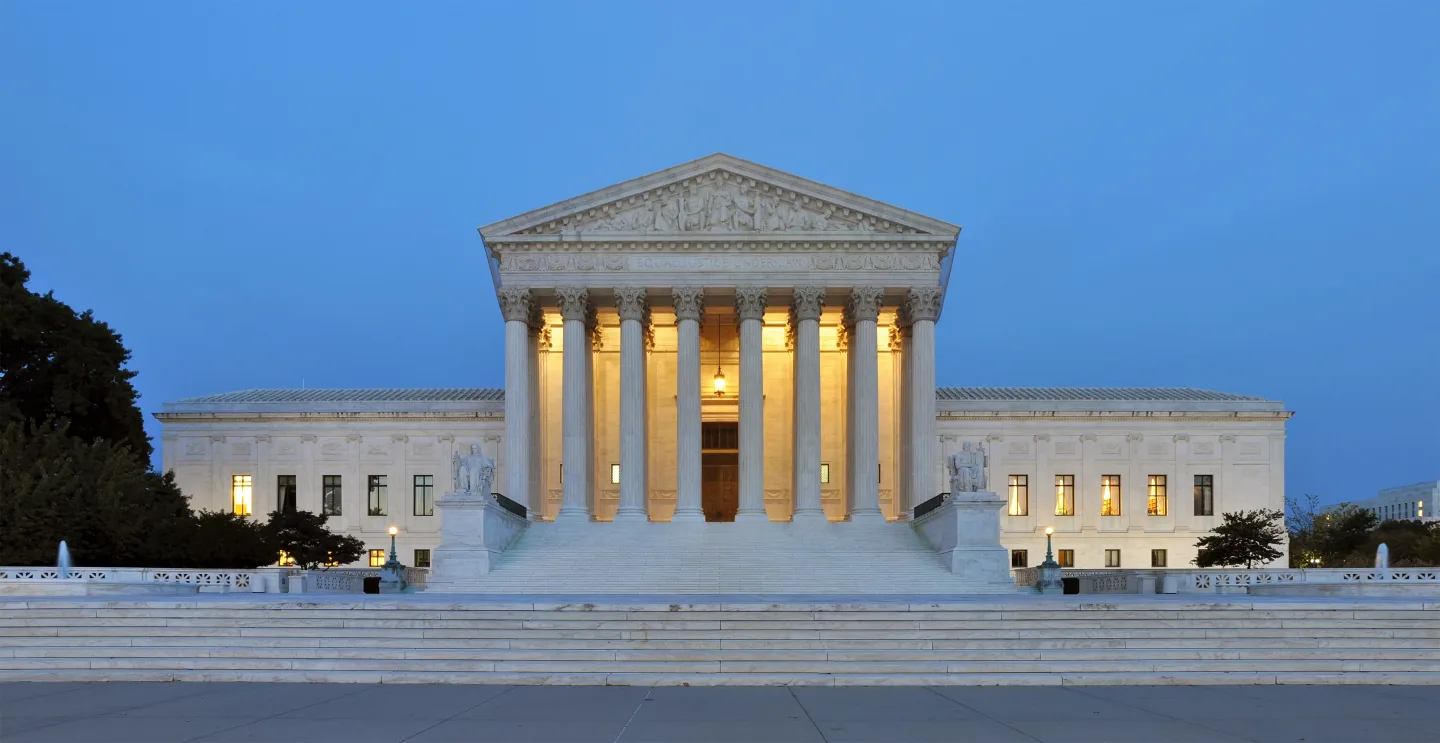
Justice Tenure
How long do Supreme Court justices serve?
Article III lets federal judges serve during good behavior, which in practice means a lifetime appointment.
One accepted response: (For) life
Other printed responses: Lifetime appointment; (Until) retirement
Lifetime Service
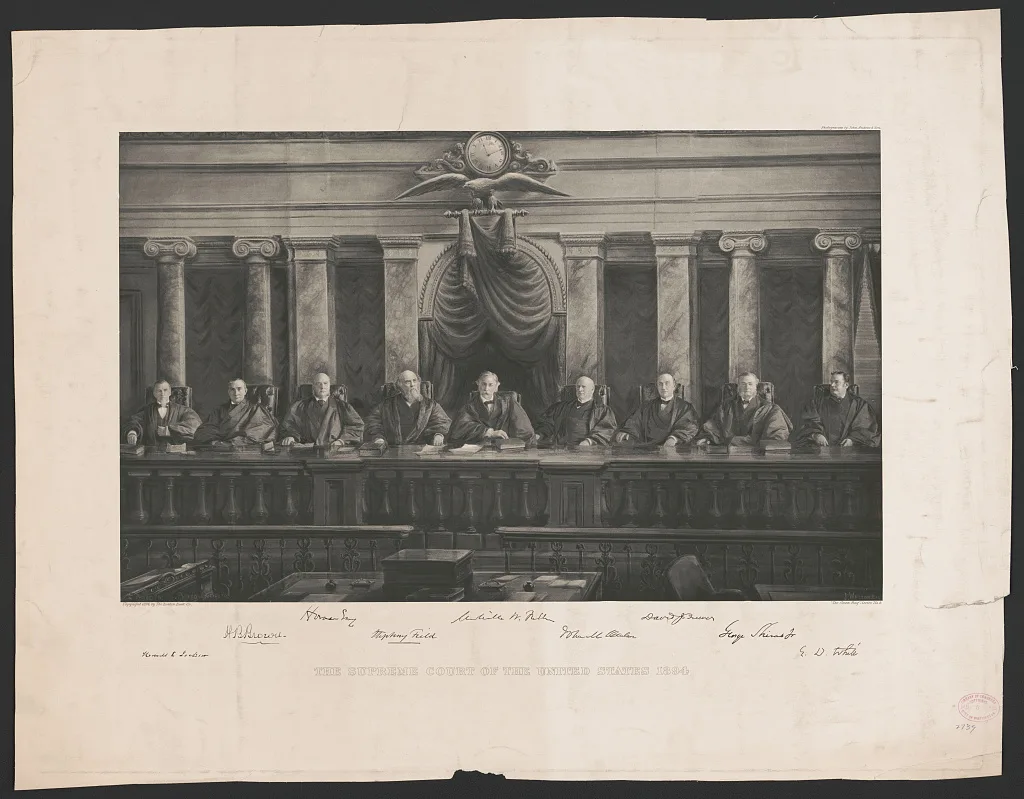
Supreme Court justices serve for life. Why?
Life tenure shields justices from electoral and political pressure so they can rule on the law rather than public opinion.
One accepted response: To be independent (of politics)
Other printed responses: To limit outside (political) influence
Self-test
Answer each question from memory, then check your work against the answer key.
1. Which choice gives one accepted response to: “What is one part of the judicial branch?”
- AElectoral College
- BState Senate
- CJustice Department
- DSupreme Court
2. How many seats are on the Supreme Court?
- ANine (9)
- BSix (6)
- CSeven (7)
- DTen (10)
3. Which choice gives one accepted response to: “What does the judicial branch do?”
- ACollects taxes
- BEnforces laws
- CReviews laws
- DVetoes bills
4. How many Supreme Court justices are usually needed to decide a case?
- ASix (6)
- BFive (5)
- CNine (9)
- DFour (4)
5. Which choice gives one accepted response to: “How long do Supreme Court justices serve?”
- ASix years
- BUntil impeachment
- CFor life
- DOne term
Go deeper
- ListenLesson 5 episode
- WatchCourts Review Laws Federal courts do not write laws. They do not command the armed forces. They decide cases under the Constitution and federal law.
- WatchNine Seats, Usually Five The Supreme Court has 9 seats. But a second question has the printed answer 5.
- WatchFor Life, On Purpose The courts are kept apart from election cycles in important ways. That is on purpose.
- StudyU.S. Citizenship Civics — 2025 Test in the FlashFeed app
Answer key
- 1. D Supreme CourtSupreme Court. It is the highest federal court; the Electoral College belongs to presidential elections, not the judicial branch.
- 2. A Nine (9)Nine (9): one Chief Justice plus eight Associate Justices, a size Congress has set by law.
- 3. C Reviews lawsReviews laws. Judicial review is the courts’ power to decide whether government action fits the Constitution.
- 4. B Five (5)Five (5): a case is ordinarily settled by a majority of the justices taking part, and five is a majority of nine.
- 5. C For lifeFor life. A lifetime appointment helps keep justices independent of politics.
Sources
- USCIS 2025 official materials — www.uscis.gov/sites/default/files/document/brochures/USCIS-2025-Civics-Test-Study-Guide.pdf
- M-1778 (09/25), Q50 and 7 more references — www.uscis.gov/sites/default/files/document/questions-and-answers/2025-Civics-Test-128-Questions-and-Answers.pdf
Image credits
- Judicial Branch Parts: Wikimedia Commons · Joe Ravi · CC BY-SA 3.0 — commons.wikimedia.org/wiki/File:Panorama_of_United_States_Supreme_Court_Building_at_Dusk.jpg
- Judicial Branch Work: Onasill ~ Bill - Thank You (Openverse) · by-sa 2.0 — www.flickr.com/photos/7156765@N05/27970597171
- Highest Federal Court: Wikimedia Commons · Joe Ravi · CC BY-SA 3.0 — commons.wikimedia.org/wiki/File:Panorama_of_United_States_Supreme_Court_Building_at_Dusk.jpg
- Justice Tenure: Wikimedia Commons · Joe Ravi · CC BY-SA 3.0 — commons.wikimedia.org/wiki/File:Panorama_of_United_States_Supreme_Court_Building_at_Dusk.jpg
- Lifetime Service: Library of Congress · The Supreme Court of the United States, 1894 · No known restrictions (verify at source) — www.loc.gov/item/2018696814/
