
How to Win Friends and Influence People study guide · Lesson 4 of 6
Advanced Persuasion and Human Motivation
Empathetic Perspective-Taking, Nobler Motives, and Dramatization · Constructive Challenges, Competitiveness, and Behavioral Priming
Unofficial study guide for How to Win Friends & Influence People by Dale Carnegie. FlashFeed is not affiliated with the author or publisher.
This is the lesson's study guide from the FlashFeed app, plus its key facts and a self-test.
What you'll be able to do
- Adopt empathetic perspective-taking, appeal to nobler motives, and dramatize ideas to make proposals compelling.
- Stimulate constructive motivation and healthy achievement by throwing down a friendly challenge.
This study guide examines the advanced psychological dynamics of empathetic perspective-taking, appealing to nobler motives, visual dramatization, and constructive challenge.
Empathetic Perspective-Taking, Nobler Motives, and Dramatization
Every human action is driven by a hidden psychological rationale. Rather than judging or condemning irrational behavior, the master communicator seeks to uncover the root cause. As advertising strategist Kenneth M. Goode noted in How to Turn People into Gold: "Stop a minute to contrast your keen interest in your own affairs with your mild concern about anything else. Realize then, that everybody else in the world feels exactly the same way!"
Carnegie reveals the universal Magic Phrase that neutralizes hostility, eliminates friction, and generates immediate rapport:
"I don't blame you one bit for feeling as you do. If I were you, I would undoubtedly feel just as you do."
This statement is completely truthful. If you possessed the counterpart's identical genetics, childhood environment, temperament, and life experiences, you would act and feel exactly as they do. Offering genuine sympathy fulfills a universal human craving.
The eighth rule: Try honestly to see things from the other person's point of view. The ninth rule: Be sympathetic with the other person's ideas and desires.
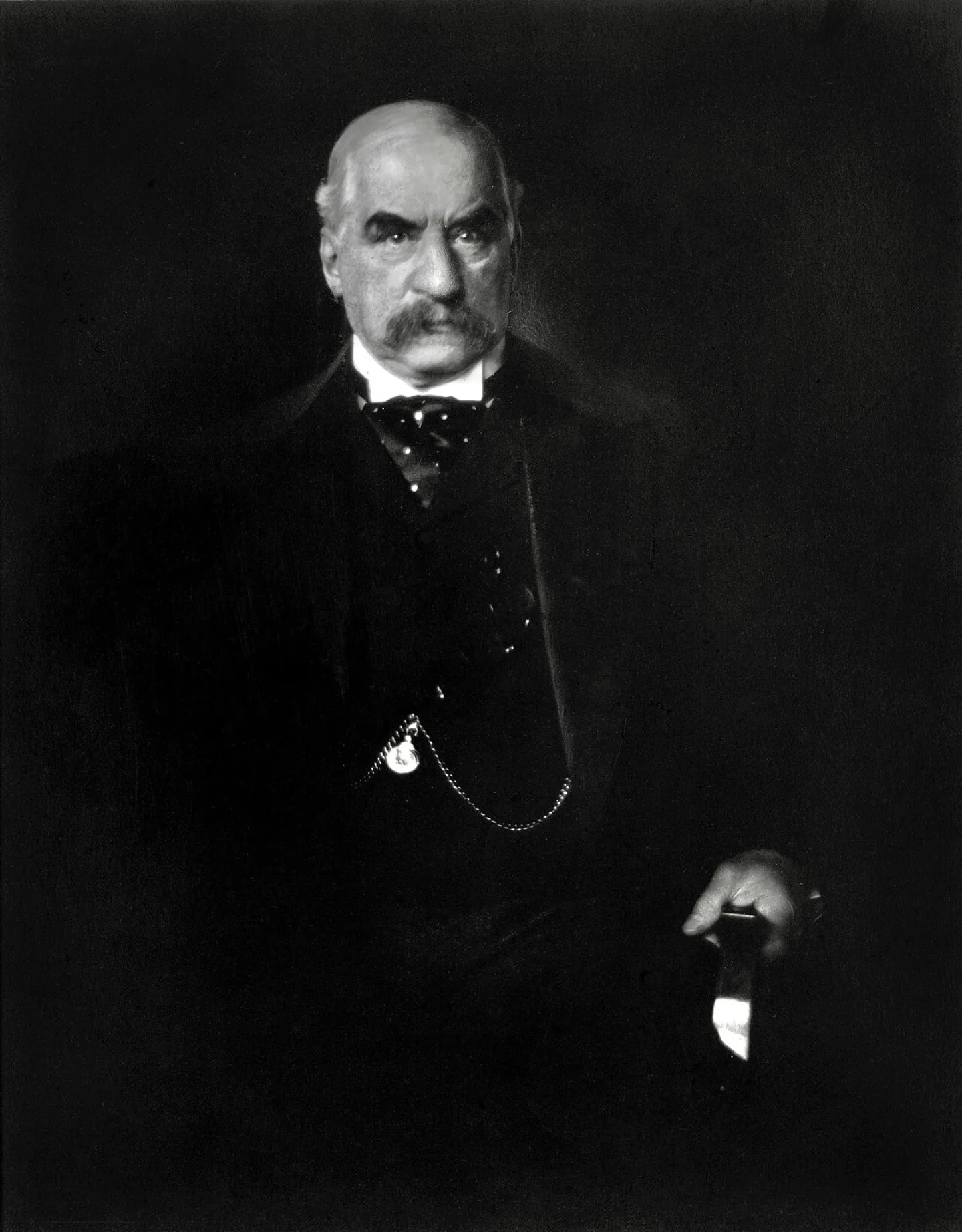
When appealing to human motivation, recognize what financier J. Pierpont Morgan observed: A person usually has two reasons for doing something—a reason that sounds good, and the real reason. While individuals are privately motivated by self-interest (the real reason), they desperately desire to see themselves as noble, upright, and fair (the reason that sounds good).
When John D. Rockefeller Jr. wanted to halt newspaper photographers from publishing photos of his own children, he did not threaten legal action or corporate retaliation. Instead, he appealed to their nobler paternal instincts: "You know how it is, boys. You've got children yourselves, some of you. And you know it's not good for youngsters to get too much publicity." The photographers immediately ceased publication.
The tenth rule: Appeal to the nobler motives.
In an era of sensory overload, merely reciting factual data is insufficient: Ideas must be dramatized. Television, cinema, and modern advertising rely entirely on visual and emotional showmanship.
NCR salesman Jim Yeamans dramatized the cost of an outdated cash register for a skeptical grocer by throwing a handful of pennies onto the floor, showing at a glance how the old machine was "literally throwing away pennies" with every sale — and closed the sale on the spot. Window displays, before-and-after demonstrations, and tangible physical props transform abstract concepts into unforgettable psychological impressions.
The eleventh rule: Dramatize your ideas.
Constructive Challenges, Competitiveness, and Behavioral Priming
When logical arguments, emotional appeals, and administrative authority fail to move underperforming teams, the ultimate lever of human performance is Constructive Challenge.
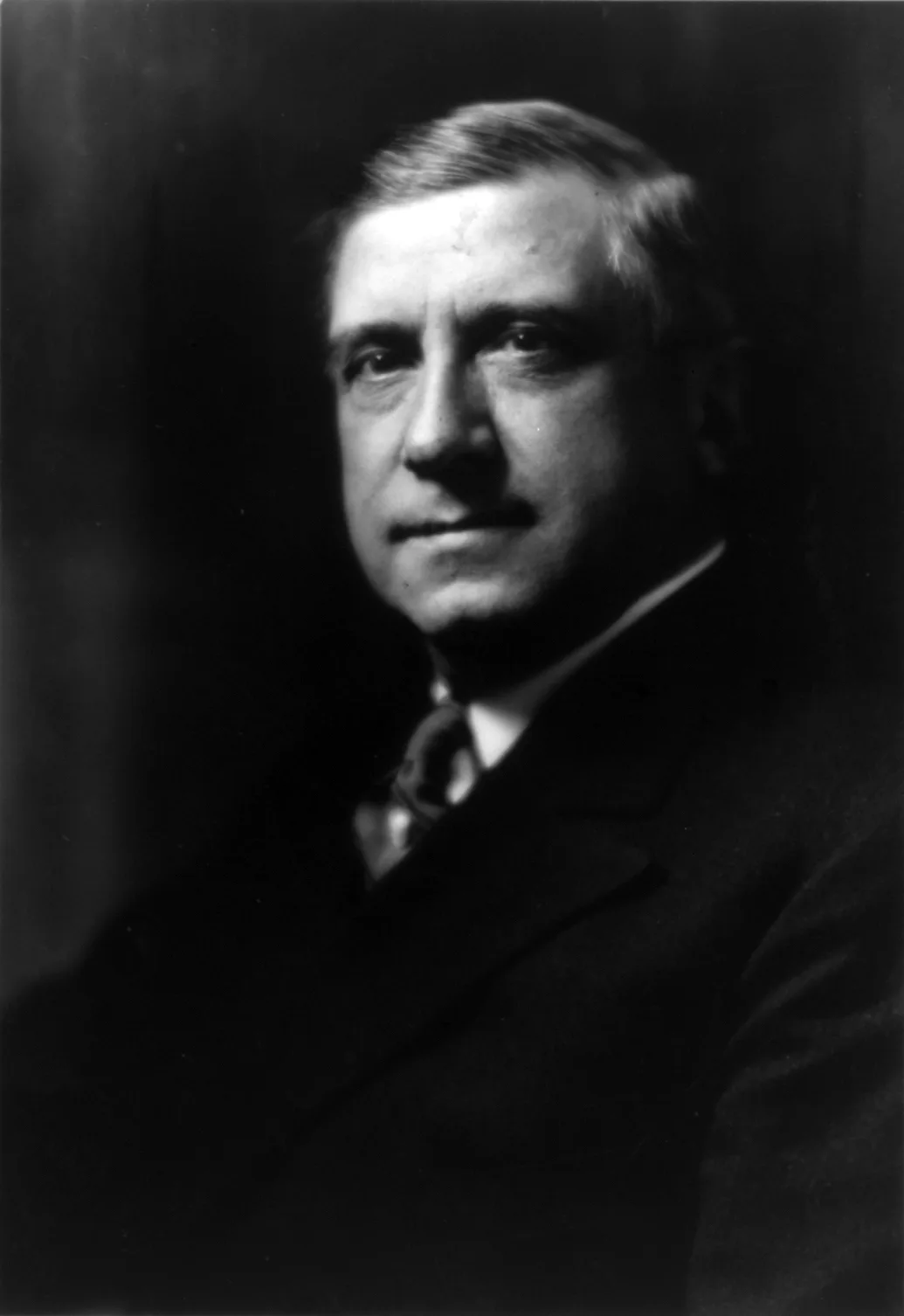
Industrialist Charles Schwab faced a persistent problem with a steel mill whose manager could not hit production quotas despite bonuses and warnings. Schwab visited the plant at the conclusion of the day shift, asked the foreman how many heats of steel had been poured, took a piece of chalk, and drew a large "6" on the factory floor without a word.
When the night shift arrived and learned that the number represented the day shift's output, their competitive pride was ignited. By the following morning, the night shift had rubbed out the "6" and written a bold "7". The day shift responded by pouring "10", transforming the mill into the most productive plant in the entire steel empire.
Schwab summarized the insight:
"The way to get things done is to stimulate competition. I do not mean in a sordid, money-getting way, but in the desire to excel."
Every high achiever loves the game—the opportunity for self-expression, the chance to prove their competence, and the thrill of victory. Behavioral scientist Frederick Herzberg validated this empirically in his two-factor motivation theory: while salary and working conditions prevent dissatisfaction, genuine motivation springs from the work itself, responsibility, and personal achievement.
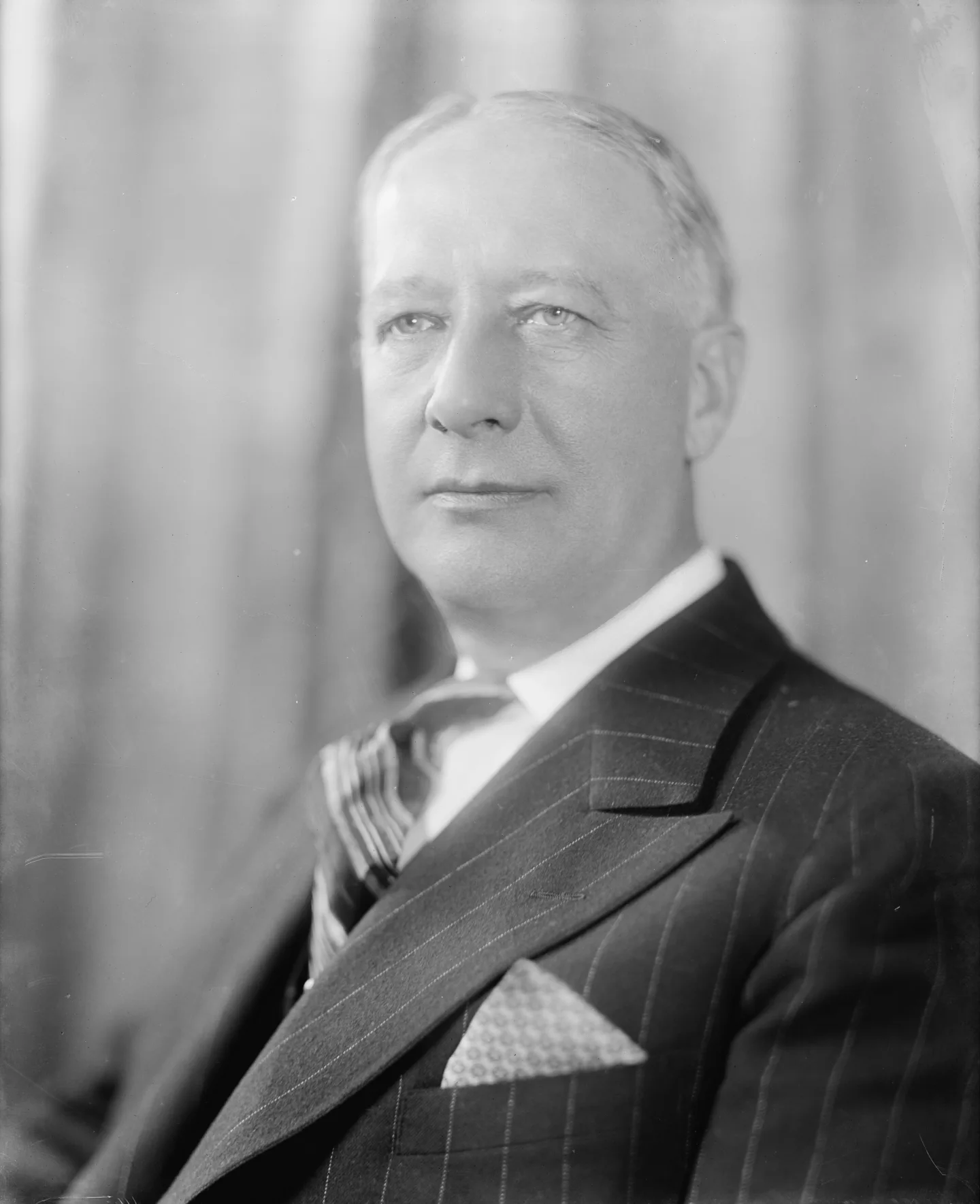
Governor Al Smith deployed the same challenge framework to recruit an experienced but reluctant prison official, Lewis E. Lawes, to the daunting Sing Sing wardenship, framing the job as a test of courage and character; tire magnate Harvey Firestone made a parallel point about pay, insisting that money alone never brought together or held good people — it was "the game" itself that mattered.
The twelfth rule: Throw down a challenge.
Key terms
- The Universal Sympathy Formula
- The disarming phrase: 'I don't blame you one bit for feeling as you do. If I were you, I would undoubtedly feel just as you do.'
- The Desire to Excel
- The intrinsic human drive for self-expression, mastery, and proving personal worth through competitive achievement.
- The Psychological Peak of Mastery
- The profound pride and elevated self-efficacy experienced when surmounting a daunting challenge through dedicated effort.
Key facts
Uncovering Root Causes of Behavior
Understanding the hidden emotional rationale behind irrational actions unlocks effective persuasion.
Everyone Feels Like the Main Character
Advertising strategist Kenneth M. Goode offered a blunt exercise for empathy: "Stop a minute to contrast your keen interest in your own affairs with your mild concern about anything else. Realize then, that everybody else in the world feels exactly the same way!" Carnegie uses this to ground Principle 17: before you can persuade anyone, you have to genuinely accept that their problems feel as urgent to them as yours feel to you.
Principle 17: Perspective-Taking
The eighth rule for winning people to your way of thinking is: Try honestly to see things from the other person's point of view.
Principle 18: The Magic Sympathy Phrase
Carnegie offers a single sentence that neutralizes hostility on contact: "I don't blame you one bit for feeling as you do. If I were you, I would undoubtedly feel just as you do." It works because it's completely true: with someone else's exact genetics, upbringing, and life experience, you would feel exactly as they do. Most people are hungry for this kind of validation, which is why Principle 18 says: be sympathetic with the other person's ideas and desires.
Two Reasons for Everything We Do
Financier J. Pierpont Morgan observed that "a person usually has two reasons for doing something: a reason that sounds good, and the real reason." People are privately driven by self-interest, but they desperately want to see themselves as honorable, upright, and fair, which is exactly why Principle 19 works: appeal to the nobler motive, and people will often act on it rather than admit the self-interested one.
Rockefeller Appeals to Fatherly Pride
When John D. Rockefeller Jr. wanted newspaper photographers to stop publishing photos of his own children, he didn't threaten lawsuits or use his enormous leverage. Instead, he appealed to their nobler instincts as fathers: "You know how it is, boys. You've got children yourselves, some of you. And you know it's not good for youngsters to get too much publicity." The photographers stopped immediately.
Principle 19: Appealing to Nobler Motives
The tenth rule for winning people to your way of thinking is: Appeal to the nobler motives.
Principle 20: Dramatize Your Ideas
Bare facts are dry; ideas that are dramatized, made vivid, visual, and tangible, stick. NCR salesman Jim Yeamans dramatized the cost of an outdated cash register for a skeptical grocer by throwing a handful of pennies onto the floor, showing at a glance how the old machine was "literally throwing away pennies" with every sale — and closed the sale on the spot. The same logic explains why dropping a weighted package to prove its durability convinces skeptical buyers more than reciting tensile-strength numbers ever could, and why even a marriage proposal traditionally happens on bended knee.
How to Dramatize a Business Idea
Carnegie lays out a repeatable sequence for turning a dry point into a memorable one: identify the single core benefit or problem you need your audience to feel, then invent a tangible, visual, or physical demonstration of it. Execute the demonstration with genuine showmanship and emotional resonance, then bridge directly from that dramatic moment to your actual proposed solution.
Charles Schwab's Mill Floor '6'
Schwab stimulated an underperforming steel mill by drawing a chalk '6' on the floor to represent the day shift's output.
The Mill Floor Challenge, Continued
After Charles Schwab chalked a plain "6" on the factory floor to mark the day shift's output, the night shift couldn't stand seeing themselves outdone: they rubbed it out and wrote a bold "7." The day shift fired back the next morning with a "10." Within days, a mill that bonuses and warnings couldn't budge had become the top-producing plant in the entire steel empire, using nothing more than a piece of chalk and healthy pride.
Compete to Excel, Not for Money
Schwab summarized his method: "the way to get things done is to stimulate competition... not in a sordid, money-getting way, but in the desire to excel." Psychologist Frederick Herzberg's two-factor theory backs this up: pay prevents dissatisfaction, but real motivation comes from the work itself. Governor Al Smith used the same lever, recruiting Lewis E. Lawes to the Sing Sing wardenship by framing it as a test of courage; Firestone likewise held people with "the game itself," not money. The boundary: healthy challenges push people to beat a shared standard, never to sabotage a rival.
Al Smith and the Sing Sing Challenge
Governor Al Smith needed to fill the wardenship of Sing Sing Prison, one of the most notoriously difficult jobs in the state, and the experienced prison official he wanted, Lewis E. Lawes, was reluctant to take it. Rather than offering more money or pleading, Smith framed the post as a daunting, high-stakes challenge that would require an exceptional leader to conquer, and the appeal to courage and capability worked where persuasion by salary would have failed.
Principle 21: Throw Down a Challenge
The twelfth rule for winning people to your way of thinking is: Throw down a challenge.
High Expectations Become Reality
Setting clear, demanding standards signals confidence in someone's ability, and that confidence tends to become a self-fulfilling prophecy of better performance. There's a reward built into the process, too: surmounting a genuinely difficult challenge produces a distinct psychological payoff, a surge of pride and self-efficacy that comes only from proving your own competence to yourself.
Peer Benchmark Rivalry
Transparent benchmark challenges allow underperforming teams to self-correct without executive micromanagement.
Gamify the Grind
Turning routine work into a structured challenge, a benchmark to beat, a score to improve, taps into a natural human love of play rather than deadening it. Contrary to the fear that gamifying work makes employees less serious, Carnegie's examples suggest the opposite: framing production as a game raises both engagement and output, because people who are having fun competing rarely need to be told to try harder.
How to Launch a Team Challenge
To deploy a constructive challenge with a lagging team, Carnegie's method runs in four steps: establish a clear, objective metric for the current baseline; communicate that benchmark transparently, without scolding or threats; frame beating it as an exciting test of skill and team pride; and celebrate the achievement lavishly when the team rises to meet it.
Matched pairs
Each item on the left goes with the one on the right.
- Kenneth M. Goode's Persuasion Formula
- Contrast your keen interest in your own affairs with your mild concern about anything else
- Rockefeller and the Newspaper Editors
- Appealing to editors' protective paternal instincts to stop publishing photos of his own children
- Jim Yeamans at NCR
- Throwing a handful of pennies onto a grocer's floor to dramatize the cost of an outdated cash register
- Harvey Firestone on Motivation
- Financial compensation alone cannot retain great talent; the work must present a stimulating challenge
- Frederick Herzberg's Motivation Theory
- The primary driver of enduring motivation is the work itself and the opportunity for achievement
Step by step
Dramatizing an Idea in Business Presentations
- Identify the central core benefit or problem you need the audience to feel.
- Create a tangible, visual, or physical metaphor that demonstrates the point directly.
- Execute the demonstration smoothly with showmanship and emotional resonance.
- Bridge from the dramatic impression directly to your proposed practical solution.
Deploying a Constructive Challenge to a Lagging Team
- Establish a clear, objective metric representing current baseline output.
- Communicate the benchmark transparently without issuing angry scoldings or threats.
- Frame surpassing the benchmark as an exciting test of skill, character, and team pride.
- Celebrate the achievement lavishly when the team rises to the occasion.
Self-test
Answer each question from memory, then check your work against the answer key.
1. Who observed that people have 'a reason that sounds good, and the real reason' for their actions?
- AKenneth M. Goode
- BCharles M. Schwab
- CJ. Pierpont Morgan
- DJohn D. Rockefeller Sr.
2. To stop photographers from publishing photos of his own children, Rockefeller Jr. appealed to their:
- ADesire for compensation
- BFear of a lawsuit
- CCorporate advertising leverage
- DNobler paternal instincts
3. What does Kenneth M. Goode's contrast exercise ask you to realize about other people?
- AThey care intensely about their own affairs, too
- BThey value logical arguments over emotional appeals
- CThey are indifferent to their own success and failures
- DThey secretly want financial rewards more than praise
4. How did NCR salesman Jim Yeamans dramatize the cost of an outdated cash register to a grocer?
- ADelivering a lecture on accounting
- BThrowing a handful of pennies onto the floor
- CHanding out printed financial reports
- DPosting profit-loss charts on the wall
5. Which example demonstrates 'appeal to the nobler motives' rather than dramatization or perspective-taking?
- ARockefeller's appeal to paternal pride
- BGoode's self-interest exercise
- CYeamans's penny-throwing demonstration
- DSchwab's chalk '6' on the mill floor
6. What number did Schwab chalk on the factory floor to mark the day shift's output?
- A7
- B10
- C8
- D6
7. Who said 'the way to get things done is to stimulate competition... in the desire to excel'?
- AFrederick Herzberg
- BAl Smith
- CCharles Schwab
- DHarvey Firestone
8. Per Herzberg's two-factor theory, what actually drives genuine motivation beyond preventing dissatisfaction?
- AJob security
- BThe work itself and achievement
- CSalary increases
- DNicer overall working conditions
9. Al Smith used the challenge framework to recruit a reluctant Lewis E. Lawes for which daunting position?
- AHead of National Cash Register
- BWarden of Sing Sing Prison
- CManager of a steel mill
- DDirector of a newspaper syndicate
10. Which is NOT one of Carnegie's four steps for launching a constructive team challenge?
- AFraming the goal as a test of skill
- BCelebrating the achievement publicly
- CThreatening termination for missing targets
- DEstablishing a clear baseline metric
Go deeper
- ReadHow to Win Friends & Influence People by Dale Carnegie · on Amazon ↗
- StudyHow to Win Friends and Influence People in the FlashFeed app
These are affiliate links: if you buy a book through one, FlashFeed may earn a small commission at no extra cost to you. The commission helps pay for FlashFeed's servers.
As an Amazon Associate we earn from qualifying purchases.
Answer key
- 1. C J. Pierpont MorganJ. Pierpont Morgan made this observation, which underlies Principle 19: appeal to the nobler motive rather than the real, self-interested one.
- 2. D Nobler paternal instinctsRockefeller reminded the photographers they were fathers too, appealing to nobler motives instead of threatening legal or financial pressure.
- 3. A They care intensely about their own affairs, tooGoode's exercise shows everyone is as absorbed in their own affairs as you are in yours, the foundation of genuine perspective-taking (Principle 17).
- 4. B Throwing a handful of pennies onto the floorYeamans threw a handful of pennies on the floor to show the grocer his old cash register was "literally throwing away pennies" on every sale, making the point vivid and tangible instead of a dry sales pitch.
- 5. A Rockefeller's appeal to paternal prideRockefeller's appeal to editors as fathers illustrates nobler motives; Yeamans's pennies dramatize an idea, Goode's exercise builds empathy, and Schwab's chalk mark is a challenge.
- 6. D 6Schwab chalked a plain '6' for the day shift's heats poured; the night shift then wrote '7', and the day shift answered with '10'.
- 7. C Charles SchwabCharles Schwab summarized his own mill-floor method with this quote, framing competition as a route to excellence rather than money.
- 8. B The work itself and achievementHerzberg found that pay and conditions only prevent dissatisfaction; real motivation springs from the work itself, responsibility, and achievement.
- 9. B Warden of Sing Sing PrisonSmith framed the notoriously difficult wardenship of Sing Sing Prison as a high-stakes test of character rather than pleading or offering more money.
- 10. C Threatening termination for missing targetsCarnegie's method uses transparent benchmarks and pride, explicitly without scolding or threats; threatening termination contradicts the approach.
Sources
- How to Win Friends and Influence People — Dale Carnegie
- Carnegie, Part 3, Ch. 8 and 7 more references — en.wikipedia.org/wiki/How_to_Win_Friends_and_Influence_People
Image credits
- Two Reasons for Everything We Do: Edward Steichen · Public domain — commons.wikimedia.org/wiki/File:Edward_Steichen_-_Photographic_portrait_of_Pierpont_Morgan_(1837-1913).jpg
- The Mill Floor Challenge, Continued: Wikimedia Commons · Pirie MacDonald · Public domain — commons.wikimedia.org/wiki/File:Charles_M._Schwab_cph.3b33668.jpg
- Al Smith and the Sing Sing Challenge: Wikimedia Commons · Harris & Ewing · Public domain — commons.wikimedia.org/wiki/File:SMITH,_ALFRED._HONORABLE_LCCN2016862532_Trim.jpg


