
How to Win Friends and Influence People study guide · Lesson 3 of 6
Winning People to Your Way of Thinking
Conflict De-escalation, Disarming Arguments, and Admitting Mistakes · Socratic Agreement, Friendly Openings, and Co-Ownership of Ideas
Unofficial study guide for How to Win Friends & Influence People by Dale Carnegie. FlashFeed is not affiliated with the author or publisher.
This is the lesson's study guide from the FlashFeed app, plus its key facts and a self-test.
What you'll be able to do
- Apply conflict de-escalation by avoiding arguments and admitting your own mistakes quickly, openly, and emphatically.
- Deploy the Socratic method to secure immediate 'Yes, yes' agreement and let the other person feel the idea is theirs.
This study guide examines the psychological mechanisms of persuasion, conflict de-escalation, intellectual humility, and Socratic alignment.
Conflict De-escalation, Disarming Arguments, and Admitting Mistakes
Dale Carnegie's first law of intellectual persuasion is unequivocal: There is only one way under high heaven to get the best of an argument—and that is to avoid it. Avoid arguments as you would avoid rattlesnakes and earthquakes.
Nine times out of ten, an argument concludes with each contestant more fiercely convinced than ever of their original position. You cannot win an argument: if you lose it, you lose; and if you triumph by obliterating the other person's logic with superior facts, you have humiliated their intellect, wounded their pride, and created an enduring enemy. As the timeless proverb warns: "A man convinced against his will is of the same opinion still."
Consider the transformation of Patrick J. O'Haire, an aggressive Irish truck salesman who entered Carnegie's course. O'Haire loved debate; whenever a customer knocked the White trucks he sold and praised a rival brand instead, O'Haire would launch into an aggressive counter-argument until he silenced the customer—and lost the sale. O'Haire learned to reverse his tactic: when a prospect knocked White trucks and praised a rival, O'Haire agreed enthusiastically that the rival truck was a good one, leaving the prospect nothing left to argue about. Only then would he pivot to touting White's own merits. This immediate concession left the prospect with nothing to argue against, completely disarmed their resistance, and allowed O'Haire to smoothly highlight his truck's unique merits. He became one of the star salesmen for the White Motor Company.
The first rule: The only way to get the best of an argument is to avoid it.
The second principle warns against telling others: "You're Wrong." Telling someone they are mistaken attacks their judgment, intelligence, and pride. It invites a counter-attack rather than a change of mind. As astronomer Galileo Galilei noted: "You cannot teach a man anything; you can only help him find it within himself." English statesman Lord Chesterfield advised his son: "Be wiser than other people if you can; but do not tell them so."
In his autobiography, Benjamin Franklin described how he systematically eradicated all dogmatic language from his vocabulary:
"I made it a rule to forbear all direct contradiction to the sentiments of others, and all positive assertion of my own. I even forbade myself the use of every word or expression in the language that imported a fix'd opinion, such as 'certainly', 'undoubtedly', etc., and I adopted, instead of them, 'I conceive', 'I apprehend', or 'I imagine' a thing to be so or so; or 'it so appears to me at present'."
This single behavioral habit transformed Franklin into one of the most persuasive diplomats in Western history.
The second rule: Show respect for the other person's opinions. Never say, "You're wrong."
When you make a mistake, the most powerful psychological tactic is to Admit It Quickly and Emphatically. Proactively confessing your errors deprives your opponent of ammunition, shifts their psychological posture from aggression to magnanimity, and preserves your personal dignity.
When Carnegie was caught walking his puppy without a leash in Forest Park by a strict mounted policeman, Carnegie did not offer excuses. Instead, he preempted the officer's anger by declaring: "Officer, you caught me red-handed. I am guilty. I have no excuses. You warned me, and I broke the law." The officer, having nothing left to combat, immediately softened and granted a gentle dismissal.
Commercial artist Ferdinand E. Warren defused an irate client who found fault with his illustrations by eagerly agreeing with every single criticism and insisting on redoing the art at his own expense. The client, touched by Warren's humility, insisted on paying for the revisions and awarded him ongoing work.
The third rule: If you are wrong, admit it quickly and emphatically.
Socratic Agreement, Friendly Openings, and Co-Ownership of Ideas
Persuasion begins with warmth. Carnegie recounts Aesop's ancient fable of the Sun and the Wind: the wind blew furiously to strip a traveler of his cloak, but the harder it blew, the tighter the traveler wrapped the cloak around himself. Then the sun emerged, gently beaming warm rays, and within minutes the traveler happily removed his coat. Kindness and friendliness are always stronger than fury and bluster.
During the bloody 1913–1914 Ludlow coal strike in Colorado, John D. Rockefeller Jr. faced intense public hatred. In 1915, rather than issuing corporate threats, Rockefeller spent weeks visiting the coal camps, touring miners' homes, and meeting their wives and children before addressing the strikers' representatives: "we meet here not as strangers, but as friends." His friendly, respectful opening defused decades of labor animosity. As Lincoln observed: "A drop of honey catches more flies than a gallon of gall."
The fourth rule: Begin in a friendly way.
The fifth practice is the Socratic Method. When an individual utters the word "No," their entire physiological apparatus—muscles, nervous system, and glandular secretions—contracts into a defensive posture. By contrast, securing an affirmative "Yes" opens the neural pathways to acceptance. By structuring inquiries so that the counterpart is led to say "Yes, Yes" repeatedly, psychological momentum is established in the direction of agreement.
Bank teller James Eberson secured vital information from a suspicious depositor by asking: "If you should have money in this bank when you die, wouldn't you want the bank to transfer it to your next of kin immediately without legal delay?" The customer said "Yes," and willingly completed every requested form.
The fifth rule: Get the other person saying "yes, yes" immediately.
The sixth practice is Letting the Other Person Do the Talking. When people have grievances or complex proposals, allowing them to speak without interruption vents their emotional pressure and builds mutual trust. As French moralist La Rochefoucauld wrote: "If you want enemies, excel your friends; but if you want friends, let your friends excel you."
The sixth rule: Let the other person do a great deal of the talking.
The seventh practice is Letting the Other Person Feel Ownership of Ideas. Human beings naturally trust ideas they discover themselves far more than concepts dictated by external authorities.
An X-ray manufacturer won an elusive hospital contract by delivering an unfinished prototype to the chief radiologist, asking for his clinical advice on how to improve it. The physician felt total creative ownership over the machine and purchased it immediately. In politics, Colonel Edward M. House guided President Woodrow Wilson by casually dropping ideas in casual conversations, allowing Wilson to absorb them and champion them as his own executive policies.
The seventh rule: Let the other person feel that the idea is his or hers.
Key terms
- Lord Chesterfield's Counsel
- The diplomatic rule: 'Be wiser than other people if you can; but do not tell them so.'
- Yielding vs Fighting Proverb
- The timeless observation: 'By fighting you never get enough, but by yielding you get more than you expected.'
- The Socratic 'Yes, Yes' Method
- The technique of asking a series of questions that secure affirmative answers, creating psychological momentum toward agreement.
Key facts
You Cannot Truly Win an Argument
Carnegie's rule is blunt: the only way to get the best of an argument is to avoid it. If you lose, you lose; and if you win by demolishing someone's logic, you've wounded their pride and made a lasting enemy: "a man convinced against his will is of the same opinion still." Truck salesman Patrick O'Haire proved it in reverse: selling White trucks, he responded to customers who praised a rival brand by agreeing enthusiastically that the rival truck was good, which disarmed their resistance — then pivoted to praising White's own merits, becoming one of his company's top salesmen.
Principle 10: Avoiding Arguments
The first rule for winning people to your way of thinking is: The only way to get the best of an argument is to avoid it.
Principle 11: Never Say 'You're Wrong'
Telling someone "you're wrong" attacks their judgment and pride, provoking a fight rather than a change of mind, which is why Principle 11 instead says to show respect for the other person's opinions. Astronomer Galileo Galilei put it this way: "You cannot teach a man anything; you can only help him find it within himself." And Lord Chesterfield advised his son to "be wiser than other people if you can; but do not tell them so."
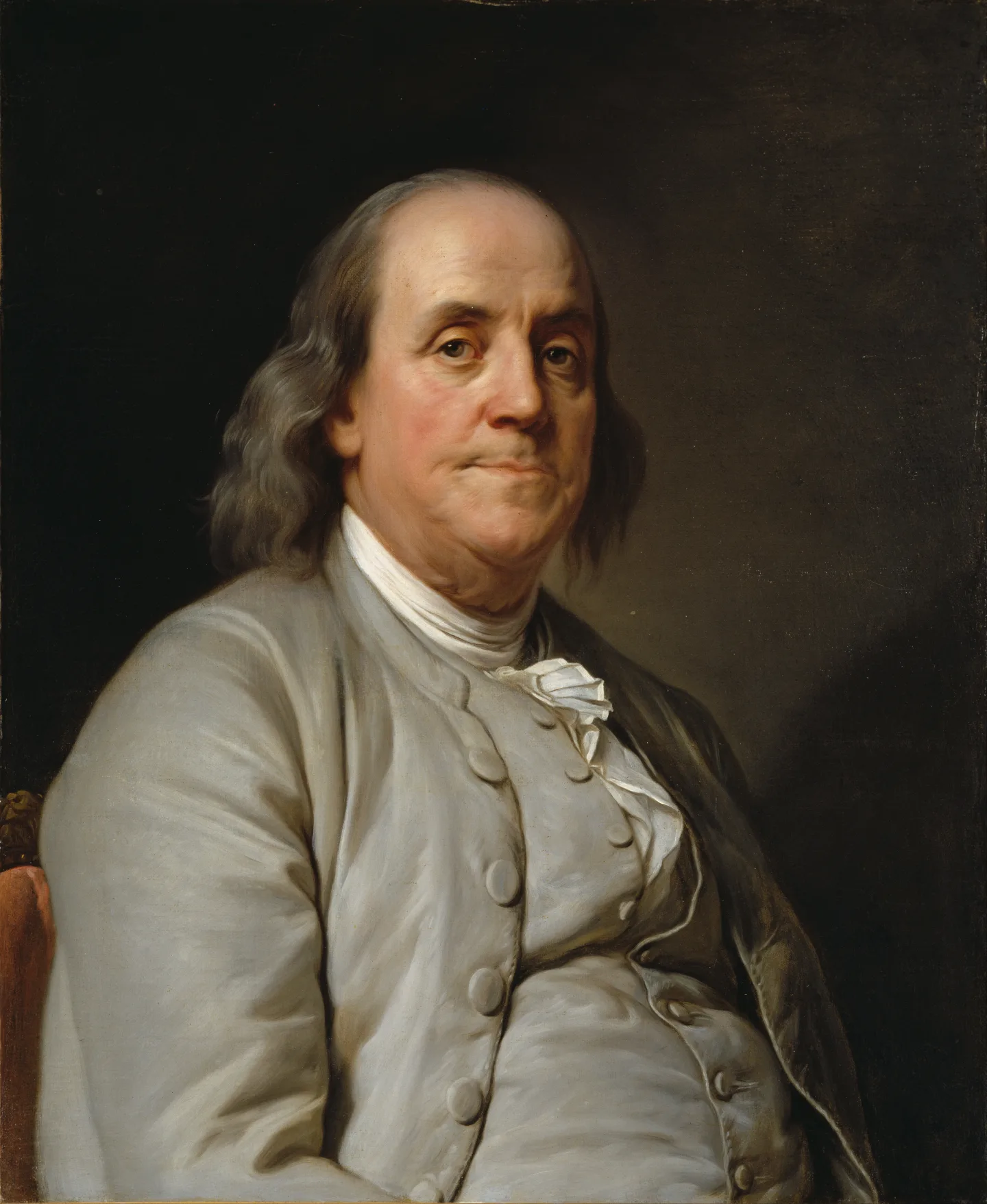
Franklin's Diplomatic Language
In his autobiography, Benjamin Franklin describes deliberately scrubbing dogmatic words from his vocabulary: he banned "certainly" and "undoubtedly," replacing them with "I conceive," "I apprehend," or "it appears to me." This single habit, trading flat assertions for modest, provisional language, helped make Franklin one of the most persuasive diplomats in American history, because it left no dogmatic claim for anyone to fight against.
Principle 12: Admit Mistakes Fast
Admitting a mistake quickly and emphatically disarms an opponent completely, leaving them nothing to fight, often shifting them from aggression to generosity, and it builds credibility rather than destroying it. Commercial artist Ferdinand E. Warren proved this when an irate client attacked his illustrations: Warren agreed with every criticism and offered to redo the work at his own expense. Touched, the client insisted on paying for the revisions and kept sending him work.
The Unleashed Dog Case Study
Carnegie avoided a police citation by immediately confessing his guilt before the officer could reprimand him.
Confess Before You're Accused
Carnegie sums up the payoff of owning your errors in a single proverb: "by fighting you never get enough, but by yielding you get more than you expected." The practical protocol: notice your own mistake before anyone else points it out, approach the affected person directly without excuses, confess clearly and accept full blame, then offer to make it right.
Aesop's Sun and Wind Allegory
Kindness and friendliness achieve cooperation where aggression and force fail completely.
Kindness Beats Force
During the bloody 1913–1914 Ludlow coal strike in Colorado, John D. Rockefeller Jr. faced intense public hatred; in 1915, instead of threats, he visited the mining camps, met workers' families, and told strikers' representatives, "we meet here not as strangers, but as friends," defusing years of animosity. As Abraham Lincoln put it: "A drop of honey catches more flies than a gallon of gall." Principle 13: begin in a friendly way.
Principle 13: Begin in a Friendly Way
The fourth rule for winning people to your way of thinking is: Begin in a friendly way.
Principle 14: Get an Early 'Yes'
Saying "No" triggers a defensive physiological contraction, while a "Yes" opens the path to agreement, so Carnegie's Socratic method builds momentum toward acceptance by asking questions that get an early, repeated yes. Bank teller James Eberson used it on a suspicious depositor, asking, "wouldn't you want the bank to transfer your money to your next of kin without delay?": the customer said yes and filled out every form. Principle 14: get the other person saying "yes, yes" immediately.
La Rochefoucauld: Let Friends Win
French moralist La Rochefoucauld offered a sharp warning about outshining the people around you: "If you want enemies, excel your friends; but if you want friends, let your friends excel you." Carnegie uses this to support Principle 15, letting the other person do the talking and take the credit builds trust, while constantly needing to win or shine breeds quiet resentment.
Principle 15: Letting Others Talk
The sixth rule for winning people to your way of thinking is: Let the other person do a great deal of the talking.
Principle 16: Let Them Own the Idea
People trust ideas they discover for themselves far more than proposals handed down by an outside authority; a directive feels imposed, but a self-discovered conclusion feels owned. To foster that ownership: present the problem and invite input, ask guiding questions that lead the other person toward the desired solution, then enthusiastically credit them with the insight and let them run with it. Principle 16: let the other person feel that the idea is his or hers.
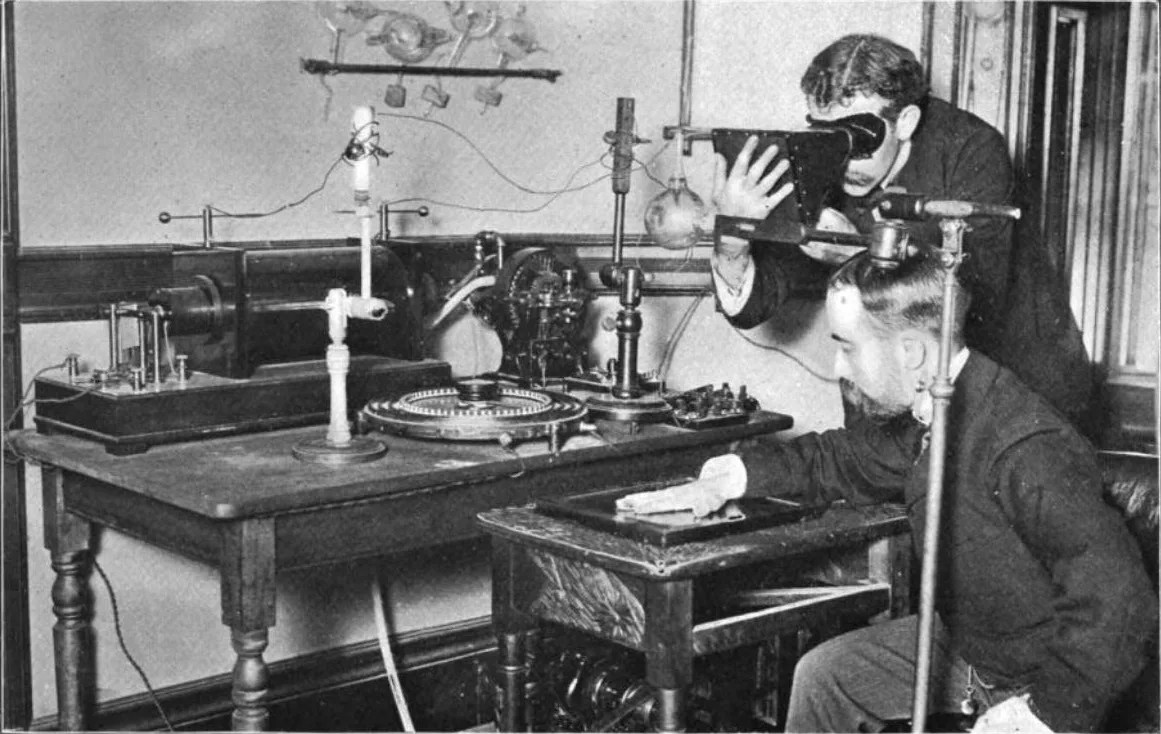
Two Ways to Plant an Idea
An X-ray equipment manufacturer won a stalled hospital sale not by pitching harder, but by handing the chief radiologist an unfinished prototype and asking for his advice on improving it; the physician felt total ownership of the machine and bought it immediately. In politics, Colonel Edward M. House guided President Woodrow Wilson the same way: he dropped ideas casually into conversation and let Wilson adopt and champion them as his own.
Matched pairs
Each item on the left goes with the one on the right.
- Patrick O'Haire's Sales Breakthrough
- Ceasing arguments with customers, agreeing their preferred rival truck was excellent, then pivoting to praise his own White trucks
- Galileo Galilei on Education
- You cannot teach a man anything; you can only help him find it within himself
- Ferdinand E. Warren's Art Client
- Eagerly agreeing with every criticism and offering to redo drawings at his own expense
- Abraham Lincoln's Proverb on Persuasion
- A drop of honey catches more flies than a gallon of gall
- La Rochefoucauld's Maxim on Friends
- If you want enemies, excel your friends; if you want friends, let your friends excel you
- Colonel House and Woodrow Wilson
- Planting ideas casually in conversation so the President would adopt them as his own
Step by step
Carnegie's Protocol for Emphatic Error Admission
- Recognize the error or fault immediately before others bring it up.
- Approach the affected party proactively without offering rationalizations or excuses.
- Confess the mistake clearly and state that you deserve full blame.
- Offer constructive restitution while acknowledging the other party's rightful authority.
Fostering Psychological Co-Ownership of an Idea
- Present the broad problem and invite the counterpart's input on possible solutions.
- Ask guiding questions that lead the counterpart to suggest the desired core strategy.
- Enthusiastically validate their insight and publicly credit them with the idea.
- Support their execution while letting them enjoy the full status of leadership.
Self-test
Answer each question from memory, then check your work against the answer key.
1. According to Carnegie's first rule for winning an argument, what should you do?
- ALet a neutral mediator decide
- BAvoid the argument entirely
- CCompromise on every point
- DWin it with superior facts
2. How did truck salesman Patrick O'Haire turn his sales around when a customer praised a competitor's trucks?
- AAgreed the trucks were excellent
- BArgued his trucks were superior
- CRefused to discuss competitors
- DOffered a steep discount
3. Which of these does Carnegie explicitly warn against when someone disagrees with you?
- AAdmitting your own mistake
- BBeginning in a friendly way
- CTelling them 'You're wrong'
- DAsking agreement-building questions
4. What phrase did Benjamin Franklin adopt to replace dogmatic words like 'certainly'?
- AI know for a fact
- BI insist
- CI guarantee
- DI conceive
5. How did commercial artist Ferdinand E. Warren respond to a client's harsh criticism of his illustrations?
- AAgreed and offered to redo the work free
- BIgnored the feedback
- CRefunded and ended the deal
- DDefended his artistic choices
6. What happens physiologically when a person says 'No' to you?
- AHeart rate slows down
- BNo physical reaction occurs
- CBody contracts defensively
- DBody relaxes and opens up
7. What technique did bank teller James Eberson use to get a suspicious depositor's information?
- AAdmitting a bank error upfront
- BOpening with a friendly greeting
- CLetting the depositor talk without interruption
- DAsking a question he could only answer 'yes' to
8. Which scenario best shows letting someone feel an idea is their own?
- ARockefeller's friendly visit to Ludlow miners
- BAsking a radiologist for advice on a prototype
- CLa Rochefoucauld's advice on letting friends talk
- DEberson's yes-yes question to a depositor
9. Which proverb does Carnegie use to illustrate the power of a friendly opening?
- AFighting you never get enough
- BA drop of honey catches more flies
- CExcel your friends, make enemies
- DConvinced against his will still
10. How did Colonel Edward M. House influence President Woodrow Wilson's policies?
- ADebated Wilson until he conceded
- BPublicly lobbied Congress
- CIssued formal written directives
- DCasually dropped ideas in conversation
Go deeper
- ReadHow to Win Friends & Influence People by Dale Carnegie · on Amazon ↗
- StudyHow to Win Friends and Influence People in the FlashFeed app
These are affiliate links: if you buy a book through one, FlashFeed may earn a small commission at no extra cost to you. The commission helps pay for FlashFeed's servers.
As an Amazon Associate we earn from qualifying purchases.
Answer key
- 1. B Avoid the argument entirelyCarnegie's first rule says the only way to get the best of an argument is to avoid it; winning by facts only wounds pride and creates enemies.
- 2. A Agreed the trucks were excellentO'Haire, who sold trucks for the White Motor Company, disarmed customers by agreeing enthusiastically that the rival truck they praised was excellent, leaving nothing to argue against, then pitched his own White truck.
- 3. C Telling them 'You're wrong'Carnegie's second rule warns that telling someone 'You're wrong' attacks their pride and provokes resistance; the other options are recommended tactics.
- 4. D I conceiveFranklin replaced flat assertions like 'certainly' with tentative phrases such as 'I conceive,' softening his opinions and reducing pushback.
- 5. A Agreed and offered to redo the work freeWarren admitted his mistakes quickly and emphatically, offering to redo the illustrations for free, which won the client's trust and more work.
- 6. C Body contracts defensivelyCarnegie notes that saying 'No' triggers a defensive physiological contraction, while a 'Yes' opens the path toward agreement.
- 7. D Asking a question he could only answer 'yes' toEberson asked a question the depositor could only answer 'Yes' to, building momentum via the Socratic yes-yes method; the others describe different Carnegie tactics.
- 8. B Asking a radiologist for advice on a prototypeThe X-ray manufacturer let the radiologist advise on an unfinished prototype, so he felt ownership and bought it; the others illustrate friendly openings, yes-yes, and letting others talk.
- 9. B A drop of honey catches more fliesCarnegie cites Lincoln's line that a drop of honey catches more flies than a gallon of gall to show friendliness beats force.
- 10. D Casually dropped ideas in conversationHouse planted ideas casually so Wilson would absorb them and champion them as his own, illustrating the idea-ownership persuasion tactic.
Sources
- How to Win Friends and Influence People — Dale Carnegie
- Carnegie, Part 3, Ch. 1 and 9 more references — en.wikipedia.org/wiki/How_to_Win_Friends_and_Influence_People
Image credits
- Franklin's Diplomatic Language: Wikimedia Commons · Joseph-Siffred Duplessis · Public domain — commons.wikimedia.org/wiki/File:Joseph_Siffrein_Duplessis_-_Benjamin_Franklin_-_Google_Art_Project.jpg
- Two Ways to Plant an Idea: Wikimedia Commons · William J. Morton · Public domain — commons.wikimedia.org/wiki/File:Crookes_tube_xray_experiment.jpg

