
How to Win Friends and Influence People study guide · Lesson 2 of 6
Six Ways to Make People Like You
Genuine Interest, Warmth, and the Power of Names · Active Listening, Other-Focused Interests, and Sincere Importance
Unofficial study guide for How to Win Friends & Influence People by Dale Carnegie. FlashFeed is not affiliated with the author or publisher.
This is the lesson's study guide from the FlashFeed app, plus its key facts and a self-test.
What you'll be able to do
- Demonstrate genuine interest in others, cultivate a sincere smile, and remember that a person's name is their sweetest sound.
- Practice active listening by encouraging others to talk about their achievements and framing dialogue around their interests.
This study guide examines the six psychological practices for establishing immediate rapport, building authentic friendships, and cultivating genuine social influence.
Genuine Interest, Warmth, and the Power of Names
The quickest path to social affection is exemplified by humanity's oldest companion: the dog. A hen must lay eggs, a cow must give milk, and a canary must sing, but a dog makes its living solely by pouring out unconditional love and joyous attention upon its human friends. As Roman author Publilius Syrus observed: "We are interested in others when they are interested in us."
Carnegie emphasizes a mathematical reality of human nature: You can make more friends in two months by becoming genuinely interested in other people than you can in two years by trying to get other people interested in you. People are not inherently interested in you or me; they are interested in themselves—morning, noon, and after dinner. When the New York Telephone Company conducted a study of 500 telephone conversations to determine the most frequently used word, the personal pronoun "I" appeared 3,900 times.
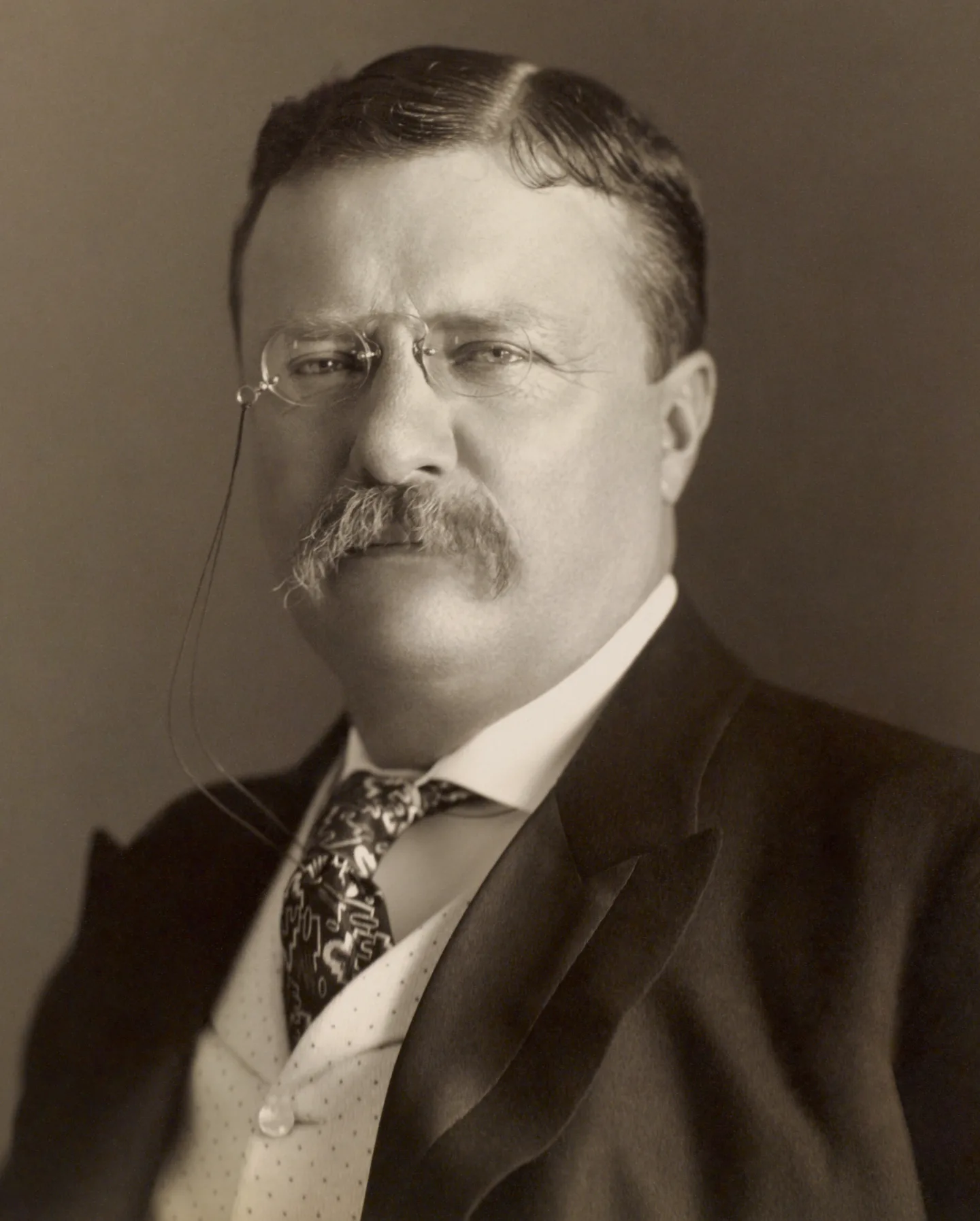
President Theodore Roosevelt was celebrated for winning the deep devotion of everyone who crossed his path, from foreign ambassadors to the White House domestic staff. When Roosevelt visited the White House during the Taft administration, he greeted every maid, butler, and kitchen servant by name, asking personal questions about their families and health. He saw a kitchen maid named Alice and asked if she still made corn bread. True charisma is grounded in authentic, outward-facing empathy.
The first rule: Become genuinely interested in other people.
The second practice is the power of a Sincere Smile. An authentic smile radiates warmth and transmits an unmistakable psychological signal: "I like you. You make me happy. I am glad to see you." In corporate training, telephone representatives are instructed to smile while speaking because vocal cadence, pitch, and warmth directly reflect the facial expression.
Psychologist William James demonstrated that while action appears to follow feeling, action and feeling actually move in tandem. By consciously regulating outer physical action (smiling, standing erect, speaking warmly), one directly modulates the internal emotional state. An ancient Chinese proverb cautions: "A man without a smiling face must not open a shop."
The second rule: Smile.
The third practice centers on the emotional resonance of a Person's Name. To every individual on earth, their own name is the sweetest and most important sound in any language. Remembering and honoring a person's name pays them a subtle and deeply effective compliment.
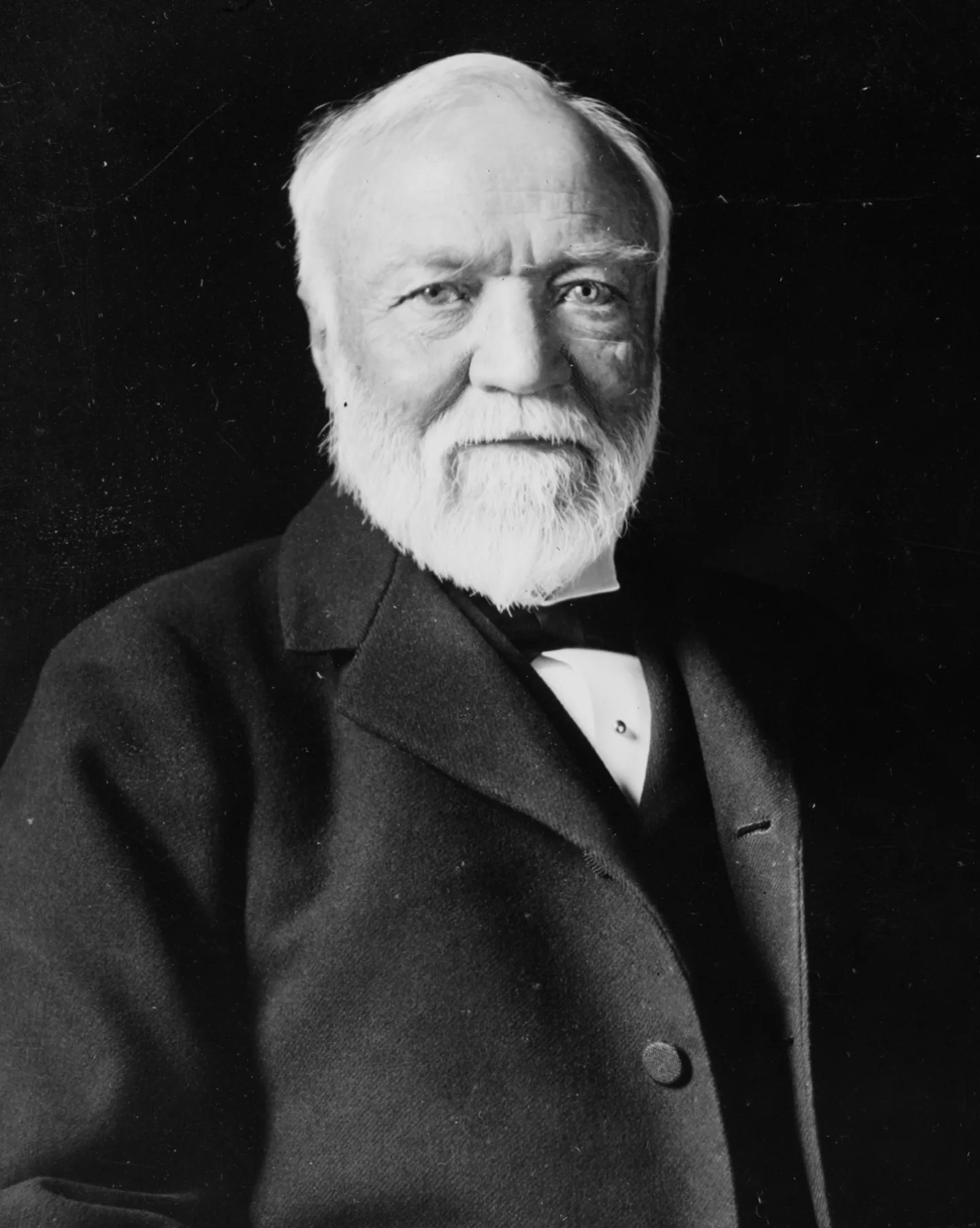
Industrialist Andrew Carnegie understood this from boyhood. When he raised pet rabbits in Dunfermline, Scotland, he had more bunnies than food; he promised local neighborhood children that if they gathered clover and dandelions, he would name the rabbits after them. Later in life, when competing against George Pullman for the Union Pacific sleeping car contract, Carnegie proposed merging their interests into the Pullman Palace Car Company, yielding the presidency and naming rights to Pullman and securing the multimillion-dollar deal.
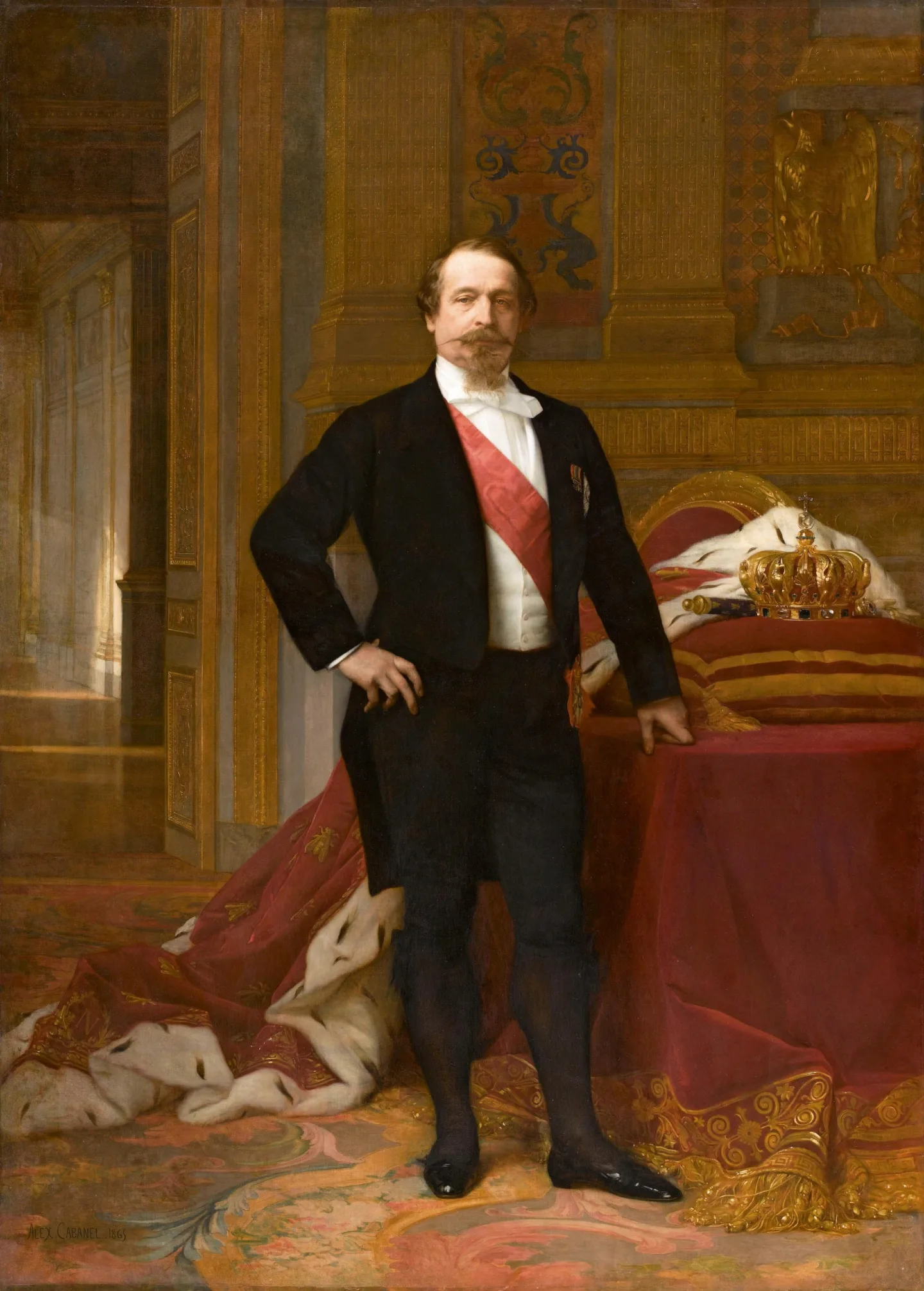
Emperor Napoleon III of France was famous for remembering the name of every person he met. His technique was disciplined: if he did not hear a name clearly, he asked the person to repeat and spell it; during the conversation, he repeated the name several times; afterwards, for people of importance, he wrote the name on a slip of paper once alone, studied it, and then tore the paper up to fix it in memory.
The third rule: Remember that a person's name is to that person the sweetest and most important sound in any language.
Active Listening, Other-Focused Interests, and Sincere Importance
At a dinner party hosted by a New York book publisher, Dale Carnegie was seated beside a renowned botanist. Carnegie knew nothing of botany, but sat completely absorbed for hours, asking thoughtful questions about exotic plants, soil chemistry, and greenhouse cultivation. At the end of the evening, the botanist approached the host and enthusiastically described Carnegie as a "most interesting conversationalist." Carnegie had spoken almost not at all; he had simply provided what every human being desperately seeks: an active, deeply attentive, sympathetic listener.
Most chronic complainers, angry customers, and difficult colleagues do not need debate; they need an emotional release valve. By listening patiently without interruption, their hostility dissolves and their defensive posture melts away.
The fourth rule: Be a good listener. Encourage others to talk about themselves.
The fifth practice is Talking in Terms of the Other Person's Interests. Whenever Theodore Roosevelt anticipated a visit from a distinguished guest, he sat up late into the night reading books on the visitor's specific hobby or professional domain—whether it was cattle ranching, forestry, Greek literature, or naval architecture. Roosevelt recognized that the royal road to a person's heart is to converse about the subjects they hold most dear.
When Boy Scout executive Edward L. Chalif needed funding to send a boy to an international Jamboree in Europe, he approached a notoriously cold Wall Street tycoon. Learning that the executive had once written a cheque for a million dollars and, after it was cancelled, had it framed, Chalif opened the meeting by asking to see the famous cheque. The delighted executive not only funded the trip but sent five boys and Chalif himself to Europe for seven weeks, with a letter of credit and introductions to his branch offices.
The fifth rule: Talk in terms of the other person's interests.
The sixth practice represents the apex of interpersonal ethics: Making the Other Person Feel Important. The universal Golden Rule ("Do unto others as you would have them do unto you") reflects humanity's deep yearning for unfeigned recognition.
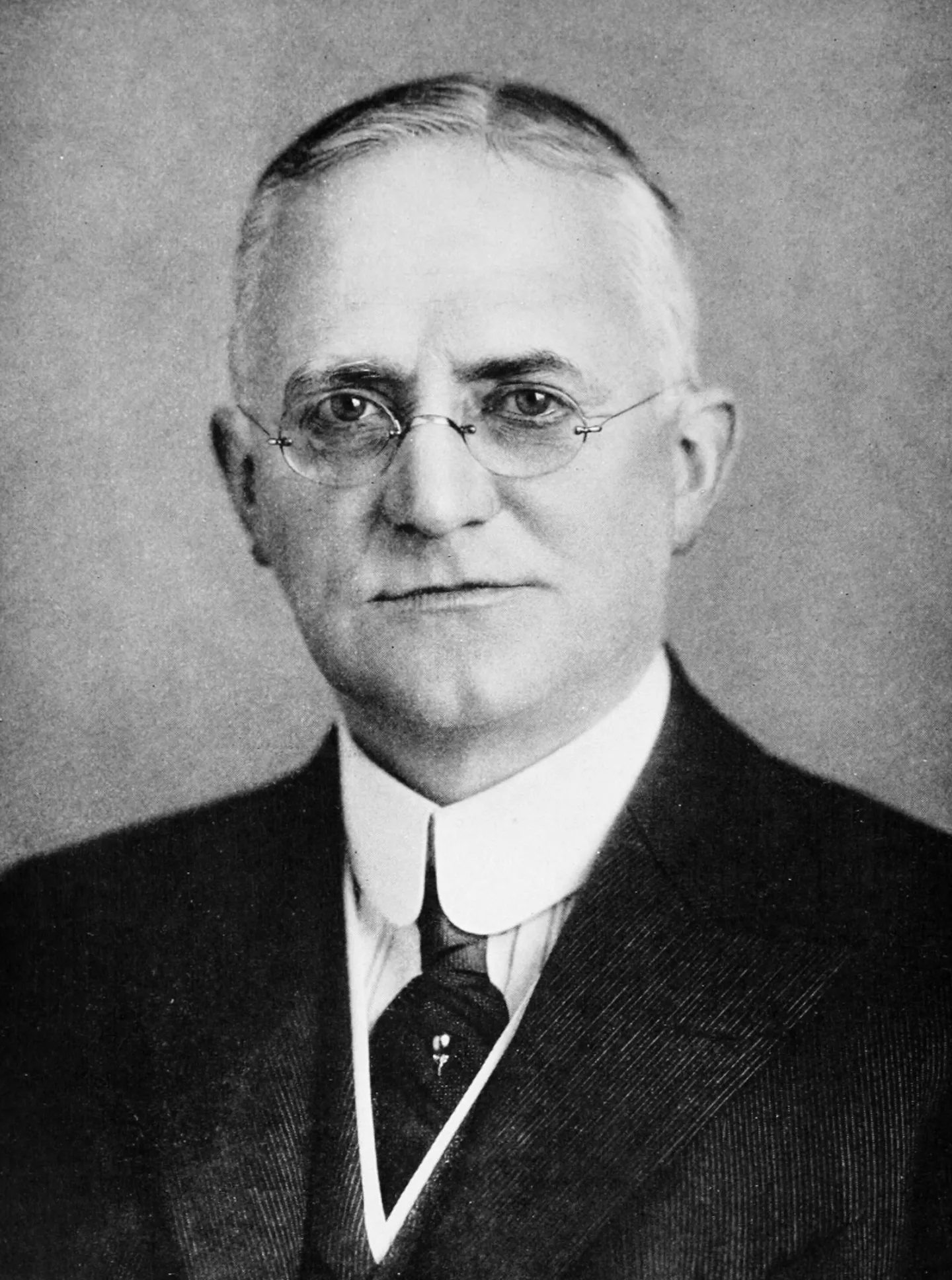
When James Adamson, president of a seating company, visited Kodak founder George Eastman to bid on a contract for theater seating, Adamson noticed and praised the magnificent English oak paneling in Eastman's office. Eastman, glowing with pride, gave Adamson a personal tour, reminisced about his early hardships, and awarded the $90,000 contract on the spot.
British Prime Minister Benjamin Disraeli famously counseled: "Talk to people about themselves and they will listen for hours." Small courtesies—"I'm sorry to trouble you," "Would you be so kind as to," "Thank you"—lubricate the machinery of daily life.
The sixth rule: Make the other person feel important—and do it sincerely.
Key terms
- James-Lange Theory of Emotion
- The psychological principle that regulating physical bodily expressions (like smiling) directly modulates internal emotional states.
- Active Attentive Listening
- The practice of listening with total absorption, asking encouraging questions, and allowing others to fully express their thoughts and feelings.
Key facts
The Canine Relationship Model
The dog thrives in human society by giving unconditional affection and exuberant, spontaneous interest to humans.
Make Friends by Being Interested
Roman writer Publilius Syrus observed two thousand years ago: "We are interested in others when they are interested in us." Carnegie turns this into a striking claim: you can make more genuine friends in two months by becoming sincerely interested in other people than in two years trying to get people interested in you. People are naturally absorbed in their own lives; a New York Telephone Company study once found the word "I" used 3,900 times in 500 phone conversations.
Principle 4: Genuine Interest
President Theodore Roosevelt was famous for winning over everyone he met, from foreign ambassadors to White House kitchen staff; he greeted maids and butlers by name and asked after their families, once checking in with a kitchen maid named Alice about her corn bread. That warmth wasn't a trick; it was Principle 4 in action: become genuinely interested in other people.
Principle 5: Smile
A genuine smile sends an unmistakable signal: "I like you, you make me happy, I'm glad to see you." Psychologist William James showed that action and feeling move together, not one after the other, so consciously smiling while speaking, even on the phone, measurably warms your vocal tone, which is why telephone reps are trained to smile as they talk. An old Chinese proverb sums up the stakes: "A man without a smiling face must not open a shop."
Principle 5: Smile
The second rule for making people like you is simple, profound, and universally effective: Smile.
Principle 6: Remember Their Name
To every person on earth, Carnegie insists, their own name is the sweetest and most important sound in any language. Forgetting or mangling someone's name is a small but real insult; remembering it, and using it warmly, pays a quiet compliment most people never forget. Principle 6: remember that a person's name is to that person the sweetest and most important sound in any language.
Andrew Carnegie's Power of Names
As a boy in Dunfermline, Scotland, Andrew Carnegie kept more pet rabbits than he could feed, so he promised the neighborhood children that if they gathered clover and dandelions for the rabbits, he'd name the bunnies after them. Decades later, competing with George Pullman for the Union Pacific's sleeping-car contract, Carnegie used the same instinct at industrial scale: he proposed merging their companies as the Pullman Palace Car Company, handing Pullman the presidency and naming rights, and won the deal.
Napoleon III's Name-Memory Method
French emperor Napoleon III was renowned for remembering the name of virtually everyone he met, using a disciplined method. If he didn't catch a name clearly, he asked the person to repeat and spell it. He repeated it several times during the conversation, mentally linked it to the person's face and appearance, and for important people, wrote the name on a slip of paper once alone, studied it, and then tore the paper up to fix it in memory.
Principle 7: Be a Good Listener
Most chronic complainers, angry customers, and difficult colleagues don't need to be argued with, they need someone to listen patiently until the anger drains out of them. Carnegie is blunt about the opposite habit: a person who talks only about themselves thinks only about themselves, and such people are fundamentally uncultivated no matter how they dress it up. Active listening means total absorption, encouraging questions, and letting the other person do the talking.
The Dinner Party Botanist Incident
Dale Carnegie was hailed as an extraordinary conversationalist by a botanist simply because Carnegie listened attentively for hours without speaking.
Talk About What They Love
Before meeting any guest, Theodore Roosevelt sat up late into the night reading about that visitor's specific passion, whether cattle ranching, Greek literature, or naval architecture. Boy Scout executive Edward L. Chalif used the same instinct on the president of a large corporation: instead of pitching for funds, Chalif asked to see the man's famous million-dollar cheque, which he had framed after it was cancelled. The delighted executive not only funded the trip but sent five boys, plus Chalif, to Europe for seven weeks.
The Royal Road to the Heart
The surest path to an individual's goodwill is to converse about the topics, passions, and accomplishments they value most.
The Golden Rule at Work
Carnegie roots his sixth rule for making people like you in the Golden Rule: treat others as you would want to be treated. When James Adamson, president of a seating company, toured Kodak founder George Eastman's office to bid on a contract, he admired Eastman's English oak paneling; Eastman lit up with pride, gave a personal tour, and awarded the $90,000 contract on the spot. Even the smallest courtesies, "Would you be so kind," "Thank you," quietly tell people their importance is recognized.
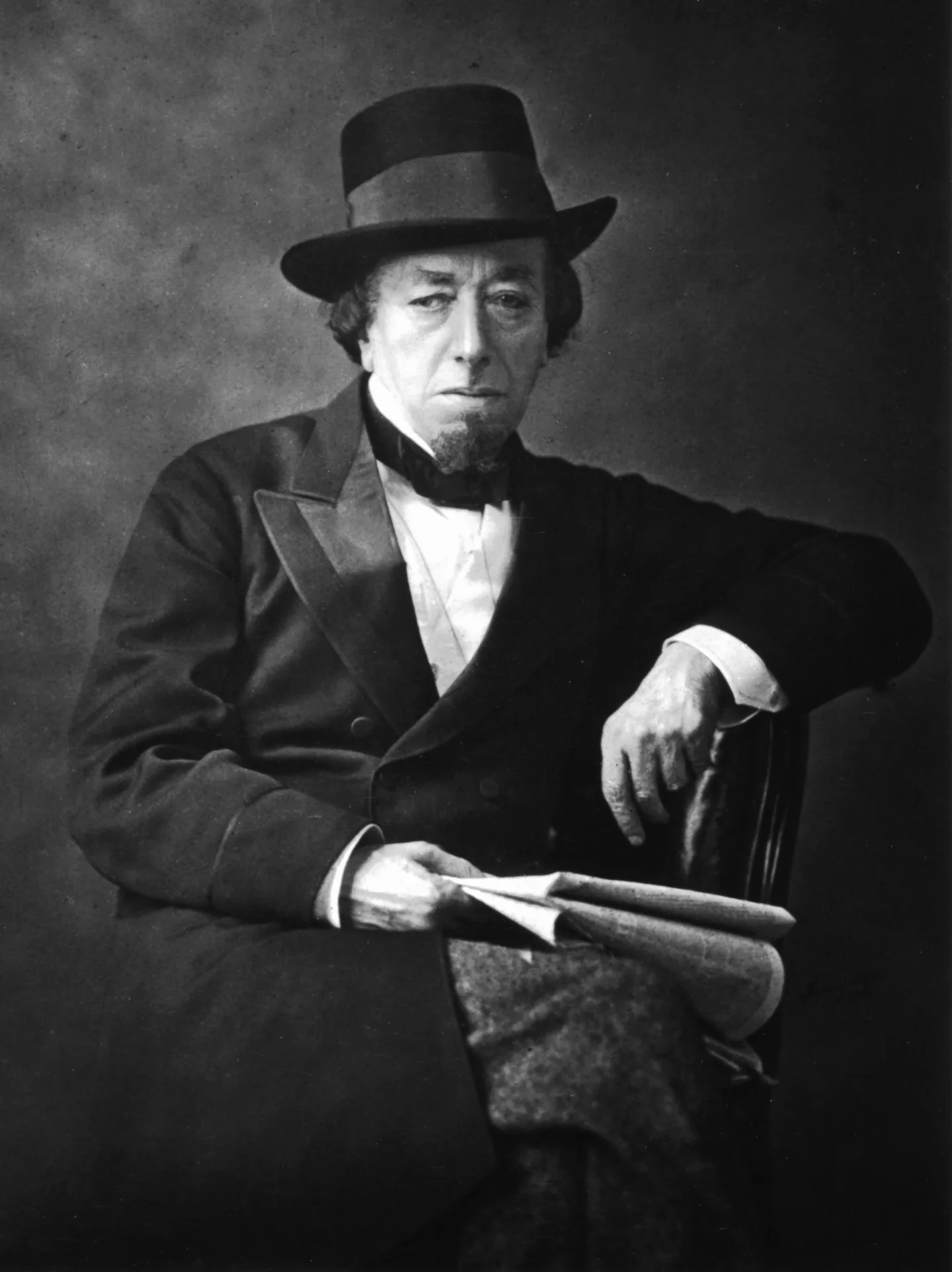
Disraeli's Conversational Secret
British Prime Minister Benjamin Disraeli counseled: "Talk to people about themselves and they will listen for hours." To put this into practice, Carnegie suggests a simple sequence: notice a genuine quality or achievement worth praising, deliver a specific and honest compliment warmly, and expect nothing immediate in return. Watch as the other person's sense of self-worth visibly brightens.
Principle 9: Sincere Importance
The sixth rule for making people like you is: Make the other person feel important—and do it sincerely.
Matched pairs
Each item on the left goes with the one on the right.
- Theodore Roosevelt's Staff Relations
- Greeting domestic servants by name and asking about their families and health
- Dunfermline Boyhood Rabbit Incentive
- Promising to name baby rabbits after local children who gathered clover feed
- Theodore Roosevelt's Visitor Preparation
- Reading late into the night on the visitor's specific domain of interest
- Phrases like 'Would you be so kind' and 'Thank you'
- Oiling the gears of daily human interaction and showing sincere respect
Step by step
Napoleon III's Protocol for Mastering and Retaining Names
- Listen attentively when introduced; if the name is unclear, ask the person to repeat and spell it.
- Repeat the person's name several times during the ensuing conversation.
- Associate the name mentally with the person's distinctive facial features and profession.
- Write the name down on a slip of paper immediately afterward (for people of importance), study it to fix the image in memory, then tear up the paper.
Cultivating Sincere Importance in Everyday Interactions
- Observe the person carefully to identify genuine qualities, achievements, or efforts worthy of praise.
- Formulate a specific, honest compliment that recognizes their contribution or craftsmanship.
- Deliver the appreciation warmly without expecting any immediate favor or transaction in return.
- Observe the brightening of their demeanor as their fundamental craving for importance is met.
Self-test
Answer each question from memory, then check your work against the answer key.
1. Which Roman writer originated the idea that people are interested in you only when you're interested in them?
- ACicero
- BSeneca
- CPublilius Syrus
- DMarcus Aurelius
2. Per Carnegie, in what timeframe can you make more friends by becoming genuinely interested in others than in two years trying to get others interested in you?
- ASix months
- BOne year
- CThree months
- DTwo months
3. Which historical figure was famous for greeting domestic staff by name and asking after their families?
- ANapoleon III
- BTheodore Roosevelt
- CGeorge Eastman
- DBenjamin Disraeli
4. What did psychologist William James demonstrate about the relationship between action and feeling?
- AAction and feeling move together
- BFeeling requires conscious decision
- CFeeling always precedes action
- DAction has no effect on feeling
5. Which step was NOT part of Napoleon III's method for remembering names?
- ATesting the person on their own name later
- BRepeating the name several times in conversation
- CAsking the person to repeat and spell it
- DWriting the name down and studying it
6. At a dinner party, Carnegie was praised as a great conversationalist despite doing which of these?
- ASharing detailed botany knowledge
- BListening intently, staying quiet
- CDebating the botanist's theories
- DTelling humorous personal stories
7. Who prepared for guest visits by reading late into the night about each visitor's own hobby or field?
- ABenjamin Disraeli
- BEdward L. Chalif
- CGeorge Eastman
- DTheodore Roosevelt
8. How did Boy Scout executive Edward L. Chalif get a Wall Street tycoon to fund a boy's trip to Europe?
- ABy describing the tycoon's past donations
- BBy explaining his own investment strategy
- CBy asking to see his famous framed million-dollar cheque
- DBy discussing the tycoon's stamp collecting
9. Which phrase is NOT one of Carnegie's small courtesies that ease daily interactions?
- AYou're very welcome
- BThank you
- CWould you be so kind as to
- DI'm sorry to trouble you
10. Which figure advised: 'Talk to people about themselves and they will listen for hours'?
- AGeorge Eastman
- BNapoleon III
- CBenjamin Disraeli
- DPublilius Syrus
Go deeper
- WatchThree Thousand Nine Hundred Times In 500 phone calls, the word "I" came up 3,900 times.
- ReadHow to Win Friends & Influence People by Dale Carnegie · on Amazon ↗
- StudyHow to Win Friends and Influence People in the FlashFeed app
These are affiliate links: if you buy a book through one, FlashFeed may earn a small commission at no extra cost to you. The commission helps pay for FlashFeed's servers.
As an Amazon Associate we earn from qualifying purchases.
Answer key
- 1. C Publilius SyrusCarnegie opens Principle 4 by quoting Roman writer Publilius Syrus's observation about mutual interest.
- 2. D Two monthsCarnegie's claim contrasts two months of genuine interest in others with two years spent trying to attract interest to yourself.
- 3. B Theodore RooseveltRoosevelt greeted staff like kitchen maid Alice by name, exemplifying genuine interest in others.
- 4. A Action and feeling move togetherJames showed action and feeling are reciprocal, so consciously smiling can directly shift how you feel.
- 5. A Testing the person on their own name laterNapoleon III's real method involved asking for repetition and spelling, repeating the name, and writing it down—not quizzing the person.
- 6. B Listening intently, staying quietCarnegie barely spoke; he simply listened with total absorption, and the botanist called him a wonderful conversationalist.
- 7. D Theodore RooseveltRoosevelt studied topics like cattle ranching or naval architecture in advance so he could talk about a guest's own interests.
- 8. C By asking to see his famous framed million-dollar chequeChalif asked to see the executive's famous framed million-dollar cheque, which led to full funding for the boy's trip.
- 9. A You're very welcomeCarnegie specifically quotes 'I'm sorry to trouble you,' 'Would you be so kind as to,' and 'Thank you'; 'You're very welcome,' though polite, isn't among his named courtesies.
- 10. C Benjamin DisraeliBritish Prime Minister Benjamin Disraeli is credited with this counsel about framing conversation around others' interests.
Sources
- How to Win Friends and Influence People — Dale Carnegie
- Carnegie, Part 2, Ch. 1 and 7 more references — en.wikipedia.org/wiki/How_to_Win_Friends_and_Influence_People
Image credits
- Principle 4: Genuine Interest: Wikimedia Commons · Adam Cuerden · Public domain — commons.wikimedia.org/wiki/File:Theodore_Roosevelt_by_the_Pach_Bros_(4x5_cropped)_(2).jpg
- Andrew Carnegie's Power of Names: Wikimedia Commons · Theodore C. Marceau · Public domain — commons.wikimedia.org/wiki/File:Andrew_Carnegie,_by_Theodore_Marceau_(cropped)_(2).jpg
- Napoleon III's Name-Memory Method: Wikimedia Commons · Alexandre Cabanel · Public domain — commons.wikimedia.org/wiki/File:Alexandre_Cabanel_002.jpg
- The Golden Rule at Work: Wikimedia Commons · B. C. Forbes Publishing Company · Public domain — commons.wikimedia.org/wiki/File:George_Eastman_7.jpg
- Disraeli's Conversational Secret: Wikimedia Commons · Cornelius Jabez Hughes · Public domain — commons.wikimedia.org/wiki/File:Benjamin_Disraeli,_Earl_of_Beaconsfield_(3x4_cropped).jpg


