
How to Win Friends and Influence People study guide · Lesson 1 of 6
Fundamental Techniques in Handling People
Human Nature, Ego Defense, and the Futility of Criticism · Sincere Appreciation vs Flattery and Arousing Eager Wants
Unofficial study guide for How to Win Friends & Influence People by Dale Carnegie. FlashFeed is not affiliated with the author or publisher.
This is the lesson's study guide from the FlashFeed app, plus its key facts and a self-test.
What you'll be able to do
- Explain why harsh criticism triggers ego defense mechanisms and resentment rather than behavioral change.
- Distinguish sincere appreciation from shallow flattery and arouse an eager want by focusing on the other person's motivations.
This study guide examines the core interpersonal psychology, behavioral foundations, and classical principles outlined in Part One of Dale Carnegie's landmark masterwork.
Human Nature, Ego Defense, and the Futility of Criticism
When dealing with human beings, the foundational premise to recognize is that human beings are not creatures of pure logic, but creatures of emotion, bristling with prejudices and propelled by pride and vanity. Ninety-nine times out of a hundred, individuals rationalize their actions and refuse to criticize themselves, regardless of how destructive or erroneous their conduct has been.
Consider the historical evidence from the criminal underworld: Francis "Two-Gun" Crowley, the notorious cop-killer who was cornered on West End Avenue in May 1931 during a sensational police siege involving 150 officers, penned a letter while under machine-gun fire declaring: "Under my coat is a weary heart, but a kind one—one that would do nobody any harm." Similarly, the infamous Chicago gangster Al Capone reflected upon his career: "I have spent the best years of my life giving people the lighter pleasures, helping them have a good time, and all I get is abuse, the existence of a hunted man." Even racketeer Dutch Schultz viewed himself as a public benefactor. If hardened criminals rationalize their misdeeds, ordinary citizens in daily life defend their self-image with equal tenacity.
Sharp criticism is completely futile because it puts the recipient on the defensive and invariably provokes them to strive to justify themselves. Criticism wounds a person's precious pride, hurts their sense of importance, and arouses bitter resentment that can endure for decades without generating positive behavioral change. As behavioral psychologist B.F. Skinner demonstrated through rigorous empirical research on Operant Conditioning, animals rewarded for good behavior learn significantly faster and retain what they learn far more effectively than animals punished for bad behavior. Subsequent psychological investigations confirm that punishment and sharp condemnation breed defensive avoidance, psychological anxiety, and hostility rather than constructive reform.
The quintessential exemplar of mastering this principle was Abraham Lincoln. In his youth in Indiana and Illinois, Lincoln was prone to biting public satire, writing anonymous mocking letters in local newspapers. In the autumn of 1842, Lincoln published a satirical letter in the Sangamon Journal ridiculing a vain Irish politician named James Shields. Deeply humiliated, Shields challenged Lincoln to a duel to the death with cavalry broadswords on a sandbar in the Mississippi River. Just as the combatants drew weapons, their seconds intervened and halted the duel. This near-fatal catastrophe served as Lincoln's pivotal turning point in human relations. Lincoln never again wrote an insulting letter or mocked a peer. During the turbulent years of the American Civil War, when generals failed and cabinet members plotted against him, Lincoln governed by the timeless maxim: "Don't criticize them; they are just what we would be under similar circumstances."
When General George Gordon Meade allowed Confederate General Robert E. Lee to escape across the Potomac after the Battle of Gettysburg in July 1863, Lincoln was devastated. Lincoln drafted a blistering letter detailing Meade's failure, but he never signed or sent it; it was found among his papers after his death. Carnegie admits that his account of Lincoln's reasons is only a guess. In that guess, Lincoln sees that the letter would ease his own feelings but put Meade on the defensive, breed resentment, weaken him as a commander, and perhaps push him to resign.
Criticisms are like homing pigeons—they always return home to roost. The person we set out to correct will almost certainly justify themselves and retaliate in turn. Diplomat Benjamin Franklin summarized his life secret simply: "I will speak ill of no man and speak all the good I know of everybody." As Scottish essayist Thomas Carlyle observed: "A great man shows his greatness by the way he treats little men."
The foundational rule of all human relations is: Do not criticize, condemn, or complain.
Sincere Appreciation vs Flattery and Arousing Eager Wants
There is one supreme hunger in the human psyche that is almost as deep and unyielding as the desire for food and sleep, yet is rarely gratified: what American philosopher John Dewey termed "the desire to be important," and what pioneering psychologist William James called "the craving to be appreciated."
Notice that James did not speak of a mere "wish" or "desire"—he used the word "craving". This gnawing, relentless psychological hunger for significance drives human achievement, civilization, and culture. It inspired George Washington to seek the title "His High Mightiness, the President of the United States," prompted Christopher Columbus to plead for the title "Admiral of the Ocean," and moved Catherine the Great to refuse letters not addressed to "Her Imperial Majesty."
In 1901, industrialist Andrew Carnegie's newly formed United States Steel Corporation named Charles Schwab its first president, granting him an unprecedented salary of one million dollars a year. When asked why Schwab was worth three thousand dollars a day, Schwab explained:
"I consider my ability to arouse enthusiasm among my people the greatest asset I possess, and the way to develop the best that is in a person is by appreciation and encouragement. There is nothing else that so kills the ambitions of a person as criticisms from superiors. I never criticize anyone. I believe in giving a person incentive to work. So I am anxious to praise but loath to find fault. If I like anything, I am hearty in my approbation and lavish in my praise."
We nourish the physical bodies of our family members, colleagues, and subordinates, yet how often do we starve their self-esteem and leave their hunger for appreciation unfulfilled? Honest appreciation yields extraordinary loyalty, creative energy, and sustained morale.
Crucially, Dale Carnegie draws a sharp boundary between Sincere Appreciation and Flattery:
- Sincere Appreciation: Originates from the heart, is completely unselfish, reflects objective admiration of another's genuine qualities, and is universally respected.
- Flattery: Originates from the teeth out, is selfish, represents shallow verbal manipulation, and is universally condemned.
Flattery rarely deceives discerning people because it is transparently transactional. As philosopher Ralph Waldo Emerson reflected: "Every man I meet is my superior in some way. In that, I learn of him." If we cease thinking constantly of our own egos and focus on uncovering the genuine strengths in others, sincere appreciation flows effortlessly.
The second foundational technique is: Give honest and sincere appreciation.
When it comes to persuading others to take action, one must understand the psychology of Arousing an Eager Want. Carnegie uses the vivid analogy of fishing in the Maine woods: while an angler may personally love strawberries and cream, fish prefer worms. A successful angler baits the hook not with what the angler enjoys, but with what the fish hungers for.
In human interactions, individuals are naturally preoccupied with their own desires, ambitions, and problems. Therefore, the only way to influence another person is to speak in terms of what they want and demonstrate how your proposal assists them in obtaining it.
As psychologist Harry A. Overstreet wrote in Influencing Human Behavior:
"Action springs out of what we fundamentally desire... and the best piece of advice which can be given to would-be persuaders, whether in business, in the home, in the school, in politics, is: First, arouse in the other person an eager want. He who can do this has the whole world with him. He who cannot walks a lonely way."
Industrial pioneer Henry Ford echoed this principle: "If there is any one secret of success, it lies in the ability to get the other person's point of view and see things from that person's angle as well as from your own." When salespeople fail, it is almost always because they talk endlessly about their products, company quotas, and features, rather than showing how their service solves the customer's urgent problem.
To persuade effectively: Arouse in the other person an eager want.
Key terms
- Lincoln's Broadsword Epiphany
- The transformative near-fatal duel encounter in 1842 that permanently cured Abraham Lincoln of writing biting mockery or public ridicule.
- The Desire to Be Important
- The deep, unyielding human urge identified by John Dewey as the fundamental driver of ambition, civilization, and personal accomplishment.
Key facts

Human Self-Justification
Ninety-nine percent of the time, individuals defend their ego and rationalize their actions rather than admitting fault.
Even Criminals Feel Innocent
Dale Carnegie points to the criminal underworld as proof that self-justification has no limits. Cornered by police in 1931, cop-killer "Two-Gun" Crowley wrote a letter describing himself as having "a weary heart, but a kind one." Al Capone likewise saw himself as a misunderstood benefactor giving people "the lighter pleasures" of life, not a dangerous racketeer. If hardened criminals rationalize their worst acts, ordinary people defend their much smaller faults with the same tenacity.
Why Criticism Backfires
Sharp criticism doesn't produce reflection, it produces defensiveness. Telling someone they're wrong wounds their pride and triggers a justification reflex that can breed resentment for decades. B.F. Skinner's research on operant conditioning backs this up: animals rewarded for good behavior learn faster and retain it better than animals punished for bad behavior. Carnegie's own image for criticism is a homing pigeon: it always flies back home to roost, provoking retaliation against the person who sent it.
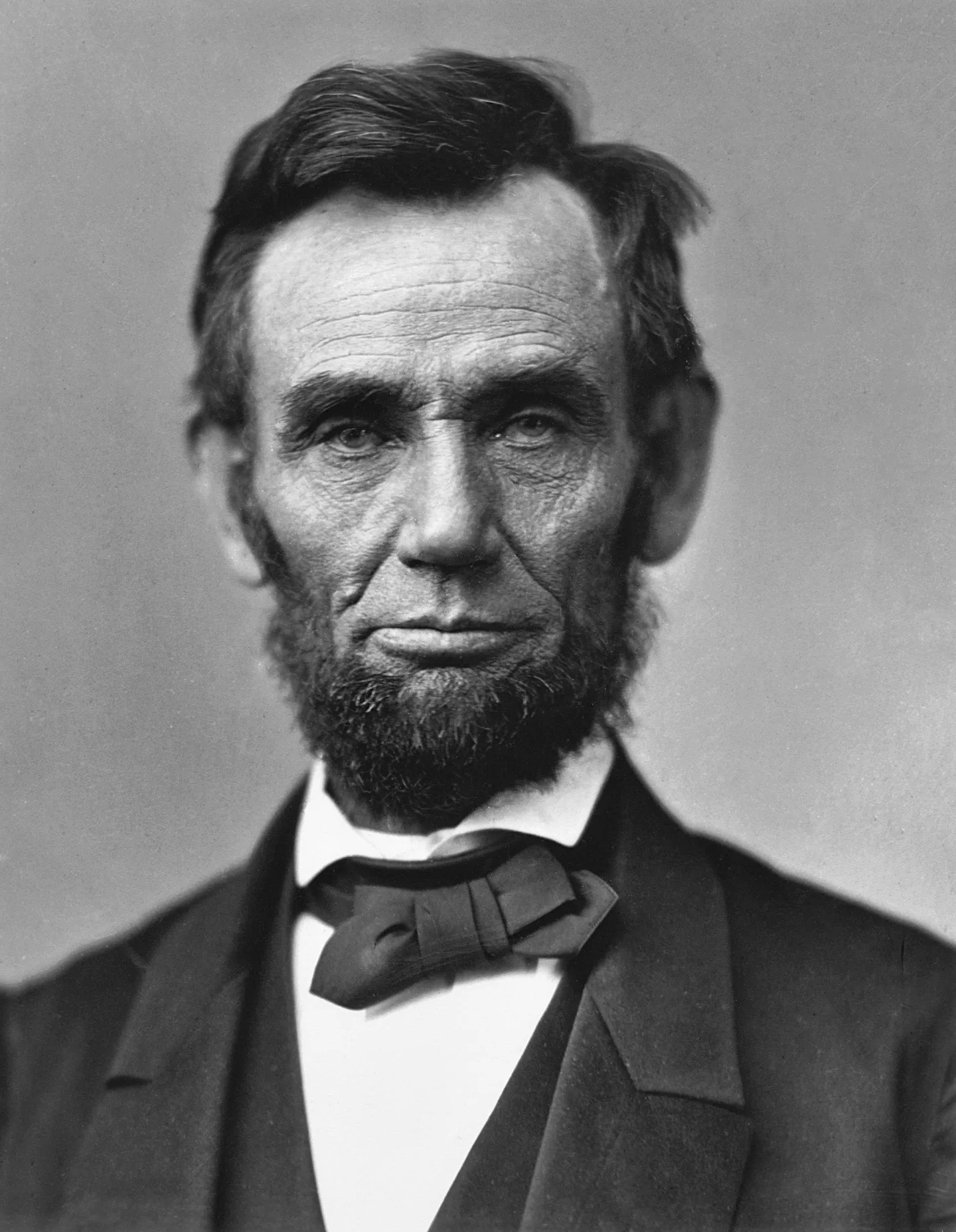
Lincoln's Lesson in Restraint
In 1842, a young Abraham Lincoln published an anonymous satirical letter mocking politician James Shields, who challenged him to a near-fatal duel with cavalry broadswords; their seconds halted it just in time, and Lincoln never mocked anyone in print again. During the Civil War, after General Meade let Robert E. Lee escape following Gettysburg, Lincoln drafted a scathing rebuke, then set it aside, unsent. His creed: "Don't criticize them; they are just what we would be under similar circumstances."
Creatures of Emotion
Human beings make decisions primarily based on pride, emotion, and prejudice rather than pure formal logic.
Historical Voices Against Judging
Carnegie backs Principle 1 with testimony from history. Benjamin Franklin credited his diplomatic success to a personal rule: "I will speak ill of no man and speak all the good I know of everybody." Thomas Carlyle observed that "a great man shows his greatness by the way he treats little men." And Samuel Johnson reasoned that since "God Himself, sir, does not propose to judge man until the end of his days," mortals have even less standing to rush to condemn someone.
A Practical Habit for Catching the Urge to Criticize
Building on Carnegie's core insight that criticism backfires, here is a practical four-step habit for catching yourself before you criticize. First, notice the emotional urge to correct or condemn someone. Second, pause and remember that people are driven by pride and self-justification, not pure logic. Third, recall your own past blunders and how you'd have reacted in their place. Finally, replace the criticism with curiosity, patience, and encouragement.
Principle 1: Don't Criticize
The very first rule in Dale Carnegie's entire system of human relations is deceptively simple: do not criticize, condemn, or complain. Every other technique in the book builds on this foundation, because criticism reliably damages relationships while rarely changing behavior for the better. Carnegie treats this as a prerequisite, not a suggestion, the starting discipline that makes every later principle possible.
The Craving to Feel Important
Philosopher John Dewey called it "the desire to be important"; psychologist William James called it the "craving to be appreciated." Both were describing the same near-universal hunger, as deep as the desire for food or sleep, and just as rarely satisfied. James chose the word "craving" deliberately: this isn't a passing wish but a relentless psychological need that drives ambition, achievement, and civilization itself.
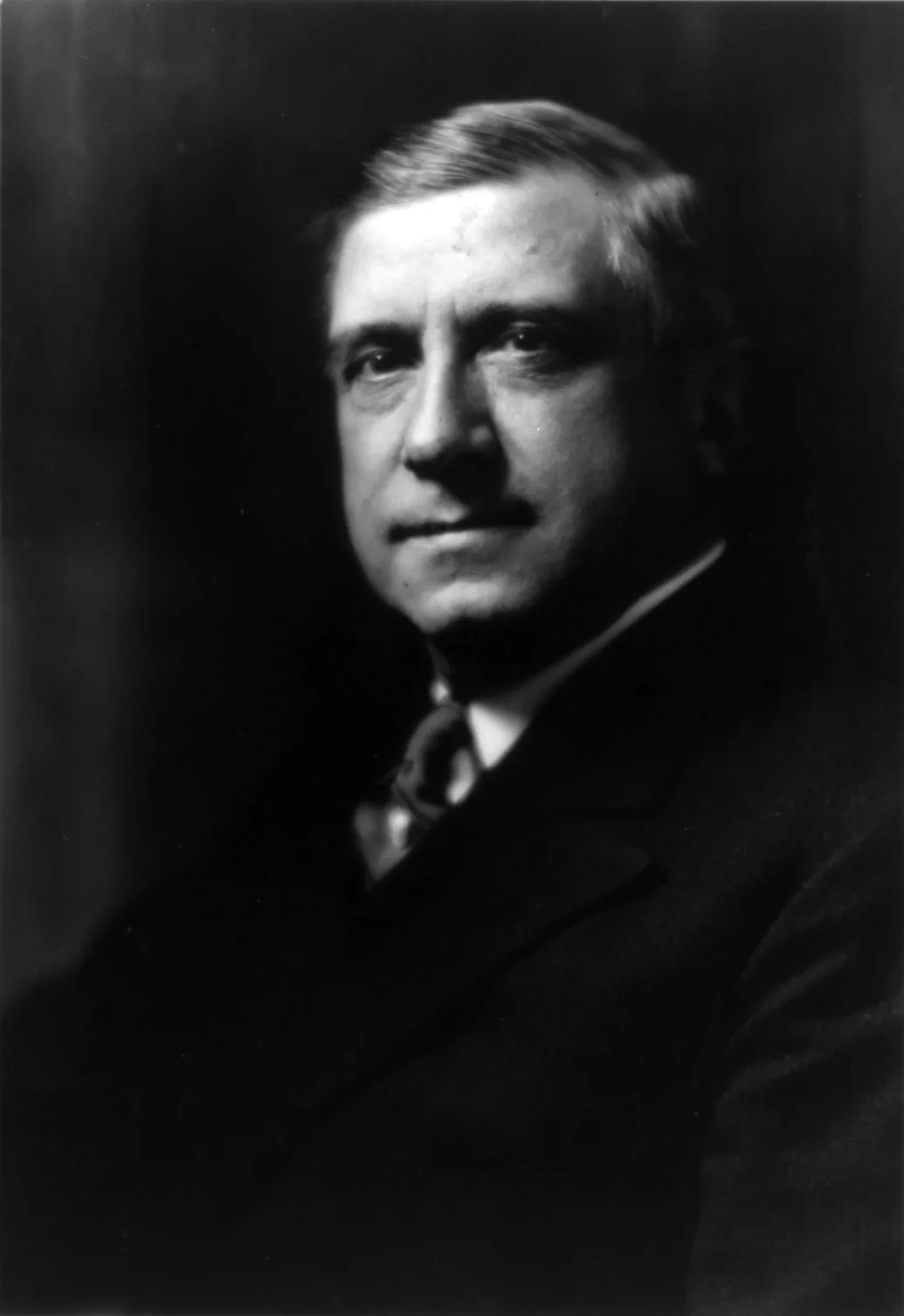
Principle 2: Give Honest Appreciation
In 1901, Andrew Carnegie's newly formed U.S. Steel named Charles Schwab its first president at a salary of a million dollars a year. Schwab explained why: "I consider my ability to arouse enthusiasm... the greatest asset I possess... I am anxious to praise but loath to find fault." Most organizations feed their people's bodies but starve their craving for appreciation. Principle 2: give honest and sincere appreciation.
Sincere Appreciation vs. Flattery
Carnegie draws a hard line between two things that can sound alike. Sincere appreciation comes from the heart, is unselfish, and reflects real admiration of someone's genuine qualities. Flattery comes "from the teeth out": it's selfish, transparently transactional, and universally distrusted once detected, whether spoken aloud or written into a business letter. Lavish, insincere flattery in correspondence doesn't build partnerships; it damages credibility.

Emerson: Everyone Is Your Superior
Philosopher Ralph Waldo Emerson believed that "every man I meet is my superior in some way. In that, I learn of him." Carnegie extends this into a practical rule: almost everyone you encounter feels superior to you in some specific way, and sincerely recognizing that strength, rather than competing with it, is the surest key to their goodwill.
The Fishing Bait Metaphor
Effective persuasion requires baiting the conversational hook with what the listener desires rather than what the speaker likes.
Arousing an Eager Want
Psychologist Harry Overstreet wrote that persuasion begins with desire: "first arouse in the other person an eager want. He who can do this has the whole world with him." Henry Ford called seeing a situation from someone else's point of view the single greatest secret of success he knew. In practice: identify what the other person actually wants, examine your proposal entirely from their side, and show exactly how it satisfies their want, not yours.
Principle 3: Arousing an Eager Want
The third fundamental technique in handling people is: Arouse in the other person an eager want.
Matched pairs
Each item on the left goes with the one on the right.
- B.F. Skinner's Operant Conditioning
- Rewards accelerate learning whereas punishment yields defensive avoidance
- Thomas Carlyle's Maxim on Greatness
- A great man shows his greatness by the way he treats little men
- Charles Schwab at US Steel
- Arousing enthusiasm through generous appreciation and encouraging incentives
- Harry A. Overstreet in Influencing Human Behavior
- Action springs from fundamental desires; first arouse in the other person an eager want
Step by step
A Practical Habit for Overcoming the Impulse to Criticize
- Notice the emotional surge of irritation or urge to correct another person.
- Pause and remind oneself that humans are emotional beings driven by pride and self-justification.
- Reflect on one's own past blunders, limitations, and similar potential reactions under those conditions.
- Substitute destructive critique with empathetic curiosity, patience, and positive encouragement.
Arousing an Eager Want in Persuasive Communication
- Identify the target person's primary desires, goals, anxieties, or pain points.
- Examine your proposal entirely from their vantage point and eliminate self-centered appeals.
- Structure your message showing exactly how accepting your proposal fulfills their specific want.
- Allow them to experience the satisfaction of achieving their own objective through cooperation.
Self-test
Answer each question from memory, then check your work against the answer key.
1. Why might Lincoln have kept his angry letter about General Meade's failure unsent?
- ACabinet said Meade's failure was minor
- BFeared Meade would resign to a rival
- CMeade would turn defensive, maybe resign
- DPlanned to publish it as public rebuke
2. B.F. Skinner's operant-conditioning research found that animals learn fastest when they are:
- AIgnored regardless of behavior
- BRewarded for good behavior
- CPunished for bad behavior
- DRewarded and punished equally
3. Which gangster did Carnegie quote as calling himself a misunderstood benefactor who gave people 'good times'?
- ATwo-Gun Crowley
- BDutch Schultz
- CJohn Dillinger
- DAl Capone
4. What 1842 incident permanently cured Abraham Lincoln of mocking or insulting others in public?
- ANear-fatal duel over a satirical letter
- BA public debate loss to Stephen Douglas
- CA failed reelection campaign
- DA newspaper libel lawsuit
5. Which of these is NOT a real effect of sharp criticism, according to Carnegie?
- AIt wounds a person's pride
- BIt arouses lasting resentment
- CIt builds trust in the critic
- DIt triggers self-justification
6. What distinguishes sincere appreciation from flattery, per Carnegie?
- AComes from the heart, unselfish
- BComes from calculation, strategic
- CComes from fear, manipulative
- DComes from the teeth, selfish
7. Which phrase did philosopher John Dewey use for humans' basic psychological hunger?
- AThe craving to be appreciated
- BThe desire to be important
- CThe need for self-actualization
- DThe will to power
8. In Carnegie's fishing analogy for persuasion, what should determine the bait used?
- AWhat the angler personally enjoys
- BWhat is easiest to find nearby
- CWhat worked on the last trip
- DWhat the fish craves
9. Charles Schwab attributed his high value at U.S. Steel to his ability to:
- AArouse enthusiasm through praise
- BEnforce strict quality-control standards
- CNegotiate lower material costs
- DDesign efficient manufacturing processes
10. What did Henry Ford call the single greatest secret of success?
- ACutting costs aggressively
- BWorking harder than competitors
- CFollowing market trends closely
- DSeeing the other person's view
Go deeper
- WatchLincoln's Unsent Letter A general let Robert E. Lee escape after Gettysburg. Lincoln drafted a blistering letter, then left it in a drawer, unsigned.
- ReadHow to Win Friends & Influence People by Dale Carnegie · on Amazon ↗
- StudyHow to Win Friends and Influence People in the FlashFeed app
These are affiliate links: if you buy a book through one, FlashFeed may earn a small commission at no extra cost to you. The commission helps pay for FlashFeed's servers.
As an Amazon Associate we earn from qualifying purchases.
Answer key
- 1. C Meade would turn defensive, maybe resignCarnegie offers this only as his guess: the letter would have eased Lincoln's feelings but made Meade justify himself and perhaps forced him to resign, the same dynamic as any sharp criticism.
- 2. B Rewarded for good behaviorSkinner showed animals rewarded for good behavior learn faster and retain it longer than animals punished for bad behavior, which is why punishment/criticism backfires on people too.
- 3. D Al CaponeAl Capone reflected that he had given people 'the lighter pleasures' and only got abuse in return, illustrating how even hardened criminals rationalize their conduct.
- 4. A Near-fatal duel over a satirical letterLincoln's satirical letter mocking James Shields led to a near-fatal duel; the shock cured him of ever mocking or insulting anyone again.
- 5. C It builds trust in the criticCarnegie says criticism wounds pride, triggers self-justification, and arouses resentment that can last decades — it never builds trust in the critic.
- 6. A Comes from the heart, unselfishCarnegie says sincere appreciation originates from the heart and is unselfish, while flattery comes 'from the teeth out' and is selfish and transactional.
- 7. B The desire to be importantDewey called it 'the desire to be important'; William James separately called the same hunger the 'craving to be appreciated'.
- 8. D What the fish cravesCarnegie says an angler baits the hook with what the fish wants, not strawberries and cream he personally loves — persuasion works the same way.
- 9. A Arouse enthusiasm through praiseSchwab said his greatest asset was arousing enthusiasm through appreciation and encouragement, being 'anxious to praise but loath to find fault'.
- 10. D Seeing the other person's viewFord said success lies in getting the other person's point of view and seeing things from their angle as well as your own.
Sources
- How to Win Friends and Influence People — Dale Carnegie
- Carnegie, Part 1, Ch. 1 and 16 more references — en.wikipedia.org/wiki/How_to_Win_Friends_and_Influence_People
Image credits
- Human Self-Justification: Wikimedia Commons · Brett Weinstein (Nrbelex) at en.wikipedia · CC BY-SA 2.5 — commons.wikimedia.org/wiki/File:Sing_Sing.jpg
- Lincoln's Lesson in Restraint: Wikimedia Commons · Alexander Gardner · Public domain — commons.wikimedia.org/wiki/File:Abraham_Lincoln_O-77_matte_collodion_print.jpg
- Principle 2: Give Honest Appreciation: Wikimedia Commons · Pirie MacDonald · Public domain — commons.wikimedia.org/wiki/File:Charles_M._Schwab_cph.3b33668.jpg
- Emerson: Everyone Is Your Superior: Wikimedia Commons · Josiah Johnson Hawes · Public domain — commons.wikimedia.org/wiki/File:Ralph_Waldo_Emerson_by_Josiah_Johnson_Hawes_1857.jpg


