
History of Arizona study guide · Lesson 4 of 12
Lesson 4: Conflict on the Frontier
Part 1: The Navajo Long Walk · Part 2: Apaches, Geronimo & the Forts
This is the lesson's study guide from the FlashFeed app, plus its key facts and a self-test.
What you'll be able to do
- Identify Fort Defiance and Manuelito's 1860 assault that led Washington to subdue the Navajo.
- Explain Kit Carson's 1863 campaign and the Long Walk of about 9,000 Navajo to Bosque Redondo.
- Recognize Geronimo's 1886 surrender ending the Apache Wars and the Buffalo Soldiers at Fort Huachuca.
- Identify Fort Apache (1870) and Fort Huachuca (1877) as the frontier forts of the Apache wars.
Conflict on the Frontier
After the Civil War, the US Army turned its attention to the people who actually lived in Arizona. Two long campaigns define the period: the breaking of the Navajo in the early 1860s, and the much longer Apache wars that did not end until 1886.
The Navajo Long Walk
Fort Defiance, established on September 18, 1851 by Colonel Edwin V. Sumner, was the first US military post in Arizona — built deep inside Navajo country as a deliberate provocation. The Navajo tried more than once to wipe it out. In April 1860, the war chief Manuelito led around 1,000 warriors in a dawn assault. The garrison held, and Washington concluded the Navajo would have to be subdued.
In 1863 Colonel Kit Carson marched into Navajo country and waged a scorched-earth campaign — burning hogans, slaughtering sheep, destroying the peach orchards in Canyon de Chelly. By 1864 starving Navajo families were surrendering by the thousands. About 9,000 Navajo were then force-marched roughly 300 miles to Bosque Redondo in eastern New Mexico — the Long Walk. Hundreds died on the way. The reservation itself was a disaster of bad water, failed crops, and disease. In 1868 the US signed a treaty letting the survivors return to a reservation carved from their own homeland, where they have lived ever since.
Apaches, Geronimo, and the Forts
The Apache wars lasted much longer. Cochise led the Chiricahua Apache through more than a decade of guerrilla war after the 1861 Bascom Affair, in which soldiers hanged members of his family. He fought to a stalemate and signed peace in 1872. Geronimo, a medicine man and war leader, kept fighting after most Apache had been confined. His final group of about 35 men, women, and children evaded thousands of US and Mexican soldiers for over a year before surrendering in 1886 — the end of the Apache Wars.
The forts that fought them are still landmarks. Fort Apache (founded 1870) saw little major combat — chiefly an Apache attack on the post in September 1881 — and closed in 1923. Fort Huachuca (founded 1877) became the base for operations against Apache raiders crossing from Mexico — and, after closing for several years following World War II, was reactivated in the 1950s and remains an active Army post as of 2026. From 1913 to 1933 Huachuca hosted the all-Black 10th Cavalry Regiment, the famous Buffalo Soldiers, who patrolled the Mexican border during the Pancho Villa years.
Key concepts
Fort Defiance
- The first US military post established in what is now Arizona.
- Built in 1851 deep inside Navajo country as a deliberate provocation.
- In 1860 the war chief Manuelito led about 1,000 warriors in a dawn assault on it, but its garrison held.
Bosque Redondo
- A bleak reservation in eastern New Mexico, the endpoint of a brutal 300-mile forced march.
- About 9,000 Navajo were driven here in 1864 in the ordeal remembered as the Long Walk.
- Plagued by bad water, failed crops, and disease, it was abandoned when an 1868 treaty let survivors return home.
Fort Apache
- A US Army post in Arizona, founded in 1870.
- Despite its fearsome reputation, it saw little major combat — chiefly an Apache attack on the post in September 1881.
- It shut down in 1923, unlike a sister post to the south that remains active as of 2026.
Key facts
Fort Defiance
Established September 18, 1851 by Colonel Edwin V. Sumner deep inside Navajo country, Fort Defiance was the first US military post in what is now Arizona. The name was a deliberate provocation — and the Navajo tried more than once to wipe it out.
The Navajo treaty of 1868
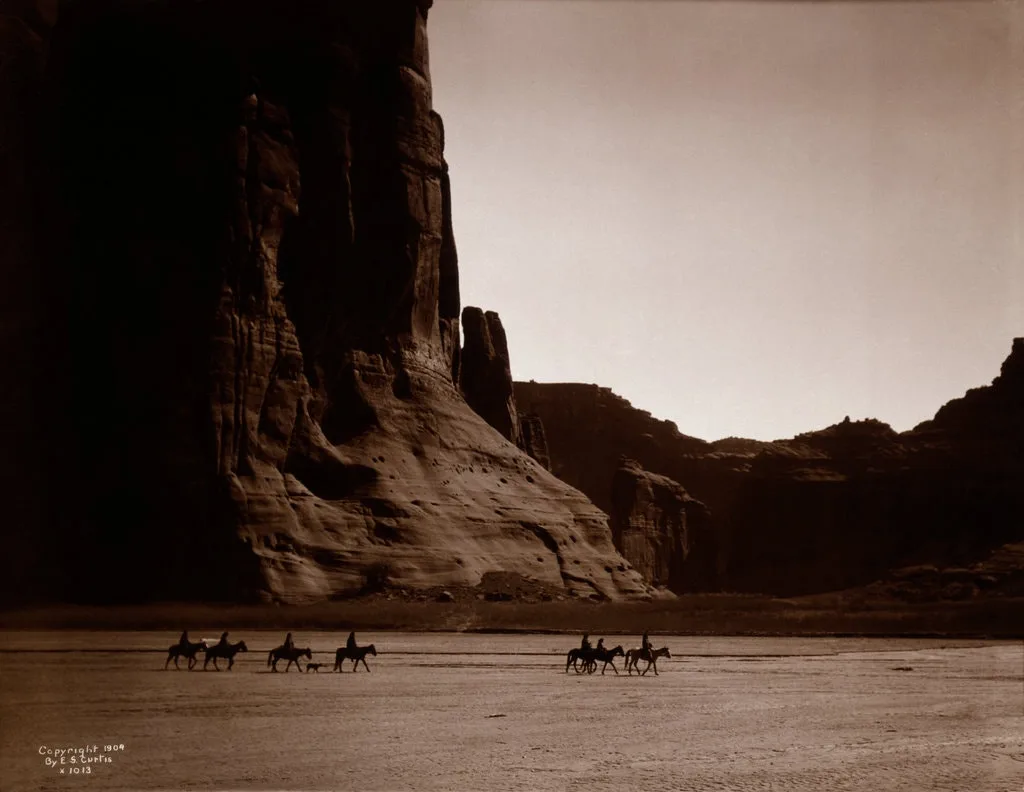
In 1868, after four miserable years at Bosque Redondo, the US signed a treaty allowing the Navajo to return to a reservation carved out of their original homeland. They walked home — and over the next century built it back into the largest reservation in the country.
Fort Apache
Fort Apache was established in 1870 in the White Mountains of eastern Arizona to control the surrounding Apache bands. It saw only one small fight — three soldiers wounded in September 1881 — and closed in 1923, turned over to the Bureau of Indian Affairs once the Army judged it militarily obsolete.
Fort Huachuca
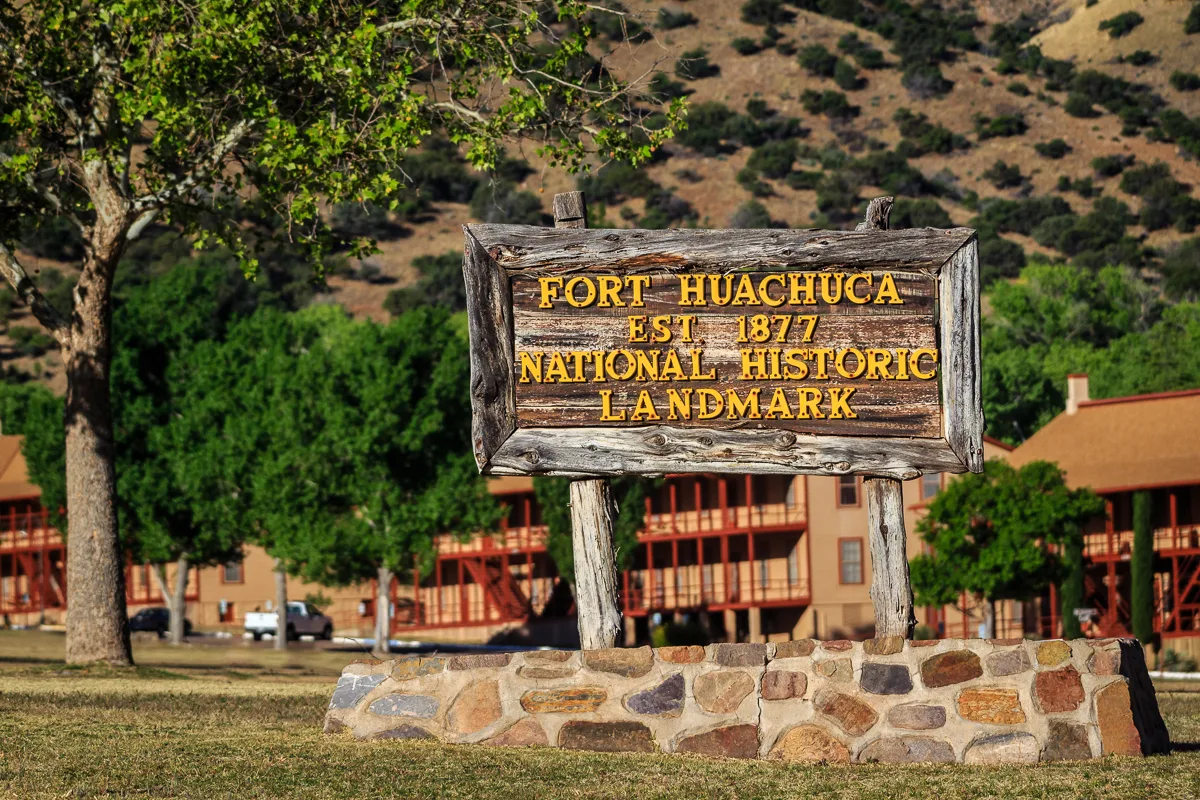
Fort Huachuca, founded 1877 southeast of Tucson, was the base for US Army operations against Apache raiders crossing from Mexico. The post closed for several years after World War II before being reactivated in the 1950s — as of 2026 it remains an active Army post and houses the US Army Intelligence Center.
Buffalo Soldiers at Huachuca
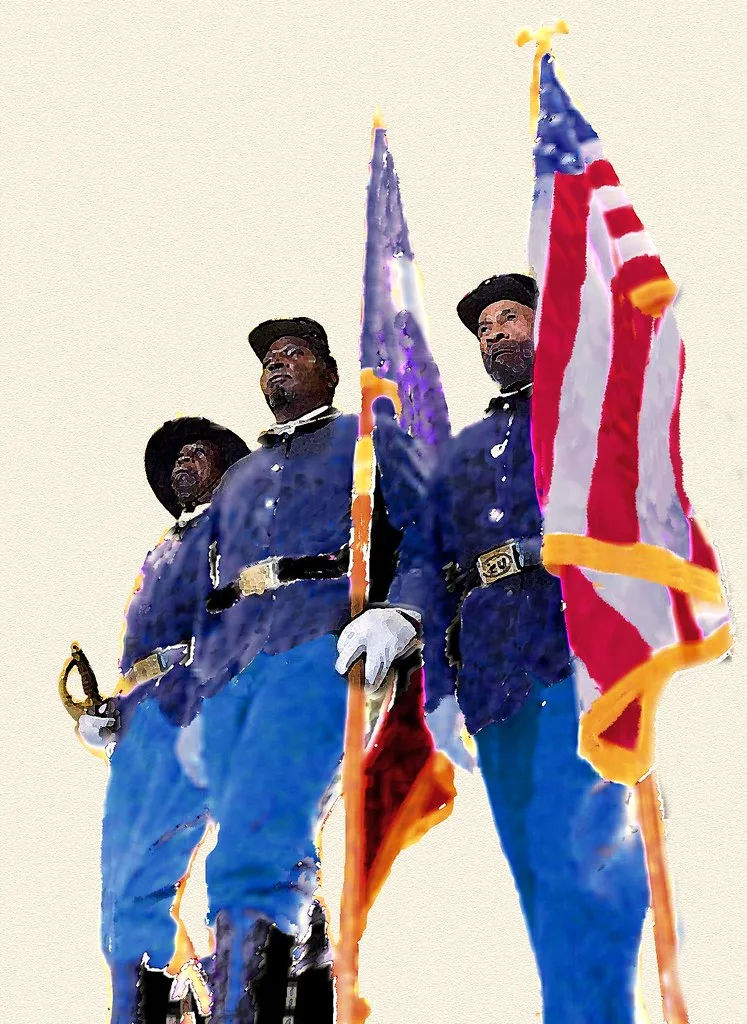
From 1913 to 1933, the all-Black 10th Cavalry Regiment — the famous Buffalo Soldiers — was stationed at Fort Huachuca. They patrolled the Mexican border during the Pancho Villa years.
Cochise
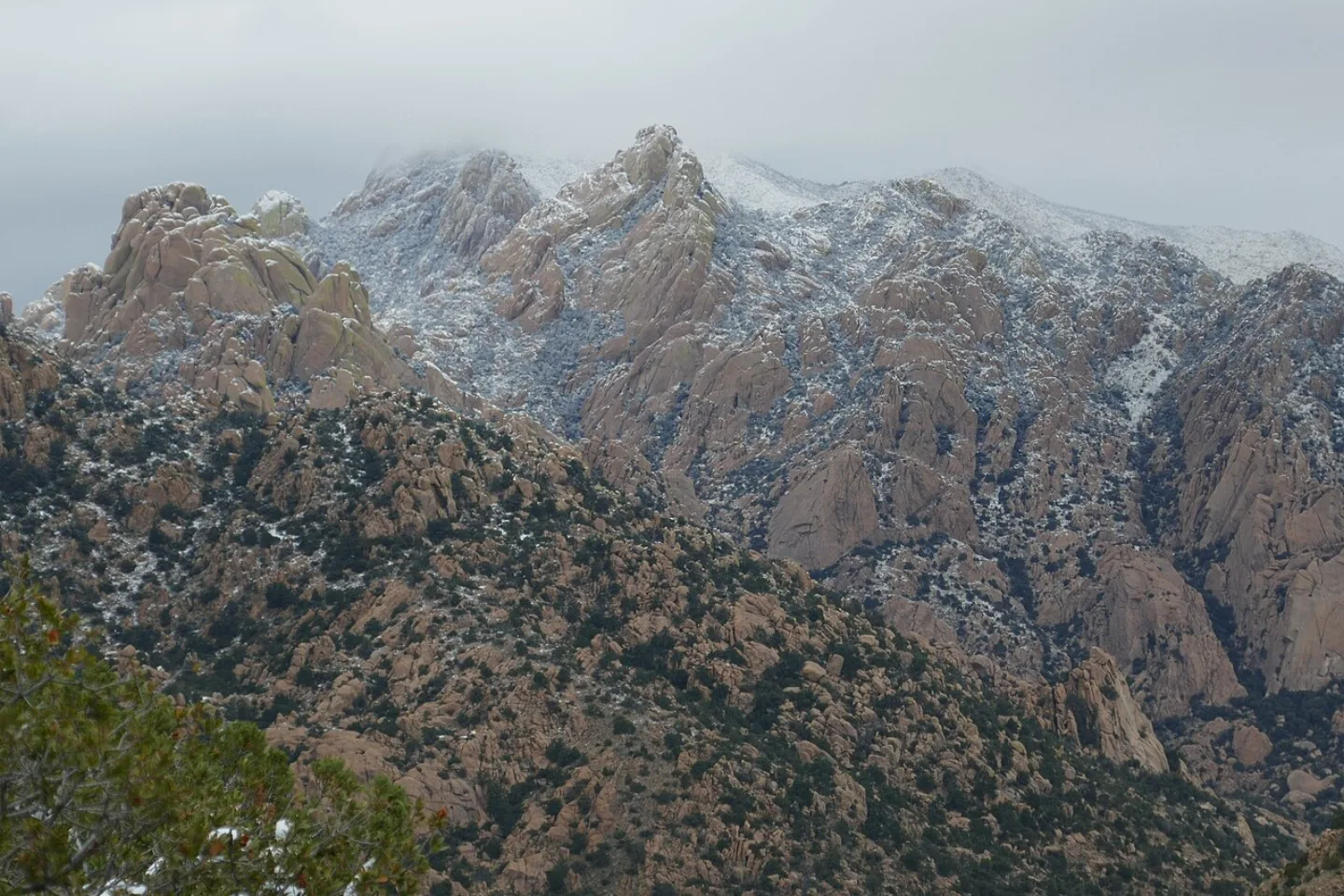
Cochise led the Chiricahua Apache through more than a decade of guerrilla war against the US Army after a 1861 incident (the Bascom Affair) where soldiers hanged members of his family. He fought to a stalemate and signed peace in 1872 — and died in his mountain stronghold two years later.
Step by step
The path from peace to the Navajo Long Walk
- Fort Defiance is established in 1851 inside Navajo country, escalating tensions.
- Manuelito leads about a thousand warriors against the fort in April 1860; the attack fails.
- The Civil War temporarily empties the fort, but Union forces return in 1863.
- Kit Carson begins a scorched-earth campaign: burning crops, hogans, and orchards.
- Starving and besieged, Navajo families begin surrendering by the thousands in 1864.
- Roughly 9,000 Navajo are force-marched about 300 miles to Bosque Redondo in eastern New Mexico.
- After four years of crop failures, disease, and death, a treaty in 1868 lets the survivors return to a reservation carved from their homeland.
The 1868 reservation was a fraction of the Navajo's original territory but grew over the following century into the largest Native American reservation in the United States.
Self-test
Answer each question from memory, then check your work against the answer key.
1. Which US officer established Fort Defiance, the first US military post in what is now Arizona?
- AColonel Kit Carson
- BColonel Edward Canby
- CGeneral George Crook
- DColonel Edwin V. Sumner
2. On what date was Fort Defiance established?
- AApril 12, 1860
- BJune 1, 1863
- CSeptember 18, 1851
- DJune 1, 1868
3. Roughly how many warriors did Manuelito lead in the April 1860 dawn assault on Fort Defiance?
- AAbout 300
- BAbout 1,000
- CAbout 35
- DAbout 9,000
4. Which statement about Fort Defiance is NOT true?
- AManuelito's warriors captured and destroyed it in 1860
- BIts name was a deliberate provocation
- CIt was the first US military post in what is now Arizona
- DIt was built deep inside Navajo country
5. What did Washington conclude from the boldness of Manuelito's 1860 assault on Fort Defiance?
- AThat the Apache were the more urgent threat
- BThat the fort should be relocated closer to Tucson
- CThat the Navajo should be offered a treaty at once
- DThat the Navajo would have to be subdued
6. Roughly how many Navajo people were forced on the Long Walk?
- AAbout 6,000
- BAbout 9,000
- CAbout 3,000
- DAbout 19,000
7. Which of these was NOT part of Kit Carson's 1863 scorched-earth campaign in Navajo country?
- ABombarding Fort Defiance with artillery
- BDestroying the peach orchards in Canyon de Chelly
- CBurning hogans
- DSlaughtering sheep
8. Roughly how far were the Navajo force-marched on the Long Walk?
- AAbout 1,000 miles
- BAbout 150 miles
- CAbout 300 miles
- DAbout 600 miles
9. In what year did Colonel Kit Carson march into Navajo country with orders to break Navajo resistance?
- A1863
- B1860
- C1851
- D1868
10. Where was Bosque Redondo, the reservation the Navajo were marched to?
- AThe White Mountains of eastern Arizona
- BEastern New Mexico
- CCanyon de Chelly
- DEast of Tucson
11. In what year did Geronimo finally surrender, ending the Apache Wars?
- A1900
- B1912
- C1868
- D1886
12. The Buffalo Soldiers stationed at Fort Huachuca belonged to which all-Black regiment?
- AThe 7th Cavalry Regiment
- BThe 1st Cavalry Regiment
- CThe 10th Cavalry Regiment
- DThe 5th Infantry Regiment
13. During which years were the Buffalo Soldiers stationed at Fort Huachuca?
- A1877 to 1886
- B1913 to 1933
- C1886 to 1913
- D1933 to 1945
14. How large was Geronimo's final group of men, women, and children that evaded pursuit before surrendering?
- AAbout 35
- BAbout 1,000
- CAbout 9,000
- DAbout 350
15. What set Geronimo's resistance apart from that of other Apache leaders?
- AHe led the largest Apache force ever assembled
- BHe never fought the US Army, only Mexican troops
- CHe kept fighting after most Apache had already been confined to reservations
- DHe signed a peace treaty in 1872 and then broke it
16. In what year was Fort Apache established in the White Mountains of eastern Arizona?
- A1886
- B1877
- C1851
- D1870
17. In what year was Fort Huachuca founded, southeast of Tucson?
- A1913
- B1870
- C1851
- D1877
18. As of 2026, which frontier fort remains an active US Army post and houses the US Army Intelligence Center?
- AFort Apache
- BFort Defiance
- CFort Huachuca
- DFort Bowie
19. Which statement about Fort Apache is NOT true?
- AIt saw heavy combat throughout the Apache Wars
- BIt closed in 1923
- CIt was built to control the surrounding Apache bands
- DIt was established in the White Mountains of eastern Arizona
20. Fort Huachuca was established as the base for US Army operations against whom?
- ANavajo warriors in Canyon de Chelly
- BApache raiders crossing from Mexico
- CCheyenne warriors from the northern Plains
- DComanche raiders out of Texas
Go deeper
Answer key
- 1. D Colonel Edwin V. SumnerColonel Edwin V. Sumner established Fort Defiance in 1851. Kit Carson is a tempting distractor, but he did not reach Navajo country until his campaign more than a decade later.
- 2. C September 18, 1851Fort Defiance was established September 18, 1851. April 1860 is when Manuelito attacked the fort — not when it was built.
- 3. B About 1,000Manuelito led around 1,000 warriors. About 35 was the size of Geronimo's final band, and 9,000 is the number of Navajo later forced on the Long Walk.
- 4. A Manuelito's warriors captured and destroyed it in 1860The garrison held against Manuelito's 1860 assault — the fort was never captured. The other three statements are all accurate descriptions of Fort Defiance.
- 5. D That the Navajo would have to be subduedThe assault was so bold that Washington concluded the Navajo had to be subdued. A treaty came only in 1868, after the Long Walk — not in response to the attack.
- 6. B About 9,000
- 7. A Bombarding Fort Defiance with artilleryCarson burned hogans, killed sheep, and destroyed the Canyon de Chelly peach orchards to starve the Navajo out. Fort Defiance was a US Army post — he had no reason to attack it.
- 8. C About 300 milesThe march to Bosque Redondo in eastern New Mexico covered roughly 300 miles, and hundreds died along the way.
- 9. A 1863Carson's scorched-earth campaign began in 1863; by 1864 starving Navajo families were surrendering. 1860 is Manuelito's attack on Fort Defiance, years before Carson arrived.
- 10. B Eastern New MexicoBosque Redondo lay in eastern New Mexico, and proved a disaster of bad water, failed crops, and disease. Canyon de Chelly was Navajo homeland — what Carson destroyed, not where they were sent.
- 11. D 1886
- 12. C The 10th Cavalry RegimentThe all-Black 10th Cavalry Regiment — the Buffalo Soldiers — was stationed at Fort Huachuca and patrolled the Mexican border.
- 13. B 1913 to 1933The 10th Cavalry was at Huachuca from 1913 to 1933, patrolling the border during the Pancho Villa years — decades after the fort itself was founded.
- 14. A About 35Roughly 35 people eluded thousands of US and Mexican soldiers for over a year. About 1,000 was the size of Manuelito's force at Fort Defiance, a different event entirely.
- 15. C He kept fighting after most Apache had already been confined to reservationsGeronimo, a medicine man and war leader, fought on after most Apache were confined; his surrender ended the Apache Wars. Cochise, not Geronimo, made the 1872 peace.
- 16. D 1870Fort Apache was founded in 1870 to control the surrounding Apache bands. 1851 belongs to Fort Defiance, and 1886 is the year Geronimo surrendered.
- 17. D 1877Fort Huachuca was founded in 1877, positioned to strike at raiders crossing the border. 1851 belongs to Fort Defiance, the far older Navajo-country post.
- 18. C Fort HuachucaFort Huachuca closed for several years after World War II but was reactivated in the 1950s and remains active as of 2026, housing the US Army Intelligence Center. Fort Apache closed in 1923, turned over to the Bureau of Indian Affairs once the Army judged it militarily obsolete.
- 19. A It saw heavy combat throughout the Apache WarsFort Apache saw almost no combat — one small fight in September 1881 wounded three soldiers. The other three statements are accurate.
- 20. B Apache raiders crossing from MexicoSitting southeast of Tucson near the border, Huachuca was the base against Apache raiders crossing from Mexico. Canyon de Chelly was Navajo country, targeted by Kit Carson instead.
Image credits
- The Navajo treaty of 1868: Wikimedia Commons · Edward S. Curtis · Public domain — commons.wikimedia.org/wiki/File:Ca%C3%B1on_de_Chelly_-_Navaho,_1904.jpg
- Fort Huachuca: Wikimedia Commons · alohateam on Flickr · CC BY-SA 2.0 — commons.wikimedia.org/wiki/File:Old_Fort_Huachuca.jpg
- Buffalo Soldiers at Huachuca: Great Sand Dunes National Park and Preserve (Openverse) · pdm 1.0 — www.flickr.com/photos/94707653@N06/32586582301
- Cochise: Phil Venditti from University Place, Washington, USA · CC BY 2.0 — commons.wikimedia.org/wiki/File:Cochise_Stronghold_(49296165293).jpg


