
The Infinity Machine (book) study guide · Lesson 7 of 12
The OpenAI rivalry
Musk, Altman and the split · Anthropic and the firing
Unofficial study guide for The Infinity Machine: Demis Hassabis, DeepMind, and the Quest for Superintelligence by Sebastian Mallaby. FlashFeed is not affiliated with the author or publisher.
This is the lesson's study guide from the FlashFeed app, plus its key facts and a self-test.
What you'll be able to do
- Explain the Musk–Altman split — the 2017 email warning of 'absolute control' and Musk's withdrawal after losing operational control.
- Recall OpenAI's 2019 restructuring into a capped-profit company with investor returns capped at 100×
- Identify the April 2023 merger of Google Brain into DeepMind under Hassabis to form Google DeepMind
- Recognize how the founders ended up atop rival giants (Suleyman as Microsoft AI CEO) and the players in OpenAI's 5-day crisis.
Musk, Altman and the split
The tension inside OpenAI between commercial ambition and the original nonprofit mission played out across two years — a private email, a restructuring, and a departure that quietly reshaped the entire industry's power map.
September 2017: a fateful email
On 20 September 2017, Greg Brockman and Ilya Sutskever sent a memo to Musk and Altman warning that a single person could end up with "absolute control" of AI. The target of concern was Demis Hassabis — but the logic applied equally to anyone at the top of OpenAI. The email is significant because it reveals that even the founders of a lab created to prevent an AI monopoly feared the logic of concentration they were themselves enacting. Musk subsequently pushed to run OpenAI himself; when he failed to gain operational control in early 2018, he withdrew his promised funding and resigned from the board.
OpenAI's capped-profit pivot
In 2019, OpenAI restructured into a nonprofit parent controlling a for-profit subsidiary, with investor returns capped at 100 times their stake. Altman, now CEO, used the structure to secure a $1 billion commitment from Microsoft — the partnership that would eventually make Microsoft the dominant AI-infrastructure player. The move was presented as a safety compromise: profits would be real but bounded. The cap later became a flashpoint: the board cited it as a commitment Altman had implicitly eroded through subsequent fundraising ambitions.
Suleyman exits, August 2019
Mustafa Suleyman co-founded DeepMind alongside Hassabis and Shane Legg in a north-London chess club. By August 2019, Bloomberg's account of internal bullying allegations ended his operational role; he moved to a vice-president position at Google with no direct team. That quiet exit was easy to overlook at the time. By 2024 he had become CEO of Microsoft AI, placing him in charge of the partner company most dependent on OpenAI's models — the third vertex of the original triangle now sitting across the table from his former rivals.
Google DeepMind, April 2023
When ChatGPT launched in late 2022 it sent shockwaves through Alphabet. Sundar Pichai's response came in April 2023: Google Brain — the team that had invented the transformer architecture in 2017 — merged with DeepMind to form a single unit called Google DeepMind, with Hassabis as CEO. The merger ended a decade of internal rivalry between two Google AI factions and handed Hassabis direct control over Google's entire response to OpenAI. The transformer researchers and the reinforcement-learning researchers were finally in the same room.
Three north Londoners, three giants
Sebastian Mallaby's book tracks a striking coincidence: by 2024, all three DeepMind co-founders held commanding AI roles at the world's largest technology companies. Hassabis led Google DeepMind; Suleyman led Microsoft AI; Shane Legg remained DeepMind's chief AGI scientist. Mallaby notes they were "two north Londoners with immigrant parents" heading AI operations at two American tech giants — a detail that underscores how thin the founding cohort of modern AI really is, and how much institutional power flows from a single friendship formed in a London games café.
Anthropic and the firing
Two ruptures defined OpenAI's mid-2020s: a principled walkout that produced its most serious safety-focused rival, and a five-day governance crisis that ended with the acceleration of the AI race rather than its restraint.
Anthropic splits off, 2021
In 2021, Dario Amodei — OpenAI's VP of Research — and his sister Daniela Amodei led roughly a dozen safety-focused researchers out of OpenAI to found Anthropic. The group included Paul Christiano, a prominent figure in AI alignment research, and Geoffrey Irving, who later became scientific lead at the UK's AI Safety Institute. Mallaby reads the departure as a recurring structural pattern: the researchers most worried about safety keep leaving the very labs they helped make powerful, unable to slow the pace from inside. Anthropic positioned itself explicitly around Constitutional AI and interpretability work, seeking a path to safe systems rather than purely capable ones.
Five days that shook OpenAI
On 17 November 2023, OpenAI's board fired Sam Altman over a video call, citing a loss of confidence in his candor. The decision was made by a small nonprofit board — the governance structure the 2019 restructuring had left formally in charge. Within forty-eight hours, more than 700 of OpenAI's 770 employees signed a letter threatening to resign. Microsoft offered to absorb anyone who left. Five days after the firing, Altman was reinstated and the dissenting board members stepped down. Mallaby's verdict: "The hopes of slowing the AI race had been destroyed." The incident demonstrated that a lab's nonprofit board held nominal control but zero real power when its workforce and its primary investor were aligned against it.
Nadella's lifeline
Within 36 hours of Altman's dismissal, Satya Nadella publicly announced that Microsoft would create a new AI lab for Altman and offered positions to any OpenAI employee willing to follow. The offer was a calculated application of leverage: Microsoft held the cloud infrastructure and billions in committed capital that OpenAI depended on. The threat of a mass exodus — more than 700 of 770 staff — made the board's position untenable. They folded within 5 days. Nadella's move confirmed that Microsoft had effectively become the silent guarantor of OpenAI's continuity, and that the nonprofit governance layer was structurally incapable of overriding the economic interests of the workforce and its largest backer. Mustafa Suleyman — now running Microsoft AI — was waiting on the other side of that guarantee.
Key concepts
Greg Brockman
- On 20 September 2017 this OpenAI co-founder sent a warning memo to the lab's backers.
- The memo, co-signed with the chief scientist, warned that one person could gain 'absolute control' of AI.
- Its unnamed target of concern was the head of a rival London lab.
Dario Amodei
- OpenAI's VP of Research who came to believe safety demanded a clean break.
- In 2021 he and his sister led roughly a dozen researchers out of OpenAI.
- The lab they founded organised itself around Constitutional AI and interpretability rather than raw capability.
Satya Nadella
- The CEO of a cloud giant that had become the silent guarantor of OpenAI's continuity.
- Within 36 hours of a rival CEO's firing, he announced his company would build that ousted leader a new AI lab.
- He offered a job to any of the 700-plus employees threatening to walk, making the board's position untenable.
Key facts
September 2017: a fateful email
On 20 September 2017, Greg Brockman and Ilya Sutskever wrote to Musk and Altman. Their worry: a single individual could end up with "absolute control" of OpenAI. "You are concerned that Demis could create an AGI dictatorship," Sutskever wrote of Musk's view, "so do we." The implication: OpenAI itself needed protection from concentrated power.
OpenAI's capped-profit pivot
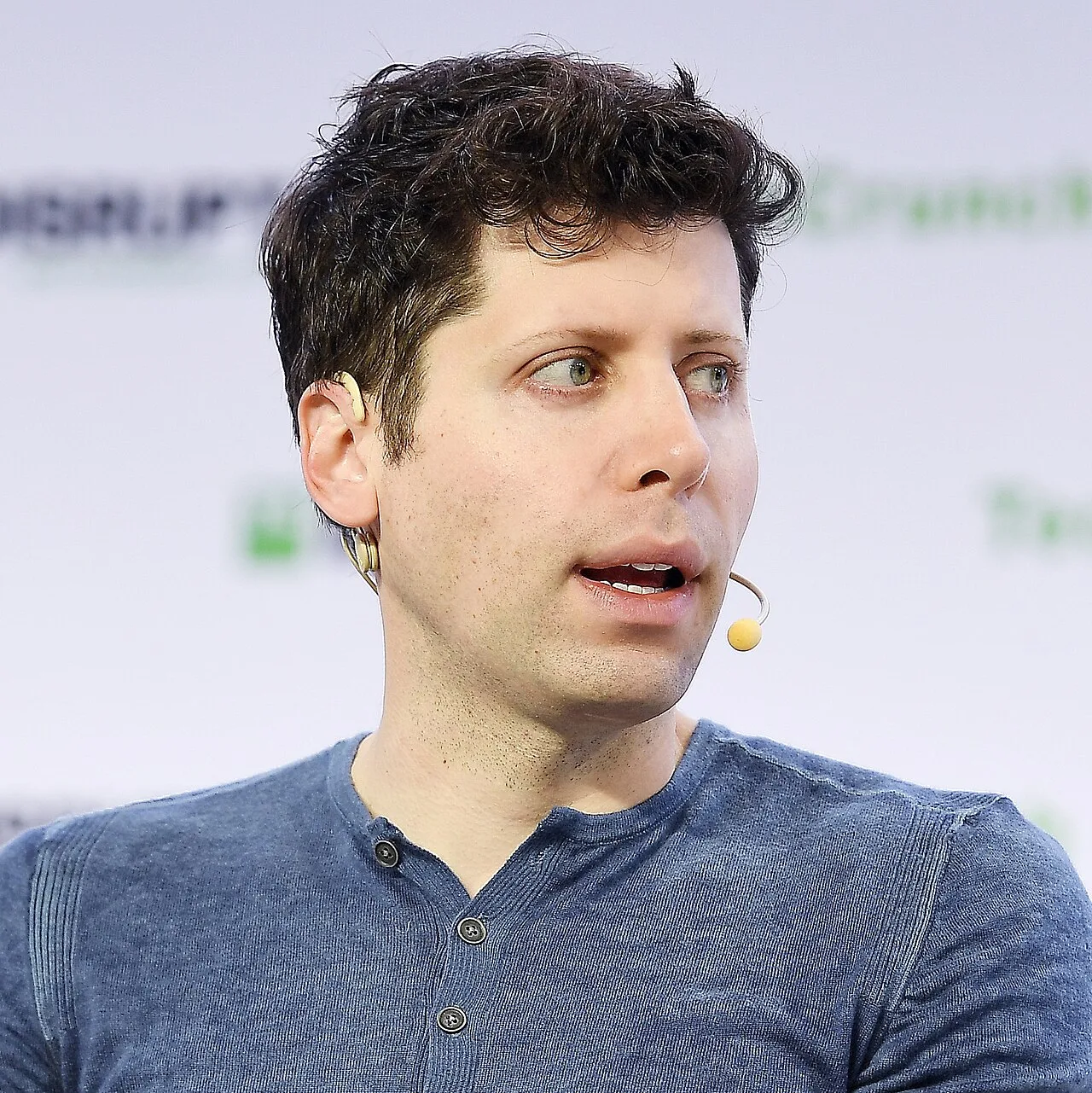
In 2019, OpenAI restructured into a non-profit parent with a for-profit subsidiary capped at 100× return for early investors. Altman, now CEO, used the new structure to raise a $1 billion commitment from Microsoft. The move would later be cited as one reason the board lost confidence in him — they had been told the cap would hold.
Suleyman exits, August 2019
On 21 August 2019, Bloomberg published a long story about bullying allegations against Mustafa Suleyman at DeepMind. By the end of the year he had moved to Google's Mountain View office in a vague vice-president role with no team. Eight years later he would emerge as CEO of Microsoft AI — the third corner of the original triangle, leading the partner of OpenAI.
Google DeepMind, April 2023
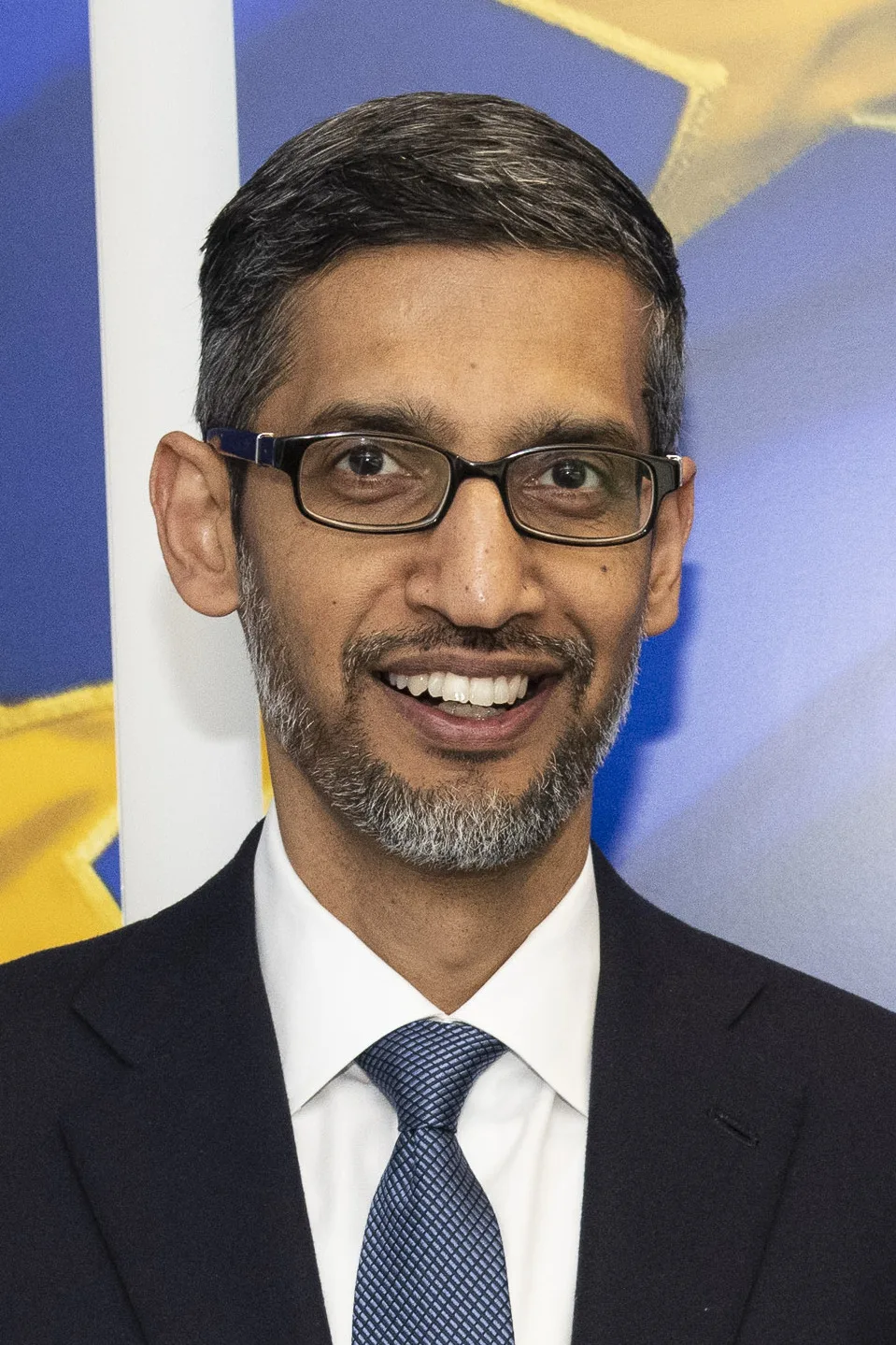
After ChatGPT shocked Mountain View, Sundar Pichai consolidated. In April 2023 Google Brain — the team that had invented the transformer in 2017 — was merged into DeepMind to form a single unit called Google DeepMind. Hassabis became its CEO. The merger ended a decade-long internal rivalry and made him directly responsible for Google's response to OpenAI.
Three north Londoners, three giants
Mallaby notes the parallel: by 2024 Hassabis ran Google DeepMind; Suleyman ran Microsoft AI; the third corner of the original DeepMind triangle, Legg, remained the lab's chief AGI scientist. "Two north Londoners with immigrant parents," Mallaby writes, "headed AI operations at two American tech giants."
Anthropic splits off, 2021
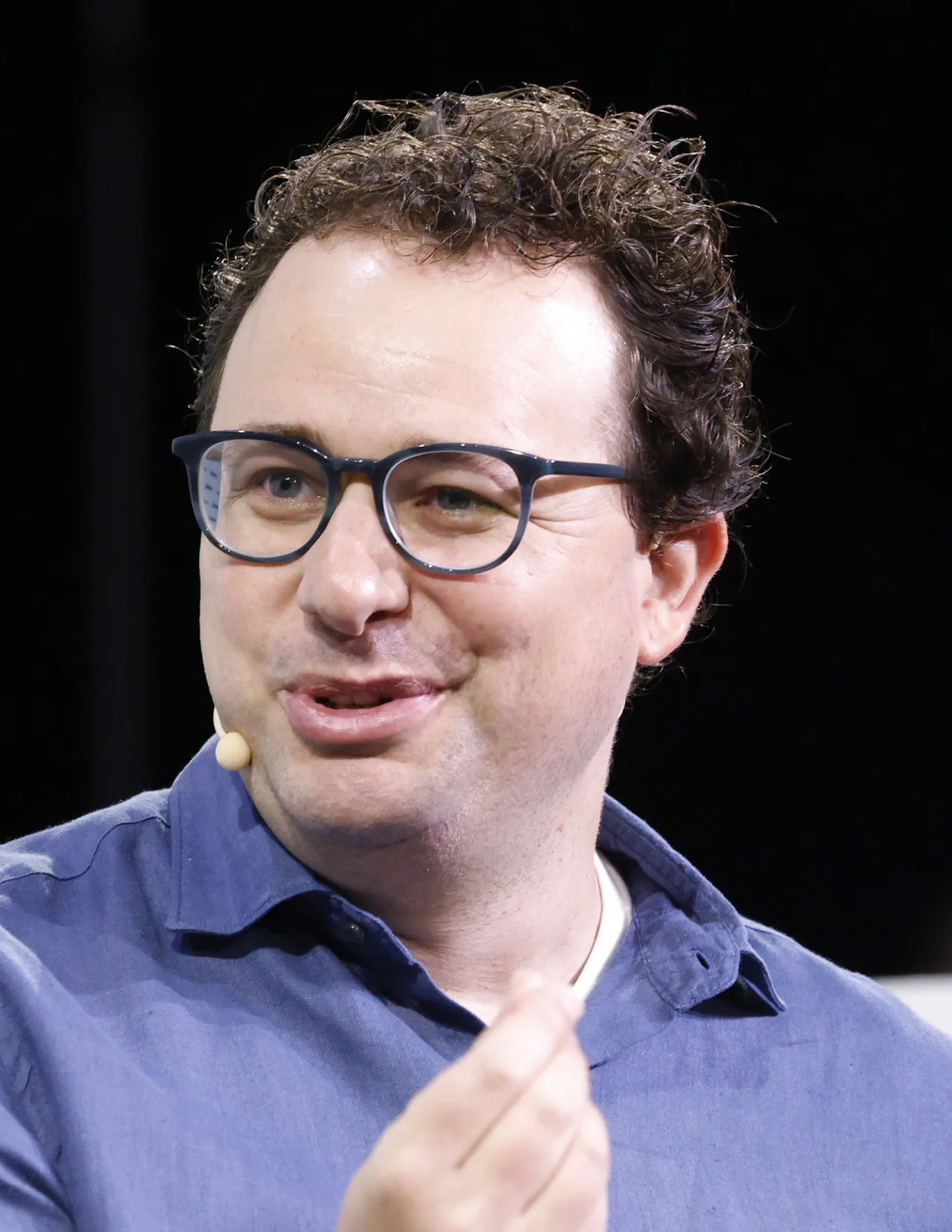
Dario Amodei and his sister Daniela led a group of safety-focused OpenAI researchers — including Paul Christiano and the future UK AI Safety Institute scientific chief Geoffrey Irving — out of OpenAI in 2021 to found Anthropic. Mallaby treats the spin-off as a recurring pattern: safety-minded technologists keep leaving the labs they helped build.
Nadella's lifeline
Within 36 hours of Altman's firing, Satya Nadella publicly invited him to lead a new Microsoft AI lab with a budget to hire "anyone from OpenAI who wanted to join him." Three days later more than 700 of OpenAI's 770 employees had signed a letter threatening to follow. The board folded; Altman returned.
Suleyman leads Microsoft AI
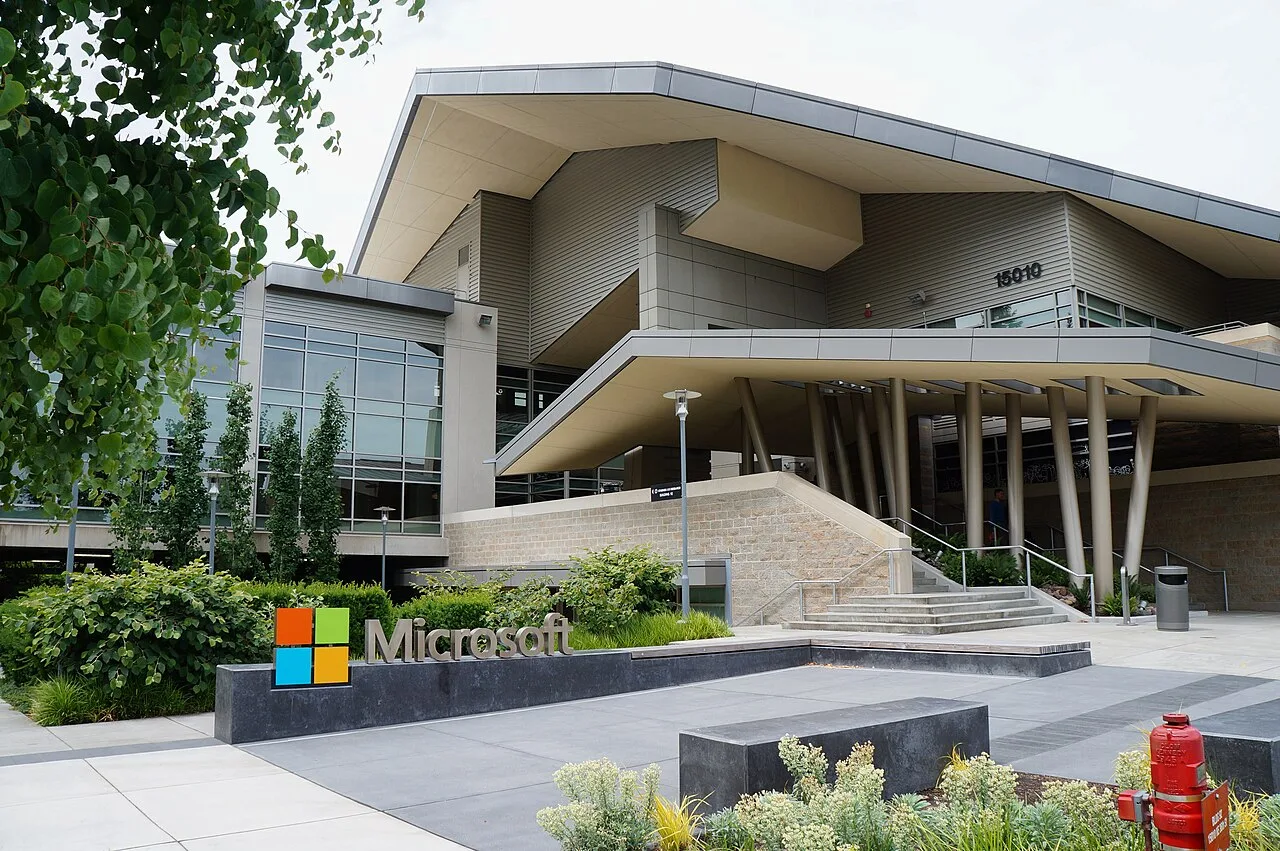
Mustafa Suleyman — one of DeepMind's three cofounders — became CEO of Microsoft AI in 2024.
700 staff threatened to quit
More than 700 of OpenAI's 770 employees signed a letter threatening to resign within 48 hours of Sam Altman's firing — a near-total revolt that made the board's position untenable.
By the numbers
- Year OpenAI restructured into a capped-profit company
- 2019 year
- Number of days between Altman's firing and reinstatement at OpenAI
- 5 days
Matched pairs
Each item on the left goes with the one on the right.
- Who wrote the September 2017 email to Musk and Altman
- Greg Brockman and Ilya Sutskever
- OpenAI's 2019 investor return cap
- Profit capped at 100 times for early investors
- April 2023 merger that formed Google DeepMind
- Google Brain merged into DeepMind under Hassabis
Self-test
Answer each question from memory, then check your work against the answer key.
1. According to the section, what did Musk do after failing to gain operational control of OpenAI in early 2018?
- AFounded xAI as a direct competitor
- BSued Altman for breach of the nonprofit mission
- CDoubled his financial commitment to keep influence
- DWithdrew his promised funding and resigned from the board
2. Who sent the 20 September 2017 memo to Musk and Altman warning that one person could end up with "absolute control" of AI?
- AShane Legg and Mustafa Suleyman
- BGreg Brockman and Ilya Sutskever
- CDario Amodei and Paul Christiano
- DSundar Pichai and Demis Hassabis
3. The September 2017 email named one specific person as the target of its "absolute control" concern. Who was named?
- ASam Altman
- BSatya Nadella
- CDemis Hassabis
- DLarry Page
4. What did Musk push for at OpenAI before his 2018 departure?
- ATo run OpenAI himself
- BTo merge OpenAI into DeepMind
- CTo convert OpenAI into a capped-profit entity
- DTo install Brockman as sole CEO
5. Why is the September 2017 email significant?
- AIt proved Musk had already decided to withdraw his funding
- BIt showed founders of an anti-monopoly lab feared the very concentration they were enacting
- CIt was the first written warning that AGI could arrive before 2030
- DIt triggered Google Brain's merger into DeepMind
6. In OpenAI's 2019 restructuring, early investor returns were capped at what multiple of their stake?
- A100 times
- B50 times
- C1,000 times
- D10 times
7. In what year did OpenAI restructure into a capped-profit company?
- A2021
- B2023
- C2019
- D2017
8. What corporate structure did OpenAI adopt in 2019?
- AA public benefit corporation wholly owned by Microsoft
- BA for-profit parent with a nonprofit research arm
- CA joint venture split evenly with Microsoft
- DA nonprofit parent controlling a for-profit subsidiary
9. What did Altman secure using the new 2019 structure?
- AA $10 billion commitment from Microsoft
- BA $100 million commitment from Musk
- CA $1 billion commitment from Microsoft
- DA $1 billion commitment from Google
10. Which statement about the 2019 capped-profit pivot is NOT accurate?
- AThe cap was presented as a way to end Microsoft's influence over OpenAI
- BThe move was presented as a safety compromise
- CThe board later cited the cap as a commitment Altman had eroded
- DProfits would be real but bounded
11. Which two units merged in April 2023 to form Google DeepMind?
- AGoogle Brain and Google X
- BGoogle Research and DeepMind
- CDeepMind and Microsoft AI
- DGoogle Brain and DeepMind
12. Who became CEO of the merged Google DeepMind?
- AMustafa Suleyman
- BDemis Hassabis
- CSundar Pichai
- DShane Legg
13. What prompted Sundar Pichai's April 2023 consolidation of Google's AI teams?
- ASuleyman's 2019 departure to Google
- BMusk's resignation from the OpenAI board
- CChatGPT's launch in late 2022 shocked Alphabet
- DMicrosoft's $1 billion commitment to OpenAI
14. Which architecture, invented in 2017, came from the team that merged into DeepMind?
- AThe transformer
- BDeep reinforcement learning
- CThe convolutional neural network
- DConstitutional AI
15. What did the April 2023 merger end?
- AAlphabet's funding of external AI labs
- BDeepMind's independence from Alphabet ownership
- CGoogle's use of the transformer architecture
- DA decade of internal rivalry between two Google AI factions
16. Which DeepMind cofounder became CEO of Microsoft AI in 2024?
- ADavid Silver
- BMustafa Suleyman
- CDemis Hassabis
- DShane Legg
17. By 2024, what role did Shane Legg hold?
- ACEO of Google DeepMind
- BDeepMind's chief AGI scientist
- CHead of the UK AI Safety Institute
- DCEO of Microsoft AI
18. How many days passed between Sam Altman's firing and his reinstatement?
- A10
- B2
- C36
- D5
19. Who publicly offered to create a new Microsoft AI lab for Altman within 36 hours of his dismissal?
- AGreg Brockman
- BMustafa Suleyman
- CSatya Nadella
- DSundar Pichai
20. Roughly how many of OpenAI's 770 employees signed the letter threatening to resign?
- AMore than 700
- BAbout 250
- CAbout 400
- DAll 770
Go deeper
- ReadThe Infinity Machine by Sebastian Mallaby · on Amazon ↗
- StudyThe Infinity Machine (book) in the FlashFeed app
These are affiliate links: if you buy a book through one, FlashFeed may earn a small commission at no extra cost to you. The commission helps pay for FlashFeed's servers.
As an Amazon Associate we earn from qualifying purchases.
Answer key
- 1. D Withdrew his promised funding and resigned from the boardMusk pushed to run OpenAI himself; when he couldn't win operational control in early 2018, he withdrew his promised funding and resigned from the board — the rupture that quietly reshaped the industry's power map.
- 2. B Greg Brockman and Ilya SutskeverBrockman and Sutskever — both OpenAI founders — wrote the memo. Amodei and Christiano were also at OpenAI, but their break came later, in the 2021 walkout that founded Anthropic.
- 3. C Demis HassabisHassabis was the person the memo named — Sutskever wrote of Musk's fear that "Demis could create an AGI dictatorship." Altman ran OpenAI but was a recipient of the warning, not its named target.
- 4. A To run OpenAI himselfMusk pushed to run OpenAI himself and left when he failed to gain operational control. The capped-profit conversion came in 2019, after he had already resigned.
- 5. B It showed founders of an anti-monopoly lab feared the very concentration they were enactingThe email's significance is the irony: OpenAI was founded to prevent an AI monopoly, yet its own founders feared the logic of concentration inside their lab. Musk's withdrawal came later, in early 2018.
- 6. A 100 timesThe cap was set at 100× an investor's stake — profits would be real but bounded. The figure later became a flashpoint the board cited against Altman.
- 7. C 2019The restructuring happened in 2019. 2017 was the Brockman-Sutskever email, 2021 the Anthropic split, and 2023 the Altman firing.
- 8. D A nonprofit parent controlling a for-profit subsidiaryThe nonprofit parent retained formal control over a for-profit subsidiary — the very structure that left a small nonprofit board able to fire Altman in 2023.
- 9. C A $1 billion commitment from MicrosoftThe capped-profit structure let Altman raise $1 billion from Microsoft — the partnership that would make Microsoft the dominant AI-infrastructure player.
- 10. A The cap was presented as a way to end Microsoft's influence over OpenAIThe opposite is true: the structure is what enabled Microsoft's $1 billion commitment and its growing influence. The other three all describe the pivot accurately.
- 11. D Google Brain and DeepMindGoogle Brain merged with DeepMind into a single unit. Google Brain was the separate faction whose decade-long rivalry with DeepMind the merger ended.
- 12. B Demis HassabisHassabis led the merged unit, handing him direct control over Google's entire response to OpenAI. Pichai ordered the merger but ran Alphabet; Legg stayed DeepMind's chief AGI scientist, not its CEO.
- 13. C ChatGPT's launch in late 2022 shocked AlphabetChatGPT's late-2022 launch sent shockwaves through Alphabet, and the merger was Pichai's April 2023 response. The Microsoft commitment dated to 2019 and did not trigger the merger.
- 14. A The transformerGoogle Brain invented the transformer in 2017. Reinforcement learning was DeepMind's own tradition — the merger finally put both sets of researchers in the same room.
- 15. D A decade of internal rivalry between two Google AI factionsThe merger closed a decade-long rivalry between Google Brain and DeepMind. DeepMind was already Alphabet-owned, and the transformer remained central rather than abandoned.
- 16. B Mustafa Suleyman
- 17. B DeepMind's chief AGI scientistLegg remained DeepMind's chief AGI scientist while Hassabis ran Google DeepMind and Suleyman ran Microsoft AI — all three co-founders atop major AI operations.
- 18. D 5The board folded within 5 days. The 48-hour mark is when 700+ staff signed the resignation letter, and 36 hours is when Nadella made his public offer.
- 19. C Satya NadellaNadella made the offer — a calculated use of Microsoft's leverage as OpenAI's cloud provider and largest backer. Suleyman ran Microsoft AI but was not the one who extended the lifeline.
- 20. A More than 700More than 700 of 770 signed within 48 hours — near-total, but not unanimous, which made the board's position untenable.
Image credits
- OpenAI's capped-profit pivot: TechCrunch · CC BY 2.0 — commons.wikimedia.org/wiki/File:Sam_Altman_CropEdit_James_Tamim.jpg
- Google DeepMind, April 2023: Photographer: Lukasz Kobus (European Commission) · CC BY 4.0 — commons.wikimedia.org/wiki/File:Sundar_Pichai_-_2023_(cropped).jpg
- Anthropic splits off, 2021: Wikimedia Commons · TechCrunch · CC BY 2.0 — commons.wikimedia.org/wiki/File:Dario_Amodei_at_TechCrunch_Disrupt_2023_01_(cropped).jpg
- Suleyman leads Microsoft AI: Jiaqian AirplaneFan · CC BY 3.0 — commons.wikimedia.org/wiki/File:Building_92_of_Microsoft_Redmond_Campus_-_panoramio.jpg


