
Christianity: A Complete History study guide · Lesson 5 of 15
The Middle Ages
Papacy and the Great Schism · Scholasticism and the Friars · Crusades and Crisis
This is the lesson's study guide from the FlashFeed app, plus its key facts and a self-test.
What you'll be able to do
- Explain the papacy's rise after Rome's fall and its clash with kings in the Investiture Controversy.
- Explain the causes of the 1054 Great Schism — the Filioque and the dispute over papal primacy.
- Explain Scholasticism and Aquinas's synthesis of faith and reason (natural law, the Five Ways).
- Describe Francis of Assisi and the Franciscan Order of friars.
- Identify the Crusades and the Black Death as the medieval church's era of crisis.
Papacy and the Great Schism
The medieval church's story is one of expanding authority — and then a fracture that has never fully healed.
When the Empire Fell, the Pope Stood
The fall of the Western Roman Empire in 476 CE left a power vacuum across Europe. No single secular ruler commanded the continent, but the Bishop of Rome — the Pope — commanded the church, and the church had the administrative infrastructure Rome left behind: literate clergy, established hierarchies, and centuries of institutional continuity. Medieval popes wielded this inheritance deliberately, claiming not just spiritual but political primacy. Charlemagne's coronation by Pope Leo III in 800 CE illustrated the arrangement: even the greatest king needed papal blessing to rule.
Barefoot in the Snow at Canossa
The collision between papal and royal authority peaked in the Investiture Controversy (1076–1122), a dispute over who held the right to appoint — "invest" — bishops and abbots. Control of church offices meant control of vast lands and revenues, so the stakes were high for both sides. Pope Gregory VII excommunicated Emperor Henry IV in 1076, which released Henry's subjects from their oaths of loyalty. Henry's only way back was humiliation: he stood barefoot in winter snow at the castle of Canossa in northern Italy for three days until Gregory lifted the ban. The episode became the defining image of papal authority over secular rulers. The controversy formally ended with the Concordat of Worms (1122), splitting the appointment power between pope and emperor.
The Great Schism of 1054
The rift between Eastern and Western Christianity had been building for centuries — different liturgical languages (Greek versus Latin), competing claims of papal primacy (Rome's claim to lead all churches versus the Eastern model of five equal patriarchs), and the Filioque dispute. The Filioque ("and from the Son") was a phrase the Western church added to the Nicene Creed affirming that the Holy Spirit proceeds from both Father and Son — the East rejected this as an unauthorized alteration of a council-ratified text. In 1054, legates from Rome and the Patriarch of Constantinople issued mutual excommunications, formalizing the split into what became the Roman Catholic and Eastern Orthodox churches. Neither side at the time expected the break to be permanent.
Scholasticism and the Friars
The 13th century produced the most ambitious intellectual synthesis of the medieval church and a radical reform movement that took Christianity into the streets.
Thomas Aquinas and the Summa
The movement called Scholasticism applied rigorous Aristotelian logic to Christian theology — the systematic method of posing objections, counterarguments, and solutions that structured university learning. Its greatest practitioner was Thomas Aquinas (1225–1274), an Italian Dominican friar who produced the Summa Theologica, a cathedral of argument covering God, creation, ethics, and the sacraments. Aquinas's central claim was that faith and reason are complementary: natural law — a moral order embedded in creation — is accessible to human reason without recourse to Scripture, while revealed truths (the Trinity, the Incarnation) go beyond but do not contradict reason. The church ultimately canonized Aquinas and named him a Doctor of the Church; his synthesis dominated Catholic intellectual life for centuries and still shapes its moral theology.
Saint Francis of Assisi
Where Aquinas worked in libraries, Francis of Assisi (1181–1226) worked in ditches and doorways. The son of a wealthy Italian cloth merchant, he heard in a damaged chapel the gospel command to "sell all you have and give to the poor" and took it literally: he abandoned his inheritance, stripped off his fine clothes before the Bishop of Assisi, and began caring for lepers and preaching repentance in the open air. The movement he founded — the Franciscan Order (formally the Friars Minor, "lesser brothers") — was built on a vow of corporate as well as individual poverty. The friars owned nothing, begged their food, and carried Christianity into the rapidly growing cities of medieval Europe that monastic orders, anchored to their rural lands, could not reach. The order grew explosively; by 1300 it numbered in the thousands. In 2013, Pope Francis took his papal name in explicit honor of the saint's example of humility and care for the poor.
Crusades and Crisis
Two centuries of crusading, a continent-wide plague, and two dissident preachers combined to push medieval Christianity toward its breaking point.
The Crusades Begin
Pope Urban II launched the First Crusade at the Council of Clermont in 1095, calling knights to reclaim the Holy Land from Muslim rule. The campaign succeeded beyond expectation: Crusaders captured Jerusalem in 1099, massacring much of its population and establishing the Kingdom of Jerusalem. Between 1095 and 1291, 8 major Crusades were launched, varying wildly in scope, command, and outcome.
Saladin, and a Crusade Gone Wrong
The high-water mark did not last. By 1187, the Kurdish Muslim commander Saladin had defeated the Crusader army at the Battle of Hattin and retaken Jerusalem. Efforts to recover it faltered, and worse followed: the Fourth Crusade (1202–04), financed by Venice and diverted from its original target, ended in the sack of Constantinople — the Christian city the Crusaders were supposed to protect. The looting of its treasures and installation of a Latin emperor poisoned Catholic–Orthodox relations for generations. The last Crusader stronghold, Acre, fell in 1291, ending the Latin presence in the Holy Land.
The Black Death
The Black Death struck Europe in 1347 and burned through the continent until roughly 1353, killing an estimated one-third to one-half of the population. The scale defied explanation within the church's existing frameworks of sin and punishment. Flagellant movements arose, with bands of men publicly whipping themselves as collective penance. Jewish communities were massacred across Germany and France, accused without basis of poisoning wells. Clergy died in enormous numbers, leaving parishes empty and accelerating a crisis of institutional confidence that would not fully resolve until the Reformation.
Cracks Before the Reformation
The church's credibility cracked before Luther was born. John Wycliffe (c. 1320–1384) in England challenged papal authority and argued that Scripture, translated into the language ordinary people spoke, was the Christian's final authority. His ideas traveled to Bohemia, where Jan Hus (c. 1369–1415) built a reform movement on similar ground. Summoned to the Council of Constance with a guarantee of safe conduct, Hus was tried for heresy and burned at the stake in 1415 — the promised protection voided. The betrayal inflamed Czech nationalism and produced the Hussite wars. His execution demonstrated that the institutional church would not reform itself peacefully.
Key terms
- Papacy
- The office and authority of the Pope, the Bishop of Rome, who claimed leadership over the Western church.
- Investiture Controversy
- An 11th–12th century conflict over whether the Pope or secular rulers had the right to appoint bishops and other church officials.
- Filioque
- Latin for "and from the Son" — words the West added to the Nicene Creed about the Holy Spirit, which the East rejected as an unauthorized change.
- Papal Primacy
- Rome's claim to supreme authority over the whole church; the East held instead to a collegial model of five equal patriarchs.
- Scholasticism
- The medieval method of using rigorous logic and Greek philosophy to systematize Christian theology, exemplified by Aquinas.
- Natural Law
- Aquinas's idea that a moral order is built into creation and accessible to human reason apart from revelation.
Key concepts
The Great Schism of 1054
- An 11th-century rupture that split Christianity into two branches never fully reunited.
- It grew from disputes over papal primacy, Greek-versus-Latin liturgy, and the Filioque clause added to the Nicene Creed.
- Legates from Rome and the Patriarch of Constantinople traded mutual excommunications, dividing the Roman Catholic and Eastern Orthodox churches.
The Investiture Controversy
- A decades-long medieval clash over who had the right to appoint bishops and abbots.
- Because those offices controlled vast lands and revenues, popes and emperors fought fiercely to hold the appointment power.
- It produced the barefoot humiliation at Canossa and ended with the Concordat of Worms in 1122.
The First Crusade
- The opening campaign of two centuries of holy war, set in motion in 1095.
- Pope Urban II called it at the Council of Clermont, urging knights to reclaim the Holy Land from Muslim rule.
- Its armies captured Jerusalem in 1099 and established a Latin kingdom there.
The Fourth Crusade
- A holy-war campaign of 1202-04 that veered catastrophically off its intended course.
- Financed by Venice and diverted from its target, it turned its swords on fellow Christians.
- It ended in the sack of Constantinople, poisoning Catholic-Orthodox relations for generations.
The Black Death
- A mid-14th-century catastrophe that overwhelmed the church's frameworks of sin and punishment.
- Striking in 1347, it killed an estimated one-third to one-half of Europe's population.
- It spawned flagellant processions and massacres of Jewish communities falsely blamed for poisoning wells.
Key facts
The Great Schism of 1054
The Greek-speaking Eastern church (centered on Constantinople) and the Latin-speaking Western church (centered on Rome) had been drifting apart for centuries over theology, politics, culture, and language. The formal break came in 1054, splitting Christianity into what became the Roman Catholic and Eastern Orthodox churches.
The Compromise at Worms
The decades-long Investiture Controversy between pope and emperor formally ended with the Concordat of Worms in 1122, splitting the power to appoint bishops: the emperor granted their lands, the church their spiritual office.
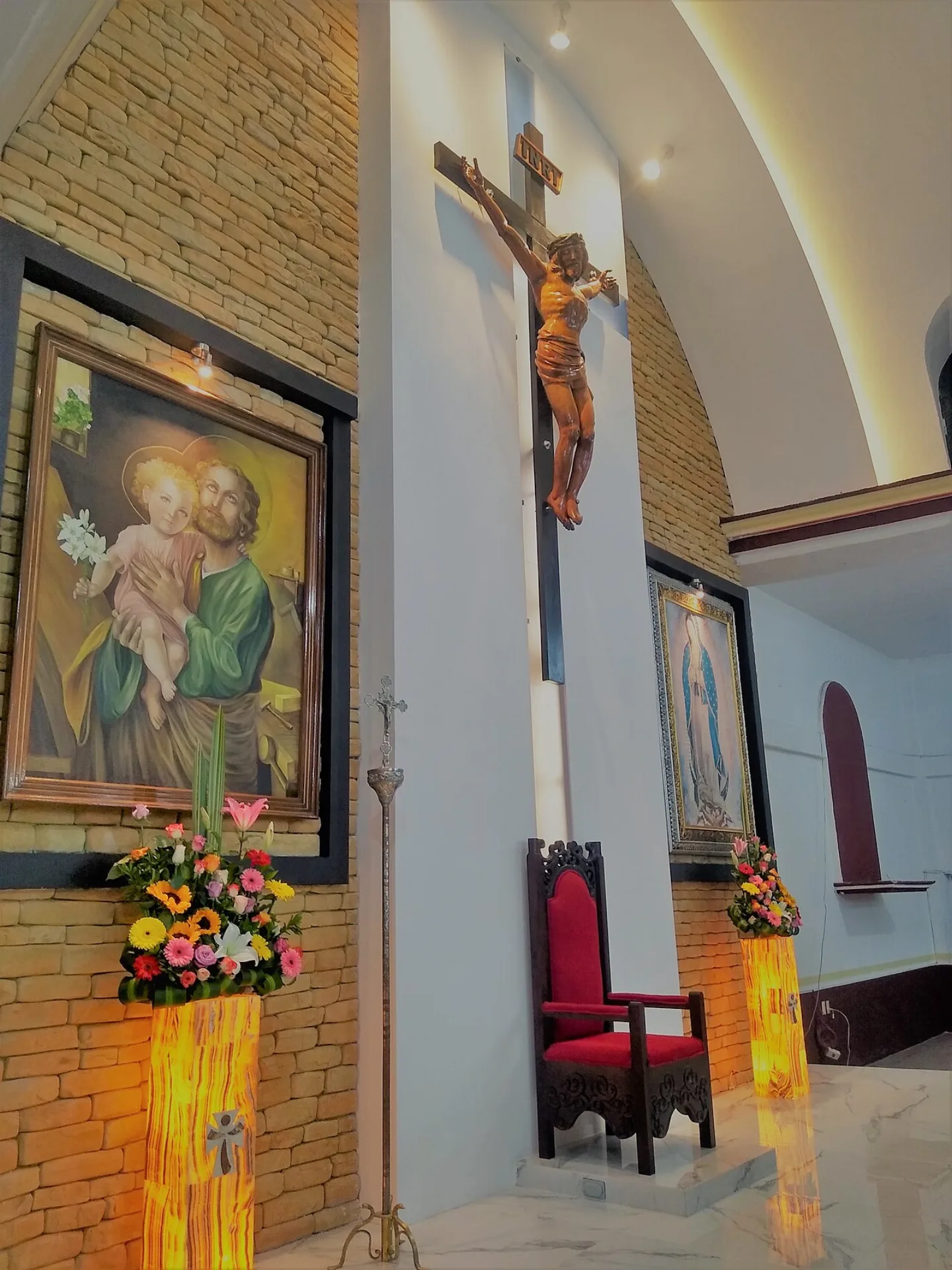
And From the Son
Filioque is Latin for "and from the Son," words the Western church added to the Nicene Creed to affirm the Spirit proceeds from Father and Son. The East rejected altering a council-ratified text.
Saint Francis of Assisi
Francis of Assisi (1181–1226) was a wealthy young man who, hearing Christ's call to live in poverty, abandoned everything to care for lepers, preach in the streets, and live as a beggar. He founded the Franciscan Order (the Friars Minor), which grew into one of the largest religious orders in the world.
Logic Meets Theology
Scholasticism applied rigorous Aristotelian logic, raising objections, counterarguments, and resolutions, to systematize Christian theology, embracing Greek philosophy rather than rejecting it.
A Moral Order in Creation
Aquinas's idea of natural law holds that a moral order is built into creation itself and can be known through reason alone, apart from scripture or revelation.
Five Roads to God
Aquinas's "Five Ways" are five separate rational arguments for the existence of God, meant to show that reason alone can establish real truths about the divine.
The Crusades Begin
The Crusades (1095–1291) were military campaigns by Western Christians to seize the Holy Land from Muslim rule. Pope Urban II launched the First Crusade in 1095 at the Council of Clermont, calling knights to "liberate" Jerusalem. The Crusaders captured Jerusalem in 1099, founding the Kingdom of Jerusalem and a chain of Crusader states.
Saladin, and a Crusade Gone Wrong
By 1187, the Muslim leader Saladin had retaken Jerusalem. Worse for Christian unity, the Fourth Crusade (1202–04) was diverted to sack Constantinople — the Christian city it was meant to protect — permanently deepening the Catholic–Orthodox rift. The Crusader presence ended with the fall of Acre in 1291.
The Black Death
The Black Death (1347–1353) killed an estimated one-third to one-half of Europe's population, triggering a deep crisis of faith. Why had God allowed such catastrophe? Survivors questioned the church's answers, flagellant movements spread, and mobs massacred Jewish communities as scapegoats.
Cracks Before the Reformation
Pre-Reformation critics challenged the church long before Luther. John Wycliffe (England, c. 1320–1384) and Jan Hus (Bohemia, c. 1369–1415) attacked papal authority and called for Scripture in the people's own languages. Hus was burned at the Council of Constance in 1415 despite a promise of safe conduct — a betrayal that inflamed Czech nationalism for generations.
A Crusade Against Christians
The Fourth Crusade of 1202-04 was diverted from its goal and instead sacked Constantinople, the Christian city it was meant to protect, deepening the Catholic-Orthodox rift for generations.
By the numbers
- Year of the Great Schism that split the Catholic and Orthodox churches
- 1054 CE
- Year the Western Roman Empire collapsed, leaving the Pope as Western Europe's leading figure
- 476 CE
- Number of major Crusades launched between 1095 and 1291
- 8 Crusades
Matched pairs
Each item on the left goes with the one on the right.
- Thomas Aquinas
- Wrote the Summa Theologica; synthesized faith and reason
- Francis of Assisi
- Founded the Franciscan Order; patron saint of ecology
Self-test
Answer each question from memory, then check your work against the answer key.
1. How did the Investiture Controversy between pope and emperor formally end?
- AThe coronation of Charlemagne in 800, which subordinated kings to the papacy
- BThe Concordat of Worms (1122), which split the power to appoint bishops between pope and emperor
- CHenry IV's penance at Canossa, which permanently ceded all appointments to the pope
- DThe Great Schism of 1054, which excommunicated the emperor from the church
2. In what year did the Western Roman Empire collapse, leaving the Pope as Western Europe's leading figure?
- A410 CE
- B1054 CE
- C476 CE
- D800 CE
3. After Rome's fall, which figure filled the political vacuum and became the organizing authority of medieval Europe?
- AThe Bishop of Rome, the Pope
- BThe Archbishop of Canterbury
- CThe Patriarch of Constantinople
- DThe Holy Roman Emperor
4. What was disputed in the Investiture Controversy (1076–1122)?
- AWhether the Filioque belonged in the Nicene Creed
- BWhether Scripture should be translated into common languages
- CWhich patriarch held primacy over the Eastern church
- DWho had the right to appoint bishops and abbots — pope or secular rulers
5. At Canossa, how did Pope Gregory VII force Emperor Henry IV to submit?
- ABurning him at a church council
- BDiverting a Crusade against his lands
- CExcommunicating him, then making him stand barefoot in the snow for three days
- DCrowning a rival emperor in his place
6. What does the disputed term 'Filioque' mean, and why did the East reject it?
- A'And from the Father' — a phrase the West deleted from the Creed
- B'Bishop of Rome' — a title the East refused to grant the Pope
- C'Five patriarchs' — a governing model Rome would not accept
- D'And from the Son' — added to the Nicene Creed as an unauthorized change
7. How did the Eastern church's model of authority differ from the Western claim of papal primacy?
- AThe East held to five equal patriarchs; Rome claimed supreme authority over all
- BThe East recognized the Emperor, not any bishop, as church head
- CBoth East and West recognized the Pope as sole supreme head
- DThe East gave the Pope even greater power than Rome claimed
8. In what year did the Great Schism formally split Eastern and Western Christianity?
- A1122
- B1054
- C800
- D1095
9. The 1054 Great Schism split Christianity into which two churches?
- AEastern Orthodox and Coptic
- BLutheran and Reformed
- CRoman Catholic and Eastern Orthodox
- DRoman Catholic and Protestant
10. Which of these was NOT a cause of the growing rift that led to the 1054 Great Schism?
- ADifferent liturgical languages, Greek versus Latin
- BRome's claim to papal primacy over all churches
- CThe Filioque added to the Nicene Creed
- DA dispute over whether pope or emperor could appoint bishops in the West
11. What was the central claim of Thomas Aquinas's synthesis in the Summa Theologica?
- AFaith and reason are complementary — revealed truths surpass reason but never contradict it
- BScripture alone, apart from reason or tradition, yields all theological truth
- CReason must be rejected wherever it conflicts with revealed faith
- DHuman reason is too corrupted by sin to grasp any moral truth
12. How is Scholasticism best defined?
- AAbandoning reason in favor of mystical revelation
- BUsing rigorous logic and Greek philosophy to systematize Christian theology
- CRejecting Greek philosophy as incompatible with faith
- DPreaching poverty and repentance in the open streets
13. What is Aquinas's concept of natural law?
- AA moral order built into creation, knowable by reason apart from revelation
- BThe canon law governing appointment of bishops
- CThe rejection of reason wherever it meets faith
- DA set of laws revealed only through Scripture
14. What kind of friar was Thomas Aquinas, the greatest Scholastic theologian?
- AA German Augustinian
- BAn Italian Dominican
- CA Spanish Franciscan
- DA French Carmelite
15. Whose logic did Scholastic theologians like Aquinas apply to Christian theology?
- ASocrates
- BAugustine
- CAristotle
- DPlato
16. What subjects did Aquinas's Summa Theologica cover?
- AOnly monastic vows and daily prayer schedules
- BOnly the canon law for appointing bishops and abbots
- COnly the liturgical calendar of the Eastern church
- DGod, creation, ethics, and the sacraments
17. What title did the church give Thomas Aquinas for his theological synthesis?
- APatriarch of the West
- BDoctor of the Church
- CServant of the Poor
- DVicar of Christ
18. The Franciscan Order founded by Francis of Assisi was also known by what name?
- AFriars Minor
- BSociety of Jesus
- COrder of Preachers
- DOrder of Saint Benedict
19. How did Francis of Assisi live out his conversion?
- ARetreated to a rural monastery to farm the land
- BLed knights on a crusade to reclaim Jerusalem
- CAbandoned his wealth to care for lepers and preach in the streets
- DRose through the church hierarchy to become a bishop
20. What was Francis of Assisi's background before his conversion?
- AAn Italian Dominican professor
- BA patriarch of the Eastern church
- CA Kurdish military commander
- DThe son of a wealthy cloth merchant
21. On what vow was the Franciscan Order distinctively built?
- AScholarly mastery of Aristotle
- BLifelong silence and seclusion
- CArmed defense of the Holy Land
- DCorporate as well as individual poverty
22. Which modern pope took his name in explicit honor of Francis of Assisi?
- APope Francis, in 2013
- BPope Gregory VII
- CPope Urban II
- DPope Leo III
23. Which pope called the First Crusade at the Council of Clermont in 1095?
- AGregory VII
- BLeo IX
- CUrban II
- DLeo X
24. How many major Crusades were launched between 1095 and 1291?
- A12
- B8
- C5
- D3
25. Roughly what share of Europe's population did the Black Death kill?
- AOne-third to one-half
- BNearly everyone
- COne-tenth to one-fifth
- DTwo-thirds to three-quarters
26. The Fourth Crusade was notoriously diverted to sack which Christian city?
- AAcre
- BRome
- CJerusalem
- DConstantinople
27. Which Muslim commander defeated the Crusaders and retook Jerusalem in 1187?
- AShirkuh
- BNur ad-Din Zangi
- CSaladin
- DBaibars
Go deeper
Answer key
- 1. B The Concordat of Worms (1122), which split the power to appoint bishops between pope and emperorAfter decades of conflict the Concordat of Worms (1122) compromised: the emperor granted bishops their lands while the church invested their spiritual office. Henry IV's earlier penance at Canossa was only a temporary truce, not the end.
- 2. C 476 CEThe Western Roman Empire fell in 476 CE. The resulting power vacuum let the Bishop of Rome become the most powerful figure in Western Europe. 800 was Charlemagne's coronation; 1054 was the Great Schism.
- 3. A The Bishop of Rome, the PopeWith no emperor to govern the West, the Bishop of Rome — the Pope — inherited Rome's administrative infrastructure and became the leading figure. The Eastern patriarch led only the East.
- 4. D Who had the right to appoint bishops and abbots — pope or secular rulersThe Investiture Controversy was a struggle over who could 'invest' — appoint — church officials, since those offices controlled vast lands and revenues. The Filioque and Scripture translation were separate disputes.
- 5. C Excommunicating him, then making him stand barefoot in the snow for three daysGregory VII excommunicated Henry IV in 1076, releasing his subjects from their oaths. Henry stood barefoot in winter snow at Canossa for three days until the ban was lifted — the defining image of papal power over kings.
- 6. D 'And from the Son' — added to the Nicene Creed as an unauthorized changeFilioque is Latin for 'and from the Son.' The West added it to the Nicene Creed to affirm the Spirit proceeds from Father and Son; the East rejected altering a council-ratified text.
- 7. A The East held to five equal patriarchs; Rome claimed supreme authority over allPapal primacy was Rome's claim to supreme authority over the whole church. The East held a collegial model of five equal patriarchs, rejecting Rome's claim to lead them all.
- 8. B 1054In 1054, legates from Rome and the Patriarch of Constantinople issued mutual excommunications, formalizing the split. 1095 was the First Crusade; 1122 the Concordat of Worms.
- 9. C Roman Catholic and Eastern OrthodoxThe 1054 break formalized the division into the Roman Catholic (West) and Eastern Orthodox (East) churches. Protestant and Lutheran bodies arose only later, in the Reformation.
- 10. D A dispute over whether pope or emperor could appoint bishops in the WestThe pope-versus-emperor fight over appointing bishops was the Investiture Controversy, a Western dispute — not a schism cause. The Filioque, papal primacy, and the Greek-Latin language divide all drove the East-West split.
- 11. A Faith and reason are complementary — revealed truths surpass reason but never contradict itAquinas held that faith and reason work together: natural law is knowable by reason alone, while revealed truths like the Trinity go beyond reason yet never contradict it. This synthesis shaped Catholic theology for centuries.
- 12. B Using rigorous logic and Greek philosophy to systematize Christian theologyScholasticism applied rigorous Aristotelian logic — posing objections, counterarguments, and solutions — to systematize theology, exemplified by Aquinas. It embraced Greek philosophy rather than rejecting it.
- 13. A A moral order built into creation, knowable by reason apart from revelationNatural law is Aquinas's idea that a moral order is embedded in creation and accessible to human reason without recourse to Scripture, while revealed truths go beyond but never contradict reason.
- 14. B An Italian DominicanAquinas (1225-1274) was an Italian Dominican friar whose Summa Theologica became Scholasticism's towering synthesis of faith and reason.
- 15. C AristotleScholasticism applied rigorous Aristotelian logic to theology; Aquinas's Summa Theologica synthesized Christian doctrine with Aristotle's philosophy in particular.
- 16. D God, creation, ethics, and the sacramentsThe Summa Theologica was "a cathedral of argument" spanning God, creation, ethics, and the sacraments -- the full scope of Aquinas's synthesis of faith and reason.
- 17. B Doctor of the ChurchThe church canonized Aquinas and named him a Doctor of the Church, cementing his synthesis of faith and reason as the standard of Catholic theology.
- 18. A Friars MinorFrancis's order was formally the Friars Minor — 'lesser brothers.' The Dominicans were a separate order (Aquinas's); Benedictines and Jesuits arose in different eras.
- 19. C Abandoned his wealth to care for lepers and preach in the streetsFrancis took the gospel command to sell all and give to the poor literally: he gave up his inheritance, cared for lepers, and preached repentance in the open air, unlike rural monastic orders.
- 20. D The son of a wealthy cloth merchantFrancis was the son of a wealthy Italian cloth merchant; he stripped off his fine clothes before the Bishop of Assisi to renounce that inheritance. Aquinas, by contrast, was the Dominican professor.
- 21. D Corporate as well as individual povertyThe Friars Minor took a vow of corporate as well as individual poverty — they owned nothing and begged their food, letting them reach the growing cities that landed monastic orders could not.
- 22. A Pope Francis, in 2013In 2013 Pope Francis chose his papal name to honor the saint's humility and care for the poor. Gregory VII, Urban II, and Leo III were all medieval popes.
- 23. C Urban IIPope Urban II preached the First Crusade at Clermont in 1095, urging Western knights to recover Jerusalem from Muslim rule.
- 24. B 8Eight major Crusades were launched between 1095 and 1291, varying widely in scope and outcome. The era closed with the fall of Acre in 1291.
- 25. A One-third to one-halfThe Black Death (1347–1353) killed an estimated one-third to one-half of Europe's population, a scale that defied the church's frameworks of sin and punishment.
- 26. D ConstantinopleThe Fourth Crusade (1202–04) was diverted to sack Constantinople — the Christian city it was meant to protect — deepening the Catholic–Orthodox rift for generations.
- 27. C SaladinBy 1187 the Kurdish Muslim commander Saladin defeated the Crusader army at Hattin and retook Jerusalem. Nur ad-Din and Shirkuh were his predecessor and uncle, both dead before 1187; Baibars was a Mamluk sultan who fought Crusaders decades later.
Sources
- The Great Schism of 1054 — garrettham.com — garrettham.com/great-schism/
- Crusades — Britannica summary — www.britannica.com/summary/Crusades
- Christianity in the Middle Ages — Wikipedia — en.wikipedia.org/wiki/Medieval_history_of_Christianity
- Roman Catholicism — Crusades, Papacy, Doctrine | Britannica — www.britannica.com/topic/Roman-Catholicism/The-Crusades
- Augustine and Aquinas — biblicaltraining.org — www.biblicaltraining.org/learn/foundations/et101-essentials-of-christian-ethics/et101-02-augustine-and-aquinas
- St. Francis of Assisi | Britannica — www.britannica.com/biography/Saint-Francis-of-Assisi
Image credits
- And From the Son: Wikimedia Commons · Isaacvp · CC BY-SA 4.0 — commons.wikimedia.org/wiki/File:Remodelaci%C3%B3n_del_Presbiterio_de_la_Parroquia_del_Espinal,_Orizaba_67.jpg
