
Mythology: Greek, Norse & Egyptian study guide · Lesson 5 of 15
Troy, Anger, and Homecoming
The Iliad: War, Anger, Honor, and Grief · Nostos, Xenia, and a Restored Household
This is the lesson's study guide from the FlashFeed app, plus its key facts and a self-test.
What you'll be able to do
- Identify what Homer’s poem covers and what belongs to the wider cycle. Trace anger through Patroclus, Hector, and Priam while keeping captive people visible.
- Explain return as the recovery of identity and relationships, not a random monster tour.
The Iliad: War, Anger, Honor, and Grief
The Iliad: War, Anger, Honor, and Grief
The Iliad does not begin with the first cause of the Trojan War. It opens inside a war already under way and announces the anger of Achilles and his quarrel with Agamemnon as its subject. This tight focus is easy to miss because later retellings often place every familiar Trojan episode under the label “the Iliad.”
The poem also does not end with the Trojan Horse or the fall of the city. It closes with Priam’s recovery of Hector’s body, the laments for Hector, and his cremation and burial. The Iliad is therefore a window into the larger Trojan tradition, not a narration of the whole war from beginning to end.
The Judgment of Paris, the sack of Troy, and the various Greek returns belong to that wider tradition. Much of it survives only indirectly through later summaries, images, and texts, and its details vary. A useful timeline must show both the poem’s boundaries and the uncertainty surrounding reconstructed parts of the broader cycle.
Inside those boundaries, the poem follows how a dispute over honor becomes a widening sequence of loss, vengeance, pity, and burial.
In Iliad 1, Agamemnon asserts his rank by taking Briseis from Achilles. This is not simply romantic jealousy. Briseis is a captive allocated among Greek leaders, not a freely choosing partner, and keeping her unfreedom visible clarifies the human cost behind the warriors’ dispute. Achilles’s withdrawal concerns his standing within the army.
The consequences spread far beyond the two leaders. Patroclus eventually enters battle in Achilles’s armor. His death comes through both divine and human interventions and redirects Achilles’s anger toward Hector and vengeance. The poem does not present an invulnerable Achilles; it presents a formidable mortal whose grief drives devastating choices.
After Achilles kills Hector, his treatment of the body pushes vengeance beyond an accepted limit. Priam enters Achilles’s shelter to ask for his son. His appeal reaches Achilles through shared grief: Priam mourns Hector, while Achilles remembers his own father and Patroclus. Achilles returns the body so that Hector can receive funeral rites.
This encounter matters because it creates a ritual limit to rage. Enemy and killer recognize one another through loss, and burial becomes possible. Yet the war does not end. The scene offers pity and restraint without pretending that one emotional meeting resolves the entire conflict.
Nostos, Xenia, and a Restored Household
The Odyssey turns from war toward homecoming. At its beginning, Odysseus is absent and his household is in crisis. The later books narrate his return, a sequence of recognitions, and the restoration of his authority. The poem’s travels therefore are not a random tour of monsters; they continually test whether identity, relationship, and home can be recovered after war.
One test is the customary relationship between host and guest or stranger. It is more demanding than simply “being nice.” In the Cyclops episode, Odysseus invokes customary treatment of strangers and asks for a guest gift. Polyphemus rejects divine accountability and consumes members of the visiting group. The scene turns failed hospitality into mortal danger.
Odysseus escapes through intelligence. He tells Polyphemus that his name is “Nobody,” making the Cyclops’s calls for help ineffective. But once safely away, Odysseus announces his real name. That disclosure lets Polyphemus appeal to Poseidon and helps prolong the voyage. The same episode thus places effective cunning beside risky self-display; it does not praise cleverness without qualification.
Homecoming finally involves more than reaching an island. Odysseus must be recognized and must reestablish relationships and control within a damaged household. That restoration includes severe violence and unfolds in a social world that includes enslaved people, so it should not be romanticized as a simple happy ending. The return is the difficult work of becoming known at home again—and confronting what both traveler and household have become.
The Greek term nostos means a return or homecoming, but the poem makes that return a process rather than a destination. Arrival on Ithaca does not immediately restore Odysseus’s public identity. Recognition and renewed relationship must occur within the household before authority can be reestablished. The sequence distinguishes physical presence from social belonging: the traveler is home geographically before he is fully home relationally.
Xenia, the customary bond between host and guest or stranger, provides a related test of order. Polyphemus’s rejection of it exposes the visitors to violence, while Odysseus’s own conduct prevents the episode from becoming a simple contrast between civilized guest and monstrous host. His false name enables escape; his proud disclosure of the true name gives an enemy the means to retaliate. Intelligence is effective, but its use remains answerable to consequence.
Taken together, nostos and xenia reveal why the Odyssey is more than a travel adventure. Encounters away from Ithaca test the relationships that make human community possible, and the return tests whether those relationships can be repaired after absence and war. The poem’s ending restores a household through recognition and force, so “restoration” should be understood as the poem’s achieved order, not as proof that every person within that social world receives justice.
Sources
Key terms
- Trojan cycle
- The wider, variable tradition of Trojan War stories extending beyond the events narrated in the Iliad.
- Briseis dispute
- The conflict in Iliad 1 in which Agamemnon asserts rank by taking the captive Briseis from Achilles.
- homecoming
- The recovery of identity, relationships, and authority after a difficult return from war.
Key concepts
Achilles
- A warrior's anger and quarrel drive the surviving epic's opening movement.
- A companion's death redirects him from refusing battle toward vengeance.
- A grieving father reaches him through shared sorrow and recovers a son's body.
Agamemnon
- A Greek commander asserts rank during the poem's opening quarrel.
- His seizure of an allocated captive turns status and honor into a coalition crisis.
Briseis
- A captive is allocated among the Greek leaders rather than choosing a romantic partnership.
- Her seizure by the commander triggers the poem's central dispute over rank and honor.
Hector
- A Trojan defender becomes the target of redirected grief and vengeance.
- His body is eventually returned after his father enters the enemy camp.
- His funeral, not the city's fall, closes the surviving epic.
Patroclus
- A companion dies after both divine and human interventions.
- That death redirects the poem's central warrior toward vengeance against a Trojan defender.
Priam
- A grieving father enters the shelter of the warrior who killed his son.
- An appeal grounded in shared sorrow helps secure the return of the body for burial.
Key facts
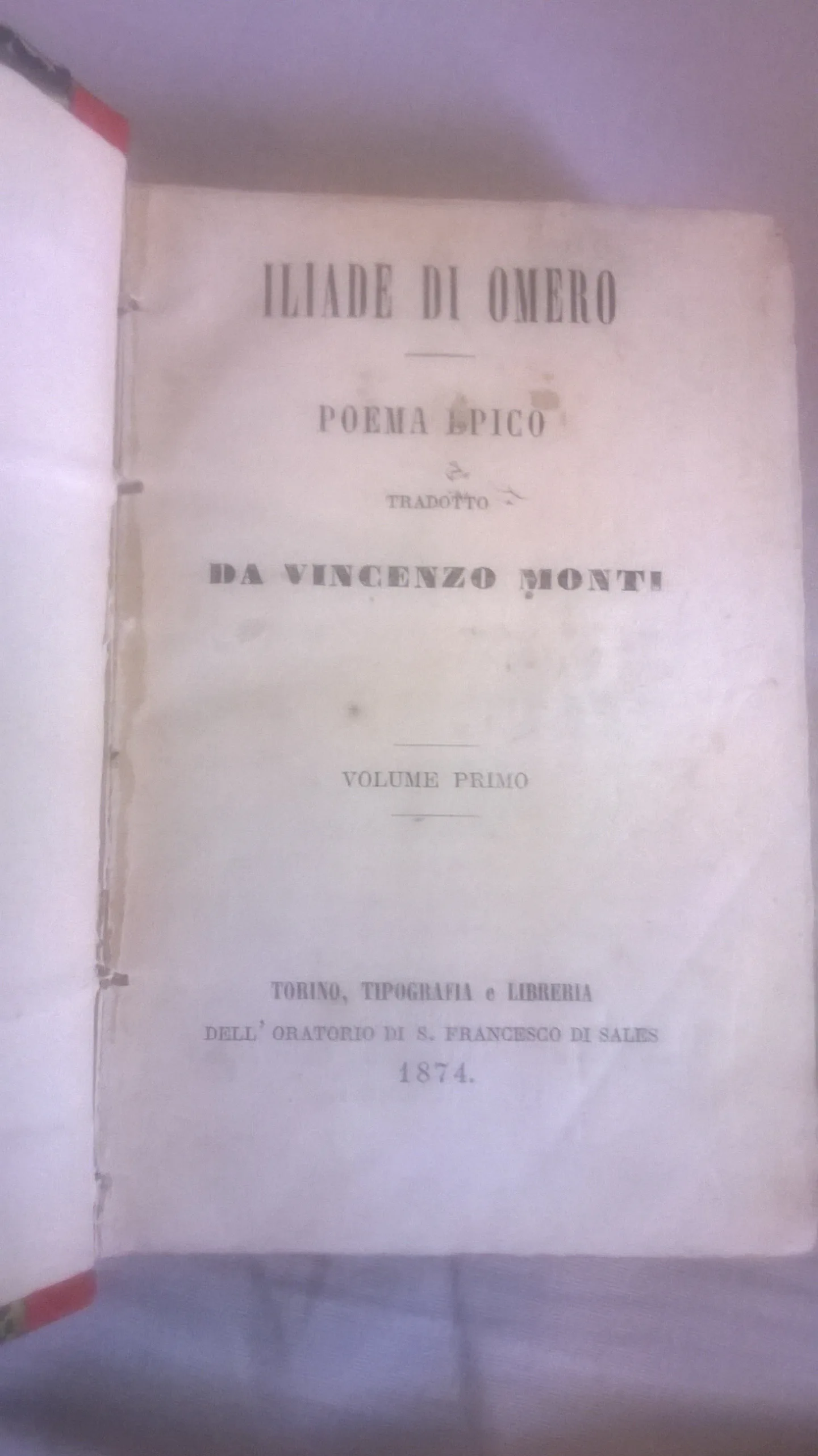
The Iliad Begins Midwar
The Iliad begins inside an already-running war and announces Achilles’s anger and quarrel with Agamemnon as its subject.
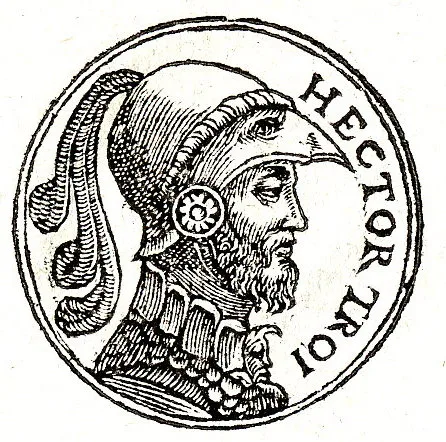
Hector’s Funeral Closes the Poem
The Iliad ends with Hector’s ransom, lament, cremation, and burial—not the Trojan Horse or the city’s fall.
The Trojan Tradition Is Wider
The Judgment of Paris, sack of Troy, and many returns belong to a wider variable Trojan tradition, much of it preserved only indirectly.
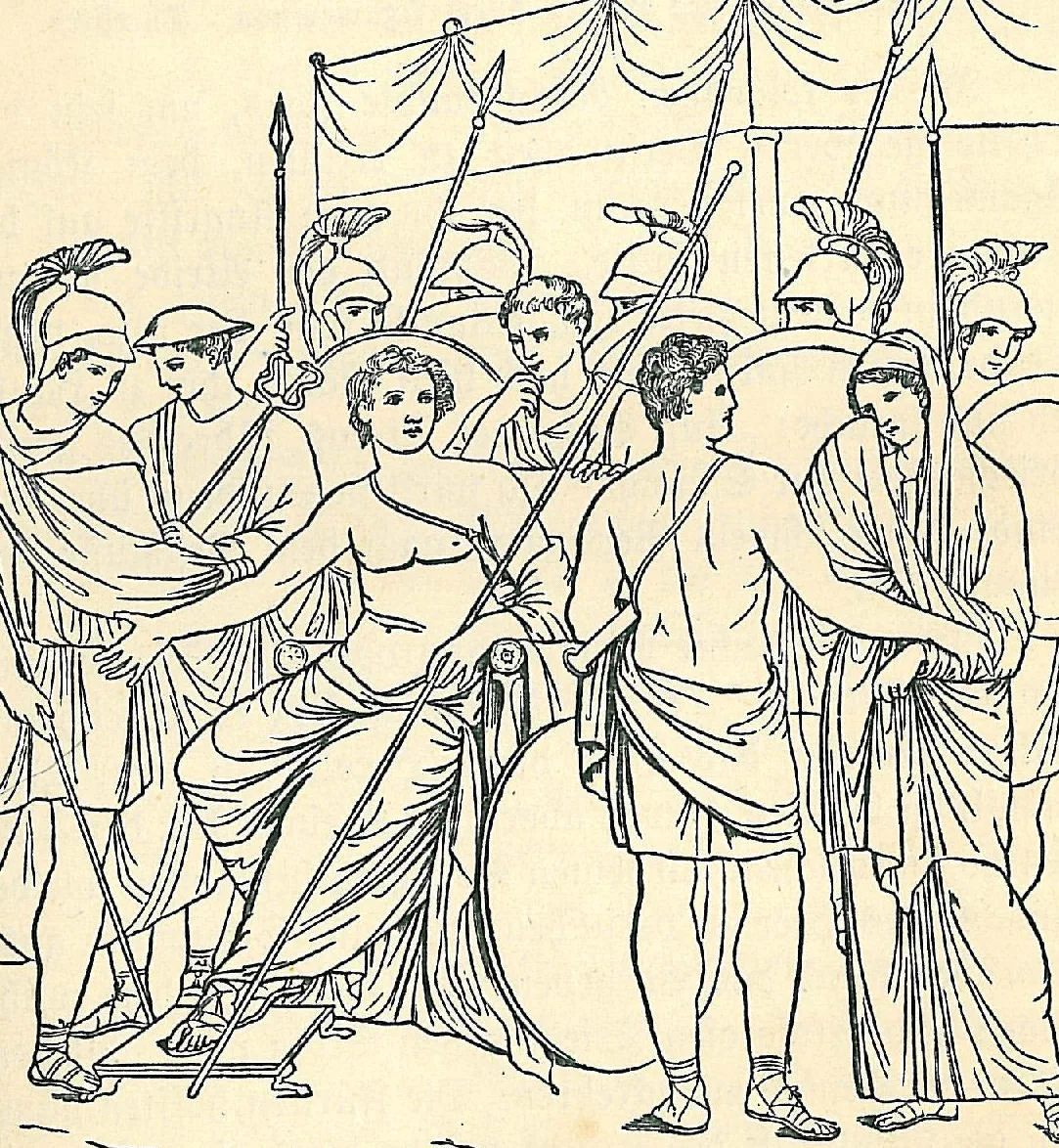
Briseis Is a Captive
In Iliad 1, Agamemnon asserts his rank by taking Briseis from Achilles; the poem presents her as a captive allocated among the Greek leaders, not as a freely choosing romantic partner.
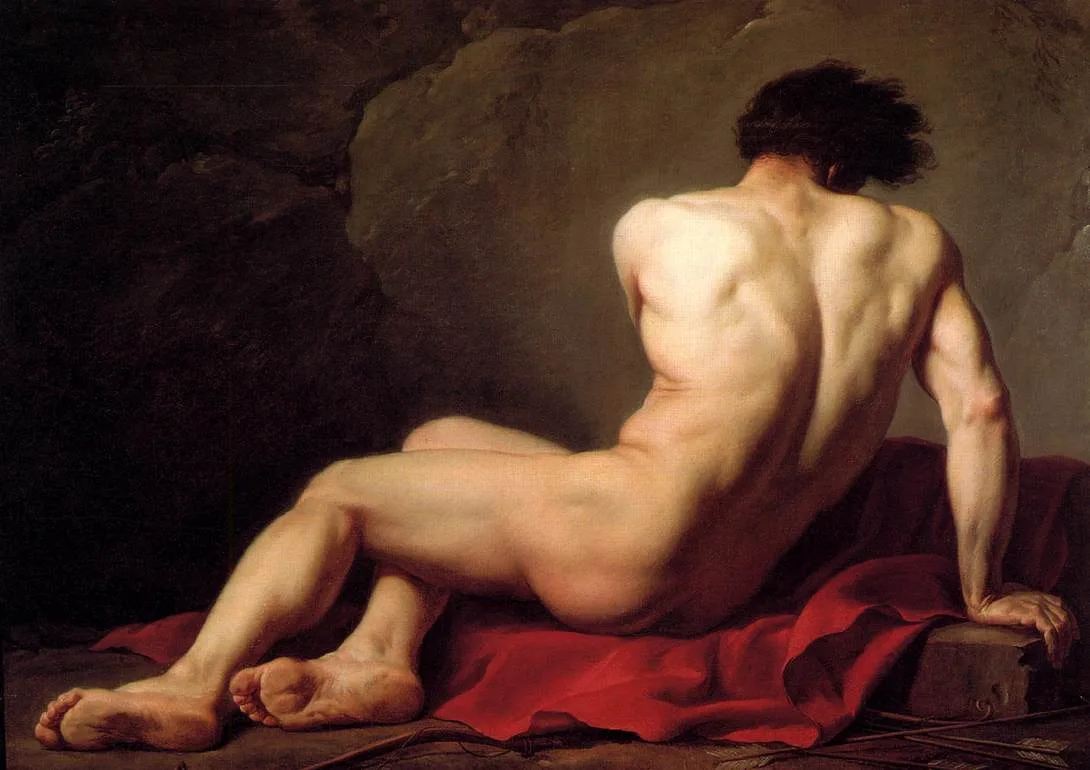
Patroclus Redirects Achilles’s Anger
Patroclus’s death after divine and human interventions redirects Achilles’s anger toward Hector and vengeance.
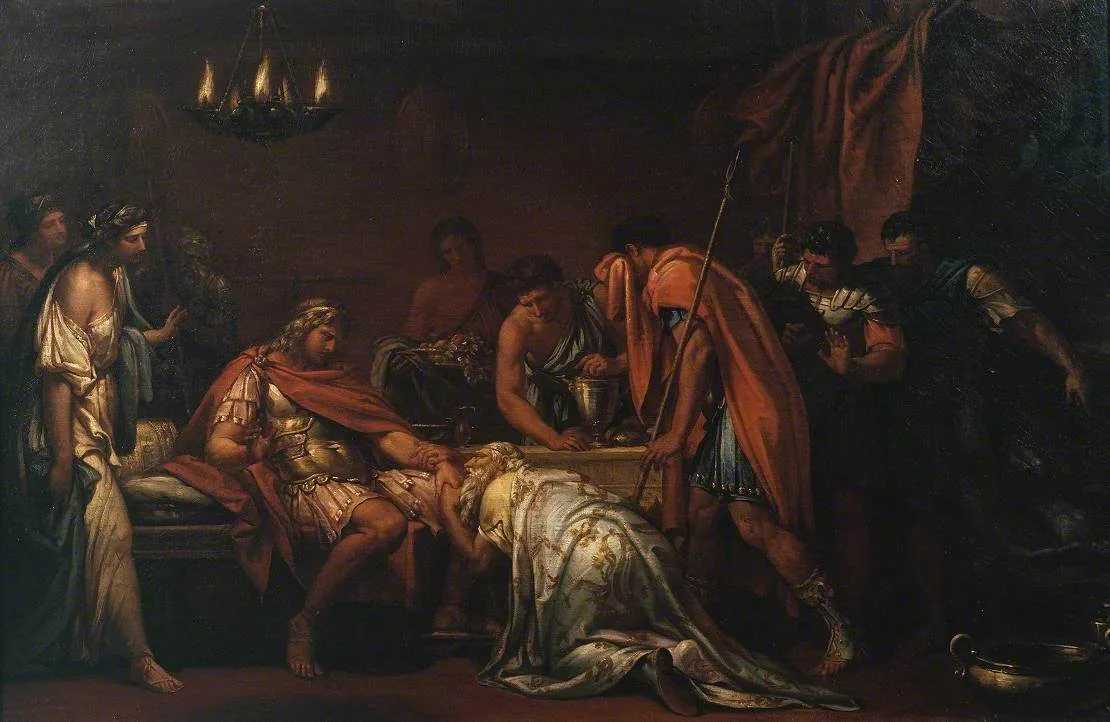
Priam Establishes a Limit
Priam’s appeal moves Achilles through shared grief; returning Hector’s body creates a ritual limit without ending the war.
Home Is in Crisis
The Odyssey begins with Odysseus absent and his household in crisis; books 13–23 narrate his return, recognition, and restoration of authority at home.
The Cyclops Rejects Guest Obligations
In Odyssey 9, Odysseus invokes customary treatment of strangers and asks for a guest gift; Polyphemus rejects divine accountability and consumes his guests.
A Name Prolongs the Journey
The “Nobody” deception enables escape, but Odysseus’s later name disclosure allows Polyphemus to invoke Poseidon and prolong the journey.
Matched pairs
Each item on the left goes with the one on the right.
- The Iliad’s ending
- Hector’s ransom, lament, cremation, and burial
- Priam’s appeal
- Shared grief and the return of Hector’s body
- “Nobody”
- The deception that enables escape from Polyphemus
Self-test
Answer each question from memory, then check your work against the answer key.
1. What subject does the Iliad announce at its opening?
- AOdysseus’s return to Ithaca
- BThe Judgment of Paris and the first cause of the war
- CThe building of the Trojan Horse
- DAchilles’s anger and quarrel with Agamemnon
2. What redirects Achilles’s anger toward Hector and vengeance?
- AThe arrival of the Trojan Horse and the final fall of the city
- BPatroclus’s death after divine and human interventions
- CAgamemnon's return home after the expedition against Troy
- DPriam's public declaration that the long war has finally ended
3. How does the Iliad end?
- AThe city of Troy falling to the Greeks
- BThe Trojan Horse entering the city
- CHector's ransom, lament, and burial
- DOdysseus beginning his voyage home
4. How does the poem present Briseis in the Iliad 1 dispute?
- AA captive allocated among Greek leaders
- BA prophetess who foresees Troy's fall
- CA freely choosing romantic partner of Achilles
- DA queen who negotiates a truce
5. What does Priam's appeal to Achilles achieve?
- AA permanent peace treaty ending the Trojan War
- BA ritual limit to rage that allows Hector's burial
- CAchilles's public forgiveness of all the Greeks
- DAgamemnon's return of Briseis to Achilles
6. How does Polyphemus violate the customary treatment of strangers in Odyssey 9?
- AHe sends the strangers safely home without a gift.
- BHe asks Odysseus to leave before dinner.
- CHe offers the wrong type of guest gift.
- DHe rejects divine accountability and consumes his guests.
7. What must still happen after Odysseus physically reaches Ithaca?
- ARecognition and restored relationships
- BA treaty ending the Trojan War
- CA sacrifice lifting Poseidon's curse
- DA public vote on his identity
8. What does xenia refer to in the Odyssey?
- APhysical return to one's homeland
- BAnger driving a hero's revenge
- CBond between host and guest
- DFormal declaration of war
9. What happens once Odysseus reveals his true name to Polyphemus?
- APolyphemus returns the guest gift
- BPolyphemus forgives him at once
- CPolyphemus joins him against suitors
- DPolyphemus appeals to Poseidon
10. How does the Odyssey frame its own ending?
- ARestored household, not simple justice
- BInstant recognition, no proof needed
- CFull justice for every character
- DA random tour of monsters
Go deeper
Answer key
- 1. D Achilles’s anger and quarrel with AgamemnonThe poem enters an already-running war and focuses on Achilles’s anger.
- 2. B Patroclus’s death after divine and human interventionsPatroclus’s death changes the direction of Achilles’s anger and brings him back into battle.
- 3. C Hector's ransom, lament, and burialThe poem closes with Priam's recovery of Hector's body, the laments, and his burial—not the Horse or the city's fall, which belong to the wider cycle.
- 4. A A captive allocated among Greek leadersThe poem keeps Briseis's unfreedom visible: she is a captive allocated among Greek leaders, not a partner who freely chose Achilles.
- 5. B A ritual limit to rage that allows Hector's burialPriam's shared grief with Achilles creates a ritual limit to vengeance, so Hector's body is returned for burial, though the war itself continues.
- 6. D He rejects divine accountability and consumes his guests.The episode turns rejected guest obligations into mortal danger.
- 7. A Recognition and restored relationshipsNostos is a process: physical arrival on Ithaca isn't enough—Odysseus must still be recognized and restore relationships within the household.
- 8. C Bond between host and guestXenia is the customary bond between host and guest or stranger, tested when Polyphemus rejects it in the Cyclops episode.
- 9. D Polyphemus appeals to PoseidonThe name disclosure lets Polyphemus call on Poseidon, prolonging the voyage—cunning escape paired with risky self-display.
- 10. A Restored household, not simple justiceThe ending restores the household through recognition and force; it shouldn't be read as proof everyone in that social world receives justice.
Sources
- Iliad — www.perseus.tufts.edu/hopper/text?doc=Perseus%3Atext%3A1999.01.0134
- Epic Traditions — The Cambridge Guide to Homer — www.cambridge.org/core/books/cambridge-guide-to-homer/epic-traditions/676DCE17FA78793D709E33E8477A87E1
- Aphrodite and the Gods of Love: Mythology — www.getty.edu/art/exhibitions/aphrodite/myth.html
- Odyssey — www.perseus.tufts.edu/hopper/text?doc=Perseus%3Atext%3A1999.01.0136
Image credits
- The Iliad Begins Midwar: Wikimedia Commons · Tipografia e libreria dell'Oratorio di San Francesco di Sales · Public domain — commons.wikimedia.org/wiki/File:Frontespizio_d%27un%27edizione_del_1874_della_celebre_traduzione_di_Vincenzo_Monti_dell%27Iliade_di_Omero.jpg
- Hector’s Funeral Closes the Poem: Wikimedia Commons · Published by Guillaume Rouille (1518?-1589) · Public domain — commons.wikimedia.org/wiki/File:Hector02.jpg
- Briseis Is a Captive: Wikimedia Commons · Unknown author · Public domain — commons.wikimedia.org/wiki/File:Briseis_Fortfuehrung.jpg
- Patroclus Redirects Achilles’s Anger: Wikimedia Commons · Jacques-Louis David · Public domain — commons.wikimedia.org/wiki/File:Jacques-Louis_David_-_Patroclus_-_WGA06044.jpg
- Priam Establishes a Limit: Gavin Hamilton (Tate) · public domain — commons.wikimedia.org/wiki/File:Gavin_Hamilton_(1723-1798)_-_Priam_Pleading_with_Achilles_for_the_Body_of_Hector_-_T00864_-_Tate.jpg


