
The Last Economy (book) study guide · Lesson 8 of 15
The Generative Engine & MIND
The Generative Engine and the MIND Dashboard
Unofficial study guide for The Last Economy: A Guide to the Age of Intelligent Economics by Emad Mostaque. FlashFeed is not affiliated with the author or publisher.
This is the lesson's study guide from the FlashFeed app, plus its key facts and a self-test.
What you'll be able to do
- Explain the Generative Engine (diffusion's forward and reverse process) as the algorithm of creation, distinct from inference.
- Match the historical case studies (Cahokia, Tokugawa Japan, Costa Rica) to the operating laws of Flow, Openness, and portfolio balance they illustrate.
- Explain M × I × N × D as multiplicative — a zero anywhere collapses vitality (the Soviet Union), while Intelligence Capital grows when shared.
The Generative Engine and the MIND Dashboard
Chapters 7 and 8 give the "why" a mechanism and a measuring instrument: what is the actual algorithm of creation, and what dashboard tells you whether a system is running it well?
The Generative Engine
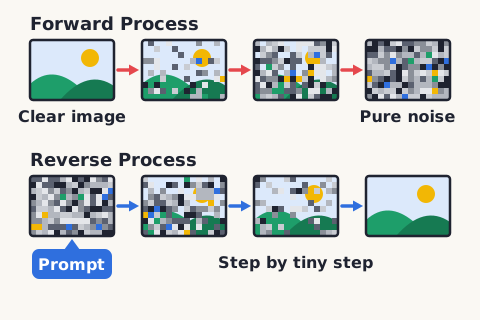
The diffusion model — the math behind Stable Diffusion and Midjourney — is more than an art trick. Its Forward Process destroys a clear image into pure noise, simulating the Second Law. Its Reverse Process trains a model to start from noise and remove it, step by step, toward a coherent image guided by a prompt. Mostaque's claim: this is the fundamental algorithm of creation — the pattern economies, institutions, and minds all run. Note the distinction from inference — running a trained model to produce an output — which is retrieval; the Generative Engine is the creative denoising process itself.
The Law of Flow
The first inviolable operating constraint: value must be conserved and circulated. A system that hoards stops generating new data and stops learning. Historical mirror: Cahokia, near modern St. Louis, was larger than London around 1250 CE. When wealth concentrated in a ruling class, the city was abandoned within a generation — a grass-covered monument to what happens when circulation becomes accumulation.
The Law of Openness
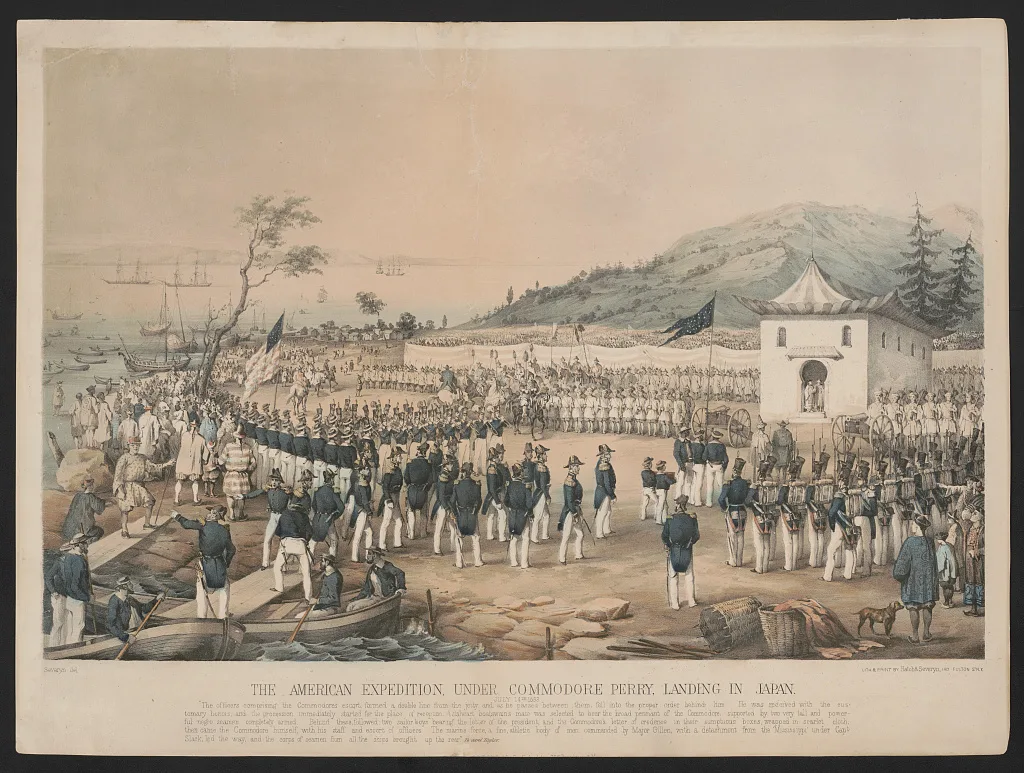
The second constraint: connection fights entropy. A closed system has no external source of order and decays. Historical mirror: Tokugawa Japan sealed itself from 1633 to 1853. When Commodore Perry's black ships arrived with modern cannons, Japan was still fighting with swords. Closure had not preserved the civilization; it had frozen its ability to adapt.
The Law of Resilience
The third constraint: diversity creates stability. A monoculture optimized for one future is efficient in calm conditions and catastrophically fragile under shock. Historical mirror: the Gros Michel banana, the global industry's single variety, was erased by the Panama Disease fungus almost overnight. Together — Flow, Openness, Resilience — these form the Tripod of Justice, mapping to Material/Intelligence circulation, Network openness, and Diversity Capital.
The discovery in Costa Rica
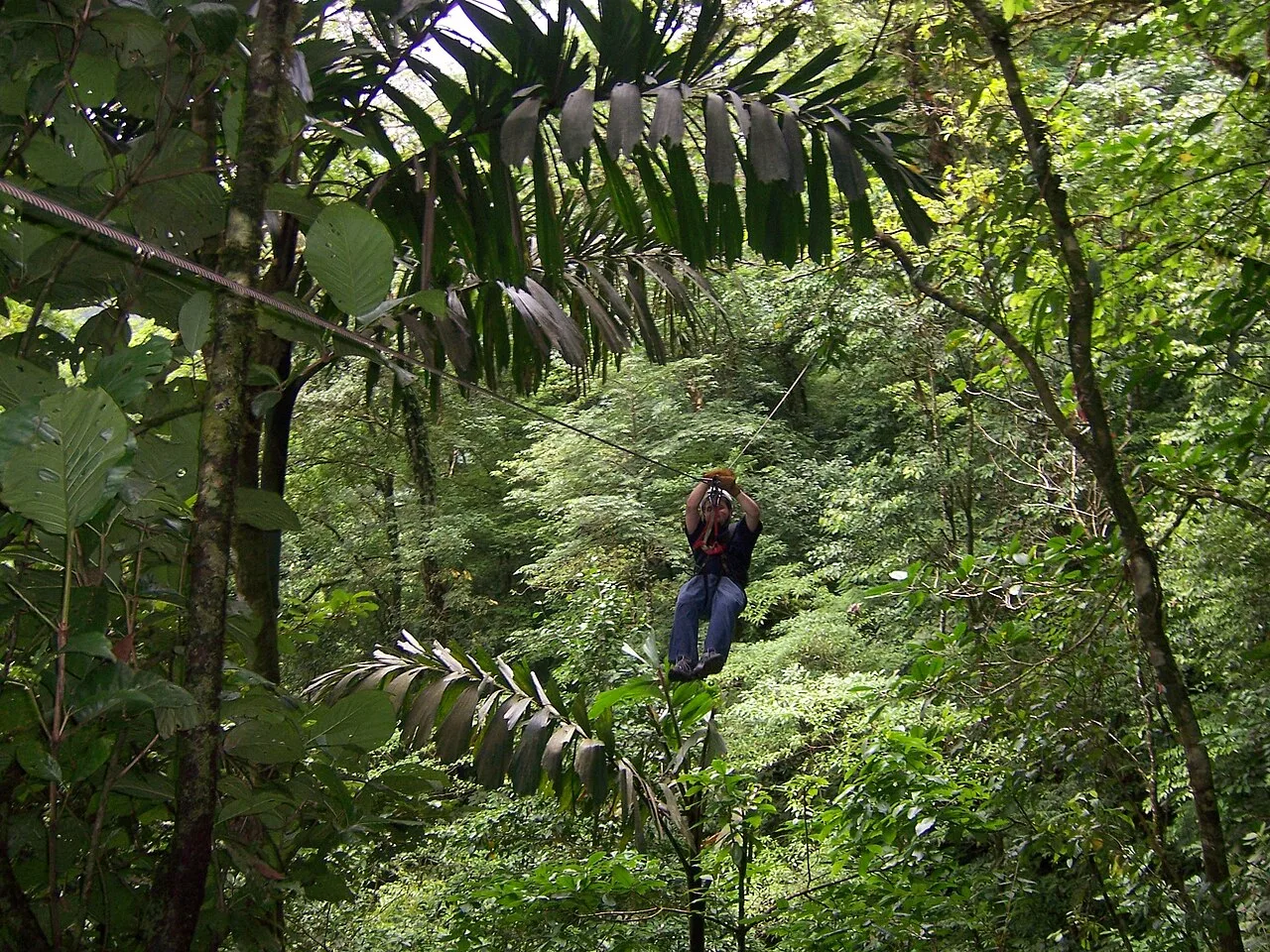
In 1948 Costa Rica abolished its military, funded teachers and national parks instead, and by 1990 became the first tropical nation to reverse deforestation. The country discovered that a civilization's health depends on a balanced portfolio of different kinds of wealth — not GDP alone. You get what you measure.
M × I × N × D
The four capitals — Material, Intelligence, Network, Diversity — do not add; they multiply: M × I × N × D = Civilizational Vitality. A zero in any category annihilates the total. The Soviet Union had enormous Material and Intelligence Capital, but Network Capital was poisoned by mistrust and Diversity Capital eliminated by central planning — near-zero in both doomed it. The framework is scale-invariant: civilization, company, or single human life.
Intelligence Capital: the Pattern Library
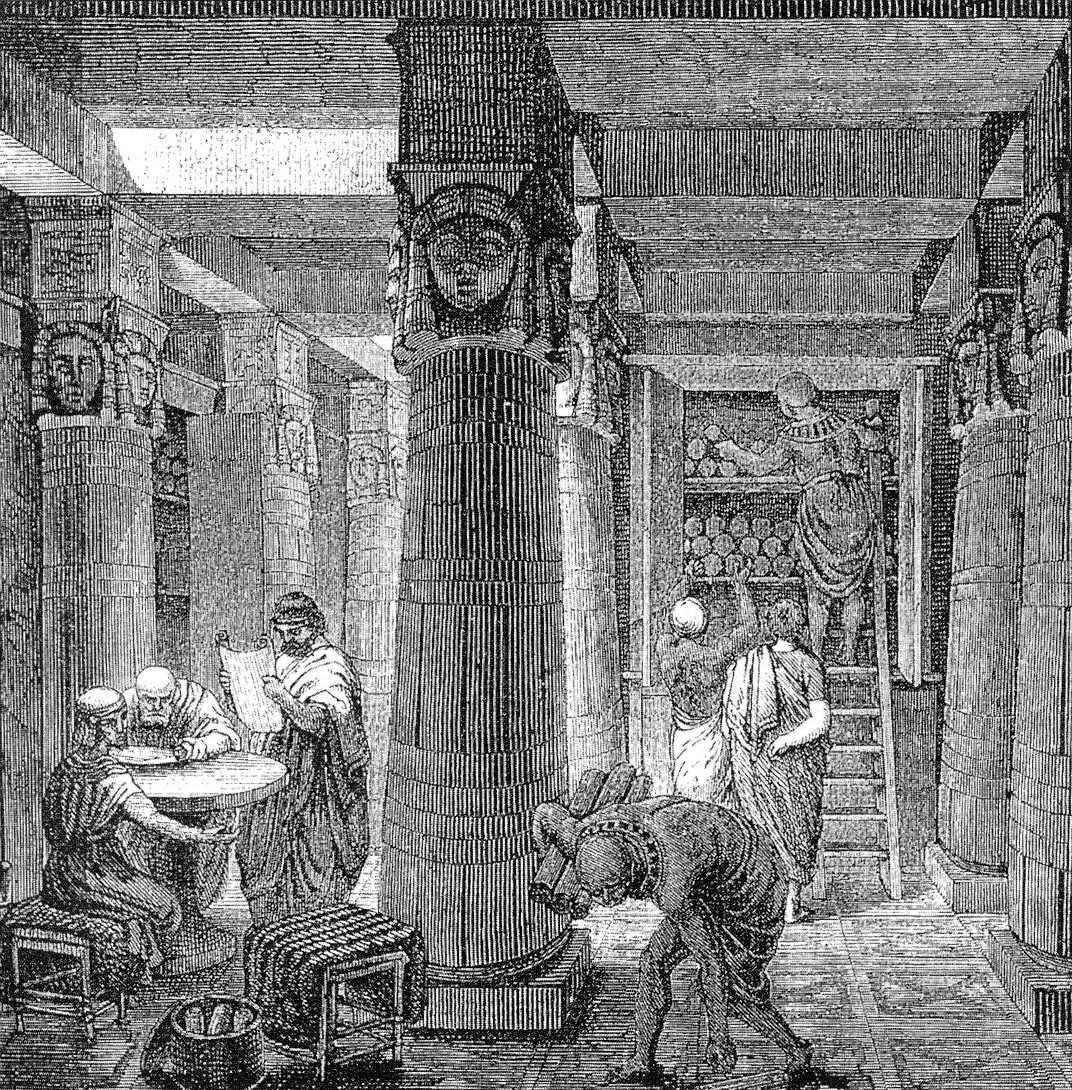
Intelligence Capital is the accumulated ability to solve problems — the only form of capital that grows when shared. The Alexandrian Lesson: the Library of Alexandria was the ancient world's search engine for human knowledge. When it burned, humanity lost the formula for Roman concrete for a thousand years. The modern error is confusing data volume with Intelligence Capital; the real measure is how well you can learn and adapt.
Key terms
- The Generative Engine
- The core dynamic of any intelligent system, mathematically analogous to a generative AI diffusion model. The economy is a Generative Engine: it takes the chaotic 'noise' of infinite human desires and resource constraints and generates coherent order — prices, firms, supply chains — by following the path of least action on a cost landscape, guided by the drive to be an efficient engine of order.
- The MIND Capitals
- The four-dimensional dashboard for a system's health: Material (physical substrate and energy), Intelligence (collective ability to solve problems and generate wisdom — the only capital that grows when shared), Network (the trust and density of connections), and Diversity (the variety of options that provides antifragility). They are the measurable expression of the Three Laws of a Living System.
- Inference
- In AI, inference is the act of running a trained model to produce an output, as opposed to the training that creates it. Each inference consumes compute, so cheaper inference puts capable AI in more hands.
Key concepts
Cahokia
- A lost city Mostaque uses to teach the Law of Flow — value must be conserved and circulated, not hoarded.
- Sited near modern St. Louis, it was larger than London around 1250 CE.
- When wealth concentrated in a ruling class and circulation became accumulation, it was abandoned within a generation.
Tokugawa Japan
- A nation Mostaque uses to teach the Law of Openness — a closed system has no external source of order and decays.
- It sealed itself off from the outside world from 1633 to 1853.
- When Commodore Perry's black ships arrived with modern cannons, it was still fighting with swords.
Costa Rica
- In 1948 this country made a radical choice about its national priorities.
- It abolished its military and funded teachers and national parks instead.
- By 1990 it became the first tropical nation to reverse deforestation — proof that health needs a balanced portfolio of wealth, not GDP alone.
The Soviet Union
- Mostaque uses this vanished superpower to show the four capitals multiply rather than add — a zero in one annihilates the total.
- It held enormous Material and Intelligence Capital.
- But its Network Capital was poisoned by mistrust and its Diversity Capital erased by central planning — near-zero in both doomed it.
The Library of Alexandria
- Mostaque calls this the ancient world's search engine for human knowledge.
- It illustrates Intelligence Capital — the one form of capital that grows when shared.
- When it burned, humanity lost the formula for Roman concrete for a thousand years.
Key facts
The Generative Engine
How does chaos organize into order? Mostaque points to the diffusion model — the math behind Stable Diffusion and Midjourney. The Forward Process destroys a clear image into pure noise (a simulation of entropy). The Reverse Process trains an AI to start from noise and, step by tiny step, remove it to reveal a coherent image guided by a prompt. 'This is not just a trick for making pictures. This is the fundamental algorithm for creation.'

The Law of Flow
The first of three non-negotiable operating constraints for a living system: value must be conserved and circulated. A system that hoards stops generating new data and stops learning. Historical mirror: Cahokia, the city near modern St. Louis that around 1250 CE was larger than London. When its wealth stopped flowing and began to concentrate, it was abandoned within a generation — 'a grass-covered monument to what happens when circulation becomes accumulation.'
The Law of Openness
The second law: connection fights entropy. A closed system inevitably decays; the only way to maintain a complex, low-entropy state is to stay open — importing energy and information, exporting waste. Historical mirror: Tokugawa Japan sealed itself off from 1633 to 1853. When Commodore Perry's black ships arrived with cannons, the Japanese were still fighting with swords. 'It is the ultimate lesson in the price of closure.'

The Law of Resilience
The third law: diversity creates stability. A system optimized for a single predictable future is a monoculture — efficient but catastrophically fragile. Historical mirror: the Gros Michel banana, a single variety that made up the entire global industry until the Panama Disease fungus wiped it out. These three laws — Flow, Openness, Resilience — form the Tripod of Justice, and map to a system's Material/Intelligence, Network, and Diversity capitals.
The discovery in Costa Rica
In 1948, Costa Rica abolished its military. The money that would have bought tanks bought teachers; land that would have been bases became national parks. The country began, implicitly, to measure different things — literacy, forest coverage, health, biodiversity — and by 1990 became the first tropical nation to reverse deforestation. They discovered that 'a civilization's health depends on a balanced portfolio of different kinds of wealth.'
M × I × N × D
The crucial insight: the four capitals do not add, they multiply. M × I × N × D = Civilizational Vitality. A zero in any category means total system failure regardless of the other three. Mostaque's example: the Soviet Union had massive Material and impressive Intelligence Capital, but its Network Capital was poisoned by mistrust and its Diversity Capital eliminated by central planning. 'The multiplication by near-zero doomed them.'
Intelligence Capital: the Pattern Library
Intelligence Capital is the accumulated ability to solve problems — the only form of capital that grows when shared. Mostaque's Alexandrian Lesson: the Library of Alexandria did not just collect scrolls; it was the ancient world's Google. When it burned, 'humanity forgot how to make concrete for a thousand years.' The modern mistake: we are drowning in data while starving for wisdom. The real measure is not how much you know, but how well you can learn and adapt.
Self-test
Answer each question from memory, then check your work against the answer key.
1. In the diffusion model, what does the Forward Process do?
- ARuns a trained model to produce an output
- BConserves and circulates value through the system
- CStarts from noise and removes it step by step to reveal a coherent image
- DDestroys a clear image into pure noise, simulating the Second Law
2. What does the Reverse Process of the diffusion model train a model to do?
- AStart from noise and, step by step, remove it toward a coherent image guided by a prompt
- BAdd entropy until the system reaches equilibrium
- CRetrieve a stored image from a database
- DCorrupt a coherent image into random noise
3. How does inference differ from the Generative Engine?
- AInference destroys images into noise; the Generative Engine restores them
- BInference is retrieval (running a trained model for output); the Engine is the denoising process
- CThey are identical terms for training a model
- DInference is the creative denoising process; the Generative Engine is retrieval
4. Which statement about the Generative Engine is NOT accurate?
- AThe Forward Process simulates entropy
- BMostaque claims it is the fundamental algorithm of creation
- CIt is merely retrieval of stored outputs, identical to inference
- DThe Reverse Process is guided by a prompt
5. Mostaque claims economies, institutions, and minds all run the same underlying pattern. Which pattern is it?
- AThe diffusion model's denoising toward coherent order
- BThe conservation and circulation of value
- CInference — retrieving outputs from a trained model
- DThe Forward Process of adding noise
6. Cahokia was abandoned within a generation after wealth concentrated in a ruling class. Which law does it illustrate?
- AThe Law of Resilience — diversity creates stability
- BThe Law of Flow — value must be conserved and circulated
- CThe multiplication of the four MIND capitals
- DThe Law of Openness — connection fights entropy
7. Tokugawa Japan sealed itself off from 1633 to 1853 and was still fighting with swords when Perry's ships arrived. Which law does it illustrate?
- AThe Law of Resilience
- BThe Law of portfolio balance
- CThe Law of Openness — connection fights entropy
- DThe Law of Flow
8. By abolishing its military in 1948 and funding teachers and parks, Costa Rica discovered what lesson?
- AA monoculture is efficient but catastrophically fragile
- BValue must be circulated or a city collapses
- CA closed system decays without outside connection
- DA civilization's health depends on a balanced portfolio of different kinds of wealth, not GDP alone
9. Which pairing of a case study with the law it illustrates is INCORRECT?
- ACahokia — the Law of Openness
- BCahokia — the Law of Flow
- CCosta Rica — a balanced portfolio of wealth
- DTokugawa Japan — the Law of Openness
10. Together, the three laws — Flow, Openness, and Resilience — form what structure?
- ACivilizational Vitality
- BThe Generative Engine
- CThe Tripod of Justice
- DThe MIND Dashboard
11. In the framework M × I × N × D = Civilizational Vitality, why did the Soviet Union collapse despite its enormous Material and Intelligence Capital?
- AIntelligence Capital shrinks when hoarded rather than shared, erasing its lead
- BThe four capitals are added, and two strong scores could not outweigh two weak ones
- CIts Material Capital was overstated, leaving too little to sustain the other three
- DIts Network and Diversity Capital were near zero, and because the capitals multiply, that dragged the whole product toward zero
12. In M × I × N × D = Civilizational Vitality, what happens if any one capital falls to zero?
- AVitality is unaffected because the capitals add together
- BThe total vitality is annihilated regardless of the other three
- CThe total drops slightly but the system survives
- DThe remaining three capitals average out the loss
13. Which of the four MIND capitals is described as the only one that grows when shared?
- AIntelligence Capital
- BDiversity Capital
- CMaterial Capital
- DNetwork Capital
14. In the MIND framework, what do the letters M, I, N, D stand for?
- AMarket, Intelligence, Nature, Diversity
- BMaterial, Industry, Network, Data
- CMaterial, Intelligence, Network, Diversity
- DMoney, Industry, Nation, Democracy
15. The Alexandrian Lesson warns against confusing what with true Intelligence Capital?
- AGDP with forest coverage
- BMaterial Capital with Network Capital
- CTrust with the density of connections
- DData volume with the real ability to learn and adapt
Go deeper
- ReadThe Last Economy by Emad Mostaque · on Amazon ↗
- StudyThe Last Economy (book) in the FlashFeed app
These are affiliate links: if you buy a book through one, FlashFeed may earn a small commission at no extra cost to you. The commission helps pay for FlashFeed's servers.
As an Amazon Associate we earn from qualifying purchases.
Answer key
- 1. D Destroys a clear image into pure noise, simulating the Second LawThe Forward Process corrupts a clear image into pure noise, simulating entropy. Denoising toward an image is the Reverse Process; running a trained model for output is inference; circulating value is the Law of Flow.
- 2. A Start from noise and, step by step, remove it toward a coherent image guided by a promptThe Reverse Process denoises from pure noise toward a coherent, prompt-guided image. Corrupting an image into noise is the Forward Process; fetching a stored image is retrieval, not generation; adding entropy until equilibrium runs toward noise, the opposite of denoising.
- 3. B Inference is retrieval (running a trained model for output); the Engine is the denoising processInference is retrieval — running a trained model for an output. The Generative Engine is the creative denoising process itself, not retrieval. Calling inference the denoising process and the Engine retrieval reverses the two.
- 4. C It is merely retrieval of stored outputs, identical to inferenceThe Generative Engine is the creative denoising process, explicitly distinct from inference (retrieval). The other three statements are accurate.
- 5. A The diffusion model's denoising toward coherent orderMostaque calls diffusion's denoising the fundamental algorithm of creation that economies, institutions, and minds all run. B is retrieval; C only destroys order; D is the Law of Flow.
- 6. B The Law of Flow — value must be conserved and circulatedCahokia shows the Law of Flow: when circulation became accumulation, the city died. Openness is Tokugawa; Resilience is the Gros Michel banana.
- 7. C The Law of Openness — connection fights entropyTokugawa Japan illustrates the Law of Openness: a closed system has no external source of order and freezes its ability to adapt. Flow is Cahokia; Resilience is the banana.
- 8. D A civilization's health depends on a balanced portfolio of different kinds of wealth, not GDP aloneCosta Rica measured literacy, forests, health and biodiversity — proving health rests on a balanced portfolio of wealth, not GDP alone ('you get what you measure'). The others are Flow, Openness, and Resilience.
- 9. A Cahokia — the Law of OpennessCahokia illustrates the Law of Flow (hoarded wealth), not Openness. Tokugawa is the Openness case; Costa Rica is portfolio balance.
- 10. C The Tripod of JusticeFlow, Openness and Resilience form the Tripod of Justice, mapping to Material/Intelligence circulation, Network openness, and Diversity Capital. The others are separate concepts.
- 11. D Its Network and Diversity Capital were near zero, and because the capitals multiply, that dragged the whole product toward zeroThe four MIND capitals multiply, not add, so a near-zero in any one annihilates the total. Soviet mistrust (Network) and central planning (Diversity) zeroed those capitals, dooming it despite Material and Intelligence strength.
- 12. B The total vitality is annihilated regardless of the other threeBecause the capitals multiply, a zero in any category annihilates the total — that is why the Soviet Union collapsed despite Material and Intelligence strength. The capitals do not add.
- 13. A Intelligence CapitalIntelligence Capital — the accumulated ability to solve problems — is the only form of capital that grows when shared. The others do not carry that property.
- 14. C Material, Intelligence, Network, DiversityThe four capitals are Material, Intelligence, Network, and Diversity. The other options swap in terms that are not part of the MIND dashboard.
- 15. D Data volume with the real ability to learn and adaptThe modern error is confusing data volume with Intelligence Capital; the real measure is how well you can learn and adapt. The other pairings are unrelated to the Alexandrian Lesson.
Image credits
- The Generative Engine: FlashFeed original diagram · CC-BY-4.0
- The Law of Flow: Wikimedia Commons · Wisconsin Denizen · CC BY 2.0 — commons.wikimedia.org/wiki/File:Cahokia_Mounds_(3391748119).jpg
- The Law of Openness: Library of Congress · The American expedition, under Commodore Perry, landing in J · No known restrictions (verify at source) — www.loc.gov/item/2014647410/
- The Law of Resilience: AI-generated (gpt-image-1.5)
- The discovery in Costa Rica: Wikimedia Commons · Bigmacthealmanac · CC BY-SA 4.0 — commons.wikimedia.org/wiki/File:Ziplining_through_rainforest_at_Canopy_San_Lorenzo_in_San_Ramon,_Costa_Rica.jpg
- Intelligence Capital: the Pattern Library: Wikimedia Commons · O. Von Corven · Public domain — commons.wikimedia.org/wiki/File:Ancientlibraryalex.jpg


