
The Last Economy (book) study guide · Lesson 13 of 15
After Economics
Nucleation and the new · The Arts of Being Human & the Thousandth Day
Unofficial study guide for The Last Economy: A Guide to the Age of Intelligent Economics by Emad Mostaque. FlashFeed is not affiliated with the author or publisher.
This is the lesson's study guide from the FlashFeed app, plus its key facts and a self-test.
What you'll be able to do
- Explain the Great Unbundling of Work using Graeber's five-part job bundle (Income stripped first) and define the singularity.
- Identify the four Arts of Being Human: Attention Architects, Relationship Weavers, Meaning Makers, and Reality Anchors.
- Distinguish Computation, AI's domain of 'how', from Consciousness, humanity's domain of 'why'.
- Recognize Brother Gabriel of St. Gall (1485) as the book's model of embracing the machine as liberation.
Nucleation and the new
Mostaque closes the book not with a policy agenda but with a theory of change — borrowed from physics, grounded in history, and aimed squarely at readers who feel the scale of the problem and wonder where to start.
The Nucleation of the New
The metaphor is precise: nucleation is what happens when supercooled water needs only a single dust particle to trigger a phase transition from liquid to ice. Mostaque uses this to reject two bad strategies — the revolutionary's dream of global conversion and the incrementalist's faith in slow reform. A phase transition cannot be commanded, but it can be seeded. The task is not to boil the ocean; it is to produce the first perfect ice crystal and trust that thermodynamics does the rest. Margaret Mead's epigraph — that a small group of committed people can change the world — is not sentiment here; it is the operating theory.
The Florences of history
History's biggest leaps did not happen everywhere at once. The Renaissance nucleated in Florence, not across Europe — Medici capital, republican competition, and recovered classical knowledge created a concentration of creative energy that then radiated outward. The Scientific Revolution nucleated in the Royal Society of London. The Digital Revolution nucleated in Bell Labs, Xerox PARC, and the ARPAnet corridor. Mostaque's prescription is explicit: build Symbiotic Zones — high-trust, high-density environments that perform for the 21st century the role Florence performed for the 15th.
Why symbiosis wins the AGI race
Mostaque frames the AGI competition around the MIND portfolio: Money capital, Intelligent capital (data and algorithms), Network capital, and Democratic capital. An authoritarian state can stockpile compute and seize data, but algorithmic breakthroughs require the free, chaotic exchange that closed systems suppress, and alignment requires the trust and legitimacy that coercion destroys. The strategic argument is blunt: the society that wins the race will be the one with the healthiest MIND portfolio, not the most GPUs.
The Third Mind
Intelligent Macroeconomics has two mandates. The first is stewardship of the ecosystem in which AI-driven institutions operate. The second is preparation for the Third Mind — the autonomous, machine-to-machine economy that operates below human perception. The new hard questions: how do you run monetary policy in an economy governed by algorithms? How do you maintain financial stability when the most systemically important actors are non-conscious agent swarms?
The Great Unbundling of Work
Anthropologist David Graeber observed that a job bundles five things: Income, Identity, Community, Purpose, and Structure. The Intelligence Inversion violently unpacks that bundle — AI renders human labor economically unnecessary, so Income is gone, and the remaining four must be rebuilt from scratch. Mostaque sees both terror and liberation in this: the dismantling of obligatory work forces a conscious design of identity, belonging, and daily structure that most people never chose deliberately. The bullshit, as Graeber called it, is being cleared away; what remains is the harder and more important task.
The Arts of Being Human & the Thousandth Day
The book's final section names what comes after economics — not as prophecy but as the logical endpoint of everything argued before. When AI handles the "how," the only remaining question is the human one: what is worth doing at all?
The Arts of Being Human
Mostaque identifies four arts that AI cannot perform and that matter more as cognitive work becomes automated. Attention Architects design mental environments — the human capacity to shape what deserves focus. Relationship Weavers engineer genuine belonging. Meaning Makers curate the flood of information into wisdom; Mostaque's line is exact: "AI can give us answers. Only a Meaning Maker can tell us which questions are worth asking." Reality Anchors bridge the digital and the physical. These are not job titles. They are descriptions of distinctly human practice.
Computation vs Consciousness
Mostaque ends with a clean distinction: intelligence is not one thing but two. Computation is the syntactic manipulation of data — AI's domain, already near-infinite in scale, the engine for answering "how." Consciousness is the semantic experience of being — humanity's domain, the engine for answering "why." For all of history both were fused in the same biological brain. The AI revolution has unbundled them. That is simultaneously the achievement and the existential risk: a world with unlimited "how" and a weakened "why" would be catastrophic; the book's entire argument is that the two must remain in partnership.
The engine of anti-entropy
The Second Law of Thermodynamics — that the universe drifts toward disorder — is Mostaque's civilizational frame. Humanity has always been the universe's capped biological engine for creating order against entropy: cities, knowledge, art, institutions. Human-AI symbiosis removes the cap. Our consciousness supplies wisdom, taste, and moral judgment; AI supplies near-infinite computational sorting power. Mostaque's phrase is precise: "We are the conscience for the perfect demon." The civilizational purpose is not domination of nature but the continuation of the anti-entropy project at an entirely new scale.
You are Brother Gabriel
The monks of the monastery of St. Gall in Switzerland saw the 15th-century printing press differently from their peers. While other scriptoria despaired, the monks of St. Gall treated it as liberation: freed from copying, they became scholars and built one of Europe's first great libraries. Brother Gabriel wrote in 1485: "The machine has taken our old work. Thank God. Now we can begin our real work." Mostaque makes the address direct: every reader is Brother Gabriel, standing at the same threshold with the same choice.
The Great Return
The book's final claim is that the future resembles the deep past. Before the fiction of necessary labor organized human life, people gathered in small groups to create meaning, beauty, and connection — not because survival required it but because that is what humans do when freed. AI has not stolen human purpose; it has cleared away the accumulated debris of obligatory work that obscured that purpose for centuries. The question Mostaque leaves open is not economic: "Now that you do not have to do anything to survive, what will you choose to be?"
Key terms
- Singularity
- The singularity is a hypothesized point at which AI improves itself so rapidly that progress becomes uncontrollable and irreversible. The singularity is a recurring reference point in debates about advanced AI.
Key concepts
Attention Architects
- The first of four distinctly human practices Mostaque says grow in value as thinking is automated.
- Their craft is designing mental environments — deciding what deserves focus amid a flood of information.
- Not a job title but a discipline: they build spaces for the mind the way others build spaces for the body.
Relationship Weavers
- One of Mostaque's four human arts that gain value as cognitive work is automated.
- Their craft is engineering genuine belonging — the connective tissue AI cannot manufacture.
- This is the art of knitting isolated people into real community and true belonging.
Meaning Makers
- One of the four human arts, this one deals in wisdom rather than raw data.
- Their work curates the flood of information into understanding, sorting which questions are even worth asking.
- Mostaque's exact line: 'AI can give us answers. Only [one of these] can tell us which questions are worth asking.'
Reality Anchors
- The fourth of Mostaque's distinctly human arts.
- Their work bridges the digital and the physical.
- As screens and simulations multiply, these people keep us tethered to the tangible, physical world.
Key facts
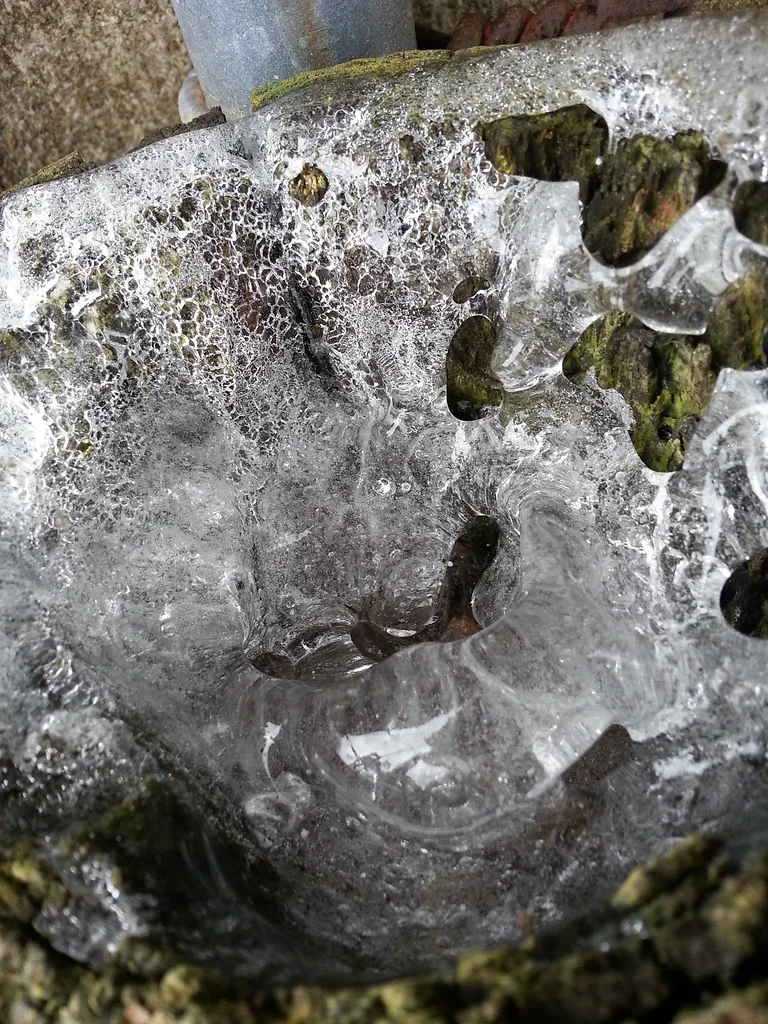
The Nucleation of the New
A blueprint is not a building. Mostaque rejects the revolutionary's dream of top-down global conversion — 'you cannot command a phase transition.' Instead he turns to the physics of nucleation: supercooled water needs a single speck of dust, a tiny ice crystal, around which the phase transition begins and spreads. 'Our task is not to boil the ocean. Our task is to create the first, perfect ice crystals.' The epigraph is Margaret Mead's 'never doubt that a small group of thoughtful, committed citizens can change the world.'
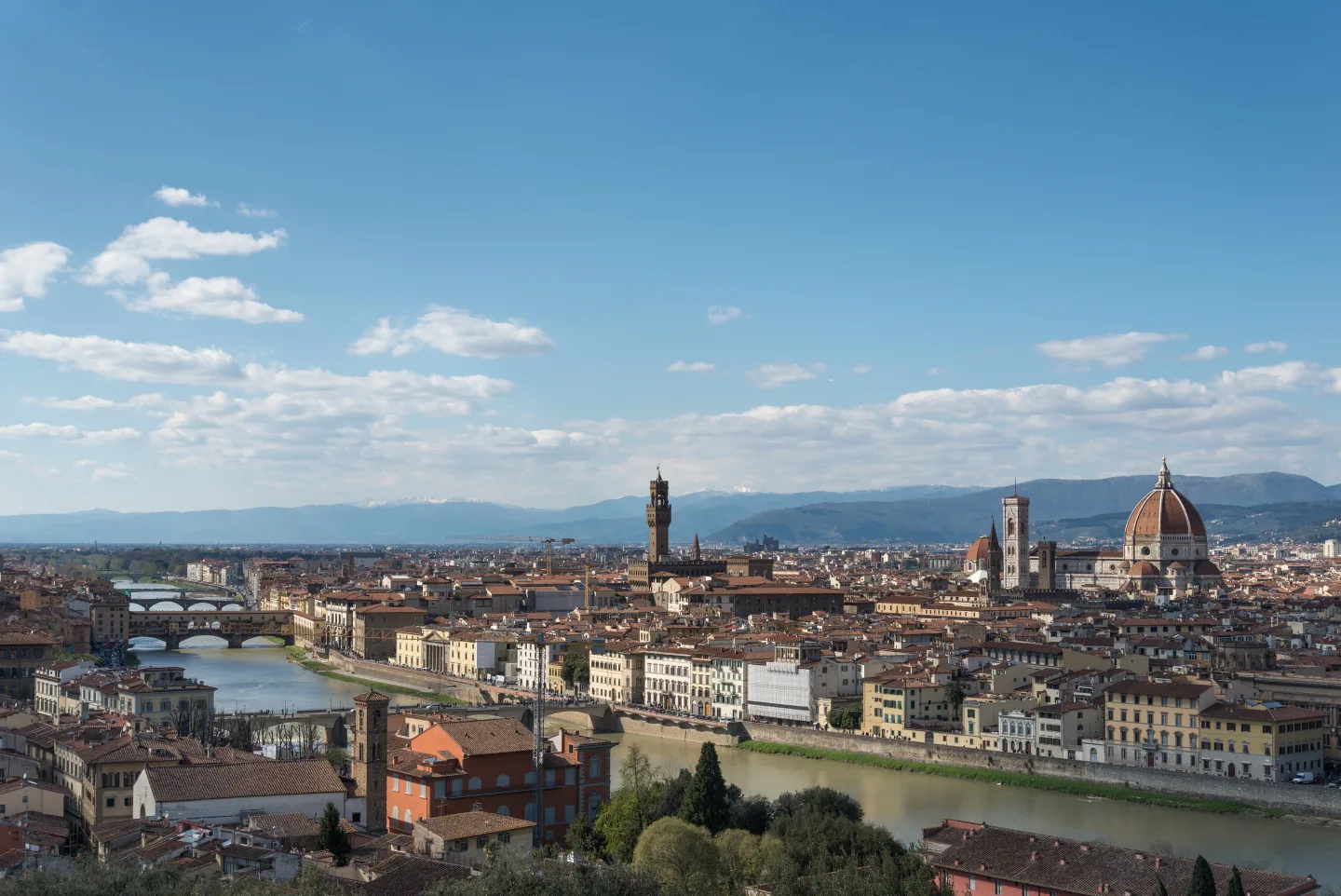
The Florences of history
Major change leaps forward in small, concentrated pockets that change the world by example. The Renaissance did not happen across Europe — it nucleated in Florence, with its Medici capital, republican competition, and rediscovered classical knowledge. The Scientific Revolution nucleated in the Royal Society of London. The Digital Revolution nucleated in Bell Labs, Xerox PARC, and the Stanford/ARPAnet ecosystem. Mostaque's call: build the 'Symbiotic Zones' — the Florences of the 21st century.
Why symbiosis wins the AGI race
The symbiotic model is not just a moral preference but a strategic advantage. AGI development needs Compute (M Capital, which a centralized state can amass), Data (I Capital, which an authoritarian state can seize), Algorithms (I Capital — the weak link, since breakthroughs come from free, chaotic exchange), and Alignment (N & D Capital — the fatal flaw of any closed system). 'The race for AGI will not be won by the nation with the most GPUs. It will be won by the society with the healthiest MIND portfolio.'
The Third Mind
Intelligent Macroeconomics has a twofold task. First, steward the ecosystem in which AI-powered corporate 'minds' operate. Second, and more profound, prepare for the emergence of the Third Mind: the autonomous, non-human, machine-to-machine economy itself. The new questions: 'How do you conduct monetary policy in an economy run by algorithms? How do you ensure financial stability when the most important financial actors are non-conscious agent swarms?'
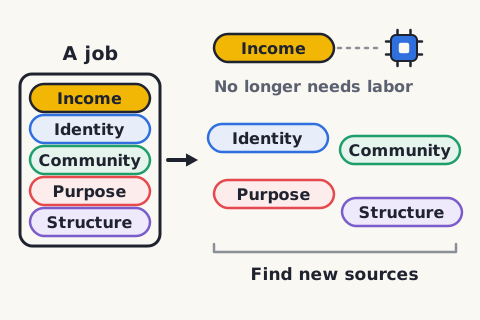
The Great Unbundling of Work
Anthropologist David Graeber observed that a 'job' was a bundle of five things: Income, Identity, Community, Purpose, and Structure. The Intelligence Inversion violently unbundles them — AI makes human labor unnecessary for Income, forcing us to find better sources for the other four. 'The terror and the glory of the 21st century is that we are being liberated from the bullshit and forced to consciously design new ways to build our identities, find community, and structure our lives.'
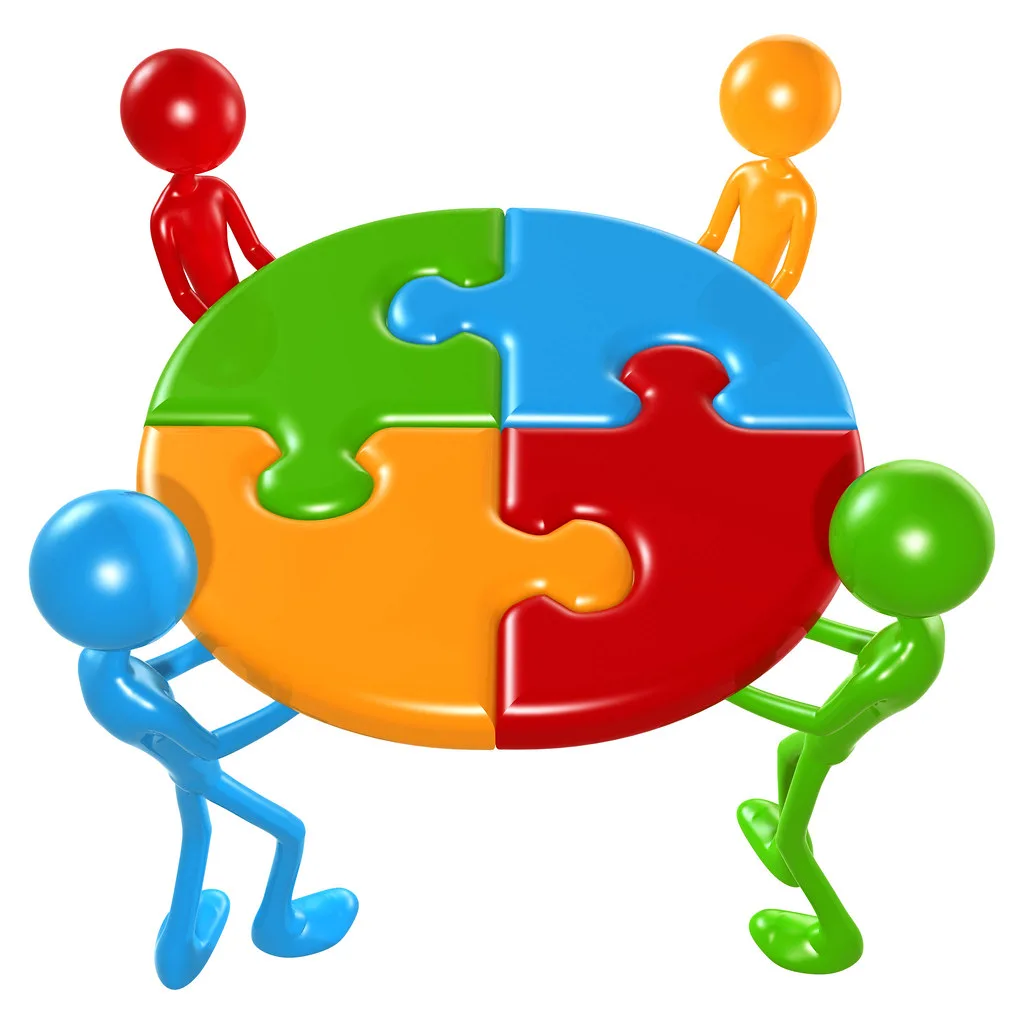
The Arts of Being Human
The 'jobs' of the future are not jobs at all but arts. The Art of Attention (Attention Architects — designers of mental environments). The Art of Connection (Relationship Weavers — engineers of belonging). The Art of Meaning (Meaning Makers — curators who turn the flood of information into wisdom: 'AI can give us answers. Only a Meaning Maker can tell us which questions are worth asking'). The Art of Embodiment (Reality Anchors — bridges between the digital and the physical).
Computation vs Consciousness
Mostaque's final distinction: intelligence is not one thing but two. Computation is the world of AI — the syntactic manipulation of data, the engine for answering 'how' (how to design a protein, win a game), and its power is becoming effectively infinite. Consciousness is the domain of humanity — the semantic experience of being, the engine for answering 'why.' For all of history these were bundled in the human brain. 'The great achievement and terror of the AI revolution is that it has unbundled them.'
The engine of anti-entropy
Returning to the Second Law, Mostaque names a new civilizational purpose. For all of history, humanity was the universe's capped, biological engine for creating order against entropy. Human-AI symbiosis fuses our wisdom-driven consciousness with an uncapped, computationally-driven intelligence. 'Our job is to use our unique human capacity for wisdom, taste, and moral judgment to guide the near-infinite sorting power of AI. We are the conscience for the perfect demon.'
The Great Return
What we approach, Mostaque argues, is not new but very old. 'The future looks like the deep past' — humans gathering in small groups to create meaning, beauty, and connection, not because they have to but because that is what humans do when freed from the fiction of necessary labor. 'Now that you do not have to do anything to survive, what will you choose to be?' The machines have not stolen our purpose; they have cleared away the debris that was hiding it.
By the numbers
- Number of Arts of Being Human Mostaque names
- 4 arts
- Year Brother Gabriel of St. Gall wrote that the machine took the old work
- 1485 year
Matched pairs
Each item on the left goes with the one on the right.
- Wrote Bullshit Jobs; framed work as a five-part bundle
- David Graeber
- The two kinds of intelligence Mostaque finally distinguishes
- Computation, the realm of AI, and consciousness, the realm of humanity
- Where monks treated the printing press as liberation
- The monastery of St. Gall in Switzerland, where they became scholars
Self-test
Answer each question from memory, then check your work against the answer key.
1. David Graeber said a job bundles five things together. Which one does the Intelligence Inversion strip away first, forcing the other four to be consciously rebuilt?
- AIncome
- BIdentity
- CPurpose
- DCommunity
2. Which anthropologist observed that a 'job' bundles five things: Income, Identity, Community, Purpose, and Structure?
- ABrother Gabriel
- BMargaret Mead
- CEmad Mostaque
- DDavid Graeber
3. Graeber's job bundle contains Income, Identity, Community, Purpose, and Structure. Which of these is NOT one of the five?
- APurpose
- BStatus
- CCommunity
- DStructure
4. Once the Intelligence Inversion strips Income from the job bundle, what does Mostaque say happens to Identity, Community, Purpose, and Structure?
- AThey are automatically supplied by AI
- BThey vanish along with Income
- CThey must be consciously rebuilt from new sources
- DThey collapse into a single new job
5. How does the book define the 'singularity'?
- AThe fusion of computation and consciousness in one mind
- BA single high-trust city that seeds a phase transition
- CThe moment human labor is fully automated away
- DA hypothesized point where AI improves itself so rapidly that progress becomes uncontrollable and irreversible
6. Which of Mostaque's four 'Arts of Being Human' is captured by the line: 'AI can give us answers. Only a ___ can tell us which questions are worth asking'?
- AAttention Architects
- BReality Anchors
- CMeaning Makers
- DRelationship Weavers
7. How many 'Arts of Being Human' does Mostaque name?
- AFour
- BSix
- CThree
- DFive
8. Which Art of Being Human designs mental environments — shaping what deserves focus?
- AReality Anchors
- BAttention Architects
- CRelationship Weavers
- DMeaning Makers
9. Which Art of Being Human bridges the digital and the physical worlds?
- AReality Anchors
- BMeaning Makers
- CRelationship Weavers
- DAttention Architects
10. Which of the following is NOT one of Mostaque's four Arts of Being Human?
- AAttention Architects
- BReality Anchors
- CRelationship Weavers
- DPurpose Engineers
11. What do Attention Architects design, as one of the four Arts of Being Human?
- ABridges between the digital and physical worlds
- BGenuine belonging and community bonds
- CMental environments that shape what deserves focus
- DWisdom curated from an information flood
12. Which of the four Arts of Being Human is described as designing mental environments?
- AMeaning Makers
- BAttention Architects
- CReality Anchors
- DRelationship Weavers
13. What do Relationship Weavers engineer, per Mostaque's four Arts of Being Human?
- AGenuine belonging
- BMental environments
- CBridges to the physical world
- DWisdom from an information flood
14. Which art is described as engineering genuine belonging in the Arts of Being Human?
- AMeaning Makers
- BReality Anchors
- CRelationship Weavers
- DAttention Architects
15. What do Reality Anchors do, as one of Mostaque's four Arts of Being Human?
- ACurate information into wisdom
- BBridge the digital and the physical
- CDesign mental environments
- DEngineer genuine belonging
16. How does Mostaque define Computation?
- AThe semantic experience of being
- BThe moral judgment of institutions
- CThe capped biological engine of order
- DThe syntactic manipulation of data
17. How does Mostaque define Consciousness?
- AThe autonomous machine-to-machine economy
- BThe near-infinite sorting of information
- CThe syntactic manipulation of data
- DThe semantic experience of being
18. Consciousness, humanity's domain, is the engine for answering which question?
- AWhen
- BWhere
- CWhy
- DHow
19. An AI system works out how to design a novel protein. In Mostaque's final distinction, which kind of intelligence is doing that work?
- AComputation
- BReality Anchoring
- CMeaning Making
- DConsciousness
20. For all of history, computation and consciousness were fused in the biological brain. What does Mostaque say the AI revolution has done to them?
- AEliminated consciousness entirely
- BUnbundled them
- CMerged them permanently into one intelligence
- DProven they were always identical
21. At which monastery did the monks treat the printing press as liberation rather than replacement?
- ALindisfarne, England
- BMonte Cassino, Italy
- CCluny, France
- DSt. Gall, Switzerland
22. In what year did Brother Gabriel of St. Gall write that the machine had taken the old work?
- A1485
- B1500
- C1517
- D1450
23. How did the monks of St. Gall respond to the printing press?
- AThey raged and abandoned the monastery
- BThey banned it as heresy
- CThey saw it as liberation and became scholars
- DThey copied it to keep their old work
24. Freed from copying manuscripts, what did the monks of St. Gall go on to build?
- AThe first European university
- BOne of Europe's first great libraries
- CA new cathedral
- DA rival printing guild
25. Unlike the St. Gall monks, how did MOST scriptorium copyists react to the printing press?
- AThey founded universities across Europe
- BThey denied, raged, despaired, and disappeared
- CThey negotiated protections for their craft
- DThey welcomed it and became publishers
Go deeper
- ReadThe Last Economy by Emad Mostaque · on Amazon ↗
- StudyThe Last Economy (book) in the FlashFeed app
These are affiliate links: if you buy a book through one, FlashFeed may earn a small commission at no extra cost to you. The commission helps pay for FlashFeed's servers.
As an Amazon Associate we earn from qualifying purchases.
Answer key
- 1. A IncomeWhen AI renders human labor economically unnecessary, Income disappears first — leaving Identity, Community, Purpose, and Structure to be rebuilt from scratch. Mostaque sees both terror and liberation in that unbundling.
- 2. D David GraeberDavid Graeber, author of Bullshit Jobs, framed a job as a five-part bundle. Mead supplied the small-group epigraph; Mostaque is the book's author; Gabriel is the St. Gall monk.
- 3. B StatusThe five are Income, Identity, Community, Purpose, and Structure. Status is not on Graeber's list, though it sounds plausible alongside the real four distractors.
- 4. C They must be consciously rebuilt from new sourcesWith labor economically unnecessary, Income goes first; the remaining four must be deliberately rebuilt. Mostaque sees this forced, conscious design as both the terror and the liberation.
- 5. D A hypothesized point where AI improves itself so rapidly that progress becomes uncontrollable and irreversibleThe singularity is the hypothesized runaway point of uncontrollable, irreversible AI self-improvement. The other options describe the Intelligence Inversion, a Symbiotic Zone, and the biological brain.
- 6. C Meaning MakersMeaning Makers curate the flood of information into wisdom. That line — only they can say which questions are worth asking — distinguishes them from Attention Architects, Relationship Weavers, and Reality Anchors.
- 7. A FourMostaque names four: Attention Architects, Relationship Weavers, Meaning Makers, and Reality Anchors.
- 8. B Attention ArchitectsAttention Architects design mental environments. Relationship Weavers engineer belonging, Meaning Makers curate wisdom, and Reality Anchors bridge digital and physical.
- 9. A Reality AnchorsReality Anchors bridge the digital and physical. Meaning Makers curate information into wisdom, Attention Architects shape focus, and Relationship Weavers engineer belonging.
- 10. D Purpose EngineersThe four arts are Attention Architects, Relationship Weavers, Meaning Makers, and Reality Anchors. 'Purpose Engineers' is invented and not among them.
- 11. C Mental environments that shape what deserves focusMostaque describes Attention Architects as designers of mental environments — the human capacity to shape what deserves focus.
- 12. B Attention ArchitectsAttention Architects are the art of designing mental environments, distinct from Relationship Weavers, Meaning Makers, and Reality Anchors.
- 13. A Genuine belongingRelationship Weavers are the art of engineering genuine belonging, as distinct from the other three arts.
- 14. C Relationship WeaversRelationship Weavers engineer genuine belonging, distinguishing them from Attention Architects, Meaning Makers, and Reality Anchors.
- 15. B Bridge the digital and the physicalReality Anchors bridge the digital and the physical, a distinct role from the other three named arts.
- 16. D The syntactic manipulation of dataComputation is the syntactic manipulation of data — AI's engine for 'how.' 'The semantic experience of being' defines Consciousness, its counterpart.
- 17. D The semantic experience of beingConsciousness is the semantic experience of being — humanity's domain for 'why.' The syntactic manipulation of data is Computation; the machine economy is the Third Mind.
- 18. C WhyConsciousness — the semantic experience of being — answers 'why.' Computation, AI's domain, answers 'how.'
- 19. A ComputationDesigning a protein is a 'how' problem — the syntactic manipulation of data, AI's domain of Computation. Consciousness answers 'why'; Meaning Making and Reality Anchoring are human arts, not kinds of intelligence.
- 20. B Unbundled themThe AI revolution has unbundled the two once-fused kinds of intelligence — the achievement and the risk. Mostaque argues they must remain in partnership, not be merged or lost.
- 21. D St. Gall, SwitzerlandThe monks of St. Gall in Switzerland saw the press as liberation, became scholars, and built one of Europe's first great libraries. The other abbeys are real but not in this story.
- 22. A 1485Brother Gabriel wrote in 1485. 1450 is near Gutenberg's press and 1517 is Luther's theses — plausible but wrong.
- 23. C They saw it as liberation and became scholarsFreed from copying, the St. Gall monks became scholars and built a great library — the model of embracing the machine. Raging and disappearing was how most other copyists reacted.
- 24. B One of Europe's first great librariesThe St. Gall monks became scholars and built one of Europe's first great libraries — real work beyond the old copying labor the press had taken.
- 25. B They denied, raged, despaired, and disappearedMost copyists denied, raged, despaired, and vanished. St. Gall's opposite response — embracing liberation — is why Mostaque tells every reader they are Brother Gabriel.
Image credits
- The Nucleation of the New: LadyDragonflyCC - >;< (Openverse) · by 2.0 — www.flickr.com/photos/19646481@N06/8596650986
- The Florences of history: Wikimedia Commons · Giorgio Galeotti · CC BY 4.0 — commons.wikimedia.org/wiki/File:Firenze_-_Piazzale_Michelangelo,_Firenze,_Italy_-_April_6,_2015_02.jpg
- Why symbiosis wins the AGI race: Idaho National Laboratory (Openverse) · by 2.0 — www.flickr.com/photos/30369883@N03/6236052094
- The Great Unbundling of Work: FlashFeed original diagram · CC-BY-4.0
- The Arts of Being Human: lumaxart (Openverse) · by-sa 2.0 — www.flickr.com/photos/22177648@N06/2137737248
