
Burning Man: From Curiosity to Black Rock City study guide · Lesson 8 of 8
Planning Your First Burn
Fit, Tickets, Time, and Budget · Shelter, Water, Dust, and Weather · Arrival, the Week, and the Return
Unofficial study guide for Enabling Creative Chaos: The Organization Behind the Burning Man Event by Katherine K. Chen. FlashFeed is not affiliated with the author or publisher.
This is the lesson's study guide from the FlashFeed app, plus its key facts and a self-test.
What you'll be able to do
- Judge whether attending fits your circumstances, and plan tickets, time and budget.
- Plan shelter, water and dust protection adequate to playa conditions.
Fit, Tickets, Time, and Budget
A prospective Black Rock City attendee should first assess tolerance for remoteness, dust, heat, cold, noise, disrupted sleep, crowds, expense, and limited services. The event also expects preparation and contribution. Assessing your tolerance for those conditions is part of planning, not an afterthought.
Black Rock City 2026 is scheduled for August 30 through September 7 with the theme Axis Mundi. Those details are current as of August 10, 2026 and should be treated as dated. The same rule applies to prices, deadlines, and availability. Use official sales or STEP, the official face-value Secure Ticket Exchange Program.
The public 2026 sales plan listed several prices before taxes and fees. The lowest public tier was 550, followed by another reduced tier at 675. Burning Man said the 775 tier covered the operational cost of one participant. The 975 tier added support for art grants and Black Rock City operations, while the 1,500 tier helped underwrite lower-cost access programs. The highest listed tier was 3,000.
The ticket is only one part of the cost. A realistic budget includes fees, travel, shelter, shade, food, water, waste handling, lighting, mobility needs, possible camp dues, and contingencies.
The tier structure gave different prices different roles. Reduced public tiers lowered the listed entry price, the $775 tier represented one participant’s operational cost, and higher tiers added support for art, operations, or lower-cost access. Every figure still requires taxes, fees, and a current availability check.
Shelter, Water, Dust, and Weather
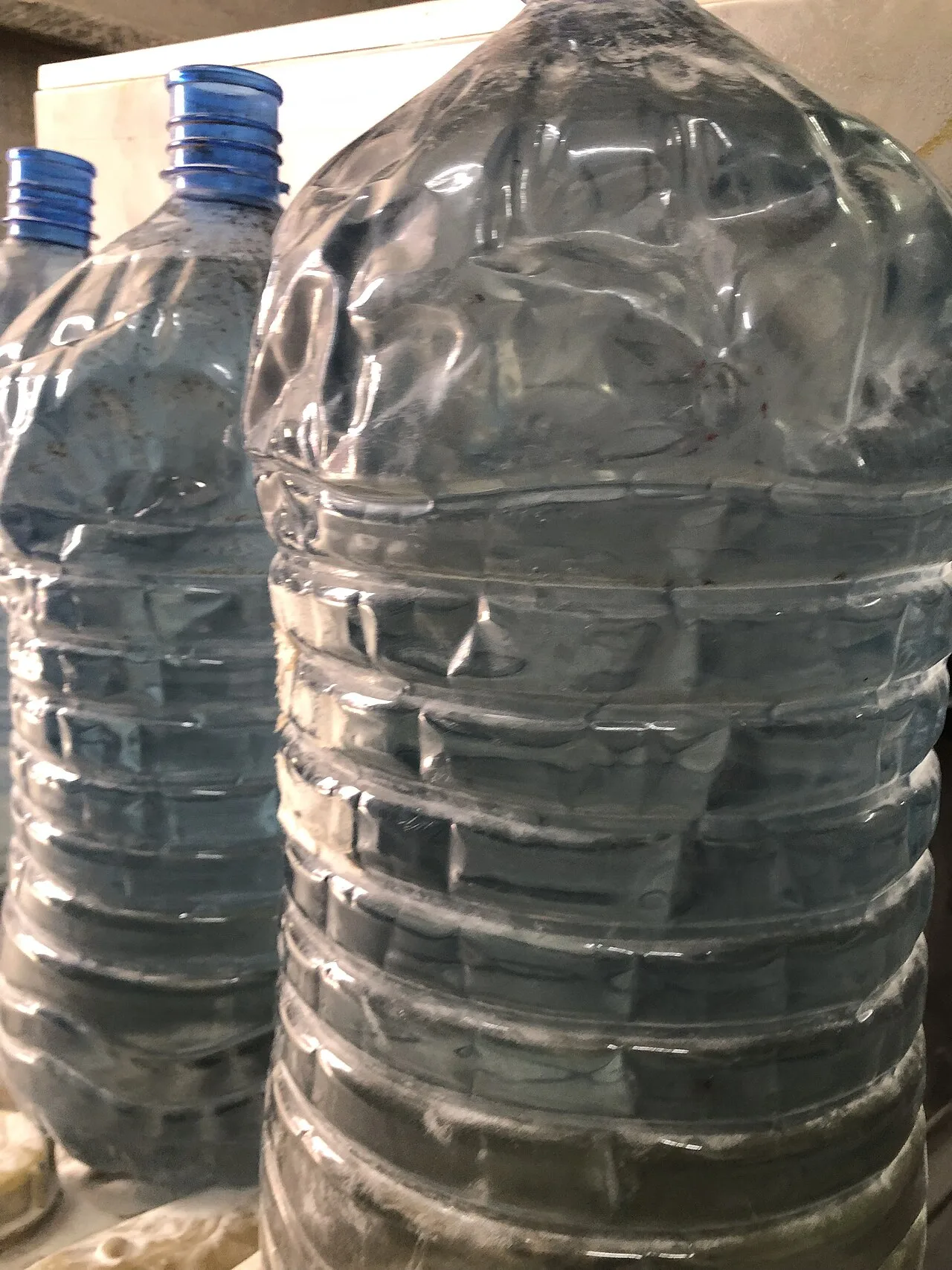
The 2026 Survival Guide directs each participant to bring 1.5 gallons of water per person per day. That supply must cover drinking, washing, and cleaning. Water planning should therefore account for the entire stay rather than drinking alone.
Core preparation also includes secured shelter and shade, protection for eyes and breathing, layers for temperature changes, rain gear, lighting, food, medication, first aid, and a plan for waste. Each item responds to the conditions of a remote temporary city, where dust, weather, darkness, and limited services can turn an omitted basic into a serious problem.
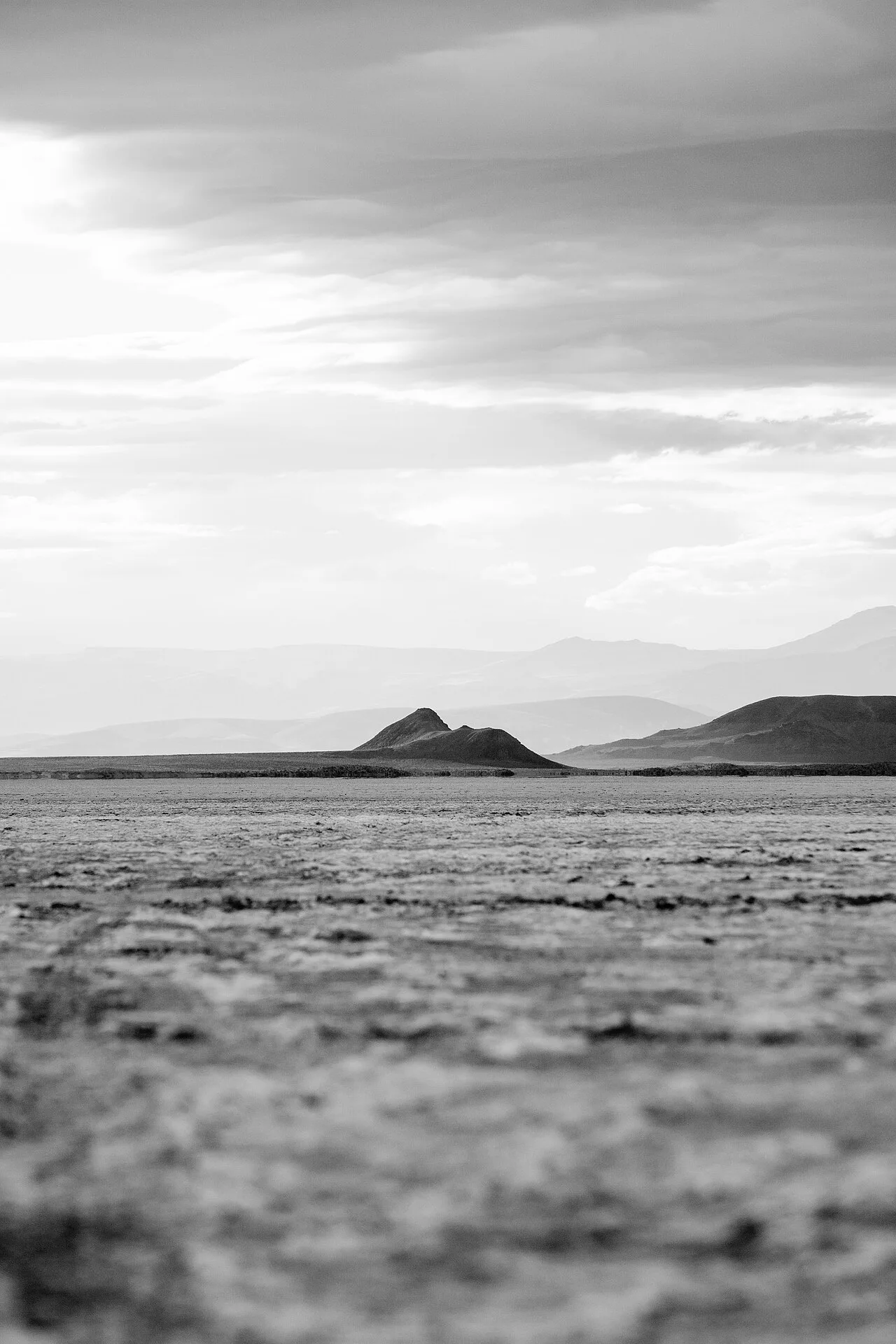
In a whiteout, current Black Rock City guidance is to seek shelter. If no shelter is available, sit down, turn away from the wind, cover your face, wait, and stay alert for moving vehicles. Continuing to travel through low visibility can add risk, so the guidance emphasizes shelter and stillness.
Preparation connects these needs. Secured shelter and shade address exposure, eye and breathing protection address dust, layers and rain gear address changing weather, and lighting helps in darkness. Food, medication, first aid, and waste plans must also function within limited services.
Arrival, the Week, and the Return
Plans should tolerate delay and changing conditions. In 2023, heavy rain stopped ordinary vehicle movement and temporarily stranded tens of thousands of people. The event demonstrated why first-timers need food, water, medication, shelter, communication, and waste plans that can continue working when movement stops.
Leave No Trace begins before arrival. Reduce packaging, secure loose materials, plan to contain fuel and gray water, clean throughout the week, and pack out waste. Starting with less disposable material and preventing releases is easier than trying to recover everything at departure.
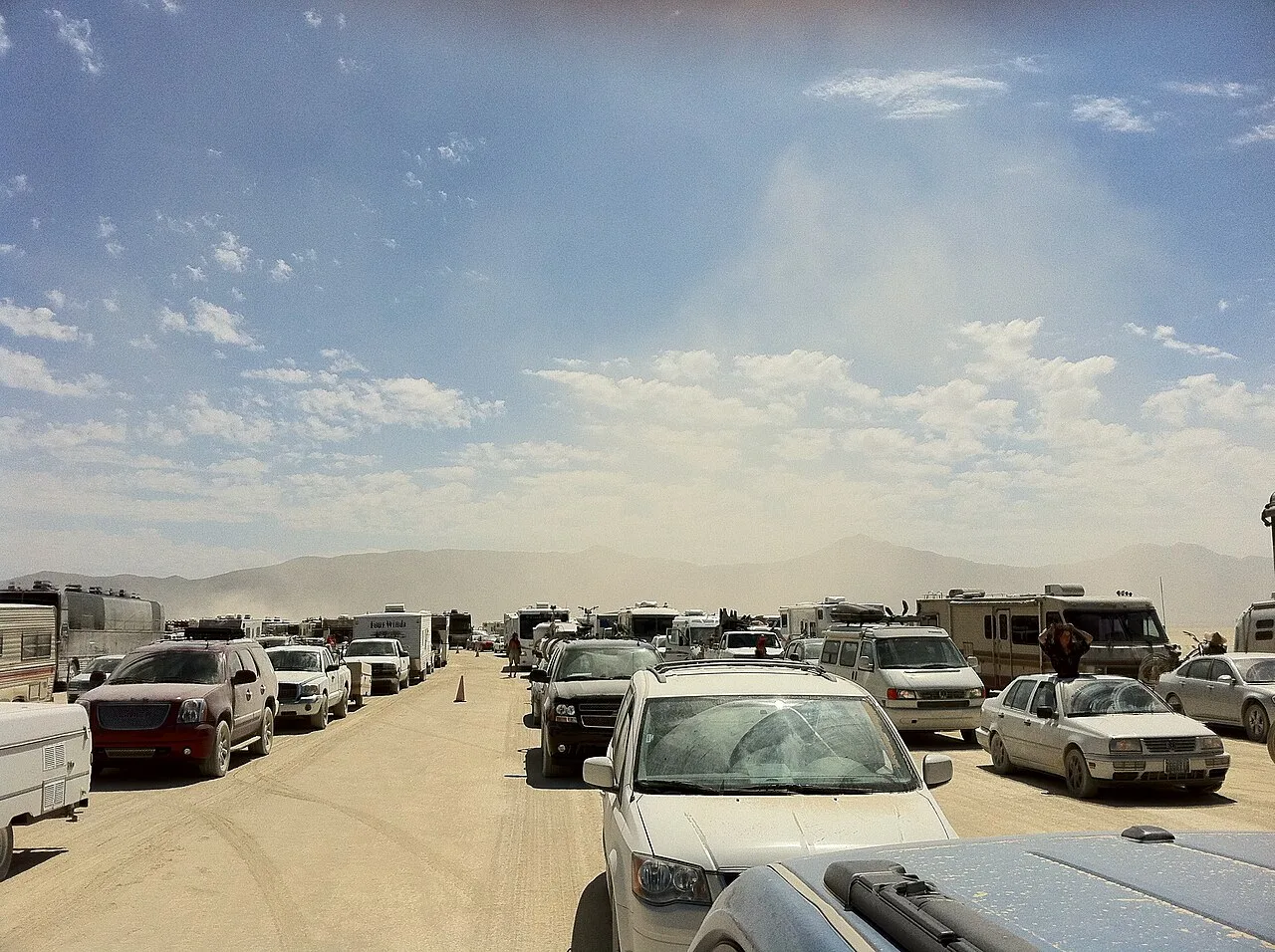
Plan the trip home before entering the city. Allow for Exodus delays and fatigue, arrange sober driving, decide where waste will go, and make room for rest, equipment cleaning, and decompression. Arrival preparation, daily practices, and the return plan are one continuous system. The aim is not to predict every condition, but to carry enough capacity and flexibility to respond safely when the temporary city does not run exactly on schedule.
The 2023 rain is a planning example rather than a forecast. Movement stopped, so supplies and waste systems had to last through delay. A return plan likewise assumes that Exodus, fatigue, disposal, and cleaning may take more time than a simple departure schedule suggests.
Key terms
- STEP
- The official face-value ticket exchange.
Key facts
First Timer
A prospective attendee should first assess tolerance for remoteness, dust, heat, cold, noise, sleep disruption, crowds, expense, limited services, and the expectation of preparation and contribution.
Current Event
Black Rock City 2026 is scheduled for August 30 through September 7 with the theme Axis Mundi; these details are current only as of August 10, 2026.
Budget
A realistic budget includes the ticket, fees, travel, shelter, shade, food, water, waste, lighting, mobility needs, camp dues, and contingencies.
Official water recommendation
The 2026 Survival Guide directs participants to bring 1.5 gallons of water per person per day for drinking, washing, and cleaning.
Survival
Core preparation includes secured shelter, shade, eye and breathing protection, layers, rain gear, lighting, food, medication, first aid, and waste plans.
Survival
In a whiteout, current guidance is to seek shelter; if shelter is unavailable, sit down, turn away from the wind, cover the face, wait, and remain alert for moving vehicles.
Weather
Heavy rain in 2023 stopped ordinary vehicle movement, stranded tens of thousands temporarily, and demonstrated why first-timers need food, water, medication, shelter, communication, and waste plans that tolerate delays.
Leave No Trace
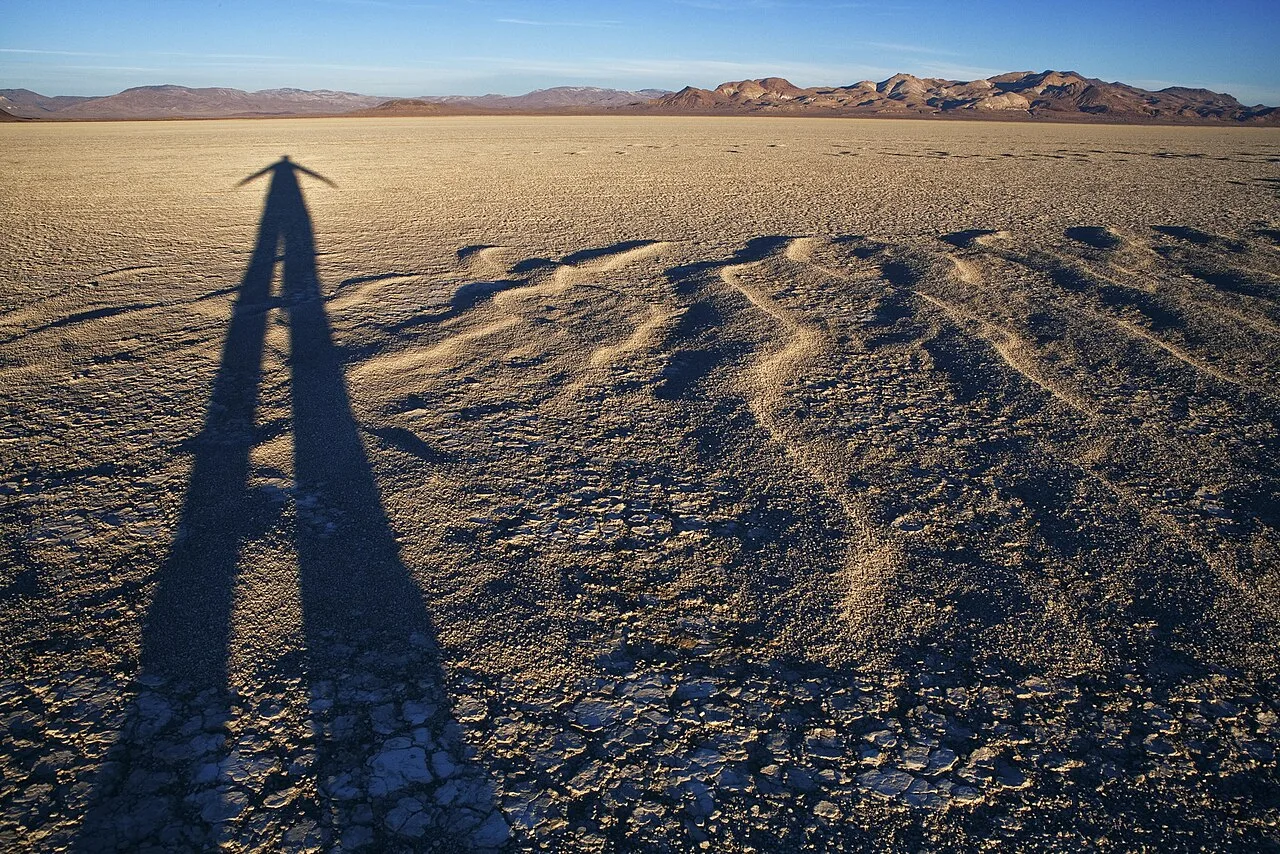
Leave No Trace starts in planning: reduce packaging, secure materials, contain fuel and gray water, clean continuously, and pack out waste.
Departure
Plan the return before arrival: allow for Exodus delays, fatigue, sober driving, waste disposal, rest, equipment cleaning, and decompression.
By the numbers
- According to the 2026 Black Rock City Survival Guide, what general amount of water should each participant bring per day?
- 1.5 gallons per person per day
Self-test
Answer each question from memory, then check your work against the answer key.
1. What is STEP?
- AA face-value ticket exchange
- BRegistration for low-income access programs
- CApplications for art grants
- DProcessing of camp dues
2. What was the lowest public price tier for 2026 Burning Man tickets, before taxes and fees?
- A$675
- B$975
- C$775
- D$550
3. Which 2026 ticket tier did Burning Man say covered the operational cost of one participant?
- A$550
- B$975
- C$775
- D$1,500
4. Which is NOT specifically listed as part of a realistic first-timer budget?
- AWaste handling
- BAirfare cancellation insurance
- CShelter and shade
- DContingencies
5. Which of these is NOT something a prospective attendee should assess beforehand?
- ATolerance for crowds and noise
- BTolerance for dust and heat
- CCell signal strength
- DTolerance for limited services
6. Which of these should a prospective attendee assess before committing?
- ATolerance for dust, heat, and limited services
- BOwnership of a four-wheel-drive vehicle
- CA desert survival certification
- DTolerance for altitude sickness
7. Besides physical conditions, what expectation should a prospective attendee weigh?
- AA requirement to join a theme camp
- BThe expectation of preparation and contribution
- CA mandatory volunteer shift
- DA minimum group size requirement
8. What are the 2026 Black Rock City event dates?
- ASeptember 1 through September 9
- BJuly 4 through July 12
- CAugust 15 through August 23
- DAugust 30 through September 7
9. The 2026 dates and theme are given as current 'as of August 10, 2026'. How should a planner treat them?
- ARely on them unless the theme is renamed
- BConfirm them through any third-party resale site
- CTreat them as fixed once ticket sales open
- DTreat them as dated and recheck official sources
10. What was the lowest public 2026 ticket price tier listed, before taxes and fees?
- A$975
- B$775
- C$550
- D$675
11. How much water does the 2026 Survival Guide recommend each participant bring per day?
- A3 gallons
- B1.5 gallons
- C1 gallon
- D2 gallons
12. Which item is NOT among the core preparations for playa conditions?
- AGPS navigation device
- BEye and breathing protection
- CSecured shelter and shade
- DRain gear
13. If caught in a whiteout with no shelter available, what does current guidance recommend?
- ADrive slowly toward camp
- BContinue walking toward the nearest landmark
- CSit down, turn from the wind, and cover your face
- DLie flat and remove eye protection
14. Besides drinking, what other uses must the recommended daily water supply cover?
- AWashing and cleaning
- BKeeping dust down around camp
- CCooking meals
- DMisting to cool off in the heat
15. Which of these is included in the core preparation for dust and weather protection?
- AInsect netting
- BEye and breathing protection
- CPortable air conditioner
- DWaterproof phone case
Go deeper
- ListenLesson 8 episode
- WatchWater and Whiteouts The 2026 Survival Guide says to bring 1.5 gallons of water per person, per day.
- WatchWhen the Rain Came In 2023, heavy rain stopped ordinary vehicle movement at Burning Man. Tens of thousands of people were stranded for a time.
- ReadEnabling Creative Chaos by Katherine K. Chen · on Amazon ↗
- StudyBurning Man: From Curiosity to Black Rock City in the FlashFeed app
These are affiliate links: if you buy a book through one, FlashFeed may earn a small commission at no extra cost to you. The commission helps pay for FlashFeed's servers.
As an Amazon Associate we earn from qualifying purchases.
Answer key
- 1. A A face-value ticket exchangeSTEP is the official face-value ticket exchange. The other options describe other official programs, not STEP.
- 2. D $550The public sales plan listed $550 as the lowest tier, with $675, $775, and $975 as progressively higher tiers.
- 3. C $775Burning Man stated the $775 tier covered one participant's operational cost, while $975 and $1,500 added support for art, operations, or access programs.
- 4. B Airfare cancellation insuranceA realistic first-timer budget covers ticket, fees, travel, shelter, shade, food, water, waste, lighting, mobility needs, camp dues, and contingencies; airfare cancellation insurance is not among them.
- 5. C Cell signal strengthThe things to assess first are tolerance for remoteness, dust, heat, cold, noise, sleep disruption, crowds, expense, and limited services; cell signal strength is not on that list.
- 6. A Tolerance for dust, heat, and limited servicesAttendees should assess tolerance for remoteness, dust, heat, cold, noise, crowds, and limited services.
- 7. B The expectation of preparation and contributionThe event expects preparation and contribution, part of judging whether attending fits you.
- 8. D August 30 through September 7Black Rock City 2026 runs August 30 through September 7.
- 9. D Treat them as dated and recheck official sourcesThe 2026 dates and theme are current as of August 10, 2026 and should be treated as dated, as should prices, deadlines and availability; it points to official sales or STEP.
- 10. C $550The lowest public 2026 ticket tier was $550, before taxes and fees.
- 11. B 1.5 gallonsThe 2026 Survival Guide directs participants to bring 1.5 gallons of water per person per day for drinking, washing, and cleaning.
- 12. A GPS navigation deviceCore preparation includes shelter, shade, eye and breathing protection, layers, rain gear, lighting, food, medication, first aid, and waste plans, not a GPS device.
- 13. C Sit down, turn from the wind, and cover your faceGuidance says to sit down, turn away from the wind, cover your face, wait, and stay alert for moving vehicles rather than continuing to travel through low visibility.
- 14. A Washing and cleaningThe 1.5-gallon daily recommendation must cover drinking, washing, and cleaning, not cooking, irrigation, or vehicle needs.
- 15. B Eye and breathing protectionEye and breathing protection is among the core preparations for dust, alongside layers, rain gear, and lighting.
Sources
- Burning Man Project — Survival — Survival Guide 2026 — survival.burningman.org/survival-health-and-safety/survival/
- Burning Man Project — What to Pack (And What to Leave at Home) — Survival Guide 2026 — survival.burningman.org/leave-no-trace/what-to-pack-and-what-to-leave-at-home/
- Associated Press — Will the Burning Man experiment last 30 more years? — apnews.com/article/burning-man-festival-nevada-future-evolution-environment-7d4a7d27907c39bb053ac9fef5dde662
- Burning Man Project — Black Rock City 2026: Axis Mundi — burningman.org/black-rock-city/black-rock-city-2026/
- Burning Man Project — Black Rock City 2026 Ticket Sales — burningman.org/black-rock-city/ticketing-information/
- Burning Man Project History — Burning Man Timeline — 2023 — history.burningman.org/timeline/2023/
- Associated Press — Burning Man flooding strands tens of thousands at Nevada site — apnews.com/article/d6cd88ee009c6e1f6d2d92739ec1ca18
Image credits
- Official water recommendation: Ebenezer Sasu · CC0 — commons.wikimedia.org/wiki/File:Plastic_water_jugs.jpg
- Survival: Wikimedia Commons · BLM Nevada · CC BY 2.0 — commons.wikimedia.org/wiki/File:Black_Rock_(19789184100).jpg
- Leave No Trace: Wikimedia Commons · Bureau of Land Management · Public domain — commons.wikimedia.org/wiki/File:-conservationlands15_Social_Media_Takeover,_March_15th,_National_Conservation_Areas_(16190618933).jpg
- Departure: Victorgrigas · CC BY-SA 3.0 — commons.wikimedia.org/wiki/File:Burning_Man_2011_Victor_Grigas_ExodusIMG_4792.JPG


