
Man's Search for Meaning study guide · Lesson 1 of 6
Arrival & The Psychology of Camp Admission
Arrival at Auschwitz, The Finger Game & Delusion of Reprieve · The Stripping of Identity, Cold Curiosity & The Lost Manuscript
Unofficial study guide for Man's Search for Meaning by Viktor E. Frankl. FlashFeed is not affiliated with the author or publisher.
This is the lesson's study guide from the FlashFeed app, plus its key facts and a self-test.
What you'll be able to do
- Understand the psychological shock of camp admission, the delusion of reprieve, and the mechanics of the SS selection process.
- Explain the total stripping of personal identity, the loss of Frankl's manuscript, and cold curiosity as an emotional defense.
Arrival at Auschwitz, The Finger Game & Delusion of Reprieve
Historical Context and the Cattle Car Transport
In October 1944, Viennese psychiatrist and neurologist Viktor Frankl was deported alongside fifteen hundred prisoners to Auschwitz-Birkenau (Auschwitz II). The journey was marked by severe deprivation; approximately eighty prisoners were packed into each sealed wooden freight cattle car with minimal air and almost no water. As the train moved through Central Europe, the inmates experienced acute dread over their final destination.
The Delusion of Reprieve
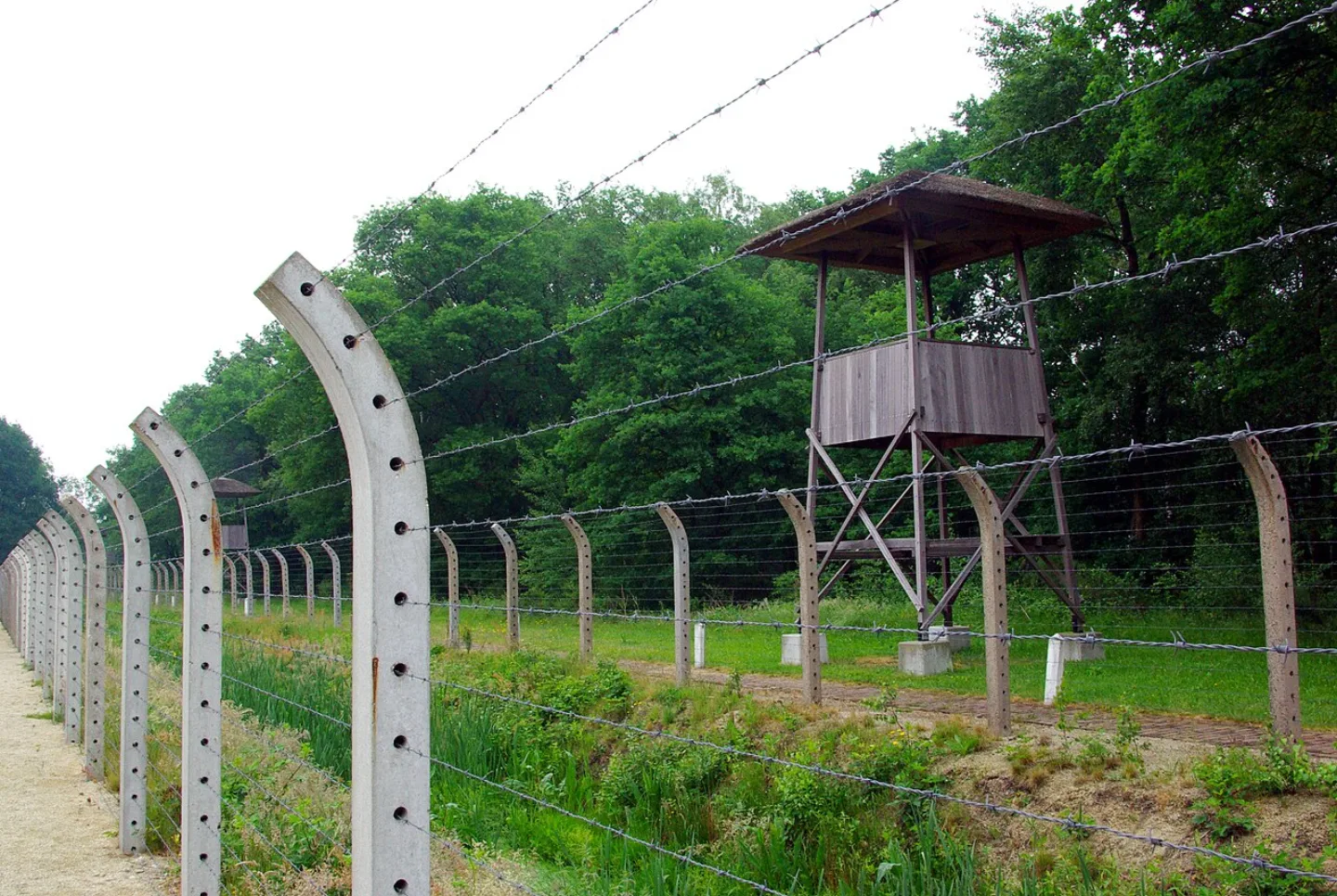
Upon recognizing the sign for Auschwitz, the prisoners were seized by the delusion of reprieve (Begnadigungswahn). In clinical forensic psychiatry, a condemned prisoner awaiting execution often clings to the irrational belief that a last-minute pardon or administrative error will spare them. Frankl observed this exact defense mechanism across the entire transport: despite the barbed wire, watchtowers, and searchlights, inmates convinced themselves that Auschwitz would merely serve as an industrial labor hub.
The SS Selection and the Finger Game
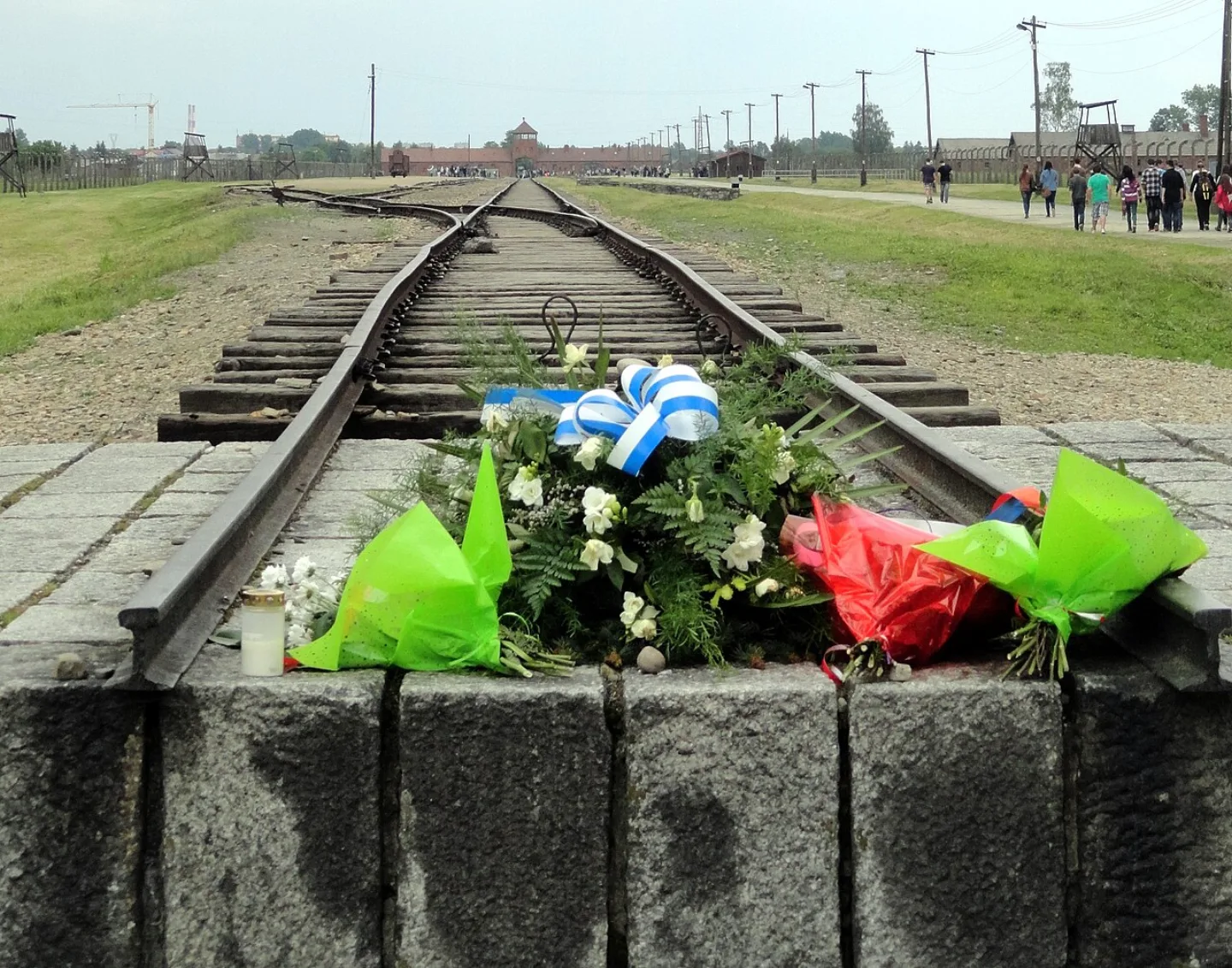
At the railway ramp, the train doors opened to armed SS guards, barking guard dogs, and veteran inmate commandos in striped uniforms. Incoming prisoners were divided into two columns and marched before a senior SS medical officer who conducted the initial selection (Selektion).
This selection was executed with casual indifference known as the finger game:
- The SS officer maintained an impassive posture, resting his left arm on his right elbow.
- With his right hand raised, he flicked his index finger casually to the left or to the right.
- A pointing gesture to the left sent the prisoner directly to immediate death in the gas chambers and crematorium.
- A pointing gesture to the right assigned the prisoner to forced labor registration and internment.
Approximately ninety percent of Frankl's transport (including his close friend referred to as P—) were directed to the left and murdered that evening. Frankl was directed to the right, surviving the first filtration.
Disinfection, Shaving, and Naked Existence
Those selected for labor were marched into the disinfection chamber. All clothing, watches, documents, and jewelry were violently seized. Inmates were forced to undergo total body hair shaving, destroying all physical individuality.
Stepping out from the icy showers stripped of possessions and hair, Frankl realized they possessed nothing other than their naked existence (nacktes Dasein).
Grim Humor and Cold Curiosity
Within the first hours, two psychological defense mechanisms emerged:
- Grim Humor: Inmates joked about their nakedness and shorn heads, discovering humor as a vital weapon in self-preservation.
- Cold Curiosity: Prisoners experienced detached objectivity, viewing events as if they were scientific spectators observing an external experiment.
The Stripping of Identity, Cold Curiosity & The Lost Manuscript
The Loss of the Scientific Manuscript
Before deportation, Viktor Frankl had sewn the complete manuscript of his seminal work on psychotherapy—The Doctor and the Soul (Aerztliche Seelsorge)—into the inner lining of his overcoat. Frankl considered this manuscript his life's intellectual contribution, synthesizing his clinical insights on the human search for meaning.
During the reception search at Auschwitz, Frankl attempted to appeal to an experienced inmate to preserve his manuscript, explaining its scientific value. The veteran inmate responded with mocking contempt, bluntly telling Frankl the manuscript was worthless. The manuscript was confiscated along with his other possessions and never recovered, forcing Frankl to confront the total loss of his professional and intellectual legacy.
The Shema Yisrael and Living Out One's Thoughts
In place of his warm coat, Frankl was issued the tattered rags of an inmate who had just been murdered in the gas chambers. Reaching into the pocket of the dead man's coat, Frankl found a single torn page from a Hebrew prayer book containing the foundational Jewish confession of faith: the Shema Yisrael ("Hear, O Israel: the Lord our God, the Lord is one").
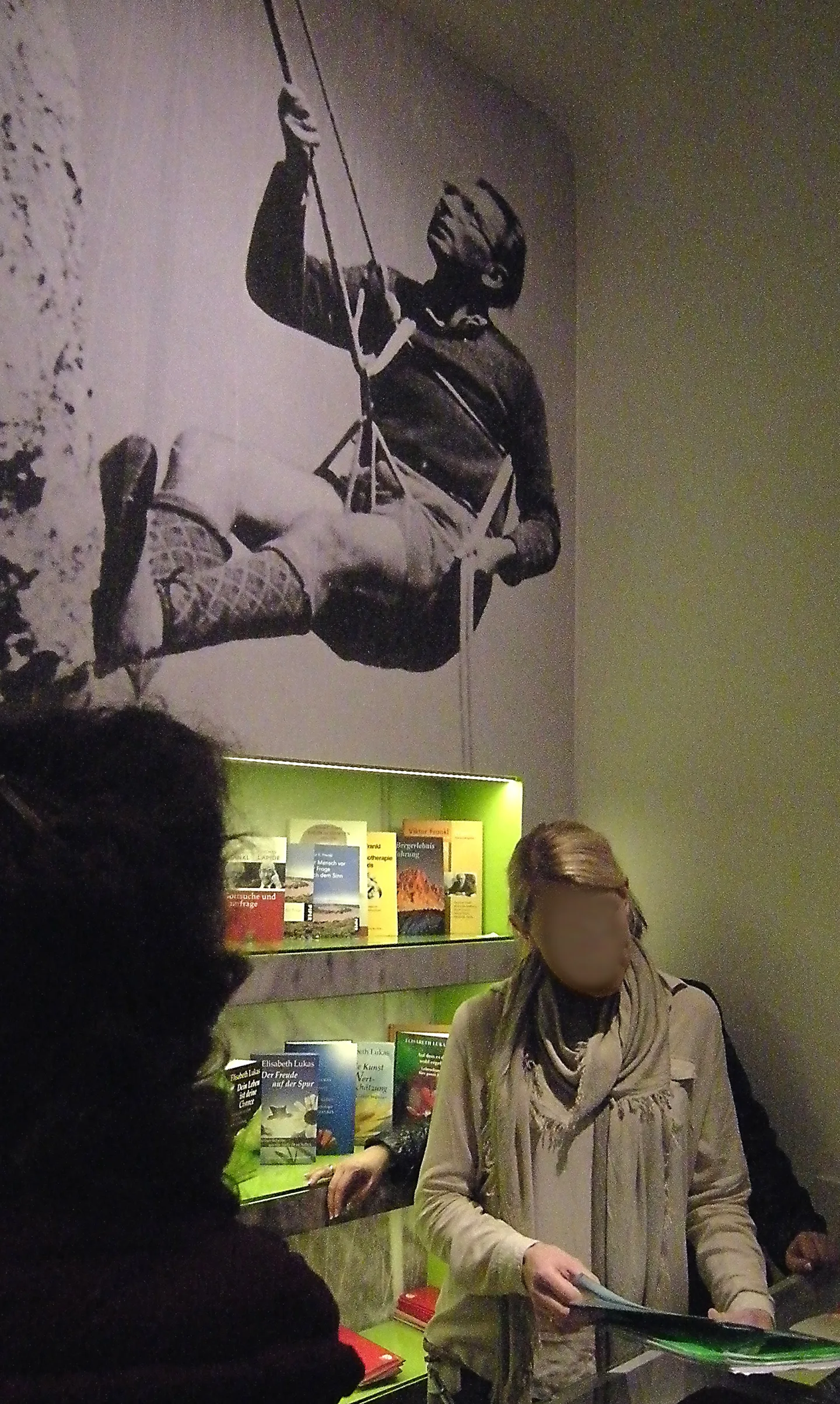
Frankl regarded this moment as a profound existential turning point: instead of merely writing about the dignity of the human soul on paper, he was challenged by fate to live out his philosophical convictions under the most extreme conditions imaginable.
The Number 119,104 and Dehumanization
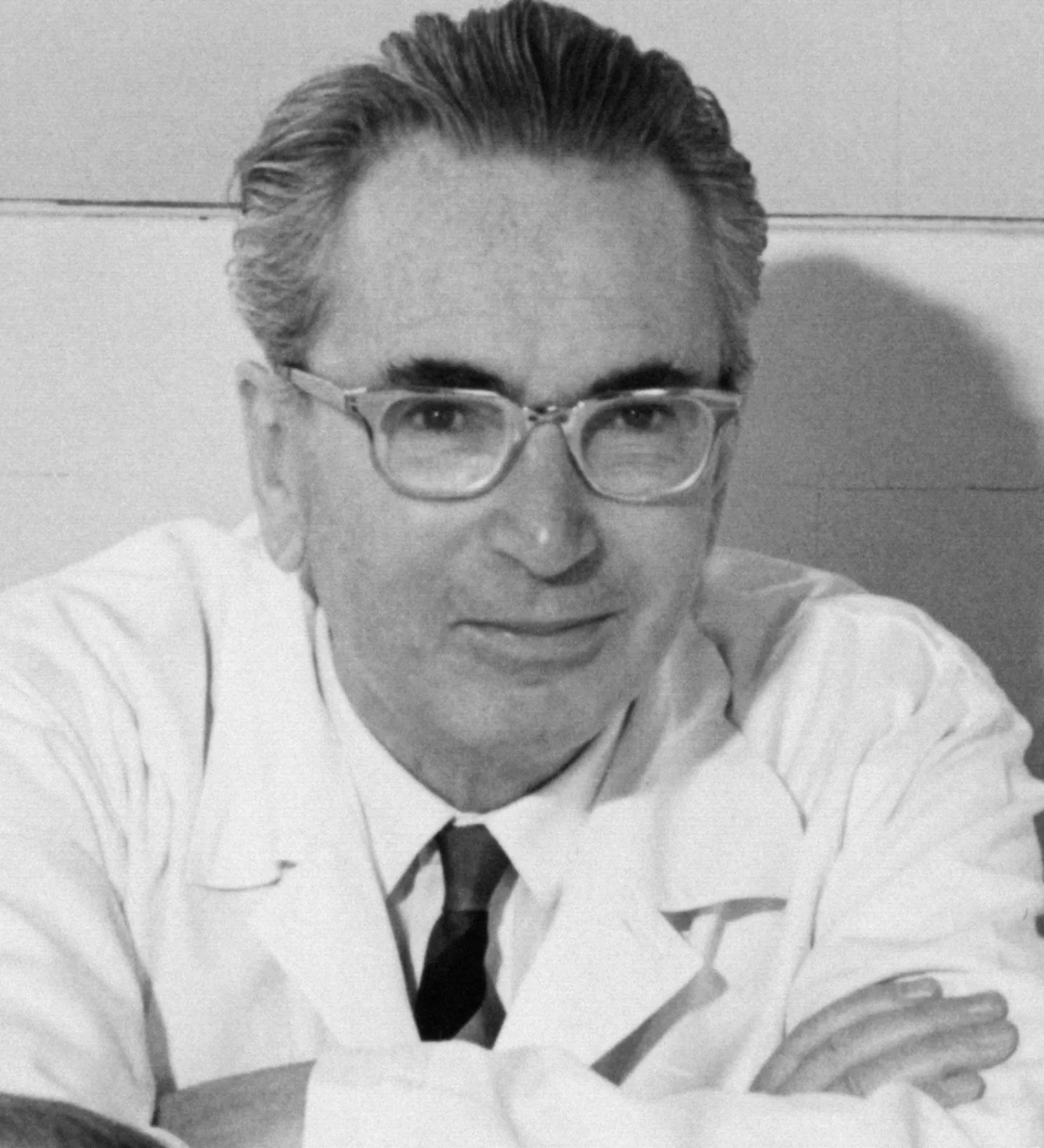
In the concentration camp system, individual names were systematically abolished. Prisoners were stripped of their civic identities, legal rights, and personal names, replaced entirely by assigned identification numbers, tattooed on the forearm at Auschwitz or sewn onto prison rags at other camps. Frankl was held at Auschwitz for only a few days before transfer to Kaufering III, a Dachau subcamp, where he was assigned the number 119,104. During roll calls (Appell), work allocations, and disciplinary punishments, inmates existed solely as numeric entries. This systematic depersonalization was designed by the camp administration to reduce human beings to interchangeable economic and labor units.
Camp Hierarchy: Capos and Inmate Trustees
The camp structure was organized around a brutal internal hierarchy. The SS delegated direct daily supervision to inmate trustees known as Capos. Many Capos were selected specifically from the criminal inmate population (green triangles) for their ruthlessness and willingness to brutalize fellow prisoners. Capos received extra food rations, alcohol, cigarettes, and private quarters in exchange for maintaining relentless labor quotas. Frankl observed that Capos frequently treated regular prisoners with greater severity than the SS guards themselves.
Scientific Detachment and Survival Realities
To survive, Frankl leaned on the same protective distancing he called cold curiosity — at one desperate moment picturing himself lecturing on the psychology of the concentration camp so his own suffering became, in his words, "the object of an interesting psychoscientific study." As the initial shock gave way to the numbing apathy of Phase Two, he and other prisoners could watch harsh physical realities pass almost without feeling:
- The physiological toll of severe edema (fluid accumulation in legs and feet).
- The progression of frostbite and physical wasting due to starvation.
- The psychological dynamics of sleep deprivation in overcrowded three-tier bunks, where nine men shared two blankets.
On his first night in camp, Frankl made a solemn personal vow never to run into the wire (in den Draht laufen), the prevalent method of suicide by touching the high-voltage electrified perimeter fence. He recognized that preserving moral agency required an active refusal to surrender to despair.
Key terms
- Delusion of Reprieve
- The psychological illusion wherein a condemned individual irrationally believes they will receive a last-minute pardon or escape imminent death.
- Running into the Wire
- The concentration camp phrase describing suicide accomplished by rushing into and touching the high-voltage electrified barbed wire fence.
Key facts

The Cattle Car Transport
In October 1944, Viktor Frankl was deported with fifteen hundred prisoners toward Auschwitz-Birkenau. Guards packed roughly eighty prisoners into each sealed wooden freight car, with almost no air, water, or room to move, for the entire journey across Central Europe.
The Delusion of Reprieve
Even staring at watchtowers and barbed wire, condemned prisoners often cling to an irrational hope of last-minute rescue — a defense Frankl called the delusion of reprieve. His own transport convinced itself Auschwitz was merely a labor camp; the illusion didn't break at the showers (Frankl notes the real water there actually renewed their hope) but crumbled soon after, once guards had stripped them of every possession and every hair on their bodies, leaving nothing but naked existence.
The SS Selection Finger Game
Stepping off the train at Auschwitz, prisoners met armed SS guards, barking dogs, and veteran inmates before a senior SS officer conducted the selection: resting his arm on his elbow, he flicked his index finger left or right. Left meant the gas chambers within hours; right meant forced labor. About ninety percent of Frankl's transport was sent left — including his friend P—, already burned by nightfall — while Frankl went right and survived this first filtration.
Disinfection and Shaving
Prisoners selected for labor were marched into a disinfection chamber, where guards seized every last possession — clothing, watches, documents, jewelry — and every inmate underwent total shaving of head and body hair. Stripped bare and shorn, prisoners had nothing left of their former identity but their physical bodies.
Naked Existence
The condition of total material and social dispossession where an individual loses all possessions, titles, and garments, retaining only physical life.
Grim Humor as a Weapon
Within their first hours in camp, prisoners already joked about their shaved heads and nakedness. Frankl saw this grim humor as a genuine psychological weapon: finding something to laugh at created enough distance from the horror around them to protect the human soul underneath it.
Phase One: The Shock of Admission
Frankl divided a prisoner's psychological reaction to camp life into three phases. Phase One was the period right after admission, dominated by intense acute shock — the disorientation of arrival, the selection, and the sudden loss of one's former life. This shock later gave way to Phase Two, a protective emotional blunting and apathy that took over once the initial shock wore off.
The Lost Manuscript
Before deportation, Frankl had sewn the complete manuscript of his book The Doctor and the Soul into the lining of his overcoat, considering it his life's intellectual legacy. At Auschwitz, guards confiscated the coat along with every other possession, and the manuscript was never recovered — forcing Frankl to confront the total loss of his professional work along with everything else.
Finding the Shema Yisrael
In exchange for his confiscated coat, Frankl was issued the tattered rags of an inmate just murdered in the gas chambers. In its pocket he found a single torn page from a Hebrew prayer book bearing the Shema Yisrael — the central declaration of Jewish faith. Frankl took it as a challenge from fate: to stop merely writing about the dignity of the soul on paper, and instead live out those convictions.
Living Out Thoughts
Frankl's resolve to embody his psychotherapeutic insights through concrete personal actions rather than merely preserving them on paper.
Prisoner Number 119,104
Camp authorities abolished names, replacing them with numbers tattooed at Auschwitz or sewn onto rags elsewhere. At Kaufering III, a Dachau subcamp, Frankl became prisoner 119,104; roll calls, work assignments, and punishments then treated him as a numeric entry, not a person.
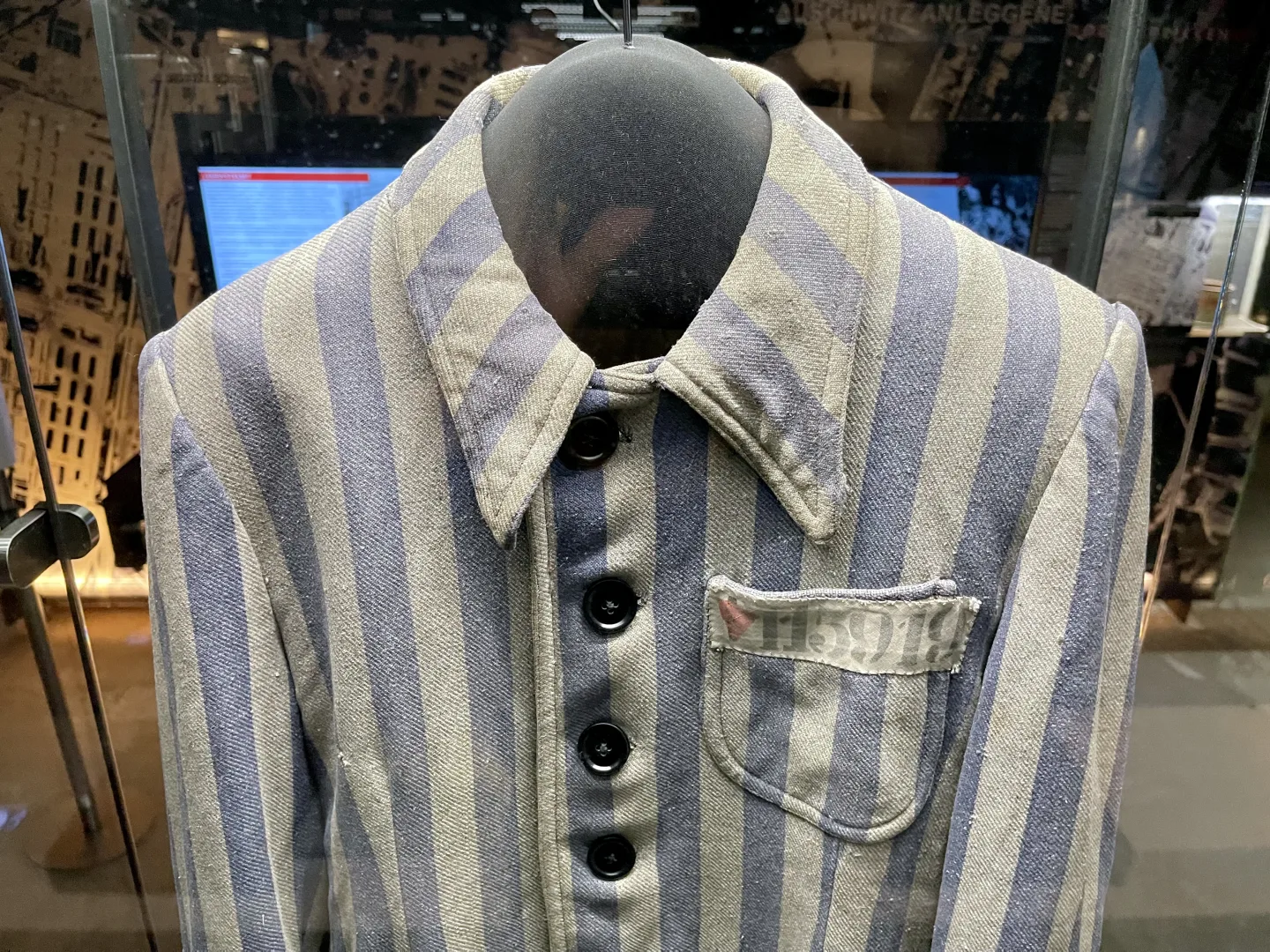
Capos: Privileged Brutality
The SS delegated daily supervision of prisoners to inmate trustees called Capos, often chosen from the criminal population for their ruthlessness. In exchange for extra food, alcohol, and private quarters, many Capos enforced brutal labor quotas — and Frankl observed that they frequently treated fellow prisoners with even greater severity than the SS guards did.
The Cost of Refusing to Compromise
Frankl reached a grim conclusion about who tended to survive the camps: the most self-sacrificing and noble prisoners often did not, precisely because they refused to compromise their principles to gain an advantage. Moral integrity, in the brutal economy of camp survival, carried a steep price.
Clinical Objectivity as Defense
Marching to a work site with feet raw and sore from worn-out shoes, Frankl forced his mind elsewhere: picturing himself giving a warm, well-lit lecture on the psychology of the concentration camp let him observe his own suffering 'from the remote viewpoint of science' rather than despair.
Barracks Conditions and Starvation's Toll
In the overcrowded barracks, nine prisoners were squeezed onto a single wooden bunk tier sharing just two blankets, while unsanitary, crowded conditions made lice-borne typhus a constant lethal threat. Starvation left a visible physical mark too: severe protein deficiency caused painful edema, swelling many prisoners' legs and feet.
Frankl's Vow Against 'the Wire'
Camp slang called suicide by touching the high-voltage electrified perimeter fence "running into the wire." On his very first night at camp, Frankl made himself a solemn promise never to do it, recognizing that holding onto that resolve, even in the depths of despair, was itself an act of preserving his own moral agency.
Matched pairs
Each item on the left goes with the one on the right.
- Cold Curiosity Defense
- Detached Scientific Objectivity
- Surrendered Overcoat
- Dead Inmate's Rags
Step by step
The SS Selection Finger Game Protocol
- The prisoner marches forward in single file before the standing SS medical officer.
- The officer maintains an impassive stance, resting his left arm on his right elbow.
- The officer makes a subtle flick of his right index finger pointing left or right.
- The prisoner is forcefully routed toward the gas chambers or the labor camp.
Self-test
Answer each question from memory, then check your work against the answer key.
1. Which visual elements immediately confronted the newly arriving prisoners at the Auschwitz railway platform?
- AUnarmed civilian factory clerks offering orientation paperwork and warm food rations in everyday life
- BLocal municipal station police organizing orderly transfers to municipal quarantine wards
- CInternational Red Cross medical staff conducting health screenings and luggage tracking
- DArmed SS guards, barking guard dogs, and veteran inmate commandos in striped uniforms
2. What fate awaited prisoners who were pointed to the right during the initial selection process?
- AClerical exemption passes granting unrestricted movement across the civilian supply network
- BImmediate repatriation to neutral European nations under diplomatic exchange protocols
- CForced labor registration, severe camp internment, and brutal physical exploitation
- DAdministrative release to urban community hospitals for specialized outpatient care
3. What took place inside the disinfection chamber to systematically destroy the inmates' former physical appearance?
- AComprehensive medical vaccination passports issued with personal signature
- BTotal shaving of head and body hair alongside the confiscation of all garments
- CCustom tailoring measurements taken to provide fitted wool uniforms and boots
- DFormal portrait photographs taken for administrative archive records
4. A prisoner stares at barbed wire and watchtowers yet clings to the belief that rescue is imminent. Frankl called this defense mechanism the:
- ADelusion of reprieve
- BCold curiosity
- CGrim humor
- DApathy
5. About what percentage of Frankl's transport was directed to the left and killed within hours of arrival at Auschwitz?
- A50%
- B25%
- C90%
- D75%
6. What valuable possession did Viktor Frankl attempt to smuggle into Auschwitz sewn inside his overcoat lining?
- AThe scientific manuscript of his book The Doctor and the Soul containing his logotherapy theories
- BA collection of gold coins and family heirloom jewelry hidden inside leather pouches within society
- CForged neutral diplomatic passports granting passage across international maritime borders within society
- DHis official medical university doctorate diploma and surgical licensing certificates
7. What replaced prisoners' names entirely within the camp system?
- AWork detail code names
- BBarracks bunk assignments
- CColored triangle category badges
- DAssigned identification numbers
8. What psychological defense let prisoners observe camp horrors with detached, scientist-like objectivity?
- AGrim humor
- BCold curiosity
- CEmotional apathy
- DDelusion of reprieve
9. When Frankl appealed to a veteran inmate to help preserve his manuscript, how did the inmate respond?
- APromised to hide it safely
- BOffered to smuggle it out
- CReported it to the SS commandant
- DMocking contempt, called it worthless
10. What did Frankl find in the pocket of the dead inmate's rags issued to him in exchange for his coat?
- AA hidden razor blade
- BA smuggled family letter
- CA torn Shema Yisrael prayer page
- DA photo of his children
Go deeper
- ReadMan's Search for Meaning by Viktor E. Frankl · on Amazon ↗
- StudyMan's Search for Meaning in the FlashFeed app
These are affiliate links: if you buy a book through one, FlashFeed may earn a small commission at no extra cost to you. The commission helps pay for FlashFeed's servers.
As an Amazon Associate we earn from qualifying purchases.
Answer key
- 1. D Armed SS guards, barking guard dogs, and veteran inmate commandos in striped uniforms
- 2. C Forced labor registration, severe camp internment, and brutal physical exploitation
- 3. B Total shaving of head and body hair alongside the confiscation of all garments
- 4. A Delusion of reprieveThe delusion of reprieve is false hope of a last-minute pardon despite obvious danger — unlike grim humor, cold curiosity, or apathy, which are separate responses Frankl described.
- 5. C 90%Frankl reported that about ninety percent of his transport, including his close friend P—, was pointed left toward the gas chambers.
- 6. A The scientific manuscript of his book The Doctor and the Soul containing his logotherapy theories
- 7. D Assigned identification numbersCamp authorities abolished names and replaced them with numbers, tattooed at Auschwitz or sewn onto rags elsewhere. Frankl was 119,104, and inmates existed as numbers at roll calls, work allocations, and punishments.
- 8. B Cold curiosityCold curiosity was Frankl's term for the detached, almost scientific interest with which prisoners viewed their horrific surroundings — a protective distancing, unlike grim humor (finding something to laugh at) or the delusion of reprieve (clinging to false hope of a pardon).
- 9. D Mocking contempt, called it worthlessThe veteran inmate mocked Frankl, insisting the manuscript had zero value, just before it was confiscated along with all his other possessions.
- 10. C A torn Shema Yisrael prayer pageFrankl found a torn Shema Yisrael page, the central Jewish declaration of faith, which he took as fate's challenge to live out his convictions.
Sources
- Man's Search for Meaning — Viktor E. Frankl
- Part One: Experiences in a Concentration Camp
- Part Two: Logotherapy in a Nutshell
Image credits
- The Cattle Car Transport: MTAPhotos (Openverse) · by 2.0 — www.flickr.com/photos/61135621@N03/9323674378
- The Delusion of Reprieve: Tiago Fioreze · CC BY-SA 3.0 — commons.wikimedia.org/wiki/File:Kamp_Vught.JPG
- The SS Selection Finger Game: Cor2701 · CC BY 3.0 — commons.wikimedia.org/wiki/File:End_of_the_railway_line,_Auschwitz-Birkenau,_2012_(2).jpg
- Living Out Thoughts: Wikimedia Commons · Wolfgang H. Wögerer · CC BY-SA 4.0 — commons.wikimedia.org/wiki/File:Vienna_2015-03-26_Viktor_Frankl_Museum,_opening_day_-_V._E._Frankl,_climbing.jpg
- Prisoner Number 119,104: Wikimedia Commons · Prof. Dr. Franz Vesely · CC BY-SA 3.0 de — commons.wikimedia.org/wiki/File:Viktor_Frankl2.jpg
- Capos: Privileged Brutality: Wolfmann (Openverse) · by-sa 4.0 — commons.wikimedia.org/w/index.php?curid=112789970


