
NASCAR Trivia: Stock Car Lore, Champions & Speedways study guide · Lesson 3 of 6
Superspeedway Physics, Restrictor Plates & Car Generations
Aerodynamics, The Draft & Restrictor-Plate Battles · From Gen 1 to the Car of Tomorrow & Next Gen
This is the lesson's study guide from the FlashFeed app, plus its key facts and a self-test.
What you'll be able to do
- Recall Junior Johnson's 1960 draft discovery, side drafting, Bobby Allison's 1987 crash and the 1988 restrictor plates, "The Big One", and tandem drafting.
- Trace NASCAR's car evolution from Gen 1's production cars through Gen 3's 110-inch wheelbase and Gen 6's brand styling to Next Gen's modular architecture.
Aerodynamics, The Draft and Restrictor-Plate Battles
Aerodynamic slipstreaming in NASCAR is credited to Junior Johnson (with crew chief Ray Fox) at the 1960 Daytona 500, proving that a trailing car running in the low-pressure wake of a leader suffers less aerodynamic drag and runs faster than its engine could achieve alone. However, escalating speeds posed extreme danger; in May 1987, Bobby Allison's Talladega Crash saw his car lift into the air at roughly 200 mph (some accounts say 210) and tear down roughly 100 feet of the catchfence (accounts vary).
In response, NASCAR mandated Carburetor Restrictor Plates in 1988 at Daytona and Talladega, restricting engine airflow and forcing cars into tight Pack Racing at 190+ mph. This environment fostered tactical phenomena:
- Side Drafting: Directing turbulent high-pressure air onto an opponent's rear spoiler to stall their forward momentum.
- Bump Drafting: Pushing a leading car's bumper at speed to streamline both vehicles.
- The Big One: Massive multi-car pileups where a single spinning car wrecks 10 to 25 vehicles.
- Tandem Drafting: Two-car pushing pairs that dominated 2009–2011 until NASCAR's 2011-12 rule changes (smaller radiators, repositioned air inlets and lower radiator pressure-relief valve settings). The pushing car's radiator was starved of air by the car ahead, so pairs had to swap places often to keep the engine from overheating.
At Daytona and Talladega, the Yellow Line Rule bars a driver from improving position by going below the double yellow line that separates the apron from the racing surface, unless another car forced them down.
In 2019, NASCAR modernized superspeedway regulations by replacing restrictor plates with precision CNC Tapered Spacers.
From Gen 1 to the Car of Tomorrow & Next Gen
Stock car chassis evolved across seven distinct technical eras:
- Generation 1 (1949–1966): Factory production cars directly off dealer showroom floors with operational doors bolted shut.
- Generation 2 (1967–1980): Purpose-built tubular steel roll cages beneath modified production sheet metal.
- Generation 3 (1981–1991): Downsized standardized 110-Inch Wheelbase chassis reflecting smaller American consumer cars.
- Generation 4 (1992–2006): Hand-fabricated asymmetric bodies with extreme Twisted Sister aerodynamic skew and 800+ hp V8s.
- Generation 5 / Car of Tomorrow (2007–2012): Standardized safety box with a front splitter, energy-absorbing door foam, and an adjustable rear wing (replaced by a spoiler in 2010).
- Generation 6 (2013–2021): Restored distinct manufacturer brand styling (Camaro, Mustang, Camry).
- Generation 7 / Next Gen (2022–Present): Radical modular architecture featuring Independent Rear Suspension (IRS), an Xtrac 5-Speed Sequential Transaxle, 18-Inch Center-Lock Single Lug Nut BBS Wheels, Carbon-Composite Symmetrical Body Panels, a flat underbody with a Rear Diffuser, and precision Rack-and-Pinion Steering.
The Car of Tomorrow's rear wing was believed to help lift cars into the air when they spun backwards at high speed, and it was blamed for several flips in 2009 and early 2010; critics also said it made the car look like a sports car rather than a stock car. NASCAR brought back the traditional Rear Spoiler in spring 2010. On the Next Gen car, a five-speed Sequential Gearbox replaced the four-speed H-Pattern Shifter of earlier cars, with the gears and rear axle combined in one transaxle. Its composite body is meant to bounce back into shape after contact, or be repaired by swapping a single panel, whereas a Sheet Steel body had to be hammered back into shape.
Key facts
Discovery of Drafting at Daytona by Junior Johnson
In 1960, Junior Johnson (with crew chief Ray Fox) is credited with discovering drafting at Daytona: tucking behind faster cars in their low-pressure wake let his slower Chevrolet keep pace, and he used the tow to win the Daytona 500.
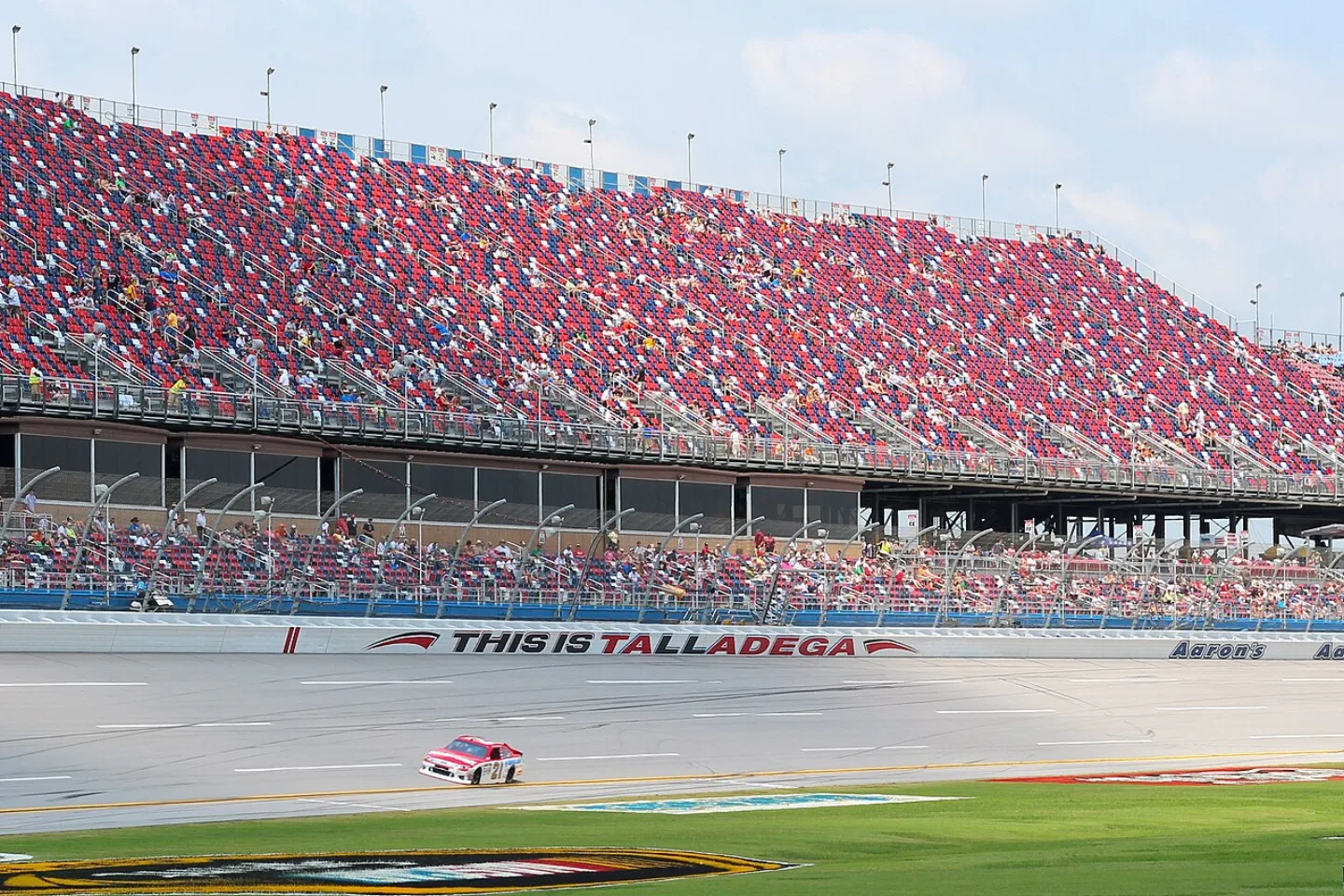
Bobby Allison's Crash and the Restrictor-Plate Era
In May 1987, Bobby Allison's car went airborne at roughly 200 mph (some accounts say 210) at Talladega, tearing out roughly 100 feet of catchfence (accounts vary) and nearly reaching the grandstands. The near-catastrophe pushed NASCAR to act: starting with the 1988 Daytona 500, every car at Daytona and Talladega had to run a carburetor restrictor plate, choking engine airflow and capping horsepower to keep speeds - and the danger of another airborne car - under control.
Superspeedway Pack Racing Dynamics
Restrictor plates equalized engine horsepower, grouping 30 to 40 cars into massive, tightly packed aerodynamic drafts moving at 190+ mph separated by inches.
The Big One
Restrictor plates equalized horsepower so thoroughly that 30 to 40 cars run nose-to-tail at 190-plus mph, separated by mere inches. When one car in that pack so much as twitches, there's nowhere for the others to go — the result is 'The Big One,' NASCAR slang for a single-mistake pileup that can collect anywhere from 10 to 25 cars in a matter of seconds.
Side Drafting
Side drafting is a superspeedway passing technique where a trailing car pulls alongside a leader and directs the turbulent, high-pressure air coming off its own nose onto the leader's rear spoiler. That disrupted airflow stalls the leader's forward push, slowing it down just enough for the trailing car to complete the pass — a purely aerodynamic weapon that requires no bumper contact at all.
Bump Drafting on High-Speed Superspeedways
Bump drafting is the technique where a trailing car physically pushes the rear bumper of a leading car at 190+ mph, streamlining both cars into a faster combined aerodynamic shape.
Tandem Drafting and Its 2012 Ban
From roughly 2009 to 2011, superspeedway racing was dominated by tandem drafting: two cars locking bumper-to-bumper, with the trailing car pushing the leader to speeds neither could reach alone. The catch was that the pushing car's radiator was starved of air by the car ahead, so its engine overheated quickly and the pair had to swap places often. NASCAR curbed the tactic with rule changes in 2011-12 (smaller radiators, repositioned air inlets and lower radiator pressure-relief valve settings), largely restoring traditional pack racing.
The Trailing Wake Vortex and Aerodynamic Bubble
A leading stock car creates a high-pressure nose zone and a turbulent low-pressure wake; a trailing car that tucks into that wake meets less aerodynamic drag, letting it keep pace with the leader using less power than it would need alone.
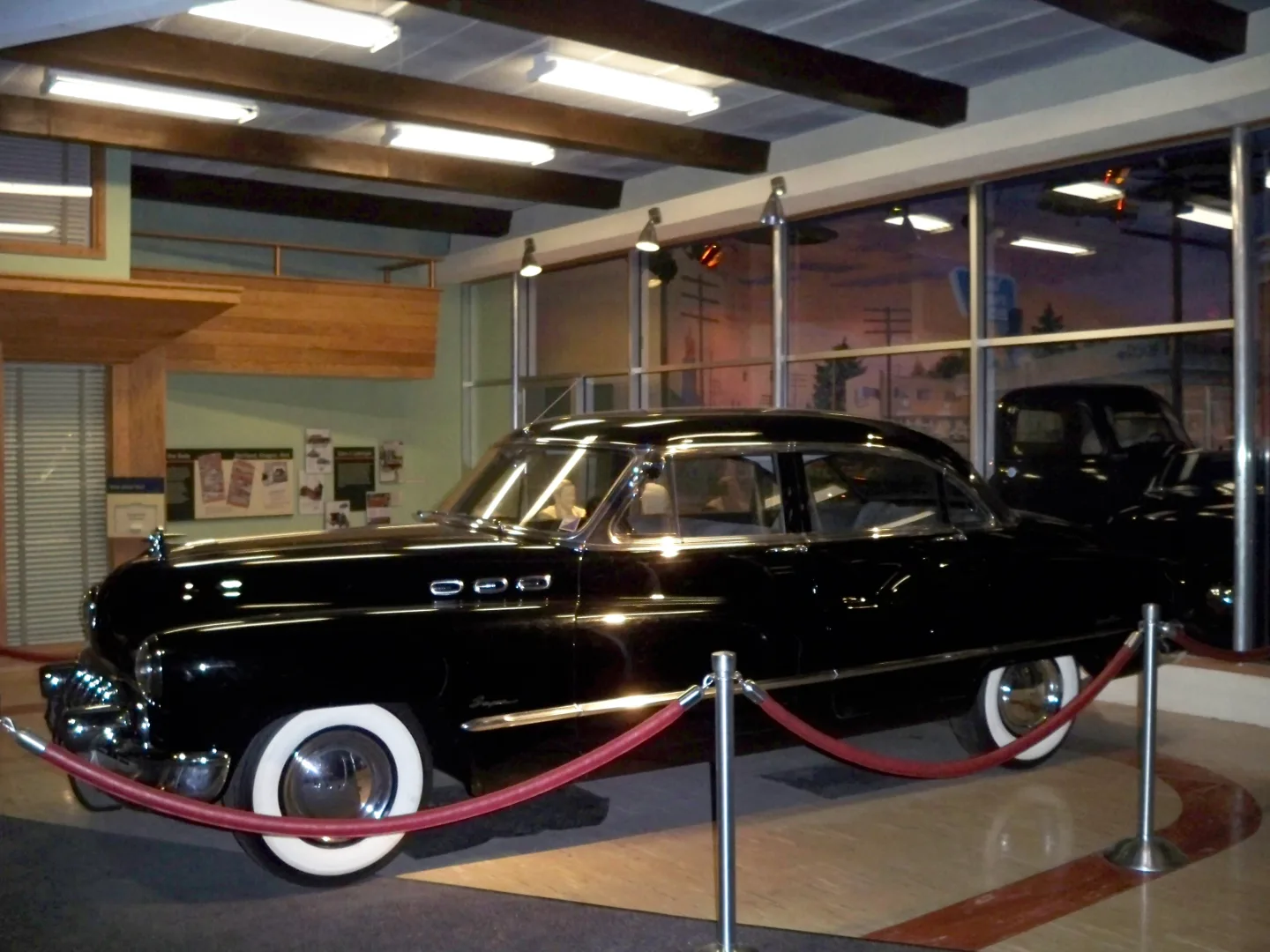
Generation 1: Real Showroom Cars
NASCAR's earliest race cars, run from 1949 to 1966, were not purpose-built racers at all — they were factory production cars pulled almost straight off dealership showroom floors, stock interiors and all. Safety modifications were minimal; the main requirement was that the doors be bolted shut so they wouldn't fly open in a crash. It's the origin of the sport's name: these genuinely were 'stock' cars.
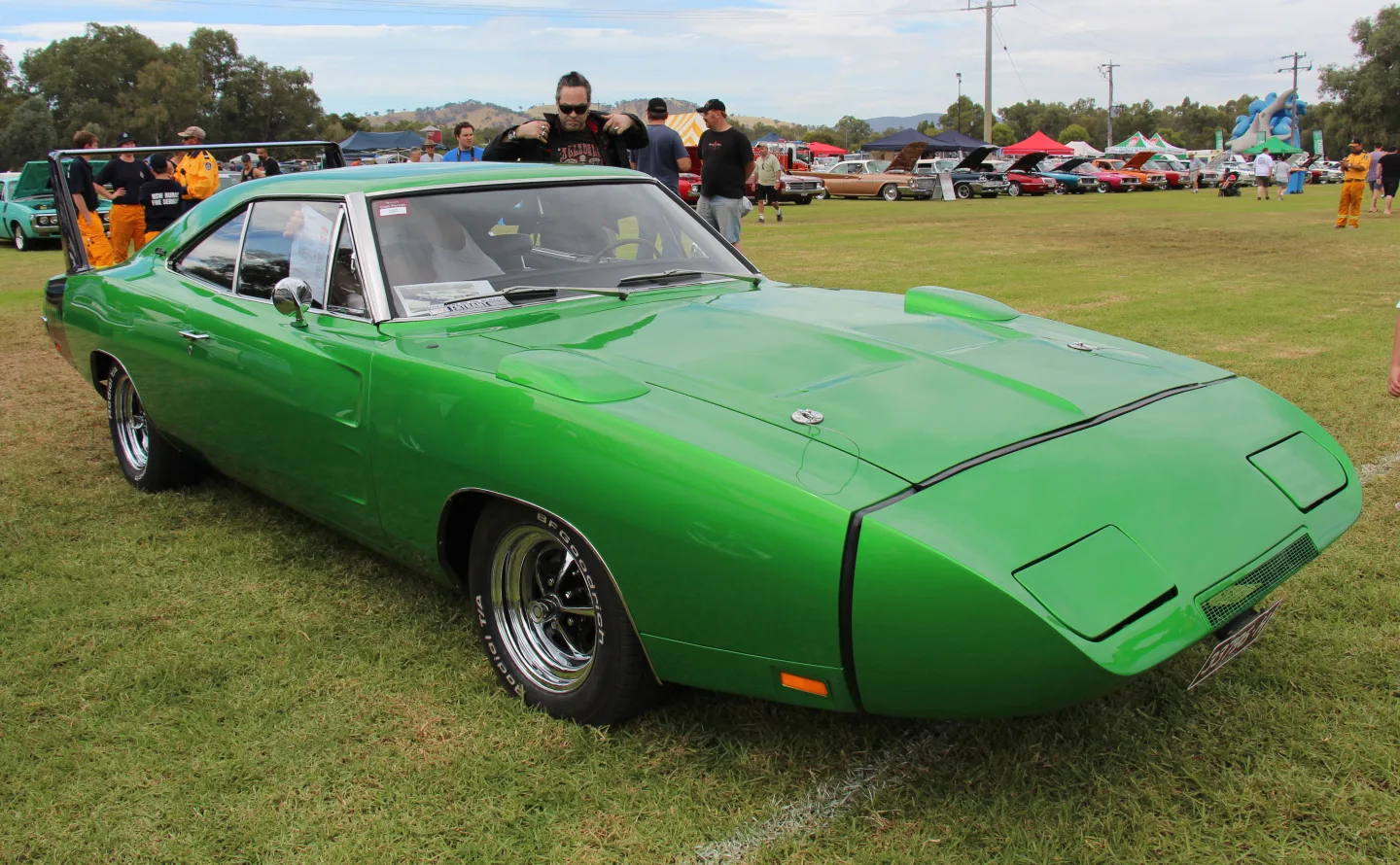
Generation 2 (1967–1980): Purpose-Built Tube Chassis
Generation 2 introduced modified factory passenger car sheet-metal bodies mounted onto purpose-engineered, tubular steel roll-cage chassis for superspeedway safety.
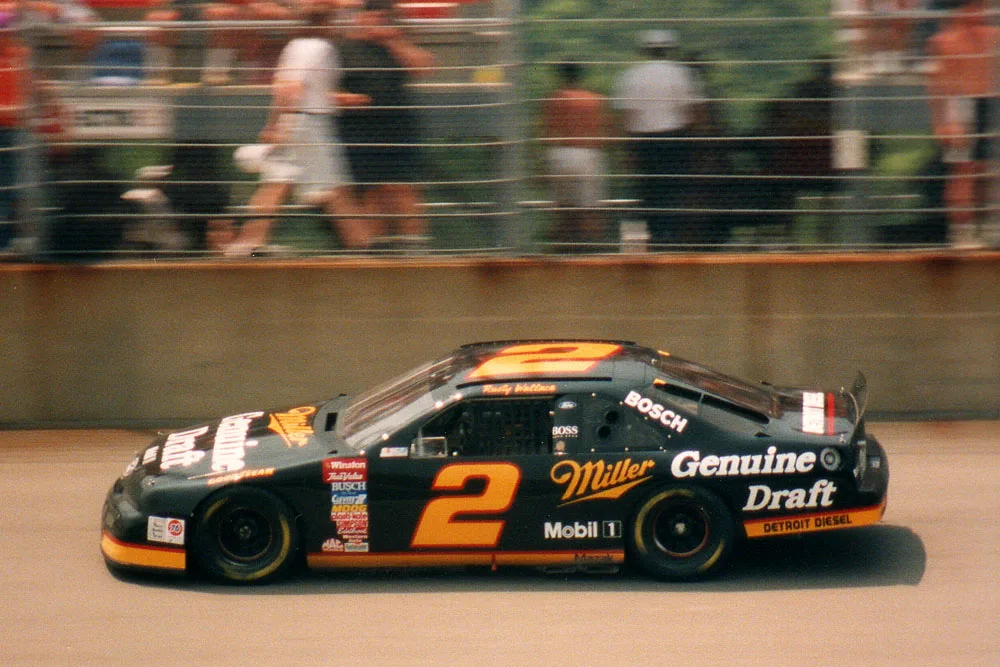
Generation 4: The 'Twisted Sisters'
By the late years of NASCAR's Generation 4 era (1992–2006), teams were hand-fabricating bodies with extreme, deliberately asymmetric skew to generate extra aerodynamic sideforce in the corners — cars that looked visibly crooked when viewed head-on. The lopsided look earned these late Gen 4 machines the nickname 'Twisted Sisters,' built to pair with 800-plus horsepower V8s before NASCAR standardized the body templates that followed.
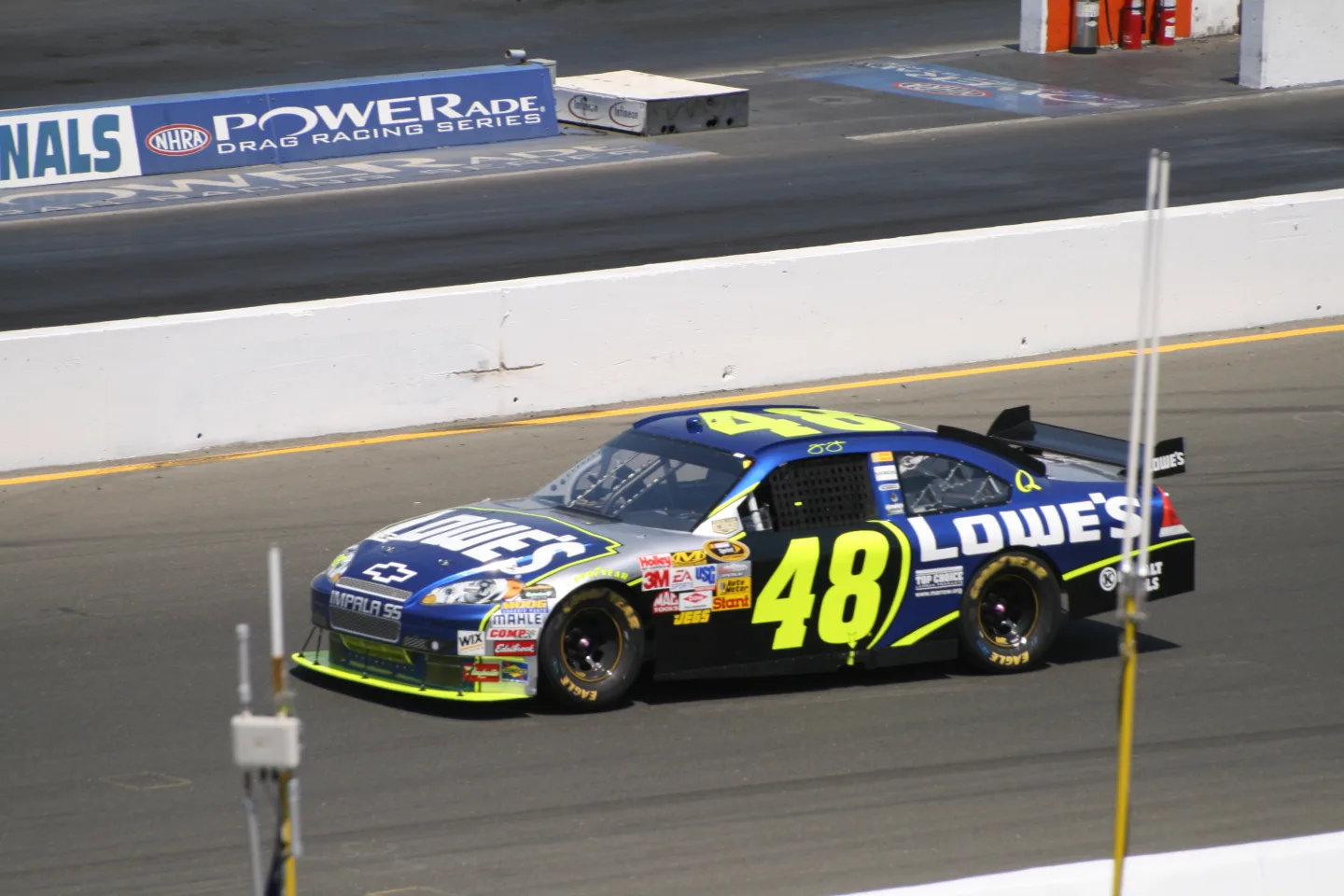
Generation 5 / Car of Tomorrow Safety Architecture
The Car of Tomorrow (CoT) prioritized driver safety with a body 4 inches wider and 2 inches taller than its predecessor, a seat moved toward the center, energy-absorbing door foam, and an adjustable front splitter.
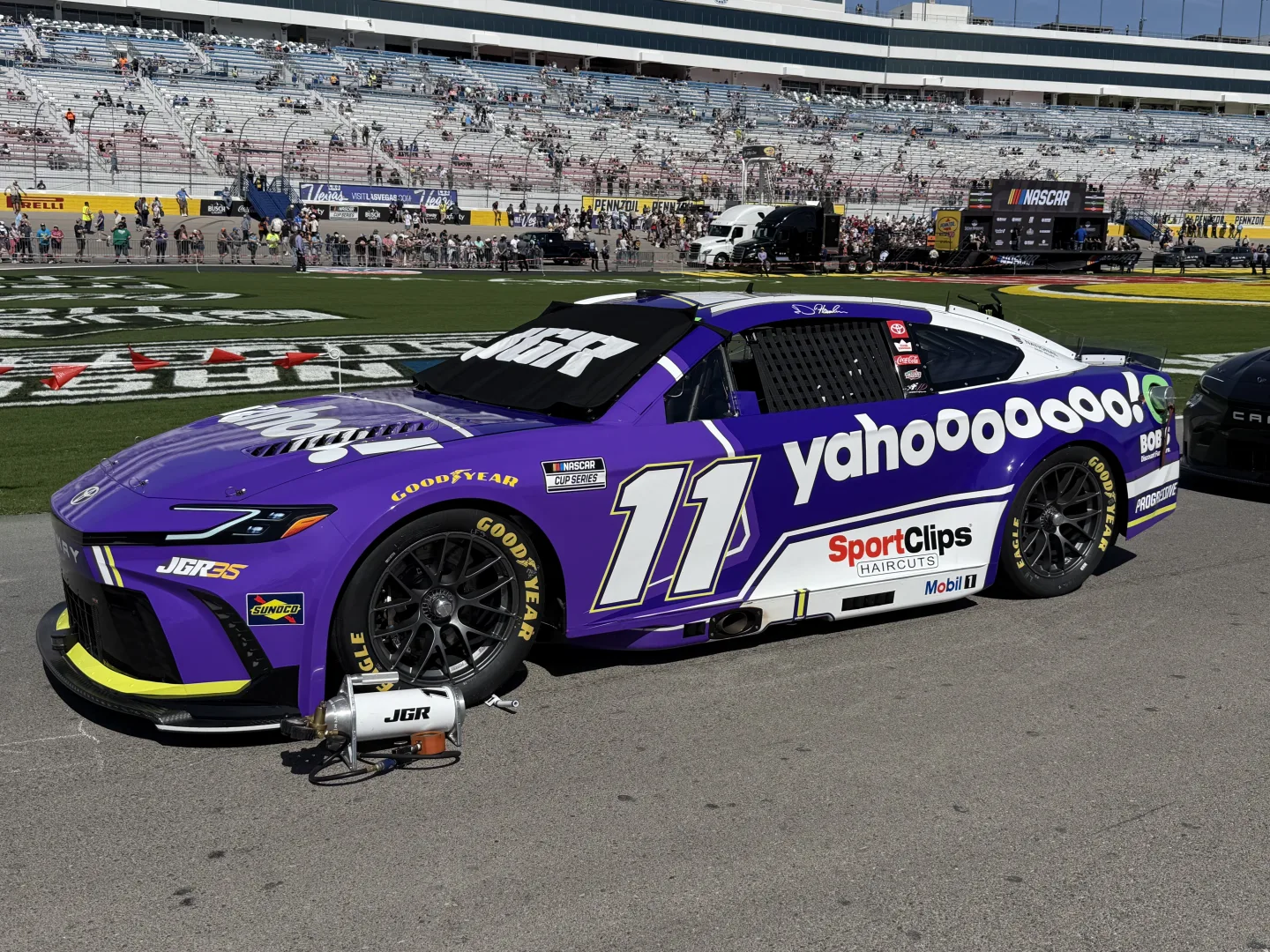
Generation 7 / Next Gen (2022–Present) Revolution
Introduced in 2022, the Next Gen car was designed to reduce team operating costs, improve spec parity, and transition to modern sports car automotive architecture.
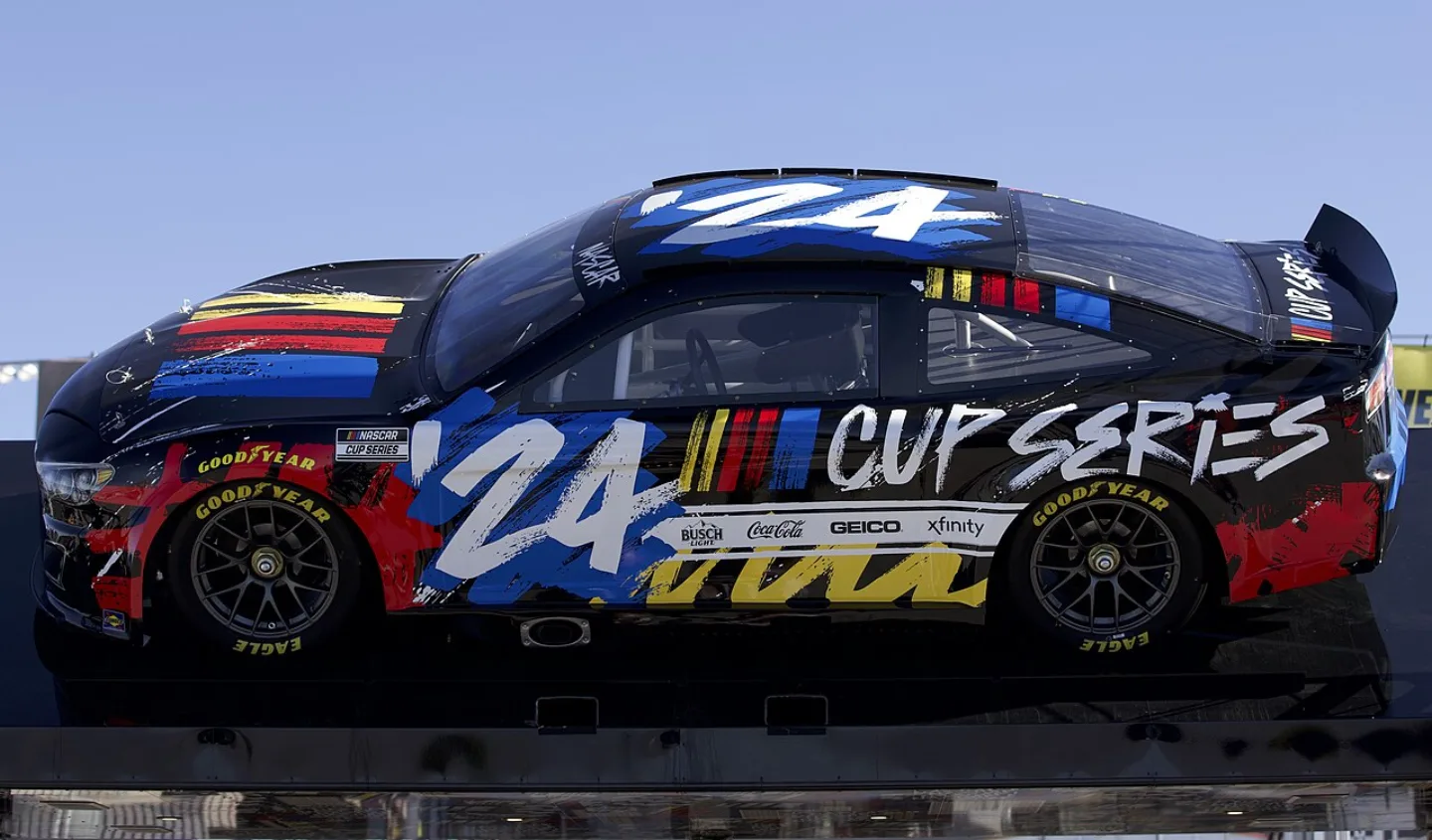
Next Gen's Independent Rear Suspension
The Next Gen car, introduced in 2022, replaced the solid rear axle of the previous generation with a modern independent rear suspension (IRS), with the axle and gears combined in a rear-mounted transaxle. Independent rear suspension is standard on modern sports cars, and it gave teams an extra degree of freedom for tuning handling.
Next Gen Flat Underbody and Rear Diffuser
The Next Gen car has a flat, more fully sealed underbody and a rear diffuser hanging below the rear bumper, intended to improve handling in traffic and reduce the effect of dirty air.
By the numbers
- In what year did NASCAR officially mandate carburetor restrictor plates for races at Daytona and Talladega?
- 1988 year
- To what standard wheelbase length in inches did NASCAR downsize all Cup Series chassis in 1981 (Gen 3)?
- 110 inches
Matched pairs
Each item on the left goes with the one on the right.
- Next Gen wheel system
- 18-inch forged aluminum with single center-lock lug
- Chassis frame and clips
- Technique Inc serialized assemblies
Self-test
Answer each question from memory, then check your work against the answer key.
1. What motorsport phenomenon does the term 'The Big One' describe in NASCAR superspeedway racing?
- AAn overtime green-white-checkered
- BA green-flag pit cycle that reshuffles the whole field
- CA sudden rainstorm causing immediate red flags
- DA massive multi-car crash collecting much of the field
2. Why did two-car tandem drafting pairs have to frequently swap positions during races from 2009 to 2011?
- AThe pushing car's rear differential overheated under sustained load
- BThe trailing pushing car engine overheated rapidly
- CTire wear on the leading car caused a severe blowout
- DFuel tanks drained twice as fast in the front car
3. In what year did Junior Johnson discover the drafting effect at Daytona?
- A1960
- B1963
- C1959
- D1965
4. According to most accounts, roughly how much catchfence did Bobby Allison's car destroy when it went airborne at Talladega in May 1987?
- A250 feet
- B200 feet
- C100 feet
- D50 feet
5. Which superspeedway technique directs turbulent high-pressure air onto a leader's rear spoiler to stall it?
- ABump drafting
- BPack racing
- CSide drafting
- DTandem drafting
6. What feature defined NASCAR's Generation 1 race cars, from the late 1940s to the mid-1960s?
- AHand-fabricated asymmetric bodies for sideforce
- BPurpose-built tubular steel chassis beneath the sheet metal
- CA standardized 110-inch wheelbase chassis
- DFactory production bodies and stock interiors
7. What primary aesthetic objective was achieved with the introduction of Generation 6 in 2013?
- ASymmetrical carbon-composite body panels
- BDistinct showroom brand styling for each make
- CHand-fabricated asymmetric bodies for extra sideforce
- DA single spec body shape shared identically by every make
8. What is the main advantage of the Next Gen car's composite body panels over sheet steel?
- AResists denting and bounces back into shape after contact
- BLets teams fabricate their own panels in-house to save money
- CAllows teams to hand-hammer customized aerodynamic flares
- DCan be hammered back into shape after contact like sheet steel
9. What standardized wheelbase, in inches, did NASCAR mandate for Generation 3 Cup Series chassis starting in 1981?
- A115 inches
- B105 inches
- C120 inches
- D110 inches
10. What suspension system did the 2022 Next Gen car introduce, replacing the solid live rear axle every earlier Cup car used?
- AMacPherson strut suspension
- BIndependent rear suspension
- CDouble wishbone suspension
- DLive axle with coil springs
Go deeper
Answer key
- 1. D A massive multi-car crash collecting much of the field'The Big One' refers to the massive pileups at Daytona and Talladega where a single mistake takes out a large portion of the field.
- 2. B The trailing pushing car engine overheated rapidlyThe pushing car's radiator was starved of air by the car ahead, so its engine overheated within a few laps and the pair had to swap places.
- 3. A 1960Junior Johnson discovered drafting at the 1960 Daytona 500, riding an underpowered car to victory by using a leader's low-pressure wake.
- 4. C 100 feetMost accounts say Allison's car tore out roughly 100 feet of catchfence at about 210 mph (figures vary by source), a near-catastrophe that pushed NASCAR to mandate restrictor plates in 1988.
- 5. C Side draftingSide drafting pulls alongside a leader and redirects turbulent air onto its spoiler, stalling the leader's forward push so it loses speed.
- 6. D Factory production bodies and stock interiorsGen 1 cars were actual production cars with showroom sheet metal and interiors, requiring only that doors be bolted shut.
- 7. B Distinct showroom brand styling for each makeGen 6 gave distinct manufacturer bodylines back to Chevrolet, Ford, and Toyota while maintaining CoT safety.
- 8. A Resists denting and bounces back into shape after contactA composite body should bounce back into shape after contact, or be fixed by swapping one panel, whereas a sheet steel body had to be hammered back into shape.
- 9. D 110 inchesIn 1981, Gen 3 cars were downsized to a standardized 110-inch wheelbase, reflecting the shrinking size of American production cars.
- 10. B Independent rear suspensionThe Next Gen car replaced the solid live rear axle with independent rear suspension (IRS), driven through a rear-mounted transaxle.
Sources
- Wikipedia: Car of Tomorrow — en.wikipedia.org/wiki/Car_of_Tomorrow
- Wikipedia: Safety in NASCAR — en.wikipedia.org/wiki/Safety_in_NASCAR
- FOX Sports: Everything you need to know about NASCAR's Next Gen car — www.foxsports.com/stories/nascar/next-gen-car-reveal-differences-safety-racing-money-bob-pockrass
- Wikipedia: Restrictor plate — en.wikipedia.org/wiki/Restrictor_plate
- FOX Sports: Anatomy of 'The Big One' at Talladega — www.foxsports.com
- NASCAR.com: Physics of the Side Draft Explained and 3 more references — www.nascar.com
- Wikipedia: 2012 Daytona 500 (rule changes to end two-car drafting) — en.wikipedia.org/wiki/2012_Daytona_500
- Society of Automotive Engineers: Aerodynamic Drag in Stock Cars — www.sae.org
- NASCAR.com: NASCAR 75 Stock Car Evolution — www.nascar.com/nascar75-stock-car-evolution/
- Wikipedia: NASCAR Cup Series (Evolution of Cup cars) — en.wikipedia.org/wiki/NASCAR_Cup_Series
- Car and Driver: The 1981 Downsized NASCAR Gen 3 Era — www.caranddriver.com
- Xtrac: P1334 NASCAR Transaxle — www.xtrac.com/product/p1334-nascar-transaxle/
- Wikipedia: Next Gen (NASCAR) — chassis supplier — en.wikipedia.org/wiki/Next_Gen_car
Image credits
- Bobby Allison's Crash and the Restrictor-Plate Era: Broadbandito from Sammamish, USA · CC BY 2.0 — commons.wikimedia.org/wiki/File:Talladega_Superspeedway_Frontstretch_Grandstands_(7160014786).jpg
- Generation 1: Real Showroom Cars: MBisanz talk (Openverse) · by-sa 3.0 — commons.wikimedia.org/w/index.php?curid=7977515
- Generation 2 (1967–1980): Purpose-Built Tube Chassis: Wikimedia Commons · Sicnag · CC BY 2.0 — commons.wikimedia.org/wiki/File:1969_Dodge_Charger_Daytona_(13419983895)_(cropped).jpg
- Generation 4: The 'Twisted Sisters': Wikimedia Commons · James Phelps · CC BY 2.0 — commons.wikimedia.org/wiki/File:Old_School_NASCAR_%E2%80%93_Rusty_Wallace_1994.jpg
- Generation 5 / Car of Tomorrow Safety Architecture: Wikimedia Commons · Brian Shamblen · CC BY 2.0 — commons.wikimedia.org/wiki/File:Jimmie_Johnson_Sonoma_2008.jpg
- Generation 7 / Next Gen (2022–Present) Revolution: Wikimedia Commons · Nascar9919 · CC BY 4.0 — commons.wikimedia.org/wiki/File:Denny_Hamlin,_2026_Las_Vegas_Spring,_Cup.jpg
- Next Gen's Independent Rear Suspension: TaurusEmerald · CC BY-SA 4.0 — commons.wikimedia.org/wiki/File:NASCAR_Cup_Series_24_Next_Gen_Showcar.jpg


