
Never Split the Difference: Negotiating As If Your Life Depended On It study guide · Lesson 8 of 8
Uncovering Black Swans & Ultimate Leverage
Finding Black Swans: The Unknown Unknowns · Overcoming Paradoxes and the Negotiation Mindset
Unofficial study guide for Never Split the Difference: Negotiating As If Your Life Depended On It by Chris Voss, Tahl Raz. FlashFeed is not affiliated with the author or publisher.
This is the lesson's study guide from the FlashFeed app, plus its key facts and a self-test.
What you'll be able to do
- Define a Black Swan as hidden information that shifts outcomes, name Voss's three information categories, and explain why listening beats direct questions.
- Distinguish positive, negative, and normative leverage, and explain why Voss rejects splitting the difference and names fear of conflict the greatest obstacle.
Comprehensive study guide for Uncovering Black Swans & Ultimate Leverage from Never Split the Difference: Negotiating As If Your Life Depended On It by Chris Voss with Tahl Raz.
Finding Black Swans: The Unknown Unknowns
Foundational Insights and Behavioral Architecture
1. A Black Swan in negotiation is a piece of unknown-unknown information that, once discovered, completely transforms the balance of power and the outcome.
The term is borrowed from Nassim Nicholas Taleb, who popularized 'black swan' as a label for rare, high-impact events; in negotiation, Black Swans are hidden truths that neither side openly discusses but dictate the entire deal. In negotiation theory, a Black Swan is an unknown-unknown piece of hidden information that fundamentally changes the game and unlocks game-changing leverage.
2. There are three categories of information in any negotiation: known knowns (facts), known unknowns (questions), and unknown unknowns (Black Swans).
While amateur negotiators focus on known facts, master negotiators relentlessly hunt for the unknown unknowns that will decide the outcome. Information in negotiation divides into three categories: known knowns (established facts), known unknowns (identified questions), and unknown unknowns (unseen Black Swans).
3. Every negotiation contains between three and five Black Swans in each party's possession that would completely alter the deal if revealed.
Assuming that hidden game-changers exist keeps negotiators curious, alert, and constantly probing beneath the surface. As Voss states it, in every negotiation there are between three and five pieces of information that, were they to be uncovered, would change everything.
4. Black Swans are rarely discovered through direct questioning; they are uncovered by active listening, observing anomalies, and building tactical rapport.
People guard their secrets against aggressive probing, but reveal them spontaneously when they feel deeply understood and unjudged. Black Swans are never unearthed through direct interrogation, but through active listening, observing behavioural anomalies, and creating psychological safety.
5. When a counterpart appears completely irrational or crazy, they are usually acting rationally according to hidden constraints or information you cannot see.
Dismissing an opponent as 'crazy' is an intellectual cop-out; master negotiators assume internal logic and search for the hidden driver. When a counterpart seems entirely irrational, they are almost always acting rationally according to hidden constraints, distorted information, or secret fears you have not yet discovered.
6. Counterparts are driven by three universal hidden constraints: they may have bad information, they may face hidden constraints, or they have undisclosed interests.
Identifying which of these three causes is operating allows the negotiator to address the root issue rather than attacking the symptom. Apparent counterpart irrationality stems from three specific causes: they are ill-informed, they are constrained by hidden forces, or they possess undisclosed personal interests.
7. Observing counterpart behavior outside formal negotiation sessions (at dinner, in hallways, during breaks) often reveals crucial Black Swans.
When people let their guard down outside the conference room, subtle remarks reveal real organizational politics and personal motives. Unscripted moments outside formal bargaining sessions—casual hallway chats, coffee breaks, and dinner conversations—are prime hunting grounds for Black Swans.
8. Uncovering Black Swans requires maintaining a beginner's mind, remaining flexible, and being willing to abandon preconceived theories.
If you enter a room convinced you already know everything, you will filter out the subtle anomalies that hold the key to the deal. Discovering Black Swans demands maintaining a beginner's mindset, discarding rigid hypotheses, and remaining radically open to unexpected revelations.
9. A Black Swan can completely reverse an apparent power disadvantage, giving a smaller party ultimate leverage over a corporate giant.
Discovering that a corporate buyer needs your deal to hit their quarterly bonus gives you immense leverage, regardless of company size. A single uncovered Black Swan can instantly flip the power dynamic, granting an under-resourced negotiator total asymmetric leverage over a corporate giant.
Practical Application and Strategic Takeaways
Overcoming Paradoxes and the Negotiation Mindset
Foundational Insights and Behavioral Architecture
1. There are three foundational types of leverage in negotiation: Positive Leverage, Negative Leverage, and Normative Leverage.
Leverage is the ability to inflict pain or provide gain; understanding its three forms allows negotiators to wield influence responsibly. Strategic leverage divides into three foundational varieties: Positive Leverage, Negative Leverage, and Normative Leverage.
2. Positive Leverage is the ability to provide or withhold things that the counterpart wants, desires, or needs to achieve their goals.
When you possess something the other party desperately wants, you hold positive leverage over their decision-making. Positive Leverage is the ability to grant or withhold the vital resources, approvals, or terms that the counterpart desires to accomplish their objectives.
3. Negative Leverage is the ability to inflict loss, pain, reputational damage, or suffering on the counterpart if an agreement is not reached.
Negative leverage derives from loss aversion, but wielding it clumsily triggers counter-attacks; it must be delivered via subtle labels, not raw threats. Negative Leverage—the realm of threat and loss aversion—is the power to inflict pain, damage reputation, or worsen the counterpart's reality if talks fail.
4. Normative Leverage is the ability to use the counterpart's own established standards, values, moral codes, and past statements to guide their decisions.
People hate looking hypocritical; showing that your proposal aligns with their stated corporate values creates immense normative pressure. Normative Leverage harnesses the counterpart's own explicit values, organizational standards, past precedents, and moral codes to demand consistent action.
5. Uncovering a counterpart's 'religion'—their core worldview, identity, and sacred beliefs—reveals the ultimate rules governing their behavior.
Negotiations stall when proposals violate a counterpart's sacred identity; aligning with their worldview makes agreement natural. Deciphering a counterpart's 'religion'—their foundational identity, organizational culture, and sacred values—reveals the unseen rules directing their choices.
6. Fear of conflict is the single greatest obstacle to personal and commercial success in high-stakes negotiations.
People often make destructive concessions just to escape awkward tension; master negotiators embrace productive conflict with calm confidence. The paralyzing fear of conflict and emotional discomfort is the single greatest barrier preventing negotiators from achieving exceptional outcomes.
7. 'Never split the difference' is the core philosophy that compromise is often a lazy, disastrous surrender that satisfies neither party.
Splitting the difference between wearing black shoes and brown shoes results in wearing one of each—a foolish result that solves nothing. 'Never split the difference' encapsulates the truth that arbitrary compromise is often a cowardly, mediocre solution that leaves both parties dissatisfied.
8. Negotiation is not a battle to be won, but a process of discovery designed to uncover hidden value, truth, and optimal solutions.
Viewing the counterpart as a partner in solving a puzzle elevates the quality of agreements for everyone involved. Master negotiation is not an adversarial war to conquer an enemy, but an empathetic voyage of collaborative discovery to uncover hidden truth and value.
9. Preparation is one of the strongest determinants of negotiation success — thorough preparation before you sit down at the table pays outsized dividends.
Researching counterpart constraints, building calibrated questions, and scripting accusations audits guarantees poise under pressure. Exhaustive psychological and factual preparation is one of the strongest determinants of negotiation success -- as Voss puts it, under pressure you don't rise to the occasion, you fall to your highest level of preparation.
10. By mastering tactical empathy, active listening, and calibrated questioning, anyone can become an extraordinary negotiator in business and life.
These skills are not innate talents, but trainable behavioral tools that transform personal and professional relationships. By integrating tactical empathy, active listening, and calibrated questions into daily practice, any individual can attain mastery in human connection and negotiation.
Practical Application and Strategic Takeaways
Key terms
- The Rule of Three to Five Black Swans
- Every negotiation contains between three and five Black Swans in each party's possession that would completely alter the deal if revealed.
- Negative Leverage
- Negative Leverage is the ability to inflict loss, pain, reputational damage, or suffering on the counterpart if an agreement is not reached.
Key facts
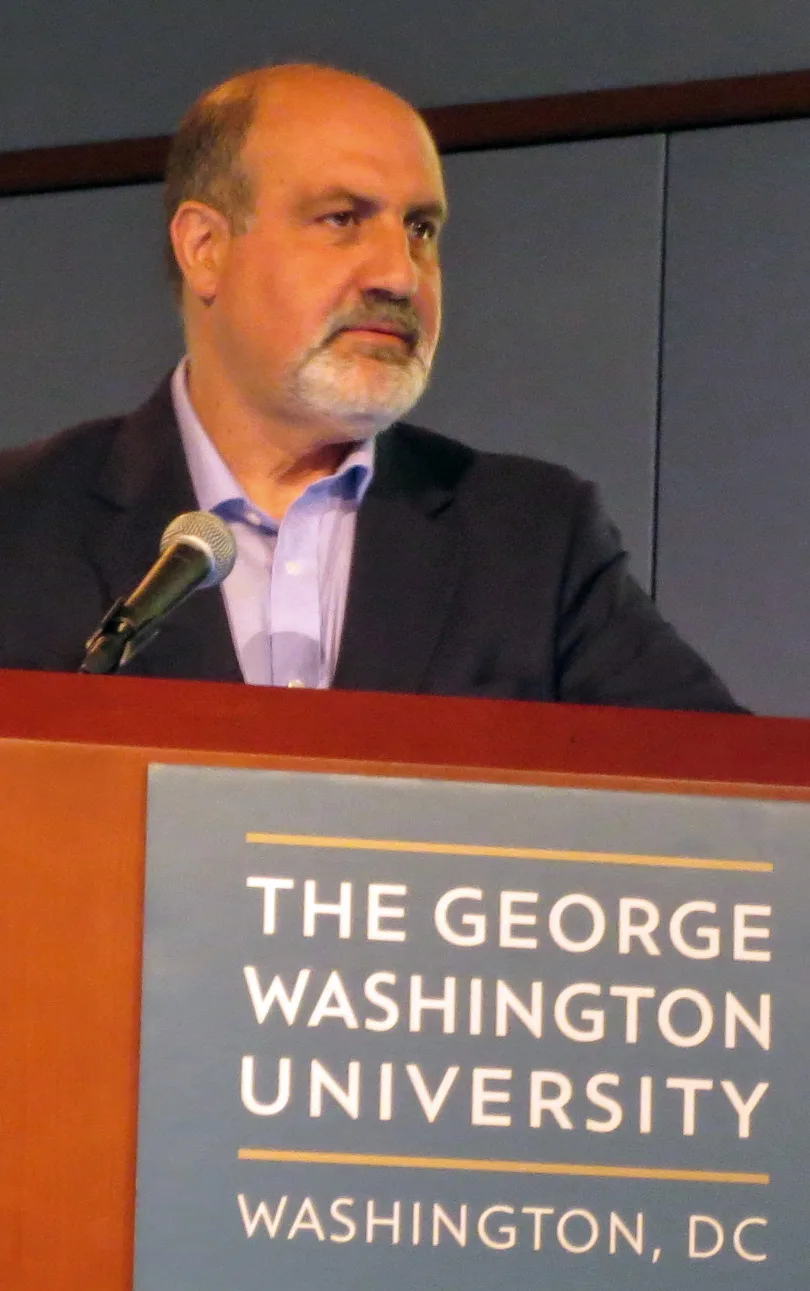
A Black Swan in negotiation
A Black Swan in negotiation is a piece of unknown-unknown information that, once discovered, completely transforms the balance of power and the outcome. The term is borrowed from Nassim Nicholas Taleb, who popularized 'black swan' as a label for rare, high-impact events; in negotiation, Black Swans are hidden truths that neither side openly discusses but dictate the entire deal.
When a counterpart appears com
Dismissing an opponent as 'crazy' is an intellectual cop-out; master negotiators assume internal logic and search for the hidden driver.
Compare tactical execution versus conventional bargaining:
Tactical Empathy — Uncovering Black Swans requires maintaining a beginner's mind, remaining flexible, and being willing to abandon preconceived theories.
Conventional Bargaining — Relying on rigid positions, positional bargaining, and premature compromises.

There are three foundational types
There are three foundational types of leverage in negotiation: Positive Leverage, Negative Leverage, and Normative Leverage. Leverage is the ability to inflict pain or provide gain; understanding its three forms allows negotiators to wield influence responsibly.
Uncovering a counterpart's 're
Negotiations stall when proposals violate a counterpart's sacred identity; aligning with their worldview makes agreement natural.
Compare tactical execution versus conventional bargaining:
Tactical Empathy — Negotiation is not a battle to be won, but a process of discovery designed to uncover hidden value, truth, and optimal solutions.
Conventional Bargaining — Relying on rigid positions, positional bargaining, and premature compromises.
Summary: Tactical Empathy Builds Extraordinary Negotiators
By mastering tactical empathy, active listening, and calibrated questioning, anyone can become an extraordinary negotiator in business and life. These skills are not innate talents, but trainable behavioral tools that transform personal and professional relationships.
Matched pairs
Each item on the left goes with the one on the right.
- Core Insight
- Observing counterpart behavior outside formal negotiation sessions often reveals crucial Black Swans.
- Operational Focus
- When people let their guard down outside the conference room, subtle remarks reveal real organizational politics and personal motives.
- Core Insight
- 'Never split the difference' is the core philosophy that compromise is often a lazy, disastrous surrender that satisfies neither party.
- Operational Focus
- Splitting the difference between wearing black shoes and brown shoes results in wearing one of each—a foolish result that solves nothing.
Step by step
Protocol: Tactical Empathy Application
- Assess counterpart psychological posture and emotional drivers.
- Deploy active listening instruments without premature judgment.
- Articulate the counterpart's perspective to achieve alignment.
- Guide the dialogue toward a collaborative breakthrough.
Protocol: Preparation Application
- Research the counterpart's interests, constraints, and decision-making authority before the session.
- Draft calibrated 'how' and 'what' questions in advance.
- Script an accusation audit to defuse anticipated objections.
- Rehearse tone, pacing, and delivery before sitting down at the table.
Self-test
Answer each question from memory, then check your work against the answer key.
1. What is a Black Swan in a negotiation?
- AHidden info that shifts outcomes
- BA fact both sides already discuss
- CA scripted opening offer
- DA written contract clause
2. Which set are the three categories of information in a negotiation, per Chris Voss?
- AFacts, opinions, and assumptions
- BKnown facts, hidden facts, false facts
- CPositive, negative, and normative leverage
- DKnown knowns, known unknowns, unknown unknowns
3. Per Voss's operational rule, how many Black Swans does each party typically hold?
- AAt least five
- BExactly two
- CThree to five
- DAt least one
4. A casual remark overheard during a coffee break reveals a hidden budget limit. This illustrates finding a Black Swan through what method?
- AReviewing financial statements
- BObserving informal behavior
- CDirect interrogation
- DWritten contract review
5. Which approach is LEAST likely to uncover a Black Swan?
- ADirect, pointed questioning
- BObserving behavioral anomalies
- CBuilding tactical rapport
- DActive listening
6. What are the three foundational types of leverage in negotiation, per Voss?
- APositional, Relational, and Tactical
- BPositive, Negative, and Coercive
- CFinancial, Emotional, and Legal
- DPositive, Negative, and Normative
7. Which type of leverage is the ability to inflict loss, pain, or reputational damage if no deal is reached?
- ANormative Leverage
- BCoercive Leverage
- CNegative Leverage
- DPositive Leverage
8. A negotiator cites the counterpart's own past public statements to challenge their current stance. Which leverage is this?
- ANegative Leverage
- BNormative Leverage
- CPositive Leverage
- DReciprocal Leverage
9. Which describes Conventional Bargaining, as contrasted with Tactical Empathy?
- AA process of discovery about real needs
- BCuriosity about hidden motives
- CBuilding psychological safety for disclosure
- DRigid positions and premature compromises
10. Per Chris Voss, tactical empathy and calibrated questioning are best described as which kind of skill?
- ATechniques useful only in high-stakes deals
- BInnate personality traits
- CTrainable behavioral tools
- DSkills limited to law enforcement
Go deeper
- ReadNever Split the Difference by Chris Voss, Tahl Raz · on Amazon ↗
- StudyNever Split the Difference: Negotiating As If Your Life Depended On It in the FlashFeed app
These are affiliate links: if you buy a book through one, FlashFeed may earn a small commission at no extra cost to you. The commission helps pay for FlashFeed's servers.
As an Amazon Associate we earn from qualifying purchases.
Answer key
- 1. A Hidden info that shifts outcomesA Black Swan is unknown-unknown information that, once found, transforms the balance of power and outcome.
- 2. D Known knowns, known unknowns, unknown unknownsVoss splits information into known knowns (facts), known unknowns (questions), and unknown unknowns (Black Swans).
- 3. C Three to fiveVoss's rule holds that each party carries three to five hidden Black Swans—pieces of information that could change everything—if uncovered.
- 4. B Observing informal behaviorUnscripted moments like breaks and hallway chats are prime hunting grounds for Black Swans, per Voss.
- 5. A Direct, pointed questioningBlack Swans are rarely found through direct questioning; they surface via listening, noticing anomalies, and rapport.
- 6. D Positive, Negative, and NormativeVoss names three forms of leverage: Positive, Negative, and Normative, covering gain, pain, and shared standards.
- 7. C Negative LeverageNegative Leverage is defined as the ability to inflict loss, pain, or reputational damage without agreement.
- 8. B Normative LeverageNormative Leverage uses the counterpart's own standards, values, and past statements to guide their decisions.
- 9. D Rigid positions and premature compromisesConventional Bargaining relies on rigid positions, positional bargaining, and premature compromises, unlike Tactical Empathy.
- 10. C Trainable behavioral toolsVoss states these are not innate talents but trainable behavioral tools that anyone can learn.
Sources
- Never Split the Difference: Negotiating As If Your Life Depended On It — Chris Voss with Tahl Raz
- Never Split the Difference (Chris Voss & Tahl Raz)
Image credits
- A Black Swan in negotiation: Wikimedia Commons · joelogon · CC BY-SA 2.0 — commons.wikimedia.org/wiki/File:Nassim_Nicholas_Taleb_2013-001.jpg
- There are three foundational types: AI-generated (gpt-image-1.5)
