
The Power of Habit study guide · Lesson 5 of 6
Social Movements, Collective Habits, and Free Will Neurology
Social Movements, Strong Ties, Weak Ties, and Collective Habit · The Neurology of Free Will, Habit Automation, and Moral Responsibility
Unofficial study guide for The Power of Habit: Why We Do What We Do in Life and Business by Charles Duhigg. FlashFeed is not affiliated with the author or publisher.
This is the lesson's study guide from the FlashFeed app, plus its key facts and a self-test.
What you'll be able to do
- Contrast strong and weak ties using Granovetter, Rosa Parks, and Claudette Colvin, and explain how Saddleback's small groups build lasting habits.
- Explain how automatism and near-miss dopamine bear on responsibility in the Brian Thomas and Angie Bachmann cases and in gambling.
Lesson 5 Study Guide: Social Movements, Collective Habits, and Free Will Neurology
Social Movements, Strong Ties, Weak Ties, and Collective Habit
Mass social movements that transform nations and rewrite legal structures rarely emerge solely from top-down political directives or charismatic individual leadership. Instead, enduring social revolutions are powered by the cascading mobilization of collective social habits operating across three distinct sociological stages:
- Stage 1: The movement ignites through the social habits of friendship and strong ties.
- Stage 2: The movement scales through the power of weak ties and communal peer pressure.
- Stage 3: The movement endures by embedding new social habits that reshape collective identity.
The historic trajectory of the 1955 Montgomery Bus Boycott provides the quintessential case study of this three-tier architecture. On December 1, 1955, Rosa Parks was arrested in Montgomery, Alabama, for refusing to surrender her bus seat to a white passenger. Parks was not the first African American arrested for defying bus segregation; months earlier, a fifteen-year-old girl named Claudette Colvin and several others committed identical acts of civil disobedience, yet their arrests failed to ignite a broader uprising.
The pivotal difference lay in Rosa Parks' extraordinary network of strong ties. Parks was an active, universally respected figure whose personal relationships crossed every economic, religious, and social boundary in Montgomery. She was a leader in the local National Association for the Advancement of Colored People (NAACP), a devout churchgoer, a volunteer for youth organizations, and a trusted friend to seamstresses and wealthy families alike. When Parks was arrested, her dense web of close personal friendships felt an immediate sense of personal violation, prompting community leaders like Jo Ann Robinson and E.D. Nixon to coordinate an initial one-day bus boycott.
However, strong ties alone are mathematically insufficient to sustain a mass movement across an entire municipality over months or years. The expansion of the boycott from an initial one-day protest into a 381-day sustained campaign was driven by what Stanford sociologist Mark Granovetter defined in 1973 as the strength of weak ties. Weak ties are casual acquaintances—coworkers, neighbors, and fellow churchgoers—who connect disparate social clusters.
When Dr. Martin Luther King Jr. and Montgomery ministers called for an indefinite continuation of the boycott, participation became governed by communal peer pressure and neighborly obligation. In close-knit communities, individuals who might otherwise remain passive participate in collective action to preserve their social standing and uphold shared civic expectations. The community established alternative carpools, walking routines, and mutual support systems that endured until the United States Supreme Court declared Alabama bus segregation unconstitutional.
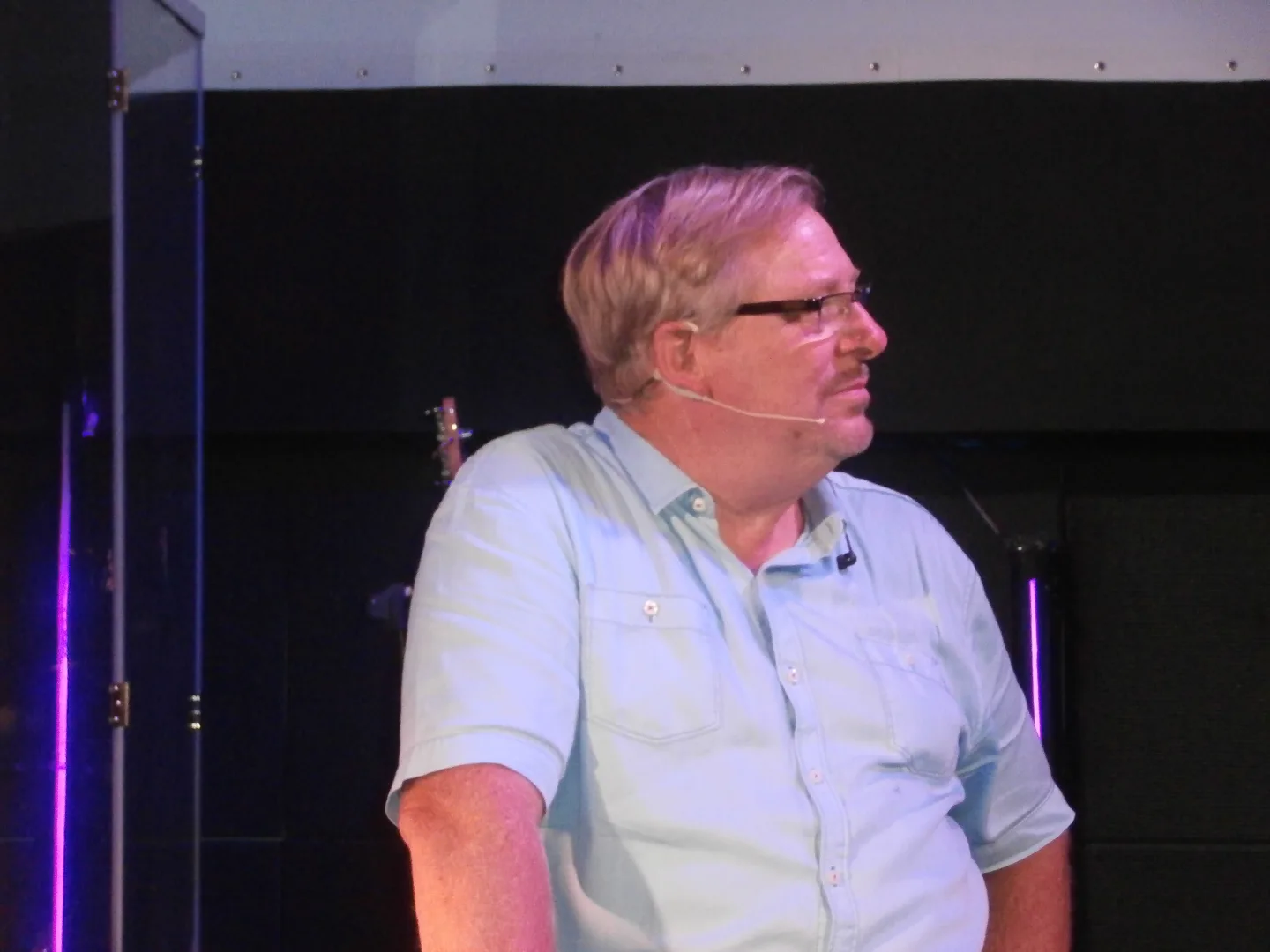
A parallel demonstration of communal habit engineering occurred at Saddleback Church, founded in 1980 by Pastor Rick Warren in Southern California. Warren recognized that while dynamic preaching attracted large Sunday crowds, mega-churches experienced high turnover because passive attendees rarely developed lasting commitments. Warren restructured Saddleback around decentralized small groups—neighborhood clusters of a handful of members who met weekly in living rooms to study scripture, share personal struggles, and eat meals together.
By embedding spiritual life into small, self-governing peer groups, Saddleback transformed abstract faith into daily communal habits. Members maintained mutual accountability for personal goals, charitable service, and daily prayer, establishing an enduring social infrastructure that grew into one of the largest congregations in American history. Social movements endure when they bridge passion with automated social routines.
The sociological interplay between strong ties, weak ties, and communal habit formation explains the exponential scaling of transformative social movements throughout history. While the initial emotional spark of a protest requires the deep trust, mutual loyalty, and moral outrage of close-knit friendship circles (strong ties), a localized demonstration will inevitably dissipate unless it bridges across diverse demographic and socioeconomic boundaries. This critical societal scaling is mediated by the expansive web of casual acquaintances and professional colleagues (weak ties) who transmit information, expectations, and civic norms across isolated social groups.
When community leaders and moral authorities frame participation in collective action as an inescapable civic and ethical duty, communal peer pressure transforms individual hesitation into active mobilization. To ensure that a mass movement achieves permanent legislative and cultural transformation rather than fading after the initial wave of enthusiasm, leaders must institutionalize new, daily collective habits. In the Montgomery Bus Boycott, this took the form of elaborate, disciplined carpool networks, community dispatch centers, and regular mass meetings in churches that sustained thousands of citizens through 381 days of economic pressure and legal intimidation. By turning political resistance into an automatic daily habit, social movements construct the enduring infrastructure necessary to overcome entrenched institutional oppression.
The Neurology of Free Will, Habit Automation, and Moral Responsibility
As neuroscience unveils the subcortical automaticity of the basal ganglia, it raises fundamental philosophical, legal, and ethical questions: If complex behavioral sequences can be executed entirely outside conscious awareness, to what degree are human beings morally and legally responsible for their habitual actions? Where does the boundary lie between neurological compulsion and conscious free will?
Duhigg explores this boundary through two contrasting legal cases: the tragic somnambulism of Brian Thomas and the compulsive gambling of Angie Bachmann.
In July 2008, fifty-nine-year-old Brian Thomas traveled with his wife Christine in a camper van to a coastal village in Wales. Thomas suffered from chronic sleep terrors and somnambulism. Agitated by noisy youths near the camper, Thomas fell into a disturbed sleep and experienced a violent night terror. In his dream state, Thomas hallucinated that an intruder had broken into the van and was attacking his wife. In a state of total unconscious automaticity, Thomas attacked the perceived assailant, waking up to the horrific realization that he had strangled his wife to death.
During his 2009 murder trial, the defense argued that Thomas had acted in a state of automatism, which in law means acting without conscious control. In a sleep terror, the primitive brainstem and basal ganglia can run complex motor routines while the prefrontal cortex (the seat of conscious volition, moral deliberation, and awareness) is largely offline. Thomas was acquitted, and the judge told him that in the eyes of the law he bore no responsibility for what he had done.
Duhigg contrasts Thomas's exoneration with the case of Angie Bachmann, an Iowa homemaker who developed a catastrophic gambling addiction. Bachmann liquidated her family's assets and declared bankruptcy after losing hundreds of thousands of dollars at casino tables. Years later, after inheriting nearly one million dollars from her parents' estate, Harrah's Casino aggressively targeted Bachmann with complimentary penthouse suites and very important person (VIP) limousine transportation. Over the following two years, Bachmann gambled away her entire inheritance and incurred an additional $125,000 in debt. Bachmann countersued Harrah's, arguing that the casino exploited an involuntary neurological habit loop that deprived her of free will.
To understand the neurobiology of gambling compulsion, Dr. Reza Habib at Southern Illinois University conducted functional magnetic resonance imaging (fMRI) studies on casual and pathological gamblers viewing computerized slot machine outcomes. Habib discovered a profound neurological difference in how the brain processes near-misses (when two jackpot symbols align and the third falls one slot away):
- In casual, social gamblers, near-misses activated brain regions associated with loss and disappointment.
- In pathological gamblers, near-misses activated win-related reward regions (the brain's dopamine reward circuitry) much as a real win did, which may help explain the craving to keep betting.
Despite this biological vulnerability, the courts ruled against Bachmann, holding her fully liable for her gambling debts. Duhigg articulates the profound moral distinction separating the two cases: In Duhigg's account, once you know a habit exists you bear responsibility for changing it; that awareness is what separated Bachmann, whose argument failed, from Thomas, who was acquitted.
Brian Thomas had no conscious awareness during his night terror and no opportunity to intervene. Angie Bachmann, by contrast, was fully aware of her compulsive habit loop when she was outside the casino. In conscious moments, she had the agency to install external safeguards—such as registering on state casino self-exclusion lists or delegating financial control to a conservator. Once an individual understands the neurological mechanics of their habits, automaticity ceases to be a legal excuse; it becomes a conscious responsibility.
The philosophical and judicial reconciliation of neurological automatism with moral accountability represents one of the most vital frontiers of modern jurisprudence. The contrasting cases of Brian Thomas and Angie Bachmann illustrate the precise boundary where subcortical automaticity ends and conscious ethical responsibility begins. In cases of true parasomnia and nocturnal somnambulism, sleep specialists describe the brain regions responsible for conscious intention, situational appraisal, and moral volition as largely offline while motor routines run. Because the subject possesses zero conscious awareness during the physical act and has no cognitive opportunity to intervene, the essential legal prerequisite of mens rea (a guilty mind) is entirely absent.
Conversely, in cases of behavioral addiction and compulsive habit loops, the individual possesses full conscious cognitive capacity during the periods spent outside the triggering environment. Although an active gambler in front of a slot machine experiences intense dopaminergic cravings and aberrant near-miss neurological processing, they retain the conscious agency during sober moments to recognize their vulnerability and install external safeguards. By placing themselves on state casino exclusion lists, surrendering financial control to trusted fiduciaries, or enrolling in structured therapeutic programs, individuals exercise their conscious free will to constrain future automaticity. Understanding the science of habit loops does not absolve human beings of moral responsibility; rather, it establishes a profound ethical imperative to consciously engineer environments and routines that protect human flourishing.
Key terms
- Strong Ties
- Close, trusted friendship relationships that ignite a movement's first spark of action.
- Near-Miss
- A slot-machine spin where two matching symbols align and the third stops just one slot away.
- Mens Rea
- A legal term for having a guilty mind when committing an act.
Key facts

Rosa Parks
Rosa Parks ignited the Montgomery Bus Boycott because her dense network of strong ties spanned disparate social and religious groups.
Mark Granovetter's Strength of Weak Ties
Stanford sociologist Mark Granovetter showed in 1973 that a person's weak ties — casual acquaintances, coworkers, fellow churchgoers — matter more for spreading information and behavior across a community than close friendships do, because weak ties bridge otherwise-disconnected social clusters. That bridging power is also what gives weak ties their social force: because a reputation is held by an entire acquaintance network at once, opting out of a shared cause costs something in every one of those circles.
How Strong Ties and Weak Ties Divide the Work
A social movement doesn't scale the way it ignites. It starts through strong ties — the deep trust and moral outrage of close friendship circles — but strong ties alone can't sustain a mass movement across an entire city for months. That reach comes from weak ties, which is why movements begin with passion from close friends and expand only when a wider web of acquaintances is drawn in.
Rick Warren and Saddleback's Small Groups
Rick Warren founded Saddleback Church in 1980 and discovered that dynamic Sunday preaching alone didn't create lasting commitment; attendees drifted away. So he restructured the congregation around small, self-governing weekly groups who met in living rooms, trained in specific daily routines like scripture reading, prayer, and mutual assistance. Embedding faith into those weekly habits, rather than a single Sunday service, is what grew Saddleback into one of the largest congregations in the country.
The Montgomery Bus Boycott's Duration and End
The Montgomery Bus Boycott ran for 381 consecutive days, sustained by carpools and walking networks the community built to replace bus travel entirely. It ended only when the United States Supreme Court declared Alabama's bus segregation laws unconstitutional, not because the bus company gave in or a city ordinance changed.
Moral Framing and New Habits Sustain a Boycott
Dr. Martin Luther King Jr. didn't confine the boycott to a narrow legal argument about bus seating; he framed continued participation as a moral and civic obligation from the pulpit, which is what let the protest outlive the initial arrest that sparked it. But framing alone wasn't enough to sustain 381 days: leaders also had to embed new, self-sustaining daily habits — carpools, dispatch centers, morning rallies — that gave participants a new collective identity to hold onto.
Jo Ann Robinson's Overnight Mobilization
Jo Ann Robinson and the Women's Political Council didn't spend weeks negotiating with city officials after Rosa Parks's arrest before backing the boycott. In the hours immediately following the arrest, they mimeographed and distributed tens of thousands of leaflets overnight calling for a one-day boycott.
Brian Thomas
Brian Thomas was acquitted of killing his wife during a sleep terror, after his defense argued that he acted in a state of automatism, meaning without conscious control.
Automatism: Acting Without Conscious Control
In law, automatism means acting without conscious control, and it was the defense in Brian Thomas's trial. In a sleep terror, the primitive brainstem can run complex motor routines while the prefrontal cortex, the seat of conscious intention and moral judgment, is largely offline. It's not limited to simple reflexes: during a sleep terror, the brainstem can direct intricate, coordinated physical movements, including violent combat-like actions, while the sleeper's conscious mind remains fully asleep and unaware.
Angie Bachmann's Case
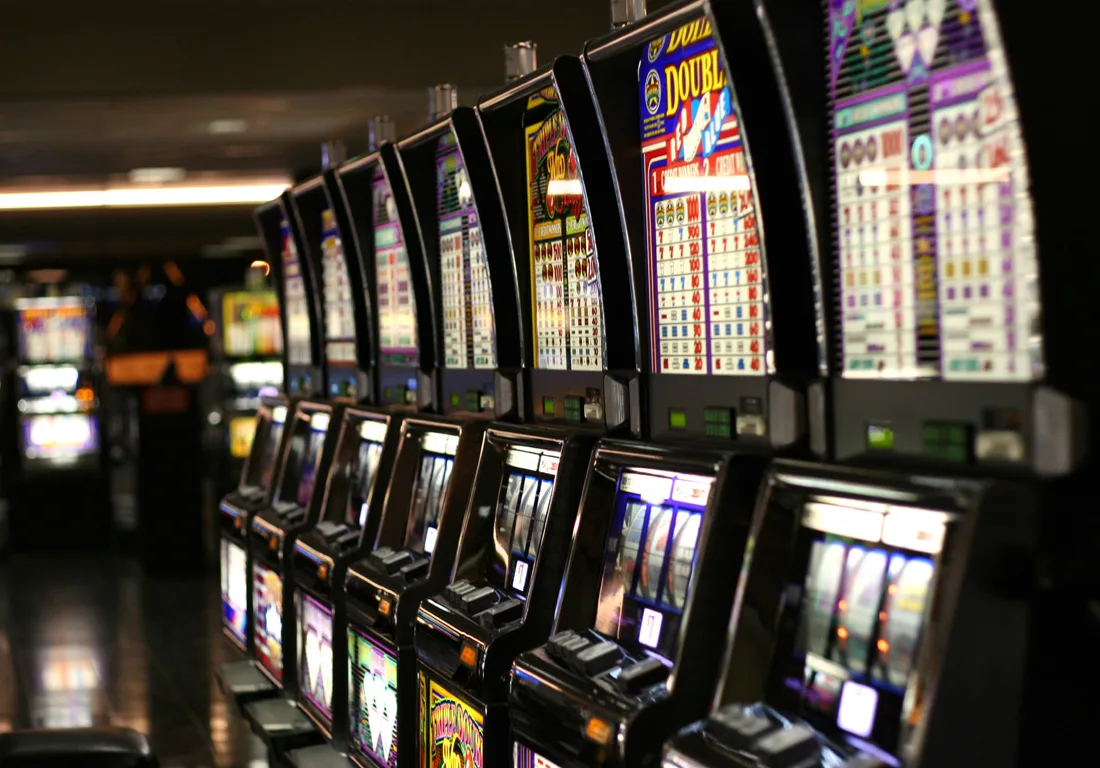
Angie Bachmann, an Iowa homemaker, had already declared bankruptcy from gambling losses when she inherited nearly a million dollars, and Harrah's Casino aggressively courted her back with penthouse suites and very important person (VIP) transportation. She gambled the entire inheritance away over the following two years and incurred further debt. She then countersued Harrah's, arguing the casino had exploited an involuntary neurological habit loop that stripped her of free will. The court rejected that argument and held her fully liable for the resulting debt.
Near-Miss Processing in the Brain
Dr. Reza Habib at Southern Illinois University scanned the brains of casual and pathological gamblers as they watched slot machine outcomes, focusing on near-misses, when two jackpot symbols align and the third lands just one slot away. In casual gamblers, a near-miss activated brain regions tied to loss and disappointment. In pathological gamblers, that same near-miss activated reward regions, including the dopamine-rich midbrain, much as an actual win did, which may help explain the urge to keep playing.

Awareness Creates Moral Responsibility
The line Duhigg draws between the two cases is conscious awareness: Brian Thomas had zero awareness of his automatism and no chance to intervene, while Angie Bachmann was fully aware of her compulsion whenever she was outside the casino. Once a person understands the shape of a habit loop, automaticity stops being a legal excuse; it becomes a responsibility to act, whether that means registering on a self-exclusion list or handing financial control to someone else.
Measuring Gambling Compulsion
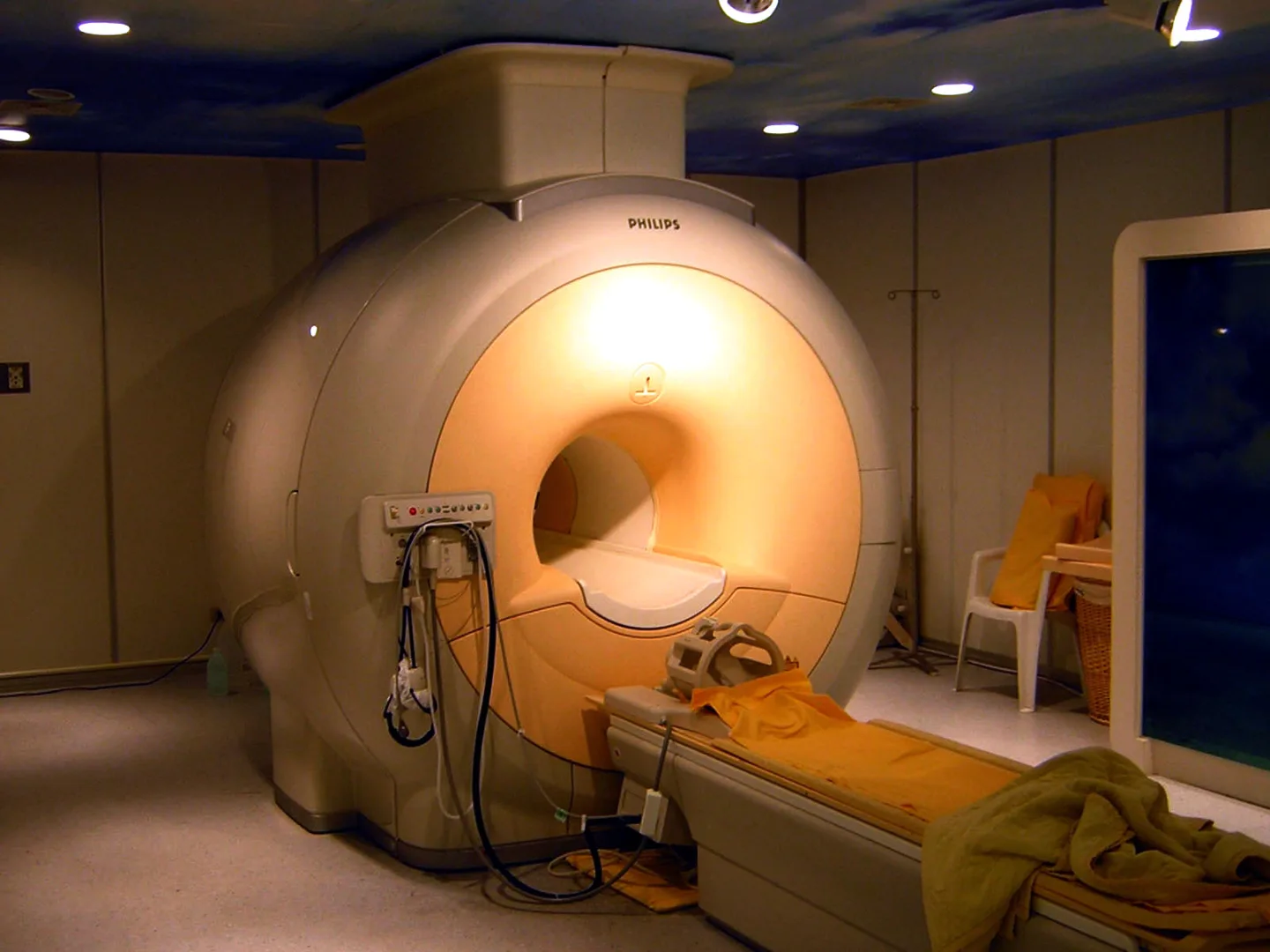
The near miss is a losing slot-machine spin that lands just short of a jackpot. In Habib's scans, pathological gamblers' brains treated it much like an actual win, while casual gamblers registered it as a loss. Habib's team measured this effect using functional magnetic resonance imaging (fMRI), which tracks blood oxygenation as a proxy for where the brain is actively firing.
Harrah's Casino Targeted Bachmann
After Angie Bachmann inherited nearly a million dollars, Harrah's Casino aggressively targeted her, offering complimentary penthouse suites and very important person (VIP) limousine transportation. Bachmann later argued that the casino was exploiting an involuntary neurological habit loop, but the court rejected that argument.
Casino Self-Exclusion Registries
State self-exclusion registries give compulsive gamblers a legal mechanism to voluntarily bar themselves from gaming venues before a relapse happens. Once a person understands their own vulnerability to a habit loop, registering ahead of time, while they're outside the casino and still have full conscious agency, is exactly the kind of safeguard the book holds them responsible for installing.
Matched pairs
Each item on the left goes with the one on the right.
- Jo Ann Robinson
- Coordinated Montgomery's initial one-day bus boycott.
- Claudette Colvin
- Arrested for the same act months before Parks, but it didn't spark a boycott.
- Dr. Reza Habib
- Ran functional magnetic resonance imaging (fMRI) studies at Southern Illinois University comparing gamblers' brains during near-misses.
- Harrah's Casino
- Lured Bachmann back with free penthouse suites and very important person (VIP) limos after her inheritance.
Step by step
Build a social movement that ignites, scales, and endures
- Spark action through the trust and outrage of close friends' strong ties
- Widen reach through acquaintances' weak ties and communal peer pressure
- Embed new daily collective habits that reshape shared identity
A movement ignites through the strong ties of close friends, scales through weak ties and communal peer pressure, and endures by embedding new daily collective habits, the three stages the Montgomery Bus Boycott passed through.
Self-test
Answer each question from memory, then check your work against the answer key.
1. Which concept did Stanford sociologist Mark Granovetter introduce in a 1973 paper?
- AThe bystander effect
- BThe theory of social capital
- CSix degrees of separation
- DThe strength of weak ties
2. Rosa Parks' arrest sparked a boycott where Claudette Colvin's earlier arrest had not. Why?
- AParks received support from national labor unions
- BParks was younger and more sympathetic to media
- CParks had strong ties across many community groups
- DParks was arrested for a more serious offense
3. Which term names the casual acquaintances who help a movement scale citywide?
- ASmall groups
- BWeak ties
- CStrong ties
- DPeer pressure
4. Rick Warren restructured Saddleback Church around which structure to build lasting habits?
- AWeekly small groups
- BStaff-led weekday classes
- CLarger Sunday services
- DSeasonal revival events
5. How many consecutive days did the Montgomery Bus Boycott last?
- A381 days
- B355 days
- C200 days
- D401 days
6. Which state did Brian Thomas's defense argue he was in during his fatal sleep terror?
- ARapid eye movement (REM) sleep behavior disorder
- BDissociative fugue
- CCatatonia
- DAutomatism
7. Which brain structure drives the subcortical automaticity behind habitual behavior?
- APrefrontal cortex
- BBasal ganglia
- CHippocampus
- DCerebellum
8. Why did courts treat Brian Thomas and Angie Bachmann's cases differently?
- AThomas's crime caused less harm than Bachmann's
- BBachmann's inheritance barred any legal defense
- CThomas lacked awareness; Bachmann remained aware
- DThomas sought treatment; Bachmann refused
9. In Habib's functional magnetic resonance imaging (fMRI) study, what did a near-miss trigger in pathological gamblers, unlike casual gamblers?
- ANo measurable brain response
- BActivation of loss and disappointment regions
- CImmediate feelings of regret
- DReward-region activity much like an actual win
10. What lets a compulsive gambler voluntarily bar themselves from casinos before a relapse?
- AThe automatism defense
- BDeclaring personal bankruptcy
- CSelf-exclusion registries
- DFiling a countersuit against the casino
Go deeper
- ListenLesson 5 episode
- WatchStrong Ties, Weak Ties Rosa Parks wasn't the first person arrested in Montgomery for keeping her bus seat. Months earlier, 15-year-old Claudette Colvin did the same.
- WatchThe Near-Miss A slot machine shows two jackpot symbols. The third stops one place short.
- ReadThe Power of Habit by Charles Duhigg · on Amazon ↗
- StudyThe Power of Habit in the FlashFeed app
These are affiliate links: if you buy a book through one, FlashFeed may earn a small commission at no extra cost to you. The commission helps pay for FlashFeed's servers.
As an Amazon Associate we earn from qualifying purchases.
Answer key
- 1. D The strength of weak tiesGranovetter's 1973 paper 'The Strength of Weak Ties' showed casual acquaintances spread information and behavior across a community better than close friends do.
- 2. C Parks had strong ties across many community groupsParks' dense network of strong ties in the National Association for the Advancement of Colored People (NAACP), church and youth groups created immediate, widespread outrage that Colvin's arrest, lacking such reach, did not.
- 3. B Weak tiesWeak ties—coworkers, neighbors, fellow churchgoers—bridge separate social clusters, letting a movement scale beyond the founder's close friends.
- 4. A Weekly small groupsWarren organized members into weekly small groups who studied, prayed, and ate together, turning faith into daily communal habit.
- 5. A 381 daysThe boycott ran 381 consecutive days, sustained by carpools and walking networks, ending only when the Supreme Court struck down Alabama's bus segregation law.
- 6. D AutomatismAutomatism, in law, is acting without conscious control. In a sleep terror, the brainstem and basal ganglia can run complex motor routines while the prefrontal cortex is largely offline.
- 7. B Basal gangliaThe basal ganglia execute automatic behavioral routines outside conscious awareness, raising a central question about free will.
- 8. C Thomas lacked awareness; Bachmann remained awareDuhigg's dividing line is conscious awareness: Thomas had no chance to intervene, but Bachmann understood her compulsion whenever she left the casino.
- 9. D Reward-region activity much like an actual winPathological gamblers' brains treated a near-miss much like a real win, activating reward regions, while casual gamblers registered it as a loss.
- 10. C Self-exclusion registriesSelf-exclusion registries let a gambler bar themselves ahead of time, while still outside the casino and in full conscious control, before a relapse can occur.
Sources
- The Power of Habit — Charles Duhigg
Image credits
- Rosa Parks: FlashFeed original diagram · CC-BY-4.0
- Rick Warren and Saddleback's Small Groups: Wikimedia Commons · Pulso Cristiano · CC BY-SA 2.0 — commons.wikimedia.org/wiki/File:Rick_Warren_(2016).jpg
- The Montgomery Bus Boycott's Duration and End: Wikimedia Commons · N00800032 · CC0 — commons.wikimedia.org/wiki/File:XE60_%E9%93%B0%E9%93%BE%E5%BC%8F%E8%BD%A6%E8%BE%86%EF%BC%886185%EF%BC%89%E8%A1%8C%E9%A9%B6%E4%B8%9C14%E8%A1%97%E7%AC%AC%E4%B8%80%E5%A4%A7%E9%81%93%EF%BC%8C%E8%BF%90%E8%90%A5M14D_SBS%E5%85%AC%E4%BA%A4%EF%BC%8C%E5%BC%80%E5%BE%80%E5%BE%B7%E5%85%B0%E6%BA%AA%E8%A1%97%E5%93%A5%E4%BC%A6%E6%AF%94%E4%BA%9A%E8%A1%97.jpg
- Angie Bachmann's Case: Wikimedia Commons · Yamaguchi先生 · CC BY-SA 3.0 — commons.wikimedia.org/wiki/File:Las_Vegas_slot_machines.jpg
- Awareness Creates Moral Responsibility: Blogtrepreneur · CC BY 2.0 — commons.wikimedia.org/wiki/File:Legal_Contract_%26_Signature_-_Warm_Tones.jpg
- Measuring Gambling Compulsion: Wikimedia Commons · KasugaHuang · CC BY-SA 3.0 — commons.wikimedia.org/wiki/File:Modern_3T_MRI.JPG


