
Summer Olympic Trivia: Ancient Roots, Modern Icons & Historic Feats study guide · Lesson 1 of 6
Ancient Roots to Modern Revival (776 BC – 1896 – 1912)
The Ancient Olympiad & Sacred Truce · Pierre de Coubertin & Athens 1896 Revival
This is the lesson's study guide from the FlashFeed app, plus its key facts and a self-test.
What you'll be able to do
- Identify the traditions, combat rules, and historical timeline of the Ancient Olympic Games from 776 BC to 393 AD.
- Recall the founders, inaugural awards, and key milestones of the Athens 1896 modern Olympic revival.
Ancient Roots to Modern Revival (776 BC – 1896 – 1904)
The Ancient Olympiad & Sacred Truce
The ancient Olympic Games began at Olympia in 776 BC, and the first champion recorded by name was Coroebus of Elis, a baker who won the footrace. That race was the stadion — a single straight sprint the length of the stadium track, roughly 192 meters. For the first several decades it was the only event on the programme.
The Games gave Greece its calendar as well as its athletics. An Olympiad — the four-year interval between festivals — became the standard unit for reckoning historical time across the Greek world, so events were dated by which Olympiad they fell in.
Competition was protected by the ekecheiria, the sacred truce. Heralds carried word of it from Elis to every participating city-state, wars were suspended, and athletes and spectators travelling to Olympia were granted safe passage through hostile territory.
The events themselves were unforgiving. Pankration, a near-limitless combat sport blending wrestling and boxing, permitted almost everything: the only strictly forbidden actions were biting and gouging an opponent's eyes. Wrestling produced the era's most celebrated strongman in Milo of Croton, a six-time Olympic champion whose victories spanned 540 BC to 516 BC.
Athletes competed nude and oiled. Afterwards they scraped the mixture of oil, sweat and dust from their skin with a strigil, a curved metal blade that is among the most common objects to survive from the ancient sporting world.
Women were barred from competing, but not from winning. The Spartan princess Cynisca became the first female Olympic champion in 396 BC by owning and training the victorious chariot team — in equestrian events the owner, not the driver, took the olive crown.
The festival ran for nearly twelve centuries. Its last securely recorded celebration came in 393 AD, traditionally linked to Emperor Theodosius I's suppression of pagan practice, though archaeological evidence suggests some competitions continued for a few more years afterward before finally lapsing.
Pierre de Coubertin & Athens 1896 Revival
The modern revival was the work of the French educator Pierre de Coubertin, who convened a congress at the Sorbonne in Paris in 1894. It established the International Olympic Committee and resolved to stage the first modern Games in Athens two years later.
Those 1896 Athens Games drew 14 nations. They were held in the Panathenaic Stadium, an ancient site restored entirely in white marble for the occasion — the only major stadium in the world built from marble. The first champion of the modern era was the American James Connolly, who won the triple jump on April 6, 1896.
The Games' defining moment was the marathon, won by Spyridon Louis, a Greek water-carrier and farmer whose victory on home soil made him a national figure overnight.
Coubertin also gave the movement its emblem: five interlocking rings, one for each inhabited continent taking part.
Athens was men-only. Women first competed at the 1900 Paris Games, where 22 female athletes took part, and Britain's Charlotte Cooper became the first female individual Olympic champion by winning the tennis singles.
One familiar convention arrived later still. Gold medals for first place were not awarded until the 1904 St. Louis Games, the third modern Olympics; Athens had given silver to its winners.
Key facts
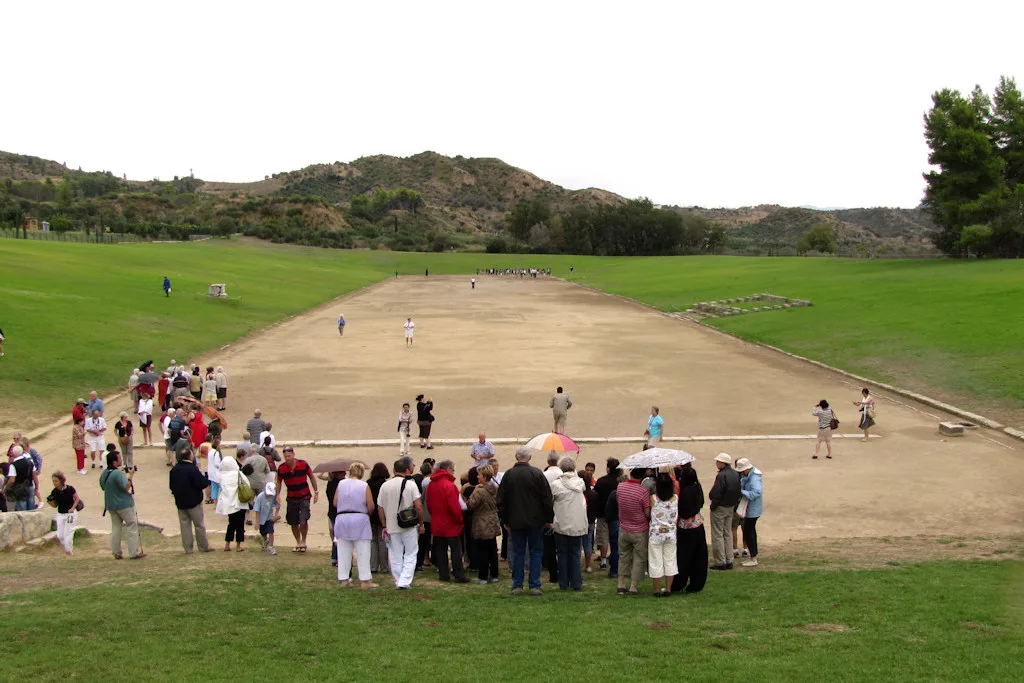
The Stadion: The First Olympic Event
For the first several decades of the ancient Games at Olympia, the stadion — a single sprint the length of the stadium track, roughly 192 meters — was the only event on the program. The first champion recorded by name, in 776 BC, was Coroebus of Elis, a baker who won that footrace.
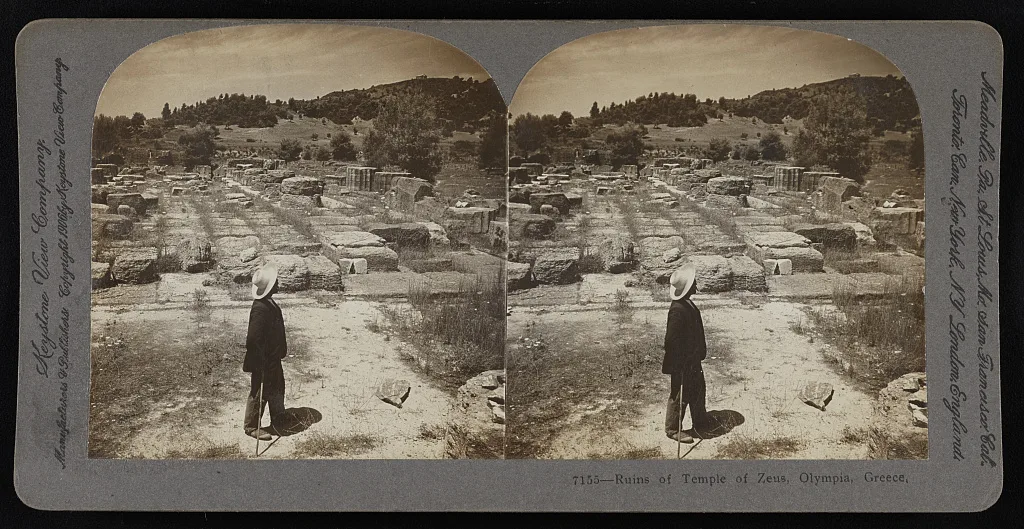
The Sacred Truce: Ekecheiria
Competition at Olympia was protected by the ekecheiria, the sacred truce. Heralds called spondophoroi travelled from Elis to every Greek city-state announcing the festival dates, participating states suspended any ongoing wars, and athletes, pilgrims and officials travelling to Olympia were guaranteed safe passage. Athletes sealed the occasion by swearing solemn oaths before the statue of Zeus before competing.
Pankration's Only Two Rules
Pankration was a near-limitless ancient combat sport blending wrestling and boxing, and it permitted almost everything a fighter could do to an opponent. The only two actions strictly forbidden were biting and gouging an opponent's eyes — everything else, including strikes on the ground, was fair game.
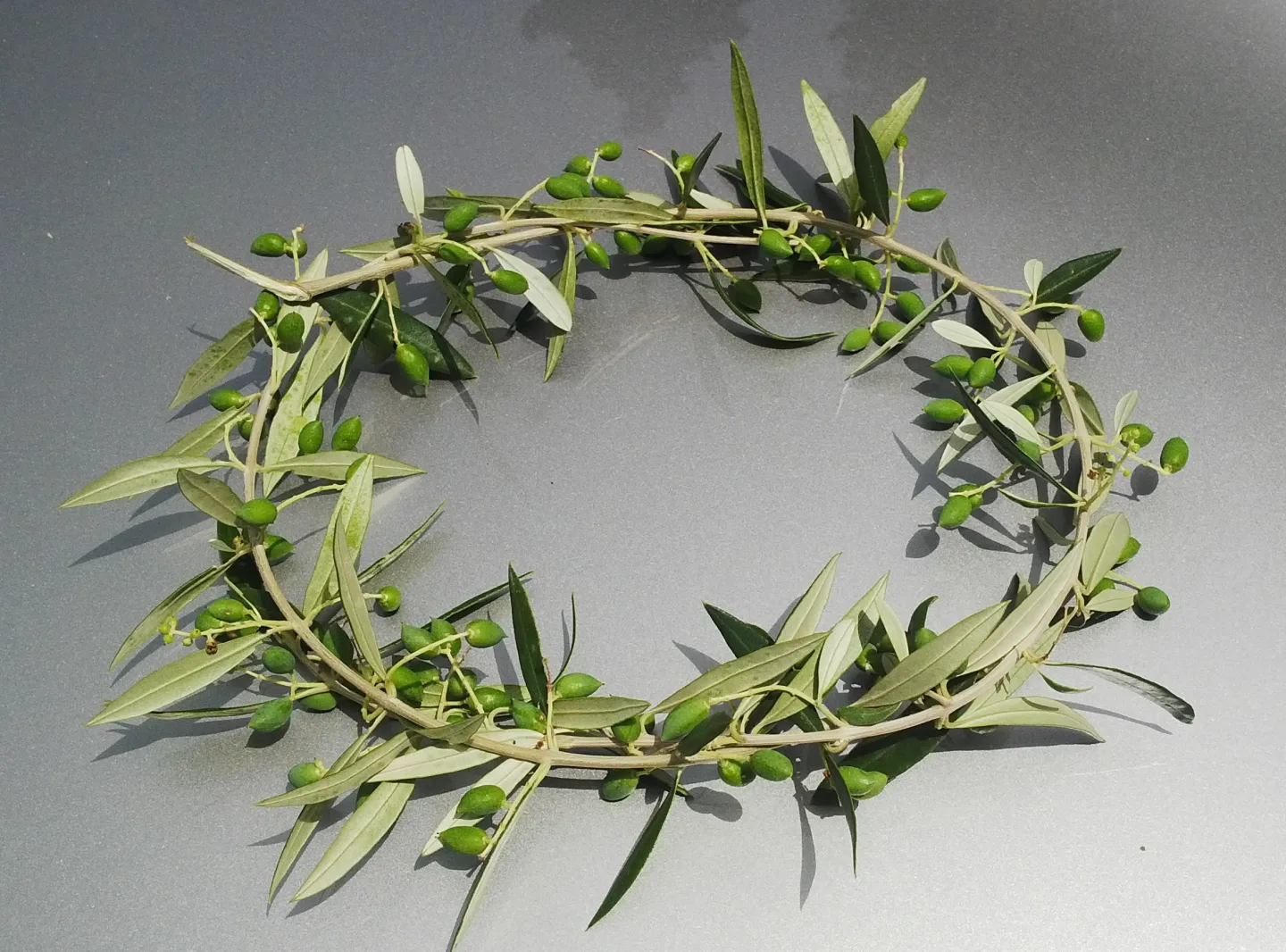
An Olive Wreath, Not a Medal
Ancient Olympic champions never stood on a podium for gold. Victors received only a sacred wreath of wild olive branches, the kotinos — the same olive crown awarded to Cynisca's victorious chariot team — while medals and prize money on-site did not exist. Home city-states often rewarded their champions afterward with pensions and honors instead.
Theodosius I Ends the Ancient Games
The ancient Olympics ran for nearly twelve centuries. Their last securely recorded celebration came in 393 AD, traditionally linked to Roman Emperor Theodosius I's broader suppression of pagan practices and sanctuaries across the Christianized empire — though archaeological evidence suggests some competitions continued for a few more years before the festival finally lapsed under his successors.
Milo of Croton
Milo of Croton — Six-time ancient Olympic wrestling champion between 540 BC and 516 BC.
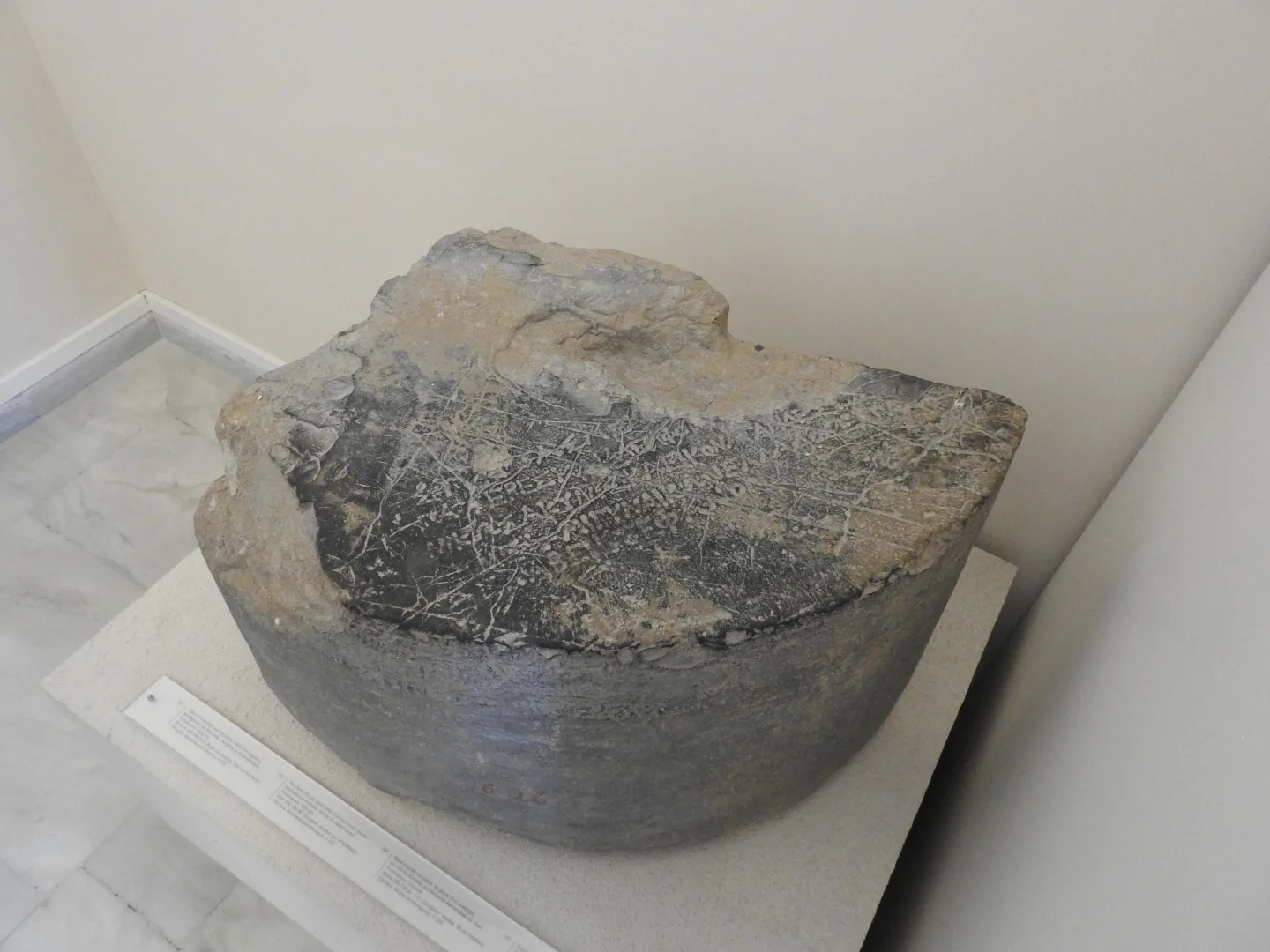
Cynisca, the First Female Champion
Women were barred from competing at the ancient Games, but not from winning them. The Spartan princess Cynisca became the first female Olympic champion in 396 BC by owning and training the victorious chariot team — in equestrian events, ancient rules crowned the owner rather than the driver.
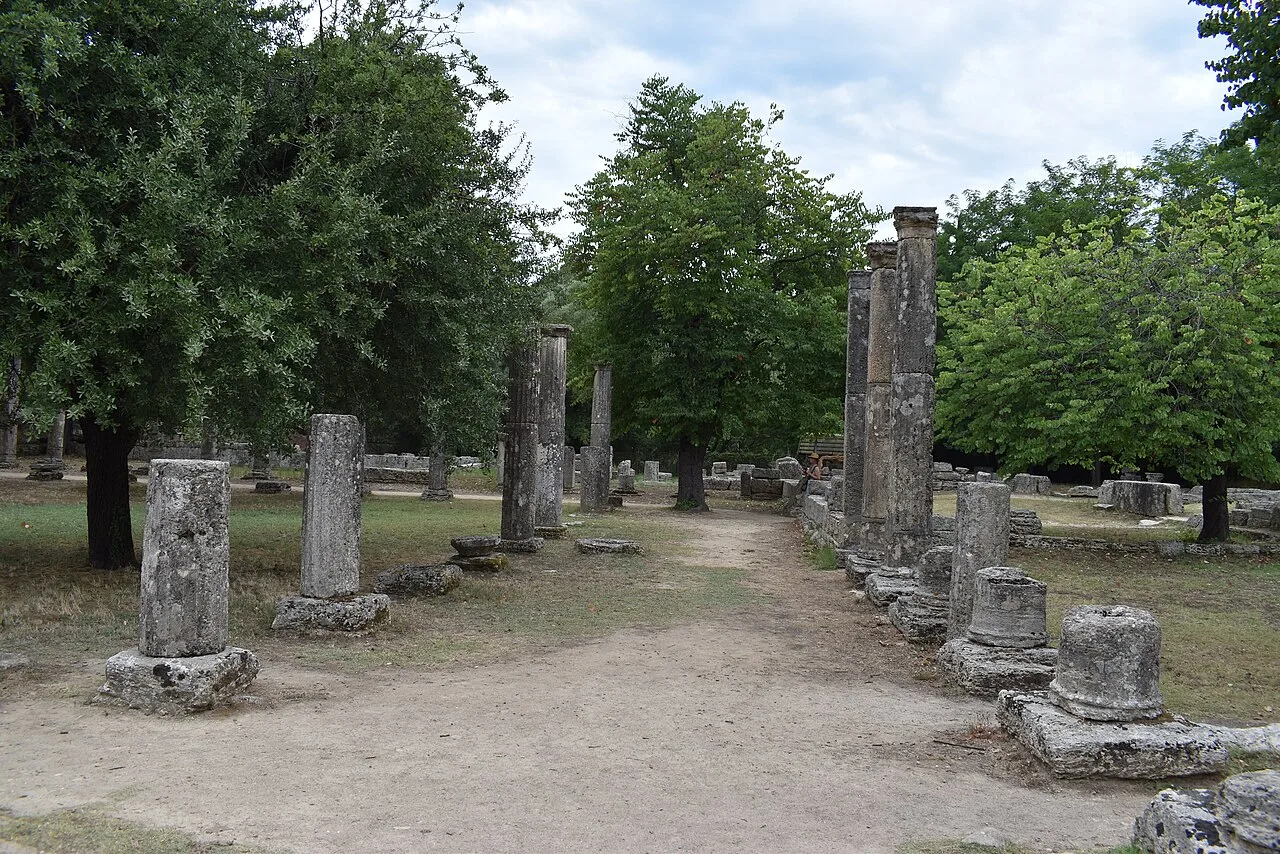
The Olympiad: A Four-Year Clock
An Olympiad was the four-year interval between successive Olympic festivals. It became the standard unit for reckoning historical time across the Greek world, so ancient writers dated events by which Olympiad they fell in rather than by a fixed calendar year.
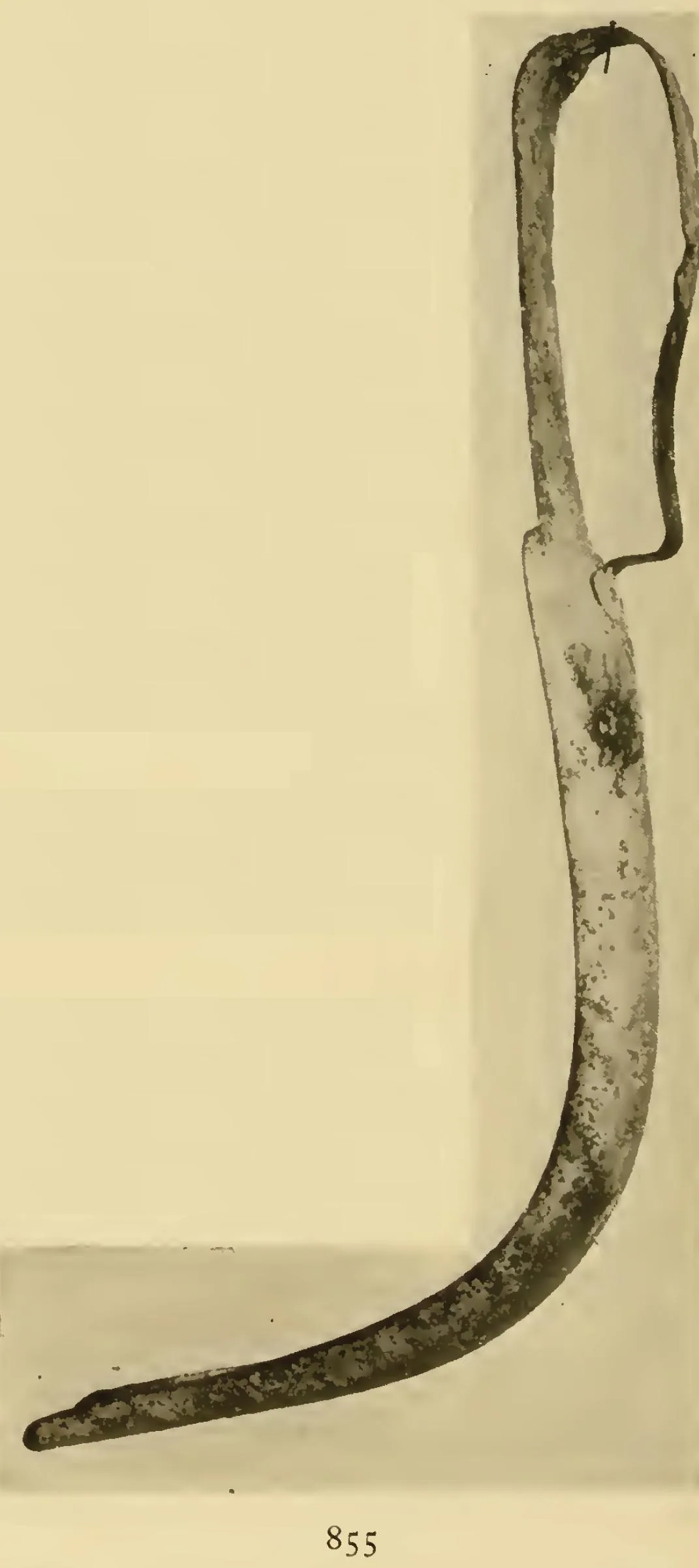
Strigil
Strigil — Curved metal tool used by ancient athletes to scrape oil and dirt from their skin.
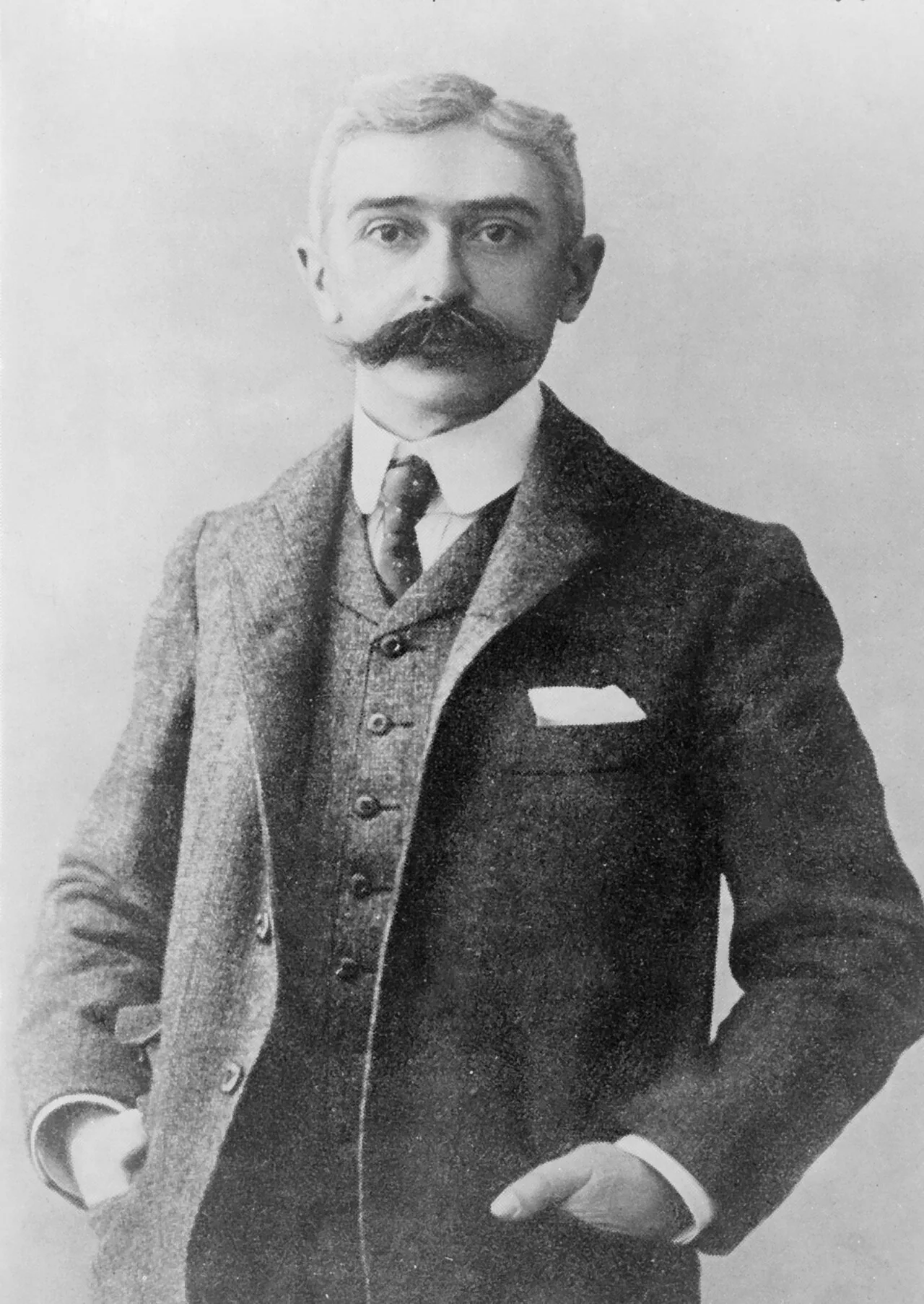
Coubertin's Sorbonne Congress
The modern Olympic revival began with French educator Pierre de Coubertin, who convened a congress at the Sorbonne in Paris in 1894. The congress established the International Olympic Committee and resolved to stage the first modern Games in Athens two years later.
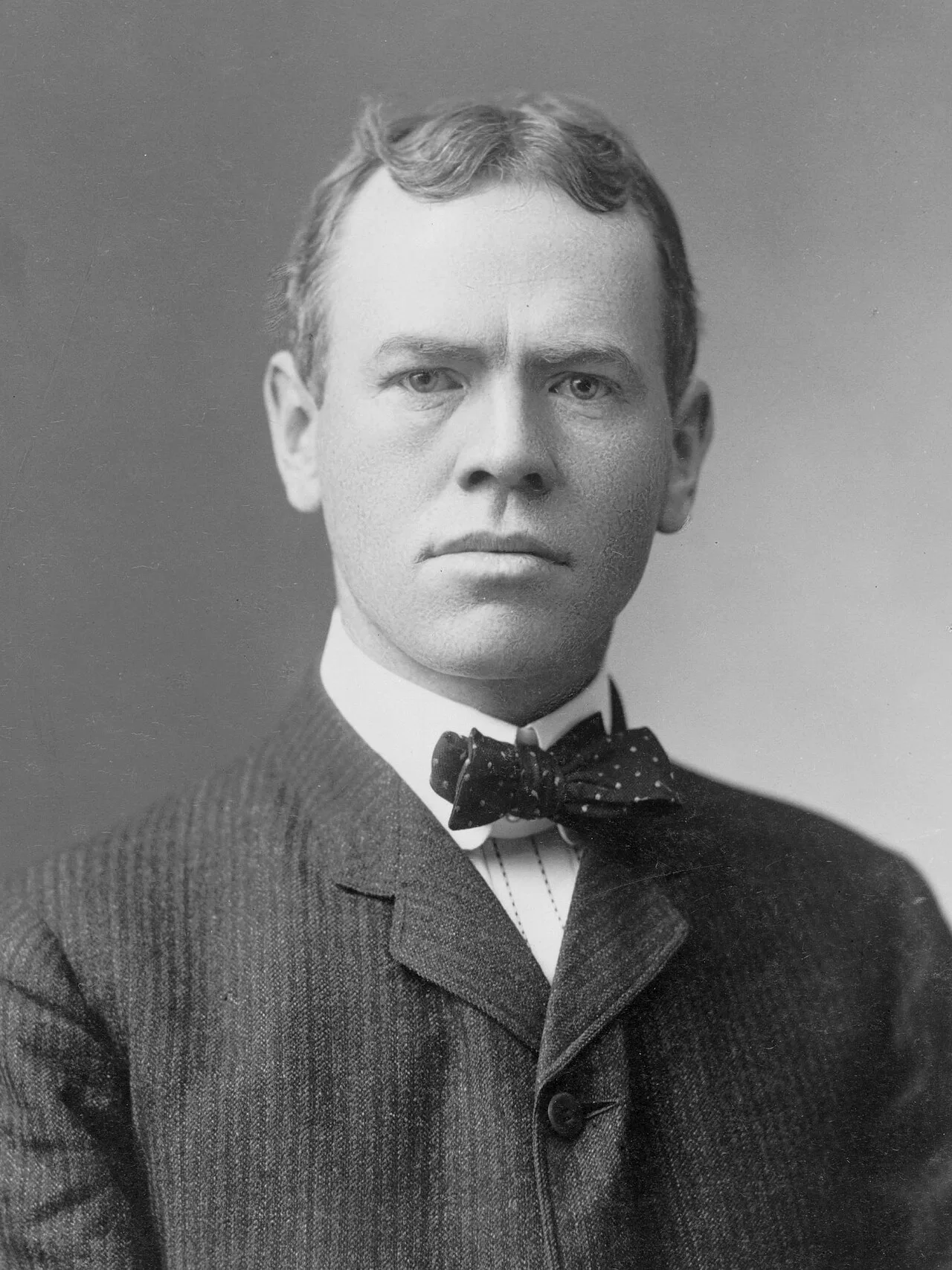
Athens 1896: The Games Begin
The inaugural modern Olympics in 1896 drew 14 nations to Athens. The first champion of the modern era was American James Connolly, who won the triple jump on April 6, 1896 — the opening day of competition.
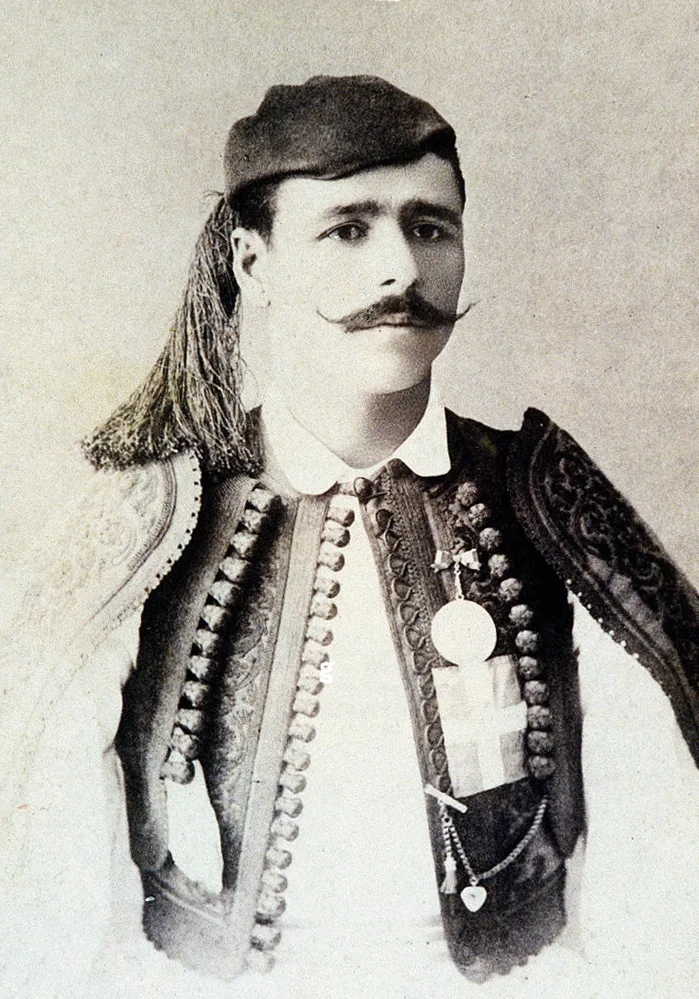
Spyridon Louis Wins the First Marathon
The defining moment of Athens 1896 was the marathon, won by Spyridon Louis, a Greek water-carrier and farmer. His victory on home soil, timed at 2:58:50, made him a national hero overnight.
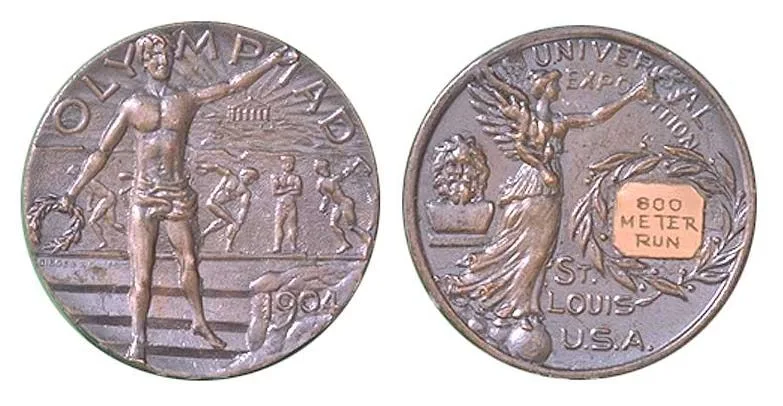
Gold Medals Didn't Start Until 1904
At Athens 1896, first-place finishers received a silver medal and an olive branch, with bronze going to second place — there was no gold. The now-familiar gold-silver-bronze format for first, second and third place debuted only at the 1904 St. Louis Games, the third modern Olympics.
Panathenaic Stadium
Panathenaic Stadium — Historic Athens stadium restored entirely in white marble for the 1896 Games.
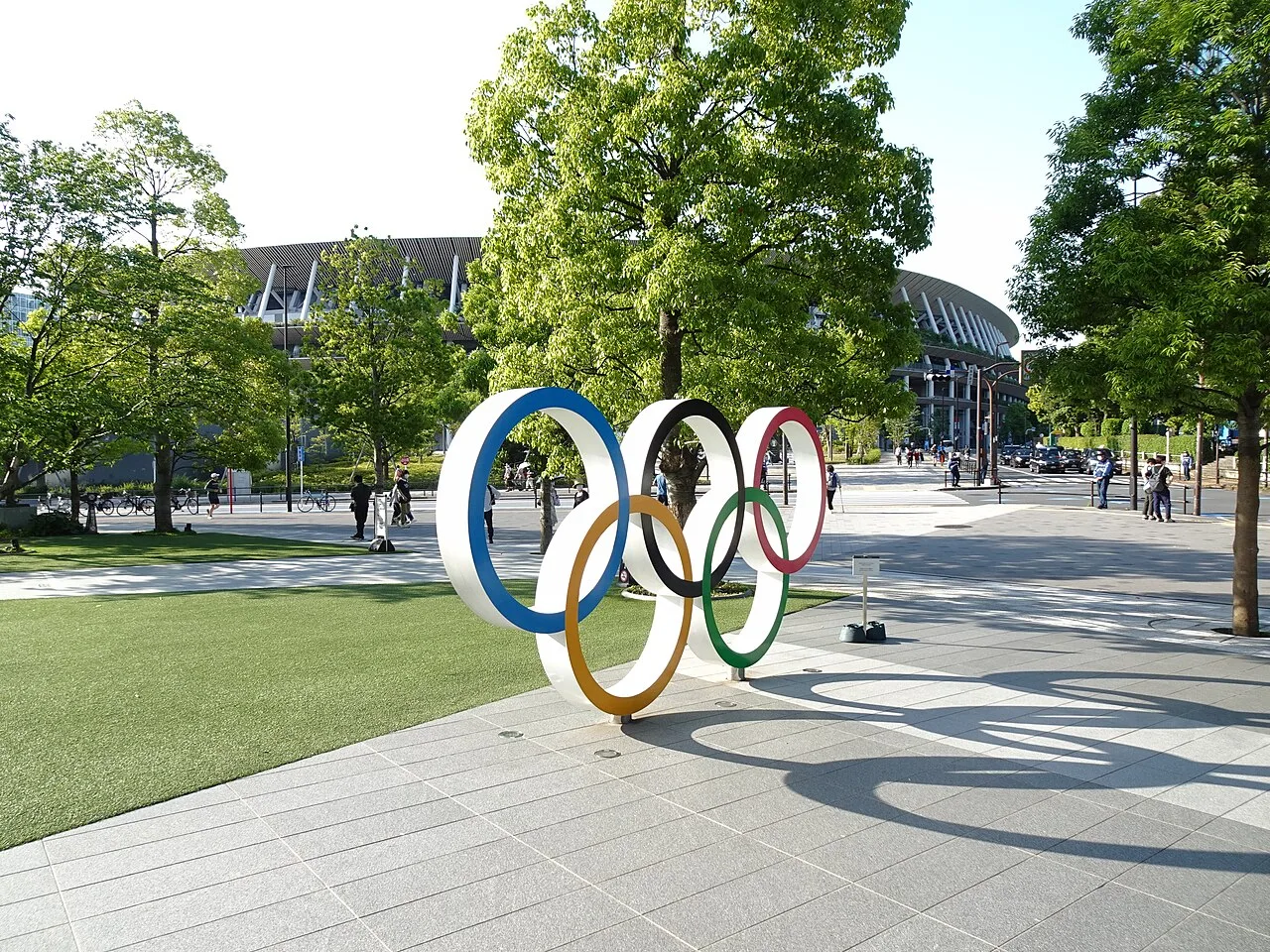
The Five Olympic Rings
Pierre de Coubertin gave the Olympic movement its lasting emblem: five interlocking rings, designed to represent the five inhabited continents taking part in the Games. Coubertin designed the symbol in 1913, but its planned 1914 public debut was delayed by World War I — the rings did not fly at the Games until the 1920 Antwerp Olympics.
1900 Paris: Women Compete for the First Time
Athens 1896 was men-only. Women first competed at the 1900 Paris Games, where 22 female athletes took part in events including tennis, golf, sailing, croquet and equestrian.
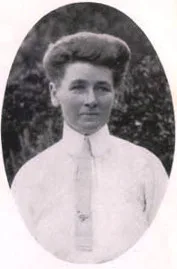
Charlotte Cooper
Charlotte Cooper — British tennis player who became the first female individual Olympic champion in 1900.
By the numbers
- What was the length of the ancient Olympic stadion race track in meters?
- 192 meters
- How many years are in an Olympiad, the ancient Greek chronological unit?
- 4 years
- How many nations participated in the inaugural 1896 modern Olympic Games in Athens?
- 14 nations
- How many interlocking rings make up the official Olympic symbol designed by Coubertin?
- 5 rings
- How many female athletes competed at the 1900 Paris Games, the first with female participation?
- 22 athletes
Matched pairs
Each item on the left goes with the one on the right.
- Milo of Croton
- Six-time ancient Olympic wrestling champion between 540 BC and 516 BC
- Strigil
- Curved metal tool used by ancient athletes to scrape oil and dirt from their skin
- Panathenaic Stadium
- Historic Athens stadium restored entirely in white marble for the 1896 Games
- Charlotte Cooper
- British tennis player who became the first female individual Olympic champion in 1900
Step by step
The proclamation and enforcement of the Ancient Olympic Truce (Ekecheiria)
- Heralds (spondophoroi) travel across Greek city-states announcing the festival dates
- Participating city-states enact an immediate cessation of all ongoing armed warfare
- Guaranteed safe passage is granted to athletes, pilgrims, and officials traveling to Elis
- Athletes swear solemn oaths before the statue of Zeus at Olympia before competing
The Ekecheiria protected travelers to ensure the Panhellenic festival could proceed safely.
Self-test
Answer each question from memory, then check your work against the answer key.
1. Who was the first Olympic champion recorded by name, winning the stadion race in 776 BC?
- AMilo of Croton
- BCoroebus of Elis
- CSpyridon Louis
- DCynisca
2. Approximately how long was the ancient stadion race track that gave the event its name?
- A1500 meters
- B400 meters
- C42 meters
- D192 meters
3. Which action was strictly forbidden in ancient pankration?
- AJoint locks
- BStrikes while an opponent was down
- CEye-gouging
- DChokeholds
4. Which of these ancient Olympic milestones happened earliest?
- ACoroebus wins the stadion, 776 BC
- BCynisca's win, 396 BC
- CTheodosius bans the Games, 393 AD
- DMilo's first title, 540 BC
5. A historian writes that a battle occurred 'in the third year of the 50th four-year cycle since the first Olympic Games.' What is this dating unit called?
- AThe Roman consulship year
- BThe Olympiad (four-year cycle)
- CThe lunar calendar
- DThe Julian calendar
6. Which venue hosted the 1894 congress where Pierre de Coubertin founded the International Olympic Committee?
- AThe Louvre in Paris
- BPanathenaic Stadium in Athens
- CThe Sorbonne in Paris
- DBuckingham Palace in London
7. How many nations took part in the inaugural 1896 Athens Olympics?
- A22 nations
- B40 nations
- C5 nations
- D14 nations
8. Who won the marathon at the 1896 Athens Games, becoming a national hero?
- ASpyridon Louis
- BPierre de Coubertin
- CJames Connolly
- DCharlotte Cooper
9. At the 1896 Athens Games, what did first-place finishers receive instead of a gold medal?
- ACash prize
- BTrophy cup
- CSilver medal
- DBronze medal
10. In which Olympics were gold medals for first place introduced?
- A1908 London
- B1900 Paris
- C1896 Athens
- D1904 St. Louis
Go deeper
Answer key
- 1. B Coroebus of ElisCoroebus of Elis, a baker, won the 776 BC stadion, the first recorded champion. Milo, Cynisca, and Louis were champions of later, different eras.
- 2. D 192 metersThe stadion track measured about 192 meters, giving both the sprint and the stadium their name.
- 3. C Eye-gougingPankration allowed nearly everything, including ground strikes, chokeholds, and joint locks — only biting and eye-gouging were strictly forbidden.
- 4. A Coroebus wins the stadion, 776 BCCoroebus's 776 BC stadion win predates Milo's title run (540 BC), Cynisca's victory (396 BC), and the 393 AD ban.
- 5. B The Olympiad (four-year cycle)Greek writers dated events by the Olympiad, the four-year interval between festivals, not by a fixed calendar system.
- 6. C The Sorbonne in ParisCoubertin's 1894 congress at the Sorbonne in Paris founded the IOC and set Athens as host of the first modern Games.
- 7. D 14 nationsThe 1896 Athens Games drew 14 competing nations, the smallest field of any modern Olympics.
- 8. A Spyridon LouisSpyridon Louis, a Greek water-carrier and farmer, won the marathon on home soil, becoming a national hero overnight.
- 9. C Silver medalAthens 1896 gave first-place finishers a silver medal, with bronze for second place — gold wasn't introduced until 1904.
- 10. D 1904 St. LouisGold medals for first place debuted at the 1904 St. Louis Games, the third modern Olympics; Athens 1896 awarded silver instead.
Sources
- Wikipedia: Ancient Olympic Games — en.wikipedia.org/wiki/Ancient_Olympic_Games
- Wikipedia: Stadion (running race) — en.wikipedia.org/wiki/Stadion_(running_race)
- Wikipedia: Olympic Truce — en.wikipedia.org/wiki/Olympic_Truce
- Wikipedia: Pankration — en.wikipedia.org/wiki/Pankration
- Wikipedia: Olive wreath — en.wikipedia.org/wiki/Olive_wreath
- Wikipedia: Theodosius I — en.wikipedia.org/wiki/Theodosius_I
- Wikipedia: Milo of Croton — en.wikipedia.org/wiki/Milo_of_Croton
- Wikipedia: Cynisca — en.wikipedia.org/wiki/Cynisca
- Wikipedia: Olympiad — en.wikipedia.org/wiki/Olympiad
- Wikipedia: Strigil — en.wikipedia.org/wiki/Strigil
- Wikipedia: Pierre de Coubertin — en.wikipedia.org/wiki/Pierre_de_Coubertin
- Wikipedia: 1896 Summer Olympics — en.wikipedia.org/wiki/1896_Summer_Olympics
- Wikipedia: Spyridon Louis — en.wikipedia.org/wiki/Spyridon_Louis
- Wikipedia: 1896 Summer Olympics medal table — en.wikipedia.org/wiki/1896_Summer_Olympics_medal_table
- Wikipedia: Panathenaic Stadium — en.wikipedia.org/wiki/Panathenaic_Stadium
- Wikipedia: Olympic symbols — en.wikipedia.org/wiki/Olympic_symbols
- Wikipedia: 1900 Summer Olympics — en.wikipedia.org/wiki/1900_Summer_Olympics
- Wikipedia: Charlotte Cooper (tennis) — en.wikipedia.org/wiki/Charlotte_Cooper_(tennis)
- Wikipedia: 1904 Summer Olympics — en.wikipedia.org/wiki/1904_Summer_Olympics
- Wikipedia: James Connolly (athlete) — en.wikipedia.org/wiki/James_Connolly_(athlete)
Image credits
- The Stadion: The First Olympic Event: wiredtourist.com (Openverse) · by 2.0 — www.flickr.com/photos/54684856@N07/5085041041
- The Sacred Truce: Ekecheiria: Library of Congress · Ruins of Temple Zeus, Olympia, Greece · No known restrictions (verify at source) — www.loc.gov/item/2020680936/
- An Olive Wreath, Not a Medal: Wikimedia Commons · FocalPoint · CC BY-SA 4.0 — commons.wikimedia.org/wiki/File:Kotinos_light_background.jpg
- Cynisca, the First Female Champion: Wikimedia Commons · Peter J. Miller · CC BY-SA 4.0 — commons.wikimedia.org/wiki/File:Statue_base_of_Kyniska_(top_view),_Museum_of_the_Olympic_Games_in_Antiquity,_Ancient_Olympia.jpg
- The Olympiad: A Four-Year Clock: Annatsach · CC BY-SA 4.0 — commons.wikimedia.org/wiki/File:Archaeological_Site_of_Ancient_Olympia_-_9.jpg
- Strigil: Wikimedia Commons · Richter, Gisela Marie Augusta, 1882-1972; Metropolitan Museum of Art… · Public domain — commons.wikimedia.org/wiki/File:Bronze_strigil,_Metropolitan_Museum_of_Art,_Nr._11.107.JPG
- Coubertin's Sorbonne Congress: Photograph from Bain News Service. · Public domain — commons.wikimedia.org/wiki/File:Baron_Pierre_de_Coubertin.jpg
- Athens 1896: The Games Begin: Wikimedia Commons · James E. Purdy · Public domain — commons.wikimedia.org/wiki/File:James_Brendan_Connolly,_1906_1.JPG
- Spyridon Louis Wins the First Marathon: Wikimedia Commons · Unknown author · Public domain — commons.wikimedia.org/wiki/File:Spyridon_Louis_1896.jpg
- Gold Medals Didn't Start Until 1904: Wikimedia Commons · Unknown author · Public domain — commons.wikimedia.org/wiki/File:Silver_medal_of_1904_Summer_Olympics.jpg
- The Five Olympic Rings: RuinDig/Yuki Uchida · CC BY 4.0 — commons.wikimedia.org/wiki/File:The-Olympic-Rings_Tokyo_15.jpg
- Charlotte Cooper: Wikimedia Commons · Unknown author · Public domain — commons.wikimedia.org/wiki/File:Charlotte_cooper_sterry.jpg


