
Thinking, Fast and Slow study guide · Lesson 5 of 5
Two Selves, Well-Being, and Metacognitive Mastery
Experiencing Self vs. Remembering Self and the Peak-End Rule · Metacognitive Mastery: Applying Kahneman's Insights to Self-Help and Learning
Unofficial study guide for Thinking, Fast and Slow by Daniel Kahneman. FlashFeed is not affiliated with the author or publisher.
This is the lesson's study guide from the FlashFeed app, plus its key facts and a self-test.
What you'll be able to do
- Distinguish the Experiencing Self from the Remembering Self, and explain the Peak-End Rule and duration neglect.
- Apply Kahneman's insights — checklists over willpower, the affect heuristic, and decoupling process from outcome — to real-world learning.
Lesson 5: Two Selves, Well-Being, and Metacognitive Mastery
Experiencing Self vs. Remembering Self and the Peak-End Rule
In the final part of Thinking, Fast and Slow, Daniel Kahneman introduces a fundamental philosophical and empirical dichotomy that redefines human well-being: the split between the Experiencing Self and the Remembering Self.
- The Experiencing Self: Lives exclusively in the present moment. It answers the question: "How does it feel right now?" It registers continuous sensory stimuli, physical discomfort, momentary joy, and ongoing engagement.
- The Remembering Self: The retrospective scorekeeper, storyteller, and decision-maker. It answers the question: "How was it on the whole?" It consolidates past episodes into compressed narrative memories. A story is about significant events and memorable moments, not about time passing.
Crucially, when humans make future choices, the Experiencing Self has no voice. The Remembering Self makes all decisions based entirely on the memories it has constructed. Experienced Utility measures real-time pleasure and pain during an event, whereas Decision Utility reflects the weight assigned to an outcome when making a choice.
In a series of landmark clinical studies evaluating patient discomfort during medical procedures (such as colonoscopies) and experimental trials (Donald A. Redelmeier and Daniel Kahneman), researchers discovered two foundational heuristics governing retrospective memory:
- The Peak-End Rule: The global retrospective evaluation of an experience is determined almost entirely by the average of the most intense moment (the peak) and the final moment (the end) of the episode.
- Duration Neglect: The total elapsed time or duration of the experience plays virtually zero measurable role in the Remembering Self's retrospective assessment. Duration neglect ensures that episodic length is compressed into highlight reels.
In a striking experimental demonstration using the Cold-Pressor Test, Kahneman subjected volunteers to two cold-water immersion trials:
- Trial A: Hand submerged in freezing water (14 degrees Celsius) for 60 seconds.
- Trial B: Hand submerged in freezing water (14 degrees Celsius) for 60 seconds, followed immediately by an additional 30 seconds during which the temperature was imperceptibly raised by 1 degree Celsius to 15 degrees Celsius (still uncomfortable, but slightly less painful).
When given the choice of which trial to repeat, the vast majority of participants chose Trial B—voluntarily opting for 30 additional seconds of physical pain purely because the trial concluded on a slightly less unpleasant note, creating a better memory for the Remembering Self.
When contemplating future life events, humans suffer from affective forecasting errors and the Focusing Illusion: "Nothing in life is as important as you think it is, while you are thinking about it." When asked whether people living in California are happier than people living in the Midwest, both groups predict Californians are far happier due to climate. Yet objective well-being measurements reveal zero difference. To measure experienced well-being accurately without memory bias, Kahneman developed the Day Reconstruction Method (DRM).
In learning and habit formation, the Peak-End Rule is decisive: if an exercise session or study block ends in agonizing exhaustion or frustration, the Remembering Self encodes the entire routine as aversive, drastically lowering future habit adherence. Designing sessions to conclude on a clear win, solved insight, or positive emotional note protects long-term motivation, ensuring that future study sessions are anticipated with enthusiasm rather than dread. The profound mismatch between the Experiencing Self and the Remembering Self creates significant dilemmas in designing daily life and educational curricula. The experiencing self bears the physical and emotional burden of every minute spent in tedious or painful study, yet the remembering self dictates whether that study will ever be repeated. Because duration neglect renders elapsed time virtually irrelevant to memory, a three-hour study session that ends in confusion and frustration leaves a toxic memory, whereas a focused 45-minute session concluding on a triumphant breakthrough creates an enduring positive memory that draws the learner back.
Understanding this dynamic allows educators, mentors, and self-directed learners to become memory architects. By intentionally crafting peak moments of insight and ensuring that learning sessions conclude on a high note of competence, practitioners leverage the Peak-End Rule to establish self-sustaining learning habits that resist burnout and procrastination.
Metacognitive Mastery: Applying Kahneman's Insights to Self-Help and Learning
Metacognition—the capacity to monitor, regulate, and direct one's own cognitive processes—finds its ultimate scientific foundation in Kahneman's corpus. True self-mastery does not require superhuman intelligence, but rather the construction of a robust metacognitive toolkit:
- Recognizing the Illusion of Fluency: Fluent reading creates cognitive ease, which System 1 misinterprets as mastery. Effective learners deliberately introduce cognitive strain through self-quizzing, active recall, and spaced retrieval practice. When material feels deceptively easy during review, System 1 tricks the student into believing it is deeply encoded; testing under effortful conditions exposes actual retention gaps.
- Attribute Substitution Awareness: When faced with a complex, demanding question (the Target Question, e.g., "Is this study strategy objectively effective?"), System 1 automatically substitutes a simpler, emotionally salient question (the Heuristic Question, e.g., "Do I feel comfortable and familiar with this material?"). The Affect Heuristic frequently substitutes emotional liking for objective validity. Metacognitive learners train themselves to catch attribute substitution in real time, pausing before important conclusions to ask: "What question did my intuitive mind actually answer?"
- Institutionalizing Friction and Checklists: Because System 2 is lazy, relying on raw willpower to check cognitive biases is ineffective. High-performers establish external forcing functions—structured checklists, decision logs, peer review, and mandatory cool-off periods—to mechanically enforce System 2 deliberation before significant commitments.
- Adopting the Outside View for Personal Goals: When setting timelines for learning a new skill, completing a degree, or building a habit, high-achievers reject the internal narrative of personal exceptionalism and anchor their expectations in empirical reference classes. They investigate what percentage of beginners succeed and how many months or years the average practitioner required.
- Engineering Peak-End Learning Sessions: Knowing that the Remembering Self governs motivation and future habit adherence, skilled learners structure study sessions so that they conclude on a clear win, resolved insight, or positive emotional note, ensuring the memory of the session fuels long-term persistence rather than avoidance.
- Embracing Broad Framing for Personal Growth: Viewing failures and mistakes as small iterations in a lifetime learning portfolio rather than fatal setbacks neutralizes loss aversion, fostering intellectual resilience and lifelong curiosity.
- Conducting Prospective Premortems on New Habits: When launching a new personal routine (such as daily exercise or language study), conducting a premortem—anticipating exactly why and how the habit will collapse after week three—allows individuals to design proactive implementation intentions ("If I feel exhausted after work, then I will do just five minutes of review") to bypass predictable failure points.
- Decoupling Outcome from Process: In personal evaluation, measuring success strictly by decision quality and adherence to evidence-based protocols—rather than short-term luck or immediate noisy feedback—protects the learner from hindsight and outcome bias.
- Harnessing the Law of Least Effort in Environment Design: Structuring physical environments so that productive behaviors are frictionless defaults and destructive distractions carry physical friction aligns System 1 automaticity with long-term goals.
- Practicing Adversarial Collaboration: Engaging with intellectual peers to evaluate personal blind spots breaks the epistemic trap of WYSIATI, replacing personal confirmation bias with rigorous collective intelligence and objective empirical verification. Building an effective metacognitive architecture requires recognizing that willpower alone cannot overcome hardwired cognitive heuristics. Just as modern aviation relies on mandatory pre-flight checklists to eliminate pilot error regardless of experience, intellectual performance relies on structured cognitive forcing functions. High-performing knowledge workers institutionalize decision logs, schedule mandatory cool-off intervals before high-stakes commitments, and actively recruit dissenting peers to audit their reasoning.
Ultimately, Kahneman's insights demonstrate that cognitive biases are not personal character flaws or intellectual deficits, but intrinsic operating features of human neural architecture. Mastery does not mean eliminating System 1—which remains the indispensable source of rapid perception, creativity, and associative richness—but rather building the metacognitive discernment to recognize when intuitive heuristics must be checked by the deliberate, disciplined analytical scrutiny of System 2.
Key facts
The Experiencing vs. Remembering Self
Kahneman splits the self in two. The Experiencing Self lives entirely in the present, answering "how does this feel right now?" — its real-time pleasure and pain is called Experienced Utility. The Remembering Self is the storyteller that later asks "how was it, overall?", and it alone decides what gets repeated, because it alone has a voice in future choices — the Experiencing Self never gets a vote. Whatever weight the Remembering Self assigns a past outcome when choosing again is called Decision Utility.
The Peak-End Rule
Ask someone to rate an experience afterward, and they'll barely register how long it lasted — that's Duration Neglect. Instead, the Peak-End Rule says the whole episode gets judged by averaging just two moments: its most intense point and how it finished. "A story is about significant events... not about time passing," as the book puts it. None of this means the pain wasn't real in the moment — the Experiencing Self still feels every second — it's only the Remembering Self's later verdict that ignores duration.
The Colonoscopy Studies
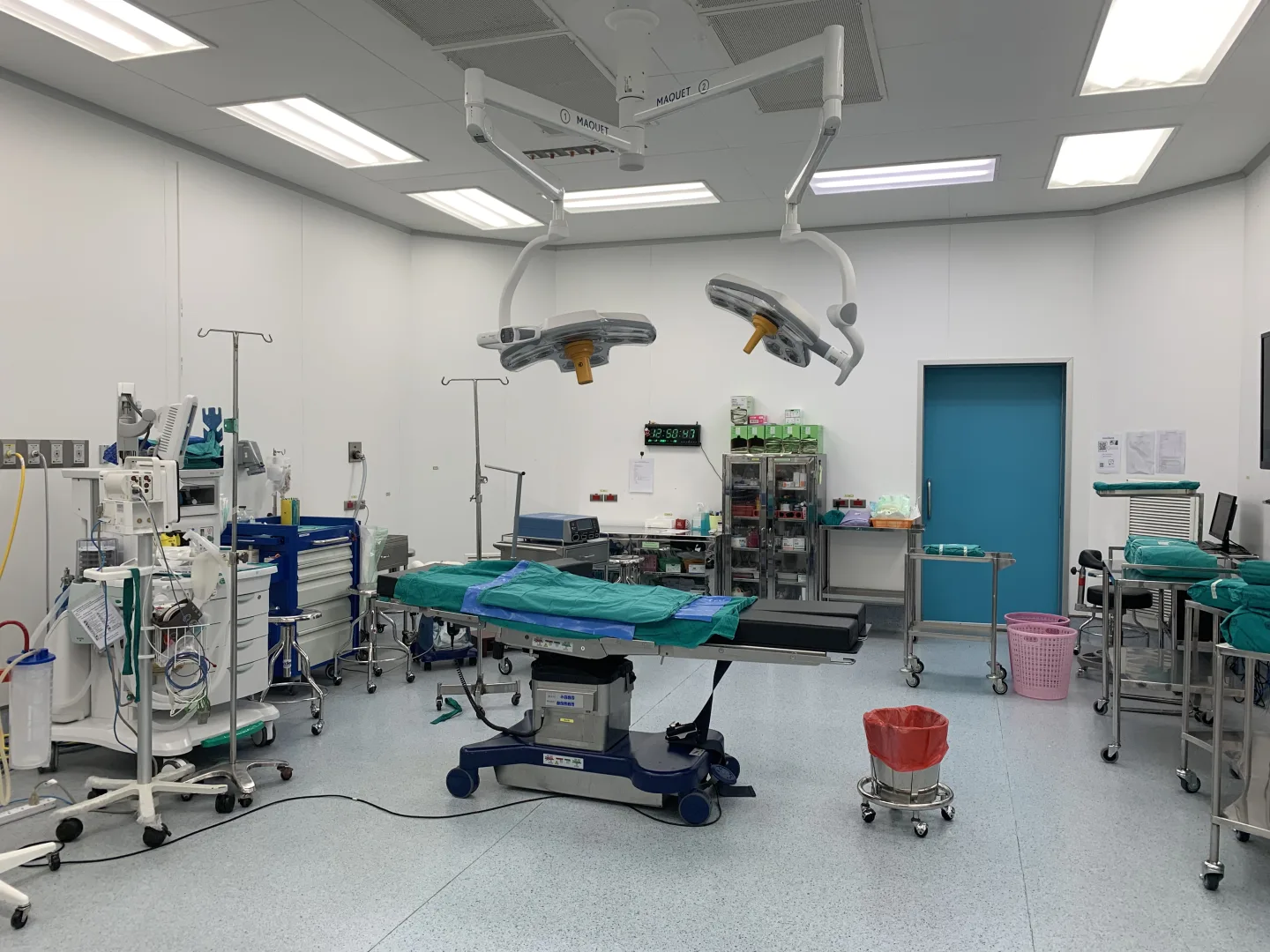
Donald Redelmeier and Daniel Kahneman tested the Peak-End Rule on real patients undergoing colonoscopies. Patients whose procedure ended with an extra stretch of milder discomfort, rather than stopping right at the sharpest pain, rated the whole experience as less unpleasant overall, even though it had objectively lasted longer. Since the Remembering Self ignores duration and weighs mainly the ending, a longer procedure with a gentler finish can be remembered more kindly than a shorter one that ends on its worst moment.
The Cold-Pressor Experiment
Kahneman had volunteers dunk a hand in 14°C ice water for 60 seconds (Trial A), and separately, dunk it for the same 60 seconds plus an extra 30 seconds during which the water was quietly warmed by just one degree — still cold, but slightly less painful (Trial B). Given the choice of which trial to repeat, most people chose Trial B: 90 seconds of cold over 60, purely because it ended on a marginally less miserable note.

The Focusing Illusion
"Nothing in life is as important as you think it is, while you are thinking about it" — that's Kahneman's Focusing Illusion. Ask people whether Californians are happier than Midwesterners because of the climate, and both groups confidently say yes; measure actual day-to-day well-being, and there's no real difference. Dwelling on one salient factor — sunshine, a big raise, a new house — makes the mind wildly overweight its effect on lasting happiness, since ordinary daily life is what actually fills most of a day.
The Day Reconstruction Method
To measure real well-being without asking people to rely on a possibly-biased memory, Kahneman developed the Day Reconstruction Method (DRM): instead of asking "are you happy?", it has people systematically walk back through yesterday episode by episode, noting what they were doing and how it actually felt at the time. That captures something closer to the Experiencing Self's real-time verdict, sidestepping the Remembering Self's peak-end shortcuts and its blindness to duration.
Architecting Learning Memory via Peak-End Design
To build self-sustaining study habits, learners should intentionally manage the end of study blocks. Concluding a study session immediately after solving a difficult problem or mastering an insight leaves a positive peak-end memory stamp that fuels enthusiasm for future sessions.

Checklists Over Willpower
Kahneman's practical answer to a brain full of biases isn't more willpower — System 2 is lazy and tires easily, so relying on self-discipline to catch every error is a losing bet. He points instead to external forcing functions that catch mistakes mechanically: structured checklists and simple decision rules, the logic pilots follow with pre-flight checklists however experienced they are. (He later expanded this into "decision hygiene" — adding tools like structured assessments, independent judgments and delaying intuition — in his 2021 book Noise, with Olivier Sibony and Cass Sunstein.)
Attribute Substitution
Ask a hard question — "is this study method actually effective?" — and System 1 quietly swaps in an easier one it can answer instantly: "does this feel familiar and comfortable?" Kahneman calls the swap Attribute Substitution, and the Affect Heuristic is its most common flavor, where liking something gets mistaken for it being safe or good. The catch is simple: pause before a big conclusion and ask, "what question did my intuitive mind actually just answer?"
Adversarial Collaboration in Personal Growth
Kahneman championed 'adversarial collaboration'—working directly with intellectual opponents to design joint empirical tests. In personal learning, recruiting dissenting peers to audit reasoning breaks the epistemic trap of WYSIATI and replaces confirmation bias with collective verification.
Knowing When to Slow Down
The point of studying Kahneman's work was never to switch off System 1 — it's the source of fast perception, creativity, and everyday competence, and it can't be shut down anyway. The real goal is metacognitive mastery: building enough self-awareness to notice the moments when a fast, intuitive answer isn't good enough, and to deliberately hand the problem to slower, more effortful System 2 before it's too late to matter.
Biases Are Not Character Flaws
It's tempting to treat a cognitive bias as a personal failing — something a smarter or more disciplined person wouldn't fall for. Kahneman argues the opposite: biases like anchoring, loss aversion, and overconfidence are built into the basic architecture of every human brain, evolutionary features rather than individual defects. Experts fall for them just as reliably as novices; the difference isn't immunity, it's whether someone has built the habits and checklists to catch the error before it costs anything.
Self-test
Answer each question from memory, then check your work against the answer key.
1. Which statement correctly describes Kahneman's Experiencing Self?
- ADecides which experiences get repeated
- BAnswers 'how was it, overall?'
- CBuilds a compressed narrative after it ends
- DFeels real-time pleasure and pain right now
2. The Peak-End Rule says a person's retrospective rating of an experience is based on averaging which two moments?
- AThe peak moment and the final moment
- BThe final moment and the total duration
- CThe first moment and the peak moment
- DThe starting moment and the midpoint
3. Instead of simply asking 'are you happy?', Kahneman's Day Reconstruction Method (DRM) asks people to:
- APredict how happy they'll feel next year
- BComplete a single lifetime satisfaction survey
- CReconstruct yesterday, episode by episode
- DRate only the single best moment of the week
4. What did Redelmeier and Kahneman find when a colonoscopy ended with an extra period of milder discomfort instead of peak pain?
- ANeeded sedation for future procedures
- BRated the whole procedure as less unpleasant
- CRated the whole procedure as more unpleasant
- DRated the whole procedure as exactly the same
5. Both groups predict Californians are happier due to climate, yet objective well-being data show no real difference. What is this effect called?
- AThe Anchoring Effect
- BThe Halo Effect
- CThe Focusing Illusion
- DThe Availability Heuristic
6. When System 1 replaces a hard question ('Is this study method effective?') with an easier one ('Do I feel comfortable with it?'), this is called:
- ALoss Aversion
- BAttribute Substitution
- CDuration Neglect
- DFocusing Illusion
7. High-achievers setting a timeline for a new skill are advised to anchor their expectations using:
- AReference classes of similar past cases
- BAdvice from a single mentor
- CThe most optimistic case imaginable
- DTheir own personal sense of motivation
8. Before starting a new daily habit, conducting a 'premortem' means:
- AWaiting for a burst of motivation before starting
- BTracking the habit after it already failed
- CReviewing why past habits succeeded
- DImagining how the habit will fail, then planning ahead
9. Kahneman argues that biases like anchoring, loss aversion, and overconfidence are best understood as:
- AUniversal features of human cognition
- BRare defects affecting a few people
- CCharacter flaws in undisciplined people
- DSigns of below-average intelligence
10. Why does Kahneman favor checklists and decision rules over raw willpower for catching biases?
- AWillpower only works for novices
- BChecklists switch System 1 off
- CSystem 2 is lazy and tires easily
- DBiases disappear with enough effort
11. Under the Affect Heuristic, what does System 1 substitute for an objective judgment of something?
- AHow the experience ended
- BHow easily examples come to mind
- CThe first number it heard
- DHow much it likes the thing
12. A learner judges each study decision by its quality and process, not by one lucky or unlucky result. Which bias does this guard against?
- AFocusing illusion
- BOutcome bias
- CDuration neglect
- DLoss aversion
Go deeper
- ReadThinking, Fast and Slow by Daniel Kahneman · on Amazon ↗
- StudyThinking, Fast and Slow in the FlashFeed app
These are affiliate links: if you buy a book through one, FlashFeed may earn a small commission at no extra cost to you. The commission helps pay for FlashFeed's servers.
As an Amazon Associate we earn from qualifying purchases.
Answer key
- 1. D Feels real-time pleasure and pain right nowThe Experiencing Self only registers real-time feeling. Deciding what gets repeated, building a narrative, and judging 'how was it overall' are jobs of the Remembering Self.
- 2. A The peak moment and the final momentThe Peak-End Rule averages the peak (most intense point) and the end (how it finished); duration plays almost no role due to Duration Neglect.
- 3. C Reconstruct yesterday, episode by episodeThe DRM has people walk back through the previous day episode by episode, capturing how each moment actually felt instead of relying on a biased overall memory judgment.
- 4. B Rated the whole procedure as less unpleasantEven though it lasted longer, the softer ending produced a better peak-end average, so patients remembered it as less unpleasant overall.
- 5. C The Focusing IllusionThe Focusing Illusion: 'Nothing in life is as important as you think it is, while you are thinking about it' — climate looms large when considered abstractly but barely affects daily mood.
- 6. B Attribute SubstitutionAttribute Substitution occurs when System 1 swaps a difficult target question for an easier heuristic one; the Affect Heuristic is one common form.
- 7. A Reference classes of similar past casesThe Outside View rejects the inside narrative of personal exceptionalism and instead looks at what percentage of beginners succeed and how long they typically needed.
- 8. D Imagining how the habit will fail, then planning aheadA premortem anticipates exactly how a habit will collapse (e.g., after week three) so the person can pre-engineer implementation intentions like 'If I feel exhausted, then I will do five minutes.'
- 9. A Universal features of human cognitionKahneman insists these are evolutionary features built into every brain, not personal failings — treating them as universal lets people build safeguards instead of blaming themselves.
- 10. C System 2 is lazy and tires easilyBecause System 2 is lazy and easily depleted, self-discipline alone misses errors. External forcing functions such as checklists enforce deliberation mechanically, as pre-flight checklists do for pilots.
- 11. D How much it likes the thingThe Affect Heuristic is a common form of attribute substitution: emotional liking replaces objective validity, so something liked is judged safe or good. The other options describe anchoring, availability and the peak-end rule.
- 12. B Outcome biasDecoupling outcome from process measures success by decision quality and evidence-based protocols, not short-term luck or noisy feedback, which protects against hindsight and outcome bias.
Sources
- Thinking, Fast and Slow — Daniel Kahneman
Image credits
- The Colonoscopy Studies: Wikimedia Commons · Chainwit · CC BY-SA 4.0 — commons.wikimedia.org/wiki/File:Thailand_Nonthaburi_%E0%B8%A8%E0%B8%B9%E0%B8%99%E0%B8%A2%E0%B9%8C%E0%B8%81%E0%B8%B2%E0%B8%A3%E0%B9%81%E0%B8%9E%E0%B8%97%E0%B8%A2%E0%B9%8C%E0%B8%9B%E0%B8%B1%E0%B8%8D%E0%B8%8D%E0%B8%B2%E0%B8%99%E0%B8%B1%E0%B8%99%E0%B8%97%E0%B8%A0%E0%B8%B4%E0%B8%81%E0%B8%82%E0%B8%B8_%E0%B8%8A%E0%B8%A5%E0%B8%9B%E0%B8%A3%E0%B8%B0%E0%B8%97%E0%B8%B2%E0%B8%99_(%E0%B8%98%E0%B8%B1%E0%B8%99%E0%B8%A7%E0%B8%B2%E0%B8%84%E0%B8%A1_2022)_operating_room.jpg
- The Focusing Illusion: PattayaPatrol · CC BY-SA 4.0 — commons.wikimedia.org/wiki/File:DFC_1468_A_sunny_beachfront_promenade_lined_with_palm_trees_a_few_people_relaxing_on_the_sand_and_benches_with_the_city_skyline_and_calm_blue_water_in_the_background.jpg
- Checklists Over Willpower: US Air Force from USA · Public domain — commons.wikimedia.org/wiki/File:Running_the_checklist_(14729226029).jpg


