
The Complete Volkswagen GTI study guide · Lesson 11 of 13
Maintenance & Numbers
Mk4 1.8T Maintenance Schedule · Mk7 2.0T Maintenance Schedule · Numbers Every GTI Fan Should Know
This is the lesson's study guide from the FlashFeed app, plus its key facts and a self-test.
What you'll be able to do
- Recall the Mk4 1.8T service intervals for oil, plugs, timing belt, and fluids.
- Identify the interference-engine's critical service parts and ignition components.
- Recall the Mk7 2.0T service intervals for oil, DSG fluid, water pump, and timing chain.
- Recall the GTI's headline production, sales, and price figures.
- Recall key GTI power, torque, and Nürburgring lap-record figures.
Mk4 1.8T Maintenance Schedule
The Mk4 1.8T is a rewarding engine to own — as long as you treat it like the high-strung turbocharged unit it actually is. Neglect the intervals below and the repair bills will be memorable.
5,000 Miles, No Exceptions
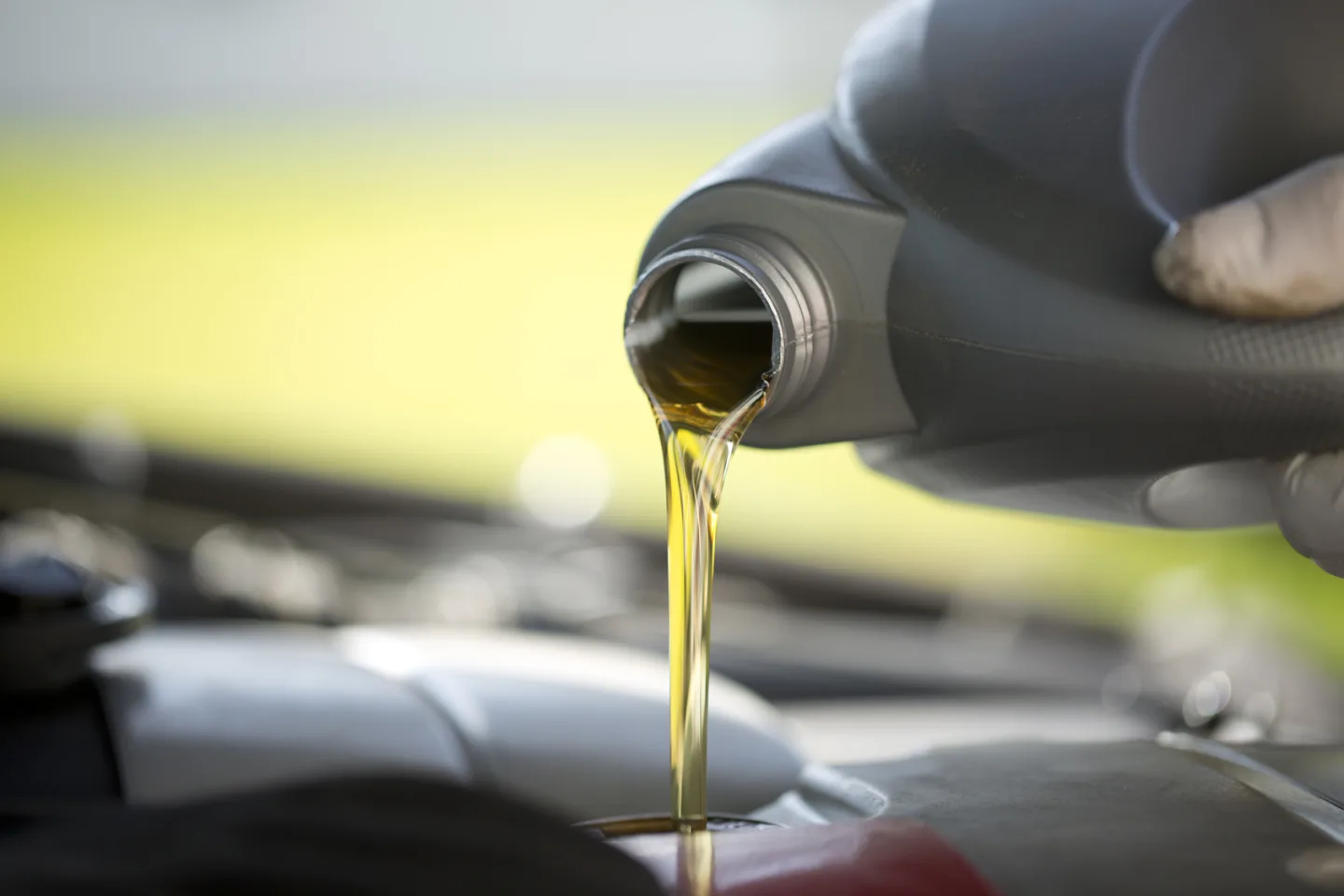
Oil sludge is the 1.8T's signature killer. The turbocharger runs at extreme heat and dumps that heat back into the oil; deposits cook onto gallery walls and the oil pickup screen until flow is choked off. VW's old 10,000-mile factory interval was written for low-stress naturally aspirated engines and is exactly how owners destroyed turbos and bearings. The corrective answer is simple: change oil and filter every 5,000 miles at most — many veteran owners go 3,000–4,000 on track use or hard driving. Fluid specification matters as much as interval: use a VW 502.00-approved full synthetic such as Castrol Edge 5W-40. The rating ensures the right viscosity behavior and additive package for the turbo's load. Budget the time and money; a 70 oil service is a fraction of a 3,000 shortblock. Round out the schedule with a brake fluid flush every two years regardless of feel — glycol-based fluid absorbs moisture over time, dropping the boiling point silently long before pedal feedback degrades. Air filter replacement falls in the 20,000–30,000-mile window depending on environment.
The One Service You Never Skip
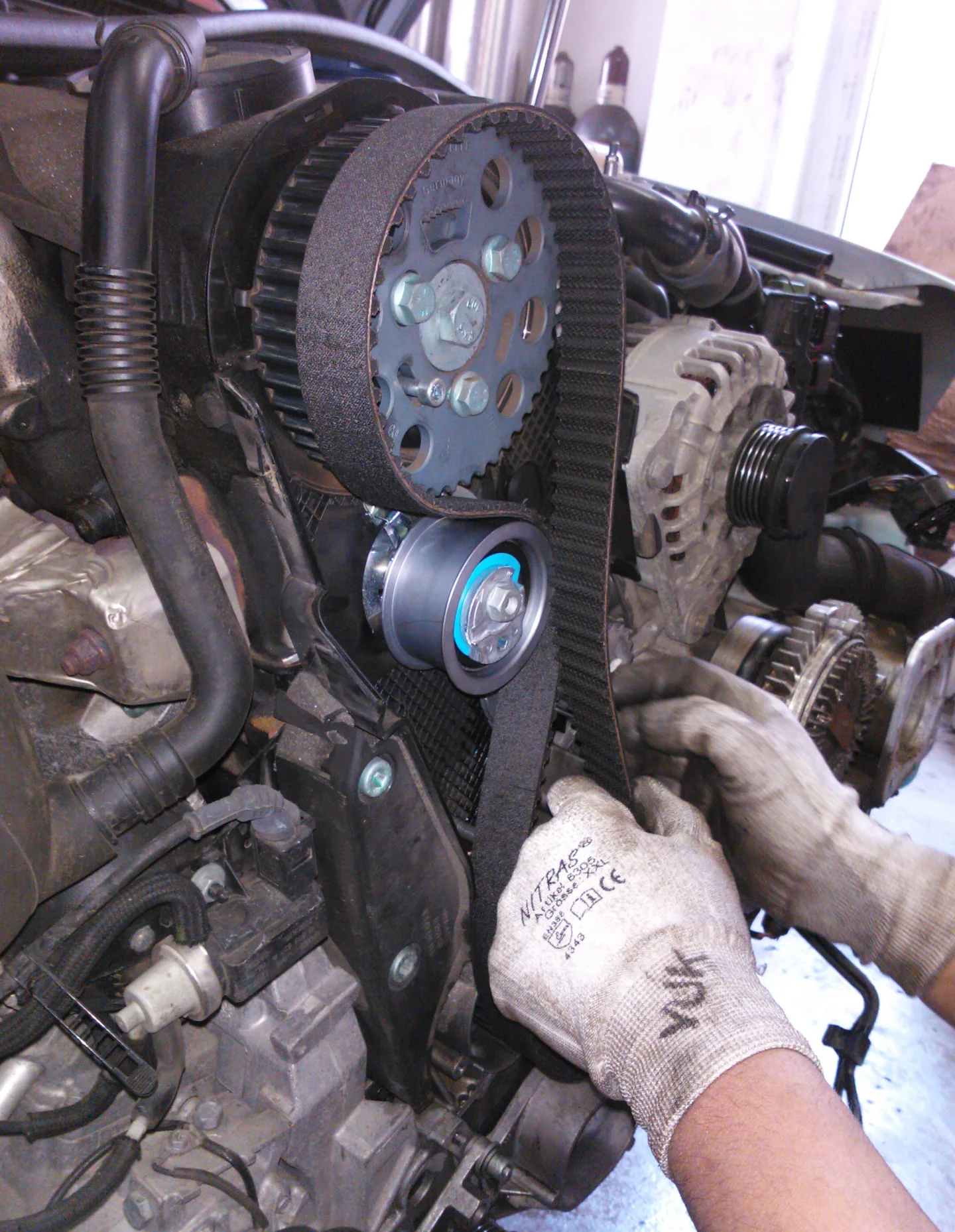
The 1.8T is an interference engine, meaning the camshaft and crankshaft share the same physical space through the timing belt. If that belt snaps — no warning, no second chance — the valves and pistons collide instantly and the cylinder head is usually finished. Service the belt by 75,000 miles and treat it as a hard limit, not a target to approach casually. Most shops recommend starting the job by 60,000 miles to give margin. Always order the complete timing belt kit: belt, tensioner, idler pulleys, and water pump. Since the water pump is driven off the same belt and sits in the same access zone, replacing it during the belt job adds modest cost against a major one if it fails a year later. Spark plugs warrant their own attention: replace on schedule and pay attention to gap spec, as a misfiring plug stresses the coil packs. When a coil fails, swap all four simultaneously — they age together and a second failure typically follows the first within months.
Mk7 2.0T Maintenance Schedule
The Mk7 and Mk7.5 GTI's EA888 Gen 3 is more sophisticated than its Mk4 predecessor but not maintenance-free. A few components have high-enough failure rates that treating them as scheduled items rather than waiting for warning signs is the smarter play.
The Water Pump Is When, Not If
The EA888's electro-mechanical thermostat is integrated directly into the water pump housing, which is buried under the intake manifold. This is the single most-reported fault across Mk7 and Mk7.5 ownership: the thermostat fails, coolant temperature swings erratically, and the repair is labor-intensive regardless of whether the pump itself is still healthy. Because both components share the same housing and the same disassembly, replace pump and thermostat together preventively at 60,000–80,000 miles — the upper limit being 80,000 miles. While the bay is open, inspect the serpentine belt (also due in the same 60,000–80,000-mile window). The EA888 uses a timing chain rather than a belt, but "chain" does not mean "lifetime": inspect it from 100,000 miles onward and act on any stretch or rattle rather than assuming it will hold indefinitely.
DSG transmission fluid deserves the same respect owners often give engine oil. The Direct Shift Gearbox depends on clean fluid for its mechatronic unit — the hydraulic/electronic control module that manages clutch pack pressure. Service the DSG at 40,000 miles; skip it and you risk mechatronic failure, which is a multi-thousand-dollar repair. Spark plugs on the 2.0T should follow VW's specified gap and type — aftermarket plugs with the wrong heat range can cause misfires that stress the intake ports and carbon deposits on direct-injection valves. Speaking of which: periodic intake valve cleaning (walnut blasting) is a real Mk7 maintenance item, not optional for high-mileage cars. Finally, clear the sunroof drains every six months; blocked drains pool water into the footwells and can damage the electronics under the carpet.
Numbers Every GTI Fan Should Know
The GTI's story is easier to argue when you can cite it. These are the figures that show how far a skunkworks project with a five-thousand-unit ceiling traveled in fifty years.
Half a Century by the Numbers
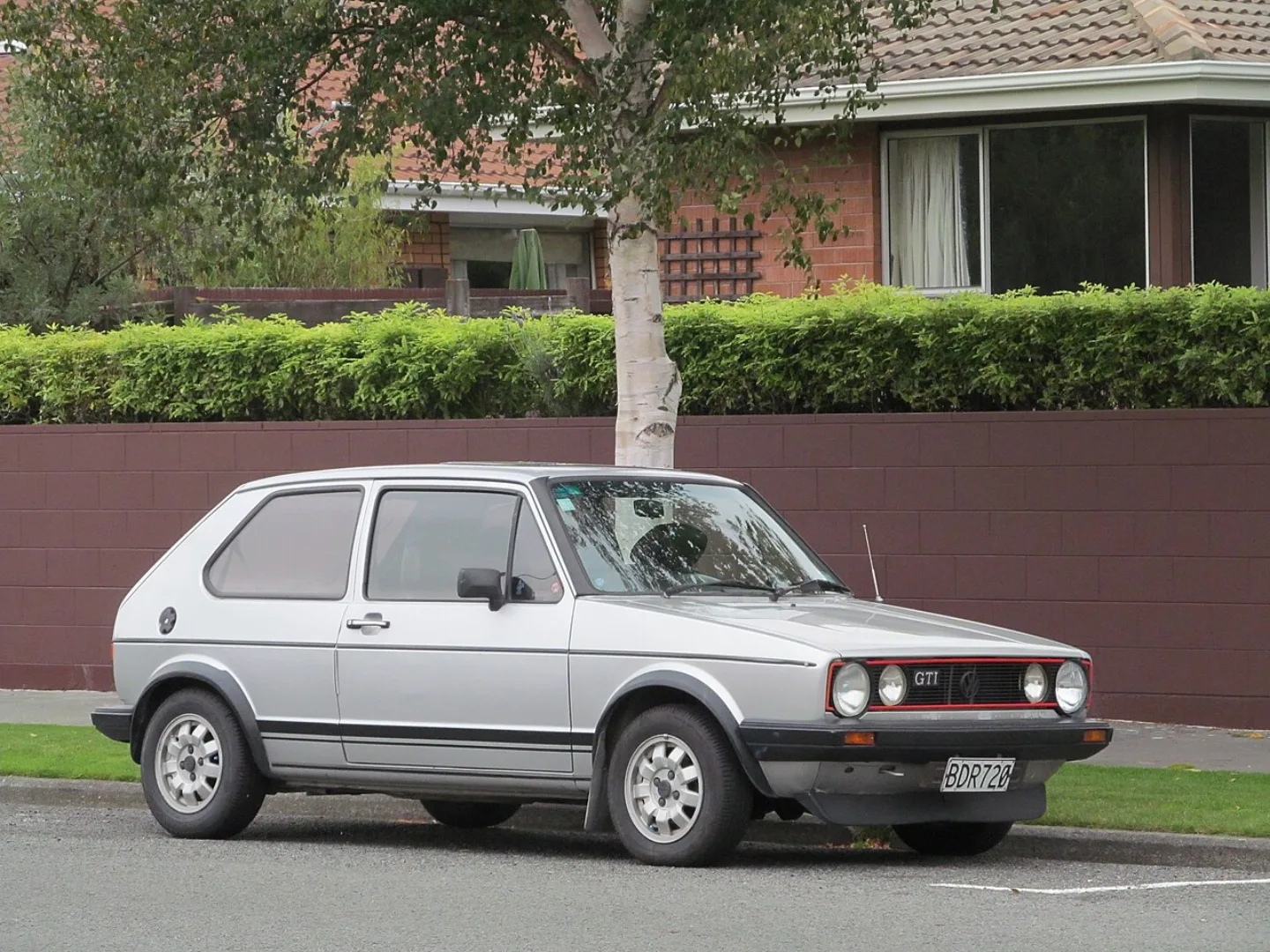
A small group of VW staff (engineers plus press and design colleagues) built the original GTI informally, outside normal VW project channels. Management approved it for production with a ceiling of 5,000 units — enough to homologate for motorsport and satisfy what they expected to be a niche audience. By the time the Mk1 gave way to the Mk2, 461,690 GTIs had been sold, nearly a hundred times the plan. Across eight generations the total exceeded 2.3 million units.
That first car offered 110 hp from its fuel-injected 1.6-liter engine — notable at launch because most European hot hatches of the era relied on carburetors — and reached 113 mph with a 0–60 of roughly 9.0 seconds. By the final internal-combustion generation, the Mk8 delivered 241 hp from the same fundamental front-wheel-drive, front-engine layout, just compressed into a tighter, heavier, more electronically managed package. The Mk7's EA888 Gen 3 sits between those endpoints: 258 lb-ft of torque available from just 1,500 rpm, which is why it felt punchy in everyday traffic rather than only at peak revs.
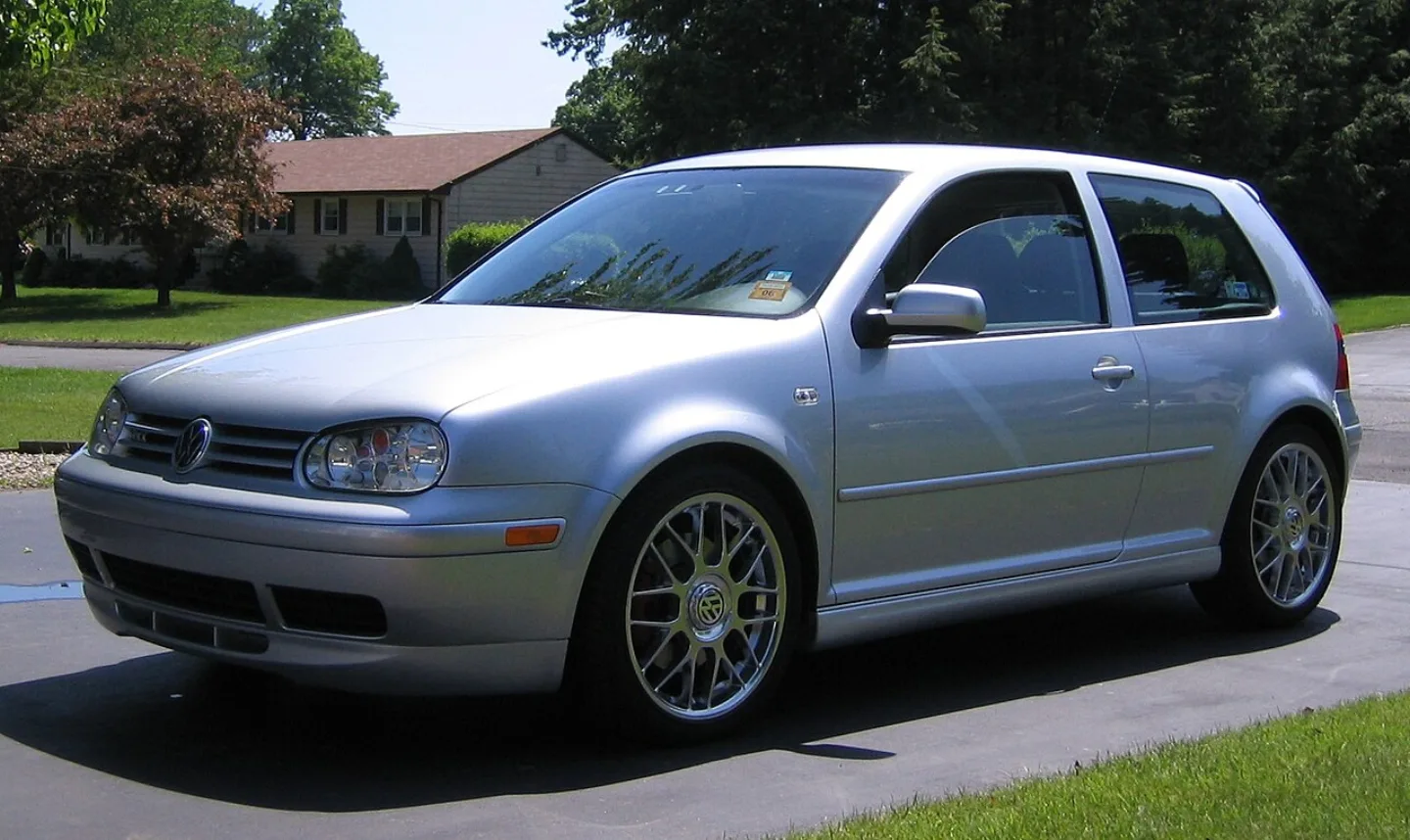
Limited editions defined certain chapters. The GTI 337 Edition — a 2002 US-market Mk4 special named for EA337, the original Golf's development code, all finished in silver — sold about 1,500 units at a launch price of $22,225, making clean examples increasingly collectible. At the other extreme of the timeline, the Golf GTI Edition 50 marked the GTI's fiftieth anniversary in 2026, one of several special editions that punctuate the car's fifty-year history. It also supplied the GTI's headline lap time: 7:44.523 around the Nürburgring Nordschleife in May 2026, the front-wheel-drive record as of that year and just 0.358 seconds quicker than the Honda Civic Type R's 2023 lap.
Key concepts
The timing belt
- The single service you never skip on a 1.8T, treated as a hard limit rather than a target to approach casually.
- Because this is an interference engine, if this part snaps the valves and pistons collide instantly and the head is usually finished.
- Do it by 75,000 miles — most shops start by 60,000 for margin — replacing its tensioner, idler pulleys, and water pump at the same time.
The water pump
- A part most owners replace during a major belt job even if it hasn't failed yet.
- It's driven off the same belt and sits in the same access zone as the belt itself.
- Doing it during the belt service adds only modest cost, versus a huge one if this coolant-circulating part fails a year later.
The coil packs
- Ignition components that fire the fuel-air mixture, aging together as a matched set of four.
- A worn spark plug that misfires puts extra stress on them.
- When one of the four fails, you replace all four at once, because a second failure usually follows the first within months.
Spark plugs
- A routine ignition wear item, replaced on a set schedule.
- You must pay attention to the gap specification when fitting them.
- A misfiring one stresses the ignition coils above it, so worn ones get changed before they cause trouble.
Key facts
5,000 Miles, No Exceptions
The 1.8T is infamous for oil sludge. The turbo's heat cooks deposits into the galleries and pickup screen, and VW's old 10,000-mile intervals are exactly how owners killed turbos. Change oil every 5,000 miles at most with a VW 502.00 synthetic like Castrol Edge 5W-40 — many veterans go 3,000–4,000.
The One Service You Never Skip
The 1.8T is an interference engine: if the timing belt snaps, valves meet pistons and the motor is usually finished. Service the belt at 60,000–75,000 miles and always do the full kit — belt, tensioner, idler pulleys, and water pump — since you're already in there. Coil packs get a preventive swap every 40,000 miles, all four at once.
The Right Oil Spec
The Mk4 1.8T turbo requires a VW 502.00-approved full synthetic oil, such as Castrol Edge 5W-40, for the viscosity and additive package the turbo needs under load.
Brake Fluid: Every Two Years
Flush the Mk4's glycol-based brake fluid every 2 years regardless of pedal feel, since it silently absorbs moisture and loses boiling point long before you'd notice.
One Fails, Replace All Four
On the Mk4 1.8T, coil packs age together, so when one fails, replace all four at once; a second failure typically follows within months otherwise.
The Water Pump Is When, Not If
The thermostat is electro-mechanical and bolts straight to the water pump housing, which sits buried under the intake manifold. It's the single most-reported Mk7/Mk7.5 fault. Replace pump and thermostat together at 60,000–80,000 miles preventively rather than waiting for the coolant warning. While you're in the bay, eyeball the serpentine belt (60k–80k).
DSG Fluid: 40,000 Miles
Service the Mk7's DSG transmission fluid at 40,000 miles; skipping the interval risks mechatronic failure, a multi-thousand-dollar repair.
Replace It Before It Fails
Rather than waiting for a coolant warning, replace the Mk7's water pump and thermostat together preventively somewhere in the 60,000-to-80,000-mile window, with 80,000 as the outer limit.
Not Actually Lifetime
The Mk7's timing chain isn't a lifetime part: inspect it from 100,000 miles onward and act on any stretch or rattle rather than assuming it will hold.
What the Mechatronic Unit Does
The mechatronic unit is the hydraulic and electronic module that manages clutch-pack pressure in the Mk7's DSG, which is why clean fluid matters so much.
Half a Century by the Numbers
Six engineers built the first GTI in their spare time; VW planned 5,000 units. Fifty years later, more than 2.3 million GTIs have sold across eight generations. The Mk1 made 110 hp and 113 mph with a 0–60 of about 9.0 seconds — figures a modern hatchback laughs at, yet it founded the entire hot-hatch class.
Approved for Just 5,000
When Volkswagen management greenlit the original GTI, they capped production at just 5,000 units, enough to homologate for motorsport and cover an expected niche market.
1,500 Units, All Silver
The GTI 337 Edition was built in a run of exactly 1,500 units, every one finished in silver and named for its European article number, 337.
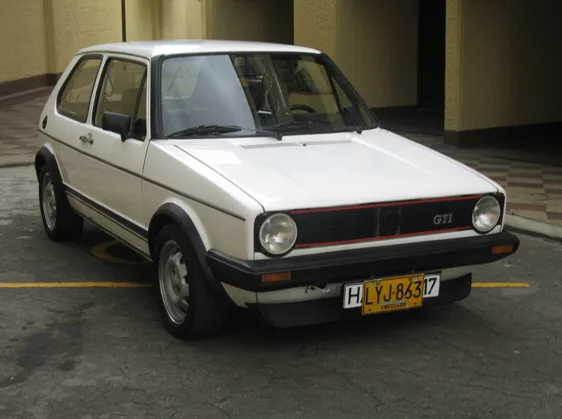
110 HP, Fuel-Injected
The European Mk1 GTI made 110 hp from its fuel-injected 1.6-liter engine, a notable figure at launch when most European hot hatches still ran carburetors.
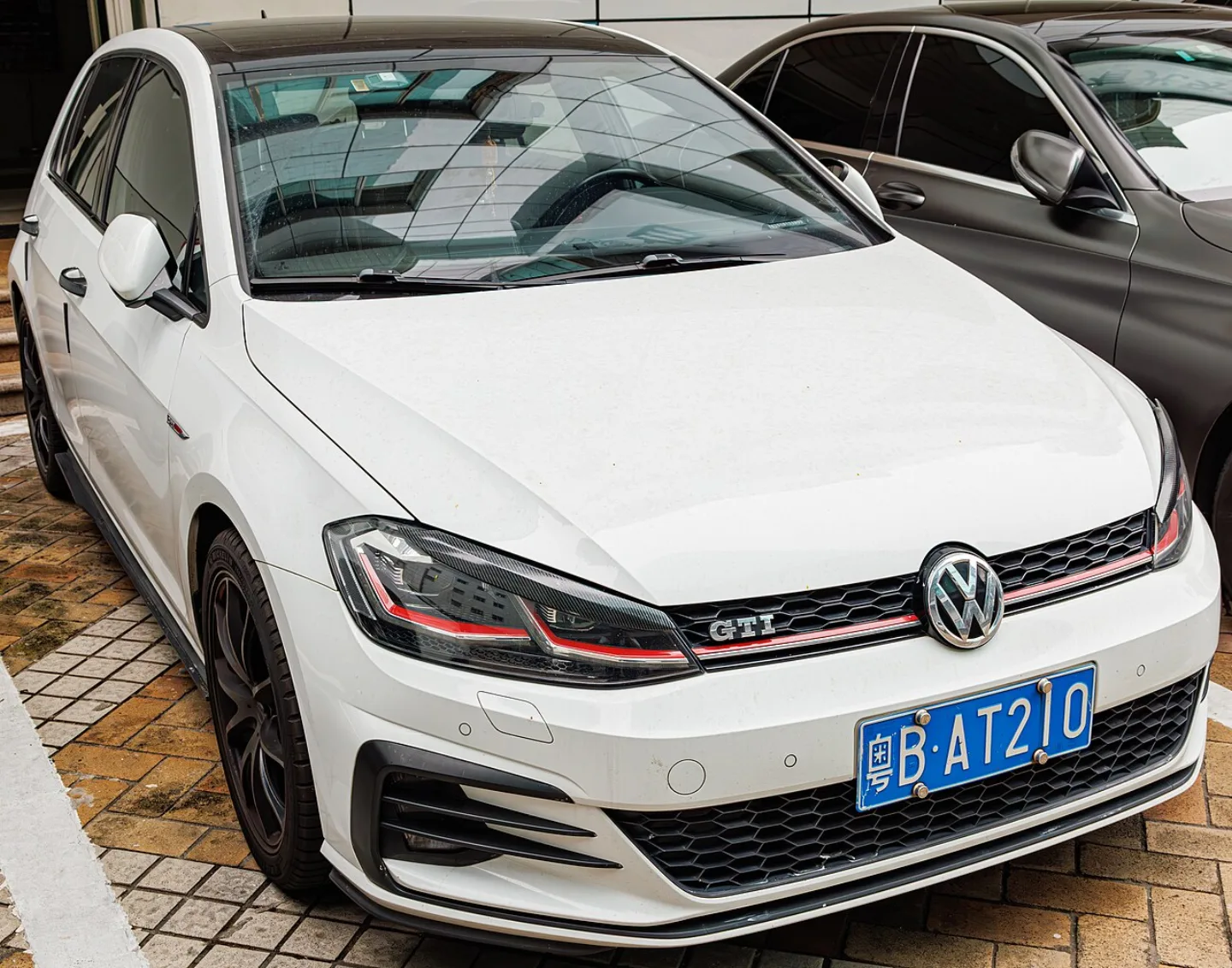
258 Lb-Ft From 1,500 RPM
The Mk7 GTI's EA888 Gen 3 engine makes 258 lb-ft of peak torque, available from just 1,500 rpm, which is why it felt so punchy in everyday traffic.
By the numbers
- Maximum interval between oil & filter changes on the sludge-prone Mk4 1.8T
- 5000 miles
- Mk4 air filter replacement interval (lower bound of the 20k–30k window)
- 20000 miles
- Upper end of the Mk4 1.8T timing-belt service window — the limit you do NOT exceed on an interference engine
- 75000 miles
- Mk7 DSG fluid service interval — skip it and you risk mechatronic failure
- 40000 miles
- Lower bound of the Mk7 timing-chain inspection window
- 100000 miles
- Upper bound for preventive Mk7 water pump & thermostat replacement (the #1 reported issue)
- 80000 miles
- Total GTIs sold across all eight generations (in units)
- 2300000 units
- Mk1 GTIs sold before the Mk2 replaced it — nearly 100x the original 5,000-unit plan (units)
- 461690 units
- Number of GTI 337 Edition cars produced — all in silver (units)
- 1500 units
- European Mk1 GTI horsepower from the fuel-injected 1.6L
- 110 hp
- Mk8 GTI horsepower — the final internal-combustion GTI
- 241 hp
- Mk7 GTI peak torque from the EA888 Gen 3, available from just 1,500 rpm
- 258 lb-ft
- Launch price of the GTI 337 Edition
- 22225 USD
Matched pairs
Each item on the left goes with the one on the right.
- Mk4 1.8T engine oil & filter
- Every 5,000 miles (max) — VW 502.00 synthetic, e.g. Castrol Edge 5W-40
- Mk4 1.8T spark plugs
- 40,000 miles — NGK BKR7E, gapped to 0.028" stock
- Mk4 1.8T timing belt + tensioner + water pump
- 60,000–75,000 miles — never skip; use the full OEM-quality kit
- Mk4 coolant flush
- Every 2 years — G12 or G13, never mix coolant types
- Mk4 manual transmission fluid
- 40,000–60,000 miles — MTF-94 or equivalent
- Mk7 2.0T engine oil & filter
- Every 5,000–7,500 miles — VW 504.00 (Longlife) 5W-30 or 5W-40
- Mk7 2.0T spark plugs
- 40,000 miles stock; 20,000 if tuned — NGK R7437-9 for tuned cars
- Mk7 DSG fluid service
- Every 40,000 miles — mechatronic damage is likely if neglected
- Mk7 water pump & thermostat
- 60,000–80,000 miles preventive — don't wait for failure
- Mk7 timing chain inspection
- 100,000–120,000 miles — VCDS scan for cam-to-crank deviation values
Self-test
Answer each question from memory, then check your work against the answer key.
1. What is the maximum interval between oil and filter changes on the sludge-prone Mk4 1.8T?
- A10,000 miles
- B7,500 miles
- C5,000 miles
- D3,000 miles
2. Which oil specification is required for the Mk4 1.8T turbo?
- AAPI SN conventional
- BVW 507.00 diesel spec
- CVW 504.00 Longlife spec
- DVW 502.00 full synthetic
3. On the interference Mk4 1.8T, what upper mileage limit should you never exceed for timing-belt service?
- A75,000 miles
- B90,000 miles
- C105,000 miles
- D60,000 miles
4. How often should the Mk4's brake fluid be flushed, regardless of pedal feel?
- AEvery 5 years
- BEvery 2 years
- CEvery 4 years
- DEvery year
5. Which service-interval pairing for the Mk4 1.8T is INCORRECT?
- AOil & filter — every 5,000 miles
- BTiming belt — by 75,000 miles
- CAir filter — every 5,000 miles
- DBrake fluid — every 2 years
6. What is the recommended spark plug replacement interval for the Mk4 1.8T?
- A100,000 miles
- B40,000 miles
- C25,000 miles
- D60,000 miles
7. Which NGK spark plug is the stock gap spec for the Mk4 1.8T?
- ANGK BKR7E
- BNGK R7437-9
- CNGK Iridium IX
- DNGK BCPR6E
8. Why is a snapped timing belt usually catastrophic on the Mk4 1.8T?
- AThe belt spins the alternator, so the ECU loses power and the car shuts down mid-drive
- BThe belt also drives the oil pump, so pressure drops to zero and the bearings seize instantly
- CIt's a non-interference design, so the engine just coasts to a stop with no internal damage
- DIt's an interference engine, so the valves and pistons collide and the cylinder head is usually destroyed
9. When doing the Mk4 1.8T timing-belt job, what does the complete kit include besides the belt?
- ACamshaft seal, crankshaft seal, and valve-cover gasket
- BThermostat, coolant hoses, and radiator cap
- CSerpentine belt, accessory tensioner, and alternator pulley
- DTensioner, idler pulleys, and water pump
10. On the Mk4 1.8T, what should you do when a single coil pack fails?
- ARegap the spark plugs instead
- BReplace all four at once
- CSwap the timing belt
- DReplace only the failed one
11. Why replace the water pump during the Mk4 timing-belt service?
- ACoolant cannot circulate unless the belt is removed
- BIt uses a separate drive and is easy to reach anytime
- CIt's driven off the same belt and shares the access zone, so the labor is already done
- DThe pump must be replaced before every oil change
12. A misfiring spark plug on the 1.8T puts extra stress on which component?
- AThe coil packs
- BThe timing belt
- CThe water pump
- DThe DSG mechatronic unit
13. Which item is the single most-reported fault across Mk7 and Mk7.5 ownership?
- AThe water pump with its integrated electro-mechanical thermostat
- BCarbon buildup on the intake valves
- CDSG mechatronic unit failure
- DTiming chain stretch
14. At what interval should the Mk7's DSG transmission fluid be serviced?
- A80,000 miles
- B20,000 miles
- C40,000 miles
- D60,000 miles
15. What is the upper limit for preventively replacing the Mk7 water pump and thermostat?
- A100,000 miles
- B80,000 miles
- C60,000 miles
- D40,000 miles
16. From what mileage should the Mk7's timing chain be inspected for stretch or rattle?
- A80,000 miles
- B60,000 miles
- C150,000 miles
- D100,000 miles
17. The Mk7 DSG depends on clean fluid to protect which control component?
- AThe mechatronic unit
- BThe timing-chain tensioner
- CThe electro-mechanical thermostat
- DThe turbocharger wastegate
18. What is the Mk7 2.0T's recommended engine oil change interval?
- AEvery 15,000 miles
- BEvery 10,000-12,000 miles
- CEvery 5,000-7,500 miles
- DEvery 3,000-4,000 miles
19. Which oil specification is called for on the Mk7 2.0T?
- AVW 507.00 diesel-spec
- BVW 502.00 full synthetic
- CCastrol GTX conventional
- DVW 504.00 Longlife 5W-30 or 5W-40
20. When management approved the original GTI, what production ceiling did they set?
- A461,690 units
- B5,000 units
- C1,500 units
- D50,000 units
21. How many Mk1 GTIs had sold by the time the Mk2 replaced it?
- A461,690
- B230,845
- C5,000
- D1,500
22. Across all eight generations, roughly how many GTIs have been sold?
- AAbout 1.5 million
- BAbout 5 million
- CAbout 461,690 units
- DMore than 2.3 million
23. How many GTI 337 Edition cars were produced, all finished in silver?
- AExactly 5,000
- BExactly 337
- CExactly 1,500
- DExactly 750
24. What was the launch price of the GTI 337 Edition?
- A$18,995
- B$22,225
- C$19,225
- D$25,995
25. How much horsepower did the European Mk1 GTI make from its fuel-injected 1.6-liter engine?
- A130 hp
- B110 hp
- C150 hp
- D90 hp
26. How much horsepower does the Mk8 — the final internal-combustion GTI — deliver?
- A210 hp
- B300 hp
- C241 hp
- D258 hp
27. What is the Mk7 GTI's peak torque from its EA888 Gen 3 engine?
- A200 lb-ft
- B280 lb-ft
- C241 lb-ft
- D258 lb-ft
28. At what engine speed does the Mk7's EA888 Gen 3 already deliver its peak torque?
- A1,500 rpm
- B4,000 rpm
- C2,500 rpm
- D1,000 rpm
29. By how much did the Golf GTI Edition 50's 2026 lap beat the Civic Type R's FWD Nürburgring record?
- A5.4 seconds
- B3.58 seconds
- C0.036 seconds
- D0.358 seconds
Go deeper
Answer key
- 1. C 5,000 milesChange oil every 5,000 miles at most. The old 10,000-mile factory interval was written for low-stress NA engines and is exactly how owners cooked turbos with sludge.
- 2. D VW 502.00 full syntheticUse a VW 502.00-approved full synthetic such as Castrol Edge 5W-40 for the right viscosity and additive package under turbo load. 504.00 is the Mk7 Longlife spec.
- 3. A 75,000 milesTreat 75,000 miles as a hard limit, not a target. Most shops start the job by 60,000 miles to give margin against a catastrophic snap.
- 4. B Every 2 yearsFlush glycol-based brake fluid every 2 years. It silently absorbs moisture and loses boiling point long before the pedal feels degraded.
- 5. C Air filter — every 5,000 milesAir filter replacement falls in the 20,000–30,000-mile window, not 5,000. The 5,000-mile item is the oil and filter change.
- 6. B 40,000 milesThe Mk4 1.8T's spark plugs are serviced at 40,000 miles, gapped to spec to avoid stressing the coil packs.
- 7. A NGK BKR7EThe Mk4 1.8T uses the NGK BKR7E spark plug, gapped to 0.028 inch at the stock interval.
- 8. D It's an interference engine, so the valves and pistons collide and the cylinder head is usually destroyedThe 1.8T is an interference engine: the cam and crank share the same space, so if the belt snaps the valves and pistons collide and the head is finished. That's why you service the belt by 75,000 miles.
- 9. D Tensioner, idler pulleys, and water pumpAlways order the full kit: belt, tensioner, idler pulleys, and water pump. The pump is driven off the same belt, so replace it while you're already in there.
- 10. B Replace all four at onceCoil packs age together, so a second failure typically follows the first within months. Swap all four simultaneously.
- 11. C It's driven off the same belt and shares the access zone, so the labor is already doneThe water pump is driven off the same belt and sits in the same access zone, so replacing it during the belt job adds modest cost versus a major one if it fails a year later.
- 12. A The coil packsA misfiring plug stresses the coil packs, which is why gap spec matters. The DSG mechatronic unit is a Mk7 part.
- 13. A The water pump with its integrated electro-mechanical thermostatThe electro-mechanical thermostat is built into the water pump housing buried under the intake manifold — the #1 reported Mk7/Mk7.5 fault. Replace pump and thermostat together preventively at 60,000–80,000 miles.
- 14. C 40,000 milesService the DSG at 40,000 miles. Skip it and you risk mechatronic failure, a multi-thousand-dollar repair.
- 15. B 80,000 milesReplace pump and thermostat together preventively at 60,000–80,000 miles, with 80,000 as the upper bound, rather than waiting for the coolant warning.
- 16. D 100,000 milesA chain isn't 'lifetime.' Inspect it from 100,000 miles onward and act on any stretch or rattle rather than assuming it will hold.
- 17. A The mechatronic unitThe mechatronic unit is the hydraulic/electronic module that manages clutch-pack pressure; neglected fluid risks its failure.
- 18. C Every 5,000-7,500 milesThe Mk7 2.0T's oil and filter are serviced every 5,000-7,500 miles using a VW 504.00-rated Longlife synthetic.
- 19. D VW 504.00 Longlife 5W-30 or 5W-40The Mk7 2.0T calls for a VW 504.00 Longlife-rated 5W-30 or 5W-40 synthetic, unlike the Mk4's 502.00 spec.
- 20. B 5,000 unitsVW approved just 5,000 units — enough to homologate for motorsport and satisfy an expected niche. By the time the Mk1 gave way to the Mk2, 461,690 had sold, nearly 100 times the plan.
- 21. A 461,690461,690 Mk1 GTIs sold, nearly a hundred times the planned 5,000-unit ceiling.
- 22. D More than 2.3 millionThe total exceeded 2.3 million units across eight generations. 461,690 was just the Mk1's tally.
- 23. C Exactly 1,500Exactly 1,500 units, all silver and named for the European article number 337, making clean examples increasingly collectible.
- 24. B $22,225The 337 Edition launched at $22,225. Its limited 1,500-unit run makes clean examples collectible.
- 25. B 110 hpThe Mk1 made 110 hp, notable at launch when most European hot hatches still used carburetors.
- 26. C 241 hpThe Mk8 delivers 241 hp from the same fundamental FWD, front-engine layout. 258 is the Mk7's torque figure, not horsepower.
- 27. D 258 lb-ft258 lb-ft, available from just 1,500 rpm, which is why the Mk7 felt punchy in everyday traffic. 241 is the Mk8's horsepower.
- 28. A 1,500 rpmPeak torque of 258 lb-ft arrives from just 1,500 rpm, giving strong low-rev pull rather than power only near redline.
- 29. D 0.358 secondsThe Edition 50's 7:44.523 beat the Civic Type R's 2023 time of 7:44.881 by just 0.358 seconds.
Sources
- Blauparts — VW Golf 1.8T 20V timing belt replacement — www.blauparts.com/blog/vw-golf-timing-belt-replacement-18t20v.html
- ShopDAP — Mk7 GTI / Golf R common problems — www.shopdap.com/blog/post/mk7-gti-golfr-common-problems.html
- Carscoops — VW Golf GTI Edition 50 takes the FWD Nürburgring record (2026); Carscoops — VW Golf GTI Edition 50 Nürburgring record (2026) — www.carscoops.com/2026/05/vw-golf-gti-nurburgring-record/
Image credits
- 5,000 Miles, No Exceptions: Wikimedia Commons · SIGAUS · CC BY-SA 4.0 — commons.wikimedia.org/wiki/File:SIGAUS_aceite.jpg
- The One Service You Never Skip: Wikimedia Commons · Petar Milošević · CC BY-SA 3.0 — commons.wikimedia.org/wiki/File:Replacing_a_timing_belt.jpg
- Approved for Just 5,000: Riley from Christchurch, New Zealand · CC BY 2.0 — commons.wikimedia.org/wiki/File:1982_Volkswagen_Golf_GTi_(Mk1)_(14072934454).jpg
- 1,500 Units, All Silver: GoldenboyCT at English Wikipedia · CC BY 2.5 — commons.wikimedia.org/wiki/File:VW_GTI_337.jpg
- 110 HP, Fuel-Injected: JulianFranco · CC BY-SA 3.0 — commons.wikimedia.org/wiki/File:Golf_GTI_Mk1.JPG
- 258 Lb-Ft From 1,500 RPM: Dinkun Chen · CC BY-SA 4.0 — commons.wikimedia.org/wiki/File:VOLKSWAGEN_GOLF_GTI_(Mk7,_Typ_5G)_China_(4).jpg


