
American Football Trivia & Gridiron Lore study guide · Lesson 2 of 6
The Super Bowl Era and Iconic Championship Clashes
The AFL-NFL Merger and the Super Bowl Revolution · Dynasties, Immortals, and Historic Showdowns
This is the lesson's study guide from the FlashFeed app, plus its key facts and a self-test.
What you'll be able to do
- Recall the AFL's "Foolish Club" founding, how a Wham-O Super Ball inspired "Super Bowl", Super Bowl I's 35-10 score, and Max McGee's game.
- Recall the 1972 Dolphins' 17-0, Chuck Noll's four titles in six years, the 1985 Bears' Shuffle and Refrigerator Perry, and Bill Walsh's West Coast Offense.
Lesson 2: The Super Bowl Era and Iconic Championship Clashes
The AFL-NFL Merger and the Super Bowl Revolution
The modern landscape of professional football was forged during the turbulent 1960s war between the established National Football League and the upstart American Football League (AFL). In 1959, Texas oil heir Lamar Hunt formed the AFL with seven fellow prospective owners, affectionately dubbed 'The Foolish Club.' The new league pioneered high-scoring offenses, official game clocks on stadium scoreboards, two-point conversions, and names on player jersey backs.
In 1966, Secret merger negotiations culminated in an agreement to hold an annual AFL-NFL World Championship Game. Lamar Hunt coined the moniker 'Super Bowl' after watching his children play with a high-bouncing Wham-O bouncy toy named the 'Super Ball.' On January 15, 1967, Vince Lombardi's Green Bay Packers defeated Hank Stram's Kansas City Chiefs 35-10 at the Los Angeles Memorial Coliseum in Super Bowl I, highlighted by backup wide receiver Max McGee catching seven passes for 138 yards and two touchdowns after being out late the previous evening.
The competitive credibility of the AFL was cemented on January 12, 1969, in Super Bowl III at the Miami Orange Bowl. New York Jets quarterback Joe Namath boldly guaranteed victory against Don Shula's heavily favored Baltimore Colts (roughly 18-point favorites), backing up his boast with a surgical 16-7 upset.
The complete AFL-NFL merger took effect in 1970 under Commissioner Pete Rozelle. To establish two balanced 13-team conferences, the Cleveland Browns, Pittsburgh Steelers, and Baltimore Colts agreed to transfer to the American Football Conference (AFC) in exchange for $3 million each. Rozelle transformed the NFL into America's most lucrative entertainment empire through equal television revenue sharing, the Sports Broadcasting Act of 1961, and the launch of ABC's Monday Night Football in September 1970.
The era also birthed the Vince Lombardi Trophy, designed on a cocktail napkin by Tiffany & Co. vice president Oscar Riedener in 1966 and officially renamed after Lombardi's passing in 1970. The 1972 Miami Dolphins made immortal history by defeating Washington 14-7 in Super Bowl VII to finish 17-0, the only NFL team to complete a season, playoffs included, undefeated and untied, despite the famous 'Garo's Gaffe' blocked field goal throw.
Key Historical Concepts and Trivia Milestones
Lamar Hunt and Foolish Club
After being repeatedly denied an NFL expansion team, Dallas businessman Lamar Hunt organized the American Football League in 1959 with eight original franchises whose owners called themselves 'The Foolish Club.'
Naming of the Super Bowl
AFL founder Lamar Hunt coined the term 'Super Bowl' in 1966 after observing his children playing with a high-bouncing Wham-O toy called the 'Super Ball,' which replaced the clunky title AFL-NFL World Championship Game.
Super Bowl I Outcome
On January 15, 1967, head coach Vince Lombardi led the NFL champion Green Bay Packers to a 35-10 victory over the AFL champion Kansas City Chiefs in Super Bowl I at the Los Angeles Memorial Coliseum.
Max McGee Unlikely Heroics
Packers reserve wide receiver Max McGee came off the bench after starting receiver Boyd Dowler was injured in Super Bowl I to catch seven passes for 138 yards and two touchdowns following a late night out before the game.
Joe Namath Super Bowl III Guarantee
Jets quarterback Joe Namath famously guaranteed victory three days before Super Bowl III and delivered a 16-7 upset over Don Shula's Baltimore Colts, roughly 18-point favorites, on January 12, 1969, at the Miami Orange Bowl.
1970 AFL-NFL Merger Completion
In 1970, the AFL and NFL completed their full merger, combining 26 teams into a single league organized into the American Football Conference (AFC) and National Football Conference (NFC).
Three NFL Teams Moving to AFC
To create two equal 13-team conferences upon the 1970 merger, original NFL franchises the Cleveland Browns, Pittsburgh Steelers, and Baltimore Colts agreed to move to the AFC in exchange for a $3 million settlement each.
Pete Rozelle Leadership
During his tenure from 1960 to 1989, NFL Commissioner Pete Rozelle transformed professional football into America's most popular sport by introducing equal television revenue sharing and securing the Sports Broadcasting Act of 1961.
Monday Night Football Debut
ABC's Monday Night Football premiered on September 21, 1970, with the Cleveland Browns defeating Joe Namath's New York Jets 31-21, featuring the iconic broadcast booth of Howard Cosell, Don Meredith, and Keith Jackson.
Vince Lombardi Trophy Renaming
Following the legendary Packers coach's death from cancer, the NFL officially renamed the championship trophy the Vince Lombardi Trophy in September 1970.
Tiffany & Co. Trophy Napkin Sketch
In 1966, Tiffany & Co. vice president Oscar Riedener sketched the initial design of the sterling silver championship trophy featuring a regulation-size football in kicking position on a cocktail napkin during a lunch with Pete Rozelle.
Chuck Noll Steelers Dynasty
Pittsburgh Steelers head coach Chuck Noll led the franchise to four Super Bowl titles in six seasons between 1974 and 1979, becoming the first head coach in NFL history to win four Super Bowls. His Steelers were built around the 'Steel Curtain' defense, anchored by Joe Greene, Jack Lambert and Mel Blount.
1972 Miami Dolphins 17-0 Perfect Season
Head coach Don Shula guided the 1972 Miami Dolphins to a perfect 17-0 record, culminating in a 14-7 victory over the Washington Redskins in Super Bowl VII to become the only NFL team to finish a season, playoffs included, undefeated and untied.
Garo's Gaffe in Super Bowl VII
With Miami leading 14-0 in Super Bowl VII, Dolphins kicker Garo Yepremian attempted an awkward pass following a blocked field goal, fumbling the ball into the hands of Washington cornerback Mike Bass for a 49-yard touchdown.
Jackie Smith Drop in Super Bowl XIII
In Super Bowl XIII, Dallas Cowboys veteran tight end Jackie Smith dropped an uncontested touchdown pass in the end zone, prompting announcer Curt Gowdy to exclaim 'Bless his heart, he's got to be the sickest man in America.'
Dynasties, Immortals, and Historic Showdowns
The post-merger era of professional football is defined by legendary team dynasties, revolutionary defensive architectures, offensive masterminds, and historic Super Bowl drama. In 1985, Mike Ditka's Chicago Bears stormed through the NFL with a 15-1 regular season, releasing their Grammy-nominated 'Super Bowl Shuffle' music video before overwhelming the New England Patriots 46-10 in Super Bowl XX. Defensive coordinator Buddy Ryan's aggressive '46 Defense'—named after starting safety Doug Plank's jersey number—overwhelmed opposing offensive lines with eight-man fronts, while rookie 335-pound defensive tackle William 'The Refrigerator' Perry scored a rushing touchdown.
The 1980s belonged to Bill Walsh and the San Francisco 49ers. Walsh revolutionized modern gridiron tactics with the West Coast Offense, emphasizing short, rhythmic, horizontal passes to spread the defense and control time of possession. Guided by quarterback Joe Montana, who went 4-0 in Super Bowls with eleven touchdown passes and zero interceptions, San Francisco captured four titles (1981, 1984, 1988, 1989). In Super Bowl XXIII, Montana calmly pointed out comedian John Candy in the stands before driving the 49ers 92 yards to defeat the Bengals on a ten-yard touchdown strike to John Taylor with 34 seconds remaining.
In the 1990s, Jimmy Johnson built the Dallas Cowboys dynasty after executing the 1989 blockbuster trade of running back Herschel Walker to the Minnesota Vikings for several players and a haul of conditional draft picks. The resulting draft capital landed Emmitt Smith, who joined quarterback Troy Aikman (the 1989 first overall pick) and wide receiver Michael Irvin (a 1988 first-round pick) as 'The Triplets,' the trio who powered Dallas to three Super Bowl titles in four seasons (XXVII, XXVIII, XXX). Conversely, Marv Levy's Buffalo Bills achieved the remarkable feat of reaching four consecutive Super Bowls from 1990 to 1993, but lost all four, beginning with Scott Norwood's heartbreaking 47-yard 'Wide Right' field goal miss with eight seconds left in Super Bowl XXV.
The twenty-first century was headlined by the New England Patriots dynasty under head coach Bill Belichick and quarterback Tom Brady, who won six Super Bowls across nine appearances between 2001 and 2018. In Super Bowl LI, New England mounted the greatest comeback in Super Bowl history, overcoming a 28-3 deficit against Atlanta to win 34-28 in overtime. Their run also featured two of the sport's most famous late-game plays, David Tyree's miraculous helmet catch in Super Bowl XLII that cost New England a perfect season and Malcolm Butler's goal-line interception that clinched Super Bowl XLIX, and the modern emergence of Patrick Mahomes and Andy Reid's Kansas City Chiefs.
Key Historical Concepts and Trivia Milestones
1985 Bears Super Bowl Shuffle
The dominant 1985 Chicago Bears finished 15-1 and recorded their famous 'Super Bowl Shuffle' charity music video two months before dismantling the New England Patriots 46-10 in Super Bowl XX.
Buddy Ryan's 46 Defense
Chicago Bears defensive coordinator Buddy Ryan developed the hyper-aggressive '46 Defense,' naming the revolutionary eight-men-in-the-box blitz package after starting strong safety Doug Plank's jersey number 46.
The Refrigerator Perry Super Bowl Touchdown
Bears rookie defensive tackle William 'The Refrigerator' Perry, weighing 335 pounds, became a cultural sensation by plunging into the end zone for a 1-yard rushing touchdown in Super Bowl XX.
Bill Walsh West Coast Offense
San Francisco 49ers head coach Bill Walsh transformed football strategy by developing the West Coast Offense, utilizing precise short-range horizontal passes as an extension of the running game to control tempo and field space.
Joe Montana Perfect Super Bowl Record
San Francisco 49ers quarterback Joe Montana compiled a perfect 4-0 Super Bowl record (XVI, XIX, XXIII, XXIV), completing 83 of 122 passes for 1,142 yards, 11 touchdowns, and zero interceptions while winning three Super Bowl MVP trophies.
Montana John Candy Drive in Super Bowl XXIII
Trailing 16-13 with 3:10 remaining in Super Bowl XXIII, Joe Montana famously relaxed his teammates by pointing to the stands and asking 'Isn't that John Candy?' before leading a 92-yard drive capped by John Taylor's game-winning touchdown catch.
1990s Dallas Cowboys Dynasty
Coached by Jimmy Johnson and Barry Switzer, the 1990s Dallas Cowboys captured three Super Bowl championships in four years powered by 'The Triplets': quarterback Troy Aikman, running back Emmitt Smith, and receiver Michael Irvin.
Herschel Walker Blockbuster Trade
On October 12, 1989, the Dallas Cowboys traded running back Herschel Walker to the Minnesota Vikings in exchange for several players and a haul of conditional draft choices, which Jimmy Johnson leveraged to draft Emmitt Smith, Russell Maryland, and Darren Woodson.
Buffalo Bills Four Straight Super Bowls
Head coach Marv Levy led the Buffalo Bills to four consecutive AFC titles and Super Bowl appearances from 1990 through 1993, the only team in NFL history to play in four straight Super Bowls.
Scott Norwood Wide Right
In Super Bowl XXV, Buffalo Bills kicker Scott Norwood pushed a potential game-winning 47-yard field goal wide right with eight seconds remaining, preserving a 20-19 victory for the New York Giants in the closest Super Bowl in history.
Patriots Belichick-Brady Dynasty
Between the 2001 and 2018 seasons, head coach Bill Belichick and quarterback Tom Brady led the New England Patriots to six Super Bowl championships (XXXVI, XXXVIII, XXXIX, XLIX, LI, LIII) and nine conference titles.
Super Bowl LI 28-3 Comeback
In Super Bowl LI on February 5, 2017, the New England Patriots staged the largest comeback in Super Bowl history, erasing a 28-3 deficit with 31 unanswered points to defeat the Atlanta Falcons 34-28 in the first Super Bowl overtime.
Super Bowl XLII David Tyree Helmet Catch
On third-and-5 in Super Bowl XLII, Giants receiver David Tyree pinned Eli Manning's pass against his helmet while falling backward with Rodney Harrison defending, paving the way for a 17-14 upset that shattered New England's 18-0 pursuit.
Malcolm Butler Super Bowl XLIX Interception
With New England leading 28-24 and 20 seconds remaining in Super Bowl XLIX, undrafted rookie cornerback Malcolm Butler stepped in front of Ricardo Lockette at the goal line to intercept Russell Wilson and secure the Patriots championship.
Patrick Mahomes Chiefs Back-to-Back Titles
Quarterback Patrick Mahomes and head coach Andy Reid led the Kansas City Chiefs to back-to-back Super Bowl championships in Super Bowls LVII and LVIII, defeating the Eagles and 49ers to solidify modern dynasty status.
Key facts
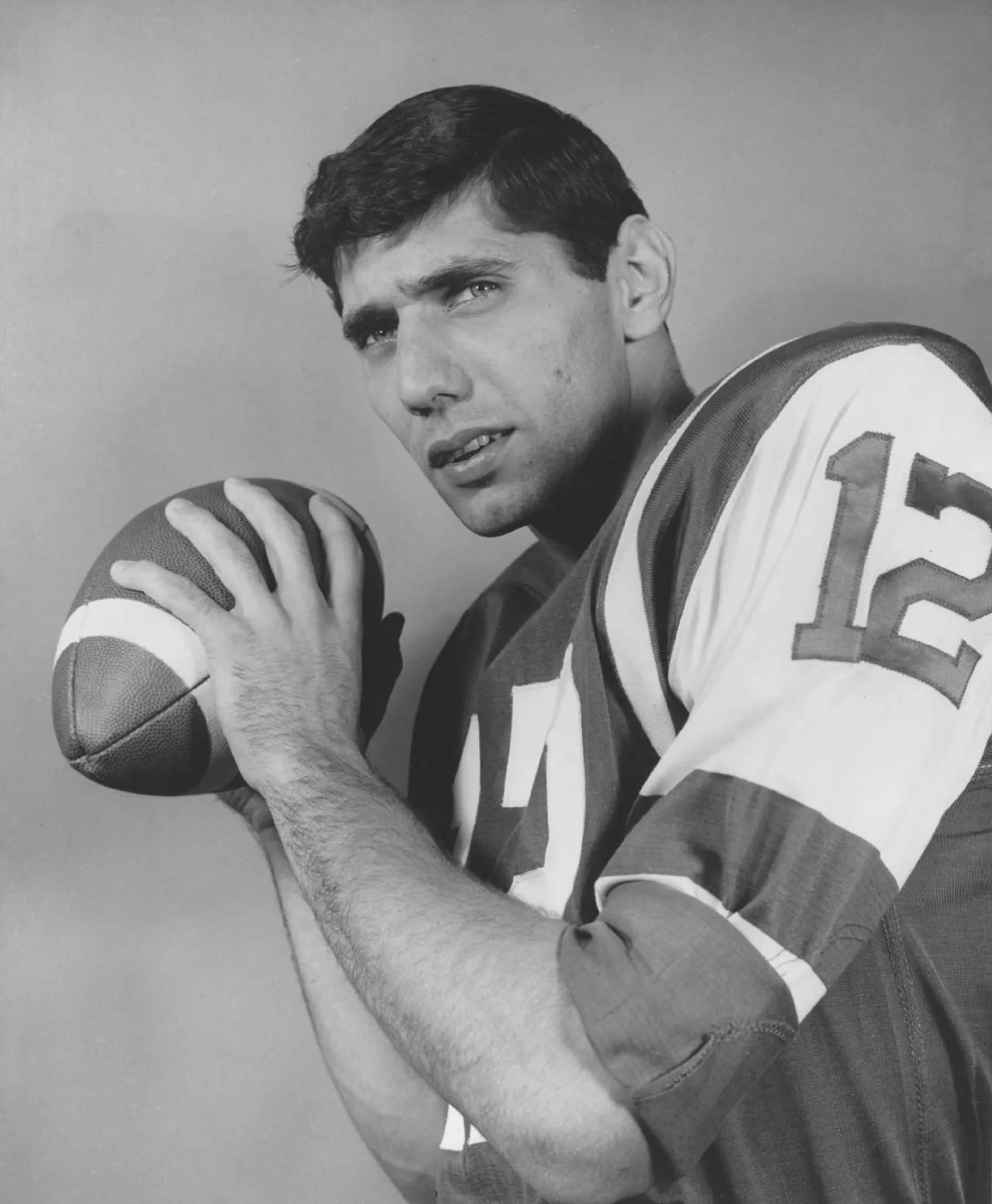
Joe Namath's Super Bowl III Guarantee
Before Super Bowl III in 1969, AFL champion New York Jets quarterback Joe Namath boldly guaranteed victory as 18-point underdogs, shocking the Baltimore Colts 16-7.
The 1970 AFL-NFL Merger and Monday Night Football
The 1970 AFL-NFL merger unified 26 franchises into AFC and NFC conferences and launched ABC's prime-time cultural phenomenon, Monday Night Football.
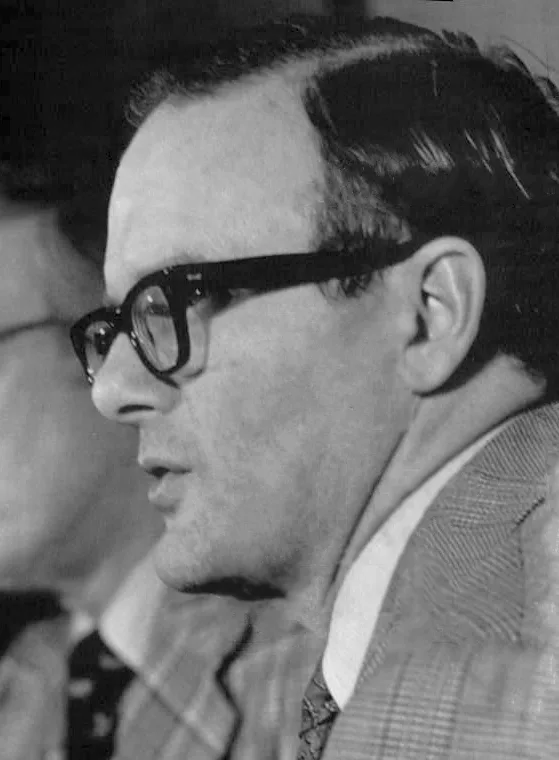
Lamar Hunt: The Foolish Club and the Super Bowl Name
In 1959, Lamar Hunt and seven other owners rejected by the NFL founded the rival American Football League, jokingly calling themselves 'The Foolish Club.' In 1966, Hunt coined the term 'Super Bowl' after watching his children play with a high-bouncing Wham-O toy called the Super Ball.
Super Bowl I: Packers 35, Chiefs 10
On January 15, 1967, Vince Lombardi's Green Bay Packers defeated Hank Stram's Kansas City Chiefs 35-10 in the first Super Bowl at the Los Angeles Memorial Coliseum. Packers receiver Max McGee, who had been out late the night before, caught 7 passes for 138 yards and 2 touchdowns in the win.
1970: Conference Realignment and Monday Night Football's Debut
To balance the newly merged league into two 13-team conferences, the Cleveland Browns, Pittsburgh Steelers, and Baltimore Colts agreed to switch from the NFL to the AFC in exchange for $3 million apiece. That same year, on September 21, 1970, the Cleveland Browns beat Joe Namath's New York Jets 31-21 in the first Monday Night Football broadcast on ABC.
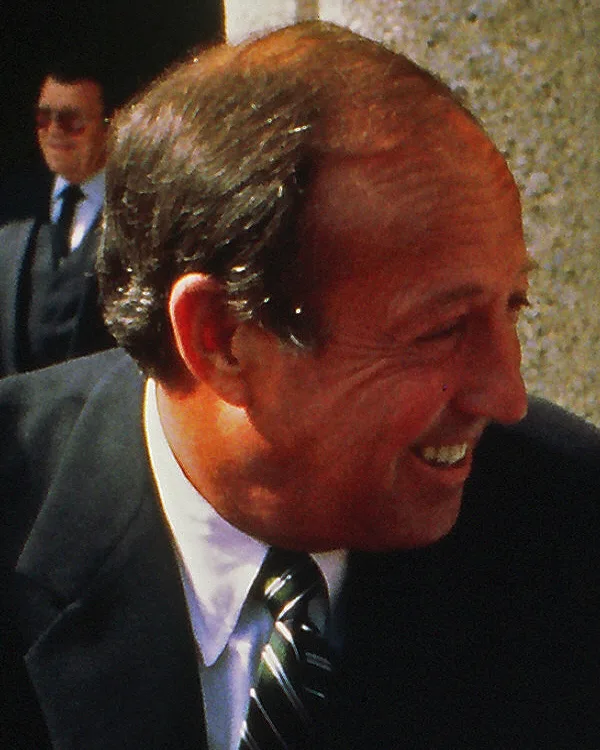
Building the Modern Super Bowl's Business and Trophy
Pete Rozelle served as NFL Commissioner from 1960 to 1989, pioneering league-wide revenue sharing and national television contracts that turned the NFL into a coast-to-coast broadcasting powerhouse. Following Vince Lombardi's death, the league renamed its championship trophy in his honor in September 1970, and Tiffany & Co. has handcrafted every sterling silver Lombardi Trophy since its original 1966 design.
Iconic Super Bowl Blunders
Miami kicker Garo Yepremian tried to pass a blocked kick in Super Bowl VII, but the ball slipped from his hands and was returned for Washington's only touchdown. Six years later, veteran Cowboys tight end Jackie Smith slipped and dropped an uncontested third-quarter touchdown pass in Dallas's 35-31 loss to Pittsburgh in Super Bowl XIII.
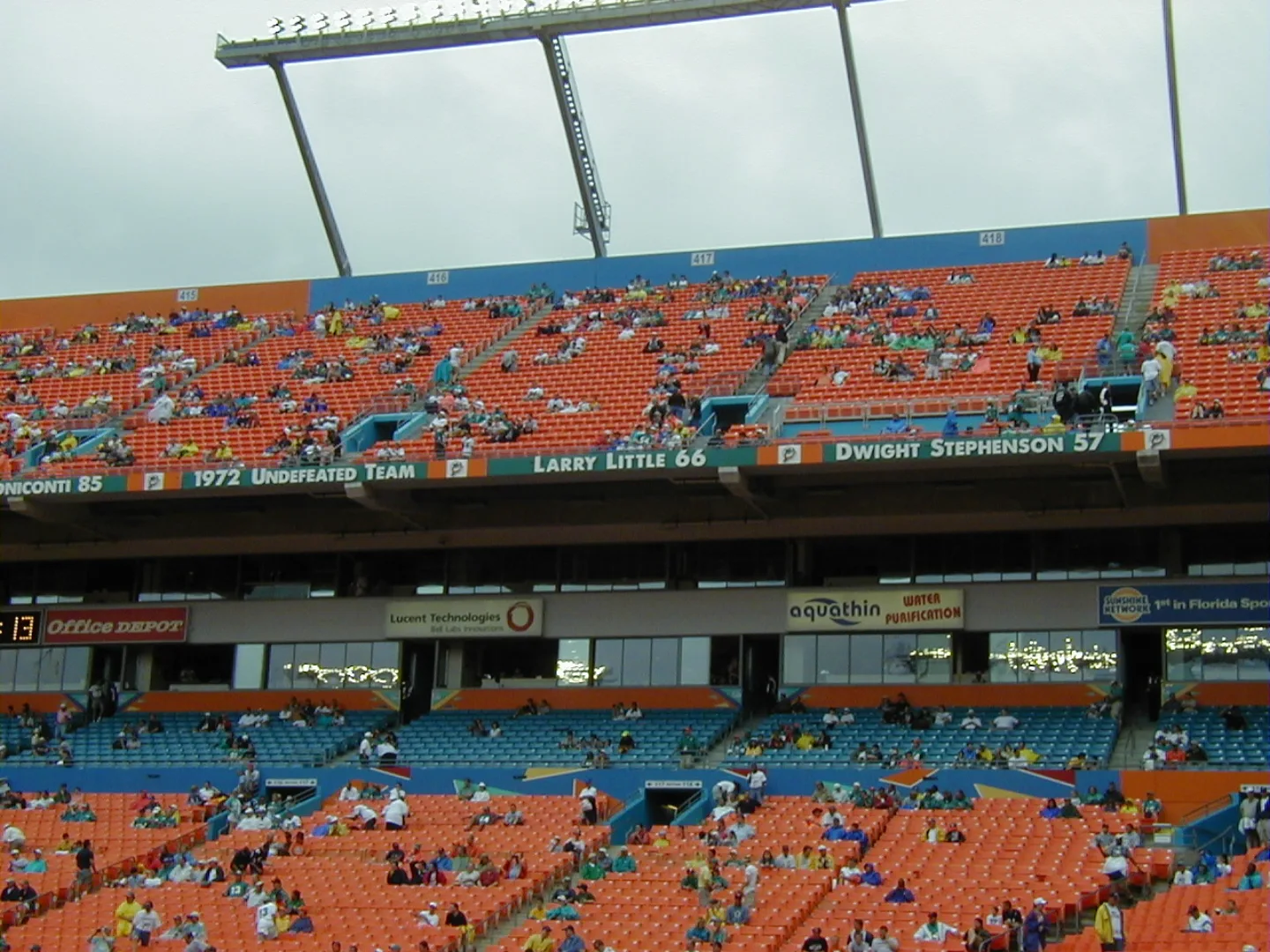
The 1972 Miami Dolphins Undefeated 17-0 Season
Under Hall of Fame coach Don Shula, the 1972 Miami Dolphins finished 17-0, remaining the only team in NFL history to complete a perfect undefeated season capped by a Super Bowl win.
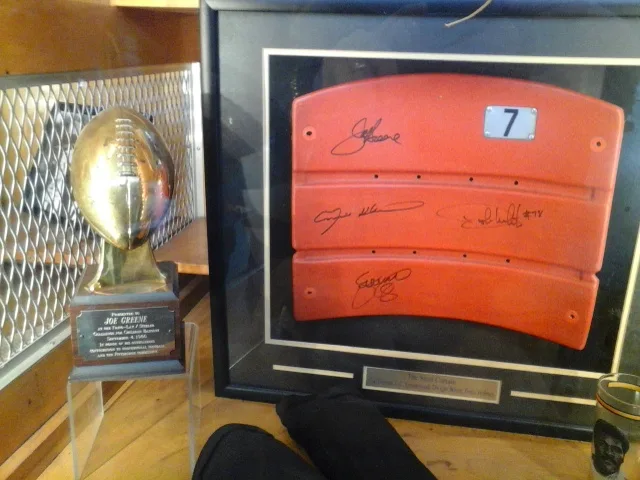
The Pittsburgh Steelers' Steel Curtain Dynasty
The 1970s Pittsburgh Steelers won four Super Bowls in six years behind Chuck Noll's 'Steel Curtain' defense featuring Joe Greene, Jack Lambert, and Mel Blount.
The 1985 Bears' Swagger and Star Power
The 15-1 Chicago Bears recorded the charity music video 'The Super Bowl Shuffle' in December 1985, which earned a Grammy nomination and sold over 500,000 copies. Defensive coordinator Buddy Ryan named the team's smothering '46 Defense' after hard-hitting safety Doug Plank's jersey number, and 335-pound rookie defensive tackle William 'The Refrigerator' Perry scored a rushing touchdown as Chicago routed New England 46-10 in Super Bowl XX.
Dynasty-Era Moments: The Trade and the Cameo
Before leading a 92-yard game-winning drive in Super Bowl XXIII, 49ers quarterback Joe Montana pointed to the stands and asked a teammate, 'Isn't that John Candy?' to calm his teammates. That same year, in 1989, Dallas coach Jimmy Johnson traded running back Herschel Walker to Minnesota for several players and a haul of conditional draft picks, draft capital he used to select Emmitt Smith and build the Cowboys' 1990s dynasty.
The Buffalo Bills' Four Straight Super Bowl Losses
The Buffalo Bills are the only franchise in NFL history (through the 2025 season) to play in four consecutive Super Bowls, appearing in Super Bowls XXV through XXVIII from 1990 to 1993 and losing all four. The first loss came when kicker Scott Norwood's 47-yard field-goal attempt sailed wide right with eight seconds left in Super Bowl XXV.
Patriots-Defining Super Bowl Plays
Giants receiver David Tyree pinned Eli Manning's pass against his own helmet while being dragged down by Rodney Harrison, setting up New York's game-winning drive that denied the previously unbeaten Patriots a perfect season in Super Bowl XLII. Seven years later, undrafted Patriots cornerback Malcolm Butler intercepted Russell Wilson at the 1-yard line with 20 seconds left to preserve New England's 28-24 win in Super Bowl XLIX.
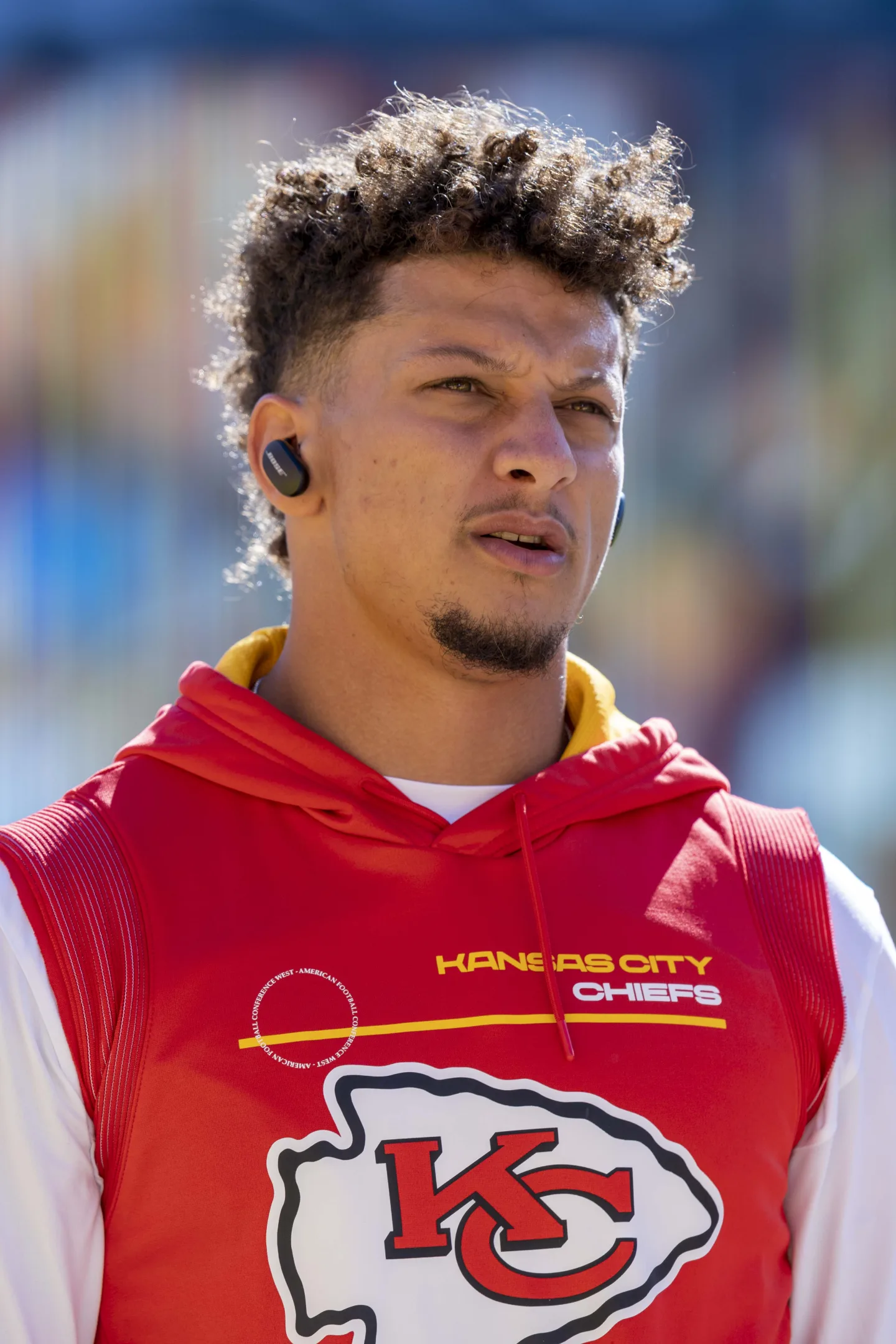
The Chiefs Repeat as Super Bowl Champions
Led by Patrick Mahomes and coach Andy Reid, the Kansas City Chiefs won consecutive Super Bowl titles in Super Bowl LVII and Super Bowl LVIII. They became the first team in 19 years to repeat as NFL champions.
By the numbers
- By how many points was the Baltimore Colts favored over Joe Namath's Jets in Super Bowl III?
- 18 points
- How many Super Bowl titles did head coach Chuck Noll win with the Pittsburgh Steelers in the 1970s?
- 4 titles
- How many pounds did rookie defensive tackle William 'The Refrigerator' Perry weigh during Super Bowl XX?
- 335 pounds
- How many interceptions did Joe Montana throw across his four career Super Bowl starts (XVI, XIX, XXIII, XXIV)?
- 0 interceptions
- How many consecutive Super Bowls did the Buffalo Bills reach (and lose) from 1990 to 1993?
- 4 Super Bowls
- How many Super Bowl titles did Bill Belichick and Tom Brady win together in New England?
- 6 titles
Matched pairs
Each item on the left goes with the one on the right.
- Max McGee
- Caught 7 passes for 138 yards and 2 touchdowns in Super Bowl I after a late night out
- Pete Rozelle
- NFL Commissioner (1960-1989) who created league-wide revenue sharing and national TV packages
- Bill Walsh
- Architect of the West Coast Offense based on short, rhythmic, timing-based horizontal passing
Self-test
Answer each question from memory, then check your work against the answer key.
1. How many original owners founded the American Football League in 1959, jokingly calling themselves 'The Foolish Club'?
- A10
- B12
- C8
- D6
2. What inspired AFL founder Lamar Hunt to coin the term 'Super Bowl' in 1966?
- AA Wham-O Super Ball toy
- BA Hula-Hoop toy
- CA Slinky toy
- DA Frisbee toy
3. What was the final score of Super Bowl I between the Green Bay Packers and Kansas City Chiefs?
- A24-3
- B35-10
- C31-13
- D27-14
4. Which Packers receiver caught 7 passes for 138 yards and 2 touchdowns in Super Bowl I after a late night out?
- AMarv Fleming
- BBoyd Dowler
- CCarroll Dale
- DMax McGee
5. Which of these was NOT one of the AFL's early innovations before the NFL merger?
- ASudden-death overtime
- BTwo-point conversions
- CNames on jersey backs
- DOfficial game clocks on scoreboards
6. What was the final record, playoffs included, of the 1972 Miami Dolphins, the only team to complete a perfect season capped by a Super Bowl win?
- A14-0
- B16-0
- C15-1
- D17-0
7. Which head coach led the Pittsburgh Steelers' 'Steel Curtain' defense to four Super Bowls in six years?
- ADon Shula
- BTom Landry
- CChuck Noll
- DBud Grant
8. How many pounds did rookie defensive tackle William 'The Refrigerator' Perry weigh during Super Bowl XX?
- A275 lbs
- B335 lbs
- C300 lbs
- D350 lbs
9. Which coach is credited as the architect of the West Coast Offense, built on short, timing-based horizontal passing?
- ABuddy Ryan
- BChuck Noll
- CDon Shula
- DBill Walsh
10. Which player was NOT part of the Pittsburgh Steelers' 'Steel Curtain' defense of the 1970s?
- ADoug Plank
- BJoe Greene
- CMel Blount
- DJack Lambert
Go deeper
- WatchNamed After a Toy In 1966, the AFL and the NFL agreed to play a championship game. Its official name was the AFL-NFL World Championship Game.
- WatchIsn't That John Candy? Joe Montana played in 4 Super Bowls and won all 4. He threw 11 touchdown passes and 0 interceptions.
- StudyAmerican Football Trivia & Gridiron Lore in the FlashFeed app
Answer key
- 1. C 8The AFL launched in 1959 with eight original franchise owners, including Lamar Hunt, who dubbed themselves 'The Foolish Club.'
- 2. A A Wham-O Super Ball toyHunt named it after watching his kids play with a Wham-O 'Super Ball,' replacing the clunky 'AFL-NFL World Championship Game.'
- 3. B 35-10Vince Lombardi's Packers routed Hank Stram's Chiefs 35-10 on January 15, 1967, at the Los Angeles Memorial Coliseum.
- 4. D Max McGeeReserve receiver Max McGee delivered a heroic performance in Super Bowl I despite being out late the night before.
- 5. A Sudden-death overtimeThe AFL is credited with scoreboard clocks, two-point conversions, and jersey-back names, not sudden-death overtime.
- 6. D 17-0Don Shula's 1972 Dolphins finished 17-0, the NFL's only perfect, undefeated and untied season ending in a title.
- 7. C Chuck NollChuck Noll coached the 1970s Steelers dynasty, built around the 'Steel Curtain' defense of Greene, Lambert, and Blount.
- 8. B 335 lbsPerry, the 1985 Bears' oversized rookie defensive tackle, weighed 335 pounds during Super Bowl XX.
- 9. D Bill WalshBill Walsh designed the West Coast Offense around short, rhythmic, timing-based passing that reshaped modern offenses.
- 10. A Doug PlankDoug Plank was a Chicago Bears safety; the Steel Curtain famously featured Joe Greene, Jack Lambert, and Mel Blount.
Sources
- American Football Trivia & Gridiron Lore — Antigravity Knowledge Pack Studio
- Pro Football Hall of Fame / NFL Official Historical Archives and 8 more references — www.profootballhof.com
- Chiefs Hall of Fame Archives: Lamar Hunt; Chiefs Media Guide: Super Bowl LVIII — www.chiefs.com
- NFL Communications: Super Bowl I History and 4 more references — www.nfl.com
- Green Bay Packers Hall of Fame: Max McGee — www.packers.com
- Pro Football Reference: 1970 NFL Season and 3 more references — www.pro-football-reference.com
- Steelers Historical Archives: 1970 Realignment — www.steelers.com
- ESPN MediaZone: Monday Night Football History — www.espn.com
- Pro Football Hall of Fame: Lombardi Trophy — www.profootballhof.com/news/moments-in-nfl-history-championship-trophy-gets-new-iconic-name
- Wikipedia: Vince Lombardi Trophy — en.wikipedia.org/wiki/Vince_Lombardi_Trophy
- Miami Dolphins Official History: The Perfect Season — www.miamidolphins.com
- Chicago Bears Historical Highlights — www.chicagobears.com
- 49ers Historical Archives: Super Bowl XXIII — www.49ers.com
- Dallas Cowboys History: The 90s Dynasty — www.dallascowboys.com
- Patriots Historical Archives — www.patriots.com
- Giants Historical Archives: Super Bowl XLII — www.giants.com
Image credits
- Joe Namath's Super Bowl III Guarantee: Wikimedia Commons · New York Jets · Public domain — commons.wikimedia.org/wiki/File:Namath_1965.jpg
- Lamar Hunt: The Foolish Club and the Super Bowl Name: Unknown author · Public domain — commons.wikimedia.org/wiki/File:Lamar_Hunt_1974.jpg
- 1970: Conference Realignment and Monday Night Football's Debut: AI-generated (gpt-image-1.5)
- Building the Modern Super Bowl's Business and Trophy: Jim Summaria · CC BY-SA 3.0 — commons.wikimedia.org/wiki/File:Pete_Rozelle_and_George_Halas_(cropped).jpg
- The 1972 Miami Dolphins Undefeated 17-0 Season: Wikimedia Commons · Chris J. Nelson · CC BY 3.0 — commons.wikimedia.org/wiki/File:Dolphins_Honor_Roll1.jpg
- The Pittsburgh Steelers' Steel Curtain Dynasty: Wikimedia Commons · Tucoxn · CC BY-SA 4.0 — commons.wikimedia.org/wiki/File:Joe_Greene_Trophy_and_Steel_Cutrain_Signatures.jpg
- The Buffalo Bills' Four Straight Super Bowl Losses: AI-generated (gpt-image-1.5)
- The Chiefs Repeat as Super Bowl Champions: Wikimedia Commons · All-Pro Reels from District of Columbia, USA · CC BY-SA 2.0 — commons.wikimedia.org/wiki/File:Patrick_Mahomes_(51615475056).jpg


