
Ancient Civilizations: First Cities to Late Antiquity study guide · Lesson 5 of 12
The Aegean Bronze Age & The 1200 BCE Collapse (c. 3000–1100 BCE)
Minoan Thalassocracy & Mycenaean Palatial Fortresses · Mediterranean Exchange Systems & Systemic Collapse
This is the lesson's study guide from the FlashFeed app, plus its key facts and a self-test.
What you'll be able to do
- Examine Minoan palatial redistribution, thalassocracy, and Mycenaean fortified citadels with Linear B.
- Evaluate Late Bronze Age trade circuits, the 1200 BCE Systems Collapse, and the metallurgical shift to iron.
Minoan Palatial Economy and Aegean Thalassocracy
During the Middle and Late Bronze Age (c. 2000–1450 BCE), the island of Crete gave rise to Minoan civilization, named after the mythological King Minos by British archaeologist Sir Arthur Evans.
Minoan society was organized around massive, multi-story unfortified palace complexes—most notably Knossos, Phaistos, and Malia. The palace operated as a palatial redistributive center:
- Architectural wings flanked a large central paved court used for civic assemblies and athletic rituals.
- Ground-floor storage magazines housed dozens of giant ceramic storage jars (pithoi) containing thousands of liters of agricultural surplus: olive oil, wine, and grain.
- Workshops housed skilled artisans manufacturing luxury exports: gold jewelry, carved seal stones, Kamares ware pottery, and bronze weapons.
Minoan power was maritime. According to the long-standing thalassocracy theory (rooted in the ancient Greek tradition of King Minos's navy, as in Thucydides, championed by Sir Arthur Evans, and debated by later archaeologists), a dominant naval fleet protected Crete; whatever the cause, Minoan settlements lacked defensive perimeter walls. Minoan art reflects a joyous, naturalistic aesthetic devoid of militaristic royal monuments, featuring marine motifs (octopuses, dolphins), botanical scenes, and religious rituals such as bull-leaping (taurokathapsia), where male and female acrobats somersaulted over charging bulls.
Minoan scribes managed palace inventories using Linear A, an undeciphered syllabic script incised on clay tablets and stone libation tables. The enigmatic Phaistos Disc (c. 1700 BCE), stamped on both sides with 241 spiraling pictographic symbols, represents an early form of movable-type stamping that remains undeciphered.
Mycenaean Citadels, Wanax Kingship, and Linear B
Around 1600 BCE, on the mainland of Greece, the warlike Mycenaean civilization emerged, heavily influenced by Minoan craft techniques but fundamentally different in social and political organization.
Mycenaeans built heavily fortified hilltop citadels at Mycenae, Tiryns, and Pylos, surrounded by monumental Cyclopean masonry—colossal limestone boulders weighing several tons fitted together without mortar (so massive that classical Greeks believed only the giant Cyclopes could have built them). Citadels were entered through imposing portals such as the Lion Gate of Mycenae (c. 1250 BCE), which featured a triangular corbelled relieving arch above the lintel adorned with two heraldic rampant lionesses flanking a Minoan-style column.
Mycenaean political hierarchy was strictly stratified:
- Wanax: The supreme palatial warlord and religious leader.
- Lawagetas: The military commander-in-chief ("leader of the host").
- Telestai: Landholding elite and religious officials.
- Damos: The rural agricultural populace.
In 1952, British architect Michael Ventris achieved one of the great linguistic breakthroughs of modern archaeology by deciphering Linear B, the syllabic script found on clay tablets at Pylos, Knossos, and Mycenae. Ventris proved that Linear B was not Minoan, but an archaic dialect of Mycenaean Greek, giving Greek the longest attested written history of any European language (though that record is not unbroken: Linear B literacy itself was lost during the Dark Age that followed the Bronze Age Collapse). Linear B tablets provided mundane yet invaluable administrative records detailing bronze weapons, chariot wheels, perfumed oil rations, and palace inventories.
The Uluburun Shipwreck and Bronze Trade Networks
Late Bronze Age Mediterranean civilization was an interconnected globalized system. Manufacturing bronze required combining copper (~90%) with tin (~10%). While copper was plentiful on the island of Cyprus (Kypros, giving copper its name), tin was exceptionally scarce, requiring complex supply chains extending as far as the mountains of Afghanistan and Central Asia.
The reality of this international trade network was dramatically revealed in 1982 by the discovery of the Uluburun Shipwreck (c. 1300 BCE) off the southern coast of Turkey. The ship carried a cargo representing ten different ancient cultures:
- 10 tons of Cypriot copper cast into 354 four-handled 'oxhide' ingots.
- 1 ton of tin ingots—the exact 10:1 ratio needed to produce 11 tons of bronze weapons.
- Canaanite amphorae filled with terebinth resin and glass ingots.
- Baltic amber beads, Egyptian ivory (hippo and elephant tusks), and a gold scarab bearing the cartouche of Queen Nefertiti.
This trade network was sustained by the Amarna Letters diplomatic system—cuneiform clay tablets exchanged between the "Great Kings" of Egypt, Babylonia, Assyria, Mitanni, and the Hittites, treating each other as diplomatic 'brothers' while negotiating royal marriages and gift exchanges.
The Late Bronze Age Collapse (c. 1200 BCE)
Between 1200 and 1150 BCE, this interconnected Mediterranean palace civilization suffered a catastrophic, systemic Late Bronze Age Collapse. Within a few decades, virtually every major city from Greece to the Levant—Mycenae, Tiryns, Knossos, Hattusa, Ugarit, and Ashkelon—was burned, sacked, or permanently abandoned.
Modern historians reject single-cause theories, modeling the catastrophe as a systems collapse driven by multiple intersecting stressors:
- The Sea Peoples: Maritime raiders and displaced populations (including the Peleset/Philistines, Sherden, and Lukka) assaulted the Mediterranean coast, recorded in battle reliefs at Pharaoh Rameses III's temple of Medinet Habu.
- Megadrought and Famine: Paleoclimatological data (pollen analysis and speleothems) reveal a 150-year severe regional drought that collapsed agricultural grain yields across the Aegean and Anatolia.
- Earthquake Storms: A sequence of major seismic events struck the Aegean fault lines between 1225 and 1175 BCE, breaching citadel walls.
- Severance of the Tin Trade and Internal Revolt: The disruption of maritime shipping severed access to imported tin, making bronze weapons unprocurable and triggering social revolt by exploited peasants.
The collapse plunged Greece into a four-century Dark Age (c. 1150–750 BCE). Palaces vanished, international trade halted, population crashed by up to 70%, and Linear B literacy was completely lost. Iron working was already known in small quantities before the collapse; afterwards it spread widely, inaugurating the Iron Age. One widely cited explanation is that disrupted tin supplies pushed metalsmiths toward locally available iron ore, though some research finds tin trade did not decline and the cause remains debated.
Key terms
- Thalassocracy
- A state or civilization whose political power and imperial authority are primarily founded upon naval maritime supremacy.
- Oxhide Ingot
- A standardized rectangular cast metal block with four protruding corner handles for maritime transport, weighing roughly 30 kg.
Key concepts
Knossos Palace
- Sprawling multi-story unfortified Minoan architectural complex excavated by Sir Arthur Evans on Crete
- Arranged around a monumental central paved courtyard flanked by multi-tiered residential wings
- Contained hundreds of giant ceramic pithoi storage jars holding thousands of liters of oil and wine
Cyclopean Masonry
- Monumental Late Bronze Age construction technique utilizing colossal unworked limestone boulders
- Boulders weighing several tons fitted tightly together without lime mortar
- Named by Classical Greeks who believed only the mythical giant Cyclopes possessed the strength to build them
The Wanax
- Supreme king and religious leader of a Late Bronze Age Mycenaean palatial state
- Presided over palace redistributive storage, foreign trade monopolies, and bronze weapons distribution
- Referenced repeatedly in Linear B administrative clay archives at Pylos and Knossos
Michael Ventris
- British architect and self-taught linguist who deciphered the Aegean Linear B syllabic script in 1952
- Proved that Linear B recorded an archaic Mycenaean dialect of the Greek language
- Revolutionized Bronze Age history by proving Greek was already a written language centuries before the Homeric epics were composed
Uluburun Shipwreck
- Late Bronze Age merchant vessel excavated off the southern coast of Turkey dating to c. 1300 BCE
- Carried 10 tons of Cypriot copper ingots and 1 ton of tin ingots alongside luxury goods from ten cultures
- Provides direct physical evidence of an interconnected globalized Eastern Mediterranean trade circuit
The Sea Peoples
- Coalition of displaced maritime raiders and migrating populations in the 12th century BCE Mediterranean
- Included the Peleset (Philistines), Sherden, Lukka, and Tjekker recorded in Egyptian temple inscriptions
- Sacked coastal citadels across the Levant, Cyprus, and Anatolia, repelled by Rameses III at the Nile Delta
Systems Collapse Model
- Holistic historical theory explaining the rapid, simultaneous breakdown of Late Bronze Age civilizations c. 1200 BCE
- Attributes civilizational collapse to cascading feedback loops among multiple intersecting vulnerabilities
- Combines mega-droughts, earthquake storms, tin trade disruptions, and internal social rebellions
Greek Dark Age
- Four-century period (c. 1150–750 BCE) following the destruction of Mycenaean palatial citadels
- Characterized by population contraction, cessation of monumental stone architecture, and total loss of Linear B writing
- Ended in the 8th century BCE with the emergence of the autonomous Polis and the Phoenician-derived Greek alphabet
Key facts
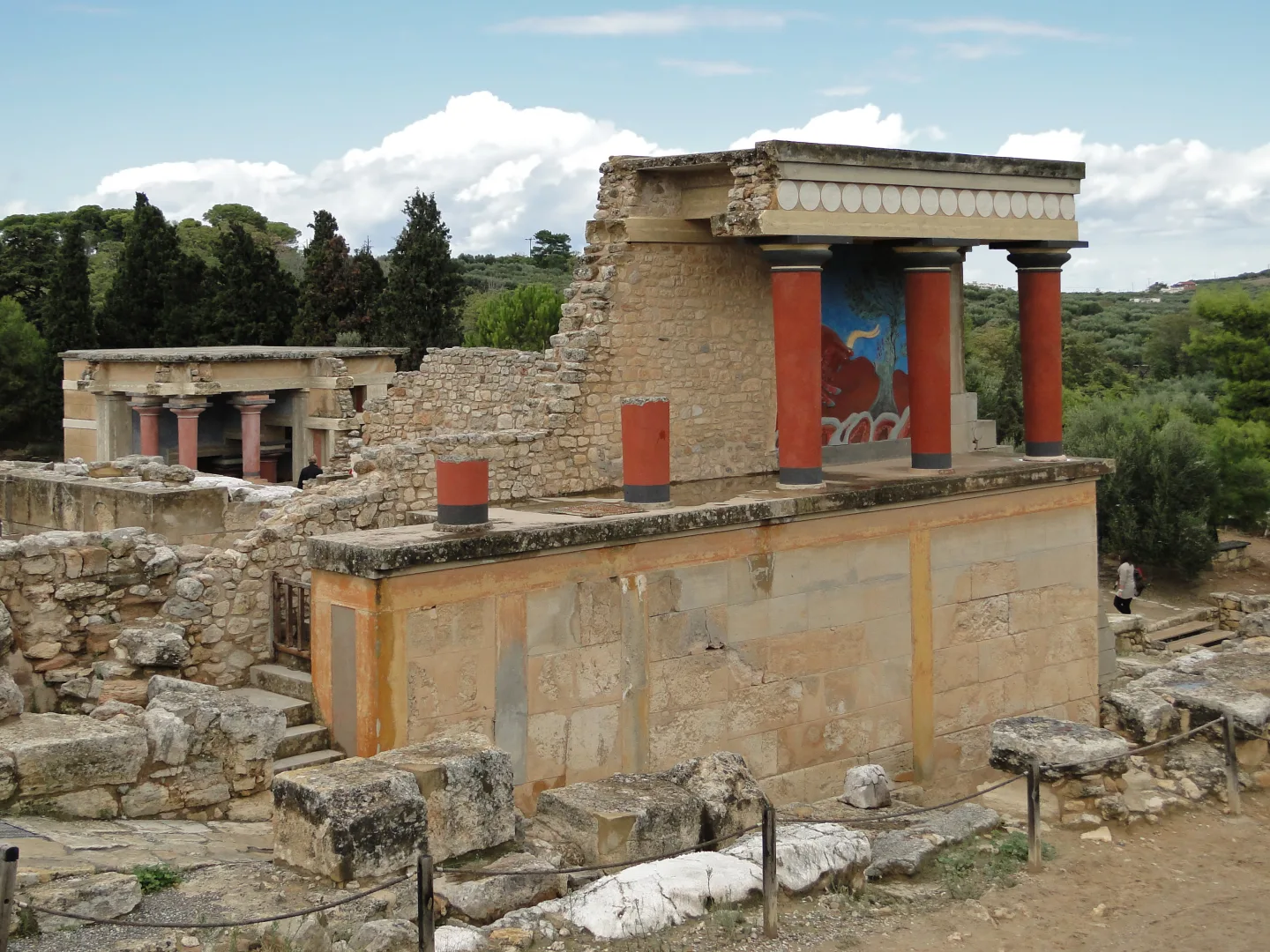
Minoan Palatial Redistribution at Knossos
The unfortified Minoan palace complex at Knossos operated as a redistributive economic hub, storing olive oil, wine, and grain in massive ceramic storage jars (pithoi) within specialized magazines.
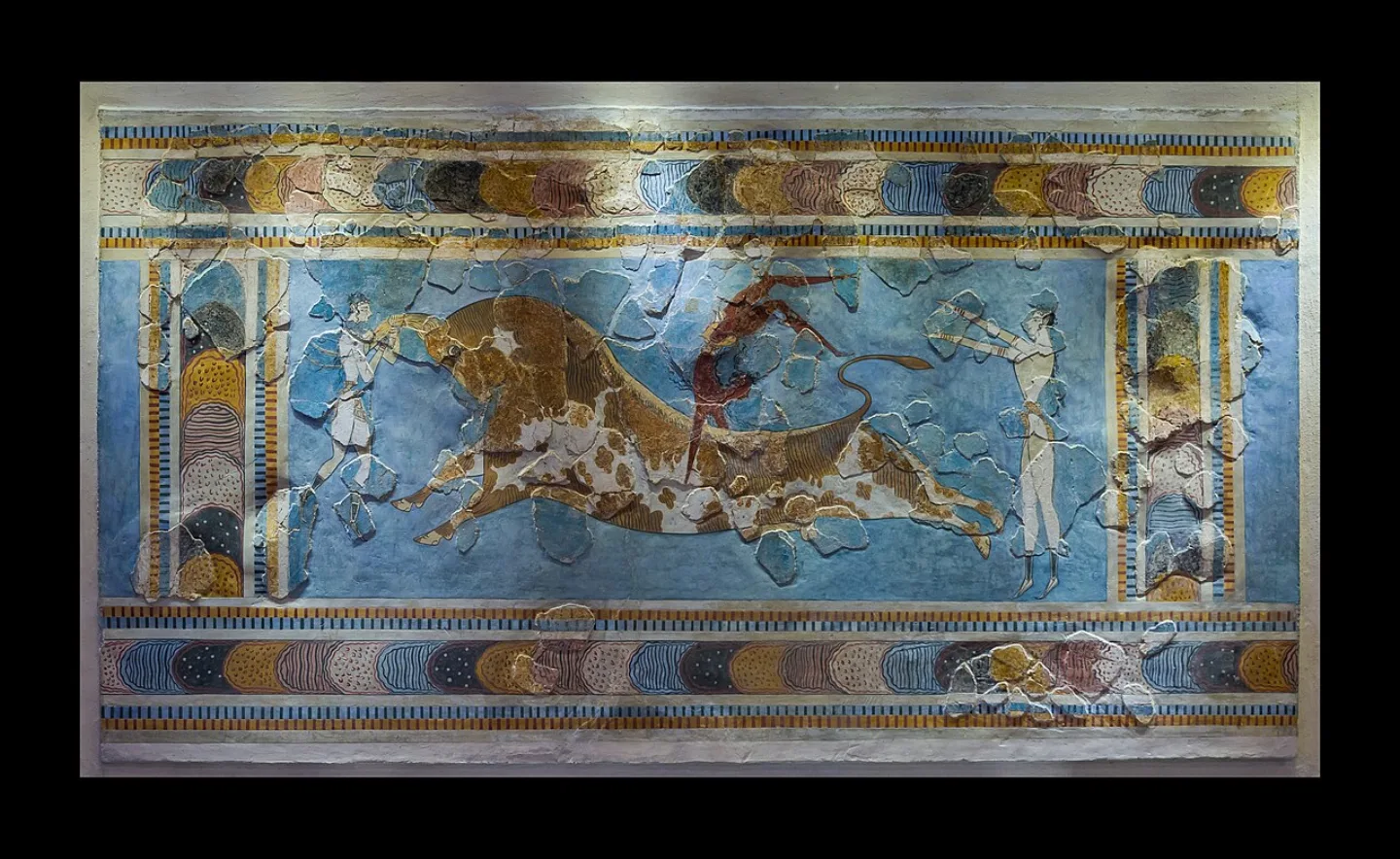
Minoan Bull-Leaping Frescoes and Ritual Iconography
Vibrant wall frescoes at Knossos, such as the Bull-Leaping Fresco (c. 1450 BCE), depict acrobats vaulting over charging bulls, reflecting a distinctive Aegean ritual practice and artistic naturalism.
Linear A: The Undeciphered Minoan Administrative Script
Minoans utilized Linear A—an undeciphered syllabic script carved on clay tablets and stone libation tables from c. 1800 to 1450 BCE—to manage palace inventory and religious dedications.
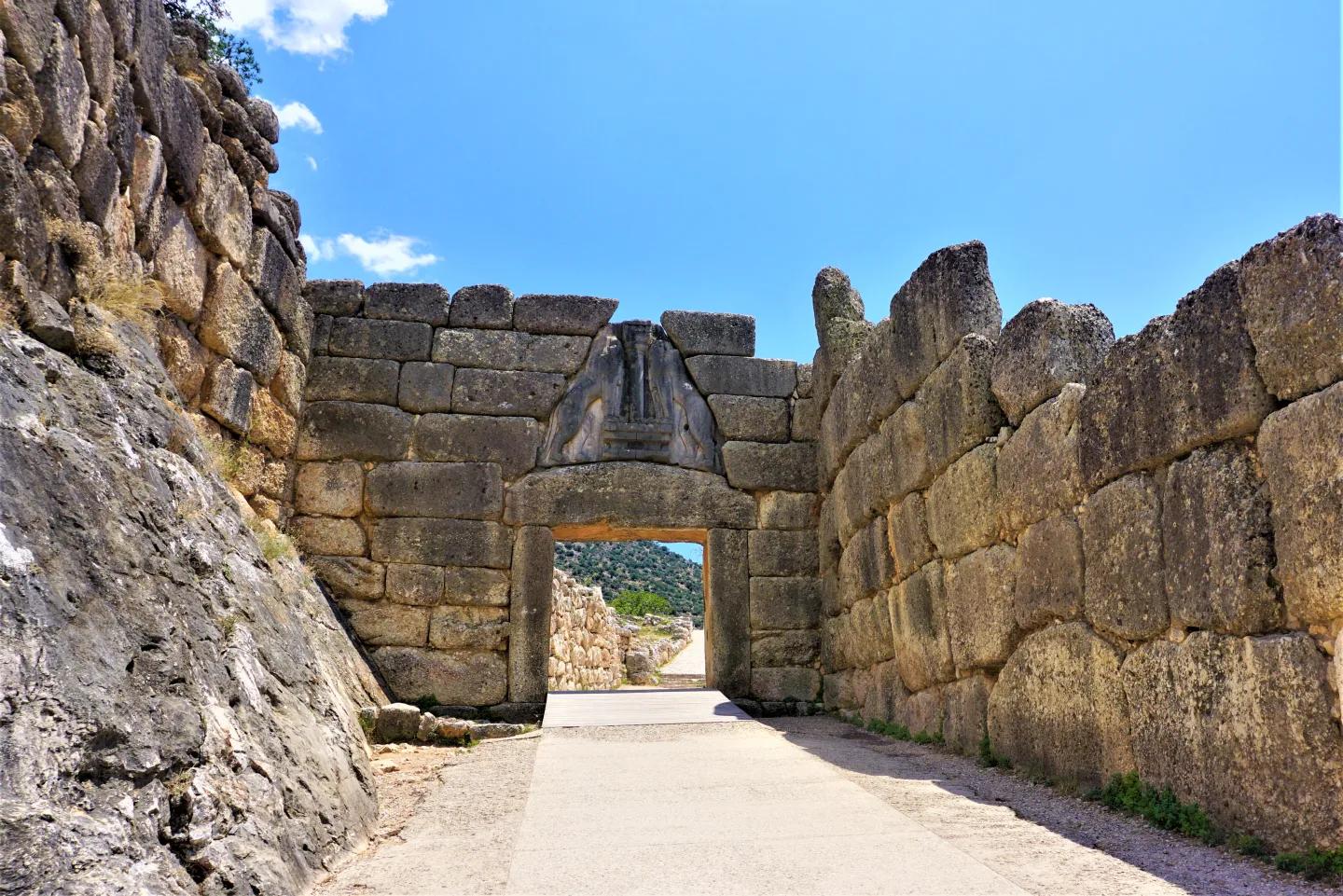
Mycenaean Cyclopean Masonry and the Lion Gate
Mycenaean citadels like Mycenae and Tiryns were protected by colossal limestone fortifications termed 'Cyclopean masonry', entered through monumental structures like the Lion Gate (c. 1250 BCE).
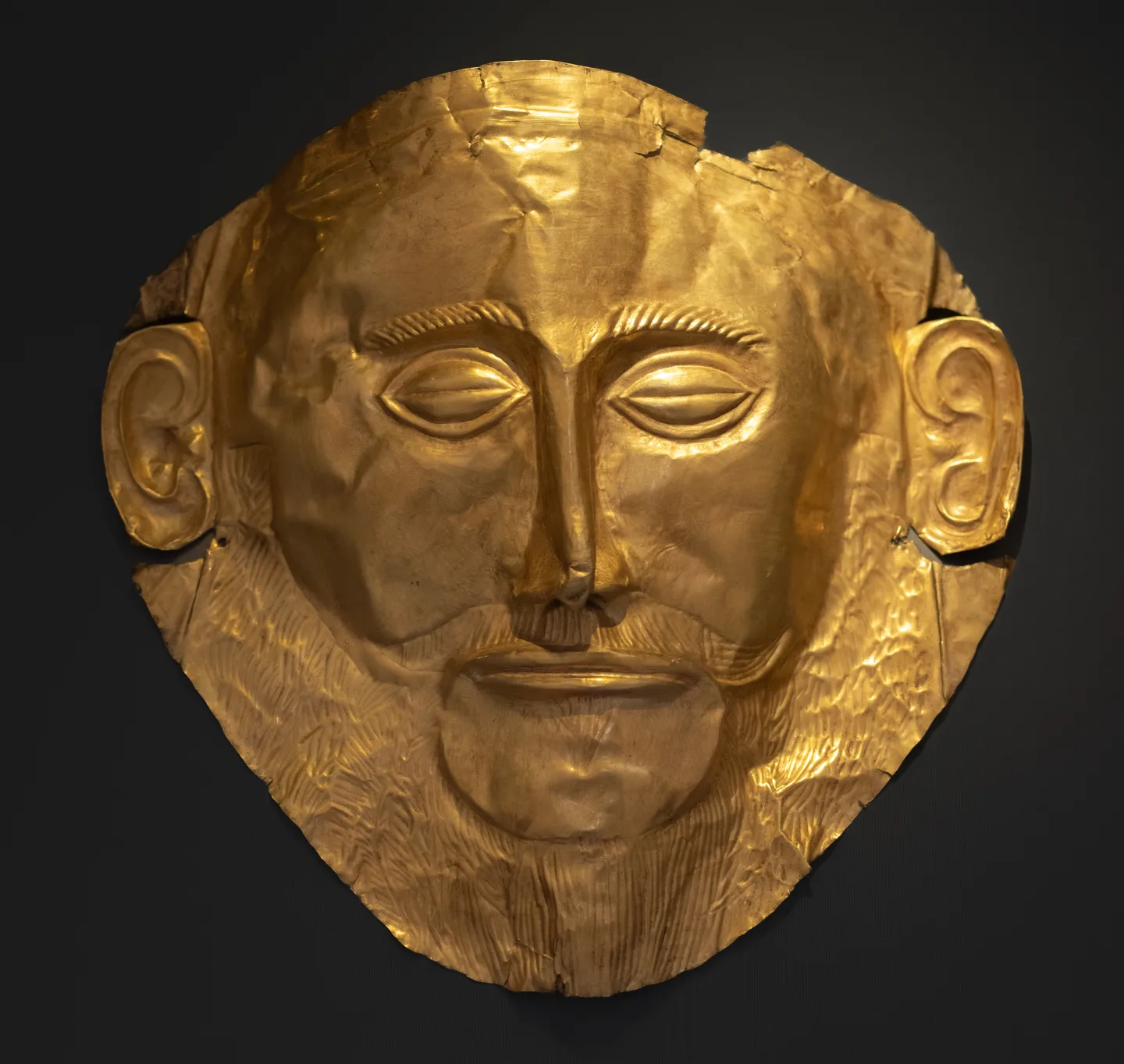
The Mask of Agamemnon and Shaft Grave Wealth
Excavated by Heinrich Schliemann at Grave Circle A in Mycenae, the gold funerary 'Mask of Agamemnon' (c. 1550 BCE) reflects the immense wealth and warlike status of early Mycenaean dynasts.
Linear B Decipherment and Mycenaean Greek Administration
Deciphered in 1952 by Michael Ventris, Linear B clay tablets from Pylos and Knossos revealed an early form of Greek used by scribes to record palatial inventories, chariot wheels, and bronze rations.
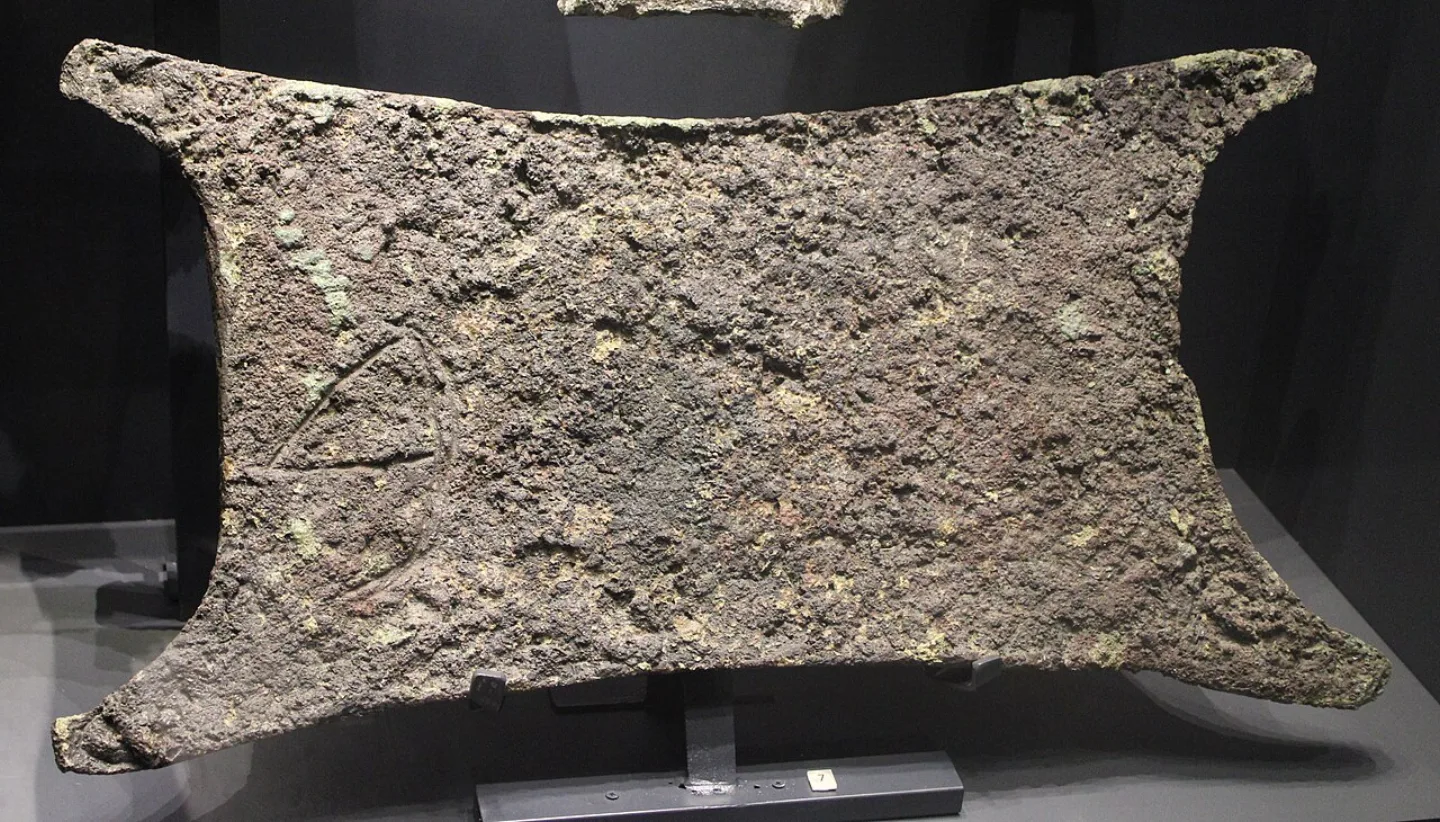
The Uluburun Shipwreck and Late Bronze Trade Networks
Dating to c. 1300 BCE off Turkey, the Uluburun shipwreck carried 10 tons of Cypriot copper oxhide ingots and 1 ton of tin (the exact 10:1 ratio needed to manufacture bronze), documenting international trade.
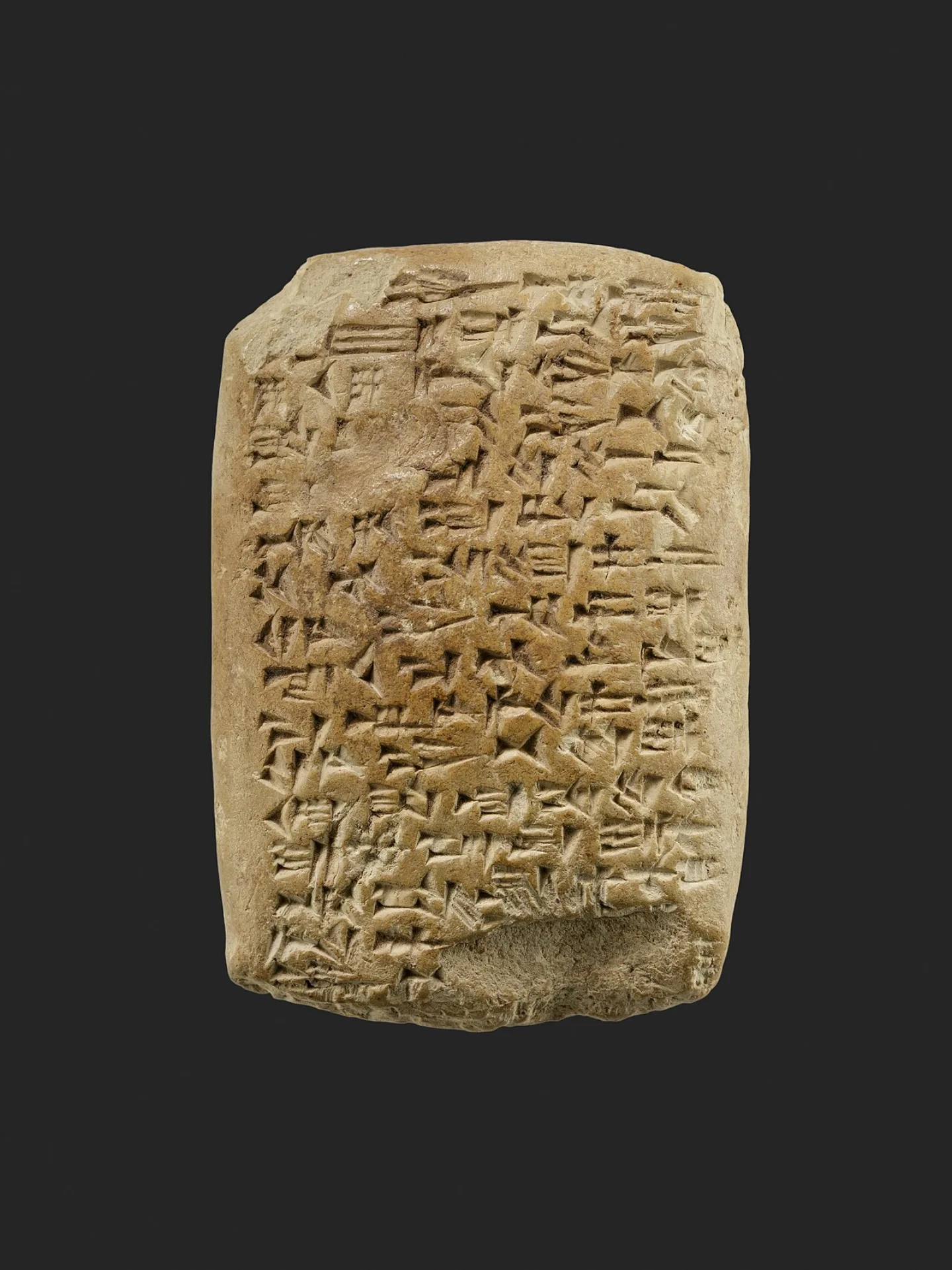
The Amarna Letters and Late Bronze Age Great Powers Club
Written in Akkadian cuneiform on clay tablets, the 14th-century BCE Amarna Letters record diplomatic correspondence and gift-exchange marriages between the rulers of Egypt, Babylonia, Mitanni, and Hatti.
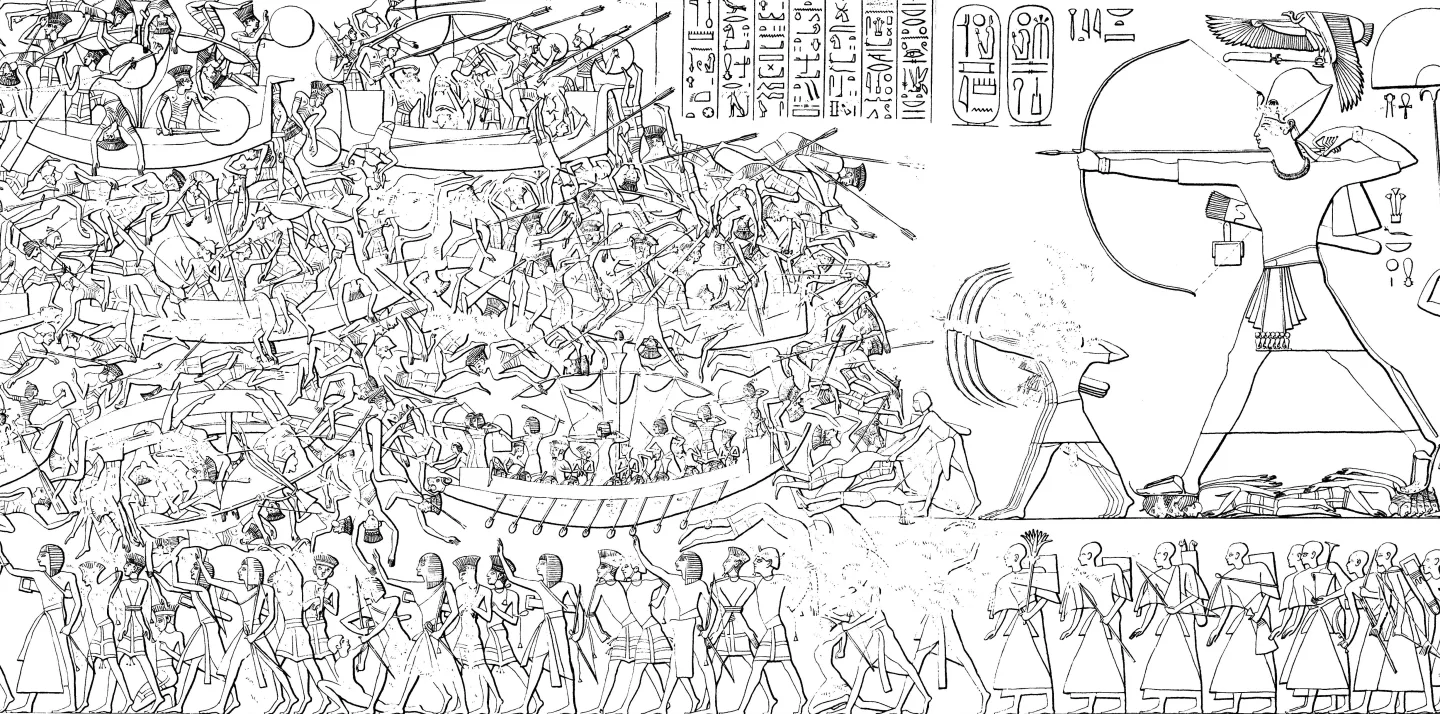
The Sea Peoples and the 1200 BCE Invasions
Inscriptions and reliefs at Medinet Habu record Pharaoh Rameses III repelling the 'Sea Peoples' (including the Peleset/Philistines), a coalition of maritime raiders who destroyed Mediterranean coastal cities c. 1177 BCE.
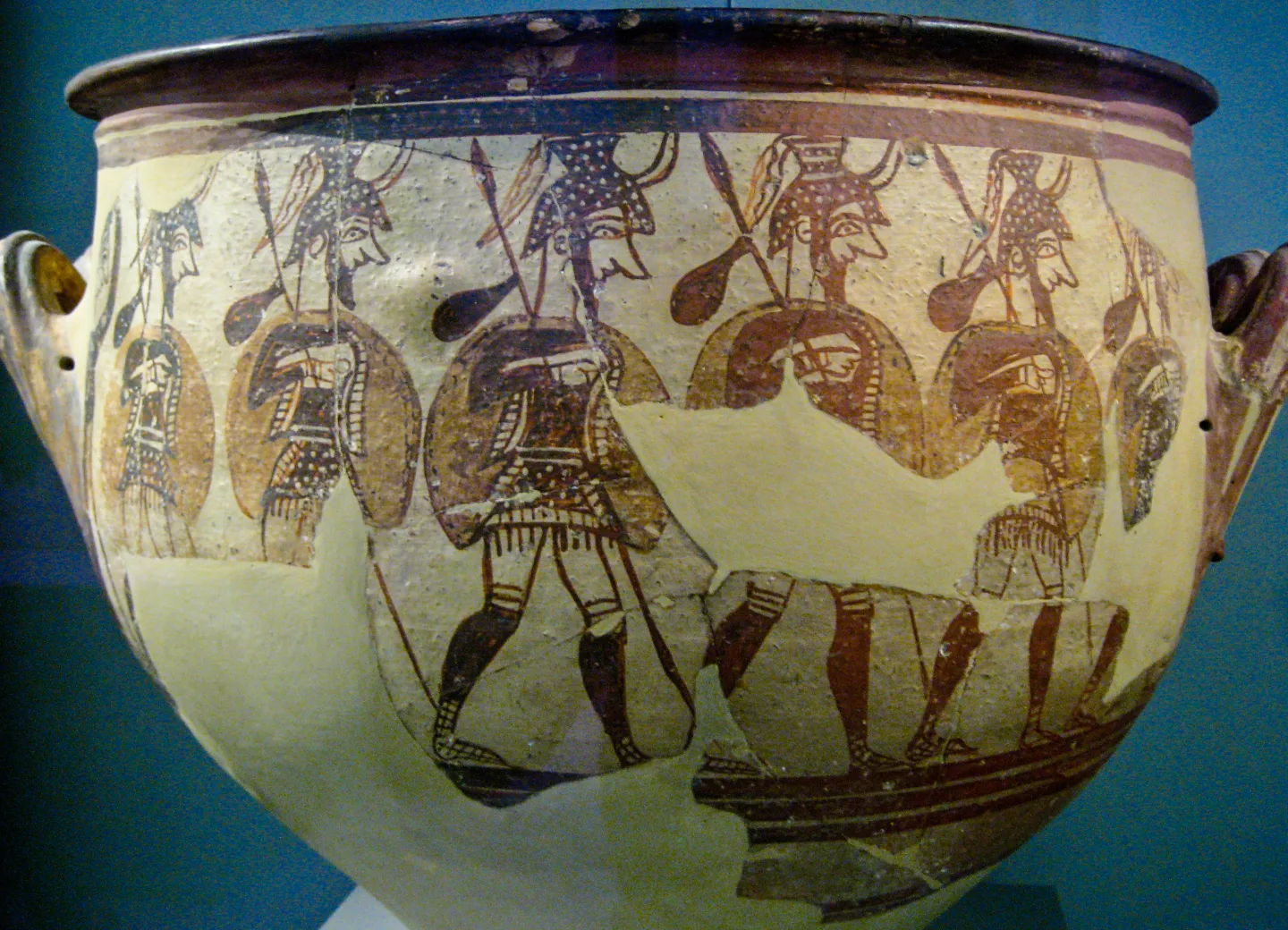
Systemic Vulnerability and the Systems Collapse Model
Modern historians analyze the 1200 BCE Collapse as a systemic 'systems collapse' triggered by intersecting stressors: severe mega-droughts, earthquake storms, trade circuit severance, and peasant revolts.
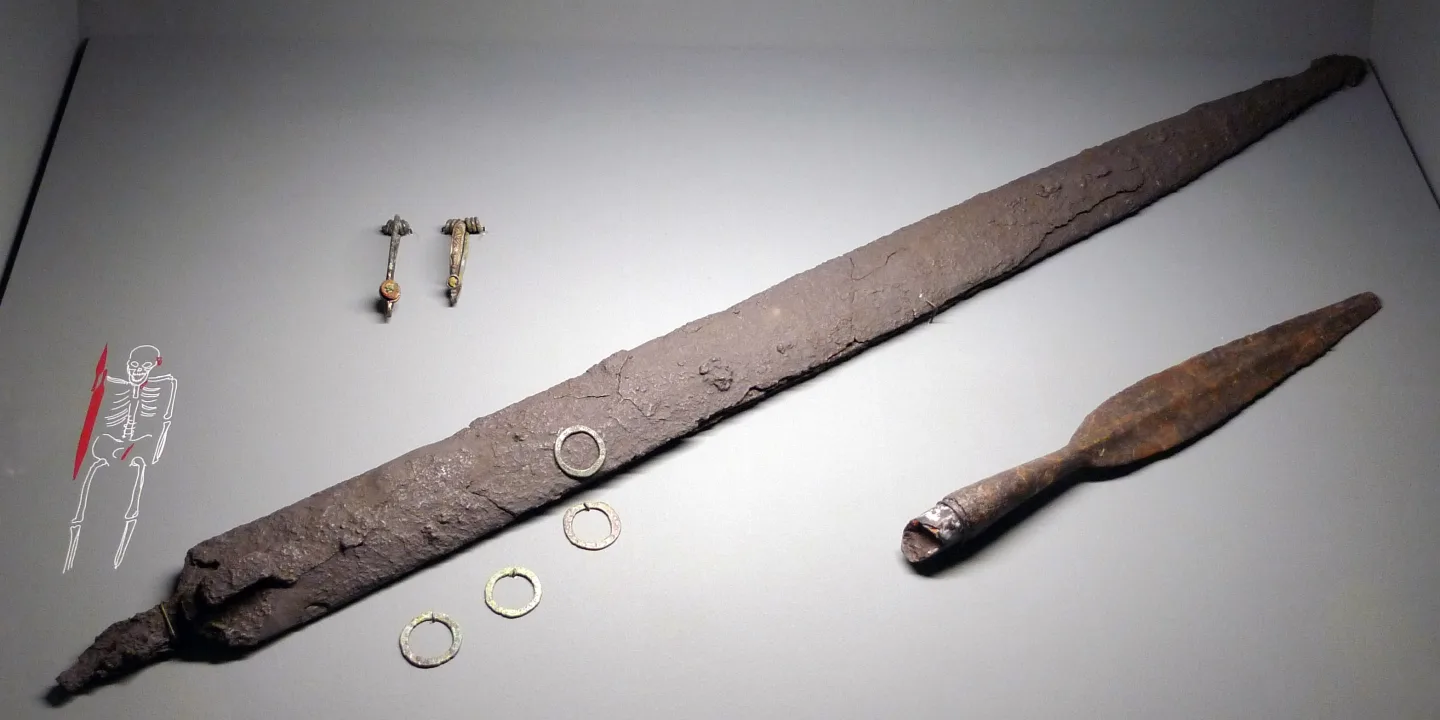
The Metallurgy Shift: Why Bronze Gave Way to Iron
Iron working was known in small quantities before the Late Bronze Age collapse and spread widely afterwards, opening the Iron Age. A widely cited explanation is that the collapse of long-distance trade cut off imported tin and pushed metalsmiths toward local iron ore, though some research finds tin trade did not decline and the cause remains debated.
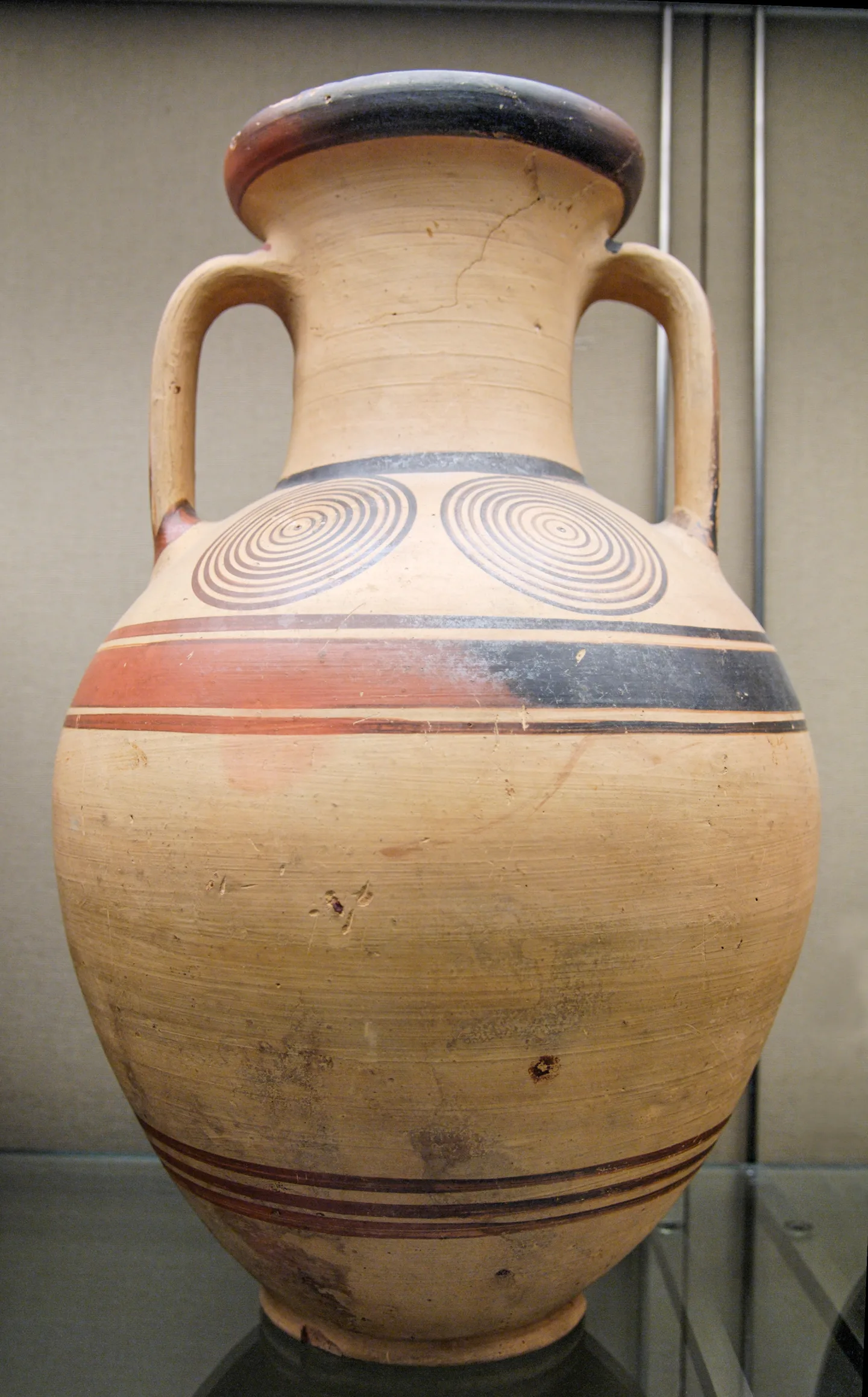
The Greek Dark Age and the Loss of Literacy
The burning of Mycenaean palaces c. 1200 BCE caused the total extinction of the Linear B script and palace bureaucracy, initiating a four-century non-literate Dark Age until the adoption of the Phoenician alphabet.
By the numbers
- In what year CE did architect Michael Ventris announce his breakthrough decipherment of Linear B as Mycenaean Greek?
- 1952 year CE
- What exact ratio of copper to tin (by weight) was carried aboard the Uluburun shipwreck to produce bronze alloy?
- 10 to 1 ratio
- In what pivotal year BCE did Pharaoh Rameses III defeat the combined land and naval assault of the Sea Peoples?
- 1177 year BCE
Matched pairs
Each item on the left goes with the one on the right.
- Linear B Script
- Deciphered by Michael Ventris in 1952 as an archaic form of early Greek
- Linear A Script
- Undeciphered syllabic script used across Minoan Crete for palace inventories
- Copper (Late Bronze Age)
- Abundantly mined and smelted into oxhide ingots on the island of Cyprus
- Tin (Late Bronze Age)
- Scarce commodity imported via overland trade routes from Central Asia and Afghanistan
Self-test
Answer each question from memory, then check your work against the answer key.
1. What architectural feature distinguished Minoan palaces like Knossos from mainland Mycenaean citadels?
- AMinoan palaces were completely unfortified, lacking defensive perimeter walls
- BMinoan palaces served primarily as garrisoned barracks for a standing military
- CMinoan palaces were ringed by massive Cyclopean walls of unmortared boulders
- DMinoan palaces were built exclusively atop heavily defended hilltop citadels
2. What architectural feature forms the monumental entrance to the Bronze Age citadel of Mycenae?
- AA pair of carved sphinxes flanking a stepped stone portal, in Hittite style
- BThe Lion Gate featuring a corbelled relieving triangle with two heraldic lionesses
- CA towering pair of sloped stone pylons carved with battle reliefs, Egyptian-style
- DA beehive-shaped corbelled dome closed by a single huge lintel stone
3. What historical reality was revealed when Michael Ventris deciphered Linear B in 1952?
- ALinear B was a musical notation system used exclusively for lyre banqueting songs
- BThe tablets recorded a monotheistic religion completely devoid of pagan deities
- CLinear B recorded an early dialect of Greek, confirming Mycenaeans were Greek speakers
- DMycenae was an Egyptian administrative colony governed by the pharaoh's vizier
4. What term names the giant ceramic jars in Minoan palace magazines that stored surplus oil, wine, and grain?
- AAmphorae
- BDolia
- CHydriai
- DPithoi
5. What term describes a state whose power rests on naval maritime supremacy, as applied to Minoan Crete?
- AHegemony
- BAutocracy
- CSuzerainty
- DThalassocracy
6. What critical industrial metal alloy proportion was preserved in the cargo of the Uluburun shipwreck?
- AA 5:1 ratio of lead to gold used exclusively for gilding royal palace doors
- B10 tons of copper to 1 ton of tin, the exact 10:1 ratio required to cast bronze
- CPure zinc ingots imported from India to manufacture early decorative brass
- DEqual parts iron and silver engineered for striking debased imperial coins
7. What diplomatic language and writing system was used across the Late Bronze Age 'Great Powers' in the Amarna Letters?
- AAkkadian cuneiform script written on clay tablets exchanged between royal courts
- BLinear A script incised on soft Cretan steatite stone amulets
- CPhoenician alphabet letters stamped on melted lead commercial tallies
- DHieroglyphic script painted on imported Egyptian papyrus scrolls
8. Where is the primary visual and textual record of Pharaoh Rameses III repelling the Sea Peoples located?
- AOn the bronze plates of the Roman Twelve Tables
- BOn the subterranean wall reliefs of the Great Pyramid
- COn the temple walls of Medinet Habu in western Thebes
- DOn the inscribed cliff face of the Behistun Inscription
9. Why do modern archaeologists reject a single catastrophic cause for the 1200 BCE Late Bronze Age Collapse?
- ABecause bronze weapon manufacturing, trade routes, and metallurgy all remained unchanged until 500 CE
- BBecause evidence shows intersecting stressors: megadrought, earthquakes, raids, and trade severance
- CBecause all ancient Mediterranean palace libraries survived intact without burning
- DBecause radiocarbon dating proves the destruction occurred across five centuries
10. Which disruption do many historians propose as a reason Mediterranean metalworkers turned increasingly to iron after 1200 BCE?
- AThe collapse of international maritime trade networks severing access to imported tin
- BThe belief that iron weapons were inherently sharper and superior to bronze in battle
- CDeforestation that left bronze smelters on Cyprus without charcoal fuel
- DThe complete exhaustion of all natural copper mines on the island of Cyprus
Go deeper
Answer key
- 1. A Minoan palaces were completely unfortified, lacking defensive perimeter wallsMinoan palaces like Knossos had no defensive walls, unlike the heavily fortified Mycenaean citadels. Historians commonly attribute this to island geography and naval dominance (the debated 'thalassocracy' theory), though the exact reason remains discussed among archaeologists.
- 2. B The Lion Gate featuring a corbelled relieving triangle with two heraldic lionessesThe Lion Gate (c. 1250 BCE) features a massive post-and-lintel doorway topped by a carved limestone relieving triangle depicting two heraldic lionesses flanking a column.
- 3. C Linear B recorded an early dialect of Greek, confirming Mycenaeans were Greek speakersVentris proved Linear B was an early archaic form of Greek, establishing that Mycenaean civilization was Greek-speaking.
- 4. D PithoiMinoan palace magazines stored oil, wine, and grain in giant ceramic jars called pithoi; amphorae, hydriai, and dolia are other ancient vessel types, not the Minoan storage-jar term.
- 5. D ThalassocracyThalassocracy is rule founded on naval dominance, which explains why unwalled Minoan palaces felt secure; hegemony, suzerainty, and autocracy describe other kinds of political power, not naval rule.
- 6. B 10 tons of copper to 1 ton of tin, the exact 10:1 ratio required to cast bronzeThe Uluburun cargo held 10 tons of copper and 1 ton of tin—the precise 10:1 ratio needed to manufacture 11 tons of bronze weapons and tools.
- 7. A Akkadian cuneiform script written on clay tablets exchanged between royal courtsAkkadian cuneiform was the international diplomatic lingua franca of the 14th century BCE, used from Egypt to Anatolia and Babylonia.
- 8. C On the temple walls of Medinet Habu in western ThebesThe mortuary temple of Rameses III at Medinet Habu features dramatic relief carvings and inscriptions detailing the sea and land battle against the Sea Peoples in 1177 BCE.
- 9. B Because evidence shows intersecting stressors: megadrought, earthquakes, raids, and trade severanceArchaeological and paleoclimate data confirm a 'systems collapse' caused by the simultaneous impact of severe drought, seismic storms, trade disruption, and social rebellion.
- 10. A The collapse of international maritime trade networks severing access to imported tinA widely cited hypothesis holds that the collapse of long-distance trade cut off imported tin, pushing metalworkers toward locally available iron. Iron was already known in small quantities, and some research finds tin trade continued, so this is one proposed factor, not a settled cause.
Sources
- Heraklion Archaeological Museum: Minoan Collection — heraklionmuseum.gr/en/collections/
- National Archaeological Museum Athens: Collection of Mycenaean Antiquities — www.namuseum.gr/en/collection/syllogi-mykinaikon-archaiotiton/
- Heraklion Archaeological Museum: Minoan Collection — www.heraklionmuseum.gr
- National Archaeological Museum Athens: Mycenaean Antiquities — www.namuseum.gr
- World History Encyclopedia: Minoan Civilization — www.worldhistory.org/Minoan_Civilization/
- World History Encyclopedia: Mycenaean Civilization (Lion Gate) — www.worldhistory.org/Mycenaean_Civilization/
- Bodrum Museum of Underwater Archaeology: Uluburun Collection — muze.gov.tr/muze-detay?sectionId=BSA01&distId=MRK
- British Museum: Department of the Middle East — www.britishmuseum.org/our-work/departments/middle-east
- Eric H. Cline, 1177 B.C.: The Year Civilization Collapsed
- Bodrum Museum of Underwater Archaeology: Uluburun Collection — muze.gov.tr
- Eric H. Cline, 1177 B.C.: The Year Civilization Collapsed — press.princeton.edu
- British Museum: Department of the Middle East — www.britishmuseum.org
- Wikipedia: Iron Age (transition from bronze, tin-shortage hypothesis) — en.wikipedia.org/wiki/Iron_Age
Image credits
- Minoan Palatial Redistribution at Knossos: Wikimedia Commons · Bernard Gagnon · CC BY-SA 3.0 — commons.wikimedia.org/wiki/File:Knossos_-_North_Portico_02.jpg
- Minoan Bull-Leaping Frescoes and Ritual Iconography: Jebulon · CC0 — commons.wikimedia.org/wiki/File:Bull_leaping_minoan_fresco_archmus_Heraklion.jpg
- Mycenaean Cyclopean Masonry and the Lion Gate: Wikimedia Commons · Joyofmuseums · CC BY-SA 4.0 — commons.wikimedia.org/wiki/File:Lion_Gate_-_Mycenae_by_Joy_of_Museums.jpg
- The Mask of Agamemnon and Shaft Grave Wealth: Wikimedia Commons · Gleb Simonov · Public domain — commons.wikimedia.org/wiki/File:Athens_%E2%80%94_Mask_of_Agamemnon.jpg
- The Uluburun Shipwreck and Late Bronze Trade Networks: Zunkir · CC BY-SA 4.0 — commons.wikimedia.org/wiki/File:Uluburun_copper_ingot_oxhide_shaped.jpg
- The Amarna Letters and Late Bronze Age Great Powers Club: Wikimedia Commons · The Metropolitan Museum of Art · CC0 — commons.wikimedia.org/wiki/File:Amarna_letter-_Royal_Letter_from_Abi-milku_of_Tyre_to_the_king_of_Egypt_MET_24.2.12_EGDP021809.jpg
- The Sea Peoples and the 1200 BCE Invasions: Wikimedia Commons · Unknown artist · Public domain — commons.wikimedia.org/wiki/File:Medinet_Habu_Ramses_III._Tempel_Nordostwand_Abzeichnung_01.jpg
- Systemic Vulnerability and the Systems Collapse Model: Wikimedia Commons · Sharon Mollerus · CC BY 2.0 — commons.wikimedia.org/wiki/File:Large_Krater_with_Armored_Men_Departing_for_Battle,_Mycenae_acropolis,_12th_century_BC_(3402016857).jpg
- The Metallurgy Shift: Why Bronze Gave Way to Iron: Wikimedia Commons · Sandstein · CC BY 3.0 — commons.wikimedia.org/wiki/File:HMB_Keltengrab_M%C3%BCnsingen-Rain_Grab_91.jpg
- The Greek Dark Age and the Loss of Literacy: Wikimedia Commons · Marie-Lan Nguyen · CC BY 2.5 — commons.wikimedia.org/wiki/File:Protogeometric_amphora_BM_A1124.jpg


