
Ancient Civilizations: First Cities to Late Antiquity study guide · Lesson 6 of 12
Ancient Greece: The Polis, Democracy & Philosophy (c. 800–323 BCE)
The Hoplite Revolution, Colonization & Athenian Institutions · Classical Philosophy, Pan-Hellenic Culture & Hellenistic Science
This is the lesson's study guide from the FlashFeed app, plus its key facts and a self-test.
What you'll be able to do
- Analyze the Greek polis, hoplite phalanx citizen-soldier parity, and Solonian-Cleisthenic democracy.
- Evaluate Athenian imperialism, Classical Socratic-Aristotelian philosophy, and Hellenistic diffusion.
Geography, the Hoplite Phalanx, and the Rise of the Polis
The political landscape of Archaic and Classical Greece (c. 800–323 BCE) was deeply conditioned by its physical geography. The Greek mainland is fragmented by rugged mountain ranges into isolated river valleys and coastal pockets, with no major navigable rivers. This rugged terrain prevented the emergence of a unified territorial empire, fostering hundreds of fiercely autonomous city-states (poleis; singular polis), such as Athens, Sparta, Corinth, and Thebes.
A polis was not merely a physical city, but a sovereign community of citizens (politai) possessing civic rights and military duties. In the 7th century BCE, Greek warfare underwent the Hoplite Revolution. Aristocratic horsemen were replaced by mass formations of heavy infantry citizen-soldiers (hoplites).
Hoplites equipped themselves at their own expense with a panoply:
- A heavy 8-kg round bronze-faced wooden shield (aspis or hoplon).
- A 2.5-meter thrusting spear (dory) and short sword (xiphos).
- Bronze greaves, breastplate, and Corinthian helmet.
In the tightly packed phalanx formation, soldiers stood shoulder-to-shoulder, eight ranks deep. Each hoplite's shield protected his own left side and the unshielded right side of the comrade to his left. Because military survival and civic defense depended on collective discipline rather than individual aristocratic heroics, the middle-class hoplites demanded a political voice in state governance, breaking the monopoly of hereditary aristocracies.
Solon, Cleisthenes, and Athenian Democratic Institutions
In Athens, economic crisis in the 6th century BCE pushed impoverished farmers into debt slavery. In 594 BCE, the archon Solon instituted foundational reforms known as the Seisachtheia ("shaking off of burdens"):
- Cancelled all existing agricultural debts and outlawed debt slavery.
- Divided the citizenry into four wealth classes based on agricultural production (bushels of grain/oil) rather than noble birth, opening political office to non-aristocrats.
In 508 BCE, Cleisthenes established direct democracy (Isonomia—equality before the law). To permanently dismantle aristocratic clan networks, Cleisthenes reorganized Attica into ten artificial tribes, mixing citizens from the coast, inland plains, and urban center.
Key Athenian democratic institutions included:
- Ekklesia (Assembly): The sovereign governing body where all free adult male citizens gathered on the Pnyx hill to debate, vote on laws, and declare war.
- Boule (Council of 500): 50 citizens chosen by lot (sortition) from each of the ten tribes to prepare the agenda for the Assembly.
- Dikasteria (Courts): Juries of 201 to 1001 citizens selected by lot.
- Kleroterion: A stone allotment machine equipped with slotted rows and a funnel tube for black and white dice (kyboi), used to assign jurors randomly and prevent bribery.
- Ostracism: An annual vote where citizens incised the name of a dangerously powerful politician on pottery shards (ostraca); at least 6,000 votes (by the generally preferred reading, a quorum of total votes cast) had to be recorded for the ostracism to be valid, with the leading vote-getter exiled from Athens for ten years without loss of property.
Athenian commercial and naval supremacy was funded by rich state-owned silver mines at Laurion, which supplied silver for the renowned Athenian Owl Tetradrachm—the trusted international currency of the Mediterranean.
Athenian Imperialism, the Parthenon, and Classical Culture
After leading the coalition of Greek states that repelled the Persian invasions at Marathon (490 BCE) and Salamis (480 BCE), Athens formed the Delian League in 478 BCE. Under statesman Pericles (c. 495–429 BCE), Athens converted this defensive naval alliance into an Athenian maritime empire, forcibly relocating the league treasury from Delos to Athens in 454 BCE and using allied tribute (phoros) to fund a monumental architectural program on the Acropolis.
The centerpiece was the Parthenon (447–432 BCE), a Doric temple dedicated to Athena Parthenos designed by architects Ictinus and Callicrates under the artistic supervision of sculptor Phidias. The building incorporated subtle optical refinements (curved horizontal stylobate lines, entasis of columns) to appear perfectly straight to the human eye. Its friezes and pedimental sculptures celebrated Athenian civic identity, mythic battles against centaurs and Amazons (symbolizing civilization over barbarism), and the Panathenaic procession.
Athenian drama flourished during the annual festival of Dionysus, where playwrights like Aeschylus, Sophocles, and Euripides explored moral conflict and hubris, while comic playwright Aristophanes satirized political corruption.
Classical Philosophical Revolution: Socrates, Plato, Aristotle
The 5th and 4th centuries BCE in Athens witnessed a profound intellectual revolution, shifting intellectual inquiry from the natural philosophy of the Pre-Socratics to human ethics, epistemology, and politics:
- Socrates (469–399 BCE): Abandoned cosmological speculation to interrogate ethical concepts (justice, piety, courage) using the Socratic Method (elenchus)—a relentless dialectic of questioning that exposed underlying contradictions in conventional beliefs. Executed by hemlock poison in 399 BCE after an Athenian jury convicted him of impiety and corrupting the youth.
- Plato (428–348 BCE): Student of Socrates and founder of the Academy (387 BCE). Formulated the Theory of Forms, arguing that the physical sensory world is merely a flawed shadow of eternal, non-physical transcendent realities. In The Republic, Plato proposed the Allegory of the Cave and argued that ideal governance required rule by enlightened Philosopher-Kings.
- Aristotle (384–322 BCE): Student of Plato and founder of the Lyceum (335 BCE). Rejected Plato's detached Forms, pioneering empirical observation, formal logic (syllogisms), biological taxonomy, and political science by analyzing 158 Greek city constitutions. In Politics, Aristotle famously identified the human being as a zoon politikon ("political animal" naturally suited to life in a polis).
Alexander the Great and the Hellenistic Scientific Horizon
The devastating Peloponnesian War (431–404 BCE) between the Athenian maritime empire and the Spartan land coalition exhausted the classical poleis, leaving them vulnerable to the rising power of Macedon under King Philip II.
In 334 BCE, Philip's son Alexander the Great (reigned 336–323 BCE) launched an audacious invasion that conquered the Achaemenid Persian Empire, Egypt, and northwestern India within a decade. Alexander's conquests inaugurated the Hellenistic Age (323–31 BCE), spreading Greek language (Koine Greek), urban institutions, gymnasia, and theater across Southwest Asia and Egypt.
The epicenter of Hellenistic intellectual achievement was Alexandria in Egypt, home to the legendary Library of Alexandria and the Mouseion. Hellenistic polymaths achieved extraordinary scientific breakthroughs:
- Eratosthenes: Calculated the circumference of the Earth with an error historians estimate at anywhere from under 1% to roughly 16% (depending on the exact ancient stadion length used), using shadow angles at Alexandria and Syene during the summer solstice.
- Archimedes of Syracuse: Mastered hydrostatic buoyancy ("Eureka"), calculated the value of π, and formulated the mechanical principles of levers and pulleys ("Give me a place to stand and I will move the Earth").
- The Antikythera Mechanism (c. 150–100 BCE): An astonishing geared bronze mechanical analog computer recovering from a shipwreck, utilizing over 30 precision gear wheels to calculate planetary positions, solar-lunar cycles, and eclipses.
Key terms
- Isonomia
- The foundational classical Greek principle of political equality and equal rights before the law for all citizens.
- Elenchus
- The Socratic method of cooperative argumentative dialogue that stimulates critical thinking and draws out underlying beliefs.
Key concepts
The Polis
- Self-governing, sovereign community of citizens (politai) comprising an urban center and agricultural hinterland
- Formed the foundational socio-political institution of ancient Greek civilization from Archaic times
- Fostered intense local civic patriotism, civic religion, and participatory self-governance
Hoplite Phalanx
- Dense rectangular tactical battle formation of citizen-soldiers armed with thrusting spears (*dory*) and shields (*aspis*)
- Required collective mutual protection where each soldier's shield guarded his comrade's unshielded right flank
- Dismantled aristocratic military dominance, fostering egalitarian civic demands for political enfranchisement
Cleisthenes
- Athenian statesman renowned as the 'Father of Athenian Democracy' through his 508 BCE constitutional reforms
- Replaced four hereditary aristocratic clans with ten artificial geographic tribes combining coast, plain, and city
- Instituted the Council of 500 (*Boule*) chosen by sortition and the mechanism of political ostracism
The Kleroterion
- Stone mechanical lottery slab carved with vertical rows of slots for citizen identification tokens (*pinakia*)
- Utilized an attached bronze tube funnel dropping black and white dice to randomize jury and magistrate selection
- Eliminated political patronage and judicial bribery by establishing impartial democratic sortition
The Parthenon
- Peripteral octastyle Doric temple dedicated to Athena Parthenos erected on the Acropolis between 447 and 432 BCE
- Incorporated subtle optical refinements (curved stylobate and column entasis) to achieve visual harmony
- Decorated with monumental pediments, metopes, and a continuous interior Ionic frieze designed by Phidias
Socrates
- Athenian philosopher (469–399 BCE) who redirected philosophical inquiry from cosmology to human ethics and virtue
- Authored no written texts, teaching through rigorous public question-and-answer dialectic (*elenchus*)
- Sentenced to death by hemlock poisoning after an Athenian jury convicted him of impiety and corrupting youth
Aristotle
- Polymath and student of Plato who founded the Lyceum in Athens in 335 BCE (the Peripatetic school)
- Pioneered formal syllogistic logic, empirical biological classification, and constitutional political analysis
- Famously characterized the human being as a *zoon politikon* (political animal naturally suited for a polis)
Antikythera Mechanism
- Ancient geared mechanical analog computer recovered from a 1st-century BCE shipwreck off the Greek island of Antikythera
- Utilized over thirty precision differential bronze gear wheels to track planetary movements and lunar phases
- Calculated the Metonic calendar cycle, solar and lunar eclipses (Saros cycle), and pan-Hellenic athletic games
Key facts
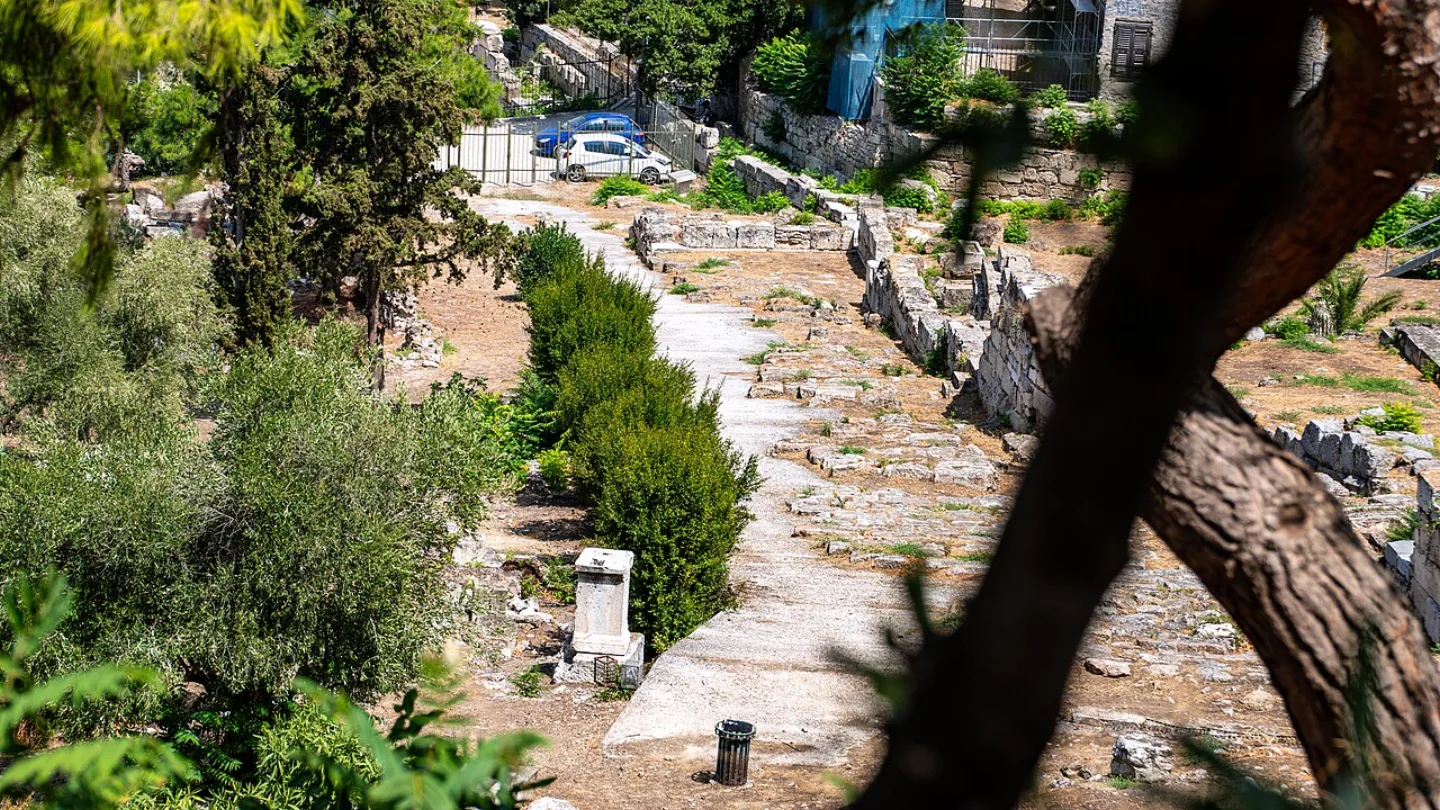
Topography and the Emergence of the Autonomous Polis
Greece's mountainous geography and fragmented coastal plains prevented political unification under a single monarch, fostering hundreds of fiercely independent city-states (poleis).
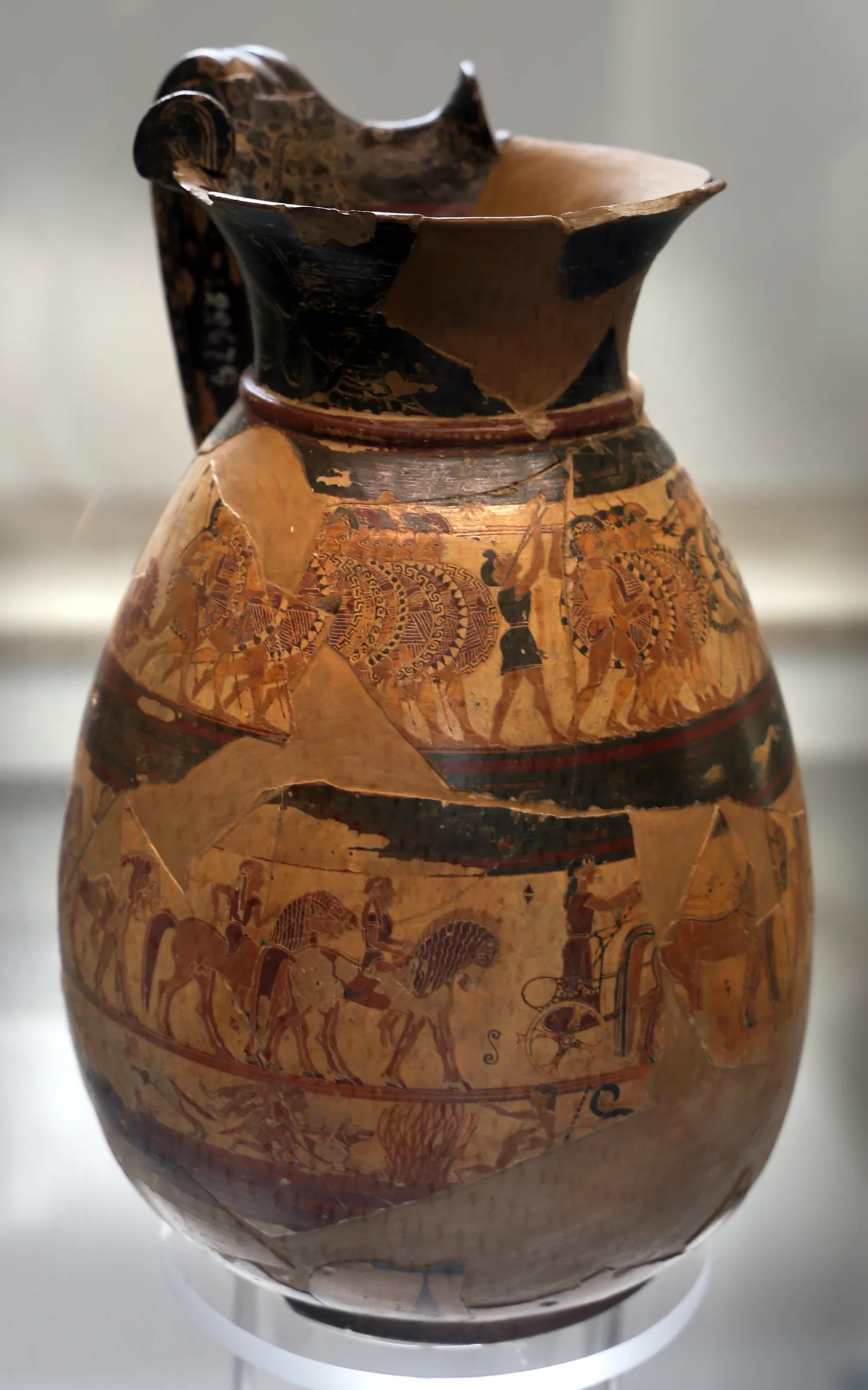
The Hoplite Phalanx and Citizen-Soldier Parity
The development of the hoplite phalanx—where citizen-soldiers equipped with bronze shields (aspides) and spears fought shoulder-to-shoulder—created egalitarian pressure for political enfranchisement.
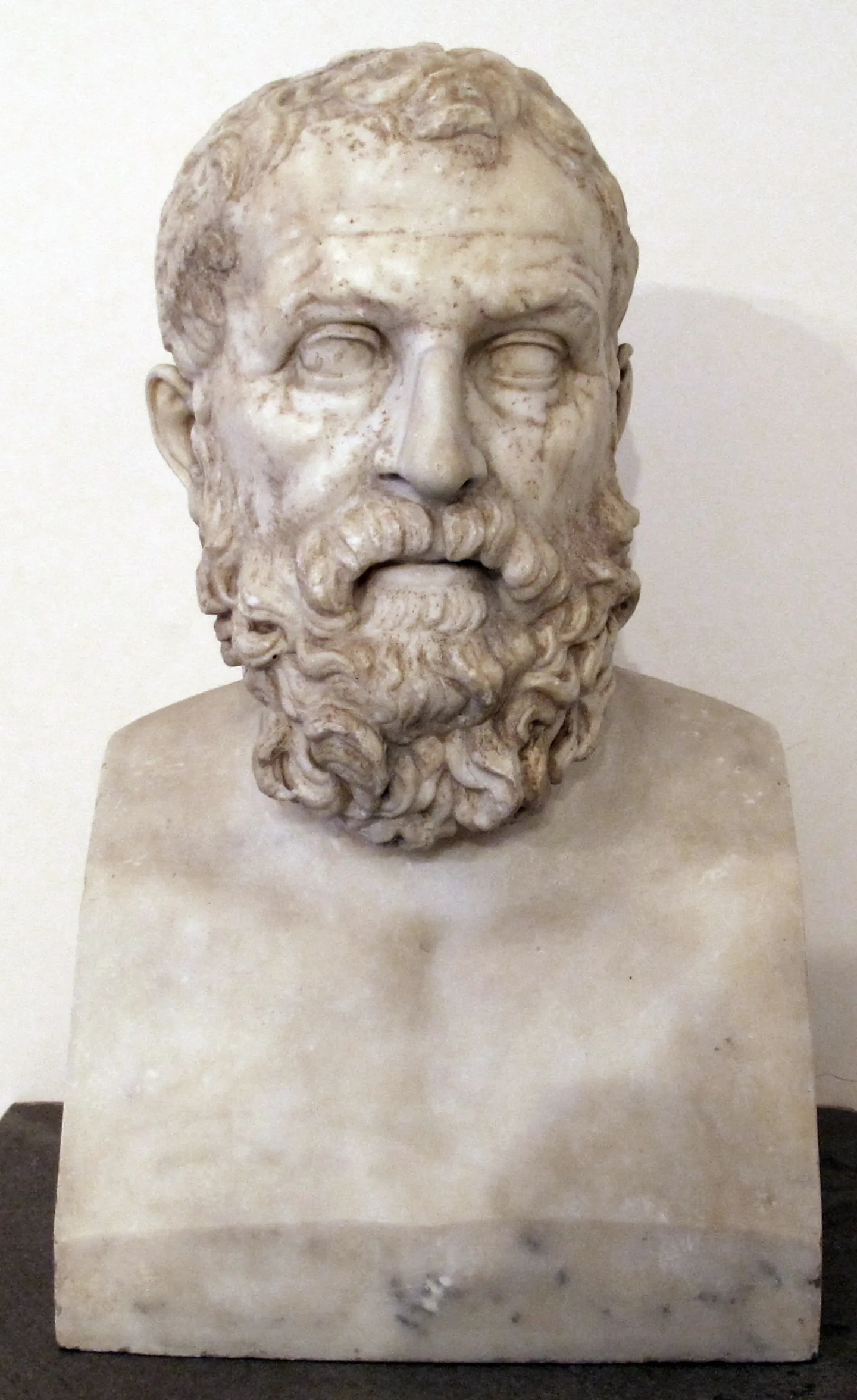
Solon's Reforms and the Abolition of Debt Slavery
In 594 BCE, Solon enacted the Seisachtheia ('shaking off of burdens') in Athens, canceling agricultural debts, outlawing debt slavery, and categorizing citizens by agricultural wealth rather than birth.
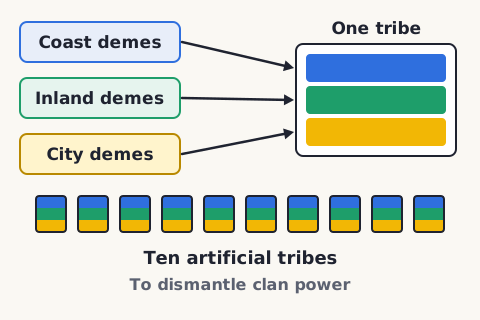
Cleisthenes and the Creation of the Ten Deme Tribes
In 508 BCE, Cleisthenes reorganized Attica into ten artificial tribes combining coast, inland, and city demes to dismantle aristocratic clan power and establish direct democracy (Isonomia).
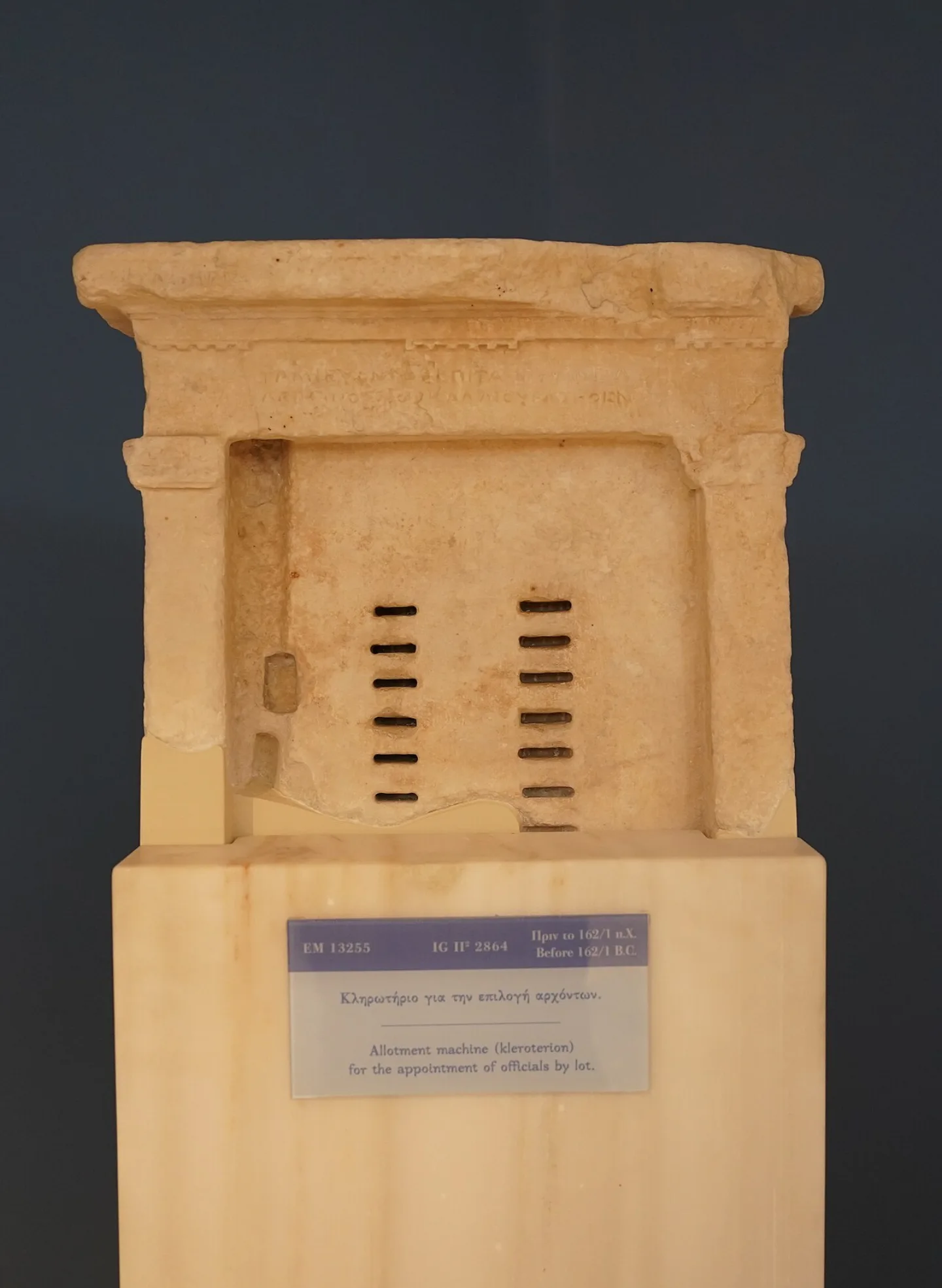
The Kleroterion Mechanical Allotment Machine
Athenians selected civic magistrates and juries using the Kleroterion, a stone allotment machine that dropped black-and-white dice through a tube to randomly select rows of pre-inserted citizen tokens (pinakia), eliminating bribery and patronage.
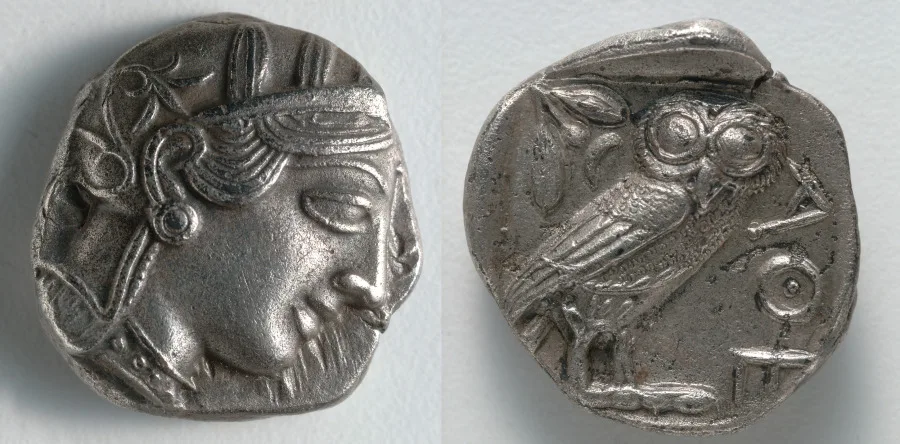
The Athenian Owl Silver Tetradrachm Standard
Minted from rich state silver mines at Laurion, Athenian 'owl' tetradrachms became the dominant international trade currency across the Mediterranean due to their reliable silver purity.
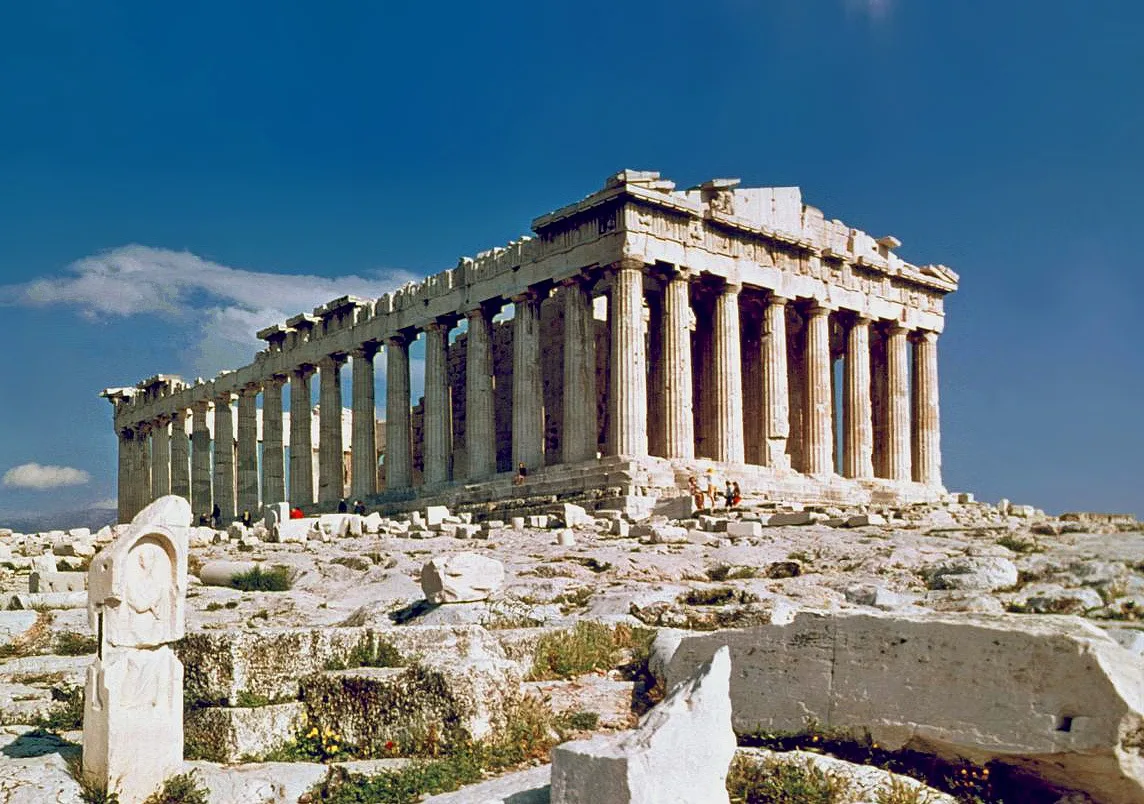
The Delian League and Athenian Maritime Imperialism
Formed in 478 BCE to defend against Persia, the Delian League was transformed by Athens into an empire that coerced tribute (phoros) from Aegean allies to fund the Parthenon building program.
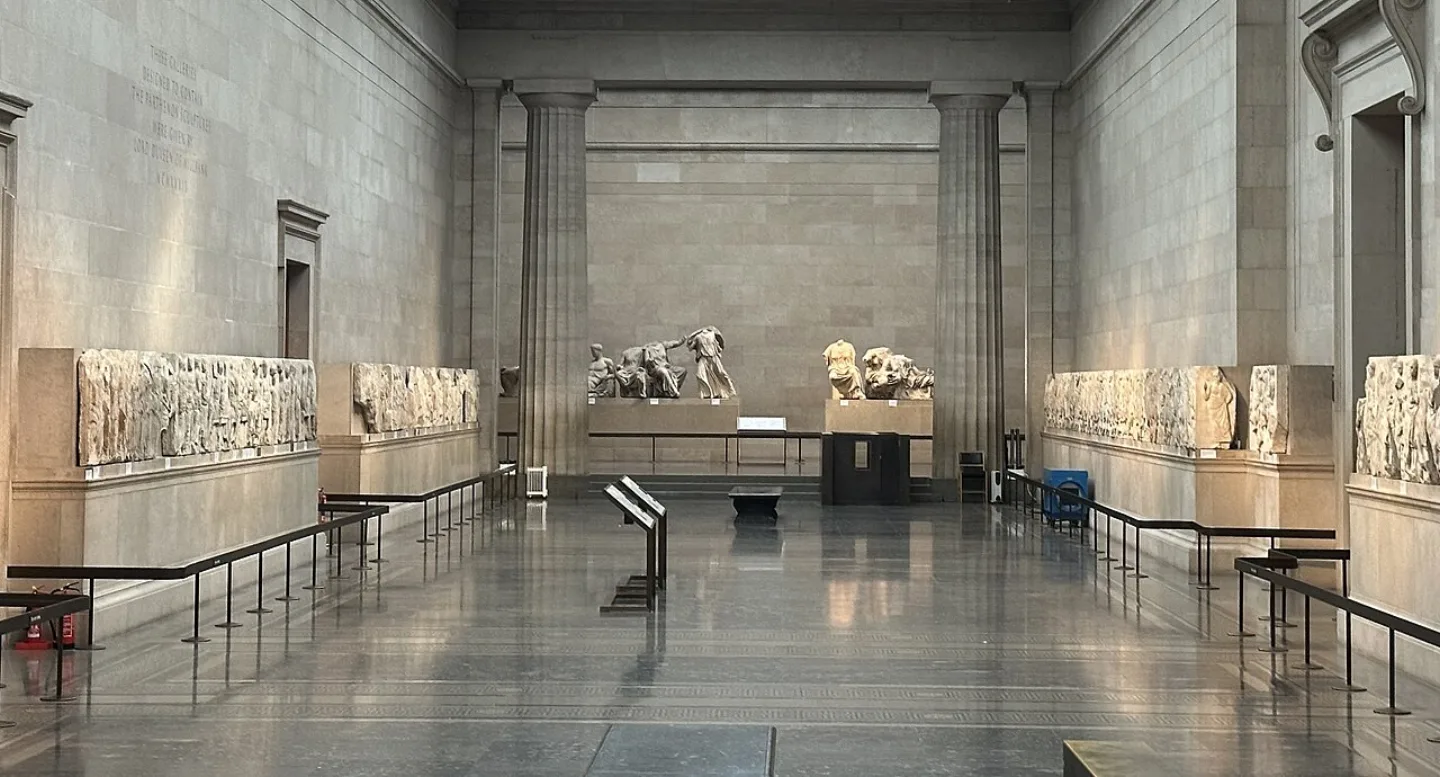
Phidias and the Parthenon Sculptures
Sculpted under the artistic supervision of Phidias between 447 and 432 BCE, the Parthenon Frieze depicted the Panathenaic procession, celebrating Athenian civic identity on the Acropolis.
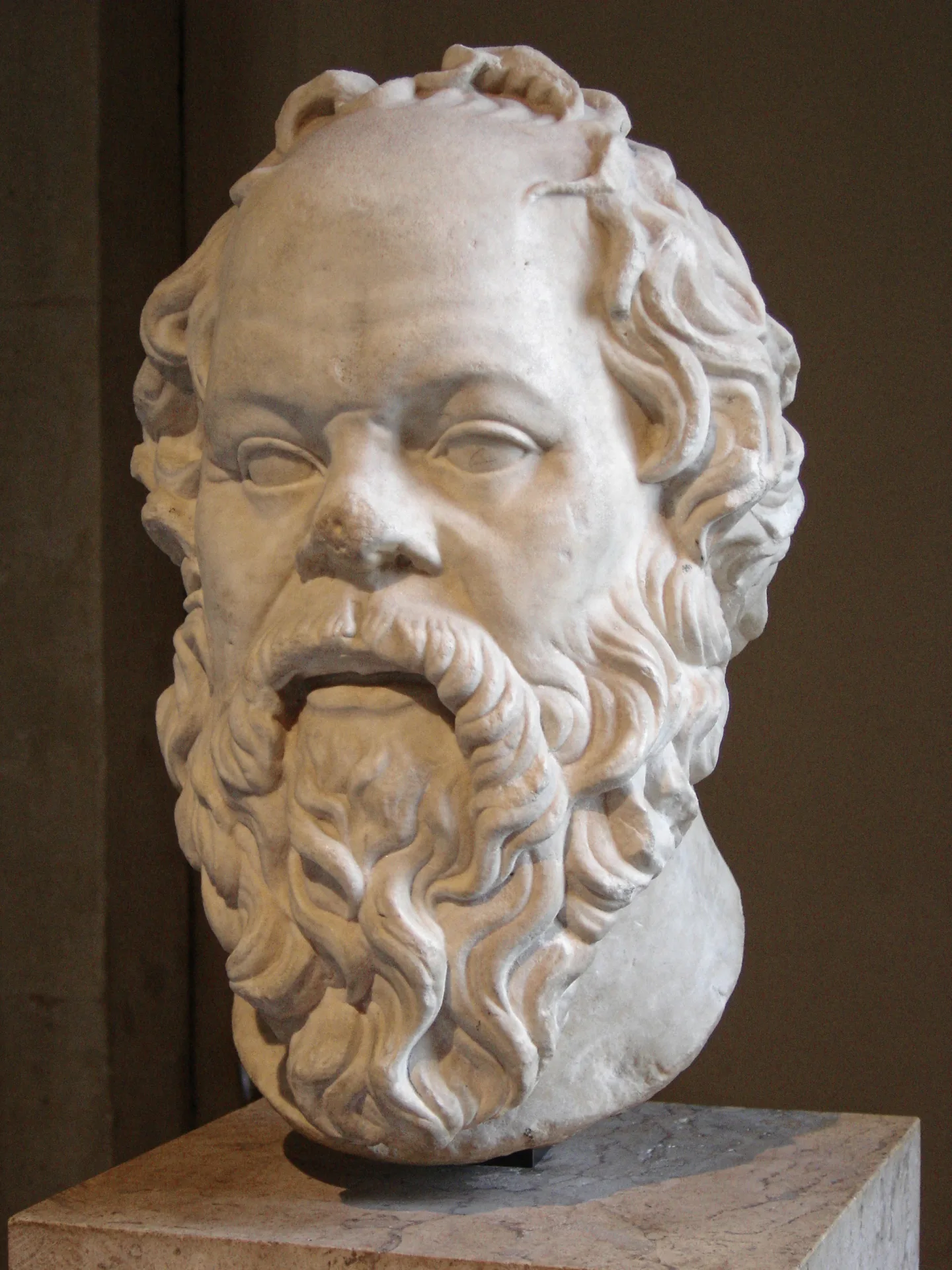
Socrates, the Elenchus Method, and the 399 BCE Trial
Socrates revolutionized Greek philosophy by shifting inquiry from cosmology to ethics, using cross-examination (elenchus) until he was condemned to death in 399 BCE for impiety and corrupting youth.
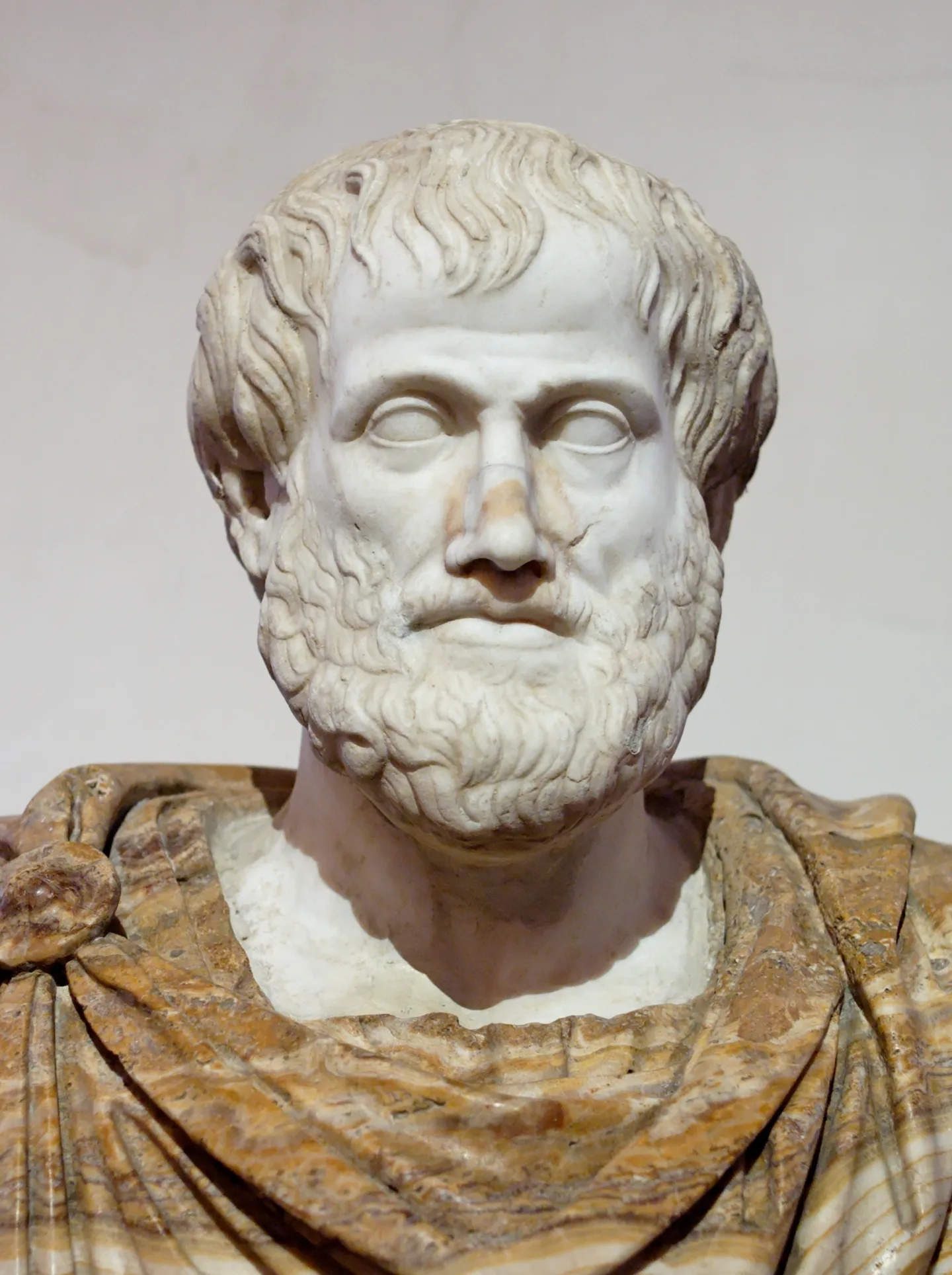
Aristotle and Empirical Classification at the Lyceum
Rejecting Plato's theory of transcendent Forms, Aristotle established the Lyceum in 335 BCE to systematically observe, categorize, and analyze biological species, political constitutions, and logic.
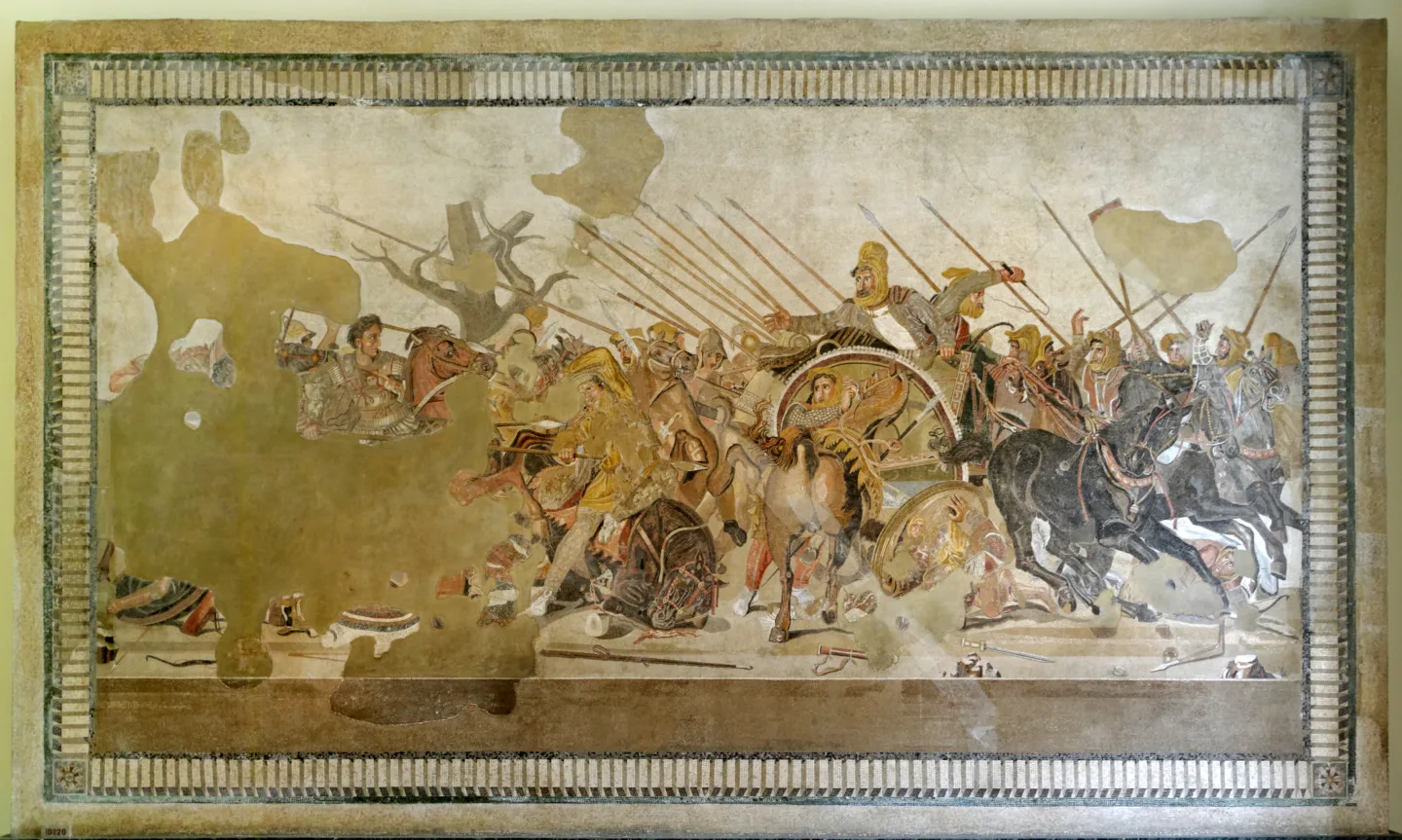
Alexander of Macedon and Hellenistic Urban Diffusion
Alexander's conquests between 334 and 323 BCE toppled the Persian Empire, founding dozens of Greek-style poleis (such as Alexandria in Egypt) and diffusing Koine Greek across Afro-Eurasia.
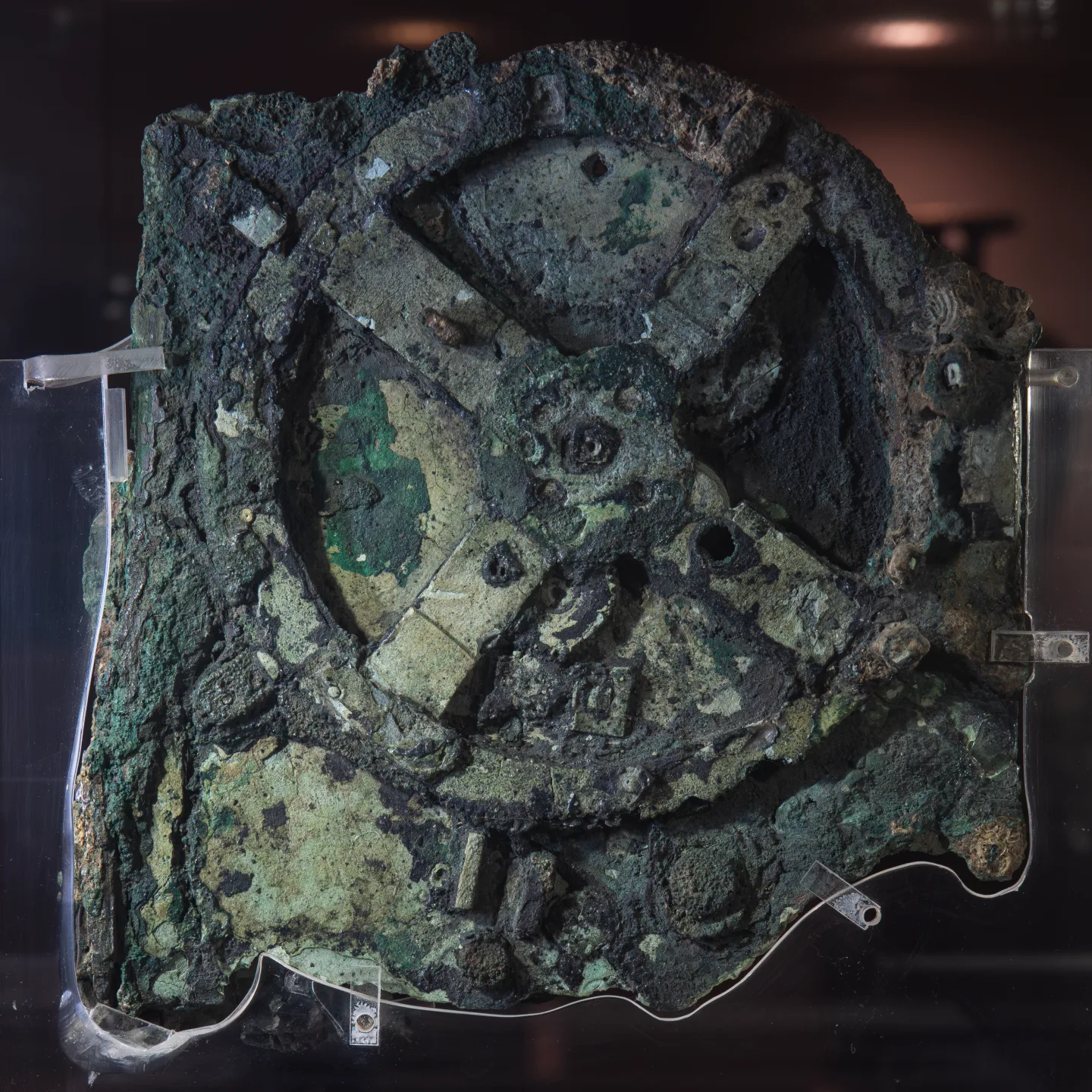
The Antikythera Mechanism: Ancient Geared Computer
Recovered from a 1st-century BCE shipwreck, the Antikythera Mechanism contained over 30 bronze gears to compute solar positions, lunar phases, eclipses, and the 4-year cycle of Olympic Games.
By the numbers
- How many years of political exile was a citizen sentenced to upon being voted out during an Athenian ostracism?
- 10 years
- In what year BCE was the philosopher Socrates tried and executed by an Athenian jury in Athens?
- 399 year BCE
- Approximately how many bronze gear wheels were integrated into the ancient Antikythera Mechanism?
- 30 gears
Matched pairs
Each item on the left goes with the one on the right.
- Solon (594 BCE)
- Abolished debt slavery and classified citizens into four wealth brackets
- Cleisthenes (508 BCE)
- Reorganized Attica into ten geographic tribes and instituted the Council of 500
- Plato
- Established the Academy in Athens to teach the Theory of Forms and ideal statecraft
- Aristotle
- Established the Lyceum in Athens to pursue empirical science, logic, and biology
Self-test
Answer each question from memory, then check your work against the answer key.
1. How did Greek geography directly foster the political fragmentation of the classical city-states (poleis)?
- ADense tropical jungle canopies prevented any long-distance overland or maritime contact
- BEndless open grassland steppes encouraged nomadic horseback imperial unification
- CNavigable continental river systems connected every inland valley to a single central delta
- DRugged mountain barriers and isolated coastal valleys prevented unified territorial monarchy
2. Why did the adoption of the hoplite phalanx encourage political democratization in Archaic Greece?
- ABecause soldiers were selected exclusively from landless enslaved mining laborers
- BBecause hoplites were professional mercenaries hired from Persian royal courts
- CBecause collective citizen-soldier defense broke the aristocratic cavalry monopoly on warfare
- DBecause battlefield victories were decided strictly by single champion javelin duels
3. What was the primary achievement of Solon's 594 BCE Seisachtheia in Athens?
- AThe complete expulsion of all foreign resident merchants and metics from Attica
- BThe abolition of debt slavery and cancellation of existing agricultural mortgages
- CThe immediate construction of a stone defensive wall surrounding the port of Piraeus
- DThe mandatory military enlistment of all male citizens from age twelve to sixty
4. What democratic purpose was served by the stone Kleroterion allotment machine in classical Athens?
- ATo select jury members and civic magistrates randomly by lot, eliminating bribery and patronage
- BTo record the total daily silver production extracted from the state mines at Laurion
- CTo weigh grain rations distributed to conscripted naval oarsmen at Piraeus
- DTo calculate the mathematical trajectories of heavy siege catapult projectiles
5. What political reform did Cleisthenes carry out in Athens in 508 BCE?
- ASplit Attica into ten mixed tribes
- BFounded the Delian League against Persia
- CMoved the Delian League treasury to Athens
- DCanceled debts and freed debt slaves
6. How was the monumental Periclean building program on the Athenian Acropolis primarily funded?
- AUsing revenues from private commercial slave auctions held at Corinth
- BUsing compulsory tribute (phoros) collected from Aegean allies of the Delian League
- CUsing gold bullion loans granted by the Achaemenid Persian Great King
- DUsing direct tax assessments levied exclusively upon Spartan agricultural helots
7. What philosophical method did Socrates employ to examine ethical concepts in the Athenian Agora?
- AObserving solar eclipses through water basins to calculate planetary diameters
- BComposing long written poetic epics praising traditional Olympian gods
- CA dialectical method of cross-examination (elenchus) exposing contradictions in beliefs
- DConducting empirical dissections of marine animals to classify biological genera
8. How did Aristotle's philosophical approach at the Lyceum differ fundamentally from Plato's Academy?
- AAristotle rejected writing, relying exclusively on oral memory songs and chants
- BAristotle focused strictly on mystical geometry, outlawing all biological observation
- CAristotle advocated the total withdrawal of philosophers into isolated monastic communes
- DAristotle emphasized empirical observation and taxonomy over transcendent ideal Forms
9. What linguistic development facilitated international administration across the Hellenistic world after Alexander?
- AThe widespread adoption of Koine Greek as the common lingua franca of trade and diplomacy
- BThe compulsory translation of all legal decrees into Egyptian Demotic script
- CThe universal adoption of Old Persian cuneiform by Mediterranean merchants
- DThe total suppression of Greek in favor of archaic Phoenician alphabet letters
10. What primary astronomical function was calculated by the precision bronze gears of the Antikythera Mechanism?
- AThe exact daily speed of ocean-going Phoenician merchant rowing vessels
- BThe mechanical water lift volume delivered by Archimedean screw irrigation pumps
- CThe chemical purity percentage of gold coinage minted in Ptolemaic Alexandria
- DSolar positions, lunar phases, eclipse predictions, and pan-Hellenic athletic cycles
Go deeper
Answer key
- 1. D Rugged mountain barriers and isolated coastal valleys prevented unified territorial monarchyGreece's mountainous landscape divided the mainland into isolated pockets, fostering hundreds of independent, self-governing poleis.
- 2. C Because collective citizen-soldier defense broke the aristocratic cavalry monopoly on warfareBecause middle-class citizen-farmers purchased their own armor and formed the core defense of the city, they demanded equal political representation.
- 3. B The abolition of debt slavery and cancellation of existing agricultural mortgagesSolon's Seisachtheia ('shaking off of burdens') canceled debts, freed debt slaves, and outlawed using one's person as collateral for loans.
- 4. A To select jury members and civic magistrates randomly by lot, eliminating bribery and patronageThe Kleroterion used dice and token slots to randomly select jurors and officials by sortition, preventing political bribery.
- 5. A Split Attica into ten mixed tribesCleisthenes reorganized Attica into ten artificial tribes blending coastal, inland, and urban demes to dismantle aristocratic power; Solon's debt reforms and the Delian League came at other times.
- 6. B Using compulsory tribute (phoros) collected from Aegean allies of the Delian LeaguePericles relocated the Delian League treasury from Delos to Athens in 454 BCE, using allied tribute to finance the Parthenon and Propylaea.
- 7. C A dialectical method of cross-examination (elenchus) exposing contradictions in beliefsSocrates used the elenchus—a disciplined method of questioning that forced interlocutors to examine their assumptions and uncover contradictions.
- 8. D Aristotle emphasized empirical observation and taxonomy over transcendent ideal FormsWhile Plato posited ideal transcendent Forms, Aristotle investigated the physical world through observation, classification, and empirical biology.
- 9. A The widespread adoption of Koine Greek as the common lingua franca of trade and diplomacyAlexander's conquests spread Koine ('common') Greek as the universal language of government, commerce, and philosophy across Egypt and Southwest Asia.
- 10. D Solar positions, lunar phases, eclipse predictions, and pan-Hellenic athletic cyclesThe Antikythera Mechanism (c. 150–100 BCE) contained over 30 bronze gears to model the cosmos, track the Metonic and Saros cycles, and predict eclipses.
Sources
- Mogens Herman Hansen, Polis: An Introduction to the Ancient Greek City-State
- Ancient Agora Museum of Athens: Collection — www.agathe.gr/research
- British Museum: Greece and Rome — www.britishmuseum.org/our-work/departments/greece-and-rome
- Mogens Herman Hansen, Polis: An Introduction to the Ancient Greek City-State — oup.com
- Ancient Agora Museum of Athens: Collection — www.agathe.gr
- British Museum: Ancient Greece and Rome Gallery — www.britishmuseum.org
- National Archaeological Museum Athens: Classical Period — www.namuseum.gr/en/collection/klasiki-periodos-2/
- National Archaeological Museum Athens: Classical Collection — www.namuseum.gr
Image credits
- Topography and the Emergence of the Autonomous Polis: Syawwwish · CC BY 4.0 — commons.wikimedia.org/wiki/File:Ruins_of_the_ancient_Agora_of_Athens.jpg
- The Hoplite Phalanx and Citizen-Soldier Parity: Wikimedia Commons · Sailko · CC BY-SA 4.0 — commons.wikimedia.org/wiki/File:Pittore_chigi,_olpe_chigi_(corinto),_formello,_tumulo_di_monte_aguzzo,_640_ac_ca._01.jpg
- Solon's Reforms and the Abolition of Debt Slavery: Wikimedia Commons · Sailko · CC BY-SA 3.0 — commons.wikimedia.org/wiki/File:Ignoto,_c.d._solone,_replica_del_90_dc_ca_da_orig._greco_del_110_ac._ca,_6143.JPG
- Cleisthenes and the Creation of the Ten Deme Tribes: FlashFeed original diagram · CC-BY-4.0
- The Kleroterion Mechanical Allotment Machine: TimeTravelRome · CC BY 2.0 — commons.wikimedia.org/wiki/File:Kleroterion_or_allotment_machine_for_the_appointment_of_officials_by_lot_162_BC.jpg
- The Athenian Owl Silver Tetradrachm Standard: Cleveland Museum of Art · CC0 — clevelandart.org/art/1941.296
- The Delian League and Athenian Maritime Imperialism: Wikimedia Commons · Steve Swayne · CC BY 2.0 — commons.wikimedia.org/wiki/File:The_Parthenon_in_Athens.jpg
- Phidias and the Parthenon Sculptures: Jay.M · CC BY-SA 4.0 — en.wikipedia.org/wiki/Elgin_Marbles
- Socrates, the Elenchus Method, and the 399 BCE Trial: Wikimedia Commons · Eric Gaba · Public domain — commons.wikimedia.org/wiki/File:Socrates_Louvre.jpg
- Aristotle and Empirical Classification at the Lyceum: Wikimedia Commons · After Lysippos · Public domain — commons.wikimedia.org/wiki/File:Aristotle_Altemps_Inv8575.jpg
- Alexander of Macedon and Hellenistic Urban Diffusion: Wikimedia Commons · Unknown author · Public domain — commons.wikimedia.org/wiki/File:Battle_of_Issus_mosaic_-_Museo_Archeologico_Nazionale_-_Naples_2013-05-16_16-25-06_BW.jpg
- The Antikythera Mechanism: Ancient Geared Computer: Wikimedia Commons · Logg Tandy · CC BY 4.0 — commons.wikimedia.org/wiki/File:Antikythera_Fragment_A_(Front).webp


