
Ancient Civilizations: First Cities to Late Antiquity study guide · Lesson 7 of 12
The Persian Empire: Satrapies, Royal Roads & Qanats (c. 550–330 BCE)
The Imperial Machine & Cultural Autonomy · Hydraulic Ingenuity & Ceremonial Magnificence
This is the lesson's study guide from the FlashFeed app, plus its key facts and a self-test.
What you'll be able to do
- Analyze Achaemenid imperial administration, satrapal checks, the Royal Road, and bimetallic currency.
- Evaluate Persian qanat hydraulic technology, Persepolis Apadana ceremonialism, and Zoroastrian ideology.
Cyrus the Great and the Ideology of Cultural Tolerance
In 550 BCE, Cyrus II (the Great) of the Achaemenid Persian dynasty overthrew the Median Empire and rapidly conquered Lydia in Anatolia and the Neo-Babylonian Empire, creating the largest empire the ancient world had yet seen.
Unlike previous Near Eastern empires (such as the Assyrians) that relied on mass deportations and cultural destruction, Cyrus established an imperial model founded on cultural and religious autonomy in exchange for political loyalty and regular taxation. Upon capturing Babylon in 539 BCE without a siege, Cyrus issued the Cyrus Cylinder—a barrel-shaped clay cuneiform document. In it, Cyrus declared himself the chosen ruler of the Babylonian god Marduk, promised not to terrorize the population, returned displaced peoples in Babylonia and its borderlands to their dwellings, and restored local religious cult sanctuaries. The Cylinder itself does not mention the Jews; the biblical books of Ezra and Isaiah separately credit Cyrus with allowing the Jewish exiles to return and rebuild the Temple in Jerusalem.
Cyrus was buried in a dignified limestone stepped tomb at his capital of Pasargadae. The tomb combined Mesopotamian stepped plinths with an Elamite gabled roof cella, embodying the multicultural artistic synthesis of early Achaemenid royal architecture.
Satrapy Administration and Royal Bureaucracy
Following the expansion of the empire from the Indus River to Egypt, King Darius I (the Great) (reigned 522–486 BCE) transformed Persian imperial administration into a centralized bureaucratic machine.
Darius organized the empire into roughly 20 administrative provinces (Satrapies). Each province was administered through a system of checks and balances:
- Satrap (Protector of the Realm): A royal governor (often a Persian nobleman) responsible for civil administration, law courts, and tax collection.
- Military Commander: A royal general commanding local garrisons, taking orders directly from the Great King rather than the Satrap.
- Royal Secretary: An imperial scribe recording accounts and serving as the eyes and ears of the king.
- The King's Eyes and Ears: Special traveling imperial inspectors accompanied by armed escorts who conducted surprise audits of satrapal administration.
To record his ascension after crushing rebellions, Darius carved the monumental Behistun Inscription high upon a cliff in modern Iran. Inscribed in three cuneiform scripts—Old Persian, Elamite, and Babylonian—the relief depicts Darius trampling the rebel Gaumata under the winged symbol of Ahura Mazda, providing the linguistic key for modern scholars to decipher cuneiform.
To standardize commerce and taxation, Darius introduced the pure gold Daric (8.4 grams) and silver Siglos, depicting the Great King as a kneeling archer. This extended the bimetallic gold-silver currency model — pioneered a generation earlier by Lydia's King Croesus — to the scale of an entire empire.
The Royal Road and Postal Communication Network
Imperial cohesion across 5.5 million square kilometers was maintained by the Persian Royal Road. Running 2,500 kilometers from Susa in Elam to Sardis on the Aegean coast of Anatolia, the paved highway featured 111 royal staging stations (Chapar Khaneh).
At each station, fresh horses and couriers stood ready day and night. Using this relay system, royal dispatches could travel the entire 2,500 km route in just seven to nine days—a journey that required 90 days for an ordinary caravan. Greek historian Herodotus described this Persian postal network in his Histories (8.98), writing that the couriers were "stayed neither by snow nor rain nor heat nor darkness from accomplishing their appointed course with all speed"—a passage later freely adapted (not a verbatim quotation) into the familiar modern phrase "Neither snow nor rain nor heat nor gloom of night stays these couriers from the swift completion of their appointed rounds."
Qanat Hydraulic Engineering in Arid Plateaus
Sustaining intensive agriculture and royal cities across the arid Iranian plateau required revolutionary hydraulic engineering: the Qanat subterranean aqueduct system.
A Qanat operated on gravity-fed hydraulic principles:
- Miners dug a gently sloping underground tunnel from an alluvial water aquifer at the base of distant mountains toward lowland agricultural valleys.
- Vertical ventilation shafts were sunk every 20–30 meters along the tunnel's path to provide oxygen, remove excavated soil, and allow maintenance.
- Because the channel was entirely underground, the water was protected from the fierce evaporation and contamination that ruined open canals in desert climates.
Qanats allowed Persians to transform arid deserts into lush agricultural oases and cultivate geometric, quadripartite irrigated royal pleasure gardens known as Pairidaēza (walled gardens, the etymological root of the English word paradise).
Persepolis: Ceremonial Architecture and Imperial Tribute
Around 518 BCE, Darius I founded the ceremonial capital of Persepolis (Parsa) on an artificial stone terrace at the foot of Mount Rahmat. Persepolis was not designed for daily administrative governance (which remained at Susa, Babylon, and Ecbatana), but as a ceremonial stage for grand spring festivals — traditionally identified with the Persian New Year (Nowruz), though this identification is not directly attested in Achaemenid sources and is treated cautiously by current scholarship.
The grandest structure was the Apadana (Audience Hall), a colossal hypostyle hall supported by 72 stone columns 20 meters high, topped with double-bull and double-lion capitals. The monumental dual staircases leading to the Apadana feature magnificent low-relief stone carvings depicting delegations from 23 subject nations of the empire—including Medes, Elamites, Babylonians, Egyptians, Greeks, Scythians, and Indians. Each delegation is depicted in distinctive native ethnic costume, peaceably bringing regional tribute (stallions, camels, gold vessels, fine textiles) led by a Persian court usher.
Persepolis projected an imperial ideology of voluntary cosmopolitan harmony under the supreme creator god Ahura Mazda of Zoroastrianism. Achaemenid inscriptions framed the king as the champion of Cosmic Truth (Arta) against the Lie and Chaos (Drauga).
The permanent core of the Persian army was the 10,000 Immortals—an elite heavy infantry royal bodyguard depicted on glazed brick friezes at Susa armed with spears, bows, and wicker shields (gerrha). According to Herodotus, the unit was termed 'immortal' because any casualty was immediately replaced from the ranks, preserving an unwavering roster of 10,000 — though some modern scholars argue the name may instead reflect a mistranslation of the Persian term for the unit (Anûšiya, "companions") rather than a literal claim of deathlessness. In 330 BCE, the splendor of Achaemenid Persepolis came to an end when Alexander the Great captured and burned the palace complex.
Key terms
- Satrap
- A provincial governor in the Achaemenid Persian Empire responsible for civil administration, law, and tribute collection.
- Qanat
- An underground sloping aqueduct tunnel engineered to transport water from mountain aquifers to arid lowland plains.
Key concepts
Cyrus Cylinder
- Barrel-shaped baked clay cylinder inscribed in Akkadian cuneiform excavated at Babylon in 1879
- Records Cyrus the Great's peaceful conquest of Babylon in 539 BCE under the blessing of Marduk
- Often hailed as an ancient declaration of human rights for repatriating exiled peoples to their homelands
Satrapy System
- Provincial administrative network dividing the Achaemenid Empire into approximately twenty regions
- Maintained institutional checks and balances between civil satraps, garrison generals, and royal scribes
- Subject to periodic unannounced audits conducted by roving imperial inspectors ('The King's Eyes')
The Royal Road
- 2,500-kilometer paved imperial highway extending from Sardis in western Anatolia to Susa in Iran
- Maintained 111 horse-changing stations (*Chapar Khaneh*) spaced a day's ride apart
- Enabled royal couriers to convey imperial messages across the empire in seven to nine days
Behistun Inscription
- Monumental rock relief carved 100 meters up a limestone cliff along the royal road at Mount Behistun
- Depicts King Darius I holding a bow and stepping on the usurper Gaumata beneath Ahura Mazda
- Contains parallel identical texts in Old Persian, Elamite, and Babylonian cuneiform
The Qanat
- Underground gravity-driven irrigation channel connecting mountain aquifers to lowland agricultural plains
- Equipped with vertical surface maintenance shafts spaced every 20 to 30 meters along its subterranean route
- Prevented severe evaporation in desert climates, allowing continuous farming across the Iranian plateau
The Apadana of Persepolis
- Colossal 60 × 60 meter hypostyle audience hall supported by 72 monumental stone columns roughly 20 meters tall
- Featured monumental dual staircases carved with relief sculptures of 23 tributary nations of the empire
- Traditionally associated with celebrating the Persian New Year (*Nowruz*), though modern scholars now question that identification
The 10,000 Immortals
- Elite imperial heavy infantry regiment serving as the permanent standing royal bodyguard of the Great King
- Maintained an unwavering troop strength of exactly 10,000 soldiers by instantly replacing any casualty
- Equipped with short spears, bows, daggers, and wicker shields (*gerrha*), depicted on glazed brick reliefs at Susa
Pairidaēza (Persian Paradise Garden)
- Four-part geometric walled pleasure garden (*Chahar Bagh*) irrigated by stone water channels
- Planted with exotic fruit trees, aromatic flowers, and game animals collected from subject satrapies
- Supplied the etymological root for the English word 'paradise', symbolizing imperial harmony with nature
Key facts
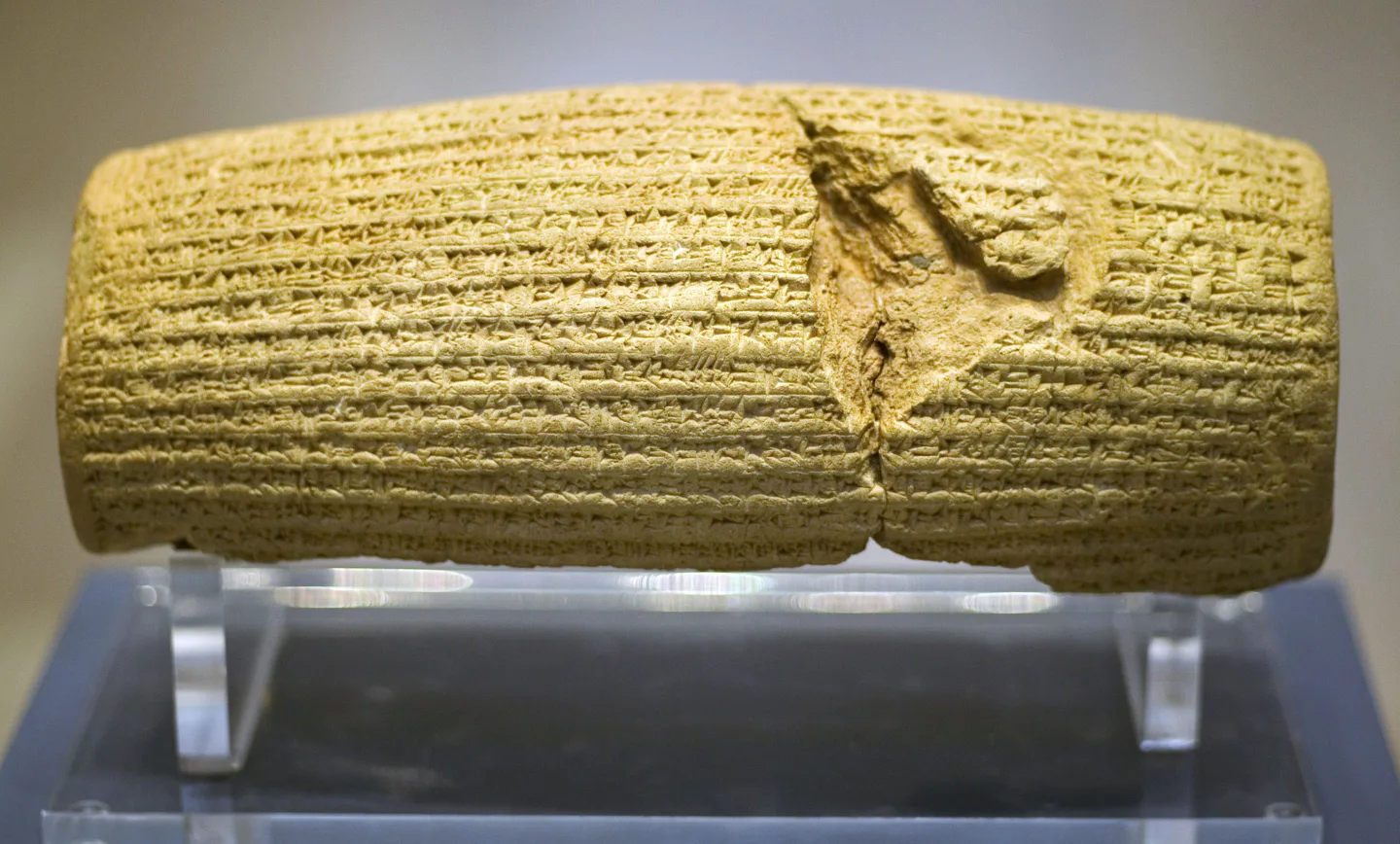
The Cyrus Cylinder and Imperial Religious Tolerance
After conquering Babylon in 539 BCE, Cyrus the Great issued the clay Cyrus Cylinder, legitimizing his rule by repatriating displaced peoples and restoring local religious sanctuaries.
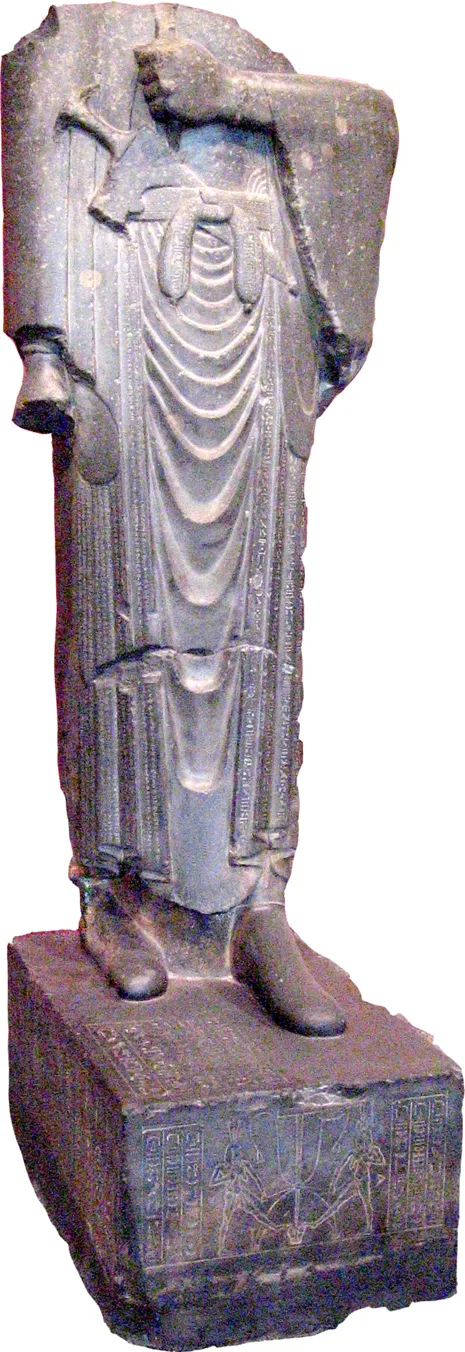
Darius I and the Satrapy Administrative System
King Darius I reorganized the Achaemenid Empire into roughly 20 provinces (Satrapies), each overseen by a royal governor (Satrap), a military commander, and a royal secretary reporting to the king.
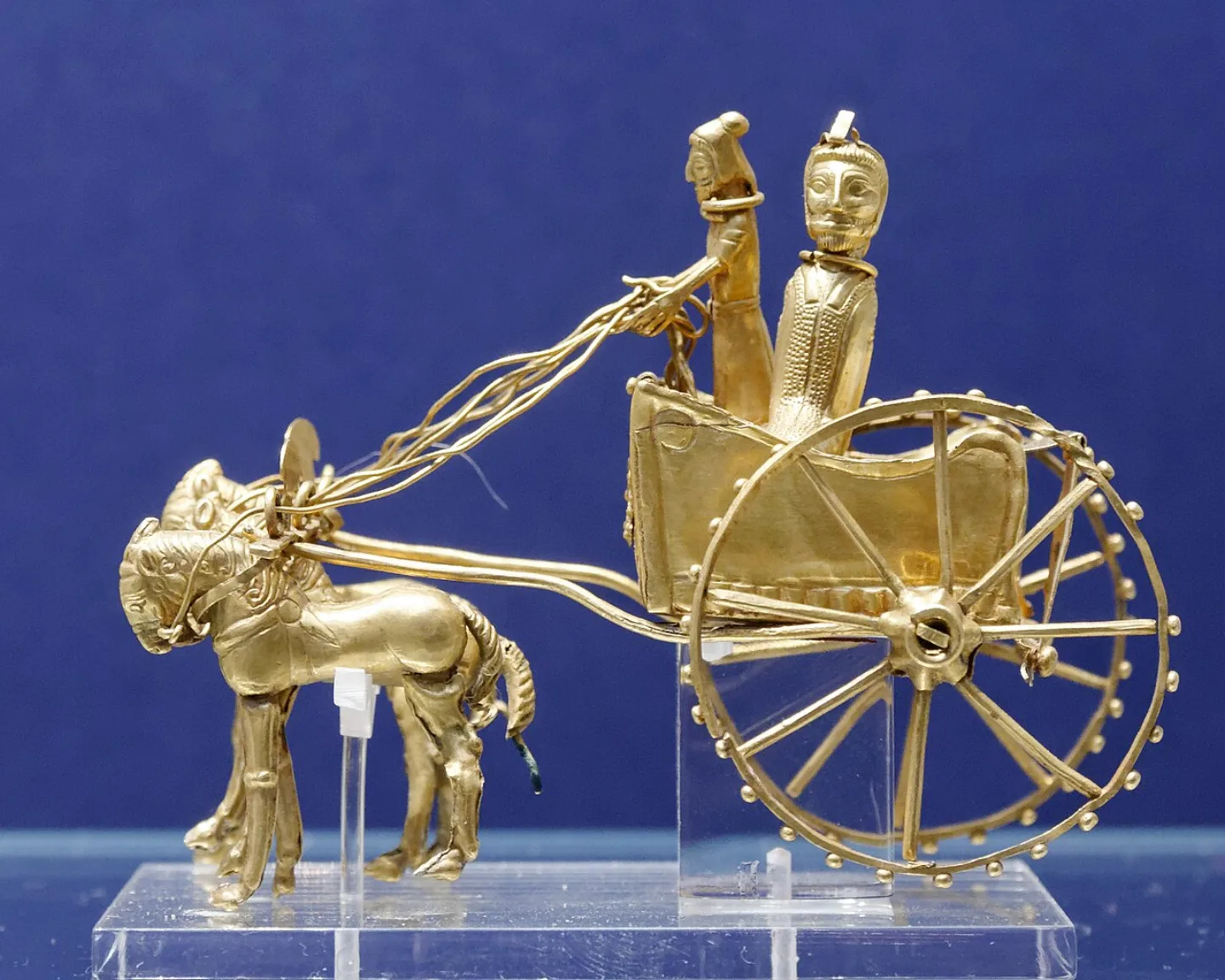
The 2,500 km Persian Royal Road and Postal Relay
The Persian Royal Road connected Sardis to Susa across 2,500 km, utilizing 111 relay stations (Chapar Khaneh) with fresh horses to convey royal dispatches in just seven days.
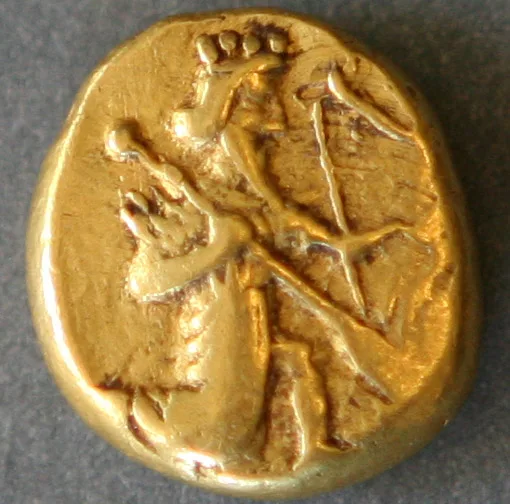
The Gold Daric Standard and Bimetallic Currency
Darius I introduced the standardized 8.4-gram pure gold Daric and silver Siglos, depicting the Persian Great King as an archer to facilitate taxation and empire-wide commercial transactions.
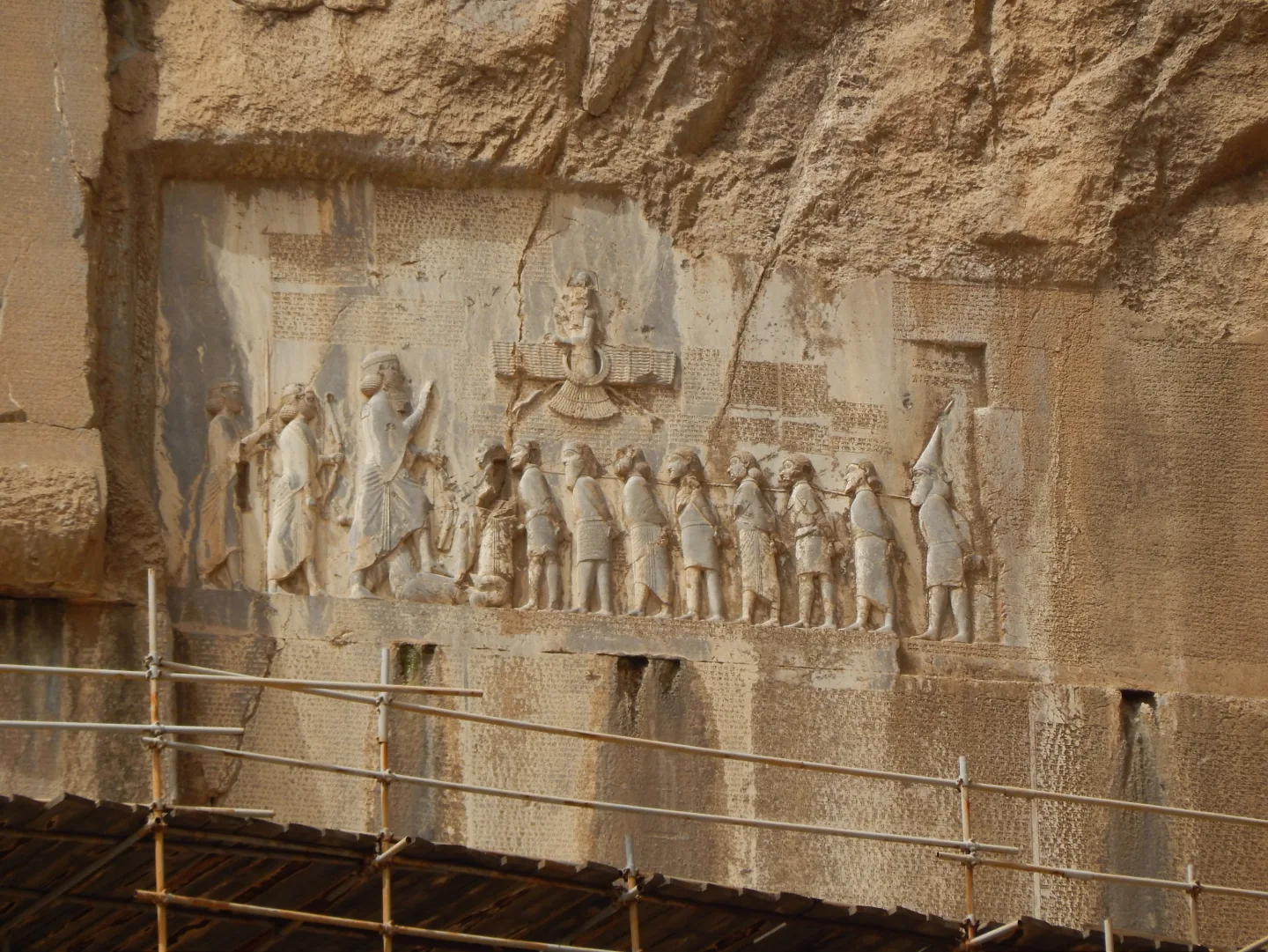
The Behistun Inscription: Trilingual Key to Cuneiform
Carved high on a cliff face in Iran, Darius I's Behistun Inscription recorded his victory over rebels in Old Persian, Elamite, and Babylonian, providing Henry Rawlinson the key to decipher cuneiform.
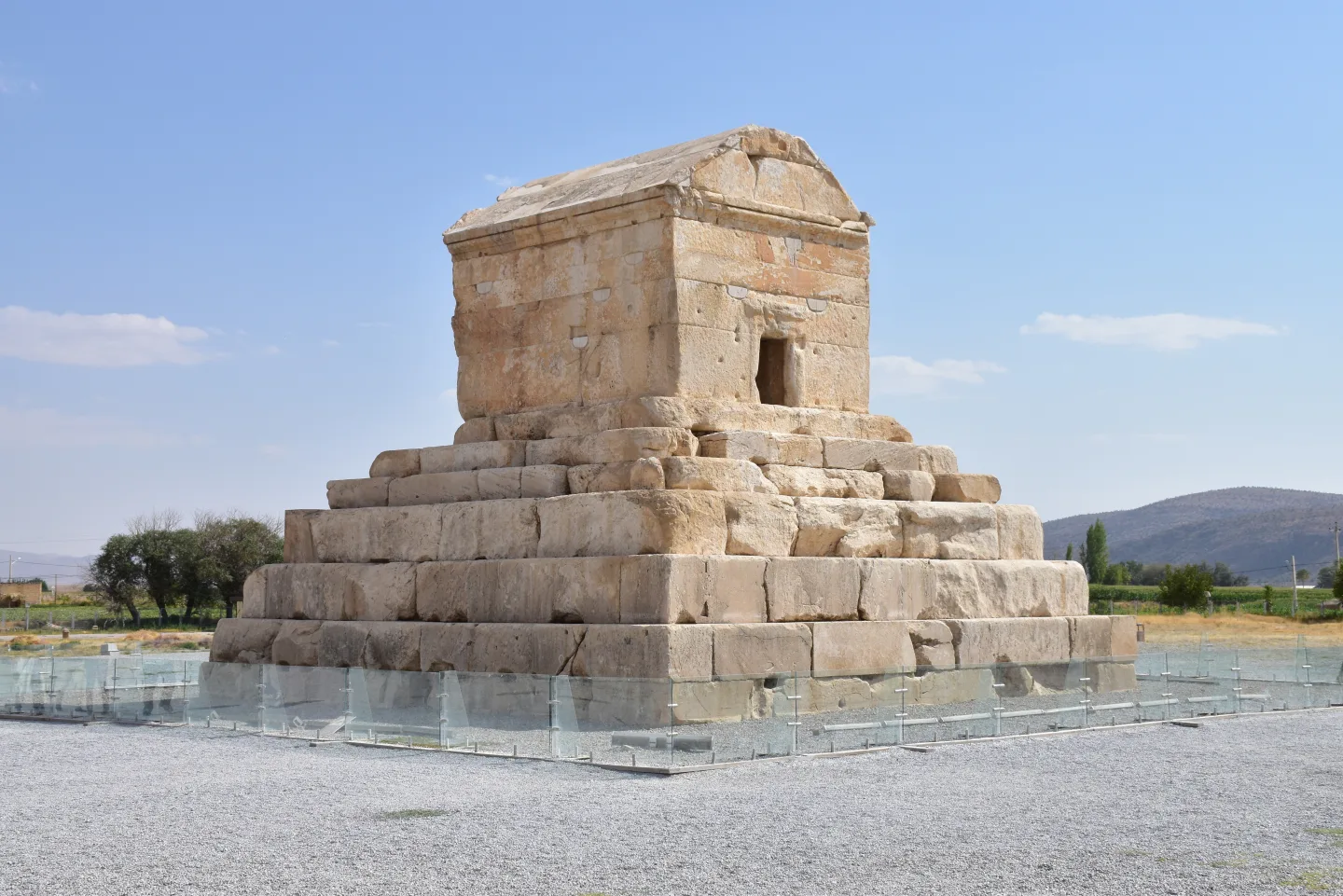
The Tomb of Cyrus the Great at Pasargadae
The limestone stepped mausoleum of Cyrus the Great at Pasargadae combined Mesopotamian ziggurat stepped plinths with an Elamite gabled roof cella, reflecting early Achaemenid eclectic monumental design.
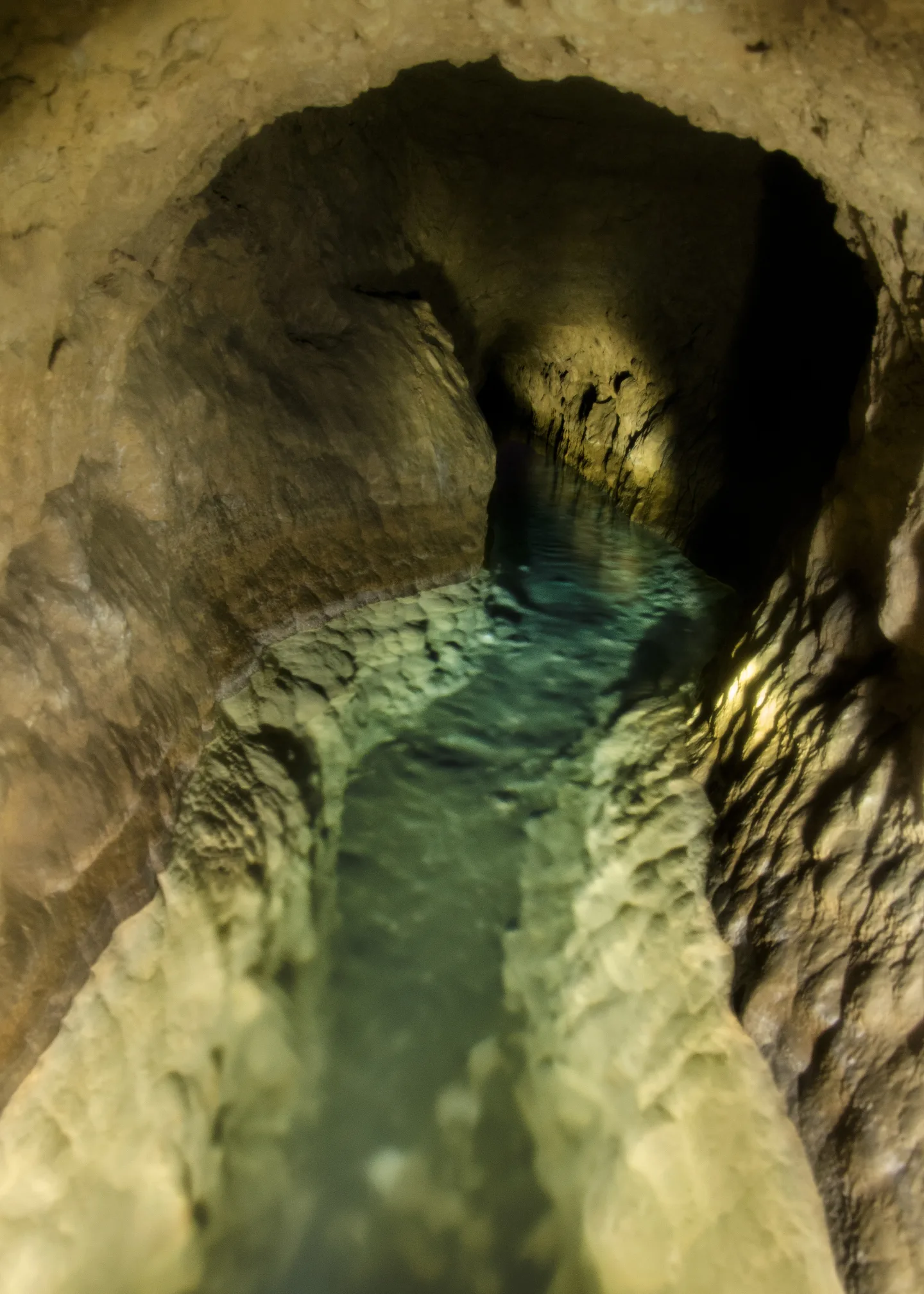
Qanat Subterranean Hydraulic Engineering
Persians engineered Qanats—underground gravity-fed aqueduct tunnels tapping alluvial mountain aquifers—allowing extensive agriculture across hyper-arid plateaus without evaporative water loss.
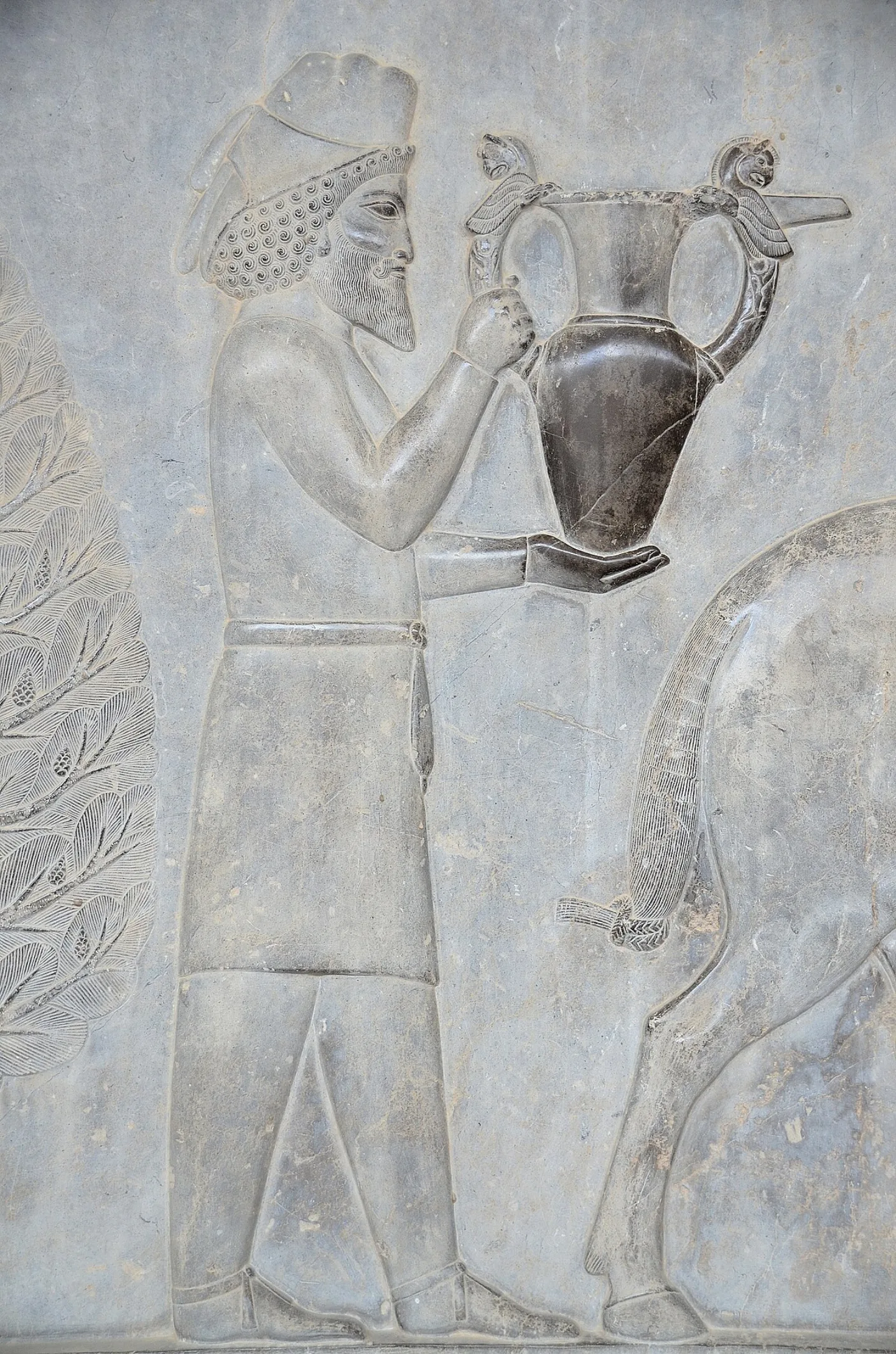
Persepolis Apadana and International Tribute Reliefs
The Apadana ceremonial palace at Persepolis featured monumental staircase reliefs depicting 23 subject delegations presenting distinctive regional tribute (horses, textiles, vessels) to the Great King.
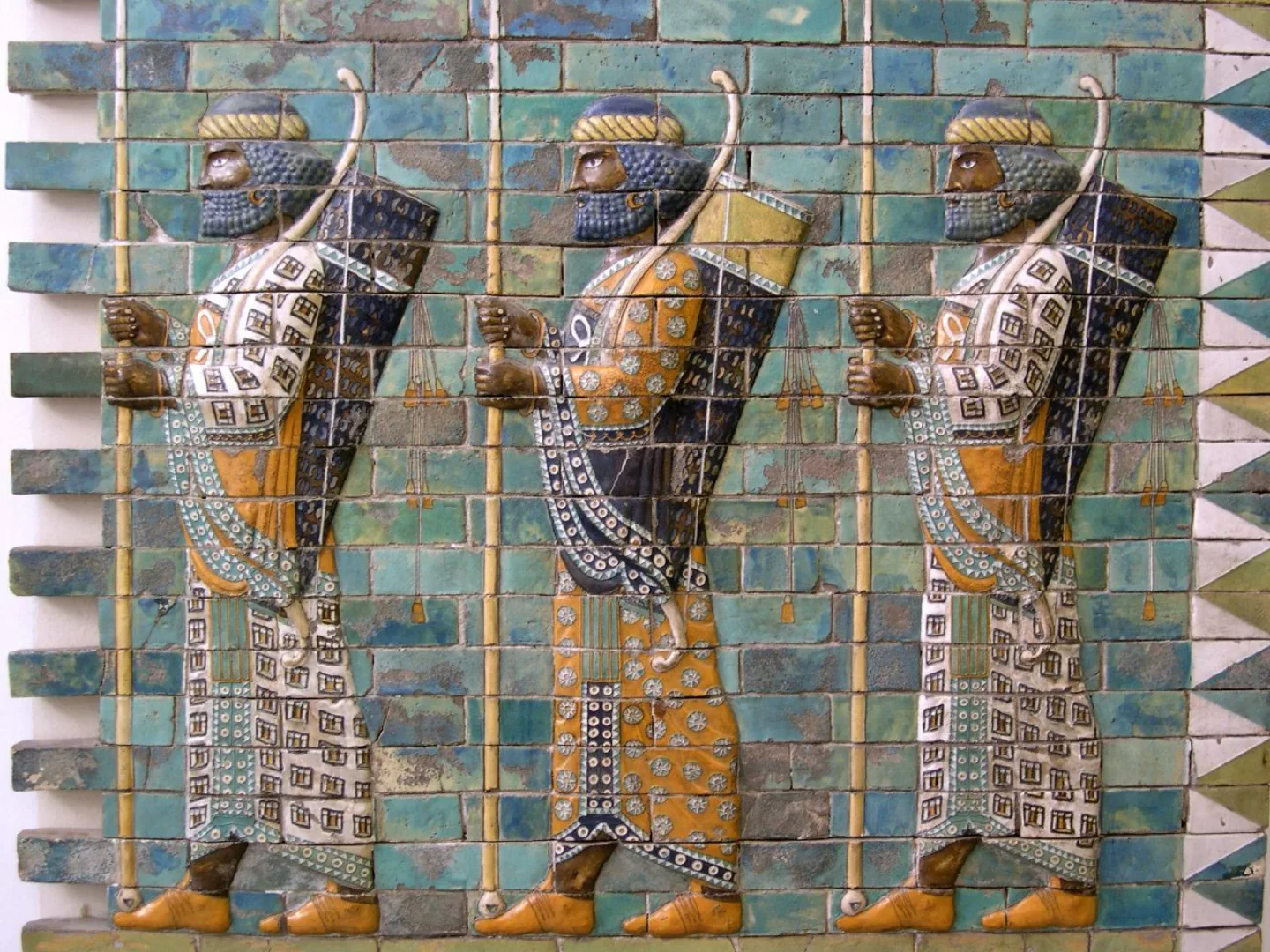
The Persian Immortals: Elite Standing Infantry
The core of the Persian army was the '10,000 Immortals', an elite corps of royal guards whose roster was immediately replenished whenever a soldier fell, maintaining permanent tactical strength.
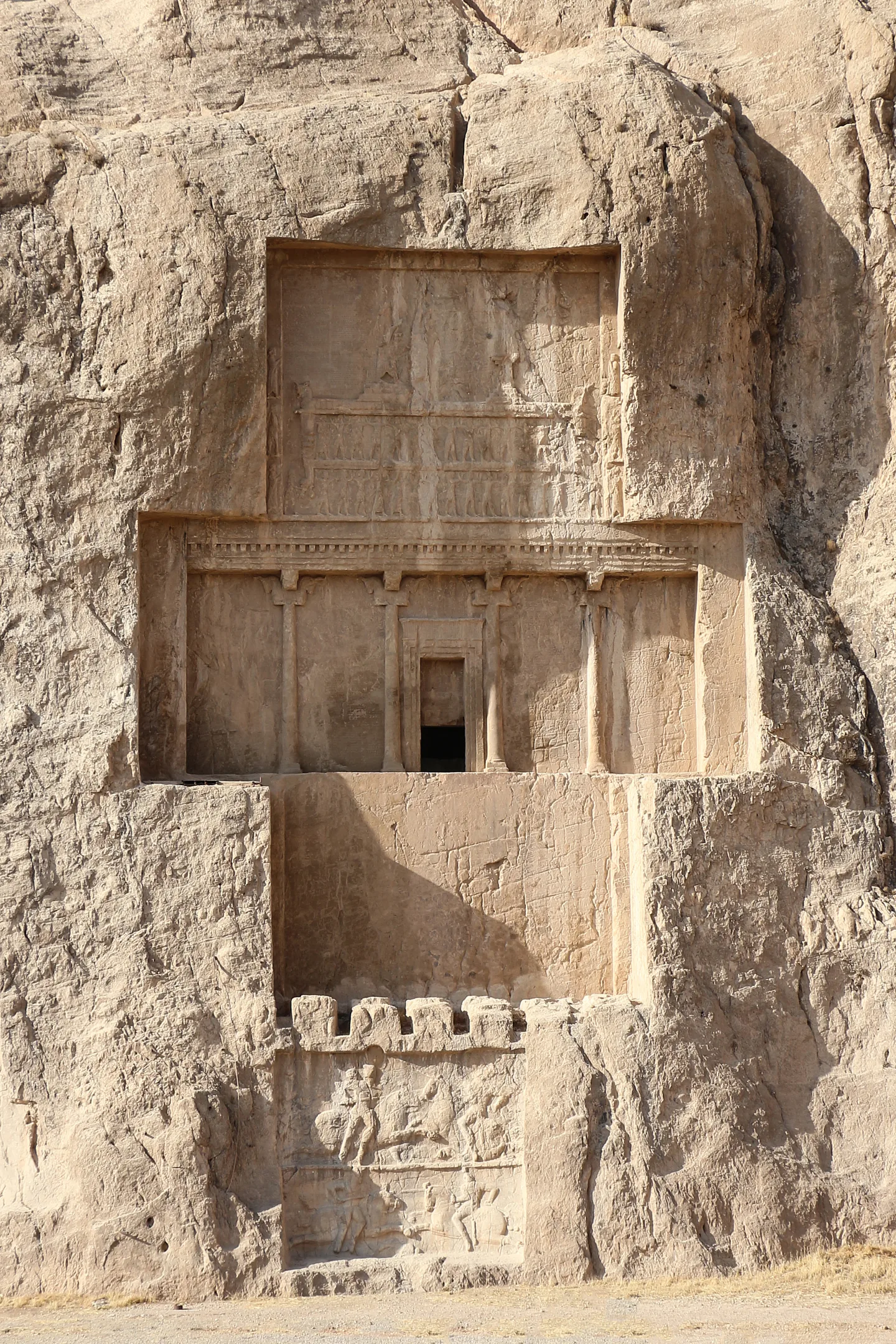
Zoroastrianism and Ahura Mazda Royal Ideology
Achaemenid kings invoked the supreme god Ahura Mazda in royal inscriptions, framing their imperial rule as a cosmic duty to defend the Truth (Arta) against the Lie (Drauga).
Achaemenid Imperial Garden Architecture: The Pairidaēza
Persian kings designed geometric, quadripartite irrigated royal pleasure gardens (Pairidaēza, origin of the word 'paradise') showcasing botanical specimens gathered from across their subject provinces.
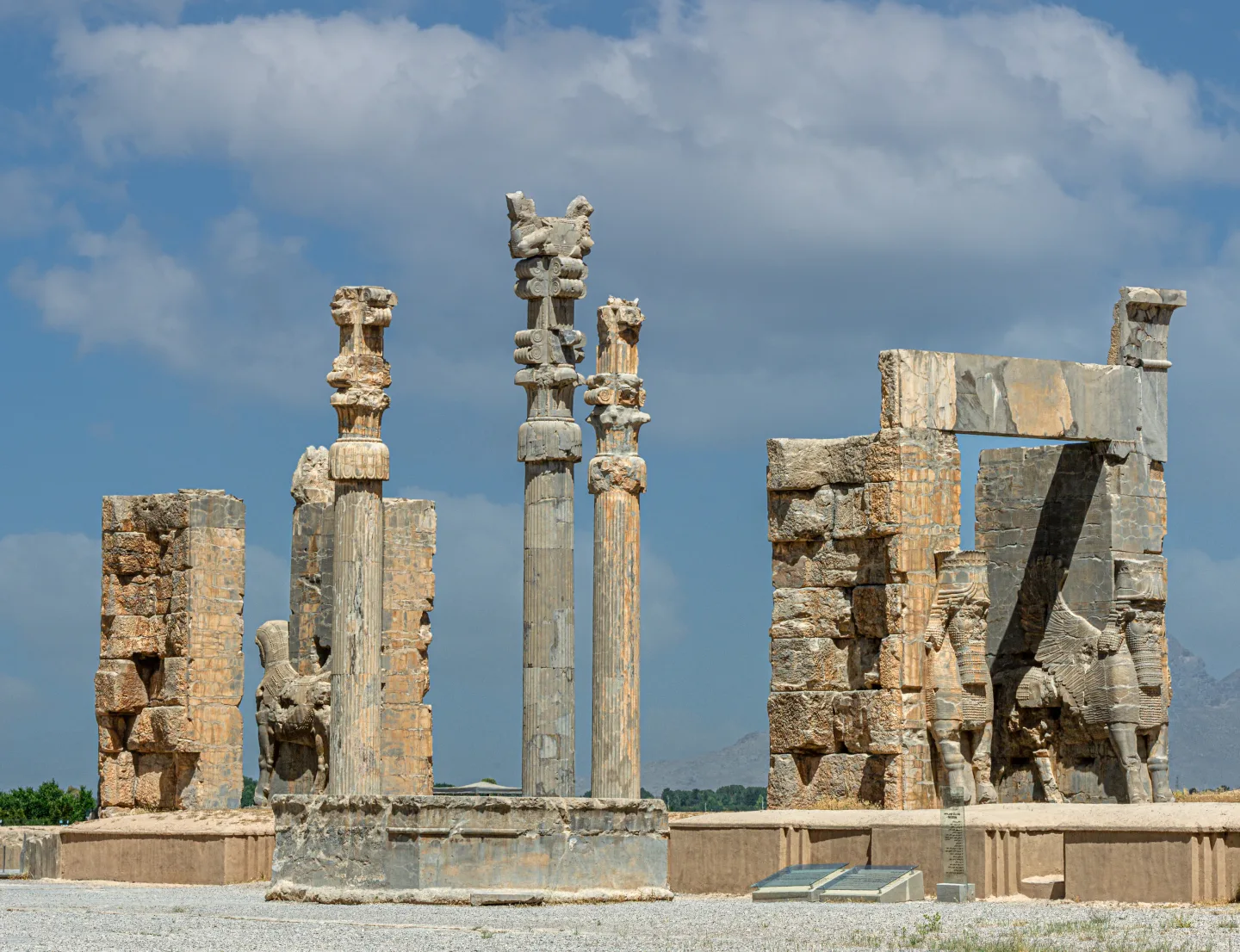
The Burning of Persepolis and Fall to Alexander in 330 BCE
In 330 BCE, Alexander the Great captured and burned the palace complex of Persepolis, destroying the administrative center of the Achaemenid Empire and ending two centuries of Persian hegemony.
By the numbers
- What was the total distance in kilometers of the Persian Royal Road from Sardis to Susa?
- 2500 kilometers
- How many distinct subject delegations are carved presenting tribute on the Apadana staircases at Persepolis?
- 23 delegations
- What was the permanent exact troop strength maintained by the elite Persian Immortals royal bodyguard regiment?
- 10000 soldiers
Matched pairs
Each item on the left goes with the one on the right.
- Daric
- High-purity gold imperial coin bearing the image of the royal archer
- Siglos
- Standard silver coin functioning as the fractional partner to the gold standard
- Arta (Asha)
- The cosmic principle of truth, righteousness, and divine order
- Drauga (Druj)
- The destructive principle of falsehood, deception, and chaotic evil
Self-test
Answer each question from memory, then check your work against the answer key.
1. How did King Darius I structure provincial oversight to prevent Satraps from launching rebellions?
- ABy placing each province's tax collection under its military commander instead of the satrap
- BBy requiring each satrap's eldest son to live as a hostage at the royal court
- CBy separating civil administration from military command and sending roving imperial inspectors
- DBy requiring satraps to serve entirely without armed military bodyguards in their capitals
2. How did the Persian Royal Road achieve unprecedented speed in transmitting imperial communications?
- ABy relying on homing carrier pigeons bred specifically in Mediterranean coastal islands
- BBy moving dispatches in armed ox-cart convoys travelling alongside ordinary trade caravans
- CBy sending each dispatch with a single rider who carried it the whole route without changing horses
- DBy maintaining a continuous relay of fresh horses and couriers at 111 staging stations
3. What standard iconography appeared on the pure gold Daric coin introduced by Darius I?
- AThe Persian Great King depicted as a running royal archer holding a bow and spear
- BA profile of the goddess Athena flanked by an owl and an olive branch
- CThe Roman She-Wolf suckling the infant twins Romulus and Remus
- DA roaring Babylonian lion striding before the cobalt-glazed Ishtar Gate
4. Alongside the gold Daric, what silver coin did Darius I introduce to standardize Achaemenid currency?
- AThe Shekel, a Babylonian silver trade weight
- BThe Siglos, the standard Achaemenid silver coin
- CThe Drachma, minted by Athens in silver
- DThe Denarius, Rome's later silver coin
5. What term describes the dual gold-and-silver coinage standard Darius I established for the empire?
- AFiduciary currency, backed only by royal decree, not metal
- BBarter currency, relying solely on weighed silver ingots
- CBimetallic currency, combining gold and silver coins
- DMonometallic currency, using only gold coinage empire-wide
6. What technological advantage did underground Qanat channels provide over open surface canals in arid Iran?
- AThey prevented water loss from severe desert evaporation and protected water from contamination
- BThey relied on ox-driven pumps at every shaft to lift the water up to the fields
- CThey used tall windcatcher towers at each shaft to actively pressurize the underground water flow
- DThey stored several years of monsoon floodwaters underground for release during droughts
7. The Old Persian term Pairidaeza, meaning a walled and irrigated royal garden, is the source of which modern English word?
- APalace
- BPavilion
- CParade
- DParadise
8. What is depicted on the monumental staircase reliefs of the Apadana audience hall at Persepolis?
- ARows of chained foreign war captives being marched off to slave markets
- BTwenty-three subject delegations in native dress presenting regional tribute to the king
- CThe naval defeat and destruction of the Persian fleet by the outnumbered Greek navy at the Battle of Salamis in 480 BCE
- DViolent executions and impalements of rebel prisoners modeled on Assyrian terror art
9. Why was the elite standing Persian royal guard designated by Greek historians as the 'Immortals'?
- ABecause their military service contracts were passed down through family wills for eternity
- BBecause they were believed to be invulnerable demigods magically shielded from bronze wounds
- CBecause any fallen or sick soldier was immediately replaced to keep the roster at exactly 10,000
- DBecause Greek historians mistranslated the unit's Persian name as 'the deathless ones'
10. In Zoroastrian royal ideology, what cosmic opposition was the Persian Great King obligated to champion?
- AThe exclusive devotion to underworld lunar gods over the daytime solar disc
- BThe total elimination of all agricultural farming in favor of nomadic horseback pastoralism
- CThe supremacy of marine sea trade over inland desert caravan routes
- DThe defense of Cosmic Truth (Arta) against the entropic forces of the Lie (Drauga)
Go deeper
Answer key
- 1. C By separating civil administration from military command and sending roving imperial inspectorsDarius separated civil power (Satrap) from military power (garrison general) and sent unannounced inspectors ('The King's Eyes and Ears') to audit provinces.
- 2. D By maintaining a continuous relay of fresh horses and couriers at 111 staging stationsThe Chapar Khaneh relay system stationed fresh couriers and horses every day's ride along the 2,500-km road, allowing dispatches to cross it in roughly seven to nine days instead of about 90 for an ordinary caravan.
- 3. A The Persian Great King depicted as a running royal archer holding a bow and spearThe gold Daric depicted the Persian Great King in a kneeling-running posture armed with a bow and spear, serving as trusted imperial currency.
- 4. B The Siglos, the standard Achaemenid silver coinDarius paired the gold Daric with the silver Siglos to standardize imperial commerce and taxation.
- 5. C Bimetallic currency, combining gold and silver coinsThe paired gold Daric and silver Siglos extended to imperial scale the bimetallic gold-silver currency model that Lydia's King Croesus had pioneered a generation earlier.
- 6. A They prevented water loss from severe desert evaporation and protected water from contaminationBy channeling water underground through gravity tunnels, Qanats eliminated evaporation in scorching arid heat and prevented dust contamination.
- 7. D ParadisePairidaeza (walled garden) passed through Greek (paradeisos) into English as 'paradise'. The other three are unrelated English words for royal/ceremonial spaces.
- 8. B Twenty-three subject delegations in native dress presenting regional tribute to the kingThe Apadana staircases depict 23 delegations from across the empire (Medes, Babylonians, Egyptians, Greeks, Indians) peacefully presenting regional gifts.
- 9. C Because any fallen or sick soldier was immediately replaced to keep the roster at exactly 10,000According to Herodotus, the unit maintained an exact strength of 10,000 soldiers; whenever a man was killed or wounded, another stepped into his place immediately. (Modern scholars debate this account; some argue the Greek name instead reflects a mishearing of the Persian word for 'companions.')
- 10. D The defense of Cosmic Truth (Arta) against the entropic forces of the Lie (Drauga)Achaemenid royal inscriptions invoked Ahura Mazda, framing the king's rule as defending cosmic order and Truth (*Arta*) against the Lie (*Drauga*).
Sources
- British Museum: Ancient Iran Gallery — www.britishmuseum.org/collection/galleries/ancient-iran
- Pierre Briant, From Cyrus to Alexander: A History of the Persian Empire
- British Museum: Ancient Iran and Persia Gallery — www.britishmuseum.org
- Pierre Briant, From Cyrus to Alexander: A History of the Persian Empire — eisenbrauns.org
- World History Encyclopedia: Achaemenid Empire — www.worldhistory.org/Achaemenid_Empire/
- Wikipedia: Royal Road (Achaemenid Persia) — en.wikipedia.org/wiki/Royal_Road
- World History Encyclopedia: Behistun Inscription — www.worldhistory.org/Behistun_Inscription/
- Institute for the Study of Ancient Cultures, University of Chicago: Persepolis — isac.uchicago.edu
- Louvre Museum: Department of Near Eastern Antiquities (Persia) — www.louvre.fr
- Wikipedia: Qanat — en.wikipedia.org/wiki/Qanat
- World History Encyclopedia: Persepolis — www.worldhistory.org/Persepolis/
- Immortals (Achaemenid Empire) — Herodotus's account and its naming — en.wikipedia.org/wiki/Immortals_(Achaemenid_Empire)
Image credits
- The Cyrus Cylinder and Imperial Religious Tolerance: Wikimedia Commons · Prioryman · CC BY-SA 3.0 — commons.wikimedia.org/wiki/File:Cyrus_Cylinder_front.jpg
- Darius I and the Satrapy Administrative System: Fabienkhan · CC BY-SA 2.5 — commons.wikimedia.org/wiki/File:Statue_darius.jpg
- The 2,500 km Persian Royal Road and Postal Relay: Marie-Lan Nguyen · Public domain — commons.wikimedia.org/wiki/File:Chariot_model_from_the_Oxus_Treasure_1897.12-31.7.jpg
- The Gold Daric Standard and Bimetallic Currency: Wikimedia Commons · Deflim · Public domain — commons.wikimedia.org/wiki/File:Achaemenid_coin_daric_420BC_front.jpg
- The Behistun Inscription: Trilingual Key to Cuneiform: Wikimedia Commons · Korosh.091 · CC BY-SA 4.0 — commons.wikimedia.org/wiki/File:%DA%A9%D8%AA%DB%8C%D8%A8%D9%87_%D8%AF%D8%A7%D8%B1%DB%8C%D9%88%D8%B4_(_%D8%A8%DB%8C%D8%B3%D8%AA%D9%88%D9%86(.jpg
- The Tomb of Cyrus the Great at Pasargadae: Wikimedia Commons · Bernd81 · CC BY-SA 4.0 — commons.wikimedia.org/wiki/File:Pasargad_Tomb_Cyrus3.jpg
- Qanat Subterranean Hydraulic Engineering: Wikimedia Commons · Tavasoli mohsen · CC BY-SA 4.0 — commons.wikimedia.org/wiki/File:Ghasabe_Qanats_of_Gonabad2.jpg
- Persepolis Apadana and International Tribute Reliefs: Carole Raddato from Frankfurt, Germany · CC BY-SA 2.0 — commons.wikimedia.org/wiki/File:Relief_on_the_southern_wall_of_the_east_stairway_of_the_Apadana_depicting_an_Armenian_tribute_bearer_carrying_a_metal_vessel_with_Homa_(griffin)_handles,_Persepolis,_Iran_(46863155605).jpg
- The Persian Immortals: Elite Standing Infantry: Wikimedia Commons · mshamma · CC BY 2.0 — commons.wikimedia.org/wiki/File:Persian_warriors_from_Berlin_Museum.jpg
- Zoroastrianism and Ahura Mazda Royal Ideology: Wikimedia Commons · Bernard Gagnon · CC BY-SA 4.0 — commons.wikimedia.org/wiki/File:Tomb_of_Darius_I.jpg
- The Burning of Persepolis and Fall to Alexander in 330 BCE: Wikimedia Commons · Shahrokhphoto · CC BY-SA 4.0 — commons.wikimedia.org/wiki/File:Persepolis_Gate_of_All_Nations_(cropped).jpg


