
AZT: Rincons & Catalinas study guide · Lesson 9 of 19
Campsites & Permits
Where to camp · Permits & rules
This is the lesson's study guide from the FlashFeed app, plus its key facts and a self-test.
What you'll be able to do
- Identify the established campgrounds along the stretch — Colossal Cave's El Bosquecito and La Selvilla, and Molino Basin.
- Explain Saguaro National Park's requirement to reserve designated backcountry sites through recreation.gov.
- Recognize the fee and off-trail permit rules for Colossal Cave Mountain Park and the Cienega Creek Natural Preserve.
Where you sleep on this stretch is tightly constrained — especially in Saguaro National Park, where the rules are strict and the permits competitive. This lesson covers the legal campsites and the permits and regulations that govern them.
Where to camp
Early in the segment, Colossal Cave Mountain Park offers two established sites with reliable park water: El Bosquecito and La Selvilla campgrounds. Both require a park fee, but they're convenient places to stage the long Rincon climb before entering the national park.
Inside Saguaro National Park, your options are the designated backcountry sites and nothing else. Grass Shack breaks the big Rincon climb partway up and has a seasonal water source; Manning Camp (≈7,920 ft) is the premier high-country site, with a reliable year-round spring. Both require a recreation.gov permit, and Manning Camp is the most coveted reservation on the stretch — book early. Once you're out of the park near the Passage 9/10 boundary, dispersed camping becomes legal again on the surrounding Coronado National Forest land around Redington Road (no permit, but no water). Through the connector and into the Catalinas, Molino Basin Campground is an established Forest Service site with seasonal water — but its spigots are off and it closes for the summer by the end of April. The Gordon Hirabayashi Campground at the Passage 10/11 boundary needs no special trail permit but has no water, making it a staging point you must carry water into. And Hutch's Pool (≈3,800 ft) is a popular dispersed site beside its perennial pool — water, a swimming hole, and shade at the base of the climb to Romero Pass.
Permits and rules
The single most important rule is Saguaro National Park's: it strictly enforces backcountry permits and reservations for its designated sites, including Manning Camp and Grass Shack, all booked through recreation.gov. There is no legal dispersed camping in the park, so a permit is mandatory to overnight in the Rincons — and because options are limited on a 6,000-foot climb, you must plan daily mileage to reach a designated site. That planning is the difference between a legal camp and a long, exhausted push.
A few other rules round out the picture. The Cienega Creek Natural Preserve requires a Pima County permit if you step off the designated AZT route. Colossal Cave Mountain Park has a camping fee and requires hikers who stop to stay in its designated campgrounds, La Selvilla or El Bosquecito. Leave-No-Trace is non-negotiable on this heavily-used corridor: there's no trash service, so empty water bottles left at caches must be crushed flat and packed out. And on timing — the best seasons are fall, winter, and spring, anything to avoid the deadly summer heat of the low desert passages; spring and fall best balance manageable desert temperatures against passable, non-snowbound high country.
Key concepts
Molino Basin Campground
- An established Forest Service site with seasonal water, in the connector into the Catalinas.
- Its spigots are shut off and it closes for the summer by the end of April.
- One of the unreliable stops on the long dry carry — don't count on its water in the heat.
El Bosquecito
- One of two established campgrounds at Colossal Cave Mountain Park, with reliable park water.
- It requires a park fee but is a convenient place to stage the long Rincon climb.
- Set just before the national park boundary, it pairs with La Selvilla as the pre-Rincon options.
Key facts
Camp: El Bosquecito
El Bosquecito Campground in Colossal Cave Mountain Park (Passage 8) offers reliable park water and a legal place to camp early in the stretch. A park fee is required, but it's a convenient, established site before the Rincon climb.
Camp: La Selvilla
La Selvilla Campground, also in Colossal Cave Mountain Park (Passage 8), has reliable park water and a fee. Like El Bosquecito, it's a dependable early stop with facilities — useful for staging the long ascent into Saguaro National Park.
Camp: Grass Shack
Grass Shack (Passage 9) is a designated Saguaro National Park backcountry site that requires a recreation.gov permit. It has a seasonal water source and breaks the big Rincon climb partway up — reserve it in advance, since dispersed camping is banned in the park.
Camp: Manning Camp
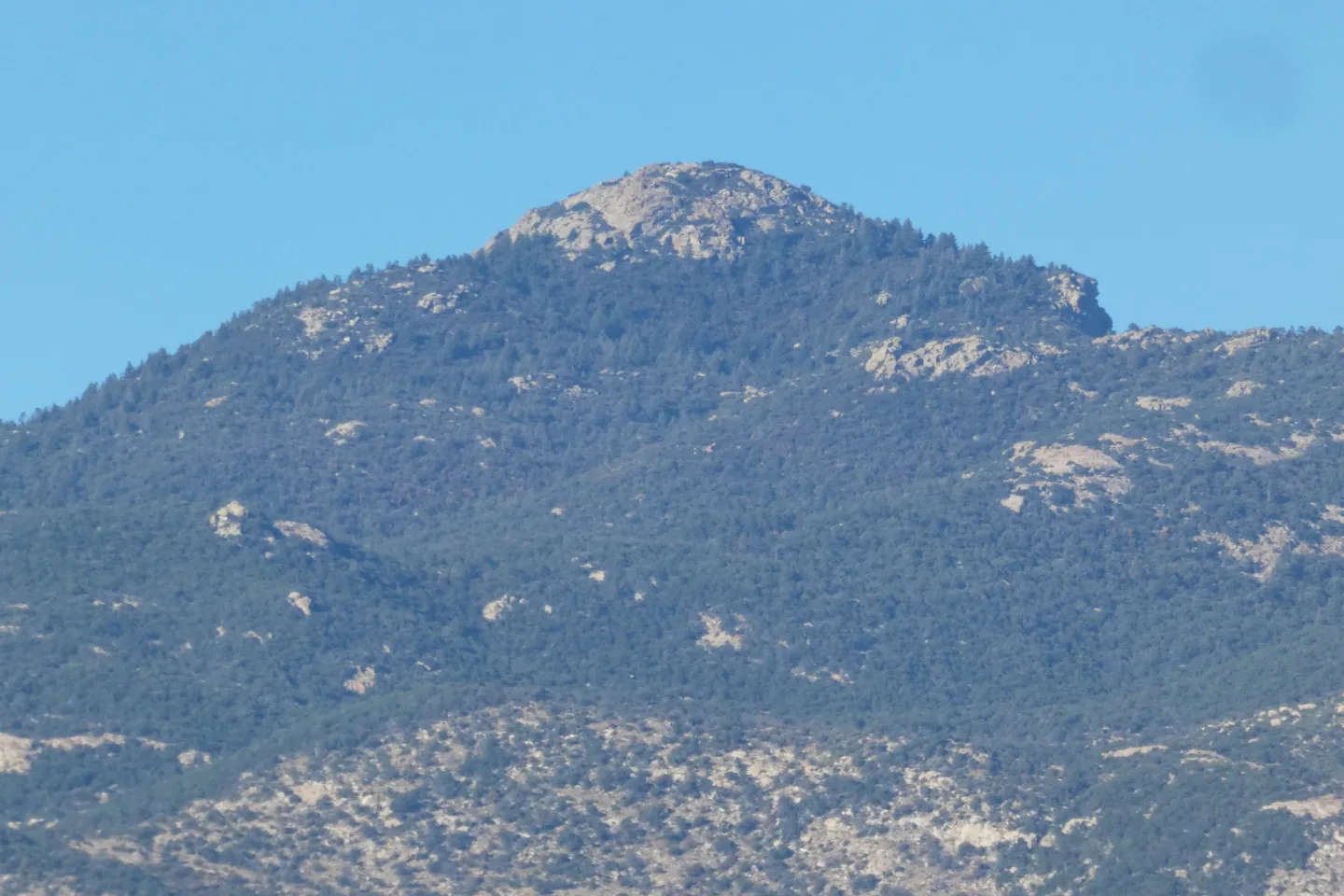
Manning Camp (≈7,920 ft, Passage 9) is the premier high-country site: a reliable year-round spring, and a designated Saguaro NP backcountry camp requiring a recreation.gov permit. It's the most coveted reservation on the stretch — book early.
Camp: Redington Road dispersed
Near the Passage 9/10 boundary around Redington Road, dispersed camping is allowed on the surrounding Coronado National Forest land with no permit — but there's no water. It's a legal, primitive option once you're out of Saguaro National Park's no-dispersed-camping zone.
Camp: Molino Basin
Molino Basin Campground (Passage 10) is an established Forest Service site with seasonal water — but the spigots are shut off and the campground typically closes for the summer by the end of April. Don't rely on it for water in the hot months.
Camp: Gordon Hirabayashi
The Gordon Hirabayashi Campground at the Passage 10/11 boundary is an established site requiring no special trail permit, but it has no water. It's a convenient staging point for the Catalina climb — just be sure you've carried enough water in.
Camp: Hutch's Pool
Hutch's Pool (≈3,800 ft, Passage 11) is a popular dispersed campsite beside a perennial pool fed by Sabino Creek — water, a swimming hole, and shade. It sits at the base of the vertical-mile climb to Romero Pass, making it a natural place to camp before the big ascent.
Saguaro NP backcountry permits
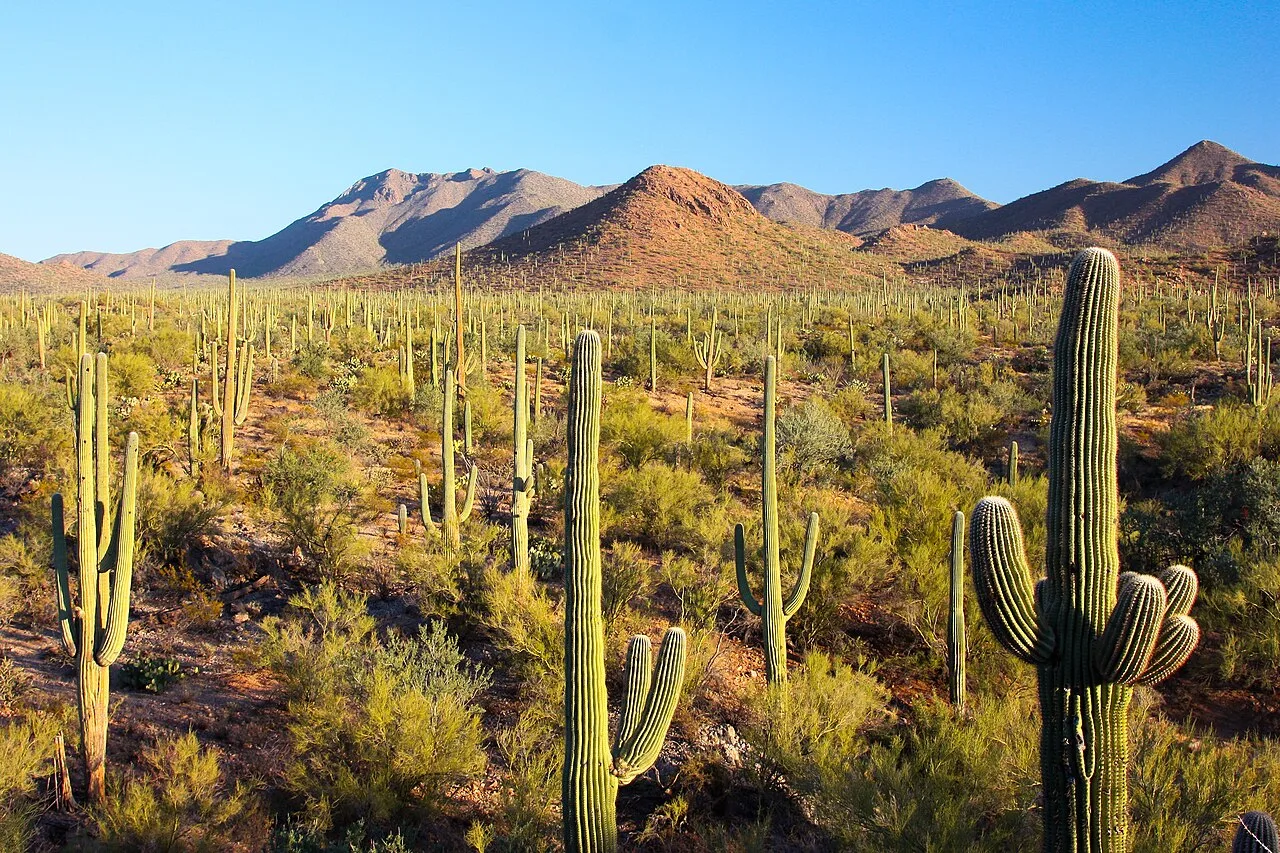
Saguaro National Park strictly enforces backcountry permits and reservations for its designated sites, including Manning Camp and Grass Shack. Reserve through recreation.gov before your hike — there is no legal dispersed camping in the park, so a permit is mandatory to overnight in the Rincons.
Cienega Creek permit
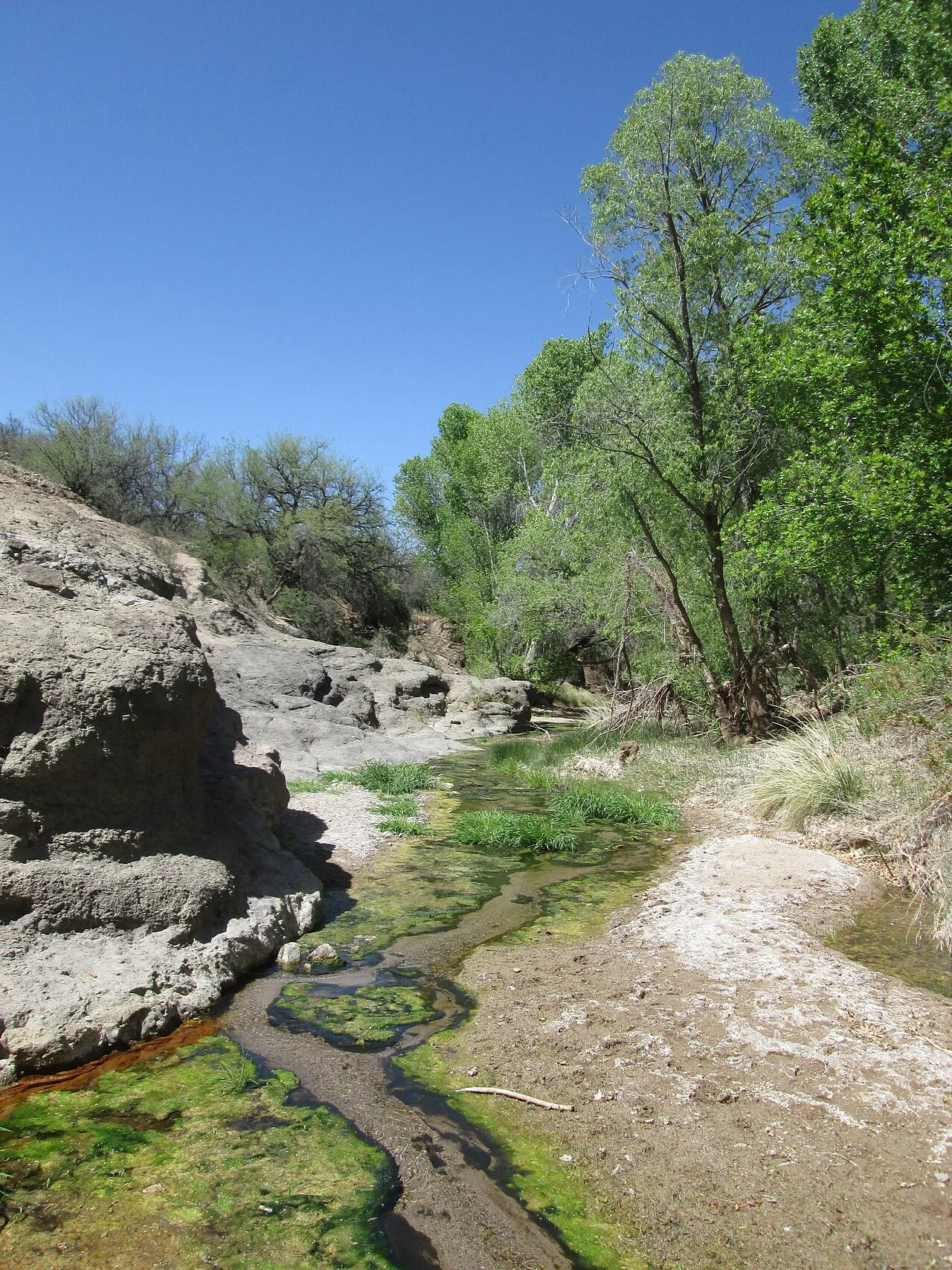
The Cienega Creek Natural Preserve requires a permit if you step off the designated Arizona Trail route. Through-hikers staying on the AZT are fine, but exploring the wider preserve — or camping there — needs the proper Pima County permit.
Colossal Cave fees
Colossal Cave Mountain Park charges an entry fee and requires hikers to stay in designated campgrounds if they stop there. Budget for the fee if you plan to use its water or camp — it's a county park, not free public land.
Best seasons to hike
The best windows for this stretch are fall, winter, and spring — anything to avoid the deadly summer heat of the low desert passages. Spring and fall balance manageable desert temperatures with passable (not snowbound) high country; mid-summer is dangerous below the pines.
Plan to reach a legal camp
Because Saguaro National Park forbids dispersed camping, you must plan daily mileage to reach a designated site — Grass Shack or Manning Camp — within the park. On a 6,000-foot climb with limited options, that planning is the difference between a legal camp and a long, exhausted push.
Matched pairs
Each item on the left goes with the one on the right.
- Saguaro NP backcountry permits
- Reserved through recreation.gov before the hike
- Colossal Cave Mountain Park
- Charges an entry fee for hikers who stop there
Self-test
Answer each question from memory, then check your work against the answer key.
1. ___ in Colossal Cave Mountain Park (Passage 8) offers reliable park water and a legal place to camp early in the stretch. A park fee is required, but it's a convenient, established site before the Rincon climb.
- AEl Bosquecito Campground
- BGrass Shack Campground
- CMolino Basin Campground
- DGordon Hirabayashi Campground
2. ___, also in Colossal Cave Mountain Park (Passage 8), has reliable park water and a fee. Like El Bosquecito, it's a dependable early stop with facilities — useful for staging the long ascent into Saguaro National Park.
- AGrass Shack
- BManning Camp
- CMolino Basin Campground
- DLa Selvilla Campground
3. El Bosquecito and La Selvilla campgrounds are both located in which park along the early part of this stretch?
- ASaguaro National Park
- BCoronado National Forest
- CColossal Cave Mountain Park
- DCienega Creek Natural Preserve
4. Molino Basin Campground typically shuts its spigots and closes for the summer by the end of which month?
- AFebruary
- BApril
- CJune
- DSeptember
5. Which of these is NOT an established campground on this stretch, but rather a popular dispersed site?
- AHutch's Pool
- BLa Selvilla
- CEl Bosquecito
- DMolino Basin
6. How must hikers reserve Saguaro National Park's designated backcountry sites like Manning Camp?
- ABy walking up at the trailhead
- BWith a Pima County permit
- CThrough recreation.gov
- DAt a Coronado Forest ranger station
7. Which two designated Saguaro National Park backcountry sites require a recreation.gov permit?
- AEl Bosquecito and La Selvilla
- BManning Camp and Grass Shack
- CRedington Road and Gordon Hirabayashi
- DMolino Basin and Hutch's Pool
8. Why is a reserved permit mandatory to overnight in the Rincons within Saguaro National Park?
- AFires require a separate permit
- BThe park closes to hikers at night
- CWater is sold only at reserved sites
- DThere is no legal dispersed camping in the park
9. Which statement about camping in Saguaro National Park is FALSE?
- AManning Camp and Grass Shack are designated sites
- BManning Camp is the most coveted reservation
- CDispersed camping is allowed once you get a permit
- DReservations are made through recreation.gov
10. Manning Camp is the most coveted reservation on the stretch. What should hikers do about it?
- AReserve it early, well before the hike
- BClaim it on arrival at the site
- CBook it through Pima County
- DSkip a reservation if you arrive early in the day
11. The Cienega Creek Natural Preserve requires a permit from which authority if you step off the designated AZT route?
- ACoronado National Forest
- BPima County
- CThe National Park Service
- Drecreation.gov
12. What does Colossal Cave Mountain Park require of hikers who stop there?
- ANothing — dispersed camping is free
- BCarry a Pima County off-trail permit
- CObtain a recreation.gov backcountry permit
- DPay an entry fee and stay in designated campgrounds
13. When does the Cienega Creek Natural Preserve permit requirement kick in for a hiker?
- AOnly during the summer months
- BFor every through-hiker on the trail
- CWhen stepping off the designated AZT route
- DWhenever drawing water from the creek
14. Which statement about fees and permits at Colossal Cave Mountain Park and the Cienega Creek Natural Preserve is correct?
- AColossal Cave charges a camping fee; Cienega Creek requires a permit to step off the AZT
- BColossal Cave charges a camping fee; Cienega Creek requires a permit for all AZT hikers
- CColossal Cave requires a permit to step off the AZT; Cienega Creek charges a camping fee
- DColossal Cave has no fee; Cienega Creek requires a permit to step off the AZT
15. Which of these actions on the stretch requires paying a fee?
- AStaging at Gordon Hirabayashi Campground
- BStopping to camp or use water at Colossal Cave
- CStaying on the AZT through Cienega Creek
- DCamping at the Redington Road dispersed site
Go deeper
Answer key
- 1. A El Bosquecito CampgroundCompare: Molino Basin Campground — a Forest Service site in the connector, with seasonal water. Gordon Hirabayashi Campground — at the Passage 10/11 boundary, with no water. Grass Shack Campground — a Saguaro National Park backcountry site with seasonal water, booked on recreation.gov.
- 2. D La Selvilla CampgroundCompare: Molino Basin Campground — a Forest Service site in the connector, with seasonal water. Grass Shack — a Saguaro National Park backcountry site requiring a recreation.gov permit. Manning Camp — the premier high-country site, also booked on recreation.gov.
- 3. C Colossal Cave Mountain ParkBoth El Bosquecito and La Selvilla are established campgrounds in Colossal Cave Mountain Park (Passage 8), each with reliable park water and a fee. Saguaro NP has only backcountry sites; the others aren't where these campgrounds sit.
- 4. B AprilMolino Basin is a Forest Service site with only seasonal water; its spigots are turned off and it closes for the summer by the end of April, so it can't be relied on for water in the hot months.
- 5. A Hutch's PoolHutch's Pool is a dispersed campsite beside a perennial pool, not an established campground. El Bosquecito, La Selvilla, and Molino Basin are all established, developed campgrounds.
- 6. C Through recreation.govSaguaro NP strictly enforces backcountry permits and reservations, all booked through recreation.gov before the hike. Pima County covers Cienega Creek, not Saguaro's sites.
- 7. B Manning Camp and Grass ShackManning Camp and Grass Shack are the park's designated sites, both requiring recreation.gov permits. The others sit outside Saguaro NP on county, Forest Service, or dispersed land.
- 8. D There is no legal dispersed camping in the parkSaguaro NP allows no legal dispersed camping, so the only way to camp overnight in the Rincons is a reserved permit for a designated site. The other statements aren't the park's rule.
- 9. C Dispersed camping is allowed once you get a permitThere is NO legal dispersed camping in Saguaro NP, permit or not — you must use a designated site. The other three statements are all accurate.
- 10. A Reserve it early, well before the hikeManning Camp is the most coveted recreation.gov reservation on the stretch, so it should be booked early — well ahead of the hike. It can't be claimed on arrival, and it's a Saguaro NP site, not a Pima County one.
- 11. B Pima CountyCienega Creek is a Pima County natural preserve, so stepping off the AZT there — or camping — requires a Pima County permit. Saguaro NP's backcountry sites are instead reserved through recreation.gov.
- 12. D Pay an entry fee and stay in designated campgroundsColossal Cave charges an entry fee and requires hikers who stop to stay in its designated campgrounds — it's a county park, not free public land. recreation.gov and Pima County govern other areas.
- 13. C When stepping off the designated AZT routeThrough-hikers staying on the AZT are fine; the Pima County permit is only needed if you step off the designated route to explore the wider preserve or camp there.
- 14. A Colossal Cave charges a camping fee; Cienega Creek requires a permit to step off the AZTColossal Cave Mountain Park has a camping fee, and hikers who stop there must stay in its designated campgrounds (La Selvilla or El Bosquecito). The Cienega Creek Natural Preserve needs a Pima County permit only if you step off the designated AZT route. The two rules belong to different places.
- 15. B Stopping to camp or use water at Colossal CaveColossal Cave Mountain Park charges an entry fee to stop, camp, or use its water. Redington Road dispersed camping needs no permit, Gordon Hirabayashi needs no special trail permit, and staying on the AZT through Cienega Creek is fine.
Image credits
- Camp: Manning Camp: Wikimedia Commons · Raquel Baranow · CC BY 2.0 — commons.wikimedia.org/wiki/File:Rincon_Peak.jpg
- Saguaro NP backcountry permits: Joe Parks from Berkeley, CA · CC BY 2.0 — commons.wikimedia.org/wiki/File:Saguaro_National_Park_-_Flickr_-_Joe_Parks.jpg
- Cienega Creek permit: Wikimedia Commons · $1LENCE D00600D · CC BY-SA 3.0 — commons.wikimedia.org/wiki/File:Cienega_Creek_Natural_Preserve_Pima_County_Arizona_2014.jpg


