
AZT: Rincons & Catalinas study guide · Lesson 17 of 19
History and Culture
People, places and geology
This is the lesson's study guide from the FlashFeed app, plus its key facts and a self-test.
What you'll be able to do
- Explain the deep origins of the range and its Spanish name — the ~30-million-year granite core-complex uplift and Kino's ~1697 naming for St. Catherine.
- Recognize the O'odham name 'Babad Do'ag' (Frog Mountain), predating the Spanish name for the Catalinas.
- Identify the historical figures the trail's landmarks honor — Gabe Zimmerman, Gordon Hirabayashi, and Buffalo Bill Cody.
The ground under this trail carries deep human and geological history, and knowing it changes how the miles feel. The names on the map — a trailhead, a campground, a ranch, a mountain range — each open onto a story: of civil rights and conscience, of frontier showmen and territorial post offices, of indigenous peoples and the slow rise of granite from miles below. This lesson gathers those stories.
People, places and geology
The stretch is bracketed by two namesakes worth knowing. At the southern end, the Gabe Zimmerman Trailhead honors an aide to U.S. Representative Gabrielle Giffords — an avid hiker who helped win the AZT's 2009 designation as a National Scenic Trail, and who was killed in the January 8, 2011 Tucson shooting, the first congressional staffer slain in the line of duty. A mural and one of his poems are set in stone at the trailhead. Farther north, Gordon Hirabayashi Campground carries an even heavier history. Hirabayashi was a Japanese-American student who in 1942 defied the wartime curfew and internment orders as unconstitutional. Convicted, he was sent to the very prison camp in these mountains — reportedly hitchhiking there himself to serve his sentence. His conviction was overturned in 1987, and in 1999 the Forest Service renamed the campground in his honor; he attended the dedication.
That campground sits on the site of the Catalina Federal Honor Camp, a minimum-security prison with no fence — its boundary simply marked by white-painted rocks — whose inmates built much of the Catalina Highway by hand beginning in the late 1930s. The camp held draft resisters, conscientious objectors, and Japanese Americans, and closed in 1951 when the road was finished; foundations and interpretive panels remain at the renamed site. The trail's northern end holds frontier history of a different flavor. Near where Passage 12 ends, the American Flag Ranch house, built in 1877, became the American Flag Post Office in 1880 and is believed to be the oldest standing territorial post-office building in Arizona. And just off the Oracle Ridge Trail stands La Casa del High Jinks, the ranch tied to Buffalo Bill Cody, who staked the High Jinks gold mine here in April 1912 and kept a cabin until his death in 1917; the Pueblo-style house, completed in 1928, is on the National Register of Historic Places.
Beneath all of it lies the deep story. The Catalinas and Rincons form the Catalina–Rincon metamorphic core complex: starting about 30 million years ago, a mass of granite rose from miles deep along the Catalina Detachment Fault, doming upward and exposing ancient schists and gneisses beside younger granite. That uplift is the reason hikers scramble over sculpted granite boulders through Passages 9 to 11. The human names are older still in places — the Tohono O'odham knew the Santa Catalinas as Babad Do'ag, "Frog Mountain," long before the Jesuit missionary Eusebio Francisco Kino named them around 1697 for St. Catherine of Alexandria. Walking this stretch, you move through all of these layers at once: bedrock raised from the depths, indigenous homeland, frontier outpost, and a 21st-century trail named for people who gave something to it.
Key concepts
Gordon Hirabayashi
- A Japanese-American student whose principled World War II stand is memorialized by a campground on this trail.
- In 1942 he defied the wartime curfew and internment orders as unconstitutional, and was sent to a prison in these very mountains.
- Reportedly hitchhiking to serve his sentence, he saw his conviction overturned in 1987 and attended the 1999 dedication renaming the site for him.
Buffalo Bill Cody
- A celebrated frontier showman whose name attaches to a Pueblo-style ranch house off the Oracle Ridge Trail.
- In April 1912 he staked the High Jinks gold mine here and kept a cabin nearby until his death in 1917.
- His La Casa del High Jinks, completed in 1928, now sits on the National Register of Historic Places.
Eusebio Francisco Kino
- A European missionary who left his mark on this region's map late in the 1600s.
- Around 1697 he named the Santa Catalinas for St. Catherine of Alexandria.
- This Jesuit's Spanish name for the range came long after the Tohono O'odham's 'Frog Mountain.'
Gabe Zimmerman
- An avid hiker and congressional aide honored by a trailhead at the southern end of this stretch.
- He helped win the trail's 2009 National Scenic Trail designation while working for U.S. Rep. Gabrielle Giffords.
- Killed in the January 8, 2011 Tucson shooting — the first congressional staffer slain in the line of duty — he's remembered by a mural and a poem set in stone.
Key facts
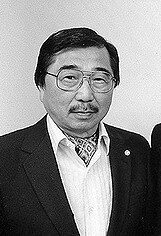
Gordon Hirabayashi, resister of conscience
Gordon Hirabayashi was a Japanese-American student who in 1942 defied the WWII curfew and internment orders as unconstitutional. Convicted, he was sent to the prison camp in these mountains — reportedly hitchhiking there himself. His conviction was overturned in 1987, and in 1999 the Forest Service renamed the campground in his honor; he attended the dedication.
The Catalina Federal Honor Camp
Beginning in the late 1930s, inmates of the Catalina Federal Honor Camp — a minimum-security prison with no fence, its boundary marked by white-painted rocks — built much of the Catalina Highway by hand. It held draft resisters, conscientious objectors, and Japanese Americans. The camp closed in 1951 when the road was finished; foundations and interpretive panels remain at the renamed site.
American Flag Ranch — a territorial relic
The American Flag Ranch house, built in 1877, became the American Flag Post Office in 1880 and is believed to be the oldest standing territorial post-office building in Arizona. Passage 12 ends here; the site is on the National Register of Historic Places and is cared for by the Oracle Historical Society.
Matched pairs
Each item on the left goes with the one on the right.
- Babad Do'ag
- The Tohono O'odham name for the Santa Catalina Mountains ('Frog Mountain')
- Who named the Santa Catalina Mountains
- Jesuit missionary Eusebio Francisco Kino, around 1697, for St. Catherine of Alexandria
Self-test
Answer each question from memory, then check your work against the answer key.
1. About when did the granite of the Catalina–Rincon metamorphic core complex begin rising toward the surface?
- AAbout 3 million years ago
- BAbout 300 million years ago
- CAbout 30 million years ago
- DAbout 300,000 years ago
2. Who named the Santa Catalina Mountains, and for whom were they named?
- AJesuit missionary Eusebio Francisco Kino, for St. Catherine of Alexandria
- BJesuit missionary Francisco Garcés, for St. Catherine of Siena
- CFranciscan friar Junípero Serra, for St. Clare of Assisi
- DConquistador Francisco Coronado, for the Virgin of Guadalupe
3. Around what year did the Jesuit missionary give the Santa Catalina Mountains their Spanish name?
- AAround 1540
- BAround 1775
- CAround 1848
- DAround 1697
4. Along which fault did the granite mass rise from miles deep to form the core complex?
- AThe San Andreas Fault
- BThe Catalina Detachment Fault
- CThe Sonoran Rift Fault
- DThe Rincon Thrust Fault
5. What geological formation do the Catalinas and Rincons together make up?
- AA coastal batholith terrane
- BA layered sedimentary basin
- CThe Catalina–Rincon metamorphic core complex
- DA collapsed volcanic caldera field
6. What does the O'odham name 'Babad Do'ag' mean?
- AFrog Mountain
- BBear Mountain
- CSky Island
- DThunder Peak
7. Which people knew the Santa Catalina Mountains as Babad Do'ag?
- AThe Navajo
- BThe Hopi
- CThe Western Apache
- DThe Tohono O'odham
8. Babad Do'ag was the indigenous name for which mountain range?
- AThe Superstition Mountains
- BThe Santa Catalina Mountains
- CThe Rincon Mountains
- DThe Santa Rita Mountains
9. How does the name Babad Do'ag relate to the range's Spanish name?
- AIt was a direct translation of the Spanish name
- BIt was coined by the missionary Kino
- CIt predates the Spanish name by centuries
- DIt replaced the Spanish name in 1697
10. Which statement about Babad Do'ag is NOT true?
- AIt predates the Spanish name given around 1697
- BIt means 'St. Catherine' in the O'odham language
- CThe Tohono O'odham used it for the Santa Catalinas
- DIt means 'Frog Mountain'
11. Gabe Zimmerman, the southern trailhead's namesake, was an aide to which member of Congress?
- AGabrielle Giffords
- BRaúl Grijalva
- CBarbara Lee
- DJohn Lewis
12. Gordon Hirabayashi is honored for defying what during World War II?
- AThe military draft for the Pacific front
- BWartime food rationing rules
- CMandatory factory conscription
- DThe curfew and Japanese-American internment orders
13. What did Buffalo Bill Cody stake near Oracle in April 1912?
- AThe High Jinks gold mine
- BA silver claim on Oracle Ridge
- CA stagecoach relay station
- DA cattle homestead
14. Which trail landmark was renamed to honor a man who resisted wartime internment?
- ALa Casa del High Jinks
- BGordon Hirabayashi Campground
- CAmerican Flag Ranch
- DGabe Zimmerman Trailhead
15. Which pairing of a landmark and the person it honors is NOT correct?
- AGordon Hirabayashi Campground — a WWII resister of conscience
- BGabe Zimmerman Trailhead — a Giffords aide and hiker
- CAmerican Flag Post Office — Buffalo Bill Cody
- DLa Casa del High Jinks — Buffalo Bill Cody
Go deeper
Answer key
- 1. C About 30 million years agoStarting about 30 million years ago, a mass of granite rose from miles deep along the Catalina Detachment Fault, doming upward and exposing ancient schists and gneisses — the reason hikers scramble over sculpted granite boulders through Passages 9–11.
- 2. A Jesuit missionary Eusebio Francisco Kino, for St. Catherine of AlexandriaThe Jesuit missionary Eusebio Francisco Kino named the range around 1697 for St. Catherine of Alexandria. Serra and Coronado are the wrong era or order.
- 3. D Around 1697Kino named the Catalinas around 1697. The other dates belong to other Southwest events (Coronado's 1540 expedition, later missions, the Mexican Cession).
- 4. B The Catalina Detachment FaultThe granite rose along the Catalina Detachment Fault, doming upward and exposing ancient schists and gneisses. The others are unrelated or invented faults.
- 5. C The Catalina–Rincon metamorphic core complexThe ranges form the Catalina–Rincon metamorphic core complex, where deep granite domed up beside ancient schists and gneisses — not a caldera, basin, or coastal batholith.
- 6. A Frog MountainBabad Do'ag translates to 'Frog Mountain,' the Tohono O'odham name for the Santa Catalinas long before the Spanish name.
- 7. D The Tohono O'odhamThe Tohono O'odham called the range Babad Do'ag ('Frog Mountain'). The Apache, Hopi, and Navajo are other Southwest peoples not tied to this name.
- 8. B The Santa Catalina MountainsBabad Do'ag names the Santa Catalinas specifically. The Rincons, Santa Ritas, and Superstitions are other Arizona ranges.
- 9. C It predates the Spanish name by centuriesThe O'odham knew the range as Babad Do'ag long before Kino gave it a Spanish name around 1697 — so the indigenous name is far older, not a translation or a later coinage.
- 10. B It means 'St. Catherine' in the O'odham languageBabad Do'ag means 'Frog Mountain,' not 'St. Catherine' — St. Catherine is the source of the later Spanish name. The other three statements are all accurate.
- 11. A Gabrielle GiffordsZimmerman was an aide to Representative Gabrielle Giffords and was killed in the January 8, 2011 Tucson shooting — the first congressional staffer slain in the line of duty.
- 12. D The curfew and Japanese-American internment ordersIn 1942 Hirabayashi defied the wartime curfew and internment orders as unconstitutional; his conviction was overturned in 1987, and the campground was renamed for him in 1999.
- 13. A The High Jinks gold mineCody staked the High Jinks gold mine near Oracle on April 14, 1912, and kept a cabin there until his death in 1917; La Casa del High Jinks stands near the site.
- 14. B Gordon Hirabayashi CampgroundThe Forest Service renamed the campground for Gordon Hirabayashi in 1999. The trailhead honors Zimmerman; the ranch and La Casa del High Jinks are frontier-era sites.
- 15. C American Flag Post Office — Buffalo Bill CodyThe American Flag Post Office (built 1877) is a territorial relic, not tied to Cody. Cody is linked to La Casa del High Jinks; the other two pairings are correct.
Image credits
- Gordon Hirabayashi, resister of conscience: Wikimedia Commons · Courtesy of the Korematsu family · CC BY 2.0 — commons.wikimedia.org/wiki/File:Gordon_Hirabayashi.jpg
